

Glycemic control with empagliflozin, a novel selective SGLT2 inhibitor, ameliorates cardiovascular injury and cognitive dysfunction in obese and type 2 diabetic mice
Open accessThe DOI matches its Crossref record; 45 of the 45 references it cites were found in a registry or an index.
Abstract
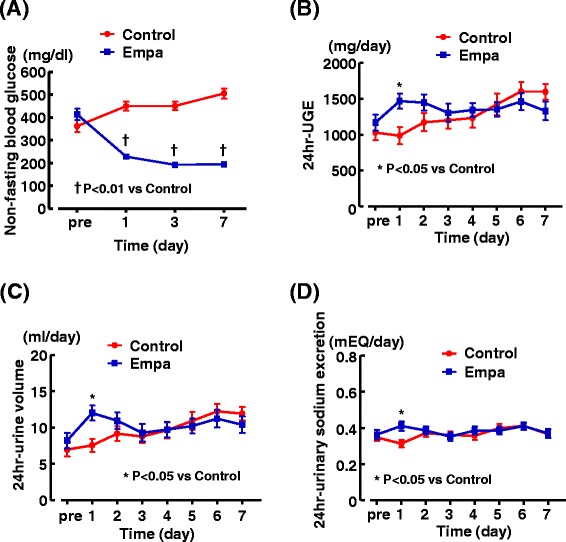
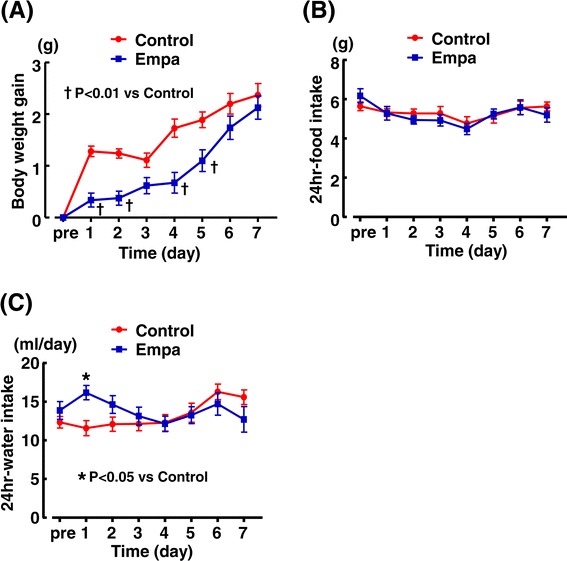
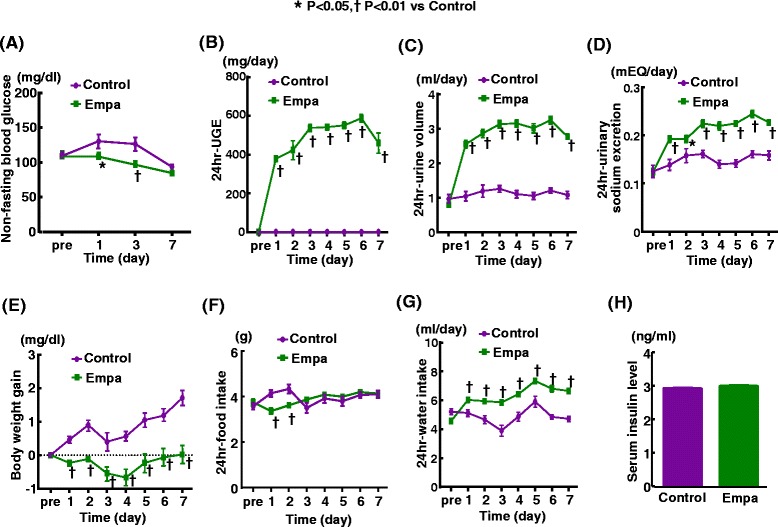
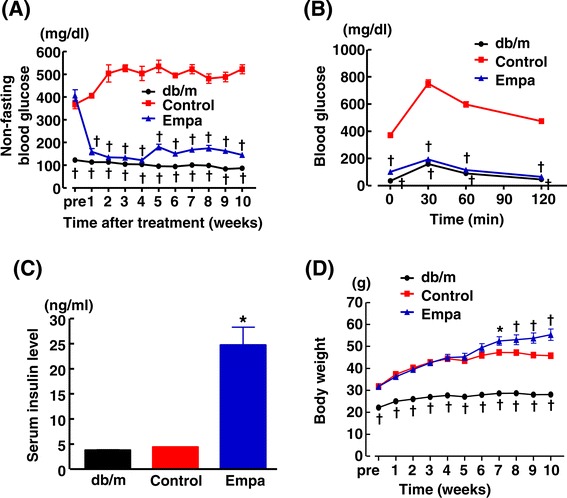
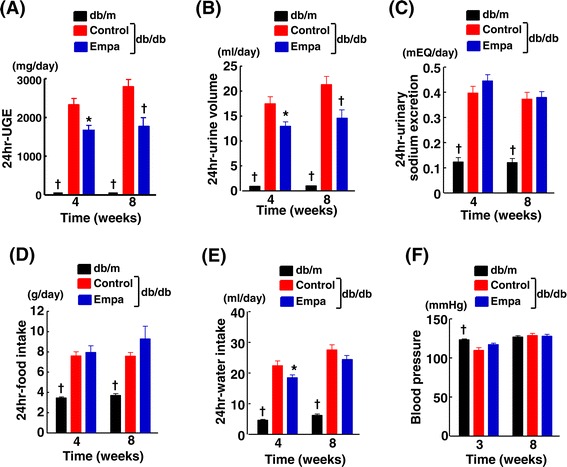
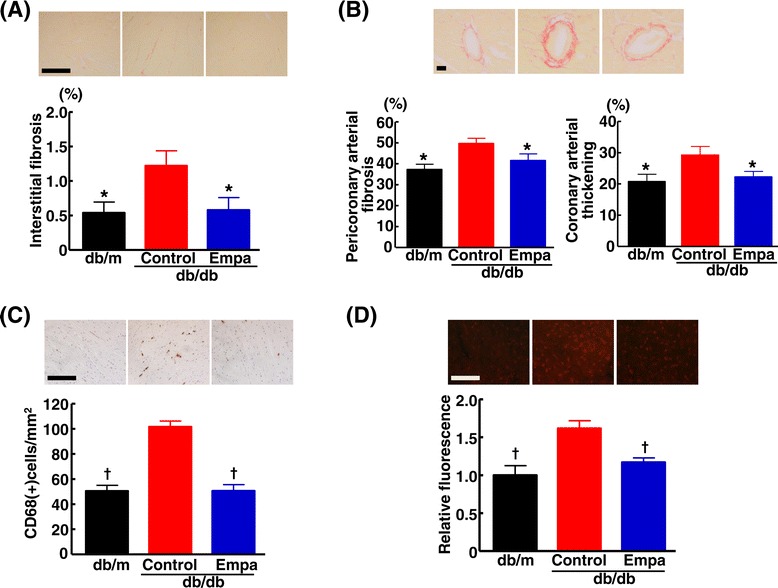
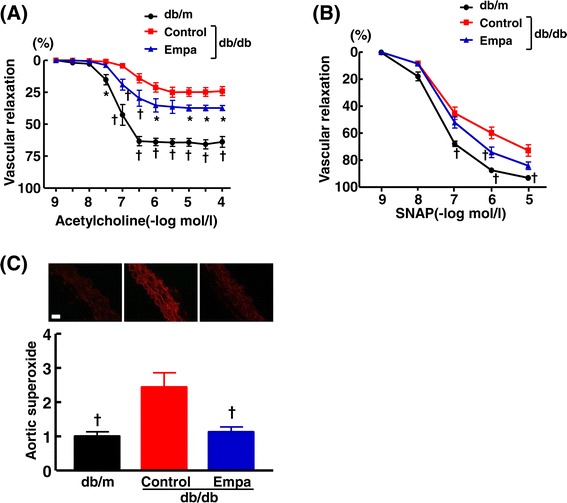
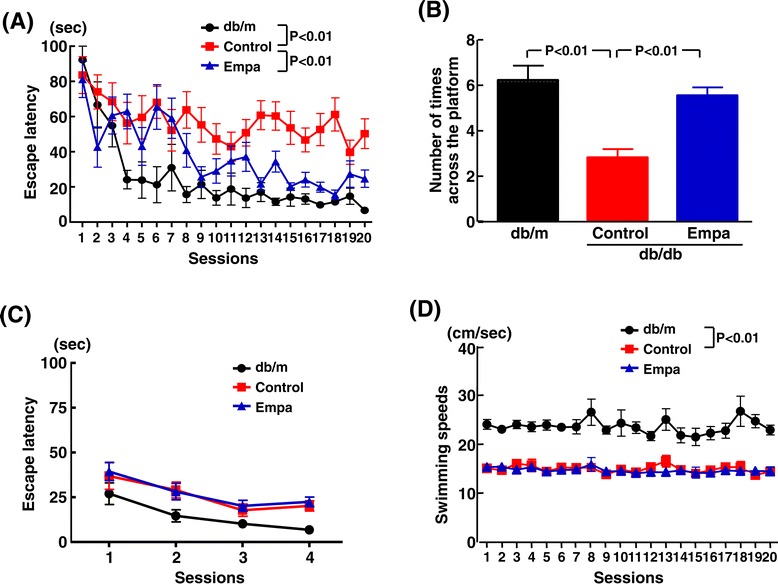
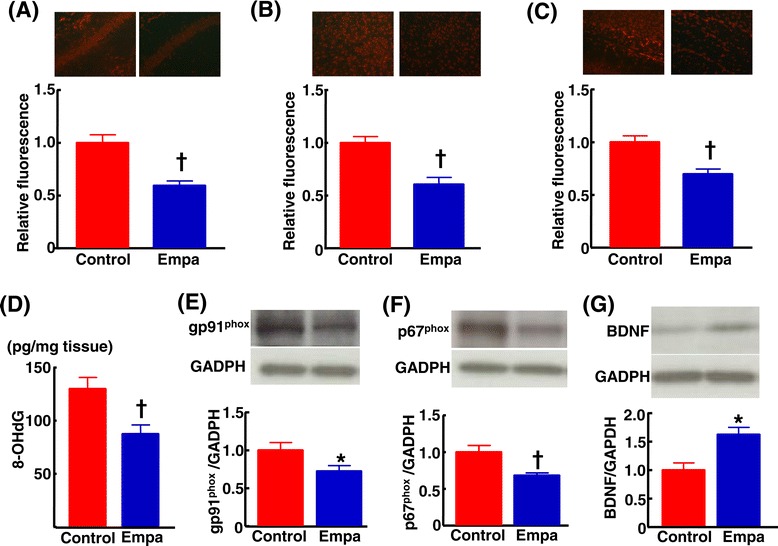
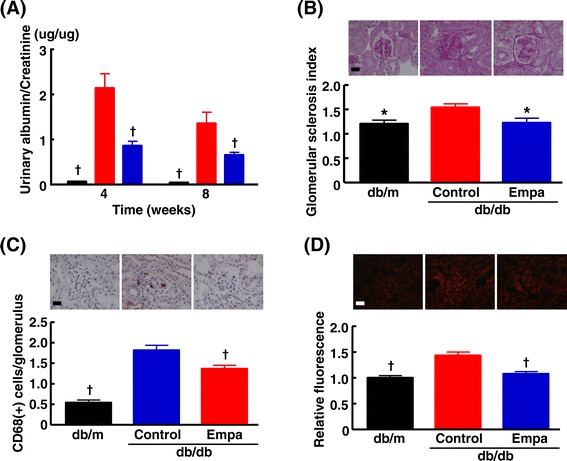
BACKGROUND: There has been uncertainty regarding the benefit of glycemic control with antidiabetic agents in prevention of diabetic macrovascular disease. Further development of novel antidiabetic agents is essential for overcoming the burden of diabetic macrovascular disease. The renal sodium glucose co-transporter 2 (SGLT2) inhibitor is a novel antihyperglycemic agent for treatment of type 2 diabetes. This work was performed to determine whether empagliflozin, a novel SGLT2 inhibitor, can ameliorate cardiovascular injury and cognitive decline in db/db mouse, a model of obesity and type 2 diabetes. METHODS: (1) Short-term experiment: The first experiment was performed to examine the effect of 7 days of empagliflozin treatment on urinary glucose excretion and urinary electrolyte excretion in db/db mice. (2) Long-term experiment: The second experiment was undertaken to examine the effect of 10 weeks of empagliflozin treatment on cardiovascular injury, vascular dysfunction, cognitive decline, and renal injury in db/db mice. RESULTS: (1) Short-term experiment: Empagliflozin administration significantly increased urinary glucose excretion, urine volume, and urinary sodium excretion in db/db mice on day 1, but did not increase these parameters from day 2. However, blood glucose levels in db/db mice were continuously decreased by empagliflozin throughout 7 days of the treatment. (2) Long-term experiment: Empagliflozin treatment caused sustained decrease in blood glucose in db/db mice throughout 10 weeks of the treatment and significantly slowed the progression of type 2 diabetes. Empagliflozin significantly ameliorated cardiac interstitial fibrosis, pericoronary arterial fibrosis, coronary arterial thickening, cardiac macrophage infiltration, and the impairment of vascular dilating function in db/db mice, and these beneficial effects of empagliflozin were associated with attenuation of oxidative stress in cardiovascular tissue of db/db mice. Furthermore, empagliflozin significantly prevented the impairment of cognitive function in db/db mice, which was associated with the attenuation of cerebral oxidative stress and the increase in cerebral brain-derived neurotrophic factor. Empagliflozin ameliorated albuminuria, and glomerular injury in db/db mice. CONCLUSIONS: Glycemic control with empagliflozin significantly ameliorated cardiovascular injury and remodeling, vascular dysfunction, and cognitive decline in obese and type 2 diabetic mice. Thus, empagliflozin seems to be potentially a promising therapeutic agent for diabetic macrovascular disease and cognitive decline.
Overview
The claims and statistics of this paper haven’t been checked yet.
Free: it reads the open-access text and checks the first 5 claims that cite a source we can check. Create a free account to check every claim.
Integrity signals
Registry
Cites
Statistics
Figures
Verification
Claims the paper makes
The claims and statistics of this paper haven’t been checked yet.
Free: it reads the open-access text and checks the first 5 claims that cite a source we can check. Create a free account to check every claim.
Claims other papers make about this one
Each is checked against this paper’s own text: does it say what the citing paper says it does?
In the citing paper
“Another promising effect SGLT2i exert on the central nervous system was described by Lin B. et al., for empagliflozin, which significantly increased cerebral BDNF (Brain-derived neurotrophic factor) levels in db/db mice (Table 1). Moreover, this effect was accompanied by improvement in cognitive functions [31].”
From Neuroprotective effect of SGLT2 inhibitors. (2021) · cites this paper as [31]
Self-check
Percentages, sums and reported differences re-computed from the paper’s own numbers.
The self-check needs the paper’s full text.
Citations
Cites
Stratton, I. M. (2000) · BMJ · doi:10.1136/bmj.321.7258.405 · Cited by 9,059 · cited 3×
“Previous large clinical trials have established that strict glycemic control significantly reduces diabetic microvascular complications such as nephropathy or retinopathy [3-5].”
Effects of Intensive Glucose Lowering in Type 2 Diabetes
(2008) · New England Journal of Medicine · doi:10.1056/nejmoa0802743 · Cited by 7,888
10-year follow-up of intensive glucose control in type 2 diabetes
Holman, R. R., Paul, S. K., Bethel, M. A., Matthews, D. R., & Neil, H. A. W. (2008) · New England Journal of Medicine · doi:10.1056/nejmoa0806470 · Cited by 7,751 · cited 3×
“Previous large clinical trials have established that strict glycemic control significantly reduces diabetic microvascular complications such as nephropathy or retinopathy [3-5].”
The Emerging Risk Factors Collaboration (2010) · The Lancet · doi:10.1016/s0140-6736(10)60484-9 · Cited by 5,125 · cited 2×
“Macrovascular disease is the leading cause of mortality in diabetic patients and the burden of cardiovascular disease due to diabetes mellitus has gone on increasing [1,2].”
Saxagliptin and cardiovascular outcomes in patients with type 2 diabetes mellitus
Scirica, B. M., Bhatt, D. L., Braunwald, E., Steg, P. G., Davidson, J., Hirshberg, B., Ohman, P., Frederich, R., Wiviott, S. D., Hoffman, E. B., et al. (2013) · New England Journal of Medicine · doi:10.1056/nejmoa1307684 · Cited by 3,470
Alogliptin after acute coronary syndrome in patients with type 2 diabetes
White, W. B., Cannon, C. P., Heller, S. R., Nissen, S. E., Bergenstal, R. M., Bakris, G. L., Perez, A. T., Fleck, P. R., Mehta, C. R., Kupfer, S., et al. (2013) · New England Journal of Medicine · doi:10.1056/nejmoa1305889 · Cited by 2,502 · cited 2×
“Furthermore, dipeptidyl-peptidase IV inhibitors, a novel class of antidiabetic agent, have been recently reported to fail to improve cardiovascular outcomes in large clinical trials [6,8,12-14].”
Role of Oxidative Stress in Cardiac Hypertrophy and Remodeling
Takimoto, E., & Kass, D. A. (2007) · Hypertension · doi:10.1161/01.hyp.0000254415.31362.a7 · Cited by 770 · cited 1×
“Accumulating evidence [35-37] establish that hyperglycemia enhances tissue oxidative stress which plays a key role in the pathophysiology of diabetes mellitus and its complications.”
Kaneto, H., Kajimoto, Y., Miyagawa, J., Matsuoka, T., Fujitani, Y., Umayahara, Y., Hanafusa, T., Matsuzawa, Y., Yamasaki, Y., & Hori, M. (1999) · Diabetes · doi:10.2337/diabetes.48.12.2398 · Cited by 712 · cited 1×
“Accumulating evidence [35-37] establish that hyperglycemia enhances tissue oxidative stress which plays a key role in the pathophysiology of diabetes mellitus and its complications.”
Increasing Cardiovascular Disease Burden Due to Diabetes Mellitus: The Framingham Heart Study
Fox, C. S., Coady, S., Sorlie, P. D., D’Agostino, R. B., Pencina, M. J., Vasan, R. S., Meigs, J. B., Levy, D., & Savage, P. J. (2007) · Circulation · doi:10.1161/circulationaha.106.658948 · Cited by 656 · cited 2×
“Macrovascular disease is the leading cause of mortality in diabetic patients and the burden of cardiovascular disease due to diabetes mellitus has gone on increasing [1,2].”
Stranahan, A. M., Arumugam, T. V., Cutler, R. G., Lee, K., Egan, J. M., & Mattson, M. P. (2008) · Nature Neuroscience · doi:10.1038/nn2055 · Cited by 611
Grempler, R., Thomas, L., Eckhardt, M., Himmelsbach, F., Sauer, A., Sharp, D. E., Bakker, R. A., Mark, M., Klein, T., & Eickelmann, P. (2012) · Diabetes, Obesity and Metabolism · doi:10.1111/j.1463-1326.2011.01517.x · Cited by 608 · cited 13×
“Empagliflozin significantly reduced aortic superoxide in db/db mice (p 0.01).”
InfluentialBarnett, A. H., Mithal, A., Manassie, J., Jones, R., Rattunde, H., Woerle, H. J., & Broedl, U. C. (2014) · The Lancet Diabetes & Endocrinology · doi:10.1016/s2213-8587(13)70208-0 · Cited by 574
Biessels, G. J., Strachan, M. W. J., Visseren, F. L. J., Kappelle, L. J., & Whitmer, R. A. (2014) · The Lancet Diabetes & Endocrinology · doi:10.1016/s2213-8587(13)70088-3 · Cited by 551 · cited 2×
“Moreover, diabetes is a major risk factor for cognitive decline as well as cardiovascular disease [9-11].”
Vallon, V., Gerasimova, M., Rose, M. A., Masuda, T., Satriano, J., Mayoux, E., Koepsell, H., Thomson, S. C., & Rieg, T. (2014) · American Journal of Physiology-Renal Physiology · doi:10.1152/ajprenal.00520.2013 · Cited by 483 · cited 2×
“A multiple lines of experimental studies [17,20,21] on type 1 or type 2 diabetic animals show that glycemic control with SGLT2 inhibitors reduces the progression of diabetic nephropathy, one of the major microvascular complications attributable to diabetes.”
SGLT2 inhibition in diabetes mellitus: rationale and clinical prospects
Ferrannini, E., & Solini, A. (2012) · Nature Reviews Endocrinology · doi:10.1038/nrendo.2011.243 · Cited by 458 · cited 6×
“Accumulating clinical data show that SGLT2 inhibitors including empagliflozin reduces body weight in type 2 diabetic patients and glucose lowering action of SGLT2 inhibitors is insulin-independent [12-14,31].”
InfluentialImpairment of long-term potentiation and spatial memory in leptin receptor-deficient rodents
Li, X.-L., Aou, S., Oomura, Y., Hori, N., Fukunaga, K., & Hori, T. (2002) · Neuroscience · doi:10.1016/s0306-4522(02)00162-8 · Cited by 440 · cited 1×
“Previous studies [38-40] demonstrate that db/db mice are characterized by impaired cognitive performance, thereby being regarded as a useful model to investigate cognitive decline attributable to diabetes.”
Insulin resistance is associated with the pathology of Alzheimer disease: The Hisayama Study
Matsuzaki, T., Sasaki, K., Tanizaki, Y., Hata, J., Fujimi, K., Matsui, Y., Sekita, A., Suzuki, S. O., Kanba, S., Kiyohara, Y., et al. (2010) · Neurology · doi:10.1212/wnl.0b013e3181eee25f · Cited by 432
Terami, N., Ogawa, D., Tachibana, H., Hatanaka, T., Wada, J., Nakatsuka, A., Eguchi, J., Horiguchi, C. S., Nishii, N., Yamada, H., et al. (2014) · PLoS ONE · doi:10.1371/journal.pone.0100777 · Cited by 341 · cited 2×
“Our present results are in good agreement with previous reports regarding various SGLT2 inhibitors [17-19,41,44] including empagliflozin [16].”
Insulin metabolism and the risk of Alzheimer disease: The Rotterdam Study
Schrijvers, E. M. C., Witteman, J. C. M., Sijbrands, E. J. G., Hofman, A., Koudstaal, P. J., & Breteler, M. M. B. (2010) · Neurology · doi:10.1212/wnl.0b013e3181ffe4f6 · Cited by 328 · cited 2×
“Moreover, diabetes is a major risk factor for cognitive decline as well as cardiovascular disease [9-11].”
Thomson, S. C., Rieg, T., Miracle, C., Mansoury, H., Whaley, J., Vallon, V., & Singh, P. (2012) · American Journal of Physiology-Regulatory, Integrative and Comparative Physiology · doi:10.1152/ajpregu.00357.2011 · Cited by 315 · cited 2×
“A multiple lines of experimental studies [17,20,21] on type 1 or type 2 diabetic animals show that glycemic control with SGLT2 inhibitors reduces the progression of diabetic nephropathy, one of the major microvascular complications attributable to diabetes.”
Monami, M., Nardini, C., & Mannucci, E. (2014) · Diabetes, Obesity and Metabolism · doi:10.1111/dom.12244 · Cited by 284 · cited 4×
“Furthermore, dipeptidyl-peptidase IV inhibitors, a novel class of antidiabetic agent, have been recently reported to fail to improve cardiovascular outcomes in large clinical trials [6,8,12-14].”
InfluentialDinel, A.-L., André, C., Aubert, A., Ferreira, G., Layé, S., & Castanon, N. (2011) · PLoS ONE · doi:10.1371/journal.pone.0024325 · Cited by 264 · cited 1×
“Moreover, we also examined the effect of empagliflozin treatment on cerebral BDNF, since BDNF [32], a key protein promoting memory and survival of neurons, is significantly reduced in diabetic patients and diabetic animals [31,41] including db/db mice [42] and the decrease in cerebral BDNF is shown to be associated wi…”
Efficacy and safety of empagliflozin for type 2 diabetes: a systematic review and meta‐analysis
Liakos, A., Karagiannis, T., Athanasiadou, E., Sarigianni, M., Mainou, M., Papatheodorou, K., Bekiari, E., & Tsapas, A. (2014) · Diabetes, Obesity and Metabolism · doi:10.1111/dom.12307 · Cited by 219 · cited 13×
“Empagliflozin significantly reduced aortic superoxide in db/db mice (p 0.01).”
InfluentialBlood pressure effects of sodium–glucose co-transport 2 (SGLT2) inhibitors
Oliva, R. V., & Bakris, G. L. (2014) · Journal of the American Society of Hypertension · doi:10.1016/j.jash.2014.02.003 · Cited by 219 · cited 2×
“Interestingly, clinical findings on type 2 diabetic patients demonstrate that SGLT2 inhibitors including empagliflozin significantly reduce blood pressure in diabetic patients [13,15].”
Gembardt, F., Bartaun, C., Jarzebska, N., Mayoux, E., Todorov, V. T., Hohenstein, B., & Hugo, C. (2014) · American Journal of Physiology-Renal Physiology · doi:10.1152/ajprenal.00145.2014 · Cited by 189 · cited 2×
“Our present results are in good agreement with previous reports regarding various SGLT2 inhibitors [17-19,41,44] including empagliflozin [16].”
SGLT2 inhibitors in the treatment of type 2 diabetes
Hasan, F. M., Alsahli, M., & Gerich, J. E. (2014) · Diabetes Research and Clinical Practice · doi:10.1016/j.diabres.2014.02.014 · Cited by 173 · cited 7×
“Accumulating clinical data show that SGLT2 inhibitors including empagliflozin reduces body weight in type 2 diabetic patients and glucose lowering action of SGLT2 inhibitors is insulin-independent [12-14,31].”
InfluentialArakawa, K., Ishihara, T., Oku, A., Nawano, M., Ueta, K., Kitamura, K., Matsumoto, M., & Saito, A. (2001) · British Journal of Pharmacology · doi:10.1038/sj.bjp.0703829 · Cited by 160 · cited 3×
“Along with aging, db/db mice are shown to exhibit the exhaustion of pancreatic β-cells because of long-standing glucose toxicity attributed to severe hyperglycemia and subsequently exhibit progressive decrease in serum insulin levels and loss of body weight gain [26,28,44].”
Differential central pathology and cognitive impairment in pre-diabetic and diabetic mice
Ramos‐Rodríguez, J. J., Ortiz, O., Jiménez-Palomares, M., Kay, K. R., Berrocoso, E., Murillo-Carretero, M. I., Perdomo, G., Spires‐Jones, T. L., Cózar‐Castellano, I., Lechuga-Sancho, A. M., et al. (2013) · Psychoneuroendocrinology · doi:10.1016/j.psyneuen.2013.05.010 · Cited by 157 · cited 1×
“Previous studies [38-40] demonstrate that db/db mice are characterized by impaired cognitive performance, thereby being regarded as a useful model to investigate cognitive decline attributable to diabetes.”
Effects of a New SGLT2 Inhibitor, Luseogliflozin, on Diabetic Nephropathy in T2DN Rats
Kojima, N., Williams, J. M., Takahashi, T., Miyata, N., & Roman, R. J. (2013) · Journal of Pharmacology and Experimental Therapeutics · doi:10.1124/jpet.113.203869 · Cited by 142 · cited 3×
“A multiple lines of experimental studies [17,20,21] on type 1 or type 2 diabetic animals show that glycemic control with SGLT2 inhibitors reduces the progression of diabetic nephropathy, one of the major microvascular complications attributable to diabetes.”
Attenuation of Renal Injury in db/db Mice Overexpressing Superoxide Dismutase
DeRubertis, F. R., Craven, P. A., Melhem, M. F., & Salah, E. M. (2004) · Diabetes · doi:10.2337/diabetes.53.3.762 · Cited by 129 · cited 1×
“Accumulating evidence [35-37] establish that hyperglycemia enhances tissue oxidative stress which plays a key role in the pathophysiology of diabetes mellitus and its complications.”
Sodium-Glucose Cotransporter Inhibition Prevents Oxidative Stress in the Kidney of Diabetic Rats
Osorio, H., Coronel, I., Arellano, A., Pacheco, U., Bautista, R., Franco, M., & Escalante, B. (2012) · Oxidative Medicine and Cellular Longevity · doi:10.1155/2012/542042 · Cited by 112 · cited 2×
“Our present results are in good agreement with previous reports regarding various SGLT2 inhibitors [17-19,41,44] including empagliflozin [16].”
Dong, Y.-F., Kataoka, K., Toyama, K., Sueta, D., Koibuchi, N., Yamamoto, E., Yata, K., Tomimoto, H., Ogawa, H., & Kim-Mitsuyama, S. (2011) · Hypertension · doi:10.1161/hypertensionaha.111.173534 · Cited by 109 · cited 1×
“Western blot analysis Western blot analysis of cerebral tissue protein was performed by our previous method described [30].”
Self-citationNavaratna, D., Guo, S.-Z., Hayakawa, K., Wang, X., Gerhardinger, C., & Lo, E. H. (2011) · Diabetes · doi:10.2337/db10-1371 · Cited by 96 · cited 1×
“Moreover, we also examined the effect of empagliflozin treatment on cerebral BDNF, since BDNF [32], a key protein promoting memory and survival of neurons, is significantly reduced in diabetic patients and diabetic animals [31,41] including db/db mice [42] and the decrease in cerebral BDNF is shown to be associated wi…”
Neumiller, J. J. (2014) · Drugs in Context · doi:10.7573/dic.212262 · Cited by 91
Toyama, K., Koibuchi, N., Uekawa, K., Hasegawa, Y., Kataoka, K., Katayama, T., Sueta, D., Ma, M. J., Nakagawa, T., Yasuda, O., et al. (2014) · Arteriosclerosis, Thrombosis, and Vascular Biology · doi:10.1161/atvbaha.113.302440 · Cited by 89 · cited 1×
“Morris water maze test Learning and reference/working memory were evaluated by the Morris water maze (MWM) test, as previously described [29].”
Self-citationNagata, T., Fukuzawa, T., Takeda, M., Fukazawa, M., Mori, T., Nihei, T., Honda, K., Suzuki, Y., & Kawabe, Y. (2013) · British Journal of Pharmacology · doi:10.1111/bph.12269 · Cited by 88 · cited 2×
“Our present results are in good agreement with previous reports regarding various SGLT2 inhibitors [17-19,41,44] including empagliflozin [16].”
Dong, Y., Liu, L., Kataoka, K., Nakamura, T., Fukuda, M., Tokutomi, Y., Nako, H., Ogawa, H., & Kim‐Mitsuyama, S. (2009) · Diabetologia · doi:10.1007/s00125-009-1575-5 · Cited by 80 · cited 2×
“Along with aging, db/db mice are shown to exhibit the exhaustion of pancreatic β-cells because of long-standing glucose toxicity attributed to severe hyperglycemia and subsequently exhibit progressive decrease in serum insulin levels and loss of body weight gain [26,28,44].”
Self-citationEffects of SGLT2 inhibitors on cardiovascular outcomes
Foote, C., Perkovic, V., & Neal, B. (2012) · Diabetes and Vascular Disease Research · doi:10.1177/1479164112441190 · Cited by 77 · cited 1×
“However, no sufficiently powered clinical trial has yet elucidated the benefit of a SGLT2 inhibitor in prevention of diabetic macrovascular and microvascular complications, although large clinical trials to address this issue are now on going [45].”
Yamamoto, E., Lai, Z.-F., Yamashita, T., Tanaka, T., Kataoka, K., Tokutomi, Y., Ito, T., Ogawa, H., & Kim-Mitsuyama, S. (2006) · Journal of Hypertension · doi:10.1097/01.hjh.0000244956.47114.c1 · Cited by 71 · cited 1×
“Dihydroethidium (DHE) was used to evaluate tissue superoxide levels in situ, as described [27].”
Self-citationFukuda, M., Nakamura, T., Kataoka, K., Nako, H., Tokutomi, Y., Dong, Y., Ogawa, H., & Kim‐Mitsuyama, S. (2010) · Journal of Hypertension · doi:10.1097/hjh.0b013e32833366cd · Cited by 63 · cited 4×
“Along with aging, db/db mice are shown to exhibit the exhaustion of pancreatic β-cells because of long-standing glucose toxicity attributed to severe hyperglycemia and subsequently exhibit progressive decrease in serum insulin levels and loss of body weight gain [26,28,44].”
InfluentialSelf-citationUekawa, K., Hasegawa, Y., Ma, M., Nakagawa, T., Katayama, T., Sueta, D., Toyama, K., Kataoka, K., Koibuchi, N., Kawano, T., et al. (2014) · Journal of Stroke and Cerebrovascular Diseases · doi:10.1016/j.jstrokecerebrovasdis.2013.12.004 · Cited by 55 · cited 1×
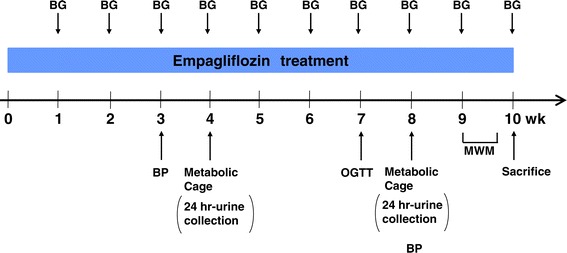
“Experiment III: Effect of empagliflozin administration on cerebral oxidative stresss and brain-derived neurotrophic factor of db/db mice To examine the effect of empagliflozin on cerebral oxidative stress and brain-derived neurotrophic factor (BDNF) in db/db mice, empagliflozin treatment was performed on db/db mice fo…”
Self-citationThomas, L., Grempler, R., Eckhardt, M., Himmelsbach, F., Sauer, A., Klein, T., Eickelmann, P., & Mark, M. (2012) · Diabetes, Obesity and Metabolism · doi:10.1111/j.1463-1326.2011.01518.x · Cited by 50 · cited 1×
“Empagliflozin is a selective inhibitor of SGLT2 with good safety profile and does not require dose adjustments in patients with renal impairment [31-34].”
Ring, A., Brand, T., Macha, S., Breithaupt-Groegler, K., Simons, G., Walter, B., Woerle, H. J., & Broedl, U. C. (2013) · Cardiovascular Diabetology · doi:10.1186/1475-2840-12-70 · Cited by 43
Ridderstråle, M., Svärd, R., Zeller, C., Kim, G., Woerle, H. J., & Broedl, U. C. (2013) · Cardiovascular Diabetology · doi:10.1186/1475-2840-12-129 · Cited by 41 · cited 9×
“These observations provided the evidence supporting that the increase in BDNF as well as the attenuation of oxidative stress appears to be responsible for the mechanism 0 0.5 1.0 1.5 0.5 1.0 1.5 † †† Control Empa (D) (E) (B) (C) (F) (A) 0 0.5 1.0 1.5 0 0.5 1.0 1.5 0g p 91 p h o x /G A D P H 0.5 1.0 1.5 0 R el at iv e…”
InfluentialSingh, A., Donnino, R. M., WEINTRAUB, H. S., & Schwartzbard, A. Z. (2013) · The American Journal of Cardiology · doi:10.1016/j.amjcard.2013.05.044 · Cited by 34 · cited 2×
“On the other hand, to date there has been uncertainty regarding whether any current antihyperglycemic agents can actually reduce cardiovascular event, because most of previous clinical trials indicated no benefit of current antihyperglycemic agents in prevention of cardiovascular disease [3-8].”
Cited by
Li, C., Zhang, J., Xue, M., Li, X., Han, F., Liu, X., Xu, L., Lu, Y., Cheng, Y., Li, T., et al. (2019) · Cardiovascular Diabetology · doi:10.1186/s12933-019-0816-2 · Cited by 580
Lee, T.-M., Chang, N.-C., & Lin, S.-Z. (2017) · Free Radical Biology and Medicine · doi:10.1016/j.freeradbiomed.2017.01.035 · Cited by 504
Chilton, R., Tikkanen, I., Cannon, C. P., Crowe, S., Woerle, H. J., Broedl, U. C., & Johansen, O. E. (2015) · Diabetes, Obesity and Metabolism · doi:10.1111/dom.12572 · Cited by 507
Targeting inflammation to treat diabetic kidney disease: the road to 2030
Rayego-Mateos, S., Rodrigues-Diez, R. R., Fernandez-Fernandez, B., Mora-Fernández, C., Marchant, V., Donate-Correa, J., Navarro-González, J. F., Ortiz, A., & Ruiz-Ortega, M. (2023) · Kidney International · doi:10.1016/j.kint.2022.10.030 · Cited by 366
Obesity cardiomyopathy: evidence, mechanisms, and therapeutic implications
Ren, J., Wu, N. N., Wang, S., Sowers, J. R., & Zhang, Y. (2021) · Physiological Reviews · doi:10.1152/physrev.00030.2020 · Cited by 370
Metadata
- Authors
- Lin, B., Koibuchi, N., Hasegawa, Y., Sueta, D., Toyama, K., Uekawa, K., Ma, M., Nakagawa, T., Kusaka, H., & Kim-Mitsuyama, S.
- Affiliations
- Kumamoto University (JP)
- Venue
- Cardiovascular Diabetology
- Published
- 2014-10-26
- Volume
- 13
- Issue
- 1
- Pages
- 148-148
- ISSN
- 1475-2840 (ISSN-L)
- PMC
- PMC4219031
- OpenAlex
- W2124658554
- Cited by
- 423
- References
- 45
- Citations by year
- 2026: 19 · 2025: 37 · 2024: 40 · 2023: 41 · 2022: 54 · 2021: 58 · 2020: 39 · 2019: 40 · 2018: 33 · 2017: 25 · 2016: 20 · 2015: 15
- FWCI
- 16.10
- Type
- journal article
- Language
- en
- Open access
- gold
- doi.org
- Locations
- Cardiovascular Diabetology (publishedVersion, cc-by)
- PubMed Central (publishedVersion, cc-by)
- PubMed (publishedVersion)
- Topics
- Health Sciences › Medicine › Endocrinology, Diabetes and Metabolism › Diabetes Treatment and Management
- Health Sciences › Medicine › Endocrinology, Diabetes and Metabolism › Diabetes Management and Research
- Health Sciences › Medicine › Nephrology › Chronic Kidney Disease and Diabetes
- Keywords
- empagliflozin, SGLT2 inhibitors, type 2 diabetes, obesity, db/db mice, glycemic control, cardiovascular damage, diabetic macrovascular disease, myocardial fibrosis, vascular dysfunction, cognitive decline, oxidative stress, brain-derived neurotrophic factor, albuminuria, kidney injury, urinary glucose excretion, urinary electrolyte excretion, diabetic nephropathy
- MeSH terms
- Sodium-Glucose Transporter 2 Inhibitors, Animals, Benzhydryl Compounds, Blood Glucose, Cardiovascular Diseases, Cognition Disorders, Diabetes Mellitus, Experimental, Diabetes Mellitus, Type 2, Glucosides, Hypoglycemic Agents, Male, Mice, Inbred C57BL, Obesity, Sodium-Glucose Transporter 2
About these checks
Registry, retraction, Cites and statistics results are computed, not judged, with one exception: a printed reference that no index lists is read once by a model before it counts as a citation error. Claims are extracted by a model and kept only when their quote appears verbatim in the text; each cited source is then checked, with a model’s help, for whether it says what the claim relies on. Those verdicts can be wrong — read the claim’s quote and the cited source before relying on one.
Statistics and arithmetic are recomputed, not judged.
Confidence bands are shown only for fields calibrated on our annotated test set. None is calibrated yet, so no band is shown.
What counts as a claim ›How we measure confidence ›How we check this ›
Are you an author, or do you see a problem with this page? Request a review
Data sources
Bibliographic data: Semantic Scholar, OpenAlex, Crossref.
Contains information from the Semantic Scholar Academic Graph Datasets, made available under the ODC Attribution License (ODC-BY 1.0).
Semantic Scholar’s data is described in: Kinney, R., et al. (2023). The Semantic Scholar Open Data Platform. arXiv:2301.10140.
