

Glycemic control with empagliflozin, a novel selective SGLT2 inhibitor, ameliorates cardiovascular injury and cognitive dysfunction in obese and type 2 diabetic mice
Open accessThe DOI matches its Crossref record; 45 of the 45 references it cites were found in a registry or an index.
Abstract
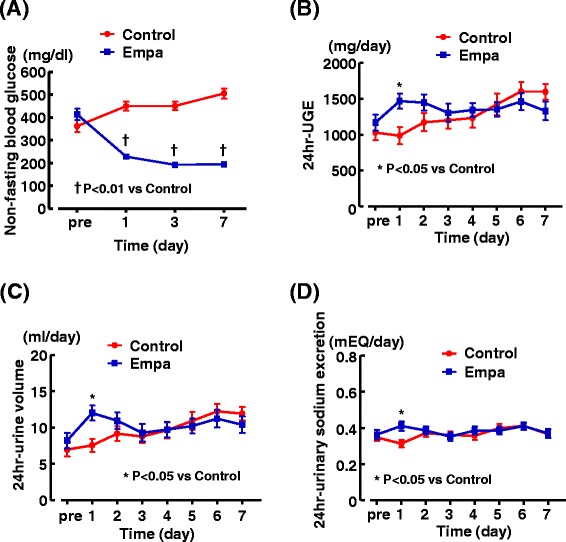
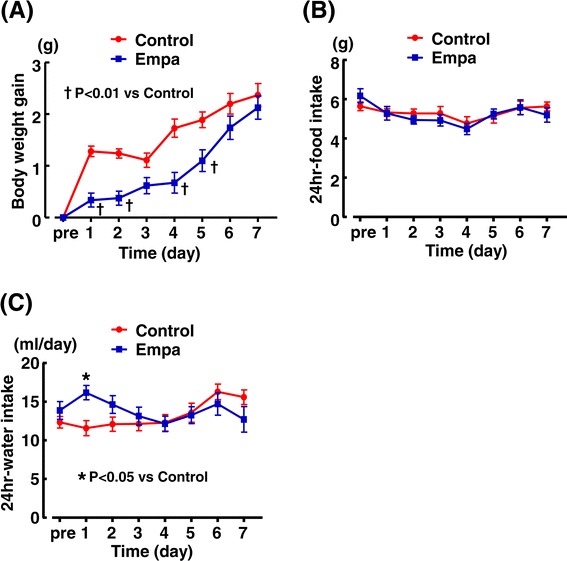
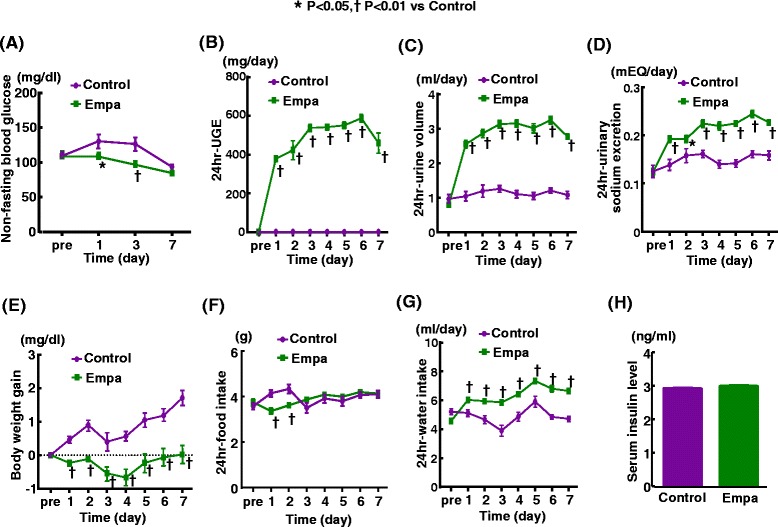
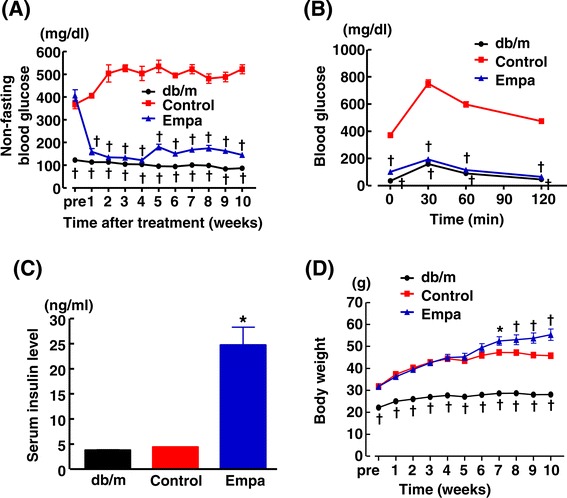
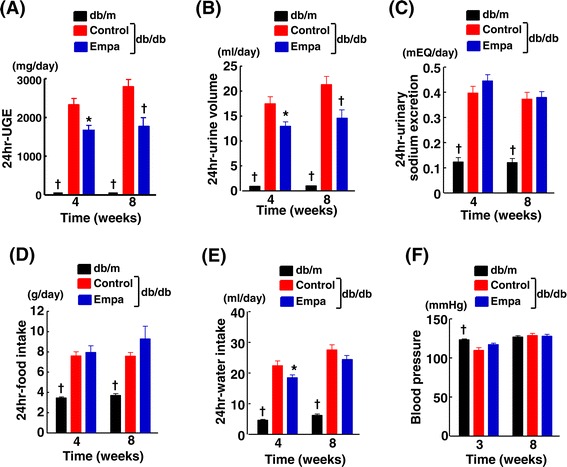
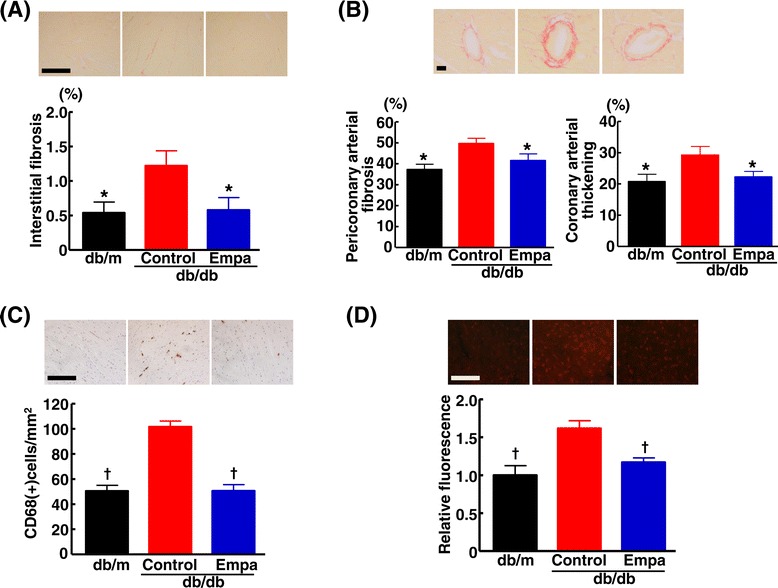
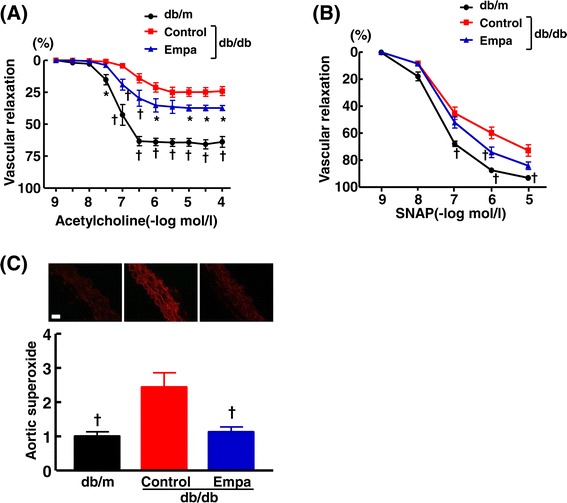
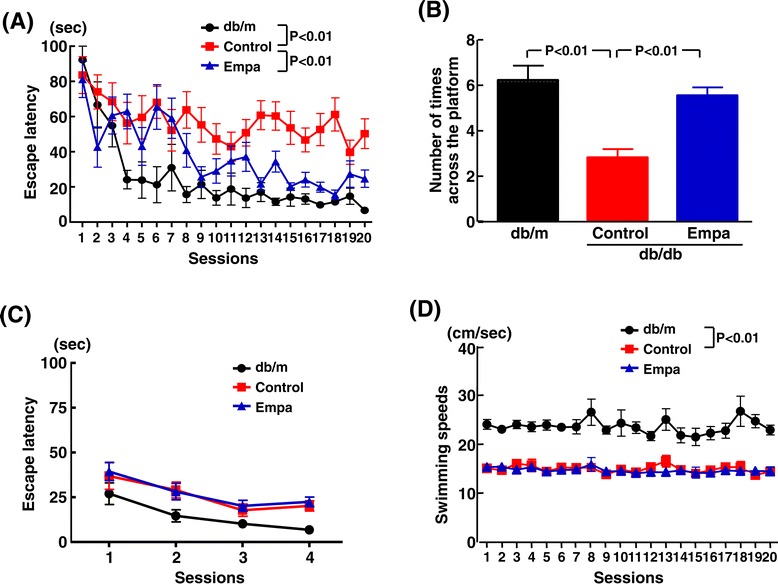
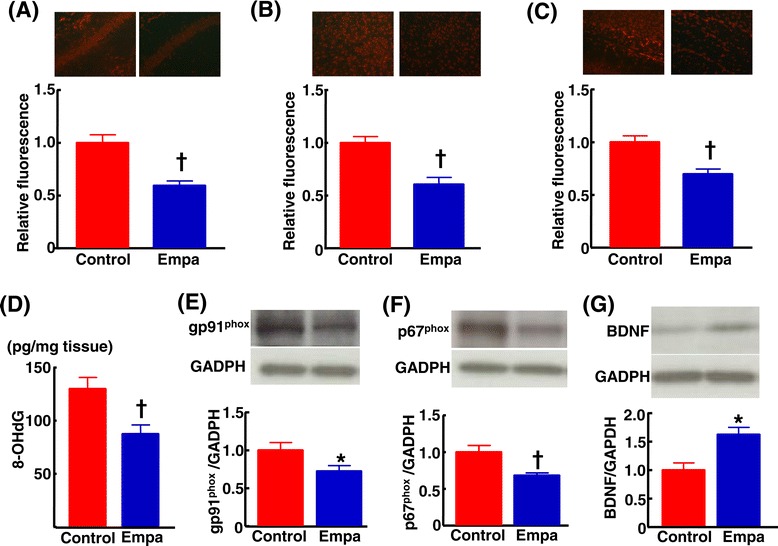
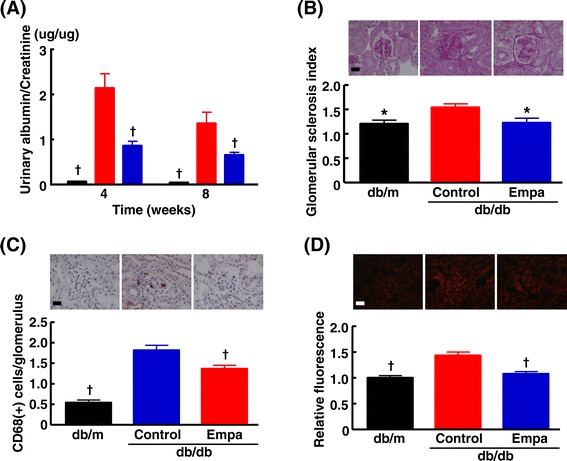
BACKGROUND: There has been uncertainty regarding the benefit of glycemic control with antidiabetic agents in prevention of diabetic macrovascular disease. Further development of novel antidiabetic agents is essential for overcoming the burden of diabetic macrovascular disease. The renal sodium glucose co-transporter 2 (SGLT2) inhibitor is a novel antihyperglycemic agent for treatment of type 2 diabetes. This work was performed to determine whether empagliflozin, a novel SGLT2 inhibitor, can ameliorate cardiovascular injury and cognitive decline in db/db mouse, a model of obesity and type 2 diabetes. METHODS: (1) Short-term experiment: The first experiment was performed to examine the effect of 7 days of empagliflozin treatment on urinary glucose excretion and urinary electrolyte excretion in db/db mice. (2) Long-term experiment: The second experiment was undertaken to examine the effect of 10 weeks of empagliflozin treatment on cardiovascular injury, vascular dysfunction, cognitive decline, and renal injury in db/db mice. RESULTS: (1) Short-term experiment: Empagliflozin administration significantly increased urinary glucose excretion, urine volume, and urinary sodium excretion in db/db mice on day 1, but did not increase these parameters from day 2. However, blood glucose levels in db/db mice were continuously decreased by empagliflozin throughout 7 days of the treatment. (2) Long-term experiment: Empagliflozin treatment caused sustained decrease in blood glucose in db/db mice throughout 10 weeks of the treatment and significantly slowed the progression of type 2 diabetes. Empagliflozin significantly ameliorated cardiac interstitial fibrosis, pericoronary arterial fibrosis, coronary arterial thickening, cardiac macrophage infiltration, and the impairment of vascular dilating function in db/db mice, and these beneficial effects of empagliflozin were associated with attenuation of oxidative stress in cardiovascular tissue of db/db mice. Furthermore, empagliflozin significantly prevented the impairment of cognitive function in db/db mice, which was associated with the attenuation of cerebral oxidative stress and the increase in cerebral brain-derived neurotrophic factor. Empagliflozin ameliorated albuminuria, and glomerular injury in db/db mice. CONCLUSIONS: Glycemic control with empagliflozin significantly ameliorated cardiovascular injury and remodeling, vascular dysfunction, and cognitive decline in obese and type 2 diabetic mice. Thus, empagliflozin seems to be potentially a promising therapeutic agent for diabetic macrovascular disease and cognitive decline.
Overview
The claims and statistics of this paper haven’t been checked yet.
Free: it reads the open-access text and checks the first 5 claims that cite a source we can check. Create a free account to check every claim.
Integrity signals
Registry
Cites
Statistics
Figures
Verification
Claims the paper makes
The claims and statistics of this paper haven’t been checked yet.
Free: it reads the open-access text and checks the first 5 claims that cite a source we can check. Create a free account to check every claim.
Claims other papers make about this one
Each is checked against this paper’s own text: does it say what the citing paper says it does?
In the citing paper
“Another promising effect SGLT2i exert on the central nervous system was described by Lin B. et al., for empagliflozin, which significantly increased cerebral BDNF (Brain-derived neurotrophic factor) levels in db/db mice (Table 1). Moreover, this effect was accompanied by improvement in cognitive functions [31].”
From Neuroprotective effect of SGLT2 inhibitors. (2021) · cites this paper as [31]
Self-check
Percentages, sums and reported differences re-computed from the paper’s own numbers.
The self-check needs the paper’s full text.
Citations
Cites
Stratton, I. M. (2000) · BMJ · doi:10.1136/bmj.321.7258.405 · Cited by 9,059 · cited 3×
“Previous large clinical trials have established that strict glycemic control significantly reduces diabetic microvascular complications such as nephropathy or retinopathy [3-5].”
Effects of Intensive Glucose Lowering in Type 2 Diabetes
(2008) · New England Journal of Medicine · doi:10.1056/nejmoa0802743 · Cited by 7,888
10-year follow-up of intensive glucose control in type 2 diabetes
Holman, R. R., Paul, S. K., Bethel, M. A., Matthews, D. R., & Neil, H. A. W. (2008) · New England Journal of Medicine · doi:10.1056/nejmoa0806470 · Cited by 7,751 · cited 3×
“Previous large clinical trials have established that strict glycemic control significantly reduces diabetic microvascular complications such as nephropathy or retinopathy [3-5].”
The Emerging Risk Factors Collaboration (2010) · The Lancet · doi:10.1016/s0140-6736(10)60484-9 · Cited by 5,125 · cited 2×
“Macrovascular disease is the leading cause of mortality in diabetic patients and the burden of cardiovascular disease due to diabetes mellitus has gone on increasing [1,2].”
Saxagliptin and cardiovascular outcomes in patients with type 2 diabetes mellitus
Scirica, B. M., Bhatt, D. L., Braunwald, E., Steg, P. G., Davidson, J., Hirshberg, B., Ohman, P., Frederich, R., Wiviott, S. D., Hoffman, E. B., et al. (2013) · New England Journal of Medicine · doi:10.1056/nejmoa1307684 · Cited by 3,470
Alogliptin after acute coronary syndrome in patients with type 2 diabetes
White, W. B., Cannon, C. P., Heller, S. R., Nissen, S. E., Bergenstal, R. M., Bakris, G. L., Perez, A. T., Fleck, P. R., Mehta, C. R., Kupfer, S., et al. (2013) · New England Journal of Medicine · doi:10.1056/nejmoa1305889 · Cited by 2,502 · cited 2×
“Furthermore, dipeptidyl-peptidase IV inhibitors, a novel class of antidiabetic agent, have been recently reported to fail to improve cardiovascular outcomes in large clinical trials [6,8,12-14].”
Role of Oxidative Stress in Cardiac Hypertrophy and Remodeling
Takimoto, E., & Kass, D. A. (2007) · Hypertension · doi:10.1161/01.hyp.0000254415.31362.a7 · Cited by 770 · cited 1×
“Accumulating evidence [35-37] establish that hyperglycemia enhances tissue oxidative stress which plays a key role in the pathophysiology of diabetes mellitus and its complications.”
Kaneto, H., Kajimoto, Y., Miyagawa, J., Matsuoka, T., Fujitani, Y., Umayahara, Y., Hanafusa, T., Matsuzawa, Y., Yamasaki, Y., & Hori, M. (1999) · Diabetes · doi:10.2337/diabetes.48.12.2398 · Cited by 712 · cited 1×
“Accumulating evidence [35-37] establish that hyperglycemia enhances tissue oxidative stress which plays a key role in the pathophysiology of diabetes mellitus and its complications.”
Increasing Cardiovascular Disease Burden Due to Diabetes Mellitus: The Framingham Heart Study
Fox, C. S., Coady, S., Sorlie, P. D., D’Agostino, R. B., Pencina, M. J., Vasan, R. S., Meigs, J. B., Levy, D., & Savage, P. J. (2007) · Circulation · doi:10.1161/circulationaha.106.658948 · Cited by 656 · cited 2×
“Macrovascular disease is the leading cause of mortality in diabetic patients and the burden of cardiovascular disease due to diabetes mellitus has gone on increasing [1,2].”
Stranahan, A. M., Arumugam, T. V., Cutler, R. G., Lee, K., Egan, J. M., & Mattson, M. P. (2008) · Nature Neuroscience · doi:10.1038/nn2055 · Cited by 611
Cited by
Li, C., Zhang, J., Xue, M., Li, X., Han, F., Liu, X., Xu, L., Lu, Y., Cheng, Y., Li, T., et al. (2019) · Cardiovascular Diabetology · doi:10.1186/s12933-019-0816-2 · Cited by 580
Lee, T.-M., Chang, N.-C., & Lin, S.-Z. (2017) · Free Radical Biology and Medicine · doi:10.1016/j.freeradbiomed.2017.01.035 · Cited by 504
Chilton, R., Tikkanen, I., Cannon, C. P., Crowe, S., Woerle, H. J., Broedl, U. C., & Johansen, O. E. (2015) · Diabetes, Obesity and Metabolism · doi:10.1111/dom.12572 · Cited by 507
Targeting inflammation to treat diabetic kidney disease: the road to 2030
Rayego-Mateos, S., Rodrigues-Diez, R. R., Fernandez-Fernandez, B., Mora-Fernández, C., Marchant, V., Donate-Correa, J., Navarro-González, J. F., Ortiz, A., & Ruiz-Ortega, M. (2023) · Kidney International · doi:10.1016/j.kint.2022.10.030 · Cited by 366
Obesity cardiomyopathy: evidence, mechanisms, and therapeutic implications
Ren, J., Wu, N. N., Wang, S., Sowers, J. R., & Zhang, Y. (2021) · Physiological Reviews · doi:10.1152/physrev.00030.2020 · Cited by 370
Solini, A., Giannini, L., Seghieri, M., Vitolo, E., Taddei, S., Ghiadoni, L., & Bruno, R. M. (2017) · Cardiovascular Diabetology · doi:10.1186/s12933-017-0621-8 · Cited by 373
“u-potassium (mEq/24 h) 60 [37] 64 [36] 56 [23] 59 [49] 0.”
Pathogenic Pathways and Therapeutic Approaches Targeting Inflammation in Diabetic Nephropathy
Rayego-Mateos, S., Morgado-Pascual, J. L., Opazo-Ríos, L., Guerrero-Hue, M., García-Caballero, C., Vázquez-Carballo, C., Mas, S., Sanz, A. B., Herencia, C., Mezzano, S., et al. (2020) · International Journal of Molecular Sciences · doi:10.3390/ijms21113798 · Cited by 334
Furtado, R. H. M., Bonaca, M. P., Raz, I., Zelniker, T. A., Mosenzon, O., Cahn, A., Kuder, J., Murphy, S. A., Bhatt, D. L., Leiter, L. A., et al. (2019) · Circulation · doi:10.1161/circulationaha.119.039996 · Cited by 329
Bonnet, F., & Scheen, A. J. (2018) · Diabetes & Metabolism · doi:10.1016/j.diabet.2018.09.005 · Cited by 308
The SGLT2 inhibitor empagliflozin improves the primary diabetic complications in ZDF rats
Steven, S., Oelze, M., Hanf, A., Kröller-Schön, S., Kashani, F., Roohani, S., Welschof, P., Kopp, M., Gödtel-Armbrust, U., Xia, N., et al. (2017) · Redox Biology · doi:10.1016/j.redox.2017.06.009 · Cited by 298
Neuroprotective effect of SGLT2 inhibitors.
Pawlos, A., Broncel, M., Woźniak, E., & Gorzelak-Pabiś, P. (2021) · Molecules · doi:10.3390/molecules26237213 · Cited by 304
“Moreover, this effect was accompanied by improvement in cognitive functions [31].”
Inflammatory Targets in Diabetic Nephropathy
Donate-Correa, J., Luis-Rodríguez, D., Martín-Núñez, E., Tagua, V. G., Hernández-Carballo, C., Ferri, C., Rodríguez-Rodríguez, A. E., Mora-Fernández, C., & Navarro-González, J. F. (2020) · Journal of Clinical Medicine · doi:10.3390/jcm9020458 · Cited by 245
“In type 2 diabetes mice models, the inhibition of SGLT2 also reduced glomerular macrophage infiltration and glomerular sclerosis [180] and attenuated the overexpression of NOX4, TGF-β, osteopontin, and MCP1 in the tubular cells induced by high glucose [181].”
Sa-nguanmoo, P., Tanajak, P., Kerdphoo, S., Jaiwongkam, T., Pratchayasakul, W., Chattipakorn, N., & Chattipakorn, S. C. (2017) · Toxicology and Applied Pharmacology · doi:10.1016/j.taap.2017.08.005 · Cited by 274
“Interestingly, recent studies demonstrated that SGLT2 inhibitor exerted not only glycemic control effects, but also led to improve cognitive function in db/db mice (Lin et al., 2014) and high fat diet (HFD)-fed mice (Naznin et al., 2017).”
InfluentialHabibi, J., Aroor, A. R., Sowers, J. R., Jia, G., Hayden, M. R., Garro, M., Barron, B., Mayoux, E., Rector, R. S., Whaley-Connell, A., et al. (2017) · Cardiovascular Diabetology · doi:10.1186/s12933-016-0489-z · Cited by 262
“Pharmacologic inhibition of SGLT2 has been reported to induce increases in plasma insulin concentration in db/db mice [45] and Zucker diabetic fatty rats [46] in association with preservation of β-cell insulin secretion and consequent improved glycemia.”
Byrne, N. J., Matsumura, N., Maayah, Z. H., Ferdaoussi, M., Takahara, S., Darwesh, A. M., Levasseur, J. L., Jahng, J. W. S., Vos, D., Parajuli, N., et al. (2020) · Circulation: Heart Failure · doi:10.1161/circheartfailure.119.006277 · Cited by 257
Lee, D. M., Battson, M. L., Jarrell, D. K., Hou, S., Ecton, K. E., Weir, T. L., & Gentile, C. L. (2018) · Cardiovascular Diabetology · doi:10.1186/s12933-018-0708-x · Cited by 246
“[38] reported modest improvements in EDD after 10 weeks of empagliflozin treatment in diabetic mice.”
Influential(2019) · Cellular Physiology and Biochemistry · doi:10.33594/000000178 · Cited by 211
Extraglycemic Effects of SGLT2 Inhibitors: A Review of the Evidence
Bonora, B. M., Avogaro, A., & Fadini, G. P. (2020) · Diabetes, Metabolic Syndrome and Obesity: Targets and Therapy · doi:10.2147/dmso.s233538 · Cited by 177
“Empagliflozin therapy has been associated with reduced levels of cardiac oxidative stress, inflammation, and fibrosis and in animal model of pre-diabetes and diabetes.(73,74)”
Cognitive impairment and type 2 diabetes mellitus: Focus of SGLT2 inhibitors treatment
Rizzo, M. R., Di Meo, I., Polito, R., Auriemma, M. C., Gambardella, A., di Mauro, G., Capuano, A., & Paolisso, G. (2022) · Pharmacological Research · doi:10.1016/j.phrs.2022.106062 · Cited by 178
Hierro-Bujalance, C., Infante-Garcia, C., del Marco, A., Herrera, M., Carranza-Naval, M. J., Suarez, J., Alves-Martinez, P., Lubian-Lopez, S., & Garcia-Alloza, M. (2020) · Alzheimer's Research & Therapy · doi:10.1186/s13195-020-00607-4 · Cited by 181
Aroor, A. R., Das, N. A., Carpenter, A. J., Habibi, J., Jia, G., Ramirez-Perez, F. I., Martinez-Lemus, L., Manrique-Acevedo, C. M., Hayden, M. R., Duta, C., et al. (2018) · Cardiovascular Diabetology · doi:10.1186/s12933-018-0750-8 · Cited by 179
Sonesson, C., Johansson, P. A., Johnsson, E., & Gause-Nilsson, I. (2016) · Cardiovascular Diabetology · doi:10.1186/s12933-016-0356-y · Cited by 176
“of obesity and T2DM indicates that empagliflozin may improve CV injury and remodelling, vascular dysfunction, and cognitive decline [66]; in addition to reducing arterial stiffness in young patients with T1DM [67].”
Arab, H. H., Safar, M. M., & Shahin, N. N. (2021) · ACS Chemical Neuroscience · doi:10.1021/acschemneuro.0c00722 · Cited by 178
Adingupu, D. D., Göpel, S. O., Grönros, J., Behrendt, M., Sotak, M., Miliotis, T., Dahlqvist, U., Gan, L.-M., & Jönsson-Rylander, A.-C. (2019) · Cardiovascular Diabetology · doi:10.1186/s12933-019-0820-6 · Cited by 172
Targeting inflammation in diabetic nephropathy: a tale of hope
Moreno, J. A., Gomez-Guerrero, C., Mas, S., Sanz, A. B., Lorenzo, O., Ruiz-Ortega, M., Opazo, L., Mezzano, S., & Egido, J. (2018) · Expert Opinion on Investigational Drugs · doi:10.1080/13543784.2018.1538352 · Cited by 170
“Empaglifozin reduced NF-κB, CCL2, IL-6 renal levels in T1DM mice [132] and glomerular macrophage infiltration and glomerular sclerosis in T2DM mice [133].”
Ansary, T. M., Nakano, D., & Nishiyama, A. (2019) · International Journal of Molecular Sciences · doi:10.3390/ijms20030629 · Cited by 174
“67 fold empagliflozin [44] 7 days No change Increased by ~1.”
Zhang, N., Feng, B., Ma, X., Sun, K., Xu, G., & Zhou, Y. (2019) · Cardiovascular Diabetology · doi:10.1186/s12933-019-0914-1 · Cited by 167
Kang, S., Verma, S., Hassanabad, A. F., Teng, G., Belke, D. D., Dundas, J. A., Guzzardi, D. G., Svystonyuk, D. A., Pattar, S. S., Park, D. S. J., et al. (2020) · Canadian Journal of Cardiology · doi:10.1016/j.cjca.2019.08.033 · Cited by 166
Obesity-Related Heart Failure With a Preserved Ejection Fraction
Packer, M., & Kitzman, D. W. (2018) · JACC: Heart Failure · doi:10.1016/j.jchf.2018.01.009 · Cited by 172
Bessho, R., Takiyama, Y., Takiyama, T., Kitsunai, H., Takeda, Y., Sakagami, H., & Ota, T. (2019) · Scientific Reports · doi:10.1038/s41598-019-51343-1 · Cited by 162
Aragón-Herrera, A., Feijóo-Bandín, S., Otero Santiago, M., Barral, L., Campos-Toimil, M., Gil-Longo, J., Costa Pereira, T. M., García-Caballero, T., Rodríguez-Segade, S., Rodríguez, J., et al. (2019) · Biochemical Pharmacology · doi:10.1016/j.bcp.2019.113677 · Cited by 163
Marx, N., & McGuire, D. K. (2016) · European Heart Journal · doi:10.1093/eurheartj/ehw110 · Cited by 165
“Cardiac effects Experimental data in obese and diabetic mice demonstrated that the SGLT2-inhibitor empagliflozin significantly ameliorates cardiac fibrosis, coronary arterial thickening, as well as cardiac macrophage infiltration suggesting a direct cardiac effect along with an attenuation of oxidative stress on the m…”
Kusaka, H., Koibuchi, N., Hasegawa, Y., Ogawa, H., & Kim-Mitsuyama, S. (2016) · Cardiovascular Diabetology · doi:10.1186/s12933-016-0473-7 · Cited by 155
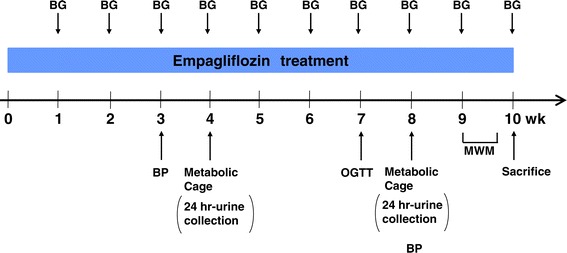
“In the present study, according to the method of our previous report [39], empagliflozin was administered in the diet (containing 0.”
Self-citationLahnwong, C., Chattipakorn, S. C., & Chattipakorn, N. (2018) · Cardiovascular Diabetology · doi:10.1186/s12933-018-0745-5 · Cited by 161
Liu, Z., Ma, X., Ilyas, I., Zheng, X., Luo, S., Little, P. J., Kamato, D., Sahebkar, A., Wu, W., Weng, J., et al. (2021) · Theranostics · doi:10.7150/thno.54498 · Cited by 155
Dapagliflozin slows the progression of the renal and liver fibrosis associated with type 2 diabetes
Tang, L., Wu, Y., Tian, M., Sjöström, C. D., Johansson, U., Peng, X.-R., Smith, D. M., & Huang, Y. (2017) · American Journal of Physiology-Endocrinology and Metabolism · doi:10.1152/ajpendo.00086.2017 · Cited by 162
“However, data on hepatic lipid content in general T2DM patients, as measured by MRI, has not shown any statistically significant reductions vs. placebo despite sustained reductions in fat depots over 2 yr (2).”
InfluentialGallo, L. A., Ward, M. S., Fotheringham, A. K., Zhuang, A., Borg, D. J., Flemming, N. B., Harvie, B. M., Kinneally, T. L., Yeh, S.-M., McCarthy, D. A., et al. (2016) · Scientific Reports · doi:10.1038/srep26428 · Cited by 143
Current and emerging avenues for Alzheimer's disease drug targets
Loera‐Valencia, R., Cedazo‐Minguez, A., Kenigsberg, P. A., Page, G., Duarte, A. I., Giusti, P., Zusso, M., Robert, P., Frisoni, G. B., Cattaneo, A., et al. (2019) · Journal of Internal Medicine · doi:10.1111/joim.12959 · Cited by 141
Tuleta, I., & Frangogiannis, N. G. (2021) · Advanced Drug Delivery Reviews · doi:10.1016/j.addr.2021.113904 · Cited by 150
Inflammatory Cytokines in Diabetic Kidney Disease: Pathophysiologic and Therapeutic Implications
Donate-Correa, J., Ferri, C. M., Sánchez-Quintana, F., Pérez-Castro, A., González-Luis, A., Martín-Núñez, E., Mora-Fernández, C., & Navarro-González, J. F. (2021) · Frontiers in Medicine · doi:10.3389/fmed.2020.628289 · Cited by 140
Emergence of SGLT2 Inhibitors as Powerful Antioxidants in Human Diseases
Tsai, K., Chen, Y., Chiou, T. T., Chu, T., Li, L., Ng, H., Lee, W., & Lee, C. (2021) · Antioxidants · doi:10.3390/antiox10081166 · Cited by 149
Scisciola, L., Cataldo, V., Taktaz, F., Fontanella, R. A., Pesapane, A., Ghosh, P., Franzese, M., Puocci, A., Angelis, A. D., Sportiello, L., et al. (2022) · Frontiers in Cardiovascular Medicine · doi:10.3389/fcvm.2022.1008922 · Cited by 141
“A similar result was obtained in the streptozotocin (STZ)-induced diabetic model, where the macrophages proliferation and leukocyte adhesion were significantly decreased in empagliflozin and dapagliflozin treated mice with a subsequent reduction in the plaque size (51, 64).”
Durante, W., Behnammanesh, G., & Peyton, K. J. (2021) · International Journal of Molecular Sciences · doi:10.3390/ijms22168786 · Cited by 139
Brain Metabolic Alterations in Alzheimer’s Disease
Ardanaz, C. G., Ramírez, M. J., & Solas, M. (2022) · International Journal of Molecular Sciences · doi:10.3390/ijms23073785 · Cited by 125
Kidney-Protective Effects of SGLT2 Inhibitors
Palmer, B. F., & Clegg, D. J. (2022) · Clinical Journal of the American Society of Nephrology · doi:10.2215/cjn.09380822 · Cited by 137
On behalf of the EMPA-REG EXTEND™ MONO investigators, Roden, M., Merker, L., Christiansen, A. V., Roux, F., Salsali, A., Kim, G., Stella, P., Woerle, H. J., & Broedl, U. C. (2015) · Cardiovascular Diabetology · doi:10.1186/s12933-015-0314-0 · Cited by 127
“Although the mechanisms behind the observed effects of empagliflozin in this patient population are not yet understood, they may involve reductions in hyperglycaemia, blood pressure and weight as well as effects on plasma volume and sodium retention [27]; and reductions in arterial stiffness [28, 29].”
Impact of antidiabetic agents on dementia risk: A Bayesian network meta-analysis
Zhou, J.-B., Tang, X., Han, M., Yang, J., & Simó, R. (2020) · Metabolism · doi:10.1016/j.metabol.2020.154265 · Cited by 117
Lin, B., Hasegawa, Y., Takane, K., Koibuchi, N., Cao, C., & Kim‐Mitsuyama, S. (2016) · Journal of the American Heart Association · doi:10.1161/jaha.115.003154 · Cited by 118
“The oral glucose tolerance test was performed as previously described.(22) Mice were deprived of food overnight and then orally given glucose (1 mg/g body weight).”
Self-citationSalim, H. M., Fukuda, D., Yagi, S., Soeki, T., Shimabukuro, M., & Sata, M. (2016) · Frontiers in Cardiovascular Medicine · doi:10.3389/fcvm.2016.00043 · Cited by 119
“However, several studies have already demonstrated that other SGLT2 inhibitors prevented vascular dysfunction in type 2 diabetes (13, 15, 21, 31).”
Bi-directional drug-microbiome interactions of anti-diabetics
Whang, A., Nagpal, R., & Yadav, H. (2018) · EBioMedicine · doi:10.1016/j.ebiom.2018.11.046 · Cited by 136
“The increase in body-weight, however, was thought to be protective because diabetic mice tend to lose weight as the severity of diabetes progresses andmedications that improve health outcomes in diabetic mice are known to preserve or even increase the body-weight [78,79].”
Cardiovascular protection by SGLT2 inhibitors – Do anti-inflammatory mechanisms play a role?
Elrakaybi, A., Laubner, K., Zhou, Q., Hug, M. J., & Seufert, J. (2022) · Molecular Metabolism · doi:10.1016/j.molmet.2022.101549 · Cited by 124
“Glucose normalization by empagliflozin in STZ-treated mice mediated atherosclerosis regression in aortic roots [86], while it significantly reduced cardiac and coronary arterial fibrosis and improved aortic endothelial function in db/db mice [87], which have been explained by the alleviation of hyperglycaemia and asso…”
Mui, J. V., Zhou, J., Lee, S., Leung, K. S. K., Lee, T. T. L., Chou, O. H. I., Tsang, S. L., Wai, A. K. C., Liu, T., Wong, W. T., et al. (2021) · Frontiers in Cardiovascular Medicine · doi:10.3389/fcvm.2021.747620 · Cited by 113
“In contrast, SGLT2I improved brain mitochondrial function, hippocampal synaptic plasticity and inhibited acetylcholinesterase (18, 20, 38).”
Kashiwagi, Y., Nagoshi, T., Yoshino, T., Tanaka, T. D., Ito, K., Harada, T., Takahashi, H., Ikegami, M., Anzawa, R., & Yoshimura, M. (2015) · PLoS ONE · doi:10.1371/journal.pone.0130605 · Cited by 117
“The effects of SGLT2 inhibition on the heart, either directly or indirectly via mutual interaction with SGLT1, remain unclear and warrant further examination [44].”
Amin, E. F., Rifaai, R. A., & Abdellatif, R. (2020) · Fundamental and Clinical Pharmacology · doi:10.1111/fcp.12548 · Cited by 119
Alshnbari, A. S., Millar, S., O’Sullivan, S. E., & IDRIS, I. R. (2020) · Diabetes Therapy · doi:10.1007/s13300-020-00885-z · Cited by 121
Molecular Mechanisms of SGLT2 Inhibitor on Cardiorenal Protection
Hou, Y., Zheng, C., Yen, T., & Lu, K. (2020) · International Journal of Molecular Sciences · doi:10.3390/ijms21217833 · Cited by 122
Hoong, C. W. S., & Chua, M. W. J. (2021) · Endocrinology · doi:10.1210/endocr/bqab079 · Cited by 110
Wiciński, M., Wódkiewicz, E., Górski, K., Walczak, M., & Malinowski, B. (2020) · Pharmaceuticals · doi:10.3390/ph13110379 · Cited by 110
“[10], empagliflozin significantly prevented cognitive function impairment in db/db mice, which was associated with the attenuation of cerebral oxidative stress and the increase in cerebral brain-derived neurotrophic factor (BDNF).”
Cai, W., Chong, K., Huang, Y., Huang, C. K., & Yin, L. (2023) · Redox Biology · doi:10.1016/j.redox.2023.103010 · Cited by 116
“Oxidative stress of cardiomyocytes is one of the main factors in the pathogenesis of DCM. SGLT2i has also been shown to play a key role in reducing oxidative stress in DCM, unrelated to hypoglycemic effects [39, 40].”
Direct cardiovascular impact of SGLT2 inhibitors: mechanisms and effects
Kaplan, A., Abidi, E., EL‐Yazbi, A. F., Eid, A. H., Booz, G. W., & Zouein, F. A. (2018) · Heart Failure Reviews · doi:10.1007/s10741-017-9665-9 · Cited by 115
“In a T2D mouse model, administration of Empa to db/db mice for a 10-week period significantly improved cardiac and pericoronary arterial fibrosis, and myocardial macrophage infiltration with no impact on BP [66].”
InfluentialEmpagliflozin attenuates ischemia and reperfusion injury through LKB1/AMPK signaling pathway
Lü, Q., Liu, J., Li, X., Sun, X., Zhang, J., Ren, D., Tong, N., & Li, J. (2019) · Molecular and Cellular Endocrinology · doi:10.1016/j.mce.2019.110642 · Cited by 107
Sodium glucose cotransporter 2 inhibition in the diabetic kidney: an update
Novikov, A., & Vallon, V. (2015) · Current Opinion in Nephrology & Hypertension · doi:10.1097/mnh.0000000000000187 · Cited by 113
“com ameliorated cognitive dysfunction in obese T2DM mice [49].”
Tang, H., Shao, H., Shaaban, C. E., Yang, K., Brown, J., Anton, S., Wu, Y., Bress, A., Donahoo, W. T., DeKosky, S. T., et al. (2023) · Journal of the American Geriatrics Society · doi:10.1111/jgs.18306 · Cited by 106
“And, current evidence from available studies shows that DPP-4 inhibitors, GLP-1RAs, and SGLT2 inhibitors are associated with a decreased risk of all-cause dementia in individuals with T2D.”
InfluentialFioretto, P., Giaccari, A., & Sesti, G. (2015) · Cardiovascular Diabetology · doi:10.1186/s12933-015-0297-x · Cited by 116
“Results of studies available to date show that empagliflozin ameliorated cardiovascular injury, coronary artery remodeling, and vascular dysfunction in a T2DM model in obese mice, suggesting a possible role in preventing diabetic macrovascular and microvascular complications [29], and did not prolong the QT interval i…”
Empagliflozin Protects against Diet-Induced NLRP-3 Inflammasome Activation and Lipid Accumulation
Benetti, E., Mastrocola, R., Vitarelli, G., Cutrìn, J. C., Nigro, D., Chiazza, F., Mayoux, E., Collino, M., & Fantozzi, R. (2016) · Journal of Pharmacology and Experimental Therapeutics · doi:10.1124/jpet.116.235069 · Cited by 104
“This observation could help to explain the improvement in cardiovascular injury and remodeling induced by the drug in ob/ob mice (Lin et al., 2014).”
Empagliflozin prevents cardiomyopathy via sGC-cGMP-PKG pathway in type 2 diabetes mice
Xue, M., Li, T., Wang, Y., Chang, Y., Cheng, Y., Lu, Y., Liu, X., Xu, L., Li, X., Yu, X., et al. (2019) · Clinical Science · doi:10.1042/cs20190585 · Cited by 106
Alzheimer’s disease and type 2 diabetes mellitus: Pathophysiologic and pharmacotherapeutics links
Rojas, M., Chávez-Castillo, M., Bautista, J., Ortega, Á., Nava, M., Salazar, J., Díaz-Camargo, E., Medina, O., Rojas-Quintero, J., & Bermúdez, V. (2021) · World Journal of Diabetes · doi:10.4239/wjd.v12.i6.745 · Cited by 94
Hayden, M. R. (2019) · Brain Sciences · doi:10.3390/brainsci9100262 · Cited by 101
Wium-Andersen, I. K., Osler, M., Jørgensen, M. B., Rungby, J., & Wium-Andersen, M. K. (2022) · Psychoneuroendocrinology · doi:10.1016/j.psyneuen.2022.105715 · Cited by 86
Anti-Inflammatory Effects of SGLT2 Inhibitors: Focus on Macrophages
RYKOVA, E. Y., Klimontov, V. V., Shmakova, E. O., Korbut, A. I., Merkulova, T. I., & Kzhyshkowska, J. G. (2025) · International Journal of Molecular Sciences · doi:10.3390/ijms26041670 · Cited by 100
“In mouse diabetic models, treatment with empagliflozin and dapagliflozin significantly suppressed macrophage proliferation and leukocyte adhesion, leading to a notable reduction in plaque size [84,89].”
Hayden, M., Grant, D., Aroor, A., & DeMarco, V. (2019) · Brain Sciences · doi:10.3390/brainsci9030057 · Cited by 93
“Glucotoxicity is considered a central mechanism contributing to brain injury involving the microvascular NVU and its composite mural and neuroglia cells [8].”
Influentialvan der Kooij, M. A., Jene, T., Treccani, G., Miederer, I., Hasch, A., Voelxen, N., Walenta, S., & Müller, M. B. (2018) · Proceedings of the National Academy of Sciences · doi:10.1073/pnas.1804412115 · Cited by 92
“, DM2): Insulin and leptin levels remained unaltered, insulin resistance was absent, body weights were not affected, and the blood glucose-and HbA1c levels, although elevated, were not in a range typically associated with diabetes (26, 35).”
Mei, J., Li, Y., Niu, L., Liang, R., Tang, M., Cai, Q., Xu, J., Zhang, D., Yin, X., Liu, X., et al. (2024) · Translational Neurodegeneration · doi:10.1186/s40035-024-00431-y · Cited by 99
“Meanwhile, empagliflozin significantly increases tissue levels of BDNF, NGF, and GNDF in diabetic mice [84, 94, 95], all neurotrophic factors playing important roles in nerve regeneration [112].”
Mima, A. (2018) · Journal of Diabetes and its Complications · doi:10.1016/j.jdiacomp.2018.04.011 · Cited by 94
Dong, M., Wen, S., & Zhou, L. (2022) · Diabetes, Metabolic Syndrome and Obesity: Targets and Therapy · doi:10.2147/dmso.s375559 · Cited by 90
“In this context, the increase in cognitive function associated with empagliflozin and canagliflozin may also support the notion that these medicines are capable of penetrating the damaged BBB.(83) Inflammation in the CNS of patients with”
Motawi, T. K., Al-Kady, R. H., Abdelraouf, S. M., & Senousy, M. A. (2022) · Chemico-Biological Interactions · doi:10.1016/j.cbi.2022.110002 · Cited by 88
Metabolic Flexibility and Its Impact on Health Outcomes
Palmer, B. F., & Clegg, D. J. (2022) · Mayo Clinic Proceedings · doi:10.1016/j.mayocp.2022.01.012 · Cited by 93
The Pleiotropic Effects of Sodium–Glucose Cotransporter-2 Inhibitors: Beyond the Glycemic Benefit
Patel, D. K., & Strong, J. (2019) · Diabetes Therapy · doi:10.1007/s13300-019-00686-z · Cited by 79
Role and mechanisms of SGLT-2 inhibitors in the treatment of diabetic kidney disease
Dai, Z.-C., Chen, J., Zou, R., Liang, X.-B., Tang, J., & Yao, C. (2023) · Frontiers in Immunology · doi:10.3389/fimmu.2023.1213473 · Cited by 84
“However, extended administration of SGLT-2 inhibitors has been shown to effectively improve vascular endothelial dysfunction in diabetic rats by enhancing NO diastolic function, reducing oxidative stress, and alleviating glucose toxicity in the aortic rings (76, 77).”
Cornuault, L., Rouault, P., Duplàa, C., Couffinhal, T., & Renault, M. (2022) · Frontiers in Physiology · doi:10.3389/fphys.2022.906272 · Cited by 82
“AAC ascending aortic constriction AAV adeno-associated virus ADAMTS13 a disintegrin andmetalloprotease with thrombospondin type I repeats-13 ADRB3 β3-adrenergic receptor AKT1 AKT Serine/Threonine Kinase 1 AMPK AMP-activated protein kinase ANG2 angiotensin 2 ANGPTL4 angiopoietin-like 4 APLNR apelin Receptor ATP2A2 ATPa…”
InfluentialAnti-Inflammatory Properties of the SGLT2 Inhibitor Empagliflozin in Activated Primary Microglia
Heimke, M., Lenz, F., Rickert, U., Lucius, R., & Cossais, F. (2022) · Cells · doi:10.3390/cells11193107 · Cited by 78
“observed a reduction in oxidative stress markers in the CNS of db/db mice and an increased release of brain derived neurotrophic factor (BDNF) after treatment with empagliflozin, which was associated with cognitive improvement [18].”
Armillotta, M., Angeli, F., Paolisso, P., Belmonte, M., Raschi, E., Dalmazi, G. D., Amicone, S., Canton, L., Fedele, D., Suma, N., et al. (2025) · Pharmacology & Therapeutics · doi:10.1016/j.pharmthera.2025.108861 · Cited by 84
Michel, M. C., Mayoux, E., & Vallon, V. (2015) · Naunyn-Schmiedeberg s Archives of Pharmacology · doi:10.1007/s00210-015-1134-1 · Cited by 78
“Empagliflozin treatment for 10 weeks also did not affect blood pressure in db/ db mice as assessed at the 3- or 8-week time point (Lin et al. 2014).”
InfluentialNambu, H., Takada, S., Fukushima, A., Matsumoto, J., Kakutani, N., Maekawa, S., Shirakawa, R., Nakano, I., Furihata, T., Katayama, T., et al. (2020) · European Journal of Pharmacology · doi:10.1016/j.ejphar.2019.172810 · Cited by 73
Ma, M., Hasegawa, Y., Koibuchi, N., Toyama, K., Uekawa, K., Nakagawa, T., Lin, B., & Kim-Mitsuyama, S. (2015) · Cardiovascular Diabetology · doi:10.1186/s12933-015-0218-z · Cited by 72
“Oral glucose tolerance test (OGTT) The oral glucose tolerance test was performed as previously described [25].”
Self-citationTamargo, J. L. (2019) · European Cardiology Review · doi:10.15420/ecr.2018.34.2 · Cited by 74
Ninčević, V., Kolarić, T. O., Roguljić, H., Kizivat, T., Smolić, M., & Bilić-Čurčić, I. (2019) · International Journal of Molecular Sciences · doi:10.3390/ijms20235831 · Cited by 77
Muhammad, R. N., Ahmed, L. A., Abdelsalam, R. M., Ahmed, K. A., & Attia, A. S. (2021) · Neurotherapeutics · doi:10.1007/s13311-021-01140-4 · Cited by 72
SGLT2 Inhibitors: A Novel Player in the Treatment and Prevention of Diabetic Cardiomyopathy
Li, N., & Zhou, H. (2020) · Drug Design Development and Therapy · doi:10.2147/dddt.s269514 · Cited by 73
Zhou, Y., & Wu, W. (2017) · Cellular Physiology and Biochemistry · doi:10.1159/000475942 · Cited by 70
AMPK is associated with the beneficial effects of antidiabetic agents on cardiovascular diseases
Lu, Q., Li, X., Liu, J., Sun, X., Rousselle, T., Ren, D., Tong, N., & Li, J. (2019) · Bioscience Reports · doi:10.1042/bsr20181995 · Cited by 69
Siao, W.-Z., Lin, T.-K., Huang, J.-Y., Tsai, C.-F., & Jong, G.-P. (2022) · Diabetes and Vascular Disease Research · doi:10.1177/14791641221098168 · Cited by 61
Wang, Y., Hu, H., Liu, X., & Guo, X. (2023) · Frontiers in Pharmacology · doi:10.3389/fphar.2023.1138499 · Cited by 76
“This protection of cognitive abilities was linked to a reduction in brain oxidative stress and an increase in brain-derived neurotrophic factors (Lin et al., 2014).”
de Matos, A. M., de Macedo, M. P., & Rauter, A. P. (2018) · Medicinal Research Reviews · doi:10.1002/med.21440 · Cited by 66
Molecular Mechanisms Underlying the Cardiovascular Benefits of SGLT2i and GLP-1RA
Khat, D. Z., & Husain, M. (2018) · Current Diabetes Reports · doi:10.1007/s11892-018-1011-7 · Cited by 66
Katakami, N., Mita, T., Yoshii, H., Shiraiwa, T., Yasuda, T., Okada, Y., Torimoto, K., Umayahara, Y., Kaneto, H., Osonoi, T., et al. (2020) · Cardiovascular Diabetology · doi:10.1186/s12933-020-01079-4 · Cited by 68
Rotkvić, P. G., Planinić, Z., Pršo, A.-M. L., Šikić, J., Galić, E., & Rotkvić, L. (2021) · International Journal of Molecular Sciences · doi:10.3390/ijms22115973 · Cited by 66
“Some of them are renoprotective [118] and hemodynamic effects [119], anti-inflammatory, antioxidative [112], antifibrotic [120], and antiapoptotic properties, reduction of uric acid levels [121] and epicardial adipose tissue [122], attenuation of glucotoxicity [123], sodium-hydrogen exchange inhibition [124,125], modi…”
Lin, K.-J., Wang, T., Chen, S., Lin, K.-L., Liou, C., Lan, M., Chuang, Y., Chuang, J., Wang, P., Lee, J., et al. (2021) · Antioxidants · doi:10.3390/antiox10121935 · Cited by 65
Alsereidi, F. R., Khashim, Z., Marzook, H., Gupta, A., Al-Rawi, A. M., Ramadan, M. M., & Saleh, M. A. (2024) · Current Problems in Cardiology · doi:10.1016/j.cpcardiol.2024.102524 · Cited by 66
Cho, H., Um, J., Lee, J., Kim, W., Kang, W. S., Kim, S. H., Ha, H., Kim, Y., Ahn, Y., Jung, D., et al. (2017) · Scientific Reports · doi:10.1038/srep44186 · Cited by 65
Metadata
- Authors
- Lin, B., Koibuchi, N., Hasegawa, Y., Sueta, D., Toyama, K., Uekawa, K., Ma, M., Nakagawa, T., Kusaka, H., & Kim-Mitsuyama, S.
- Affiliations
- Kumamoto University (JP)
- Venue
- Cardiovascular Diabetology
- Published
- 2014-10-26
- Volume
- 13
- Issue
- 1
- Pages
- 148-148
- ISSN
- 1475-2840 (ISSN-L)
- PMC
- PMC4219031
- OpenAlex
- W2124658554
- Cited by
- 423
- References
- 45
- Citations by year
- 2026: 19 · 2025: 37 · 2024: 40 · 2023: 41 · 2022: 54 · 2021: 58 · 2020: 39 · 2019: 40 · 2018: 33 · 2017: 25 · 2016: 20 · 2015: 15
- FWCI
- 16.10
- Type
- journal article
- Language
- en
- Open access
- gold
- doi.org
- Locations
- Cardiovascular Diabetology (publishedVersion, cc-by)
- PubMed Central (publishedVersion, cc-by)
- PubMed (publishedVersion)
- Topics
- Health Sciences › Medicine › Endocrinology, Diabetes and Metabolism › Diabetes Treatment and Management
- Health Sciences › Medicine › Endocrinology, Diabetes and Metabolism › Diabetes Management and Research
- Health Sciences › Medicine › Nephrology › Chronic Kidney Disease and Diabetes
- Keywords
- empagliflozin, SGLT2 inhibitors, type 2 diabetes, obesity, db/db mice, glycemic control, cardiovascular damage, diabetic macrovascular disease, myocardial fibrosis, vascular dysfunction, cognitive decline, oxidative stress, brain-derived neurotrophic factor, albuminuria, kidney injury, urinary glucose excretion, urinary electrolyte excretion, diabetic nephropathy
- MeSH terms
- Sodium-Glucose Transporter 2 Inhibitors, Animals, Benzhydryl Compounds, Blood Glucose, Cardiovascular Diseases, Cognition Disorders, Diabetes Mellitus, Experimental, Diabetes Mellitus, Type 2, Glucosides, Hypoglycemic Agents, Male, Mice, Inbred C57BL, Obesity, Sodium-Glucose Transporter 2
About these checks
Registry, retraction, Cites and statistics results are computed, not judged, with one exception: a printed reference that no index lists is read once by a model before it counts as a citation error. Claims are extracted by a model and kept only when their quote appears verbatim in the text; each cited source is then checked, with a model’s help, for whether it says what the claim relies on. Those verdicts can be wrong — read the claim’s quote and the cited source before relying on one.
Statistics and arithmetic are recomputed, not judged.
Confidence bands are shown only for fields calibrated on our annotated test set. None is calibrated yet, so no band is shown.
What counts as a claim ›How we measure confidence ›How we check this ›
Are you an author, or do you see a problem with this page? Request a review
Data sources
Bibliographic data: Semantic Scholar, OpenAlex, Crossref.
Contains information from the Semantic Scholar Academic Graph Datasets, made available under the ODC Attribution License (ODC-BY 1.0).
Semantic Scholar’s data is described in: Kinney, R., et al. (2023). The Semantic Scholar Open Data Platform. arXiv:2301.10140.
