

Differential effects of glucagon-like peptide-1 receptor agonists on heart rate
Open accessThe DOI matches its Crossref record; 50 of the 51 references it cites were found in a registry or an index.
Abstract
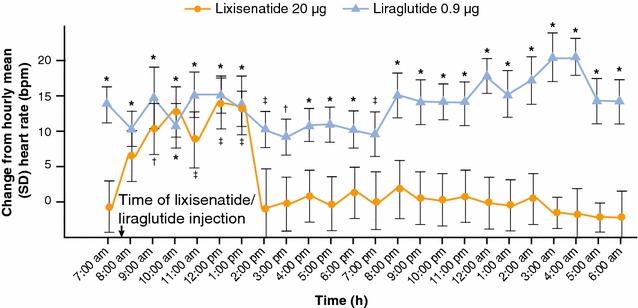
While glucagon-like peptide-1 receptor agonists (GLP-1 RAs) are known to increase heart rate (HR), it is insufficiently recognized that the extent varies greatly between the various agonists and is affected by the assessment methods employed. Here we review published data from 24-h time-averaged HR monitoring in healthy individuals and subjects with type 2 diabetes mellitus (T2DM) treated with either short-acting GLP-1 RAs, lixisenatide or exenatide, or long-acting GLP-1 RAs, exenatide LAR, liraglutide, albiglutide, or dulaglutide (N = 1112; active-treatment arms). HR effects observed in two independent head-to-head trials of lixisenatide and liraglutide (N = 202; active-treatment arms) are also reviewed. Short-acting GLP-1 RAs, exenatide and lixisenatide, are associated with a transient (1-12 h) mean placebo- and baseline-adjusted 24-h HR increase of 1-3 beats per minute (bpm). Conversely, long-acting GLP-1 RAs are associated with more pronounced increases in mean 24-h HR; the highest seen with liraglutide and albiglutide at 6-10 bpm compared with dulaglutide and exenatide LAR at 3-4 bpm. For both liraglutide and dulaglutide, HR increases were recorded during both the day and at night. In two head-to-head comparisons, a small, transient mean increase in HR from baseline was observed with lixisenatide; liraglutide induced a substantially greater increase that remained significantly elevated over 24 h. The underlying mechanism for increased HR remains to be elucidated; however, it could be related to a direct effect at the sinus node and/or stimulation of the sympathetic nervous system, with this effect related to the duration of action of the respective GLP-1 RAs. In conclusion, this review indicates that the effects on HR differ within the class of GLP-1 RAs: short-acting GLP-1 RAs are associated with a modest and transient HR increase before returning to baseline levels, while some long-acting GLP-1 RAs are associated with a more pronounced and sustained increase during the day and night. Findings from recently completed trials indicate that a GLP-1 RA-induced increase in HR, regardless of magnitude, does not present an increased cardiovascular risk for subjects with T2DM, although a pronounced increase in HR may be associated with adverse clinical outcomes in those with advanced heart failure.
Overview
The claims and statistics of this paper haven’t been checked yet.
Free: it reads the open-access text and checks the first 5 claims that cite a source we can check. Create a free account to check every claim.
Integrity signals
Registry
Cites
Statistics
Figures
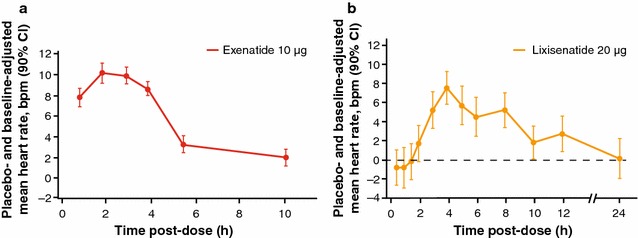
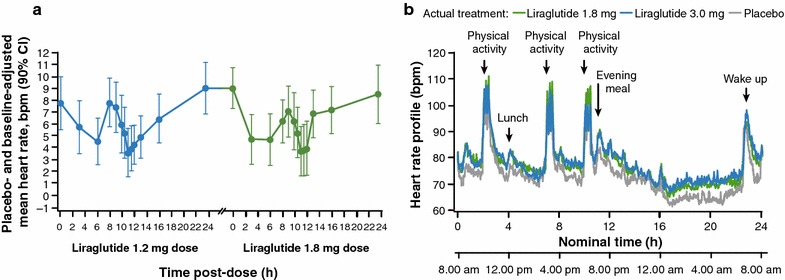
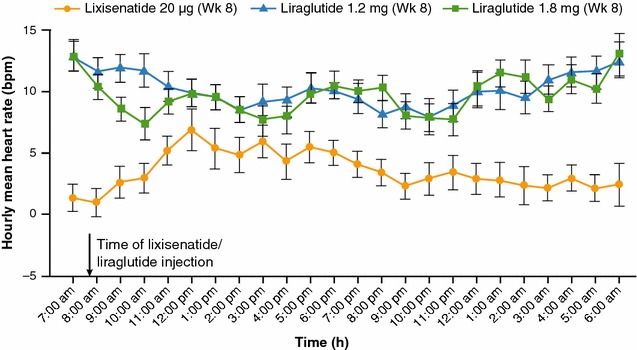
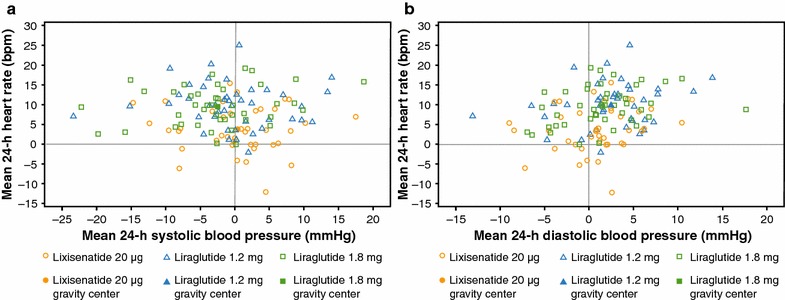
Verification
Claims the paper makes
The claims and statistics of this paper haven’t been checked yet.
Free: it reads the open-access text and checks the first 5 claims that cite a source we can check. Create a free account to check every claim.
Claims other papers make about this one
Each is checked against this paper’s own text: does it say what the citing paper says it does?
The cited source says what the claim attributes to it.
In the citing paper
“This was not entirely unexpected as GLP-1 RAs are known to have chronotropic effects [32,33];”
In the citing paper
“GLP1-RA may also cause an increase in heart rate of 1 to 10 beats per minute; this effect is usually transient [59].”
From Glucagon-like peptide-1 receptor agonists in diabetic kidney disease: a review of their kidney and heart protection (2023) · cites this paper as [59]
Self-check
Percentages, sums and reported differences re-computed from the paper’s own numbers.
The self-check needs the paper’s full text.
Citations
Cites
10-year follow-up of intensive glucose control in type 2 diabetes
Holman, R. R., Paul, S. K., Bethel, M. A., Matthews, D. R., & Neil, H. A. W. (2008) · New England Journal of Medicine · doi:10.1056/nejmoa0806470 · Cited by 7,751 · cited 1×
“Reduction of atherosclerosis requires long-term treatment [53], hence longer trials are better suited to show a reduction in risk of myocardial infarction or other atherosclerotic complications of diabetes.”
BackgroundLiraglutide and Cardiovascular Outcomes in Type 2 Diabetes
Marso, S. P., Daniels, G. H., Brown-Frandsen, K., Kristensen, P., Mann, J. F. E., Nauck, M. A., Nissen, S. E., Pocock, S., Poulter, N. R., Ravn, L. S., et al. (2016) · New England Journal of Medicine · doi:10.1056/nejmoa1603827 · Cited by 7,629 · cited 1×
“The results of the Liraglutide Effect and Action in Diabetes: Evaluation of Cardiovascular Outcome Results (LEADER) trial were published recently [51].”
ResultDrucker, D. J., & Nauck, M. A. (2006) · The Lancet · doi:10.1016/s0140-6736(06)69705-5 · Cited by 3,896
Saxagliptin and cardiovascular outcomes in patients with type 2 diabetes mellitus
Scirica, B. M., Bhatt, D. L., Braunwald, E., Steg, P. G., Davidson, J., Hirshberg, B., Ohman, P., Frederich, R., Wiviott, S. D., Hoffman, E. B., et al. (2013) · New England Journal of Medicine · doi:10.1056/nejmoa1307684 · Cited by 3,470
Inzucchi, S. E., Bergenstal, R. M., Buse, J. B., Diamant, M., Ferrannini, E., Nauck, M., Peters, A. L., Tsapas, A., Wender, R., & Matthews, D. R. (2015) · Diabetes Care · doi:10.2337/dc14-2441 · Cited by 3,066
Ivabradine and outcomes in chronic heart failure (SHIFT): a randomised placebo-controlled study
Swedberg, K., Komajda, M., Böhm, M., Borer, J. S., Ford, I., Dubost-Brama, A., Lerebours, G., & Tavazzi, L. (2010) · The Lancet · doi:10.1016/s0140-6736(10)61198-1 · Cited by 2,563 · cited 1×
“However, in support of a causal relationship, lowering of HR by ivabradine, a selective inhibitor of the sinus node I(f ) channel, devoid of any activity on blood pressure, cardiac contractility, atrioventricular conduction or ventricular repolarization, decreased the risk of cardiovascular death or hospitalization du…”
BackgroundLixisenatide in Patients with Type 2 Diabetes and Acute Coronary Syndrome
Pfeffer, M. A., Claggett, B., Diaz, R., Dickstein, K., Gerstein, H. C., Køber, L. V., Lawson, F. C., Ping, L., Wei, X., Lewis, E. F., et al. (2015) · New England Journal of Medicine · doi:10.1056/nejmoa1509225 · Cited by 2,409 · cited 1×
“The results of the Evaluation of LIXisenatide in Acute coronary syndrome (ELIXA) trial, the first cardiovascular outcomes trial for the short-acting GLP-1 RA lixisenatide, were also published recently [52].”
BackgroundSelf-citationHeart Rate, Life Expectancy and the Cardiovascular System: Therapeutic Considerations
Boudoulas, K. D., Borer, J. S., & Boudoulas, H. (2015) · Cardiology · doi:10.1159/000435947 · Cited by 1,938
GLP-1 receptor agonists for individualized treatment of type 2 diabetes mellitus
Meier, J. J. (2012) · Nature Reviews Endocrinology · doi:10.1038/nrendo.2012.140 · Cited by 1,311 · cited 2×
“According to their respective PK profiles, exenatide BID and lixisenatide can be categorized as short-acting agents (each has a half-life of 3–5 h) compared with the long-acting agents liraglutide, exenatide LAR, albiglutide, and dulaglutide, which have half-lives ranging from 12 h to several days [16].”
BackgroundBöhm, M., Swedberg, K., Komajda, M., Borer, J. S., Ford, I., Dubost-Brama, A., Lerebours, G., & Tavazzi, L. (2010) · The Lancet · doi:10.1016/s0140-6736(10)61259-7 · Cited by 1,099
Research works printed but not linked: 2
- Tillner J Golor G Voirot P Lehmann A Frosio C Megard C Lorenz M Lixisenatide (Lyxumia®) has no effect on QTc interval in healthy subjects: a thorough QTc study Diabetes 2016 65 Suppl 1 A270
- Sager P Darpo B Han J Kothare P Linnebjerg H Mitchell M Porter L Exenatide once weekly did not affect corrected QT interval in patients with type 2 diabetes Diabetes 2011 60 Suppl 1 A294
Cited by
Items 101–174 of 174
Chan, Y., Chao, T., Chen, S., Lee, H., Li, P., Yeh, Y., Kuo, C.-T., See, L., & Lip, G. Y. H. (2024) · The Journal of Clinical Endocrinology & Metabolism · doi:10.1210/clinem/dgae157 · Cited by 8
Meyer, M., Núñez, J. E., Goyal, P., Silverman, D. N., van Berlo, J. H., & Maharaj, V. (2024) · The Journal of Cardiovascular Aging · doi:10.20517/jca.2024.22 · Cited by 8
“These benefits are in large part conveyed by the blood pressure reduction, but it is conceivable that the para-adrenergic effect of GLP-1 agonists may provide an additional more targeted benefit, i.e., by increasing heart rates [135,136] .”
Novel cardiovascular metabolic risk factor mechanisms and therapeutic opportunities
Evans, P. C., Vilahur, G., Kleinbongard, P., Osto, E., Remme, C. A., Madonna, R., Aksentijević, D., Sourij, H., Davidson, S. M., Santovito, D., et al. (2026) · European Heart Journal · doi:10.1093/eurheartj/ehag116 · Cited by 10
Packer, M. (2018) · Diabetes Obesity and Metabolism · doi:10.1111/dom.13207 · Cited by 9
An, I. B., Byun, M. S., Yang, S. I., Choi, Y., Woo, J. W., Jang, H. C., & Sung, Y. C. (2020) · Diabetes Obesity and Metabolism · doi:10.1111/dom.14058 · Cited by 7
“In addition, heart rate elevation has been observed in clinical trials of almost all GLP-1RAs,(10,11) probably reflecting the direct effect of peripherally administered GLP-1 RAs on cardiomyocytes,(12,13) which is more pronounced and sustained for long-acting than for short-acting drugs.(6) The heart rate increase cau…”
BackgroundKrychtiuk, K. A., Marquis‐Gravel, G., Murphy, S., Chiswell, K., Green, J. B., Leiter, L. A., Lópes, R. D., Prato, S. D., McMurray, J. J. V., Hernandez, A. F., et al. (2024) · European Journal of Preventive Cardiology · doi:10.1093/eurjpc/zwae379 · Cited by 8
Kidess, G. G., Hamza, M., Goru, R., Basit, J., Alraiyes, M., & Alraies, M. C. (2025) · The American Journal of Cardiology · doi:10.1016/j.amjcard.2025.03.002 · Cited by 8
Ridge, T. (2018) · Journal of the American Association of Nurse Practitioners · doi:10.1097/jxx.0000000000000114 · Cited by 6
Kan, M., Fu, H., Xu, Y., Yue, Z., Du, B., Chen, Q., Wang, X., Yu, S., & Zhang, Z. (2023) · Diabetes Obesity and Metabolism · doi:10.1111/dom.15219 · Cited by 6
“Secondly, we used a network pharmacology approach to explore the potential mechanism of once-weekly GLP-1 RA in the treatment of T2DM with CAD.”
InfluentialPalanca, A., Ampudia‐Blasco, F. J., Calderón, J. M., Saurí, I., Martínez‐Hervás, S., Trillo-Mata, J. L., Redón, J., & Real, J. T. (2023) · Diabetes Research and Clinical Practice · doi:10.1016/j.diabres.2023.111071 · Cited by 6
Avgerinos, I., Kakotrichi, P., Karagiannis, T., Bekiari, E., & Τσάπας, Α. (2024) · Expert Opinion on Drug Discovery · doi:10.1080/17460441.2024.2324918 · Cited by 7
“Although currently available evidence from previous studies with GLP-1 receptor agonists is reassuring [67], more conclusive data for tirzepatide are warranted.”
ResultYami, M. S. A., Alfayez, O. M., & Alsheikh, R. (2018) · Heart Lung and Circulation · doi:10.1016/j.hlc.2018.03.018 · Cited by 6
Insulin and Other Hypoglycemic Drugs
Pittman, J. M., Schalliol, L. A., & Ray, S. D. (2017) · Side effects of drugs annual · doi:10.1016/bs.seda.2017.06.026 · Cited by 7
Myat, A., Redwood, S. R., Arri, S. S., Gersh, B. J., Bhatt, D. L., & Marber, M. S. (2021) · Diabetology & Metabolic Syndrome · doi:10.1186/s13098-021-00635-6 · Cited by 5
Insulin and Other Hypoglycemic Drugs
(2018) · Side effects of drugs annual · doi:10.1016/bs.seda.2018.06.009 · Cited by 4
Nasrallah, M., Khalil, C. A., & Refaat, M. M. (2017) · BioMed Research International · doi:10.1155/2017/9257930 · Cited by 5
New antihyperglycaemic agents and cardiovascular disease: let's be optimistic
Pafili, K., Rizzo, M., & Παπάνας, Ν. (2018) · Current Opinion in Cardiology · doi:10.1097/hco.0000000000000524 · Cited by 6
The effects of glucagon-like peptide-1 receptor agonists on sympathetic neuron activity
Koyanagi, Y., Iigaya, K., Ikeda, K., Onimaru, H., & Izumizaki, M. (2026) · Hypertension Research · doi:10.1038/s41440-026-02633-5 · Cited by 4
“GLP-1 receptor agonists could induce an increase of heart rate, as reviewed by Lorenz et al. [5], possibly due to activation of cardiac sympathetic preganglionic neurons, as described by Holt et al. [2] Smits et al. [14] suggested that exenatide-induced tachycardia involves activation of the…”
Chronotropic Responses to GLP-1 Receptor Agonists and Sitagliptin in Atria From Diabetic Rats
Akcabag, E., Aksoyalp, Z. Ş., Öner, F., Bayram, Z., Özbey, G., Nacıtarhan, C., Özdem, S., Taşatargil, A., & Özdem, S. S. (2024) · Journal of Cardiovascular Pharmacology · doi:10.1097/fjc.0000000000001564 · Cited by 3
“15 Furthermore, long-acting GLP-1 RAs cause more prominent and long increments in HR as compared with short-acting agonists.”
BackgroundInfluentialThe impact of glucose-lowering medications on cardiovascular disease
Avogaro, A., de Kreutzenberg, S. V., & Fadini, G. P. (2017) · Cardiovascular Endocrinology & Metabolism · doi:10.1097/xce.0000000000000139 · Cited by 5
Glucagon-like Peptide-1 Receptor Agonists Cardio-protective Effects: An Umbrella Review
Elnour, A. A., Alhajri, N., Khidir, I. Y., Amoodi, A. A., Ahmed, S. A., & Sadeq, A. S. (2020) · Current Diabetes Reviews · doi:10.2174/1573399816666200522214554 · Cited by 3
GLP-1 Receptor Agonists in Heart Failure With Reduced Ejection Fraction?
Litwin, S. E., Drazner, M. H., & Russo, A. M. (2025) · JACC Heart Failure · doi:10.1016/j.jchf.2025.102642 · Cited by 3
Orforglipron, an Oral GLP-1 Receptor Agonist, in Early Type 2 Diabetes
(2025) · New England Journal of Medicine · doi:10.1056/nejmc2515117 · Cited by 2
Osonoi, T., Oura, T., & Hirase, T. (2023) · Diabetes Obesity and Metabolism · doi:10.1111/dom.15296 · Cited by 2
Qin, Y., Zhang, W., Zhang, H., Li, Y., Huang, W.-Q., Xie, J., Yang, S., Li, L., Cui, C., Pei, Q., et al. (2025) · Expert Opinion on Investigational Drugs · doi:10.1080/13543784.2025.2500303 · Cited by 2
“The increase in heart rate caused by long-acting GLP-1 RAs is generally mild; however, in diabetic patients with advanced heart failure, increased heart rate is a cardiovascular risk factor, posing potential safety concerns [13].”
Drug treatment of chronic heart failure with reduced ejection fraction
Shamsi, A., & Sado, D. M. (2025) · Drug and Therapeutics Bulletin · doi:10.1136/dtb.2024.000050 · Cited by 2
“43 All lifestyle factors that impact cardiovascular health, such as smoking, alcohol intake, diet and exercise should be optimised.”
Goodman, J., Parker, V., McEniery, C. M., Stefano, G. D., Hubsch, A., Vamvaka, E., Helmy, J., Kaloyirou, F., Jalaludeen, N., Barker, P. J., et al. (2025) · British Journal of Clinical Pharmacology · doi:10.1002/bcp.70282 · Cited by 2
Association Between Glucagon‐Like Peptide‐1 Receptor Agonists and Risk of Arrhythmias
Jaiswal, V., Hanif, M., Goyal, A., Yasmeen, J., Garimella, V., Mashkoor, Y., Vempati, R., Deb, N., NASIR, Y. M., Rajak, K., et al. (2025) · Journal of Arrhythmia · doi:10.1002/joa3.70242 · Cited by 2
“Studies suggest that GLP-1 RAs may offer cardioprotective effects beyond weight loss by reducing inflammation and oxidative stress—key contributors to obesity-related arrhythmias such as AF [10, 17, 18, 20, 21].”
The Beneficial Effects of Glucagon-Like Peptide-1 Agonists on Blood Pressure: A Comprehensive Review
Gala, D., Botros, F., & Makaryus, A. N. (2025) · Reviews in Cardiovascular Medicine · doi:10.31083/rcm45204 · Cited by 3
“In clinical trials, GLP-1 RAs consistently produce a modest increase in heart rate of about 2–4 beats per minute [ 22].”
Changing Fields-Diabetes Medications Invading the Cardiovascular Space
Breite, L. D., Steck, M., Cutshall, B. T., Shah, S. P., & Cave, B. E. (2020) · Current Problems in Cardiology · doi:10.1016/j.cpcardiol.2020.100736 · Cited by 4
Cardiologist's approach to the diabetic patient: No further delay for a paradigm shift
Maranta, F., Cianfanelli, L., Gaspardone, C., Rizza, V., Grippo, R., Ambrosetti, M., & Cianflone, D. (2021) · International Journal of Cardiology · doi:10.1016/j.ijcard.2021.05.050 · Cited by 2
Tirzepatid - a new hope in the treatment of obesity and a new antidiabetic drug
Prosecký, R., & Vítovec, J. (2023) · Klinická farmakologie a farmacie · doi:10.36290/far.2023.012 · Cited by 2
Huang, L., He, Y., & Fang, Y. (2024) · Frontiers in Cardiovascular Medicine · doi:10.3389/fcvm.2024.1332754 · Cited by 2
Qasim, S. F., Ahsan, T., Ghaus, S., & Imran, P. (2023) · Pakistan Journal of Medical Sciences · doi:10.12669/pjms.39.4.7353 · Cited by 1
“An increase in heart rate was observed in all three groups, which is comparable to the findings of another report by Lorenz et al.17 but contradicts the findings of a Pakistani study.7 We found no clinically significant differences between the treatment groups regarding standard safety assessments.”
ResultA Review of Arrhythmias in Endocrinology
Ram, N., & Salik, M. (2023) · Bangladesh Journal of Endocrinology and Metabolism · doi:10.4103/bjem.bjem_17_23 · Cited by 1
Retatrutide as a Novel Treatment for Obesity and Type 2 Diabetes
Mikhail, N. E. (2023) · Current Research in Diabetes & Obesity Journal · doi:10.19080/crdoj.2023.16.555949 · Cited by 2
Leonard, C. E., Bogar, K. F., Brensinger, C. M., Bilker, W. B., Bell, M. L., Flory, J., Shi, C., Chen, C., & Hennessy, S. (2024) · BMJ Open · doi:10.1136/bmjopen-2024-085139 · Cited by 1
Acute Contractile Effects of Glucagon-like-Peptide-1 Receptor Agonists in the Human Heart
Neumann, J., Kirchhefer, U., Hofmann, B., & Gergs, U. (2026) · Pharmaceutics · doi:10.3390/pharmaceutics18040447 · Cited by 1
“Albiglutide enhanced the beating rate in patients which may result from direct cardiac effect or indirect compensatory effects [104].”
InfluentialComment on “The effects of glucagon-like peptide-1 receptor agonists on sympathetic neuron activity”
Liu, Y. (2026) · Hypertension Research · doi:10.1038/s41440-026-02681-x · Cited by 1
Contractile effects of albiglutide in the human and mouse atrium
Jn, N., Jarikova, M., Kirchhefer, U., Hofmann, B., & Gergs, U. (2026) · Frontiers in Endocrinology · doi:10.3389/fendo.2026.1831742 · Cited by 1
Rhythm Disorders in Endocrinology
Priya, G., Chhabra, S. T., & Kalra, S. (2021) · European Journal of Arrhythmia & Electrophysiology · doi:10.17925/ejae.2021.7.1.12 · Cited by 1
Rodriguez‐Araujo, G., & Krentz, A. J. (2019) · Springer eBooks · doi:10.1007/978-3-030-11748-1_11 · Cited by 1
Xiao, Y., Chen, J., Guo, M., Liu, X., Xu, X.-M., Yan-qun, L., Jiang, Z., Xu, Y., & Deng, C. (2025) · Research Square · doi:10.21203/rs.3.rs-7103001/v1 · Cited by 1
A Novel Peptide with Similar Pharmacology to Exenatide in Rodents as GLP-1 Receptor Agonist
Zhang, G., Wang, L., Xu, J., Zhang, Y., Wang, M., Wang, Q., Wang, K., & Wang, L. (2017) · International Journal of Peptide Research and Therapeutics · doi:10.1007/s10989-017-9612-6
The Cardiac Glucagonlike Peptide-1 Receptor: Whither Art Thou?
Brubaker, P. L. (2018) · Endocrinology · doi:10.1210/en.2018-00186
Ruquiyyah, K., & Hoda, Q. (2020) · World Journal of Advanced Research and Reviews · doi:10.30574/wjarr.2020.7.1.0242
Singh, G., Krauthamer, M., & Bjalme-Evans, M. (2021) · International Journal of Diabetes and Endocrinology · doi:10.11648/j.ijde.20210604.17
Can subgroup analyses in randomized trials guide individualized patient care?
Aronson, D. (2022) · European Journal of Heart Failure · doi:10.1002/ejhf.2710
代, 琳. (2023) · Advances in Clinical Medicine · doi:10.12677/acm.2023.132386
Makowska, K., Billewicz, M., Marczyk, A., & Lis, L. (2024) · Quality in Sport · doi:10.12775/qs.2024.20.54194
“Nevertheless, a significant rise in HR may be linked to negative clinical outcomes in patients with both T2DM and advanced heart failure [32].”
BackgroundMyat, A., Redwood, S. R., Arri, S. S., Gersh, B. J., Bhatt, D. L., & Marber, M. S. (2021) · Figshare · doi:10.6084/m9.figshare.13979203
Screening people with diabetes for atrial fibrillation.
Hall, A. (2023) · Lancaster EPrints (Lancaster University) · doi:10.17635/lancaster/thesis/1991
Wu, S., Lu, W., Chen, Z., Dai, Y., Chen, K., & Zhang, S. (2024) · Figshare · doi:10.6084/m9.figshare.26557475
Aktuelle Therapiekonzepte und Entwicklungen in der Diabetes mellitus Typ 2-Therapie
Honskamp, A. K. (2021) · Unipub UB Graz (Universität Graz)
Anyiam, O. (2025) · Nottingham ePrints (University of Nottingham) · Cited by 1
Clark, M. (2023) · White Rose eTheses Online (University of Leeds, The University of Sheffield, University of York)
Hulst, A. H., Ow, C. P. C., May, C. N., Hood, S. G., Plummer, M. P., Hermanides, J., van Raalte, D. H., Deane, A. M., Bellomo, R., & Lankadeva, Y. R. (2025) · Scientific Reports · doi:10.1038/s41598-025-33109-0
“However, these effects were demonstrated during periods of dominant parasympathetic activity 33 .”
GLP-1 Receptor Agonist Prescription Patterns in the All of Us Research ProgramPreprint
Gasdaska, A., Tyndall, B. D., Preble, E. A., Brannock, D., McPheeters, M. L., Marcial, L. H., Huda, A., Egan, J. M., Litwin, T. R., Leggio, L., et al. (2026) · medRxiv · doi:10.64898/2026.01.13.26344022
Zhan, X., & Zhang, J. (2026) · Metabolism · doi:10.1016/j.metabol.2026.156598
THE DARK SIDE OF GLP-1 ANALOGS: ADVERSE EFFECTS, LIMITATIONS, AND SAFETY CONCERNS
Dudzińska, K., Kaftan, A., Plenikowski, J., Kahsin, A., Kacprzak, S., Greluk, A., Żuk, J., Ciszewski, W., Jurewicz, A., & Plenikowska, Z. (2026) · International Journal of Innovative Technologies in Social Science · doi:10.31435/ijitss.2(50).2026.5655
NEW ERA IN DIABETES AND OBESITY TREATMENT - THE EFFECTS OF GLP-1R, GIPR AND GCGR TRIAGONISTS
Duliński, M., Gofron, K. K., Kaźmierkiewicz, K., Spychalska, W., Piotrowicz, E., Witowicz, F., Glińska, J., Krawczyk, A., Waldon, W., & Sumlet, P. (2026) · International Journal of Innovative Technologies in Social Science · doi:10.31435/ijitss.3(51).2026.6156
Hassan, M., Hussain, M., Khan, S., Azam, M. T., Shahid, Z. U. A., Hannan, A., Khuhro, M. M., Bhagia, S., & Aminpoor, H. (2026) · Diabetology & Metabolic Syndrome · doi:10.1186/s13098-026-02248-3
Mills, A. M., & Noble, E. E. (2026) · Appetite · doi:10.1016/j.appet.2026.108729
Hu, C., Zhao, W., Xiao, S., Shi, J., Liang, W., & Guo, R. (2026) · BMC Cardiovascular Disorders · doi:10.1186/s12872-026-06354-y
“…data have not demonstrated a significant overall effect of GLP-1RAs on major arrhythmic events [19], and that GLP-1RA therapy consistently produces a modest, agent-dependent increase in resting heart rate whose long-term electrophysiological consequences remain incompletely defined [20, 21].”
GLP-1RA pharmacokinetics and clinical effects: focus on cardiac, vascular, and glomerular structures
Barnaba, I., Massari, F., Ciccone, M. M., Caldarola, P., Campanella, C., Ricci, G., & Scicchitano, P. (2026) · Expert Opinion on Drug Metabolism & Toxicology · doi:10.1080/17425255.2026.2714849
“According to HR modulation, GLP-1RA might influence and modulate it [38,39].”
InfluentialMazzone, P. M., Giacoppo, D., Ammirabile, N., Mauro, M. S., Spagna, F., & Capodanno, D. (2026) · European Journal of Preventive Cardiology · doi:10.1093/eurjpc/zwag430
Sigalov, A., & Frishman, W. H. (2026) · Cardiology in Review · doi:10.1097/crd.0000000000001468
Semaglutide in Atrial Arrhythmias: State of the Art and Future Perspectives
Maggio, E., Trivigno, S., Mariani, M. V., Piro, A., Pierucci, N., Vernile, A., Vinciullo, S., Palombi, M., Vizza, C. D., & Lavalle, C. (2026) · Journal of Personalized Medicine · doi:10.3390/jpm16100506
“GLP-1 RAs commonly increase resting heart rate, although the magnitude and duration of this effect vary among individual agents and tend to be greater with long-acting compounds [48].”
李, 美., Zhou, C., & Zhou, J. (2026) · Therapeutic Advances in Drug Safety · doi:10.1177/20420986261492895
Glucagon-like-peptide-1 receptor agonists
Zhong, Q., Kruse, C., Glanz, T., Berges, M., & Eri, J. (2026) · Elsevier eBooks · doi:10.1016/b978-0-443-44037-3.01015-0
Decoding the Safety Profile of GLP-1 Receptor Agonists: Facts, Myths, and Ongoing Controversies
Kounatidis, D. C., Vallianou, N. G., Kouveletsou, M., Kontrafouri, P., Stamatopoulos, V., Rebelos, E., Diakoumopoulou, E., & Dalamaga, Μ. (2026) · Current Obesity Reports · doi:10.1007/s13679-026-00770-z
“…produce transient increases of approximately 1–3 beats/min during the hours following administra - tion, whereas long-acting agents can produce sustained increases over 24 h, reaching approximately 6–10 beats/ min with liraglutide and 3–4 beats/min with exenatide LAR and dulaglutide [55 ].”
Pharmacological Mechanisms of Once-Weekly GLP-1 Receptor Agonists for Type 2 Diabetes Management
Ali, M. A., Das, S., Kumar, R. R., & Rabindra, K. (2026) · International Journal of Innovative Science and Research Technology (IJISRT) · doi:10.38124/ijisrt/26oct881
Ji, L., 高蕾莉, Mi, N., Zheng, Y., Huang, X., Zhang, X., Yan, L., Wang, C., Zhang, Y., & Li, H. (2026) · Research Square · doi:10.21203/rs.3.rs-11358181/v1
Genetically-proxied GLP1R agonism and cardiometabolic outcomes in East Asian Biobank populations
Tinworth, A. C., Koyama, S., Belbasis, L., Valdés‐Márquez, E., Ito, K., Matsuda, K., Gajendragadkar, P. R., Yu, C., Sun, D., Pei, P., et al. (2026) · Frontiers in Genetics · doi:10.3389/fgene.2026.1954956
Metadata
- Authors
- Lorenz, M., Lawson, F., Owens, D., Raccah, D., Roy-Duval, C., Lehmann, A., Perfetti, R., & Blonde, L.
- Affiliations
- Sanofi (Germany) (DE)
- Sanofi (United States) (US)
- Swansea University (GB)
- Hôpital Sainte-Marguerite (FR)
- Sanofi (France) (FR)
- Ochsner Health System (US)
- Corresponding author
- Lorenz, Martin
- Venue
- Cardiovascular Diabetology
- Published
- 2017-01-13
- Volume
- 16
- Issue
- 1
- Pages
- 6-6
- ISSN
- 1475-2840 (ISSN-L)
- PMC
- PMC5237337
- OpenAlex
- W2574032118
- Cited by
- 166
- References
- 51
- Citations by year
- 2026: 19 · 2025: 18 · 2024: 24 · 2023: 17 · 2022: 14 · 2021: 14 · 2020: 19 · 2019: 9 · 2018: 18 · 2017: 14
- FWCI
- 2.39
- Type
- journal article
- Language
- en
- Open access
- gold
- doi.org
- Licence
- cc-by
- Locations
- Cardiovascular Diabetology (publishedVersion, cc-by)
- Europe PMC (PubMed Central) (publishedVersion, cc-by)
- PubMed Central (publishedVersion, cc-by)
- PubMed (publishedVersion)
- Funders
- Sanofi
- Topics
- Health Sciences › Medicine › Endocrinology, Diabetes and Metabolism › Diabetes Treatment and Management
- Health Sciences › Medicine › Endocrinology, Diabetes and Metabolism › Diabetes Management and Research
- Health Sciences › Medicine › Cardiology and Cardiovascular Medicine › Heart Failure Treatment and Management
- Keywords
- GLP-1 receptor agonists, heart rate, type 2 diabetes, liraglutide, lixisenatide, exenatide, dulaglutide, albiglutide
- MeSH terms
- Glucagon-Like Peptide-1 Receptor, Liraglutide, Glucagon-Like Peptide-1 Receptor Agonists, Animals, Cardiovascular Diseases, Diabetes Mellitus, Type 2, Glucagon-Like Peptides, Heart Rate, Humans, Hypoglycemic Agents, Immunoglobulin Fc Fragments, Recombinant Fusion Proteins, Risk Factors
About these checks
Registry, retraction, Cites and statistics results are computed, not judged, with one exception: a printed reference that no index lists is read once by a model before it counts as a citation error. Claims are extracted by a model and kept only when their quote appears verbatim in the text; each cited source is then checked, with a model’s help, for whether it says what the claim relies on. Those verdicts can be wrong — read the claim’s quote and the cited source before relying on one.
Statistics and arithmetic are recomputed, not judged.
Confidence bands are shown only for fields calibrated on our annotated test set. None is calibrated yet, so no band is shown.
What counts as a claim ›How we measure confidence ›How we check this ›
Are you an author, or do you see a problem with this page? Request a review
Data sources
Bibliographic data: Semantic Scholar, OpenAlex, Crossref.
Contains information from the Semantic Scholar Academic Graph Datasets, made available under the ODC Attribution License (ODC-BY 1.0).
Semantic Scholar’s data is described in: Kinney, R., et al. (2023). The Semantic Scholar Open Data Platform. arXiv:2301.10140.
