

SGLT2 inhibition via dapagliflozin improves generalized vascular dysfunction and alters the gut microbiota in type 2 diabetic mice
Open accessThe DOI matches its Crossref record; 58 of the 58 references it cites were found in a registry or an index.
Abstract
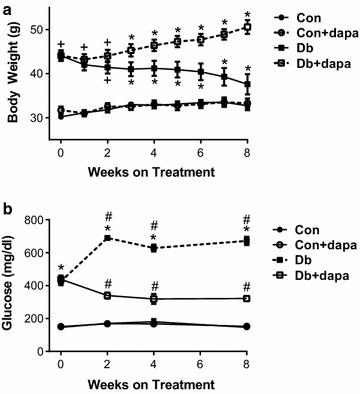
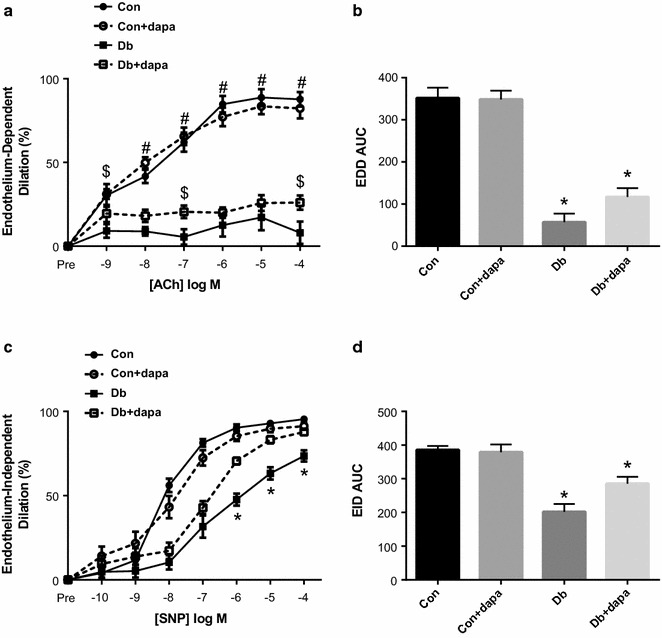
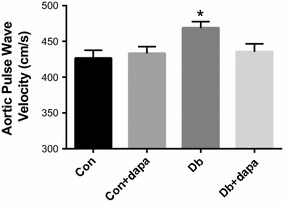
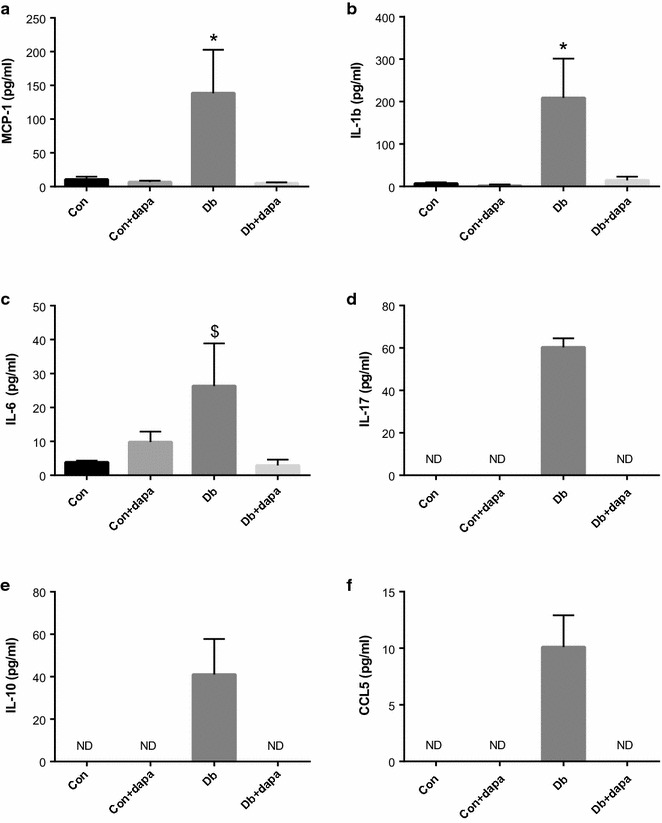
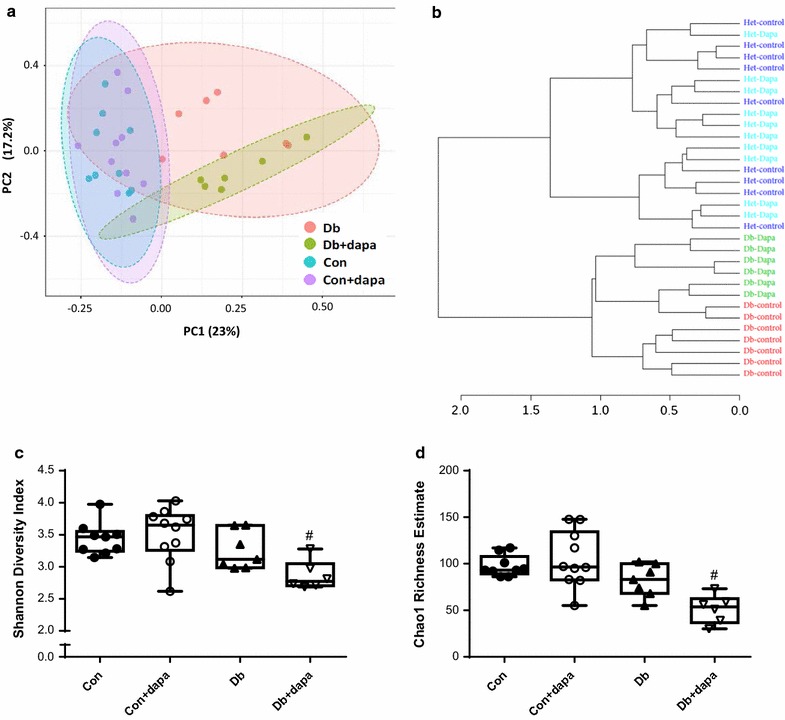
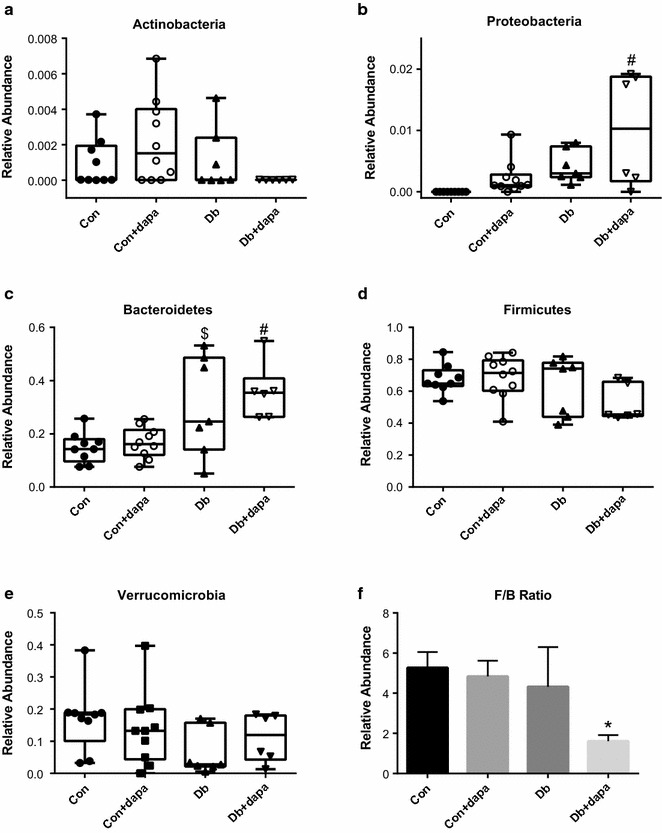
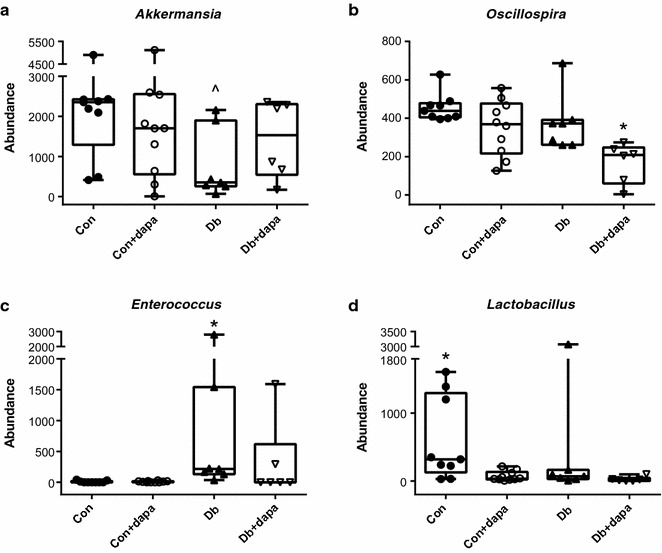
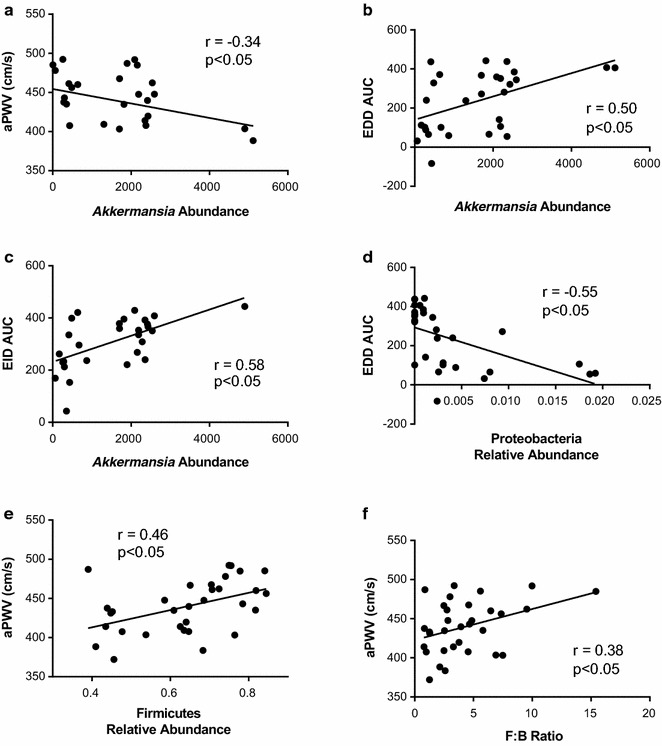
BACKGROUND: Type 2 diabetes (T2D) is associated with generalized vascular dysfunction characterized by increases in large artery stiffness, endothelial dysfunction, and vascular smooth muscle dysfunction. Sodium glucose cotransporter 2 inhibitors (SGLT2i) represent the most recently approved class of oral medications for the treatment of T2D, and have been shown to reduce cardiovascular and overall mortality. Although it is currently unclear how SGLT2i decrease cardiovascular risk, an improvement in vascular function is one potential mechanism. The aim of the current study was to examine if dapagliflozin, a widely prescribed STLT2i, improves generalized vascular dysfunction in type 2 diabetic mice. In light of several studies demonstrating a bi-directional relation between orally ingested medications and the gut microbiota, a secondary aim was to determine the effects of dapagliflozin on the gut microbiota. METHODS: Male diabetic mice (Db, n = 24) and control littermates (Con; n = 23) were randomized to receive either a standard diet or a standard diet containing dapagliflozin (60 mg dapagliflozin/kg diet; 0.006%) for 8 weeks. Arterial stiffness was assessed by aortic pulse wave velocity; endothelial function and vascular smooth muscle dysfunction were assessed by dilatory responses to acetylcholine and sodium nitroprusside, respectively. RESULTS: Compared to untreated diabetic mice, diabetic mice treated with dapagliflozin displayed significantly lower arterial stiffness (Db = 469 cm/s vs. Db + dapa = 435 cm/s, p < 0.05), and improvements in endothelial dysfunction (area under the curve [AUC] Db = 57.2 vs. Db + dapa = 117.0, p < 0.05) and vascular smooth muscle dysfunction (AUC, Db = 201.7 vs. Db + dapa = 285.5, p < 0.05). These vascular improvements were accompanied by reductions in hyperglycemia and circulating markers of inflammation. The microbiota of Db and Con mice were distinctly different, and dapagliflozin treatment was associated with minor alterations in gut microbiota composition, particularly in Db mice, although these effects did not conclusively mediate the improvements in vascular function. CONCLUSIONS: Dapagliflozin treatment improves arterial stiffness, endothelial dysfunction and vascular smooth muscle dysfunction, and subtly alters microbiota composition in type 2 diabetic mice. Collectively, the improvements in generalized vascular function may represent an important mechanism underlying the cardiovascular benefits of SGLT2i treatment.
Overview
The claims and statistics of this paper haven’t been checked yet.
Free: it reads the open-access text and checks the first 5 claims that cite a source we can check. Create a free account to check every claim.
Integrity signals
Registry
Cites
Statistics
Figures
Verification
Claims the paper makes
The claims and statistics of this paper haven’t been checked yet.
Free: it reads the open-access text and checks the first 5 claims that cite a source we can check. Create a free account to check every claim.
Claims other papers make about this one
Each is checked against this paper’s own text: does it say what the citing paper says it does?
The source backs part of the claim, not all of it — or backs it for a different population, condition or comparison.
In the citing paper
“The SGLT2 inhibitor dapagliflozin also showed some improvement in NAFLD, affecting microbiota by promoting a reduction of the Firmicutes/Bacteroidetes ratio in diabetic mice [310].”
From Gut-pancreas-liver Axis as a target for treatment of NAFLD/NASH (2020) · cites this paper as [310]
Experimental — accuracy not yet measured
Self-check
Percentages, sums and reported differences re-computed from the paper’s own numbers.
The self-check needs the paper’s full text.
Citations
Cites
DADA2: High–resolution sample inference from Illumina amplicon data
Callahan, B. J., McMurdie, P. J., Rosen, M. J., Han, A. W., Johnson, A. J. A., & Holmes, S. P. (2016) · Nature Methods · doi:10.1038/nmeth.3869 · Cited by 35,698 · cited 1×
“Paired-end sequence reads were concatenated and all combined 16 s sequences were filtered, trimmed and processed with the DADA2 (R bioconductor package [31]) implementation included in the open source bioinformatics tool myPhyloDB version 1.”
MethodCutadapt removes adapter sequences from high-throughput sequencing reads
Martin, M. (2011) · EMBnet.journal · doi:10.14806/ej.17.1.200 · Cited by 33,889 · cited 2×
“Martin M. Cutadapt removes adapter sequences from high-throughput sequencing reads.”
MethodMetagenomic biomarker discovery and explanation
Segata, N., Izard, J., Waldron, L., Gevers, D., Miropolsky, L., Garrett, W. S., & Huttenhower, C. (2011) · Genome Biology · doi:10.1186/gb-2011-12-6-r60 · Cited by 16,192
Empagliflozin, Cardiovascular Outcomes, and Mortality in Type 2 Diabetes
Zinman, B., Wanner, C., Lachin, J. M., Fitchett, D., Bluhmki, E., Hantel, S., Mattheus, M., Devins, T., Johansen, O. E., Woerle, H. J., et al. (2015) · New England Journal of Medicine · doi:10.1056/nejmoa1504720 · Cited by 12,315
VSEARCH: a versatile open source tool for metagenomics
(2016) · doi:10.7717/peerj.2584 · Cited by 10,773
Ultra-high-throughput microbial community analysis on the Illumina HiSeq and MiSeq platforms
Caporaso, J. G., Lauber, C. L., Walters, W. A., Berg-Lyons, D., Huntley, J., Fierer, N., Owens, S. M., Betley, J., Fraser, L., Bauer, M., et al. (2012) · The ISME Journal · doi:10.1038/ismej.2012.8 · Cited by 8,839 · cited 1×
“The 16 s rRNA gene was amplified for sequencing following the Earth Microbiome Project 16 s protocol utilizing 515F-806R primer set (forward: 5′GTG YCA GCMGCC GCG GTAA 3′; reverse 5′ GGA CTA CNVGGG TWT CTAAT 3′) [30].”
MethodIntensive blood glucose control and vascular outcomes in patients with type 2 diabetes
(2008) · New England Journal of Medicine · doi:10.1056/nejmoa0802987 · Cited by 7,397 · cited 1×
“Although there is a strong correlation between the magnitude of hyperglycemia and CVD event rates among people with diabetes [3, 4], the cardiovascular benefits of successful glucose control are unclear, and there remains considerable uncertainty as to whether current anti-diabetic medications reduce CVD risk [5, 6].”
BackgroundCross-talk between Akkermansia muciniphila and intestinal epithelium controls diet-induced obesity
Everard, A., Belzer, C., Geurts, L., Ouwerkerk, J. P., Druart, C., Bindels, L. B., Guiot, Y., Derrien, M., Muccioli, G. G., Delzenne, N. M., et al. (2013) · Proceedings of the National Academy of Sciences · doi:10.1073/pnas.1219451110 · Cited by 4,511
Danaei, G., Finucane, M. M., Lu, Y., Singh, G. M., Cowan, M. J., Paciorek, C. J., Lin, J. K., Farzadfar, F., Khang, Y.-H., Stevens, G. A., et al. (2011) · The Lancet · doi:10.1016/s0140-6736(11)60679-x · Cited by 3,568 · cited 1×
“Background Type 2 diabetes (T2D) affects nearly 30 million individuals in the US and over 350 million individuals worldwide [1].”
BackgroundSchächinger, V., Britten, M. B., & Zeiher, A. M. (2000) · Circulation · doi:10.1161/01.cir.101.16.1899 · Cited by 2,585 · cited 2×
“Similar to aPWV and EDD, vascular smooth muscle dysfunction, as determined by reductions in EID, is common in T2D and predicts cardiovascular complications and mortality [16, 17].”
Background
Cited by
Items 101–200 of 247
Sodium glucose co-transporter 2 inhibition reduces succinate levels in diabetic mice
Herat, L. Y., Ward, N. C., Magno, A. L., Rakoczy, E. P., Kiuchi, M. G., Schlaich, M. P., & Matthews, V. B. (2020) · World Journal of Gastroenterology · doi:10.3748/wjg.v26.i23.0000 · Cited by 28
Pharmacomicrobiomics and type 2 diabetes mellitus: A novel perspective towards possible treatment
Jia, L., Huang, S., Sun, B., Shang, Y., & Zhu, C. (2023) · Frontiers in Endocrinology · doi:10.3389/fendo.2023.1149256 · Cited by 29
“In T2DM mice, dapagliflozin treatment showed a trend for increased Akkermansia muciniphila and decreased Oscillospira and Firmicutes/Bacteroidetes ratios (84).”
BackgroundSodium-glucose cotransporter 2 inhibitors and heart failure: the best timing for the right patient
Severino, P., D’Amato, A., Prosperi, S., Costi, B., Angotti, D., Birtolo, L. I., Chimenti, C., Lavalle, C., Maestrini, V., Mancone, M., et al. (2021) · Heart Failure Reviews · doi:10.1007/s10741-021-10170-1 · Cited by 32
Wang, X., Wang, Z., Liu, D., Jiang, H., Cai, C., Li, G., & Yu, G. (2022) · Frontiers in Pharmacology · doi:10.3389/fphar.2022.839640 · Cited by 31
“Moreover, it has been reported that several SGLT2i showed notable beneficial effects on CVD unlike other classes of antidiabetic medications (Dziuba et al., 2014; Lee et al., 2018; Jiang et al., 2021; Tan et al., 2021; Xiang et al., 2021).”
BackgroundSzekeres, Z. J., Sándor, B., Bognár, Z., Ramadan, F. H. J., Pálfi, A., Bódis, B., Tóth, K., & Szabados, E. (2023) · International Journal of Molecular Sciences · doi:10.3390/ijms24054405 · Cited by 32
“Furthermore, dapagliflozin displayed significantly lower arterial stiffness in diabetic mice treated with dapagliflozin when compared to untreated diabetic mice [46].”
BackgroundGut Microbiota, Obesity and Bariatric Surgery: Current Knowledge and Future Perspectives
Cătoi, A. F., Vodnar, D. C., Corina, A., Nikolić, D., Citarrella, R., Pérez‐Martínez, P., & Rizzo, M. (2019) · Current Pharmaceutical Design · doi:10.2174/1381612825666190708190437 · Cited by 27
SGLT2 Inhibitors and Kidney Outcomes in Patients with Chronic Kidney Disease
Kanduri, S. R., Kovvuru, K. R., Hansrivijit, P., Thongprayoon, C., Vallabhajosyula, S., Pivovarova, A. I., Chewcharat, A., Garla, V. V., Medaura, J. A., & Cheungpasitporn, W. (2020) · Journal of Clinical Medicine · doi:10.3390/jcm9092723 · Cited by 28
Javed, Z., Papageorgiou, M., Madden, L. A., Rigby, A. S., Kilpatrick, E. S., Atkin, S. L., & Sathyapalan, T. (2020) · Endocrine Connections · doi:10.1530/ec-20-0173 · Cited by 24
Wang, L., Wang, Y., Xu, H., & Li, W. (2024) · Scientific Reports · doi:10.1038/s41598-024-64909-5 · Cited by 30
“The DAPA has an impact on the gut microbiota of patients with cardiovascular and kidney diseases 46,47 .”
BackgroundChen, Y., & Wang, M. (2021) · Drug Design Development and Therapy · doi:10.2147/dddt.s334325 · Cited by 26
“Early study found that dapagliflozin, a SGLT2 inhibitor, improved vascular dysfunction concomitantly subtly altering microbiota diversity in T2DM db/ db mice.107 Dapagliflozin treatment could increase the abundance of beneficial bacterial species Akkermansia muciniphila and reduce Firmicutes/Bacteroidetes.107 However,…”
BackgroundInfluentialTabaa, M. M. E., Fattah, A. M. K., Shaalan, M., Rashad, E., & Mahdy, N. A. E. (2022) · Expert Opinion on Therapeutic Targets · doi:10.1080/14728222.2022.2077723 · Cited by 24
“Mostly, DAPA can exhibit a good anti-inflammatory role through inhibiting the release of IL-17 and as a consequence, reducing the outflow of proinflammatory mediators, such as TNF-α and IL-1β as well as MCP-1 [19,50].”
BackgroundInfluentialQin, T., Kong, B., Dai, C., Xiao, Z., Fang, J., Shuai, W., & Huang, H. (2022) · Bioengineered · doi:10.1080/21655979.2021.2017652 · Cited by 25
“More and more emerging clinical data investigated that Dapagliflozin could improve vascular endothelial function and decreased oxidative stress [41].”
BackgroundGut microbiota-derived metabolites are novel targets for improving insulin resistance
Bastos, R. M. C., & Rangel, É. B. (2022) · World Journal of Diabetes · doi:10.4239/wjd.v13.i1.65 · Cited by 24
Bica, I.-C., Pietroșel, V.-A., Salmen, T., Diaconu, C.-T., Fierbinteanu-Braticevici, C. G., Stoica, R. A., Suceveanu, A., & Stoian, A. P. (2023) · International Journal of Molecular Sciences · doi:10.3390/ijms24087184 · Cited by 27
“05) among diabetic mice than among the control group individuals [59].”
BackgroundAguilar-Ballester, M., Hurtado-Genovés, G., Taberner-Cortés, A., Herrero-Cervera, A., Martínez‐Hervás, S., & Navarro, H. G. (2021) · International Journal of Molecular Sciences · doi:10.3390/ijms22020660 · Cited by 29
Lamacchia, O., & Sorrentino, M. R. (2020) · Current Vascular Pharmacology · doi:10.2174/1570161118666200317150359 · Cited by 27
The impact of sodium-glucose cotransporter inhibitors on gut microbiota: a scoping review
Afşar, B., Afşar, R. E., & Lentine, K. L. (2024) · Journal of Diabetes & Metabolic Disorders · doi:10.1007/s40200-024-01435-1 · Cited by 28
“Although the above mentioned mechanisms have been elucidated, other beneficial mechanisms of SGLTi are emerging such as interactions with gut microbiota [3].”
Piperis, C., Marathonitis, A., Anastasiou, A., Theofilis, P., Mourouzis, K., Giannakodimos, A., Tryfou, E. S., Oikonomou, E. K., Siasos, G., & Tousoulis, D. (2024) · Biomedicines · doi:10.3390/biomedicines12102314 · Cited by 28
Relandscaping the Gut Microbiota with a Whole Food: Dose–Response Effects to Common Bean
Lutsiv, T., McGinley, J. N., Neil, E. S., Weir, T. L., Foster, M. T., & Thompson, H. J. (2022) · Foods · doi:10.3390/foods11081153 · Cited by 28
“The V4 region of the 16S rRNA gene was amplified and sequenced to construct pairedend sequencing libraries using the 515F-806R primer set following the Earth Microbiome Project protocols [35], followed by sequencing using the MiSeq Reagent Kit v2 2 × 250 bp on an Illumina MiSeq instrument housed at the Next-Generation…”
MethodSelf-citationVascular effects of SGLT2 inhibitors: evidence and mechanisms
Góes-Santos, B. R., Castro, P. D. C., Girardi, A. C. C., Antunes‐Correa, L. M., & Davel, A. P. (2025) · American Journal of Physiology-Cell Physiology · doi:10.1152/ajpcell.00569.2025 · Cited by 29
Dapagliflozin-affected endothelial dysfunction and altered gut microbiota in mice with heart failure
Bao, N., Liu, X., Zhong, X., Jia, S., Hua, N., Zhang, L., & Mo, G. (2023) · PeerJ · doi:10.7717/peerj.15589 · Cited by 24
The Impact of SGLT2 Inhibitors in the Heart and Kidneys Regardless of Diabetes Status
Matthews, J. R., Herat, L. Y., Schlaich, M. P., & Matthews, V. B. (2023) · International Journal of Molecular Sciences · doi:10.3390/ijms241814243 · Cited by 28
“DAPA has been beneficial in lowering the level of dysbacteriosis and bile acids [40], altering the microbiota composition [41] and reducing succinate levels (pathogenic factor in diabetic retinopathy) [42], while the inhibitor EMPA reduces the lipopolysaccharide (LPS)-producing bacteria and increases the short-chain f…”
Gut Dysbiosis and Its Role in the Anemia of Chronic Kidney Disease
Coll, E., Guldris, S. C., Portolés, J. M., & Cases, A. (2024) · Toxins · doi:10.3390/toxins16110495 · Cited by 22
Pharmacomicrobiomics in Western Medicine and Traditional Chinese Medicine in Type 2 Diabetes
Chu, N. H. S., Chan, J. C. N., & Chow, E. (2022) · Frontiers in Endocrinology · doi:10.3389/fendo.2022.857090 · Cited by 21
“In the animal study, dapagliflozin, a SGLT2 inhibitor reduced the Firmicutes to Bacteroidetes ratio and increased the abundance of Akkermansia muciniphila (39).”
BackgroundGut-kidney interaction reinforces dapagliflozin-mediated alleviation in diabetic nephropathy
Ni, Y., Du, H., Ke, L., Zheng, L., Nan, S., Ni, L., Pan, Y., Fu, Z., He, Q., & Jin, J. (2024) · American Journal of Physiology-Cell Physiology · doi:10.1152/ajpcell.00651.2024 · Cited by 21
Arterial stiffness in chronic kidney disease: a modifiable cardiovascular risk factor?
Pickup, L. C., Radhakrishnan, A., Townend, J., & Ferro, C. J. (2019) · Current Opinion in Nephrology & Hypertension · doi:10.1097/mnh.0000000000000535 · Cited by 18
“Recent studies report reduced PWV in diabetic mice following administration of dapagliflozin [58,59].”
BackgroundAziz, F., Tripolt, N. J., Pferschy, P. N., Scharnagl, H., Abdellatif, M., Oulhaj, A., Benedikt, M., Kolesnik, E., von Lewinski, D., & Sourij, H. (2024) · Cardiovascular Diabetology · doi:10.1186/s12933-024-02221-2 · Cited by 20
“…clinical settings, our findings are not surprising and agree with previous experimental and preclinical data, which showed a significant role of SGLT2 inhibition in promoting ketogenesis, ketonemia, and uptake and utilization of ketone bodies, especially 3-βOHB, in the myocardium [17, 26, 27].”
ResultThe current landscape for diabetes treatment: Preventing diabetes-associated CV risk
Dardano, A., Bianchi, C., Garofolo, M., & Prato, S. D. (2024) · Atherosclerosis · doi:10.1016/j.atherosclerosis.2024.117560 · Cited by 18
Kurtz, R., Anderman, M. F., & Shepard, B. D. (2020) · American Journal of Physiology-Gastrointestinal and Liver Physiology · doi:10.1152/ajpgi.00275.2020 · Cited by 19
Al-Shamasi, A.-A., Elkaffash, R., Mohamed, M., Rayan, M., Al-Khater, D., Gadeau, A., Ahmed, R., Hasan, A., Eldassouki, H., Yalcin, H. C., et al. (2021) · International Journal of Molecular Sciences · doi:10.3390/ijms222312677 · Cited by 19
“dothelial dysfunction, vascular smooth muscle dysfunction, and arterial stiffness [35].”
BackgroundAging in Ocular Blood Vessels: Molecular Insights and the Role of Oxidative Stress
Cui, X., Buonfiglio, F., Pfeiffer, N., & Gericke, A. (2024) · Biomedicines · doi:10.3390/biomedicines12040817 · Cited by 17
“Experimental evidence indicates that dapagliflozin can prevent impaired endothelium-dependent vasodilation and enhance arterial stiffness in type 2 diabetes (T2D) mouse models [174].”
BackgroundmTOR and SGLT-2 Inhibitors: Their Synergistic Effect on Age-Related Processes
Troise, D. E., Mercuri, S., Infante, B., Losappio, V., Cirolla, L. A., Netti, G. S., Ranieri, E., & Stallone, G. (2024) · International Journal of Molecular Sciences · doi:10.3390/ijms25168676 · Cited by 21
“…RAPA enhanced mitochondrial respiration, increased lysosome content, and improved mitochondrial localization to lysosomes in MELAS fibroblasts [132] Empagliflozin may utilize the mitophagy mechanism to halt mitochondrial fission in diabetes [137] RAPA induces the expression of genes related…”
BackgroundBilak, J. M., Gulsin, G. S., & McCann, G. P. (2021) · Therapeutic Advances in Endocrinology and Metabolism · doi:10.1177/2042018820980235 · Cited by 21
Bakkar, N. Z., AlZaim, I., & EL‐Yazbi, A. F. (2022) · Clinical Science · doi:10.1042/cs20220404 · Cited by 20
Use of Animal Models for Investigating Cardioprotective Roles of SGLT2 Inhibitors
Al‐Thani, N. A., Hasan, M. H., & Yalcin, H. C. (2023) · Journal of Cardiovascular Translational Research · doi:10.1007/s12265-023-10379-5 · Cited by 19
“Lastly, in an unconventional study exploring the cardiac remodeling effects of an SGLT2i using T2DM mice, Lee et al. (2018) [36] studied whether SGLT2i DAPA improves generalized vascular dysfunction in T2DM mice with a secondary aim of determining the effects of DAPA on the gut microbiota.”
BackgroundTan, J., Wei, Y., Chong, L., Yang, Y., Hu, S., & Wang, Y. (2024) · Critical Reviews in Clinical Laboratory Sciences · doi:10.1080/10408363.2024.2361012 · Cited by 19
“Dapagliflozin inhibits the upregulation of ICAM-1 induced by hyperglycemia, while empagliflozin, besides reducing specific chemokines, also mitigates the adhesion of leukocytes to ECs [86,87].”
Kusunoki, M., Hisano, F., Matsuda, S., Kusunoki, A., Wakazono, N., Tsutsumi, K., & Miyata, T. (2023) · Drug Research · doi:10.1055/a-2037-5250 · Cited by 16
“reported that da pagliflozin treatment was associated with minor alterations in gut microbiota and did not decrease the body weight in type 2 diabet ic mice [15], and Yang et al.”
BackgroundTao, Y., Zhang, N., Wang, Z., Pan, Y., Zhong, S., & Liu, H. (2025) · Journal of Cardiovascular Development and Disease · doi:10.3390/jcdd12120471 · Cited by 18
“In a healthy state, the microbiota remains diverse and relatively stable [12].”
Aziz, F., Tripolt, N. J., Pferschy, P. N., Kolesnik, E., Mangge, H., Curcic, P., Hermann, M., Meinitzer, A., von Lewinski, D., Sourij, H., et al. (2023) · Cardiovascular Diabetology · doi:10.1186/s12933-023-01920-6 · Cited by 15
“While Dapagliflozin treatment caused minor alterations in the gut microbiome of diabetic mice compared to control mice [27].”
BackgroundGut–Kidney–Heart: A Novel Trilogy
Caldarelli, M., Franza, L., Rio, P., Gasbarrini, A., Gambassi, G., & Cianci, R. (2023) · Biomedicines · doi:10.3390/biomedicines11113063 · Cited by 14
“Lee et al. demonstrated that treatment with Dapagliflozin can reduce the Firmicutes:Bacteroidetes ratio and increased the Akkermansia muciniphila population [174].”
BackgroundVrachatis, D. A., Papathanasiou, K. A., Iliodromitis, K. E., Giotaki, S. G., Kossyvakis, C., Raisakis, K., Kaoukis, A., Lambadiari, V., Avramides, D., Reimers, B., et al. (2021) · Drugs · doi:10.1007/s40265-021-01565-3 · Cited by 15
“Dapagliflozin is known to improve arterial stiffness and endothelial dysfunction (as examined via aortic pulse wave velocity and acetylcholine induced dilatation, respectively) and these beneficial vascular effects correlate with reduced circulating levels of IL-1b and IL-6 in T2DM mice [77].”
BackgroundDapagliflozin modulates the faecal microbiota after myocardial infarction in non‐diabetic mice
Li, Z., Wang, K., Ding, Y., Ma, W., Sun, Y., Liu, X., Qian, L., Li, Y., Hong, J., & Xu, D. (2022) · Clinical and Experimental Pharmacology and Physiology · doi:10.1111/1440-1681.13727 · Cited by 16
“0 mg/kg/day, 60 mg dapagliflozin /kg diet) of drug intervention.(10,15,16) Beta diversity analysis and enterotypes were used to further analyse core microbial composition after the dapagliflozin treatment.”
BackgroundMethodExploring the Protective Effects of Taxifolin in Cardiovascular Health: A Comprehensive Review
Sim, H.-H., Ko, J.-Y., Gong, D.-S., Kim, D., Kim, J. J., Lim, H.-K., Kim, H. J., & Oak, M. (2025) · International Journal of Molecular Sciences · doi:10.3390/ijms26168051 · Cited by 13
“In addition to glycemic control, recent studies have shown that SGLT2 inhibitors provide significant cardiovascular benefits, including reduced risk of heart failure and improved endothelial function [80,81].”
He, X., Li, Y., Ma, Y., Fu, Y., Xun, X., Cui, Y., & Dong, Z. (2022) · Molecules · doi:10.3390/molecules27196190 · Cited by 14
“Furthermore, previous studies [44,45] demonstrated that DAPA treatment might subtly alter intestinal microbiota composition in type 2 diabetic mice/rat models.”
ResultDapagliflozin promotes angiogenesis in hindlimb ischemia mice by inducing M2 macrophage polarization
Yang, H., Lan, W., Liu, W., Chen, T., & Tang, Y. (2023) · Frontiers in Pharmacology · doi:10.3389/fphar.2023.1255904 · Cited by 12
“dysfunction in diabetic patients, as well as alleviate dysfunction in non-diabetic endothelial cells (Lee et al., 2018; Cappetta et al., 2020).”
BackgroundNguyen, T., Gong, M., Wen, S., Yuan, X., Wang, C., Jin, J., & Zhou, L. (2020) · Journal of Diabetes Research · doi:10.1155/2020/4727390 · Cited by 15
“In the study, diabetic animals treated with dapagliflozin showed a decrease in the gut microbiota composition, such as Firmicutes/Bacteroidetes ratio and Oscillospira, and an increase in Akkermansia muciniphila [69], which suggested that the gut microbiota composition could be influenced by SGLT-2i and GLP1interaction.”
BackgroundKusakabe, T., Yokota, S., Shimizu, M., Inoue, T., Tanaka, M., Ohue‐Kitano, R., Muranaka, K., Yamakage, H., Wada, H., Hasegawa, K., et al. (2020) · BMJ Open Diabetes Research & Care · doi:10.1136/bmjdrc-2020-001303 · Cited by 12
Systems Biology of Human Microbiome for the Prediction of Personal Glycaemic Response
Kirtipal, N., Seo, Y. D., Son, J. W., & Lee, S. (2024) · Diabetes & Metabolism Journal · doi:10.4093/dmj.2024.0382 · Cited by 12
The Impact of Glucagon-like Peptide-1 Receptor Agonists on Erectile Function: Friend or Foe?
Kounatidis, D. C., Vallianou, N. G., Rebelos, E., Vallianou, K., Diakoumopoulou, E., Makrilakis, K., & Tentolouris, N. (2025) · Biomolecules · doi:10.3390/biom15091284 · Cited by 16
“Sodium-glucose cotransporter-2 inhibitors (SGLT-2is) are well recognized for their CV benefits, including improved arterial stiffness and endothelial function [163]; however, their effects on sexual health remain ambiguous.”
He, S., Yao, Y., Yang, N., Wang, Y., Liu, D., Cao, Z. X., Chen, H., Fu, Y., Yang, M., Wang, S., et al. (2022) · Frontiers in Pharmacology · doi:10.3389/fphar.2022.925276 · Cited by 13
“SGLT2 inhibitors in nondiabetic mice improve vascular endothelial function, ameliorate myocardial fibrosis, decrease oxidative stress, and enhance cardiac systolic function (Lin et al., 2014; Joubert et al., 2017; Lee et al., 2018).”
BackgroundDapagliflozin Does Not Modulate Atherosclerosis in Mice with Insulin Resistance
Taberner-Cortés, A., Vinué, Á., Herrero-Cervera, A., Aguilar-Ballester, M., Real, J. T., Burks, D. J., Martínez‐Hervás, S., & Navarro, H. G. (2020) · International Journal of Molecular Sciences · doi:10.3390/ijms21239216 · Cited by 12
“SGLT2i alleviate endothelial and vascular smooth muscle cell (VSMC) dysfunction [8].”
BackgroundZhang, Q., Deng, Z., Li, T., Chen, K., & Zeng, Z. (2024) · Frontiers in Cardiovascular Medicine · doi:10.3389/fcvm.2023.1280547 · Cited by 14
Hershenson, R., Agmon, I. N., Leshem‐Lev, D., Kornowski, R., & Eisen, A. (2024) · Cardiovascular Diabetology · doi:10.1186/s12933-024-02466-x · Cited by 13
“Substantial evidence indicates that SGLT2i improve endothelial function [73–78], improves arterial stiffness and vascular smooth muscle dysfunction [76] and reduced oxidative stress [79, 80].”
BackgroundKristensen, D. K., Mose, F. H., Buus, N. H., Duus, C. L., Mårup, F. H., Bech, J. N., & Nielsen, S. F. (2024) · Diabetes Obesity and Metabolism · doi:10.1111/dom.16097 · Cited by 10
Hsu, S., Huang, H., Pun, C. K., Chang, C.-C., Chuang, C., Huang, Y., Hou, M., & Lee, F. (2022) · Journal of Pharmacology and Experimental Therapeutics · doi:10.1124/jpet.122.001289 · Cited by 11
“It was shown that 8-week treatment with SGLT-2 inhibitors signi fi cantly lowered arterial stiffness and improved endothelial and smooth muscle dysfunction in diabetic mice (Lee et al., 2018).”
BackgroundGuan, X., Wang, C.-H., Cheng, P., Fu, L., Wu, Q., Cheng, G., Guan, L., & Sun, Z.-J. (2023) · Drug Design Development and Therapy · doi:10.2147/dddt.s404479 · Cited by 13
“Recent studies have found that SGLT2 impacts the intestinal microbiota in animal models.(16,17) Given the growing importance of intestinal microbiota in HF and the effects of SGLT2 on intestinal microbiota and HF, we are conducting a clinical trial to assess the effects of empagliflozin on gut microbiota in patients w…”
BackgroundKhaznadar, F., Petrovic, A., Khaznadar, O., Roguljić, H., Bojanić, K., Kuna, L., Siber, S., Smolić, R., Bilić-Čurčić, I., Wu, G. Y., et al. (2023) · Journal of Clinical Medicine · doi:10.3390/jcm12206561 · Cited by 13
“Dapagliflozin improved microbial abundance and variety in mice with diabetes, while in control healthy mice, only a minor effect was observed, suggesting a potential beneficial effect of SGLT2 inhibitors on gut microbiota when associated with T2DM [45].”
BackgroundHow gut microbiota relate to the oral antidiabetic treatment of type 2 diabetes
Hung, W., & Hung, W.-C. (2020) · Medicine in Microecology · doi:10.1016/j.medmic.2020.100007 · Cited by 11
Pan, X., Phanish, M. K., Baines, D. L., & Dockrell, M. E. C. (2021) · Bioscience Reports · doi:10.1042/bsr20203947 · Cited by 11
“Sodium glucose transporters (SGLT2) inhibitors, also known as gliflozins, are the most recent class in a long line of anti-diabetic drugs approved by the FDA [7].”
The new views on the state of the gut microbiota in obesity and diabetes mellitus type 2
Pokrovskaya, E. V., Шамхалова, М. Ш., & Shestakova, M. V. (2019) · Diabetes Mellitus · doi:10.14341/dm10194 · Cited by 15
SGLT2 Inhibitors in Aging-Related Cardiovascular Disease: A Review of Potential Mechanisms
Zhang, Y., He, Y., Liu, S., Deng, L., Zuo, Y., Huang, K., Liao, B., Li, G., & Feng, J. (2023) · American Journal of Cardiovascular Drugs · doi:10.1007/s40256-023-00602-8 · Cited by 10
“Dapagliflozin has also been shown to improve arterial stiffness, endothelial dysfunction, and vascular smooth muscle dysfunction [134].”
BackgroundInnovative Treatments to Counteract Endothelial Dysfunction in Chronic Kidney Disease Patients
Marrone, G., Cornali, K., Lauro, M. D., Ceravolo, M. J., Marco, L. D., di Villahermosa, S. M., Mitterhofer, A. P., & Noce, A. (2024) · Biomedicines · doi:10.3390/biomedicines12051085 · Cited by 13
Takasu, T. (2022) · Biological and Pharmaceutical Bulletin · doi:10.1248/bpb.b22-00289 · Cited by 10
Fine mapping-based multi-omics analysis interprets the gut-lung axis function of SGLT2 inhibitors
Yuan, F., Zhang, T., Jia, S., Zhao, J., Wan, B., & Liu, G. (2024) · Frontiers in Cellular and Infection Microbiology · doi:10.3389/fcimb.2024.1447327 · Cited by 9
Exogenous Ketones in Cardiovascular Disease and Diabetes: From Bench to Bedside
Kansakar, U., Garcia, C. N., Santulli, G., Gambardella, J., Mone, P., Jankauskas, S. S., & Lombardi, A. (2024) · Journal of Clinical Medicine · doi:10.3390/jcm13237391 · Cited by 9
“…involving anti-metabolic and anti-inflammatory effects [116], protection from oxidative stress [117], and a possible microbiota involvement [118]. iSGLT2s improved exercise endurance capacity in HF mice, without affecting cardiac functions post-MI [119], and increased lipolysis [120],…”
Response of Akkermansia muciniphila to Bioactive Compounds: Effects on Its Abundance and Activity
Temis-Cortina, J. A., Prada-Ramírez, H. A., Ríos-Guerra, H., Espinosa‐Raya, J., & Gómez‐Pliego, R. (2025) · Fermentation · doi:10.3390/fermentation11080427 · Cited by 8
Mohebi, R., Liu, Y., Hansen, M. K., Yavin, Y., Sattar, N. A., Pollock, C. A., Butler, J., Jardine, M., Masson, S., Heerspink, H. J. L., et al. (2023) · Clinical Journal of the American Society of Nephrology · doi:10.2215/cjn.0000000000000389 · Cited by 8
Dietary administration with hydrolyzed silk sericin improves the intestinal health of diabetic rats
Zhou, W., Weng, Y., Liu, Q., Wang, C., Zhang, Y., Zhang, X., & Ye, A. (2023) · Frontiers in Microbiology · doi:10.3389/fmicb.2023.1074892 · Cited by 8
Campos, E. G., Páez, F. G., Becerra, C. G. R., Balleza-Alejandri, L. R., Suárez-Rico, D. O., Cardona-Muñóz, E. G., González, S. P., Ramos-Zavala, M. G., Beltrán-Ramírez, A., García-Galindo, J. J., et al. (2025) · Life · doi:10.3390/life15050802 · Cited by 7
“The co-primary endpoints were changes in cf-PWV and BP; secondary endpoints included changes in metabolic parameters.”
Chandrasekar, B., Mummidi, S., DeMarco, V. G., & Higashi, Y. (2023) · Mediators of Inflammation · doi:10.1155/2023/6112301 · Cited by 11
“Intriguingly, several clinical trials have reported the pleiotropic bene fi cial effects of SGLT-2 inhibition on vascular function [14, 15], with the underlying mechanism postulated to be due, in part, to indirect effects mediated by improved diabetes status, such as weight loss, improved glycemic…”
BackgroundEcton, K. E., Graham, E. L., Risk, B. D., Brown, G., Stark, G., Wei, Y., Trikha, S. R. J., Weir, T. L., & Gentile, C. L. (2023) · Frontiers in Microbiomes · doi:10.3389/frmbi.2023.1095997 · Cited by 10
“Aortic pulse wave velocity (aPWV) was used to determine in vivo arterial stiffness using a Doppler Flow Velocity System (Indus Instruments, Webster, TX) via methods described previously by our laboratory (Battson et al., 2018; Lee et al., 2018).”
MethodSelf-citationLiang, T., Jiang, T., Liang, Z., Li, L., Chen, Y., Chen, T., Yang, L., Zhang, N., Dong, B., Xie, X., et al. (2025) · Microbiological Research · doi:10.1016/j.micres.2025.128145 · Cited by 8
Metabolic consequences of alterations in gut microbiota induced by antidiabetic medications
Chaithanya, V., Kumar, J. S., Leela, K. V., Angelin, M., Satheesan, A., & Murugesan, R. (2023) · Diabetes Epidemiology and Management · doi:10.1016/j.deman.2023.100180 · Cited by 6
Zhang, Y., Wei, X., Sun, Q., Qian, W., Liu, X., Li, J., Long, Y., & Wan, X. (2021) · Journal of Agricultural and Food Chemistry · doi:10.1021/acs.jafc.1c04291 · Cited by 7
Nelson, A. J., Harrington, J., Kolkailah, A. A., Pagidipati, N. J., & McGuire, D. K. (2022) · Heart Failure Clinics · doi:10.1016/j.hfc.2022.03.007 · Cited by 6
Ao, N., Du, J., Jin, S., Suo, L., & Yang, J. (2024) · Diabetes Obesity and Metabolism · doi:10.1111/dom.16043 · Cited by 9
The effect of dapagliflozin on myocardial ischemia–reperfusion injury in diabetic rats
Xiong, S., Mo, D., Wu, Y., Wu, P., Hu, Y., & Gong, F. (2023) · Canadian Journal of Physiology and Pharmacology · doi:10.1139/cjpp-2022-0045 · Cited by 7
Evaluation of the Effect of Dapagliflozin on CRP Levels in Type 2 Diabetes Patients
Yosef, B., Kaddar, N., & Boubou, A. (2023) · Jordan Journal of Pharmaceutical Sciences · doi:10.35516/jjps.v16i2.1331 · Cited by 6
Balleza-Alejandri, L. R., Páez, F. G., Campos, E. G., Becerra, C. G. R., Muñoz, E., González, S. P., Ramos-Zavala, M. G., Reynoso-Roa, A. S., Suárez-Rico, D. O., Beltrán-Ramírez, A., et al. (2024) · Journal of Cardiovascular Development and Disease · doi:10.3390/jcdd11060182 · Cited by 8
“…the expression of vascular adhesion molecules (Gaspari et al., 2018) [15], and chronically improving endothelial function (Lee et al., 2018) [21], they also directly inhibit the cardiac output of the Na/H pump, reducing cytosolic Na, and mediate the attenuation of TNF-α (Uthman, 2017) [22].”
BackgroundRamadhani, D. T., Rafi Amanda Rezkia, A., Ulfia, M., Utami, S. M., Indarto, D., & Wasita, B. (2019) · IOP Conference Series Materials Science and Engineering · doi:10.1088/1757-899x/546/6/062023 · Cited by 5
“study that diabetic mice treated with dapaglifozin have increased BW and reduced blood glucose level [25] although we used a different method to generate”
MethodDumitru, C. N., Dumitru, A. O., Goroftei, L., Niculet, E., Ignat, M. D., Baroiu, L., Nechita, A., & Balan, G. (2026) · Pharmaceutics · doi:10.3390/pharmaceutics18060651 · Cited by 4
“…in the management of T2DM, heart failure, and chronic kidney disease, alter the intestinal luminal environment through glycosuria-mediated substrate changes and have demonstrated favourable microbiome remodelling in recent clinical studies, although the evidence base remains preliminary [27,28].”
InfluentialHasanvand, A., Goudarzi, G., & Hadian, B. (2025) · Journal of Diabetes & Metabolic Disorders · doi:10.1007/s40200-025-01735-0 · Cited by 5
“In addition to improving cardiac homeostasis, this drug was able to increase the levels of beneficial bacteria such as Alis-tipes, Olsenella, and Alloprevotella, while reducing the levels of harmful bacteria like Helicobacter in the body [ 62].”
Mechanistic Links Between the Gut Microbiome and Longevity Therapeutics
Garzon-Escamilla, N., Medina-Cardena, M., Roy, P., Trent, J., Jamous, J., Somesan, Y., & Denslow, S. (2026) · Biomedicines · doi:10.3390/biomedicines14020316 · Cited by 7
“Dapaglifozin was observed to increase Akkermansia muciniphila levels in diabetic mice, being one of the potential mechanisms by which this drug reduces intestinal inflammation and promotes gut barrier integrity [345].”
Várkonyi, T. T., Kupai, K., Kang, H. L., Matusovits, D., Priksz, D., Várkonyi, Á., Lengyel, C., & Pósa, A. (2026) · Antioxidants · doi:10.3390/antiox15050553 · Cited by 4
“…the myosin R403Q mutation, sixteen weeks of empagliflozin treatment improved cardiac energetics, normalized intracellular sodium concentration, improved mitochondrial function, reduced left ventricular hypertrophy and fibrosis, and improved diastolic function and contractile reserve [27,32].”
Sodium-glucose Cotransporter 2 Inhibitors and Pathological Myocardial Hypertrophy
Gao, Z., Bao, J., Hu, Y., Tu, J., Ye, L., & Wang, L. (2023) · Current Drug Targets · doi:10.2174/1389450124666230907115831 · Cited by 5
Čináková, A., Křenek, P., Klimas, J., & Kráľová, E. (2023) · Pharmacology · doi:10.1159/000533592 · Cited by 4
“Likewise, an anti-in fl ammatory effect of dapagli fl ozin was observed by reduced cytokine serum levels in experimental T1DM [37] and T2DM [38].”
BackgroundYang, S., Deng, J., Weng, X., Ma, Z., Lin, N., Xiao, Y. Y., Zuo, R. M., Hu, Y., Zheng, C., Zeng, X.-S., et al. (2025) · Frontiers in Pharmacology · doi:10.3389/fphar.2025.1600464 · Cited by 8
“…× 10 5 0.4 × 10 5 (0.1 × 10 5 , 0.8 × 10 5 )* 0.4 × 10 5 (0.01 × 10 5 , 0.7 × 10 5 )* NO 250.8 ± 152.5 218.2 ± 153.8 158.5 ± 139.3 32.5 (-93.4,158.5) 92.3 (-33.6,218.2) (Continued on following page) Frontiers in Pharmacology frontiersin.org in T2DM models (Lee et al., 2018; Yang M. et al., 2020).”
InfluentialSodium‐glucose cotransporter 2 inhibitors: A comprehensive review from cells to bedside
Bagheri, B., Yaribeygi, H., Taherifard, E., Talasaz, A. H., Bagheri, H., Darban, M., Tabrizi, R., Najafi, S., Khodadost, M., & Akbari, M. (2022) · Fundamental and Clinical Pharmacology · doi:10.1111/fcp.12852 · Cited by 4
Shen, J., Ying, L., Wu, J., Fang, Y., Zhou, W., Qi, C., Gu, L., Mou, S., Yan, Y., Tian, M., et al. (2024) · Cell Biochemistry and Function · doi:10.1002/cbf.3943 · Cited by 4
Lin, H.-J., Chuang, H., Jhan, P., Ye, H.-Y., Lee, I., Hsiao, T., & Liu, P. (2022) · Microbiology Research · doi:10.3390/microbiolres14010003 · Cited by 4
The Intestinal Microbiota and Metabolites in the Gut-Kidney-Heart Axis of Chronic Kidney Disease
Huang, Y., Xin, W., Xiong, J., Yao, M., Zhang, B., & Zhao, J. (2022) · Vide Leaf, Hyderabad eBooks · doi:10.37247/up.1.22.32 · Cited by 4
Perspective of SGLT2i in the Treatment of Abdominal Aortic Aneurysms
Jin, Z., Deng, H., Xiong, S., & Gao, L. (2023) · Journal of Cardiovascular Pharmacology · doi:10.1097/fjc.0000000000001395 · Cited by 5
Wu, Z., He, X., Xia, S., Xiao, X., Chen, J., & Li, L. (2023) · Cardiology Plus · doi:10.1097/cp9.0000000000000065 · Cited by 4
Genchi, V. A., Zanni, E., Colzani, M., Lauriola, C., Cignarelli, A., Santi, D., & Greco, C. (2023) · Metabolism and Target Organ Damage · doi:10.20517/mtod.2023.06 · Cited by 4
Yang, J., Zhang, B., Zhao, F., Wang, Y., Li, B., & Dong, Y. (2025) · Biochimica et Biophysica Acta (BBA) - Molecular Basis of Disease · doi:10.1016/j.bbadis.2025.167927 · Cited by 6
Lutsiv, T., Fitzgerald, V. K., Neil, E. S., McGinley, J. N., Hussan, H., & Thompson, H. J. (2025) · Nutrients · doi:10.3390/nu17111827 · Cited by 4
“…and sequenced to construct paired-end sequencing libraries using the 515F-806R primer set following the Earth Microbiome Project protocols [42], followed by sequencing using the MiSeq Reagent Kit v2 2 × 250 bp on an Illumina MiSeq instrument (Illumina, Inc., San Diego, CA, USA) housed at…”
Wen, D., Wang, X. G., He, Y., Hao, X., Huang, W., Zhou, H., Zhang, W., & Li, X. (2025) · Nutrition Metabolism and Cardiovascular Diseases · doi:10.1016/j.numecd.2025.104379 · Cited by 5
Zhang, Y., Liu, Y., Liu, Q., Zhang, Q., Zhu, W., Ma, C., Zhu, Z., Fang, Z., & Xu, X. (2025) · Frontiers in Bioscience-Landmark · doi:10.31083/fbl46142 · Cited by 3
“The gut microbiota interacts with host organs through metabolites, forming bidirectional communication networks such as the “gut-kidney axis” and “gut-heart axis”, which influence disease progression [31].”
Mechanisms of efficacy of drug therapy in type 2 diabetes: the role of microbiomes
Li, Y., Ziling, H. E., Li, C., Huang, J., & Zheng, Y. U. (2025) · Minerva Endocrinology · doi:10.23736/s2724-6507.25.04306-4 · Cited by 2
Chu, Y., Huang, K.-H., & Tseng, C. (2026) · International Journal of Molecular Sciences · doi:10.3390/ijms27094101 · Cited by 2
Metadata
- Authors
- Lee, D. M., Battson, M. L., Jarrell, D. K., Hou, S., Ecton, K. E., Weir, T. L., & Gentile, C. L.
- Affiliations
- Colorado State University (US)
- Corresponding author
- Gentile, Christopher L.
- Venue
- Cardiovascular Diabetology
- Published
- 2018-04-27
- Volume
- 17
- Issue
- 1
- Pages
- 62-62
- ISSN
- 1475-2840 (ISSN-L)
- PMC
- PMC5921754
- OpenAlex
- W2807501871
- Cited by
- 246
- References
- 58
- Citations by year
- 2026: 15 · 2025: 19 · 2024: 33 · 2023: 46 · 2022: 52 · 2021: 26 · 2020: 27 · 2019: 22 · 2018: 6
- FWCI
- 16.10
- Type
- journal article
- Language
- en
- Open access
- gold
- doi.org
- Licence
- cc-by
- creativecommons.org/licenses/by/4.0/ (tdm)
- Locations
- Cardiovascular Diabetology (publishedVersion, cc-by)
- Europe PMC (PubMed Central) (publishedVersion, cc-by)
- PubMed Central (publishedVersion, cc-by)
- PubMed (publishedVersion)
- DOAJ (DOAJ: Directory of Open Access Journals) (submittedVersion, cc-by-sa)
- Funders
- AstraZeneca
- Topics
- Health Sciences › Medicine › Endocrinology, Diabetes and Metabolism › Diabetes Treatment and Management
- Health Sciences › Medicine › Cardiology and Cardiovascular Medicine › Cardiovascular Health and Disease Prevention
- Health Sciences › Medicine › Cardiology and Cardiovascular Medicine › Cardiovascular Function and Risk Factors
- Keywords
- dapagliflozin, SGLT2 inhibitors, type 2 diabetes, vascular dysfunction, arterial stiffness, endothelial dysfunction, vascular smooth muscle dysfunction, gut microbiota, pulse wave velocity, acetylcholine response, sodium nitroprusside response, hyperglycemia, inflammation, diabetic mice, cardiovascular risk reduction, drug-microbiota interactions
- MeSH terms
- Gastrointestinal Microbiome, Sodium-Glucose Transporter 2 Inhibitors, Animals, Benzhydryl Compounds, Diabetes Mellitus, Type 2, Diabetic Angiopathies, Disease Models, Animal, Glucosides, Intestines, Male, Muscle, Smooth, Vascular, Vasodilation, Sodium-Glucose Transporter 2, Mice, Vascular Stiffness
About these checks
Registry, retraction, Cites and statistics results are computed, not judged, with one exception: a printed reference that no index lists is read once by a model before it counts as a citation error. Claims are extracted by a model and kept only when their quote appears verbatim in the text; each cited source is then checked, with a model’s help, for whether it says what the claim relies on. Those verdicts can be wrong — read the claim’s quote and the cited source before relying on one.
Statistics and arithmetic are recomputed, not judged.
Confidence bands are shown only for fields calibrated on our annotated test set. None is calibrated yet, so no band is shown.
What counts as a claim ›How we measure confidence ›How we check this ›
Are you an author, or do you see a problem with this page? Request a review
Data sources
Bibliographic data: Semantic Scholar, OpenAlex, Crossref.
Contains information from the Semantic Scholar Academic Graph Datasets, made available under the ODC Attribution License (ODC-BY 1.0).
Semantic Scholar’s data is described in: Kinney, R., et al. (2023). The Semantic Scholar Open Data Platform. arXiv:2301.10140.
