

SGLT2 inhibition via dapagliflozin improves generalized vascular dysfunction and alters the gut microbiota in type 2 diabetic mice
Open accessThe DOI matches its Crossref record; 58 of the 58 references it cites were found in a registry or an index.
Abstract
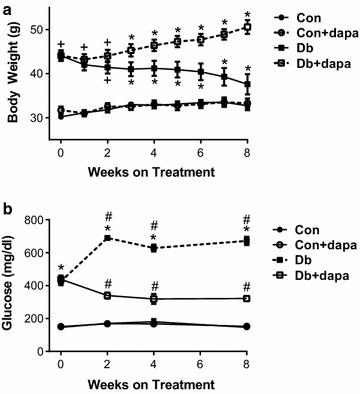
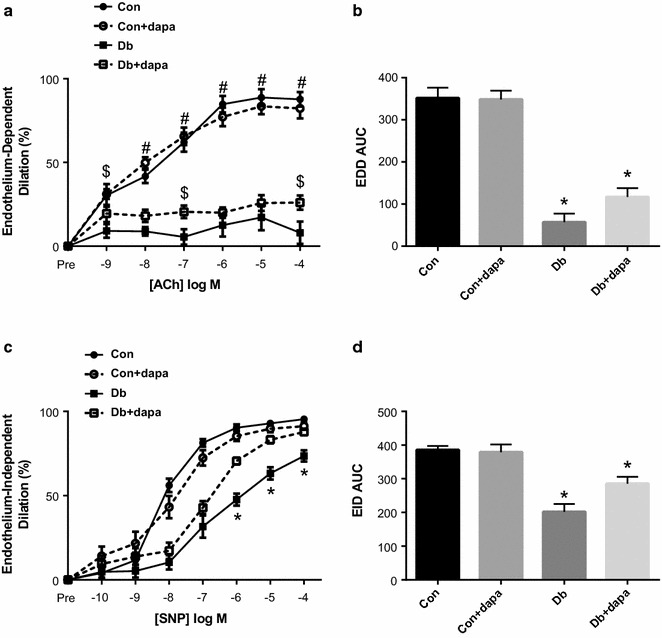
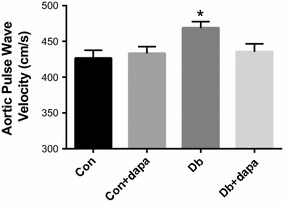
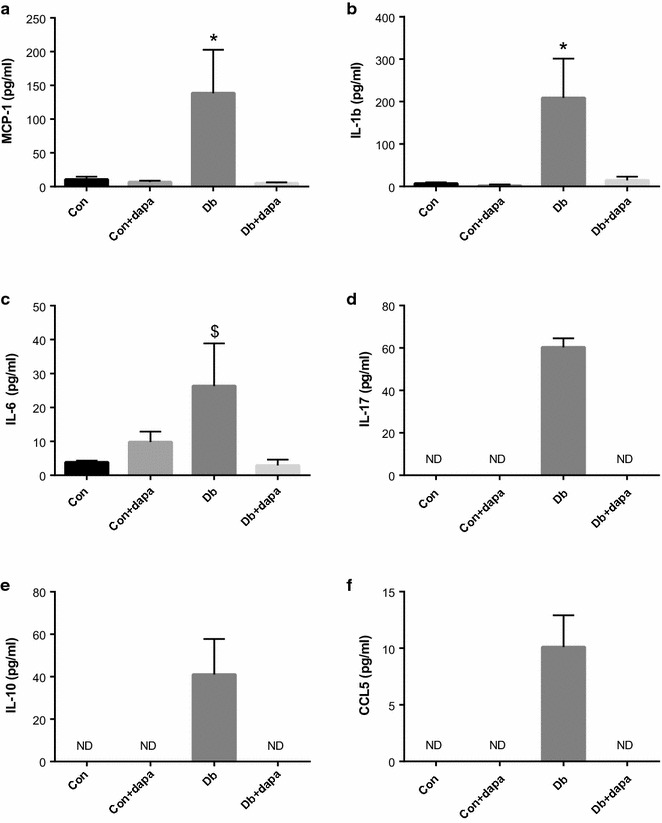
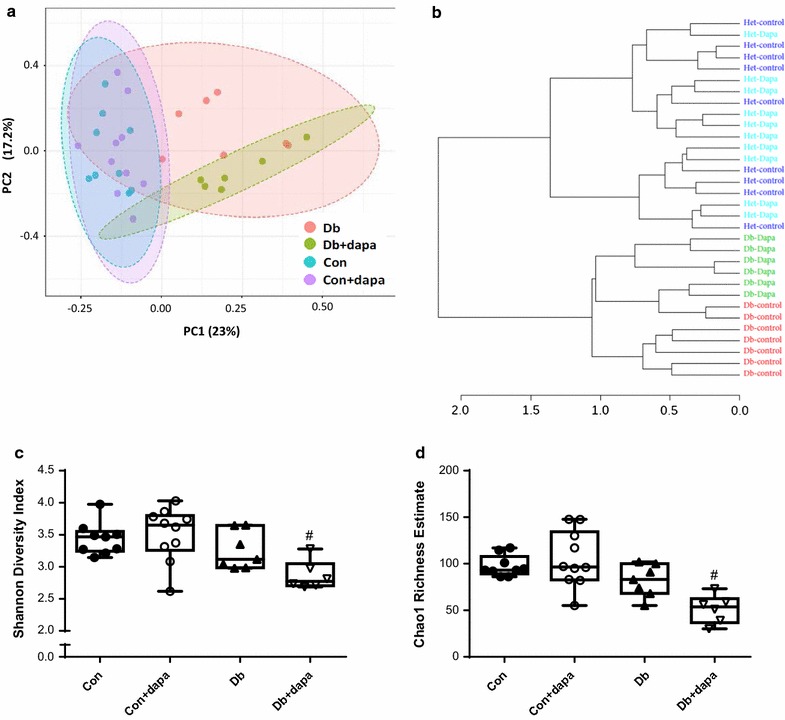
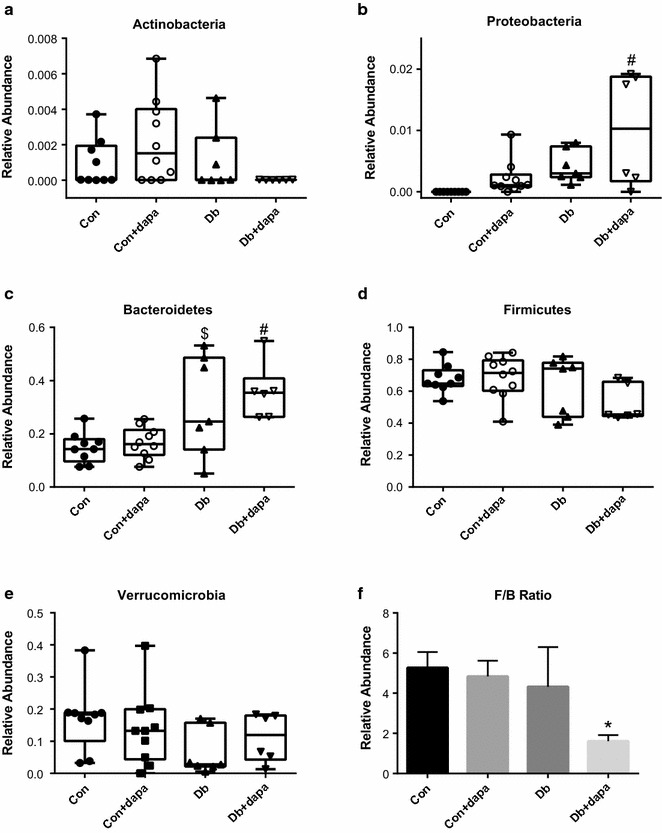
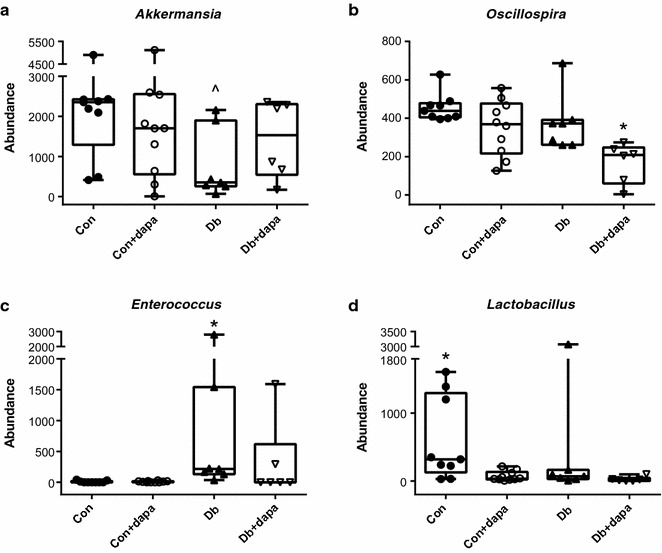
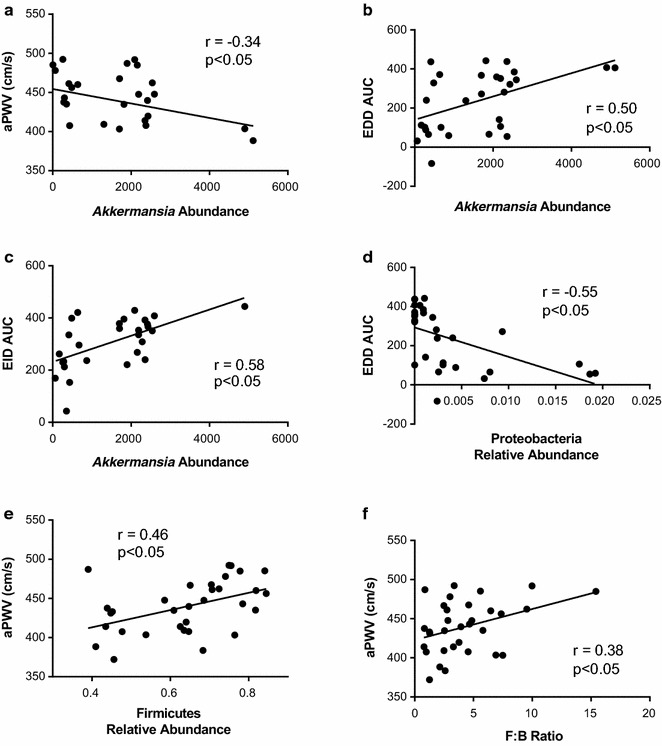
BACKGROUND: Type 2 diabetes (T2D) is associated with generalized vascular dysfunction characterized by increases in large artery stiffness, endothelial dysfunction, and vascular smooth muscle dysfunction. Sodium glucose cotransporter 2 inhibitors (SGLT2i) represent the most recently approved class of oral medications for the treatment of T2D, and have been shown to reduce cardiovascular and overall mortality. Although it is currently unclear how SGLT2i decrease cardiovascular risk, an improvement in vascular function is one potential mechanism. The aim of the current study was to examine if dapagliflozin, a widely prescribed STLT2i, improves generalized vascular dysfunction in type 2 diabetic mice. In light of several studies demonstrating a bi-directional relation between orally ingested medications and the gut microbiota, a secondary aim was to determine the effects of dapagliflozin on the gut microbiota. METHODS: Male diabetic mice (Db, n = 24) and control littermates (Con; n = 23) were randomized to receive either a standard diet or a standard diet containing dapagliflozin (60 mg dapagliflozin/kg diet; 0.006%) for 8 weeks. Arterial stiffness was assessed by aortic pulse wave velocity; endothelial function and vascular smooth muscle dysfunction were assessed by dilatory responses to acetylcholine and sodium nitroprusside, respectively. RESULTS: Compared to untreated diabetic mice, diabetic mice treated with dapagliflozin displayed significantly lower arterial stiffness (Db = 469 cm/s vs. Db + dapa = 435 cm/s, p < 0.05), and improvements in endothelial dysfunction (area under the curve [AUC] Db = 57.2 vs. Db + dapa = 117.0, p < 0.05) and vascular smooth muscle dysfunction (AUC, Db = 201.7 vs. Db + dapa = 285.5, p < 0.05). These vascular improvements were accompanied by reductions in hyperglycemia and circulating markers of inflammation. The microbiota of Db and Con mice were distinctly different, and dapagliflozin treatment was associated with minor alterations in gut microbiota composition, particularly in Db mice, although these effects did not conclusively mediate the improvements in vascular function. CONCLUSIONS: Dapagliflozin treatment improves arterial stiffness, endothelial dysfunction and vascular smooth muscle dysfunction, and subtly alters microbiota composition in type 2 diabetic mice. Collectively, the improvements in generalized vascular function may represent an important mechanism underlying the cardiovascular benefits of SGLT2i treatment.
Overview
The claims and statistics of this paper haven’t been checked yet.
Free: it reads the open-access text and checks the first 5 claims that cite a source we can check. Create a free account to check every claim.
Integrity signals
Registry
Cites
Statistics
Figures
Verification
Claims the paper makes
The claims and statistics of this paper haven’t been checked yet.
Free: it reads the open-access text and checks the first 5 claims that cite a source we can check. Create a free account to check every claim.
Claims other papers make about this one
Each is checked against this paper’s own text: does it say what the citing paper says it does?
The source backs part of the claim, not all of it — or backs it for a different population, condition or comparison.
In the citing paper
“The SGLT2 inhibitor dapagliflozin also showed some improvement in NAFLD, affecting microbiota by promoting a reduction of the Firmicutes/Bacteroidetes ratio in diabetic mice [310].”
From Gut-pancreas-liver Axis as a target for treatment of NAFLD/NASH (2020) · cites this paper as [310]
Experimental — accuracy not yet measured
Self-check
Percentages, sums and reported differences re-computed from the paper’s own numbers.
The self-check needs the paper’s full text.
Citations
Cites
DADA2: High–resolution sample inference from Illumina amplicon data
Callahan, B. J., McMurdie, P. J., Rosen, M. J., Han, A. W., Johnson, A. J. A., & Holmes, S. P. (2016) · Nature Methods · doi:10.1038/nmeth.3869 · Cited by 35,698 · cited 1×
“Paired-end sequence reads were concatenated and all combined 16 s sequences were filtered, trimmed and processed with the DADA2 (R bioconductor package [31]) implementation included in the open source bioinformatics tool myPhyloDB version 1.”
MethodCutadapt removes adapter sequences from high-throughput sequencing reads
Martin, M. (2011) · EMBnet.journal · doi:10.14806/ej.17.1.200 · Cited by 33,889 · cited 2×
“Martin M. Cutadapt removes adapter sequences from high-throughput sequencing reads.”
MethodMetagenomic biomarker discovery and explanation
Segata, N., Izard, J., Waldron, L., Gevers, D., Miropolsky, L., Garrett, W. S., & Huttenhower, C. (2011) · Genome Biology · doi:10.1186/gb-2011-12-6-r60 · Cited by 16,192
Empagliflozin, Cardiovascular Outcomes, and Mortality in Type 2 Diabetes
Zinman, B., Wanner, C., Lachin, J. M., Fitchett, D., Bluhmki, E., Hantel, S., Mattheus, M., Devins, T., Johansen, O. E., Woerle, H. J., et al. (2015) · New England Journal of Medicine · doi:10.1056/nejmoa1504720 · Cited by 12,315
VSEARCH: a versatile open source tool for metagenomics
(2016) · doi:10.7717/peerj.2584 · Cited by 10,773
Ultra-high-throughput microbial community analysis on the Illumina HiSeq and MiSeq platforms
Caporaso, J. G., Lauber, C. L., Walters, W. A., Berg-Lyons, D., Huntley, J., Fierer, N., Owens, S. M., Betley, J., Fraser, L., Bauer, M., et al. (2012) · The ISME Journal · doi:10.1038/ismej.2012.8 · Cited by 8,839 · cited 1×
“The 16 s rRNA gene was amplified for sequencing following the Earth Microbiome Project 16 s protocol utilizing 515F-806R primer set (forward: 5′GTG YCA GCMGCC GCG GTAA 3′; reverse 5′ GGA CTA CNVGGG TWT CTAAT 3′) [30].”
MethodIntensive blood glucose control and vascular outcomes in patients with type 2 diabetes
(2008) · New England Journal of Medicine · doi:10.1056/nejmoa0802987 · Cited by 7,397 · cited 1×
“Although there is a strong correlation between the magnitude of hyperglycemia and CVD event rates among people with diabetes [3, 4], the cardiovascular benefits of successful glucose control are unclear, and there remains considerable uncertainty as to whether current anti-diabetic medications reduce CVD risk [5, 6].”
BackgroundCross-talk between Akkermansia muciniphila and intestinal epithelium controls diet-induced obesity
Everard, A., Belzer, C., Geurts, L., Ouwerkerk, J. P., Druart, C., Bindels, L. B., Guiot, Y., Derrien, M., Muccioli, G. G., Delzenne, N. M., et al. (2013) · Proceedings of the National Academy of Sciences · doi:10.1073/pnas.1219451110 · Cited by 4,511
Danaei, G., Finucane, M. M., Lu, Y., Singh, G. M., Cowan, M. J., Paciorek, C. J., Lin, J. K., Farzadfar, F., Khang, Y.-H., Stevens, G. A., et al. (2011) · The Lancet · doi:10.1016/s0140-6736(11)60679-x · Cited by 3,568 · cited 1×
“Background Type 2 diabetes (T2D) affects nearly 30 million individuals in the US and over 350 million individuals worldwide [1].”
BackgroundSchächinger, V., Britten, M. B., & Zeiher, A. M. (2000) · Circulation · doi:10.1161/01.cir.101.16.1899 · Cited by 2,585 · cited 2×
“Similar to aPWV and EDD, vascular smooth muscle dysfunction, as determined by reductions in EID, is common in T2D and predicts cardiovascular complications and mortality [16, 17].”
Background
Cited by
Items 201–247 of 247
Ураков, А. Л., Гуревич, К. Г., Sorokina, Y. А., Ловцова, Л. В., Занозина, О. В., & Барсук, А. Л. (2018) · Reviews on Clinical Pharmacology and Drug Therapy · doi:10.17816/rcf16411-18 · Cited by 4
“При применении в эксперименте ингибиторов натрий-глюкозного транспортера 2-го типа был отмечен рост Akkermansia muciniphila, что также сопровождалось снижением маркеров воспаления, массы тела и уровня глюкозы крови [37].”
Patoulias, D., Kassimis, G., & Fragakis, N. (2022) · Pharmacological Research · doi:10.1016/j.phrs.2022.106619 · Cited by 2
Stepanova, N. (2024) · Eurasian Journal of Medicine and Oncology · doi:10.14744/ejmo.2024.53968 · Cited by 8
“[66] These changes included a decrease in Oscillospira spp. and a shift toward a more favorable Firmicutes to Bacteroidetes ratio, as well as an increase in A. muciniphila .”
BackgroundInfluentialUpdate in recent clinical trials in heart failure
Parikh, V. Y., Bhardwaj, A., Nair, A. P., & Bozkurt, B. (2019) · Current Opinion in Cardiology · doi:10.1097/hco.0000000000000639 · Cited by 2
“com reduced arterial stiffness, endothelial dysfunction and vascular smooth muscle dysfunction [9,10].”
BackgroundThompson, H. J., McGinley, J. N., Neil, E. S., & Weir, T. L. (2020) · International Electronic Conference on Nutrients (IECN) · doi:10.3390/iecn2020-07008 · Cited by 2
“2 × 250 bp paired-end sequencing libraries of the V4 region of the 16s rRNA gene were constructed by using Earth Microbiome Project protocols as previously published [18].”
MethodSelf-citationROSENBERG, E. B. (2021) · The microbiomes of humans, animals, plants, and the environment · doi:10.1007/978-3-030-65317-0_3 · Cited by 3
Aron‐Wisnewsky, J., Lefevre, C., & Bindels, L. B. (2022) · Médecine des Maladies Métaboliques · doi:10.1016/j.mmm.2022.01.004 · Cited by 4
Interaction between the gut microbiota and oral antihyperglycemic drugs
Buyvalenko, U. V., & Pokrovskaya, E. V. (2022) · Problems of Endocrinology · doi:10.14341/probl12835 · Cited by 2
Potential Role of SGLT2 Inhibitors in the Treatment and Prevention of Diabetic Cardiomyopathy
Nandave, M. (2024) · Springer eBooks · doi:10.1007/978-981-97-7568-2_5 · Cited by 2
Effect of Pulse Consumption on Obesity and the Metagenome
Weir, T. L., McGinley, J. N., Neil, E. S., & Thompson, H. J. (2020) · International Electronic Conference on Nutrients (IECN) · doi:10.3390/iecn2020-07009 · Cited by 3
“2 × 250 bp paired-end sequencing libraries of the V4 region of the 16s rRNA gene were constructed by using Earth Microbiome Project protocols as previously published [22].”
Self-citationAnti‐Diabetic Intestinal Mechanisms: Foods, Herbs, and Western Medicines
Feng, Y., Cao, H., Hua, J., & Zhang, F. (2022) · Molecular Nutrition & Food Research · doi:10.1002/mnfr.202200106 · Cited by 2
Influence of intestinal microbiota on the metabolism of main cardiotropic drugs
Stepanov, M. S. (2024) · Perm Medical Journal · doi:10.17816/pmj41554-65 · Cited by 2
Metabolomics Insights into the Benefits of SGLT2 Inhibitors in Type 2 Diabetes
Kyriakidou, A., Koufakis, T., Gika, H., & Kotsa, K. (2025) · Clinical Pharmacology Advances and Applications · doi:10.2147/cpaa.s497906 · Cited by 13
Olivares, D. V. F., Halverson, T., & Alagiakrishnan, K. (2026) · Future Pharmacology · doi:10.3390/futurepharmacol6020030 · Cited by 2
“A previous study found that after 8 weeks of dapagliflozin treatment, the proportion of Bacteroidetes and Akkermansia muciniphila increased, while Firmicutes and Oscillospira decreased [40].”
Yasuda, K., Iida, N., Takeshita, Y., Masuo, Y., Honda, M., Takamura, T., & Yamashita, T. (2026) · Journal of Gastroenterology · doi:10.1007/s00535-026-02488-0 · Cited by 1
Sodium-glucose cotransporter-2 inhibitors: A treatment option for recurrent vasovagal syndrome?
Sanoudou, D., Mantzoros, C. S., & Hill, M. A. (2022) · Metabolism · doi:10.1016/j.metabol.2022.155309 · Cited by 1
Gut Microbiota and Its Role in Human Metabolic Disorders
Yadav, A., Mohite, S. V., Behl, A., Shinde, P. B., & Sharma, K. K. (2023) · Springer eBooks · doi:10.1007/978-981-99-3126-2_14 · Cited by 1
Impact of the Gastrointestinal Tract Microbiota on Cardiovascular Health and Pathophysiology
Akyıldız, A. G., Biondi‐Zoccai, G., & Biase, D. D. (2022) · Journal of Cardiovascular Pharmacology · doi:10.1097/fjc.0000000000001273 · Cited by 1
Putri, T. F., Wasita, B., & Indarto, D. (2023) · Amerta Nutrition · doi:10.20473/amnt.v7i3.2023.400-405 · Cited by 1
Li, A., & Zhang, F. (2023) · Contemporary Clinical Trials Communications · doi:10.1016/j.conctc.2023.101172 · Cited by 1
RetractedCortés, A. M. T. (2021) · RiuNet (Universitat Politècnica de València) · doi:10.4995/thesis/10251/178231
If drugs with metabolic action affect the intestinal microbiota. Literature review
Fadieienko, G. D., Gridnyev, O., & Gridneiva, S. V. (2022) · Modern Gastroenterology · doi:10.30978/mg-2022-1-37
Changing the Landscape of Hypertension Management With SGLT2i
Bilić-Čurčić, I., Ninčević, V., Canecki-Varžić, S., Prpić-Kriẑevac, I., Ahić, J. M., & Mihaljević, I. (2022) · Southeastern European medical journal · doi:10.26332/seemedj.v6i1.247 · Cited by 1
Diabetes Mellitus and Microbiota: Knowledge and Perspectives
Rizzo, G. E., Rizzi, A., Tartaglione, L., Leo, M. L., Viti, L., Leo, M. A. S. D., & Pitocco, D. (2023) · Healthy ageing and longevity · doi:10.1007/978-3-031-14023-5_7 · Cited by 1
Jin, D., Hao, J., Chen, Y., Guo, Y., Chen, L.-W., Chao, S., Zhou, L., Ye, D., Zhu, H., Dai, X., et al. (2023) · Research Square · doi:10.21203/rs.3.rs-3034344/v1
Drago, T. J., Wadid, M., Brodeur, P. G., Palatnic, L., Usman, S., Bharucha, R., Moyer, R. R., Monte, A., Miranda, C. J., Drago, A., et al. (2023) · SSRN Electronic Journal · doi:10.2139/ssrn.4658499
Antihypertensive Effects of SGLT-2 Inhibitors and Progress in Research
夏, 小. (2024) · Advances in Clinical Medicine · doi:10.12677/acm.2024.142429
Lu, Y.-P., Zhang, Z., Wu, H., Fang, L.-J., Hu, B., Tang, C., Zhang, Y., Yin, L., Tang, D., Zheng, Z., et al. (2022) · Figshare · doi:10.6084/m9.figshare.21117692
Liang, T., Jiang, T., Liang, Z., Li, L., Wu, L., Gao, H., Zhao, H., Zhang, N., Dong, B., Xie, X., et al. (2024) · Research Square · doi:10.21203/rs.3.rs-4242450/v1
SGLT2 Inhibitors and Mechanism of Cardiovascular Benefits in Type 2 Diabetes
Nandave, M. (2024) · Springer eBooks · doi:10.1007/978-981-97-7568-2_2 · Cited by 1
Bacillus subtilis DE111 partially reverses endothelial dysfunction in western-diet fed mice
Risk, B. D., Graham, E. L., Zhang, M., Wei, Y., Stark, G., Brown, G. D., Gentile, C. L., & Weir, T. L. (2024) · Beneficial Microbes · doi:10.1163/18762891-bja00052 · Cited by 1
Self-citationMicrobiota intestinale e farmaci ipoglicemizzanti: la comunicazione che cura
Rubino, M., Cassano, V., & Hribal, M. L. (2025) · il Diabete · doi:10.30682/ildia2501c
Yang, Y., Sun, Y., & Wang, Y. (2025) · Physiology & Behavior · doi:10.1016/j.physbeh.2025.115120
Wang, W., Li, Y., Zhang, Y., Ye, T., Wang, K., Li, S., & Zhang, Y. (2023) · Figshare · doi:10.6084/m9.figshare.24655914
Aziz, F., Tripolt, N. J., Pferschy, P. N., Kolesnik, E., Mangge, H., Curcic, P., Hermann, M., Meinitzer, A., von Lewinski, D., & Sourij, H. (2023) · Figshare · doi:10.6084/m9.figshare.23722344
Lu, Y., Zhang, Z., Wu, H.-W., Fang, L.-J., Hu, B., Tang, C., Zhang, Y., Yin, L., Tang, D.-E., Zheng, Z.-H., et al. (2022) · Figshare · doi:10.6084/m9.figshare.21117686
Chen, J., Fan, Z., Li, Y., Duan, R., & Gao, B. (2026) · iScience · doi:10.1016/j.isci.2026.115490
Microbiome-based interventions for colorectal cancer prevention and treatment
Abdullah, N. A., Jayasurya, J. V., Shri, M. P. L., Thatcher, R. M., Dalbayrak, B., Arısan, E. D., Ambika, S., & Manojkumar, Y. (2026) · Elsevier eBooks · doi:10.1016/b978-0-443-40483-2.00034-0
Protective effect of SGLT2 inhibitors on cardiovascular remodeling
Matsushita, K. (2022) · theses.fr (ABES) · doi:10.70675/a461e811zf66fz4443za0efz481618885013
Biomarkers and Endothelial Damage in Obesity: An Insight into the Pharmacological Modulation
Bojórquez-González, A. Y., Gómez-Sánchez, E., Suárez-Rico, D. O., Beltrán-Ramírez, A., Balleza-Alejandri, L. R., López-Murillo, L. D., Ramírez-Lizardo, E. J., & García-Galindo, J. J. (2026) · International Journal of Molecular Sciences · doi:10.3390/ijms27083694
Modulatory effects of culinary spices on the human gut microbiome in type II diabetes management
Chuphal, B., Kumari, M., & Kumar, N. (2026) · Elsevier eBooks · doi:10.1016/b978-0-443-44546-0.00003-7
何, 新. (2026) · Advances in Clinical Medicine · doi:10.12677/acm.2026.1672691
Shahzad, Z., Bala, N., Ilyas, A., Kazory, A., Chandrasekar, I., & Alli, A. A. (2026) · FASEB BioAdvances · doi:10.1096/fba.2026-00209
“…Lee et al. demonstrated that dapagliflozin improved generalized vascular dysfunction and reduced inflammatory markers in diabetic mice after 8 weeks of treatment [52], supporting the broader concept that dapagliflozin can induce meaningful physiologic responses within a finite experimental window.”
Efficacy and mechanistic insights of dapagliflozin in hypertension management
Chen, Z., Chunbin, W., Zhang, H., Luo, T., & Yan, J. (2026) · Clinical and Experimental Hypertension · doi:10.1080/10641963.2026.2731624
Msane, S., & Khathi, A. (2026) · Cells · doi:10.3390/cells15191831
“These vascular benefits were associated with decreases in hyperglycemia and circulating inflammatory markers [213].”
Yang, R., Zhang, S., Fu, Z., Yang, Y., Wang, Q., Zhou, Y., Li, J., Yang, R., Ning, S., Shi, Y., et al. (2026) · Medicinal Research Reviews · doi:10.1002/med.70117
Metadata
- Authors
- Lee, D. M., Battson, M. L., Jarrell, D. K., Hou, S., Ecton, K. E., Weir, T. L., & Gentile, C. L.
- Affiliations
- Colorado State University (US)
- Corresponding author
- Gentile, Christopher L.
- Venue
- Cardiovascular Diabetology
- Published
- 2018-04-27
- Volume
- 17
- Issue
- 1
- Pages
- 62-62
- ISSN
- 1475-2840 (ISSN-L)
- PMC
- PMC5921754
- OpenAlex
- W2807501871
- Cited by
- 246
- References
- 58
- Citations by year
- 2026: 15 · 2025: 19 · 2024: 33 · 2023: 46 · 2022: 52 · 2021: 26 · 2020: 27 · 2019: 22 · 2018: 6
- FWCI
- 16.10
- Type
- journal article
- Language
- en
- Open access
- gold
- doi.org
- Licence
- cc-by
- creativecommons.org/licenses/by/4.0/ (tdm)
- Locations
- Cardiovascular Diabetology (publishedVersion, cc-by)
- Europe PMC (PubMed Central) (publishedVersion, cc-by)
- PubMed Central (publishedVersion, cc-by)
- PubMed (publishedVersion)
- DOAJ (DOAJ: Directory of Open Access Journals) (submittedVersion, cc-by-sa)
- Funders
- AstraZeneca
- Topics
- Health Sciences › Medicine › Endocrinology, Diabetes and Metabolism › Diabetes Treatment and Management
- Health Sciences › Medicine › Cardiology and Cardiovascular Medicine › Cardiovascular Health and Disease Prevention
- Health Sciences › Medicine › Cardiology and Cardiovascular Medicine › Cardiovascular Function and Risk Factors
- Keywords
- dapagliflozin, SGLT2 inhibitors, type 2 diabetes, vascular dysfunction, arterial stiffness, endothelial dysfunction, vascular smooth muscle dysfunction, gut microbiota, pulse wave velocity, acetylcholine response, sodium nitroprusside response, hyperglycemia, inflammation, diabetic mice, cardiovascular risk reduction, drug-microbiota interactions
- MeSH terms
- Gastrointestinal Microbiome, Sodium-Glucose Transporter 2 Inhibitors, Animals, Benzhydryl Compounds, Diabetes Mellitus, Type 2, Diabetic Angiopathies, Disease Models, Animal, Glucosides, Intestines, Male, Muscle, Smooth, Vascular, Vasodilation, Sodium-Glucose Transporter 2, Mice, Vascular Stiffness
About these checks
Registry, retraction, Cites and statistics results are computed, not judged, with one exception: a printed reference that no index lists is read once by a model before it counts as a citation error. Claims are extracted by a model and kept only when their quote appears verbatim in the text; each cited source is then checked, with a model’s help, for whether it says what the claim relies on. Those verdicts can be wrong — read the claim’s quote and the cited source before relying on one.
Statistics and arithmetic are recomputed, not judged.
Confidence bands are shown only for fields calibrated on our annotated test set. None is calibrated yet, so no band is shown.
What counts as a claim ›How we measure confidence ›How we check this ›
Are you an author, or do you see a problem with this page? Request a review
Data sources
Bibliographic data: Semantic Scholar, OpenAlex, Crossref.
Contains information from the Semantic Scholar Academic Graph Datasets, made available under the ODC Attribution License (ODC-BY 1.0).
Semantic Scholar’s data is described in: Kinney, R., et al. (2023). The Semantic Scholar Open Data Platform. arXiv:2301.10140.
