

SGLT2 inhibition via dapagliflozin improves generalized vascular dysfunction and alters the gut microbiota in type 2 diabetic mice
Open accessThe DOI matches its Crossref record; 58 of the 58 references it cites were found in a registry or an index.
Abstract
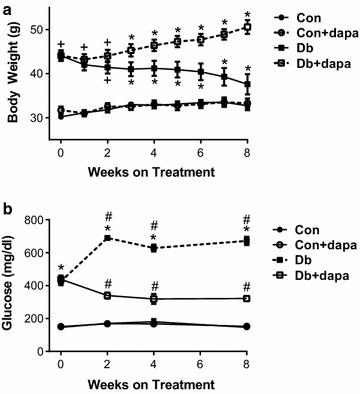
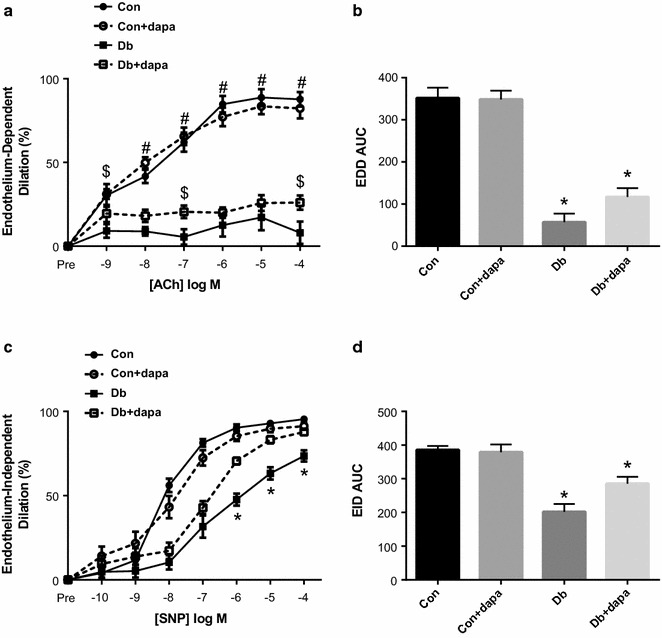
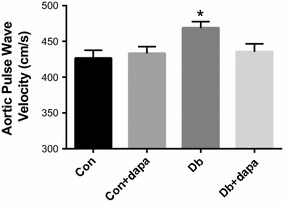
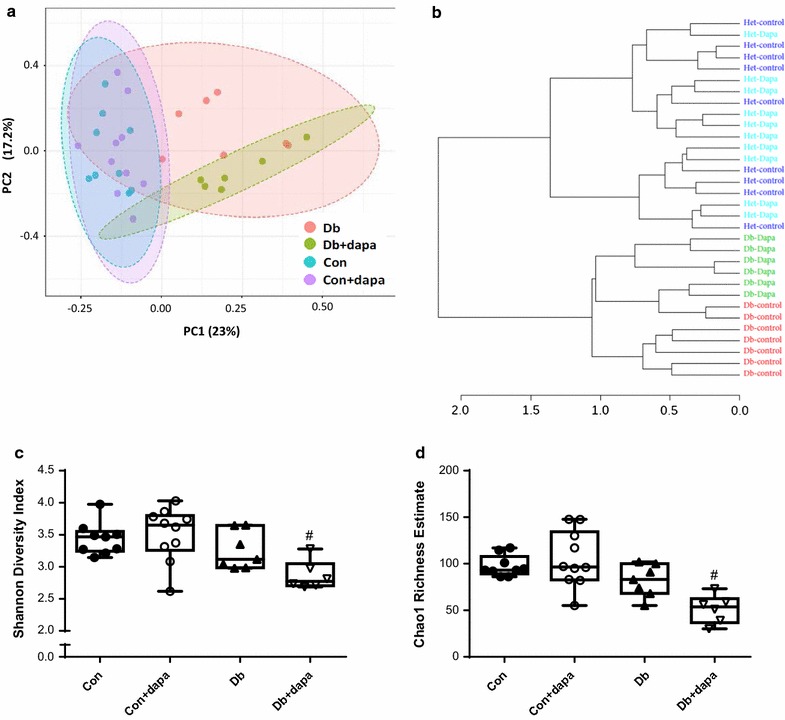
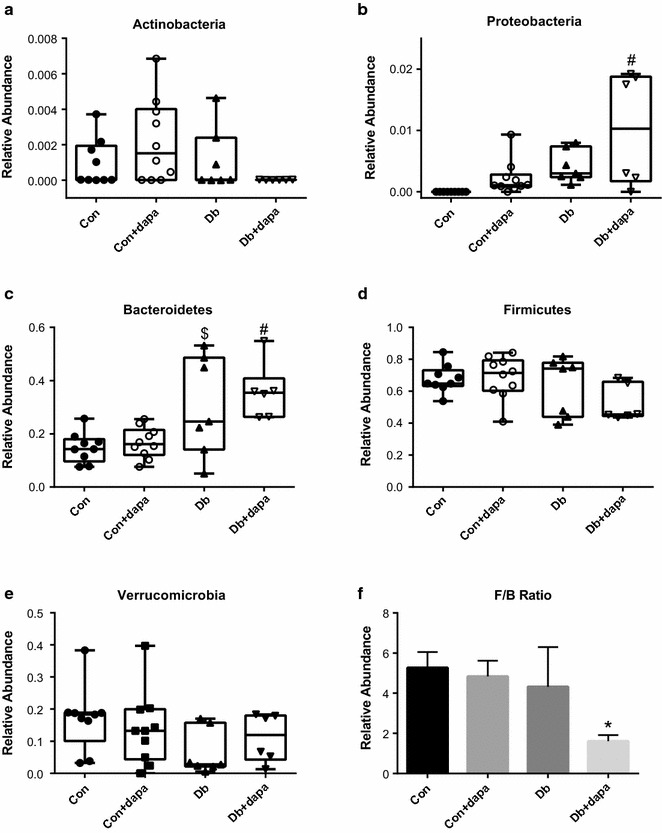
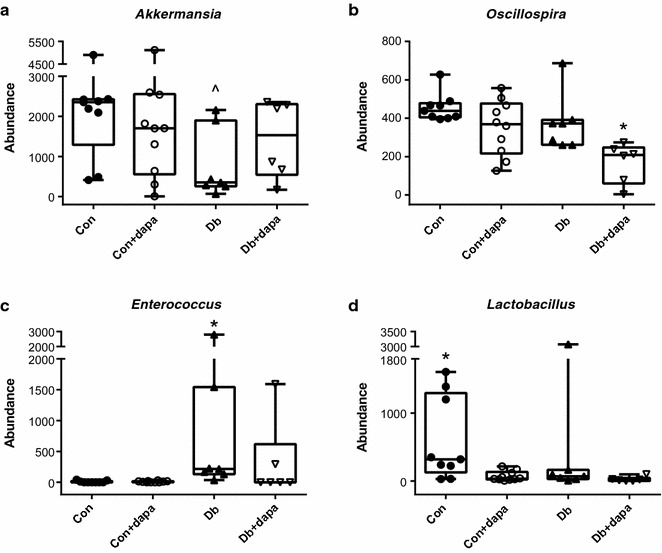
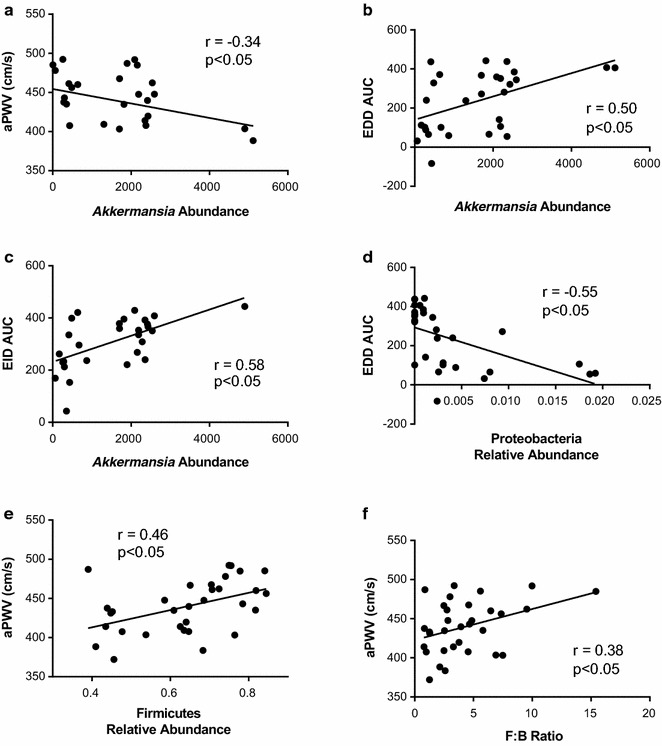
BACKGROUND: Type 2 diabetes (T2D) is associated with generalized vascular dysfunction characterized by increases in large artery stiffness, endothelial dysfunction, and vascular smooth muscle dysfunction. Sodium glucose cotransporter 2 inhibitors (SGLT2i) represent the most recently approved class of oral medications for the treatment of T2D, and have been shown to reduce cardiovascular and overall mortality. Although it is currently unclear how SGLT2i decrease cardiovascular risk, an improvement in vascular function is one potential mechanism. The aim of the current study was to examine if dapagliflozin, a widely prescribed STLT2i, improves generalized vascular dysfunction in type 2 diabetic mice. In light of several studies demonstrating a bi-directional relation between orally ingested medications and the gut microbiota, a secondary aim was to determine the effects of dapagliflozin on the gut microbiota. METHODS: Male diabetic mice (Db, n = 24) and control littermates (Con; n = 23) were randomized to receive either a standard diet or a standard diet containing dapagliflozin (60 mg dapagliflozin/kg diet; 0.006%) for 8 weeks. Arterial stiffness was assessed by aortic pulse wave velocity; endothelial function and vascular smooth muscle dysfunction were assessed by dilatory responses to acetylcholine and sodium nitroprusside, respectively. RESULTS: Compared to untreated diabetic mice, diabetic mice treated with dapagliflozin displayed significantly lower arterial stiffness (Db = 469 cm/s vs. Db + dapa = 435 cm/s, p < 0.05), and improvements in endothelial dysfunction (area under the curve [AUC] Db = 57.2 vs. Db + dapa = 117.0, p < 0.05) and vascular smooth muscle dysfunction (AUC, Db = 201.7 vs. Db + dapa = 285.5, p < 0.05). These vascular improvements were accompanied by reductions in hyperglycemia and circulating markers of inflammation. The microbiota of Db and Con mice were distinctly different, and dapagliflozin treatment was associated with minor alterations in gut microbiota composition, particularly in Db mice, although these effects did not conclusively mediate the improvements in vascular function. CONCLUSIONS: Dapagliflozin treatment improves arterial stiffness, endothelial dysfunction and vascular smooth muscle dysfunction, and subtly alters microbiota composition in type 2 diabetic mice. Collectively, the improvements in generalized vascular function may represent an important mechanism underlying the cardiovascular benefits of SGLT2i treatment.
Overview
The claims and statistics of this paper haven’t been checked yet.
Free: it reads the open-access text and checks the first 5 claims that cite a source we can check. Create a free account to check every claim.
Integrity signals
Registry
Cites
Statistics
Figures
Verification
Claims the paper makes
The claims and statistics of this paper haven’t been checked yet.
Free: it reads the open-access text and checks the first 5 claims that cite a source we can check. Create a free account to check every claim.
Claims other papers make about this one
Each is checked against this paper’s own text: does it say what the citing paper says it does?
The source backs part of the claim, not all of it — or backs it for a different population, condition or comparison.
In the citing paper
“The SGLT2 inhibitor dapagliflozin also showed some improvement in NAFLD, affecting microbiota by promoting a reduction of the Firmicutes/Bacteroidetes ratio in diabetic mice [310].”
From Gut-pancreas-liver Axis as a target for treatment of NAFLD/NASH (2020) · cites this paper as [310]
Experimental — accuracy not yet measured
Self-check
Percentages, sums and reported differences re-computed from the paper’s own numbers.
The self-check needs the paper’s full text.
Citations
Cites
DADA2: High–resolution sample inference from Illumina amplicon data
Callahan, B. J., McMurdie, P. J., Rosen, M. J., Han, A. W., Johnson, A. J. A., & Holmes, S. P. (2016) · Nature Methods · doi:10.1038/nmeth.3869 · Cited by 35,698 · cited 1×
“Paired-end sequence reads were concatenated and all combined 16 s sequences were filtered, trimmed and processed with the DADA2 (R bioconductor package [31]) implementation included in the open source bioinformatics tool myPhyloDB version 1.”
MethodCutadapt removes adapter sequences from high-throughput sequencing reads
Martin, M. (2011) · EMBnet.journal · doi:10.14806/ej.17.1.200 · Cited by 33,889 · cited 2×
“Martin M. Cutadapt removes adapter sequences from high-throughput sequencing reads.”
MethodMetagenomic biomarker discovery and explanation
Segata, N., Izard, J., Waldron, L., Gevers, D., Miropolsky, L., Garrett, W. S., & Huttenhower, C. (2011) · Genome Biology · doi:10.1186/gb-2011-12-6-r60 · Cited by 16,192
Empagliflozin, Cardiovascular Outcomes, and Mortality in Type 2 Diabetes
Zinman, B., Wanner, C., Lachin, J. M., Fitchett, D., Bluhmki, E., Hantel, S., Mattheus, M., Devins, T., Johansen, O. E., Woerle, H. J., et al. (2015) · New England Journal of Medicine · doi:10.1056/nejmoa1504720 · Cited by 12,315
VSEARCH: a versatile open source tool for metagenomics
(2016) · doi:10.7717/peerj.2584 · Cited by 10,773
Ultra-high-throughput microbial community analysis on the Illumina HiSeq and MiSeq platforms
Caporaso, J. G., Lauber, C. L., Walters, W. A., Berg-Lyons, D., Huntley, J., Fierer, N., Owens, S. M., Betley, J., Fraser, L., Bauer, M., et al. (2012) · The ISME Journal · doi:10.1038/ismej.2012.8 · Cited by 8,839 · cited 1×
“The 16 s rRNA gene was amplified for sequencing following the Earth Microbiome Project 16 s protocol utilizing 515F-806R primer set (forward: 5′GTG YCA GCMGCC GCG GTAA 3′; reverse 5′ GGA CTA CNVGGG TWT CTAAT 3′) [30].”
MethodIntensive blood glucose control and vascular outcomes in patients with type 2 diabetes
(2008) · New England Journal of Medicine · doi:10.1056/nejmoa0802987 · Cited by 7,397 · cited 1×
“Although there is a strong correlation between the magnitude of hyperglycemia and CVD event rates among people with diabetes [3, 4], the cardiovascular benefits of successful glucose control are unclear, and there remains considerable uncertainty as to whether current anti-diabetic medications reduce CVD risk [5, 6].”
BackgroundCross-talk between Akkermansia muciniphila and intestinal epithelium controls diet-induced obesity
Everard, A., Belzer, C., Geurts, L., Ouwerkerk, J. P., Druart, C., Bindels, L. B., Guiot, Y., Derrien, M., Muccioli, G. G., Delzenne, N. M., et al. (2013) · Proceedings of the National Academy of Sciences · doi:10.1073/pnas.1219451110 · Cited by 4,511
Danaei, G., Finucane, M. M., Lu, Y., Singh, G. M., Cowan, M. J., Paciorek, C. J., Lin, J. K., Farzadfar, F., Khang, Y.-H., Stevens, G. A., et al. (2011) · The Lancet · doi:10.1016/s0140-6736(11)60679-x · Cited by 3,568 · cited 1×
“Background Type 2 diabetes (T2D) affects nearly 30 million individuals in the US and over 350 million individuals worldwide [1].”
BackgroundSchächinger, V., Britten, M. B., & Zeiher, A. M. (2000) · Circulation · doi:10.1161/01.cir.101.16.1899 · Cited by 2,585 · cited 2×
“Similar to aPWV and EDD, vascular smooth muscle dysfunction, as determined by reductions in EID, is common in T2D and predicts cardiovascular complications and mortality [16, 17].”
BackgroundHeitzer, T., Schlinzig, T., Krohn, K., Meinertz, T., & Münzel, T. (2001) · Circulation · doi:10.1161/hc4601.099485 · Cited by 1,961 · cited 2×
“Similar to aPWV and EDD, vascular smooth muscle dysfunction, as determined by reductions in EID, is common in T2D and predicts cardiovascular complications and mortality [16, 17].”
BackgroundExtensive impact of non-antibiotic drugs on human gut bacteria
Maier, L., Pruteanu, M., Kuhn, M., Zeller, G., Telzerow, A., Anderson, E. E., Brochado, A. R., Fernandez, K. C., Dose, H., Mori, H., et al. (2018) · Nature · doi:10.1038/nature25979 · Cited by 1,905 · cited 1×
“For example, various drug classes have been shown to profoundly alter gut microbiota composition [25, 26]; and the gut microbiota can alter drug absorption and metabolism or mediate some of the physiological effects of T2D medications [25, 27].”
BackgroundDhariwal, A., Chong, J., Habib, S., King, I. L., Agellon, L. B., & Xia, J. (2017) · Nucleic Acids Research · doi:10.1093/nar/gkx295 · Cited by 1,885 · cited 2×
“Dhariwal A, Chong J, Habib S, King IL, Agellon LB, Xia J. MicrobiomeAnalyst: a web-based tool for comprehensive statistical, visual and metaanalysis of microbiome data.”
MethodThe clinical implications of endothelial dysfunction
Widlansky, M. E., Gokce, N., Keaney, J. F., & Vita, J. A. (2003) · Journal of the American College of Cardiology · doi:10.1016/s0735-1097(03)00994-x · Cited by 1,749 · cited 1×
“Arterial stiffness and endothelial dysfunction are well characterized features of T2D, and both precede clinical manifestations of CVD, and are independent predictors of future cardiovascular events in people with diabetes [12, 13].”
BackgroundThe gut microbiome in health and in disease
Shreiner, A. B., Kao, J. Y., & Young, V. B. (2015) · Current Opinion in Gastroenterology · doi:10.1097/mog.0000000000000139 · Cited by 1,682 · cited 1×
“Compared to control mice, diabetic animals exhibited marked dysbiosis, which has been associated with numerous aspects of metabolic dysfunction [45, 46].”
BackgroundShin, N.-R., Lee, J.-C., Lee, H.-Y., Kim, M.-S., Whon, T. W., Lee, M.-S., & Bae, J.-W. (2014) · Gut · doi:10.1136/gutjnl-2012-303839 · Cited by 1,550 · cited 1×
“muciniphila have recently been demonstrated following Metformin administration in diabetic individuals and mice, and have been suggested to mediate some of the protective effects of the drug [51, 52].”
BackgroundImpact of the gut microbiota on inflammation, obesity, and metabolic disease
Boulangé, C. L., Neves, A. L., Chilloux, J., Nicholson, J. K., & Dumas, M.-E. (2016) · Genome Medicine · doi:10.1186/s13073-016-0303-2 · Cited by 1,438 · cited 1×
“The gut microbiota has emerged as a critical regular of human physiology and disease processes [22], and data from our laboratory [23] and elsewhere [24] indicate that the gut microbiota is an important regulator of vascular function.”
BackgroundHeerspink, H. J. L., Perkins, B. A., Fitchett, D. H., Husain, M., & Cherney, D. Z. I. (2016) · Circulation · doi:10.1161/circulationaha.116.021887 · Cited by 1,376
Skyler, J. S., Bergenstal, R., Bonow, R. O., Buse, J., Deedwania, P., Gale, E. A. M., Howard, B. V., Kirkman, M. S., Kosiborod, M., Reaven, P., et al. (2009) · Diabetes Care · doi:10.2337/dc08-9026 · Cited by 881
Li, J., Lin, S., Vanhoutte, P. M., Woo, C. W., & Xu, A. (2016) · Circulation · doi:10.1161/circulationaha.115.019645 · Cited by 775
Zhou, H., Wang, S., Zhu, P., Hu, S., Chen, Y., & Ren, J. (2018) · Redox Biology · doi:10.1016/j.redox.2017.12.019 · Cited by 550
Diabetes, obesity and gut microbiota
Everard, A., & Cani, P. D. (2013) · Best Practice & Research Clinical Gastroenterology · doi:10.1016/j.bpg.2013.03.007 · Cited by 543 · cited 1×
“Compared to control mice, diabetic animals exhibited marked dysbiosis, which has been associated with numerous aspects of metabolic dysfunction [45, 46].”
BackgroundChilton, R., Tikkanen, I., Cannon, C. P., Crowe, S., Woerle, H. J., Broedl, U. C., & Johansen, O. E. (2015) · Diabetes, Obesity and Metabolism · doi:10.1111/dom.12572 · Cited by 507 · cited 1×
“These results extend two published reports which found that SGLT2i reduced pulse pressure, an indirect marker of arterial stiffness [20, 43].”
ResultFox, C. S., Golden, S. H., Anderson, C., Bray, G. A., Burke, L. E., de Boer, I. H., Deedwania, P., Eckel, R. H., Ershow, A. G., Fradkin, J., et al. (2015) · Diabetes Care · doi:10.2337/dci15-0012 · Cited by 492
Lin, B., Koibuchi, N., Hasegawa, Y., Sueta, D., Toyama, K., Uekawa, K., Ma, M., Nakagawa, T., Kusaka, H., & Kim-Mitsuyama, S. (2014) · Cardiovascular Diabetology · doi:10.1186/s12933-014-0148-1 · Cited by 423 · cited 4×
“[38] reported modest improvements in EDD after 10 weeks of empagliflozin treatment in diabetic mice.”
InfluentialEffect of Metformin on Metabolic Improvement and Gut Microbiota
Lee, H., & Ko, G. (2014) · Applied and Environmental Microbiology · doi:10.1128/aem.01357-14 · Cited by 385 · cited 1×
“muciniphila have recently been demonstrated following Metformin administration in diabetic individuals and mice, and have been suggested to mediate some of the protective effects of the drug [51, 52].”
BackgroundSolini, A., Giannini, L., Seghieri, M., Vitolo, E., Taddei, S., Ghiadoni, L., & Bruno, R. M. (2017) · Cardiovascular Diabetology · doi:10.1186/s12933-017-0621-8 · Cited by 373 · cited 15×
“However, numerous studies have demonstrated that reductions in EID are commonly observed in T2D [14, 15] and predict cardiovascular complications and mortality [16, 17].”
BackgroundInfluentialSkyler, J. S., Bergenstal, R., Bonow, R. O., Buse, J., Deedwania, P., Gale, E. A. M., Howard, B. V., Kirkman, M. S., Kosiborod, M., Reaven, P., et al. (2009) · Circulation · doi:10.1161/circulationaha.108.191305 · Cited by 348
Tahara, A., Kurosaki, E., Yokono, M., Yamajuku, D., Kihara, R., Hayashizaki, Y., Takasu, T., Imamura, M., Li, Q., Tomiyama, H., et al. (2013) · European Journal of Pharmacology · doi:10.1016/j.ejphar.2013.05.014 · Cited by 310 · cited 1×
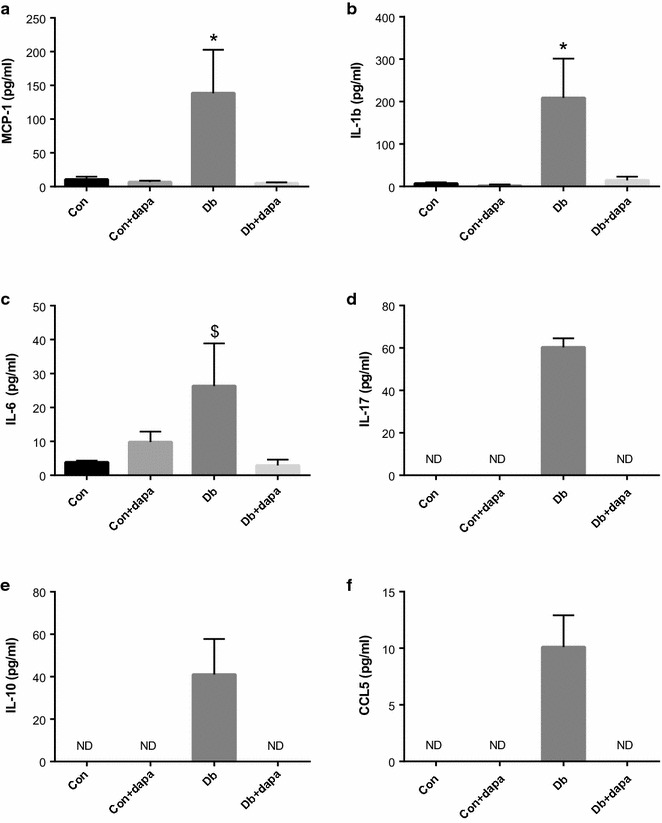
“[55] found that SGLT2i reduced serum levels of several of the same markers of inflammation determined in the current study, including IL-6 and MCP-1.”
BackgroundSattar, N., McLaren, J., Kristensen, S. L., Preiss, D., & McMurray, J. J. (2016) · Diabetologia · doi:10.1007/s00125-016-3956-x · Cited by 309
Gerstein, H. C., Pogue, J., Mann, J. F. E., Lonn, E., Dagenais, G. R., McQueen, M., Yusuf, S., & HOPE investigators (2005) · Diabetologia · doi:10.1007/s00125-005-1858-4 · Cited by 262 · cited 1×
“Although there is a strong correlation between the magnitude of hyperglycemia and CVD event rates among people with diabetes [3, 4], the cardiovascular benefits of successful glucose control are unclear, and there remains considerable uncertainty as to whether current anti-diabetic medications reduce CVD risk [5, 6].”
BackgroundShigiyama, F., Kumashiro, N., Miyagi, M., Ikehara, K., Kanda, E., Uchino, H., & Hirose, T. (2017) · Cardiovascular Diabetology · doi:10.1186/s12933-017-0564-0 · Cited by 249 · cited 14×
“However, numerous studies have demonstrated that reductions in EID are commonly observed in T2D [14, 15] and predict cardiovascular complications and mortality [16, 17].”
BackgroundInfluentialStatin therapy causes gut dysbiosis in mice through a PXR-dependent mechanism
Caparrós-Martín, J. A., Lareu, R. R., Ramsay, J. P., Peplies, J., Reen, F. J., Headlam, H. A., Ward, N. C., Croft, K. D., Newsholme, P., Hughes, J. D., et al. (2017) · Microbiome · doi:10.1186/s40168-017-0312-4 · Cited by 212
The intestinal microbiota and obesity
Kallus, S. J., & Brandt, L. J. (2012) · Journal of Clinical Gastroenterology · doi:10.1097/mcg.0b013e31823711fd · Cited by 210
Leng, W., Ouyang, X., Lei, X., Wu, M., Chen, L., Wu, Q., Deng, W., & Liang, Z. (2016) · Mediators of Inflammation · doi:10.1155/2016/6305735 · Cited by 172 · cited 1×
“These results are similar to those by Leng and colleagues [54], who reported that dapagliflozin reduced circulating levels of NLRP3, IL1β, and IL-18 in diabetic apoE−/− mice.”
ResultZheng, J., Yuan, X., Cheng, G., Jiao, S., Feng, C., Zhao, X., Yin, H., Du, Y., & Liu, H. (2018) · Carbohydrate Polymers · doi:10.1016/j.carbpol.2018.02.058 · Cited by 169
Importance of cardiovascular disease risk management in patients with type 2 diabetes mellitus
Lorber, D. (2014) · Diabetes, Metabolic Syndrome and Obesity: Targets and Therapy · doi:10.2147/dmso.s61438 · Cited by 168 · cited 1×
“Individuals with T2D are more than twice as likely as individuals without diabetes to develop CVD during their lifetime; and CVD is the most common cause of hospitalization and death in people with diabetes, accounting for nearly 70% of diabetes-related fatalities [2].”
BackgroundChow, B., & Rabkin, S. W. (2015) · Heart Failure Reviews · doi:10.1007/s10741-015-9471-1 · Cited by 163 · cited 1×
“Arterial stiffness, as measured by aPWV, predicts cardiovascular events in patients with T2D and other populations at elevated CVD risk [41, 42].”
Backgroundde Jager, J., Dekker, J. M., Kooy, A., Kostense, P. J., Nijpels, G., Heine, R. J., Bouter, L. M., & Stehouwer, C. D. A. (2006) · Arteriosclerosis, Thrombosis, and Vascular Biology · doi:10.1161/01.atv.0000215951.36219.a4 · Cited by 163 · cited 3×
“Chronic inflammation is also an established mediator of vascular dysfunction [39, 40] and has been shown to explain much of the excess cardiovascular mortality in individuals with T2D [12].”
BackgroundRenoprotective effects of a novel Nox1/4 inhibitor in a mouse model of Type 2 diabetes
Sedeek, M., Gutsol, A., Montezano, A. C., Burger, D., Nguyen Dinh Cat, A., Kennedy, C. R. J., Burns, K. D., Cooper, M. E., Jandeleit-Dahm, K., Page, P., et al. (2013) · Clinical Science · doi:10.1042/cs20120330 · Cited by 159 · cited 2×
“Db mice lost weight during the intervention, which is commonly observed in this strain as the diabetic condition advances [37, 38].”
BackgroundInteractions between host genetics and gut microbiome in diabetes and metabolic syndrome
Ussar, S., Fujisaka, S., & Kahn, C. R. (2016) · Molecular Metabolism · doi:10.1016/j.molmet.2016.07.004 · Cited by 157 · cited 1×
“[48] recently suggested that these simplified metrics are not reliable predictors of metabolic outcomes, but rather are more reflective of varying environments interacting with genotypes.”
BackgroundOral antioxidant therapy improves endothelial function in Type 1 but not Type 2 diabetes mellitus
Beckman, J. A., Goldfine, A. B., Gordon, M. B., Garrett, L. A., Keaney, J. F., & Creager, M. A. (2003) · American Journal of Physiology-Heart and Circulatory Physiology · doi:10.1152/ajpheart.00403.2003 · Cited by 147 · cited 1×
“However, numerous studies have demonstrated that reductions in EID are commonly observed in T2D [14, 15] and predict cardiovascular complications and mortality [16, 17].”
BackgroundEffects of Antidiabetic Drugs on Gut Microbiota Composition
Montandon, S., & Jornayvaz, F. (2017) · Genes · doi:10.3390/genes8100250 · Cited by 135 · cited 1×
“For example, various drug classes have been shown to profoundly alter gut microbiota composition [25, 26]; and the gut microbiota can alter drug absorption and metabolism or mediate some of the physiological effects of T2D medications [25, 27].”
BackgroundPfeifer, M., Townsend, R. R., Davies, M. J., Vijapurkar, U., & Ren, J. (2017) · Cardiovascular Diabetology · doi:10.1186/s12933-017-0511-0 · Cited by 131 · cited 1×
“These results extend two published reports which found that SGLT2i reduced pulse pressure, an indirect marker of arterial stiffness [20, 43].”
Resultvan Sloten, T. T., Henry, R. M. A., Dekker, J. M., Nijpels, G., Unger, T., Schram, M. T., & Stehouwer, C. D. A. (2014) · Hypertension · doi:10.1161/hypertensionaha.114.04221 · Cited by 130
Vikram, A., Kim, Y.-R., Kumar, S., Li, Q., Kassan, M., Jacobs, J. S., & Irani, K. (2016) · Nature Communications · doi:10.1038/ncomms12565 · Cited by 122 · cited 1×
“The gut microbiota has emerged as a critical regular of human physiology and disease processes [22], and data from our laboratory [23] and elsewhere [24] indicate that the gut microbiota is an important regulator of vascular function.”
BackgroundHan, Y., Cho, Y.-E., Ayon, R., Guo, R., Youssef, K. D., Pan, M., Dai, A., Yuan, J. X.-J., & Makino, A. (2015) · American Journal of Physiology-Lung Cellular and Molecular Physiology · doi:10.1152/ajplung.00167.2015 · Cited by 106 · cited 1×
“[44] demonstrated that SGLT2i had negative, neutral, or positive effects on EID depending on the vessel type and the method of drug delivery.”
Dziuba, J., Alperin, P., Racketa, J., Iloeje, U., Goswami, D., Hardy, E., Perlstein, I., Grossman, H. L., & Cohen, M. (2014) · Diabetes, Obesity and Metabolism · doi:10.1111/dom.12261 · Cited by 96 · cited 1×
“Early modeling data predicted that, unlike other classes of antidiabetic medications, SGLT2i may have significant beneficial effects on cardiovascular outcomes [7].”
BackgroundSuppression of gut dysbiosis reverses Western diet-induced vascular dysfunction
Battson, M. L., Lee, D. M., Jarrell, D. K., Hou, S., Ecton, K. E., Weir, T. L., & Gentile, C. L. (2017) · American Journal of Physiology-Endocrinology and Metabolism · doi:10.1152/ajpendo.00187.2017 · Cited by 95
Self-citationZhang, J., Xia, L., Zhang, F., Zhu, D., Xin, C., Wang, H., Zhang, F., Guo, X., Lee, Y., Zhang, L., et al. (2017) · Biochimica et Biophysica Acta (BBA) - Molecular Basis of Disease · doi:10.1016/j.bbadis.2017.02.012 · Cited by 68 · cited 2×
“Given the close association between vascular dysfunction and chronic inflammation [39, 40], we measured several circulating inflammatory markers.”
BackgroundLi, C.-Y., Wang, L.-X., Dong, S.-S., Hong, Y., Zhou, X.-H., Zheng, W.-W., & Zheng, C. (2018) · Medical Science Monitor Basic Research · doi:10.12659/msmbr.907775 · Cited by 60 · cited 1×
“In vitro studies have indicated that SGLT inhibition may have direct effects within endothelial cells [57], but future studies are needed to directly address this issue.”
BackgroundRole of Endothelial Dysfunction and Arterial Stiffness in the Development of Diabetic Retinopathy
Siasos, G., Gouliopoulos, N., Moschos, M. M., Oikonomou, E. K., Kollia, C., Κόνσολα, Θ., Athanasiou, D., Σιάσου, Γ., Mourouzis, K., Zisimos, K., et al. (2014) · Diabetes Care · doi:10.2337/dc14-1741 · Cited by 59 · cited 2×
“We also found that EDD, another strong predictor of cardiovascular outcomes in patients with T2D [11, 42], was modestly and significantly improved in diabetic $ $ $”
BackgroundGut microbiota as a key player in triggering obesity, systemic inflammation and insulin resistance.
Escobedo, G., López‐Ortiz, E., & Torres-Castro, I. (2014) · PubMed · Cited by 58
Du, B., Ouyang, A., Eng, J. S., & Fleenor, B. S. (2015) · American Journal of Physiology-Heart and Circulatory Physiology · doi:10.1152/ajpheart.00712.2014 · Cited by 55
Malik, R. A., Schofield, I. J., Izzard, A. S., Austin, C., Bermann, G., & Heagerty, A. M. (2005) · Hypertension · doi:10.1161/01.hyp.0000153305.50128.a1 · Cited by 51
myPhyloDB: a local web server for the storage and analysis of metagenomic data
Manter, D. K., Korsa, M., Tebbe, C., & Delgado, J. A. (2016) · Database · doi:10.1093/database/baw037 · Cited by 34 · cited 1×
“ANCoVA analysis was conducted in myPhyloDB [34], and MicrobiomeAnalyst [35] was used to calculate alpha diversity scores, Bray–Curtis distances, and LEfSe.”
MethodBattson, M. L., Lee, D. M., Jarrell, D. K., Hou, S., Ecton, K. E., Phan, A. B., & Gentile, C. L. (2017) · Journal of Vascular Research · doi:10.1159/000479967 · Cited by 28 · cited 1×
“Vascular reactivity Vascular function was determined as previously described [28, 29].”
MethodSelf-citationFuzhuan tea reverses arterial stiffening after modest weight gain in mice
Lee, D. M., Battson, M. L., Jarrell, D. K., Cox‐York, K. A., Foster, M. T., Weir, T. L., & Gentile, C. L. (2016) · Nutrition · doi:10.1016/j.nut.2016.07.010 · Cited by 14 · cited 2×
“Aortic pulse wave velocity (aPWV) Large elastic artery stiffness was determined by aPWV at baseline and following the 8-week intervention as previously described [23, 28].”
MethodSelf-citation
Cited by
Li, C., Zhang, J., Xue, M., Li, X., Han, F., Liu, X., Xu, L., Lu, Y., Cheng, Y., Li, T., et al. (2019) · Cardiovascular Diabetology · doi:10.1186/s12933-019-0816-2 · Cited by 580
Bonnet, F., & Scheen, A. J. (2018) · Diabetes & Metabolism · doi:10.1016/j.diabet.2018.09.005 · Cited by 308
An Overview of the Cardiorenal Protective Mechanisms of SGLT2 Inhibitors
Salvatore, T., Galiero, R., Caturano, A., Rinaldi, L., Di Martino, A., Albanese, G., Di Salvo, J., Epifani, R., Marfella, R., Docimo, G., et al. (2022) · International Journal of Molecular Sciences · doi:10.3390/ijms23073651 · Cited by 256
Gut microbiota in the pathogenesis and therapeutic approaches of diabetes
Crudele, L., Gadaleta, R. M., Cariello, M., & Moschetta, A. (2023) · eBioMedicine · doi:10.1016/j.ebiom.2023.104821 · Cited by 251
Intestinal microbiome and fitness in kidney disease
Meijers, B., Evenepoel, P., & Anders, H.-J. (2019) · Nature Reviews Nephrology · doi:10.1038/s41581-019-0172-1 · Cited by 224
Metadata
- Authors
- Lee, D. M., Battson, M. L., Jarrell, D. K., Hou, S., Ecton, K. E., Weir, T. L., & Gentile, C. L.
- Affiliations
- Colorado State University (US)
- Corresponding author
- Gentile, Christopher L.
- Venue
- Cardiovascular Diabetology
- Published
- 2018-04-27
- Volume
- 17
- Issue
- 1
- Pages
- 62-62
- ISSN
- 1475-2840 (ISSN-L)
- PMC
- PMC5921754
- OpenAlex
- W2807501871
- Cited by
- 246
- References
- 58
- Citations by year
- 2026: 15 · 2025: 19 · 2024: 33 · 2023: 46 · 2022: 52 · 2021: 26 · 2020: 27 · 2019: 22 · 2018: 6
- FWCI
- 16.10
- Type
- journal article
- Language
- en
- Open access
- gold
- doi.org
- Licence
- cc-by
- creativecommons.org/licenses/by/4.0/ (tdm)
- Locations
- Cardiovascular Diabetology (publishedVersion, cc-by)
- Europe PMC (PubMed Central) (publishedVersion, cc-by)
- PubMed Central (publishedVersion, cc-by)
- PubMed (publishedVersion)
- DOAJ (DOAJ: Directory of Open Access Journals) (submittedVersion, cc-by-sa)
- Funders
- AstraZeneca
- Topics
- Health Sciences › Medicine › Endocrinology, Diabetes and Metabolism › Diabetes Treatment and Management
- Health Sciences › Medicine › Cardiology and Cardiovascular Medicine › Cardiovascular Health and Disease Prevention
- Health Sciences › Medicine › Cardiology and Cardiovascular Medicine › Cardiovascular Function and Risk Factors
- Keywords
- dapagliflozin, SGLT2 inhibitors, type 2 diabetes, vascular dysfunction, arterial stiffness, endothelial dysfunction, vascular smooth muscle dysfunction, gut microbiota, pulse wave velocity, acetylcholine response, sodium nitroprusside response, hyperglycemia, inflammation, diabetic mice, cardiovascular risk reduction, drug-microbiota interactions
- MeSH terms
- Gastrointestinal Microbiome, Sodium-Glucose Transporter 2 Inhibitors, Animals, Benzhydryl Compounds, Diabetes Mellitus, Type 2, Diabetic Angiopathies, Disease Models, Animal, Glucosides, Intestines, Male, Muscle, Smooth, Vascular, Vasodilation, Sodium-Glucose Transporter 2, Mice, Vascular Stiffness
About these checks
Registry, retraction, Cites and statistics results are computed, not judged, with one exception: a printed reference that no index lists is read once by a model before it counts as a citation error. Claims are extracted by a model and kept only when their quote appears verbatim in the text; each cited source is then checked, with a model’s help, for whether it says what the claim relies on. Those verdicts can be wrong — read the claim’s quote and the cited source before relying on one.
Statistics and arithmetic are recomputed, not judged.
Confidence bands are shown only for fields calibrated on our annotated test set. None is calibrated yet, so no band is shown.
What counts as a claim ›How we measure confidence ›How we check this ›
Are you an author, or do you see a problem with this page? Request a review
Data sources
Bibliographic data: Semantic Scholar, OpenAlex, Crossref.
Contains information from the Semantic Scholar Academic Graph Datasets, made available under the ODC Attribution License (ODC-BY 1.0).
Semantic Scholar’s data is described in: Kinney, R., et al. (2023). The Semantic Scholar Open Data Platform. arXiv:2301.10140.
