

SGLT2 inhibition via dapagliflozin improves generalized vascular dysfunction and alters the gut microbiota in type 2 diabetic mice
Open accessThe DOI matches its Crossref record; 58 of the 58 references it cites were found in a registry or an index.
Abstract
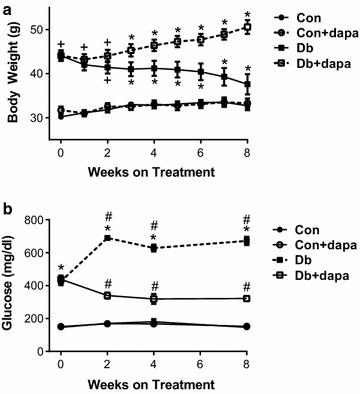
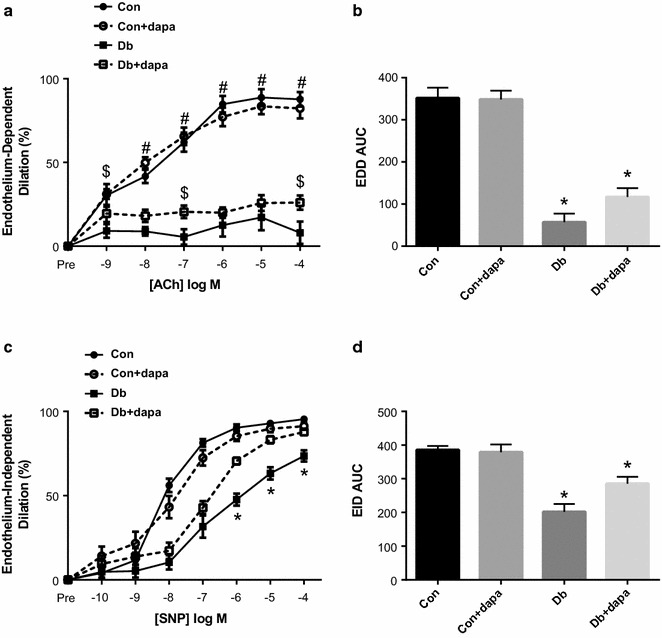
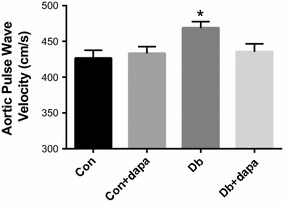
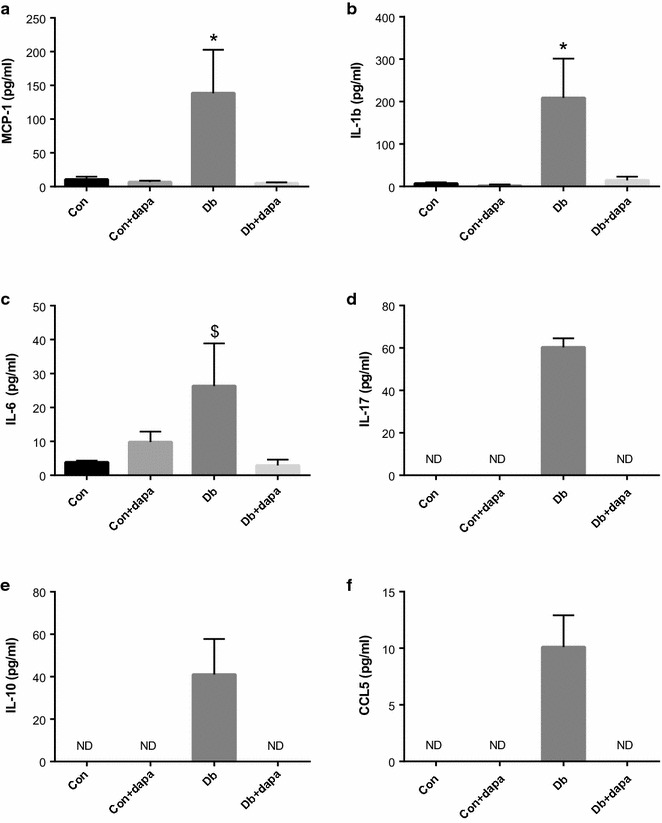
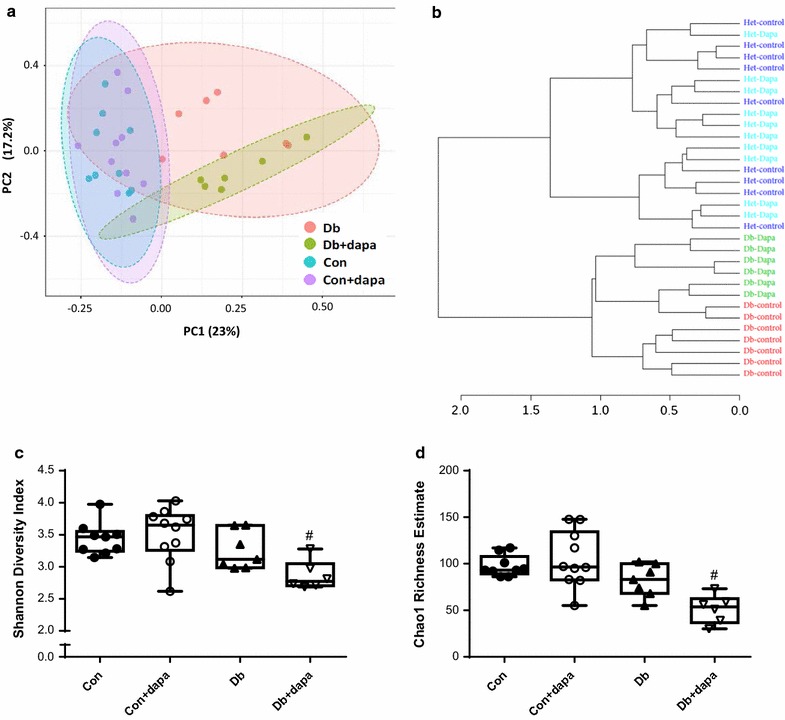
BACKGROUND: Type 2 diabetes (T2D) is associated with generalized vascular dysfunction characterized by increases in large artery stiffness, endothelial dysfunction, and vascular smooth muscle dysfunction. Sodium glucose cotransporter 2 inhibitors (SGLT2i) represent the most recently approved class of oral medications for the treatment of T2D, and have been shown to reduce cardiovascular and overall mortality. Although it is currently unclear how SGLT2i decrease cardiovascular risk, an improvement in vascular function is one potential mechanism. The aim of the current study was to examine if dapagliflozin, a widely prescribed STLT2i, improves generalized vascular dysfunction in type 2 diabetic mice. In light of several studies demonstrating a bi-directional relation between orally ingested medications and the gut microbiota, a secondary aim was to determine the effects of dapagliflozin on the gut microbiota. METHODS: Male diabetic mice (Db, n = 24) and control littermates (Con; n = 23) were randomized to receive either a standard diet or a standard diet containing dapagliflozin (60 mg dapagliflozin/kg diet; 0.006%) for 8 weeks. Arterial stiffness was assessed by aortic pulse wave velocity; endothelial function and vascular smooth muscle dysfunction were assessed by dilatory responses to acetylcholine and sodium nitroprusside, respectively. RESULTS: Compared to untreated diabetic mice, diabetic mice treated with dapagliflozin displayed significantly lower arterial stiffness (Db = 469 cm/s vs. Db + dapa = 435 cm/s, p < 0.05), and improvements in endothelial dysfunction (area under the curve [AUC] Db = 57.2 vs. Db + dapa = 117.0, p < 0.05) and vascular smooth muscle dysfunction (AUC, Db = 201.7 vs. Db + dapa = 285.5, p < 0.05). These vascular improvements were accompanied by reductions in hyperglycemia and circulating markers of inflammation. The microbiota of Db and Con mice were distinctly different, and dapagliflozin treatment was associated with minor alterations in gut microbiota composition, particularly in Db mice, although these effects did not conclusively mediate the improvements in vascular function. CONCLUSIONS: Dapagliflozin treatment improves arterial stiffness, endothelial dysfunction and vascular smooth muscle dysfunction, and subtly alters microbiota composition in type 2 diabetic mice. Collectively, the improvements in generalized vascular function may represent an important mechanism underlying the cardiovascular benefits of SGLT2i treatment.
Overview
The claims and statistics of this paper haven’t been checked yet.
Free: it reads the open-access text and checks the first 5 claims that cite a source we can check. Create a free account to check every claim.
Integrity signals
Registry
Cites
Statistics
Figures
Verification
Claims the paper makes
The claims and statistics of this paper haven’t been checked yet.
Free: it reads the open-access text and checks the first 5 claims that cite a source we can check. Create a free account to check every claim.
Claims other papers make about this one
Each is checked against this paper’s own text: does it say what the citing paper says it does?
The source backs part of the claim, not all of it — or backs it for a different population, condition or comparison.
In the citing paper
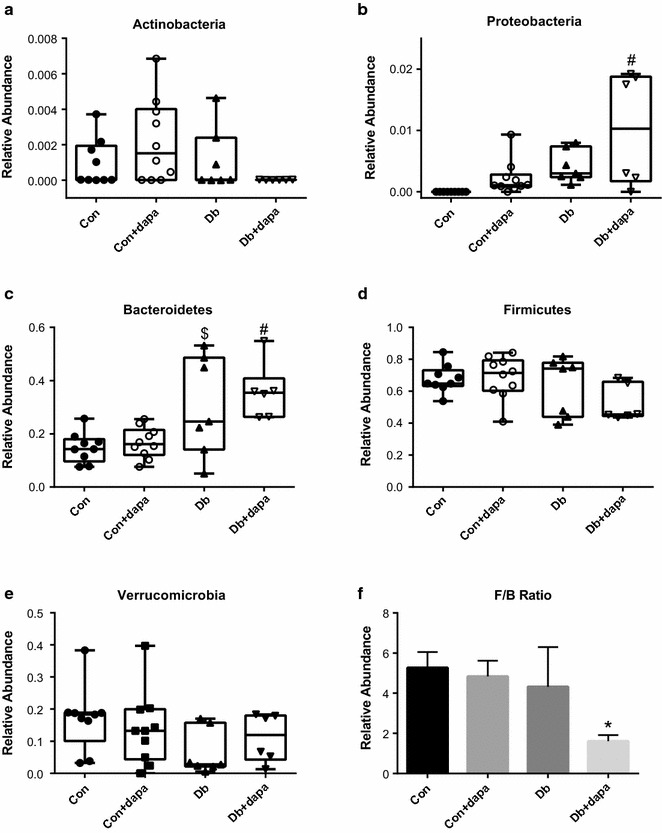
“The SGLT2 inhibitor dapagliflozin also showed some improvement in NAFLD, affecting microbiota by promoting a reduction of the Firmicutes/Bacteroidetes ratio in diabetic mice [310].”
From Gut-pancreas-liver Axis as a target for treatment of NAFLD/NASH (2020) · cites this paper as [310]
Experimental — accuracy not yet measured
Self-check
Percentages, sums and reported differences re-computed from the paper’s own numbers.
The self-check needs the paper’s full text.
Citations
Cites
DADA2: High–resolution sample inference from Illumina amplicon data
Callahan, B. J., McMurdie, P. J., Rosen, M. J., Han, A. W., Johnson, A. J. A., & Holmes, S. P. (2016) · Nature Methods · doi:10.1038/nmeth.3869 · Cited by 35,698 · cited 1×
“Paired-end sequence reads were concatenated and all combined 16 s sequences were filtered, trimmed and processed with the DADA2 (R bioconductor package [31]) implementation included in the open source bioinformatics tool myPhyloDB version 1.”
MethodCutadapt removes adapter sequences from high-throughput sequencing reads
Martin, M. (2011) · EMBnet.journal · doi:10.14806/ej.17.1.200 · Cited by 33,889 · cited 2×
“Martin M. Cutadapt removes adapter sequences from high-throughput sequencing reads.”
MethodMetagenomic biomarker discovery and explanation
Segata, N., Izard, J., Waldron, L., Gevers, D., Miropolsky, L., Garrett, W. S., & Huttenhower, C. (2011) · Genome Biology · doi:10.1186/gb-2011-12-6-r60 · Cited by 16,192
Empagliflozin, Cardiovascular Outcomes, and Mortality in Type 2 Diabetes
Zinman, B., Wanner, C., Lachin, J. M., Fitchett, D., Bluhmki, E., Hantel, S., Mattheus, M., Devins, T., Johansen, O. E., Woerle, H. J., et al. (2015) · New England Journal of Medicine · doi:10.1056/nejmoa1504720 · Cited by 12,315
VSEARCH: a versatile open source tool for metagenomics
(2016) · doi:10.7717/peerj.2584 · Cited by 10,773
Ultra-high-throughput microbial community analysis on the Illumina HiSeq and MiSeq platforms
Caporaso, J. G., Lauber, C. L., Walters, W. A., Berg-Lyons, D., Huntley, J., Fierer, N., Owens, S. M., Betley, J., Fraser, L., Bauer, M., et al. (2012) · The ISME Journal · doi:10.1038/ismej.2012.8 · Cited by 8,839 · cited 1×
“The 16 s rRNA gene was amplified for sequencing following the Earth Microbiome Project 16 s protocol utilizing 515F-806R primer set (forward: 5′GTG YCA GCMGCC GCG GTAA 3′; reverse 5′ GGA CTA CNVGGG TWT CTAAT 3′) [30].”
MethodIntensive blood glucose control and vascular outcomes in patients with type 2 diabetes
(2008) · New England Journal of Medicine · doi:10.1056/nejmoa0802987 · Cited by 7,397 · cited 1×
“Although there is a strong correlation between the magnitude of hyperglycemia and CVD event rates among people with diabetes [3, 4], the cardiovascular benefits of successful glucose control are unclear, and there remains considerable uncertainty as to whether current anti-diabetic medications reduce CVD risk [5, 6].”
BackgroundCross-talk between Akkermansia muciniphila and intestinal epithelium controls diet-induced obesity
Everard, A., Belzer, C., Geurts, L., Ouwerkerk, J. P., Druart, C., Bindels, L. B., Guiot, Y., Derrien, M., Muccioli, G. G., Delzenne, N. M., et al. (2013) · Proceedings of the National Academy of Sciences · doi:10.1073/pnas.1219451110 · Cited by 4,511
Danaei, G., Finucane, M. M., Lu, Y., Singh, G. M., Cowan, M. J., Paciorek, C. J., Lin, J. K., Farzadfar, F., Khang, Y.-H., Stevens, G. A., et al. (2011) · The Lancet · doi:10.1016/s0140-6736(11)60679-x · Cited by 3,568 · cited 1×
“Background Type 2 diabetes (T2D) affects nearly 30 million individuals in the US and over 350 million individuals worldwide [1].”
BackgroundSchächinger, V., Britten, M. B., & Zeiher, A. M. (2000) · Circulation · doi:10.1161/01.cir.101.16.1899 · Cited by 2,585 · cited 2×
“Similar to aPWV and EDD, vascular smooth muscle dysfunction, as determined by reductions in EID, is common in T2D and predicts cardiovascular complications and mortality [16, 17].”
Background
Cited by
Li, C., Zhang, J., Xue, M., Li, X., Han, F., Liu, X., Xu, L., Lu, Y., Cheng, Y., Li, T., et al. (2019) · Cardiovascular Diabetology · doi:10.1186/s12933-019-0816-2 · Cited by 580
Bonnet, F., & Scheen, A. J. (2018) · Diabetes & Metabolism · doi:10.1016/j.diabet.2018.09.005 · Cited by 308
An Overview of the Cardiorenal Protective Mechanisms of SGLT2 Inhibitors
Salvatore, T., Galiero, R., Caturano, A., Rinaldi, L., Di Martino, A., Albanese, G., Di Salvo, J., Epifani, R., Marfella, R., Docimo, G., et al. (2022) · International Journal of Molecular Sciences · doi:10.3390/ijms23073651 · Cited by 256
Gut microbiota in the pathogenesis and therapeutic approaches of diabetes
Crudele, L., Gadaleta, R. M., Cariello, M., & Moschetta, A. (2023) · eBioMedicine · doi:10.1016/j.ebiom.2023.104821 · Cited by 251
Intestinal microbiome and fitness in kidney disease
Meijers, B., Evenepoel, P., & Anders, H.-J. (2019) · Nature Reviews Nephrology · doi:10.1038/s41581-019-0172-1 · Cited by 224
Human Gut Microbiota and Drug Metabolism
Pant, A., Maiti, T. K., Mahajan, D., & Das, B. (2023) · Microbial Ecology · doi:10.1007/s00248-022-02081-x · Cited by 212
(2020) · Progress in Molecular Biology and Translational Science · doi:10.1016/bs.pmbts.2020.04.003 · Cited by 212
The gut microbiota and its interactions with cardiovascular disease
Xu, H., Wang, X., Feng, W., Liu, Q., Zhou, S., Liu, Q., & Cai, L. (2020) · Microbial Biotechnology · doi:10.1111/1751-7915.13524 · Cited by 186
Adingupu, D. D., Göpel, S. O., Grönros, J., Behrendt, M., Sotak, M., Miliotis, T., Dahlqvist, U., Gan, L.-M., & Jönsson-Rylander, A.-C. (2019) · Cardiovascular Diabetology · doi:10.1186/s12933-019-0820-6 · Cited by 172
Zhang, N., Feng, B., Ma, X., Sun, K., Xu, G., & Zhou, Y. (2019) · Cardiovascular Diabetology · doi:10.1186/s12933-019-0914-1 · Cited by 167
Liu, Z., Ma, X., Ilyas, I., Zheng, X., Luo, S., Little, P. J., Kamato, D., Sahebkar, A., Wu, W., Weng, J., et al. (2021) · Theranostics · doi:10.7150/thno.54498 · Cited by 155
Doxorubicin Induces Endotheliotoxicity and Mitochondrial Dysfunction via ROS/eNOS/NO Pathway
He, H., Wang, L., Qiao, Y., Zhou, Q., Li, H., Chen, S., Yin, D., Huang, Q., & He, M. (2020) · Frontiers in Pharmacology · doi:10.3389/fphar.2019.01531 · Cited by 158
“Vascular Reactivity Vascular contractility and relaxation were determined as previously described (Lee et al., 2018; Wu et al., 2018).”
BackgroundMethodInfluentialEndothelial response to glucose: dysfunction, metabolism, and transport
Clyne, A. M. (2021) · Biochemical Society Transactions · doi:10.1042/bst20200611 · Cited by 156
Abdollahi, E., Keyhanfar, F., Delbandi, A., Falak, R., Hajimiresmaiel, S. J., & Shafiei, M. (2022) · European Journal of Pharmacology · doi:10.1016/j.ejphar.2021.174715 · Cited by 168
Durante, W., Behnammanesh, G., & Peyton, K. J. (2021) · International Journal of Molecular Sciences · doi:10.3390/ijms22168786 · Cited by 139
“In addition, dapagliflozin administration improves endothelial function and significantly reduces vascular adhesion molecule expression and NF-κB activation, and macrophage vessel wall infiltration in apoE-null mice fed a high fat diet, and attenuates endothelial dysfunction in diabetic db/db mice [67,68].”
BackgroundScisciola, L., Cataldo, V., Taktaz, F., Fontanella, R. A., Pesapane, A., Ghosh, P., Franzese, M., Puocci, A., Angelis, A. D., Sportiello, L., et al. (2022) · Frontiers in Cardiovascular Medicine · doi:10.3389/fcvm.2022.1008922 · Cited by 145
Bosch, A., Ott, C., Jung, S., Striepe, K., Karg, M. V., Kannenkeril, D., Dienemann, T., & Schmieder, R. E. (2019) · Cardiovascular Diabetology · doi:10.1186/s12933-019-0839-8 · Cited by 125
Bi-directional drug-microbiome interactions of anti-diabetics
Whang, A., Nagpal, R., & Yadav, H. (2018) · EBioMedicine · doi:10.1016/j.ebiom.2018.11.046 · Cited by 137
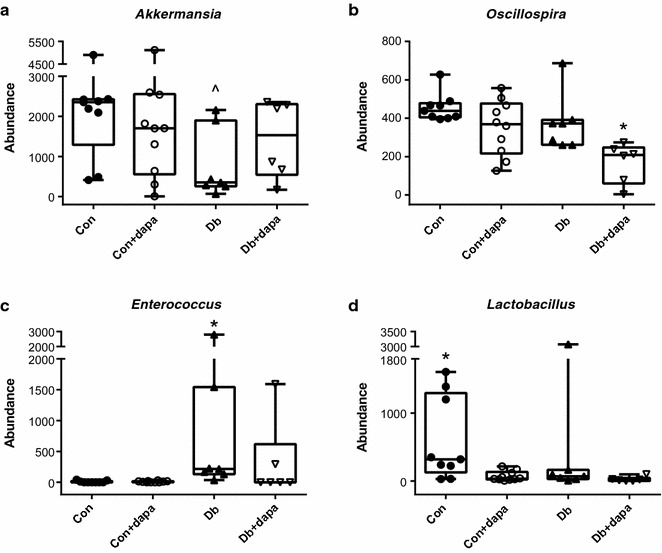
“muciniphila abundance was increased in dapaglifozin-treated diabetic mice, which may be associated with improvedmetabolic outcomes [77].”
BackgroundDeng, X., Zhang, C., Wang, P., Wei, W., Shi, X., Wang, P., Yang, J., Wang, L., Tang, S., Fang, Y., et al. (2022) · The Journal of Clinical Endocrinology & Metabolism · doi:10.1210/clinem/dgac210 · Cited by 126
“Recently, an animal study suggested that another SGLT2i, dapagliflozin, subtly alters the composition of the gut microbiota in mice with type 2 diabetes (11).”
BackgroundThe role of diosgenin in diabetes and diabetic complications
Gan, Q., Wang, J., Hu, J., Lou, G., Xiong, H., Peng, C., Zheng, S., & Huang, Q. (2020) · The Journal of Steroid Biochemistry and Molecular Biology · doi:10.1016/j.jsbmb.2019.105575 · Cited by 117
Insights into SGLT2 inhibitor treatment of diabetic cardiomyopathy: focus on the mechanisms
Huang, K., Luo, X., Liao, B., Li, G., & Feng, J. (2023) · Cardiovascular Diabetology · doi:10.1186/s12933-023-01816-5 · Cited by 127
Arterial Stiffness in Hypertension: an Update
Dumor, K., Shoemaker‐Moyle, M., Nistala, R., & Whaley‐Connell, A. T. (2018) · Current Hypertension Reports · doi:10.1007/s11906-018-0867-x · Cited by 126
Alshnbari, A. S., Millar, S., O’Sullivan, S. E., & IDRIS, I. R. (2020) · Diabetes Therapy · doi:10.1007/s13300-020-00885-z · Cited by 121
Theofilis, P., Sagris, Μ., Oikonomou, E. K., Antonopoulos, A. S., Siasos, G., Tsioufis, K. P., & Tousoulis, D. (2022) · International Immunopharmacology · doi:10.1016/j.intimp.2022.109080 · Cited by 121
Endothelial Dysfunction in Diabetes
Takeda, Y., Matoba, K., Sekiguchi, K., Nagai, Y., Yokota, T., Utsunomiya, K., & Nishimura, R. (2020) · Biomedicines · doi:10.3390/biomedicines8070182 · Cited by 105
“also reported that dapagliflozin improves vascular smooth muscle dysfunction with alterations of gut microbiota in type 2 diabetic mouse [66].”
Backgroundvan Bommel, E. J. M., Herrema, H., Davids, M., Kramer, M. H. H., Nieuwdorp, M., & van Raalte, D. H. (2020) · Diabetes & Metabolism · doi:10.1016/j.diabet.2019.11.005 · Cited by 90
The Relationships between Gut Microbiota and Diabetes Mellitus, and Treatments for Diabetes Mellitus
Crăciun, C.-I., Neag, M. A., Cătinean, A., Mitre, A. O., Rusu, A., Bala, C. G., Román, G., Buzoianu, A. D., Muntean, D. M., & Craciun, A. E. (2022) · Biomedicines · doi:10.3390/biomedicines10020308 · Cited by 106
The Intestinal Microbiota and Metabolites in the Gut-Kidney-Heart Axis of Chronic Kidney Disease
Huang, Y., Xin, W., Xiong, J., Yao, M., Zhang, B., & Zhao, J. (2022) · Frontiers in Pharmacology · doi:10.3389/fphar.2022.837500 · Cited by 110
Zhang, M., Feng, R., Yang, M., Cheng, Q., Wang, Z., Liu, W., & Ma, J. (2019) · BMJ Open Diabetes Research & Care · doi:10.1136/bmjdrc-2019-000717 · Cited by 94
“Interestingly, it has been reported recently that alpha diversity was reduced after 8 weeks of treatment with dapagliflozin, a sodium-glucose co-transporter-2 inhibitor, which mainly improved blood glucose levels by inhibiting reabsorption of glucose filtered from the renal glomerulus.(21) 22 The indices of alpha dive…”
BackgroundAnti-Inflammatory Effects of SGLT2 Inhibitors: Focus on Macrophages
RYKOVA, E. Y., Klimontov, V. V., Shmakova, E. O., Korbut, A. I., Merkulova, T. I., & Kzhyshkowska, J. G. (2025) · International Journal of Molecular Sciences · doi:10.3390/ijms26041670 · Cited by 102
“SGLT2 inhibitors influence vascular health through multiple mechanisms, controlling deceleration of age-related vascular changes [127,128].”
Crosstalk between gut microbiota and antidiabetic drug action
Kyriachenko, Y., Falalyeyeva, T. M., Korotkyi, O., Molochek, N., & Kobyliak, N. M. (2019) · World Journal of Diabetes · doi:10.4239/wjd.v10.i3.154 · Cited by 85
Deng, L., Yang, Y., & Xu, G. (2022) · Biochimica et Biophysica Acta (BBA) - Molecular and Cell Biology of Lipids · doi:10.1016/j.bbalip.2022.159234 · Cited by 88
Uthman, L., Kuschma, M. C., Römer, G., Boomsma, M., Keßler, J., Hermanides, J., Hollmann, M. W., Preckel, B., Zuurbier, C. J., & Weber, N. C. (2020) · Cardiovascular Drugs and Therapy · doi:10.1007/s10557-020-07083-w · Cited by 77
Cardiovascular Benefits from Gliflozins: Effects on Endothelial Function
Salvatore, T., Caturano, A., Galiero, R., Martino, A. D., Albanese, G., Vetrano, E., Sardu, C., Marfella, R., Rinaldi, L., & Sasso, F. C. (2021) · Biomedicines · doi:10.3390/biomedicines9101356 · Cited by 75
“In another study, T2DM mice treated with dapagliflozin for eight weeks displayed vascular improvements such as lower arterial stiffness and attenuated disfunction of both endothelium and smooth muscle, accompanied by lower circulating levels of glucose and inflammation markers [83].”
BackgroundGut-pancreas-liver Axis as a target for treatment of NAFLD/NASH
Svegliati-Baroni, G., Patrício, B., Lioci, G., Macedo, M. P., & Gastaldelli, A. (2020) · International Journal of Molecular Sciences · doi:10.3390/ijms21165820 · Cited by 66
Control of 24-hour blood pressure with SGLT2 inhibitors to prevent cardiovascular disease
Kario, K., Ferdinand, K. C., & O’Keefe, J. H. (2020) · Progress in Cardiovascular Diseases · doi:10.1016/j.pcad.2020.04.003 · Cited by 72
Diabetes and the Gut Microbiome
Lau, W. L., Tran, T., Rhee, C. M., Kalantar-Zadeh, K., & Vaziri, N. D. (2021) · Seminars in Nephrology · doi:10.1016/j.semnephrol.2021.03.005 · Cited by 65
“In diabetic mice, dapagliflozin therapy was associated with mild changes in the microbiome and decreased vascular stiffness.(43) In nondiabetic CKD mice, canagliflozin increased cecal SCFAs and significantly decreased blood uremic toxins such as indoxyl and p-cresyl sulfates without hypoglycemia.”
BackgroundMao, Z., Gao, Z., Liu, D., Liu, Z., & Wu, P. (2023) · Frontiers in Immunology · doi:10.3389/fimmu.2023.1124704 · Cited by 73
Bastos, R. M. C., Simplício-Filho, A., Sávio-Silva, C., de Oliveira, L. F. V., Cruz, G. N. F., Sousa, E. H., Noronha, I. L., Mangueira, C. L. P., Quaglierini-Ribeiro, H., Josefi-Rocha, G. R., et al. (2022) · International Journal of Molecular Sciences · doi:10.3390/ijms23073842 · Cited by 70
“Therefore, the modulation of the intestinal microbiota combined with other established therapies for DM, including lifestyle modifications, pharmacological drugs including metformin [42,43], sodium-glucose cotransporter-2 inhibitors (SGLT2i) [44,45], GLP-1 receptor agonists [46,47], and lipid-lowering drugs, such as s…”
BackgroundAggarwal, V., Sunder, S., & Verma, S. R. (2022) · Folia Microbiologica · doi:10.1007/s12223-022-00973-6 · Cited by 71
Liu, W., Luo, Z., Zhou, J., & Sun, B. (2022) · Frontiers in Cellular and Infection Microbiology · doi:10.3389/fcimb.2022.853771 · Cited by 80
Dapagliflozin prevents oxidative stress-induced endothelial dysfunction via sirtuin 1 activation
Zhou, Y., Tai, S., Zhang, N., Fu, L., & Wang, Y. (2023) · Biomedicine & Pharmacotherapy · doi:10.1016/j.biopha.2023.115213 · Cited by 72
Endothelial function and dysfunction: Impact of sodium-glucose cotransporter 2 inhibitors
Ugusman, A., Kumar, J., & Aminuddin, A. (2021) · Pharmacology & Therapeutics · doi:10.1016/j.pharmthera.2021.107832 · Cited by 64
Lu, Y.-P., Zhang, Z., Wu, H., Fang, L.-J., Hu, B., Tang, C., Zhang, Y., Yin, L., Tang, D., Zheng, Z., et al. (2022) · Journal of Translational Medicine · doi:10.1186/s12967-022-03629-8 · Cited by 64
“A recent study demonstrated that the proportion of gut bacteria belonging to Firmicutes in db/db mice declined after dapagliflozin intervention [48], which partly explains the downregulation of intermediates in both serotonin (5-hydroxy-l-tryptophan) and indole (indole-3-acetaldehyde) pathways after EMPA treatment in…”
BackgroundBellanti, F., Buglio, A. L., Dobrakowski, M., Kasperczyk, A., Kasperczyk, S., Aich, P., Singh, S. P., Serviddio, G., & Vendemiale, G. (2022) · World Journal of Gastroenterology · doi:10.3748/wjg.v28.i26.3243 · Cited by 60
Lakshmanan, A. P., Murugesan, S., Khodor, S. A., & Terranegra, A. (2022) · Journal of Translational Medicine · doi:10.1186/s12967-022-03631-0 · Cited by 67
Research advances in the anti-inflammatory effects of SGLT inhibitors in type 2 diabetes mellitus
Zhang, R., Xie, Q., Lu, X., Fan, R., & Tong, N. (2024) · Diabetology & Metabolic Syndrome · doi:10.1186/s13098-024-01325-9 · Cited by 67
“Numerous studies indicate that SGLTis can reduce the expression and release of inflammatory biomarkers such as IL-1β, IL-6, TNF-α, MCP-1, platelet endothelial cell adhesion molecule-1 (PECAM-1), vascular cell adhesion molecule-1 (VCAM-1), intercellular adhesion molecule-1 (ICAM-1) and CRP [29–32].”
BackgroundAlsereidi, F. R., Khashim, Z., Marzook, H., Gupta, A., Al-Rawi, A. M., Ramadan, M. M., & Saleh, M. A. (2024) · Current Problems in Cardiology · doi:10.1016/j.cpcardiol.2024.102524 · Cited by 67
Iron Overload Damages the Endothelial Mitochondria via the ROS/ADMA/DDAHII/eNOS/NO Pathway
He, H., Yang, Q., Zhou, Q. S., Wang, Z., Chen, X., Liu, D., Yin, D., & He, M. (2019) · Oxidative Medicine and Cellular Longevity · doi:10.1155/2019/2340392 · Cited by 59
“A DDAHII overexpression model was constructed in C57BL/6J mice via tail vein injection of recombinant adenovirus containing the gene for DDAHII (GenBank ID 23564) as previously described [34].”
InfluentialDapagliflozin Modulates the Fecal Microbiota in a Type 2 Diabetic Rat Model
Yang, M., Shi, F., Liu, W., Zhang, M.-C., Feng, R., Cheng, Q., Liu, W., & Ma, J. (2020) · Frontiers in Endocrinology · doi:10.3389/fendo.2020.00635 · Cited by 56
“In our study, dapagliflozin did not increase diversity and richness compared with control via alpha diversity analysis, although it has been indicated that dapagliflozin could reduce richness and diversity in mice (13).”
BackgroundInfluentialMylonas, N., Nikolaou, P., Karakasis, P., Stachteas, P., Fragakis, N., & Andreadou, I. (2024) · International Journal of Molecular Sciences · doi:10.3390/ijms25137274 · Cited by 60
“Accordingly, similar results have been obtained on eNOS activation and NO bioavailability in diabetic mice and metabolic syndrome ZSF1 rats treated with DAPA (60 mg/kg/day orally for 8 weeks) or EMPA (30 mg/kg/day orally for 6 weeks), respectively [66,67].”
ResultAvogaro, A., Fadini, G. P., & Del Prato, S. (2020) · Diabetes Care · doi:10.2337/dc19-1410 · Cited by 51
“In line with these effects, there is mounting evidence showing that SGLT2i can improve vascular stiffness (64,65) and endothelial function (66) and reduce microvascular injury (67), possibly”
BackgroundNewman, A. A., Grimm, N. C., Wilburn, J. R., Schoenberg, H. M., Trikha, S. R. J., Luckasen, G. J., Biela, L. M., Melby, C. L., & Bell, C. (2019) · The Journal of Clinical Endocrinology & Metabolism · doi:10.1210/jc.2018-01741 · Cited by 50
“More recently, evidence is emerging that SGLT2 inhibition may have additional clinical benefits, such as decreased prevalence of adverse cardiovascular events (25), and, perhaps more pertinent to the current study, additional physiological benefits, including improved vascular function (26) and arterial stiffness (27)…”
BackgroundKario, K., Okada, K., Murata, M., Suzuki, D., Yamagiwa, K., Abe, Y., Usui, I., Tsuchiya, N., Iwashita, C., Harada, N., et al. (2020) · Journal of Clinical Hypertension · doi:10.1111/jch.13988 · Cited by 52
Yang, L., Zhang, X., & Wang, Q. (2022) · Frontiers in Endocrinology · doi:10.3389/fendo.2022.992937 · Cited by 62
Cao, T. T. B., Wu, K., Hsu, J., Chang, C., Chou, C., Lin, C.-Y., Liao, Y.-M., Lin, P.-C., Yang, L., & Lin, H. (2020) · Frontiers in Endocrinology · doi:10.3389/fendo.2020.573891 · Cited by 55
“(76), USA C57BLKS/Jleprdb/leprdb (db/db) Gene knockout 12/12 D (60 mg/kg in diet) vs.”
Liu, Y., Xu, J., Wu, M., Xu, B., & Kang, L. (2021) · Lipids in Health and Disease · doi:10.1186/s12944-021-01430-y · Cited by 56
“Combining previous studies, SGLT2i may inhibit inflammatory mediators with a duration of at least 8 weeks [8, 9, 44, 49].”
BackgroundMethodWang, W., Li, Y., Zhang, Y., Ye, T., Wang, K., Li, S., & Zhang, Y. (2023) · Cardiovascular Diabetology · doi:10.1186/s12933-023-02040-x · Cited by 50
Tingler, A. M., & Engevik, M. A. (2025) · Infection and Immunity · doi:10.1128/iai.00503-24 · Cited by 68
Lv, Q., Li, Z., Sui, A., Yang, X., Han, Y., & Yao, R. (2022) · Frontiers in Microbiology · doi:10.3389/fmicb.2022.977187 · Cited by 59
“Furthermore, a study showed that mechanistically dapagliflozin improves vascular dysfunction by subtly altering microbiota composition (Lee et al., 2018).”
BackgroundDimitriadis, K. S., Adamopoulou, E., Pyrpyris, N., Sakalidis, A., Leontsinis, I., Manta, E., Mantzouranis, E., Beneki, E., Σουλαϊδόπουλος, Σ., Konstantinidis, D., et al. (2023) · European Heart Journal - Cardiovascular Pharmacotherapy · doi:10.1093/ehjcvp/pvad053 · Cited by 51
Gut microbiota and therapy for obesity and type 2 diabetes
Zhang, L., Wang, P., Huang, J., Xing, Y., Wong, F. S., Suo, J., & Li, W. (2024) · Frontiers in Endocrinology · doi:10.3389/fendo.2024.1333778 · Cited by 75
“Moreover, dapagli fl ozin increased the abundance of Akkermansia muciniphila and decreased Oscillospira whereas canagli fl ozin increased the abundance of Olsenella , Alistipes and Alloprevotella , but decreased the abundance of Helicobacter and Mucispirillum (77, 78).”
BackgroundAnti-inflammatory effects of sodium-glucose co-transporter 2 inhibitors on atherosclerosis
Kang, Y.-X., Zhan, F., He, M., Liu, Z., & Song, X. (2020) · Vascular Pharmacology · doi:10.1016/j.vph.2020.106779 · Cited by 47
Enterorenal crosstalks in diabetic nephropathy and novel therapeutics targeting the gut microbiota
Ni, Y., Zheng, L., Nan, S., Ke, L., Fu, Z., & Jin, J. (2022) · Acta Biochimica et Biophysica Sinica · doi:10.3724/abbs.2022140 · Cited by 49
“In addition, Oscillospira and Mucispirillum mentioned above were also declined [162,163], and these two bacteria may act as targets of SGLT-2 inhibitors (Table 2).”
BackgroundThe Role of SGLT2 Inhibitors in Vascular Aging
Liu, L., Ni, Y., Zhan, J., & Liu, Y. (2021) · Aging and Disease · doi:10.14336/ad.2020.1229 · Cited by 50
“SGLT2 inhibitors have also been demonstrated to obviously delaythe aging of VSMCs in diabetic animal models, restore the function of damaged VSMCs to the level of the control group, and return the smooth muscle function to normal values through highdose stimulation [59, 60].”
BackgroundEffects of Oral Glucose-Lowering Agents on Gut Microbiota and Microbial Metabolites
Wang, D., Liu, J. Y., Zhou, L., Zhang, Q., Li, M., & Xiao, X. (2022) · Frontiers in Endocrinology · doi:10.3389/fendo.2022.905171 · Cited by 52
“and Firmicutes/Bacteroidetes ratios and increased Akkermansia muciniphila in the treatment group (109).”
BackgroundAkkermansia muciniphila as a novel powerful bacterial player in the treatment of metabolic disorders
Kobyliak, N. M., Falalyeyeva, T. M., Kyriachenko, Y., TSEYSLYER, Y., KOVALCHUK, O., HADILIIA, O., Eslami, M., YOUSEFI, B., Abenavoli, L., Fagoonee, S., et al. (2022) · Minerva Endocrinology · doi:10.23736/s2724-6507.22.03752-6 · Cited by 50
Arterial Stiffness and Heart Failure With Preserved Ejection Fraction
Kim, H., & Jo, S. (2024) · Journal of Korean Medical Science · doi:10.3346/jkms.2024.39.e195 · Cited by 47
Xi, Y., & Xu, P. (2021) · World Journal of Diabetes · doi:10.4239/wjd.v12.i10.1693 · Cited by 53
The consequences of altered microbiota in immune-related chronic kidney disease
Lau, W. L., Chang, Y., & Vaziri, N. D. (2020) · Nephrology Dialysis Transplantation · doi:10.1093/ndt/gfaa087 · Cited by 44
“The newer sodium-glucose cotransporter 2 (SGLT2) inhibitors were reported in animal investigations to alter the gut microbiome and decrease serum levels of indoxyl and p-cresyl sulfates [58, 59]; however, a randomized trial in patients with Type 2 diabetes found no change Table 2.”
BackgroundYang, Y., Zhao, M., He, X., Wu, Q., Li, D., & Zang, W. (2021) · Frontiers in Pharmacology · doi:10.3389/fphar.2021.647481 · Cited by 45
“Gut microbiota homeostasis is disrupted in the contexts of cardiovascular diseases such as coronary heart disease, hypertension, heart failure, ventricular fibrillation, and vascular dysfunction (Lee et al., 2018).”
BackgroundYang, B. J., Li, H., Yang, Q., Zhou, Q. S., Chen, S., Yin, D., He, H., & He, M. (2019) · Oxidative Medicine and Cellular Longevity · doi:10.1155/2019/5820415 · Cited by 43
“Vascular contractility and relaxation were determined as previously described [33, 36].”
Effect of Dapagliflozin on Urine Metabolome in Patients with Type 2 Diabetes
Bletsa, E., Filippas-Ntekouan, S., Kostara, C. E., Dafopoulos, P., Dimou, A. D., Pappa, E. T., Chasapi, S. A., Spyroulias, G. A., Koutsovasilis, A., Bairaktari, E. T., et al. (2021) · The Journal of Clinical Endocrinology & Metabolism · doi:10.1210/clinem/dgab086 · Cited by 45
“Since N-methylhydantoin is produced by the metabolism of creatinine by gut microbes it appears tempting to hypothesize that the previously described effect of the drug on gut microbiota (34) may contribute to the observed increase in the renal excretion of this compound.”
BackgroundCompositional Changes of the High-Fat Diet-Induced Gut Microbiota upon Consumption of Common Pulses
Lutsiv, T., Weir, T. L., McGinley, J. N., Neil, E. S., Wei, Y., & Thompson, H. J. (2021) · Nutrients · doi:10.3390/nu13113992 · Cited by 41
“Paired-end sequencing libraries of the V4 region of the 16S rRNA gene were constructed using the 515F-806R primer set according to the Earth Microbiome Project protocols [17], followed by sequencing using the MiSeq Reagent Kit v2 2 × 250 bp on an Illumina MiSeq instrument (Next-Generation Sequencing Facility at Colora…”
MethodSelf-citationOlğar, Y., & Turan, B. (2018) · Canadian Journal of Physiology and Pharmacology · doi:10.1139/cjpp-2018-0466 · Cited by 36
Sodium glucose cotransporter 2 inhibitors: mechanisms of action in heart failure
Dutka, M., Bobiński, R., Ulman-Włodarz, I., Hajduga, M. B., Bujok, J., Pająk, C., & Ćwiertnia, M. (2020) · Heart Failure Reviews · doi:10.1007/s10741-020-10041-1 · Cited by 44
Type 2 Diabetes and the Microbiome
Barlow, G. M., & Mathur, R. (2022) · Journal of the Endocrine Society · doi:10.1210/jendso/bvac184 · Cited by 49
Lee, D. M., Ecton, K. E., Trikha, S. R. J., Wrigley, S. D., Thomas, K. N., Battson, M. L., Wei, Y., Johnson, S. A., Weir, T. L., & Gentile, C. L. (2020) · American Journal of Physiology-Gastrointestinal and Liver Physiology · doi:10.1152/ajpgi.00375.2019 · Cited by 41
Self-citationArterial stiffness and atrial fibrillation: A review
Lage, J. G. B., Bortolotto, A. L., Scanavacca, M., Bortolotto, L. A., & Darrieux, F. (2022) · Clinics · doi:10.1016/j.clinsp.2022.100014 · Cited by 37
“In another study with animal models, dapagli fl ozin improved vascular function in mice with type 2 diabetes [69].”
Empagliflozin ameliorates atherosclerosis via regulating the intestinal flora
Hao, H., Li, Z., Qiao, S.-Y., Qi, Y., Xu, X.-Y., Si, J.-Y., Liu, Y.-H., Chang, L., Shi, Y., Xu, B., et al. (2023) · Atherosclerosis · doi:10.1016/j.atherosclerosis.2023.03.011 · Cited by 39
The pathogenic role of intestinal flora metabolites in diabetic nephropathy
Tian, E., Wang, F., Zhao, L., Sun, Y., & Yang, J. (2023) · Frontiers in Physiology · doi:10.3389/fphys.2023.1231621 · Cited by 38
“A study in diabetic mice, in which the gut microbial composition of the subjects was assessed by 16s rRNA sequencing, showed that diabetic mice treated with dagliflozin exhibited a favourable reduction in the ratio of the thick-walled phylum/Bacteroidetes compared to the diet alone group (Lee et al., 2018).”
BackgroundThe Gut Microbiota and Vascular Aging: A State-of-the-Art and Systematic Review of the Literature
Agnoletti, D., Piani, F., Cicero, A. F. G., & Borghi, C. (2022) · Journal of Clinical Medicine · doi:10.3390/jcm11123557 · Cited by 42
“, 2018 [75] 47 Aortic PWV (doppler); ex vivo (1) standard diet; (2) standard diet + dapagliflozin (60 mg dapagliflozin/kg diet).”
BackgroundMethodKant, R., Chandra, L., Verma, V. K., Nain, P., Bello, D., Patel, S., Ala, S., Chandra, R., & Antony, M. A. (2022) · World Journal of Methodology · doi:10.5662/wjm.v12.i4.246 · Cited by 39
The Effects of the New Therapeutic Treatments for Diabetes Mellitus on the Male Reproductive Axis
Pelusi, C. (2022) · Frontiers in Endocrinology · doi:10.3389/fendo.2022.821113 · Cited by 36
“In addition, mice with T2DM treated with dapagliflozin for eight weeks demonstrated significantly less arterial stiffness, improvements in endothelial and vascular smooth muscle dysfunctions, and reductions in circulating markers of inflammation compared with non-treated diabetic mice (55).”
BackgroundWu, J., Chen, Y., Yang, H., Gu, L., Ni, Z., Mou, S., Shen, J., & Che, X. (2023) · Frontiers in Endocrinology · doi:10.3389/fendo.2023.1026040 · Cited by 39
“Although studies showed that DAPA could reduce body weight, we observed that the weight of the treat group gradually increased, while the db/db mice had different degrees of weight loss at 18 weeks and 22 weeks, which are consistent with the previous research (23, 26, 32).”
ResultInfluentialDioscin: Therapeutic potential for diabetes and complications
Gao, H., Wang, Z., Zhu, D., Zhao, L., & Xiao, W. (2023) · Biomedicine & Pharmacotherapy · doi:10.1016/j.biopha.2023.116051 · Cited by 36
da Silva, R. S., de Paiva, I. H. R., Mendonça, I. P., de Souza, J. R. B., Lucena‐Silva, N., & Peixoto, C. A. (2024) · Inflammopharmacology · doi:10.1007/s10787-024-01603-y · Cited by 39
“Anti-diabetic medications can alter the gut microbiota and, otherwise, the gut microbiota also can alter the therapeutic efficacy (De La Serre et al. 2010; Wu et al. 2017; Wang et al. 2018; Lee et al. 2018; Hupa-Breier et al. 2021).”
Madonna, R., Barachini, S., Moscato, S., Ippolito, C., Mattii, L., Lenzi, C., Balistreri, C. R., Zucchi, R., & Caterina, R. D. (2021) · Vascular Pharmacology · doi:10.1016/j.vph.2021.106949 · Cited by 31
Khalaf, E. M., Hassan, H. M., El-Baz, A. M., Shata, A., Khodir, A. E., Yousef, M. E., Elgharabawy, R. M., Nouh, N. A. T., Saleh, S., Bin-Meferij, M. M., et al. (2022) · European Journal of Pharmacology · doi:10.1016/j.ejphar.2022.175172 · Cited by 32
Role of Glucose-Lowering Medications in Erectile Dysfunction
Cignarelli, A., Genchi, V. A., D’Oria, R., Giordano, F., Caruso, I., Perrini, S., Natalicchio, A., Laviola, L., & Giorgino, F. (2021) · Journal of Clinical Medicine · doi:10.3390/jcm10112501 · Cited by 30
“In addition, mice with T2D treated with dapagliflozin, another widely prescribed SGLT2i, for eight weeks displayed significantly less arterial stiffness, improvements in endothelial and vascular smooth muscle dysfunctions and reductions in circulating markers of inflammation as compared with nontreated diabetic mice […”
BackgroundEndothelium as a Therapeutic Target in Diabetes Mellitus: From Basic Mechanisms to Clinical Practice
Tentolouris, A., Eleftheriadou, I., Tzeravini, E., Tsilingiris, D., Paschou, S. Α., Siasos, G., & Tentolouris, N. (2019) · Current Medicinal Chemistry · doi:10.2174/0929867326666190119154152 · Cited by 34
Takasu, T., & Takakura, S. (2019) · Life Sciences · doi:10.1016/j.lfs.2019.05.051 · Cited by 29
Vascular and metabolic effects of SGLT2i and GLP-1 in heart failure patients
Correale, M., Lamacchia, O., Ciccarelli, M., Dattilo, G., Tricarico, L., & Brunetti, N. D. (2021) · Heart Failure Reviews · doi:10.1007/s10741-021-10157-y · Cited by 33
Zhao, J., Li, Y., Sun, M., Xin, L., Wang, T., Wei, L., Yu, C., Liu, M., Ni, Y., Lu, R., et al. (2019) · Evidence-based Complementary and Alternative Medicine · doi:10.1155/2019/6976394 · Cited by 31
Wu, X., Zhao, L., Zhāng, Y., Li, K., & Yang, J. (2023) · Frontiers in Physiology · doi:10.3389/fphys.2023.1166685 · Cited by 31
“, 2021), SGLT-2 inhibitors were also reported to alter the intestinal microbiota in type 2 diabetic rats and patients (Deng L. et al., 2022; Deng X. et al., 2022; Lee et al., 2018;Wang X. et al., 2022; YangM. et al., 2020).”
BackgroundTai, S., Zhou, Y., Fu, L., Ding, H., Zhou, Y., Yin, Z., Yang, R., Liu, Z., & Zhou, S. (2023) · Heliyon · doi:10.1016/j.heliyon.2023.e19152 · Cited by 31
“The effect of dapagliflozin on vascular reactivity was measured as described previously [16].”
BackgroundMethodInfluentialThe major molecular mechanisms mediating the renoprotective effects of SGLT2 inhibitors: An update
Yaribeygi, H., Simental‐Mendía, L. E., Banach, M., Bo, S., & Sahebkar, A. (2019) · Biomedicine & Pharmacotherapy · doi:10.1016/j.biopha.2019.109526 · Cited by 33
“that occur in CKDs and reduces BP by induction of osmotic diuresis and improvement of endothelial function and vascular tone [52,66,70].”
BackgroundCorreale, M., Mazzeo, P., Mallardi, A., Leopizzi, A., Tricarico, L., Fortunato, M., Magnesa, M., Tucci, S., Maiellaro, P., Pastore, G., et al. (2021) · Cardiovascular Drugs and Therapy · doi:10.1007/s10557-021-07254-3 · Cited by 32
Ding, Q., Tian, J., Li, M., Lian, F., Zhao, L., Wei, X., Han, L., Zheng, Y., Gao, Z., Yang, H., et al. (2020) · Frontiers in Cellular and Infection Microbiology · doi:10.3389/fcimb.2020.530160 · Cited by 31
Gharaibeh, N. E., Rahhal, M.-N., Rahimi, L., & Ismail‐Beigi, F. (2019) · Diabetes Metabolic Syndrome and Obesity · doi:10.2147/dmso.s212715 · Cited by 31
“In keeping with the possibility of additional mechanisms, it was recently shown that in obese mice with diabetes resulting from homozygous mutation of the leptin gene (lepr/lepr), treatment with dapagliflozin resulted in improved glycemic control associated with improvement in arterial stiffness and alteration in thei…”
Background
Metadata
- Authors
- Lee, D. M., Battson, M. L., Jarrell, D. K., Hou, S., Ecton, K. E., Weir, T. L., & Gentile, C. L.
- Affiliations
- Colorado State University (US)
- Corresponding author
- Gentile, Christopher L.
- Venue
- Cardiovascular Diabetology
- Published
- 2018-04-27
- Volume
- 17
- Issue
- 1
- Pages
- 62-62
- ISSN
- 1475-2840 (ISSN-L)
- PMC
- PMC5921754
- OpenAlex
- W2807501871
- Cited by
- 246
- References
- 58
- Citations by year
- 2026: 15 · 2025: 19 · 2024: 33 · 2023: 46 · 2022: 52 · 2021: 26 · 2020: 27 · 2019: 22 · 2018: 6
- FWCI
- 16.10
- Type
- journal article
- Language
- en
- Open access
- gold
- doi.org
- Licence
- cc-by
- creativecommons.org/licenses/by/4.0/ (tdm)
- Locations
- Cardiovascular Diabetology (publishedVersion, cc-by)
- Europe PMC (PubMed Central) (publishedVersion, cc-by)
- PubMed Central (publishedVersion, cc-by)
- PubMed (publishedVersion)
- DOAJ (DOAJ: Directory of Open Access Journals) (submittedVersion, cc-by-sa)
- Funders
- AstraZeneca
- Topics
- Health Sciences › Medicine › Endocrinology, Diabetes and Metabolism › Diabetes Treatment and Management
- Health Sciences › Medicine › Cardiology and Cardiovascular Medicine › Cardiovascular Health and Disease Prevention
- Health Sciences › Medicine › Cardiology and Cardiovascular Medicine › Cardiovascular Function and Risk Factors
- Keywords
- dapagliflozin, SGLT2 inhibitors, type 2 diabetes, vascular dysfunction, arterial stiffness, endothelial dysfunction, vascular smooth muscle dysfunction, gut microbiota, pulse wave velocity, acetylcholine response, sodium nitroprusside response, hyperglycemia, inflammation, diabetic mice, cardiovascular risk reduction, drug-microbiota interactions
- MeSH terms
- Gastrointestinal Microbiome, Sodium-Glucose Transporter 2 Inhibitors, Animals, Benzhydryl Compounds, Diabetes Mellitus, Type 2, Diabetic Angiopathies, Disease Models, Animal, Glucosides, Intestines, Male, Muscle, Smooth, Vascular, Vasodilation, Sodium-Glucose Transporter 2, Mice, Vascular Stiffness
About these checks
Registry, retraction, Cites and statistics results are computed, not judged, with one exception: a printed reference that no index lists is read once by a model before it counts as a citation error. Claims are extracted by a model and kept only when their quote appears verbatim in the text; each cited source is then checked, with a model’s help, for whether it says what the claim relies on. Those verdicts can be wrong — read the claim’s quote and the cited source before relying on one.
Statistics and arithmetic are recomputed, not judged.
Confidence bands are shown only for fields calibrated on our annotated test set. None is calibrated yet, so no band is shown.
What counts as a claim ›How we measure confidence ›How we check this ›
Are you an author, or do you see a problem with this page? Request a review
Data sources
Bibliographic data: Semantic Scholar, OpenAlex, Crossref.
Contains information from the Semantic Scholar Academic Graph Datasets, made available under the ODC Attribution License (ODC-BY 1.0).
Semantic Scholar’s data is described in: Kinney, R., et al. (2023). The Semantic Scholar Open Data Platform. arXiv:2301.10140.
