

Efficacy of cardiometabolic drugs in reduction of epicardial adipose tissue: a systematic review and meta-analysis
Open accessThe DOI matches its Crossref record; 68 of the 69 references it cites were found in a registry or an index.
Abstract
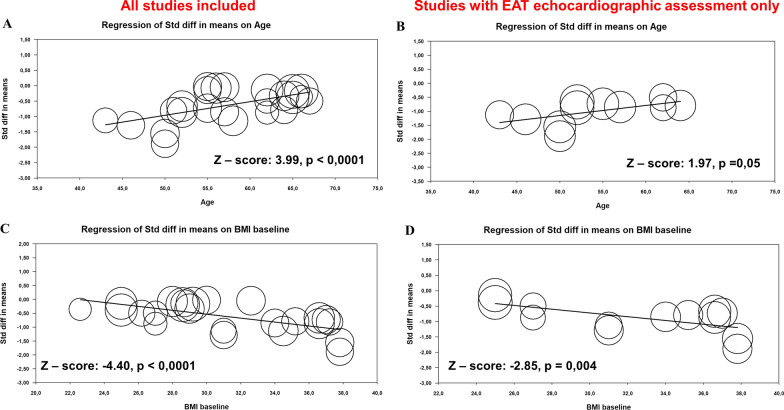
Background: Epicardial adipose tissue (EAT) plays an important role in cardiometabolic risk. EAT is a modifiable risk factor and could be a potential therapeutic target for drugs that already show cardiovascular benefits. The aim of this study is to evaluate the effect of cardiometabolic drugs on EAT reduction. Methods: A detailed search related to the effect on EAT reduction due to cardiometabolic drugs, such as glucagon-like peptide-1 receptor agonist (GLP-1 RA), sodium-glucose cotransporter-2 inhibitors (SGLT2-i), and statins was conducted according to PRISMA guidelines. Eighteen studies enrolling 1064 patients were included in the qualitative and quantitative analyses. Results: All three analyzed drug classes, in particular GLP-1 RA, show a significant effect on EAT reduction (GLP-1 RA standardize mean difference (SMD) = − 1.005; p < 0.001; SGLT2-i SMD = − 0.552; p < 0.001, and statin SMD = − 0.195; p < 0.001). The sensitivity analysis showed that cardiometabolic drugs strongly benefit EAT thickness reduction, measured by ultrasound (overall SMD of − 0.663; 95%CI − 0.79, − 0.52; p < 0.001). Meta-regression analysis revealed younger age and higher BMI as significant effect modifiers of the association between cardiometabolic drugs and EAT reduction for both composite effect and effect on EAT thickness, (age Z: 3.99; p < 0.001 and Z: 1.97; p = 0.001, respectively; BMI Z: − 4.40; p < 0.001 and Z: − 2.85; p = 0.004, respectively). Conclusions: Cardiometabolic drugs show a significant beneficial effect on EAT reduction. GLP-1 RA was more effective than SGLT2-i, while statins had a rather mild effect. We believe that the most effective treatment with these drugs should target younger patients with high BMI. Graphical Abstract:
Overview
The claims and statistics of this paper haven’t been checked yet.
Free: it reads the open-access text and checks the first 5 claims that cite a source we can check. Create a free account to check every claim.
Integrity signals
Registry
Cites
Statistics
Figures
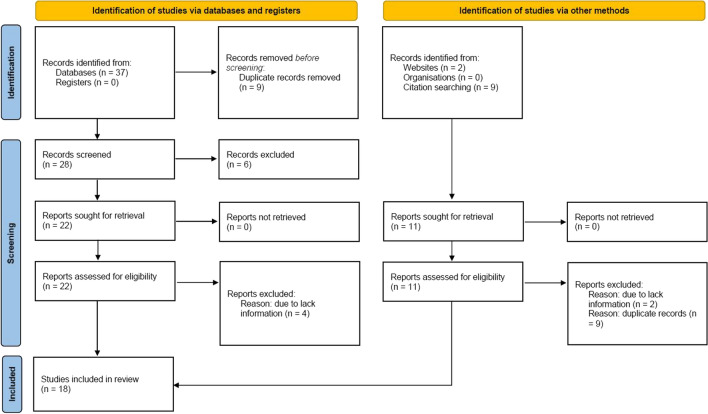
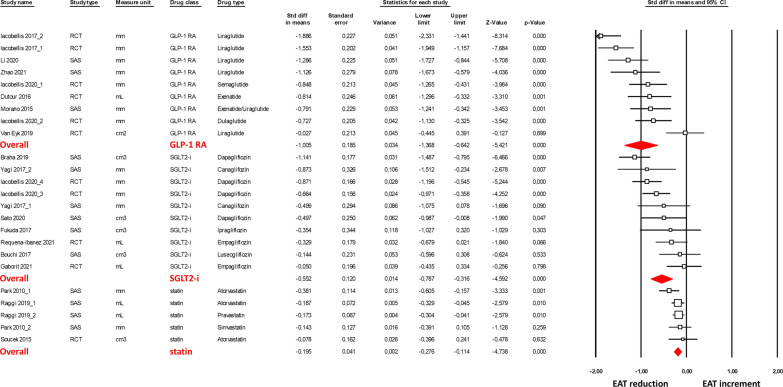
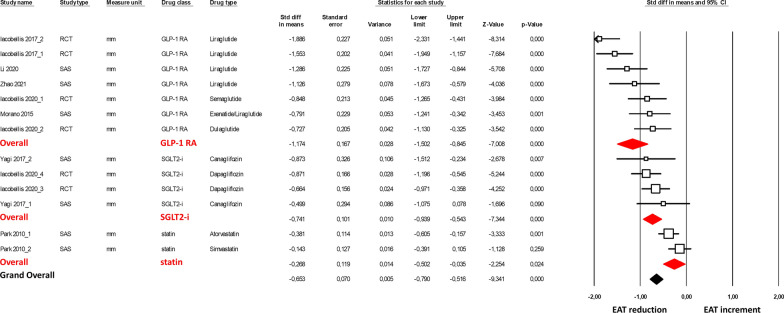
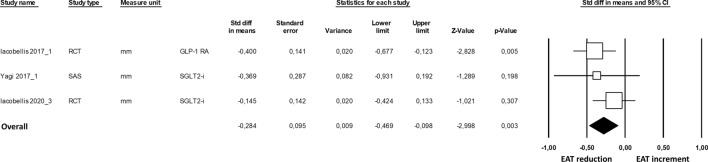
Verification
Claims the paper makes
The claims and statistics of this paper haven’t been checked yet.
Free: it reads the open-access text and checks the first 5 claims that cite a source we can check. Create a free account to check every claim.
Claims other papers make about this one
Each is checked against this paper’s own text: does it say what the citing paper says it does?
The source backs part of the claim, not all of it — or backs it for a different population, condition or comparison.
In the citing paper
“and there is evidence that semaglutide 2.4 mg improves heart failure with preserved ejection fraction in individuals without diabetes by a potentially direct or indirect effect on epicardial adipose tissue (Kosiborod et al, 2023;Myasoedova et al, 2023).”
From Emerging pharmacotherapies for obesity: A systematic review (2025) · cites this paper as Myasoedova et al, 2023
Experimental — accuracy not yet measuredThe cited source says what the claim attributes to it.
In the citing paper
“Additionally, GLP-1 RAs can significantly decrease epicardial adipose tissue”
From Emerging pharmacotherapies for obesity: A systematic review (2025) · cites this paper as Myasoedova et al, 2023
Self-check
Percentages, sums and reported differences re-computed from the paper’s own numbers.
The self-check needs the paper’s full text.
Citations
Cites
Measuring inconsistency in meta-analyses
Higgins, J. P. T., Thompson, S. G., Deeks, J. J., & Altman, D. G. (2003) · BMJ · doi:10.1136/bmj.327.7414.557 · Cited by 63,139
Empagliflozin, Cardiovascular Outcomes, and Mortality in Type 2 Diabetes
Zinman, B., Wanner, C., Lachin, J. M., Fitchett, D., Bluhmki, E., Hantel, S., Mattheus, M., Devins, T., Johansen, O. E., Woerle, H. J., et al. (2015) · New England Journal of Medicine · doi:10.1056/nejmoa1504720 · Cited by 12,315
Liraglutide and Cardiovascular Outcomes in Type 2 Diabetes
Marso, S. P., Daniels, G. H., Brown-Frandsen, K., Kristensen, P., Mann, J. F. E., Nauck, M. A., Nissen, S. E., Pocock, S., Poulter, N. R., Ravn, L. S., et al. (2016) · New England Journal of Medicine · doi:10.1056/nejmoa1603827 · Cited by 7,629 · cited 1×
“Glucose-lowering drugs, such as SGLT2-i and GLP-1 RA, have been shown to have a cardioprotective effect independent of blood glucose-lowering [53, 54].”
BackgroundInvestigating and dealing with publication and other biases in meta-analysis
Sterne, J. A. C., Egger, M., & Smith, G. D. (2001) · BMJ · doi:10.1136/bmj.323.7304.101 · Cited by 2,225 · cited 1×
“05 being considered statistically significant [25].”
Authors/Task Force Members:, McDonagh, T. A., Metra, M., Adamo, M., Gardner, R. S., Baumbach, A., Böhm, M., Burri, H., Butler, J., Čelutkienė, J., et al. (2022) · European Journal of Heart Failure · doi:10.1002/ejhf.2333 · Cited by 2,171
Declaración PRISMA 2020: una guía actualizada para la publicación de revisiones sistemáticas
Page, M. J., McKenzie, J. E., Bossuyt, P. M., Boutron, I., Hoffmann, T. C., Mulrow, C. D., Shamseer, L., Tetzlaff, J. M., Akl, E. A., Brennan, S. E., et al. (2021) · Revista Española de Cardiología · doi:10.1016/j.recesp.2021.06.016 · Cited by 2,095
Mechanisms of physiological and pathological cardiac hypertrophy
Nakamura, M., & Sadoshima, J. (2018) · Nature Reviews Cardiology · doi:10.1038/s41569-018-0007-y · Cited by 1,658
Sattar, N., Lee, M. M. Y., Kristensen, S. L., Branch, K. R. H., Del Prato, S., Khurmi, N. S., Lam, C. S. P., Lopes, R. D., McMurray, J. J. V., Pratley, R. E., et al. (2021) · The Lancet Diabetes & Endocrinology · doi:10.1016/s2213-8587(21)00203-5 · Cited by 1,599
Declaración PRISMA 2020: una guía actualizada para la publicación de revisiones sistemáticas
Page, M. J., McKenzie, J. E., Bossuyt, P. M., Boutron, I., Hoffmann, T. C., Mulrow, C. D., Shamseer, L., Tetzlaff, J. M., Akl, E. A., Brennan, S. E., et al. (2021) · Revista Española de Cardiología (English Edition) · doi:10.1016/j.rec.2021.07.010 · Cited by 1,313
McGuire, D. K., Shih, W. J., Cosentino, F., Charbonnel, B., Cherney, D. Z. I., Dagogo-Jack, S., Pratley, R., Greenberg, M., Wang, S., Huyck, S., et al. (2021) · JAMA Cardiology · doi:10.1001/jamacardio.2020.4511 · Cited by 1,235
Human epicardial adipose tissue: A review
Sacks, H. S., & Fain, J. N. (2007) · American Heart Journal · doi:10.1016/j.ahj.2007.03.019 · Cited by 969
Epicardial adipose tissue in contemporary cardiology
Iacobellis, G. (2022) · Nature Reviews Cardiology · doi:10.1038/s41569-022-00679-9 · Cited by 797 · cited 11×
“EAT is a modifiable risk factor that can be assessed by different cardiac imaging techniques such as echocardiography, magnetic resonance imaging (MRI), and cardiac computed tomography (CT) [12].”
BackgroundMethodInfluentialPacker, M. (2018) · Journal of the American College of Cardiology · doi:10.1016/j.jacc.2018.03.509 · Cited by 656 · cited 1×
“In addition, EAT is believed to have paracrine and autocrine activities that may induce atherosclerosis and myocardial fibrosis [45].”
BackgroundEchocardiographic Epicardial Fat Thickness and Coronary Artery Disease
Jeong, J.-W., Jeong, M. H., Yun, K. H., Oh, S. K., Park, E. M., Kim, Y. K., Rhee, S. J., Lee, E. M., Lee, J., Yoo, N. J., et al. (2007) · Circulation Journal · doi:10.1253/circj.71.536 · Cited by 382
Wong, C. X., Ganesan, A. N., & Selvanayagam, J. B. (2016) · European Heart Journal · doi:10.1093/eurheartj/ehw045 · Cited by 346
Relationship of epicardial adipose tissue by echocardiography to coronary artery disease
Ahn, S.-G., Lim, H.-S., Joe, D.-Y., Kang, S.-J., Choi, B.-J., Choi, S.-Y., Yoon, M.-H., Hwang, G.-S., Tahk, S.-J., & Shin, J.-H. (2008) · Heart · doi:10.1136/hrt.2007.118471 · Cited by 315
Epicardial fat in heart failure patients with mid-range and preserved ejection fraction
van Woerden, G., Gorter, T. M., Westenbrink, B. D., Willems, T. P., van Veldhuisen, D. J., & Rienstra, M. (2018) · European Journal of Heart Failure · doi:10.1002/ejhf.1283 · Cited by 265 · cited 1×
“Epicardial adipose tissue (EAT) is anatomically connected to the myocardium and it has been suggested as a potential player in the development of cardiac remodeling [3, 4], as well as contributing to coronary artery disease [5] and atrial fibrillation [6].”
BackgroundMechanistic Insights of Empagliflozin in Nondiabetic Patients With HFrEF
Requena-Ibáñez, J. A., Santos-Gallego, C. G., Rodriguez-Cordero, A., Vargas-Delgado, A. P., Mancini, D., Sartori, S., Atallah-Lajam, F., Giannarelli, C., Macaluso, F., Lala, A., et al. (2021) · JACC: Heart Failure · doi:10.1016/j.jchf.2021.04.014 · Cited by 264
Dutour, A., Abdesselam, I., Ancel, P., Kober, F., Mrad, G., Darmon, P., Ronsin, O., Pradel, V., Lesavre, N., Martin, J. C., et al. (2016) · Diabetes, Obesity and Metabolism · doi:10.1111/dom.12680 · Cited by 262
Liraglutide causes large and rapid epicardial fat reduction
Iacobellis, G., Mohseni, M., Bianco, S. D., & Banga, P. K. (2017) · Obesity · doi:10.1002/oby.21718 · Cited by 251 · cited 3×
“The time-dependent effect of cardiometabolic drug assumption was analyzed in three studies [29, 37, 38], which report the results on EAT thickness reduction at 3 and 6 months in the same study.”
BackgroundResultSubstantial changes in epicardial fat thickness after weight loss in severely obese subjects
Iacobellis, G., Singh, N., Wharton, S., & Sharma, A. M. (2008) · Obesity · doi:10.1038/oby.2008.251 · Cited by 238
Díaz-Rodríguez, E., Agra, R. M., Fernández, Á. L., Adrio, B., García-Caballero, T., González-Juanatey, J. R., & Eiras, S. (2018) · Cardiovascular Research · doi:10.1093/cvr/cvx186 · Cited by 214
Neeland, I. J., Marso, S. P., Ayers, C. R., Lewis, B., Oslica, R., Francis, W., Rodder, S., Pandey, A., & Joshi, P. H. (2021) · The Lancet Diabetes & Endocrinology · doi:10.1016/s2213-8587(21)00179-0 · Cited by 202 · cited 1×
“However, activation of EAT GLP-1 receptors was shown to be associated with inducing fat browning (white into brown fat differentiation of preadipocytes, improving myocardial insulin sensitivity), thereby improving myocardial metabolism [56], suggesting that these metabolic changes might contribute to the beneficial ef…”
BackgroundBray, J. J. H., Foster‐Davies, H., Salem, A., Hoole, A. L., Obaid, D. R., Halcox, J. P. J., & Stephens, J. W. (2021) · Diabetes Obesity and Metabolism · doi:10.1111/dom.14399 · Cited by 194 · cited 1×
“In addition, it cannot be excluded that these beneficial consequences could also be due to their antioxidant and anti-inflammatory effects [58].”
BackgroundAlexopoulos, N., Melek, B. H., Arepalli, C. D., Hartlage, G.-R., Chen, Z., Kim, S., Stillman, A. E., & Raggi, P. (2013) · Journal of the American College of Cardiology · doi:10.1016/j.jacc.2012.12.051 · Cited by 184
Epicardial Adipose Tissue: Clinical Biomarker of Cardio-Metabolic Risk
Villasante Fricke, A. C., & Iacobellis, G. (2019) · International Journal of Molecular Sciences · doi:10.3390/ijms20235989 · Cited by 184
Canagliflozin reduces epicardial fat in patients with type 2 diabetes mellitus
Yagi, S., Hirata, Y., Ise, T., Kusunose, K., Yamada, H., Fukuda, D., Salim, H. M., Maimaituxun, G., Nishio, S., Takagawa, Y., et al. (2017) · Diabetology & Metabolic Syndrome · doi:10.1186/s13098-017-0275-4 · Cited by 179
Luseogliflozin reduces epicardial fat accumulation in patients with type 2 diabetes: a pilot study
Bouchi, R., Terashima, M., Sasahara, Y., Asakawa, M., Fukuda, T., Takeuchi, T., Nakano, Y., Murakami, M., Minami, I., Izumiyama, H., et al. (2017) · Cardiovascular Diabetology · doi:10.1186/s12933-017-0516-8 · Cited by 175
Iacobellis, G., & Villasante Fricke, A. C. (2020) · Journal of the Endocrine Society · doi:10.1210/jendso/bvz042 · Cited by 168
Myocardial adipose deposition and the development of heart failure with preserved ejection fraction
Wu, C.-K., Lee, J.-K., Hsu, J.-C., Su, M.-Y. M., Wu, Y.-F., Lin, T.-T., Lan, C.-W., Hwang, J.-J., & Lin, L.-Y. (2020) · European Journal of Heart Failure · doi:10.1002/ejhf.1617 · Cited by 162 · cited 1×
“In addition, increased EAT volume can impair ventricular relaxation through a mechanical effect, as observed in obesity [11].”
BackgroundGaborit, B., Ancel, P., Abdullah, A. E., Maurice, F., Abdesselam, I., Calen, A., Soghomonian, A., Houssays, M., Varlet, I., Eisinger, M., et al. (2021) · Cardiovascular Diabetology · doi:10.1186/s12933-021-01237-2 · Cited by 160
Marcus, M. E., Manne-Goehler, J., Theilmann, M., Farzadfar, F., Moghaddam, S. S., Keykhaei, M., Hajebi, A., Tschida, S., Lemp, J. M., Aryal, K. K., et al. (2022) · The Lancet Global Health · doi:10.1016/s2214-109x(21)00551-9 · Cited by 157
Epicardial adipose tissue has a unique transcriptome modified in severe coronary artery disease
McAninch, E. A., Fonseca, T. L., Poggioli, R., Panos, A. L., Salerno, T. A., Deng, Y., Li, Y., Bianco, A. C., & Iacobellis, G. (2015) · Obesity · doi:10.1002/oby.21059 · Cited by 130 · cited 1×
“Epicardial adipose tissue (EAT) is anatomically connected to the myocardium and it has been suggested as a potential player in the development of cardiac remodeling [3, 4], as well as contributing to coronary artery disease [5] and atrial fibrillation [6].”
BackgroundEffects of Dapagliflozin on Epicardial Fat Thickness in Patients with Type 2 Diabetes and Obesity
Iacobellis, G., & Gra‐Menendez, S. (2020) · Obesity · doi:10.1002/oby.22798 · Cited by 129
Fontes‐Carvalho, R., Oliveira, M. F., Sampaio, F., Mâncio, J., Bettencourt, N., Teixeira, M., Gonçalves, F. R., Gama, V., & Leite-Moreira, A. F. (2014) · The American Journal of Cardiology · doi:10.1016/j.amjcard.2014.08.037 · Cited by 121
Fukuda, T., Bouchi, R., Terashima, M., Sasahara, Y., Asakawa, M., Takeuchi, T., Nakano, Y., Murakami, M., Minami, I., Izumiyama, H., et al. (2017) · Diabetes Therapy · doi:10.1007/s13300-017-0279-y · Cited by 121
Dozio, E., Vianello, E., Malavazos, A. E., Tacchini, L., Schmitz, G., Iacobellis, G., & Corsi Romanelli, M. M. (2019) · International Journal of Cardiology · doi:10.1016/j.ijcard.2019.04.039 · Cited by 118 · cited 1×
“However, activation of EAT GLP-1 receptors was shown to be associated with inducing fat browning (white into brown fat differentiation of preadipocytes, improving myocardial insulin sensitivity), thereby improving myocardial metabolism [56], suggesting that these metabolic changes might contribute to the beneficial ef…”
BackgroundRole of Epicardial Adipose Tissue in Cardiovascular Diseases: A Review
Konwerski, M., Gąsecka, A., Opolski, G., Grabowski, M., & Mazurek, T. (2022) · Biology · doi:10.3390/biology11030355 · Cited by 118
Park, J.-H., Park, Y. S., Kim, Y. J., Lee, I. S., Kim, J. H., Lee, J.-H., Choi, S. W., Jeong, J.-O., & Seong, I.-W. (2010) · Journal of Cardiovascular Ultrasound · doi:10.4250/jcu.2010.18.4.121 · Cited by 114 · cited 1×
“Studies with more than one compound of the same drug type were evaluated separately, in particular statin [21, 22] and GLP-1 RA [23].”
BackgroundStatin therapy modulates thickness and inflammatory profile of human epicardial adipose tissue
Parisi, V., Petraglia, L., D'Esposito, V., Cabaro, S., Rengo, G., Caruso, A., Grimaldi, M. G., Baldascino, F., De Bellis, A., Vitale, D., et al. (2019) · International Journal of Cardiology · doi:10.1016/j.ijcard.2018.06.106 · Cited by 114 · cited 1×
“[51] suggested that this pleiotropic effect of statin on EAT is due to its anti-inflammatory properties.”
BackgroundSelf-citationRaggi, P., Gadiyaram, V., Zhang, C., Chen, Z., Lopaschuk, G., & Stillman, A. E. (2019) · Journal of the American Heart Association · doi:10.1161/jaha.119.013104 · Cited by 113 · cited 2×
“Studies with more than one compound of the same drug type were evaluated separately, in particular statin [21, 22] and GLP-1 RA [23].”
BackgroundMorano, S., Romagnoli, E., Filardi, T., Nieddu, L., Mandosi, E., Fallarino, M., Turinese, I., Dagostino, M. P., Lenzi, A., & Carnevale, V. (2015) · Acta Diabetologica · doi:10.1007/s00592-014-0710-z · Cited by 110
Christensen, R. H., von Scholten, B. J., Hansen, C. S., Jensen, M. T., Vilsbøll, T., Rossing, P., & Jørgensen, P. G. (2019) · Cardiovascular Diabetology · doi:10.1186/s12933-019-0917-y · Cited by 103
Parisi, V., Rengo, G., Perrone-Filardi, P., Pagano, G., Femminella, G. D., Paolillo, S., Petraglia, L., Gambino, G., Caruso, A., Grimaldi, M. G., et al. (2016) · Circulation Research · doi:10.1161/circresaha.115.307765 · Cited by 100
Self-citationLima-Martínez, M. M., Paoli, M., Rodney, M., Balladares, N., Contreras, M., D’Marco, L., & Iacobellis, G. (2016) · Endocrine · doi:10.1007/s12020-015-0710-y · Cited by 92
van Eyk, H. J., Paiman, E. H. M., Bizino, M. B., de Heer, P., Geelhoed-Duijvestijn, P. H., Kharagjitsingh, A. V., Smit, J. W. A., Lamb, H. J., Rensen, P. C. N., & Jazet, I. M. (2019) · Cardiovascular Diabetology · doi:10.1186/s12933-019-0890-5 · Cited by 90
Body composition: Where and when
Mazzoccoli, G. (2015) · European Journal of Radiology · doi:10.1016/j.ejrad.2015.10.020 · Cited by 86
Parisi, V., Rengo, G., Pagano, G., D’Esposito, V., Passaretti, F., Caruso, A., Grimaldi, M. G., Lonobile, T., Baldascino, F., Bellis, A. D., et al. (2015) · International Journal of Cardiology · doi:10.1016/j.ijcard.2015.03.201 · Cited by 68
Self-citationSato, T., Aizawa, Y., Yuasa, S., Fujita, S., Ikeda, Y., & Okabe, M. (2020) · Journal of Atherosclerosis and Thrombosis · doi:10.5551/jat.48009 · Cited by 66
Aging Effects on Epicardial Adipose Tissue
Iacobellis, G. (2021) · Frontiers in Aging · doi:10.3389/fragi.2021.666260 · Cited by 66
Proteomics of epicardial adipose tissue in patients with heart failure
Zhao, L., Guo, Z., Wang, P., Zheng, M., Yang, X., Liu, Y., Ma, Z., Chen, M., & Yang, X. (2019) · Journal of Cellular and Molecular Medicine · doi:10.1111/jcmm.14758 · Cited by 65
Soucek, F., Covassin, N., Singh, P., Ruzek, L., Kara, T., Suleiman, M., Lerman, A., Koestler, C., Friedman, P. A., Lopez-Jimenez, F., et al. (2015) · The American Journal of Cardiology · doi:10.1016/j.amjcard.2015.07.067 · Cited by 60
Milanese, G., Silva, M., Bruno, L., Goldoni, M., Benedetti, G., Rossi, E., Ferrari, C., Grutta, L. L., Maffei, E., Toia, P., et al. (2019) · Diagnostic and Interventional Radiology · doi:10.5152/dir.2018.18037 · Cited by 59
Kahl, K. G., Kerling, A., Tegtbur, U., Guetzlaff, E., Herrmann, J., BORCHERT, L. R. D., Ateş, Z., Westhoff‐Bleck, M., Hueper, K., & Hartung, D. (2015) · Journal of Affective Disorders · doi:10.1016/j.jad.2015.12.015 · Cited by 58
Davidovich, D., Gastaldelli, A., & Sicari, R. (2013) · European Heart Journal - Cardiovascular Imaging · doi:10.1093/ehjci/jet045 · Cited by 57
Nerlekar, N., Baey, Y., Brown, A. J., Muthalaly, R. G., Dey, D., Tamarappoo, B. K., Cameron, J. D., Marwick, T. H., & Wong, D. T. L. (2018) · JACC. Cardiovascular imaging · doi:10.1016/j.jcmg.2017.10.019 · Cited by 54
Epicardial adipose tissue is related to cardiac function in elderly women, but not in men
Kim, S.-A., Kim, M., Shim, W., & Park, S. (2016) · Nutrition Metabolism and Cardiovascular Diseases · doi:10.1016/j.numecd.2016.11.001 · Cited by 50
Baviera, M., Genovese, S., Lepore, V., Colacioppo, P., Robusto, F., Tettamanti, M., D'Ettorre, A., Avanzini, F., Fortino, I., Nicolucci, A., et al. (2021) · Diabetes, Obesity and Metabolism · doi:10.1111/dom.14361 · Cited by 42
Self-citationCould circulating fetuin A be a biomarker of aortic valve stenosis?
Minno, A. D., Zanobini, M., Myasoedova, V. A., Valerio, V., Songia, P., Saccocci, M., Minno, M. N. D. D., Tremoli, E., & Poggio, P. (2017) · International Journal of Cardiology · doi:10.1016/j.ijcard.2017.05.040 · Cited by 41
Self-citationBraha, A., Timar, B., Diaconu, L., Lupușoru, R., Vasiluță, L., Sima, A. C., Vlad, A., Munteanu, M., Albai, A., Cipu, D., et al. (2019) · Diabetes Metabolic Syndrome and Obesity · doi:10.2147/dmso.s223629 · Cited by 39
Adiponectin and p53 mRNA in epicardial and subcutaneous fat from heart failure patients
Agra, R. M., Teijeira‐Fernández, E., Pascual‐Figal, D., Sánchez‐Más, J., Fernández‐Trasancos, Á., González‐Juanatey, J. R., & Eiras, S. (2014) · European Journal of Clinical Investigation · doi:10.1111/eci.12186 · Cited by 37
Effects of bariatric surgery on cardiac remodeling: Clinical and pathophysiologic implications
Graziani, F., Leone, A. M., Cialdella, P., Basile, E., Pennestrì, F., Bona, R. D., Iaconelli, A., Liuzzo, G., Biasucci, L. M., Cardillo, M. T., et al. (2013) · International Journal of Cardiology · doi:10.1016/j.ijcard.2013.04.202 · Cited by 37
The Effect of Liraglutide on Epicardial Adipose Tissue in Type 2 Diabetes
Zhao, N., Wang, X., Wang, Y., Yao, J., Shi, C., Du, J., & Bai, R. (2021) · Journal of Diabetes Research · doi:10.1155/2021/5578216 · Cited by 37
Parisi, V., Conte, M., Petraglia, L., Grieco, F. V., Bruzzese, D., Caruso, A., Grimaldi, M. G., Campana, P., Gargiulo, P., Paolillo, S., et al. (2020) · Frontiers in Physiology · doi:10.3389/fphys.2020.00043 · Cited by 33
Self-citationMinno, M. N. D. D., Minno, A. D., Songia, P., Ambrosino, P., Gripari, P., Ravani, A. L., Pepi, M., Rubba, P., Medda, E., Tremoli, E., et al. (2016) · International Journal of Cardiology · doi:10.1016/j.ijcard.2016.08.122 · Cited by 29
Self-citationReduction of epicardial adipose tissue thickness with PCSK9 inhibitors
Rivas Galvez, R. E., Morales Portano, J. D., Trujillo Cortes, R., Gomez Alvarez, E. B., Sanchez Cubias, S. M., & Zelaya, S. M. (2020) · European Heart Journal · doi:10.1093/ehjci/ehaa946.3008 · Cited by 29 · cited 6×
“Interestingly, a recent type of lipid-lowering drug, proprotein convertase subtilisin/kexin 9 (PSCK9) inhibitors, showed a more effective reduction in EAT after 6 months of intake (~ 20%), again, independently of LDL-C [52].”
BackgroundInfluentialCardiac Sympathetic Denervation in the Failing Heart: A Role for Epicardial Adipose Tissue
White, I. A. (2016) · Circulation Research · doi:10.1161/circresaha.116.308621 · Cited by 22
Li, Y., Liu, X., Li, G., & Zhang, P. (2020) · International Journal of Diabetes in Developing Countries · doi:10.1007/s13410-020-00820-9 · Cited by 19
Cited by
Tirzepatide for Heart Failure with Preserved Ejection Fraction and Obesity
Packer, M., Zile, M. R., Kramer, C. M., Baum, S. J., Litwin, S. E., Menon, V., Ge, J., Weerakkody, G. J., Ou, Y., Bunck, M. C., et al. (2025) · New England Journal of Medicine · doi:10.1056/nejmoa2410027 · Cited by 1,009
Tirzepatide Reduces LV Mass and Paracardiac Adipose Tissue in Obesity-Related Heart Failure
Kramer, C. M., Borlaug, B. A., Zile, M. R., Ruff, D., DiMaria, J. M., Menon, V., Ou, Y., Zarante, A. M., Hurt, K. C., Murakami, M., et al. (2025) · Journal of the American College of Cardiology · doi:10.1016/j.jacc.2024.11.001 · Cited by 200
The Adipokine Hypothesis of Heart Failure With a Preserved Ejection Fraction
Packer, M. (2025) · JACC · doi:10.1016/j.jacc.2025.06.055 · Cited by 173
Peikert, A., Vaduganathan, M., Claggett, B. L., Kulac, I. J., Litwin, S. E., Zile, M. R., Desai, A. S., Jhund, P. S., Butt, J. H., Lam, C. S. P., et al. (2025) · European Heart Journal · doi:10.1093/eurheartj/ehaf057 · Cited by 132
Emerging pharmacotherapies for obesity: A systematic review
Kokkorakis, M., Chakhtoura, M., Rhayem, C., Al Rifai, J., Ghezzawi, M., Valenzuela-Vallejo, L., & Mantzoros, C. S. (2025) · Pharmacological Reviews · doi:10.1124/pharmrev.123.001045 · Cited by 102
Metadata
- Authors
- Myasoedova, V. A., Parisi, V., Moschetta, D., Valerio, V., Conte, M., Massaiu, I., Bozzi, M., Celeste, F., Leosco, D., Iaccarino, G., Genovese, S., & Poggio, P.
- Affiliations
- Centro Cardiologico Monzino (IT)
- Federico II University Hospital (IT)
- Casa di Cura San Michele (IT)
- Corresponding author
- Myasoedova, Veronika A.
- Poggio, Paolo
- ORCID
- Venue
- Cardiovascular Diabetology
- Published
- 2023-01-31
- Volume
- 22
- Issue
- 1
- Pages
- 23-23
- ISSN
- 1475-2840 (ISSN-L)
- PMC
- PMC9890718
- OpenAlex
- W4318619190
- Semantic Scholar
- 059096a6adb9c3e11690b4d0ff8c1a371c1c47b1
- Cited by
- 93
- References
- 69
- Citations by year
- 2026: 24 · 2025: 31 · 2024: 24 · 2023: 14
- FWCI
- 4.89
- Type
- journal article
- Language
- en
- Open access
- gold
- doi.org
- Licence
- cc-by
- creativecommons.org/licenses/by/4.0 (tdm)
- creativecommons.org/licenses/by/4.0 (vor)
- Locations
- Cardiovascular Diabetology (publishedVersion, cc-by)
- PubMed Central (publishedVersion, cc-by)
- PubMed (publishedVersion)
- Archivio Istituzionale della Ricerca (Universita Degli Studi Di Milano) (submittedVersion, other-oa)
- DOAJ (DOAJ: Directory of Open Access Journals) (submittedVersion, cc-by-sa)
- Funders
- Ministero della Salute (Ricerca Corrente)
- Fondazione Gigi e Pupa Ferrari (FPF-14)
- Topics
- Health Sciences › Medicine › Cardiology and Cardiovascular Medicine › Cardiovascular Disease and Adiposity
- Health Sciences › Medicine › Endocrinology, Diabetes and Metabolism › Adipokines, Inflammation, and Metabolic Diseases
- Health Sciences › Medicine › Cardiology and Cardiovascular Medicine › Cardiovascular Function and Risk Factors
- Keywords
- epicardial adipose tissue, GLP-1 receptor agonists, SGLT2 inhibitors, statins, EAT thickness, ultrasonic measurement, body mass index, age, effect modifiers, cardiovascular risk
- MeSH terms
- Sodium-Glucose Transporter 2 Inhibitors, Cardiovascular Diseases, Humans, Obesity, Hydroxymethylglutaryl-CoA Reductase Inhibitors, Glucagon-Like Peptide 1
About these checks
Registry, retraction, Cites and statistics results are computed, not judged, with one exception: a printed reference that no index lists is read once by a model before it counts as a citation error. Claims are extracted by a model and kept only when their quote appears verbatim in the text; each cited source is then checked, with a model’s help, for whether it says what the claim relies on. Those verdicts can be wrong — read the claim’s quote and the cited source before relying on one.
Statistics and arithmetic are recomputed, not judged.
Confidence bands are shown only for fields calibrated on our annotated test set. None is calibrated yet, so no band is shown.
What counts as a claim ›How we measure confidence ›How we check this ›
Are you an author, or do you see a problem with this page? Request a review
Data sources
Bibliographic data: Semantic Scholar, OpenAlex, Crossref.
Contains information from the Semantic Scholar Academic Graph Datasets, made available under the ODC Attribution License (ODC-BY 1.0).
Semantic Scholar’s data is described in: Kinney, R., et al. (2023). The Semantic Scholar Open Data Platform. arXiv:2301.10140.
