

The cardio-renal-metabolic connection: a review of the evidence
Open accessThe DOI matches its Crossref record; 146 of the 146 references it cites were found in a registry or an index.
Abstract
Type 2 diabetes (T2D), cardiovascular disease (CVD) and chronic kidney disease (CKD), are recognized among the most disruptive public health issues of the current century. A large body of evidence from epidemiological and clinical research supports the existence of a strong interconnection between these conditions, such that the unifying term cardio-metabolic-renal (CMR) disease has been defined. This coexistence has remarkable epidemiological, pathophysiologic, and prognostic implications. The mechanisms of hyperglycemia-induced damage to the cardio-renal system are well validated, as are those that tie cardiac and renal disease together. Yet, it remains controversial how and to what extent CVD and CKD can promote metabolic dysregulation. The aim of this review is to recapitulate the epidemiology of the CMR connections; to discuss the well-established, as well as the putative and emerging mechanisms implicated in the interplay among these three entities; and to provide a pathophysiological background for an integrated therapeutic intervention aiming at interrupting this vicious crosstalks.
Overview
The claims and statistics of this paper haven’t been checked yet.
Free: it reads the open-access text and checks the first 5 claims that cite a source we can check. Create a free account to check every claim.
Integrity signals
Registry
Cites
Statistics
Figures
Verification
Claims the paper makes
The claims and statistics of this paper haven’t been checked yet.
Free: it reads the open-access text and checks the first 5 claims that cite a source we can check. Create a free account to check every claim.
Claims other papers make about this one
Each is checked against this paper’s own text: does it say what the citing paper says it does?
In the citing paper
“Nevertheless, sustained weight reduction can help to defer the onset and reduce the progression of these co-morbidities [68-71].”
From Recent advances in peptide-based therapies for obesity and type 2 diabetes (2024) · cites this paper as [71]
Self-check
Percentages, sums and reported differences re-computed from the paper’s own numbers.
The self-check needs the paper’s full text.
Citations
Cites
Empagliflozin, Cardiovascular Outcomes, and Mortality in Type 2 Diabetes
Zinman, B., Wanner, C., Lachin, J. M., Fitchett, D., Bluhmki, E., Hantel, S., Mattheus, M., Devins, T., Johansen, O. E., Woerle, H. J., et al. (2015) · New England Journal of Medicine · doi:10.1056/nejmoa1504720 · Cited by 12,315
Chronic kidney disease and the risks of death, cardiovascular events, and hospitalization
Go, A. S., Chertow, G. M., Fan, D., McCulloch, C. E., & Hsu, C.-Y. (2004) · New England Journal of Medicine · doi:10.1056/nejmoa041031 · Cited by 11,369
Sun, H., Saeedi, P., Karuranga, S., Pinkepank, M., Ogurtsova, K., Duncan, B. B., Stein, C., Basit, A., Chan, J. C. N., Mbanya, J. C., et al. (2022) · Diabetes Research and Clinical Practice · doi:10.1016/j.diabres.2021.109119 · Cited by 10,123 · cited 1×
“Introduction The International Diabetes Federation estimates that there are currently more than 500 million people living with diabetes worldwide, the vast majority of whom suffering from type 2 diabetes (T2D) [1].”
BackgroundBiochemistry and molecular cell biology of diabetic complications
Brownlee, M. (2001) · Nature · doi:10.1038/414813a · Cited by 9,107 · cited 1×
“In brief, according to the “unifying hypothesis”, in hyperglycemic states, the excessive intracellular glucose flux leads to mitochondrial superoxide production and exacerbation of oxidative stress, postulated as the primary initiating event in diabetes-induced organ damage [32].”
Semaglutide and Cardiovascular Outcomes in Patients with Type 2 Diabetes
Marso, S. P., Bain, S. C., Consoli, A., Eliaschewitz, F. G., Jódar, E., Leiter, L. A., Lingvay, I., Rosenstock, J., Seufert, J., Warren, M. L., et al. (2016) · New England Journal of Medicine · doi:10.1056/nejmoa1607141 · Cited by 6,900 · cited 4×
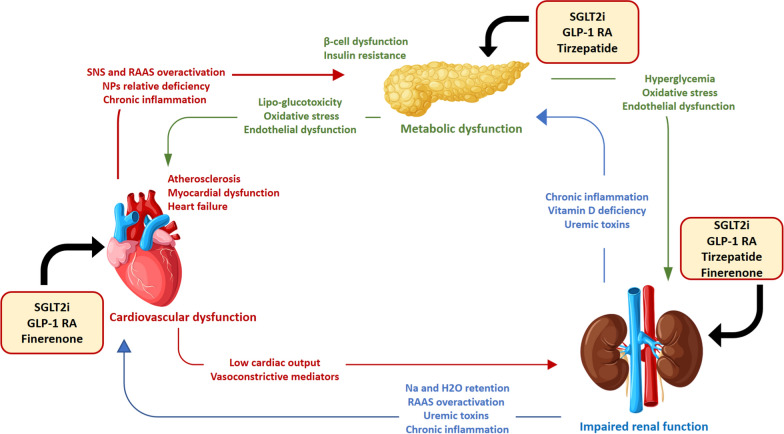
“…Hypertension [132, 136] • HF [127, 134, 136] • CV death [128, 132] • CKD [127, 131, 132, 142] • ESKD [127] • Albuminuria [132, 142] GLP1 – RA • T2D [126, 131] • Overweight/obesity [126, 131] • Hypertension [126, 134, 137] • Atherosclerosis [131, 137] • Stroke [126, 134, 137] • CV death [131, 137]…”
BackgroundInfluentialBikbov, B., Purcell, C. A., Levey, A. S., Smith, M., Abdoli, A., Abebe, M., Adebayo, O. M., Afarideh, M., Agarwal, S. K., Agudelo-Botero, M., et al. (2020) · The Lancet · doi:10.1016/s0140-6736(20)30045-3 · Cited by 6,648 · cited 1×
“Moreover, globally, there are about 64 million persons diagnosed with heart failure (HF) [2] and almost 700 million individuals affected by chronic kidney disease (CKD) [3], these three entities being the major pandemics of the twenty-first century.”
BackgroundDapagliflozin and Cardiovascular Outcomes in Type 2 Diabetes
Wiviott, S. D., Raz, I., Bonaca, M. P., Mosenzon, O., Kato, E. T., Cahn, A., Silverman, M. G., Zelniker, T. A., Kuder, J. F., Murphy, S. A., et al. (2019) · New England Journal of Medicine · doi:10.1056/nejmoa1812389 · Cited by 6,382 · cited 1×
“SGLT2i • T2D [128, 132, 136] • Overweight [132, 136] • Hypertension [132, 136] • HF [127, 134, 136] • CV death [128, 132] • CKD [127, 131, 132, 142] • ESKD [127] • Albuminuria [132, 142]”
Oxidative stress and diabetic complications
Giacco, F., & Brownlee, M. (2010) · Circulation Research · doi:10.1161/circresaha.110.223545 · Cited by 5,461
The Emerging Risk Factors Collaboration (2010) · The Lancet · doi:10.1016/s0140-6736(10)60484-9 · Cited by 5,125
Empagliflozin and Progression of Kidney Disease in Type 2 Diabetes
Wanner, C., Inzucchi, S. E., Lachin, J. M., Fitchett, D., von Eynatten, M., Mattheus, M., Johansen, O. E., Woerle, H. J., Broedl, U. C., & Zinman, B. (2016) · New England Journal of Medicine · doi:10.1056/nejmoa1515920 · Cited by 3,655 · cited 1×
“SGLT2i • T2D [128, 132, 136] • Overweight [132, 136] • Hypertension [132, 136] • HF [127, 134, 136] • CV death [128, 132] • CKD [127, 131, 132, 142] • ESKD [127] • Albuminuria [132, 142]”
Cited by
Items 101–200 of 387
Wang, Y., & Yu, Q. (2025) · Diabetology & Metabolic Syndrome · doi:10.1186/s13098-025-02033-8 · Cited by 8
“Cardiovas-cular-Kidney-Metabolic (CKM) syndrome is a disease caused by cardiovascular disease (CVD), chronic kidney disease (CKD), and metabolic risk factors [3], first proposed by the American Heart Association (AHA) in October 2023 [4].”
Translational Lifestyle Medicine Approaches to Cardiovascular–Kidney–Metabolic Syndrome
Papadakis, Z. (2025) · Healthcare · doi:10.3390/healthcare14010051 · Cited by 9
“Deeper exploration is needed to understand genetic predispositions and epigenetic influences that shape individual risk profiles and contribute to variations in CKM syndrome outcomes [4,6,20,32,34].”
InfluentialJiang, F., Li, X., Chen, Y., Zhang, L., Wang, L., Liu, Y., Han, Z., Cao, Y., & Ning, S. (2026) · International Journal of Surgery · doi:10.1097/js9.0000000000004481 · Cited by 5
Zhang, C., Li, X., & Liu, Y. (2026) · Journal of the Formosan Medical Association · doi:10.1016/j.jfma.2026.03.148 · Cited by 5
Wen, S., Ruan, Y., Shi, Z., Dan, S., & Zhou, L. (2024) · Diabetes Metabolic Syndrome and Obesity · doi:10.2147/dmso.s446349 · Cited by 9
Невойт, Г. В., Stankuvienė, A., Jaruševičius, G., McCraty, R., Landauskas, M., Potyazhenko, M., Bumblyte, I., & Vainoras, A. (2024) · KIDNEYS · doi:10.22141/2307-1257.13.1.2024.438 · Cited by 5
Ao, N., Du, J., Jin, S., Suo, L., & Yang, J. (2024) · Diabetes Obesity and Metabolism · doi:10.1111/dom.16043 · Cited by 9
“…drugs including SGLT2 inhibitors, GLP-1RAs, finerenone and the GIP/GLP-1 double receptor agonist tirzepatide have shown clinical benefits for CKM. 94 Because MASLD and CKM share largely overlapping pathogenic mechanisms, therapies for one condition are likely to be effective for the other.”
Peng, H., Ren, J., Zhao, Y., Fang, X., Wang, X., Liu, C., & Wan, Z. (2025) · Diabetes Research and Clinical Practice · doi:10.1016/j.diabres.2025.112235 · Cited by 7
Liu, T., Fan, Z., Li, Y., Xiao, B., & Chang, H. (2025) · Journal of the American Heart Association · doi:10.1161/jaha.124.040382 · Cited by 5
“1,20,21 Several cardio-vascular outcome trials of SGLT2is have shown their robust cardiovascular benefits in patients with T2D, with the DECLARE–TIMI (Dapagliflozin Effect on Cardiovascular Events–Thrombolysis in Myocardial Infarction) trial showing a 17% reduction in cardio-vascular death or HF…”
The epigenetic impact of lifestyle factors on metabolic syndrome: A systematic review
Adedeji, T. G. (2025) · Journal of Clinical Sciences · doi:10.4103/jcls.jcls_28_25 · Cited by 5
Zheng, Q., Shao, J., Teng, J., Jin, J., Abramov, D., Verma, A., Xu, Y., Zhu, Q., Yao, J., Lv, J., et al. (2025) · JACC Advances · doi:10.1016/j.jacadv.2025.102274 · Cited by 5
Role of metabolic conditions in cardiorenal diseases: initiating pathways and therapeutic targeting
Wu, Y., Xu, H., Tu, X., & Gao, Z. (2025) · Frontiers in Nutrition · doi:10.3389/fnut.2025.1701084 · Cited by 4
“This interrelationship has led to the concept of Cardiovascular–Kidney–Metabolic syndrome (8, 9).”
Ni, W., Chen, X.-X., Guo, K., Ni, Q., Lin, K., Jiang, R., Gao, Z., Chen, C., & Zhou, H. (2025) · Journal of the American Heart Association · doi:10.1161/jaha.124.040100 · Cited by 5
Yang, G., Cheng, B., Shen, X., Ding, Y., Zhang, Y., Cheng, Q., Zheng, Y., & Zhao, J. (2025) · BMJ Open Diabetes Research & Care · doi:10.1136/bmjdrc-2025-005137 · Cited by 6
“42 43 IR stimulates the renin–angiotensin–aldosterone system, leading to water and sodium retention, elevated blood pressure, and intraglomerular HTN. 44 45 Prolonged HTN exacerbates cardiac afterload and glomerular hyperfiltration, forming a vicious cycle of cardiac-kidney interactive damage.”
Cui, G.-H., Li, S.-J., Qin, Y., Zhang, Y., Hui, K., Feng, M., Li, W.-W., & Zhang, X.-Z. (2025) · Journal of Diabetes · doi:10.1111/1753-0407.70142 · Cited by 5
Zhao, H., Zhang, Z. W., Luo, T., Aili, D., Ding, W., Li, Y., Gu, Y., Shulipan, A., He, J., Yu, W., et al. (2025) · Journal of Diabetes · doi:10.1111/1753-0407.70137 · Cited by 6
“Growing evidence establishes CKM syndrome as a systemic disorder driven by the pathophysiological interplay of obesity, diabetes, CVD, and CKD [18, 19].”
Li, Y., Luo, Z., Zhang, Z., Huang, N., Li, X., & Zou, K. (2025) · BMC Public Health · doi:10.1186/s12889-025-25228-0 · Cited by 4
Cardio-renal-metabolic (CRM): Call for action for European Guidelines for Primary Care Physicians
Säemann, M. D., Biesiada, A. M., Smatana, M., & Liebermann, N. (2025) · Journal of Primary Care & Community Health · doi:10.1177/21501319251379732 · Cited by 7
Zhang, Z., Fu, C., Chai, Y., Gu, Y., Wu, X., Zhu, D., Lin, P., Yu, B., & Li, L. (2025) · BMC Endocrine Disorders · doi:10.1186/s12902-025-02119-4 · Cited by 5
Fu, C., Zhang, Z., Li, Y., Wang, F., Li, C., Xie, Z., 高向阳, Sun, L., Han, B., Wang, R., et al. (2026) · Cardiovascular Diabetology · doi:10.1186/s12933-026-03127-x · Cited by 5
“In CKM syndrome, IR significantly enhances the risk of CVD and mortality through its interaction with lipid metabolism abnormalities [43–45].”
Wang, H., & Tang, S. (2026) · Journal of Health Population and Nutrition · doi:10.1186/s41043-026-01313-x · Cited by 5
“Cardio-renal-metabolic multimorbidity (CRMM) is defined as the co-occurrence of two or more cardio-renal-metabolic diseases (CRMDs), including cardiovascular diseases, type 2 diabetes, and chronic kidney disease [1–3].”
Ikhile, D., Seidu, S., Omodara, D., Katte, J.-C. N., Ramaiya, K. L., & Khunti, K. (2026) · The Lancet Diabetes & Endocrinology · doi:10.1016/s2213-8587(26)00036-7 · Cited by 5
Kiyoyama, H., Tanabe, M., Higashi, M., Kamamura, N., Kawano, Y., Ihara, K., Hideura, K., & Ito, K. (2025) · Abdominal Radiology · doi:10.1007/s00261-025-04834-x · Cited by 5
“These diseases are interconnected in patients with VFO [8, 9, 38].”
Ruiz‐García, A., Arranz-Martínez, E., Serrano-Cumplido, A., Cinza‐Sanjurjo, S., Escobar, C., García, J. P., & Pallarés‐Carratalá, V. (2025) · Biomedicines · doi:10.3390/biomedicines13030590 · Cited by 8
López, E., Sainz, T., Dirajlal‐Fargo, S., Jao, J. K., Pinto, J., Buchanan, A. M., McKenna, M., Milinkovic, A., & Puga, A. (2025) · Cureus · doi:10.7759/cureus.85329 · Cited by 10
Masrouri, S., Hasanpour, A., Molavizadeh, D., Ebrahimi, N., Azizi, F., & Hadaegh, F. (2025) · Hypertension Research · doi:10.1038/s41440-025-02267-z · Cited by 4
“…have led to the concept of cardio-renal-metabolic (CRM) multimorbidity, which has attracted extensive attention from the American Heart Association (AHA), representing the coexistence of cardiovascular diseases (CVD), type 2 diabetes mellitus (T2DM), and chronic kidney disease (CKD) [5 – 10].”
Wang, Z., Deng, X., Yang, Z., Li, J., Zhou, P., Zhao, W., Hao, Y., Deng, Q., Yang, N., Han, L., et al. (2025) · Chinese Medical Journal · doi:10.1097/cm9.0000000000003752 · Cited by 8
“[3,4] 8] Substantial evidence indicates that, compared to managing a single risk factor, the comprehensive control of multiple risk factors can significantly reduce the risk of CVD, highlighting its critical importance.”
Bridging the Gut Microbiota and the Brain, Kidney, and Cardiovascular Health: The Role of Probiotics
Lopes, M. R., Direito, R., Guiguer, É. L., Catharin, V. C. S., Zutin, T. L. M., Rubira, C. J., Catharin, V. M. C. S., Sloan, K. P., Sloan, L. A., Yanaguizawa, J. L., et al. (2025) · Probiotics and Antimicrobial Proteins · doi:10.1007/s12602-025-10680-6 · Cited by 5
“…syndrome is characterized by several hemodynamic and neurohormonal processes that interact with each other, including the renin–angiotensin–aldosterone system (RAAS), sympathetic hyperactivity, and chemical mediators (nitric oxide, prostaglandins, endothelins, etc.) and oxidative stress [53–56].”
Chen, Q., Li, Y., Yang, S., He, H., Xie, Y., Wang, W., Wang, L., Gao, Y., Cai, L., Xiong, S., et al. (2025) · Reviews in Cardiovascular Medicine · doi:10.31083/rcm38389 · Cited by 5
“CKD leads to alterations in calcium and phosphorus metabolism [10], which, along with traditional metabolic risk factors such as diabetes mellitus, inflammation, and disorders of lipid metabolism, collectively accelerate the progression of atherosclerotic lesions [5,11–14].”
Niu, Y., Wang, T., Jia, X., Yang, C., Fan, J., Zhao, C., Wang, N., Fan, Z., & Shi, X. (2025) · Sleep Health · doi:10.1016/j.sleh.2025.08.001 · Cited by 6
Hu, Z., Engdahl, C., Pullerits, R., Mohammad, M., & Jin, T. (2025) · Frontiers in Microbiology · doi:10.3389/fmicb.2025.1687243 · Cited by 5
“Patients with cardiovascular disease and chronic kidney disease have reduced anti-infection ability due to disorders of blood circulation and metabolic function, as reviewed in Marassi and Fadini (2023) and Zoccali et al. (2023).”
Fu, Y. S., Song, G., Wu, S., Ma, L., Bao, X., Liu, X., & Gu, R. (2025) · Lipids in Health and Disease · doi:10.1186/s12944-025-02807-z · Cited by 4
“Nevertheless, the prognostic value of UHR in patients with CHF has not been fully elucidated, partly due to the pronounced overlap of comorbidities such as renal impairment, malnutrition, and systemic inflammation, which disrupt metabolism and may confound its interpretation [12].”
Zhuang, Z., Liu, X., Lu, H., Wu, Q., Chen, Y., & Ni, Q. Y. (2025) · European journal of medical research · doi:10.1186/s40001-025-03560-w · Cited by 3
“Studies have also shown that the renin-angiotensin-aldosterone system (RAAS) influences the hemodynamic and neurohormonal mechanisms of CKM [30, 31].”
Li, M., Wang, Y.-R., Wang, X., Xiao, X., Sun, Y.-H., Zhang, S., Dang, Y., Wang, K., & Zhou, W. (2025) · Pharmaceuticals · doi:10.3390/ph18121810 · Cited by 4
“However, this very mechanism underlies its major drawback: the concomitant activation of adipogenic transcription factors, particularly SREBP1, promotes adipocyte hypertrophy, hyperplasia, increased visceral fat mass, and significant weight gain [7,8].”
Du, F., Junli, T., Lu, Z., Xiaorong, C., Ji-yu, Z., Xu, J., Binyin, Z., Dong, J., Jie, R., Chunxiao, X., et al. (2025) · Cardiovascular Diabetology · doi:10.1186/s12933-025-03009-8 · Cited by 5
“Insulin resistance (IR), which refers to reduced sensitivity to insulin-mediated glucose clearance, is an independent risk factor for both CVD and CKD, involving multiple organs and metabolic pathways [10, 11].”
Cheng, K. P., Lin, K.-X., Zhou, X., & Chen, H. (2025) · BMC Cardiovascular Disorders · doi:10.1186/s12872-025-05362-8 · Cited by 3
“A growing volume of studies reinforce the concept of CKM syndrome, emphasizing the complex interconnections between metabolic dysfunctions, chronic kidney disease (CKD), and cardiovascular conditions (CVD) [4, 5].”
SDOH, healthy lifestyle, and life expectancy in adults with CKM syndrome: two cohort studies
Huang, Q., Nan, W., He, B., & Peng, Z. (2025) · Progress in Cardiovascular Diseases · doi:10.1016/j.pcad.2025.11.012 · Cited by 6
Tănăsescu, M., Rosu, A.-M., Mincă, A., Rosu, A.-L., Grigorie, M.-M., Timofte, D., & Ionescu, D. (2026) · Life · doi:10.3390/life16010172 · Cited by 12
“…hyperglycemia further amplifies oxidative stress through mitochondrial reactive oxygen species generation and downstream pathways that impair endothelial integrity, collectively contributing to progressive declines in estimated glomerular filtration rate and the development of albuminuria [10].”
InfluentialPatil, N., Uppal, N., Bedi, S., Undhad, H., & Joshi, P. (2026) · Cureus · doi:10.7759/cureus.102160 · Cited by 6
Wang, X., Hai, X., Ma, A., Liang, X., Cheng, H., Wu, P. S., Hao, Y., Chen, D., & Yan, N. (2026) · The Journal of Frailty & Aging · doi:10.1016/j.tjfa.2025.100131 · Cited by 3
Kumar, S. R., Anderson, J. E., Coviello, A. D., Lopez-Jimenez, F., & Bakris, G. L. (2026) · JACC Advances · doi:10.1016/j.jacadv.2025.102465 · Cited by 4
Diabetic Kidney Disease: From Pathophysiology to Treatment Perspectives
Varda, L., Vreča, N., Ekart, R., Bevc, S., & Piko, N. (2026) · Kidney & Blood Pressure Research · doi:10.1159/000550085 · Cited by 15
Age-Stratified Differences in Cardio–Reno–Metabolic Risk Profiles
Popoviciu, M. S., & Ghitea, T. C. (2026) · Geriatrics · doi:10.3390/geriatrics11010018 · Cited by 3
“Understanding whether metabolic dysregulation predominates at younger ages while vascular–renal alterations emerge later may have important implications for age-tailored risk stratification and prevention strategies [12,13].”
Li, H. L., Chen, L., Wang, M., Cheng, W., Du, Z., & Huang, Y. (2026) · Frontiers in Endocrinology · doi:10.3389/fendo.2026.1758467 · Cited by 3
“Shared pathophysiologic pathways — metabolic dysfunction and chronic in fl ammation — interact bidirectionally, reinforcing a vicious cycle of excess morbidity and mortality (6).”
Lu, Y., Chen, J. H., Zhou, S., Lukwaro, A. F., Zhang, X., Yu, W., Chen, H., Chen, Y., Nie, S., & Tang, Y. (2026) · Journal of the American Heart Association · doi:10.1161/jaha.125.046156 · Cited by 3
“This may be attributed to the unique pathophysiology of HF in CKD. 11 Lower eGFR and higher proteinuria levels are independently associated with increased HF risk, 2,36 as impaired renal function causes fluid retention and neurohormonal activation, and proteinuria indicates endothelial dysfunction and systemic inflamm…”
InfluentialWei, J., & Liu, Y. (2026) · Maturitas · doi:10.1016/j.maturitas.2026.108922 · Cited by 3
Coca, A., Sanchez, R., SALAZAR, D. I. M. D., Peñaherrera, E., Alcocer, L., Barbosa, E., Grassi, G. M., López-Jaramillo, P. A., Lurbe, E., Parra-Carrillo, J. Z., et al. (2026) · Journal of Hypertension · doi:10.1097/hjh.0000000000004290 · Cited by 5
Hua, J., Wang, Q., Liu, Y., Luo, S., Shi, A., Yan, Z., Zhang, J., Gu, W., Zhu, L., Zhang, Y., et al. (2026) · Cardiovascular Diabetology · doi:10.1186/s12933-026-03173-5 · Cited by 4
“This syndrome primarily stems from excessive and/or dysfunctional adipose tissue, which secretes pro-inflammatory and pro-oxidative products, leading to damage in arterial, cardiac, and renal tissues as well as reduced insulin sensitivity [20] (Fig.”
Navarro‐González, J. F., de Isla, L. P., Molina, G. C., Brito-Sanfiel, M. Á., Galindo, D. E. B., Cuéllar, L., Mauricio, D., Tofé, S., Barro, J. A. B., Rubio-Almanza, M., et al. (2026) · Journal of Clinical Medicine · doi:10.3390/jcm15093287 · Cited by 3
“There is solid evidence highlighting the close interconnection between T2DM, HF, and CKD [31], emphasizing the epidemiological, pathophysiological, and prognostic relevance of this triad.”
Newer and novel antidiabetic drug classes across the cardiovascular–kidney–metabolic continuum
Stefanakis, K., Karakasis, P., Vasdeki, D., Popovic, D. S., Patoulias, D., Rizzo, M., & Mantzoros, C. S. (2026) · Endocrine Reviews · doi:10.1210/endrev/bnag022 · Cited by 6
Sun, Z., Wang, K., Guo, C., Qiu, J., Wang, W., Xu, Y., Tang, Y., Kadier, K., Wen, S., & Zhang, W. (2026) · Cardiovascular Diabetology · doi:10.1186/s12933-026-03293-y · Cited by 4
“Epidemiological evidence indicates that CKM-related risk states are highly prevalent among adult populations, underscoring a substantial public health burden [4, 6–8].”
Zuo, W., & Yang, X. (2025) · Frontiers in Endocrinology · doi:10.3389/fendo.2025.1493984 · Cited by 4
Zhang, T., & Liu, P. (2025) · Preventive Medicine Reports · doi:10.1016/j.pmedr.2025.103101 · Cited by 4
“Previous research has demonstrated that individuals with diabetes/prediabetes have an increased risk of cardiovascular disease (CVD), renal dysfunction, peripheral vascular disease, and diabetic retinopathy(Lan et al., 2024; Marassi and Fadini, 2023; Zhou et al., 2024).”
Jensen, S. K., Bertelsen, M. L., Vestergaard, S. V., Nørgaard, M., Thomsen, R. W., Birn, H., Heide‐Jørgensen, U., & Christiansen, C. F. (2025) · Clinical Kidney Journal · doi:10.1093/ckj/sfaf147 · Cited by 4
“Reflective of the strong association and shared underlying risk factors of cardiovascular, metabolic, and kidney diseases, the most frequent comorbidities in individuals with incident CKD included hypertension, cardiovascular disease, and diabetes [45 ,46 ].”
Yu, C., Zhang, S., He, H., Wu, F., Lei, S., Zong, X., Li, Y., Zhang, H., & Zhang, S. (2025) · International Journal of Surgery · doi:10.1097/js9.0000000000002552 · Cited by 3
Endocrine disorders linked to chronic kidney disease: Mechanisms and clinical implications
Concepción‐Zavaleta, M. J., Fuentes‐Mendoza, J. M., López-Ramírez, E. P., Martínez-García, J. A., Urteaga, L. A. C., & Paz‐Ibarra, J. (2026) · World Journal of Nephrology · doi:10.5527/wjn.v15.i1.113875 · Cited by 4
Pham, J. H., Thongprayoon, C., Suppadungsuk, S., Miao, J., Craici, I. M., & Cheungpasitporn, W. (2024) · Digital Health · doi:10.1177/20552076241277458 · Cited by 3
“7,8 The intricacy of nephrology cases and the absence of clear guidelines for speci fi c situations accentuate the need for expert opinion and consensus in clinical decision making.”
BackgroundMarek‐Iannucci, S., Palazzuoli, A., Babarto, M., Lazarevic, Z., Beltrami, M., & Fedele, F. (2024) · Nutrients · doi:10.3390/nu16213699 · Cited by 3
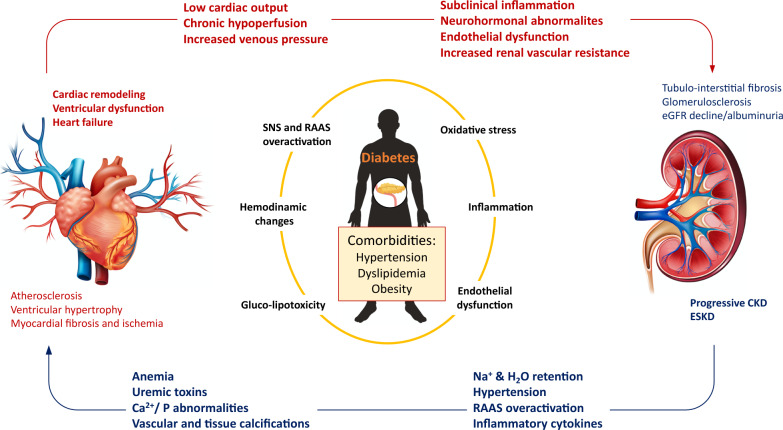
“…and diabetes leads to glomerulosclerosis and CKD. Previous data evidenced a correlation be-tween cardiovascular, renal, and metabolic (CRM) conditions, including hemodynamic changes, neurohormonal imbalances, mitochondrial superoxide production, and exacerbation of oxidative stress [3,6].”
BackgroundYang, Y. J., Hong, M. H., Yoon, J. J., Tai, A. L., Lee, H. S., Park, S. J., Kim, H. Y., & Kang, D. G. (2025) · BMC Complementary Medicine and Therapies · doi:10.1186/s12906-025-05074-8 · Cited by 2
“Mechanistically, hyperglycemia and IR contribute to the disruption of the cardio-renal axis through multiple molecular pathways [18].”
Liao, Y., Wan, Q., Hu, H., & Song, H. (2025) · Frontiers in Medicine · doi:10.3389/fmed.2025.1629303 · Cited by 3
Advanced 3D bioink featuring damping and antioxidant for micro-nano fabrication
Chen, T., Xing, H., He, X., Su, Z., Zan, G., Lin, K., Pang, L., Bai, B., Zhi, W., Tang, M., et al. (2025) · Materials Today Bio · doi:10.1016/j.mtbio.2025.102522 · Cited by 3
“AGEs contribute to cellular structural damage and dysfunction by promoting oxidative stress, inflammation, and apoptosis, ultimately leading to various forms of tissue and organ damage [39].”
Liu, J., Xu, W., Zhang, Y., Jia, Y., Bai, S., Er, L., & Du, R. (2025) · BMC Cardiovascular Disorders · doi:10.1186/s12872-025-05300-8 · Cited by 4
“This pathophysiological interaction significantly increases the risk of serious adverse cardiac, renal, and metabolic events [2], leading to high incidences of morbidity, mortality, and health care burdens worldwide.”
Vázquez-Martínez, V. H., Martínez-Bautista, H., Muñoz‐Villegas, P., Morales, J. I. L., & Salazar, M. D. R. P. (2025) · Medical Sciences · doi:10.3390/medsci13040240 · Cited by 5
“Furthermore, this approach aims to screen, classify, and evaluate CKM syndrome early in both childhood and adulthood, while also promoting an interdisciplinary strategy for prevention and management [11,12].”
Li, Y., Yu, L., Fu, M., Liu, L., Han, F., Qiao, Y., Li, B., & Gao, X. (2025) · European journal of medical research · doi:10.1186/s40001-025-03378-6 · Cited by 3
“This difference may be attributable to the fact that CVD patients often exhibit chronic inflammation and dysregulated glucose metabolism at baseline, which could potentially mask the predictive value of GLR [41, 42].”
Alshaikh, A., Alshehri, A., Alzubaidi, L. M. Y., Elbadawi, H., Alsaeed, A. H., Almehthel, M. S., Aldahash, R., Alsabaan, F., Alotaibi, M. S., Alghamdi, K. A., et al. (2025) · Diabetes Therapy · doi:10.1007/s13300-025-01826-4 · Cited by 2
“Evidence supports the use of GLP-1 receptor agonists and SGLT2 inhibitors for improving glycemic control, reducing hepatic fat, promoting weight loss, and lowering cardiovascular and renal risk [1, 2, 4, 8].”
Kim, M. S., New, E., Lim, A., Lim, J., Wee, J. Y., Viswambaram, A., & Varghese, L. (2025) · Journal of Medical Economics · doi:10.1080/13696998.2025.2590401 · Cited by 2
“This growing concern is underscored by the mounting evidence supporting the multidirectional pathophysiologic link between T2D, cardiovascular diseases (CVD; including HF), and kidney dysfunction (including CKD), collectively known as cardio-renal-metabolic (CRM) conditions 4,5 .”
Wang, X., Sun, H., Zhang, T., & Zhou, H. (2025) · Journal of Stroke and Cerebrovascular Diseases · doi:10.1016/j.jstrokecerebrovasdis.2025.108516 · Cited by 2
Jiao, R., Ma, H., Gao, S., Yang, Y., Zhang, T., & Liu, L. (2025) · Frontiers in Public Health · doi:10.3389/fpubh.2025.1692057 · Cited by 2
“Diabetes functioned as a pivotal mediator of multi-organ injury, bridging renal failure, peripheral neuropathy, and hypoproteinemia through microvascular and macrovascular pathways in the older population (37–39).”
Inflammation and Oxidative Stress in Cardiovascular-Kidney-Metabolic Syndrome
Valasciuc, E., Gosav, E. M., & Tănase, D. M. (2025) · Springer eBooks · doi:10.1007/978-3-032-11445-7_6 · Cited by 2
Mou, C., Miao, X., & Wang, Z. (2026) · Healthcare · doi:10.3390/healthcare14020244 · Cited by 3
“…disease (myocardial infarction, heart failure, stroke) which is generally irreversible; empirically, 100% of Stage 4 participants in our cohort remained in this stage with no reversals observed during follow-up, consistent with prior multi-state modeling in cardiovascular populations [2].”
Chen, D., Li, Y., Ran, T., Song, F., Yang, Z., Tan, W., Lu, Q., Tang, L., Yang, L., & Bai, D. (2026) · European journal of medical research · doi:10.1186/s40001-026-03905-z · Cited by 4
Cardiovascular-kidney-metabolic syndrome: candidate subtypes and genetic risk factors
Donker, H. C., Bisht, V., Dwivedi, O. P., Mueller, S., Neijzen, D., Ding, Z., & Lunter, G. A. (2026) · BMC Medical Genomics · doi:10.1186/s12920-026-02315-8 · Cited by 4
“This was by design: to aid the identification of CKM subtypes, we pre-selected blood and urine bio-chemicals that were previously known to be involved in CKM [1, 2, 4, 15–18].”
Guo, X., Zhou, S., Mu, J., Zhao, C., Sun, G., Zhou, Y., Yu, Y., Tan, X., Yin, Y., Xie, Z., et al. (2026) · JAMA Network Open · doi:10.1001/jamanetworkopen.2025.57180 · Cited by 3
Deng, Y., Lu, W., Zhong, Y., LIU, J., Sheng, P., Liu, M., Yang, K., Hu, Y., Ma, N., & Xie, P. (2026) · Canadian Journal of Cardiology · doi:10.1016/j.cjca.2026.03.006 · Cited by 2
Zhu, L., Chen, C., Lu, F., & Li, B. (2026) · Frontiers in Medicine · doi:10.3389/fmed.2026.1746457 · Cited by 2
“For diabetes, it highlights that glycemic control, cardiorenal function, and cognitive abilities are tightly coupled: If any part of this system fails, it triggers cascading effects that result in the coordinated deterioration of multiple organs and ultimately worsen patients’ outcomes (21–24).”
Li, K., Zeng, Y., Mo, M.-Q., Xu, Y., Li, X. B., Xu, Y., Nong, Z., Pan, L., & Huang, R. (2026) · Frontiers in Endocrinology · doi:10.3389/fendo.2026.1818782 · Cited by 2
“This central role of HTN is likely mediated by its bidirectional pathophysiological mechanisms: HTN activates the renin – angiotensin – aldosterone system (RAAS), leading to vascular injury and renal dysfunction, while simultaneously promoting insulin resistance and metabolic dysregulation (42, 43).”
Ultra-Processed Foods and Chronic Kidney Disease: Is Inflammaging the Missing Link?
Kounatidis, D. C., Evangelopoulos, A. A., Dimitriou, K., & Vallianou, N. G. (2026) · Biomolecules · doi:10.3390/biom16050660 · Cited by 5
“This approach is particularly critical in CKD, a condition associated with substantial morbidity and mortality, largely driven by its heightened cardiovascular risk [91].”
Han, S.-S., Liu, Q., Zhou, M.-Q., Liu, Y., Guo, T.-T., Hu, Y.-K., Gao, T.-A., & Zeng, Z.-M. (2026) · Cardiovascular Diabetology · doi:10.1186/s12933-026-03206-z · Cited by 3
Xue, N., Ma, L., Zhou, Z., Bai, T., Jia, X., & Wei, X. (2026) · Cardiovascular Diabetology · doi:10.1186/s12933-026-03280-3 · Cited by 6
He, M., Niu, J., Cheng, H., & Guo, C. (2024) · Frontiers in Genetics · doi:10.3389/fgene.2024.1373807 · Cited by 3
“Extended lasting hyperglycemia can cause multi-system harm to organs and tissues, such as, eyes (Tan and Wong, 2023), kidneys (Thipsawat, 2021), nerves (Yang et al., 2022), heart and blood vessels (Marassi and Fadini, 2023).”
BackgroundJulián, M. T., Codina, P., Lupón, J., Zamora, E., de, A. P.-M., Domingo, M., Santiago‐Vacas, E., Borrellas, A., Ruiz-Cueto, M., González-Gallego, C., et al. (2025) · Cardiovascular Diabetology · doi:10.1186/s12933-025-02632-9 · Cited by 6
“Epidemiological and clinical studies consistently emphasize a strong link among cardiovascular, renal and metabolic diseases, with type 2 diabetes (T2D) being a major underlying risk factor [1].”
InfluentialKim, H. (2025) · CardioMetabolic Syndrome Journal · doi:10.51789/cmsj.2025.5.e4 · Cited by 2
Ding, X. (2025) · Diabetes/Metabolism Research and Reviews · doi:10.1002/dmrr.70092 · Cited by 3
Huang, X., Liang, J., Zhang, J., Fu, J., Deng, S., Xie, W., & Zheng, F. (2024) · BMC Public Health · doi:10.1186/s12889-024-19532-4 · Cited by 2
“It is widely recognized that CVD and CKD often coexist, and they are important risk factors for each other [5–7].”
BackgroundLi, J., Wang, X., Zhang, W., Sun, N., Han, Y., & Chang, W. (2025) · Frontiers in Nutrition · doi:10.3389/fnut.2025.1612402 · Cited by 1
Sun, M., Yang, Q., Zhang, R., Zhang, X., Xu, L., & Pan, P. (2025) · Brain and Behavior · doi:10.1002/brb3.70914 · Cited by 2
Zhang, J., Piao, C., Arii, R., Suzuki, T., Rao, X., Yamataka, A., Miyano, G., & Suda, K. (2025) · Pediatric Surgery International · doi:10.1007/s00383-025-06235-z · Cited by 1
Peng, X., Chen, S., Wu, S., Ding, X., Wu, K., Huang, Z., Song, Q., Liu, Y., Zhao, M., Olsen, M. H., et al. (2025) · Journal of the American Heart Association · doi:10.1161/jaha.125.041962 · Cited by 1
Wei, J., Hu, X., & Li, Y. (2025) · Medicine · doi:10.1097/md.0000000000046298 · Cited by 3
“3] The American Heart Association (AHA) catego-rizes CKM into 5 distinct stages.”
Jin, C., Liu, L.-R., Zhong, Q., Wang, X., Liang, J., Wang, X., Xu, Y., Huang, J.-Y., Li, M., Liu, L., et al. (2025) · BMC Public Health · doi:10.1186/s12889-025-25967-0 · Cited by 2
“AGEs exert direct pathogenic effects on cardiovascular and renal tissues, thereby accelerating the progression of CRM disorders [3, 51].”
InfluentialKyaw, M. T. (2025) · International Journal of Clinical Practice · doi:10.1155/ijcp/9112371 · Cited by 1
Zhang, H., Li, S., Kan, J., Xia, T., Cao, N., & Chen, H. (2026) · BMC Cardiovascular Disorders · doi:10.1186/s12872-026-05511-7 · Cited by 2
“…the global surge in obesity and metabolic disorders, imposing a substantial worldwide disease burden [3, 4]; the absolute risk of CVD increases with the progression of CKM syndrome stages from 0 to 3, with distinct differences in treatment response and prognosis observed across these stages [5].”
Unveiling sex-specific cardiometabolic and adiposity risk profiles for precision prevention
Zuccotti, G., Agnelli, P. O., Labati, L., Cordaro, E., Braghieri, D., Fiorina, P., Bertoli, S., Berra, C., Croci, M., Malighetti, M. E., et al. (2026) · European journal of medical research · doi:10.1186/s40001-026-03878-z · Cited by 1
“Finally, the separation of renal function from other domains supports the hypothesis that renal damage is not merely a consequence of cardiometabolic risk but represents an autonomous vulnerability pathway, capable of amplifying cardiovascular risk independently of lipids and glucose [67, 68].”
Hafidh, K., de Céniga, M. V., Luca, L. D., & Borghi, C. (2026) · Journal of Comparative Effectiveness Research · doi:10.57264/cer-2025-0162 · Cited by 1
Liu, G., Yun, B., Bi, X., Gu, Q., Zhao, J., & Wang, J. (2026) · Nursing Open · doi:10.1002/nop2.70485 · Cited by 1
Associations of Socioeconomic Status With Cardiorenal Metabolic Multimorbidity
Guo, Z., Zhou, Y., Zhang, Y., & Xu, X. (2026) · JACC Advances · doi:10.1016/j.jacadv.2026.102646 · Cited by 1
Schlaich, M. P., Abhayaratna, W. P., Audehm, R. G., Ekinci, E. I., MacIsaac, R. J., Nelson, A. J., Sharma, A., & Pollock, C. (2026) · Internal Medicine Journal · doi:10.1111/imj.70403 · Cited by 1
Tang, Y. R., Xu, W., Jiang, Y., Liu, C., Zhu, W., Liu, D., Fu, X., & Wu, Q. (2026) · Frontiers in Nutrition · doi:10.3389/fnut.2026.1742974 · Cited by 2
“Numerous studies have confirmed the complex pathophysiologic links among the cardiovascular, renal, and metabolic systems (2, 3).”
Yang, M., Chen, Y., Lu, Y., Hu, W., & Yan, J. (2026) · Nutrition Metabolism and Cardiovascular Diseases · doi:10.1016/j.numecd.2026.104718 · Cited by 1
Ren, X., Gao, D., Yun, R., Liu, X., Di, C., Hu, Z., Zhang, X., Tian, Z., & Yang, Z. (2026) · Nature Communications · doi:10.1038/s41467-026-71424-w · Cited by 2
Metadata
- Authors
- Marassi, M., & Fadini, G. P.
- Affiliations
- University of Padua (IT)
- Corresponding author
- Fadini, Gian Paolo
- ORCID
- Fadini, Gian Paolo
- Venue
- Cardiovascular Diabetology
- Published
- 2023-07-31
- Volume
- 22
- Issue
- 1
- Pages
- 195-195
- ISSN
- 1475-2840 (ISSN-L)
- PMC
- PMC10391899
- OpenAlex
- W4385415147
- Semantic Scholar
- 1c0031582da7b39aa3f480b56ec0a630db68cc78
- Cited by
- 386
- References
- 146
- Citations by year
- 2026: 173 · 2025: 156 · 2024: 54 · 2023: 3
- FWCI
- 16.23
- Type
- journal article
- Language
- en
- Open access
- gold
- doi.org
- Licence
- cc-by
- creativecommons.org/licenses/by/4.0 (tdm)
- creativecommons.org/licenses/by/4.0 (vor)
- Locations
- Cardiovascular Diabetology (publishedVersion, cc-by)
- PubMed Central (publishedVersion, cc-by)
- PubMed (publishedVersion)
- Padua Research Archive (University of Padova) (submittedVersion, cc-by)
- DOAJ (DOAJ: Directory of Open Access Journals) (submittedVersion, cc-by-sa)
- Funders
- Italian Diabetes Society
- Università degli Studi di Padova
- Topics
- Health Sciences › Medicine › Nephrology › Chronic Kidney Disease and Diabetes
- Health Sciences › Medicine › Endocrinology, Diabetes and Metabolism › Diabetes, Cardiovascular Risks, and Lipoproteins
- Health Sciences › Medicine › Cardiology and Cardiovascular Medicine › Cardiovascular Function and Risk Factors
- Keywords
- type 2 diabetes, cardiovascular disease, chronic kidney disease, hyperglycemia, metabolic dysfunction, pathophysiology, prognosis
- MeSH terms
- Cardiovascular Diseases, Diabetes Mellitus, Type 2, Humans, Kidney, Metabolic Diseases, Renal Insufficiency, Chronic, Cardio-Renal Syndrome
About these checks
Registry, retraction, Cites and statistics results are computed, not judged, with one exception: a printed reference that no index lists is read once by a model before it counts as a citation error. Claims are extracted by a model and kept only when their quote appears verbatim in the text; each cited source is then checked, with a model’s help, for whether it says what the claim relies on. Those verdicts can be wrong — read the claim’s quote and the cited source before relying on one.
Statistics and arithmetic are recomputed, not judged.
Confidence bands are shown only for fields calibrated on our annotated test set. None is calibrated yet, so no band is shown.
What counts as a claim ›How we measure confidence ›How we check this ›
Are you an author, or do you see a problem with this page? Request a review
Data sources
Bibliographic data: Semantic Scholar, OpenAlex, Crossref.
Contains information from the Semantic Scholar Academic Graph Datasets, made available under the ODC Attribution License (ODC-BY 1.0).
Semantic Scholar’s data is described in: Kinney, R., et al. (2023). The Semantic Scholar Open Data Platform. arXiv:2301.10140.
