

The cardio-renal-metabolic connection: a review of the evidence
Open accessThe DOI matches its Crossref record; 146 of the 146 references it cites were found in a registry or an index.
Abstract
Type 2 diabetes (T2D), cardiovascular disease (CVD) and chronic kidney disease (CKD), are recognized among the most disruptive public health issues of the current century. A large body of evidence from epidemiological and clinical research supports the existence of a strong interconnection between these conditions, such that the unifying term cardio-metabolic-renal (CMR) disease has been defined. This coexistence has remarkable epidemiological, pathophysiologic, and prognostic implications. The mechanisms of hyperglycemia-induced damage to the cardio-renal system are well validated, as are those that tie cardiac and renal disease together. Yet, it remains controversial how and to what extent CVD and CKD can promote metabolic dysregulation. The aim of this review is to recapitulate the epidemiology of the CMR connections; to discuss the well-established, as well as the putative and emerging mechanisms implicated in the interplay among these three entities; and to provide a pathophysiological background for an integrated therapeutic intervention aiming at interrupting this vicious crosstalks.
Overview
The claims and statistics of this paper haven’t been checked yet.
Free: it reads the open-access text and checks the first 5 claims that cite a source we can check. Create a free account to check every claim.
Integrity signals
Registry
Cites
Statistics
Figures
Verification
Claims the paper makes
The claims and statistics of this paper haven’t been checked yet.
Free: it reads the open-access text and checks the first 5 claims that cite a source we can check. Create a free account to check every claim.
Claims other papers make about this one
Each is checked against this paper’s own text: does it say what the citing paper says it does?
In the citing paper
“Nevertheless, sustained weight reduction can help to defer the onset and reduce the progression of these co-morbidities [68-71].”
From Recent advances in peptide-based therapies for obesity and type 2 diabetes (2024) · cites this paper as [71]
Self-check
Percentages, sums and reported differences re-computed from the paper’s own numbers.
The self-check needs the paper’s full text.
Citations
Cites
Empagliflozin, Cardiovascular Outcomes, and Mortality in Type 2 Diabetes
Zinman, B., Wanner, C., Lachin, J. M., Fitchett, D., Bluhmki, E., Hantel, S., Mattheus, M., Devins, T., Johansen, O. E., Woerle, H. J., et al. (2015) · New England Journal of Medicine · doi:10.1056/nejmoa1504720 · Cited by 12,315
Chronic kidney disease and the risks of death, cardiovascular events, and hospitalization
Go, A. S., Chertow, G. M., Fan, D., McCulloch, C. E., & Hsu, C.-Y. (2004) · New England Journal of Medicine · doi:10.1056/nejmoa041031 · Cited by 11,369
Sun, H., Saeedi, P., Karuranga, S., Pinkepank, M., Ogurtsova, K., Duncan, B. B., Stein, C., Basit, A., Chan, J. C. N., Mbanya, J. C., et al. (2022) · Diabetes Research and Clinical Practice · doi:10.1016/j.diabres.2021.109119 · Cited by 10,123 · cited 1×
“Introduction The International Diabetes Federation estimates that there are currently more than 500 million people living with diabetes worldwide, the vast majority of whom suffering from type 2 diabetes (T2D) [1].”
BackgroundBiochemistry and molecular cell biology of diabetic complications
Brownlee, M. (2001) · Nature · doi:10.1038/414813a · Cited by 9,107 · cited 1×
“In brief, according to the “unifying hypothesis”, in hyperglycemic states, the excessive intracellular glucose flux leads to mitochondrial superoxide production and exacerbation of oxidative stress, postulated as the primary initiating event in diabetes-induced organ damage [32].”
Semaglutide and Cardiovascular Outcomes in Patients with Type 2 Diabetes
Marso, S. P., Bain, S. C., Consoli, A., Eliaschewitz, F. G., Jódar, E., Leiter, L. A., Lingvay, I., Rosenstock, J., Seufert, J., Warren, M. L., et al. (2016) · New England Journal of Medicine · doi:10.1056/nejmoa1607141 · Cited by 6,900 · cited 4×
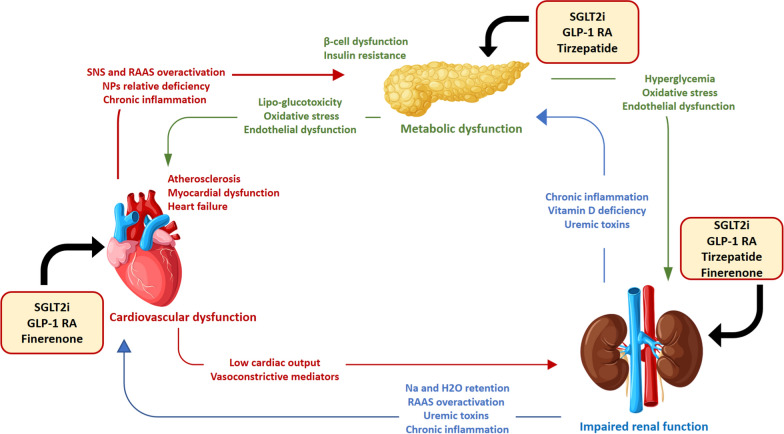
“…Hypertension [132, 136] • HF [127, 134, 136] • CV death [128, 132] • CKD [127, 131, 132, 142] • ESKD [127] • Albuminuria [132, 142] GLP1 – RA • T2D [126, 131] • Overweight/obesity [126, 131] • Hypertension [126, 134, 137] • Atherosclerosis [131, 137] • Stroke [126, 134, 137] • CV death [131, 137]…”
BackgroundInfluentialBikbov, B., Purcell, C. A., Levey, A. S., Smith, M., Abdoli, A., Abebe, M., Adebayo, O. M., Afarideh, M., Agarwal, S. K., Agudelo-Botero, M., et al. (2020) · The Lancet · doi:10.1016/s0140-6736(20)30045-3 · Cited by 6,648 · cited 1×
“Moreover, globally, there are about 64 million persons diagnosed with heart failure (HF) [2] and almost 700 million individuals affected by chronic kidney disease (CKD) [3], these three entities being the major pandemics of the twenty-first century.”
BackgroundDapagliflozin and Cardiovascular Outcomes in Type 2 Diabetes
Wiviott, S. D., Raz, I., Bonaca, M. P., Mosenzon, O., Kato, E. T., Cahn, A., Silverman, M. G., Zelniker, T. A., Kuder, J. F., Murphy, S. A., et al. (2019) · New England Journal of Medicine · doi:10.1056/nejmoa1812389 · Cited by 6,382 · cited 1×
“SGLT2i • T2D [128, 132, 136] • Overweight [132, 136] • Hypertension [132, 136] • HF [127, 134, 136] • CV death [128, 132] • CKD [127, 131, 132, 142] • ESKD [127] • Albuminuria [132, 142]”
Oxidative stress and diabetic complications
Giacco, F., & Brownlee, M. (2010) · Circulation Research · doi:10.1161/circresaha.110.223545 · Cited by 5,461
The Emerging Risk Factors Collaboration (2010) · The Lancet · doi:10.1016/s0140-6736(10)60484-9 · Cited by 5,125
Empagliflozin and Progression of Kidney Disease in Type 2 Diabetes
Wanner, C., Inzucchi, S. E., Lachin, J. M., Fitchett, D., von Eynatten, M., Mattheus, M., Johansen, O. E., Woerle, H. J., Broedl, U. C., & Zinman, B. (2016) · New England Journal of Medicine · doi:10.1056/nejmoa1515920 · Cited by 3,655 · cited 1×
“SGLT2i • T2D [128, 132, 136] • Overweight [132, 136] • Hypertension [132, 136] • HF [127, 134, 136] • CV death [128, 132] • CKD [127, 131, 132, 142] • ESKD [127] • Albuminuria [132, 142]”
Effect of finerenone on chronic kidney disease outcomes in type 2 diabetes
Bakris, G. L., Agarwal, R., Anker, S. D., Pitt, B., Ruilope, L. M., Rossing, P., Kolkhof, P., Nowack, C., Schloemer, P., Joseph, A., et al. (2020) · New England Journal of Medicine · doi:10.1056/nejmoa2025845 · Cited by 2,935 · cited 2×
“Finerenone • T2D (?) [129, 130] • Hypertension [130] • HF [129, 130, 135] • CKD [129, 135]”
BackgroundMechanisms of Diabetic Complications
Forbes, J. M., & Cooper, M. E. (2013) · Physiological Reviews · doi:10.1152/physrev.00045.2011 · Cited by 2,890 · cited 2×
“Mechanistic pathways linking T2D to cardio‐renal damage A detailed description of the molecular mechanisms through which diabetes affects the cardiovascular and renal systems is beyond the scope of this review and has been provided elsewhere [30, 31].”
BackgroundAntlanger, M., Aschauer, S., Kopecky, C., Hecking, M., Kovarik, J. J., Werzowa, J., Mascherbauer, J., Genser, B., Säemann, M. D., & Bonderman, D. (2017) · Kidney and Blood Pressure Research · doi:10.1159/000473868 · Cited by 2,808
Tirzepatide versus Semaglutide Once Weekly in Patients with Type 2 Diabetes
Frías, J. P., Davies, M. J., Rosenstock, J., Pérez Manghi, F. C., Fernández Landó, L., Bergman, B. K., Liu, B., Cui, X., & Brown, K. (2021) · New England Journal of Medicine · doi:10.1056/nejmoa2107519 · Cited by 2,096 · cited 2×
“The novel bireceptor agonist Tirzepatide simultaneously activates two incretin-dependent pathways [138], and this duality acts synergistically on glycemic and weight control, significantly improving metabolic outcomes when compared to selective GLP-1 RA [139].”
BackgroundGroenewegen, A., Rutten, F. H., Mosterd, A., & Hoes, A. W. (2020) · European Journal of Heart Failure · doi:10.1002/ejhf.1858 · Cited by 2,043 · cited 1×
“Moreover, globally, there are about 64 million persons diagnosed with heart failure (HF) [2] and almost 700 million individuals affected by chronic kidney disease (CKD) [3], these three entities being the major pandemics of the twenty-first century.”
BackgroundObesity Phenotypes, Diabetes, and Cardiovascular Diseases
Piché, M.-E., Tchernof, A., & Després, J.-P. (2020) · Circulation Research · doi:10.1161/circresaha.120.316101 · Cited by 1,986 · cited 1×
“Another frequent comorbidity which extensively contributes to the increased cardiovascular risk in T2D is obesity, which negatively impacts the cardiovascular system via different mechanisms, such as altered hemodynamic load, neurohormonal disturbances and low-grade systemic inflammation [67].”
BackgroundJankowski, J., Floege, J., Fliser, D., Böhm, M., & Marx, N. (2021) · Circulation · doi:10.1161/circulationaha.120.050686 · Cited by 1,904
Ronco, C., Haapio, M., House, A. A., Anavekar, N., & Bellomo, R. (2008) · Journal of the American College of Cardiology · doi:10.1016/j.jacc.2008.07.051 · Cited by 1,883
Cardiovascular events with finerenone in kidney disease and type 2 diabetes
Pitt, B., Filippatos, G., Agarwal, R., Anker, S. D., Bakris, G. L., Rossing, P., Joseph, A., Kolkhof, P., Nowack, C., Schloemer, P., et al. (2021) · New England Journal of Medicine · doi:10.1056/nejmoa2110956 · Cited by 1,814 · cited 2×
“Finerenone • T2D (?) [129, 130] • Hypertension [130] • HF [129, 130, 135] • CKD [129, 135]”
BackgroundSteinberg, H. O., Chaker, H., Leaming, R., Johnson, A., Brechtel, G., & Baron, A. D. (1996) · Journal of Clinical Investigation · doi:10.1172/jci118709 · Cited by 1,687 · cited 1×
“Insulin resistance per se leads to peripheral microvascular dysfunction [58] and skeletal muscle dysfunction [59], both of which are linked to an increased risk of HF [60, 61].”
BackgroundKim, J.-A., Montagnani, M., Koh, K. K., & Quon, M. J. (2006) · Circulation · doi:10.1161/circulationaha.105.563213 · Cited by 1,652
Physical activity and reduced occurrence of non–insulin-dependent diabetes mellitus
Helmrich, S. P., Ragland, D. R., Leung, R. W., & Paffenbarger, R. S. (1991) · New England Journal of Medicine · doi:10.1056/nejm199107183250302 · Cited by 1,634 · cited 1×
“The influence of physical activity on T2D onset has been widely described across literature [103, 104], and exercise activity limitation experienced by patients with HF potentially contributes to the development of glucose abnormalities in this condition [89].”
BackgroundAdvanced Glycation End Products and Diabetic Complications
Singh, V. P., Bali, A., Singh, N., & Jaggi, A. S. (2014) · The Korean Journal of Physiology & Pharmacology · doi:10.4196/kjpp.2014.18.1.1 · Cited by 1,518 · cited 2×
“Thus, AGEs are involved in the pathogenesis of diabetes-related organ damage, such as diabetic cardiomyopathy, diabetic kidney disease (DKD) and atherosclerosis [30, 34, 35].”
BackgroundLevin, A., Bakris, G. L., Molitch, M., Smulders, M., Tian, J., Williams, L. A., & Andress, D. L. (2007) · Kidney International · doi:10.1038/sj.ki.5002009 · Cited by 1,513 · cited 1×
“Another mechanism potentially affecting glucose homeostasis in CKD is vitamin D deficiency, a very frequent finding in individuals with impaired kidney function [113].”
BackgroundThomas, M. C., Brownlee, M., Susztak, K., Sharma, K., Jandeleit-Dahm, K. A. M., Zoungas, S., Rossing, P., Groop, P.-H., & Cooper, M. E. (2015) · Nature Reviews Disease Primers · doi:10.1038/nrdp.2015.18 · Cited by 1,230
Inflammation and insulin resistance
de Luca, C., & Olefsky, J. M. (2008) · FEBS Letters · doi:10.1016/j.febslet.2007.11.057 · Cited by 1,161
Sarnak, M. J., Levey, A. S., Schoolwerth, A. C., Coresh, J., Culleton, B., Hamm, L. L., McCullough, P. A., Kasiske, B. L., Kelepouris, E., Klag, M. J., et al. (2003) · Hypertension · doi:10.1161/01.hyp.0000102971.85504.7c · Cited by 1,144 · cited 1×
“CKD is also considered a major risk factor for CVD, including HF [25], and the risk for cardiovascular events and death increases with declining estimated glomerular filtration rate (eGFR) [26].”
BackgroundDamman, K., Valente, M. A. E., Voors, A. A., O'Connor, C. M., van Veldhuisen, D. J., & Hillege, H. L. (2014) · European Heart Journal · doi:10.1093/eurheartj/eht386 · Cited by 1,125 · cited 1×
“Furthermore, recent statistics report a CKD prevalence close to 40% among individuals with T2D [6] and 50% among individuals with HF [7].”
BackgroundBASTA, G. (2004) · Cardiovascular Research · doi:10.1016/j.cardiores.2004.05.001 · Cited by 999 · cited 1×
“AGEs, maladaptive calcium homeostasis, and activation of the local RAAS, together with myocardial energetic inefficiency induced by insulin resistance, promote the development of impaired contraction, myocardial stiffness and fibrosis, which contribute to cardiac dysfunction in diabetes [35, 68, 70, 71].”
BackgroundEndothelial dysfunction — A major mediator of diabetic vascular disease
Sena, C. M., Pereira, A. M., & Seiça, R. (2013) · Biochimica et Biophysica Acta (BBA) - Molecular Basis of Disease · doi:10.1016/j.bbadis.2013.08.006 · Cited by 797 · cited 1×
“As aforementioned, hyperglycemia is closely linked with endothelial dysfunction, vascular abnormalities and inflammation, which are drivers for atherosclerotic plaque formation and progression [64].”
BackgroundSeferović, P. M., Petrie, M. C., Filippatos, G. S., Anker, S. D., Rosano, G., Bauersachs, J., Paulus, W. J., Komajda, M., Cosentino, F., de Boer, R. A., et al. (2018) · European Journal of Heart Failure · doi:10.1002/ejhf.1170 · Cited by 708 · cited 11×
“The evidence that BM-derived cells contribute to renal parenchymal regeneration after damage [55] may point to a role of HSPC shortage in DKD. HSPCs might be particularly relevant for non-albuminuric DKD, given the association between HSPCs and several CVD risk factors involved in the development of this CKD phenotype…”
BackgroundInfluentialDiabetic vascular diseases: molecular mechanisms and therapeutic strategies
Li, Y., Liu, Y., Liu, S., Gao, M., Wang, W., Chen, K., Huang, L., & Liu, Y. (2023) · Signal Transduction and Targeted Therapy · doi:10.1038/s41392-023-01400-z · Cited by 704 · cited 2×
“Thus, AGEs are involved in the pathogenesis of diabetes-related organ damage, such as diabetic cardiomyopathy, diabetic kidney disease (DKD) and atherosclerosis [30, 34, 35].”
BackgroundMacDonald, M. R., Petrie, M. C., Varyani, F., Ostergren, J., Michelson, E. L., Young, J. B., Solomon, S. D., Granger, C. B., Swedberg, K., Yusuf, S., et al. (2008) · European Heart Journal · doi:10.1093/eurheartj/ehn153 · Cited by 694 · cited 1×
“The coexistence of T2D and HF worsens the overall prognosis: diabetes is a predictor of poor clinical outcome, cardiovascular morbidity and mortality in HF cohorts [16, 17] and, reciprocally, incident HF is associated with a tenfold higher mortality risk in patients with T2D aged 65 years or older [18].”
BackgroundThe Global Epidemiology of Diabetes and Kidney Disease
Koye, D. N., Magliano, D. J., Nelson, R. G., & Pavkov, M. E. (2018) · Advances in Chronic Kidney Disease · doi:10.1053/j.ackd.2017.10.011 · Cited by 686 · cited 7×
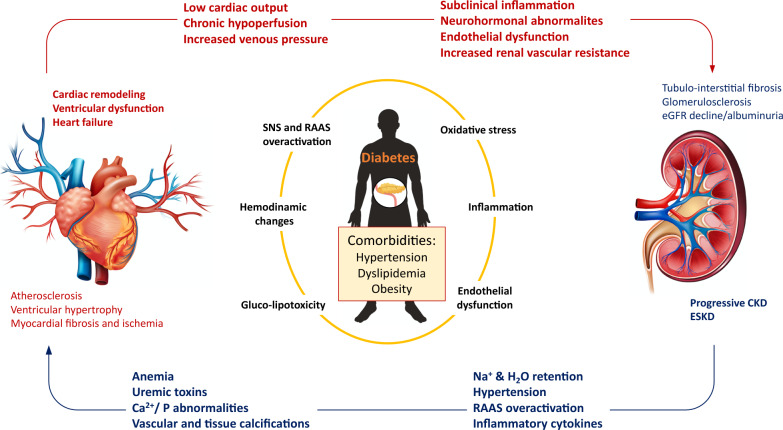
“SNS, sympathetic nervous system; RAAS, renin-angiotensin-aldosterone system; eGFR: estimated glomerular filtration rate CKD, chronic kidney disease; ESKD: end-stage kidney disease site of CKD-associated insulin resistance, which is caused by “post-receptor defects” involving signal transduction proteins [107].”
BackgroundInfluentialGeiss, L. S., Wang, J., Cheng, Y. J., Thompson, T. J., Barker, L., Li, Y., Albright, A. L., & Gregg, E. W. (2014) · JAMA · doi:10.1001/jama.2014.11494 · Cited by 672
Bone marrow contributes to renal parenchymal turnover and regeneration
Poulsom, R., Forbes, S. J., Hodivala-Dilke, K., Ryan, E., Wyles, S., Navaratnarasah, S., Jeffery, R., Hunt, T., Alison, M., Cook, T., et al. (2001) · The Journal of Pathology · doi:10.1002/path.976 · Cited by 644 · cited 1×
“The evidence that BM-derived cells contribute to renal parenchymal regeneration after damage [55] may point to a role of HSPC shortage in DKD.”
BackgroundDunlay, S. M., Givertz, M. M., Aguilar, D., Allen, L. A., Chan, M., Desai, A. S., Deswal, A., Dickson, V. V., Kosiborod, M. N., Lekavich, C. L., et al. (2019) · Circulation · doi:10.1161/cir.0000000000000691 · Cited by 639
Epicardial adipose tissue: emerging physiological, pathophysiological and clinical features
Iacobellis, G., & Bianco, A. C. (2011) · Trends in Endocrinology & Metabolism · doi:10.1016/j.tem.2011.07.003 · Cited by 599 · cited 1×
“T2D has been associated with pathological changes in EAT volume [43], cytokine secretory profile [44], and FFA release [45], which are potential drivers of diabetes-associated cardiovascular dysfunctions, such as atherosclerosis, intramyocardial fatty infiltration, cardiac remodeling, and HF [46].”
BackgroundHeart failure prevalence, incidence, and mortality in the elderly with diabetes
Bertoni, A. G., Hundley, W. G., Massing, M. W., Bonds, D. E., Burke, G. L., & Goff, D. C. (2004) · Diabetes Care · doi:10.2337/diacare.27.3.699 · Cited by 596 · cited 1×
“The coexistence of T2D and HF worsens the overall prognosis: diabetes is a predictor of poor clinical outcome, cardiovascular morbidity and mortality in HF cohorts [16, 17] and, reciprocally, incident HF is associated with a tenfold higher mortality risk in patients with T2D aged 65 years or older [18].”
BackgroundPathophysiology of diabetic kidney disease: impact of SGLT2 inhibitors
DeFronzo, R. A., Reeves, W. B., & Awad, A. S. (2021) · Nature Reviews Nephrology · doi:10.1038/s41581-021-00393-8 · Cited by 589 · cited 1×
“Thus, although hyperglycemia may be the primary initiating event in DKD, its pathogenesis is multifactorial, with diverse hemodynamic, mechanical, and structural processes contributing to the decline in kidney function [79].”
BackgroundGlucagon-like peptide 1 receptor agonists: cardiovascular benefits and mechanisms of action
Ussher, J. R., & Drucker, D. J. (2023) · Nature Reviews Cardiology · doi:10.1038/s41569-023-00849-3 · Cited by 577 · cited 5×
“Atherosclerosis in the coronary arteries is strongly accelerated by diabetes, and plaque complications leading to myocardial ischemia can result in ischemic cardiomyopathy that eventually culminates in HF [68].”
BackgroundInfluentialMechanisms of Cardiorenal Effects of Sodium-Glucose Cotransporter 2 Inhibitors
Zelniker, T. A., & Braunwald, E. (2020) · Journal of the American College of Cardiology · doi:10.1016/j.jacc.2019.11.031 · Cited by 566 · cited 2×
“Briefly, while SGLT2i are believed to exert cardio - renal protection prominently via a hemodynamic action sustained by their natriuretic and osmotic effects [136], anti-atherogenic and immune-modulating mechanisms may be responsible for GLP-1 RA-mediated protective effects [133, 137].”
BackgroundRenal, metabolic and cardiovascular considerations of SGLT2 inhibition
DeFronzo, R. A., Norton, L., & Abdul-Ghani, M. (2017) · Nature Reviews Nephrology · doi:10.1038/nrneph.2016.170 · Cited by 553
Clinical diabetic cardiomyopathy: a two-faced disease with restrictive and dilated phenotypes
Seferović, P. M., & Paulus, W. J. (2015) · European Heart Journal · doi:10.1093/eurheartj/ehv134 · Cited by 552 · cited 1×
“Diabetic cardiomyopathy can assume two different phenotypes: (i) restrictive, HFpEF-like phenotype, more commonly found in women with obesity and linked to coronary endothelial inflammation; (ii) dilated, HfrEF-phenotype, more closely associated with cardiomyocyte loss [69].”
BackgroundRole of mTOR in podocyte function and diabetic nephropathy in humans and mice
Gödel, M., Hartleben, B., Herbach, N., Liu, S., Zschiedrich, S., Lu, S., Debreczeni-Mór, A., Lindenmeyer, M. T., Rastaldi, M.-P., Hartleben, G., et al. (2011) · Journal of Clinical Investigation · doi:10.1172/jci44774 · Cited by 547 · cited 1×
“It has been demonstrated that, in glomerular podocytes, the cells responsible for the integrity of the glomerular basement membrane (GBM) and the correct functioning of the glomerular capillary loop, mTOR activation recapitulates many characteristics of DKD, such as proteinuria and mesangial expansion [40].”
BackgroundRenal insufficiency as a predictor of cardiovascular outcomes and mortality in elderly individuals
Fried, L. F., Shlipak, M. G., Crump, C., Kronmal, R. A., Bleyer, A. J., Gottdiener, J. S., Kuller, L. H., & Newman, A. B. (2003) · Journal of the American College of Cardiology · doi:10.1016/s0735-1097(03)00163-3 · Cited by 535 · cited 1×
“An analysis from the Cardiovascular Health Study provides evidence that elevated serum creatinine is an independent predictor of CVD, HF, cardiovascular- and all-cause mortality [27].”
MethodPerry, I. J., Wannamethee, S. G., Walker, M. K., Thomson, A. G., Whincup, P. H., & Shaper, A. G. (1995) · BMJ · doi:10.1136/bmj.310.6979.560 · Cited by 532 · cited 1×
“The influence of physical activity on T2D onset has been widely described across literature [103, 104], and exercise activity limitation experienced by patients with HF potentially contributes to the development of glucose abnormalities in this condition [89].”
BackgroundInsulin resistance and endothelial dysfunction: the road map to cardiovascular diseases
Cersosimo, E., & DeFronzo, R. A. (2006) · Diabetes/Metabolism Research and Reviews · doi:10.1002/dmrr.634 · Cited by 525 · cited 10×
“The evidence that BM-derived cells contribute to renal parenchymal regeneration after damage [55] may point to a role of HSPC shortage in DKD. HSPCs might be particularly relevant for non-albuminuric DKD, given the association between HSPCs and several CVD risk factors involved in the development of this CKD phenotype…”
BackgroundInfluentialShindler, D. M., Kostis, J. B., Yusuf, S., Quinones, M. A., Pitt, B., Stewart, D., Pinkett, T., Ghali, J. K., Wilson, A. C., & The SOLVD Investigators (1996) · The American Journal of Cardiology · doi:10.1016/s0002-9149(97)89163-1 · Cited by 516 · cited 1×
“The coexistence of T2D and HF worsens the overall prognosis: diabetes is a predictor of poor clinical outcome, cardiovascular morbidity and mortality in HF cohorts [16, 17] and, reciprocally, incident HF is associated with a tenfold higher mortality risk in patients with T2D aged 65 years or older [18].”
BackgroundHow hyperglycemia promotes atherosclerosis: molecular mechanisms
Aronson, D., & Rayfield, E. J. (2002) · Cardiovascular Diabetology · doi:10.1186/1475-2840-1-1 · Cited by 504 · cited 1×
“LDL glycation occurring in hyperglycemic states increases their atherogenic potential, as glycated LDL are recognized by a scavenger receptor expressed on macrophages, resulting in a non-regulated intracellular cholesterol accumulation and enhanced plaque formation [66].”
BackgroundInsulin resistance in chronic kidney disease: a systematic review
Spoto, B., Pisano, A., & Zoccali, C. (2016) · American Journal of Physiology-Renal Physiology · doi:10.1152/ajprenal.00340.2016 · Cited by 450 · cited 1×
“CKD is a condition characterized by chronic inflammation and enhanced oxidative stress [108], and it is well validated that proinflammatory cytokines promote insulin resistance through post-translational modifications of signal-transduction proteins [107, 109].”
BackgroundMAESTRO, B., CAMPIÓN, J., DÁVILA, N., & CALLE, C. (2000) · Endocrine Journal · doi:10.1507/endocrj.47.383 · Cited by 435 · cited 1×
“…glucose metabolism: vitamin D regulates insulin release through the modulation of intracellular calcium in β-cells [114], increases the expression of the insulin receptor [115], and its deficiency is associated with secondary hyperparathyroidism, which can diminish insulin secretion [116].”
BackgroundFadini, G. P., Sartore, S., Albiero, M., Baesso, I., Murphy, E., Menegolo, M., Grego, F., Vigili de Kreutzenberg, S., Tiengo, A., Agostini, C., et al. (2006) · Arteriosclerosis, Thrombosis, and Vascular Biology · doi:10.1161/01.atv.0000237750.44469.88 · Cited by 421 · cited 1×
“Indeed, HSPC defect has been extensively linked to the development of micro-vascular and macrovascular complications in T2D population [51–53], and represents a risk factor for adverse cardiovascular outcomes and death [54].”
BackgroundSelf-citationProteinuria in diabetic kidney disease: A mechanistic viewpoint
Jefferson, J. A., Shankland, S. J., & Pichler, R. H. (2008) · Kidney International · doi:10.1038/ki.2008.128 · Cited by 419 · cited 1×
“Renal tissue impairment is reflected by albuminuria and proteinuria, which are associated with functional and structural cellular alterations favored by dysregulated metabolic conditions [74].”
BackgroundImpact of diabetes on epidemiology, treatment, and outcomes of patients with heart failure
Dei Cas, A., Khan, S. S., Butler, J., Mentz, R. J., Bonow, R. O., Avogaro, A., Tschoepe, D., Doehner, W., Greene, S. J., Senni, M., et al. (2015) · JACC Heart Failure · doi:10.1016/j.jchf.2014.08.004 · Cited by 401 · cited 2×
“The increased uptake of FFA, when excessive, leads to accumulation of intracellular triacylglycerols, promoting oxidative stress, lipotoxicity and apoptosis [12].”
BackgroundThe proximal tubule in the pathophysiology of the diabetic kidney
Vallon, V. (2011) · American Journal of Physiology-Regulatory, Integrative and Comparative Physiology · doi:10.1152/ajpregu.00809.2010 · Cited by 395 · cited 2×
“At later stages, tubular cells undergo atrophy, and their dysfunction leads to impaired protein reuptake and albuminuria [75], being tubulointerstitial fibrosis the final shared pathway for progressive renal impairment in DKD [38].”
BackgroundShinohara, K., Shoji, T., Emoto, M., Tahara, H., Koyama, H., Ishimura, E., Miki, T., Tabata, T., & Nishizawa, Y. (2002) · Journal of the American Society of Nephrology · doi:10.1097/01.asn.0000019900.87535.43 · Cited by 377 · cited 1×
“Understanding the pathogenesis of CKD-associated glucose abnormalities becomes even more crucial considering that CKD is a condition associated with high cardiovascular risk [8] and insulin resistance is a predictor of CVD and cardiovascular mortality in several CKD cohorts [124, 125].”
BackgroundInsulin resistance and hyperinsulinemia are already present in patients with incipient renal disease
Fliser, D., Pacini, G., Engelleiter, R., Kautzky-Willer, A., Prager, R., Franek, E., & Ritz, E. (1998) · Kidney International · doi:10.1046/j.1523-1755.1998.00898.x · Cited by 359 · cited 1×
“There is evidence that insulin resistance is an early finding in people diagnosed with CKD [106], and kidney dysfunction seems to be associated per se with defective insulin-signaling pathway, since insulin resistance is a frequent abnormality in CKD regardless of its etiology [107].”
BackgroundQian, Y., Feldman, E., Pennathur, S., Kretzler, M., & Brosius, F. C. (2008) · Diabetes · doi:10.2337/db08-0061 · Cited by 325 · cited 1×
“Mesangial cells constitute another target of diabetesinduced damage: they become hypertrophic, proliferate, and increase the synthesis of matrix proteins, leading to some of the typical structural features of diabetic glomerulopathy [78].”
BackgroundAtherogenic Dyslipidemia: Cardiovascular Risk and Dietary Intervention
Musunuru, K. (2010) · Lipids · doi:10.1007/s11745-010-3408-1 · Cited by 315 · cited 1×
“Moreover, T2D coexists with well-known cardiovascular risk factors, including atherogenic dyslipidemia, characterized by high levels of small-dense LDL and low levels of HDL cholesterol [65].”
BackgroundHeerspink, H. J. L., Sattar, N., Pavo, I., Haupt, A., Duffin, K. L., Yang, Z., Wiese, R. J., Tuttle, K. R., & Cherney, D. Z. I. (2022) · The Lancet Diabetes & Endocrinology · doi:10.1016/s2213-8587(22)00243-1 · Cited by 306 · cited 2×
“[144] medications have been deeply revised elsewhere [131– 135].”
BackgroundDiabetic nephropathy: diagnosis and treatment
Fineberg, D., Jandeleit-Dahm, K. A. M., & Cooper, M. E. (2013) · Nature Reviews Endocrinology · doi:10.1038/nrendo.2013.184 · Cited by 295 · cited 1×
“The scientific community has moved from the concept of “diabetic nephropathy”—defined by a rise in urinary albumin excretion classically followed by a progressive decline in renal function and traditionally classified in five stages [72]—to the term “diabetic kidney disease”, including all possible renal abnormalities…”
BackgroundWhy blockade of the renin–angiotensin system reduces the incidence of new-onset diabetes
Jandeleit-Dahm, K. A., Tikellis, C., Reid, C. M., Johnston, C. I., & Cooper, M. E. (2005) · Journal of Hypertension · doi:10.1097/01.hjh.0000160198.05416.72 · Cited by 293 · cited 1×
“The onset of T2D in individuals with HF may also be mediated by the overactivity of the RAAS: angiotensin II (AngII) induces skeletal muscle vasoconstriction and defective muscle glucose uptake, which are associated with diminished insulin sensitivity [93].”
Backgroundp-Cresyl Sulfate Promotes Insulin Resistance Associated with CKD
Koppe, L., Pillon, N. J., Vella, R. E., Croze, M. L., Pelletier, C. C., Chambert, S., Massy, Z., Glorieux, G., Vanholder, R., Dugenet, Y., et al. (2013) · Journal of the American Society of Nephrology · doi:10.1681/asn.2012050503 · Cited by 270
The renin-angiotensin-aldosterone system, glucose metabolism and diabetes
Giacchetti, G., Sechi, L. A., Rilli, S., & Carey, R. M. (2005) · Trends in Endocrinology & Metabolism · doi:10.1016/j.tem.2005.02.003 · Cited by 267 · cited 1×
“Additionally, hyperglycemia is associated with the activation of local renin–angiotensin–aldosterone system (RAAS) in the myocardium and in the kidney, promoting vasoconstriction, fibrosis, and exacerbation of organ dysfunction [36, 37].”
BackgroundMaack, C., Lehrke, M., Backs, J., Heinzel, F. R., Hulot, J.-S., Marx, N., Paulus, W. J., Rossignol, P., Taegtmeyer, H., Bauersachs, J., et al. (2018) · European Heart Journal · doi:10.1093/eurheartj/ehy596 · Cited by 246 · cited 4×
“Diabetic cardiomyopathy is defined as a diastolic or systolic dysfunction in the presence of a history of long-standing and/ or poorly controlled diabetes with the exclusion of other causes of cardiomyopathy, such as coronary, congenital, valvular, and hypertensive heart disease [4, 68].”
BackgroundInfluentialUrea-induced ROS generation causes insulin resistance in mice with chronic renal failure
D’Apolito, M., Du, X., Zong, H., Catucci, A., Maiuri, L., Trivisano, T., Pettoello-Mantovani, M., Campanozzi, A., Raia, V., Pessin, J. E., et al. (2010) · Journal of Clinical Investigation · doi:10.1172/jci37672 · Cited by 233 · cited 1×
“Other factors favoring abnormalities in glucose metabolism are toxins accumulating as the renal function critically diminishes, such as blood urea, p-cresyl sulfate, and asymmetric dimethylarginine [120–122].”
BackgroundNon-proteinuric pathways in loss of renal function in patients with type 2 diabetes
Porrini, E., Ruggenenti, P., Mogensen, C. E., Barlovic, D. P., Praga, M., Cruzado, J. M., Hojs, R., Abbate, M., & de Vries, A. P. J. (2015) · The Lancet Diabetes & Endocrinology · doi:10.1016/s2213-8587(15)00094-7 · Cited by 232 · cited 1×
“Indeed, it should be mentioned that, in addition to hyperglycemia, several cardiovascular risk factors, including hypertension, obesity, hyperuricemia and inflammation, can promote renal injury in T2D [80].”
BackgroundShen, Y., Cai, R., Sun, J., Dong, X., Huang, R., Tian, S., & Wang, S. (2017) · Endocrine · doi:10.1007/s12020-016-1014-6 · Cited by 230 · cited 1×
“…will develop CKD during their life-time [19], and a meta-analysis including data from more than 5 million participants estimated the relative risk to develop CKD for females and males with T2D versus those without to be 3.34 (95% CI 2.27–4.93) and 2.84 (95% CI 1.73–4.68), respectively [20].”
BackgroundInfluentialAndreozzi, F., Laratta, E., Sciacqua, A., Perticone, F., & Sesti, G. (2004) · Circulation Research · doi:10.1161/01.res.0000126501.34994.96 · Cited by 208 · cited 1×
“AngII has also been shown to directly interfere with insulin signaling pathway by inducing phosphorylation of insulin signal molecules, thereby inhibiting downstream signal transduction [94].”
BackgroundTitze, S., Schmid, M., Kottgen, A., Busch, M., Floege, J., Wanner, C., Kronenberg, F., Eckardt, K.-U., for the GCKD study investigators, for the GCKD study investigators, et al. (2015) · Nephrology Dialysis Transplantation · doi:10.1093/ndt/gfu294 · Cited by 205
Amato, L., Paolisso, G., Cacciatore, F., Ferrara, N., Ferrara, P., Canonico, S., Varricchio, M., & Rengo, F. (1997) · PubMed · Cited by 193
Incretin drugs in diabetic kidney disease: biological mechanisms and clinical evidence
Alicic, R. Z., Cox, E. J., Neumiller, J. J., & Tuttle, K. R. (2021) · Nature Reviews Nephrology · doi:10.1038/s41581-020-00367-2 · Cited by 193 · cited 4×
“GLP1 – RA • T2D [126, 131] • Overweight/obesity [126, 131] • Hypertension [126, 134, 137] • Atherosclerosis [131, 137] • Stroke [126, 134, 137] • CV death [131, 137] • Albuminuria [126, 133, 134] • CKD? [131, 134]”
BackgroundInfluential1,25-Dihydroxyvitamin D3 evokes oscillations of intracellular calcium in a pancreatic beta-cell line
Sergeev, I. N. (1995) · Endocrinology · doi:10.1210/en.136.7.2852 · Cited by 192 · cited 1×
“Vitamin D status may directly influence glucose metabolism: vitamin D regulates insulin release through the modulation of intracellular calcium in β-cells [114], increases the expression of the insulin receptor [115], and its deficiency is associated with secondary hyperparathyroidism, which can diminish insulin secre…”
BackgroundKadowaki, T., Maegawa, H., Watada, H., Yabe, D., Node, K., Murohara, T., & Wada, J. (2022) · Diabetes, Obesity and Metabolism · doi:10.1111/dom.14829 · Cited by 190 · cited 2×
“Since growing evidence supports the existence of a strong interplay among T2D, CVD and CKD, the unifying term cardio-metabolic-renal (CMR) disease has been introduced to describe the systemic interdependence of these conditions [9] (Fig.”
BackgroundFadini, G. P., Boscaro, E., de Kreutzenberg, S., Agostini, C., Seeger, F., Dimmeler, S., Zeiher, A., Tiengo, A., & Avogaro, A. (2010) · Diabetes Care · doi:10.2337/dc09-1999 · Cited by 186 · cited 3×
“The evidence that BM-derived cells contribute to renal parenchymal regeneration after damage [55] may point to a role of HSPC shortage in DKD. HSPCs might be particularly relevant for non-albuminuric DKD, given the association between HSPCs and several CVD risk factors involved in the development of this CKD phenotype…”
BackgroundSelf-citationInsulin resistance in chronic heart failure
SWAN, J. W., WALTON, C., GODSLAND, I. F., CLARK, A. L., COATS, A. J. S., & OLIVER, M. F. (1994) · European Heart Journal · doi:10.1093/oxfordjournals.eurheartj.a060425 · Cited by 180 · cited 1×
“Additionally, HF can per se be considered an “insulin resistant state” [87, 88].”
BackgroundDiabetic Nephropathy: Can Renoprotection Be Extrapolated to Cardiovascular Protection?
Opie, L. H., & Parving, H.-H. (2002) · Circulation · doi:10.1161/01.cir.0000028099.24188.c4 · Cited by 178
Diabetes Impairs Stem Cell and Proangiogenic Cell Mobilization in Humans
Fadini, G. P., Albiero, M., Vigili de Kreutzenberg, S., Boscaro, E., Cappellari, R., Marescotti, M., Poncina, N., Agostini, C., & Avogaro, A. (2013) · Diabetes Care · doi:10.2337/dc12-1084 · Cited by 177 · cited 1×
“Solid evidence shows that T2D is associated with a reduction in the levels of circulating HSPCs [47], mainly driven by an impaired mobilization from the bone marrow (BM) [48].”
BackgroundSelf-citationRisks of chronic metabolic acidosis in patients with chronic kidney disease
Kopple, J. D., Kalantar-Zadeh, K., & Mehrotra, R. (2005) · Kidney International · doi:10.1111/j.1523-1755.2005.09503.x · Cited by 171 · cited 1×
“Furthermore, metabolic acidosis—a common CKD complication—has been associated with decreased sensitivity to insulin in both healthy and CKD individuals [110, 111].”
BackgroundGlucose intolerance following chronic metabolic acidosis in man.
DeFronzo, R. A., & Beckles, A. D. (1979) · American Journal of Physiology-Endocrinology and Metabolism · doi:10.1152/ajpendo.1979.236.4.e328 · Cited by 170 · cited 1×
“Furthermore, metabolic acidosis—a common CKD complication—has been associated with decreased sensitivity to insulin in both healthy and CKD individuals [110, 111].”
BackgroundRethinking glomerular basement membrane thickening in diabetic nephropathy: adaptive or pathogenic?
Marshall, C. B. (2016) · American Journal of Physiology-Renal Physiology · doi:10.1152/ajprenal.00313.2016 · Cited by 168 · cited 1×
“As podocytes control GBM matrix turnover, it is plausible that dysfunctional podocytes favor GBM thickening and alter its function, promoting glomerular damage and albuminuria [76].”
BackgroundUrea impairs β cell glycolysis and insulin secretion in chronic kidney disease
Koppe, L., Nyam, E., Vivot, K., Manning Fox, J. E., Dai, X.-Q., Nguyen, B. N., Trudel, D., Attané, C., Moullé, V. S., MacDonald, P. E., et al. (2016) · Journal of Clinical Investigation · doi:10.1172/jci86181 · Cited by 161 · cited 1×
“Although these compounds can alter glucose homeostasis via inflammation-mediated insulin resistance [107], urea can directly induce β-cell dysfunction: elevated levels of urea increase islet protein O-GlcNAcylation and impair glycolysis, resulting in insulin secretory defects [123].”
BackgroundPugliese, G., Penno, G., Natali, A., Barutta, F., Di Paolo, S., Reboldi, G., Gesualdo, L., & De Nicola, L. (2019) · Nutrition, Metabolism and Cardiovascular Diseases · doi:10.1016/j.numecd.2019.07.017 · Cited by 156
Cardiorenal syndrome—current understanding and future perspectives
Braam, B. G., Joles, J. A., Danishwar, A. H., & Gaillard, S. (2013) · Nature Reviews Nephrology · doi:10.1038/nrneph.2013.250 · Cited by 155 · cited 2×
“The bidirectional cardio‐renal interplay There is broad evidence of a close interconnection between kidney and heart disease: the term cardiorenal syndrome (CRS) has been defined to underline bidirectionality of heart-kidney interplay, with acute or chronic dysfunction of one organ leading to acute or chronic dysfunct…”
BackgroundWilson, J. M., Lin, Y., Luo, M. J., Considine, G., Cox, A. L., Bowsman, L. M., Robins, D. A., Haupt, A., Duffin, K. L., & Ruotolo, G. (2022) · Diabetes Obesity and Metabolism · doi:10.1111/dom.14553 · Cited by 149 · cited 1×
“Tirzepatide • T2D [138, 139] • Overweight/obesity [138, 139] • CV risk factors [138, 143] • Albuminuria? [144] • CKD? [144]”
Metabolic actions of natriuretic peptides and therapeutic potential in the metabolic syndrome
Schlueter, N., de Sterke, A., Willmes, D. M., Spranger, J., Jordan, J., & Birkenfeld, A. L. (2014) · Pharmacology & Therapeutics · doi:10.1016/j.pharmthera.2014.04.007 · Cited by 148 · cited 1×
“Metabolic dysregulated conditions, such as obesity and T2D, are associated with low NP levels, suggesting that NP defect may impair glucose homeostasis [99].”
BackgroundDíez, J. (2016) · European Journal of Heart Failure · doi:10.1002/ejhf.656 · Cited by 147 · cited 1×
“Although NP serum levels are increased in HF, their effectiveness is reduced [100]: this evidence suggests that HF is paradoxically similar to metabolic diseases characterized by NP deficiency, pointing to a role of NP in the development of HF-associated glucose abnormalities.”
BackgroundPalazzuoli, A., & Iacoviello, M. (2022) · Heart Failure Reviews · doi:10.1007/s10741-022-10238-6 · Cited by 140 · cited 2×
“The influence of physical activity on T2D onset has been widely described across literature [103, 104], and exercise activity limitation experienced by patients with HF potentially contributes to the development of glucose abnormalities in this condition [89].”
BackgroundDiabetes Mellitus, the Renin-Angiotensin-Aldosterone System, and the Heart
Lim, H. S., MacFadyen, R. J., & Lip, G. Y. H. (2004) · Archives of Internal Medicine · doi:10.1001/archinte.164.16.1737 · Cited by 138 · cited 1×
“Additionally, hyperglycemia is associated with the activation of local renin–angiotensin–aldosterone system (RAAS) in the myocardium and in the kidney, promoting vasoconstriction, fibrosis, and exacerbation of organ dysfunction [36, 37].”
BackgroundSkeletal Muscle Abnormalities in Heart Failure
Kinugawa, S., Takada, S., Matsushima, S., Okita, K., & Tsutsui, H. (2015) · International Heart Journal · doi:10.1536/ihj.15-108 · Cited by 135 · cited 1×
“Insulin resistance per se leads to peripheral microvascular dysfunction [58] and skeletal muscle dysfunction [59], both of which are linked to an increased risk of HF [60, 61].”
BackgroundRigato, M., Avogaro, A., & Fadini, G. P. (2016) · Circulation Research · doi:10.1161/circresaha.116.308366 · Cited by 135 · cited 1×
“Indeed, HSPC defect has been extensively linked to the development of microvascular and macrovascular complications in T2D population [51–53], and represents a risk factor for adverse cardiovascular outcomes and death [54].”
BackgroundSelf-citationEpicardial fat tissue in patients with diabetes mellitus: a systematic review and meta-analysis
Li, Y., Liu, B., Li, Y., Jing, X., Deng, S., Yan, Y., & She, Q. (2019) · Cardiovascular Diabetology · doi:10.1186/s12933-019-0807-3 · Cited by 125
the Italian Diabetes Society and the Italian Society of Nephrology, Pugliese, G., Penno, G., Natali, A., Barutta, F., Di Paolo, S., Reboldi, G., Gesualdo, L., & De Nicola, L. (2020) · Journal of Nephrology · doi:10.1007/s40620-019-00650-x · Cited by 125
The impact of hyperfiltration on the diabetic kidney
Premaratne, E., Verma, S. K., Ekinci, E. I., Theverkalam, G., Jerums, G., & MacIsaac, R. J. (2014) · Diabetes & Metabolism · doi:10.1016/j.diabet.2014.10.003 · Cited by 125 · cited 1×
“One of the earliest alterations in the diabetic kidney is glomerular hyperfiltration, whose pathogenesis has been linked to both altered tubule-glomerular feedback and glomerular hemodynamic abnormalities occurring in the diabetic milieu [73].”
BackgroundFisman, E. Z., & Tenenbaum, A. (2021) · Cardiovascular Diabetology · doi:10.1186/s12933-021-01412-5 · Cited by 124 · cited 2×
“The novel bireceptor agonist Tirzepatide simultaneously activates two incretin-dependent pathways [138], and this duality acts synergistically on glycemic and weight control, significantly improving metabolic outcomes when compared to selective GLP-1 RA [139].”
BackgroundLebeche, D., Davidoff, A. J., & Hajjar, R. J. (2008) · Nature Clinical Practice Cardiovascular Medicine · doi:10.1038/ncpcardio1347 · Cited by 122
Sacks, H. S., Fain, J. N., Cheema, P., Bahouth, S. W., Garrett, E., Wolf, R. Y., Wolford, D., & Samaha, J. (2011) · Diabetes Care · doi:10.2337/dc10-2083 · Cited by 121 · cited 1×
“T2D has been associated with pathological changes in EAT volume [43], cytokine secretory profile [44], and FFA release [45], which are potential drivers of diabetes-associated cardiovascular dysfunctions, such as atherosclerosis, intramyocardial fatty infiltration, cardiac remodeling, and HF [46].”
BackgroundPotential kidney protection with liraglutide and semaglutide: Exploratory mediation analysis
Mann, J. F. E., Buse, J. B., Idorn, T., Leiter, L. A., Pratley, R. E., Rasmussen, S., Vilsbøll, T., Wolthers, B., & Perkovic, V. (2021) · Diabetes, Obesity and Metabolism · doi:10.1111/dom.14443 · Cited by 120 · cited 1×
“On the other side, the cardiovascular or renal benefits of GLP-1RA in non-diabetic individuals still needs to be demonstrated and mediation analyses found the change in HbA1c to be a predictor of the end-organ protection [141].”
BackgroundMolecular mechanisms of insulin resistance in chronic kidney disease
Thomas, S. S., Zhang, L., & Mitch, W. E. (2015) · Kidney International · doi:10.1038/ki.2015.305 · Cited by 111 · cited 4×
“Although these compounds can alter glucose homeostasis via inflammation-mediated insulin resistance [107], urea can directly induce β-cell dysfunction: elevated levels of urea increase islet protein O-GlcNAcylation and impair glycolysis, resulting in insulin secretory defects [123].”
BackgroundInfluentialCorrection of metabolic acidosis improves insulin resistance in chronic kidney disease
on behalf of UBI study investigators, Bellasi, A., Micco, L. D., Santoro, D., Marzocco, S., Simone, E. D., Cozzolino, M. G., Lullo, L. D., Guastaferro, P., & Iorio, B. R. D. (2016) · BMC Nephrology · doi:10.1186/s12882-016-0372-x · Cited by 107 · cited 1×
“Although only few studies have been conducted, there is evidence that acidosis correction by administration of sodium bicarbonate ameliorates insulin resistance, supporting the causal involvement of metabolic acidosis in suboptimal biological response to insulin [112].”
BackgroundCirculating Progenitor Cell Count Predicts Microvascular Outcomes in Type 2 Diabetic Patients
Rigato, M., Bittante, C., Albiero, M., Avogaro, A., & Fadini, G. P. (2015) · The Journal of Clinical Endocrinology & Metabolism · doi:10.1210/jc.2015-1687 · Cited by 97 · cited 1×
“Indeed, HSPC defect has been extensively linked to the development of micro-vascular and macrovascular complications in T2D population [51–53], and represents a risk factor for adverse cardiovascular outcomes and death [54].”
BackgroundSelf-citationCardiorenal benefits of finerenone: protecting kidney and heart
González‐Juanatey, J. R., Górriz, J. L., Ortíz, A., Valle, A., Soler, M. J., & Fácila, L. (2023) · Annals of Medicine · doi:10.1080/07853890.2023.2171110 · Cited by 97 · cited 3×
“[144] medications have been deeply revised elsewhere [131– 135].”
BackgroundCirculating stem cells and cardiovascular outcomes: from basic science to the clinic
Fadini, G. P., Mehta, A., Dhindsa, D. S., Bonora, B. M., Sreejit, G., Nagareddy, P. R., & Quyyumi, A. A. (2019) · European Heart Journal · doi:10.1093/eurheartj/ehz923 · Cited by 96 · cited 2×
“The putative HSPC property of maintaining tissue homeostasis by contributing to vascular and tissue repair [49] can explain why their shortage promotes multi-organ damage [50].”
BackgroundSelf-citationThe Association of Heart Failure With Insulin Resistance and the Development of Type 2 Diabetes
KOSTIS, J., & SANDERS, M. (2005) · American Journal of Hypertension · doi:10.1016/j.amjhyper.2004.11.038 · Cited by 92 · cited 1×
“Insulin resistance is not the only mechanism through which catecholamine hypersecretion affects glucose homeostasis in HF: chronic SNS activation enhances lipolysis, and elevated FFA can deposit ectopically and have been shown to promote hepatic gluconeogenesis and impair insulin secretions from pancreatic β-cells [92…”
BackgroundEpicardial adipose tissue in endocrine and metabolic diseases
Iacobellis, G. (2013) · Endocrine · doi:10.1007/s12020-013-0099-4 · Cited by 92 · cited 1×
“In the heart, epicardial adipose tissue (EAT), a visceral fat depot located between the myocardium and the epicardium endowed with paracrine properties of regulating the myocardium and coronary arteries [41], has been proposed to function as a buffer to provide energy for the myocardium while protecting it from FFA ov…”
BackgroundHyperglycemia and mechanical stress: Targeting the renal podocyte
Lewko, B., & Stepinski, J. (2009) · Journal of Cellular Physiology · doi:10.1002/jcp.21856 · Cited by 89 · cited 1×
“Concurrently, the mechanical stress caused by accumulation of ECM proteins contributes to glomerular injury [77].”
BackgroundFadini, G. P., Rigato, M., Cappellari, R., Bonora, B. M., & Avogaro, A. (2017) · Diabetes Care · doi:10.2337/dc16-1755 · Cited by 86
Self-citationKuznik, A., Mardekian, J., & Tarasenko, L. (2013) · BMC Nephrology · doi:10.1186/1471-2369-14-132 · Cited by 86
Natriuretic peptide control of energy balance and glucose homeostasis
Coué, M., & Moro, C. (2015) · Biochimie · doi:10.1016/j.biochi.2015.05.017 · Cited by 84 · cited 1×
“Other neuro-hormonal factors involved are natriuretic peptides (NPs): they have recently emerged as metabolic hormones, improving insulin sensitivity, lipid oxidation and browning of the adipose tissue [97].”
BackgroundFadini, G. P. (2013) · Diabetologia · doi:10.1007/s00125-013-3087-6 · Cited by 82 · cited 1×
“In this view, diabetes can be considered a disease of impaired damage control, with defects in the physiological processes of tissue repair [57].”
BackgroundSelf-citationEpicardial adipose tissue feeding and overfeeding the heart
Iacobellis, G., & Barbaro, G. (2019) · Nutrition · doi:10.1016/j.nut.2018.07.002 · Cited by 82 · cited 1×
“T2D has been associated with pathological changes in EAT volume [43], cytokine secretory profile [44], and FFA release [45], which are potential drivers of diabetes-associated cardiovascular dysfunctions, such as atherosclerosis, intramyocardial fatty infiltration, cardiac remodeling, and HF [46].”
BackgroundHeart Failure Increases the Risk of Adverse Renal Outcomes in Patients With Normal Kidney Function
George, L. K., Koshy, S. K. G., Molnar, M. Z., Thomas, F., Lü, J., Kalantar‐Zadeh, K., & Kovesdy, C. P. (2017) · Circulation Heart Failure · doi:10.1161/circheartfailure.116.003825 · Cited by 81 · cited 1×
“Conversely, individuals with HF have more than two-fold higher risk of incident CKD and rapid eGFR decline [28].”
BackgroundHayden, M. R., & Sowers, J. R. (2007) · Antioxidants & Redox Signaling · doi:10.1089/ars.2007.1610 · Cited by 80 · cited 1×
“stress-mediated mechanism [95], impairing insulin secretion and favoring β-cell apoptosis [96].”
BackgroundYokota, T., Kinugawa, S., Yamato, M., Hirabayashi, K., Suga, T., Takada, S., Harada, K., Morita, N., Oyama‐Manabe, N., Kikuchi, Y., et al. (2013) · Diabetes Care · doi:10.2337/dc12-1161 · Cited by 78 · cited 1×
“Insulin resistance per se leads to peripheral microvascular dysfunction [58] and skeletal muscle dysfunction [59], both of which are linked to an increased risk of HF [60, 61].”
BackgroundPreiss, D., Zetterstrand, S., McMurray, J. J. V., Östergren, J., Michelson, E. L., Granger, C. B., Yusuf, S., Swedberg, K., Pfeffer, M. A., Gerstein, H. C., et al. (2009) · Diabetes Care · doi:10.2337/dc08-1709 · Cited by 76 · cited 1×
“…in Heart Failure Assessment of Reduction in Mortality and Morbidity (CHARM) program reported an incidence of T2D of 28 per 1000 person-years among initially nondiabetic individuals with HF [14], which was substantially higher than that in the general population (7.1 per 1000 person-years) [15].”
ResultInfluentialAn Update on the Pathophysiology and Treatment of Cardiorenal Syndrome
Raina, R., Nair, N., Chakraborty, R., Nemer, L., Dasgupta, R., & Varian, K. D. (2020) · Cardiology Research · doi:10.14740/cr955 · Cited by 76 · cited 1×
“A detailed discussion of pathophysiological mechanisms potentially responsible for CRS is beyond the scope of this article as such information can be found elsewhere [82–84].”
BackgroundThe Interplay Between Diabetes, Cardiovascular Disease, and Kidney Disease
Usman, M., Khan, M. S., & Butler, J. (2021) · ADA Clinical Compendia · doi:10.2337/db20211-13 · Cited by 76 · cited 4×
“Diabetes is also associated with hypertension due to a predominance of endothelial vasoconstrictive over vasodilation signals in the diabetic milieu, a comorbidity that rises the risk of atherosclerosis and cardiovascular adverse outcomes [6].”
BackgroundInfluentialEpicardial adipose tissue: an emerging biomarker of cardiovascular complications in type 2 diabetes?
Christensen, R. H., von Scholten, B. J., Lehrskov, L. L., Rossing, P. R., & Jørgensen, P. G. (2020) · Therapeutic Advances in Endocrinology and Metabolism · doi:10.1177/2042018820928824 · Cited by 75 · cited 1×
“T2D has been associated with pathological changes in EAT volume [43], cytokine secretory profile [44], and FFA release [45], which are potential drivers of diabetes-associated cardiovascular dysfunctions, such as atherosclerosis, intramyocardial fatty infiltration, cardiac remodeling, and HF [46].”
BackgroundThe mTOR Signaling Pathway in Myocardial Dysfunction in Type 2 Diabetes Mellitus
Suhara, T., Baba, Y., Shimada, B. K., Higa, J. K., & Matsui, T. (2017) · Current Diabetes Reports · doi:10.1007/s11892-017-0865-4 · Cited by 73 · cited 1×
“Furthermore, diabetes is perceived as a state of “nutrient abundance”, characterized by an aberrant activation of nutrient-sensing pathways, such as AMPK, sirtuins and mTOR, downregulating cytoprotective responses and promoting organ impairment [38, 39].”
BackgroundMoriconi, D., Sacchetta, L., Chiriacò, M., Nesti, L., Forotti, G., Natali, A., Solini, A., & Tricò, D. (2023) · Diabetes Care · doi:10.2337/dc22-2003 · Cited by 73 · cited 1×
“In the kidney, hyperfiltration has long been considered the major early functional alteration paving the way to the subsequent development of later DKD stages [62], though its role has been recently challenged, especially in T2D [63].”
BackgroundNagahisa, T., & Saisho, Y. (2019) · Diabetes Therapy · doi:10.1007/s13300-019-00680-5 · Cited by 71 · cited 5×
“[131, 134] Finerenone • T2D (?)”
BackgroundInfluentialInsulin release from pancreatic islets: Effects of CRF and excess PTH
Fadda, G. Z., Akmal, M., Premdas, F. H., Lipson, L. G., & Massry, S. G. (1988) · Kidney International · doi:10.1038/ki.1988.112 · Cited by 66 · cited 1×
“Vitamin D status may directly influence glucose metabolism: vitamin D regulates insulin release through the modulation of intracellular calcium in β-cells [114], increases the expression of the insulin receptor [115], and its deficiency is associated with secondary hyperparathyroidism, which can diminish insulin secre…”
BackgroundKodama*, S., Fujihara, K., Horikawa, C., Sato, T., Iwanaga, M., Yamada, T., Kato, K., Watanabe, K., Shimano, H., Izumi, T., et al. (2020) · ESC Heart Failure · doi:10.1002/ehf2.12782 · Cited by 63 · cited 1×
“45]), and the risk of HF associated with T2D was increased especially in young populations [11].”
BackgroundInsulin Resistance as a Predictor of Cardiovascular Disease in Patients on peritoneal dialysis
Li, Y., Zhang, L., Gu, Y., Hao, C., & Zhu, T. (2013) · Peritoneal Dialysis International · doi:10.3747/pdi.2012.00037 · Cited by 55 · cited 1×
“Understanding the pathogenesis of CKD-associated glucose abnormalities becomes even more crucial considering that CKD is a condition associated with high cardiovascular risk [8] and insulin resistance is a predictor of CVD and cardiovascular mortality in several CKD cohorts [124, 125].”
BackgroundBilak, J. M., Alam, U., Miller, C., McCann, G. P., Arnold, J. R., & Kanagala, P. (2022) · Cardiac failure review · doi:10.15420/cfr.2022.12 · Cited by 55 · cited 1×
“Insulin resistance per se leads to peripheral microvascular dysfunction [58] and skeletal muscle dysfunction [59], both of which are linked to an increased risk of HF [60, 61].”
BackgroundJepson, C., Hsu, J. Y., Fischer, M. J., Kusek, J. W., Lash, J. P., Ricardo, A. C., Schelling, J. R., Feldman, H. I., Appel, L. J., Feldman, H. I., et al. (2018) · American Journal of Kidney Diseases · doi:10.1053/j.ajkd.2018.06.017 · Cited by 53 · cited 2×
“Although some studies suggest that the incident rate of T2D in patients with CKD is significantly higher than that in the general population [24, 105], the pathophysiology underlying glucose abnormalities in CKD remains largely unclear.”
BackgroundTenenbaum, A., & Fisman, E. Z. (2004) · American Journal of Cardiovascular Drugs · doi:10.2165/00129784-200404050-00001 · Cited by 50 · cited 2×
“HF is associated with reduced skeletal muscle perfusion and loss of muscle mass, the main tissue where glucose is utilized, and both these processes lead to impaired peripheral glucose utilization and diminished sensitivity to insulin [90].”
BackgroundSpoto, B., Leonardis, D., Parlongo, R. M., Pizzini, P., Pisano, A., Cutrupi, S., Testa, A., Tripepi, G. L., Zoccali, C., & Mallamaci, F. (2011) · Nutrition Metabolism and Cardiovascular Diseases · doi:10.1016/j.numecd.2011.01.005 · Cited by 50 · cited 1×
“CKD is a condition characterized by chronic inflammation and enhanced oxidative stress [108], and it is well validated that proinflammatory cytokines promote insulin resistance through post-translational modifications of signal-transduction proteins [107, 109].”
BackgroundCherney, D. Z. I., Udell, J. A., & Drucker, D. J. (2021) · Med · doi:10.1016/j.medj.2021.10.004 · Cited by 50 · cited 3×
“[131, 134] Finerenone • T2D (?)”
Lee, W., Lee, H., Jang, H. B., Kim, H., Ban, H., Kim, K. Y., Nam, M. S., Choi, J. S., Lee, K., Cho, S. B., et al. (2018) · Scientific Reports · doi:10.1038/s41598-018-20549-0 · Cited by 49 · cited 1×
“Other factors favoring abnormalities in glucose metabolism are toxins accumulating as the renal function critically diminishes, such as blood urea, p-cresyl sulfate, and asymmetric dimethylarginine [120–122].”
BackgroundThornley-Brown, D. (2006) · Archives of Internal Medicine · doi:10.1001/archinte.166.7.797 · Cited by 42 · cited 1×
“Although some studies suggest that the incident rate of T2D in patients with CKD is significantly higher than that in the general population [24, 105], the pathophysiology underlying glucose abnormalities in CKD remains largely unclear.”
BackgroundHayden, M. R., & Tyagi, S. C. (2003) · PubMed · Cited by 42
Pathophysiological basis of the cardiological benefits of SGLT-2 inhibitors: a narrative review
Panico, C., Bonora, B. M., Camera, A., Chilelli, N. C., Prato, G. D., Favacchio, G., Grancini, V., Resi, V., Rondinelli, M., Zarra, E., et al. (2023) · Cardiovascular Diabetology · doi:10.1186/s12933-023-01855-y · Cited by 39 · cited 1×
“In addition, the glucose lowering capacity of SGLT2i reduces together with the decline in renal function, though the protection against ESKD is preserved until the later CKD stages [140].”
BackgroundAngiotensin II Causes β-Cell Dysfunction Through an ER Stress-Induced Proinflammatory Response
Chan, S. M. H., Lau, Y. S., Miller, A. A., Ku, J., Potocnik, S. J., Ye, J., Woodman, O. L., & Herbert, T. P. (2017) · Endocrinology · doi:10.1210/en.2016-1879 · Cited by 38 · cited 1×
“Additionally, AngII can per se induce β-cell dysfunction via an endoplasmic reticulum stress-mediated mechanism [95], impairing insulin secretion and favoring β-cell apoptosis [96].”
BackgroundImpaired Hematopoietic Stem/Progenitor Cell Traffic and Multi-organ Damage in Diabetes
Fadini, G. P., & Albiero, M. (2022) · Stem Cells · doi:10.1093/stmcls/sxac035 · Cited by 38 · cited 1×
“The putative HSPC property of maintaining tissue homeostasis by contributing to vascular and tissue repair [49] can explain why their shortage promotes multi-organ damage [50].”
BackgroundSelf-citationNitta, K., Iimuro, S., Imai, E., Matsuo, S., Makino, H., Akizawa, T., Watanabe, T., Ohashi, Y., & Hishida, A. (2018) · Clinical and Experimental Nephrology · doi:10.1007/s10157-018-1605-z · Cited by 35 · cited 1×
“Unsurprisingly, not only diabetes is an established risk factor for CKD, but a high prevalence of diabetes has also been described among patients with CKD, ranging from 31 to 40% [21–23].”
BackgroundPetchey, W. G., Hickman, I. J., Duncan, E. L., Prins, J. B., Hawley, C. M., Johnson, D. W., Barraclough, K. A., & Isbel, N. M. (2009) · BMC Nephrology · doi:10.1186/1471-2369-10-41 · Cited by 34 · cited 1×
“A body of evidence supports the existence of an association between vitamin D deficiency and glucose metabolism abnormalities in populations with CKD [117, 118].”
Gérard, A. O., Laurain, A., Favrè, G., Drici, M., & Esnault, V. L. M. (2022) · Diabetes Care · doi:10.2337/dc22-0921 · Cited by 34
Suthahar, N., Meijers, W. C., Brouwers, F. P. J., Heerspink, H. J. L., Gansevoort, R. T., van der Harst, P., Bakker, S. J. L., & de Boer, R. A. (2017) · International Journal of Cardiology · doi:10.1016/j.ijcard.2017.10.035 · Cited by 33 · cited 1×
“HF is a pro-inflammatory condition, and a significant association between inflammation-related biomarkers in HF and new-onset T2D has been described, suggesting that immuno-inflammatory mechanisms may be involved in the pathogenesis of HF-associated diabetes [102].”
BackgroundInsulin Resistance and Vitamin D Deficiency in Patients With Chronic Kidney Disease Stage 2-3
Stefikova, K., Spustová, V., Krivošíková, Z., Okša, A., Gazdíková, K., Fedelešová, V., & Dzurik, R. (2011) · Physiological Research · doi:10.33549/physiolres.931814 · Cited by 33 · cited 1×
“A body of evidence supports the existence of an association between vitamin D deficiency and glucose metabolism abnormalities in populations with CKD [117, 118].”
BackgroundParsonage, W. A., Hetmanski, D. J., & Cowley, A. J. (2002) · The American Journal of Cardiology · doi:10.1016/s0002-9149(01)02342-6 · Cited by 31 · cited 1×
“Additionally, HF can per se be considered an “insulin resistant state” [87, 88].”
BackgroundBerezin, A. Е., Kremzer, A. A., Samura, T. A., Berezina, T. A., & Martovitskaya, Y. V. (2014) · Journal of Cardiovascular and Thoracic Research · doi:10.15171/jcvtr.2014.004 · Cited by 24 · cited 1×
“relevant for non-albuminuric DKD, given the association between HSPCs and several CVD risk factors involved in the development of this CKD phenotype [49, 56].”
BackgroundAtrial Natriuretic Peptide Affects Stimulus-Secretion Coupling of Pancreatic β-Cells
Undank, S., Kaiser, J., Sikimic, J., Düfer, M., Krippeit‐Drews, P., & Drews, G. (2017) · Diabetes · doi:10.2337/db17-0392 · Cited by 24 · cited 1×
“Additionally, there is evidence that NP exert a direct influence on β-cells, modulating their function and enhancing insulin secretion [98].”
BackgroundNovel insight into the dangerous connection between diabetes and heart failure
Lombardi, C., Spigoni, V., Gorga, E., & Dei, A. (2016) · Herz · doi:10.1007/s00059-016-4415-7 · Cited by 21 · cited 2×
“Thus, AGEs are involved in the pathogenesis of diabetes-related organ damage, such as diabetic cardiomyopathy, diabetic kidney disease (DKD) and atherosclerosis [30, 34, 35].”
BackgroundLu, Y., Wang, Y., Sun, Y., Li, Y., Wang, J., Zhao, Y., Yang, F., Gao, X., Xu, J., & Tong, Z. (2021) · International Urology and Nephrology · doi:10.1007/s11255-021-02968-7 · Cited by 6 · cited 1×
“A randomized controlled-study including nondiabetic individuals with CKD found that insulin resistance incidence was significantly higher in the vitamin D-deficient than in the vitamin D-normal group; in the same study, the supplementation with activated vitamin D analogs significantly ameliorated insulin sensitivity…”
Result
Cited by
Cardiovascular-Kidney-Metabolic (CKM) syndrome: A state-of-the-art review
Sebastian, S. A., Padda, I., & Johal, G. (2024) · Current Problems in Cardiology · doi:10.1016/j.cpcardiol.2023.102344 · Cited by 343
Li, W., Shen, C., Kong, W., Zhou, X., Fan, H., Zhang, Y., Liu, Z., & Zheng, L. (2024) · Cardiovascular Diabetology · doi:10.1186/s12933-024-02352-6 · Cited by 234
Stefanakis, K., Kokkorakis, M., & Mantzoros, C. S. (2024) · Metabolism · doi:10.1016/j.metabol.2024.156057 · Cited by 142
Cardiovascular-kidney-metabolic syndrome – An integrative review
Kittelson, K. S., Gasparotto, A., Fillmore, N., & Gomes, R. D. S. (2024) · Progress in Cardiovascular Diseases · doi:10.1016/j.pcad.2024.10.012 · Cited by 134
Yue, Y., Li, P., Sun, Z., Murayama, R., Li, Z., Hashimoto, K., & Zhang, Y. (2025) · Cardiovascular Diabetology · doi:10.1186/s12933-025-02854-x · Cited by 117
“This framework highlights bidirectional, synergistic interactions among these systems that accelerate disease and worsen outcomes [3, 4].”
Metadata
- Authors
- Marassi, M., & Fadini, G. P.
- Affiliations
- University of Padua (IT)
- Corresponding author
- Fadini, Gian Paolo
- ORCID
- Fadini, Gian Paolo
- Venue
- Cardiovascular Diabetology
- Published
- 2023-07-31
- Volume
- 22
- Issue
- 1
- Pages
- 195-195
- ISSN
- 1475-2840 (ISSN-L)
- PMC
- PMC10391899
- OpenAlex
- W4385415147
- Semantic Scholar
- 1c0031582da7b39aa3f480b56ec0a630db68cc78
- Cited by
- 386
- References
- 146
- Citations by year
- 2026: 173 · 2025: 156 · 2024: 54 · 2023: 3
- FWCI
- 16.23
- Type
- journal article
- Language
- en
- Open access
- gold
- doi.org
- Licence
- cc-by
- creativecommons.org/licenses/by/4.0 (tdm)
- creativecommons.org/licenses/by/4.0 (vor)
- Locations
- Cardiovascular Diabetology (publishedVersion, cc-by)
- PubMed Central (publishedVersion, cc-by)
- PubMed (publishedVersion)
- Padua Research Archive (University of Padova) (submittedVersion, cc-by)
- DOAJ (DOAJ: Directory of Open Access Journals) (submittedVersion, cc-by-sa)
- Funders
- Italian Diabetes Society
- Università degli Studi di Padova
- Topics
- Health Sciences › Medicine › Nephrology › Chronic Kidney Disease and Diabetes
- Health Sciences › Medicine › Endocrinology, Diabetes and Metabolism › Diabetes, Cardiovascular Risks, and Lipoproteins
- Health Sciences › Medicine › Cardiology and Cardiovascular Medicine › Cardiovascular Function and Risk Factors
- Keywords
- type 2 diabetes, cardiovascular disease, chronic kidney disease, hyperglycemia, metabolic dysfunction, pathophysiology, prognosis
- MeSH terms
- Cardiovascular Diseases, Diabetes Mellitus, Type 2, Humans, Kidney, Metabolic Diseases, Renal Insufficiency, Chronic, Cardio-Renal Syndrome
About these checks
Registry, retraction, Cites and statistics results are computed, not judged, with one exception: a printed reference that no index lists is read once by a model before it counts as a citation error. Claims are extracted by a model and kept only when their quote appears verbatim in the text; each cited source is then checked, with a model’s help, for whether it says what the claim relies on. Those verdicts can be wrong — read the claim’s quote and the cited source before relying on one.
Statistics and arithmetic are recomputed, not judged.
Confidence bands are shown only for fields calibrated on our annotated test set. None is calibrated yet, so no band is shown.
What counts as a claim ›How we measure confidence ›How we check this ›
Are you an author, or do you see a problem with this page? Request a review
Data sources
Bibliographic data: Semantic Scholar, OpenAlex, Crossref.
Contains information from the Semantic Scholar Academic Graph Datasets, made available under the ODC Attribution License (ODC-BY 1.0).
Semantic Scholar’s data is described in: Kinney, R., et al. (2023). The Semantic Scholar Open Data Platform. arXiv:2301.10140.
