

Malaria parasite clearance.
Open accessThe DOI matches its Crossref record; 121 of the 121 references it cites were found in a registry or an index.
Abstract
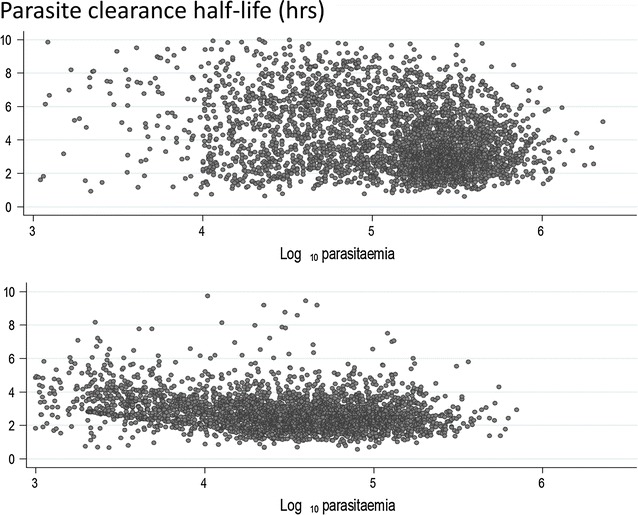
Following anti-malarial drug treatment asexual malaria parasite killing and clearance appear to be first order processes. Damaged malaria parasites in circulating erythrocytes are removed from the circulation mainly by the spleen. Splenic clearance functions increase markedly in acute malaria. Either the entire infected erythrocytes are removed because of their reduced deformability or increased antibody binding or, for the artemisinins which act on young ring stage parasites, splenic pitting of drug-damaged parasites is an important mechanism of clearance. The once-infected erythrocytes returned to the circulation have shortened survival. This contributes to post-artesunate haemolysis that may follow recovery in non-immune hyperparasitaemic patients. As the parasites mature Plasmodium vivax-infected erythrocytes become more deformable, whereas Plasmodium falciparum-infected erythrocytes become less deformable, but they escape splenic filtration by sequestering in venules and capillaries. Sequestered parasites are killed in situ by anti-malarial drugs and then disintegrate to be cleared by phagocytic leukocytes. After treatment with artemisinin derivatives some asexual parasites become temporarily dormant within their infected erythrocytes, and these may regrow after anti-malarial drug concentrations decline. Artemisinin resistance in P. falciparum reflects reduced ring stage susceptibility and manifests as slow parasite clearance. This is best assessed from the slope of the log-linear phase of parasitaemia reduction and is commonly measured as a parasite clearance half-life. Pharmacokinetic-pharmacodynamic modelling of anti-malarial drug effects on parasite clearance has proved useful in predicting therapeutic responses and in dose-optimization.
Overview
The claims and statistics of this paper haven’t been checked yet.
Free: it reads the open-access text and checks the first 5 claims that cite a source we can check. Create a free account to check every claim.
Integrity signals
Registry
Cites
Statistics
Figures
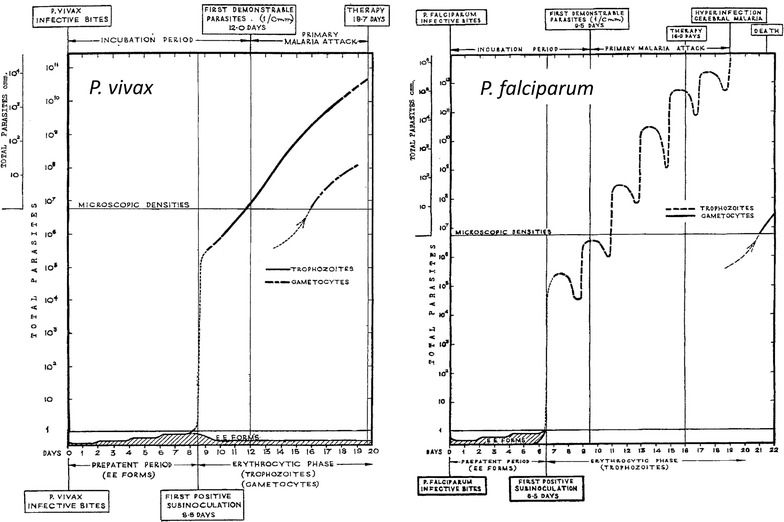
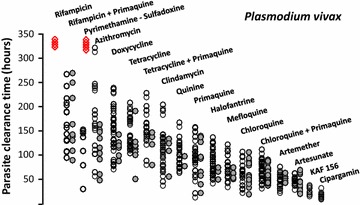
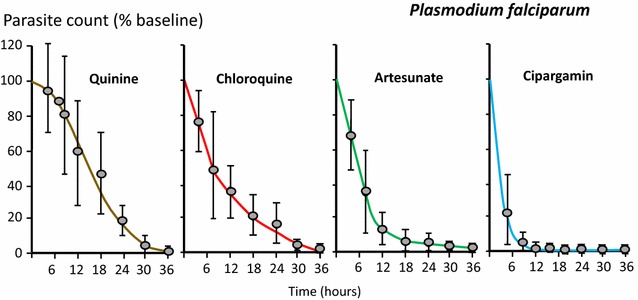
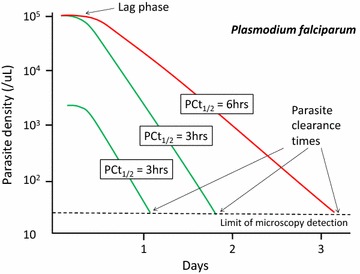
Verification
Claims the paper makes
The claims and statistics of this paper haven’t been checked yet.
Free: it reads the open-access text and checks the first 5 claims that cite a source we can check. Create a free account to check every claim.
Claims other papers make about this one
Each is checked against this paper’s own text: does it say what the citing paper says it does?
In the citing paper
“In this study, 99% of participants achieved asexual parasitaemia clearance by day 3 (Fig. 4), which is consistent with findings from a meta-analysis suggesting that early clearance (by day 2 or 3) is a key indicator of treatment efficacy [43–45].”
Self-check
Percentages, sums and reported differences re-computed from the paper’s own numbers.
The self-check needs the paper’s full text.
Citations
Cites
Artemisinin Resistance in Plasmodium falciparum Malaria
Dondorp, A. M., Nosten, F., Yi, P., Das, D., Phyo, A. P., Tarning, J., Lwin, K. M., Ariey, F., Hanpithakpong, W., Lee, S. J., et al. (2009) · New England Journal of Medicine · doi:10.1056/nejmoa0808859 · Cited by 3,424 · cited 2×
“For drugs which act on ring stage parasites the parasite clearance rate (or derived half-life) is currently the best in vivo measure of drug effect [31, 32, 37, 38, 40, 108, 122].”
BackgroundSelf-citationSpread of Artemisinin Resistance in Plasmodium falciparum Malaria
Ashley, E. A., Dhorda, M., Fairhurst, R. M., Amaratunga, C., Lim, P., Suon, S., Sreng, S., Anderson, J. M., Mao, S., Sam, B., et al. (2014) · New England Journal of Medicine · doi:10.1056/nejmoa1314981 · Cited by 2,205
Self-citationA molecular marker of artemisinin-resistant Plasmodium falciparum malaria
Ariey, F., Witkowski, B., Amaratunga, C., Beghain, J., Langlois, A.-C., Khim, N., Kim, S., Duru, V., Bouchier, C., Ma, L., et al. (2014) · Nature · doi:10.1038/nature12876 · Cited by 2,090 · cited 1×
“Artemisinin resistance is associated with mutations in the propeller region of the kelch protein [41].”
BackgroundWhite, N. J., Pukrittayakamee, S., Hien, T. T., Faiz, M. A., Mokuolu, O. A., & Dondorp, A. M. (2014) · The Lancet · doi:10.1016/s0140-6736(13)60024-0 · Cited by 1,123
Self-citationDondorp, A. M., Fanello, C. I., Hendriksen, I. C., Gomes, E., Seni, A., Chhaganlal, K. D., Bojang, K., Olaosebikan, R., Anunobi, N., Maitland, K., et al. (2010) · The Lancet · doi:10.1016/s0140-6736(10)61924-1 · Cited by 1,022
Self-citationMacPherson, G. G., Warrell, M. J., White, N. J., Looareesuwan, S., & Warrell, D. A. (1985) · PubMed Central · Cited by 825
Self-citationBousema, T., & Drakeley, C. (2011) · Clinical Microbiology Reviews · doi:10.1128/cmr.00051-10 · Cited by 746 · cited 1×
“falciparum malaria are relatively insensitive to most anti-malarial drugs (with the notable exception of the 8-aminoquinolines) whereas the gametocytes of the other human malaria parasites are considered as drug sensitive as their asexual counterparts [14, 16].”
BackgroundAssessment of the pharmacodynamic properties of antimalarial drugs in vivo
White, N. J. (1997) · Antimicrobial Agents and Chemotherapy · doi:10.1128/aac.41.7.1413 · Cited by 575 · cited 10×
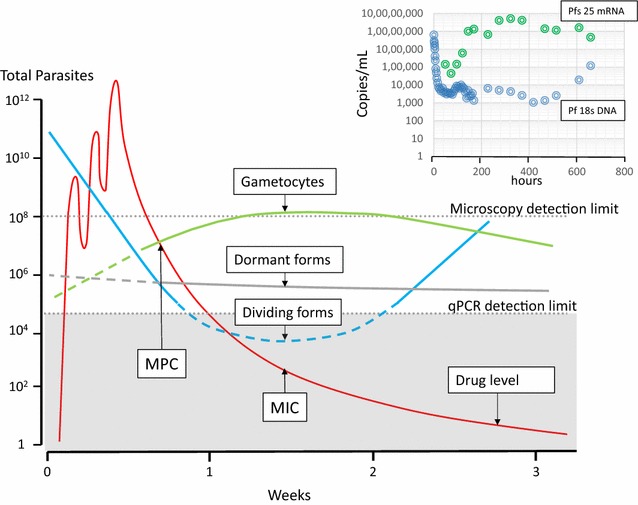
“As drug levels fall below the minimum parasiticidal concentration (MPC) the rate of parasitaemia declines until it reaches reaching a temporary plateau, at which time the corresponding drug level is a minimum inhibitory concentration (MIC) [23, 117, 124].”
BackgroundInfluentialSelf-citationParasitologic and Clinical Human Response to Immunoglobulin Administration in Falciparum Malaria
Sabchareon, A., Burnouf, T., Ouattara, D., Attanath, P., Bouharoun-Tayoun, H., Chantavanich, P., Foucault, C., Chongsuphajaisiddhi, T., & Druilhe, P. (1991) · The American Journal of Tropical Medicine and Hygiene · doi:10.4269/ajtmh.1991.45.297 · Cited by 499 · cited 1×
“One Thai patient who received 200 mg/kg over 4 h reduced parasitaemia 160-fold within 2 h associated with rapid splenic enlargement [94].”
BackgroundWorldWide Antimalarial Resistance Network (WWARN) Lumefantrine PK/PD Study Group (2015) · BMC Medicine · doi:10.1186/s12916-015-0456-7 · Cited by 464
Research works printed but not linked: 5
- 1. World Health Organization. Severe malaria. Trop Med Int Health. 2014;19(Supplement 1):1-131.
- 2. Marchiafava E, Bignami A. On summer-autumnal fever. London: New Sydenham Society; 1894.
- 3. WHO. Guidelines for the treatment of malaria. 3rd ed. Geneva: World Health Organization; 2015.
- 10. Kitchen SF. Symptomatology: general considerations and falciparum malaria. In: Boyd MF, editor. Malariology, vol. 2. Philadelphia: WB Saun- ders; 1949. p. 996-1017.
- 11. Kitchen SF. Vivax malaria. In: Boyd MF, editor. Malariology, vol. 2. Philadephia: WB Saunders; 1949. p. 1027-45.
Cited by
Evidence of Artemisinin-Resistant Malaria in Africa
Balikagala, B., Fukuda, N., Ikeda, M., Katuro, O. T., Tachibana, S.-I., Yamauchi, M., Opio, W., Emoto, S., Anywar, D. A., Kimura, E., et al. (2021) · New England Journal of Medicine · doi:10.1056/nejmoa2101746 · Cited by 866
Ashley, E. A., Pyae Phyo, A., & Woodrow, C. J. (2018) · The Lancet · doi:10.1016/s0140-6736(18)30324-6 · Cited by 553
Tissue-specific immunopathology during malaria infection
Coban, C., Lee, M. S. J., & Ishii, K. J. (2018) · Nature reviews. Immunology · doi:10.1038/nri.2017.138 · Cited by 113
Kho, S., Qotrunnada, L., Leonardo, L., Andries, B., Wardani, P. A. I., Fricot, A., Henry, B., Hardy, D., Margyaningsih, N. I., Apriyanti, D., et al. (2021) · PLOS Medicine · doi:10.1371/journal.pmed.1003632 · Cited by 95
“Even assuming a multiplication rate of 10 in peripheral blood (which is >50% efficiency for Pv in 1 cycle) [66], 99% splenic retention of IEs, and zero destruction by splenic macrophages or other intrasplenic processes, the resulting intrasplenic Pv parasitaemia of 0.”
BackgroundWhite, N. J., & Chotivanich, K. (2024) · Clinical Microbiology Reviews · doi:10.1128/cmr.00109-24 · Cited by 119
“Parasite clearance of the other human malarias is also accelerated markedly with artemisinin treatments (31).”
InfluentialSelf-citationTissue tropism in parasitic diseases
Silva Pereira, S., Trindade, S., De Niz, M., & Figueiredo, L. M. (2019) · Open Biology · doi:10.1098/rsob.190036 · Cited by 85
Asymptomatic malaria in the clinical and public health context
Cheaveau, J., Castañeda-Mogollón, D., Mohon, A. N., Golassa, L., Yewhalaw, D., & Pillai, D. R. (2019) · Expert Review of Anti-infective Therapy · doi:10.1080/14787210.2019.1693259 · Cited by 93
van Huijsduijnen, R. H., & Wells, T. N. C. (2018) · Current Opinion in Pharmacology · doi:10.1016/j.coph.2018.05.006 · Cited by 79
Human microRNAs in host–parasite interaction: a review
Paul, S., Ruiz‐Manriquez, L. M., Serrano‐Cano, F. I., Estrada‐Meza, C., Solorio-Diaz, K. A., & Srivastava, A. (2020) · 3 Biotech · doi:10.1007/s13205-020-02498-6 · Cited by 67
“2a) (White 2017).”
Lawpoolsri, S., Sattabongkot, J., Sirichaisinthop, J., Cui, L., Kiattibutr, K., Rachaphaew, N., Suk-uam, K., Khamsiriwatchara, A., & Kaewkungwal, J. (2019) · Malaria Journal · doi:10.1186/s12936-019-2763-5 · Cited by 67
Distinct amino acid and lipid perturbations characterize acute versus chronic malaria
Cordy, R. J., Patrapuvich, R., Lili, L. N., Cabrera-Mora, M., Chien, J.-T., Tharp, G. K., Khadka, M., Meyer, E. V. S., Lapp, S. A., Joyner, C. J., et al. (2019) · JCI Insight · doi:10.1172/jci.insight.125156 · Cited by 55
The Human Spleen in Malaria: Filter or Shelter?
Henry, B., Roussel, C., Carucci, M., Brousse, V. A. M., Ndour, P. A., & Buffet, P. A. (2020) · Trends in Parasitology · doi:10.1016/j.pt.2020.03.001 · Cited by 54
An Automated Microscopic Malaria Parasite Detection System Using Digital Image Analysis
Yoon, J. H., Jang, W. S., Nam, J., Mihn, D.-C., & Lim, C. S. (2021) · Diagnostics · doi:10.3390/diagnostics11030527 · Cited by 51
“With emergence of resistance to available antimalarial drugs, accurate quantitation of parasitemia is required for malaria parasite clearance determination following antimalarial treatment [10,11].”
BackgroundChotsiri, P., Zongo, I., Milligan, P. J., Compaoré, Y. D., Somé, A. F., Chandramohan, D., Hanpithakpong, W., Nosten, F. H., Greenwood, B. M., Rosenthal, P. J., et al. (2019) · Nature Communications · doi:10.1038/s41467-019-08297-9 · Cited by 41
Self-citationWang, X., Xie, Y., Jiang, N., Wang, J., Liang, H., Liu, D., Yang, N., Sang, X., Feng, Y., Chen, R., et al. (2020) · ACS Applied Materials & Interfaces · doi:10.1021/acsami.0c20070 · Cited by 40
Wang, H., Li, S., Cui, Z., Qin, T., Shi, H., Ma, J., Li, L., Yu, G., Jiang, T., & Li, C. (2021) · Malaria Journal · doi:10.1186/s12936-021-03786-z · Cited by 36
“Host defense mechanisms, such as removal of circulating parasites by the spleen and mononuclear phagocytic system (MPS), are thought to play a major role in rapid control of infection [6], in the presence or absence of artemisinin treatment [7].”
BackgroundSilvino, A. C. R., Kano, F. S., Costa, M. A., Fontes, C. J. F., Soares, I. S., de Brito, C. F. A., de Carvalho, L. H., & de Sousa, T. N. (2020) · Antimicrobial Agents and Chemotherapy · doi:10.1128/aac.02056-19 · Cited by 42
“Taken together, our findings suggest that host immunity complements the effect of antimalarial therapy in subjects with long-term malaria exposure (43).”
BackgroundWithin‐host modeling of blood‐stage malaria
Khoury, D. S., Aogo, R. A., Radohery, G. F. R., McCaw, J. M., Simpson, J. A., McCarthy, J. S., Haque, A., Cromer, D., & Davenport, M. P. (2018) · Immunological Reviews · doi:10.1111/imr.12697 · Cited by 41
Mathenge, P. G., Low, S. K., Vuong, N. L., Mohamed, M. Y. F., Faraj, H. A. A., Alieldin, G. I., khudari, R. A., Yahia, N. A., Khan, A. A., Diab, O. M., et al. (2019) · Parasitology International · doi:10.1016/j.parint.2019.04.016 · Cited by 39
“Artemisinin is a fast acting drug that targets blood-stage Plasmodium falciparum [7] but its efficacy when used as monotherapy is limited by its short half-life [8].”
BackgroundSowunmi, A., Ntadom, G. N., Akano, K. O., Ibironke, F. O., Ayede, A. I., Agomo, C. O., Folarin, O. A., Gbotosho, G. O., Happi, C. T., Oguche, S., et al. (2019) · Infectious Diseases of Poverty · doi:10.1186/s40249-019-0577-x · Cited by 39
Towards harmonization of microscopy methods for malaria clinical research studies
Dhorda, M., Ba, E. H., Baird, J. K., Barnwell, J. W., Bell, D., Carter, J. Y., Dondorp, A. M., Ekawati, L. L., Gatton, M. L., González, I. J., et al. (2020) · Malaria Journal · doi:10.1186/s12936-020-03352-z · Cited by 36
The gut microbiome, immunity, and Plasmodium severity
Waide, M. L., & Schmidt, N. W. (2020) · Current Opinion in Microbiology · doi:10.1016/j.mib.2020.08.006 · Cited by 39
Malaria Parasite Clearance: What Are We Really Measuring?
Khoury, D. S., Zaloumis, S. G., Grigg, M. J., Haque, A., & Davenport, M. P. (2020) · Trends in Parasitology · doi:10.1016/j.pt.2020.02.005 · Cited by 30
Artemisinin Resistance and Stage Dependency of Parasite Clearance in Falciparum Malaria
Intharabut, B., Kingston, H. W. F., Srinamon, K., Ashley, E. A., Imwong, M., Dhorda, M., Woodrow, C. J., Stepniewska, K., Silamut, K., Day, N., et al. (2019) · The Journal of Infectious Diseases · doi:10.1093/infdis/jiy673 · Cited by 34
“termined by host, parasite, and drug treatment factors [1, 2].”
BackgroundInfluentialSelf-citationO’Flaherty, K., Ataíde, R., Zaloumis, S. G., Ashley, E. A., Powell, R., Feng, G., Reiling, L., Dondorp, A. M., Day, N., Dhorda, M., et al. (2019) · The Journal of Infectious Diseases · doi:10.1093/infdis/jiz247 · Cited by 34
“falciparum ring stages no longer susceptible to artemisinins will go undamaged by treatment, allowing them to bypass rapid clearance in the spleen by mechanisms such as “pitting” and continue to mature [29].”
BackgroundSelf-citationKoné, A., Sissoko, S., Fofana, B., Sangare, C. P. O., Dembele, D., Haidara, A., Diallo, N., Coulibaly, A., Traoré, A., Touré, S., et al. (2020) · International Journal of Infectious Diseases · doi:10.1016/j.ijid.2020.03.082 · Cited by 31
“Other parasite factors such as parasitemia or host factors such as immunity could also be involved in lack of synchronicity of P.falciparum infection in people (White, 2017).”
BackgroundHarnessing the Potential of miRNAs in Malaria Diagnostic and Prevention
Gupta, H., & Wassmer, S. C. (2021) · Frontiers in Cellular and Infection Microbiology · doi:10.3389/fcimb.2021.793954 · Cited by 37
“Plasmodium spp. are transmitted by female Anopheles mosquitoes, which inject sporozoites into the subcutaneous tissue of the human host during their blood meal, triggering the host phase of the cycle (White, 2017).”
BackgroundHenry, N. B., Sermé, S. S., Siciliano, G., Sombié, S., Diarra, A., Sagnon, N., Traore, A. S., Sirima, S. B., Soulama, I., & Alano, P. (2019) · Malaria Journal · doi:10.1186/s12936-019-2707-0 · Cited by 44
Asymptomatic malaria infection prevailing risks for human health and malaria elimination
Prusty, D., Gupta, N., Upadhyay, A., Dar, A., Naik, B., Kumar, N., & Prajapati, V. K. (2021) · Infection Genetics and Evolution · doi:10.1016/j.meegid.2021.104987 · Cited by 34
Qadri, A. M., Raza, A., Eid, F., & Abualigah, L. (2023) · Decision Analytics Journal · doi:10.1016/j.dajour.2023.100352 · Cited by 27
Hviid, L., Jensen, A. T. R., & Deitsch, K. (2024) · Advances in Parasitology/Advances in parasitology · doi:10.1016/bs.apar.2024.02.001 · Cited by 26
Molecular docking and dynamics studies on plasmepsin V of malarial parasite Plasmodium vivax
Sivaramakrishnan, M., Kandaswamy, K., Natesan, S., Durairaj, D. R., Ramakrishnan, S. G., & Kothandan, R. (2020) · Informatics in Medicine Unlocked · doi:10.1016/j.imu.2020.100331 · Cited by 28
Genomic Approaches to Drug Resistance in Malaria
Rocamora, F., & Winzeler, E. A. (2020) · Annual Review of Microbiology · doi:10.1146/annurev-micro-012220-064343 · Cited by 26
Alonso-Ramírez, A. A., Mwata-Velu, T., Garcia-Capulin, C. H., Rostro‐González, H., Prado-Olivarez, J., Gutiérrez-López, M., & Gutiérrez, A. I. B. (2022) · IEEE Access · doi:10.1109/access.2022.3206266 · Cited by 25
“(RBCs) causing high fever, cough, chills, headache, nausea, 26 and vomiting, muscle pain and fatigue, transpiration, abdom-27 inal and chest pain, and the death [2], [3].”
BackgroundMwaiswelo, R., & Ngasala, B. (2020) · Malaria Journal · doi:10.1186/s12936-020-03235-3 · Cited by 26
Rapid loss of group 1 innate lymphoid cells during blood stage Plasmodium infection
Ng, S. S., Souza-Fonseca-Guimarães, F., Rivera, F. D. L., Amante, F. H., Kumar, R., Gao, Y., Sheel, M., Beattie, L., de, M. M., Guillerey, C., et al. (2018) · Clinical & Translational Immunology · doi:10.1002/cti2.1003 · Cited by 22
“We examined these cells, as well as splenic ILC1s,(9) because of the importance of the liver and spleen as blood filtering organs during Plasmodium infection.(40,41) We identified liver ILC1s that were lineage (Lin; CD3, CD5, CD19)-negative, CD45 NK1.”
BackgroundSears, K. P., Knowles, D. P., & Fry, L. M. (2022) · Pathogens · doi:10.3390/pathogens11020254 · Cited by 21
“In this, cells of histiocytic lineage remove parasitized erythrocytes, which are either opsonized by antibody or demonstrate reduced deformability, from circulation and destroy them, thereby reducing the circulating parasite burden [26].”
BackgroundThe transmission dynamics of a within-and between-hosts malaria model
Agusto, F. B., Leite, M. C. A., & Orive, M. E. (2019) · Ecological Complexity · doi:10.1016/j.ecocom.2019.02.002 · Cited by 24
Lolabattu, S. R., Kamath, S., Shetty, M. C., Satpathi, S., Mohanty, D., Ghosh, S. K., Kolluri, N., Klapperich, C. M., Cabodi, M., Padmanaban, G., et al. (2019) · Journal of Molecular Diagnostics · doi:10.1016/j.jmoldx.2019.04.004 · Cited by 18
Al‐Quraishy, S., Murshed, M., Delić, D., Al‐Shaebi, E. M., Qasem, M. A., Mares, M. M., & Dkhil, M. A. (2020) · Letters in Applied Microbiology · doi:10.1111/lam.13366 · Cited by 21
“It can clear the infected Letters in Applied Microbiology 71, 542--549 © 2020 The Society for Applied Microbiology 545 erythrocytes with blood stage malaria (Del portillo et al. 2012; White 2017) in the red pulp.”
BackgroundParasite Viability as a Superior Measure of Antimalarial Drug Activity in Humans
Rebelo, M. J. F., Pawliw, R., Gower, J. S. E., Webb, L., Mitchell, H., Pava, Z., Watts, R. E., Davenport, M. P., McCarthy, J. S., & Khoury, D. S. (2020) · The Journal of Infectious Diseases · doi:10.1093/infdis/jiaa678 · Cited by 19
Deconstructing the parasite multiplication rate of Plasmodium falciparum
Gnangnon, B., Duraisingh, M. T., & Buckee, C. O. (2021) · Trends in Parasitology · doi:10.1016/j.pt.2021.05.001 · Cited by 18
Variation in Glucose-6-Phosphate Dehydrogenase activity following acute malaria
Ley, B., Alam, M. S., Satyagraha, A. W., Phru, C. S., Thriemer, K., Tadesse, D., Shibiru, T., Hailu, A., Kibria, M. G., Hossain, M. S., et al. (2022) · PLoS neglected tropical diseases · doi:10.1371/journal.pntd.0010406 · Cited by 19
“Malarial parasitaemia also causes haemolysis, arising from loss of both parasitized and unparasitized red blood cells [10,11].”
BackgroundCurrent scenario and future strategies to fight artemisinin resistance
Pasupureddy, R., Atul, A., Seshadri, S., Pande, V., Dixit, R., & Pandey, K. C. (2018) · Parasitology Research · doi:10.1007/s00436-018-6126-x · Cited by 21
Ley, B., Alam, M. S., Kibria, M. G., Marfurt, J., Phru, C. S., Ami, J. Q., Thriemer, K., Auburn, S., Jahan, N., Johora, F. T., et al. (2021) · PLoS Medicine · doi:10.1371/journal.pmed.1003576 · Cited by 21
“In the presence of oxidative stress, triggered by certain foods, drugs, and infection, G6PD- deficient RBCs hemolyze to a far greater degree than G6PD-normal RBCs [14].”
BackgroundInfluentialFeasibility of polymer-drug conjugates for non-cancer applications
Natfji, A. A., Osborn, H. M. I., & Greco, F. (2017) · Current Opinion in Colloid & Interface Science · doi:10.1016/j.cocis.2017.07.004 · Cited by 19
Split dosing of artemisinins does not improve antimalarial therapeutic efficacy
White, N. J., Watson, J. A., & Ashley, E. A. (2017) · Scientific Reports · doi:10.1038/s41598-017-12483-4 · Cited by 18
Self-citationByakika‐Kibwika, P., Nyakato, P., Lamorde, M., & Kiragga, A. N. (2018) · Malaria Journal · doi:10.1186/s12936-018-2552-6 · Cited by 19
Demarta‐Gatsi, C., Andenmatten, N., Jiménez-Díaz, M. B., Gobeau, N., Cherkaoui-Rabti, M. H., Fuchs, A., Díaz, P., Berja, S., Sánchez, R., Gómez, H., et al. (2023) · Antimicrobial Agents and Chemotherapy · doi:10.1128/aac.01574-22 · Cited by 21
“PC depends on the mechanism of action of the drugs; it may affect both viable and nonviable parasites and is typically assessed by estimating the slope of the log-linear curve of parasitemia in peripheral blood (34).”
BackgroundHimmel, T., Harl, J., Matt, J., Nedorost, N., Iezhova, T. A., Ilgūnas, M., Valkiūnas, G., & Weißenböck, H. (2024) · Malaria Journal · doi:10.1186/s12936-024-04899-x · Cited by 17
“…reduced parasitaemia during winter might be accompanied by sequestration of parasitized erythrocytes in the microcirculation, which could present a strategy of the parasites to evade immunity and minimize splenic clearance, as has been reported for some human and rodent malaria parasites [59–62].”
Dauby, N., Ferreira, M. F., Konopnicki, D., Nguyen, V. T. P., Cantinieaux, B., & Martin, C. (2018) · American Journal of Tropical Medicine and Hygiene · doi:10.4269/ajtmh.17-0407 · Cited by 17
Mwaiswelo, R., Ngasala, B., Jovel, I. T., Xu, W., Larsson, E., Malmberg, M., Gil, J. P., Premji, Z., Mmbando, B. P., & Mårtensson, A. (2019) · American Journal of Tropical Medicine and Hygiene · doi:10.4269/ajtmh.18-0729 · Cited by 20
Pomari, E., Silva, R., Moro, L., Marca, G. L., Perandin, F., Verra, F., Bisoffi, Z., & Piubelli, C. (2020) · Pathogens · doi:10.3390/pathogens9060478 · Cited by 16
Harp, K. O., Bashi, A., Botchway, F. A., Addo-Gyan, D., Tetteh-Tsifoanya, M., Lamptey, A. N. L., Djameh, G. I., Iqbal, S. A., Lekpor, C. E., Banerjee, S., et al. (2023) · International Journal of Molecular Sciences · doi:10.3390/ijms24087546 · Cited by 16
“The first four phases of gametocyte development are considered immature and are sequestered primarily in the liver, RBCs, and spleen [33].”
BackgroundOyebola, K. M., Aina, O. O., Idowu, E. T., Olukosi, Y. A., Ajibaye, O., Otubanjo, O. A., Awolola, T. S., Awandare, G. A., & Amambua‐Ngwa, A. (2018) · BMC Infectious Diseases · doi:10.1186/s12879-018-3314-3 · Cited by 17
Touré, O. A., N’Guessan, T. L., Assi, S.-B., Kone, A. A., Gbessi, E. A., Berenger Aristide, A. K. O., Coulibaly, B., Kone, B., Ouattara, O., Béourou, S., et al. (2018) · Infection and Drug Resistance · doi:10.2147/idr.s167518 · Cited by 21
“15–17 This method is uses by sampling multiple times (6, 8, or 12 hours) a day at measured time points to estimate the rate of parasite clearance.”
Estimation of parasite age and synchrony status in Plasmodium falciparum infections
Ciuffreda, L., Zoiku, F. K., Quashie, N. B., & Ranford-Cartwright, L. C. (2020) · Scientific Reports · doi:10.1038/s41598-020-67817-6 · Cited by 17
Awine, T., & Silal, S. P. (2020) · Malaria Journal · doi:10.1186/s12936-020-03496-y · Cited by 16
Murshed, M., Dkhil, M. A., Al‐Shaebi, E. M., Qasem, M. A., Mares, M. M., Aljawdah, H. M. A., Alojayri, G., Abdel‐Gaber, R., & Al‐Quraishy, S. (2020) · Environmental Science and Pollution Research · doi:10.1007/s11356-020-10027-4 · Cited by 15
“=O stretching Sulfoxide 841.41 strong 10.4 C-Cl stretching Halo compound 666.06 Strong 10.3 C-Br stretching Halo compound 647.46 Strong 10.2 C-Br stretching Halo compound 601.79 Strong 10.4 C-Br stretching Halo compound (Del portillo et al. 2012;White 2017) in the red pulp.”
BackgroundInfluentialNtenda, P. A. M., Chirambo, A. C., Nkoka, O., El-Meidany, W. M., & Goupeyou-Youmsi, J. (2022) · Malaria Journal · doi:10.1186/s12936-022-04297-1 · Cited by 13
“As such, this phenomenon results in elevated clearance capability and decreased splenic activities for the removal of abnormal erythrocytes [91].”
BackgroundOmondi, C. J., Odongo, D., Otambo, W. O., Ochwedo, K. O., Otieno, A. C. A., Lee, M., Kazura, J. W., Githeko, A. K., & Yan, G. (2023) · PLOS Global Public Health · doi:10.1371/journal.pgph.0001532 · Cited by 20
Defining the next generation of severe malaria treatment: a target product profile
Achan, J., Barry, A., Leroy, D., Kamara, G. M., Duparc, S., Kaszubska, W., Gandhi, P., Buffet, B., Tshilab, P., Ogutu, B. R., et al. (2024) · Malaria Journal · doi:10.1186/s12936-024-04986-z · Cited by 22
Population Pharmacokinetic and Pharmacodynamic Modeling of Artemisinin Resistance in Southeast Asia
Das, J. L., Dondorp, A. M., Nosten, F. H., Phyo, A. P., Hanpithakpong, W., Ringwald, P., Lim, P., White, N. J., Karlsson, M. O., Bergstrand, M., et al. (2017) · The AAPS Journal · doi:10.1208/s12248-017-0141-1 · Cited by 15
“To minimize the effect of this potential observational bias, only the first parasite count of a series of low parasite counts was retained in the data (51).”
BackgroundSelf-citationNima, M. K., Sazed, S. A., Mukherjee, A., Hossainey, M. R. H., Phru, C. S., Johora, F. T., Safeukui, I., Saha, A., Khan, A. A., Marma, A. S. P., et al. (2022) · mBio · doi:10.1128/mbio.03444-21 · Cited by 17
“stages monitored in the clearance assay (24).”
Idris, I. O., Ayeni, G. O., Iyamu, I. O., Sina-Odunsi, A. B., Adebisi, Y. A., & Obwoya, J. G. (2022) · Conflict and Health · doi:10.1186/s13031-022-00463-z · Cited by 13
“Investments in health systems and improved availability of ACTs and rapid diagnostic tests (RDTs) have also played a role in the gain [18], including in South Sudan.”
MethodInfluentialVaccination accelerates hepatic erythroblastosis induced by blood-stage malaria
Delić, D., Wunderlich, F. T., Al‐Quraishy, S., Abdel‐Baki, A. S., Dkhil, M. A., & Araúzo-Bravo, M. J. (2020) · Malaria Journal · doi:10.1186/s12936-020-3130-2 · Cited by 15
WorldWide Antimalarial Resistance Network White Blood Cell Count in Malaria Study Group, Wynberg, E., Commons, R. J., Humphreys, G. S., ASHURST, H. M., Burrow, R., Adjei, G. O., Adjuik, M., Anstey, N. M., Anvikar, A. R., et al. (2023) · Malaria Journal · doi:10.1186/s12936-023-04583-6 · Cited by 17
“The estimation of parasitaemia also has an important role in quantifying the parasite clearance half-life (PC1/2), a measure of drug efficacy [64, 65] and marker of artemisinin resistance [54].”
BackgroundSelf-citationMakau, M., Kanoi, B. N., Mgawe, C., Maina, M., Bitshi, M., Too, E., Naruse, T. K., Abkallo, H. M., Waweru, H., Adungo, F., et al. (2024) · Tropical Medicine and Health · doi:10.1186/s41182-024-00640-1 · Cited by 16
“…consider that clinical resistance correlates with a decrease in parasitemia 1 day after drug administration, because the parasitemias of P. falciparum after antimalarial drug administration are affected by not only the killing effect of the drugs but also other factors, such as sequestration [31].”
BackgroundResultOmondi, C. J., Otambo, W. O., Odongo, D., Ochwedo, K. O., Otieno, A. C. A., Onyango, S. A., Orondo, P. W., Ondeto, B. M., Lee, M., Zhong, D., et al. (2022) · Malaria Journal · doi:10.1186/s12936-022-04288-2 · Cited by 15
Uncovering drivers of dose-dependence and individual variation in malaria infection outcomes
Kamiya, T., Greischar, M. A., Schneider, D. S., & Mideo, N. (2020) · PLoS Computational Biology · doi:10.1371/journal.pcbi.1008211 · Cited by 12
“Here, we focused on two forms of rapid immune responses (on the order of minutes [48, 49]) that have been identified as the most pertinent to describing the acute blood-stage malaria infection [38–40].”
Zech, J., Salaymeh, N., Hunt, N. H., Mäder, K., & Golenser, J. (2021) · Antimicrobial Agents and Chemotherapy · doi:10.1128/aac.02106-20 · Cited by 15
“137 Although this correlation has sometimes been criticized as being oversimplified (50, 51), 138 it has been proposed by pharmacokinetic modeling that the combined periods of 139”
BackgroundLv, Y., Wu, S., Nie, Q., Liu, S., Xu, W., Chen, G., Du, Y., & Chen, J. (2024) · International Immunopharmacology · doi:10.1016/j.intimp.2024.111982 · Cited by 11
Gebrie, H., Yimer, M., Ayehu, A., Mohammed, H., Hailgiorgis, H., Wuletaw, Y., Hailu, M., Tolera, G., Tasew, G., Kassa, M., et al. (2024) · Malaria Journal · doi:10.1186/s12936-024-05031-9 · Cited by 11
“Many factors that affect parasite clearance [27], efficacy of the drug [28], and absorbance of the drug [29].”
BackgroundBelay, H., Alemu, M., Hailu, T., Mohammed, H., Sime, H., Hailegeorgies, H., Gidey, B., Haile, M., Assefa, G., Bekele, W., et al. (2023) · PLOS ONE · doi:10.1371/journal.pone.0277362 · Cited by 11
“vivax [26] and could be a rapid and complete absorption of CQ in the gastrointestinal tract following oral administration [27].”
BackgroundMathematical Model for the In-Host Malaria Dynamics Subject to Malaria Vaccines
Orwa, T. O., Mbogo, R. W., & Luboobi, L. S. (2018) · Letters in Biomathematics · doi:10.1080/23737867.2018.1526132 · Cited by 21
“During this pre-erythrocytic stage, the sporozoites undergo rapid asexual reproduction (White et al., 2014; White, 2017), develop and differentiate asymptomatically into thousands of erythrocytic forms called merozoites (Sturm et al., 2006).”
BackgroundKathpalia, H., Juvekar, S., Mohanraj, K., Apsingekar, M., & Shidhaye, S. S. (2020) · Journal of Global Antimicrobial Resistance · doi:10.1016/j.jgar.2020.02.018 · Cited by 11
Osoga, J., Waitumbi, J. N., Guyah, B., Sande, J. O., Arima, C. O., Ayaya, M. O., Moseti, C., Morang’a, C. M., Wahome, M., Achilla, R., et al. (2017) · Malaria Journal · doi:10.1186/s12936-017-1943-4 · Cited by 10
“However, its applications in clinical drug trials has been challenged by cases of false positive results since nucleic acids such as DNA remains in the blood long after the parasite has been cleared [5].”
Saidi, A., Guenther, G., Izem, R., Chen, X., Seydel, K. B., & Postels, D. G. (2021) · Malaria Journal · doi:10.1186/s12936-021-03947-0 · Cited by 9
“falciparum from the peripheral blood after administration of an appropriate dose of anti-malarials [5].”
BackgroundAogo, R. A., Khoury, D. S., Cromer, D., Elliott, T., Akter, J., Fogg, L. G., Nair, A. S., Liligeto, U. N., Soon, M. S. F., Thomas, B. S., et al. (2018) · International Journal for Parasitology · doi:10.1016/j.ijpara.2018.05.010 · Cited by 10
Shumbej, T., Jemal, A., Worku, A., Bekele, F., & Weldesenbet, H. (2019) · BMC Infectious Diseases · doi:10.1186/s12879-019-4055-7 · Cited by 11
Ченцов, В. Б., Tokmalaev, A. K., Kozhevnikova, G. М., Baranova, A. M., Vdovina, E. T., & Emerole, K. C. (2020) · Journal of Tropical Medicine · doi:10.1155/2020/1628270 · Cited by 9
Mbye, H., Bojang, F., Jawara, A. S., Njie, B., Mohammed, N. I., Okebe, J., D’Alessandro, U., & Amambua‐Ngwa, A. (2020) · Antimicrobial Agents and Chemotherapy · doi:10.1128/aac.00720-20 · Cited by 11
“Similarly to the in vivo parasite clearance rate used for determining the efficacy of artemisinin derivatives (30), the PSRA determines clearance rates from the rate of ex vivo inhibition of growth over 72 h of drug exposure.”
BackgroundWojnarski, M., Mouri, O., Chambrion, C., Roussel, C., Chartrel, N., Smith, B. L., Smith, P. L., Théllier, M., Buffet, P. A., & Ndour, P. A. (2019) · The Journal of Infectious Diseases · doi:10.1093/infdis/jiz115 · Cited by 9
Optimal Treatments for Severe Malaria and the Threat Posed by Artemisinin Resistance
Jones, S. P., Hodel, E. M., Sharma, R., Kay, K., & Hastings, I. M. (2018) · The Journal of Infectious Diseases · doi:10.1093/infdis/jiy649 · Cited by 9
“5, where x x ∈ ≤ ≤ ( ) |0 47 Integer Triangular with mode = 10 [25, 26], Supplementary Information”
BackgroundA proposed method of grading malaria chemoprevention efficacy
White, N. J., Bonnington, C. A., & Nosten, F. H. (2023) · Transactions of the Royal Society of Tropical Medicine and Hygiene · doi:10.1093/trstmh/trad042 · Cited by 8
“As a result, when they take an antimalarial drug, the therapeutic response is substantially better than in a symptomatic infection -which by definition has not been controlled by the host, and is usually associated with parasite numbers which are orders of magnitude higher [7,8].”
Self-citationNgasala, B., Bushukatale, S., Chiduo, M. G., Makene, T., Mkony, L., Mohamed, A., Molteni, F., Chacky, F., Njau, R., & Mwaiswelo, R. (2024) · Malaria Journal · doi:10.1186/s12936-024-04923-0 · Cited by 10
“This increases the risk of selection against the long-acting partner drug, that in turn increases the risk of treatment failure [14, 20].”
BackgroundTranslation of a Human‐Based Malaria‐on‐a‐Chip Phenotypic Disease Model for In Vivo Applications
Rupar, M. J., Hanson, H. M., Botlick, B. L., Sriram, N. N., Rogers, S., Zuniga, J., Liu, Z., Trimmer, S. J., Ciurca, J. M., Long, C. J., et al. (2025) · Advanced Science · doi:10.1002/advs.202505206 · Cited by 9
An artesunate pharmacometric model to explain therapeutic responses in falciparum malaria
Saralamba, S., Simpson, J. A., Choosri, N., White, L. J., Ngum, W. P., Dondorp, A. M., & White, N. J. (2023) · Journal of Antimicrobial Chemotherapy · doi:10.1093/jac/dkad219 · Cited by 9
Self-citationAkano, K. O., Ntadom, G. N., Agomo, C. O., Happi, C. T., Folarin, O. A., Gbotosho, G. O., Mokuolu, O. A., Finomo, F., Ebenebe, J. C., Jiya, N., et al. (2018) · Infectious Diseases of Poverty · doi:10.1186/s40249-018-0503-7 · Cited by 8
Burgert, L., Zaloumis, S. G., Dini, S., Marquart, L., Cao, P., Cherkaoui‐Rbati, M. H., Gobeau, N., McCarthy, J. S., Simpson, J. A., Möhrle, J. J., et al. (2021) · Antimicrobial Agents and Chemotherapy · doi:10.1128/aac.01539-20 · Cited by 10
“Parasite clearance 79 measures are widely used in antimalarial drug development to guide compound selection (2), and 80 are also reported in clinical studies in endemic areas as a measure of drug efficacy (14).”
BackgroundProperties and Roles of γδT Cells in Plasmodium yoelii nigeriensis NSM Infected C57BL/6 Mice
Xie, H., Xie, S., Wang, M., Wei, H., Huang, H., Xie, A., Li, J., Fang, C., Shi, F., Yang, Q., et al. (2022) · Frontiers in Cellular and Infection Microbiology · doi:10.3389/fcimb.2021.788546 · Cited by 8
“Malaria infection leads to hyper reactive malarial splenomegaly syndrome, and the spleen becomes a primary organ for eliminating iRBCs (White, 2017).”
BackgroundFukuda, N., Balikagala, B., Ueno, T., Anywar, D. A., Kimura, E., Palacpac, N., Odongo-Aginya, E. I., Ogwang, M., Horii, T., Miida, T., et al. (2022) · Clinical Infectious Diseases · doi:10.1093/cid/ciac944 · Cited by 9
Okoth, W. A., Dukes, E. J., & Sullivan, D. J. (2018) · Antimicrobial Agents and Chemotherapy · doi:10.1128/aac.00394-18 · Cited by 8
“This is in contrast to studies in humans, where the artemisinins induce a greater reduction in parasitemias (21).”
BackgroundResultCourlet, P., Wilkins, J. J., Oeuvray, C., Gao, W., & Khandelwal, A. (2023) · Antimicrobial Agents and Chemotherapy · doi:10.1128/aac.00891-23 · Cited by 7
“This difference may arise from the effect of cabamiquine at the liver stage, not only reducing the density of parasites reaching blood but also affecting their viability (21).”
BackgroundMihreteab, S., Lubinda, J., Zhao, B., Rodriguez-Morales, A. J., Karamehić-Muratović, A., Goitom, A., Shad, M. Y., & Haque, U. (2020) · Parasites & Vectors · doi:10.1186/s13071-020-3974-x · Cited by 9
microRNAs: An opportunity to overcome significant challenges in malaria detection and control
Sikka, R., Bharti, P. K., & Gupta, H. (2022) · Current Research in Pharmacology and Drug Discovery · doi:10.1016/j.crphar.2022.100115 · Cited by 9
α-Tocopheryl succinate-suppressed development of cerebral malaria in mice
Kume, A., Kasai, S., Furuya, H., & Suzuki, H. (2018) · Parasitology Research · doi:10.1007/s00436-018-6016-2 · Cited by 8
“The cytoadherence of iRBCs and the following sequestration of RBCs are prevented by damage to parasites by anti-malarial drugs (Udomsangpetch et al. 1996; White 2017). α-TOS might inhibit the breakdown of BBB by damaging parasites.”
BackgroundPaccoud, O., Chamillard, X., Kendjo, É., Vinatier, I., Surgers, L., Magne, D., Wyplosz, B., Angoulvant, A., Bouchaud, O., Izri, A., et al. (2023) · International Journal of Infectious Diseases · doi:10.1016/j.ijid.2023.10.018 · Cited by 6
Cerebral manifestations of falciparum malaria in adults: more than meets the eye
Wassmer, S. C., Mohanty, S., Sahu, P. K., & Hoffmann, A. (2025) · Trends in Parasitology · doi:10.1016/j.pt.2025.02.005 · Cited by 8
“Following successful treatment with artemisinin derivatives, iRBCs are cleared rapidly in survivors [40], and cytotoxic edema reverses [19].”
Edagha, I. A., Ekpo, A., Edagha, E. I., Bassey, J. S., Nyong, T., Akpan, A., Obeten, R., Okon, A., & Ating, B. (2019) · Nigerian Medical Journal · doi:10.4103/nmj.nmj_152_18 · Cited by 8
Metadata
- Authors
- White, N. J.
- Affiliations
- Mahidol University (TH)
- Corresponding author
- White, Nicholas J.
- ORCID
- White, Nicholas J.
- Venue
- Malaria Journal
- Published
- 2017-02-23
- Volume
- 16
- Issue
- 1
- Pages
- 88-88
- ISSN
- 1475-2875 (ISSN-L)
- PMC
- PMC5324257
- OpenAlex
- W2589856587
- Cited by
- 230
- References
- 120
- Citations by year
- 2026: 16 · 2025: 26 · 2024: 27 · 2023: 26 · 2022: 26 · 2021: 21 · 2020: 39 · 2019: 22 · 2018: 20 · 2017: 6
- FWCI
- 3.86
- Type
- journal article
- Language
- en
- Update notices
- correction (2017-05-10)
- Open access
- gold
- doi.org
- Licence
- cc-by
- Locations
- Malaria Journal (publishedVersion, cc-by)
- PubMed Central (publishedVersion, cc-by)
- PubMed (publishedVersion)
- Greater South Information System
- Funders
- Wellcome Trust
- Topics
- Health Sciences › Medicine › Public Health, Environmental and Occupational Health › Malaria Research and Control
- Health Sciences › Medicine › Physiology (medical) › Erythrocyte Function and Pathophysiology
- Life Sciences › Pharmacology, Toxicology and Pharmaceutics › Drug Discovery › Phytochemical compounds biological activities
- Keywords
- splenic clearance, erythrocyte deformability, artemisinin resistance, Plasmodium falciparum, Plasmodium vivax, sequestration, ring-stage parasites, parasite dormancy, parasite clearance half-life, pharmacokinetic-pharmacodynamic modeling, hyperparasitemia, spleen
- MeSH terms
- Antimalarials, Erythrocytes, Half-Life, Humans, Malaria, Plasmodium, Parasitemia
About these checks
Registry, retraction, Cites and statistics results are computed, not judged, with one exception: a printed reference that no index lists is read once by a model before it counts as a citation error. Claims are extracted by a model and kept only when their quote appears verbatim in the text; each cited source is then checked, with a model’s help, for whether it says what the claim relies on. Those verdicts can be wrong — read the claim’s quote and the cited source before relying on one.
Statistics and arithmetic are recomputed, not judged.
Confidence bands are shown only for fields calibrated on our annotated test set. None is calibrated yet, so no band is shown.
What counts as a claim ›How we measure confidence ›How we check this ›
Are you an author, or do you see a problem with this page? Request a review
Data sources
Bibliographic data: Semantic Scholar, OpenAlex, Crossref.
Contains information from the Semantic Scholar Academic Graph Datasets, made available under the ODC Attribution License (ODC-BY 1.0).
Semantic Scholar’s data is described in: Kinney, R., et al. (2023). The Semantic Scholar Open Data Platform. arXiv:2301.10140.
