

Malaria parasite clearance.
Open accessThe DOI matches its Crossref record; 121 of the 121 references it cites were found in a registry or an index.
Abstract
Following anti-malarial drug treatment asexual malaria parasite killing and clearance appear to be first order processes. Damaged malaria parasites in circulating erythrocytes are removed from the circulation mainly by the spleen. Splenic clearance functions increase markedly in acute malaria. Either the entire infected erythrocytes are removed because of their reduced deformability or increased antibody binding or, for the artemisinins which act on young ring stage parasites, splenic pitting of drug-damaged parasites is an important mechanism of clearance. The once-infected erythrocytes returned to the circulation have shortened survival. This contributes to post-artesunate haemolysis that may follow recovery in non-immune hyperparasitaemic patients. As the parasites mature Plasmodium vivax-infected erythrocytes become more deformable, whereas Plasmodium falciparum-infected erythrocytes become less deformable, but they escape splenic filtration by sequestering in venules and capillaries. Sequestered parasites are killed in situ by anti-malarial drugs and then disintegrate to be cleared by phagocytic leukocytes. After treatment with artemisinin derivatives some asexual parasites become temporarily dormant within their infected erythrocytes, and these may regrow after anti-malarial drug concentrations decline. Artemisinin resistance in P. falciparum reflects reduced ring stage susceptibility and manifests as slow parasite clearance. This is best assessed from the slope of the log-linear phase of parasitaemia reduction and is commonly measured as a parasite clearance half-life. Pharmacokinetic-pharmacodynamic modelling of anti-malarial drug effects on parasite clearance has proved useful in predicting therapeutic responses and in dose-optimization.
Overview
The claims and statistics of this paper haven’t been checked yet.
Free: it reads the open-access text and checks the first 5 claims that cite a source we can check. Create a free account to check every claim.
Integrity signals
Registry
Cites
Statistics
Figures
Verification
Claims the paper makes
The claims and statistics of this paper haven’t been checked yet.
Free: it reads the open-access text and checks the first 5 claims that cite a source we can check. Create a free account to check every claim.
Claims other papers make about this one
Each is checked against this paper’s own text: does it say what the citing paper says it does?
In the citing paper
“In this study, 99% of participants achieved asexual parasitaemia clearance by day 3 (Fig. 4), which is consistent with findings from a meta-analysis suggesting that early clearance (by day 2 or 3) is a key indicator of treatment efficacy [43–45].”
Self-check
Percentages, sums and reported differences re-computed from the paper’s own numbers.
The self-check needs the paper’s full text.
Citations
Cites
Artemisinin Resistance in Plasmodium falciparum Malaria
Dondorp, A. M., Nosten, F., Yi, P., Das, D., Phyo, A. P., Tarning, J., Lwin, K. M., Ariey, F., Hanpithakpong, W., Lee, S. J., et al. (2009) · New England Journal of Medicine · doi:10.1056/nejmoa0808859 · Cited by 3,424 · cited 2×
“For drugs which act on ring stage parasites the parasite clearance rate (or derived half-life) is currently the best in vivo measure of drug effect [31, 32, 37, 38, 40, 108, 122].”
BackgroundSelf-citationSpread of Artemisinin Resistance in Plasmodium falciparum Malaria
Ashley, E. A., Dhorda, M., Fairhurst, R. M., Amaratunga, C., Lim, P., Suon, S., Sreng, S., Anderson, J. M., Mao, S., Sam, B., et al. (2014) · New England Journal of Medicine · doi:10.1056/nejmoa1314981 · Cited by 2,205
Self-citationA molecular marker of artemisinin-resistant Plasmodium falciparum malaria
Ariey, F., Witkowski, B., Amaratunga, C., Beghain, J., Langlois, A.-C., Khim, N., Kim, S., Duru, V., Bouchier, C., Ma, L., et al. (2014) · Nature · doi:10.1038/nature12876 · Cited by 2,090 · cited 1×
“Artemisinin resistance is associated with mutations in the propeller region of the kelch protein [41].”
BackgroundWhite, N. J., Pukrittayakamee, S., Hien, T. T., Faiz, M. A., Mokuolu, O. A., & Dondorp, A. M. (2014) · The Lancet · doi:10.1016/s0140-6736(13)60024-0 · Cited by 1,123
Self-citationDondorp, A. M., Fanello, C. I., Hendriksen, I. C., Gomes, E., Seni, A., Chhaganlal, K. D., Bojang, K., Olaosebikan, R., Anunobi, N., Maitland, K., et al. (2010) · The Lancet · doi:10.1016/s0140-6736(10)61924-1 · Cited by 1,022
Self-citationMacPherson, G. G., Warrell, M. J., White, N. J., Looareesuwan, S., & Warrell, D. A. (1985) · PubMed Central · Cited by 825
Self-citationBousema, T., & Drakeley, C. (2011) · Clinical Microbiology Reviews · doi:10.1128/cmr.00051-10 · Cited by 746 · cited 1×
“falciparum malaria are relatively insensitive to most anti-malarial drugs (with the notable exception of the 8-aminoquinolines) whereas the gametocytes of the other human malaria parasites are considered as drug sensitive as their asexual counterparts [14, 16].”
BackgroundAssessment of the pharmacodynamic properties of antimalarial drugs in vivo
White, N. J. (1997) · Antimicrobial Agents and Chemotherapy · doi:10.1128/aac.41.7.1413 · Cited by 575 · cited 10×
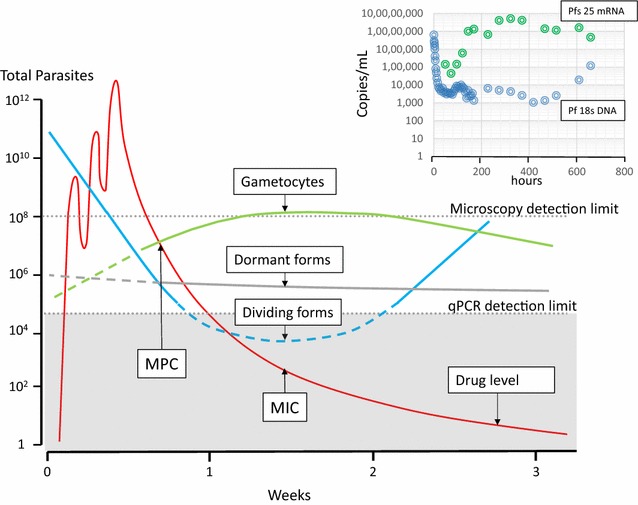
“As drug levels fall below the minimum parasiticidal concentration (MPC) the rate of parasitaemia declines until it reaches reaching a temporary plateau, at which time the corresponding drug level is a minimum inhibitory concentration (MIC) [23, 117, 124].”
BackgroundInfluentialSelf-citationParasitologic and Clinical Human Response to Immunoglobulin Administration in Falciparum Malaria
Sabchareon, A., Burnouf, T., Ouattara, D., Attanath, P., Bouharoun-Tayoun, H., Chantavanich, P., Foucault, C., Chongsuphajaisiddhi, T., & Druilhe, P. (1991) · The American Journal of Tropical Medicine and Hygiene · doi:10.4269/ajtmh.1991.45.297 · Cited by 499 · cited 1×
“One Thai patient who received 200 mg/kg over 4 h reduced parasitaemia 160-fold within 2 h associated with rapid splenic enlargement [94].”
BackgroundWorldWide Antimalarial Resistance Network (WWARN) Lumefantrine PK/PD Study Group (2015) · BMC Medicine · doi:10.1186/s12916-015-0456-7 · Cited by 464
Estimation of the Total Parasite Biomass in Acute Falciparum Malaria from Plasma PfHRP2
Dondorp, A. M., Desakorn, V., Pongtavornpinyo, W., Sahassananda, D., Silamut, K., Chotivanich, K., Newton, P. N., Pitisuttithum, P., Smithyman, A. M., White, N. J., et al. (2005) · PLoS Medicine · doi:10.1371/journal.pmed.0020204 · Cited by 448 · cited 1×
“This is probably because previous cycle schizogony causes a pulse release of pro-inflammatory cytokines which provokes treatment-seeking [22].”
BackgroundSelf-citationMok, S., Ashley, E. A., Ferreira, P. E., Zhu, L., Lin, Z., Yeo, T., Chotivanich, K., Imwong, M., Pukrittayakamee, S., Dhorda, M., et al. (2015) · Science · doi:10.1126/science.1260403 · Cited by 435 · cited 1×
“Dormancy is observed particularly following treatment with artemisinin derivatives [6, 105, 106] although it is unclear if the effect is a result of non-lethal cell damage or interference with cell cycling [107] (Fig.”
BackgroundSelf-citationA Quantitative Analysis of the Microvascular Sequestration of Malaria Parasites in the Human Brain
Silamut, K., Phu, N. H., Whitty, C., Turner, G. D. H., Louwrier, K., Mai, N. T. H., Simpson, J. A., Hien, T. T., & White, N. J. (1999) · The American Journal of Pathology · doi:10.1016/s0002-9440(10)65136-x · Cited by 396 · cited 2×
“They leave behind erythrocyte membranes adherent to the vascular endothelium, and sometimes trapped malaria pigment, in the once sequestered vessels which is observed in post-mortem brain smears and electron microscopy studies of patients who have died after days of anti-malarial treatment [1, 19, 54, 55].”
BackgroundSelf-citationThe pathogenesis of Plasmodium falciparum malaria in humans: insights from splenic physiology
Buffet, P. A., Safeukui, I., Deplaine, G., Brousse, V., Prendki, V., Thellier, M., Turner, G. D., & Mercereau-Puijalon, O. (2011) · Blood · doi:10.1182/blood-2010-04-202911 · Cited by 368
Artemisinin Action and Resistance in Plasmodium falciparum
Tilley, L., Straimer, J., Gnädig, N. F., Ralph, S. A., & Fidock, D. A. (2016) · Trends in Parasitology · doi:10.1016/j.pt.2016.05.010 · Cited by 359
Targeting the Cell Stress Response of Plasmodium falciparum to Overcome Artemisinin Resistance
Dogovski, C., Xie, S. C., Burgio, G., Bridgford, J., Mok, S., McCaw, J. M., Chotivanich, K., Kenny, S., Gnädig, N., Straimer, J., et al. (2015) · PLOS Biology · doi:10.1371/journal.pbio.1002132 · Cited by 327
Reduced Artemisinin Susceptibility of Plasmodium falciparum Ring Stages in Western Cambodia
Witkowski, B., Khim, N., Chim, P., Kim, S., Ke, S., Kloeung, N., Chy, S., Duong, S., Leang, R., Ringwald, P., et al. (2013) · Antimicrobial Agents and Chemotherapy · doi:10.1128/aac.01868-12 · Cited by 308 · cited 1×
“Dormancy is observed particularly following treatment with artemisinin derivatives [6, 105, 106] although it is unclear if the effect is a result of non-lethal cell damage or interference with cell cycling [107] (Fig.”
BackgroundPongponratn, E., Riganti, M., Punpoowong, B., & Aikawa, M. (1991) · The American Journal of Tropical Medicine and Hygiene · doi:10.4269/ajtmh.1991.44.168 · Cited by 307 · cited 1×
“Once adherent they do not detach until schizont rupture and so the parasites do not reappear in the circulation until the next asexual cycle [18, 19].”
BackgroundPlasmodium falciparum Maturation Abolishes Physiologic Red Cell Deformability
Cranston, H. A., Boylan, C. W., Carroll, G. L., Sutera, S. P., Williamson, J. R., Gluzman, I. Y., & Krogstad, D. J. (1984) · Science · doi:10.1126/science.6362007 · Cited by 301 · cited 1×
“falciparum parasites grow the infected cells becomes more spherical and their deformability is reduced, particularly at the schizont stage [76].”
BackgroundTerkuile, F., White, N. J., Holloway, P., Pasvol, G., & Krishna, S. (1993) · Experimental Parasitology · doi:10.1006/expr.1993.1010 · Cited by 290 · cited 2×
“Mechanisms of parasite clearance In general, anti-malarial drugs have their greatest activity against mature trophozoites, the most metabolically active stage of asexual parasite development which precedes DNA replication [46, 47].”
BackgroundSelf-citationAttributable fraction estimates and case definitions for malaria in endemic
Smith, T., Schellenberg, J. A., & Hayes, R. (1994) · Statistics in Medicine · doi:10.1002/sim.4780132206 · Cited by 289
Flegg, J. A., Guerin, P. J., White, N. J., & Stepniewska, K. (2011) · Malaria Journal · doi:10.1186/1475-2875-10-339 · Cited by 285 · cited 1×
“For drugs which act on ring stage parasites the parasite clearance rate (or derived half-life) is currently the best in vivo measure of drug effect [31, 32, 37, 38, 40, 108, 122].”
BackgroundSelf-citationArese, P., Turrini, F., & Schwarzer, E. (2005) · Cellular Physiology and Biochemistry · doi:10.1159/000089839 · Cited by 276 · cited 1×
“The antibody-C3 complex is then readily recognized by phagocyte CR1 complement receptors [93].”
BackgroundBousema, T., Okell, L., Shekalaghe, S., Griffin, J. T., Omar, S., Sawa, P., Sutherland, C., Sauerwein, R., Ghani, A. C., & Drakeley, C. (2010) · Malaria Journal · doi:10.1186/1475-2875-9-136 · Cited by 269
Teuscher, F., Gatton, M. L., Chen, N., Peters, J., Kyle, D. E., & Cheng, Q. (2010) · The Journal of Infectious Diseases · doi:10.1086/656476 · Cited by 255 · cited 1×
“Dormancy is observed particularly following treatment with artemisinin derivatives [6, 105, 106] although it is unclear if the effect is a result of non-lethal cell damage or interference with cell cycling [107] (Fig.”
BackgroundErythrocyte Aging: A More than Superficial Resemblance to Apoptosis?
Bosman, G., Willekens, F., & Werre, J. (2005) · Cellular Physiology and Biochemistry · doi:10.1159/000087725 · Cited by 253 · cited 1×
“Antibody Natural antibodies directed against modified band 3 (“senescent antigen”) bind to old erythrocytes resulting in their clearance from the circulation [92].”
BackgroundAN ULTRASTRUCTURAL STUDY OF THE BRAIN IN FATAL PLASMODIUM FALCIPARUM MALARIA
PONGPONRATN, E., TURNER, G. D. H., DAY, N. P. J., PHU, N. H., SIMPSON, J. A., STEPNIEWSKA, K., MAI, N. T. H., VIRIYAVEJAKUL, P., LOOAREESUWAN, S., HIEN, T. T., et al. (2003) · The American Journal of Tropical Medicine and Hygiene · doi:10.4269/ajtmh.2003.69.345 · Cited by 240
Self-citationSpiroindolone KAE609 for Falciparum and Vivax Malaria
White, N. J., Pukrittayakamee, S., Phyo, A. P., Rueangweerayut, R., Nosten, F., Jittamala, P., Jeeyapant, A., Jain, J. P., Lefèvre, G., Li, R., et al. (2014) · New England Journal of Medicine · doi:10.1056/nejmoa1315860 · Cited by 240 · cited 3×
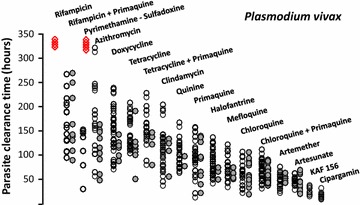
“The most rapid rates are seen following the start of treatment with the artemisinin derivatives and the spiroindolones [23, 28, 29].”
BackgroundSelf-citationCentral Role of the Spleen in Malaria Parasite Clearance
Chotivanich, K., Udomsangpetch, R., McGready, R., Proux, S., Newton, P., Pukrittayakamee, S., Looareesuwan, S., & White, N. J. (2002) · The Journal of Infectious Diseases · doi:10.1086/340213 · Cited by 239 · cited 2×
“By contrast, in malaria patients who have no spleen dead intraerythrocytic parasites can be seen in the circulation for more than a month following artesunate treatment! [34].”
BackgroundSelf-citationRed blood cell deformability as a predictor of anemia in severe falciparum malaria.
Dondorp, A. M., Angus, B. J., Chotivanich, K., Silamut, K., Ruangveerayuth, R., Hardeman, M. R., Kager, P. A., Vreeken, J., & White, N. J. (1999) · The American journal of tropical medicine and hygiene · doi:10.4269/ajtmh.1999.60.733 · Cited by 232
Self-citationQuinine pharmacokinetics and toxicity in cerebral and uncomplicated falciparum malaria
White, N. J., Looareesuwan, S., Warrell, D. A., Warrell, M. J., Bunnag, D., & Harinasuta, T. (1982) · The American Journal of Medicine · doi:10.1016/0002-9343(82)90337-0 · Cited by 227
Self-citationTargets of antibodies against Plasmodium falciparum–infected erythrocytes in malaria immunity
Chan, J.-A., Howell, K. B., Reiling, L., Ataide, R., Mackintosh, C. L., Fowkes, F. J. I., Petter, M., Chesson, J. M., Langer, C., Warimwe, G. M., et al. (2012) · Journal of Clinical Investigation · doi:10.1172/jci62182 · Cited by 217 · cited 1×
“Illness results from infections to which the individual has insufficient immunity to control parasite multiplication [99].”
BackgroundAltered temporal response of malaria parasites determines differential sensitivity to artemisinin
Klonis, N., Xie, S. C., McCaw, J. M., Crespo-Ortiz, M. P., Zaloumis, S. G., Simpson, J. A., & Tilley, L. (2013) · Proceedings of the National Academy of Sciences · doi:10.1073/pnas.1217452110 · Cited by 213 · cited 1×
“falciparum appear disproportionately sensitive to artemisinins [49].”
The assessment of antimalarial drug efficacy
White, N. J. (2002) · Trends in Parasitology · doi:10.1016/s1471-4922(02)02373-5 · Cited by 207 · cited 4×
“One hundred million parasites in the body of an adult human corresponds with a blood parasite density of about 50/μL [5, 7] and this density is usually associated with the onset of fever and illness in non-immune subjects (a “pyrogenic density”) [10, 11].”
BackgroundInfluentialSelf-citationDelves, M. J., Ruecker, A., Straschil, U., Lelièvre, J., Marques, S., López-Barragán, M. J., Herreros, E., & Sinden, R. E. (2013) · Antimicrobial Agents and Chemotherapy · doi:10.1128/aac.00325-13 · Cited by 200 · cited 1×
“The majority of gametocytes in the circulation are female, yet the most anti-malarials have greater effects on male gametocytes [113].”
BackgroundNormal Functions of the Spleen Relative to Red Blood Cells: A Review
CROSBY, W. H. (1959) · Blood · doi:10.1182/blood.v14.4.399.399 · Cited by 199 · cited 3×
“The spleen’s normal function is to remove senescent red cells and circulating foreign material such as bacteria or cellular debris (often termed “refuse collection” and “policing” activities, respectively) [52, 53].”
BackgroundWhite, N. (2011) · Malaria Journal · doi:10.1186/1475-2875-10-278 · Cited by 199 · cited 4×
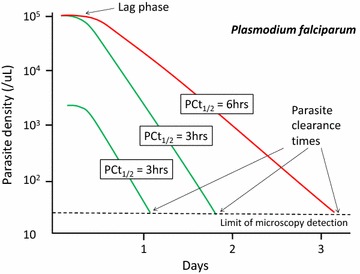
“Measuring parasite clearance A parasite clearance curve can be constructed from a series of frequent sequential parasite counts, comprising thin film counts at higher densities and thick film counts at lower densities (>50/μL) [31, 32, 38, 42].”
BackgroundInfluentialSelf-citationIntraleucocytic malaria pigment and prognosis in severe malaria
Phu, N. H., Day, N., Diep, P. T., Ferguson, D. J. P., & White, N. J. (1995) · Transactions of the Royal Society of Tropical Medicine and Hygiene · doi:10.1016/0035-9203(95)90496-4 · Cited by 199 · cited 1×
“At high parasite densities intraleukocytic pigment is observed commonly in blood films, and in severe malaria increased numbers of pigment containing neutrophils (>5%) have prognostic significance [57].”
BackgroundSelf-citationDynamic Alteration in Splenic Function during Acute falciparum Malaria
Looareesuwan, S., Ho, M., Wattanagoon, Y., White, N. J., Warrell, D. A., Bunnag, D., Harinasuta, T., & Wyler, D. J. (1987) · New England Journal of Medicine · doi:10.1056/nejm198709103171105 · Cited by 196 · cited 1×
“The mean halflife (t1⁄2) for clearance of 51Cr-labelled heated red cells in adult Thai patients with acute malaria was 100 min, but this shortened to 20 min by 7–10 days after treatment [63].”
BackgroundSelf-citationParasite Multiplication Potential and the Severity of Falciparum Malaria
Chotivanich, K., Udomsangpetch, R., Simpson, J. A., Newton, P., Pukrittayakamee, S., Looareesuwan, S., & White, N. J. (2000) · The Journal of Infectious Diseases · doi:10.1086/315353 · Cited by 191 · cited 1×
“Severe malaria is a consequence of a failure of the infecting parasites to stop multiplying [13].”
BackgroundSelf-citationThe Deformability of Red Blood Cells Parasitized by Plasmodium falciparum and P. vivax
Suwanarusk, R., Cooke, B. M., Dondorp, A. M., Silamut, K., Sattabongkot, J., White, N. J., & Udomsangpetch, R. (2004) · The Journal of Infectious Diseases · doi:10.1086/380468 · Cited by 187 · cited 1×
“Plasmodium vivax does the opposite—as it grows the infected red cell enlarges and becomes more deformable [77].”
BackgroundSelf-citationPrimaquine to prevent transmission of falciparum malaria
White, N. J. (2012) · The Lancet Infectious Diseases · doi:10.1016/s1473-3099(12)70198-6 · Cited by 183
Self-citationWWARN Gametocyte Study Group (2016) · BMC Medicine · doi:10.1186/s12916-016-0621-7 · Cited by 179 · cited 1×
“Gametocyte clearance rates derived from microscopy over a few days following drug treatment may have underestimated the true clearance times of drugunaffected gametocytes [110, 111].”
BackgroundTherapeutic Responses to Different Antimalarial Drugs in Vivax Malaria
Pukrittayakamee, S., Chantra, A., Simpson, J. A., Vanijanonta, S., Clemens, R., Looareesuwan, S., & White, N. J. (2000) · Antimicrobial Agents and Chemotherapy · doi:10.1128/aac.44.6.1680-1685.2000 · Cited by 174 · cited 1×
“The most rapid rates are seen following the start of treatment with the artemisinin derivatives and the spiroindolones [23, 28, 29].”
BackgroundSelf-citationSidelights on malaria in man obtained by subinoculation experiments
Fairley, B. N. H. (1947) · Transactions of the Royal Society of Tropical Medicine and Hygiene · doi:10.1016/0035-9203(47)90025-4 · Cited by 167 · cited 6×
“One hundred million parasites in the body of an adult human corresponds with a blood parasite density of about 50/μL [5, 7] and this density is usually associated with the onset of fever and illness in non-immune subjects (a “pyrogenic density”) [10, 11].”
BackgroundInfluentialThe duration of Plasmodium falciparum infections
Ashley, E. A., & White, N. J. (2014) · Malaria Journal · doi:10.1186/1475-2875-13-500 · Cited by 167 · cited 1×
“Untreated malaria parasitaemia can persist at low densities for months or years [98].”
BackgroundSelf-citationIntrahost modeling of artemisinin resistance in Plasmodium falciparum
Saralamba, S., Pan-Ngum, W., Maude, R. J., Lee, S. J., Tarning, J., Lindegårdh, N., Chotivanich, K., Nosten, F., Day, N. P. J., Socheat, D., et al. (2011) · Proceedings of the National Academy of Sciences · doi:10.1073/pnas.1006113108 · Cited by 156 · cited 2×
“For drugs which act on ring stage parasites the parasite clearance rate (or derived half-life) is currently the best in vivo measure of drug effect [31, 32, 37, 38, 40, 108, 122].”
BackgroundSelf-citationIn Vivo Parasitological Measures of Artemisinin Susceptibility
Stepniewska, K., Ashley, E., Lee, S. J., Anstey, N., Barnes, K. I., Binh, T. Q., D’Alessandro, U., Day, N. P. J., de Vries, P. J., Dorsey, G., et al. (2010) · The Journal of Infectious Diseases · doi:10.1086/650301 · Cited by 155 · cited 2×
“The magnitude of the effect of immunity on parasite clearance can be assessed by comparing parasite clearance rates in drug sensitive infections with similar drug exposure between high transmission and low transmission areas [32, 100], by assessing the effect of age on parasite clearance within an area of moderate or…”
BackgroundSelf-citationThe Pathology of Acute Falciparum Malaria
Spitz, S. (1946) · Military Medicine · doi:10.1093/milmed/99.5.555 · Cited by 152
Jauréguiberry, S., Ndour, P. A., Roussel, C., Ader, F., Safeukui, I., Nguyen, M., Biligui, S., Ciceron, L., Mouri, O., Kendjo, E., et al. (2014) · Blood · doi:10.1182/blood-2014-02-555953 · Cited by 151 · cited 3×
“Studies in returned French travellers with severe malaria showed that a threshold of 180 million/μL RESA + RBCs identified those patients who would develop delayed haemolysis with 89% sensitivity and 83% specificity [87].”
Backgroundvar genes, PfEMP1 and the human host
Flick, K., & Chen, Q. (2003) · Molecular and Biochemical Parasitology · doi:10.1016/j.molbiopara.2003.09.010 · Cited by 146 · cited 1×
“In falciparum malaria, the predominant surface expressed protein, PfEMP1, is the mediator of cytoadherence [95, 96], so increased antigenicity coincides with sequestration and escape from splenic filtration [1].”
BackgroundEx vivo perfusion of human spleens maintains clearing and processing functions
Buffet, P. A., Milon, G., Brousse, V., Correas, J.-M., Dousset, B., Couvelard, A., Kianmanesh, R., Farges, O., Sauvanet, A., Paye, F., et al. (2006) · Blood · doi:10.1182/blood-2005-10-4094 · Cited by 145 · cited 1×
“an overall clearance time of approximately 120 min [84, 85].”
BackgroundSimpson, J. A., Aarons, L. J., Collins, W. E., Jeffery, G. M., & White, N. J. (2002) · Parasitology · doi:10.1017/s0031182001001202 · Cited by 136
Self-citationAngus, B., Chotivanich, K., Udomsangpetch, R., & White, N. J. (1997) · Blood · doi:10.1182/blood.v90.5.2037 · Cited by 127
Self-citationPharmacokinetic and Pharmacodynamic Considerations in Antimalarial Dose Optimization
White, N. J. (2013) · Antimicrobial Agents and Chemotherapy · doi:10.1128/aac.00287-13 · Cited by 125 · cited 9×
“As drug levels fall below the minimum parasiticidal concentration (MPC) the rate of parasitaemia declines until it reaches reaching a temporary plateau, at which time the corresponding drug level is a minimum inhibitory concentration (MIC) [23, 117, 124].”
BackgroundMethodInfluentialSelf-citationThe Mechanisms of Parasite Clearance after Antimalarial Treatment ofPlasmodium falciparumMalaria
Chotivanich, K., Udomsangpetch, R., Dondorp, A. M., Williams, T., Angus, B., Simpson, J. A., Pukrittayakamee, S., Looareesuwan, S., Newbold, C., & White, N. J. (2000) · The Journal of Infectious Diseases · doi:10.1086/315718 · Cited by 122
Self-citationMefloquine Pharmacokinetic-Pharmacodynamic Models: Implications for Dosing and Resistance
Simpson, J. A., Watkins, E., Price, R. N., Aarons, L. J., Kyle, D. E., & White, N. J. (2000) · Antimicrobial Agents and Chemotherapy · doi:10.1128/aac.44.12.3414-3424.2000 · Cited by 118
Self-citationRetention of erythrocytes in the spleen: a double-edged process in human malaria
Buffet, P. A., Safeukui, I., Milon, G., Mercereau-Puijalon, O., & David, P. H. (2009) · Current Opinion in Hematology · doi:10.1097/moh.0b013e32832a1d4b · Cited by 116 · cited 1×
“an overall clearance time of approximately 120 min [84, 85].”
BackgroundRandomized Comparison of Artesunate and Quinine in the Treatment of Severe Falciparum Malaria
Newton, P. N., Angus, B. J., Chierakul, W., Dondorp, A., Ruangveerayuth, R., Silamut, K., Teerapong, P., Suputtamongkol, Y., Looareesuwan, S., & White, N. J. (2003) · Clinical Infectious Diseases · doi:10.1086/375059 · Cited by 115
Self-citationWhite, N. J., Chapman, D., & Watt, G. (1992) · Transactions of the Royal Society of Tropical Medicine and Hygiene · doi:10.1016/0035-9203(92)90141-x · Cited by 112 · cited 2×
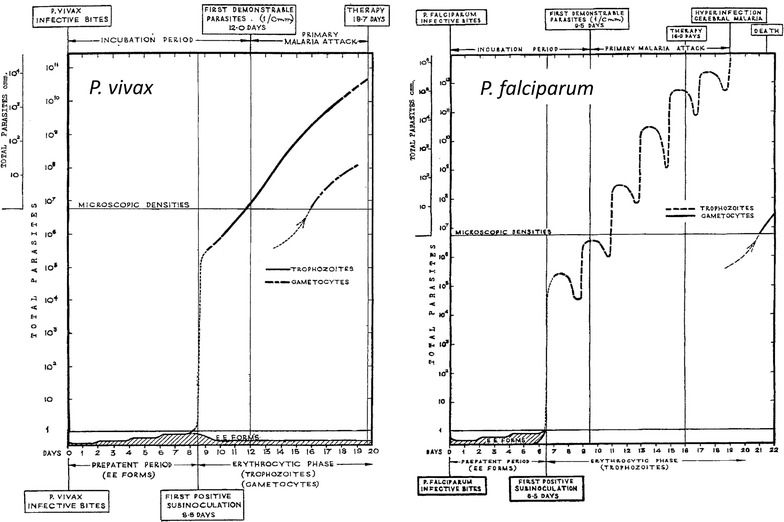
“and sequestration Most natural malaria infections are relatively synchronous so the temporal pattern of parasite density rise in untreated malaria is generally log linear with superimposed oscillations resulting from synchronous schizogony [5, 17] (Fig.”
BackgroundSelf-citationCrosby, W. H., & BENJAMIN, N. R. (1957) · Blood · doi:10.1182/blood.v12.2.165.165 · Cited by 111 · cited 1×
“showed that siderocytes could be pitted of their iron granules with a half-life of 80 min in healthy subjects suggesting that pitting rates were close to removal rates for abnormal erythrocytes [80].”
BackgroundPitting Function of the Spleen in Malaria: Ultrastructural Observations
Schnitzer, B., Sodeman, T. C., Mead, M. L., & Contacos, P. G. (1972) · Science · doi:10.1126/science.177.4044.175 · Cited by 110
Ataíde, R., Ashley, E. A., Powell, R., Chan, J.-A., Malloy, M. J., O’Flaherty, K., Takashima, E., Langer, C., Tsuboi, T., Dondorp, A. M., et al. (2017) · Proceedings of the National Academy of Sciences · doi:10.1073/pnas.1615875114 · Cited by 109
Self-citationArtemisinin resistance in Plasmodium falciparum: A process linked to dormancy?
Cheng, Q., Kyle, D. E., & Gatton, M. L. (2012) · International Journal for Parasitology Drugs and Drug Resistance · doi:10.1016/j.ijpddr.2012.01.001 · Cited by 108 · cited 2×
“Dormancy is observed particularly following treatment with artemisinin derivatives [6, 105, 106] although it is unclear if the effect is a result of non-lethal cell damage or interference with cell cycling [107] (Fig.”
BackgroundMathematical modelling of the within-host dynamics of Plasmodium falciparum
Hoshen, M. B., Heinrich, R., Stein, W. D., & Ginsburg, H. (2000) · Parasitology · doi:10.1017/s0031182099006368 · Cited by 107
Clearance kinetics of parasites and pigment-containing leukocytes in severe malaria
Day, N., Pham, T., Phan, T., Dinh, X., Pham, P., Ly, V., Tran, T., Nguyen, T., Bethell, D., Nguyan, H., et al. (1996) · Blood · doi:10.1182/blood.v88.12.4694.bloodjournal88124694 · Cited by 101 · cited 2×
“Clearance of this material is performed by circulating phagocytes (monocytes and polymorphonuclear leukocytes) [56].”
BackgroundSelf-citationAntimalarial Drugs Reduce Cytoadherence and Rosetting of Plasmodium falciparum
Udomsangpetch, R., Pipitaporn, B., Krishna, S., Angus, B., Pukrittayakamee, S., Bates, I., Suputtamongkol, Y., Kyle, D. E., & White, N. J. (1996) · Journal of Infectious Diseases · doi:10.1093/infdis/173.3.691 · Cited by 91 · cited 1×
“This prevents cytoadherence [35] and the pathological consequences of sequestration, and it largely explains why artesunate reduces mortality substantially in severe falciparum malaria compared with quinine [36].”
BackgroundSelf-citationQuantitative Assessment of Multiorgan Sequestration of Parasites in Fatal Pediatric Cerebral Malaria
Milner, D. A., Lee, J. J., Frantzreb, C., Whitten, R. O., Kamiza, S., Carr, R. A., Pradham, A., Factor, R. E., Playforth, K., Liomba, G., et al. (2015) · Journal of Infectious Diseases · doi:10.1093/infdis/jiv205 · Cited by 89
Artemisinin derivatives for treating uncomplicated malaria
McIntosh, H., & Olliaro, P. (1999) · Cochrane Database of Systematic Reviews · doi:10.1002/14651858.cd000256 · Cited by 89 · cited 1×
“Clinical studies indicate that is untrue, presumably because single exposures provide near maximum effects, and the more mature sequestered stages remain susceptible in artemisinin resistance [102, 103, 120, 121].”
BackgroundRieckmann, K. H., McNamara, J. V., Frischer, H., Stockert, T. A., Carson, P. E., & Powell, R. D. (1968) · Europe PMC (PubMed Central) · Cited by 85
Splenic Destruction of Rh‐Sensitized, and of Heated Red Cells
Crome, P., & Mollison, P. L. (1964) · British Journal of Haematology · doi:10.1111/j.1365-2141.1964.tb00689.x · Cited by 84 · cited 1×
“Erythrocytes can be made into rigid spherocytes by heating to 51 °C, labelled with a suitable marker, and then used to assess splenic clearance function [75].”
MethodManach, C. L., Scheurer, C., Sax, S., Sarah, S., Cabrera, D. G., Younis, Y., Paquet, T., Street, L. J., Smith, P., Ding, X. C., et al. (2013) · Malaria Journal · doi:10.1186/1475-2875-12-424 · Cited by 84 · cited 2×
“Mechanisms of parasite clearance In general, anti-malarial drugs have their greatest activity against mature trophozoites, the most metabolically active stage of asexual parasite development which precedes DNA replication [46, 47].”
BackgroundMalaria in Splenectomized Patients: Report of Four Cases and Review
Looareesuwan, S., Suntharasamai, P., Webster, H. K., & Ho, M. (1993) · Clinical Infectious Diseases · doi:10.1093/clind/16.3.361 · Cited by 83
Assessment of therapeutic responses to gametocytocidal drugs in Plasmodium falciparum malaria
White, N. J., Ashley, E. A., Recht, J., Delves, M. J., Ruecker, A., Smithuis, F., Eziefula, C., Bousema, T., DRAKELEY, C. J., Chotivanich, K., et al. (2014) · Malaria Journal · doi:10.1186/1475-2875-13-483 · Cited by 83 · cited 2×
“falciparum infections within hours but the gametocytes take days to clear [16].”
BackgroundSelf-citationMuhindo, M. K., Kakuru, A., Jagannathan, P., Talisuna, A. O., Osilo, E., Orukan, F., Arinaitwe, E., Tappero, J. W., Kaharuza, F. M., Kamya, M. R., et al. (2014) · Malaria Journal · doi:10.1186/1475-2875-13-32 · Cited by 82 · cited 1×
“Splenectomy and splenic dysfunction increase the risk of severe malaria [50, 51, 71], and splenic hypofunction probably contributes to delayed parasite clearance in immunocompromized HIV infected patients receiving anti-malarial treatment [71, 73, 74].”
BackgroundExperimentally induced blood stage malaria infection as a tool for clinical research
Engwerda, C. R., Minigo, G., Amante, F. H., & McCarthy, J. S. (2012) · Trends in Parasitology · doi:10.1016/j.pt.2012.09.001 · Cited by 80 · cited 1×
“Two experimental approaches provide good characterization of initial anti-malarial responses; the human challenge model (in which “immunity” plays little or no role) [43, 44] and the laboratory model of immunodeficient mice transfused with human blood and infected with P.”
BackgroundWWARN Artemisinin based Combination Therapy (ACT) Africa Baseline Study Group (2015) · BMC Medicine · doi:10.1186/s12916-015-0445-x · Cited by 78
How Robust Are Malaria Parasite Clearance Rates as Indicators of Drug Effectiveness and Resistance?
Hastings, I. M., Kay, K., & Hodel, E. M. (2015) · Antimicrobial Agents and Chemotherapy · doi:10.1128/aac.00481-15 · Cited by 76 · cited 3×
“It has been suggested the principal determinant of parasite clearance following treatment with artemisinin derivatives is “immunity”, measured as splenic clearance function, and not anti-malarial parasiticidal activity [89, 90].”
BackgroundNewton, P. N., Chotivanich, K., Chierakul, W., Ruangveerayuth, R., Teerapong, P., Silamut, K., Looareesuwan, S., & White, N. J. (2001) · Blood · doi:10.1182/blood.v98.2.450 · Cited by 75 · cited 1×
“RESA + RBCs have shortened survival in the circulation [86, 87].”
BackgroundSelf-citationJauréguiberry, S., Théllier, M., Ndour, P. A., Ader, F., Roussel, C., Sonneville, R., Mayaux, J., Matheron, S., Angoulvant, A., Wyplosz, B., et al. (2015) · Emerging infectious diseases · doi:10.3201/eid2105.141171 · Cited by 72 · cited 1×
“This accelerated destruction of pitted red cells is an important contributor to post-artesunate haemolysis observed in some hyperparasitaemic non-immune patients following artesunate treatment [87, 88].”
BackgroundKinetics of the formed elements of human blood
Finch, C., Harker, L., & Cook, J. (1977) · Blood · doi:10.1182/blood.v50.4.699.699 · Cited by 72
Plasmodium vivax trophozoites insensitive to chloroquine
Sharrock, W. W., Suwanarusk, R., Lek‐Uthai, U., Edstein, M. D., Kosaisavee, V., Travers, T., Jaidee, A., Sriprawat, K., Price, R. N., Nosten, F. H., et al. (2008) · Malaria Journal · doi:10.1186/1475-2875-7-94 · Cited by 70
Ndour, P. A., Lopera-Mesa, T. M., Diakité, S. A. S., Chiang, S., Mouri, O., Roussel, C., Jauréguiberry, S., Biligui, S., Kendjo, É., Claessens, A., et al. (2014) · The Journal of Infectious Diseases · doi:10.1093/infdis/jiu427 · Cited by 68 · cited 1×
“In Mali, an area of high malaria transmission, infected erythrocyte opsonization was found to correlate with pitting following artesunate treatment [97].”
BackgroundDas, D., Tripura, R., Phyo, A. P., Lwin, K. M., Tärning, J., Lee, S. J., Hanpithakpong, W., Stepniewska, K., Ménard, D., Ringwald, P., et al. (2012) · Clinical Infectious Diseases · doi:10.1093/cid/cis958 · Cited by 65
Self-citationPlasmodium vivax Controlled Human Malaria Infection – Progress and Prospects
Payne, R., Griffin, P., McCarthy, J. S., & Draper, S. J. (2016) · Trends in Parasitology · doi:10.1016/j.pt.2016.11.001 · Cited by 64
Splenic Fc Receptor Function in Host Defense and Anemia in Acute Plasmodium falciparum Malaria
Ho, M., White, N. J., Looareesuwan, S., Wattanagoon, Y., Lee, S. H., Walport, M. J., Bunnag, D., & Harinasuta, T. (1990) · The Journal of Infectious Diseases · doi:10.1093/infdis/161.3.555 · Cited by 63 · cited 2×
“However it is clear that the threshold for splenic recognition of erythrocyte bound antibody is lowered markedly in malaria, although there is substantial inter-individual variability [64, 65].”
BackgroundSelf-citationDietz, K., Raddatz, G., & Molineaux, L. (2006) · American Journal of Tropical Medicine and Hygiene · doi:10.4269/ajtmh.2006.75.46 · Cited by 60
Kinetics of the formed elements of human blood
Ca, F., Harker, L., & Cook, J. D. (1977) · Blood · doi:10.1182/blood.v50.4.699.bloodjournal504699 · Cited by 58 · cited 1×
“Abnormal cells which fail inspection and other particulate material are retained [52, 53, 58].”
BackgroundBirku, Y., Mekonnen, E., Björkman, A., & Wolday, D. (2002) · PubMed · Cited by 58
WWARN Parasite Clearance Study Group (2015) · Malaria Journal · doi:10.1186/s12936-015-0874-1 · Cited by 57
Kremsner, P. G., Adégnika, A. A., Hounkpatin, A. B., Zinsou, J. F., Taylor, T. E., Chimalizeni, Y. F., Liomba, A., Kombila, M., Bouyou-Akotet, M. K., Mboumba, D. P. M., et al. (2016) · PLoS Medicine · doi:10.1371/journal.pmed.1001938 · Cited by 57 · cited 1×
“Clinical studies indicate that is untrue, presumably because single exposures provide near maximum effects, and the more mature sequestered stages remain susceptible in artemisinin resistance [102, 103, 120, 121].”
BackgroundA quantitative ultrastructural study of the liver and the spleen in fatal falciparum malaria.
Prommano, O., Chaisri, U., Turner, G. D. H., Wilairatana, P., Ferguson, D. J. P., Viriyavejakul, P., White, N. J., & Pongponratn, E. (2005) · PubMed · Cited by 56
Self-citationThe role of the spleen in protozoal infections with special reference to splenectomy
Garnhám, P. C. C. (1970) · PubMed · doi:10.5169/seals-311631 · Cited by 56
White, N. J., Waller, D., Kwiatkowski, D. P., Krishna, S., Craddock, C., & Brewster, D. (1989) · The Lancet · doi:10.1016/s0140-6736(89)91918-1 · Cited by 52 · cited 2×
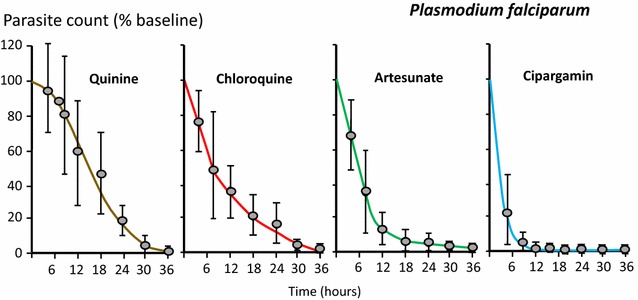
“malaria for choroquine (in fully chloroquine sensitive malaria), quinine and artesunate, and in uncomplicated malaria for cipargamin [28, 33, 42, 56]”
BackgroundSelf-citationEvaluating the Pharmacodynamic Effect of Antimalarial Drugs in Clinical Trials by Quantitative PCR
Marquart, L., Baker, M., O'Rourke, P. K., & McCarthy, J. S. (2015) · Antimicrobial Agents and Chemotherapy · doi:10.1128/aac.04942-14 · Cited by 48 · cited 1×
“Two experimental approaches provide good characterization of initial anti-malarial responses; the human challenge model (in which “immunity” plays little or no role) [43, 44] and the laboratory model of immunodeficient mice transfused with human blood and infected with P.”
BackgroundA Basis for Rapid Clearance of Circulating Ring-Stage Malaria Parasites by the Spiroindolone KAE609
Zhang, R., Suwanarusk, R., Malleret, B., Cooke, B. M., Nosten, F., Lau, Y.-L., Dao, M., Lim, C. T., Renia, L., Tan, K. S. W., et al. (2016) · Journal of Infectious Diseases · doi:10.1093/infdis/jiv358 · Cited by 47 · cited 1×
“Removal of the whole parasitized erythrocyte by splenic filtration is the likely clearance mechanism [79].”
BackgroundSemi‐mechanistic pharmacokinetic/pharmacodynamic modelling of the antimalarial effect of artemisinin
Gordi, T., Xie, R., & Jusko, W. J. (2005) · British Journal of Clinical Pharmacology · doi:10.1111/j.1365-2125.2005.02508.x · Cited by 46 · cited 1×
“This proposal was based on an earlier PK-PD modelling study of parasite clearance following artemisinin treatment [91].”
MethodFowler, R., Sinden, R. E., & Pudney, M. (1995) · Journal of Parasitology · doi:10.2307/3283831 · Cited by 46
Differential PfEMP1 Expression Is Associated with Cerebral Malaria Pathology
Tembo, D. L., Nyoni, B. N., Murikoli, R. V., Mukaka, M., Milner, D. A., Berriman, M., Rogerson, S. J., Taylor, T. E., Molyneux, M. E., Mandala, W. L., et al. (2014) · PLoS Pathogens · doi:10.1371/journal.ppat.1004537 · Cited by 44 · cited 1×
“In falciparum malaria, the predominant surface expressed protein, PfEMP1, is the mediator of cytoadherence [95, 96], so increased antigenicity coincides with sequestration and escape from splenic filtration [1].”
BackgroundLee, S. H., Looareesuwan, S., Wattanagoon, Y., Ho, M., Wuthiekanun, V., Vilaiwanna, N., Weatherall, D. J., & White, N. J. (1989) · British Journal of Haematology · doi:10.1111/j.1365-2141.1989.tb07760.x · Cited by 42 · cited 2×
“However it is clear that the threshold for splenic recognition of erythrocyte bound antibody is lowered markedly in malaria, although there is substantial inter-individual variability [64, 65].”
BackgroundSelf-citationTherapeutic responses to antibacterial drugs in vivax malaria
Pukrittayakamee, S., Clemens, R. L., Chantra, A., Nontprasert, A., Luknam, T., Looareesuwan, S., & White, N. J. (2001) · Transactions of the Royal Society of Tropical Medicine and Hygiene · doi:10.1016/s0035-9203(01)90027-6 · Cited by 41
Self-citationTHE DIAGNOSTIC VALUE OF THE PLACENTAL BLOOD FILM IN ÆSTIVO-AUTUMNAL MALARIA
Clark, H. C. (1915) · Journal of Experimental Medicine · doi:10.1084/jem.22.4.427 · Cited by 40 · cited 1×
“In falciparum malaria, large numbers of parasitized erythrocytes accumulate in the placenta and splenic pooling of parasitized erythrocytes may be significant in patients with splenomegaly [2, 20].”
BackgroundEstimation of the In Vivo MIC of Cipargamin in Uncomplicated Plasmodium falciparum Malaria
Hien, T. T., White, N. J., Nguyen, T.-N., Hoa, N. T., Thuan, P. D., Tärning, J., Nosten, F. H., Magnusson, B., Jain, J. P., & Hamed, K. A. (2016) · Antimicrobial Agents and Chemotherapy · doi:10.1128/aac.01940-16 · Cited by 39 · cited 10×
“As drug levels fall below the minimum parasiticidal concentration (MPC) the rate of parasitaemia declines until it reaches reaching a temporary plateau, at which time the corresponding drug level is a minimum inhibitory concentration (MIC) [23, 117, 124].”
BackgroundMethodInfluentialSelf-citationAn Ultrastructural Study of the Red Pulp of the Spleen in Malaria
Schnitzer, B., Sodeman, T. M., Mead, M. L., & Contacos, P. G. (1973) · Blood · doi:10.1182/blood.v41.2.207.207 · Cited by 38 · cited 1×
“Similar findings are reported in primate malaria [72].”
ResultStudies on Malignant Malaria in Macedonia
Gaskell, J. F., & Millar, W. L. (1920) · QJM · doi:10.1093/qjmed/os-13.52.381 · Cited by 37
Wyler, D. J., Miller, L. H., & Schmidt, L. H. (1977) · The Journal of Infectious Diseases · doi:10.1093/infdis/135.1.86 · Cited by 34
Burkhardt, D., Wiesner, J., Stoesser, N. E., Ramharter, M., Uhlemann, A., Issifou, S., Jomaa, H., Krishna, S., Kremsner, P. G., & Borrmann, S. (2006) · International Journal for Parasitology · doi:10.1016/j.ijpara.2006.12.010 · Cited by 33 · cited 1×
“tetracyclines) [26, 27], where the predominant effect is seen the second and subsequent drug-exposed cycles.”
BackgroundTHOMSON, D. L. (1911) · Annals of Tropical Medicine and Parasitology · doi:10.1080/00034983.1911.11686341 · Cited by 33 · cited 2×
“falciparum infections, the developing sexual stages sequester for about 7–10 days in venules and capillaries and particularly in the bone marrow before reentering the circulation as immature stage 5 gametocytes [15].”
BackgroundEvaluation of Sporontocidal Compounds using Plasmodium falciparum Gametocytes Produced In Vitro *
Teklehaimanot, A., Collins, W. E., Barber, A. M., Campbell, C. C., & Nguyen-Dinh, P. (1985) · American Journal of Tropical Medicine and Hygiene · doi:10.4269/ajtmh.1985.34.429 · Cited by 33
Altering Antimalarial Drug Regimens May Dramatically Enhance and Restore Drug Effectiveness
Kay, K., Hodel, E. M., & Hastings, I. M. (2015) · Antimicrobial Agents and Chemotherapy · doi:10.1128/aac.00482-15 · Cited by 32 · cited 3×
“It has been suggested the principal determinant of parasite clearance following treatment with artemisinin derivatives is “immunity”, measured as splenic clearance function, and not anti-malarial parasiticidal activity [89, 90].”
BackgroundNathan, D. G. (1969) · New England Journal of Medicine · doi:10.1056/nejm196909042811013 · Cited by 29 · cited 2×
“The spleen’s normal function is to remove senescent red cells and circulating foreign material such as bacteria or cellular debris (often termed “refuse collection” and “policing” activities, respectively) [52, 53].”
BackgroundMurine malaria: blood clearance and organ sequestration of Plasmodium yoelii-infected erythrocytes
Smith, L., Hunter, K. W., Oldfield, E. C., & Strickland, G. T. (1982) · Infection and Immunity · doi:10.1128/iai.38.1.162-167.1982 · Cited by 28
Fever in uncomplicated Plasmodium falciparum infection: effects of quinine and paracetamol
Krishna, S., Supanaranond, W., Pukrittayakamee, S., ter Kuile, F. O., Supputamangkol, Y., Attatamsoonthorn, K., Ruprah, M., & White, N. J. (1995) · Transactions of the Royal Society of Tropical Medicine and Hygiene · doi:10.1016/0035-9203(95)90494-8 · Cited by 26
Self-citationAnimal models of efficacy to accelerate drug discovery in malaria
Jiménez-Díaz, M. B., Viera, S., Fernández‐Álvaro, E., & Angulo‐Barturen, Í. (2013) · Parasitology · doi:10.1017/s0031182013000991 · Cited by 26
Gachot, B., Houzé, S., Bras, J. L., Charmot, G., Bédos, J., & Vachon, F. (1996) · Transactions of the Royal Society of Tropical Medicine and Hygiene · doi:10.1016/s0035-9203(96)90517-9 · Cited by 25
Wyler, D. J. (1983) · Novartis Foundation symposium · doi:10.1002/9780470715444.ch7 · Cited by 24
Kotlyar, S., Nteziyaremye, J. G., Olupot‐Olupot, P., Akech, S., Moore, C., & Maitland, K. (2014) · Transactions of the Royal Society of Tropical Medicine and Hygiene · doi:10.1093/trstmh/tru040 · Cited by 22
Evidence for spleen dysfunction in malaria-HIV co-infection in a subset of pediatric patients
Cordy, R. J., Frantzreb, C., Pradham, A., Seydel, K. B., Kamiza, S., Wirth, D. F., Duraisingh, M. T., Molyneux, M. E., Taylor, T. E., Marti, M., et al. (2016) · Modern Pathology · doi:10.1038/modpathol.2016.27 · Cited by 13 · cited 1×
“Splenectomy and splenic dysfunction increase the risk of severe malaria [50, 51, 71], and splenic hypofunction probably contributes to delayed parasite clearance in immunocompromized HIV infected patients receiving anti-malarial treatment [71, 73, 74].”
BackgroundGenetic Evaluation of the Performance of Malaria Parasite Clearance Rate Metrics
Nkhoma, S. C., Stepniewska, K., Nair, S., Phyo, A. P., McGready, R. M., Nosten, F. H., & Anderson, T. (2013) · The Journal of Infectious Diseases · doi:10.1093/infdis/jit165 · Cited by 11 · cited 2×
“For drugs which act on ring stage parasites the parasite clearance rate (or derived half-life) is currently the best in vivo measure of drug effect [31, 32, 37, 38, 40, 108, 122].”
BackgroundThe treatment of malaria with tetracycline.
En, G., SANCHEZ, A. R., & Fr, S. (1956) · PubMed · Cited by 7
Gq, L. (1983) · PubMed · Cited by 6
Research works printed but not linked: 5
- 1. World Health Organization. Severe malaria. Trop Med Int Health. 2014;19(Supplement 1):1-131.
- 2. Marchiafava E, Bignami A. On summer-autumnal fever. London: New Sydenham Society; 1894.
- 3. WHO. Guidelines for the treatment of malaria. 3rd ed. Geneva: World Health Organization; 2015.
- 10. Kitchen SF. Symptomatology: general considerations and falciparum malaria. In: Boyd MF, editor. Malariology, vol. 2. Philadelphia: WB Saun- ders; 1949. p. 996-1017.
- 11. Kitchen SF. Vivax malaria. In: Boyd MF, editor. Malariology, vol. 2. Philadephia: WB Saunders; 1949. p. 1027-45.
Cited by
Evidence of Artemisinin-Resistant Malaria in Africa
Balikagala, B., Fukuda, N., Ikeda, M., Katuro, O. T., Tachibana, S.-I., Yamauchi, M., Opio, W., Emoto, S., Anywar, D. A., Kimura, E., et al. (2021) · New England Journal of Medicine · doi:10.1056/nejmoa2101746 · Cited by 866
Ashley, E. A., Pyae Phyo, A., & Woodrow, C. J. (2018) · The Lancet · doi:10.1016/s0140-6736(18)30324-6 · Cited by 553
Tissue-specific immunopathology during malaria infection
Coban, C., Lee, M. S. J., & Ishii, K. J. (2018) · Nature reviews. Immunology · doi:10.1038/nri.2017.138 · Cited by 113
Kho, S., Qotrunnada, L., Leonardo, L., Andries, B., Wardani, P. A. I., Fricot, A., Henry, B., Hardy, D., Margyaningsih, N. I., Apriyanti, D., et al. (2021) · PLOS Medicine · doi:10.1371/journal.pmed.1003632 · Cited by 95
“Even assuming a multiplication rate of 10 in peripheral blood (which is >50% efficiency for Pv in 1 cycle) [66], 99% splenic retention of IEs, and zero destruction by splenic macrophages or other intrasplenic processes, the resulting intrasplenic Pv parasitaemia of 0.”
BackgroundTissue tropism in parasitic diseases
Silva Pereira, S., Trindade, S., De Niz, M., & Figueiredo, L. M. (2019) · Open Biology · doi:10.1098/rsob.190036 · Cited by 85
Metadata
- Authors
- White, N. J.
- Affiliations
- Mahidol University (TH)
- Corresponding author
- White, Nicholas J.
- ORCID
- White, Nicholas J.
- Venue
- Malaria Journal
- Published
- 2017-02-23
- Volume
- 16
- Issue
- 1
- Pages
- 88-88
- ISSN
- 1475-2875 (ISSN-L)
- PMC
- PMC5324257
- OpenAlex
- W2589856587
- Cited by
- 230
- References
- 120
- Citations by year
- 2026: 16 · 2025: 26 · 2024: 27 · 2023: 26 · 2022: 26 · 2021: 21 · 2020: 39 · 2019: 22 · 2018: 20 · 2017: 6
- FWCI
- 3.86
- Type
- journal article
- Language
- en
- Update notices
- correction (2017-05-10)
- Open access
- gold
- doi.org
- Licence
- cc-by
- Locations
- Malaria Journal (publishedVersion, cc-by)
- PubMed Central (publishedVersion, cc-by)
- PubMed (publishedVersion)
- Greater South Information System
- Funders
- Wellcome Trust
- Topics
- Health Sciences › Medicine › Public Health, Environmental and Occupational Health › Malaria Research and Control
- Health Sciences › Medicine › Physiology (medical) › Erythrocyte Function and Pathophysiology
- Life Sciences › Pharmacology, Toxicology and Pharmaceutics › Drug Discovery › Phytochemical compounds biological activities
- Keywords
- splenic clearance, erythrocyte deformability, artemisinin resistance, Plasmodium falciparum, Plasmodium vivax, sequestration, ring-stage parasites, parasite dormancy, parasite clearance half-life, pharmacokinetic-pharmacodynamic modeling, hyperparasitemia, spleen
- MeSH terms
- Antimalarials, Erythrocytes, Half-Life, Humans, Malaria, Plasmodium, Parasitemia
About these checks
Registry, retraction, Cites and statistics results are computed, not judged, with one exception: a printed reference that no index lists is read once by a model before it counts as a citation error. Claims are extracted by a model and kept only when their quote appears verbatim in the text; each cited source is then checked, with a model’s help, for whether it says what the claim relies on. Those verdicts can be wrong — read the claim’s quote and the cited source before relying on one.
Statistics and arithmetic are recomputed, not judged.
Confidence bands are shown only for fields calibrated on our annotated test set. None is calibrated yet, so no band is shown.
What counts as a claim ›How we measure confidence ›How we check this ›
Are you an author, or do you see a problem with this page? Request a review
Data sources
Bibliographic data: Semantic Scholar, OpenAlex, Crossref.
Contains information from the Semantic Scholar Academic Graph Datasets, made available under the ODC Attribution License (ODC-BY 1.0).
Semantic Scholar’s data is described in: Kinney, R., et al. (2023). The Semantic Scholar Open Data Platform. arXiv:2301.10140.
