

Nano delivery of simvastatin targets liver sinusoidal endothelial cells to remodel tumor microenvironment for hepatocellular carcinoma
Open accessThe DOI matches its Crossref record; 37 of the 37 references it cites were found in a registry or an index.
Abstract
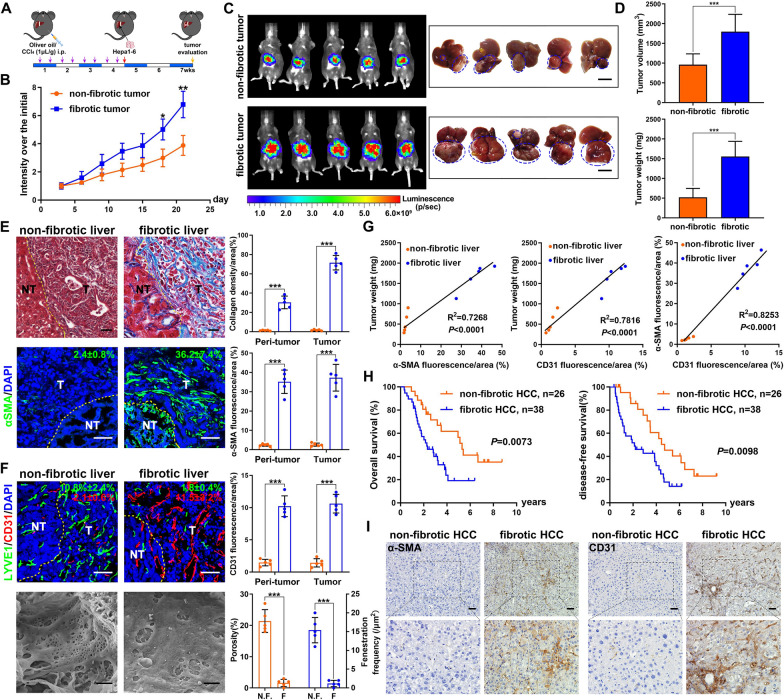
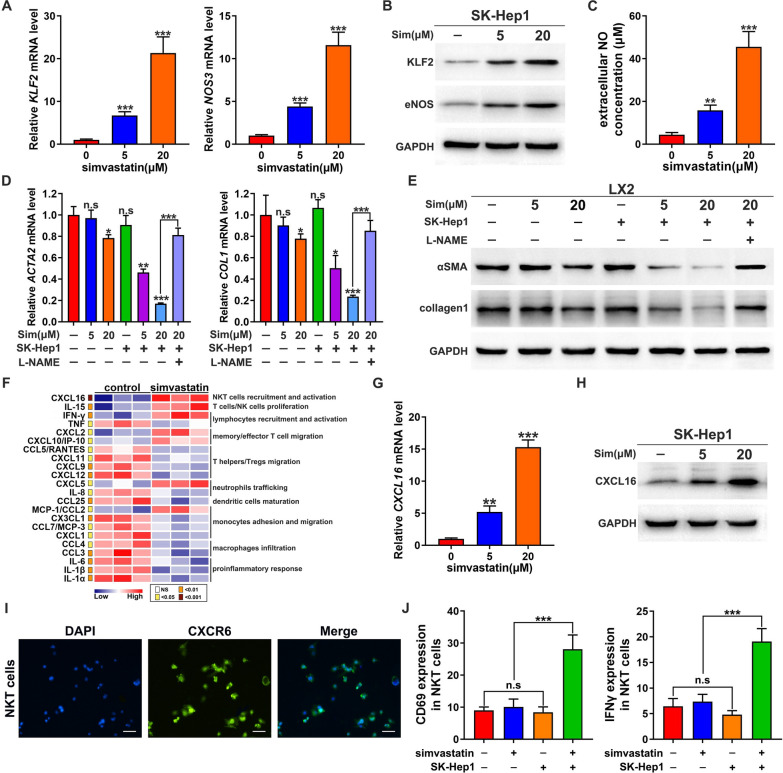
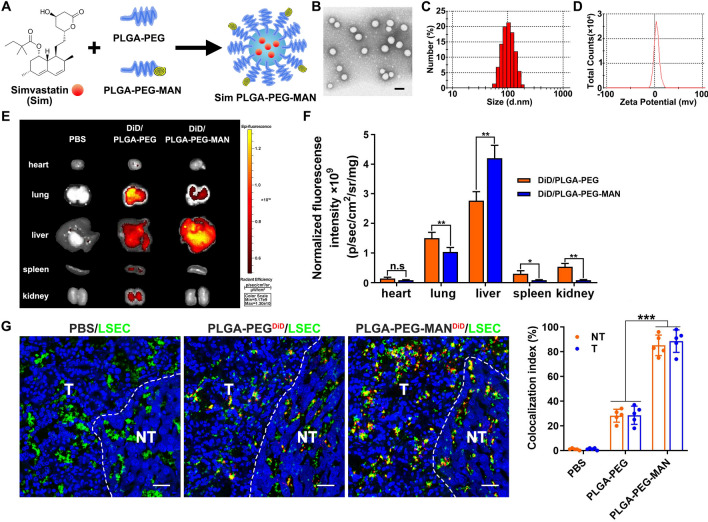
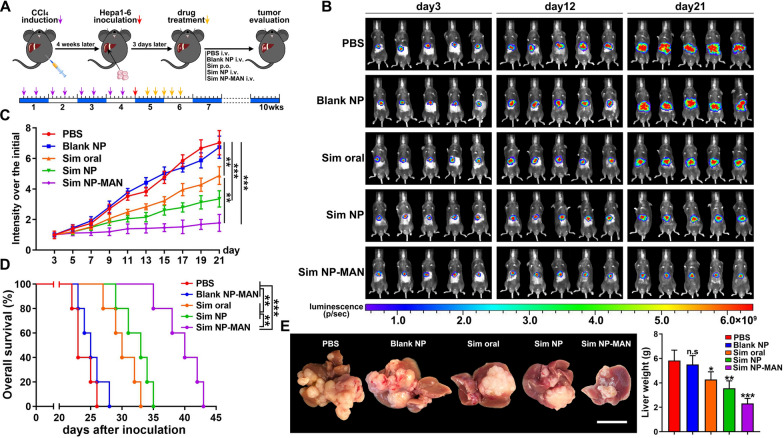
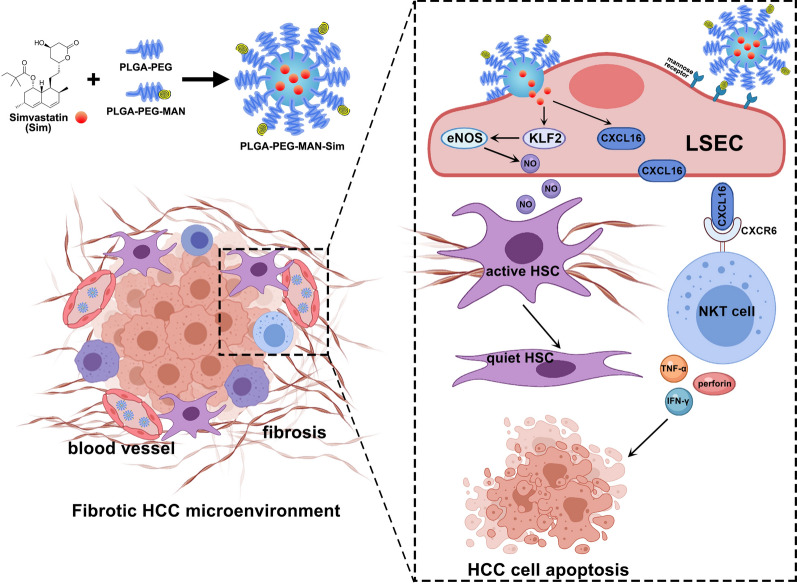
Background: Hepatocellular carcinoma (HCC) developed in fibrotic liver does not respond well to immunotherapy, mainly due to the stromal microenvironment and the fibrosis-related immunosuppressive factors. The characteristic of liver sinusoidal endothelial cells (LSECs) in contributing to fibrosis and orchestrating immune response is responsible for the refractory to targeted therapy or immunotherapy of HCC. We aim to seek a new strategy for HCC treatment based on an old drug simvastatin which shows protecting effect on LSEC. Method: The features of LSECs in mouse fibrotic HCC model and human HCC patients were identified by immunofluorescence and scanning electron microscopy. The effect of simvastatin on LSECs and hepatic stellate cells (HSCs) was examined by immunoblotting, quantitative RT-PCR and RNA-seq. LSEC-targeted delivery of simvastatin was designed using nanotechnology. The anti-HCC effect and toxicity of the nano-drug was evaluated in both intra-hepatic and hemi-splenic inoculated mouse fibrotic HCC model. Results: LSEC capillarization is associated with fibrotic HCC progression and poor survival in both murine HCC model and HCC patients. We further found simvastatin restores the quiescence of activated hepatic stellate cells (aHSCs) via stimulation of KLF2-NO signaling in LSECs, and up-regulates the expression of CXCL16 in LSECs. In intrahepatic inoculated fibrotic HCC mouse model, LSEC-targeted nano-delivery of simvastatin not only alleviates LSEC capillarization to regress the stromal microenvironment, but also recruits natural killer T (NKT) cells through CXCL16 to suppress tumor progression. Together with anti-programmed death-1-ligand-1 (anti-PD-L1) antibody, targeted-delivery of simvastatin achieves an improved therapeutic effect in hemi-splenic inoculated advanced-stage HCC model. Conclusions: These findings reveal an immune-based therapeutic mechanism of simvastatin for remodeling immunosuppressive tumor microenvironment, therefore providing a novel strategy in treating HCC. Graphical Abstract:
Overview
The claims and statistics of this paper haven’t been checked yet.
Free: it reads the open-access text and checks the first 5 claims that cite a source we can check. Create a free account to check every claim.
Integrity signals
Registry
Cites
Statistics
Figures
Verification
Claims the paper makes
The claims and statistics of this paper haven’t been checked yet.
Free: it reads the open-access text and checks the first 5 claims that cite a source we can check. Create a free account to check every claim.
Claims other papers make about this one
Each is checked against this paper’s own text: does it say what the citing paper says it does?
The cited source says what the claim attributes to it.
In the citing paper
“Indeed, the upregulation of CXCL16 in LSECs through the administration of simvastatin-loaded nanoparticles in mice leads to reduced LSEC capillarization and the recruitment of NKT cells to suppress tumor progression [331], suggesting that LSECs are promising therapeutic targets.”
From Inflammation and immunity in liver homeostasis and disease: a nexus of hepatocytes, nonparenchymal cells and immune cells (2025) · doi:10.1038/s41423-025-01313-7 · cites this paper as [331]
Self-check
Percentages, sums and reported differences re-computed from the paper’s own numbers.
The self-check needs the paper’s full text.
Citations
Cites
Siegel, R. L., Miller, K. D., & Jemal, A. (2019) · CA: A Cancer Journal for Clinicians · doi:10.3322/caac.21551 · Cited by 20,160
Transcript-level expression analysis of RNA-seq experiments with HISAT, StringTie and Ballgown
Pertea, M., Kim, D., Pertea, G. M., Leek, J. T., & Salzberg, S. L. (2016) · Nature Protocols · doi:10.1038/nprot.2016.095 · Cited by 6,845
PD-1 and Its Ligands in Tolerance and Immunity
Keir, M. E., Butte, M. J., Freeman, G. J., & Sharpe, A. H. (2008) · Annual Review of Immunology · doi:10.1146/annurev.immunol.26.021607.090331 · Cited by 5,378 · cited 1×
“PD-L1, the major ligand of PD-1, is expressed in various immune cells such as antigen-presenting cells, as well as in endothelial cells [27].”
BackgroundEl-Serag, H. B. (2011) · New England Journal of Medicine · doi:10.1056/nejmra1001683 · Cited by 3,529
Llovet, J. M., Zucman-Rossi, J., Pikarsky, E., Sangro, B., Schwartz, M., Sherman, M., & Gores, G. (2016) · Nature Reviews Disease Primers · doi:10.1038/nrdp.2016.18 · Cited by 2,531 · cited 1×
“Unfortunately, most of them do not respond well to either multi-kinase inhibitors or immune-checkpoint blocking antibodies, which are effective standard cares for other cancers [4].”
BackgroundGut microbiome–mediated bile acid metabolism regulates liver cancer via NKT cells
Ma, C., Han, M., Heinrich, B., Fu, Q., Zhang, Q., Sandhu, M., Agdashian, D., Terabe, M., Berzofsky, J. A., Fako, V., et al. (2018) · Science · doi:10.1126/science.aan5931 · Cited by 1,508 · cited 1×
“It was revealed that hepatic NKT cell accumulation precedes HCC inhibition [35].”
BackgroundLiver sinusoidal endothelial cells: Physiology and role in liver diseases
Poisson, J., Lemoinne, S., Boulanger, C., Durand, F., Moreau, R., Valla, D., & Rautou, P.-E. (2017) · Journal of Hepatology · doi:10.1016/j.jhep.2016.07.009 · Cited by 1,047 · cited 2×
“A unique characteristic of LSECs is their expression of high levels of scavenger receptors, which ensure the high endocytic capacity [7].”
BackgroundScavenger receptors in homeostasis and immunity
Canton, J., Neculai, D., & Grinstein, S. (2013) · Nature Reviews Immunology · doi:10.1038/nri3515 · Cited by 838 · cited 2×
“One of the most extensively studied scavenger receptors on LSECs is the mannose receptor [25].”
BackgroundRole of the Microenvironment in the Pathogenesis and Treatment of Hepatocellular Carcinoma
Hernandez–Gea, V., Toffanin, S., Friedman, S. L., & Llovet, J. M. (2013) · Gastroenterology · doi:10.1053/j.gastro.2013.01.002 · Cited by 722 · cited 1×
“More than 80% of HCC develop in fibrotic or cirrhotic livers, suggesting an important role of liver fibrosis in the premalignant environment of the liver [3].”
BackgroundLiver sinusoidal endothelial cells — gatekeepers of hepatic immunity
Shetty, S., Lalor, P. F., & Adams, D. H. (2018) · Nature Reviews Gastroenterology & Hepatology · doi:10.1038/s41575-018-0020-y · Cited by 523 · cited 2×
“In addition, LSECs influence the composition of hepatic immune populations by distinct expression of adhesion molecules and chemokines in diseased liver, which indicates the crucial role of LSECs in immune-regulation [9].”
Background
Cited by
Items 101–119 of 119
Huang, R., Ding, J., & Xie, W. (2024) · Elsevier eBooks · doi:10.1016/b978-0-323-95262-0.00017-6
Editorial: Tumour microenvironment in cancer research and drug discovery
Said, N. A. B. M., Mahmood, S., & To, K. K. W. (2024) · Frontiers in Pharmacology · doi:10.3389/fphar.2024.1403176
The Role of Liver Sinusoidal Endothelial Cells in NAFLD Disease
黄, 玥. (2024) · Pharmacy Information · doi:10.12677/pi.2024.133025
Research Progress in Natural Products against Liver Fibrosis
Zhao, S., Chen, X., Tan, R., Xiao-qing, W., & Jiang, H. (2024) · The Natural Products Journal · doi:10.2174/0122103155293866240522085229
LM2I leads to CAD ubiquitination and liver cancer suppression through activation of ASS1
Ming, Z., Luo, T., Zou, Z., Luo, W., Hu, X., Chen, L., Zhou, J., Liu, X., Mingquan, L., Li, J., et al. (2025) · Acta Biochimica et Biophysica Sinica · doi:10.3724/abbs.2025083 · Cited by 1
Lan, J., Xie, L., Song, D., Liu, P., & Liu, Q. (2025) · Discover Oncology · doi:10.1007/s12672-025-02543-x
“Discover Endothelial cells, as key constituents of the tumor vasculature, are critically involved in the regulation of the tumor immune microenvironment, particularly in modulating immune cell infiltration and influencing the efficacy of immuno-therapeutic strategies [4–6].”
Xiao, X., Chen, M., Zhang, Y., Li, L., Peng, Y., Li, J., & Zhou, W. (2022) · Figshare · doi:10.6084/m9.figshare.21128156
Statin Nanoformulation Methods in Cancer Theranosis: Trimodal Therapy
Sharma, R. (2026) · IntechOpen eBooks · doi:10.5772/intechopen.1013205
Stoffels, L. M., Rodriguez, E. S. E., Theys, J., & Shiri‐Sverdlov, R. (2026) · ESMO Gastrointestinal Oncology · doi:10.1016/j.esmogo.2025.100284
“58 Although clinical studies investigating the role of cholesterol in immunotherapy for HCC remain limited, some evidence highlights its significance.”
Alabrahim, O. A. A., & Allam, N. K. (2026) · Inflammation and Regeneration · doi:10.1186/s41232-026-00413-9
“They also resemble biological lipoproteins and can be functionalized for liver targeting [52–60].”
Weng, J., Wang, F., Xu, W., Zhao, L., Chang, Y., Lu, H., Xu, K., Zheng, H., Wang, Y., & Cai, X. X. (2026) · Hepatology International · doi:10.1007/s12072-026-11111-6
“Preclinically, combining simvastatin with anti-PD-L1 antibody inhibited HCC progression [37].”
Regulatory roles and translational potential of the Kruppel-like factor family in liver disease
Chen, H., Huang, S., Zhou, Z., Li, J., Peng, Q., & Tu, J. (2026) · iLiver · doi:10.1016/j.iliver.2026.100252
Dhaou, C. B., Rom, O., & Orr, A. W. (2026) · JACC Basic to Translational Science · doi:10.1016/j.jacbts.2026.101624
Sabu, N., Ramachandran, R., Rejiya, C. S., Chenicheri, S., Nair, S. S., Sulaiman, S. A., & Manju, L. (2026) · Journal of Pharmacology and Pharmacotherapeutics · doi:10.1177/0976500x261461099
Liu, H., Zhang, M., & Tacke, F. (2026) · Drug Design Development and Therapy · doi:10.2147/dddt.s543657
Current Advances in Liver-Targeted Drug Delivery: Synthetic, Biological, and Biomimetic Platforms
Sergazy, S., Сейдахметова, Р. Б., Zakirov, Y., Zhilkaidarov, A., Amirbek, D., Shulgau, Z., Berikkhanova, K., & GULYAEV, A. (2026) · International Journal of Molecular Sciences · doi:10.3390/ijms27177959
“Yu et al. developed a simvastatin-loaded nanoparticle system reported to preferentially interact with LSECs and remodel the tumor microenvironment in an experimental HCC model [63].”
Zheng, S., Luo, W., Luo, M., Zhang, Y., Su, X., Xiong, S., Li, R., Wei, Q., Tang, H., Shen, Z., et al. (2026) · Liver Cancer · doi:10.1159/lic/admag003
Chakraborty, S. (2026) · Elsevier eBooks · doi:10.1016/b978-0-443-33889-2.00015-7
Li, Y., Gong, Y., Li, X., Yan, S., Yu, J., Qiu, Z., Yang, S., Yang, X., & Feng, D. (2026) · International Journal of Nanomedicine · doi:10.2147/ijn.s646535
“212 Albumin-mediated transendothelial delivery facilitated specific manganese (Mn) ion transport to aHSCs via LSECs, activating the cGAS-STING pathway to induce HSC senescence and enhance immune clearance.”
Metadata
- Authors
- Yu, Z., Guo, J., Liu, Y., Wang, M., Liu, Z., Gao, Y., & Huang, L.
- Affiliations
- University of North Carolina at Chapel Hill (US)
- Shanghai University of Traditional Chinese Medicine (CN)
- Corresponding author
- Gao, Yueqiu
- Huang, Leaf
- Venue
- Journal of Nanobiotechnology
- Published
- 2022-01-04
- Volume
- 20
- Issue
- 1
- Pages
- 9-9
- ISSN
- 1477-3155 (ISSN-L)
- PMC
- PMC8725360
- OpenAlex
- W4205834838
- Cited by
- 114
- References
- 37
- Citations by year
- 2026: 18 · 2025: 34 · 2024: 29 · 2023: 21 · 2022: 12
- FWCI
- 14.30
- Type
- journal article
- Language
- en
- Open access
- gold
- doi.org
- Licence
- cc-by
- creativecommons.org/licenses/by/4.0 (tdm)
- creativecommons.org/licenses/by/4.0 (vor)
- Locations
- Journal of Nanobiotechnology (publishedVersion, cc-by)
- PubMed Central (publishedVersion, cc-by)
- PubMed (publishedVersion)
- DOAJ (DOAJ: Directory of Open Access Journals) (submittedVersion, cc-by-sa)
- Funders
- National Institutes of Health (CA198999)
- National Natural Science Foundation of China (82074154, 81774240)
- China Scholarship Council (201808310047)
- Shanghai Rising-Star Program (17QA1403900)
- Youth Tip-top Talent program in Shanghai
- Training Plan of Outstanding Young Medical Talents from Shanghai Municipal Health Bureau (2017YQ021)
- Siming Scholar from Shanghai Shuguang Hospital (SGXZ-201904)
- Youth Xinglin Scholar from Shanghai University of Traditional Chinese Medicine
- Jilin University
- Topics
- Health Sciences › Medicine › Hepatology › Hepatocellular Carcinoma Treatment and Prognosis
- Health Sciences › Medicine › Hepatology › Liver physiology and pathology
- Life Sciences › Biochemistry, Genetics and Molecular Biology › Cancer Research › Cancer, Lipids, and Metabolism
- Keywords
- hepatocellular carcinoma, simvastatin, liver sinusoidal endothelial cells, hepatic stellate cells, tumor microenvironment, liver fibrosis, CXCL16, NKT cells, PD-L1 blockade, immunosuppression, stromal remodeling
- MeSH terms
- Nanoparticle Drug Delivery System, Animals, Cells, Cultured, Carcinoma, Hepatocellular, Humans, Liver, Liver Neoplasms, Male, Mice, Inbred C57BL, Signal Transduction, Simvastatin, Endothelial Cells, Mice, Nanoparticles, Hepatic Stellate Cells, Tumor Microenvironment
About these checks
Registry, retraction, Cites and statistics results are computed, not judged, with one exception: a printed reference that no index lists is read once by a model before it counts as a citation error. Claims are extracted by a model and kept only when their quote appears verbatim in the text; each cited source is then checked, with a model’s help, for whether it says what the claim relies on. Those verdicts can be wrong — read the claim’s quote and the cited source before relying on one.
Statistics and arithmetic are recomputed, not judged.
Confidence bands are shown only for fields calibrated on our annotated test set. None is calibrated yet, so no band is shown.
What counts as a claim ›How we measure confidence ›How we check this ›
Are you an author, or do you see a problem with this page? Request a review
Data sources
Bibliographic data: Semantic Scholar, OpenAlex, Crossref.
Contains information from the Semantic Scholar Academic Graph Datasets, made available under the ODC Attribution License (ODC-BY 1.0).
Semantic Scholar’s data is described in: Kinney, R., et al. (2023). The Semantic Scholar Open Data Platform. arXiv:2301.10140.
