

AGuIX nanoparticles enhance ionizing radiation-induced ferroptosis on tumor cells by targeting the NRF2-GPX4 signaling pathway
Open accessThe DOI matches its Crossref record; 54 of the 54 references it cites were found in a registry or an index.
Abstract
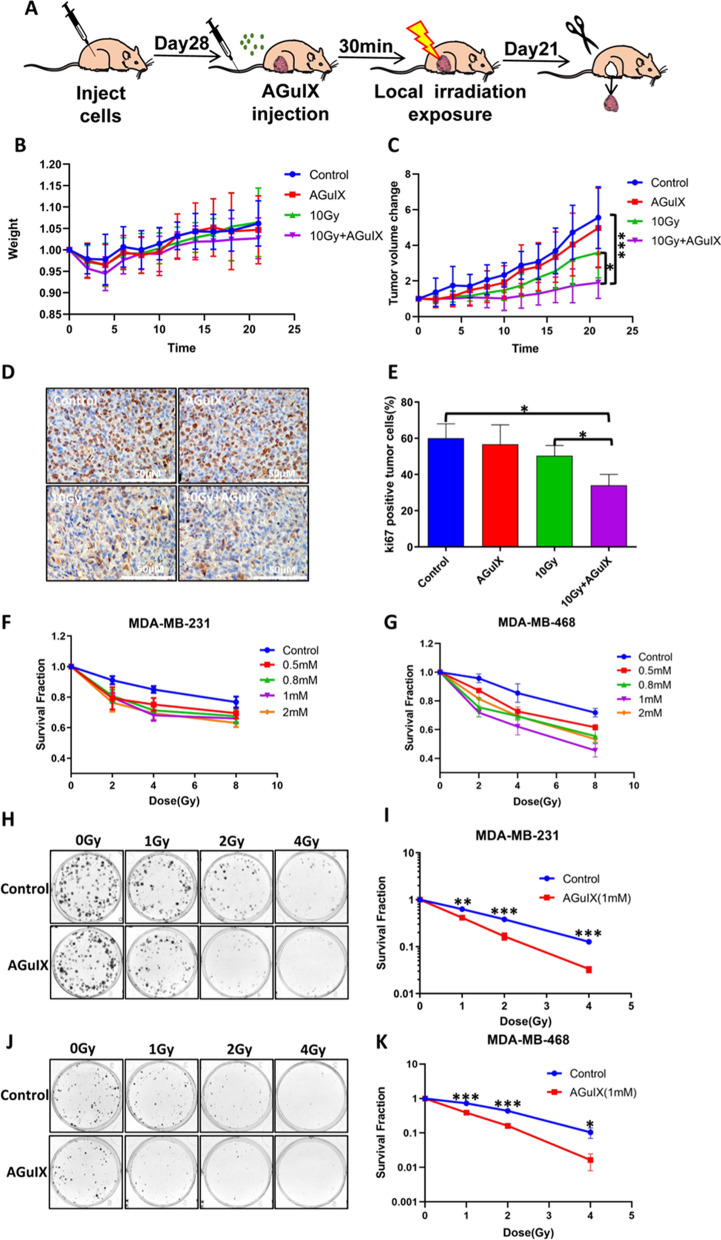
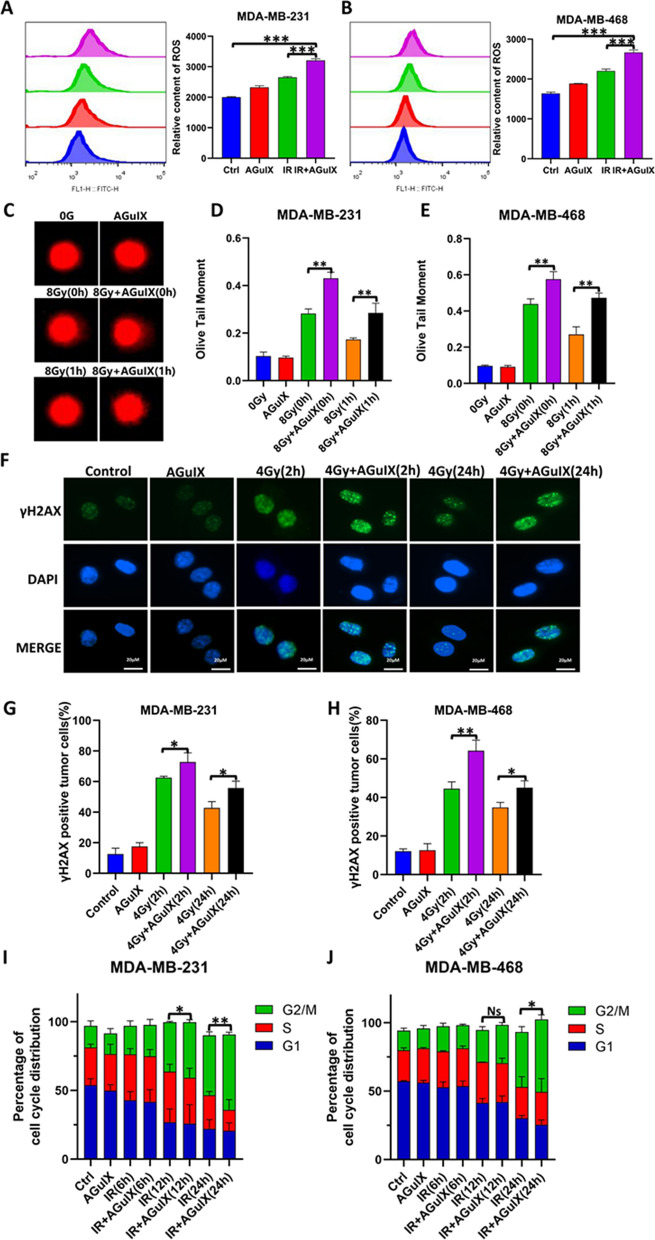
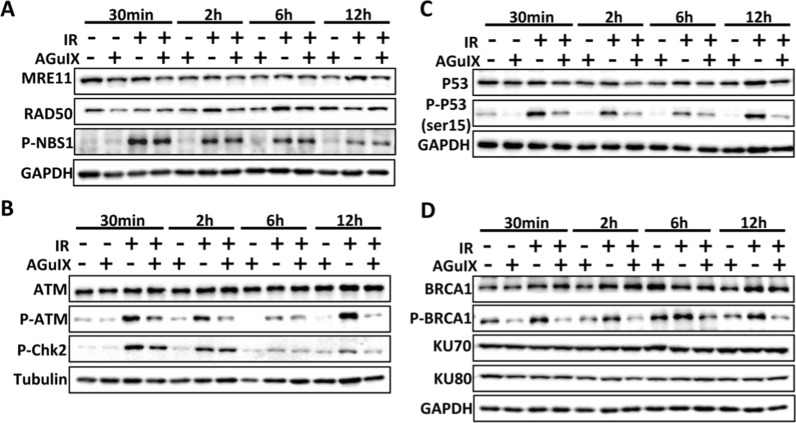
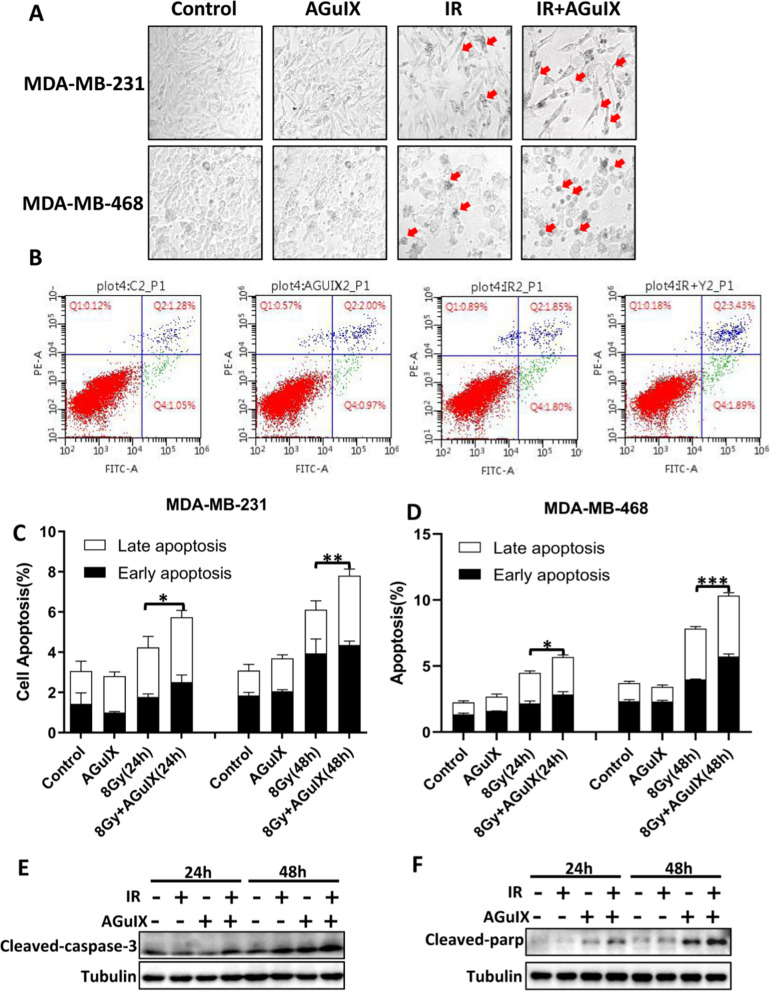
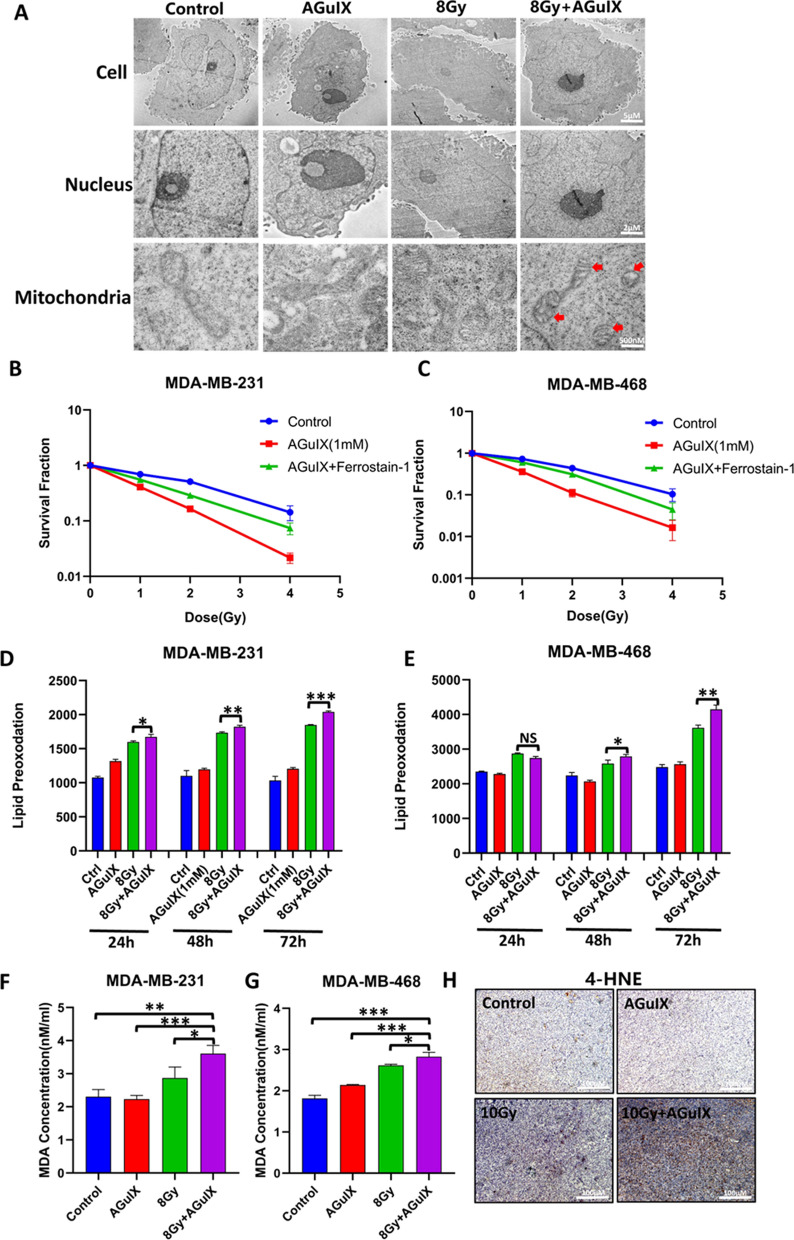
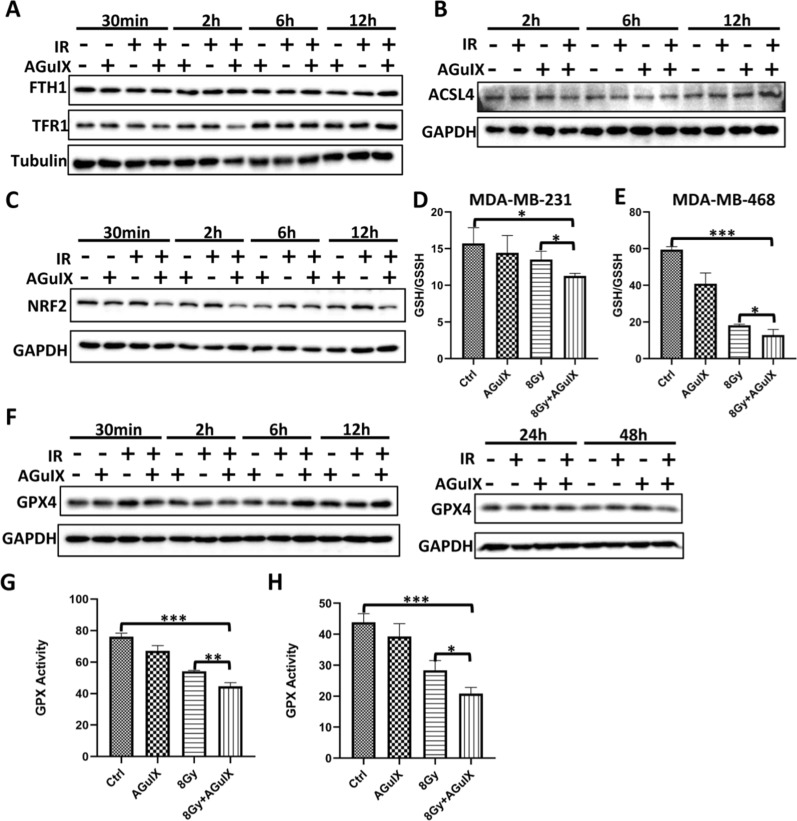
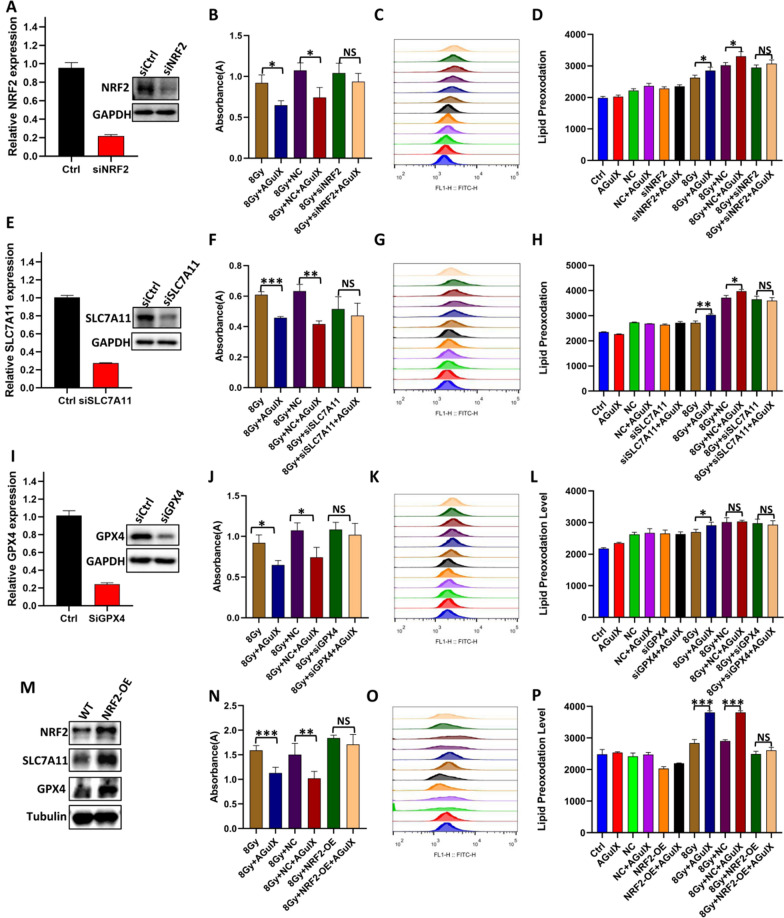
In the frame of radiotherapy treatment of cancer, radioresistance remains a major issue that still needs solutions to be overcome. To effectively improve the radiosensitivity of tumors and reduce the damage of radiation to neighboring normal tissues, radiosensitizers have been given increasing attention in recent years. As nanoparticles based on the metal element gadolinium, AGuIX nanoparticles have been shown to increase the radiosensitivity of cancers. Although it is a rare nanomaterial that has entered preclinical trials, the unclear biological mechanism hinders its further clinical application. In this study, we demonstrated the effectiveness of AGuIX nanoparticles in the radiosensitization of triple-negative breast cancer. We found that AGuIX nanoparticles increased the level of DNA damage by compromising the homologous recombination repair pathway instead of the non-homologous end joining pathway. Moreover, the results showed that AGuIX nanoparticles induced apoptosis, but the degree of apoptosis ability was very low, which cannot fully explain their strong radiosensitizing effect. Ferroptosis, the other mode of cell death, was also discovered to play a significant role in radiation sensitization, and AGuIX nanoparticles may regulate the anti-ferroptosis system by inhibiting the NRF2-GSH-GPX4 signaling pathway. Graphical Abstract
Overview
The claims and statistics of this paper haven’t been checked yet.
Free: it reads the open-access text and checks the first 5 claims that cite a source we can check. Create a free account to check every claim.
Integrity signals
Registry
Cites
Statistics
Figures
Verification
Claims the paper makes
The claims and statistics of this paper haven’t been checked yet.
Free: it reads the open-access text and checks the first 5 claims that cite a source we can check. Create a free account to check every claim.
Claims other papers make about this one
Each is checked against this paper’s own text: does it say what the citing paper says it does?
The source backs part of the claim, not all of it — or backs it for a different population, condition or comparison.
In the citing paper
“High-atomic-number (high-Z) nanoplatforms based on silver (Z = 47), gadolinium (Z = 64), platinum (Z = 78), gold (Z = 79), and bismuth (Z = 83) enhance radiation-induced energy deposition through photoelectric interactions and secondary electron generation [15,20,27,28,30,33,34,36,50,63].”
From Nanoparticle-Mediated Radiosensitization in Breast Cancer: A Systematic Review of Preclinical Evidence and Translational Challenges (2026) · cites this paper as [15]
Experimental — accuracy not yet measuredThe source backs part of the claim, not all of it — or backs it for a different population, condition or comparison.
In the citing paper
“High-atomic-number (high-Z) nanomaterials were reported to increase local radiation energy deposition through photoelectric interactions, resulting in the generation of secondary electrons and localized dose amplification [15,20,27,28,34].”
From Nanoparticle-Mediated Radiosensitization in Breast Cancer: A Systematic Review of Preclinical Evidence and Translational Challenges (2026) · cites this paper as [15]
Experimental — accuracy not yet measuredThe source backs part of the claim, not all of it — or backs it for a different population, condition or comparison.
In the citing paper
“Enhanced DNA damage, particularly in the form of double-strand breaks, was frequently reported following nanoparticle-assisted irradiation [15,20,27,52].”
From Nanoparticle-Mediated Radiosensitization in Breast Cancer: A Systematic Review of Preclinical Evidence and Translational Challenges (2026) · cites this paper as [15]
Experimental — accuracy not yet measuredThe source backs part of the claim, not all of it — or backs it for a different population, condition or comparison.
In the citing paper
“Beyond this effect, several nanoplatforms were specifically designed to inhibit DNA repair pathways, thereby prolonging damage persistence and increasing radiosensitivity [15,52,74].”
From Nanoparticle-Mediated Radiosensitization in Breast Cancer: A Systematic Review of Preclinical Evidence and Translational Challenges (2026) · cites this paper as [15]
Experimental — accuracy not yet measuredThe source backs part of the claim, not all of it — or backs it for a different population, condition or comparison.
In the citing paper
“Major differences in nanoparticle composition, particle size, surface functionalization, therapeutic payloads, irradiation protocols, experimental models, and outcome assessment methods [15,20,24,33,37,45,52,68,76,81] substantially complicate direct cross-study comparison and limit quantitative synthesis.”
From Nanoparticle-Mediated Radiosensitization in Breast Cancer: A Systematic Review of Preclinical Evidence and Translational Challenges (2026) · cites this paper as [15]
Experimental — accuracy not yet measured
14 more claims about this paper
Create a free account to see every claim other papers make about this one.
Self-check
Percentages, sums and reported differences re-computed from the paper’s own numbers.
The self-check needs the paper’s full text.
Citations
Cites
Ferroptosis: An Iron-Dependent Form of Nonapoptotic Cell Death
Dixon, S. J., Lemberg, K. M., Lamprecht, M. R., Skouta, R., Zaitsev, E. M., Gleason, C. E., Patel, D. N., Bauer, A. J., Cantley, A. M., Yang, W. S., et al. (2012) · Cell · doi:10.1016/j.cell.2012.03.042 · Cited by 18,691
Ferroptosis: A Regulated Cell Death Nexus Linking Metabolism, Redox Biology, and Disease
Stockwell, B. R., Friedmann Angeli, J. P., Bayir, H., Bush, A. I., Conrad, M., Dixon, S. J., Fulda, S., Gascón, S., Hatzios, S. K., Kagan, V. E., et al. (2017) · Cell · doi:10.1016/j.cell.2017.09.021 · Cited by 7,695 · cited 2×
“The occurrence of ferroptosis is mainly related to iron metabolism, fatty acid metabolism, and glutathione synthesis [38].”
BackgroundRenal clearance of quantum dots
Soo Choi, H., Liu, W., Misra, P., Tanaka, E., Zimmer, J. P., Itty Ipe, B., Bawendi, M. G., & Frangioni, J. V. (2007) · Nature Biotechnology · doi:10.1038/nbt1340 · Cited by 4,476
ACSL4 dictates ferroptosis sensitivity by shaping cellular lipid composition
Doll, S., Proneth, B., Tyurina, Y. Y., Panzilius, E., Kobayashi, S., Ingold, I., Irmler, M., Beckers, J., Aichler, M., Walch, A., et al. (2017) · Nature Chemical Biology · doi:10.1038/nchembio.2239 · Cited by 4,293 · cited 1×
“ACSL4, which is the key catalytic factor in the fatty acid metabolism pathway [47], was also negative.”
BackgroundATM and ATR Substrate Analysis Reveals Extensive Protein Networks Responsive to DNA Damage
Matsuoka, S., Ballif, B. A., Smogorzewska, A., McDonald, E. R., Hurov, K. E., Luo, J., Bakalarski, C. E., Zhao, Z., Solimini, N., Lerenthal, Y., et al. (2007) · Science · doi:10.1126/science.1140321 · Cited by 3,075 · cited 1×
“Phosphorylated p53 at serine 15 can enhance the DNA repair function [29, 30].”
BackgroundApoptosis: controlled demolition at the cellular level
Taylor, R. C., Cullen, S. P., & Martin, S. J. (2008) · Nature Reviews Molecular Cell Biology · doi:10.1038/nrm2312 · Cited by 2,624
DNA double-strand breaks: signaling, repair and the cancer connection
Khanna, K. K., & Jackson, S. P. (2001) · Nature Genetics · doi:10.1038/85798 · Cited by 2,455 · cited 1×
“Ionizing radiation and the resulting ROS usually induce DNA strand breaks and lead to cell death [23].”
BackgroundNRF2 plays a critical role in mitigating lipid peroxidation and ferroptosis
Dodson, M., Castro-Portuguez, R., & Zhang, D. D. (2019) · Redox Biology · doi:10.1016/j.redox.2019.101107 · Cited by 2,435
DNA damage-induced phosphorylation of p53 alleviates inhibition by MDM2
Shieh, S.-Y., Ikeda, M., Taya, Y., & Prives, C. (1997) · Cell · doi:10.1016/s0092-8674(00)80416-x · Cited by 2,100 · cited 1×
“Phosphorylated p53 at serine 15 can enhance the DNA repair function [29, 30].”
BackgroundThe ATM protein kinase: regulating the cellular response to genotoxic stress, and more
Shiloh, Y., & Ziv, Y. (2013) · Nature Reviews Molecular Cell Biology · doi:10.1038/nrm3546 · Cited by 1,649 · cited 13×
“BRCA1 is also an important protein that mediates the homologous recombinant repair pathway [31].”
BackgroundInfluential
Cited by
Wu, X., Zhou, Z., Li, K., & Liu, S. (2024) · Advanced Science · doi:10.1002/advs.202308632 · Cited by 92
Pi, F., Deng, X., Xue, Q., Zheng, L., Liu, H., Yang, F., & Chen, T. (2023) · Journal of Nanobiotechnology · doi:10.1186/s12951-023-01850-1 · Cited by 80
Chen, Y., Feng, Y., Lin, Y., Zhou, X., Wang, L., Zhou, Y., Lin, K., & Cai, L. (2024) · British Journal of Cancer · doi:10.1038/s41416-024-02574-1 · Cited by 62
Zheng, J., Zhang, Q., Zhao, Z. W., Qiu, Y., Zhou, Y., Wu, Z., Jiang, C., Wang, X., & Jiang, X. (2023) · Journal of Experimental & Clinical Cancer Research · doi:10.1186/s13046-023-02684-3 · Cited by 62
Song, X., Qian, H., & Yu, Y. (2023) · Small · doi:10.1002/smll.202302613 · Cited by 55
Yuan, C., Fan, R., Zhu, K., Wang, Y., Xie, W., & Liang, Y. (2023) · Experimental Biology and Medicine · doi:10.1177/15353702231220670 · Cited by 54
Self-citationApplication of High-Z Nanoparticles to Enhance Current Radiotherapy Treatment
Jackson, N., Cecchi, D., Beckham, W., & Chithrani, D. B. (2024) · Molecules · doi:10.3390/molecules29112438 · Cited by 52
Nano-Assisted Radiotherapy Strategies: New Opportunities for Treatment of Non-Small Cell Lung Cancer
Zhao, L., Li, M., Shen, C., Luo, Y., Hou, X., Qi, Y., Huang, Z., Li, W., Gao, L., Wu, M. C., et al. (2024) · Research · doi:10.34133/research.0429 · Cited by 49
Chargari, C., Maury, P., Texier, M., Genestie, C., Morice, P., Bockel, S., Gouy, S., Bâ, M. B., Achkar, S., Lux, F., et al. (2024) · ACS Nano · doi:10.1021/acsnano.3c12537 · Cited by 48
Self-citationRadiotherapy-induced ferroptosis for cancer treatment
Beretta, G. L., & Zaffaroni, N. (2023) · Frontiers in Molecular Biosciences · doi:10.3389/fmolb.2023.1216733 · Cited by 47
Association of nanoparticles and Nrf2 with various oxidative stress-mediated diseases
Thiruvengadam, R., Venkidasamy, B., Samynathan, R., Rajakumar, G., Thiruvengadam, M., & Kim, J. H. (2023) · Chemico-Biological Interactions · doi:10.1016/j.cbi.2023.110535 · Cited by 45
Ferroptosis Inducers as Promising Radiosensitizer Agents in Cancer Radiotherapy
Jalali-Zefrei, F., Shormij, M., Dastranj, L., Alvandi, M., Shaghaghi, Z., Farzipour, S., & Polgardani, N. Z. (2023) · Current Radiopharmaceuticals · doi:10.2174/0118744710262369231110065230 · Cited by 45
Recent updates in nanoscale delivery systems of platinum(IV) antitumor prodrugs
Zhou, Z., Shi, P., Wang, C., Sun, Y., & Gao, C. (2024) · Coordination Chemistry Reviews · doi:10.1016/j.ccr.2024.215774 · Cited by 39
Bao, Y., Pan, Z., Zhao, L., Qiu, J., Cheng, J., Liu, L., & Qian, D. (2024) · Journal of Translational Medicine · doi:10.1186/s12967-024-05331-3 · Cited by 39
Duan, C., Li, B., Liu, H., Zhang, Y., Yao, X., Liu, K., Wu, X., Mao, X., Wu, H., Xu, Z., et al. (2024) · Advanced Science · doi:10.1002/advs.202408945 · Cited by 37
Ferroptosis resistance in cancer cells: nanoparticles for combination therapy as a solution
Adzavon, K. P., Zhao, W., He, X., & Sheng, W. (2024) · Frontiers in Pharmacology · doi:10.3389/fphar.2024.1416382 · Cited by 37
Sant’Angelo, D., Descamps, G., Lecomte, V., Stanicki, D., Penninckx, S., Dragan, T., Gestel, D. V., Laurent, S., & Journé, F. (2025) · Pharmaceuticals · doi:10.3390/ph18030325 · Cited by 36
Nanomedicine targeting ferroptosis to overcome anticancer therapeutic resistance
Cai, J., Xu, X., & Saw, P. E. (2023) · Science China Life Sciences · doi:10.1007/s11427-022-2340-4 · Cited by 35
Tuning ultrasmall theranostic nanoparticles for MRI contrast and radiation dose amplification
Virani, N. A., Rocchi, P., Carmès, L., Guthier, R., Meghna, I., Seban, L., Morris, T., Bennett, S., Lavelle, M. T., Peñailillo, J., et al. (2023) · Theranostics · doi:10.7150/thno.85663 · Cited by 33
Self-citationSynergistic Effect of Ferroptosis‐Inducing Nanoparticles and X‐Ray Irradiation Combination Therapy
Bae, C., Millares, R. H., Ryu, S., Moon, H., Kim, D. W., Lee, G., Jiang, Z., Park, M. H., Kim, K. H., Koom, W. S., et al. (2024) · Small · doi:10.1002/smll.202310873 · Cited by 33
Regulation of m6A modification on ferroptosis and its potential significance in radiosensitization
Chen, X., Zhang, L., He, Y., Huang, S., Chen, S., Zhao, W., & Yu, D. (2023) · Cell Death Discovery · doi:10.1038/s41420-023-01645-1 · Cited by 32
Targeting ferroptosis: a promising strategy to overcome drug resistance in breast cancer
Peng, C., Chen, Y., & Jiang, M. (2024) · Frontiers in Oncology · doi:10.3389/fonc.2024.1499125 · Cited by 30
Challenges and material innovations in drug delivery to central nervous system tumors
Gong, Z., Zhou, D., Wu, D., Han, Y., Yu, H. Q., Shen, H., Feng, W., Hou, L., Chen, Y., & Xu, T. (2025) · Biomaterials · doi:10.1016/j.biomaterials.2025.123180 · Cited by 27
Song, H., Sun, H., He, N., Xu, C., Du, L., Ji, K., Wang, J., Zhang, M., Gu, Y., Wang, Y., et al. (2024) · Advanced Healthcare Materials · doi:10.1002/adhm.202303412 · Cited by 27
Self-citationFerroptosis in cancer: Mechanisms, therapeutic strategies, and clinical implications
Mamaghani, M. P., Mousavikia, S. N., & Azimian, H. (2025) · Pathology - Research and Practice · doi:10.1016/j.prp.2025.155907 · Cited by 25
Yu, B., Lu, X., Feng, X., Zhao, T., Li, J., Lu, Y., Ye, F., Liu, X., Zheng, X., Shen, Z., et al. (2023) · International Journal of Nanomedicine · doi:10.2147/ijn.s428044 · Cited by 23
“5,20,22,23 Recent studies have shown that gadolinium-based nanoparticles have significant potential for clinical application as they can be utilized as both MRI contrast agents and radiosensitizers to improve tumor killing.”
BackgroundResultLiu, Y., Zhan, J., Wang, J., Zeng, X., Liu, S., Huang, L., Niu, L., Sun, C., Ding, Z., Xing, Y., et al. (2025) · Frontiers in Immunology · doi:10.3389/fimmu.2025.1591172 · Cited by 23
Self-citationTan, L.-K., Liu, J., Ma, C., Huang, S., He, F.-H., Long, Y., Zheng, Z.-S., Liang, J.-L., Xu, N., Wang, G., et al. (2025) · Cancer Management and Research · doi:10.2147/cmar.s503932 · Cited by 21
Self-citationMechanisms of Action of AGuIX as a Pan-Cancer Nano-Radiosensitizer: A Comprehensive Review
Aubrun, C., Doussineau, T., Carmès, L., Meyzaud, A., Boux, F., Dufort, S., Delfour, A., de Beaumont, O., Mirjolet, C., & Duc, G. L. (2025) · Pharmaceuticals · doi:10.3390/ph18040519 · Cited by 21
Self-citationFerroptosis: Frenemy of Radiotherapy
Kerkhove, L., Geirnaert, F., Dufait, I., & Ridder, M. D. (2024) · International Journal of Molecular Sciences · doi:10.3390/ijms25073641 · Cited by 20
Ferroptosis: Potential opportunities for natural products in cancer therapy
Nie, A., Shen, C., Zhou, Z., Wang, J., Sun, B., & Zhu, C. (2023) · Phytotherapy Research · doi:10.1002/ptr.8088 · Cited by 20
Self-citationIntersection of ferroptosis and nanomaterials brings benefits to breast cancer
Gao, J., Ma, N., Ni, S., & Han, X. F. (2025) · Cell Biology and Toxicology · doi:10.1007/s10565-025-10067-x · Cited by 17
Millares, R. H., Bae, C., Kim, S., Kim, T., Park, S., Lee, K., & Ye, S. (2024) · Nanoscale · doi:10.1039/d3nr06257k · Cited by 15
Nrf2 in human cancers: biological significance and therapeutic potential
Tian, Y. (2024) · American Journal of Cancer Research · doi:10.62347/lzvo6743 · Cited by 15
Wang, T., Zhou, X., Yin, X., Zhang, A., Fan, Y., Chen, K., Tao, H., Tang, Z., Zhang, P., He, X., et al. (2025) · International Journal of Oncology · doi:10.3892/ijo.2025.5781 · Cited by 14
Li, Y., Niu, P., Han, Z., Wang, X., Gao, D., Xu, Y., He, Q., Qiu, J., & Sun, Y. (2024) · Small Structures · doi:10.1002/sstr.202400033 · Cited by 14
Recent advances of supramolecular systems in precise cancer theranostics
Liu, L., Huang, F., Liu, J., & Meng, X. (2025) · Supramolecular Materials · doi:10.1016/j.supmat.2025.100116 · Cited by 13
Radiation therapy-activated nanoparticle and immunotherapy: The next milestone in oncology?
Penninckx, S., Thariat, J., & Mirjolet, C. (2023) · International review of cytology · doi:10.1016/bs.ircmb.2023.03.005 · Cited by 11
Added Value of Scintillating Element in Cerenkov-Induced Photodynamic Therapy
Schneller, P., Collet, C., Béen, Q., Rocchi, P., Lux, F., Tillement, O., Barberi‐Heyob, M., Schohn, H., & Daouk, J. (2023) · Pharmaceuticals · doi:10.3390/ph16020143 · Cited by 11
Self-citationPreclinical Photodynamic Therapy Targeting Blood Vessels with AGuIX® Theranostic Nanoparticles
Kowolik, E., Szczygieł, D., Szczygieł, M., Drzał, A., Vemuri, K., Olsson, A.-K., Griffioen, A. W., Nowak-Sliwinska, P. M., Wolnicka-Głubisz, A., & Elas, M. (2024) · Cancers · doi:10.3390/cancers16233924 · Cited by 9
Bedolla, N., Liu, L., Liu, X., Xie, Q., & Ren, Y. (2025) · Toxicon · doi:10.1016/j.toxicon.2025.108233 · Cited by 9
Inducing Ferroptosis: Sensitization Strategy for Radiotherapy and Its Application
Chen, X., Chen, S., Yu, D., & Zhao, W. (2026) · Antioxidants · doi:10.3390/antiox15020237 · Cited by 9
Zhou, X., & Lin, L. (2024) · Biomedicine & Pharmacotherapy · doi:10.1016/j.biopha.2024.117323 · Cited by 8
Chen, J., Feng, C., Lan, Y., Chen, X., Peng, Z., Huang, Z., Wang, R., Zhang, W., Ye, Y., Mao, Z., et al. (2025) · Journal of Nanobiotechnology · doi:10.1186/s12951-025-03177-5 · Cited by 8
Lanthanide Nanotheranostics in Radiotherapy
Han, S., Liu, Y., Cai, T., Liu, Y., & Ge‐Zhang, S. (2025) · International Journal of Molecular Sciences · doi:10.3390/ijms27010426 · Cited by 5
Self-citationEmerging Protein Targets in Triple-Negative Breast Cancer: Beyond Conventional Therapy
Previtali, A., Guardamagna, I., Calandra, S., Shakarami, M., Lonati, L., Riani, C., Semerano, R., Baiocco, G., Maggi, M., & Scotti, C. (2026) · Cancers · doi:10.3390/cancers18040618 · Cited by 5
Wang, Z., Xiao, P., Guo, Y., Zheng, Z., Wang, X., Yang, C., Long, J., Wang, J., He, G., Zheng, C., et al. (2025) · Journal of Materials Chemistry B · doi:10.1039/d5tb00768b · Cited by 4
Self-citationCurrent Perspectives on Radiosensitizers in Cancer Radiotherapy
Ruan, H., Li, Y., & Chen, S. (2026) · International Journal of Nanomedicine · doi:10.2147/ijn.s602677 · Cited by 4
Ultrasmall Platinum Nanoparticles for Radiation‐Enhanced Cancer Therapy
Encinas‐Giménez, M., García-Peiro, J. I., Hueso, J. L., Caleiras, E. J., Notario, L., Hornos, F., Martín‐Duque, P., la Vieja, A. D., & Santamaria, J. (2026) · Advanced Functional Materials · doi:10.1002/adfm.202600051 · Cited by 4
Advance of different strategies to achieve radiosensitivity based on nanomaterials
Chu, A., Zhang, W. J., Li, M., Zhu, Q., Ge, T., Shao, W., Jia, R., Zheng, Y., Zhou, Y., & Zhuang, A. (2026) · Materials Today Advances · doi:10.1016/j.mtadv.2026.100693 · Cited by 3
Tang, C., Song, D., Ling, P., Xu, W., Qiao, Y., & Wang, F. (2024) · ACS Applied Nano Materials · doi:10.1021/acsanm.4c06718 · Cited by 3
Lunca, S., Morarasu, S., & Dimofte, G. M. (2026) · International Journal of Molecular Sciences · doi:10.3390/ijms27146522 · Cited by 2
“[15,20,27,28,30,33,34,36,50,63].”
InfluentialEstablishment and biological characterization of radioresistant colorectal cancer cell lines
Qu, T., Dai, Q., Leng, J., Fang, L., Ma, J., Chen, R., Chen, C., Ran, P., Zhou, W., Liu, C., et al. (2025) · FEBS Open Bio · doi:10.1002/2211-5463.70016 · Cited by 2
Mechanistic pathways and therapeutic opportunities of nanoparticle-mediated ferroptosis in cancer
Ren, C., McHugh, D., & Li, S. (2026) · Journal of Drug Delivery Science and Technology · doi:10.1016/j.jddst.2026.108432 · Cited by 2
Li, Y., Wang, L., Ma, T., Peng, T., Wang, L., Wang, J., Li, Y., & Wang, Y. (2026) · Frontiers in Neuroscience · doi:10.3389/fnins.2025.1671955 · Cited by 2
Self-citationA pH-responsive layered double hydroxide nanoradiosensitizer for bone metastasis tumor
Yang, C., Wang, X., Zhu, M., Shi, S., Zhu, S., Gu, Z., & Du, J. (2026) · Materials Today Bio · doi:10.1016/j.mtbio.2026.103165 · Cited by 2
Deb, V. K., Mukherjee, A., Pathak, S., Paul, S., Duttaroy, A. K., & Adhikari, S. (2026) · Frontiers in Bioengineering and Biotechnology · doi:10.3389/fbioe.2026.1775442 · Cited by 1
Vinnik, D. A., Chukavin, N. N., Pivovarov, N. A., Savintseva, I. V., Nizamov, T. R., & Popov, A. L. (2026) · Journal of Nanoparticle Research · doi:10.1007/s11051-026-06680-4 · Cited by 1
Targets and promising adjuvants for improving breast tumor response to radiotherapy
Yang, F., Song, H., Wu, W., & Guo, J. (2025) · Bioorganic Chemistry · doi:10.1016/j.bioorg.2025.108582 · Cited by 1
Self-citationNAT10: a potential factor to reverse tumor chemotherapy resistance and radioresistance (Review)
Li, S., Fang, Y., Fan, Y., Niu, H., Sun, X., Xue, Z., Ling, R., Hua, Y., & Tang, X. (2026) · Frontiers in Immunology · doi:10.3389/fimmu.2026.1777527 · Cited by 1
Self-citationPotentiation of Targeted Radionuclide Therapy using gadolinium-based nanoparticles
Garcia-Prada, C. D. (2022) · theses.fr (ABES) · doi:10.70675/db7e9607zf0c3z44eczbaf2ze7727eea5c8d · Cited by 1
Metal Ion-gemcitabine Monophosphate Nanoparticles for Effective Treatment of Pancreatic Cancer
Luo, Q., Wang, C., Zhang, T., Xia, P., Zhang, X., & Yang, M. (2024) · 化学学报 · doi:10.6023/a24030085 · Cited by 1
Yari, A., Vazifeshenas-Darmiyan, K., Bakhshi, H., Kabiri-Rad, H., Torabi, M., Shabib, F., Samarghandian, S., & Farkhondeh, T. (2024) · Current Medicinal Chemistry · doi:10.2174/0109298673323314240930075607
NCOA4 as a regulatory switch linking DNA damage to lipid peroxidation in radiation response
Yi, P., Qiu, L., Han, H., Wang, T., & Bai, Y. (2026) · Frontiers in Cell and Developmental Biology · doi:10.3389/fcell.2026.1917345
Li, X., Yang, Y.-N., Xie, Y., Huang, L., Long, Y.-Y., Luo, Q., Wang, C., & Luo, Y. (2025) · Frontiers in Nanotechnology · doi:10.3389/fnano.2025.1690060
Self-citationWei, Z., Su, J., Liu, Y., Chen, D., Cui, H., Liu, K., Zhang, H., & Wang, F. (2026) · Journal of Rare Earths · doi:10.1016/j.jre.2026.01.009
Self-citationPi, F., Deng, X., Xue, Q., Zheng, L., Liu, H., Yang, F., & Chen, T. (2023) · Figshare · doi:10.6084/m9.figshare.22625528
NRF2‐Regulated Ferroptosis in Breast Cancer: Mechanisms, Resistance, and Therapeutic Opportunities
Al-Hawary, S. I. S., Vasudevan, A., Rodrigues, S. R., Turakulov, R., R.Baig, M., Nematov, O., Tailor, N. K., Singhal, D., & Nayak, P. P. (2026) · Asia-Pacific Journal of Clinical Oncology · doi:10.1111/ajco.70195
Bao, Y., Pan, Z., Zhao, L., Qiu, J., Cheng, J., Liu, L., & Qian, D. (2024) · Figshare · doi:10.6084/m9.figshare.26727673
Bao, Y., Pan, Z., Zhao, L., Qiu, J., Cheng, J., Liu, L., & Qian, D. (2024) · Figshare · doi:10.6084/m9.figshare.25940232
Bao, Y., Pan, Z., Zhao, L., Qiu, J., Cheng, J., Liu, L., & Qian, D. (2024) · Figshare · doi:10.6084/m9.figshare.26727658
Bao, Y., Pan, Z., Zhao, L., Qiu, J., Cheng, J., Liu, L., & Qian, D. (2024) · Figshare · doi:10.6084/m9.figshare.26727661
Bao, Y., Pan, Z., Zhao, L., Qiu, J., Cheng, J., Liu, L., & Qian, D. (2024) · Figshare · doi:10.6084/m9.figshare.26727667
Bao, Y., Pan, Z., Zhao, L., Qiu, J., Cheng, J., Liu, L., & Qian, D. (2024) · Figshare · doi:10.6084/m9.figshare.25940004
Bao, Y., Pan, Z., Zhao, L., Qiu, J., Cheng, J., Liu, L., & Qian, D. (2024) · Figshare · doi:10.6084/m9.figshare.26727664
Bao, Y., Pan, Z., Zhao, L., Qiu, J., Cheng, J., Liu, L., & Qian, D. (2024) · Figshare · doi:10.6084/m9.figshare.26727670
Unveiling the crosstalk between ferroptosis and radiotherapy in colorectal cancer
Kerkhove, L. (2025) · VUBIR (Vrije Universiteit Brussel)
Ryu, S., Lee, Y., Hong, J., & Lee, K. (2026) · Biomaterials · doi:10.1016/j.biomaterials.2026.124778
Wu, L., Yin, X., Yang, L. M., Yang, M., Ma, C., Wu, S., Liu, M., & Yang, G. (2026) · Molecular Biology Reports · doi:10.1007/s11033-026-12417-2
Zheng, J., Zhang, Q., Zhao, Z. W., Qiu, Y., Zhou, Y., Wu, Z., Jiang, C., Wang, X., & Jiang, X. (2024) · Figshare · doi:10.6084/m9.figshare.26590290
Zheng, J., Zhang, Q., Zhao, Z. W., Qiu, Y., Zhou, Y., Wu, Z., Jiang, C., Wang, X., & Jiang, X. (2024) · Figshare · doi:10.6084/m9.figshare.26590296
Zheng, J., Zhang, Q., Zhao, Z. W., Qiu, Y., Zhou, Y., Wu, Z., Jiang, C., Wang, X., & Jiang, X. (2024) · Figshare · doi:10.6084/m9.figshare.26590299
Zheng, J., Zhang, Q., Zhao, Z. W., Qiu, Y., Zhou, Y., Wu, Z., Jiang, C., Wang, X., & Jiang, X. (2024) · Figshare · doi:10.6084/m9.figshare.26590320
Zheng, J., Zhang, Q., Zhao, Z. W., Qiu, Y., Zhou, Y., Wu, Z., Jiang, C., Wang, X., & Jiang, X. (2024) · Figshare · doi:10.6084/m9.figshare.26590305
Zheng, J., Zhang, Q., Zhao, Z. W., Qiu, Y., Zhou, Y., Wu, Z., Jiang, C., Wang, X., & Jiang, X. (2024) · Figshare · doi:10.6084/m9.figshare.26590293
Zheng, J., Zhang, Q., Zhao, Z. W., Qiu, Y., Zhou, Y., Wu, Z., Jiang, C., Wang, X., & Jiang, X. (2024) · Figshare · doi:10.6084/m9.figshare.26590314
Zheng, J., Zhang, Q., Zhao, Z. W., Qiu, Y., Zhou, Y., Wu, Z., Jiang, C., Wang, X., & Jiang, X. (2024) · Figshare · doi:10.6084/m9.figshare.26590311
Zheng, J., Zhang, Q., Zhao, Z. W., Qiu, Y., Zhou, Y., Wu, Z., Jiang, C., Wang, X., & Jiang, X. (2024) · Figshare · doi:10.6084/m9.figshare.26590308
Zheng, J., Zhang, Q., Zhao, Z. W., Qiu, Y., Zhou, Y., Wu, Z., Jiang, C., Wang, X., & Jiang, X. (2024) · Figshare · doi:10.6084/m9.figshare.26590302
Zheng, J., Zhang, Q., Zhao, Z. W., Qiu, Y., Zhou, Y., Wu, Z., Jiang, C., Wang, X., & Jiang, X. (2024) · Figshare · doi:10.6084/m9.figshare.26590317
Zheng, J., Zhang, Q., Zhao, Z. W., Qiu, Y., Zhou, Y., Wu, Z., Jiang, C., Wang, X., & Jiang, X. (2024) · Figshare · doi:10.6084/m9.figshare.26590287
*, F. M., Jalilian, A. R., Esmaili, F., Kharrazi, S., & Geramifar, P. (2026) · Research Square · doi:10.21203/rs.3.rs-11335859/v1
Metadata
- Authors
- Sun, H., Cai, H., Xu, C., Zhai, H., Lux, F., Xie, Y., Feng, L., Du, L., Liu, Y., Sun, X., Wang, Q., Song, H., He, N., Zhang, M., Ji, K., Wang, J., Gu, Y., Leduc, G., Doussineau, T., Wang, Y., Liu, Q., & Tillement, O.
- Affiliations
- Chinese Academy of Medical Sciences & Peking Union Medical College (CN)
- Tianjin University (CN)
- Lyon 1 Université (FR)
- Chinese Academy of Sciences (CN)
- Corresponding author
- Wang, Yan
- Liu, Qiang
- ORCID
- Venue
- Journal of Nanobiotechnology
- Published
- 2022-10-14
- Volume
- 20
- Issue
- 1
- Pages
- 449-449
- ISSN
- 1477-3155 (ISSN-L)
- PMC
- PMC9569109
- OpenAlex
- W4306249138
- Cited by
- 86
- References
- 54
- Citations by year
- 2026: 16 · 2025: 16 · 2024: 39 · 2023: 15
- FWCI
- 11.60
- Type
- journal article
- Language
- en
- Update notices
- correction (2026-10-06)
- Open access
- gold
- doi.org
- Licence
- cc-by
- creativecommons.org/licenses/by/4.0 (tdm)
- creativecommons.org/licenses/by/4.0 (vor)
- Locations
- Journal of Nanobiotechnology (publishedVersion, cc-by)
- PubMed Central (publishedVersion, cc-by)
- PubMed (publishedVersion)
- HAL (submittedVersion)
- DOAJ (DOAJ: Directory of Open Access Journals) (submittedVersion)
- Funders
- National Natural Science Foundation of China (81972976, 31900889, 82072331, 32071241, 31900891, 82103837, 31971168, 32171239)
- Natural Science Foundation of Tianjin (20JCQNJC00340)
- Fundamental Research Funds for the Central Universities (3332021066)
- Topics
- Physical Sciences › Physics and Astronomy › Radiation › Radiation Therapy and Dosimetry
- Life Sciences › Biochemistry, Genetics and Molecular Biology › Cancer Research › Ferroptosis and cancer prognosis
- Physical Sciences › Engineering › Biomedical Engineering › Nanoplatforms for cancer theranostics
- Keywords
- gadolinium-based nanoparticles, radiosensitization, ferroptosis, triple-negative breast cancer, ionizing radiation, radioresistance (biology), homologous recombination repair, DNA damage, apoptosis, glutathione, ferroptosis resistance
- MeSH terms
- Gadolinium, Humans, Neoplasms, Radiation-Sensitizing Agents, Radiation, Ionizing, Signal Transduction, NF-E2-Related Factor 2, Nanoparticles
About these checks
Registry, retraction, Cites and statistics results are computed, not judged, with one exception: a printed reference that no index lists is read once by a model before it counts as a citation error. Claims are extracted by a model and kept only when their quote appears verbatim in the text; each cited source is then checked, with a model’s help, for whether it says what the claim relies on. Those verdicts can be wrong — read the claim’s quote and the cited source before relying on one.
Statistics and arithmetic are recomputed, not judged.
Confidence bands are shown only for fields calibrated on our annotated test set. None is calibrated yet, so no band is shown.
What counts as a claim ›How we measure confidence ›How we check this ›
Are you an author, or do you see a problem with this page? Request a review
Data sources
Bibliographic data: Semantic Scholar, OpenAlex, Crossref.
Contains information from the Semantic Scholar Academic Graph Datasets, made available under the ODC Attribution License (ODC-BY 1.0).
Semantic Scholar’s data is described in: Kinney, R., et al. (2023). The Semantic Scholar Open Data Platform. arXiv:2301.10140.
