

AGuIX nanoparticles enhance ionizing radiation-induced ferroptosis on tumor cells by targeting the NRF2-GPX4 signaling pathway
Open accessThe DOI matches its Crossref record; 54 of the 54 references it cites were found in a registry or an index.
Abstract
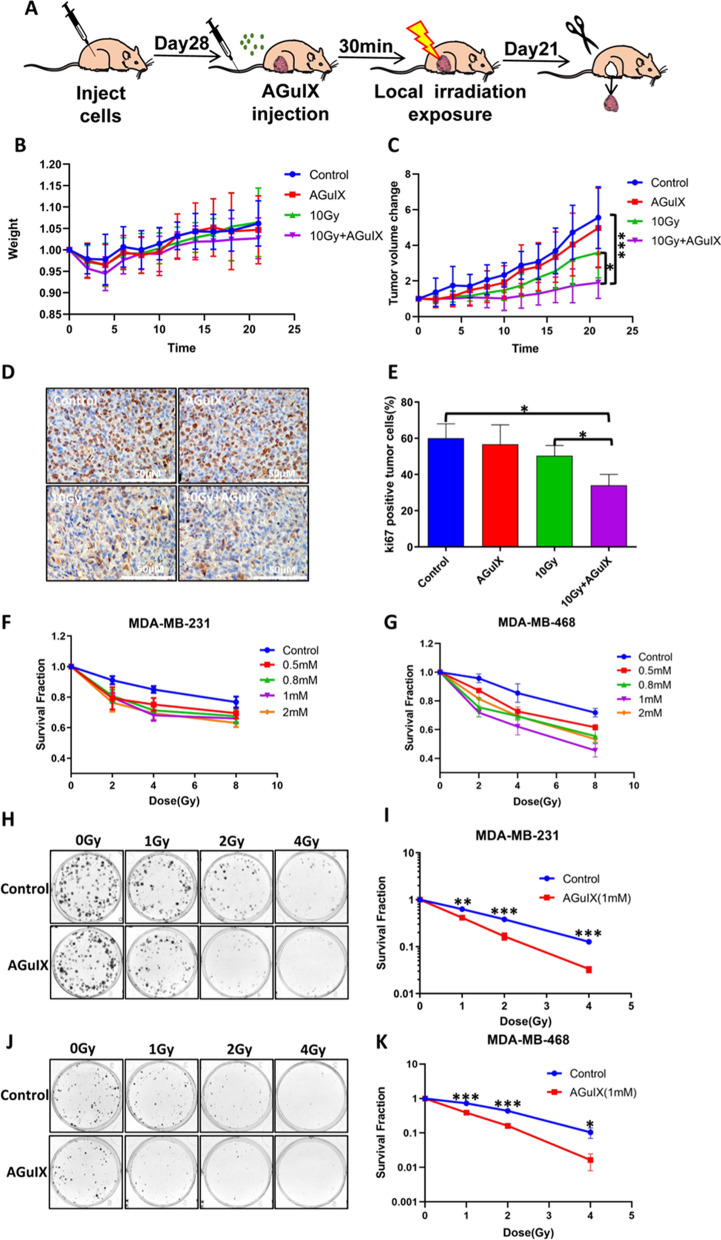
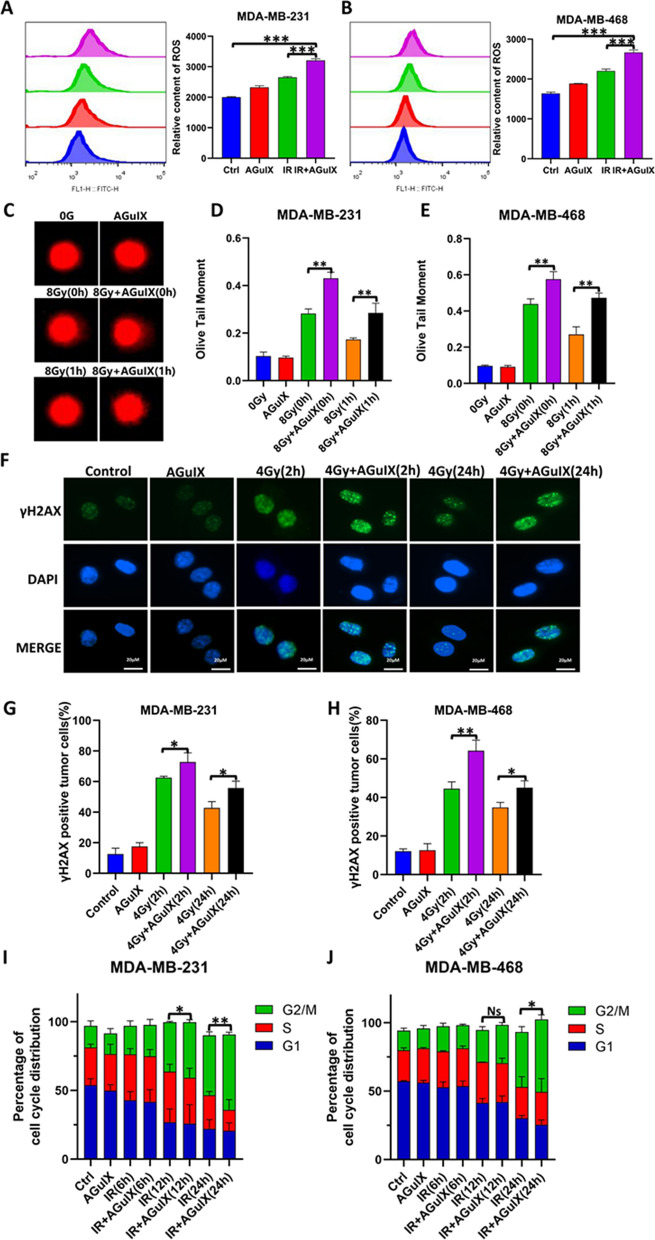
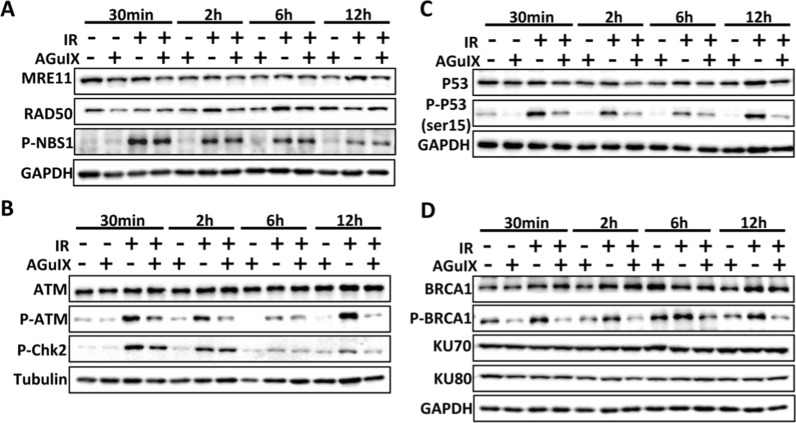
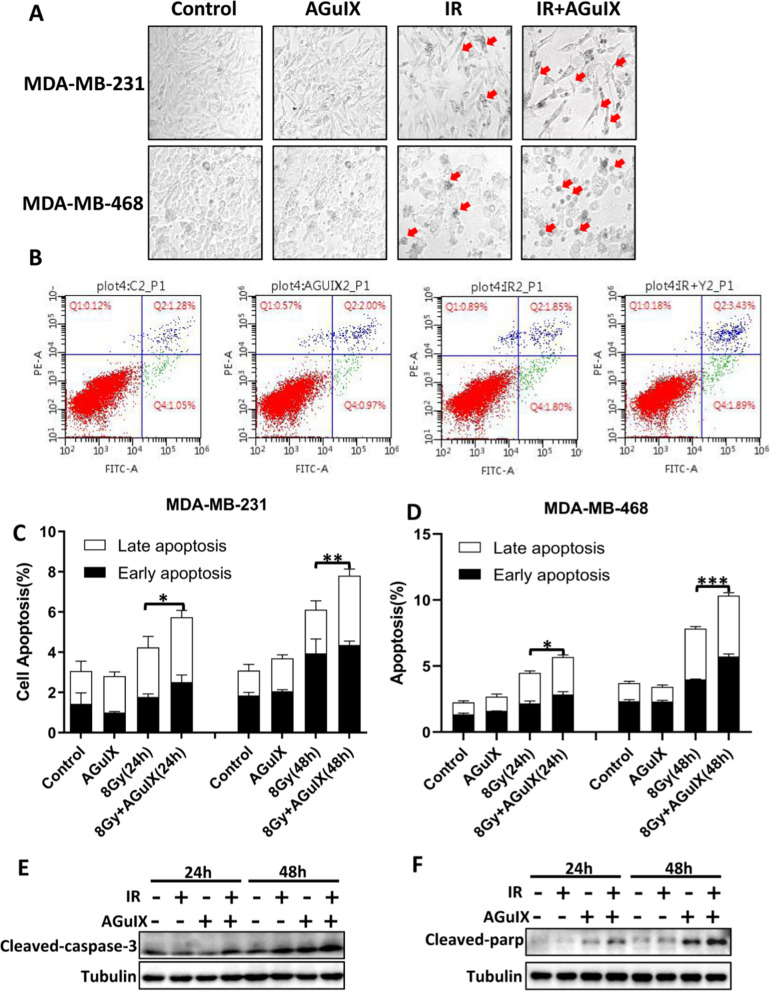
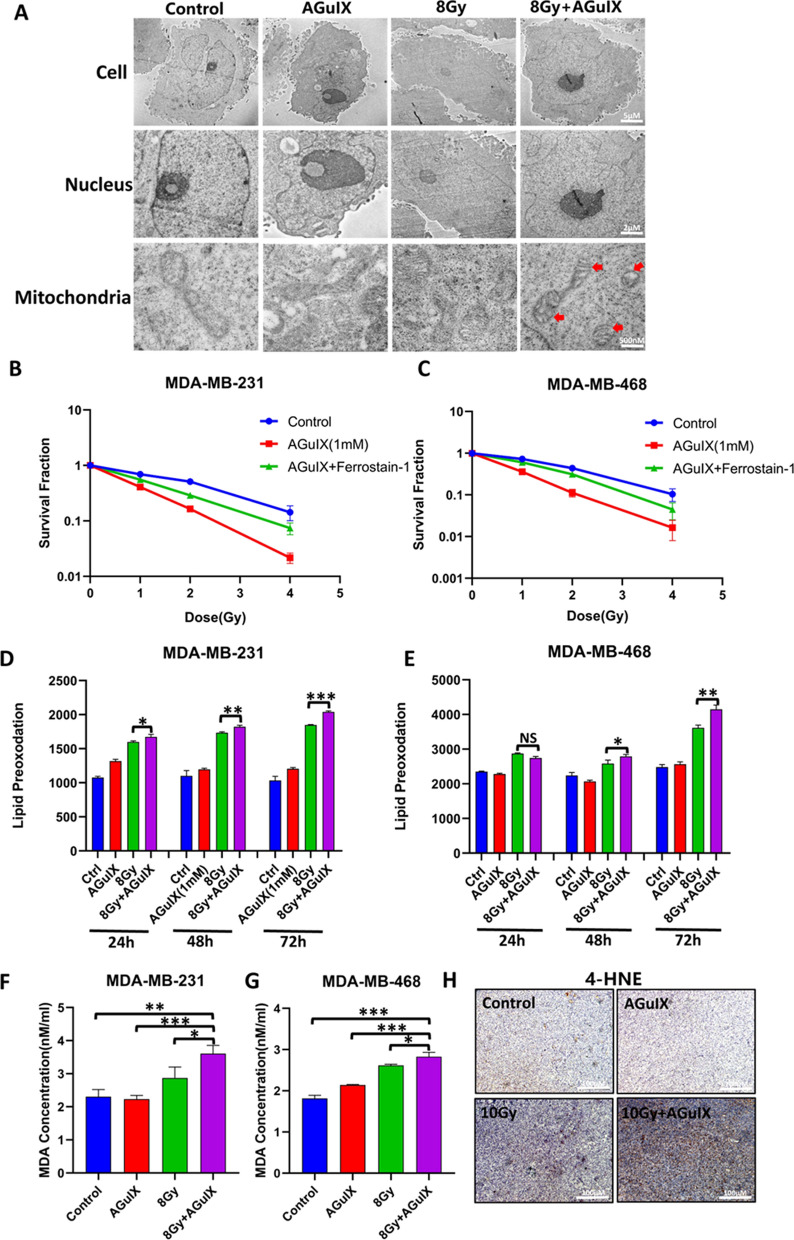
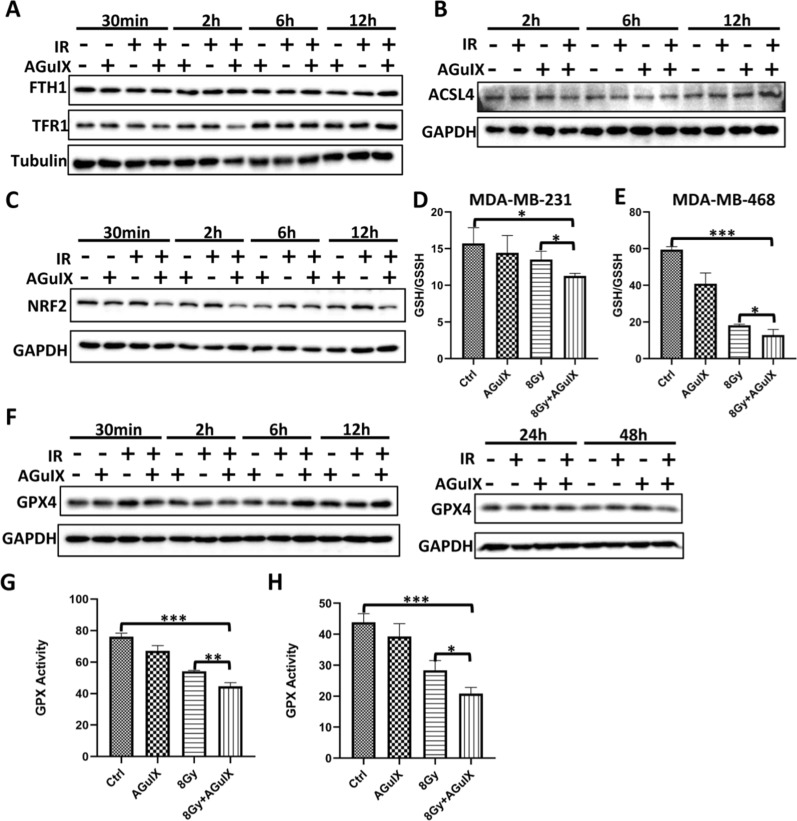
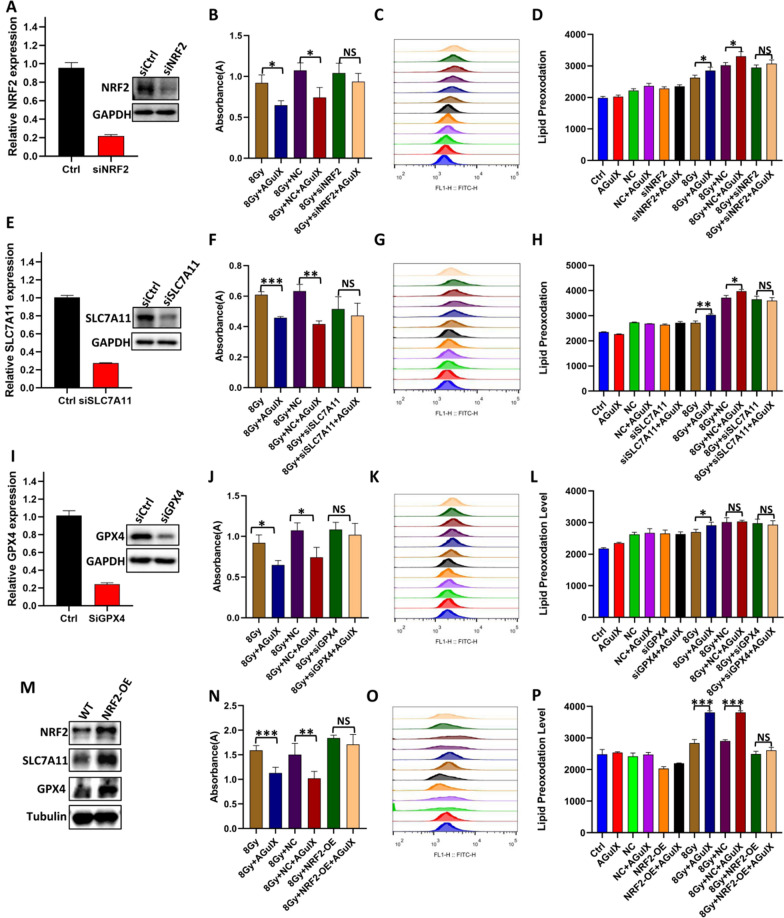
In the frame of radiotherapy treatment of cancer, radioresistance remains a major issue that still needs solutions to be overcome. To effectively improve the radiosensitivity of tumors and reduce the damage of radiation to neighboring normal tissues, radiosensitizers have been given increasing attention in recent years. As nanoparticles based on the metal element gadolinium, AGuIX nanoparticles have been shown to increase the radiosensitivity of cancers. Although it is a rare nanomaterial that has entered preclinical trials, the unclear biological mechanism hinders its further clinical application. In this study, we demonstrated the effectiveness of AGuIX nanoparticles in the radiosensitization of triple-negative breast cancer. We found that AGuIX nanoparticles increased the level of DNA damage by compromising the homologous recombination repair pathway instead of the non-homologous end joining pathway. Moreover, the results showed that AGuIX nanoparticles induced apoptosis, but the degree of apoptosis ability was very low, which cannot fully explain their strong radiosensitizing effect. Ferroptosis, the other mode of cell death, was also discovered to play a significant role in radiation sensitization, and AGuIX nanoparticles may regulate the anti-ferroptosis system by inhibiting the NRF2-GSH-GPX4 signaling pathway. Graphical Abstract
Overview
The claims and statistics of this paper haven’t been checked yet.
Free: it reads the open-access text and checks the first 5 claims that cite a source we can check. Create a free account to check every claim.
Integrity signals
Registry
Cites
Statistics
Figures
Verification
Claims the paper makes
The claims and statistics of this paper haven’t been checked yet.
Free: it reads the open-access text and checks the first 5 claims that cite a source we can check. Create a free account to check every claim.
Claims other papers make about this one
Each is checked against this paper’s own text: does it say what the citing paper says it does?
The source backs part of the claim, not all of it — or backs it for a different population, condition or comparison.
In the citing paper
“High-atomic-number (high-Z) nanoplatforms based on silver (Z = 47), gadolinium (Z = 64), platinum (Z = 78), gold (Z = 79), and bismuth (Z = 83) enhance radiation-induced energy deposition through photoelectric interactions and secondary electron generation [15,20,27,28,30,33,34,36,50,63].”
From Nanoparticle-Mediated Radiosensitization in Breast Cancer: A Systematic Review of Preclinical Evidence and Translational Challenges (2026) · cites this paper as [15]
Experimental — accuracy not yet measuredThe source backs part of the claim, not all of it — or backs it for a different population, condition or comparison.
In the citing paper
“High-atomic-number (high-Z) nanomaterials were reported to increase local radiation energy deposition through photoelectric interactions, resulting in the generation of secondary electrons and localized dose amplification [15,20,27,28,34].”
From Nanoparticle-Mediated Radiosensitization in Breast Cancer: A Systematic Review of Preclinical Evidence and Translational Challenges (2026) · cites this paper as [15]
Experimental — accuracy not yet measuredThe source backs part of the claim, not all of it — or backs it for a different population, condition or comparison.
In the citing paper
“Enhanced DNA damage, particularly in the form of double-strand breaks, was frequently reported following nanoparticle-assisted irradiation [15,20,27,52].”
From Nanoparticle-Mediated Radiosensitization in Breast Cancer: A Systematic Review of Preclinical Evidence and Translational Challenges (2026) · cites this paper as [15]
Experimental — accuracy not yet measuredThe source backs part of the claim, not all of it — or backs it for a different population, condition or comparison.
In the citing paper
“Beyond this effect, several nanoplatforms were specifically designed to inhibit DNA repair pathways, thereby prolonging damage persistence and increasing radiosensitivity [15,52,74].”
From Nanoparticle-Mediated Radiosensitization in Breast Cancer: A Systematic Review of Preclinical Evidence and Translational Challenges (2026) · cites this paper as [15]
Experimental — accuracy not yet measuredThe source backs part of the claim, not all of it — or backs it for a different population, condition or comparison.
In the citing paper
“Major differences in nanoparticle composition, particle size, surface functionalization, therapeutic payloads, irradiation protocols, experimental models, and outcome assessment methods [15,20,24,33,37,45,52,68,76,81] substantially complicate direct cross-study comparison and limit quantitative synthesis.”
From Nanoparticle-Mediated Radiosensitization in Breast Cancer: A Systematic Review of Preclinical Evidence and Translational Challenges (2026) · cites this paper as [15]
Experimental — accuracy not yet measured
14 more claims about this paper
Create a free account to see every claim other papers make about this one.
Self-check
Percentages, sums and reported differences re-computed from the paper’s own numbers.
The self-check needs the paper’s full text.
Citations
Cites
Ferroptosis: An Iron-Dependent Form of Nonapoptotic Cell Death
Dixon, S. J., Lemberg, K. M., Lamprecht, M. R., Skouta, R., Zaitsev, E. M., Gleason, C. E., Patel, D. N., Bauer, A. J., Cantley, A. M., Yang, W. S., et al. (2012) · Cell · doi:10.1016/j.cell.2012.03.042 · Cited by 18,691
Ferroptosis: A Regulated Cell Death Nexus Linking Metabolism, Redox Biology, and Disease
Stockwell, B. R., Friedmann Angeli, J. P., Bayir, H., Bush, A. I., Conrad, M., Dixon, S. J., Fulda, S., Gascón, S., Hatzios, S. K., Kagan, V. E., et al. (2017) · Cell · doi:10.1016/j.cell.2017.09.021 · Cited by 7,695 · cited 2×
“The occurrence of ferroptosis is mainly related to iron metabolism, fatty acid metabolism, and glutathione synthesis [38].”
BackgroundRenal clearance of quantum dots
Soo Choi, H., Liu, W., Misra, P., Tanaka, E., Zimmer, J. P., Itty Ipe, B., Bawendi, M. G., & Frangioni, J. V. (2007) · Nature Biotechnology · doi:10.1038/nbt1340 · Cited by 4,476
ACSL4 dictates ferroptosis sensitivity by shaping cellular lipid composition
Doll, S., Proneth, B., Tyurina, Y. Y., Panzilius, E., Kobayashi, S., Ingold, I., Irmler, M., Beckers, J., Aichler, M., Walch, A., et al. (2017) · Nature Chemical Biology · doi:10.1038/nchembio.2239 · Cited by 4,293 · cited 1×
“ACSL4, which is the key catalytic factor in the fatty acid metabolism pathway [47], was also negative.”
BackgroundATM and ATR Substrate Analysis Reveals Extensive Protein Networks Responsive to DNA Damage
Matsuoka, S., Ballif, B. A., Smogorzewska, A., McDonald, E. R., Hurov, K. E., Luo, J., Bakalarski, C. E., Zhao, Z., Solimini, N., Lerenthal, Y., et al. (2007) · Science · doi:10.1126/science.1140321 · Cited by 3,075 · cited 1×
“Phosphorylated p53 at serine 15 can enhance the DNA repair function [29, 30].”
BackgroundApoptosis: controlled demolition at the cellular level
Taylor, R. C., Cullen, S. P., & Martin, S. J. (2008) · Nature Reviews Molecular Cell Biology · doi:10.1038/nrm2312 · Cited by 2,624
DNA double-strand breaks: signaling, repair and the cancer connection
Khanna, K. K., & Jackson, S. P. (2001) · Nature Genetics · doi:10.1038/85798 · Cited by 2,455 · cited 1×
“Ionizing radiation and the resulting ROS usually induce DNA strand breaks and lead to cell death [23].”
BackgroundNRF2 plays a critical role in mitigating lipid peroxidation and ferroptosis
Dodson, M., Castro-Portuguez, R., & Zhang, D. D. (2019) · Redox Biology · doi:10.1016/j.redox.2019.101107 · Cited by 2,435
DNA damage-induced phosphorylation of p53 alleviates inhibition by MDM2
Shieh, S.-Y., Ikeda, M., Taya, Y., & Prives, C. (1997) · Cell · doi:10.1016/s0092-8674(00)80416-x · Cited by 2,100 · cited 1×
“Phosphorylated p53 at serine 15 can enhance the DNA repair function [29, 30].”
BackgroundThe ATM protein kinase: regulating the cellular response to genotoxic stress, and more
Shiloh, Y., & Ziv, Y. (2013) · Nature Reviews Molecular Cell Biology · doi:10.1038/nrm3546 · Cited by 1,649 · cited 13×
“BRCA1 is also an important protein that mediates the homologous recombinant repair pathway [31].”
BackgroundInfluentialRecent Progress in Ferroptosis Inducers for Cancer Therapy
Liang, C., Zhang, X., Yang, M., & Dong, X. (2019) · Advanced Materials · doi:10.1002/adma.201904197 · Cited by 1,569
Targeting the DNA Damage Response in Cancer
O’Connor, M. J. (2015) · Molecular Cell · doi:10.1016/j.molcel.2015.10.040 · Cited by 1,518
Matthews, H. K., Bertoli, C., & de Bruin, R. A. M. (2022) · Nature Reviews Molecular Cell Biology · doi:10.1038/s41580-021-00404-3 · Cited by 1,506
The role of ferroptosis in ionizing radiation-induced cell death and tumor suppression
Lei, G., Zhang, Y., Koppula, P., Liu, X., Zhang, J., Lin, S. H., Ajani, J. A., Xiao, Q., Liao, Z., Wang, H., et al. (2020) · Cell Research · doi:10.1038/s41422-019-0263-3 · Cited by 1,318 · cited 4×
“It was recently reported that radiation can induce ferroptosis in cells [36], which made us wonder whether AGuIX nanoparticles have a partial sensitizing effect by increasing the ferroptosis of breast cancer cells.”
BackgroundResultInfluentialRadiation oncology in the era of precision medicine
Baumann, M., Krause, M., Overgaard, J., Debus, J., Bentzen, S. M., Daartz, J., Richter, C., Zips, D., & Bortfeld, T. (2016) · Nature Reviews Cancer · doi:10.1038/nrc.2016.18 · Cited by 812
Normal tissue reactions to radiotherapy: towards tailoring treatment dose by genotype
Barnett, G. C., West, C. M. L., Dunning, A. M., Elliott, R. M., Coles, C. E., Pharoah, P. D. P., & Burnet, N. G. (2009) · Nature Reviews Cancer · doi:10.1038/nrc2587 · Cited by 771
Direct Activation of the ATM Protein Kinase by the Mre11/Rad50/Nbs1 Complex
Lee, J.-H., & Paull, T. T. (2004) · Science · doi:10.1126/science.1091496 · Cited by 762 · cited 15×
“Matsuoka S, Ballif BA, Smogorzewska A, et al. ATM and ATR substrate analysis reveals extensive protein networks responsive to DNA damage.”
BackgroundInfluentialIn search of the tumour-suppressor functions of BRCA1 and BRCA2
Scully, R., & Livingston, D. M. (2000) · Nature · doi:10.1038/35044000 · Cited by 643
Triple-negative breast cancer: epidemiological considerations and recommendations
Boyle, P. (2012) · Annals of Oncology · doi:10.1093/annonc/mds187 · Cited by 593 · cited 1×
“Increasing data show that triplenegative breast cancer has greater risk of local recurrence and metastasis than other subtypes [39].”
BackgroundWang, H., Mu, X., He, H., & Zhang, X.-D. (2018) · Trends in Pharmacological Sciences · doi:10.1016/j.tips.2017.11.003 · Cited by 572
Image-guided radiotherapy: from current concept to future perspectives
Jaffray, D. A. (2012) · Nature Reviews Clinical Oncology · doi:10.1038/nrclinonc.2012.194 · Cited by 496
Nanoparticles for Radiation Therapy Enhancement: the Key Parameters
Retif, P., Pinel, S., Toussaint, M., Frochot, C., Chouikrat, R., Bastogne, T., & Barberi-Heyob, M. (2015) · Theranostics · doi:10.7150/thno.11642 · Cited by 385
Abdulkarim, B. S., Cuartero, J., Hanson, J., Deschênes, J., Lesniak, D., & Sabri, S. (2011) · Journal of Clinical Oncology · doi:10.1200/jco.2010.33.4714 · Cited by 345
Pathway choice in DNA double strand break repair: observations of a balancing act
Brandsma, I., & Gent, D. C. (2012) · Genome Integrity · doi:10.1186/2041-9414-3-9 · Cited by 308
Advances in Radiotherapy and Implications for the Next Century: A Historical Perspective
Connell, P. P., & Hellman, S. (2009) · Cancer Research · doi:10.1158/0008-5472.can-07-6871 · Cited by 283
Wu, C., Liu, Z., Chen, Z., Xu, D., Chen, L., Lin, H., & Shi, J. (2021) · Science Advances · doi:10.1126/sciadv.abj8833 · Cited by 255
The use of theranostic gadolinium-based nanoprobes to improve radiotherapy efficacy
Sancey, L., Lux, F., Kotb, S., Roux, S., Dufort, S., Bianchi, A., Crémillieux, Y., Fries, P., Coll, J.-L., Rodriguez-Lafrasse, C., et al. (2014) · The British Journal of Radiology · doi:10.1259/bjr.20140134 · Cited by 223
Self-citationIdentification of the elementary structural units of the DNA damage response
Natale, F., Rapp, A., Yu, W., Maiser, A., Harz, H., Scholl, A., Grulich, S., Anton, T., Hörl, D., Chen, W., et al. (2017) · Nature Communications · doi:10.1038/ncomms15760 · Cited by 203
Kotb, S., Detappe, A., Lux, F., Appaix, F., Barbier, E. L., Tran, V.-L., Plissonneau, M., Gehan, H., Lefranc, F., Rodriguez-Lafrasse, C., et al. (2016) · Theranostics · doi:10.7150/thno.14018 · Cited by 182
Self-citationTewari, M., Beidler, D. R., & Dixit, V. M. (1995) · Journal of Biological Chemistry · doi:10.1074/jbc.270.32.18738 · Cited by 178
Triple negative breast cancer: the kiss of death
Jitariu, A.-A., Cîmpean, A. M., Ribatti, D., & Raica, M. (2017) · Oncotarget · doi:10.18632/oncotarget.16938 · Cited by 173
Sun, Y., He, L., Wang, T., Hua, W., Qin, H., Wang, J., Wang, L., Gu, W., Li, T., Li, N., et al. (2020) · Molecular Neurobiology · doi:10.1007/s12035-020-02049-3 · Cited by 164
Self-citationMignot, A., Truillet, C., Lux, F., Sancey, L., Louis, C., Denat, F., Boschetti, F., Bocher, L., Gloter, A., Stéphan, O., et al. (2013) · Chemistry – A European Journal · doi:10.1002/chem.201203003 · Cited by 155
Self-citationVerry, C., Dufort, S., Lemasson, B., Grand, S., Pietras, J., Troprès, I., Crémillieux, Y., Lux, F., Mériaux, S., Larrat, B., et al. (2020) · Science Advances · doi:10.1126/sciadv.aay5279 · Cited by 145
Self-citationDetappe, A., Thomas, E., Tibbitt, M. W., Kunjachan, S., Zavidij, O., Parnandi, N., Reznichenko, E., Lux, F., Tillement, O., & Berbeco, R. (2017) · Nano Letters · doi:10.1021/acs.nanolett.6b05055 · Cited by 144
Self-citationInternalization pathways into cancer cells of gadolinium-based radiosensitizing nanoparticles
Rima, W., Sancey, L., Aloy, M., Armandy, E., Alcantara, G. B., Épicier, T., Malchère, A., Joly-Pottuz, L., Mowat, P., Lux, F., et al. (2012) · Biomaterials · doi:10.1016/j.biomaterials.2012.09.029 · Cited by 124
Self-citationBeiki, O., Hall, P., Ekbom, A., & Moradi, T. (2012) · Breast Cancer Research · doi:10.1186/bcr3086 · Cited by 122
Postoperative Radiotherapy After Breast-Conserving Surgery for Early-Stage Breast Cancer
Speers, C. W., & Pierce, L. J. (2016) · JAMA Oncology · doi:10.1001/jamaoncol.2015.5805 · Cited by 117
Nanoparticles for radiooncology: Mission, vision, challenges
Kunz‐Schughart, L. A., Dubrovska, A., Peitzsch, C., Ewe, A., Aigner, A. M., Schellenburg, S., Muders, M. H., Hampel, S., Cirillo, G., Iemma, F., et al. (2016) · Biomaterials · doi:10.1016/j.biomaterials.2016.12.010 · Cited by 116
Therapies for triple negative breast cancer
Andreopoulou, E., Schweber, S. J., Sparano, J. A., & McDaid, H. M. (2015) · Expert Opinion on Pharmacotherapy · doi:10.1517/14656566.2015.1032246 · Cited by 114
NRF2 preserves genomic integrity by facilitating ATR activation and G2 cell cycle arrest
Sun, X., Wang, Y., Ji, K., Liu, Y., Kong, Y., Nie, S., Li, N., Hao, J., Xie, Y., Xu, C., et al. (2020) · Nucleic Acids Research · doi:10.1093/nar/gkaa631 · Cited by 101
Self-citationMechanisms for Tuning Engineered Nanomaterials to Enhance Radiation Therapy of Cancer
Clement, S., Campbell, J. M., Deng, W., Guller, A., Nisar, S., Liu, G., Wilson, B. C., & Goldys, E. M. (2020) · Advanced Science · doi:10.1002/advs.202003584 · Cited by 96
AGuIX nanoparticles as a promising platform for image-guided radiation therapy
Detappe, A., Kunjachan, S., Rottmann, J., Robar, J., Tsiamas, P., Korideck, H., Tillement, O., & Berbeco, R. (2015) · Cancer Nanotechnology · doi:10.1186/s12645-015-0012-3 · Cited by 88
Self-citationRole of Akt Activation in PARP Inhibitor Resistance in Cancer
Gallyas, F., Sümegi, B., & Szabó, C. (2020) · Cancers · doi:10.3390/cancers12030532 · Cited by 82
Štefančíková, L., Lacombe, S., Leza, D. S., Porcel, E., Pagáčová, E., Tillement, O., Lux, F., Depeš, D., Kozubek, S., & Falk, M. (2016) · Journal of Nanobiotechnology · doi:10.1186/s12951-016-0215-8 · Cited by 81
Self-citationRadiosensitization Effect of AGuIX, a Gadolinium-Based Nanoparticle, in Nonsmall Cell Lung Cancer
Du, Y., Sun, H., Lux, F., Xie, Y., Du, L., Xu, C., Zhang, H., He, N., Wang, J., Liu, Y., et al. (2020) · ACS Applied Materials & Interfaces · doi:10.1021/acsami.0c16548 · Cited by 60
Self-citationHu, P., Fu, Z., Liu, G., Tan, H., Xiao, J., Shi, H., & Cheng, D. (2019) · Frontiers in Bioengineering and Biotechnology · doi:10.3389/fbioe.2019.00368 · Cited by 44
Lee, A. Y.-L., Liu, E., & Wu, X. (2007) · Journal of Biological Chemistry · doi:10.1074/jbc.m705486200 · Cited by 35
Song, H., Sun, H., He, N., Xu, C., Wang, Y., Du, L., Liu, Y., Wang, Q., Ji, K., Wang, J., et al. (2022) · Nanoscale · doi:10.1039/d2nr02620a · Cited by 35
Self-citationKey clinical beam parameters for nanoparticle-mediated radiation dose amplification
Detappe, A., Kunjachan, S., Drané, P., Kotb, S., Myronakis, M. E., Biancur, D. E., Ireland, T. J., Wagar, M., Lux, F., Tillement, O., et al. (2016) · Scientific Reports · doi:10.1038/srep34040 · Cited by 35
Self-citationUtilisation de nanoparticules comme agent radiosensibilisant en radiothérapie : où en est-on ?
Verry, C., Porcel, E., Chargari, C., Rodriguez‐Lafrasse, C., & Balosso, J. (2019) · Cancer/Radiothérapie · doi:10.1016/j.canrad.2019.07.134 · Cited by 30
Nanoparticules ultrafines en radiothérapie : le cas des AGuIX
Lux, F., Detappe, A., Dufort, S., Sancey, L., Louis, C., Carme, S., & Tillement, O. (2015) · Cancer/Radiothérapie · doi:10.1016/j.canrad.2015.05.019 · Cited by 27
Self-citationApoptosis induced by ionizing radiation. The biological basis of radiosensitivity.
Ferlini, C., D’Amelio, R., & Scambia, G. (2002) · PubMed · Cited by 25
Apoptosis Induced by Ionizing Radiation
Ferlini, C., Amelio, R., & Scambia, G. (2006) · Kluwer Academic Publishers eBooks · doi:10.1007/0-306-47931-1_9 · Cited by 21
Cited by
Wu, X., Zhou, Z., Li, K., & Liu, S. (2024) · Advanced Science · doi:10.1002/advs.202308632 · Cited by 92
Pi, F., Deng, X., Xue, Q., Zheng, L., Liu, H., Yang, F., & Chen, T. (2023) · Journal of Nanobiotechnology · doi:10.1186/s12951-023-01850-1 · Cited by 80
Chen, Y., Feng, Y., Lin, Y., Zhou, X., Wang, L., Zhou, Y., Lin, K., & Cai, L. (2024) · British Journal of Cancer · doi:10.1038/s41416-024-02574-1 · Cited by 62
Zheng, J., Zhang, Q., Zhao, Z. W., Qiu, Y., Zhou, Y., Wu, Z., Jiang, C., Wang, X., & Jiang, X. (2023) · Journal of Experimental & Clinical Cancer Research · doi:10.1186/s13046-023-02684-3 · Cited by 62
Song, X., Qian, H., & Yu, Y. (2023) · Small · doi:10.1002/smll.202302613 · Cited by 55
Metadata
- Authors
- Sun, H., Cai, H., Xu, C., Zhai, H., Lux, F., Xie, Y., Feng, L., Du, L., Liu, Y., Sun, X., Wang, Q., Song, H., He, N., Zhang, M., Ji, K., Wang, J., Gu, Y., Leduc, G., Doussineau, T., Wang, Y., Liu, Q., & Tillement, O.
- Affiliations
- Chinese Academy of Medical Sciences & Peking Union Medical College (CN)
- Tianjin University (CN)
- Lyon 1 Université (FR)
- Chinese Academy of Sciences (CN)
- Corresponding author
- Wang, Yan
- Liu, Qiang
- ORCID
- Venue
- Journal of Nanobiotechnology
- Published
- 2022-10-14
- Volume
- 20
- Issue
- 1
- Pages
- 449-449
- ISSN
- 1477-3155 (ISSN-L)
- PMC
- PMC9569109
- OpenAlex
- W4306249138
- Cited by
- 86
- References
- 54
- Citations by year
- 2026: 16 · 2025: 16 · 2024: 39 · 2023: 15
- FWCI
- 11.60
- Type
- journal article
- Language
- en
- Update notices
- correction (2026-10-06)
- Open access
- gold
- doi.org
- Licence
- cc-by
- creativecommons.org/licenses/by/4.0 (tdm)
- creativecommons.org/licenses/by/4.0 (vor)
- Locations
- Journal of Nanobiotechnology (publishedVersion, cc-by)
- PubMed Central (publishedVersion, cc-by)
- PubMed (publishedVersion)
- HAL (submittedVersion)
- DOAJ (DOAJ: Directory of Open Access Journals) (submittedVersion)
- Funders
- National Natural Science Foundation of China (81972976, 31900889, 82072331, 32071241, 31900891, 82103837, 31971168, 32171239)
- Natural Science Foundation of Tianjin (20JCQNJC00340)
- Fundamental Research Funds for the Central Universities (3332021066)
- Topics
- Physical Sciences › Physics and Astronomy › Radiation › Radiation Therapy and Dosimetry
- Life Sciences › Biochemistry, Genetics and Molecular Biology › Cancer Research › Ferroptosis and cancer prognosis
- Physical Sciences › Engineering › Biomedical Engineering › Nanoplatforms for cancer theranostics
- Keywords
- gadolinium-based nanoparticles, radiosensitization, ferroptosis, triple-negative breast cancer, ionizing radiation, radioresistance (biology), homologous recombination repair, DNA damage, apoptosis, glutathione, ferroptosis resistance
- MeSH terms
- Gadolinium, Humans, Neoplasms, Radiation-Sensitizing Agents, Radiation, Ionizing, Signal Transduction, NF-E2-Related Factor 2, Nanoparticles
About these checks
Registry, retraction, Cites and statistics results are computed, not judged, with one exception: a printed reference that no index lists is read once by a model before it counts as a citation error. Claims are extracted by a model and kept only when their quote appears verbatim in the text; each cited source is then checked, with a model’s help, for whether it says what the claim relies on. Those verdicts can be wrong — read the claim’s quote and the cited source before relying on one.
Statistics and arithmetic are recomputed, not judged.
Confidence bands are shown only for fields calibrated on our annotated test set. None is calibrated yet, so no band is shown.
What counts as a claim ›How we measure confidence ›How we check this ›
Are you an author, or do you see a problem with this page? Request a review
Data sources
Bibliographic data: Semantic Scholar, OpenAlex, Crossref.
Contains information from the Semantic Scholar Academic Graph Datasets, made available under the ODC Attribution License (ODC-BY 1.0).
Semantic Scholar’s data is described in: Kinney, R., et al. (2023). The Semantic Scholar Open Data Platform. arXiv:2301.10140.
