

The DOI matches its Crossref record; 78 of the 91 references it cites were found in a registry or an index.
Quality of life assessment instruments for adults: a systematic review of population-based studies
Open accessAbstract
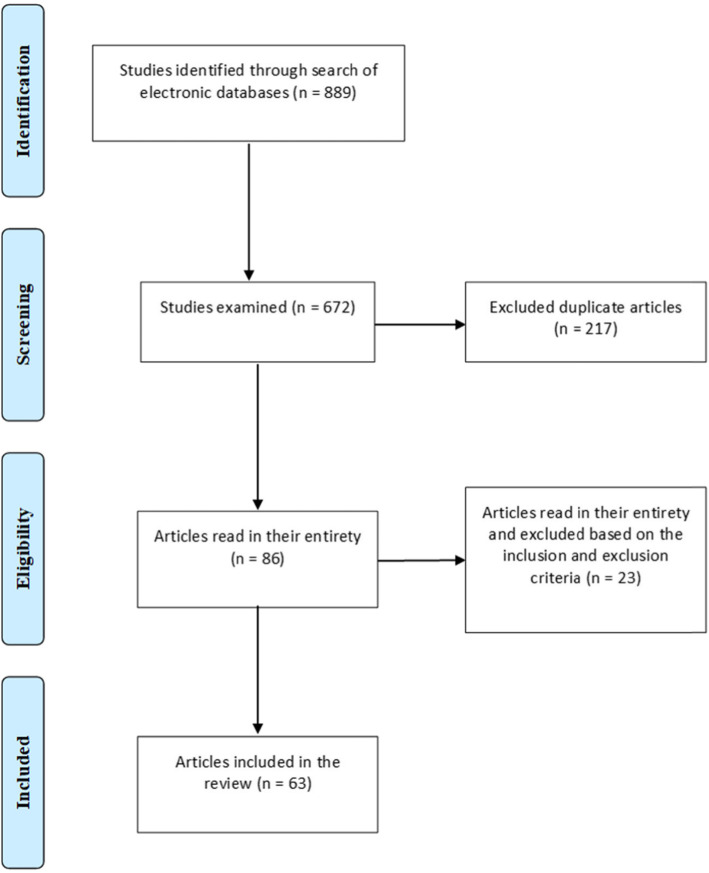
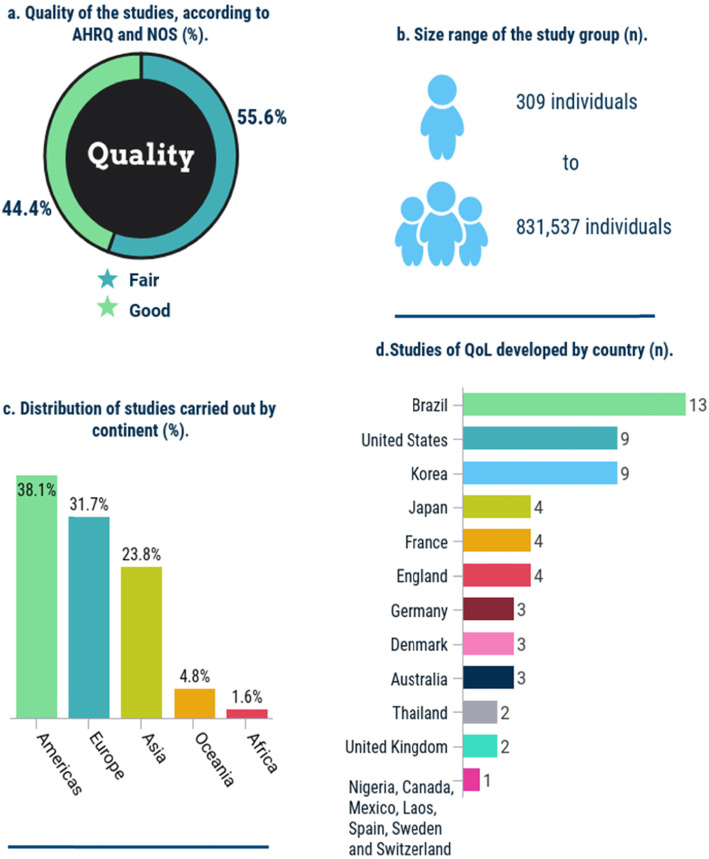
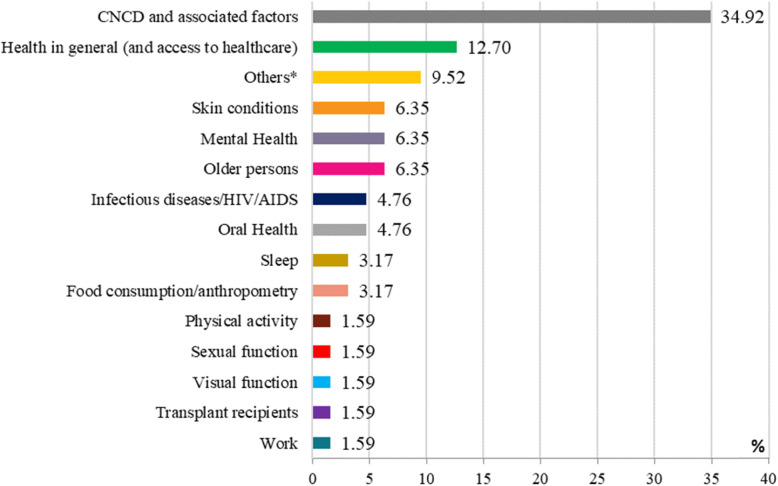
Background: Against a backdrop of population aging and improving survival rates for chronic noncommunicable diseases (CNCD), researchers are placing growing emphasis on health-related quality of life (HRQoL). The aim of this study was to identify the QoL assessment instruments used in population-based studies with adults conducted around the world. Methods: A systematic review of original research published in all languages between 2008 and 2018 was conducted. Systematic reviews and meta-analyses were excluded. Results: Sixty-three articles (38.1% conducted in the Americas) fitted the eligibility criteria. Based on the AHRQ checklist for cross-sectional studies and the Newcastle-Ottawa scale for cohort studies, methodological quality was shown to be fair in the majority of studies (55.6%) and good in 44.4%. The country with the highest number of publications was Brazil (20.6%). Twelve types of generic instruments and 11 specific instruments were identified. The generic instrument SF-36 was the most frequently used measure (33.3% of studies). In-home interviewing was exclusively used by 47.6% of the studies, while 39 studies (61.9%) reported the use of self-administered questionnaires. Over two-thirds of the studies (34.9%) used questionnaires to investigate the association between chronic diseases and/or associated factors. Conclusions: It was concluded that the wide range of instruments and modes of questionnaire administration used by the studies may hinder comparisons between population groups with the same characteristics or needs. There is a lack of research on QoL and the factors affecting productive capacity. Studies of QoL in older persons should focus not only on the effects of disease and treatment, but also on the determinants of active aging and actions designed to promote it. Further research is recommended to determine which QoL instruments are best suited for population-based studies.
Overview
The claims and statistics of this paper haven’t been checked yet.
Run the check — free, no account needed. It reads the open-access text and checks the sources it cites.
Integrity signals
Registry
Cites
Statistics
Figures
Verification
Claims the paper makes
The claims and statistics of this paper haven’t been checked yet.
Run the check — free, no account needed. It reads the open-access text and checks the sources it cites.
Claims other papers make about this one
Each is checked against this paper’s own text: does it say what the citing paper says it does?
The cited source says what the claim attributes to it.
In the citing paper
“Measures of quality of life are praised to be multi-dimensional and broadly applicable, but are often criticized for not being sensitive to specific aspects of quality of life for different health conditions (Pequeno et al., 2020).”
From A Systematic Review and Meta-Analysis Exploring Effects of Third-Wave Psychological Therapies on Hearing-Related Distress, Depression, Anxiety, and Quality of Life in People With Audiological Problems. (2022) · cites this paper as Pequeno et al., 2020
Self-check
Percentages, sums and reported differences re-computed from the paper’s own numbers.
The self-check needs the paper’s full text.
Citations
Cites
van der Togt, H. (2003) · Journal of Network and Computer Applications · doi:10.1016/s1084-8045(02)00061-9 · Cited by 302,642
PRISMA-P Group, Moher, D., Shamseer, L., Clarke, M., Ghersi, D., Liberati, A., Petticrew, M., Shekelle, P., & Stewart, L. A. (2015) · Systematic Reviews · doi:10.1186/2046-4053-4-1 · Cited by 26,223
The Whoqol Group (1998) · Social Science & Medicine · doi:10.1016/s0277-9536(98)00009-4 · Cited by 3,802
Measuring Health-Related Quality of Life
Guyatt, G., Feeny, D., & Patrick, D. (1993) · Annals of Internal Medicine · doi:10.7326/0003-4819-118-8-199304150-00009 · Cited by 2,168
Conceptual Model of Health‐Related Quality of Life
Ferrans, C. E., Zerwic, J. J., Wilbur, J. E., & Larson, J. L. (2005) · Journal of Nursing Scholarship · doi:10.1111/j.1547-5069.2005.00058.x · Cited by 1,069
A Comparative Review of Generic Quality-of-Life Instruments
Coons, S. J., Rao, S. R., Keininger, D. L., & Hays, R. D. (2000) · PharmacoEconomics · doi:10.2165/00019053-200017010-00002 · Cited by 834
Physical activity and health related quality of life
Anokye, N., Trueman, P., Green, C., Pavey, T., & Taylor, R. S. (2012) · BMC Public Health · doi:10.1186/1471-2458-12-624 · Cited by 379
Chronic pain and other sequelae in long-term breast cancer survivors: nationwide survey in Denmark.
Peuckmann, V., Ekholm, O., Rasmussen, N. K., Groenvold, M., Christiansen, P., Møller, S., Eriksen, J., & Sjøgren, P. (2009) · European Journal of Pain · doi:10.1016/j.ejpain.2008.05.015 · Cited by 264
Muehlhausen, W., Doll, H., Quadri, N., Fordham, B., O'Donohoe, P., Dogar, N., & Wild, D. (2015) · Health and Quality of Life Outcomes · doi:10.1186/s12955-015-0362-x · Cited by 259
Mújica-Mota, R., Roberts, M. J., Abel, G., Elliott, M. N., Lyratzopoulos, G., Roland, M. O., & Campbell, J. (2014) · Quality of Life Research · doi:10.1007/s11136-014-0820-7 · Cited by 244
Research works printed but not linked: 7
- AHRQ. Agency for Healthcare Research and Quality. Newcastle-Ottawa Quality Assessment Form for Cohort Studies. Available at: https://www.ncbi.nlm.nih.gov/books/NBK115843/bin/appe-fm3.pdf.
- Cichy KE, et al. Non-vocational health-related correlates of quality of life for older adults living with multiple sclerosis. J Rehabil. 2016;82(3):36–44.
- El Khoury AC, Vietri J, Prajapati G. Health-related quality of life in patients with hepatitis C virus infection in Brazil. Rev Panam Salud Publica. 2014;35(3):200–6.
- Pavão A, Ploubidis G, Werneck G, Campos M, Werneck G, Rodrigues Campos M. Racial Discrimination and health in Brazil: evidence from a population-based survey. Ethn Dis. 2012;22:353–9.
- Kim Y, Cho W-K. Factors associated with successful smoking cessation in Korean adult males: findings from a National Survey. Iran J Public Health. 2014;43(11):1486–96.
- Lima MG. Barros, M.B.d.A. and Alves MCGP, Rio. Sllep Duration And Health Status Self-Assessment in the elderly 2012;28(9):1674–1684. · DOI
- Gomes JRAA, Hamann EM, Gutierrez MMU. Aplicação do WHOQOL-BREF em segmento da comunidade como subsídio para ações de promoção da saúde. Rev Bras Epidemiol. 2014:495–516. · DOI
Cited by
Sorted by citations
Items 101–200 of 228
Wang, X., Yang, H., Zhang, X., & Fan, Q. (2023) · Cellular and Molecular Biology · doi:10.14715/cmb/2023.69.3.13 · Cited by 5
“So the increase in self-efficacy can lead to improved behaviors that promote health and quality of life (10).”
Rodrígez, J. M. R., Toda, L. I., López, I., Muñoz, J. B., Fresno, L. S., Hernández, E., & Muñoz, A. D. A. (2023) · Scientific Reports · doi:10.1038/s41598-023-30281-z · Cited by 4
Zhang, Z.-Z., Wei, W., Zhu, T., Zhou, M., & Li, Y.-J. (2022) · International Journal of Environmental Research and Public Health · doi:10.3390/ijerph192215203 · Cited by 4
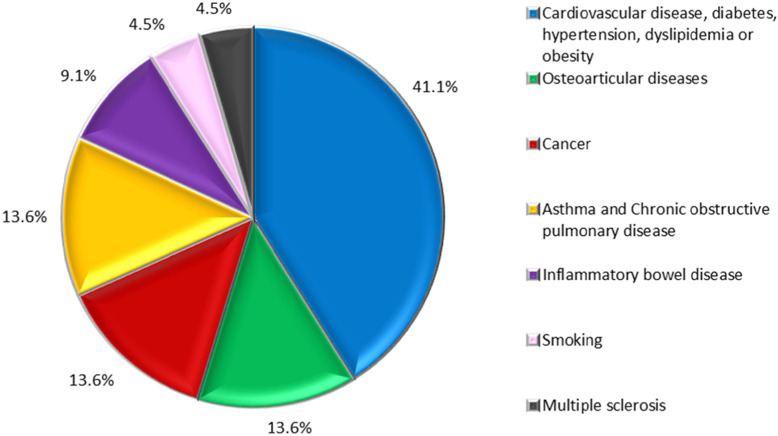
“According to available studies, the proportion for quality of life studies on chronic noncommunicable diseases (CNCD) in the elderly population is more than 35%, covering topics such as cardiovascular disease, diabetes, hypertension, dyslipidemia, and obesity [10].”
Rifai, A., Soelistyoningsih, D., Fajar, J. K., & Gunawan, A. (2022) · Clinical Epidemiology and Global Health · doi:10.1016/j.cegh.2022.101075 · Cited by 4
Alfian, S. D., Annisa, N., Iskandarsyah, A., Perwitasari, D. A., Denig, P., Hak, E., & Abdulah, R. (2021) · Therapeutics and Clinical Risk Management · doi:10.2147/tcrm.s329694 · Cited by 6
“Furthermore, different HRQOL measures were used in those studies, which might hinder comparisons between study populations.(37,38) Higher regimen-related and interpersonal distress were associated with lower HRQOL in the whole group and those using only antihypertensive medication.”
MethodKangwanrattanakul, K., & Ingard, A. (2025) · Health and Quality of Life Outcomes · doi:10.1186/s12955-025-02450-3 · Cited by 3
“Therefore, generic instruments are frequently used in conducting large-scale health surveys [10].”
Rahman, A. N. A., Ooi, F. K., Justine, M., Jawis, M. N., & Yahya, M. M. (2025) · Malaysian Journal of Medical Sciences · doi:10.21315/mjms-12-2024-996 · Cited by 2
“QoL refers to a person’s perception and satisfaction with life and their general appraisal of their level of functional well-being (12).”
Myneni, S., Tang, L., Akbari, H., Mayne, R., Ahmed, A., Kazemi, F., Dea, N., Zwagerman, N., Su, S., Choby, G. W., et al. (2025) · Journal of Neuro-Oncology · doi:10.1007/s11060-025-04974-6 · Cited by 3
Health-related quality of life due to malaria: a systematic review
Andrade, M. V., Noronha, K., Guedes, G. R., Campolina, B., Silva, V. A., de Souza, A., de Carvalho, L. R., Braga, P., Santos, A. S., Julião, N. A., et al. (2024) · Quality of Life Research · doi:10.1007/s11136-024-03822-w · Cited by 4
“Generic instruments, such as EQ-5D, the SF-36, and the WHOQOL, measure broader health dimensions, and can be used to evaluate HRQoL for both chronic and infectious diseases [17].”
Zuo, Y., & Yang, G. (2024) · International Journal of Qualitative Studies on Health & Well-Being · doi:10.1080/17482631.2024.2397845 · Cited by 3
“Many scholars have started to determine the dimensions of QoL for elderly residents in care facilities based on their subjective feelings (O’Neill et al., 2022; Shogren et al., 2017; Sion et al., 2020).”
BackgroundInfluentialA New PROM in Patients with Obesity and After Metabolic Surgery: The OBESI-Q
Lodewijks, Y., Jansen, A., Stacie, R., & Nienhuijs, S. (2024) · Bariatric Surgical Practice and Patient Care · doi:10.1089/bari.2023.0061 · Cited by 3
Navigating Life Post-emergency Laparotomy: A Narrative Review on Quality-of-Life Outcomes
Hatewar, A., Mahakalkar, C., Kshirsagar, S., Dixit, S., & Reddy, S. (2024) · Cureus · doi:10.7759/cureus.60583 · Cited by 3
“The SF-36 (Medical Outcomes Study Short-Form 36) is one of the most frequently employed generic QoL assessment tools [14].”
BackgroundMethodInfluentialSaruarov, Y., Nuskabayeva, G., Gencer, M. Z., Shalkharova, Z., & Idrissov, K. S. (2024) · Asian Journal of Social Health and Behavior · doi:10.4103/shb.shb_388_23 · Cited by 3
Bonneville‐Roussy, A., Khoriaty, F., & Laberge, F. (2024) · Quality of Life Research · doi:10.1007/s11136-024-03639-7 · Cited by 3
“Many experts have conceptualized QoL with a bias for health reductionism [6, 7].”
Antibiotics for treatment of leptospirosis
Win, T. Z., Han, S. M., Edwards, T., Maung, H. T., Brett‐Major, D. M., Smith, C. E., & Lee, N. (2024) · Cochrane Database of Systematic Reviews · doi:10.1002/14651858.cd014960.pub2 · Cited by 22
Gaxiola-García, M., Kushida-Contreras, B. H., Albornoz, C., & Manrique, O. (2023) · British Journal of Oral and Maxillofacial Surgery · doi:10.1016/j.bjoms.2023.10.022 · Cited by 3
Pimvichai, S., Matchim, Y., Sinthusake, T., & Wongkalasin, K. (2023) · Belitung Nursing Journal · doi:10.33546/bnj.2621 · Cited by 5
“There are different instruments available to assess QoL, depending on the belief perspective, specific areas of focus, or target populations of interest (Pequeno et al., 2020).”
BackgroundSaldıran, T. Ç., Kara, I., Dinçer, E., Öztürk, Ö., Çakıcı, R., & Burroughs, T. (2023) · Disability and Rehabilitation · doi:10.1080/09638288.2023.2182917 · Cited by 3
“Generic QoL instruments are designed to explore multidimension-ally important aspects of health and allow health-related QoL comparisons between different patient groups [26,27].”
Amariles-Baena, A., Sosa-Palacio, C., & Agudelo-Suárez, A. (2022) · International Journal of Environmental Research and Public Health · doi:10.3390/ijerph192013107 · Cited by 3
“In general, as a global term, this construct has been studied in different populations and through different methods and measurement instruments [5].”
BackgroundMaclennan, B., Wyeth, E., Samaranayaka, A., & Derrett, S. (2022) · Quality of Life Research · doi:10.1007/s11136-022-03085-3 · Cited by 3
“The EQ-5D-3L and more recent 5L version [17] are widely used in NZ and around the world in population-based health studies [18, 19], clinical settings, and policy making [20, 21].”
MethodConnecting with nature: The missing link between a satisfied life and a healthy life?
Sollis, K., Rajeevan, U., van Eeden, L. M., Lee, K., Keniger, L., Lin, B. B., Marsh, P., & Flies, E. J. (2026) · AMBIO · doi:10.1007/s13280-025-02325-3 · Cited by 3
“HRQoL measures typically seek to measure health through a holistic framing, encompassing domains such as physical health, mental health, social relationships, mobility, and the experience of pain (Pequeno et al. 2020).”
Alimoradi, Z., Lin, C., Myran, D. T., Solmi, M., & Pakpour, A. H. (2025) · Health Science Reports · doi:10.1002/hsr2.71212 · Cited by 5
“…is defined as 2 stars in the selection domain AND 1 or 2 stars in the comparability domain AND 2 or 3 stars in the outcome/ exposure domain; and Poor quality is defined as 0 or 1 star in the selection domain OR 0 stars in the comparability domain OR 0 or 1 stars in the outcome/exposure domain [39].”
Health-related quality of life in Brazilian patients with cutaneous leishmaniasis using EQ-5D
Carvalho, J. D. P., Silva, S. N., de Assis, T. M. D., Galvão, E., Moreira, M., Andrade, M., Noronha, K. D. S. D. S., & Cota, G. (2025) · PLoS ONE · doi:10.1371/journal.pone.0324788 · Cited by 2
Luquiens, A., Panjo, H., Dereux, A., Louville, P., Donnadieu, H., Bronnec, M., Benyamina, A., Perney, P., Carré, A., & Pelletier-Fleury, N. (2025) · PLoS ONE · doi:10.1371/journal.pone.0321365 · Cited by 2
Heybati, S., Malone, S., Heybati, K., Deng, J.-W., Zhou, F.-W., Roy, A., Patel, S. K., Muscedere, J., & Heffernan, P. (2025) · Respiratory Medicine · doi:10.1016/j.rmed.2025.108057 · Cited by 2
Emara, T., Helmy, Z., Abdelatief, A., & Felaya, E. (2025) · Advances in Rehabilitation · doi:10.5114/areh.2025.149192 · Cited by 2
Measuring health-related quality of life among university students: a scoping review protocol
Rodrigues, M. C. J., Rocha, A. C. R., Couto, C. R., Clemente, F., Noll, M., Freire, A. B., de Lira, C. D., Weiss, K., Rosemann, T., Knechtle, B., et al. (2025) · Systematic Reviews · doi:10.1186/s13643-025-02787-2 · Cited by 2
“However, to understand the HRQoL of university students, it is necessary to use a PRO to assess HRQoL domains in this population [24].”
Nienhuijs, S., Bruinsma, F., Schouten, R., Hoogbergen, M., Cnossen, N. G., Gernette, C., van Rossum, E. V., de Vries, C. D., Monpellier, V. M., Klassen, A., et al. (2024) · Obesity Surgery · doi:10.1007/s11695-024-07615-5 · Cited by 2
Treating Aortic Valve Stenosis for Vitality Improvement: The TAVI Study
Tartaglione, D., Prozzo, D., Bianchi, R., Ciccarelli, G., Bigazzi, M. C., Natale, F., Golino, P., & Cimmino, G. (2024) · Diseases · doi:10.3390/diseases12080175 · Cited by 2
“It is usually evaluated using a questionnaire that provides a generic measurement of general health, summarizing physical and mental components in items and health domains [9].”
BackgroundHealth-related quality of life in gout patients in Madinah Region, Saudi Arabia
Alhammadi, N., Jan, R., Alrohaily, L., Aljohani, S., Alharthi, N., & Almalki, A. E. (2024) · Journal of Family Medicine and Primary Care · doi:10.4103/jfmpc.jfmpc_1393_23 · Cited by 2
Psychometric properties of the World Health Organization WHOQOL-AGE Scale in Singapore
Lee, R. Z. Y., Yang, W. F. Z., Mahendran, R., & Suárez, L. (2024) · European Journal of Ageing · doi:10.1007/s10433-024-00803-3 · Cited by 3
“Quality of Life (QOL) is a complex multidimensional concept that has been a target for research and practice worldwide (Bulamu et al. 2015; Haraldstad et al. 2019; Pequeno et al. 2020; The WHOQOL Group 1998).”
BackgroundMethodKobayashi, T., Miyaji, C., Habu, H., Horie, Y., & Takao, S. (2024) · International Journal of Environmental Research and Public Health · doi:10.3390/ijerph21020217 · Cited by 2
“A negative value indicates a health state worse than death, 0 represents a health state equivalent to death, and 0.9391 represents perfect health [20,21].”
BackgroundMethodInfluentialDeveloping an intelligent prediction system for successful aging based on artificial neural networks
Nopour, R., & Kazemi-Arpanahi, H. (2024) · International Journal of Preventive Medicine · doi:10.4103/ijpvm.ijpvm_47_23 · Cited by 2
López-Trujillo, L. V., López-Valencia, S. C., & Agudelo-Suárez, A. (2023) · Dental journal · doi:10.3390/dj11020039 · Cited by 2
“Different studies in medical and social areas have been evidenced by assessing the quality of life perception of different groups in terms of their appraisement (good or bad) in various dimensions and scales [2,3].”
BackgroundGiandalia, A., Ragonese, M., Alessi, E., Ruffo, M. C., Sardella, A., Cuttone, A., Aragona, M. A., Versace, A. G., Basile, G., Cucinotta, D., et al. (2022) · International Journal of Environmental Research and Public Health · doi:10.3390/ijerph192013381 · Cited by 5
“Quality of Life (QoL) is a subjective concept, which can be measured by reliable instruments with a good analytical power [3].”
BackgroundPorter, K., You, W., Estabrooks, P. A., & Zoellner, J. (2022) · Preventive Medicine Reports · doi:10.1016/j.pmedr.2022.101949 · Cited by 2
Antibiotics for treatment of leptospirosis
Mukadi, P., Tabei, K., Edwards, T., Brett‐Major, D. M., Smith, C. E., Kitashoji, E., & Win, T. Z. (2022) · Cochrane Database of Systematic Reviews · doi:10.1002/14651858.cd014960 · Cited by 5
Quality Measures: A Review of Quality of Life Measurement for Counselors
Wood, A. W., Guardia, A. C. L., & Mott, A. (2022) · Counseling Outcome Research and Evaluation · doi:10.1080/21501378.2021.2018930 · Cited by 2
“…as they were frequently seen in our review of QoL-related research, were widely used in different areas of research, had extensive psychometric and cross-cultural validity information from previous research, and included many available translations (Haraldstad et al., 2019; Pequeno et al., 2020).”
BackgroundMethodInfluentialde Carvalho, J. O. (2020) · Oportunidades de participación de las y los jóvenes veracruzanos en contextos de violencia y exclusión · doi:10.7476/9788578792770.0009 · Cited by 2
Quality of life of stroke’s patient
Ismail, A. H., Puteh, S. E. W., & Aziz, A. (2022) · International Journal of Health Sciences · doi:10.53730/ijhs.v6ns4.10818 · Cited by 2
“(50) 2016 EQ-5D To determine the impact of CBR on chronic stroke survivor’s functionality and general health status who stayed at home post discharge.”
BackgroundSamlal, D. P., Hristova, M., Albrecht, A., Schipper, J., Jansen, T., Delsing, C. P., & Kunst, H. P. M. (2026) · Quality of Life Research · doi:10.1007/s11136-026-04218-8 · Cited by 1
“The SF-36 has globally been one of the most used generic instruments for HRQoL assessment in adults especially in large varied cohorts [47 ].”
Monitoring and evaluation instruments of individual health in community settings: a scoping review
Zhang, Y., Chen, H., Chen, X., Gao, S. H., Zhu, W., Hu, L., Li, Y., & Sun, H. (2026) · Archives of Public Health · doi:10.1186/s13690-026-01833-2 · Cited by 1
“There are several widely acknowledged PROMs to measure individual health [17].”
Wu, H., Huang, Q., Liu, Y.-Y., Liang, J.-L., Huang, Z., Luo, H., Zhang, R.-X., Wang, R., Song, Y., & Jiang, F. (2025) · Frontiers in Reproductive Health · doi:10.3389/frph.2025.1689063 · Cited by 1
“• Quality of life (QoL) assessments (37, 38): Using tools such as the Medical Outcome Study-HIV Health Survey (MOS-HIV), Functional Assessment of Human Immunodeficiency Virus Infection (FAHI), Functional Assessment of Chronic IllnessTherapy (FACIT-Sp), World Health Organization Quality of Life…”
Comparing quality of life after robot assisted versus open radical cystectomy: A systematic review
Hawkins, D., Camacho, M., Godbole, G., Dell’Oro, C., Ewool, K., Karim, M. R., & Patel, B. (2025) · Journal of Robotic Surgery · doi:10.1007/s11701-025-02902-4 · Cited by 1
Frangipane, J., Viola, P., Minici, R., Scarpa, A., Astorina, A., Aragona, T., Avallone, E., Gioacchini, F., de Luca, P., Ricci, G., et al. (2025) · Audiology Research · doi:10.3390/audiolres15050138 · Cited by 1
“Consequently, the traditional assessment of a patient’s health, focusing solely on physical wellness, has transitioned to a more comprehensive approach that incorporates measures of quality of life [43].”
Nogueira, S. C., Fernandes, A. M., Lussani, R., da Silva, V. A., Galhardoni, R., Barbour, J., Hirata, R. P., Kubota, G. T., Teixeira, M. J., & de Andrade, D. C. (2025) · European Journal of Pain · doi:10.1002/ejp.70108 · Cited by 1
Ribeiro, A. F. A., Ferreira, M., da Silva, A. M., Meza, L. L., & Menezes, B. K. A. (2025) · JMIR Research Protocols · doi:10.2196/81976 · Cited by 1
“Accordingly, assessing quality of life is essential to identify the specific needs of individuals in particular contexts, enabling the development of targeted intervention strategies that address their demands and promote well-being and functionality [14,15].”
Myneni, S., Tang, L., Akbari, H., Mayne, R., Kazemi, F., Xiong, R., Redmond, K. J., Bilsky, M., Charest-Morin, R., Tobert, D. G., et al. (2025) · Journal of Neuro-Oncology · doi:10.1007/s11060-025-05181-z · Cited by 1
“The lack of standardization in the way these tools are utilized, and their poor specificity for items most relevant to chordoma patients, makes it challenging for multidisciplinary providers to assess a patient’s disease-specific QOL outcomes [ 34, 35 ].”
Corticosteroids for treatment of leptospirosis
Lee, N., Han, S. M., Mukadi, P., Edwards, T., Maung, H. T., Smith, C. E., & Win, T. Z. (2025) · Cochrane Database of Systematic Reviews · doi:10.1002/14651858.cd014935.pub2 · Cited by 3
Retention Challenges in Opioid Use Disorder Treatment: The Role of Comorbid Psychological Conditions
Seaberg, D., McKinnon, J., Haselton, L., Palmieri, P., Kolb, J., Vellanki, S., Moran, M., Morah, J. C., & Jouriles, N. (2025) · Western Journal of Emergency Medicine · doi:10.5811/westjem.38089 · Cited by 1
The Impact of Social Media Videos on Quantitative Health Outcomes: Systematic Review
Chen, F., Tay, T. H. C., Thould, H., Nangsue, C., Dryden, S., Acharya, A., Darzi, A. W., & Grailey, K. (2026) · JMIR Infodemiology · doi:10.2196/77578 · Cited by 3
Faridah, I. N., Perwitasari, D., Dania, H., & Bujang, M. N. A. (2025) · Indonesian Journal of Pharmaceutics · doi:10.22146/ijp.13905 · Cited by 1
“Questionnaires with a broad spectrum, like HRQ-6D, are generally applicable to both healthy and sick respondents across different ages and health conditions (Pequeno et al., 2020).”
Functional Cognition-Patient Reported Outcomes Short Forms and Keyform Ability Maps
Wen, P.-S., Waid-Ebbs, J., & Velozo, C. (2025) · Archives of Rehabilitation Research and Clinical Translation · doi:10.1016/j.arrct.2024.100421 · Cited by 1
Chayomchai, A., Sriplang, N., Khowjoy, K., Petmee, P., & Sonthon, P. (2024) · Humanities and Social Sciences Letters · doi:10.18488/73.v12i4.3925 · Cited by 1
“Past studies have used the term quality of life to assess people's characteristics of health, happiness or life satisfaction (Pequeno, Cabral, Marchioni, Lima, & Lyra, 2020).”
Lin, Y.-H., Chang, H., Wang, Y.-F., Fuh, J., Wang, S., Chen, H.-S., Li, S.-R., Lin, M.-H., Chen, T., & Hwang, S. (2024) · Quality of Life Research · doi:10.1007/s11136-024-03784-z · Cited by 1
Bayoumi, R. R., Koert, E., Boivin, J., McConnell, M. A., Wolde, B., Siddiqui, F., Elmusharaf, K., & Viswanath, K. (2024) · Frontiers in Public Health · doi:10.3389/fpubh.2024.1375643 · Cited by 2
Kertzman, B. A. J., Amelung, F. J., Bolkenstein, H. E., Consten, E. C. J., & Draaisma, W. A. (2024) · Scandinavian Journal of Gastroenterology · doi:10.1080/00365521.2024.2337833 · Cited by 3
Salem, A., Mostafa, R., Sedrak, A., Hegazy, M., Mohamed, H., Ibrahim, M., & Elsebaie, E. (2023) · The Egyptian Journal of Medical Microbiology · doi:10.21608/ejmm.2023.325931 · Cited by 1
“Commonly employed for assessing the multifaceted dimensions of health and well-being across various groups are generic methods for measuring (HRQoL), such the SF-36 (36-item Short-Form Health Survey) and EQ-5D (Euro-Qol-5 Dimension) 13 .”
MethodZięba, N., Stryjewska‐Makuch, G., Goroszkiewicz, K., Zieliński, M., Dadok, A., Pietrzyk, B., Gajewska, J., Miśkiewicz-Orczyk, K., & Lisowska, G. (2022) · Medycyna Pracy · doi:10.13075/mp.5893.01297 · Cited by 2
“Considering the complexity of these issues, it is difficult to develop a uniform method for assessing the quality of life [20].”
MethodQuality of Life Assessment Methodology in TeNDER project
Ricci, M., Cimini, A., Krivec, Š. G., Ramos, J. J., Medina-García, R., Steinbock, M., & Chiaravalloti, A. (2022) · Petra · doi:10.1145/3529190.3534743 · Cited by 1
“In the last 2-3 decades, the attention for the assessment of HR QoL has rapidly grown up with the development of several instruments suitable for this purpose; questionnaires are valid instruments designed to assess the different components of HR QoL in a population study [14, 15].”
BackgroundAntibiotic prophylaxis for leptospirosis
Tabei, K., Win, T. Z., Kitashoji, E., Brett‐Major, D. M., Edwards, T., Smith, C. E., & Mukadi, P. (2022) · Cochrane Database of Systematic Reviews · doi:10.1002/14651858.cd014959 · Cited by 5
Quality of Life (QoL) among Health Care Workers with Diabetes Mellitus: A Literature Review
Alamri, W., Alhofaian, A., & Mersal, N. (2021) · Clinics and Practice · doi:10.3390/clinpract11040096 · Cited by 1
“Lix, L.M.; Osman, B.A.; Adachi, J.D.; Towheed, T.; Hopman, W.; Davison, K.S.; Leslie, W.D. Measurement equivalence of the SF-36 in the Canadian multicentre osteoporosis study.”
BackgroundMethodInfluentialLin, Y.-H., Chang, H.-T., Tseng, Y.-H., Chen, H.-S., Chiang, S.-C., Chen, T.-J., & Hwang, S.-J. (2021) · Journal of Clinical Medicine · doi:10.3390/jcm10215117 · Cited by 1
“Many tools have been developed to evaluate HRQOL, such as the 36-Item Short Form Health Survey (SF-36), which is the instrument most widely used for this purpose [12].”
MethodAcosta-Urigüen, M.-I., Holguin, J. P., Zea-Paredes, M., Lima, J.-F., Bermeo, A., Díaz, J., & Harari, I. (2024) · International Conference on Information and Communication Technologies for Ageing Well and e-Health · doi:10.5220/0012722000003699 · Cited by 1
Snead, C., Seneschall, C., Davids, M. R., Young, T., Caskey, F., & Effa, E. (2023) · African Journal of Nephrology · doi:10.21804/26-1-4847 · Cited by 1
“Ren Q et al. (2019)45 Assess QoL, symptoms and sleep quality of elderly patients with ESKD undergoing CKM Up to March 12 2018, Studies must assess QOL, symptom burden or sleep quality in elderly patients >= 60 years with CKD5 or ESKD Must include at least one group receiving CKM, palliative or hospice care, and a cont…”
BackgroundMethodInfluentialRelationship between Quality of Life and Oral Health Status of Patients with Chronic Liver Disease
Moslemi, F., Jahanshahi, S., & Hashemipour, M. (2023) · Pesquisa Brasileira em Odontopediatria e Clínica Integrada · doi:10.1590/pboci.2023.080 · Cited by 1
Guo, F., Zhao, W., 周妹, & Hao, W.-N. (2026) · Frontiers in Public Health · doi:10.3389/fpubh.2026.1961368
Quality of Life Effects of Multivitamin and Multimineral Supplementation: A Systematic Review
Gan, A., Sheldon, R., Sandalova, E., Garg, V., Tan, S., Chin, E.-M., & bin Mahadzir, M. D. A. (2026) · Current Developments in Nutrition · doi:10.1016/j.cdnut.2026.109565
Silva-Díaz, Y. A., Odar-Rojas, C. E., Vega-Rojas, R. C., Medina, J. L. R., Rodríguez, L. E. V., & Chamiquit, C. J. (2026) · Oral Health & Preventive Dentistry · doi:10.3290/j.ohpd.c_2833
“Currently, various instruments are available to assess quality of life, 42 with the WHOQOL-BREF being one of the most widely used and frequently adapted for diverse Indigenous communities due to its practicality and its comprehensive assessment of multiple dimensions of quality of life, 29 making…”
Henecke, S., Winter, A. L., Thunell, E., Lundström, J., & Ehrsson, Y. T. (2026) · Frontiers in Psychology · doi:10.3389/fpsyg.2026.1896914
“Despite this, in somatic healthcare, many QoL measures are to a large extent addressing physical well-being, such as pain or motor and mobility disorders (Pequeno et al., 2020).”
Kakadia, J. H., Heilmann, R., Barrientos, M., MacNeill, L., Vallee, I., Schultz, S. K., O’Donoghue, P., Moresco, A., Siu, V. M., & Heinemann, I. U. (2026) · FEBS Open Bio · doi:10.1002/2211-5463.70318
Assessing Urban Environmental Performance of European Cities Through Citizens’ Perceptions
Marjanović, I., Zbiljić, S. M., & Marković, M. (2026) · Urban Science · doi:10.3390/urbansci10080470
Murtadha, A. R., Andayani, T. M., & Endarti, D. (2026) · Journal of Pharmaceutical And Sciences · doi:10.36490/journal-jps.com.v9i3.1724
Understanding the lived experience of people with a low-grade glioma: a scoping review
Soni, S. (2026) · British Journal of Neuroscience Nursing · doi:10.12968/bjnn.2025.0060
Miura, M., Kohzuki, M., Goto, H., Koyama, S., Homma, M., Harada, T., & Ito, O. (2026) · Scientific Reports · doi:10.1038/s41598-026-62808-5
de Oliveira-Silva, R. T., Palmeira, P. D. A., Vianna, R. P. D. T., Garcia, L. R., & Sousa, K. G. (2026) · BMC Public Health · doi:10.1186/s12889-026-28303-2
“Furthermore, most studies have been conducted with populations affected by health problems, such as chronic, infectious, and mental health conditions [16].”
A pilot holistic exercise protocol for improving quality of life
Tronconi, S., Bonoli, M., Giusti, D., Latessa, P. M., Baldoni, N., & Mauro, M. (2026) · Health Promotion & Physical Activity · doi:10.55225/hppa.725
Hoveidaei, A., Petri, W. A. O., Parker, J., Boykin, M., Reich, J., Assayag, M., & Conway, J. D. (2026) · International Orthopaedics · doi:10.1007/s00264-026-06924-x
Kangwanrattanakul, K., & Tan, Y.-J. (2026) · Health and Quality of Life Outcomes · doi:10.1186/s12955-026-02558-0
“…used HRQoL instruments, including the World Health Organization Quality of Life: Brief Version (WHOQOL-BREF), the 36-item Short Form Survey, are non-preference-based and provide more comprehensive descriptions of health across multiple domains but cannot directly generate utility values [11, 12].”
Wang, Y., Li, Z., Wu, Z. W., Hu, W., Wu, H., Hu, Y., Ju, Y., & Zhang, Y. (2026) · Psychological Medicine · doi:10.1017/s0033291726104528 · Cited by 1
“Totalscoresrange from0to10, with8 – 10ratedgood(8 – 10), 4 – 7 fair, and 0 – 3 poor (Pequeno et al., 2020) (Supplementary Method 4).”
Validation of the Diabetic Foot Ulcer Scale for Portuguese Patients.
Pereira, M., Ferreira, G., & Vilaça, M. (2026) · Advances in Skin & Wound Care · doi:10.1097/asw.0000000000000466
Mohamed, Z. A., & Kamen, C. S. (2026) · Supportive Care in Cancer · doi:10.1007/s00520-026-10744-5
Snop-Perkowska, D., Świtalski, J., Krzych-Fałta, E., & Augustynowicz, A. (2026) · Orphanet Journal of Rare Diseases · doi:10.1186/s13023-026-04362-x
“Ensuring a good HRQoL for patients dealing with chronic diseases is a primary concern for medical staff and researchers alike [3].”
McLernon, S., Steen, S., Bone, C., & Delgadillo, J. (2026) · Quality of Life Research · doi:10.1007/s11136-026-04241-9
“To our knowl - edge, there is no agreement on how quality of life should be measured or which instrument is best to use in a psychiatric inpatient setting [ 57].”
Rahman, A. N. A., Ooi, F., Justine, M., Jawis, M., & Yahya, M. (2026) · IIUM Medical Journal Malaysia · doi:10.31436/imjm.v25i02.2919
“15 Given the evolving norms, values, lifestyle, and changing conceptualization of QoL over time, studies on QoL in the breast cancer population are warranted.”
Al-Qerem, W. A., Khdair, S. I., Jarab, A., Saleh, A., Al-Rawashdeh, M. S., Eberhardt, J., Ashran, W., Sawaftah, L., Alasmari, F., Hammad, A. M., et al. (2026) · Healthcare · doi:10.3390/healthcare14081076
“Given the inherent complexity of quality of life (QoL), numerous instruments have been developed to capture its multidimensional and subjective nature [13].”
Akiso, D. E., Beyene, L., Turuse, E. A., & Areba, A. S. (2026) · International Journal of Health & Allied Sciences · doi:10.4103/ijhas.ijhas_152_25
Baiardini, I., Caruso, C., Castellani, W., Ricci, A., Michieletto, L., Calabrese, C., Ingrassia, E., Piraino, A., Simoni, L., Ori, A., et al. (2026) · Patient Related Outcome Measures · doi:10.2147/prom.s543501
The semantic differential questionnaire format warrants consideration for use in healthcare settings
Pons, A., Sneddon, K., Whalley, G., Jenkinson, C., Morley, D., & Coffey, S. (2026) · Quality of Life Research · doi:10.1007/s11136-026-04198-9
“There are numer - ous questionnaires to measure QOL, but standard practice is dominated by Likert scales [ 22 ], or different questionnaires with a very similar format [ 23 ], and alternative formats are rarely considered, despite limitations of current tools to cap - ture the dynamics of QOL in a…”
Dele-Ijagbulu, K. D., Ajudua, F. I., & Cawe, B. (2026) · South African Family Practice · doi:10.4102/safp.v68i1.6218
Seriu, N., Sasaki, S., Ishida, Y., Kobayashi, Y., Kitamura, T., Mawarikado, Y., Uchihashi, Y., Inagaki, Y., Sho, M., & Kido, A. (2026) · PLoS ONE · doi:10.1371/journal.pone.0340914
Andersen, J. R., Flølo, T., Gjeilo, K. H., Meyer, K., Norekvål, T. M., & Rohde, G. (2026) · PeerJ · doi:10.7717/peerj.20529
Quality of Life of Permanent Workers of a Cement Factory in Bangladesh
Maria, S., Khan, M. H., Rahman, M. S., Choudhury, M. U. A., Shomy, N. R., & Dey, T. (2026) · Jalalabad Medical Journal · doi:10.3329/jmj.v22i1.86476
“WHOQOL-BREF is possible to derive four domain scores.”
InfluentialGhannadi, S., Ganjalikhani, M., Kordi, A., Kordi, R., Khalagi, K., Sharafi, E., Ejtahed, H., Shahi, M. H. P., & Ranjbar, S. (2026) · BMC Research Notes · doi:10.1186/s13104-025-07602-8
“Previous studies have demonstrated good reliability and validity of translated quality-of-life assessment tools across various linguistic and cultural groups [26].”
Ramazanzadeh, S., & Ashtari, F. (2026) · Neurology Research International · doi:10.1155/nri/5624714
“When applied to health outcomes, this concept is often assessed as health-related QoL (HRQoL) [13].”
Thriving at Work Among Clinical Nurses: A Systematic Review and Meta‐Analysis
Guo, F., Zhao, W., & Hao, W.-N. (2026) · Journal of Nursing Management · doi:10.1155/jonm/9263276
“The assessment results were categorized into three quality levels: high quality (8–11 points), moderate quality (4–7 points), and low quality (0–3 points) [21].”
Mwangi, P. M., Odero, S. A., Odhiambo, R., Nzioka, B. M., Shumba, C. S., Ndirangu, E. W., & Abubakar, A. A. (2025) · PLOS Global Public Health · doi:10.1371/journal.pgph.0005510
“A systematic review of quality-of-life questionnaires developed and used in studies among adults between 2008 and 2018, revealed a total of 23 instruments available [23].”
Efficacy of exercise intervention for atrial fibrillation: a systematic review and meta-analysis
Ma, Q., & Wang, L. (2025) · BMC Cardiovascular Disorders · doi:10.1186/s12872-025-05378-0
Holsbrekken, Å., Skliarova, T., Mandahl, A., Sæther, S. G., Lund, A. H., Surkovic, J., Søndenaa, E., Vaag, J. R., Torgersen, T., & Lara‐Cabrera, M. L. (2025) · BMC Psychiatry · doi:10.1186/s12888-025-07452-5 · Cited by 1
Ahmed, A., Appiagyei, E., Sedhom, J., Brant, A., Deslauriers, A., Bernard, A., Aikins, A., Lartey, S., & Amissah-Arthur, K. (2025) · Journal of Patient-Reported Outcomes · doi:10.1186/s41687-025-00952-8
Metadata
- Authors
- Pequeno, N. P. F., Cabral, N. L. D. A., Marchioni, D. M., Lima, S. C. V. C., & Lyra, C. D. O.
- Affiliations
- Universidade Federal do Rio Grande do Norte (BR)
- Universidade de São Paulo (BR)
- Corresponding author
- Pequeno, Nila Patrícia Freire
- ORCID
- Venue
- Health and Quality of Life Outcomes
- Published
- 2020-06-30
- Volume
- 18
- Issue
- 1
- Pages
- 208-208
- ISSN
- 1477-7525 (ISSN-L)
- PMC
- PMC7329518
- OpenAlex
- W3039908902
- Cited by
- 252
- References
- 91
- Citations by year
- 2026: 30 · 2025: 43 · 2024: 60 · 2023: 50 · 2022: 44 · 2021: 23 · 2020: 2
- FWCI
- 4.84
- Type
- journal article
- Language
- en
- Open access
- gold
- doi.org
- Locations
- Health and Quality of Life Outcomes (publishedVersion, cc-by)
- PubMed Central (publishedVersion, cc-by)
- PubMed (publishedVersion)
- LA Referencia (Red Federada de Repositorios Institucionales de Publicaciones Científicas) (publishedVersion, cc-by)
- LA Referencia (Red Federada de Repositorios Institucionales de Publicaciones Científicas) (publishedVersion, other-oa)
- DOAJ (DOAJ: Directory of Open Access Journals) (submittedVersion, cc-by-sa)
- Funders
- Postgraduate Program in Public Health at Federal University of Rio Grande do Norte (23077.014305/2019-29)
- Coordenação de Aperfeiçoamento de Pessoal de Nível Superior (Finance Code 001)
- Topics
- Social Sciences › Economics, Econometrics and Finance › Economics and Econometrics › Health Systems, Economic Evaluations, Quality of Life
- Health Sciences › Nursing › Research and Theory › Health Education and Validation
- Health Sciences › Medicine › Public Health, Environmental and Occupational Health › Aging, Health, and Disability
- Keywords
- health-related quality of life, quality of life instruments, population-based study, adults, SF-36, questionnaire administration mode, non-communicable diseases, active ageing, older adults, methodological quality
- MeSH terms
- Adult, Aged, Aged, 80 and over, Cross-Sectional Studies, Female, Humans, Male, Psychometrics, Quality of Life, Surveys and Questionnaires
About these checks
Registry, retraction, Cites and statistics results are computed, not judged, with one exception: a printed reference that no index lists is read once by a model before it counts as a citation error. Claims are extracted by a model and kept only when their quote appears verbatim in the text; each cited source is then checked, with a model’s help, for whether it says what the claim relies on. Those verdicts can be wrong — read the claim’s quote and the cited source before relying on one.
Statistics and arithmetic are recomputed, not judged.
Confidence bands are shown only for fields calibrated on our annotated test set. None is calibrated yet, so no band is shown.
What counts as a claim ›How we measure confidence ›How we check this ›
Are you an author, or do you see a problem with this page? Request a review
