

Effects of hyperandrogenism on metabolic abnormalities in patients with polycystic ovary syndrome: a meta-analysis
Open accessThe DOI matches its Crossref record; 31 of the 32 references it cites were found in a registry or an index.
Abstract
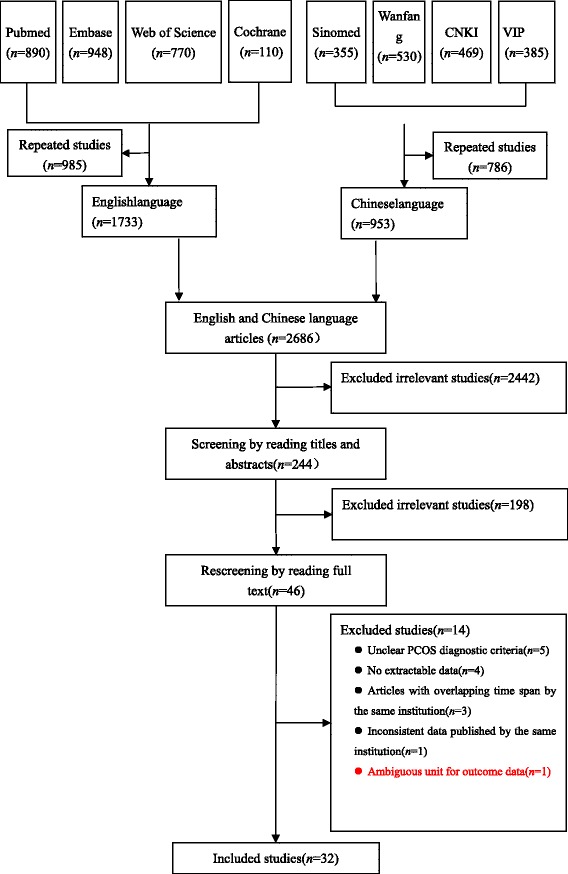
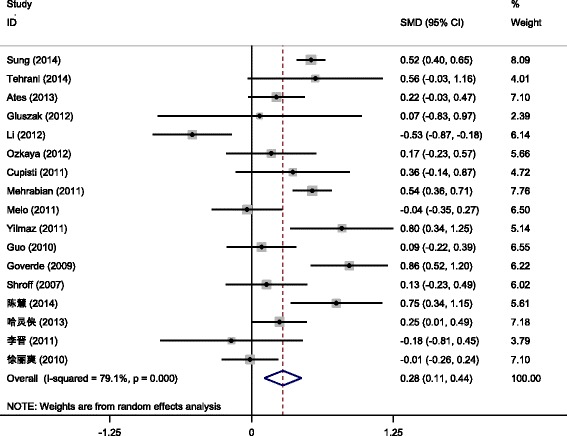
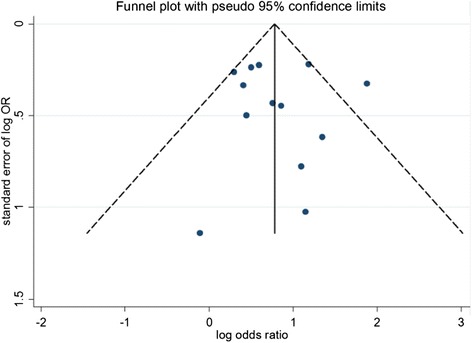
BACKGROUND: The study evaluated the effect of hyperandrogenism (HA) in polycystic ovary syndrome (PCOS) on metabolic parameters. METHODS: We searched PubMed, EMBASE, Cochrane, Web of Science, Chinese Biomedical Database (CBM), China National Knowledge Infrastructure (CNKI), WanFang data and VIP for clinical observational studies. The study evaluated PCOS patients with or without HA on metabolic parameters was included. Prevalence of metabolic syndrome, indexes of insulin resistance (IR) including homeostasis model assessment IR index (HOMA-IR), incidence of IR, biomarkers of serum lipid metabolism such as total cholesterol (TC), triglyceride (TG), high density lipoprotein (HDL), and low density lipoprotein (LDL). RESULTS: Of 4457 identified trials, 32 observational studies were included for the final analysis comprising 9556 female with PCOS. 6482 cases were having HA, and the others were negative. There were significant differences in the incidence of metabolic syndrome, HOMA-IR, rate of IR, TC level and HDL level between PCOS patients with or without HA, except for LDL level. No significant publication bias was found as P value of Egger's test was 0.82. CONCLUSIONS: HA play an important role in metabolic disorders in PCOS patients. The incidence of metabolic syndrome, IR indexes, and most biomarkers of serum lipid metabolism were significantly different between patients with and without HA.
Overview
The claims and statistics of this paper haven’t been checked yet.
Free: it reads the open-access text and checks the first 5 claims that cite a source we can check. Create a free account to check every claim.
Integrity signals
Registry
Cites
Statistics
Figures
Verification
Claims the paper makes
The claims and statistics of this paper haven’t been checked yet.
Free: it reads the open-access text and checks the first 5 claims that cite a source we can check. Create a free account to check every claim.
Claims other papers make about this one
Each is checked against this paper’s own text: does it say what the citing paper says it does?
In the citing paper
“Previous studies have associated the androgenic phenotype with more severe metabolic alterations [32,33].”
From Controversies in the Pathogenesis, Diagnosis and Treatment of PCOS: Focus on Insulin Resistance, Inflammation, and Hyperandrogenism (2022) · cites this paper as [33]
Self-check
Percentages, sums and reported differences re-computed from the paper’s own numbers.
The self-check needs the paper’s full text.
Citations
Cites
(2014) · Medical Entomology and Zoology · Cited by 17,633
Green, P. H. R., & Jones, R. (2006) · Cited by 2,453
Teede, H., Deeks, A., & Moran, L. (2010) · BMC Medicine · doi:10.1186/1741-7015-8-41 · Cited by 1,565 · cited 1×
“Studies revealed different degrees of obesity, dyslipidemia, insulin resistance (IR), abnormal glucose metabolism, metabolic syndrome (MetS), and other metabolic abnormalities [2, 3] in PCOS patients.”
Jones, H., Sprung, V. S., Pugh, C. J. A., Daousi, C., Irwin, A., Aziz, N., Adams, V. L., Thomas, E. L., Bell, J. D., Kemp, G. J., et al. (2012) · The Journal of Clinical Endocrinology & Metabolism · doi:10.1210/jc.2012-1382 · Cited by 256 · cited 2×
“Jones 2012 [16] United Kingdom 29 (19/10) 28 2003 Rotterdam criteria Cross-sectional –”
BackgroundBarber, T. M., Wass, J. A. H., McCarthy, M. I., & Franks, S. (2007) · Clinical Endocrinology · doi:10.1111/j.1365-2265.2007.02764.x · Cited by 254 · cited 2×
“Barber 2007 [27] United Kingdom 309 (267/42) 33.”
BackgroundDunaif, A. (1995) · The American Journal of Medicine · doi:10.1016/s0002-9343(99)80057-6 · Cited by 236 · cited 1×
“The incidence of PCOS is as high as 5 % ~ 10 % in women of childbearing age [1] (the prevalence is 5.”
BackgroundRisk of metabolic complications in the new PCOS phenotypes based on the Rotterdam criteria
Shroff, R., Syrop, C. H., Davis, W., Van Voorhis, B. J., & Dokras, A. (2007) · Fertility and Sterility · doi:10.1016/j.fertnstert.2007.01.032 · Cited by 214 · cited 2×
“Shroff 2007 [28] Yes Yes Yes Unclear Unclear No No Yes No Yes”
BackgroundCota, G. F., de Sousa, M. R., Fereguetti, T. O., & Rabello, A. (2013) · PLoS Neglected Tropical Diseases · doi:10.1371/journal.pntd.0002195 · Cited by 189
Wijeyaratne, C. N., Seneviratne, R. D. A., Dahanayake, S., Kumarapeli, V., Palipane, E., Kuruppu, N., Yapa, C., Seneviratne, R. D. A., & Balen, A. H. (2011) · Human Reproduction · doi:10.1093/humrep/deq310 · Cited by 141 · cited 2×
“Wijeyaratne 2011 [22] Sri Lanka 469 (374/95) 25 2003 Rotterdam criteria Cross-sectional a”
BackgroundGoverde, A. J., van Koert, A. J. B., Eijkemans, M. J., Knauff, E. A. H., Westerveld, H. E., Fauser, B. C. J. M., & Broekmans, F. J. (2008) · Human Reproduction · doi:10.1093/humrep/den433 · Cited by 135 · cited 2×
“Goverde 2009 [26] Netherlands 157 (101/56) 29 (17 ~ 43) 2003 Rotterdam criteria Cross-sectional a, b, c, f”
Background
Research works printed but not linked: 8
- Chen H, Yang ZF, Zhan WW, La DD, Chen C. Ultrasonographic features of polycystic ovary syndrome and their correlation with endocrinology index. J Diagn Concepts Pract. 2014;13(2):171–5.
- Li YC Relationship of lipid metabolism disturbance with body weight, insulin resistance and androgen level in patients with polycystic ovary syndrome Matern Child Health Care China 2014 29 354 6
- Ha LX Shi YH Zhao JL Chen ZJ Lipid metabolism characteristics in polycystic ovary syndrome patientswith different androgen levelsin Ningxia J Shandong University (Med Sci) 2013 51 88 91
- Li J Xu C Zhang HJ Hong J Ning G Li XY Correlation of obesity with hyperandrogenism and insulin resistance in patients with polycystic ovary syndrome Chin J Endocrinol Metab 2011 27 733 5
- Liu L Shao JB Zhang HP Shen XL Metabolism characteristics in patients with different phenotypes of polycystic ovary syndrome Clin Educ Gen Pract 2011 9 505 7
- Qu ZY Shi YH Chen ZJ Relationship between hyperandrogenism and non-alcoholic fatty liver disease of polycystic ovary syndrome Reprod Contracept 2011 31 14 7
- Xu LS Zhang YF Zhang HY Xue FX Han YK Glucose metabolism characteristics in patients with different phenotypes of polycystic ovary syndrome Prog Obstet Gynecol 2010 19 333 5
- Zhang L Zhang Y Correlation of androgen level with insulin resistance in patients with polycystic ovary syndrome Exp Lab Med 2010 28 239 40
Cited by
Azziz, R., Carmina, E., Chen, Z., Dunaif, A., Laven, J. S. E., Legro, R. S., Lizneva, D., Natterson-Horowtiz, B., Teede, H. J., & Yildiz, B. O. (2016) · Nature Reviews Disease Primers · doi:10.1038/nrdp.2016.57 · Cited by 2,005
Lifestyle changes in women with polycystic ovary syndrome
Lim, S. S., Hutchison, S. K., Van Ryswyk, E., Norman, R. J., Teede, H. J., & Moran, L. J. (2019) · Cochrane Database of Systematic Reviews · doi:10.1002/14651858.cd007506.pub4 · Cited by 725
Update on PCOS: consequences, challenges, and guiding treatment
Hoeger, K. M., Dokras, A., & Piltonen, T. (2021) · The Journal of Clinical Endocrinology & Metabolism · doi:10.1210/clinem/dgaa839 · Cited by 610
Sanchez-Garrido, M. A., & Tena-Sempere, M. (2020) · Molecular Metabolism · doi:10.1016/j.molmet.2020.01.001 · Cited by 557
“Importantly, the prevalence of these metabolic comorbidities is high in women with this disorder [11,12], and the concurrence of overweight or obesity and PCOS exacerbates not only”
BackgroundPucci, G., Alcidi, R., Tap, L., Battista, F., Mattace-Raso, F., & Schillaci, G. (2017) · Pharmacological Research · doi:10.1016/j.phrs.2017.03.008 · Cited by 431
Armanini, D., Boscaro, M., Bordin, L., & Sabbadin, C. (2022) · International Journal of Molecular Sciences · doi:10.3390/ijms23084110 · Cited by 324
“Previous studies have associated the androgenic phenotype with more severe metabolic alterations [32,33].”
BackgroundInfluence of follicular fluid and cumulus cells on oocyte quality: clinical implications
Da Broi, M. G., Giorgi, V. S. I., Wang, F., Keefe, D. L., Albertini, D., & Navarro, P. A. (2018) · Journal of Assisted Reproduction and Genetics · doi:10.1007/s10815-018-1143-3 · Cited by 312
Resistance to the Insulin and Elevated Level of Androgen: A Major Cause of Polycystic Ovary Syndrome
Ding, H., Zhang, J., Zhang, F., Zhang, S., Chen, X., Liang, W., & Xie, Q. (2021) · Frontiers in Endocrinology · doi:10.3389/fendo.2021.741764 · Cited by 228
“Vitamin D encourages the formation of adipose cells, influences lipid and metabolic enzymes by carbohydrate activation, and stimulates tissue breakdown in the adipose (78).”
BackgroundSex, microbes, and polycystic ovary syndrome
Thackray, V. G. (2019) · Trends in Endocrinology & Metabolism · doi:10.1016/j.tem.2018.11.001 · Cited by 203
Comorbidities and complications of polycystic ovary syndrome: An overview of systematic reviews
Gilbert, E. W., Tay, C. T., Hiam, D. S., Teede, H. J., & Moran, L. J. (2018) · Clinical Endocrinology · doi:10.1111/cen.13828 · Cited by 166
MECHANISMS IN ENDOCRINOLOGY: The sexually dimorphic role of androgens in human metabolic disease
Schiffer, L., Kempegowda, P., Arlt, W., & O’Reilly, M. W. (2017) · European Journal of Endocrinology · doi:10.1530/eje-17-0124 · Cited by 151
Dyslipidemia involvement in the development of polycystic ovary syndrome
Liu, Q., Xie, Y.-J., Qu, L.-H., Zhang, M.-X., & Mo, Z.-C. (2019) · Taiwanese Journal of Obstetrics and Gynecology · doi:10.1016/j.tjog.2019.05.003 · Cited by 143
Intersection of Polycystic Ovary Syndrome and the Gut Microbiome
Rizk, M. G., & Thackray, V. G. (2021) · Journal of the Endocrine Society · doi:10.1210/jendso/bvaa177 · Cited by 104
Adipocyte and steroidogenic cell cross-talk in polycystic ovary syndrome
de Medeiros, S. F., Rodgers, R. J., & Norman, R. J. (2021) · Human Reproduction Update · doi:10.1093/humupd/dmab004 · Cited by 102
“, 2014) and are positively associated with BMI, WC, WHR, fasting glucose, T, HOMA-IR, TC, TG and LDL-C (Guvenc et al., 2016; Yang et al., 2016).”
BackgroundInfluentialGenetic Variants Associated with Hyperandrogenemia in PCOS Pathophysiology
Dadachanji, R., Shaikh, N., & Mukherjee, S. (2018) · Genetics Research International · doi:10.1155/2018/7624932 · Cited by 90
Chien, Y.-J., Chang, C.-Y., Wu, M.-Y., Chen, C.-H., Horng, Y.-S., & Wu, H.-C. (2021) · Nutrients · doi:10.3390/nu13020684 · Cited by 80
“The severity of metabolic syndrome and the phenotype of PCOS are strongly associated with the degree of hyperandrogenism and hyperinsulinemia [15,16].”
BackgroundChrist, J. P., & Falcone, T. (2018) · Obesity Surgery · doi:10.1007/s11695-018-3155-6 · Cited by 85
Implicating androgen excess in propagating metabolic disease in polycystic ovary syndrome
Kempegowda, P., Melson, E., Manolopoulos, K. N., Arlt, W., & O’Reilly, M. W. (2020) · Therapeutic Advances in Endocrinology and Metabolism · doi:10.1177/2042018820934319 · Cited by 70
Li, W., Liu, C., Yang, Q., Zhou, Y., Liu, M., & Shan, H. (2022) · Frontiers in Nutrition · doi:10.3389/fnut.2022.1018674 · Cited by 97
“Relevant evidence indicates that metabolic abnormalities tend to appear to the overweight/obese PCOS patients (especially abdominal obesity) compared to the PCOS patients with normal BMI (51).”
BackgroundSkarra, D. V., Hernandez, A. M., Rivera, A. J., Anvar, A. R., & Thackray, V. G. (2017) · Endocrinology · doi:10.1210/en.2016-1898 · Cited by 84
Polycystic Ovary Syndrome: Pathophysiology and Controversies in Diagnosis
Fahs, D., Salloum, D., Nasrallah, M., & Ghazeeri, G. S. (2023) · Diagnostics · doi:10.3390/diagnostics13091559 · Cited by 111
Polycystic ovary syndrome: A metabolic disorder with therapeutic opportunities
Zhang, Y., Chen, Z., & Zhao, H. (2025) · Cell Metabolism · doi:10.1016/j.cmet.2025.08.002 · Cited by 67
Self-citationMukherjee, A. G., Wanjari, U. R., Kannampuzha, S., Murali, R., Namachivayam, A., Ganesan, R., Dey, A., Babu, A., Renu, K., Vellingiri, B., et al. (2023) · Metabolites · doi:10.3390/metabo13010129 · Cited by 67
Song, Y., Ye, W., Ye, H., Xie, T., Shen, W., & Zhou, L. (2019) · Physiological Reports · doi:10.14814/phy2.14219 · Cited by 52
“A large amount of reports show PCOS intimately links to the disease progression of obesity, diabetes mellitus (DM), dyslipidemia, hypertension, anxiety, depression, obstructive sleep apnea, endometrial cancer, fatty liver, and cardiovascular diseases (Jakubowicz et al., 2013; Barry et al., 2014; Yang et al., 2016; Coo…”
BackgroundCardiometabolic Risk in Polycystic Ovary Syndrome
Cooney, L. G., & Dokras, A. (2021) · Endocrinology and Metabolism Clinics of North America · doi:10.1016/j.ecl.2020.11.001 · Cited by 44
“Hispanic women with PCOS had a higher prevalence of MetS compared with non-Hispanic black women in some16 but not all studies.17 Several meta-analyses have suggested a relationship between PCOS phenotype and prevalence of MetS.39,40,42 In a meta-analysis specifically evaluating phenotype, Yang and colleagues42 found i…”
BackgroundInfluentialPatel, J. K., Chaudhary, H., Rajput, K. N., Parekh, B., & Joshi, R. G. (2023) · Scientific Reports · doi:10.1038/s41598-023-39168-5 · Cited by 41
“PCOS is characterized by polycystic ovaries, chronic anovulation, hyperandrogenism, hyperinsulinemia, abdominal obesity, and dyslipidemia, which can lead to serious long-term issues such as endometrial hyperplasia, type 2 diabetes, and coronary artery disease (2)(3).”
Backgroundvan Keizerswaard, J., de Loos, A. D., Louwers, Y. V., & Laven, J. S. E. (2022) · Fertility and Sterility · doi:10.1016/j.fertnstert.2022.01.014 · Cited by 45
Hyperandrogenism in Women with Polycystic Ovarian Syndrome: Pathophysiology and Controversies
Kanbour, S., & Dobs, A. S. (2022) · Androgens Clinical Research and Therapeutics · doi:10.1089/andro.2021.0020 · Cited by 70
“54 The hyperandrogenic phenotype, in particular, appears to have the highest risk of metabolic syndrome.”
Metabolic Concomitants of Obese and Nonobese Women With Features of Polycystic Ovarian Syndrome
Boumosleh, J. M., Grundy, S. M., Phan, J., Neeland, I. J., Chang, A. Y., & Vega, G. L. (2017) · Journal of the Endocrine Society · doi:10.1210/js.2017-00323 · Cited by 39
“In contrast, our obese womenwith PCOS features had higherHOMA-IR than that of corresponding non-PCOSwomen; this is consistent with previous reports [31, 32].”
BackgroundResultPolycystic Ovary Syndrome, Insulin Resistance, and Cardiovascular Disease
Dubey, P., Reddy, S., Sharma, K., Johnson, S., Hardy, G., & Dwivedi, A. K. (2024) · Current Cardiology Reports · doi:10.1007/s11886-024-02050-5 · Cited by 53
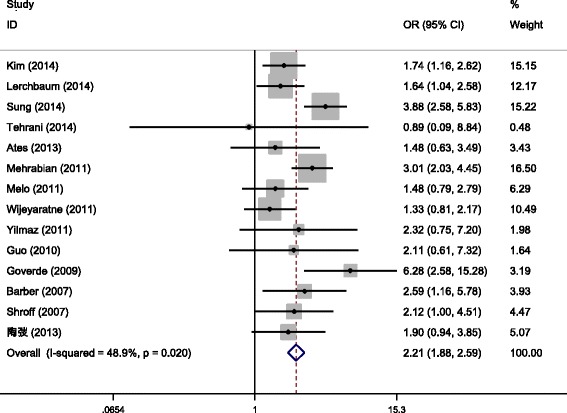
“Additionally, greater odds of MetS was reported in PCOS/HA (hyperandrogenism phenotype) compared to PCOS/NHA (without hyperandrogenism) (OR 2.21; 95% CI, 1.88–2.59) [30].”
InfluentialDubey, P., Reddy, S., Alvarado, L. A., Manuel, S., & Dwivedi, A. K. (2021) · European Journal of Obstetrics & Gynecology and Reproductive Biology · doi:10.1016/j.ejogrb.2021.03.033 · Cited by 35
Falcetta, P., Benelli, E., Molinaro, A., Cosmo, C. D., Bagattini, B., Ghianda, S. D., Salvetti, G., Fiore, E., Pucci, E., Fruzzetti, F., et al. (2021) · Journal of Endocrinological Investigation · doi:10.1007/s40618-021-01594-5 · Cited by 40
Identifying genes associated with the development of human polycystic ovary syndrome
Saddick, S. (2020) · Saudi Journal of Biological Sciences · doi:10.1016/j.sjbs.2020.01.012 · Cited by 35
Foroozanfard, F., Talebi, M., Samimi, M., Mehrabi, S., Badehnoosh, B., Jamilian, M., Maktabi, M., & Asemi, Z. (2017) · Hormone and Metabolic Research · doi:10.1055/s-0043-112346 · Cited by 34
“Previous studies have revealed different degrees of insulin resistance, abnormal glucose metabolism, MetS, and other metabolic abnormalities in PCOS subject [29, 30].”
BackgroundJin, L., Yang, Q., Zhou, C., Liu, L., Wang, H. H., Hou, M., Wu, Y., Shi, F.-T., Sheng, J., & Huang, H. (2018) · Reproductive BioMedicine Online · doi:10.1016/j.rbmo.2018.08.005 · Cited by 34
Polycystic ovary syndrome: Criteria, phenotypes, race and ethnicity
Baba, T. (2025) · Reproductive Medicine and Biology · doi:10.1002/rmb2.12630 · Cited by 38
Lo, A., Lo, C. C. W., & Oliver‐Williams, C. (2023) · European Heart Journal Open · doi:10.1093/ehjopen/oead061 · Cited by 34
“Given the links between PCOS and CVD, guidelines from the International PCOS Network, endorsed by the European Society of Human Reproduction and Embryology and the American Society for Reproductive Medicine, recommend screening for cardiometabolic risk factors including obesity and hypertension in women with PCOS.5 It…”
BackgroundInfluentialCutillas-Tolín, A., Árense-Gonzalo, J. J., Mendiola, J., Adoamnei, E., Navarro-Lafuente, F., Sánchez-Ferrer, M. L., Prieto‐Sánchez, M. T., Carmona‐Barnosi, A., Vioqué, J., & Torres-Cantero, A. M. (2021) · Nutrients · doi:10.3390/nu13020313 · Cited by 35
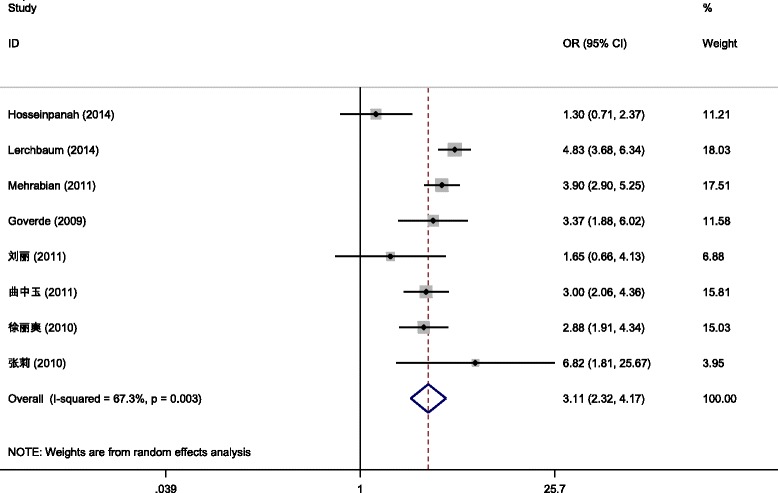
“2) the incidence of insulin resistance compared to PCOS women without hyperandrogenism [60].”
BackgroundPaschou, S. Α., Palioura, E., Ioannidis, D., Anagnostis, P. G., Panagiotakou, A., Loi, V., Karageorgos, G., Goulis, D. G., & Vryonidou, A. (2017) · Endocrine Connections · doi:10.1530/ec-17-0239 · Cited by 29
Tosi, F., Villani, M., Garofalo, S., Faccin, G., Bonora, E., Fiers, T., Kaufman, J., & Moghetti, P. (2021) · The Journal of Clinical Endocrinology & Metabolism · doi:10.1210/clinem/dgab920 · Cited by 32
Admin, A., Hansen, S. L., Bojsen-Møller, K. N., Lundsgaard, A.-M., Hendrich, F. L., Nilas, L., Sjöberg, K., Hingst, J. R., Serup, A. K., Henríquez‐Olguín, C., et al. (2020) · Diabetes · doi:10.2337/db20-0062 · Cited by 28
Jacewicz‐Święcka, M., Wołczyński, S., & Kowalska, I. (2021) · Journal of Clinical Medicine · doi:10.3390/jcm10102101 · Cited by 27
“IR and HA lead to unfavorable metabolic profiles in PCOS patients [11,19,20].”
BackgroundLee, I. T., Vresilovic, J., Irfan, M., Gallop, R., & Dokras, A. (2021) · The Journal of Clinical Endocrinology & Metabolism · doi:10.1210/clinem/dgab840 · Cited by 25
Morshed, M. S., Banu, H., Akhtar, N., Sultana, T., Begum, A., Zamilla, M., Tuqan, S., Shah, S., Hossain, A., Afrine, S., et al. (2021) · Journal of Endocrinology and Metabolism · doi:10.14740/jem716 · Cited by 20
Zaeemzadeh, N., Sadatmahalleh, S. J., Ziaei, S., Kazemnejad, A., Mottaghi, A., Mohamadzadeh, N., & Movahedinejad, M. (2020) · International Journal of Reproductive BioMedicine (IJRM) · doi:10.18502/ijrm.v13i4.6888 · Cited by 23
“HA could be linked with some IR-related complications such as MetS (11).”
BackgroundAndrogen excess and post-reproductive health
Paschou, S. Α., Anagnostis, P. G., Goulis, D. G., & Lambrinoudaki, I. V. (2018) · Maturitas · doi:10.1016/j.maturitas.2018.04.005 · Cited by 19
Bisht, A., Gururani, R., Jain, S., Shukla, R., Dwivedi, J., & Sharma, S. K. (2023) · Journal of Ethnopharmacology · doi:10.1016/j.jep.2023.116206 · Cited by 17
An Evolutionary Model for the Ancient Origins of Polycystic Ovary Syndrome
Dumesic, D. A., Abbott, D. H., & Chazenbalk, G. D. (2023) · Journal of Clinical Medicine · doi:10.3390/jcm12196120 · Cited by 18
“Beginning in adolescence, an increased risk for developing metabolic syndrome [115] is evident in hyperandrogenic women [116], who preferentially increase abdominal adiposity with weight gain [61].”
BackgroundManagement aspects of congenital adrenal hyperplasia during adolescence and transition to adult care
Balagamage, C., Arshad, A., Elhassan, Y., Said, W. B., Krone, R. E., Gleeson, H. K., & Idkowiak, J. (2023) · Clinical Endocrinology · doi:10.1111/cen.14992 · Cited by 19
“35,39 Therefore, the physiological changes of the endocrine milieu during puberty in adolescents with CAH pose a significant risk for metabolic disturbances in later life.”
The Current and Emerging Role of Statins in the Treatment of PCOS: The Evidence to Date
Kolnikaj, T. S., Herman, R., Janež, A., & Jensterle, M. (2024) · Medicina · doi:10.3390/medicina60020244 · Cited by 23
“According to a recent meta-analysis, androgen excess in PCOS is associated with higher total cholesterol and lower HDL levels, with no impact on triglycerides and LDL levels [24].”
BackgroundAlahmadi, A. A., Alahmadi, B. A., Wahman, L. F., & El‐Shitany, N. A. (2021) · Saudi Journal of Biological Sciences · doi:10.1016/j.sjbs.2021.06.066 · Cited by 20
Treatment with Myo-Inositol Does Not Improve the Clinical Features in All PCOS Phenotypes
Unfer, V., Russo, M., Aragona, C., Bilotta, G., Oliva, M. M., & Bizzarri, M. (2023) · Biomedicines · doi:10.3390/biomedicines11061759 · Cited by 18
“Since a high percentage of women presenting PCOS also exhibit metabolic issues such as IR, hyperinsulinemia, obesity, and diabetes, it may be hypothesized that hyperandrogenic manifestations rely on alterations in the endocrine and metabolic pattern [34,35].”
BackgroundPadder, K. A., Jahan, N., Yousuf, M., Shah, I. A., Bhat, G. A., Khurshid, R., Zargar, M. H., & Ganie, M. A. (2025) · Journal of Ovarian Research · doi:10.1186/s13048-025-01734-y · Cited by 18
“Severe metabolic changes including IR, inflammation and OS have been linked to the hyperan-drogenic phenotype in earlier published research [46, 47], whereas metabolic problems are less common in those with normal-androgenic PCOS [48].”
PCOS and Inositols – Advances and Lessons We are Learning. A Narrative Review
Lentini, G., Querqui, A., Monti, N., & Bizzarri, M. (2025) · Drug Design Development and Therapy · doi:10.2147/dddt.s524718 · Cited by 20
“60 In this phase, TCs are extremely sensitive to the auto/paracrine control provided mainly by members of the tumor growth factor-β (TGFβ) superfamily, including GDF-9 and the bone morphogenetic proteins (BMP-4, BMP-6 and BPM-7).”
van Gastel, J., Cai, H., Cong, W., Chadwick, W., Daimon, C. M., Leysen, H., Hendrickx, J. O., Schepper, R. D., Vangenechten, L., Turnhout, J. V., et al. (2019) · Mechanisms of Ageing and Development · doi:10.1016/j.mad.2019.111150 · Cited by 11
Self-citationShi, X., Du, Y., Chen, L., Chen, Y., Luo, M., & Cheng, Y. (2023) · Journal of Ethnopharmacology · doi:10.1016/j.jep.2023.116812 · Cited by 13
Bakshi, V., Chandrashekhar, R., Jeripothula, J., Bhavani, N., & Bhavani, R. (2020) · Asian Pacific Journal of Reproduction · doi:10.4103/2305-0500.294665 · Cited by 9
Kumbhar, P., Chavan, R., Darekar, S., Kolekar, K. A., Sequeira, A., Vishwas, S., Gupta, G., Paudel, K. R., Singh, S. K., Dua, K., et al. (2024) · Naunyn-Schmiedeberg s Archives of Pharmacology · doi:10.1007/s00210-024-03578-7 · Cited by 16
“The diverse hallmarks of hyper-androgenism include an elevated level of androstenedione, the adrenal androgens dehydroepiandrosterone, ovarian testosterone, and dehydroepiandrosterone-sulfate (Hernández-Jiménez et al. 2022; Yang et al. 2016; Miller and Tee 2015).”
Polycystic ovary syndrome and vitamin D serum levels
Ćetković, N. B., Pellicano, R., Bjelica, A., & Abenavoli, L. (2018) · Minerva Endocrinology · doi:10.23736/s0391-1977.18.02887-0 · Cited by 9
Dadachanji, R., Shaikh, N. J., Patil, A. D., Shah, N. S., & Mukherjee, S. (2018) · Gene · doi:10.1016/j.gene.2018.03.083 · Cited by 9
Ubba, V., Joseph, S., Awe, O., Jones, D., Dsilva, M. K., Feng, M., Wang, J., Fu, X., Akbar, R. J., Bodnar, B. H., et al. (2023) · Endocrinology · doi:10.1210/endocr/bqad141 · Cited by 9
Ulloque‐Badaracco, J. R., Alarcón‐Braga, E. A., Hernández-Bustamante, E. A., Cabrera-Guzmán, J. C., Dotto-Vasquez, G., Maldonado-Basurto, G. F., Rivera-Cabrera, G., Maita-Arauco, S. H., Horruitiner-Mendoza, A. A., Herrera‐Añazco, P., et al. (2025) · Therapeutic Advances in Endocrinology and Metabolism · doi:10.1177/20420188251328840 · Cited by 14
de Medeiros, S. F., Barbosa, B. B., de Medeiros, M. A. S., Yamamoto, A. K. L. W., & Yamamoto, M. M. W. (2022) · Revista Brasileira Ginecologia e Obstetrícia · doi:10.1055/s-0041-1741030 · Cited by 11
Janež, A., Herman, R., Poredoš, P., Mikhailidis, D. P., Blinc, A., Šabović, M., Studen, K. B., Jezovnik, M. K., Schernthaner, G.-H., Anagnostis, P. G., et al. (2023) · Current Vascular Pharmacology · doi:10.2174/0115701611269146230920073301 · Cited by 11
de Medeiros, S. F., de Medeiros, M. A. S., Barbosa, B. B., & Yamamoto, M. M. W. (2019) · Hormone and Metabolic Research · doi:10.1055/a-0975-9207 · Cited by 9
Paschou, S. Α., Goulis, D. G., & Tarlatzis, B. C. (2019) · ISGE series · doi:10.1007/978-3-030-14358-9_5 · Cited by 8
Jia, C., Zhang, L., Liu, W., Zhang, X., & Wu, H. (2023) · Medicine · doi:10.1097/md.0000000000033205 · Cited by 8
Metabolic dysregulation and gut dysbiosis linked to hyperandrogenism in female mice
Chen, A., Handzel, A. A., Sau, L., Cui, L. J., Kelley, S. T., & Thackray, V. G. (2023) · Endocrinology Diabetes & Metabolism · doi:10.1002/edm2.443 · Cited by 10
Differential Effects of Various Androgens on Polycystic Ovary Syndrome
de Medeiros, S. F., Barbosa, B. B., de Medeiros, A. K. L. W. Y., de Medeiros, M. A. S., & Yamamoto, M. M. W. (2021) · Hormone and Metabolic Research · doi:10.1055/a-1422-3243 · Cited by 7
“Despite a great number of studies that had reported on the obesity and androgen relationship [8, 20, 32, 33], a small number of studies have detailed the effect of an individual androgen on PCOS phenotypes [34]; rather, they have shown generalized results.”
ResultSofer, Y., Nevo, N., Vechoropoulos, M., Shefer, G., Osher, E., Landis, N., Tordjman, K., Hammond, G. L., & Stern, N. (2018) · Endocrine Connections · doi:10.1530/ec-17-0240 · Cited by 6
Ganie, M. A., Rashid, A., Baba, M. S., Zargar, M. A., Wani, I. A., Nisar, S., Wani, I. A., Douhath, S., Sriwastawa, M., Geer, M. I., et al. (2023) · Clinical Endocrinology · doi:10.1111/cen.14964 · Cited by 7
“37 Considering these observations, it appears logical to incorporate metabolic parameters into the diagnosis of PCOS, leading to a revision of the existing diagnostic criteria.”
BackgroundThe role of berberine in polycystic ovary syndrome — a summary of knowledge
Jurgiel, J., Graniak, A., Opyd, P., Zawodny, T., & Lis, M. (2024) · Ginekologia Polska · doi:10.5603/gpl.95138 · Cited by 12
“Studies suggest that patients with higher levels of androgens may have a higher risk of developing more severe metabolic and cardiovascular disorders, whereas patients with normal levels of androgens might have a lower risk [9–11].”
BackgroundSaedi, S., Panahi, R., Orak, N., & Shirazi, M. R. J. (2022) · Reproductive Sciences · doi:10.1007/s43032-022-01145-0 · Cited by 5
“Hyperandrogenism or increase in secretion of androgens can induce low-grade chronic inflammation by increasing the transcription of androgen receptors in mononuclear cells [7].”
BackgroundModern approaches to diagnostics of hyperandrogenism distributed forms in reproductive aged women
Бурка, О. А., & Tutchenko, T. М. (2019) · Reproductive Endocrinology · doi:10.18370/2309-4117.2019.46.39-45 · Cited by 6
Nadir, A., Temizkan, Ş., Özderya, A., Temizkan, O., Orbay, E., & Aydın, K. (2018) · Gynecological Endocrinology · doi:10.1080/09513590.2018.1505843 · Cited by 6
Fasting Versus Non-Fasting Total Testosterone Levels in Women During the Childbearing Period
Ali, E. B., Hamza, A., Zaboon, I. A., Alidrisi, H. A., & Mansour, A. A. (2023) · Cureus · doi:10.7759/cureus.35462 · Cited by 6
“Rising evidence indicates PCOS with hyperandrogenism may have a more unfavourable metabolic profile than patients with the normal androgenic phenotype, suggesting a potential increment in the risk of cardiovascular disease [5].”
BackgroundMetabolic Syndrome and Atherosclerosis in Nondiabetic Postmenopausal Women
Paschou, S. Α., Anagnostis, P. G., Goulis, D. G., & Lambrinoudaki, I. V. (2019) · Springer eBooks · doi:10.1007/978-3-030-13936-0_15 · Cited by 3
Xu, L., Min, M., Li, X., Blake, G. M., Zhao, K., Ruan, X., & Cheng, X. (2023) · Frontiers in Endocrinology · doi:10.3389/fendo.2023.1168806 · Cited by 3
“showed that there was a statistically significant difference in HDL-C between the PCOS/ hyperandrogenism and PCOS/non-hyperandrogenism groups, but there was no significant difference in LDL-C between the PCOS/ hyperandrogenism and PCOS/non-hyperandrogenism groups (39).”
ResultUhunmwangho, E. G., Oniyide, A. A., Areloegbe, S. E. J., Soetan, O. A., Akintayo, C. O., Aturamu, A., & Olaniyi, K. S. (2022) · Journal of Diabetes & Metabolic Disorders · doi:10.1007/s40200-022-01097-x · Cited by 7
“For instance, elevated androgen level has been shown to promote insulin resistance via couple of mechanisms that includes direct or indirect effect on glucose metabolism, androgen effect on peripheral/intrahepatic action and increase free fatty acid production [7].”
BackgroundResultUnderstanding Polycystic Ovary Syndrome (PCOS): Symptoms, Diagnosis, Treatment and Future Directions
Chakravorty, T. A. (2023) · The Physician · doi:10.38192/1.8.2.3 · Cited by 10
Liao, Z., Fan, H., Fan, H., & Chen, X. (2021) · Medicine · doi:10.1097/md.0000000000024218 · Cited by 4
Gawron, I. M., Brodowicz, J., Skotniczny, K., & Jach, R. (2025) · Archives of Medical Research · doi:10.1016/j.arcmed.2025.103325 · Cited by 3
Mao, D., Wei, Y., Wang, C., & Tao, J. (2026) · Archives of Gynecology and Obstetrics · doi:10.1007/s00404-026-08344-z · Cited by 3
“Hyperandrogenemia is an important feature of patients with PCOS, and a previous study reported that PCOS patients without hyperandrogenemia had lower HDL-C levels [30].”
Social deprivation, race, and metabolic syndrome in patients with polycystic ovary syndrome
Lee, I. T., King, S., Sealy, N. R. Z., Rees, J., Mumford, S. L., Hinkle, S. N., & Dokras, A. (2026) · Journal of the Endocrine Society · doi:10.1210/jendso/bvag063 · Cited by 2
Erel, P., Elbasan, O., Yorguner, N., İmre, E., & Üstay, Ö. (2023) · Endokrynologia Polska · doi:10.5603/ep.a2023.0052 · Cited by 2
Ranjbar, Z. A., Sharami, S. H., Kazemi, S., Sayyad-Abdi, D., & Heirati, S. F. D. (2018) · PubMed Central · Cited by 5
PCOS and common androgen abnormalities in adolescents
Burgert, T. S., & Paprocki, E. L. (2024) · Elsevier eBooks · doi:10.1016/b978-0-443-10512-8.00028-x · Cited by 3
Indhavivadhana, S., Kuichanuan, M., Wongwananuruk, T., Techatraisak, K., Chantrapanichkul, P., & Dangrat, C. (2021) · Research Square · doi:10.21203/rs.3.rs-760431/v1 · Cited by 2
Wang, X., Nie, H., Cui, R., Ye, G., Tan, Y., Zhang, J., Zhang, B., & Zhong, X. (2026) · Frontiers in Endocrinology · doi:10.3389/fendo.2026.1758861 · Cited by 4
Cross-talking between polycystic ovarian syndrome and gut microbiome: a comprehensive review
Choudhury, S. R., Koner, S., & Dey, R. (2026) · Middle East Fertility Society Journal · doi:10.1186/s43043-026-00304-6 · Cited by 1
Paschou, S. Α., Anagnostis, P. G., Goulis, D. G., Siasos, G., & Vryonidou, A. (2018) · The Journal of Clinical Endocrinology & Metabolism · doi:10.1210/jc.2018-00018 · Cited by 1
Ribeiro, V. B. (2019) · Digital Library of Theses and Dissertations (Universidade de São Paulo) · doi:10.11606/t.17.2019.tde-01022019-101328
Erel, P., Elbasan, O., Yorguner, N., İmre, E., & Üstay, Ö. (2021) · Research Square · doi:10.21203/rs.3.rs-942246/v1
Saedi, S., Panahi, R., Orak, N., & Shirazi, M. R. J. (2022) · Research Square · doi:10.21203/rs.3.rs-1258689/v1
Kyrou, I., Kahal, H., Weickert, M. O., Barber, T. M., & Randeva, H. S. (2022) · Elsevier eBooks · doi:10.1016/b978-0-12-823045-9.00029-8
Damasceno, R. C., Oliveira, F. R., Cândido, A. L., Gomes, K. B., Bizzi, M. F., Azevedo, R. C., Comim, F. V., dos Reis, F. M., & Rocha, A. L. L. (2023) · Research Square · doi:10.21203/rs.3.rs-2375448/v1
Damasceno, R. C., de Oliveira, F., Cândido, A. L., Gomes, K. B., Bizzi, M. F., Azevedo, R. C., Comim, F. V., dos Reis, F. M., & Rocha, A. L. L. (2023) · Research Square · doi:10.21203/rs.3.rs-2996959/v1
Pate, D., John, J. A., Bodepudi, R., Seher, S., Khan, S. A., Emmanuel, S. Y. W., Shantha, V., Nerella, R., Shaman, B., & Hamid, P. (2024) · Journal For International Medical Graduates · doi:10.56570/jimgs.v1i1.149
Ulloque‐Badaracco, J. R., Hernández-Bustamante, E. A., Cabrera-Guzmán, J. C., Delgado-Raygada, J. E., Dotto-Vasquez, G., Maldonado-Basurto, G. F., Figueroa-Larragán, A. A., Trujillo-Jurado, K. Z., Ballmann, G. E., Flores-Gavino, A., et al. (2025) · Therapeutic Advances in Endocrinology and Metabolism · doi:10.1177/20420188251397203 · Cited by 3
Le syndrome des ovaires polykystiques : quelles connaissances chez les médecins généralistes ?
Robert-Rambaud, P., Thubert, T., Fréour, T., & Chaillot, M. (2026) · Gynécologie Obstétrique Fertilité & Sénologie · doi:10.1016/j.gofs.2026.02.005
Metadata
- Authors
- Yang, R., Yang, S., Li, R., Liu, P., Qiao, J., & Zhang, Y.
- Affiliations
- Peking University Third Hospital (CN)
- Chinese Academy of Medical Sciences & Peking Union Medical College (CN)
- Corresponding author
- Li, Rong
- Venue
- Reproductive Biology and Endocrinology
- Published
- 2016-10-18
- Volume
- 14
- Issue
- 1
- Pages
- 67-67
- ISSN
- 1477-7827 (ISSN-L)
- PMC
- PMC5069996
- OpenAlex
- W2534765630
- Cited by
- 106
- References
- 32
- Citations by year
- 2026: 10 · 2025: 7 · 2024: 5 · 2023: 21 · 2022: 9 · 2021: 16 · 2020: 8 · 2019: 10 · 2018: 12 · 2017: 7 · 2016: 1
- FWCI
- 1.44
- Type
- journal article
- Language
- en
- Open access
- gold
- doi.org
- Licence
- cc-by
- Locations
- Reproductive Biology and Endocrinology (publishedVersion, cc-by)
- PubMed Central (publishedVersion, cc-by)
- PubMed (publishedVersion)
- Topics
- Health Sciences › Medicine › Reproductive Medicine › Ovarian function and disorders
- Health Sciences › Medicine › Endocrinology, Diabetes and Metabolism › Diabetes, Cardiovascular Risks, and Lipoproteins
- Life Sciences › Biochemistry, Genetics and Molecular Biology › Genetics › Genetic and Kidney Cyst Diseases
- Keywords
- hyperandrogenism, polycystic ovary syndrome, metabolic syndrome, insulin resistance, HOMA-IR, serum lipid metabolism, total cholesterol, HDL cholesterol, triglycerides, LDL cholesterol
- MeSH terms
- China, Clinical Trials as Topic, Female, Humans, Insulin Resistance, Polycystic Ovary Syndrome, Hyperandrogenism, Metabolic Syndrome, Lipid Metabolism, Observational Studies as Topic
About these checks
Registry, retraction, Cites and statistics results are computed, not judged, with one exception: a printed reference that no index lists is read once by a model before it counts as a citation error. Claims are extracted by a model and kept only when their quote appears verbatim in the text; each cited source is then checked, with a model’s help, for whether it says what the claim relies on. Those verdicts can be wrong — read the claim’s quote and the cited source before relying on one.
Statistics and arithmetic are recomputed, not judged.
Confidence bands are shown only for fields calibrated on our annotated test set. None is calibrated yet, so no band is shown.
What counts as a claim ›How we measure confidence ›How we check this ›
Are you an author, or do you see a problem with this page? Request a review
Data sources
Bibliographic data: Semantic Scholar, OpenAlex, Crossref.
Contains information from the Semantic Scholar Academic Graph Datasets, made available under the ODC Attribution License (ODC-BY 1.0).
Semantic Scholar’s data is described in: Kinney, R., et al. (2023). The Semantic Scholar Open Data Platform. arXiv:2301.10140.
