

Variation in population levels of physical activity in European children and adolescents according to cross-European studies: a systematic literature review within DEDIPAC
Open accessThe DOI matches its Crossref record; 62 of the 63 references it cites were found in a registry or an index.
Abstract
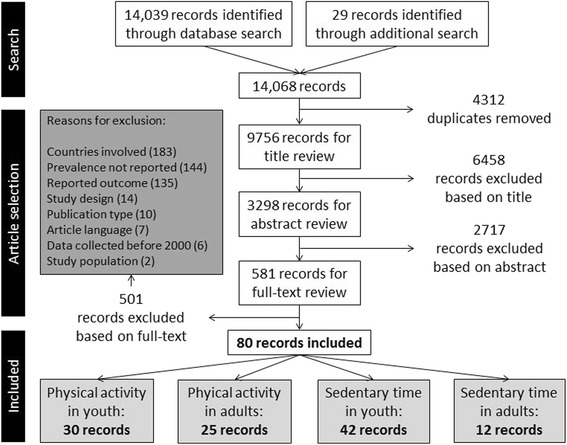
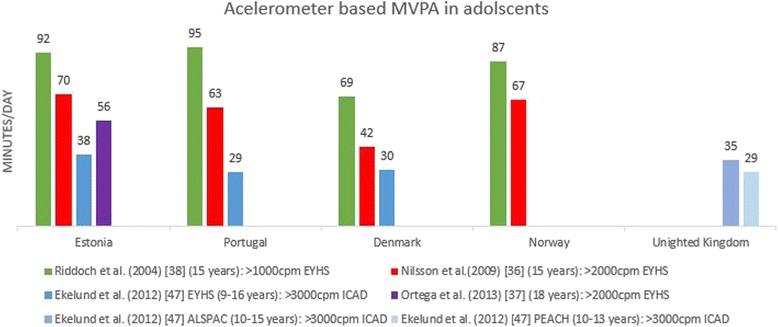
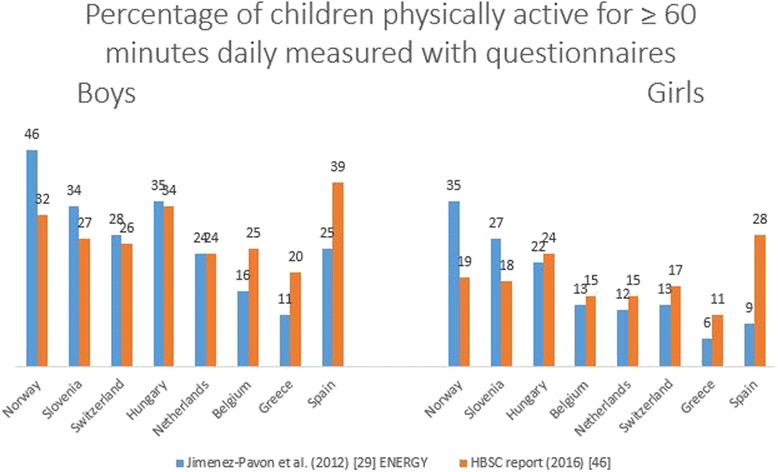
Regular physical activity is associated with physical, social and mental health benefits, whilst insufficient physical activity is associated with several negative health outcomes (e.g. metabolic problems). Population monitoring of physical activity is important to gain insight into prevalence of compliance to physical activity recommendations, groups at risk and changes in physical activity patterns. This review aims to provide an overview of all existing studies that measure physical activity in youth, in cross-European studies, to describe the variation in population levels of physical activity and to describe and define challenges regarding assessment methods that are used. A systematic search was performed on six databases (PubMed, EMBASE, CINAHL, PsycINFO, SportDiscus and OpenGrey), supplemental forward- and backward tracking was done and authors’ and experts’ literature databases were searched to identify relevant articles. Journal articles or reports that reported levels of physical activity in the general population of youth from cross-European studies were included. Data were reviewed, extracted and assessed by two researchers, with disagreements being resolved by a third researcher. The review protocol of this review is published under registration number CRD42014010684 in the PROSPERO database. The search resulted in 9756 identified records of which 30 articles were included in the current review. This review revealed large differences between countries in prevalence of compliance to physical activity recommendations (i.e. 60 min of daily moderate- to vigorous-intensity physical activity (MVPA)) measured subjectively (5–47 %) and accelerometer measured minutes of MVPA (23–200 min). Overall boys and children were more active than girls and adolescents. Different measurement methods (subjective n = 12, objective n = 18) and reported outcome variables ( n = 17) were used in the included articles. Different accelerometer intensity thresholds used to define MVPA resulted in substantial differences in MVPA between studies conducted in the same countries when assessed objectively. Reported levels of physical activity and prevalence of compliance to physical activity recommendations in youth showed large variation across European countries. This may reflect true variation in physical activity as well as variation in assessment methods and reported outcome variables. Standardization across Europe, of methods to assess physical activity in youth and reported outcome variables is warranted, preferably moving towards a pan-European surveillance system combining objective and self-report methods.
Overview
The claims and statistics of this paper haven’t been checked yet.
Free: it reads the open-access text and checks the first 5 claims that cite a source we can check. Create a free account to check every claim.
Integrity signals
Registry
Cites
Statistics
Figures
Verification
Claims the paper makes
The claims and statistics of this paper haven’t been checked yet.
Free: it reads the open-access text and checks the first 5 claims that cite a source we can check. Create a free account to check every claim.
Self-check
Percentages, sums and reported differences re-computed from the paper’s own numbers.
The self-check needs the paper’s full text.
Citations
Cites
Health benefits of physical activity: the evidence
Warburton, D. E. R. (2006) · Canadian Medical Association Journal · doi:10.1503/cmaj.051351 · Cited by 8,007 · cited 1×
“Such levels of physical activity are associated with physical, social and mental health benefits [2 – 4].”
Janssen, I., & LeBlanc, A. G. (2010) · International Journal of Behavioral Nutrition and Physical Activity · doi:10.1186/1479-5868-7-40 · Cited by 4,829
Systematic reviews: CRD's guidance for undertaking reviews in health care
Tacconelli, E. (2010) · The Lancet Infectious Diseases · doi:10.1016/s1473-3099(10)70065-7 · Cited by 3,245 · cited 1×
“Before the search commenced, review protocols were written based on the “ Centre for Reviews and Dissemination ’ s guidance for undertaking reviews in health care ” [20], and registered in the PROSPERO data-base [21].”
Calibration of two objective measures of physical activity for children
Evenson, K. R., Catellier, D. J., Gill, K., Ondrak, K. S., & McMurray, R. G. (2008) · Journal of Sports Sciences · doi:10.1080/02640410802334196 · Cited by 2,677 · cited 1×
“[59] which were recommended by Trost et al.”
Standard Quality Assessment Criteria for Evaluating Primary Research Papers from a Variety of Fields
Kmet, L. M., Cook, L. S., & Lee, R. C. (2004) · University of Alberta Library · doi:10.7939/r37m04f16 · Cited by 1,682
Physical activity from childhood to adulthood
Telama, R., Yang, X., Viikari, J., Välimäki, I., Wanne, O., & Raitakari, O. (2005) · American Journal of Preventive Medicine · doi:10.1016/j.amepre.2004.12.003 · Cited by 1,585 · cited 1×
“Besides, physical activity in childhood and adolescence is positively related to adult physical activity [4, 5] and health [4, 6].”
Andersen, L. B., Harro, M., Sardinha, L. B., Froberg, K., Ekelund, U., Brage, S., & Anderssen, S. A. (2006) · The Lancet · doi:10.1016/s0140-6736(06)69075-2 · Cited by 1,473 · cited 5×
“…participants ≥ 2 days/week VPA 5 HBSC [41 – 44 MVPA children (0 – 12 years old) > 1000 CPM 1 EYHS [38] > 1680 CPM 1 IDEFICS [49] > 2000 CPM 4 EYHS [34 – 37] > 2296 CPM 4 [26], IDEFICS [50, 51], ISCOLE [52] > 3000 CPM 4 ENERGY [30, 31], ICAD [47, 48] MVPA adolescents (13 – 18 years old) > 1500 CPM…”
InfluentialSelf-citationAge and gender differences in objectively measured physical activity in youth
TROST, S. G., PATE, R. R., SALLIS, J. F., FREEDSON, P. S., TAYLOR, W. C., DOWDA, M., & SIRARD, J. (2002) · Medicine and Science in Sports and Exercise · doi:10.1097/00005768-200202000-00025 · Cited by 1,451 · cited 1×
“This is consistent with previous literature [57].”
Comparison of Accelerometer Cut Points for Predicting Activity Intensity in Youth
TROST, S. G., LOPRINZI, P. D., MOORE, R., & PFEIFFER, K. A. (2011) · Medicine & Science in Sports & Exercise · doi:10.1249/mss.0b013e318206476e · Cited by 1,360 · cited 2×
“[13] evaluated the validity of 5 different intensity thresholds used to define MVPA with ActiGraph accelerometers in youth and used indirect calorimetry as reference.”
Janssen, I., Katzmarzyk, P. T., Boyce, W. F., Vereecken, C., Mulvihill, C., Roberts, C., Currie, C., Pickett, W., & The Health Behaviour in School‐Aged Children Obesity Working Group (2005) · Obesity Reviews · doi:10.1111/j.1467-789x.2005.00176.x · Cited by 1,169 · cited 7×
“If there was more than one article per study reporting exactly the same outcome variable in a similar way in the same sample, the article with the largest amount of information was chosen [28 – 30, 32, 38, 39, 42, 44, 46, 47, 49, 50].”
Influential
Research works printed but not linked: 2
- WHO Global recommendations on physical activity for health 2010 26180873
- WHO. Review of physical activity surveillance data sources in European Union Member States. 2010 Contract No.: Report no. 6.
Cited by
Nutrition in adolescents: physiology, metabolism, and nutritional needs
Das, J. K., Salam, R. A., Thornburg, K. L., Prentice, A. M., Campisi, S., Lassi, Z. S., Koletzko, B., & Bhutta, Z. A. (2017) · Annals of the New York Academy of Sciences · doi:10.1111/nyas.13330 · Cited by 597
Farooq, A., Martin, A., Janssen, X., Wilson, M. G., Gibson, A., Hughes, A., & Reilly, J. J. (2020) · Obesity Reviews · doi:10.1111/obr.12953 · Cited by 460
“Current guidelines recommend that children engage in at least 60 minute day of MVPA, yet many children and adolescents do not meet these recommendations globally.(11,12) Furthermore, based on few longitudinal studies with 5 years or more of follow‐up, MVPA appears to decline with age,(13-15) but it is not clear how ea…”
BackgroundOn behalf of the Determinants of Diet and Physical Activity knowledge hub (DEDIPAC); International Children’s Accelerometry Database (ICAD) Collaborators, I. C. A. H. C., Steene-Johannessen, J., Hansen, B. H., Dalene, K. E., Kolle, E., Northstone, K., Møller, N. C., Grøntved, A., Wedderkopp, N., Kriemler, S., et al. (2020) · International Journal of Behavioral Nutrition and Physical Activity · doi:10.1186/s12966-020-00930-x · Cited by 415
Self-citationGarrido-Miguel, M., Cavero-Redondo, I., Álvarez-Bueno, C., Rodríguez-Artalejo, F., Moreno, L. A., Ruiz, J. R., Ahrens, W., & Martínez-Vizcaíno, V. (2019) · JAMA Pediatrics · doi:10.1001/jamapediatrics.2019.2430 · Cited by 321
Lounassalo, I., Salin, K., Kankaanpää, A., Hirvensalo, M., Palomäki, S., Tolvanen, A., Yang, X., & Tammelin, T. H. (2019) · BMC Public Health · doi:10.1186/s12889-019-6513-y · Cited by 248
Kalajas-Tilga, H., Koka, A., Hein, V., Tilga, H., & Raudsepp, L. (2020) · Journal of Sport and Health Science · doi:10.1016/j.jshs.2019.06.001 · Cited by 213
“Nevertheless, evidence on PA indicates that, on average, one-half of European youths do not meet the recommended minimum of 60 min of MVPA (defined as 2296 counts/min(4)) per day.(5,6) Motivation toward MVPA is considered an important factor of MVPA engagement among youth.”
BackgroundDeterminants of diet and physical activity (DEDIPAC): a summary of findings
on behalf of the DEDIPAC consortium, Brug, J., van der Ploeg, H. P., Loyen, A., Ahrens, W., Allais, O., Andersen, L. F., Cardon, G., Capranica, L., Chastin, S., et al. (2017) · International Journal of Behavioral Nutrition and Physical Activity · doi:10.1186/s12966-017-0609-5 · Cited by 180
Self-citationRudd, J. R., Pesce, C., Strafford, B. W., & Davids, K. (2020) · Frontiers in Psychology · doi:10.3389/fpsyg.2020.01904 · Cited by 176
Step Up! Tackling the Burden of Insufficient Physical Activity in Europe
OECD, & World Health Organization (2023) · OECD eBooks · doi:10.1787/500a9601-en · Cited by 178
Verloigne, M., Loyen, A., Van Hecke, L., Lakerveld, J., Hendriksen, I., De Bourdheaudhuij, I., Deforche, B., Donnelly, A., Ekelund, U., Brug, J., et al. (2016) · International Journal of Behavioral Nutrition and Physical Activity · doi:10.1186/s12966-016-0395-5 · Cited by 175
Self-citationFactors of physical activity among Chinese children and adolescents: a systematic review
Lu, C., Stolk, R. P., Sauer, P. J. J., Sijtsma, A., Wiersma, R., Huang, G., & Corpeleijn, E. (2017) · International Journal of Behavioral Nutrition and Physical Activity · doi:10.1186/s12966-017-0486-y · Cited by 155
“A recent systematic review of European children and adolescents also supported the same point [77].”
BackgroundHamułka, J., Wądołowska, L., Hoffmann, M., Kowalkowska, J., & Gutkowska, K. (2018) · Nutrients · doi:10.3390/nu10101439 · Cited by 208
on behalf of the DEDIPAC consortium, Loyen, A., Van Hecke, L., Verloigne, M., Hendriksen, I., Lakerveld, J., Steene-Johannessen, J., Vuillemin, A., Koster, A., Donnelly, A., et al. (2016) · International Journal of Behavioral Nutrition and Physical Activity · doi:10.1186/s12966-016-0398-2 · Cited by 144
Self-citationHecke, L. V., Ghekiere, A., Veitch, J., Dyck, D. V., Cauwenberg, J. V., Clarys, P., & Deforche, B. I. (2018) · Health & Place · doi:10.1016/j.healthplace.2018.03.008 · Cited by 158
Self-citationJaeschke, L., Steinbrecher, A., Luzak, A., Puggina, A., Aleksovska, K., Buck, C., Burns, C., Cardon, G., Carlin, A., Chantal, S., et al. (2017) · International Journal of Behavioral Nutrition and Physical Activity · doi:10.1186/s12966-017-0627-3 · Cited by 139
Childhood overweight and obesity in Europe: Changes from 2007 to 2017
Buoncristiano, M., Spinelli, A., Williams, J., Nardone, P., Rito, A. I., García‐Solano, M., Grøholt, E. K., Gutiérrez‐González, E., Klepp, K. I., Starc, G., et al. (2021) · Obesity Reviews · doi:10.1111/obr.13226 · Cited by 129
Bann, D., Scholes, S., Fluharty, M., & Shure, N. (2019) · International Journal of Behavioral Nutrition and Physical Activity · doi:10.1186/s12966-019-0897-z · Cited by 139
“Our findings extend those conducted in either high [7, 12, 15] or low-middle [13] income countries by including a greater number of countries across income levels, using more recent data (2015), and expanding on the comparisons across countries.”
BackgroundResultHecke, L. V., Ghekiere, A., Cauwenberg, J. V., Veitch, J., Bourdeaudhuij, I. D., Dyck, D. V., Clarys, P., de Weghe, N. V., & Deforche, B. I. (2018) · Landscape and Urban Planning · doi:10.1016/j.landurbplan.2018.05.017 · Cited by 109
Self-citationAubert, S., Barnes, J. D., Aguilar-Farías, N., Cardon, G., Chang, C., Nyström, C. D., Demetriou, Y., Edwards, L. C., Emeljanovas, A., Gába, A., et al. (2018) · Journal of Physical Activity and Health · doi:10.1123/jpah.2018-0431 · Cited by 105
“82 In another study describing objectively measured physical activity and sedentary time patterns in children and youth in 10 countries (9 very high HDI countries and Brazil), only 9% of boys and 2% of girls accumulated ≥ 60 minutes of MVPA on all measured days.”
BackgroundKelso, A., Linder, S., Reimers, A. K., Klug, S. J., Alesi, M., Scifo, L., Borrego, C. C., Monteiro, D., & Demetriou, Y. (2020) · Psychology of sport and exercise · doi:10.1016/j.psychsport.2020.101770 · Cited by 140
on behalf of the DEDIPAC consortium, Loyen, A., Verloigne, M., Van Hecke, L., Hendriksen, I., Lakerveld, J., Steene-Johannessen, J., Koster, A., Donnelly, A., Ekelund, U., et al. (2016) · International Journal of Behavioral Nutrition and Physical Activity · doi:10.1186/s12966-016-0397-3 · Cited by 77
Self-citationRuotsalainen, I., Gorbach, T., Perkola, J., Renvall, V., Syväoja, H. J., Tammelin, T. H., Karvanen, J., & Parviainen, T. (2020) · Developmental Cognitive Neuroscience · doi:10.1016/j.dcn.2020.100765 · Cited by 71
Nyberg, G., Kjellenberg, K., Fröberg, A., & Lindroos, A. K. (2020) · Acta Paediatrica · doi:10.1111/apa.15251 · Cited by 99
Kelso, A., Reimers, A. K., Abu‐Omar, K., Wunsch, K., Niessner, C., Wäsche, H., & Demetriou, Y. (2021) · International Journal of Environmental Research and Public Health · doi:10.3390/ijerph18031240 · Cited by 70
“Studies were categorized into two groups according to the stage of life of the examined study samples: (1) children and adolescents (3 to 18 years of age); (2) adults (19 years and older) [38].”
MethodBauer, N., Sperlich, B., Holmberg, H., & Engel, F. A. (2022) · Sports Medicine - Open · doi:10.1186/s40798-022-00437-8 · Cited by 97
Schönbach, D. M. I., Altenburg, T. M., Marques, A., Chinapaw, M. J. M., & Demetriou, Y. (2020) · International Journal of Behavioral Nutrition and Physical Activity · doi:10.1186/s12966-020-01035-1 · Cited by 75
“: group difference from pre to post (p < 0.05; β = 21.6 [CI95: 8.7, 34.6]) with increase in IG and decrease in CG (n.s.; β = − 4.8 [CI95: − 13.6, 4.0]) Cycling MVPA in av. min/day (adj.)”
BackgroundInfluentialTascón, M. G., Sahelices‐Pinto, C., Cuervo, C. M., & Magaz-González, A. M. (2020) · International Journal of Environmental Research and Public Health · doi:10.3390/ijerph17196961 · Cited by 70
Drenowatz, C. J., Greier, K., Ruedl, G., & Kopp, M. (2019) · International Journal of Environmental Research and Public Health · doi:10.3390/ijerph16183392 · Cited by 75
Wądołowska, L., Hamułka, J., Kowalkowska, J., Ulewicz, N., Hoffmann, M., Górnicka, M., Bronkowska, M., Leszczyńska, T., Glibowski, P., & Korzeniowska-Ginter, R. (2019) · Nutrients · doi:10.3390/nu11020331 · Cited by 71
“There was an element of randomness in our study because assigning classes to the educated or control group was random and the schools represented a wide social cross section covering the entire territory of Poland.”
BackgroundInfluentialGender Differences Relating to Lifestyle Habits and Health-Related Quality of Life of Adolescents
Boraita, R. J., Ibort, E. G., Torres, J. M. D., & Alsina, D. A. (2020) · Child Indicators Research · doi:10.1007/s12187-020-09728-6 · Cited by 68
Mannocci, A., Masala, D., Mei, D., TRIBUZIO, A. M., Villari, P., & Torre, G. L. (2021) · Minerva Pediatrics · doi:10.23736/s2724-5276.16.04727-7 · Cited by 59
Demetriou, Y., Reimers, A. K., Alesi, M., Scifo, L., Borrego, C. C., Monteiro, D., & Kelso, A. (2019) · Systematic Reviews · doi:10.1186/s13643-019-1029-1 · Cited by 78
Changes in Physical Activity Patterns from Childhood to Adolescence: Genobox Longitudinal Study
Llorente‐Cantarero, F. J., Aguilar-Gómez, F. J., Anguita‐Ruiz, A., Rupérez, A. I., Vázquez‐Cobela, R., Flores‐Rojas, K., Aguilera, C. M., González‐Gil, E. M., Gil‐Campos, M., Bueno, G., et al. (2020) · International Journal of Environmental Research and Public Health · doi:10.3390/ijerph17197227 · Cited by 55
“During childhood and adolescence, boys seem to perform more PA than girls [13], although the rate of decline by gender varies between studies especially related with social factors and others.”
BackgroundBeck, F., Engel, F. A., & Reimers, A. K. (2022) · Children · doi:10.3390/children9030351 · Cited by 56
“However, recent analyses have demonstrated that PA levels of children and adolescents in many regions worldwide are not meeting the WHO recommendations [11-13].”
BackgroundFactors related with public open space use among adolescents: a study using GPS and accelerometers
Hecke, L. V., Verhoeven, H., Clarys, P., Dyck, D. V., de Weghe, N. V., Baert, T., Deforche, B. I., & Cauwenberg, J. V. (2018) · International Journal of Health Geographics · doi:10.1186/s12942-018-0123-2 · Cited by 55
“Because sedentary time is independently related to health problems [12, 13], identifying factors associated”
BackgroundSelf-citationMertens, L., Cauwenberg, J. V., Veitch, J., Deforche, B. I., & Dyck, D. V. (2019) · PLoS ONE · doi:10.1371/journal.pone.0212920 · Cited by 55
Self-citationValerio, G., Bonito, P. D., Calcaterra, V., Cherubini, V., Corica, D., SANCTIS, L. D., Sessa, A. D., Faienza, M. F., Fornari, E., Iughetti, L., et al. (2024) · The Italian Journal of Pediatrics/Italian journal of pediatrics · doi:10.1186/s13052-024-01767-x · Cited by 64
Müller, J., Hoch, A.-M., Zoller, V., & Oberhoffer, R. (2018) · Frontiers in Pediatrics · doi:10.3389/fped.2018.00005 · Cited by 49
Changes in physical activity patterns from adolescence to young adulthood: the BELINDA study
Vanhelst, J., Béghin, L., Drumez, É., Labreuche, J., Polito, A., Ruyter, T. D., Censi, L., Ferrari, M., Miguel‐Berges, M. L., Michels, N., et al. (2023) · European Journal of Pediatrics · doi:10.1007/s00431-023-04948-8 · Cited by 55
Resaland, G. K., Aadland, E. K., Andersen, J. R., Bartholomew, J. B., Anderssen, S. A., & Moe, V. F. (2018) · Acta Paediatrica · doi:10.1111/apa.14487 · Cited by 52
“INTRODUCTION Studies have shown that a worrying number of children do not meet physical activity (PA) recommendations (1) and PA levels steadily decline with age in schoolchildren (1,2).”
BackgroundWeinberg, D., Stevens, G. W. J. M., Bucksch, J., Inchley, J., & de Looze, M. E. (2019) · BMC Public Health · doi:10.1186/s12889-019-6908-9 · Cited by 51
“Importantly, substantial variation in adolescent physical activity prevalence exists across and within countries [9, 14, 15], including within Europe [11, 13].”
BackgroundEngel, F. A., Wagner, M. O., Schelhorn, F., Deubert, F., Leutzsch, S., Stolz, A., & Sperlich, B. (2019) · Frontiers in Public Health · doi:10.3389/fpubh.2019.00291 · Cited by 50
Paduano, S., Greco, A., Borsari, L., Salvia, C., Tancredi, S., Pinca, J., Midili, S., Tripodi, A., Borella, P., & Marchesi, I. (2021) · International Journal of Environmental Research and Public Health · doi:10.3390/ijerph18063221 · Cited by 62
“Italy is among the nations with less adherence to these guidelines, with only 13% of 11 years-old children adhering to such guidelines [20].”
BackgroundPhysical Activity, Sedentary Behavior, Anxiety, and Pain Among Musicians in the United Kingdom
Matei, R., & Ginsborg, J. (2020) · Frontiers in Psychology · doi:10.3389/fpsyg.2020.560026 · Cited by 45
Determinants of Diet and Physical Activity in Malaysian Adolescents: A Systematic Review
Mohammadi, S., Jalaludin, M. Y., Su, T. T., Dahlui, M., Mohamed, M. N. A., & Majid, H. A. (2019) · International Journal of Environmental Research and Public Health · doi:10.3390/ijerph16040603 · Cited by 47
Aittasalo, M., Jussila, A.-M., Tokola, K., Sievänen, H. T., Vähä‐Ypyä, H., & Vasankari, T. J. (2019) · BMC Public Health · doi:10.1186/s12889-019-6737-x · Cited by 47
Koka, A., Tilga, H., Kalajas-Tilga, H., Hein, V., & Raudsepp, L. (2019) · International Journal of Environmental Research and Public Health · doi:10.3390/ijerph16152709 · Cited by 49
“Although reported physical activity (PA) levels in children and youth may vary across countries [5], about 80% of adolescents worldwide do not meet the recommended guidelines [6].”
BackgroundOsipov, A. Y., Ratmanskaya, T. I., Zemba, E. A., Potop, V., Kudryavtsev, M. D., & Nagovitsyn, R. S. (2021) · Physical Education of Students · doi:10.15561/20755279.2021.0103 · Cited by 45
Roda, C., Mahmoud, O., Peralta, G. P., Fuertes, E., Granell, R., Serra, I., Henderson, J., Jarvis, D., & García‐Aymerich, J. (2019) · International Journal of Epidemiology · doi:10.1093/ije/dyz128 · Cited by 42
“In most European countries, more than half of children and adolescents fail to achieve the WHO recommended daily average of at least 60 minutes of moderate-tovigorous physical activity (MVPA).(5) The evidence supporting a beneficial effect of physical activity on lung-function development is weak, since previous resea…”
BackgroundKoch, E. D., Tost, H., Braun, U., Gan, G., Giurgiu, M., Reinhard, I., Zipf, A., Meyer‐Lindenberg, A., Ebner‐Priemer, U., & Reichert, M. (2018) · Frontiers in Psychology · doi:10.3389/fpsyg.2018.00268 · Cited by 36
“Inmost European countries, less than half of adolescentsmeet the World Health Organization’s physical activity recommendations (WHO, 2011; van Hecke et al., 2016).”
BackgroundDemetriou, Y., Vondung, C., Bucksch, J., Schlund, A., Schulze, C., Knapp, G., Coen, S. E., Puil, L. J., Phillips, S. P., & Reimers, A. K. (2019) · Systematic Reviews · doi:10.1186/s13643-019-0963-2 · Cited by 38
Connolly, S., Carlin, A., Johnston, A., Woods, C. B., Powell, C., Belton, S., O’Brien, W., Saunders, J. A., Duff, C., Farmer, O., et al. (2020) · International Journal of Environmental Research and Public Health · doi:10.3390/ijerph17186849 · Cited by 37
“Given that females are consistently reported in the literature as being less likely to meet the PA guidelines compared with their male counterparts [9, 42, 46], this finding is interesting.”
BackgroundResultInfluentialHarrington, D. M., Davies, M. J., Bodicoat, D. H., Charles, J. M., Chudasama, Y., Gorely, T., Khunti, K., Rowlands, A. V., Sherar, L. B., Edwards, R. T., et al. (2019) · Public Health Research · doi:10.3310/phr07050 · Cited by 37
“Effects of the number of valid days Five separate models were run regarding valid wear time, including participants who wore the accelerometer (with a minimum valid wear time of 16 hours each day) and who had a usable file at baseline and 14 months: (1) at least any 1 day, (2) any 2 days or more, (3) any 3 days or mor…”
BackgroundMethodAccelerometer-Measured Physical Activity and Sedentary Behavior Patterns in Taiwanese Adolescents
Wang, W., Hsieh, Y.-L., Hsueh, M., Liu, Y., & Liao, Y. (2019) · International Journal of Environmental Research and Public Health · doi:10.3390/ijerph16224392 · Cited by 32
Tilga, H., Kalajas-Tilga, H., Hein, V., Raudsepp, L., & Koka, A. (2020) · Kinesiology · doi:10.26582/k.52.2.13 · Cited by 38
Fierro-Suero, S., Buñuel, P. S.-L., Carmona, J., & Almagro, B. J. (2022) · Journal of Teaching in Physical Education · doi:10.1123/jtpe.2021-0230 · Cited by 45
Predicting physical activity in a national cohort of children born extremely preterm
Engan, M., Engeseth, M. S., Fevang, S. K. E., Vollsæter, M., Eide, G. E., Røksund, O. D., Halvorsen, T., & Clemm, H. H. (2020) · Early Human Development · doi:10.1016/j.earlhumdev.2020.105037 · Cited by 30
Viciana, J., Casado-Robles, C., Guijarro-Romero, S., & Mayorga-Vega, D. (2022) · Journal of Sports Science and Medicine · doi:10.52082/jssm.2022.356 · Cited by 39
“…and valid method for objectively assessing high school students’ PA levels during free-living conditions (e.g., Shephard and Tudor-Locke, 2016; Van Hecke et al., 2016; Hickey et al., 2016; Trost et al., 2011; Migueles et al., 2017), considering that there is not any golden standard for those…”
MethodDeng, W. H., & Fredriksen, P. M. (2018) · Scandinavian Journal of Public Health · doi:10.1177/1403494818771207 · Cited by 34
Promoting physical activity through primary health care: the case of Catalonia
PAFES working group, Gónzalez-Viana, A., Violán, M., Abat, C. C., Rubinat, M., Oliveras, L., García-Gil, J., Plasència, A., & Cabezas, C. (2018) · BMC Public Health · doi:10.1186/s12889-018-5773-2 · Cited by 29
“Monitoring population PA levels provides the opportunity to evaluate public health policies and strategies [79].”
BackgroundRisk and Resilience Predictors of Recovery After Spinal Fusion Surgery in Adolescents
Beeckman, M., Hughes, S., van der Kaap‐Deeder, J., Plasschaert, F. S., Michielsen, J., Moens, P., Schelfaut, S., & Goubert, L. (2021) · Clinical Journal of Pain · doi:10.1097/ajp.0000000000000971 · Cited by 30
Sliepen, M., Lipperts, M., Tjur, M., & Mechlenburg, I. (2019) · EFORT Open Reviews · doi:10.1302/2058-5241.4.180041 · Cited by 34
Physical activity during school recess: A missed opportunity to be active?
Tercedor, P., Segura‐Jiménez, V., Ávila‐García, M., & Huertas‐Delgado, F. J. (2019) · Health Education Journal · doi:10.1177/0017896919859044 · Cited by 29
“These results are in accordance with the wider literature, which shows that boys are significantly more active than girls (Van Hecke et al., 2016) and MVPA (McKenzie et al., 2000) on a daily basis and during school recess (Frago-Calvo et al., 2017; Grao-Cruces et al., 2019; Ness et al., 2007;…”
ResultCasado-Robles, C., Mayorga-Vega, D., Guijarro-Romero, S., & Viciana, J. (2023) · Journal of Sports Science and Medicine · doi:10.52082/jssm.2023.196 · Cited by 34
“…for the assessment of adolescents’ PA levels, research-grade accelerometers (e.g., ActiGraph accelerometers) have been highlighted as the most common and valid method for objectively assessing adolescents’ PA levels during free-living conditions (Romanzini et al., 2014; Van Hecke et al., 2016).”
MethodD’Agostino, E., Patel, H. H., Hansen, E., Mathew, M. S., Nardi, M. I., & Messiah, S. E. (2017) · Journal of Epidemiology & Community Health · doi:10.1136/jech-2017-209333 · Cited by 25
Carmona, R. M., Caballero, M. O., Ortega, F. Z., Ubago-Jiménez, J. L., González-Valero, G., & Puertas-Molero, P. (2021) · International Journal of Environmental Research and Public Health · doi:10.3390/ijerph18073746 · Cited by 28
“[52] and Pfister and Sisjord [53] found that mass media disseminate physical–sports activities of interest to men, which may promote physical exercise in this population sector.”
BackgroundEnvironment perception and leisure-time physical activity in Portuguese high school students
Pereira, R., Santos, R., Póvoas, S. C. A., & Silva, P. (2017) · Preventive Medicine Reports · doi:10.1016/j.pmedr.2017.10.013 · Cited by 23
Schönbach, D. M. I., Altenburg, T. M., Chinapaw, M. J. M., Marques, A., & Demetriou, Y. (2019) · Systematic Reviews · doi:10.1186/s13643-019-1216-0 · Cited by 24
“ity (PA) in childhood and adolescence [1], most young people in Europe still do not meet the PA recommendation of the World Health Organization [2], which includes 60 min of moderate-to-vigorous intensity PA”
InfluentialSun, Y., Tan, S., He, Q., & Shen, J. (2022) · International Journal of Environmental Research and Public Health · doi:10.3390/ijerph19031466 · Cited by 29
“In addition, parks with benches are more popular due to the opportunity to alternate between physical and leisure activity and to rest after physical activity [63], which invariably increases the opportunities for interaction among strangers.”
BackgroundAdiposity as a Risk Factor for Sport Injury in Youth: A Systematic Review
Toomey, C., Whittaker, J. L., Richmond, S. A., Owoeye, O. B. A., Patton, D. A., & Emery, C. A. (2021) · Clinical Journal of Sport Medicine · doi:10.1097/jsm.0000000000000927 · Cited by 31
Rodríguez‐Rodríguez, F., Huertas‐Delgado, F. J., Barranco-Ruíz, Y., Aranda-Balboa, M. J., & Chillón, P. (2020) · International Journal of Environmental Research and Public Health · doi:10.3390/ijerph17186864 · Cited by 23
“On the other hand, the studies have shown overall that boys and children are more active than girls and adolescents, respectively [8].”
BackgroundPhysical activity and sedentary behaviors in Polish children and adolescents
Górna, S., Pazdro-Zastawny, K., Basiak-Rasała, A., Krajewska, J., Kolator, M., Cichy, I., Rokita, A., & Zatoński, T. (2022) · Archives de Pédiatrie · doi:10.1016/j.arcped.2022.11.010 · Cited by 24
Ferrari, G., Rezende, L. F. M., Wagner, G. A., Florindo, A. A., & Peres, M. F. T. (2020) · BMJ Open · doi:10.1136/bmjopen-2020-037290 · Cited by 19
ten Velde, G., Plasqui, G., Willeboordse, M., Winkens, B., & Vreugdenhil, A. C. E. (2021) · PLoS ONE · doi:10.1371/journal.pone.0256448 · Cited by 26
Activity wristband-based physical activity recommendations in young people
Mayorga-Vega, D., Casado-Robles, C., Fernández, I. L., & Viciana, J. (2022) · Science & Sports · doi:10.1016/j.scispo.2021.05.007 · Cited by 19
Lakerveld, J., Loyen, A., Ling, F. C. M., Craemer, M. D., van der Ploeg, H. P., O’Gorman, D. J., Carlin, A., Capranica, L., Kalter, J., Oppert, J., et al. (2017) · BMJ Open · doi:10.1136/bmjopen-2017-017489 · Cited by 20
Self-citationHebestreit, A., Thumann, B. F., Wolters, M., Bucksch, J., Huybrechts, I., Inchley, J., Lange, C., Lien, N., Manz, K., Slimani, N., et al. (2019) · International Journal of Public Health · doi:10.1007/s00038-019-01227-y · Cited by 19
Raustorp, A., Spenner, N., Agnes, W., & Fröberg, A. (2019) · Acta Paediatrica · doi:10.1111/apa.15041 · Cited by 21
Physical activity levels and sedentary time during school hours of 6th-grade girls in Germany
Sturm, D. J., Kelso, A., Kobel, S., & Demetriou, Y. (2020) · Journal of Public Health · doi:10.1007/s10389-019-01190-1 · Cited by 18
Psychophysiological Benefits of Real-Time Heart Rate Feedback in Physical Education
Stöckel, T., & Grimm, R. (2021) · Frontiers in Psychology · doi:10.3389/fpsyg.2021.651065 · Cited by 29
Carriedo, A., Estrada, J. A. C., Fernández-Álvarez, L. E., & de Mesa, C. G. G. (2022) · International Journal of Environmental Research and Public Health · doi:10.3390/ijerph192214660 · Cited by 19
Pedroni, C., Dujeu, M., Moreau, N., Lebacq, T., Méroc, E., Godin, I., & Castetbon, K. (2019) · BMC Public Health · doi:10.1186/s12889-019-6509-7 · Cited by 17
“In Europe, the practice of physical activity is insufficient among adolescent populations, especially among girls [3, 4].”
BackgroundGomes, T. N., Katzmarzyk, P. T., Pereira, S., Thuany, M., Standage, M., & Maia, J. A. R. (2020) · International Journal of Environmental Research and Public Health · doi:10.3390/ijerph17165837 · Cited by 14
“Yet, children of the same age and sex differ widely in the way they engage in the manifold expressions of their PA [5].”
BackgroundPrvulović, N., Djordjević, M., & Pantelić, S. (2023) · Frontiers in Public Health · doi:10.3389/fpubh.2023.1198877 · Cited by 15
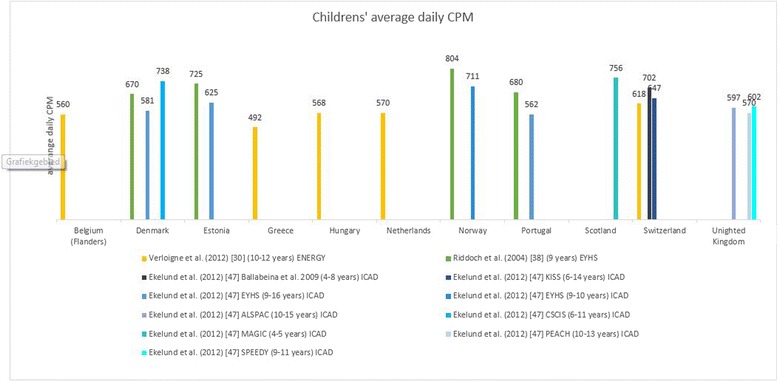
“That can be substantiated with results of (157), which shows low values of 559 min of daily physical activity were noted in South and South–East Europe, such as 492 min in Portugal and Greece, which corresponds to the greater prevalence of OB in these countries.”
BackgroundResultInfluentialBachner, J., Sturm, D. J., Haug, S., & Demetriou, Y. (2020) · BMC Public Health · doi:10.1186/s12889-020-09096-4 · Cited by 15
“Furthermore, thorough validations of instruments assessing PA selfefficacy are generally scarce [29] and specific PA-related risk groups are even more rarely used in the validation of these scales [10, 12, 30].”
BackgroundMethodDifferent healthy habits between northern and southern Spanish school children
Alsina, D. A., Knox, E. C. L., Zabala, M., Ortega, F. Z., Dalmau, J. M., & Muros, J. J. (2017) · Journal of Public Health · doi:10.1007/s10389-017-0823-2 · Cited by 15
Vuletić, P. R., Gilić, B., Zenić, N., Pavlinović, V., Kesic, M. G., Idrizović, K., Šunda, M., Manojlović, M., & Sekulić, D. (2024) · Education Sciences · doi:10.3390/educsci14040391 · Cited by 23
“Also, in this study, we performed gender-specific and age-stratified correlation analyses while using simple univariate procedures; in further studies, more complex (multiple) regression analyses are needed to consider possible interactions be-tween the variables of interest.”
Delfa-de-la-Morena, J. M., Bores‐García, D., Solera-Alfonso, A., & Romero‐Parra, N. (2022) · Frontiers in Psychology · doi:10.3389/fpsyg.2022.910930 · Cited by 22
Raiola, G. (2025) · Children · doi:10.3390/children12010066 · Cited by 20
“Across Europe, low compliance with physical activity recommendations in youth between countries was reported for subjectively and objectively measured physical activity [16].”
Montgomery, S. C., Donnelly, M., Badham, J., Kee, F., Dunne, L., & Hunter, R. F. (2021) · BMC Public Health · doi:10.1186/s12889-020-10081-0 · Cited by 17
Rutkauskaitė, R., Koreivaite, M., Karanauskienė, D., & Miežienė, B. (2022) · Sustainability · doi:10.3390/su142315949 · Cited by 17
Lacombe, D., Bonneau, D., Verloès, A., Couet, D., Koulischer, L., & Battin, J. (1993) · PubMed · Cited by 14
Benavente‐Marín, J. C., Barón-López, F. J., Barcenilla, B. G., Abril, G. L., Aguirre, J. M. R., Pérez‐Farinós, N., & Wärnberǵ, J. (2024) · PeerJ · doi:10.7717/peerj.16815 · Cited by 13
Craemer, M. D., Stappen, V. V., Brondeel, R., Iotova, V., Chakarova, N. Y., Rurik, I., Lindström, J., Kivelä, J., Moreno, L. A., Mavrogianni, C., et al. (2022) · BMC Endocrine Disorders · doi:10.1186/s12902-022-01115-2 · Cited by 10
“, different types of questionnaires, accelerometers) and country [18, 19].”
BackgroundHarris, C. P., Berg, A. V., Berdel, D., Bauer, C., Schikowski, T., Koletzko, S., Heinrich, J., Schulz, H., & Standl, M. (2019) · BMC Public Health · doi:10.1186/s12889-019-7113-6 · Cited by 9
Fernández-Hernández, A., Manzano-Sánchez, D., Jiménez-Parra, J. F., & Valenzuela, A. V. (2021) · Autumn Conferences of Sports Science · doi:10.14198/jhse.2021.16.proc2.42 · Cited by 10
Figueiredo, T. K. F., de Aguiar, R. G., Florindo, A. A., Alves, M. C. G. P., Barros, M. B. D. A., Goldbaum, M., Ferrari, G., Fisberg, R. M., & César, C. L. G. (2021) · Revista Brasileira de Epidemiologia · doi:10.1590/1980-549720210030 · Cited by 15
Sigmundová, D., Baďura, P., & Sigmund, E. (2020) · European Journal of Sport Science · doi:10.1080/17461391.2020.1833086 · Cited by 10
“High variability exists in the proportion of children meeting the PA recommendations across countries, as well as the assessment methods used and outcomes obtained (Van Hecke et al., 2016).”
Bachner, J., Sturm, D. J., García‐Massó, X., Molina‐García, J., & Demetriou, Y. (2020) · Frontiers in Psychology · doi:10.3389/fpsyg.2020.580563 · Cited by 10
“In addition to this gender effect, which is consistently found during adolescence, PA decreases with age (Dumith et al., 2011; Van Hecke et al., 2016).”
BackgroundBakalár, P., Kopčáková, J., & Gecková, A. M. (2018) · Acta Gymnica · doi:10.5507/ag.2018.027 · Cited by 16
“The study limitation is the subjective method of measuring PA which is considered to be less accurate comparing to objective monitoring even though the latter has its own limitations (Atkin, Van Sluijs, Dollman, Taylor, & Stanley, 2016).”
Result
Metadata
- Authors
- on behalf of the DEDIPAC consortium, Van Hecke, L., Loyen, A., Verloigne, M., van der Ploeg, H. P., Lakerveld, J., Brug, J., De Bourdeaudhuij, I., Ekelund, U., Donnelly, A., Hendriksen, I., & Deforche, B.
- Affiliations
- Amsterdam Public Health (NL)
- Ghent University (BE)
- Norwegian School of Sport Sciences (NO)
- University of Limerick (IE)
- Netherlands Organisation for Applied Scientific Research (NL)
- Vrije Universiteit Brussel (BE)
- Corresponding author
- Loyen, Anne
- ORCID
- Venue
- International Journal of Behavioral Nutrition and Physical Activity
- Published
- 2016-06-28
- Volume
- 13
- Issue
- 1
- ISSN
- 1479-5868 (ISSN-L)
- PMC
- PMC5399406
- OpenAlex
- W4253267310
- Semantic Scholar
- 53372a4dbc26b929ff7bac7222394f85344c7db0
- Cited by
- 173
- References
- 63
- Citations by year
- 2026: 5 · 2025: 13 · 2024: 14 · 2023: 12 · 2022: 21 · 2021: 21 · 2020: 33 · 2019: 28 · 2018: 13 · 2017: 9 · 2016: 3
- FWCI
- 2.08
- Type
- journal article
- Language
- en
- Open access
- gold
- doi.org
- Licence
- cc-by
- Locations
- International Journal of Behavioral Nutrition and Physical Activity (publishedVersion, cc-by)
- PubMed Central (publishedVersion, cc-by)
- Amsterdam UMC (VU Amsterdam) - Institutional Repository (publishedVersion)
- BIBSYS Brage (BIBSYS (Norway)) (acceptedVersion)
- University of Limerick Institutional Repository (University of Limerick) (acceptedVersion, other-oa)
- Ghent University Academic Bibliography (Ghent University) (submittedVersion, cc-by)
- TNO Repository (submittedVersion)
- Pure Amsterdam UMC (submittedVersion, other-oa)
- Arrow@dit (Dublin Institute of Technology) (submittedVersion, cc-by-nc-sa)
- NORA - Norwegian Open Research Archives (submittedVersion, other-oa)
- Repository hosted by TU Delft Library (TU Delft) (submittedVersion)
- VUBIR (Vrije Universiteit Brussel) (submittedVersion)
- Data Archiving and Networked Services (DANS) (submittedVersion, other-oa)
- Data Archiving and Networked Services (DANS) (submittedVersion)
- Figshare (cc-by)
- Funders
- Fonds Wetenschappelijk Onderzoek
- ZonMw
- Norges Forskningsråd
- Health Research Board
- Topics
- Health Sciences › Medicine › Public Health, Environmental and Occupational Health › Physical Activity and Health
- Social Sciences › Life-span and Life-course Studies › Recreational Sport and Physical Activity
- Health Sciences › Medicine › Public Health, Environmental and Occupational Health › Obesity, Physical Activity, Diet
- Keywords
- physical activity level, children, adolescents, moderate-to-vigorous physical activity, cross-national variation, sex differences in physical activity, DEDIPAC
About these checks
Registry, retraction, Cites and statistics results are computed, not judged, with one exception: a printed reference that no index lists is read once by a model before it counts as a citation error. Claims are extracted by a model and kept only when their quote appears verbatim in the text; each cited source is then checked, with a model’s help, for whether it says what the claim relies on. Those verdicts can be wrong — read the claim’s quote and the cited source before relying on one.
Statistics and arithmetic are recomputed, not judged.
Confidence bands are shown only for fields calibrated on our annotated test set. None is calibrated yet, so no band is shown.
What counts as a claim ›How we measure confidence ›How we check this ›
Are you an author, or do you see a problem with this page? Request a review
Data sources
Bibliographic data: Semantic Scholar, OpenAlex, Crossref.
Contains information from the Semantic Scholar Academic Graph Datasets, made available under the ODC Attribution License (ODC-BY 1.0).
Semantic Scholar’s data is described in: Kinney, R., et al. (2023). The Semantic Scholar Open Data Platform. arXiv:2301.10140.
