

Animal to human translation: a systematic scoping review of reported concordance rates
Open accessThe DOI matches its Crossref record; 88 of the 88 references it cites were found in a registry or an index; 12 of the 39 sources its claims cite were checked for support.
Abstract
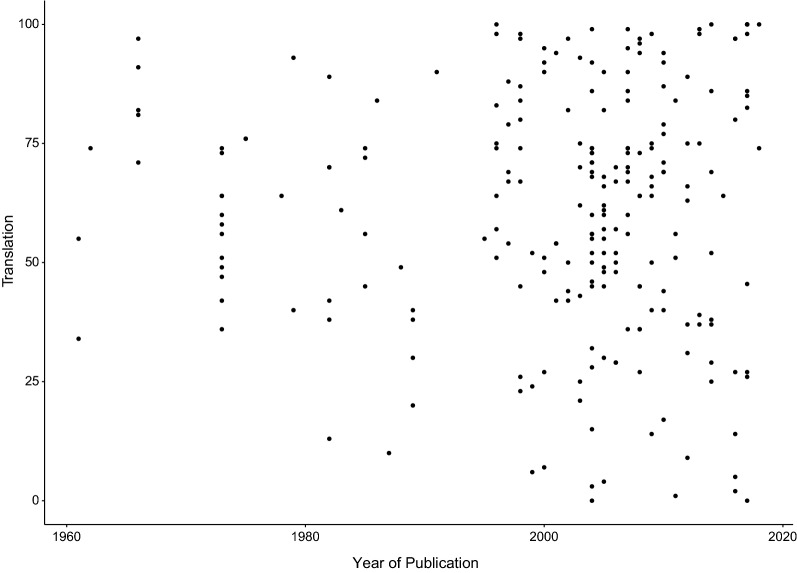
Drug development is currently hampered by high attrition rates; many developed treatments fail during clinical testing. Part of the attrition may be due to low animal-to-human translational success rates; so-called “translational failure”. As far as we know, no systematic overview of published translational success rates exists. The following research question was examined: “What is the observed range of the animal-to-human translational success (and failure) rates within the currently available empirical evidence?”. We searched PubMed and Embase on 16 October 2017. We included reviews and all other types of “umbrella”-studies of meta-data quantitatively comparing the translational results of studies including at least two species with one being human. We supplemented our database searches with additional strategies. All abstracts and full-text papers were screened by two independent reviewers. Our scoping review comprises 121 references, with various units of measurement: compound or intervention (k = 104), study/experiment (k = 10), and symptom or event (k = 7). Diagnostic statistics corresponded with binary and continuous definitions of successful translation. Binary definitions comprise percentages below twofold error, percentages accurately predicted, and predictive values. Quantitative definitions comprise correlation/regression (r 2 ) and meta-analyses (percentage overlap of 95% confidence intervals). Translational success rates ranged from 0 to 100%. The wide range of translational success rates observed in our study might indicate that translational success is unpredictable; i.e. it might be unclear upfront if the results of primary animal studies will contribute to translational knowledge. However, the risk of bias of the included studies was high, and much of the included evidence is old, while newer models have become available. Therefore, the reliability of the cumulative evidence from current papers on this topic is insufficient. Further in-depth “umbrella”-studies of translational success rates are still warranted. These are needed to evaluate the probabilistic evidence for predictivity of animal studies for the human situation more reliably, and to determine which factors affect this process.
Overview
CoChat Summary
TL;DR
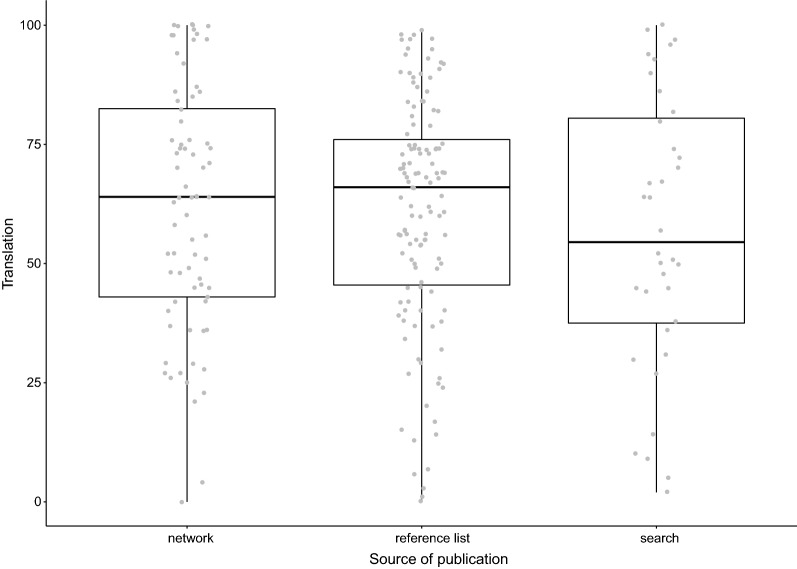
This systematic scoping review of 121 references found that reported animal-to-human translational success rates ranged from 0% to 100%, with no clear differences by definition, unit of analysis, research category, species, source, or publication date. The authors conclude the cumulative evidence is inconclusive because of high risk of bias and poor reporting, and that further umbrella studies are warranted.
Key findings
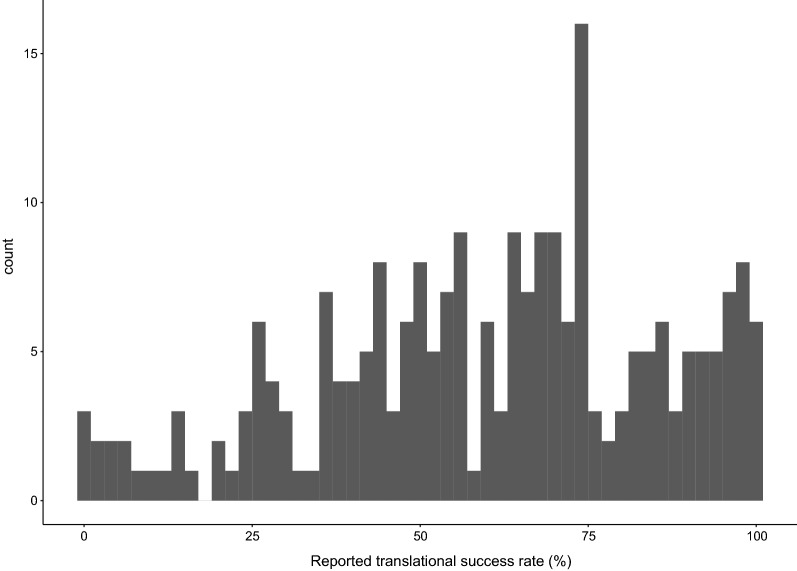
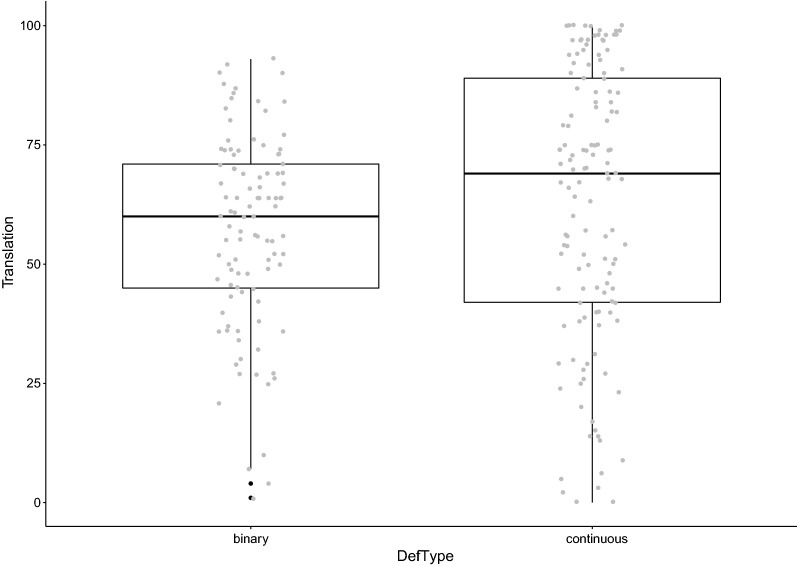
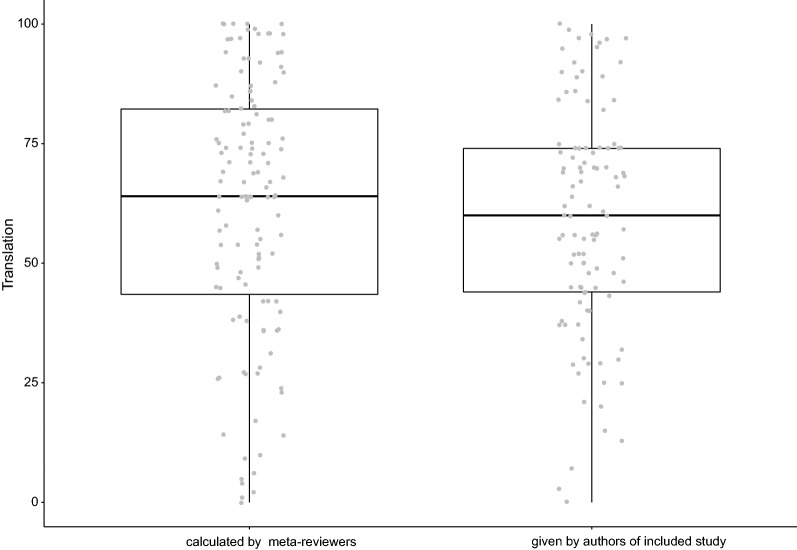
- Across 121 included references, translational success rates ranged from 0% to 100%; binary definitions ranged from 0% to 93%, and continuous definitions from 0% to 100%.
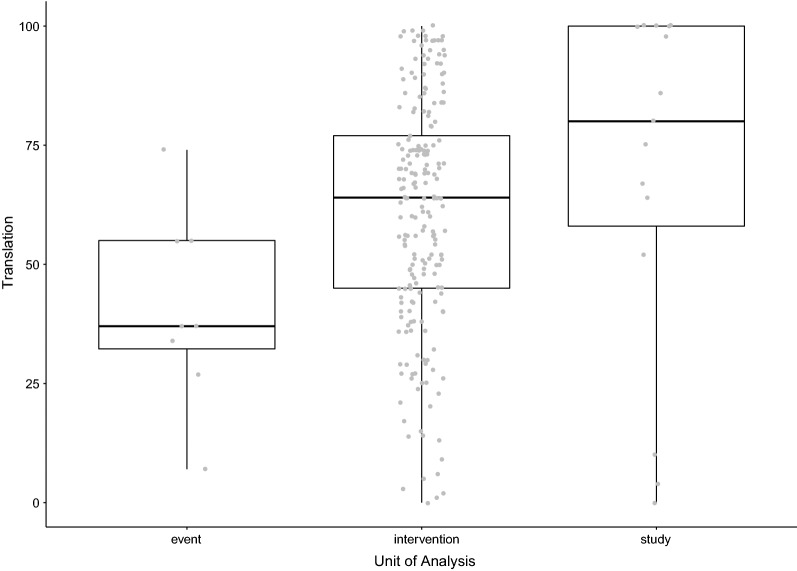
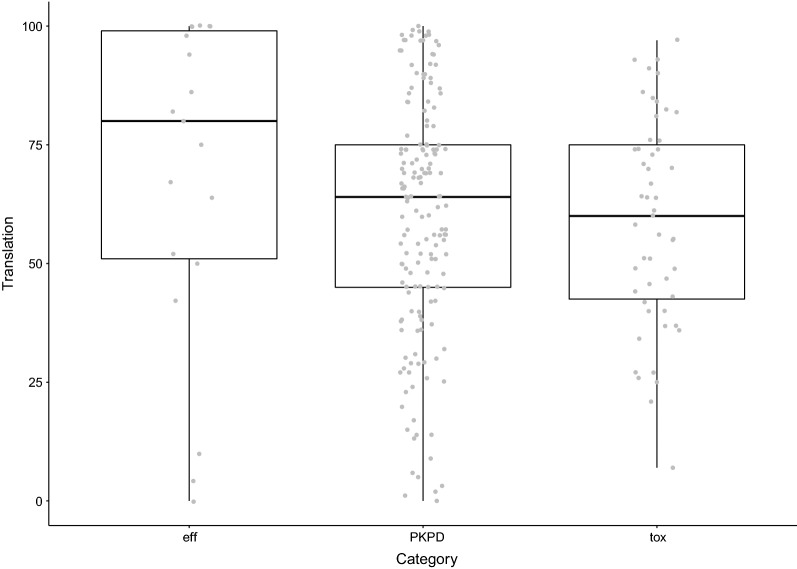
- Units of measurement were compound/intervention (k = 104), study/experiment (k = 10), and symptom/event (k = 7); event-based studies ranged from 7% to 74%, while the other units spanned 0–100%.
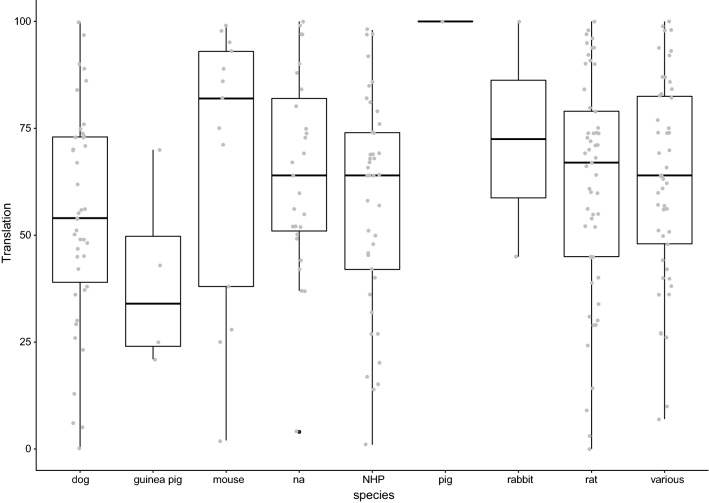
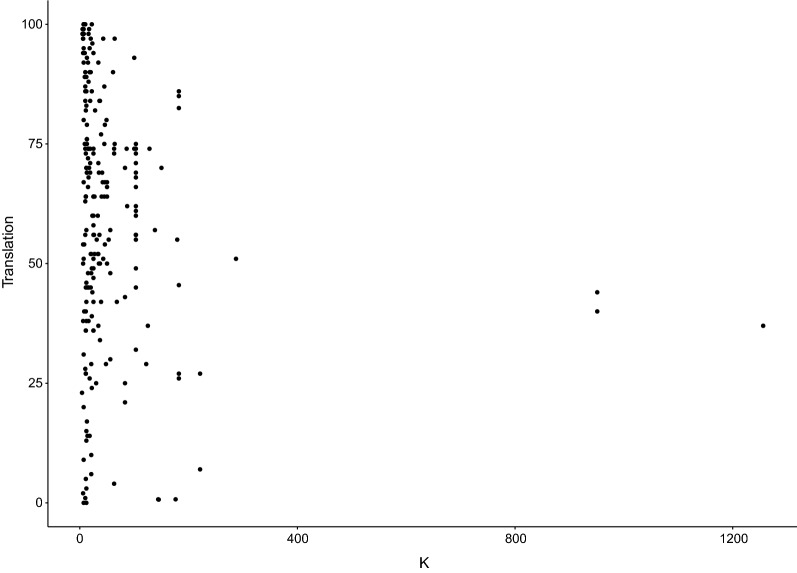
- No clear differences were observed between toxicology, PKPD, and efficacy studies, between species, by paper source, or between binary and continuous definitions; studies with n > 200 were all toxicology studies using binary definitions.
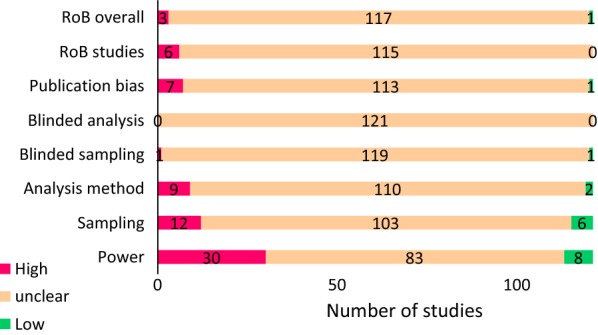
- Risk of bias was overall unclear; high risk of funding bias was scored for 81 of 121 references, high risk for underpowered studies for 30 of 121, and specific eligibility criteria were described in 31 of 121 references (26%) and limitations in 37 of 121 (31%).
Methods
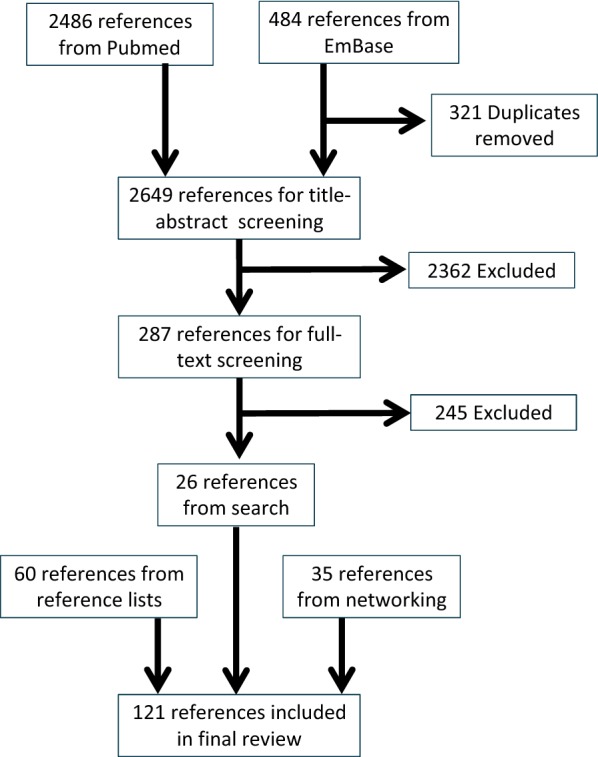
- Systematic scoping review searching PubMed and Embase on 16 October 2017, supplemented by reference-list screening and contacting experts/authors; included reviews and umbrella studies quantitatively comparing at least two species with one being human, yielding 121 references.
- Two independent reviewers screened titles/abstracts and full texts, resolving discrepancies by discussion; the protocol was posted on the SYRCLE website on 27 December 2017 after searches but before paper selection.
- All translation values were expressed as percentages using binary definitions (fold error, accuracy, PPV/NPV) or continuous definitions (r², percentage overlap of 95% CIs); data were tabulated and visualised in R version 3.5.0 with histograms and boxplots, and risk of bias/PRISMA reporting was assessed.
Limitations
- Stated by the authors: the search used MeSH/title words only, omitted modelling/scaling terms, was performed in October 2017, and stopped snowballing after second-line reference lists; data extraction/analysis were unblinded; included measures used different definitions; datasets overlapped; dosing and event incidence were often disregarded; publication bias and high/unclear risk of bias limit the evidence, which is old and should be considered hypothesis-generating only.
- Evident from the text: the included studies are highly heterogeneous in definitions, units, and diagnostic statistics, many included references did not claim to be systematic reviews and showed poor PRISMA compliance, and the authors did not perform a quantitative meta-analysis of the reported rates.
Model-written summary. Check it against the paper before relying on it.
Integrity signals
Registry
Cites
Statistics
Figures
Verification
Claims the paper makes
8 Valid · 5 Not valid · 15 Not checked · 94 Own results and interpretations
The sources with a verdict support this claim; the rest weren’t checked yet, have no full text we could read, or their verdicts aren’t rated yet.
In the paper
“Several scatterplots of pharmacokinetic parameters for a set of drugs in animals versus humans show low correspondence rates, i.e. they do not show an apparent relationship between animal and human data (e.g. [72, 73].”
§ Animal to human translation: a systematic scoping review of reported concordance rates > Results > Studies addressing translational success rates
What the sources say
- Not checked — no full text of the sourcecites [72] Grass GM Sinko PJ Physiologically-based pharmacokinetic simulation modelling Adv Drug Deliv Rev 2002 54 3 433 451 10.1016/S0169-409X(02)00013-3 11922957 source
- Supportedcites [73] Musther H Olivares-Morales A Hatley OJ Liu B Rostami Hodjegan A Animal versus human oral drug bioavailability: do they correlate? Eur J Pharm Sci 2014 57 280 291 10.1016/j.ejps.2013.08.018 23988844 PMC4107270 source
The Results section reports a poor overall correlation between animal and human oral drug bioavailability (R² = 0.342), and the Conclusion states that the data do not show strong predictive linear correlations. The claim is supported as an example concerning oral bioavailability, rather than pharmacokinetic parameters generally. (LLM, conf=0.88)
plain- Asserted: passes — The authors put it forward as true.
- Checkable: passes — It can be checked against evidence.
- Load-bearing: unclear — It is unclear whether the paper’s conclusions depend on it.
- Based: passes — The paper gives a reason why it holds.
The cited sources support only part of this claim — read each source’s verdict below.
In the paper
“As described in our methods, for the included meta-analyses, only one set of CIs, from rats and humans, did not overlap [65].”
§ Animal to human translation: a systematic scoping review of reported concordance rates > Conclusion > Data quality and risk of bias
What the sources say
- Partly supportedcites [65] Sultan SR Millar SA England TJ O’Sullivan SE A systematic review and meta-analysis of the haemodynamic effects of cannabidiol Front Pharmacol. 2017 8 81 10.3389/fphar.2017.00081 28286481 PMC5323388 sourceExperimental — accuracy not yet measured
The Methods (Data analysis; page unavailable) say the meta-analyses were subgrouped by species, including humans and rats, and reported 95% confidence intervals. The Results (Blood pressure and heart rate; page unavailable) report analyses involving both species. Our copy does not state that only one set of their CIs failed to overlap; that appears to be the citing authors’ own comparison. (LLM, conf=0.78)
plain- Asserted: passes — The authors put it forward as true.
- Checkable: passes — It can be checked against evidence.
- Load-bearing: unclear — It is unclear whether the paper’s conclusions depend on it.
- Based: passes — The paper gives a reason why it holds.
- Partly supported
Every source the paper cites for this claim was checked and supports it.
In the paper
“Besides these factors, publication bias (i.e. the relative underreporting of primary studies with negative and neutral results) can obscure translational failure rates [13].”
§ Animal to human translation: a systematic scoping review of reported concordance rates > Conclusion > Data quality and risk of bias
What the sources say
- Supportedcites [13] Martic-Kehl MI Schibli R Schubiger PA Can animal data predict human outcome? Problems and pitfalls of translational animal research Eur J Nucl Med Mol Imaging. 2012 39 9 1492 1496 10.1007/s00259-012-2175-z 22790876 PMC3411287 source
The Publication bias section defines the bias as favoring positive results over negative or inconclusive results and says it leads to overestimated effects in reviews. The Conclusion says reducing publication bias would make analyses more reliable for identifying why animal models fail to predict clinical outcomes. Together, these support the paraphrase that publication bias can obscure translational failure rates. (LLM, conf=0.90)
plainstates a cause- Asserted: passes — The authors put it forward as true.
- Checkable: passes — It can be checked against evidence.
- Load-bearing: passes — The paper’s conclusions depend on it.
- Based: passes — The paper gives a reason why it holds.
- Supported
A result the paper reports from its own data — it cites no other source for it, so there is none to check. The quote shows it is in the paper.
In the paper
“Translational success rates ranged from 0 to 100%.”
§ Animal to human translation: a systematic scoping review of reported concordance rates > Abstract > Systematic scoping review
plain- Asserted: passes — The authors put it forward as true.
- Checkable: passes — It can be checked against evidence.
- Load-bearing: passes — The paper’s conclusions depend on it.
- Based: passes — The paper gives a reason why it holds.
A result the paper reports from its own data — it cites no other source for it, so there is none to check. The quote shows it is in the paper.
In the paper
“However, the risk of bias of the included studies was high”
- Also stated in: § General considerations · plain
“However, the risk of bias of the included studies was high”
§ Animal to human translation: a systematic scoping review of reported concordance rates > Abstract > Conclusion
plain- Asserted: passes — The authors put it forward as true.
- Checkable: passes — It can be checked against evidence.
- Load-bearing: passes — The paper’s conclusions depend on it.
- Based: passes — The paper gives a reason why it holds.
- Also stated in: § General considerations · plain
41 more claims
Create a free account to see all 122 claims and to verify the 2 references still open.
- Probably not a substantial claim. 46
- It may state two separate claims as one. 47
Self-check
Percentages, sums and reported differences re-computed from the paper’s own numbers.
Each contradiction between two passages listed here was confirmed by an independent check.
Rated major: it would touch a result — a value a result rests on, reported and recomputed p-values on opposite sides of the significance level, two passages that conflict with no sign which is right, or a cited work retracted before this paper was published.
In the paper
§ Animal to human translation: a systematic scoping review of reported concordance rates > Results > Studies addressing translational success rates
“Tamaki_2013 | Adverse events | 37% of adverse drug reactions in humans were predicted from animal studies”
§ Animal to human translation: a systematic scoping review of reported concordance rates > Results > Studies addressing translational success rates
“Tamaki et al. studied 1256 adverse drug reactions after administration of 142 drugs that were approved in Japan from 2001 to 2010 [71]. 48% of the adverse drug reactions could be predicted from the animal data.”
Rated minor: it would not touch a result — a value no result rests on, a p-value that stays on the same side of the significance level, or a conflict that is clerical, resolved elsewhere in the paper, or outside its own findings.
In the paper
§ Animal to human translation: a systematic scoping review of reported concordance rates > Conclusion > Data quality and risk of bias
“81 out of the 122 included references”
§ Animal to human translation: a systematic scoping review of reported concordance rates > Results > Characteristics of the included papers
“Of the 121 included references, 119 were in English, one was in German, and one was in French.”
Citations
Cites
PRISMA Extension for Scoping Reviews (PRISMA-ScR): Checklist and Explanation
Tricco, A. C., Lillie, E., Zarin, W., O'Brien, K. K., Colquhoun, H., Levac, D., Moher, D., Peters, M. D. J., Horsley, T., Weeks, L., et al. (2018) · Annals of Internal Medicine · doi:10.7326/m18-0850 · Cited by 43,565
Wickham, H. (2016) · Use R! · doi:10.1007/978-3-319-24277-4 · Cited by 33,115
ggplot2: Elegant Graphics for Data Analysis
Wickham, H. (2009) · doi:10.1007/978-0-387-98141-3 · Cited by 14,447
Improving Bioscience Research Reporting: The ARRIVE Guidelines for Reporting Animal Research
Kilkenny, C., Browne, W. J., Cuthill, I. C., Emerson, M., & Altman, D. G. (2010) · PLoS Biology · doi:10.1371/journal.pbio.1000412 · Cited by 7,300
Improving bioscience research reporting: The ARRIVE guidelines for reporting animal research
Kilkenny, C., Browne, W. J., Cuthill, I. C., Emerson, M., & Altman, D. G. (2010) · Journal of Pharmacology and Pharmacotherapeutics · doi:10.4103/0976-500x.72351 · Cited by 6,277
Can the pharmaceutical industry reduce attrition rates?
Kola, I., & Landis, J. (2004) · Nature Reviews Drug Discovery · doi:10.1038/nrd1470 · Cited by 4,167
Clinical development success rates for investigational drugs
Hay, M., Thomas, D. W., Craighead, J. L., Economides, C., & Rosenthal, J. (2014) · Nature Biotechnology · doi:10.1038/nbt.2786 · Cited by 2,536
Concordance of the toxicity of pharmaceuticals in humans and in animals
Olson, H., Betton, G., Robinson, D., Thomas, K., Monro, A., Kolaja, G., Lilly, P., Sanders, J., Sipes, G., Bracken, W., et al. (2000) · Regulatory Toxicology and Pharmacology · doi:10.1006/rtph.2000.1399 · Cited by 2,050
Diagnosing the decline in pharmaceutical R&D efficiency
Scannell, J. W., Blanckley, A., Boldon, H., & Warrington, B. (2012) · Nature Reviews Drug Discovery · doi:10.1038/nrd3681 · Cited by 1,981
Believe it or not: how much can we rely on published data on potential drug targets?
Prinz, F., Schlange, T., & Asadullah, K. (2011) · Nature Reviews Drug Discovery · doi:10.1038/nrd3439-c1 · Cited by 1,888
Research works printed but not linked: 2
- Shanks N Greek CR Animal model in light of evolution 2009 Boca Raton BrownWalker Press
- Menon JM, Kouwenaar C, Stafleu F, De Vries RBM, Ritskes-Hoitinga, Meijboom FLB, et al. Quantification of translational success: rates of concordance between the results of animal experiments and human trials—a systematized review [protocol posted online on http://www.SYRCLE.nl]. Nijmegen: SYRCLE; 2017.
Cited by
Items 101–200 of 296
Genetic quality: a complex issue for experimental study reproducibility
Yoshiki, A., Ballard, G., & Perez, A. V. (2022) · Transgenic Research · doi:10.1007/s11248-022-00314-w · Cited by 17
Samrani, L. M. M., Pennings, J. L. A., Hallmark, N., Bars, R., Tinwell, H., Pallardy, M. J., & Piersma, A. H. (2022) · Reproductive Toxicology · doi:10.1016/j.reprotox.2022.11.001 · Cited by 12
Sievers, S., Wieschowski, S., & Strech, D. (2020) · British Journal of Clinical Pharmacology · doi:10.1111/bcp.14615 · Cited by 11
“However, concordance rates showed high variability, with better prediction in certain species, toxicity fields or organs.(11) Over the past decade, manifold concerns have been raised about the reliability of the preclinical body of evidence.”
BackgroundHarman, N., Sanz‐Moreno, A., Papoutsopoulou, S., Lloyd, K., Ameen‐Ali, K. E., Macleod, M. R., & Williamson, P. R. (2020) · Journal of Translational Medicine · doi:10.1186/s12967-020-02649-6 · Cited by 15
Sánchez‐Porras, D., Durand‐Herrera, D., Paes, A. B., Chato‐Astrain, J., Verplancke, R., Vanfleteren, J., López, J. D. S., García‐García, Ó. D., Campos, F., & Carriel, V. (2021) · Biomedicines · doi:10.3390/biomedicines9030292 · Cited by 16
“However, most of these research was mainly conducted with different animal cell sources (such as pigs, cows or rodents) [23,25,49], with these results being difficult to extrapolate to the human cell physiology, tissue microarchitecture and regeneration capability, losing translational potential [50,51].”
BackgroundSwiegers, J., Bhagwandin, A., Maseko, B. C., Sherwood, C. C., Hård, T., Bertelsen, M. F., Spocter, M. A., Molnár, Z., & Manger, P. R. (2021) · The Journal of Comparative Neurology · doi:10.1002/cne.25216 · Cited by 11
Polarized RPE Secretome Preserves Photoreceptors in Retinal Dystrophic RCS Rats
Ahluwalia, K., Martínez-Camarillo, J.-C., Thomas, B. B., Naik, A. A., Gonzalez-Calle, A., Pollalis, D., LEBKOWSKI, J. S., Lee, S. Y., Mitra, D., Louie, S. G., et al. (2023) · Cells · doi:10.3390/cells12131689 · Cited by 11
“In general, the predictivity of animal studies for human translation is low as many developed therapeutics fail in clinical settings [79].”
BackgroundLove, S., Nicolls, M., Rowland, B., & Davey, J. D. (2024) · Transportation Research Part F Traffic Psychology and Behaviour · doi:10.1016/j.trf.2024.05.002 · Cited by 14
Proceedings of a workshop to address animal methods bias in scientific publishing
Krebs, C. E., Camp, C., Constantino, H., Courtot, L., Kavanagh, O., Leite, S. B., Madden, J., Paini, A., Poojary, B., Tripodi, I. J., et al. (2022) · ALTEX · doi:10.14573/altex.2210211 · Cited by 17
“Preclinical systematic reviews have concluded that 50-80% of animal study publications do not mention essential details, many animal experiments do not translate to humans, and there has been little progress in publication quality (Pound et al., 2004; Hyman, 2012; Leenaars et al., 2019).”
BackgroundA systems biology approach to better understand human tick-borne diseases
Lee, W., Barbosa, A., Irwin, P., Currie, A. J., Kollmann, T. R., Beaman, M. H., Lee, A. H., & Oskam, C. L. (2022) · Trends in Parasitology · doi:10.1016/j.pt.2022.10.006 · Cited by 15
Evaluating Translational Methods for Personalized Medicine—A Scoping Review
Fosse, V., Oldoni, E., Gerardi, C., Banzi, R., Fratelli, M., Biétrix, F., Ussi, A. E., Andreu, A. L., McCormack, E., & the PERMIT Group (2022) · Journal of Personalized Medicine · doi:10.3390/jpm12071177 · Cited by 14
“Animal models can provide an important instrument for understanding pathogenic mechanisms, identifying drug targets, and developing new therapeutic approaches, but challenges remain for recapitulating the human phenotypes of diseases and to discriminate between successful and unsuccessful treatments [33].”
BackgroundGlycan diversity in ovarian cancer: Unraveling the immune interplay and therapeutic prospects
Wolters‐Eisfeld, G., & Oliveira‐Ferrer, L. (2024) · Seminars in Immunopathology · doi:10.1007/s00281-024-01025-6 · Cited by 13
Medicinal Mushrooms and Their Use to Strengthen Respiratory Health during and Post-COVID-19 Pandemic
Booi, H.-N., Lee, M.-K., Fung, S. Y., Ng, S. T., Tan, C.-S., Lim, K., Roberts, R. E., & Ting, K. (2022) · International journal of medicinal mushrooms · doi:10.1615/intjmedmushrooms.2022045068 · Cited by 12
Methodological shortcomings of preclinical research on chemotherapy-induced cognitive impairment
Salazar, V. A. O., & D’Hooge, R. (2023) · Neuroscience & Biobehavioral Reviews · doi:10.1016/j.neubiorev.2023.105198 · Cited by 10
Leenaars, C. H. C., de Vries, R. B. M., Reijmer, J., Holthaus, D., Visser, D. A., Heming, A., Elzinga, J., Kempkes, R. W. M., Beumer, W., Punt, C., et al. (2021) · Laboratory Animals · doi:10.1177/0023677221990688 · Cited by 11
“Refer back to the Supplemental material, Appendix Table 7 of Leenaars et al. (2019)8 for the full bibliographic details.”
BackgroundSelf-citationMicrofluidic Roadmap for Translational Nanotheranostics
Kabay, G., Manz, A., & Dincer, C. (2021) · Small Methods · doi:10.1002/smtd.202101217 · Cited by 10
Yoyo Dieting, Post-Obesity Weight Loss, and Their Relationship with Gut Health
Phuong-Nguyen, K., McGee, S. L., Aston‐Mourney, K., McNeill, B. A., Mahmood, M. Q., & Rivera, L. R. (2024) · Nutrients · doi:10.3390/nu16183170 · Cited by 11
“However, it is worth noting that there are differences between animal and human models [287], especially between mouse and human gut microbiota signatures [288]. limitation in translating promising results from animal models to humans, particularly if these microbiome changes have host - specific…”
BackgroundQuantitative and qualitative concordance between clinical and nonclinical toxicity data
Weitekamp, C. A., Friedman, K. P., Harrill, A. H., Auerbach, S., Bandele, O. J., Barton‐Maclaren, T. S., Fitzpatrick, S., Mezencev, R., Santillo, M. F., Simanainen, U., et al. (2025) · Toxicological Sciences · doi:10.1093/toxsci/kfaf071 · Cited by 11
Sikirić, P., Seiwerth, S., Škrtić, A., Starešinić, M., Štrbe, S., Vukšić, A., Sikirić, S., Bekić, D., Soldo, D., Grizelj, B., et al. (2025) · Pharmaceuticals · doi:10.3390/ph18060928 · Cited by 14
Prospect of positron emission tomography for abdominal aortic aneurysm risk stratification
Gandhi, R., Bell, M., Bailey, M., & Tsoumpas, C. (2021) · Journal of Nuclear Cardiology · doi:10.1007/s12350-021-02616-8 · Cited by 11
Diawara, M. O., Li, S., Zhang, M., Bigambo, F. M., Yang, X., Wang, X., Dong, T., Wu, D., Yan, C., & Xia, Y. (2024) · Ecotoxicology and Environmental Safety · doi:10.1016/j.ecoenv.2024.116139 · Cited by 11
Dennys, C. N., Sierra-Delgado, J. A., Ray, S. S., Hartlaub, A. M., Roussel, F. S., Rodríguez, Y., & Meyer, K. (2021) · Journal of Visualized Experiments · doi:10.3791/62016 · Cited by 12
Deep brain electrophysiology in freely moving sheep
Perentos, N., Krstulović, M., & Morton, A. J. (2022) · Current Biology · doi:10.1016/j.cub.2021.12.035 · Cited by 8
Jennen, D. G. J., van Herwijnen, M. H. M., Jetten, M. J., Vandebriel, R. J., Keizers, P. H. J., Geertsma, R. E., de Jong, W. H., & Kleinjans, J. C. S. (2022) · International Journal of Molecular Sciences · doi:10.3390/ijms232113046 · Cited by 9
Value of preclinical systematic reviews and meta-analyses in pediatric research
Romantsik, O., Bank, M., Menon, J. M. L., Malhotra, A. K., & Bruschettini, M. (2024) · Pediatric Research · doi:10.1038/s41390-024-03197-1 · Cited by 11
“97,99 The fi rst one may be attributed to methodological weakness and biased reporting of animal studies.”
BackgroundChighine, A., Stocchero, M., De‐Giorgio, F., Nioi, M., d’Aloja, E., & Locci, E. (2025) · Metabolomics · doi:10.1007/s11306-025-02321-4 · Cited by 12
“Nevertheless, both the fre - quency of translational efforts and their success rates have markedly increased since 2000, as demonstrated by Leen-ars et al. in a recent systematic scoping review (Leenaars et al., 2019 ).”
Cucoș, C. A., Milanesi, E., Dobre, M., Musat, I. A., Manda, G., & Cuadrado, A. (2022) · International Journal of Molecular Sciences · doi:10.3390/ijms23105799 · Cited by 9
“Altogether, the obtained results bring into focus panels of genes with a common trend of expression changes in AT mice and AD patients that may overcome the generally low animal-to-human translational success [65].”
ResultscMGCN: A Multi-View Graph Convolutional Network for Cell Type Identification in scRNA-seq Data
Sun, H., Qu, H., Duan, K., & Du, W. (2024) · International Journal of Molecular Sciences · doi:10.3390/ijms25042234 · Cited by 9
“Cross-species single-cell analysis is a new field that can study how cells evolve and develop across different species [28].”
BackgroundBonnechère, B. (2024) · Biomimetics · doi:10.3390/biomimetics9120723 · Cited by 9
“Another major challenge lies in the translation of findings from animal models to human applications [101].”
Advancing the Field of Disaster Response Management: Toward a Design Science Approach
Frykmer, T., Tehler, H., Uhr, C., & Wester, M. (2021) · International Journal of Disaster Risk Science · doi:10.1007/s13753-021-00330-0 · Cited by 9
“Thus, even though we know that it is difficult to generalize from mice to humans (Leenaars et al. 2019), such experiments are still extremely valuable since they are very useful to support development decisions,that is, whether to continue developing the drug or not.”
BackgroundCharacterizing interdisciplinarity in drug research: A translational science perspective
Li, X., & Tang, X. (2021) · Journal of Informetrics · doi:10.1016/j.joi.2021.101216 · Cited by 10
Lenert, M. E., Gomez, R., Lane, B. T., Dailey, D. L., Vance, C. G. T., Rakel, B. A., Crofford, L. J., Sluka, K. A., Merriwether, E. N., & Burton, M. D. (2022) · Pain Medicine · doi:10.1093/pm/pnac047 · Cited by 7
Acute and sub-acute toxicity study of anti-obesity herbal granules in Sprague Dawley rats
Patel, C. A., Shukla, P., Pande, S. V., Punamiya, R., Ranch, K. M., & Boddu, S. H. S. (2022) · Brazilian Journal of Biology · doi:10.1590/1519-6984.264320 · Cited by 8
Goodnough, L. H., Ambrosi, T. H., Steininger, H. M., Butler, M., Hoover, M. Y., Choo, H., Rysselberghe, N. L. V., Bellino, M. J., Bishop, J. A., Gardner, M. J., et al. (2022) · Frontiers in Endocrinology · doi:10.3389/fendo.2022.924927 · Cited by 8
“However, the limitations translating genetically homogenous mouse models to complex multi-factorial disease processes are welldocumented (28, 29).”
BackgroundAdvanced Modeling of Peripheral Neuro-Effector Communication and -Plasticity
Goldsteen, P. A., Dolga, A. M., & Gosens, R. (2020) · Physiology · doi:10.1152/physiol.00010.2020 · Cited by 8
van Haren, J. S., Delbressine, F. L. M., Schoberer, M., Pas, A. B. T., van Laar, J. O. E. H., Oei, S. G., & der Jagt, M. B. V. D. H. (2024) · Frontiers in Pediatrics · doi:10.3389/fped.2024.1360111 · Cited by 10
“To date, most experimental research on the technology (except Chamberlain (14) and Westin (15)) has been performed on animal models, which are crucial for the translation of the technology to human patients; however, translational success is uncertain (16).”
BackgroundChan, A. M. L., Ng, M. H., Yunus, M. H. M., Idrus, R. B. H., Law, J. X., Yazid, M. D., Chin, K., Yusof, M. R. M., Ng, S. N., Koh, B., et al. (2024) · Stem Cell Research & Therapy · doi:10.1186/s13287-024-03769-2 · Cited by 7
“However, the importance of testing medicinal products in pre-clinical models is majorly driven by safety [84].”
BackgroundThe culture of care to enhance laboratory animal personnel well-being: a scoping review
Morahan, H., Cohen, S., Bero, L. A., & Rooney, K. B. (2024) · Laboratory Animals · doi:10.1177/00236772241259089 · Cited by 10
Tree shrew as a new animal model for musculoskeletal disorders and aging
Wei, X., Li, H., Qiu, J., Jiao, J., Guo, X., Yin, G., Yang, P., Han, Y., Zhao, Q., Zeng, H., et al. (2025) · Bone Research · doi:10.1038/s41413-024-00367-z · Cited by 13
“However, the success of translating these observations and the demonstration of clear ef fi cacy in clinical trials have been poor, 10,11 partially due to the lack of clinically-relevant experimental models.”
A Multinational Randomized Trial of Mega-Dose Esomeprazole as Anti-Inflammatory Agent in Sepsis
Monti, G., Carta, S., Kotani, Y., Bruni, A., Konkayeva, M. E., Guarracino, F., Yakovlev, A., Cucciolini, G., Shemetova, M. M., Scapol, S., et al. (2025) · Critical Care Medicine · doi:10.1097/ccm.0000000000006720 · Cited by 8
Oocyte-mediated repair of sperm DNA fragmentation: a critical determinant of embryo viability
Pardiñas, M. L., de Celis, C., Gil, J., Ortega-Jaén, D., Martin, A., Mercader, A., & Santos, M. J. D. L. (2025) · Reproductive BioMedicine Online · doi:10.1016/j.rbmo.2025.105165 · Cited by 17
Lubamba, B., Jensen, T. C., & McClelland, R. (2022) · Applied Sciences · doi:10.3390/app12062786 · Cited by 7
Human Brain Organoids in Migraine Research: Pathogenesis and Drug Development
Gazerani, P. (2023) · International Journal of Molecular Sciences · doi:10.3390/ijms24043113 · Cited by 8
“However, differences between animals and humans, and the lack of translation of findings from animal models to humans in a great deal of research, have become major obstacles to the application of animal models in disease understanding and drug discoveries [12,13].”
BackgroundAnimal models of developmental dyslexia: Where we are and what we are missing
Lampis, V., Ventura, R., Segni, M. D., Marino, C., D'Amato, F. R., & Mascheretti, S. (2021) · Neuroscience & Biobehavioral Reviews · doi:10.1016/j.neubiorev.2021.10.022 · Cited by 10
Citron, M. P., Zang, X., Leithead, A., Shi, M. Q., Rose, W., Murray, E. M., Fontenot, J. A., Bilello, J. P., Beshore, D. C., & Howe, J. A. (2024) · Journal of Infection · doi:10.1016/j.jinf.2024.106325 · Cited by 7
Seal, S., Trapotsi, M., Mahale, M., Subramanian, V., Greene, N., Spjuth, O., & Bender, A. (2025) · Journal of Cheminformatics · doi:10.1186/s13321-025-01066-5 · Cited by 22
“First, we analysed the animal PK data of VDss, CL, and fu for their correlation to corresponding human PK parameters to evaluate translation from animal data to human data [54].”
Joint representation of molecular networks from multiple species improves gene classification
Mancuso, C. A., Johnson, K. A., Liu, R., & Krishnan, A. (2024) · PLoS Computational Biology · doi:10.1371/journal.pcbi.1011773 · Cited by 6
Gajardo, A. I. J., Lillo‐Moya, J., San‐Martín‐Martinez, D., Pozo-Martínez, J., Morales, P. E., Prieto, J. C., Aguayo, R., Puentes, Á., Ramos, C., Silva, S., et al. (2024) · Clinical Pharmacology in Drug Development · doi:10.1002/cpdd.1443 · Cited by 6
“However, since target drug concentrations can vary between rat studies and humans, 26,27 further studies are needed to confirm the therapeutic concentrations in patients with AMI.”
Morahan, H., Hancock, N., Bero, L. A., & Rooney, K. B. (2024) · Laboratory Animals · doi:10.1177/00236772241242850 · Cited by 4
Walraven, T., Busch, M., Wang, J., Donkers, J. M., Duijvestein, M., van de Steeg, E., Kramer, N. I., & Bouwmeester, H. (2024) · Archives of Toxicology · doi:10.1007/s00204-024-03844-w · Cited by 6
“Although frequently used in preclinical IBD research, animal models show uncertainty regarding their accuracy in predicting the human physiological response to drugs, chemicals and other toxicants (Leenaars et al. 2019).”
BackgroundExosomes as perioperative therapeutics to limit organ injury
Owen, A., Stary, C. M., & Gross, E. R. (2023) · British Journal of Anaesthesia · doi:10.1016/j.bja.2022.12.014 · Cited by 6
de Wall, G. V. (2023) · ALTEX · doi:10.14573/altex.2208261 · Cited by 6
“Furthermore, to search for clinical trials and translation, we adjusted previously published search strings (Leenaars et al., 2019).”
BackgroundMethodInfluentialAmend, N., Koller, M., Schmitt, C., Worek, F., & Wille, T. (2023) · Toxicology Letters · doi:10.1016/j.toxlet.2023.10.007 · Cited by 8
Exploring strategy differences between humans and monkeys with recurrent neural networks
Tsuda, B., Richmond, B. J., & B, T. J. S. A. (2023) · PLoS Computational Biology · doi:10.1371/journal.pcbi.1011618 · Cited by 5
Amend, N., Koller, M., Schmitt, C., & Worek, F. (2024) · Toxicology Letters · doi:10.1016/j.toxlet.2024.01.013 · Cited by 6
Mathematical Modeling of Remdesivir to Treat COVID-19: Can Dosing Be Optimized?
Conway, J. M., & Wiesch, P. A. Z. (2021) · Pharmaceutics · doi:10.3390/pharmaceutics13081181 · Cited by 7
“In addition, reliable allometric scaling to predict human doses typically involves more than one model species [47].”
BackgroundIntegration of in vitro and in silico approaches enables prediction of drug-induced liver injury
Geci, R., Sayin, A. Z., Schaller, S., & Kuepfer, L. (2026) · Archives of Toxicology · doi:10.1007/s00204-026-04305-2 · Cited by 7
Leenaars, C. H. C., Stafleu, F. R., Häger, C., & Bleich, A. (2024) · Systematic Reviews · doi:10.1186/s13643-024-02650-w · Cited by 7
“Because we are interested in quantifying the predictive value of animal models for human patients, we commonly perform SRs including both animal and human data (e.g. [29, 30]).”
MethodSelf-citationDrug screening for ischemic stroke using larvae and adult zebrafish model: a review
Nayaka, N. M. D. M. W., Adnyana, I. K., Anggadiredja, K., & Wibowo, I. (2025) · Laboratory Animal Research · doi:10.1186/s42826-024-00232-4 · Cited by 6
“The pre-clinical stage plays a pivotal role in successful translational studies, and this is greatly influenced by many factors such as the availability of animal models, ethical factors, and the ability of the models to mimic human disease pathophysiology [6, 7].”
Pace, L. D., Viviani, L., & Straccia, M. (2022) · Animals · doi:10.3390/ani12202778 · Cited by 6
Reinventing Therapeutic Proteins: Mining a Treasure of New Therapies
Niazi, S. K., & Mariam, Z. (2023) · Biologics · doi:10.3390/biologics3020005 · Cited by 5
“These reinventing options are widely adopted [3]—mainly when treating rare and neglected diseases with limited patients.”
BackgroundLewis, A. S., & Nobis, W. P. (2023) · Journal of Neuroscience Methods · doi:10.1016/j.jneumeth.2023.109878 · Cited by 6
Leenaars, C. H. C., Teerenstra, S., Meijboom, F. L. B., & Bleich, A. (2023) · Journal of Neuroscience Methods · doi:10.1016/j.jneumeth.2023.109931 · Cited by 7
“5 METHODS Data collection and selection We reanalysed the data published in our systematic scoping review [6] for this study.”
BackgroundMethodInfluentialSelf-citationFriedrich, V. D., Pennitz, P., Wyler, E., Adler, J. M., Postmus, D., Müller, K., Alves, L. G. T., Prigann, J., Pott, F., Vladimirova, D., et al. (2024) · EBioMedicine · doi:10.1016/j.ebiom.2024.105312 · Cited by 8
“One previously described 7 subset of immature neutrophils, namely FUT4 + pro-neutrophils (Immature Neutrophils 2), was exclusively observed in humans.”
Human-Based Technologies in Cardiovascular Pharmacology Research
Biondi‐Zoccai, G., Frati, G., Carnevale, R., & Booz, G. W. (2025) · Journal of Cardiovascular Pharmacology · doi:10.1097/fjc.0000000000001745 · Cited by 6
Problem Überversorgung: Definition und Lösungsansätze
Gamstätter, T. (2021) · Der Internist · doi:10.1007/s00108-021-00957-7 · Cited by 5
Sikirić, P., Seiwerth, S., Škrtić, A., Starešinić, M., Štrbe, S., Vukšić, A., Sikirić, S., Bekić, D., Penovic, T., Draženović, D., et al. (2025) · Pharmaceuticals · doi:10.3390/ph18060866 · Cited by 4
“In general, animal-to-human translation is a complex issue (for review see i.e., [204–207]), even when the wide range of translational success rates is consistently evidenced [206].”
Combining Therapeutic Strategies to Treat the Injured Spinal Cord: A Translational Perspective
Sherman, B. C., Read, M. S., Hoh, D. J., Guest, J. D., Lane, M. A., & Zholudeva, L. V. (2025) · Journal of Neurotrauma · doi:10.1177/08977151251371710 · Cited by 4
“138,139 In addition to the uncertainty of improvement when combining individually successful therapeutics, investigators must also consider that negative interactions between treatments are possible.”
Pound, P. (2025) · NAM journal. · doi:10.1016/j.namjnl.2025.100057 · Cited by 7
“It is acknowledged that animal research and testing have significant limitations (Townsend et al., 2025) and do not translate reliably to humans (Ineichen et al., 2024; Leenaars et al., 2019; Perel et al., 2007) resulting in unsafe medicines and unmet need (Marshall et al., 2023).”
Micro-physiological system of human lung: The current status and application to drug discovery
Sone, N., & Gotoh, S. (2025) · Drug Metabolism and Pharmacokinetics · doi:10.1016/j.dmpk.2024.101050 · Cited by 6
Rai, V., & Agrawal, D. K. (2022) · Molecular and Cellular Biochemistry · doi:10.1007/s11010-022-04642-7 · Cited by 5
“Additional causes for translational failure may be the lack of scientifically tested studies, suboptimal experimental design, lack of reproducibility, and high attrition rates during drug development or repurposing [107, 108].”
BackgroundThe Role of Artificial Intelligence in Therapeutic Drug Monitoring and Clinical Toxicity
Saikia, S., Prajapati, J. B., Prajapati, B. G., Padma, V. V., & Pathak, Y. V. (2022) · Springer eBooks · doi:10.1007/978-3-031-12398-6_5 · Cited by 7
Duryat, D., Rodiani, R., & Maryono, T. (2025) · Journal of Multidisciplinary Applied Natural Science · doi:10.47352/jmans.2774-3047.247 · Cited by 4
Lin, F. V., Simmons, J. M., Turnbull, A. G., Zuo, Y., Conwell, Y., & Wang, K. H. (2025) · JAMA Psychiatry · doi:10.1001/jamapsychiatry.2025.0581 · Cited by 5
Tewari, S., Margalef, P. T., Kareem, A., Abdul-Hussein, A., White, M., Wazana, A. D., Davidge, S. T., Delrieux, C. A., & Connor, K. L. (2021) · Journal of Personalized Medicine · doi:10.3390/jpm11111064 · Cited by 4
“Of course, in doing so, one must be mindful of the variations in species, strain, study design and reporting, laboratory techniques, and timing/dosage of exposures and interventions in animal models, as these will influence the translatability of the findings to human populations [13,14,30].”
BackgroundReproducibility of developmental neuroplasticity in in vitro brain tissue models
Salmina, A. B., Malinovskaya, N. A., Morgun, A. V., Хилажева, Е. Д., Uspenskaya, Y. A., & Illarioshkin, S. N. (2022) · Reviews in the Neurosciences · doi:10.1515/revneuro-2021-0137 · Cited by 4
Medicinal Mushrooms for Respiratory Health
Booi, H.-N., Lee, M.-K., Ting, K., & Fung, S. Y. (2023) · Springer eBooks · doi:10.1007/978-981-19-9550-7_2 · Cited by 8
von Coburg, E., & Dunst, S. (2023) · Discover Oncology · doi:10.1007/s12672-023-00840-x · Cited by 5
Bernardini, C., Nesci, S., Mantia, D. L., Salaroli, R., Nauwelaerts, N., Ventrella, D., Elmi, A., Trombetti, F., Zannoni, A., & Forni, M. (2024) · Research in Veterinary Science · doi:10.1016/j.rvsc.2024.105244 · Cited by 4
Blood‐to‐muscle distribution and urinary excretion of higenamine in rats
Chang, W. C., Yen, C. P., Liu, W., et al. (2021) · Drug Testing and Analysis · doi:10.1002/dta.3132 · Cited by 4
Dennys, C. N., Sierra-Delgado, J. A., Ray, S. S., et al. (2021) · Journal of Visualized Experiments · doi:10.3791/62016-v · Cited by 4
Koterov, A. N. (2022) · Biology Bulletin · doi:10.1134/s1062359022110115 · Cited by 4
“66 However, this analytical review [250] of 121 animal-to-human extrapolation studies of the effects of medicines, interventions, and just “events” actually gives a different picture, despite vague conclusions.”
BackgroundInfluentialDamerau, A., Buttgereit, F., & Gaber, T. (2022) · Processes · doi:10.3390/pr10030550 · Cited by 6
Mitigating animal methods bias to reduce animal use and improve biomedical translation
Kavanagh, O. V., & Krebs, C. E. (2024) · Science Progress · doi:10.1177/00368504241253693 · Cited by 4
Rafiq, Z., Bashir, T., Lu, W., & Puebla‐Osorio, N. (2025) · ACS Pharmacology & Translational Science · doi:10.1021/acsptsci.5c00543 · Cited by 7
Pistollato, F., Furtmann, F., Straccia, M., Avey, M. T., Azilagbetor, D. M., Camp, C., Delaney, C. P., Ferreira, G. S., García‐Bermejo, L., Gastaldello, A., et al. (2025) · Alternatives to Laboratory Animals · doi:10.1177/02611929251398821 · Cited by 5
Self-citationPath dependency and the rescuing of the biomedical research enterprise
Nahle, Z. A. (2026) · Frontiers in Medical Technology · doi:10.3389/fmedt.2025.1683835 · Cited by 3
Animal research ethics as interaction of research ethics, animal ethics, and (animal protection) law
Selter, F. (2023) · ALTEX · doi:10.14573/altex.2301171 · Cited by 3
Doi, Y., Kato, H., & Yamashita, F. (2025) · International Journal of Pharmaceutics · doi:10.1016/j.ijpharm.2025.125608 · Cited by 8
The Case for Modernizing Biomedical Research in Ireland through the Creation of an Irish 3Rs Centre
Galligioni, V., Movia, D., Ruiz-Pérez, D., Sánchez-Morgado, J. M., & Prina‐Mello, A. (2022) · Animals · doi:10.3390/ani12091078 · Cited by 3
Samrani, L. M. M., Dumont, F., Hallmark, N., Bars, R., Tinwell, H., Pallardy, M. J., & Piersma, A. H. (2023) · Reproductive Toxicology · doi:10.1016/j.reprotox.2023.108404 · Cited by 3
Testing times: Let’s leave the animals out of it
Ritskes-Hoitinga, M. J., Watkins, J. C., & Jornick, P. (2023) · Significance · doi:10.1093/jrssig/qmad060 · Cited by 3
Self-citationRosso, M., Doneva, S. E., Howells, D. W., Leenaars, C. H. C., & Ineichen, B. V. (2024) · ALTEX · doi:10.14573/altex.2310251 · Cited by 6
“Examples of scoping (King et al., 2023), mapping (Van der Mierden et al., 2021), and umbrella (Leenaars et al., 2019) reviews showed their use and value in practice.”
BackgroundSelf-citationWahl, L. F., Karim, A., Hassett, A. R., van der Doe, M., Dijkhuizen, S., & Badura, A. (2024) · Biological Psychiatry Global Open Science · doi:10.1016/j.bpsgos.2024.100366 · Cited by 4
“This is dif fi cult to study in the laboratory setting, which frequently resorts to tests that measure a limited number of behaviors (6).”
Dearden, J. C. (2020) · International Journal of Quantitative Structure-Property Relationships · doi:10.4018/ijqspr.2020070101 · Cited by 3
Selected transgenic murine models of human autoimmune liver diseases
Trzos, K., Pydyn, N., Jura, J., & Kotlinowski, J. (2022) · Pharmacological Reports · doi:10.1007/s43440-021-00351-y · Cited by 4
“which negatively impact transferability of findings based on animal models [50].”
BackgroundLeenaars, C. H. C., Stafleu, F. R., Häger, C., Nieraad, H., & Bleich, A. (2024) · Scientific Reports · doi:10.1038/s41598-024-60389-9 · Cited by 4
Self-citationRosso, M., Wirz, R., Loretan, A. V., Sutter, N. A., da Cunha, C. T. P., Jarić, I., Würbel, H., & Voelkl, B. (2021) · bioRxiv (Cold Spring Harbor Laboratory) · doi:10.1101/2021.07.28.454267 · Cited by 3
Behavioural Investigations of Psilocybin in Animals 1962-2021: A Scoping ReviewPreprint
Shore, R., Dobson, K., Thomson, N., Barnim, N., Bergman, H. P., Rideout, K., McKeown, S., Olmstead, M. C., Goldie, C. E., & Dumont, É. C. (2024) · bioRxiv (Cold Spring Harbor Laboratory) · doi:10.1101/2024.01.04.574146 · Cited by 3
Comin, L., Marie, S., Ursino, M., et al. (2025) · Clinical Pharmacokinetics · doi:10.1007/s40262-025-01562-9 · Cited by 2
Metadata
- Authors
- Leenaars, C. H. C., Kouwenaar, C., Stafleu, F. R., Bleich, A., Ritskes-Hoitinga, M., De Vries, R. B. M., & Meijboom, F. L. B.
- Affiliations
- Utrecht University (NL)
- Medizinische Hochschule Hannover (DE)
- Radboud University Medical Center (NL)
- Corresponding author
- Leenaars, Cathalijn H. C.
- ORCID
- Venue
- Journal of Translational Medicine
- Published
- 2019-07-15
- Volume
- 17
- Issue
- 1
- Pages
- 223-223
- ISSN
- 1479-5876 (ISSN-L)
- PMC
- PMC6631915
- OpenAlex
- W2960989010
- Semantic Scholar
- 70b83aaa28b660a1a9a533e7cad7221eb61d0c4d
- Cited by
- 314
- References
- 88
- Citations by year
- 2026: 55 · 2025: 38 · 2024: 56 · 2023: 50 · 2022: 55 · 2021: 36 · 2020: 21 · 2019: 2
- FWCI
- 7.30
- Type
- journal article
- Language
- en
- Open access
- gold
- doi.org
- Licence
- cc-by
- creativecommons.org/licenses/by/4.0/ (tdm)
- creativecommons.org/licenses/by/4.0/ (vor)
- Locations
- Journal of Translational Medicine (publishedVersion, cc-by)
- PubMed Central (publishedVersion, cc-by)
- PubMed (publishedVersion)
- Radboud Repository (Radboud University) (publishedVersion)
- DOAJ (DOAJ: Directory of Open Access Journals) (submittedVersion)
- Utrecht University Repository (Utrecht University) (submittedVersion, other-oa)
- Radboud Repository (Radboud University) (submittedVersion, other-oa)
- Funders
- ZonMW (40-42600-98-417)
- NWO (313-99-310)
- the Federal State of Lower Saxony (R2N)
- Topics
- Health Sciences › Veterinary › Small Animals › Animal testing and alternatives
- Social Sciences › Decision Sciences › Statistics, Probability and Uncertainty › Meta-analysis and systematic reviews
- Physical Sciences › Mathematics › Statistics and Probability › Statistical Methods in Clinical Trials
- Keywords
- animal-to-human translation, translational failure, drug attrition, animal models, species comparison, risk of bias
- MeSH terms
- Animals, Humans, Periodicals as Topic, Risk, Publication Bias, Translational Research, Biomedical
About these checks
Registry, retraction, Cites and statistics results are computed, not judged, with one exception: a printed reference that no index lists is read once by a model before it counts as a citation error. Claims are extracted by a model and kept only when their quote appears verbatim in the text; each cited source is then checked, with a model’s help, for whether it says what the claim relies on. Those verdicts can be wrong — read the claim’s quote and the cited source before relying on one.
The claim verdicts this report counts are experimental: their accuracy is not yet measured.
A language model drew the claims from the paper on 2026-10-07, under version 3 of the claim definition (model deepseek-v4.1-flash, prompt extract-v3).
A second model labelled each claim on 2026-10-07 (model jev-1.13-20260917, definition revision gold-guideline-v0.2).
Cited sources are checked with a language model’s help (gpt-6-sol).
Statistics and arithmetic are recomputed, not judged.
Confidence bands are shown only for fields calibrated on our annotated test set. None is calibrated yet, so no band is shown.
What counts as a claim ›How we measure confidence ›How we check this ›
Are you an author, or do you see a problem with this page? Request a review
Data sources
Bibliographic data: Semantic Scholar, OpenAlex, Crossref.
Contains information from the Semantic Scholar Academic Graph Datasets, made available under the ODC Attribution License (ODC-BY 1.0).
Semantic Scholar’s data is described in: Kinney, R., et al. (2023). The Semantic Scholar Open Data Platform. arXiv:2301.10140.
