

Liver X receptor-dependent inhibition of microglial nitric oxide synthase 2
Open accessThe DOI matches its Crossref record; 42 of the 43 references it cites were found in a registry or an index.
Abstract
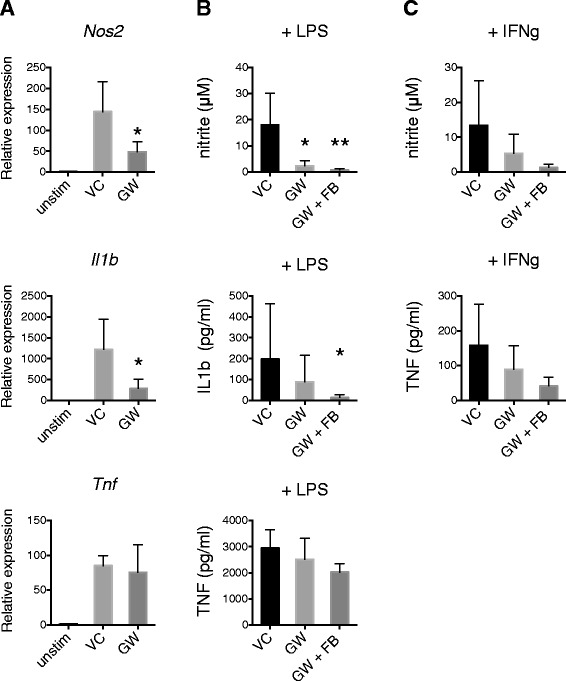
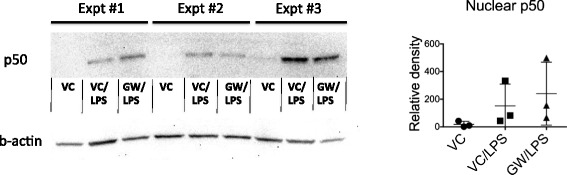
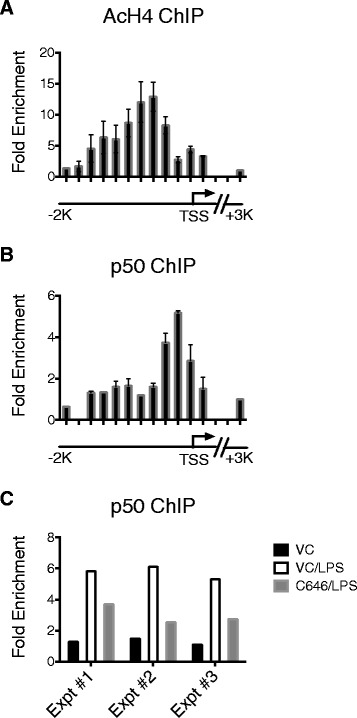
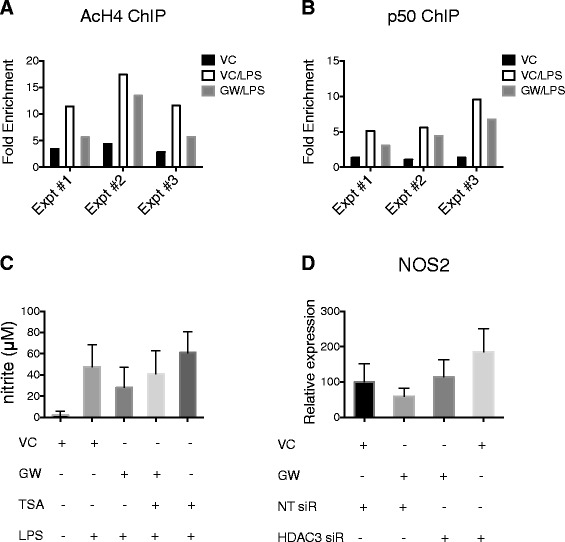
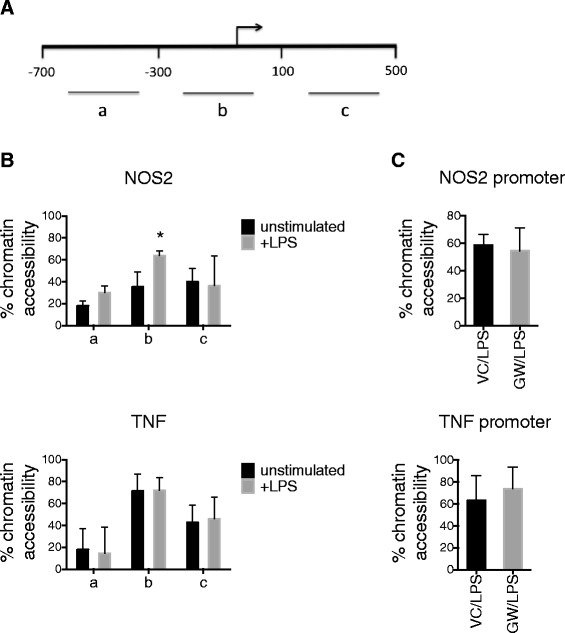
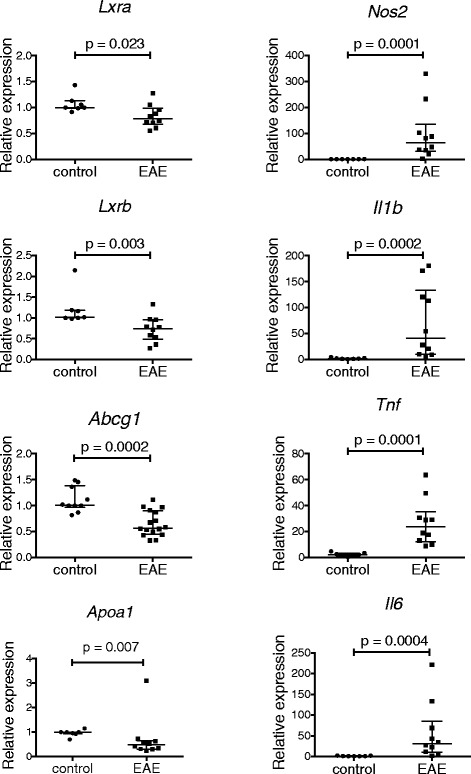
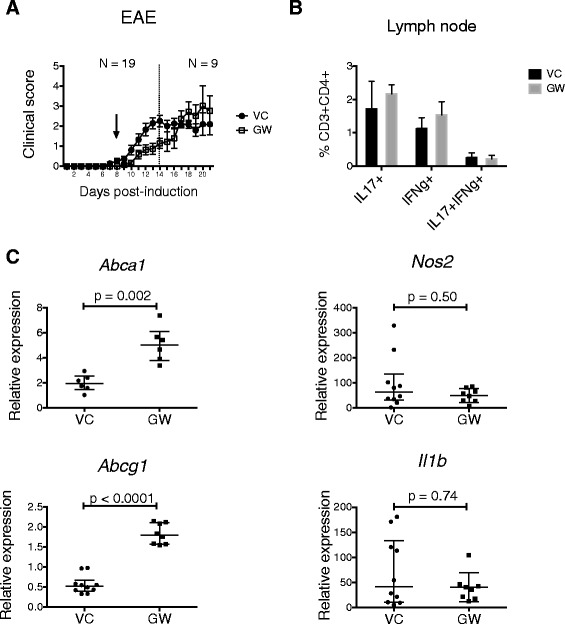
BACKGROUND: The nuclear receptor liver X receptor (LXR) exerts transcriptional control over lipid metabolism and inflammatory response in cells of the myeloid lineage, suggesting that LXR may be a potential target in a number of chronic neuroinflammatory and neurodegenerative diseases where persistent microglial activation has been implicated in the pathogenesis. METHODS: The effect of LXR activation on microglia and central nervous system (CNS) inflammation was studied using a synthetic LXR agonist in cultured microglia, a microglial cell line and experimental allergic encephalomyelitis (EAE), an animal model of CNS inflammation. RESULTS: LXR activation inhibited nitric oxide synthase 2, inducible (Nos2) expression and nitric oxide production in lipopolysaccharide (LPS)-stimulated microglia. Inhibition of microglial activation in response to interferon-γ was less reliable. In LPS-stimulated cells, LXR activation did not inhibit nuclear translocation of NF-kappaB1 p50. Instead, LXR-dependent Nos2 repression was associated with inhibition of histone 4 acetylation and inhibition of NF-kappaB1 p50 binding at the Nos2 promoter. Histone acetylation and NF-kappaB1 p50 binding were mechanistically linked, and histone deacetylase (HDAC) activity appeared to be important for LXR-dependent transcriptional repression of Nos2. Analysis of CNS gene expression in animals undergoing EAE showed that the expressions of Lxr and LXR-dependent genes were downregulated during CNS inflammation. Nevertheless, administration of LXR agonist GW3965 during the effector phase of EAE delayed the onset of clinical disease and reversed the diminished expression of LXR-dependent reverse cholesterol transport genes. However, the CNS expressions of Nos2 and other inflammatory genes were not significantly inhibited by LXR activation in EAE, and clinical disease severity was comparable to vehicle controls at later time points in LXR agonist treated animals. CONCLUSIONS: LXR can be targeted to modulate microglial activation. LXR-dependent repression of inflammatory genes may be stimulus-dependent and impaired by HDAC inhibition. Endogenous LXR activity does not appear to modulate CNS inflammation, but LXR activity can be partially restored in the CNS by administration of exogenous LXR agonist with an impact on clinical disease severity at early, but not late, time points in EAE.
Overview
The claims and statistics of this paper haven’t been checked yet.
Free: it reads the open-access text and checks the first 5 claims that cite a source we can check. Create a free account to check every claim.
Integrity signals
Registry
Cites
Statistics
Figures
Verification
Claims the paper makes
The claims and statistics of this paper haven’t been checked yet.
Free: it reads the open-access text and checks the first 5 claims that cite a source we can check. Create a free account to check every claim.
Claims other papers make about this one
Each is checked against this paper’s own text: does it say what the citing paper says it does?
The source backs part of the claim, not all of it — or backs it for a different population, condition or comparison.
In the citing paper
“These observations agree with known anti-inflammatory and Aβ-clearing effects of LXRα/β agonists in AD models [40–42] as well as the role of Cebpα in regulating PU.1 which maintains microglial quiescence [43].”
From Identification and therapeutic modulation of a pro-inflammatory subset of disease-associated-microglia in Alzheimer’s disease (2018) · cites this paper as [40]
Experimental — accuracy not yet measuredThe source backs part of the claim, not all of it — or backs it for a different population, condition or comparison.
In the citing paper
“Agonists of LXRα/β, predicted to specifically promote anti-inflammatory DAM gene expression in our network analysis, have anti-inflammatory and protective effects in AD models [40, 41].”
From Identification and therapeutic modulation of a pro-inflammatory subset of disease-associated-microglia in Alzheimer’s disease (2018) · cites this paper as [40]
Experimental — accuracy not yet measured
Self-check
Percentages, sums and reported differences re-computed from the paper’s own numbers.
The self-check needs the paper’s full text.
Citations
Cites
Analysis of Relative Gene Expression Data Using Real-Time Quantitative PCR and the 2−ΔΔCT Method
Livak, K. J., & Schmittgen, T. D. (2001) · Methods · doi:10.1006/meth.2001.1262 · Cited by 180,860 · cited 1×
“Relative quantitation of mRNA was performed using the comparative threshold (delta delta CT) method [17] using Actb as endogenous control.”
MethodMicroglia-mediated neurotoxicity: uncovering the molecular mechanisms
Block, M. L., Zecca, L., & Hong, J.-S. (2007) · Nature Reviews Neuroscience · doi:10.1038/nrn2038 · Cited by 4,110 · cited 2×
“Discussion Persistent microglial activation has been implicated in the pathogenesis of a number of neuroinflammatory and neurodegenerative disorders [2].”
BackgroundMutation of the mouse klotho gene leads to a syndrome resembling ageing
Kuro-o, M., Matsumura, Y., Aizawa, H., Kawaguchi, H., Suga, T., Utsugi, T., Ohyama, Y., Kurabayashi, M., Kaname, T., Kume, E., et al. (1997) · Nature · doi:10.1038/36285 · Cited by 3,837
An oxysterol signalling pathway mediated by the nuclear receptor LXRα
Janowski, B. A., Willy, P. J., Devi, T. R., Falck, J. R., & Mangelsdorf, D. J. (1996) · Nature · doi:10.1038/383728a0 · Cited by 1,591 · cited 1×
“The liver X receptor (LXR) is an oxysterol-activated nuclear receptor [6].”
BackgroundA SUMOylation-dependent pathway mediates transrepression of inflammatory response genes by PPAR-γ
Pascual, G., Fong, A. L., Ogawa, S., Gamliel, A., Li, A. C., Perissi, V., Rose, D. W., Willson, T. M., Rosenfeld, M. G., & Glass, C. K. (2005) · Nature · doi:10.1038/nature03988 · Cited by 1,254 · cited 1×
“Whereas genes involved in reverse cholesterol transport are coordinately regulated by LXR transcriptional activation involving exchange of NCoR for NCoA, the antiinflammatory effects of LXR are under SUMOylation-dependent transcriptional repression [35].”
BackgroundReciprocal regulation of inflammation and lipid metabolism by liver X receptors
Joseph, S. B., Castrillo, A., Laffitte, B. A., Mangelsdorf, D. J., & Tontonoz, P. (2003) · Nature Medicine · doi:10.1038/nm820 · Cited by 1,158 · cited 3×
“In cells of the myeloid lineage, LXR has also been shown to control inflammatory responses by transcriptional repression of a number of genes including Nos2, Cox2 and Il6 [10].”
BackgroundInfluentialExacerbations of multiple sclerosis in patients treated with gamma interferon
Panitch, H., Haley, A., Hirsch, R., & Johnson, K. (1987) · The Lancet · doi:10.1016/s0140-6736(87)92863-7 · Cited by 1,071 · cited 1×
“Stimulus-specific differences in LXR-dependent inhibition are likely to be important in neuroinflammatory diseases such as multiple sclerosis, where both Toll-like receptor and interferon-γ signaling have been reported [26-29].”
BackgroundLowenstein, C. J., Alley, E. W., Raval, P., Snowman, A. M., Snyder, S. H., Russell, S. W., & Murphy, W. J. (1993) · Proceedings of the National Academy of Sciences · doi:10.1073/pnas.90.20.9730 · Cited by 1,064 · cited 1×
“We detected peak of LPSinduced NF-kappaB1 p50 binding at −159 to −15 bases upstream of the Nos2 transcription start site, which corresponds to the previously reported proximal enhancer cluster on the Nos2 promoter [31].”
BackgroundControl of cellular cholesterol efflux by the nuclear oxysterol receptor LXRα
Venkateswaran, A., Laffitte, B. A., Joseph, S. B., Mak, P. A., Wilpitz, D. C., Edwards, P. A., & Tontonoz, P. (2000) · Proceedings of the National Academy of Sciences · doi:10.1073/pnas.200367697 · Cited by 1,005 · cited 1×
“LXR is known to control the expression of genes involved in reverse cholesterol transport such as Abca1, Abcg1, Apoa1, Apoe and Cyp7a1 [8,9].”
BackgroundInflammation and Lipid Signaling in the Etiology of Insulin Resistance
Glass, C. K., & Olefsky, J. M. (2012) · Cell Metabolism · doi:10.1016/j.cmet.2012.04.001 · Cited by 935 · cited 1×
“Thus, LXR is one among a number of biological signal pathways that link lipid metabolism and inflammation [11].”
Background
Cited by
Rangaraju, S., Dammer, E. B., Raza, S. A., Rathakrishnan, P., Xiao, H., Gao, T., Duong, D. M., Pennington, M. W., Lah, J. J., Seyfried, N. T., et al. (2018) · Molecular Neurodegeneration · doi:10.1186/s13024-018-0254-8 · Cited by 430
Shao, F., Wang, X., Wu, H., Wu, Q., & Zhang, J. (2022) · Frontiers in Aging Neuroscience · doi:10.3389/fnagi.2022.825086 · Cited by 250
Transcriptional control of microglia phenotypes in health and disease
Holtman, I. R., Skola, D., & Glass, C. K. (2017) · Journal of Clinical Investigation · doi:10.1172/jci90604 · Cited by 218
Liver X Receptors: Regulators of Cholesterol Metabolism, Inflammation, Autoimmunity, and Cancer
Bilotta, M. T., Petillo, S., Santoni, A., & Cippitelli, M. (2020) · Frontiers in Immunology · doi:10.3389/fimmu.2020.584303 · Cited by 171
Qiu, L., Ji, M., Zhang, H., Yang, J., Sun, X.-R., Tang, H., Wang, J., Liu, W., & Yang, J.-J. (2015) · Brain Behavior and Immunity · doi:10.1016/j.bbi.2015.08.002 · Cited by 135
“Nicotinamide adenine dinucleotide phosphate (NADPH) oxidase is an important source of the production of ROS in phagocytes including microglia (Sorce and Krause, 2009).”
BackgroundSingle Gene Inactivation with Implications to Diabetes and Multiple Organ Dysfunction Syndrome
Martins, I. J. (2017) · Journal of Clinical Epigenetics · doi:10.21767/2472-1158.100058 · Cited by 183
Regulation of Brain Cholesterol: What Role Do Liver X Receptors Play in Neurodegenerative Diseases?
Mouzat, K., Chudinova, A., Polge, A. S., Kantar, J., Camu, W., Raoul, C., & Lumbroso, S. (2019) · International Journal of Molecular Sciences · doi:10.3390/ijms20163858 · Cited by 91
The roles of liver X receptor α in inflammation and inflammation‐associated diseases
Zhao, L., Lei, W., Deng, C., Wu, Z. B., Sun, M., Jin, Z., Song, Y., Yang, Z. P., Jiang, S., Shen, M., et al. (2020) · Journal of Cellular Physiology · doi:10.1002/jcp.30204 · Cited by 84
“This suggests that LXRs activation may be a potential therapeutic in central ner- vous system inflammation (Secor McVoy et al., 2015).”
BackgroundXu, X., Xiao, X., Yan, Y., & Zhang, T. (2021) · Brain, Behavior, and Immunity · doi:10.1016/j.bbi.2021.02.026 · Cited by 74
Gao, T., Jernigan, J., Raza, S. A., Dammer, E. B., Xiao, H., Seyfried, N. T., Levey, A. I., & Rangaraju, S. (2019) · Glia · doi:10.1002/glia.23678 · Cited by 65
“Of 1,234 AD risk genes identified by MAGMA, 42 AD risk genes were identified within 662 genes analyzed in the Nanostring panel.”
BackgroundMethodInfluentialFu, Q., Li, J., Qiu, L., Ruan, J., Mao, M., Li, S., & Mao, Q.-H. (2020) · International Immunopharmacology · doi:10.1016/j.intimp.2020.106317 · Cited by 64
Compromised axon initial segment integrity in EAE is preceded by microglial reactivity and contact
Clark, K. C., Josephson, A., Benusa, S. D., Hartley, R. K., Baer, M., Thummala, S., Joslyn, M., Sword, B. A., Elford, H., Oh, U., et al. (2016) · Glia · doi:10.1002/glia.22991 · Cited by 56
Self-citationDuc, D., Vigne, S., & Pot, C. (2019) · International Journal of Molecular Sciences · doi:10.3390/ijms20184522 · Cited by 55
Phytosterols: Targeting Neuroinflammation in Neurodegeneration
Dash, R., Mitra, S., Ali, M. C., Oktaviani, D. F., Hannan, M. A., Choi, S. M., & Moon, I. S. (2020) · Current Pharmaceutical Design · doi:10.2174/1381612826666200628022812 · Cited by 47
Morgan, E. T., Skubic, C., Lee, C., Cokan, K. B., & Rozman, D. (2020) · Drug Metabolism Reviews · doi:10.1080/03602532.2020.1817061 · Cited by 36
“Activation of LXR could inhibit NOS2, iNOS2 expression and NO production in LPS-stimulated microglia, while nuclear translocation of NF-kappaB1 p50 was not inhibited (Secor McVoy et al. 2015).”
BackgroundLiu, L., Du, X., Yang, Q. K., Li, M., Ran, Q., Liu, Q., Yang, L., Sun, L., Guo, Y., Li, Y., et al. (2022) · Phytomedicine · doi:10.1016/j.phymed.2022.154309 · Cited by 28
Bogie, J. F. J., Vanmierlo, T., Vanmol, J., Timmermans, S., Mailleux, J., Nelissen, K., Wijnands, E., Wouters, K., Stinissen, P., Gustafsson, J.-Α., et al. (2021) · Journal of Autoimmunity · doi:10.1016/j.jaut.2021.102723 · Cited by 22
“Consistent with the importance of LXRs in driving microglia function [13,36], we found that lack of both LXR isoforms resulted in a less-inflammatory microglia phenotype, with the exception of Lxr β (cid:0) / (cid:0) microglia exposed to MS-relevant cytokines.”
BackgroundMouzat, K., Raoul, C., Polge, A. S., Kantar, J., Camu, W., & Lumbroso, S. (2016) · Cellular and Molecular Life Sciences · doi:10.1007/s00018-016-2330-y · Cited by 18
Ramaswami, G., Yuva, Y., Akerberg, B. N., Matthews, B. J., Williams, J., Golczer, G., Huang, J., Abdullatif, A. A., Huh, D., Burkly, L. C., et al. (2024) · Scientific Reports · doi:10.1038/s41598-024-52311-0 · Cited by 21
“In microglia, LXR agonists repress microglial activation by inhibiting nitric oxide production and nuclear factor-kappa B activity 46,47 .”
Nuclear receptors of NR1 and NR4 subfamilies in the regulation of microglial functions and pathology
Katsuki, H. (2021) · Pharmacology Research & Perspectives · doi:10.1002/prp2.766 · Cited by 14
Role of liver X receptor in multiple sclerosis: A long furtive life behind a barrier
Abulaban, A. A., Al-Kuraishy, H. M., Al-Gareeb, A. I., Ahmed, E., Fawzy, M. N., Alruwaili, M., Alexiou, A. T., Papadakis, M., & Batiha, G. E. (2025) · Brain Research Bulletin · doi:10.1016/j.brainresbull.2025.111333 · Cited by 12
Cyclophilin inhibitor NIM811 ameliorates experimental allergic encephalomyelitis
Huang, Z. L., Pandya, D., Banta, D. K., Ansari, M. S., & Oh, U. (2017) · Journal of Neuroimmunology · doi:10.1016/j.jneuroim.2017.07.016 · Cited by 10
“EAE was actively induced in 6- to 10-week old C57BL/6 mice and cyclophilin D knockout mice using 200 μg of myelin oligodendrocyte glycoprotein 35–55 peptide (MOG35–55, AnaSpec, Fremont, CA) in complete Freund's adjuvant and 300 ng pertussis toxin as previously described (Secor McVoy et al., 2015).”
Self-citationRole of Nuclear Receptors on the Progression of Multiple Sclerosis: A Review
Babaalizadeh, B., Kalaki-Jouybari, F., Kahaki, F. A., Afkhami, H., & Razavi, Z.-S. (2025) · Cellular and Molecular Neurobiology · doi:10.1007/s10571-025-01563-z · Cited by 7
“Hence, it is apparent that LXR exerts physiological regulation over peripheral lymphocyte activation in the induction phase of EAE (Secor McVoy et al. 2015).”
Liu, Y., Izem, L., & Morton, R. E. (2019) · Biochimica et Biophysica Acta (BBA) - Molecular and Cell Biology of Lipids · doi:10.1016/j.bbalip.2019.158583 · Cited by 9
Lv, K., Luo, Y., Liu, T., Xia, M., Gong, H., Zhang, D., Chen, X., Jiang, X., Liu, Y., Liu, J., et al. (2025) · Proceedings of the National Academy of Sciences · doi:10.1073/pnas.2410698122 · Cited by 6
Wei, Z., Xu, T., Strickland, J. A., Zhang, L., Fang, Y., Tao, D., Simeonov, A. M., Huang, R., Kleinstreuer, N., & Xia, M. (2024) · Frontiers in Toxicology · doi:10.3389/ftox.2024.1321857 · Cited by 6
Birkle, T. J. Y., Willems, H. M. G., Skidmore, J., & Brown, G. C. (2024) · iScience · doi:10.1016/j.isci.2024.109454 · Cited by 4
Todorovic, S. T., Milosevic, K., Milosevic, A., Janjic, M. M., Sokanovic, S. J., Savić, D. Z., & Lavrnja, I. C. (2024) · Folia Neuropathologica · doi:10.5114/fn.2024.141376 · Cited by 2
Axon Initial Segment Stability in Multiple Sclerosis
Thummala, S. K. (2015) · VCU Scholars Compass (Virginia Commonwealth University) · doi:10.25772/gptb-a885 · Cited by 1
“To evaluate AIS integrity in an inflammatory environment, we utilized the murine model of chronic experimental autoimmune encephalomyelitis (EAE) as previously described (DeVries et al., 2012; Secor McVoy et al., 2015; Dupree et al., 2015).”
BackgroundMethodInfluentialDifferential Reactivity of Microglia in Two Mouse Models of Multiple Sclerosis
Hartley, R. K. (2016) · VCU Scholars Compass (Virginia Commonwealth University) · doi:10.25772/8pqb-mw19
Han, S., Yuan, X., Zhao, F., Manyande, A., Gao, F., Wang, J., Zhang, W., & Tian, X. (2023) · Research Square · doi:10.21203/rs.3.rs-2967465/v1
Lipid metabolism in neurodegenerative diseases
Bogie, J. F. J., Guns, J., & Vanherle, S. (2023) · Elsevier eBooks · doi:10.1016/b978-0-323-95582-9.00008-5 · Cited by 1
Liver X receptor (LXR) signalling in macrophage inflammation and cardiometabolic disease
Zijlstra, L. F., de Winther, M. P. J., Kooijman, S., Castrillo, A., & Neele, A. E. (2026) · Cardiovascular Research · doi:10.1093/cvr/cvag214
Metadata
- Authors
- Secor McVoy, J. R., Oughli, H. A., & Oh, U.
- Affiliations
- Virginia Commonwealth University (US)
- Corresponding author
- Oh, Unsong
- Venue
- Journal of Neuroinflammation
- Published
- 2015-02-10
- Volume
- 12
- Issue
- 1
- Pages
- 27-27
- ISSN
- 1742-2094 (ISSN-L)
- PMC
- PMC4332930
- OpenAlex
- W2169725287
- Cited by
- 34
- References
- 43
- Citations by year
- 2026: 1 · 2025: 3 · 2024: 4 · 2023: 2 · 2022: 2 · 2021: 3 · 2020: 5 · 2019: 5 · 2018: 1 · 2017: 3 · 2016: 3 · 2015: 2
- FWCI
- 1.60
- Type
- journal article
- Language
- en
- Open access
- gold
- doi.org
- Locations
- Journal of Neuroinflammation (publishedVersion, cc-by)
- PubMed Central (publishedVersion, cc-by)
- PubMed (publishedVersion)
- VCU Scholars Compass (Virginia Commonwealth University) (submittedVersion, cc-by)
- Funders
- Georgia Clinical and Translational Science Alliance (KL2TR000057)
- National Institutes of Health (KL2TR000057)
- National Center for Advancing Translational Sciences
- Topics
- Life Sciences › Neuroscience › Neurology › Neuroinflammation and Neurodegeneration Mechanisms
- Life Sciences › Biochemistry, Genetics and Molecular Biology › Molecular Biology › Nuclear Receptors and Signaling
- Life Sciences › Immunology and Microbiology › Immunology › Immune Response and Inflammation
- Keywords
- liver X receptor, microglial activation, nitric oxide synthase 2, experimental autoimmune encephalomyelitis, neuroinflammation, histone deacetylase, histone acetylation, NF-κB p50, transcriptional repression, GW3965, reverse cholesterol transport, lipopolysaccharide, interferon-gamma
- MeSH terms
- Liver X Receptors, Animals, Animals, Newborn, Benzoates, Benzylamines, Cells, Cultured, Deoxyribonucleases, Encephalomyelitis, Autoimmune, Experimental, Histones, Lipopolysaccharides, Mice, Inbred C57BL, Mice, Inbred ICR, Peptide Fragments, Protein Binding, Cytokines, Microglia, Gene Expression Profiling, RNA, Small Interfering, Chromatin Immunoprecipitation, Mice, Nitric Oxide Synthase Type II, Orphan Nuclear Receptors, Myelin-Oligodendrocyte Glycoprotein
About these checks
Registry, retraction, Cites and statistics results are computed, not judged, with one exception: a printed reference that no index lists is read once by a model before it counts as a citation error. Claims are extracted by a model and kept only when their quote appears verbatim in the text; each cited source is then checked, with a model’s help, for whether it says what the claim relies on. Those verdicts can be wrong — read the claim’s quote and the cited source before relying on one.
Statistics and arithmetic are recomputed, not judged.
Confidence bands are shown only for fields calibrated on our annotated test set. None is calibrated yet, so no band is shown.
What counts as a claim ›How we measure confidence ›How we check this ›
Are you an author, or do you see a problem with this page? Request a review
Data sources
Bibliographic data: Semantic Scholar, OpenAlex, Crossref.
Contains information from the Semantic Scholar Academic Graph Datasets, made available under the ODC Attribution License (ODC-BY 1.0).
Semantic Scholar’s data is described in: Kinney, R., et al. (2023). The Semantic Scholar Open Data Platform. arXiv:2301.10140.
