

TGF-beta1 regulates human brain pericyte inflammatory processes involved in neurovasculature function
Open accessThe DOI matches its Crossref record; 110 of the 111 references it cites were found in a registry or an index.
Abstract
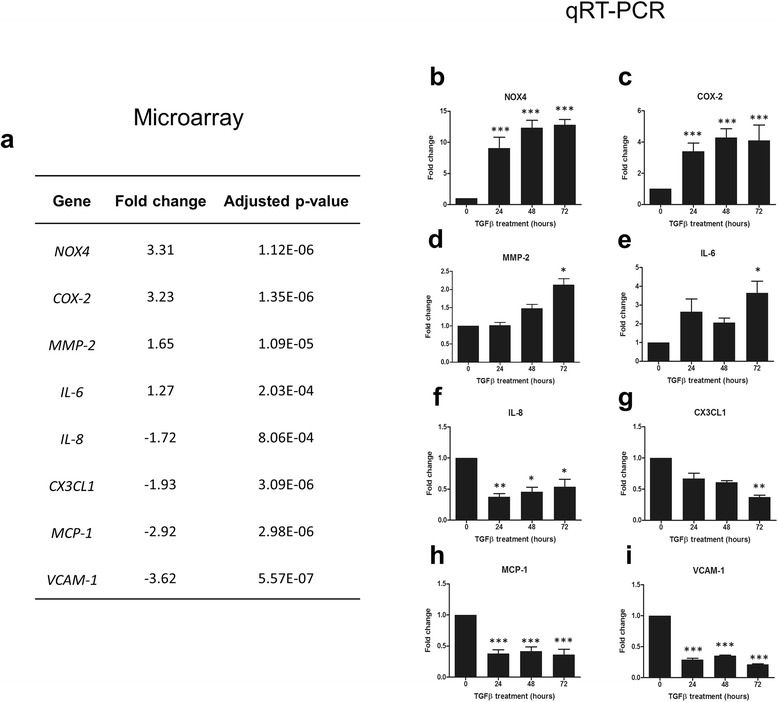
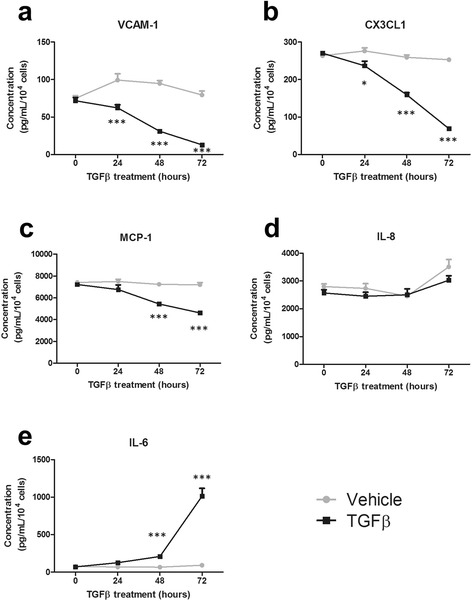
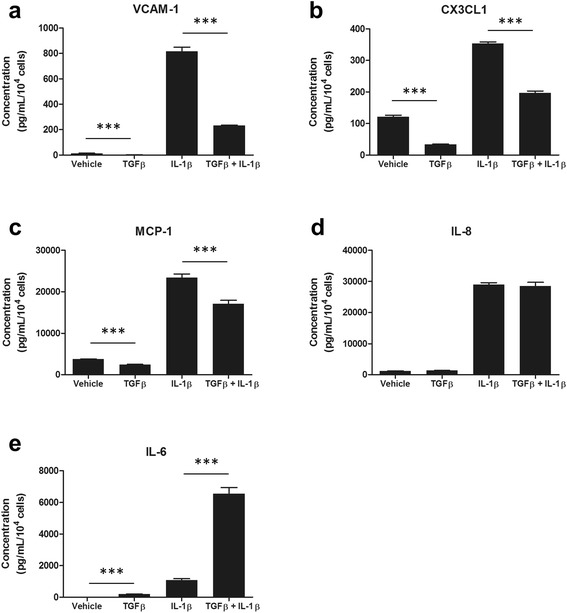
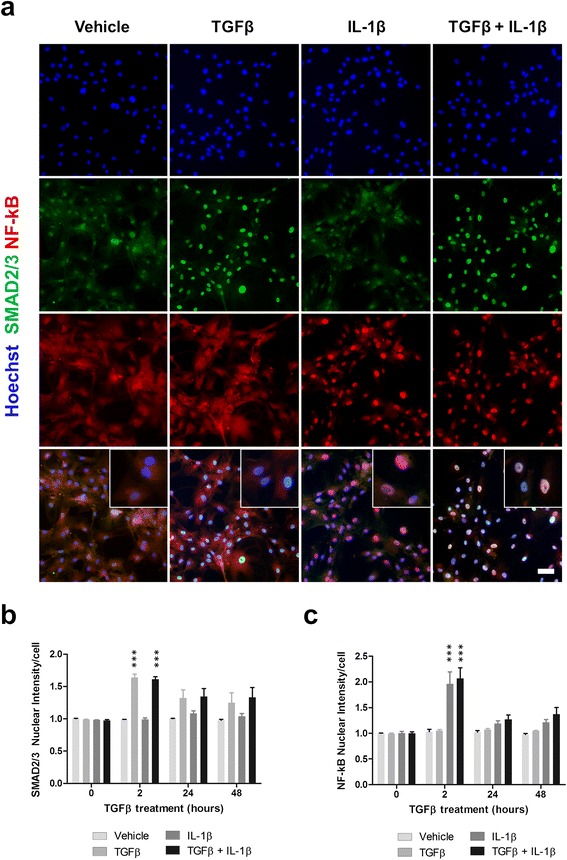
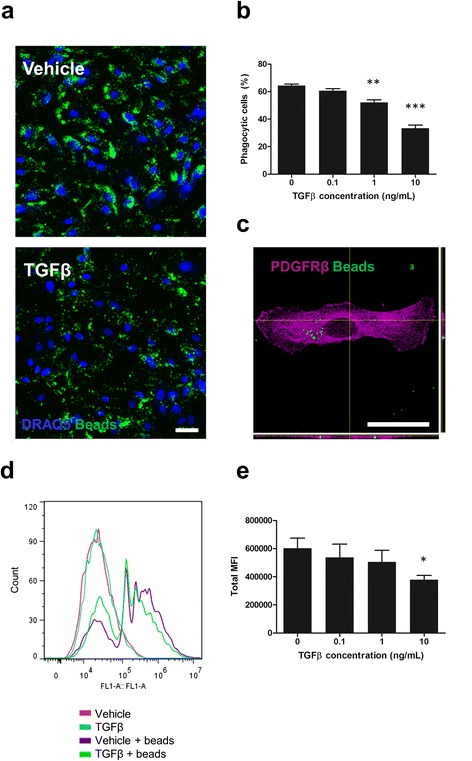
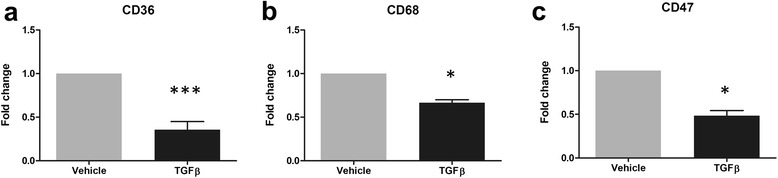
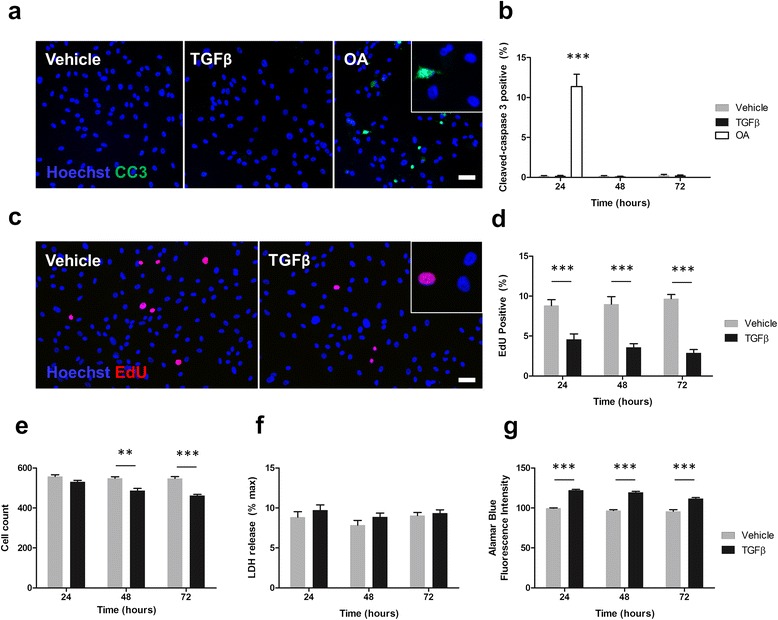
BACKGROUND: Transforming growth factor beta 1 (TGFβ1) is strongly induced following brain injury and polarises microglia to an anti-inflammatory phenotype. Augmentation of TGFβ1 responses may therefore be beneficial in preventing inflammation in neurological disorders including stroke and neurodegenerative diseases. However, several other cell types display immunogenic potential and identifying the effect of TGFβ1 on these cells is required to more fully understand its effects on brain inflammation. Pericytes are multifunctional cells which ensheath the brain vasculature and have garnered recent attention with respect to their immunomodulatory potential. Here, we sought to investigate the inflammatory phenotype adopted by TGFβ1-stimulated human brain pericytes. METHODS: Microarray analysis was performed to examine transcriptome-wide changes in TGFβ1-stimulated pericytes, and results were validated by qRT-PCR and cytometric bead arrays. Flow cytometry, immunocytochemistry and LDH/Alamar Blue® viability assays were utilised to examine phagocytic capacity of human brain pericytes, transcription factor modulation and pericyte health. RESULTS: TGFβ1 treatment of primary human brain pericytes induced the expression of several inflammatory-related genes (NOX4, COX2, IL6 and MMP2) and attenuated others (IL8, CX3CL1, MCP1 and VCAM1). A synergistic induction of IL-6 was seen with IL-1β/TGFβ1 treatment whilst TGFβ1 attenuated the IL-1β-induced expression of CX3CL1, MCP-1 and sVCAM-1. TGFβ1 was found to signal through SMAD2/3 transcription factors but did not modify nuclear factor kappa-light-chain-enhancer of activated B cells (NF-kB) translocation. Furthermore, TGFβ1 attenuated the phagocytic ability of pericytes, possibly through downregulation of the scavenger receptors CD36, CD47 and CD68. Whilst TGFβ did decrease pericyte number, this was due to a reduction in proliferation, not apoptotic death or compromised cell viability. CONCLUSIONS: TGFβ1 attenuated pericyte expression of key chemokines and adhesion molecules involved in CNS leukocyte trafficking and the modulation of microglial function, as well as reduced the phagocytic ability of pericytes. However, TGFβ1 also enhanced the expression of classical pro-inflammatory cytokines and enzymes which can disrupt BBB functioning, suggesting that pericytes adopt a phenotype which is neither solely pro- nor anti-inflammatory. Whilst the effects of pericyte modulation by TGFβ1 in vivo are difficult to infer, the reduction in pericyte proliferation together with the elevated IL-6, MMP-2 and NOX4 and reduced phagocytosis suggests a detrimental action of TGFβ1 on neurovasculature.
Overview
The claims and statistics of this paper haven’t been checked yet.
Free: it reads the open-access text and checks the first 5 claims that cite a source we can check. Create a free account to check every claim.
Integrity signals
Registry
Cites
Statistics
Figures
Verification
Claims the paper makes
The claims and statistics of this paper haven’t been checked yet.
Free: it reads the open-access text and checks the first 5 claims that cite a source we can check. Create a free account to check every claim.
Claims other papers make about this one
Each is checked against this paper’s own text: does it say what the citing paper says it does?
The source backs part of the claim, not all of it — or backs it for a different population, condition or comparison.
In the citing paper
“Canonical TGF-β signaling exerts anti-inflammatory neuroprotection and influences memory formation and synaptic plasticity (176).”
From Chronic stress, neuroinflammation, and depression: an overview of pathophysiological mechanisms and emerging anti-inflammatories (2023) · cites this paper as [176]
Experimental — accuracy not yet measuredThe source backs part of the claim, not all of it — or backs it for a different population, condition or comparison.
In the citing paper
“TGFβ1 binds to the TGF beta receptor 1 (TGFBR1) on microglial cells and inhibits the production and release of cytokines, chemokines, adhesion molecules, and ROS through activation of p38 MAPK and Akt phosphorylation (176).”
From Chronic stress, neuroinflammation, and depression: an overview of pathophysiological mechanisms and emerging anti-inflammatories (2023) · cites this paper as [176]
Experimental — accuracy not yet measuredThe source backs part of the claim, not all of it — or backs it for a different population, condition or comparison.
In the citing paper
“In addition, TGF𝛃 1 was shown to reduce mural cell proliferation and elevate MMPs expression and proinflammatory cytokines, which may altogether disrupt BBB function (508).”
From Blood-Brain Barrier: From Physiology to Disease and Back (2019) · cites this paper as [508]
Experimental — accuracy not yet measured
Self-check
Percentages, sums and reported differences re-computed from the paper’s own numbers.
The self-check needs the paper’s full text.
Citations
Cites
1 retracted
RETRACTED ARTICLE: Pericyte loss influences Alzheimer-like neurodegeneration in mice
Sagare, A. P., Bell, R. D., Zhao, Z., Ma, Q., Winkler, E. A., Ramanathan, A., & Zlokovic, B. V. (2013) · Nature Communications · doi:10.1038/ncomms3932 · Cited by 589 · cited 1×
“Indeed, pericytes have recently been shown to internalise amyloid beta, whilst their loss accelerates cerebral amyloid angiopathy [98].”
BackgroundRetractedMizgerd, J. P., Kubo, H., Kutkoski, G. J., Bhagwan, S. D., Scharffetter-Kochanek, K., Beaudet, A. L., & Doerschuk, C. M. (1997) · The Journal of Experimental Medicine · doi:10.1084/jem.186.8.1357 · Cited by 7,306
The NOX Family of ROS-Generating NADPH Oxidases: Physiology and Pathophysiology
Bedard, K., & Krause, K.-H. (2007) · Physiological Reviews · doi:10.1152/physrev.00044.2005 · Cited by 6,989
Getting to the site of inflammation: the leukocyte adhesion cascade updated
Ley, K., Laudanna, C., Cybulsky, M. I., & Nourshargh, S. (2007) · Nature Reviews Immunology · doi:10.1038/nri2156 · Cited by 4,354 · cited 1×
“hesion after chemotactic activation [75–78].”
Prostaglandins and Inflammation
Ricciotti, E., & FitzGerald, G. A. (2011) · Arteriosclerosis, Thrombosis, and Vascular Biology · doi:10.1161/atvbaha.110.207449 · Cited by 3,803
Mechanisms underlying inflammation in neurodegeneration
Glass, C. K., Saijo, K., Winner, B., Marchetto, M. C., & Gage, F. H. (2010) · Cell · doi:10.1016/j.cell.2010.02.016 · Cited by 3,580
Pericytes regulate the blood–brain barrier
Armulik, A., Genové, G., Mäe, M., Nisancioglu, M. H., Wallgard, E., Niaudet, C., He, L., Norlin, J., Lindblom, P., Strittmatter, K., et al. (2010) · Nature · doi:10.1038/nature09522 · Cited by 2,843 · cited 1×
“and maintenance [34–36].”
Pericytes: Developmental, Physiological, and Pathological Perspectives, Problems, and Promises
Armulik, A., Genové, G., & Betsholtz, C. (2011) · Developmental Cell · doi:10.1016/j.devcel.2011.07.001 · Cited by 2,653 · cited 1×
“and maintenance [34–36].”
Pericytes are required for blood–brain barrier integrity during embryogenesis
Daneman, R., Zhou, L., Kebede, A. A., & Barres, B. A. (2010) · Nature · doi:10.1038/nature09513 · Cited by 2,128
A new class of membrane-bound chemokine with a CX3C motif
Bazan, J. F., Bacon, K. B., Hardiman, G., Wang, W., Soo, K., Rossi, D., Greaves, D. R., Zlotnik, A., & Schall, T. J. (1997) · Nature · doi:10.1038/385640a0 · Cited by 2,013 · cited 1×
“Fractalkine (CX3CL1) is a unique protein which functions as an adhesion molecule when membrane-bound, or a leukocyte chemokine in its soluble form [83–86].”
Background
Cited by
Items 101–200 of 201
Xu, D., Liu, G., Zhao, M., Wan, X., Qu, Y., Murayama, R., & Hashimoto, K. (2024) · Journal of Affective Disorders · doi:10.1016/j.jad.2024.08.222 · Cited by 23
Clark, L., Buckland, M. S., Murphy, G., Taylor, N. F., Vleck, V. E., Mein, C. A., Wozniak, E., Smuk, M., & White, P. D. (2017) · Clinical & Experimental Immunology · doi:10.1111/cei.13023 · Cited by 27
Bae, M., Ngo, H., Kang, Y. J., Lee, S., Park, W., Jo, Y., Choi, Y., Kim, J. J., Yi, H., Kim, H., et al. (2023) · Small · doi:10.1002/smll.202308815 · Cited by 23
Wang, Y., Han, T., Guo, R., Song, P., Liu, Y., Wu, Z., Ai, J., & Shen, C. (2022) · Frontiers in Molecular Neuroscience · doi:10.3389/fnmol.2022.850364 · Cited by 27
Human pericytes degrade diverse α-synuclein aggregates
Dieriks, B. V., Highet, B., Alik, A., Bellande, T., Stevenson, T. J., Low, V. F., Park, T., Correia, J. A., Schweder, P. M., Faull, R. L. M., et al. (2022) · PLoS ONE · doi:10.1371/journal.pone.0277658 · Cited by 28
Self-citationBi-Directional Relationship Between Autophagy and Inflammasomes in Neurodegenerative Disorders
Panda, C., & Mahapatra, R. K. (2022) · Cellular and Molecular Neurobiology · doi:10.1007/s10571-021-01184-2 · Cited by 23
Radpour, M., Choopani, S., Pourbadie, H. G., & Sayyah, M. (2022) · Experimental Neurology · doi:10.1016/j.expneurol.2022.114202 · Cited by 19
Emerging role of pericytes in therapy of cardiovascular diseases
Dabravolski, S. A., Markin, A. M., Andreeva, E. R., Eremin, I. I., Orekhov, A. N., & Melnichenko, A. А. (2022) · Biomedicine & Pharmacotherapy · doi:10.1016/j.biopha.2022.113928 · Cited by 19
Rasile, M., Lauranzano, E., Faggiani, E., Ravanelli, M. M., Colombo, F., Mirabella, F., Corradini, I., Malosio, M. L., Borreca, A., Focchi, E., et al. (2022) · The EMBO Journal · doi:10.15252/embj.2022111192 · Cited by 22
The rise of pericytes in neurovascular research
Beard, D. J., Brown, L. S., & Sutherland, B. A. (2020) · Journal of Cerebral Blood Flow & Metabolism · doi:10.1177/0271678x20958497 · Cited by 21
Yurashevich, M., Cooter, M. L., Sims, S., Tan, H. S., Berger, M., Ji, R., & Habib, A. S. (2023) · Canadian Journal of Anesthesia/Journal canadien d anesthésie · doi:10.1007/s12630-023-02603-2 · Cited by 22
Brain-Heart Axis and the Inflammatory Response: Connecting Stroke and Cardiac Dysfunction
Chen, X., Gu, J., & Zhang, X. (2024) · Cardiology · doi:10.1159/000538409 · Cited by 26
Why do levels of anti-inflammatory cytokines increase during memory acquisition?
Levin, S. G., Pershina, E. V., Bugaev-Makarovskiy, N. A., Chernomorets, I. Y., Konakov, M. V., & Arkhipov, V. I. (2021) · Neuroscience · doi:10.1016/j.neuroscience.2021.08.007 · Cited by 18
Recent Advancements in CD47 Signal Transduction Pathways Involved in Vascular Diseases
Dou, M., Chen, Y., Hu, J., Ma, D., & Xing, Y. (2020) · BioMed Research International · doi:10.1155/2020/4749135 · Cited by 17
Chompré, G., Martínez‐Orengo, N., Cruz, M. L., Porter, J. T., & Noel, R. J. (2019) · Journal of Neuroinflammation · doi:10.1186/s12974-019-1664-4 · Cited by 19
Sun, Y. H., Sun, W., Yang, N., Liu, J., Tang, H., Li, F., Sun, X., Gao, L., Pei, F., Liu, J., et al. (2019) · The International Journal of Biochemistry & Cell Biology · doi:10.1016/j.biocel.2019.105639 · Cited by 16
Pathology of the neurovascular unit in leukodystrophies
Zarekiani, P., Breur, M., Wolf, N. I., de Vries, H. E., van der Knaap, M. S., & Bugiani, M. (2021) · Acta Neuropathologica Communications · doi:10.1186/s40478-021-01206-6 · Cited by 17
Emerging Roles of Microglia in Blood-Brain Barrier Integrity in Aging and Neurodegeneration
Zhang, S., Meng, R., Jiang, M., Qing, H., & Ni, J. (2023) · Current Neuropharmacology · doi:10.2174/1570159x21666230203103910 · Cited by 16
Zhang, L., Li, Y., Yang, W., Lin, L., Li, J., Liu, D., Li, C., Wu, J., & Li, Y. (2023) · Biomedicine & Pharmacotherapy · doi:10.1016/j.biopha.2023.115742 · Cited by 16
Characterization of Burn Eschar Pericytes
Evdokiou, A., Kanisicak, O., Gierek, S., Barry, A., Ivey, M. J., Zhang, X., Bodnar, R. J., & Satish, L. (2020) · Journal of Clinical Medicine · doi:10.3390/jcm9020606 · Cited by 13
Dib, S., Loiola, R. A., Sevin, E., Saint‐Pol, J., Shimizu, F., Kanda, T., Pahnke, J., & Gosselet, F. (2023) · International Journal of Molecular Sciences · doi:10.3390/ijms24065992 · Cited by 16
Cerebral malaria – modelling interactions at the blood–brain barrier in vitro
Adams, Y., & Jensen, A. T. R. (2022) · Disease Models & Mechanisms · doi:10.1242/dmm.049410 · Cited by 17
Sánchez, K. E., & Maguire‐Zeiss, K. A. (2020) · Frontiers in Neuroscience · doi:10.3389/fnins.2020.585544 · Cited by 16
Scotter, E. L., Cao, M. C., Jansson, D., Rustenhoven, J., Smyth, L. C. D., Aalderink, M. C., Siemens, A., Fan, V., Wu, J., Mee, E. W., et al. (2022) · Molecular and Cellular Neuroscience · doi:10.1016/j.mcn.2022.103768 · Cited by 13
Self-citationUnraveling the transcriptomic landscape of brain vascular cells in dementia: A systematic review
Sewell, M. D. E., Fialova, N., & Montagne, A. (2025) · Alzheimer s & Dementia · doi:10.1002/alz.14512 · Cited by 14
The Potential of Superoxide Dismutase-Rich Tetraselmis chuii as a Promoter of Cellular Health
Cocksedge, S. P., Mantecón, L., Castaño, E., Infante, C., & Bailey, S. J. (2025) · International Journal of Molecular Sciences · doi:10.3390/ijms26041693 · Cited by 14
Geranmayeh, M. H., Nourazarian, A., Avcı, Ç. B., Rahbarghazi, R., & Farhoudi, M. (2016) · Molecular Neurobiology · doi:10.1007/s12035-016-0286-4 · Cited by 12
A comprehensive review of cerebral malaria
Beniwal, P., Joshi, J., & Kaur, S. (2024) · Journal of Parasitic Diseases · doi:10.1007/s12639-024-01758-z · Cited by 13
Li, Y., Wu, C., Long, X., Wang, X., Gao, W., Deng, K., Xie, B., Zhang, S., Wu, M., & Liu, Q. (2024) · MedComm · doi:10.1002/mco2.70014 · Cited by 15
Kho, D. T., Glass, M., & Graham, E. S. (2017) · Advances in pharmacology · doi:10.1016/bs.apha.2017.03.009 · Cited by 12
Self-citationZhang, Y., Li, C., Yuan, X., Ling, J.-Y., Zhang, Q., Liang, Y., Liu, B., & Zhao, L. (2019) · Bioscience Reports · doi:10.1042/bsr20182463 · Cited by 12
Mani, V., & Arfeen, M. (2024) · Brain Sciences · doi:10.3390/brainsci14090876 · Cited by 12
Single-cell RNA transcriptomics in mice reveals embryonic origin of fibrosis due to maternal obesity
Hossain, M. N., Gao, Y., Li, X., Zhao, L., Liu, X., de Avila, J. M., Zhu, M.-J., & Du, . (2024) · EBioMedicine · doi:10.1016/j.ebiom.2024.105421 · Cited by 10
Presymptomatic change in microRNAs modulates Tau pathology
Sharma, S., Khadimallah, I., Corya, A. W., Ali, Y., Rao, X., Liu, Y., & Lu, H. (2018) · Scientific Reports · doi:10.1038/s41598-018-27527-6 · Cited by 10
Bhowmick, S., Alikunju, S., & Muneer, P. M. A. (2022) · Neuropharmacology · doi:10.1016/j.neuropharm.2022.109136 · Cited by 12
Sernoskie, S. C., Bonneil, É., Thibault, P., Jee, A., & Uetrecht, J. (2024) · Journal of Pharmacology and Experimental Therapeutics · doi:10.1124/jpet.123.001970 · Cited by 9
Agafonova, A., Cosentino, A., Romano, I. R., Giurdanella, G., D’Angeli, F., Giuffrida, R., Furno, D. L., Anfuso, C. D., Mannino, G., & Lupo, G. (2024) · International Journal of Molecular Sciences · doi:10.3390/ijms25031774 · Cited by 8
Stroke Repair via Biomimicry of the Subventricular Zone
Matta, R., & Gonzalez, A. L. (2018) · Frontiers in Materials · doi:10.3389/fmats.2018.00015 · Cited by 9
The Role of Pericytes in Inner Ear Disorders: A Comprehensive Review
Maniaci, A., Briglia, M., Allia, F., Montalbano, G., Romano, G. L., Zaoualí, M. A., Hmida, D., Gagliano, C., Malaguarnera, R., Lentini, M., et al. (2024) · Biology · doi:10.3390/biology13100802 · Cited by 11
Huang, C., Zhang, X., Wu, M., Chen, Y., Ge, X., Chen, W., Li, X., Liu, S., & Yang, S. (2024) · International Immunopharmacology · doi:10.1016/j.intimp.2024.113611 · Cited by 10
Zhu, T., Zhao, M., Xu, D., Cai, Y., Liu, G., Murayama, R., Yue, Y., Yang, J., & Hashimoto, K. (2024) · Progress in Neuro-Psychopharmacology and Biological Psychiatry · doi:10.1016/j.pnpbp.2024.111228 · Cited by 7
Role of transforming growth factorβ in neurovascular unit during cerebral small vessel disease
Li, Y., Cai, Y., Xie, K., Hu, F., Li, J., Li, C., Zhang, R., & Zhong, Z. (2025) · Fluids and Barriers of the CNS · doi:10.1186/s12987-025-00713-1 · Cited by 8
TGFβ 1 : Friend or Foe During Recovery in Encephalopathy
Kim, B. H., & Levison, S. W. (2018) · The Neuroscientist · doi:10.1177/1073858418793131 · Cited by 7
Kim, B., Lim, H.-S., Kim, Y. J., Sohn, E., Kim, Y. H., Koo, I., & Jeong, S. (2020) · Scientific Reports · doi:10.1038/s41598-020-59537-8 · Cited by 9
Targeting Pericytes for Functional Recovery in Ischemic Stroke
Hu, S., Yang, B., Shu, S., He, X., Sang, H., Fan, X., & Zhang, H. (2023) · NeuroMolecular Medicine · doi:10.1007/s12017-023-08748-z · Cited by 7
Pericytes in the optic nerve head
Waxman, S., Villafranca‐Baughman, D., Phillippi, J. A., Jakobs, T., Alarcón-Martínez, L., Polo, A. D., & Sigal, I. A. (2025) · Progress in Retinal and Eye Research · doi:10.1016/j.preteyeres.2025.101375 · Cited by 6
Neuroinflammatory and Redox Responses in a Rat Model of NTG-Induced Migraine
Kochneva, A., Ikrin, A. N., Фокеева, Н. О., Yakovleva, O. V., Bogatova, K., Yakovlev, A. V., Radomskaya, E. Y., Khlystova, M. A., Katrukha, V. A., Vasilyeva, K. V., et al. (2025) · International Journal of Molecular Sciences · doi:10.3390/ijms27010026 · Cited by 7
Haroon, H., Ho, A. M., Gupta, V. K., Dasari, S., Sellgren, C. M., Červenka, S., Engberg, G., Eren, F., Erhardt, S., Sung, J., et al. (2024) · Journal of Psychiatric Research · doi:10.1016/j.jpsychires.2024.02.002 · Cited by 7
Erkeç, Ö. E., Açıkgöz, E., Huyut, Z., Akyol, M. E., Ozyurt, E. O., & Keskin, S. (2024) · Brain Injury · doi:10.1080/02699052.2024.2324012 · Cited by 7
Research Progress of Pericytes in Pulmonary Fibrosis
He, X., Fan, Y., Lai, Y., Yang, Y., Tang, X. X., & Wang, Y. (2024) · Frontiers in Bioscience-Landmark · doi:10.31083/j.fbl2904141 · Cited by 7
Bohannon, D. G., Wellman, L. L., Kaul, M., Galkina, E., Guo, M., Datta, P. K., & Kim, W. (2024) · Journal of Cerebral Blood Flow & Metabolism · doi:10.1177/0271678x241296270 · Cited by 8
Monsour, M., Garbuzova-Davis, S. N., & Borlongan, C. V. (2022) · Stem Cells Translational Medicine · doi:10.1093/stcltm/szac072 · Cited by 6
Single-cell multi-region dissection of brain vasculature in Alzheimer’s DiseasePreprint
Sun, N., Akay, L. A., Murdock, M. H., Park, Y., Bubnys, A., Galani, K., Mathys, H., Jiang, X., Ng, A. P., Bennett, D. A., et al. (2022) · bioRxiv (Cold Spring Harbor Laboratory) · doi:10.1101/2022.02.09.479797 · Cited by 6
Brain Pericytes — Crucial Regulators of Neuroinflammation in Ischemic Stroke
Chen, Z., Li, Q., Wang, K., Yang, L., Jia, Y., & Gong, Z. (2024) · Neuropharmacology and Therapy · doi:10.15212/npt-2024-0004 · Cited by 7
Chin, S. P., Rahim, E. N. A. A., & Arfuzir, N. N. N. (2025) · In Vitro Cellular & Developmental Biology - Animal · doi:10.1007/s11626-025-01037-y · Cited by 6
Shnayder, N. A., Pekarets, N. I., Pekarets, N. I., Bykov, Y. N., Владимировна, Г. В., Дмитренко, Д. В., Петрова, М. М., & Nasyrova, R. F. (2025) · Epilepsy and Paroxysmal Conditions · doi:10.17749/2077-8333/epi.par.con.2025.239 · Cited by 7
Chung, P.-H., Lin, F., & Liu, I. (2024) · International Journal of Biological Macromolecules · doi:10.1016/j.ijbiomac.2024.137242 · Cited by 5
Arfeen, M., Dhaked, D. K., & Mani, V. (2025) · Molecules · doi:10.3390/molecules30020266 · Cited by 5
Merk, L., Regel, K., Eckhardt, H., Evers, M., El-Ayoubi, A., Mittelbronn, M. G. A., Krüger, M. A., Gérardy, J., Mack, A. F., & Naumann, U. (2024) · Free Neuropathology · doi:10.17879/freeneuropathology-2024-5188 · Cited by 13
Human pericytes degrade α-synuclein aggregates in a strain-dependent mannerPreprint
Dieriks, B., Highet, B., Alik, A., Bellande, T., Stevenson, T. J., Low, V. F., Park, T., Correia, J., Schweder, P., Faull, R., et al. (2022) · bioRxiv · doi:10.1101/2022.06.08.495286 · Cited by 2
Self-citationZeng, F., Zhang, H., Wang, S., Passang, T., Li, Y., Funk, C. R., Wyman, S., O'Leary, C. B., Abousaud, A. I., Liu, Y., et al. (2025) · Clinical Lymphoma Myeloma & Leukemia · doi:10.1016/j.clml.2025.02.009 · Cited by 5
Eppur si muove: the dynamic brain pericyte
Wilhelm, I., Győri, F., Dudás, T., Nagy, V., Shreeya, T., Krecsmarik, M., Farkas, A. E., Fazakas, C., & Krizbai, I. A. (2025) · Fluids and Barriers of the CNS · doi:10.1186/s12987-025-00706-0 · Cited by 6
The regulation of placental pericyte function through transforming growth factor β-1 signalling
MacPhee, C. A., Natale, B. V., Noordhof, C., Wang, S., Lima, P. D. A., & Natale, D. R. C. (2025) · Scientific Reports · doi:10.1038/s41598-025-20432-9 · Cited by 8
Spatiotemporal dynamics of brain pericytes in ischemic stroke
Zhong, X., Ye, Z., Liu, L., Hui, Z., Wang, S., Zhang, A., Zhu, G., Zhao, F., Li, M., Zhang, Z., et al. (2026) · Journal of Neuroinflammation · doi:10.1186/s12974-026-03749-8 · Cited by 4
Alfi, M. A., Naim, J., Ahmed, I., Kadir, M. F., Islam, S. M. A., Bhuiyan, M. A., & Islam, M. R. (2025) · Developmental Neurobiology · doi:10.1002/dneu.23004 · Cited by 5
Peltonen, S., Sonninen, T.-M., Niskanen, J., Koıstınaho, J., Ruponen, M., & Lehtonen, Š. (2024) · Fluids and Barriers of the CNS · doi:10.1186/s12987-024-00592-y · Cited by 4
Khaddaj‐Mallat, R., Aldib, N., Paquette, A.-S., Ferreira, A., Lecordier, S., Bernard, M., Saghatelyan, A., & ElAli, A. (2021) · bioRxiv (Cold Spring Harbor Laboratory) · doi:10.1101/2021.04.30.442194 · Cited by 4
Sex and regional differences in gene expression across the striatum in psychosis
Perez, M. S., Yin, R., Scott, M. R., Zong, W., Seney, M. L., Xue, X., Hildebrand, M. A., Shankar, V. G., Glausier, J. R., Lewis, D. A., et al. (2025) · Translational Psychiatry · doi:10.1038/s41398-025-03395-3 · Cited by 5
Chaves, J. C. S., Milton, L. A., Stewart, R., Senapati, T., Rantanen, L. M., Wasielewska, J. M., Lee, S., Hernández, D., McInnes, L. E., Quek, H., et al. (2024) · Journal of Neuroimmune Pharmacology · doi:10.1007/s11481-024-10127-9 · Cited by 4
Long Covid and Neurodegenerative DiseasePreprint
Chambers, P. W. (2023) · Preprints.org · doi:10.20944/preprints202302.0027.v2 · Cited by 2
Wang, L., Tang, W. H., Jiang, L., Zhang, D., Wang, Z., Guo, R., Wang, J., & Xiao, D. (2025) · Frontiers in Molecular Biosciences · doi:10.3389/fmolb.2025.1571593 · Cited by 2
Evaluation of Retinal Vascularity Index in Patients with COVID-19: A Case–Control Study
Zhou, S. W., Shrivastav, A., Gilada, T., Ng, X. L., Ng, S. P., Chua, C. H., Dutt, S., Natarajan, S., & Agrawal, R. V. (2022) · Ophthalmology and Therapy · doi:10.1007/s40123-022-00630-8 · Cited by 2
Kanal, H. D., & Levison, S. W. (2023) · Developmental Neuroscience · doi:10.1159/000531650 · Cited by 2
Ligand–Receptor Analysis of Brain Cell Type Marker Data Reveals Intricate Endothelial Interaction
Mishra, A., & Kumar, G. (2025) · Annals of Neurosciences · doi:10.1177/09727531251343254 · Cited by 3
Regulatory Genomic Circuitry of Brain Age by Integrative Functional Genomic Analyses
Zhao, X., Yang, A., Ding, J., Yang, Y., & Zhao, X. (2025) · Genomics Proteomics & Bioinformatics · doi:10.1093/gpbjnl/qzaf064 · Cited by 2
Alsaedi, S. B., Mineta, K., Tamura, N., Gao, X., Gojobori, T., & Ogasawara, M. (2024) · Research Square · doi:10.21203/rs.3.rs-3607429/v1 · Cited by 2
Nguyen, P. T., Yousefian-Jazi, A., Hyeon, S. J., Lee, S., Kim, S. C., Park, U., Jeong, Y., Kim, S., Kim, S. S., Kim, Y., et al. (2026) · Signal Transduction and Targeted Therapy · doi:10.1038/s41392-025-02545-9 · Cited by 1
Chen, Z., Chu, M., Wang, Y., Liu, R., Zhang, J., Yue, A., Lu, H., He, Q., Hou, J., Chen, Y., et al. (2026) · CNS Neuroscience & Therapeutics · doi:10.1002/cns.70765 · Cited by 1
Friend or foe? Glial–vascular interactions in health and neurodegenerative disease
McQuaid, C., Sewell, M. D. E., & Montagne, A. (2026) · Pharmacological Reviews · doi:10.1016/j.pharmr.2026.100143 · Cited by 1
Balleste, A. F., Alvarez, J., Pláceres-Uray, F., Mastromatteo-Alberga, P., Torres, M. D., Dallera, C. A., Dietrich, W. D., Parry, T. J., Verdoorn, T. A., Billing, C. B., et al. (2024) · Neurotherapeutics · doi:10.1016/j.neurot.2024.e00456 · Cited by 1
Screening Activity of Brain Cancer-Derived Factors on Primary Human Brain Pericytes
McCullough, S. J., Albers, E., Anchan, A., Yu, J. J., Connor, B. J., & Graham, E. S. (2024) · Onco · doi:10.3390/onco4040027 · Cited by 1
Self-citationThe Rise of Pluripotent Stem Cell-Derived Glia Models of Neuroinflammation
Kala, S., Strutz, A. G., & Katt, M. E. (2025) · Neurology International · doi:10.3390/neurolint17010006 · Cited by 2
Long Covid and Neurodegenerative DiseasePreprint
Chambers, P. W. (2023) · Preprints.org · doi:10.20944/preprints202302.0027.v1
Fernández-Serra, R. (2023) · UPM Digital Archive (Technical University of Madrid) · doi:10.20868/upm.thesis.76930 · Cited by 1
Wei, B., Stitt, A. W., & Little, K. (2025) · bioRxiv (Cold Spring Harbor Laboratory) · doi:10.1101/2025.10.24.684393 · Cited by 1
Pericytes, a cell type contributing to autoimmunity and immune tolerance
Botía-Sánchez, M., Molina, M. L., Aparício, P., & Valdor, R. (2023) · Elsevier eBooks · doi:10.1016/b978-0-323-85841-0.00004-3
Li, Y., Wu, C., Long, X., Wang, X., Gao, W., Deng, K., Xie, B., Zhang, S., Wu, M., & Liu, Q. (2023) · Research Square · doi:10.21203/rs.3.rs-3561475/v1
Analysis of transporter activity in an Alzheimer’s disease blood-brain barrier cell model
Chaves, J. (2024) · Queensland University of Technology · doi:10.5204/thesis.eprints.248279
McCullough, S. J., Albers, E., Anchan, A., Yu, J. J., O’Carroll, S. J., Connor, B. J., & Graham, E. S. (2024) · bioRxiv (Cold Spring Harbor Laboratory) · doi:10.1101/2024.09.16.613375
Self-citationSaidu, U. F., & Bulama, I. (2024) · bioRxiv (Cold Spring Harbor Laboratory) · doi:10.1101/2024.10.12.615673
sheshpoli, M. Z., Eslami, B., & Seyedalipour, B. (2024) · Egyptian Journal of Medical Human Genetics · doi:10.1186/s43042-024-00610-6
Cipriani, E., & Juster, R. (2024) · Integrated science · doi:10.1007/978-3-031-72079-6_12 · Cited by 1
The Interaction Between CD4+ T Cells and the Blood–Brain Barrier and Its Implications for Depression
Mickael, M., Horbańczuk, J. O., Sacharczuk, M., & Religa, P. (2024) · Integrated science · doi:10.1007/978-3-031-72079-6_7
Girolamo, F., de Trizio, I., Errede, M., Longo, G., d’Amati, A., & Virgintino, D. (2021) · Figshare · doi:10.6084/m9.figshare.14431841
Neuropathic injury : new insights on NADPH oxidases in diabetic neuropathy
Eid, S. (2017) · theses.fr (ABES) · doi:10.70675/d5be110dzf78bz46a3z96b1zcb23d1eae233
Hernández-Camarero, P., Toledo, B., Diaz-Ruano, A. B., Picon‐Ruiz, M., González-Titos, A., Madeddu, R., Marchal, J. A., & Perán, M. (2026) · Journal of Translational Medicine · doi:10.1186/s12967-026-08216-9
Immunomodulatory Effects of Propolis on Endothelial Cytokine Release
Kurek-Górecka, A., Kłósek, M., Pietsz, G., Balwierz, R. J., & Czuba, Z. P. (2026) · Molecules · doi:10.3390/molecules31122164
Adjadj, N. R., Rocchi, M., Mostin, L., & Regge, N. D. (2026) · Journal of Virology · doi:10.1128/jvi.00651-26 · Cited by 1
YiTong, G. U. O., Liang, R., Yang, J., & Ming, D. (2026) · Acta Astronautica · doi:10.1016/j.actaastro.2026.10.020
Metadata
- Authors
- Rustenhoven, J., Aalderink, M., Scotter, E. L., Oldfield, R. L., Bergin, P. S., Mee, E. W., Graham, E. S., Faull, R. L. M., Curtis, M. A., Park, T. I.-H., & Dragunow, M.
- Affiliations
- University of Auckland (NZ)
- Corresponding author
- Dragunow, Mike
- ORCID
- Venue
- Journal of Neuroinflammation
- Published
- 2016-02-11
- Volume
- 13
- Issue
- 1
- Pages
- 37-37
- ISSN
- 1742-2094 (ISSN-L)
- PMC
- PMC4751726
- OpenAlex
- W2280695772
- Cited by
- 201
- References
- 111
- Citations by year
- 2026: 9 · 2025: 22 · 2024: 35 · 2023: 23 · 2022: 24 · 2021: 17 · 2020: 13 · 2019: 18 · 2018: 18 · 2017: 17 · 2016: 5
- FWCI
- 10.59
- Type
- journal article
- Language
- en
- Open access
- gold
- doi.org
- Licence
- cc-by
- Locations
- Journal of Neuroinflammation (publishedVersion, cc-by)
- PubMed Central (publishedVersion, cc-by)
- PubMed (publishedVersion)
- Funders
- Hugh Green Foundation
- Neurological Foundation of New Zealand
- Health Research Council of New Zealand
- Topics
- Life Sciences › Neuroscience › Neurology › Neuroinflammation and Neurodegeneration Mechanisms
- Life Sciences › Neuroscience › Neurology › Barrier Structure and Function Studies
- Life Sciences › Biochemistry, Genetics and Molecular Biology › Molecular Biology › TGF-β signaling in diseases
- Keywords
- TGF-β1, brain pericytes, neuroinflammation, blood-brain barrier, interleukin-6, IL-1β, Smad2/3 signaling, phagocytosis, scavenger receptors, CD36, CD47, CD68, chemokines, MMP-2, cyclooxygenase-2, NOX4
- MeSH terms
- NADPH Oxidase 4, Brain, Cell Survival, Gene Expression Regulation, Humans, Phagocytes, Time Factors, Signal Transduction, Cytokines, NF-kappa B, Culture Media, Conditioned, Vascular Cell Adhesion Molecule-1, NADPH Oxidases, Pericytes, Matrix Metalloproteinase 2, Cell Proliferation, Receptors, Scavenger, Cyclooxygenase 2, Smad2 Protein, Interleukin-1beta, Transforming Growth Factor beta1
About these checks
Registry, retraction, Cites and statistics results are computed, not judged, with one exception: a printed reference that no index lists is read once by a model before it counts as a citation error. Claims are extracted by a model and kept only when their quote appears verbatim in the text; each cited source is then checked, with a model’s help, for whether it says what the claim relies on. Those verdicts can be wrong — read the claim’s quote and the cited source before relying on one.
Statistics and arithmetic are recomputed, not judged.
Confidence bands are shown only for fields calibrated on our annotated test set. None is calibrated yet, so no band is shown.
What counts as a claim ›How we measure confidence ›How we check this ›
Are you an author, or do you see a problem with this page? Request a review
Data sources
Bibliographic data: Semantic Scholar, OpenAlex, Crossref.
Contains information from the Semantic Scholar Academic Graph Datasets, made available under the ODC Attribution License (ODC-BY 1.0).
Semantic Scholar’s data is described in: Kinney, R., et al. (2023). The Semantic Scholar Open Data Platform. arXiv:2301.10140.
