

Salvianolic acid B protects against lipopolysaccharide-induced behavioral deficits and neuroinflammatory response: involvement of autophagy and NLRP3 inflammasome
Open accessThe DOI matches its Crossref record; 42 of the 42 references it cites were found in a registry or an index.
Abstract
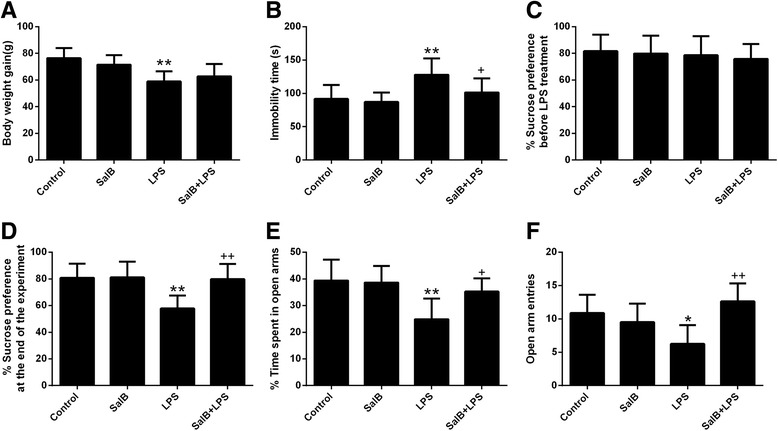
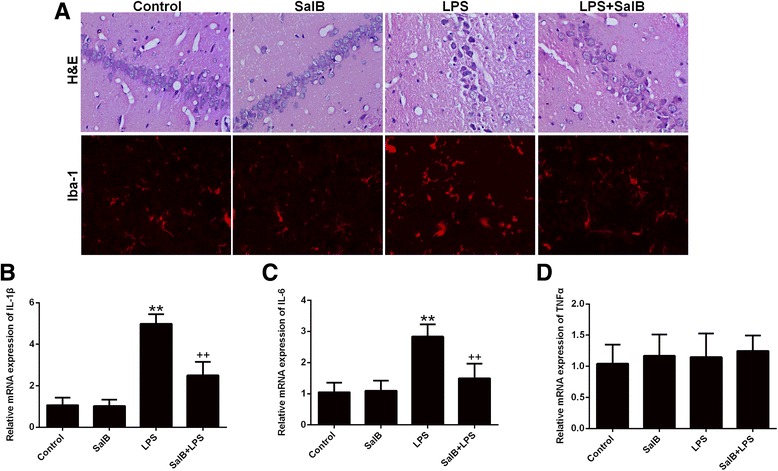
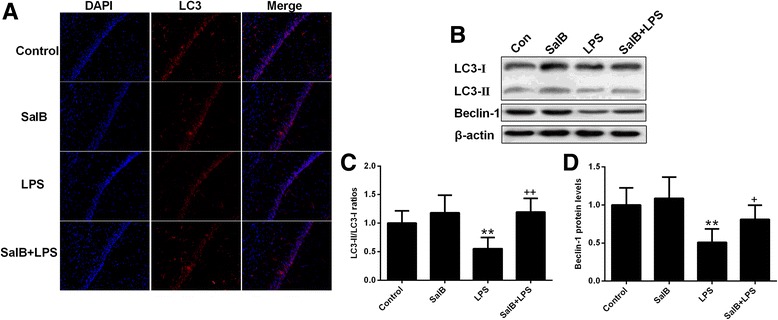
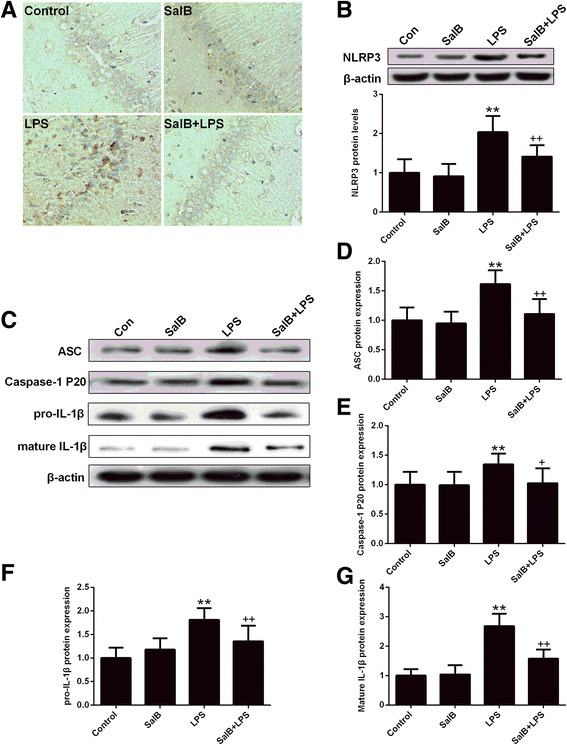
BACKGROUND: The NLRP3 inflammasome activation and neuroinflammation are known to be involved in the pathology of depression, whereas autophagy has multiple effects on immunity, which is partly mediated by the regulation of inflammasome and clearance of proinflammatory cytokines. Given the emerging evidence that autophagy dysfunction plays an essential role in depression, it is very likely that autophagy may interact with the inflammatory process in the development and treatment of depression. Salvianolic acid B (SalB), a naturally occurring compound extracted from Salvia miltiorrhiza, contains anti-inflammatory and antidepression properties and has recently been proven to modulate autophagy. In this study, we sought to investigate whether autophagy is involved in the inflammation-induced depression and the antidepressant effects of SalB. METHODS: The effects of prolonged lipopolysaccharide (LPS) treatment and SalB administration on behavioral changes, neuroinflammation, autophagic markers and NLRP3 activation in rat hippocampus were determined by using behavioral tests, real-time PCR analysis, western blot, and immunostaining. RESULTS: Our data showed that periphery immune challenge by LPS for 2 weeks successfully induced the rats to a depression-like state, accompanied with enhanced expression of pro-inflammatory cytokines and NLRP3 inflammasome activation. Interestingly, autophagic markers, including Beclin-1, and the ratio of LC3II to LC3I were suppressed following prolonged LPS exposure. Meanwhile, co-treatment with SalB showed robust antidepressant effects and ameliorated the LPS-induced neuroinflammation. Additionally, SalB restored the compromised autophagy and overactivated NLRP3 inflammasome in LPS-treated rats. CONCLUSIONS: Collectively, these data suggest that autophagy may interact with NLRP3 activation to contribute to the development of depression, whereas SalB can promote autophagy and induce the clearance of NLRP3, thereby resulting in neuroprotective and antidepressant actions.
Overview
The claims and statistics of this paper haven’t been checked yet.
Free: it reads the open-access text and checks the first 5 claims that cite a source we can check. Create a free account to check every claim.
Integrity signals
Registry
Cites
Statistics
Figures
Verification
Claims the paper makes
The claims and statistics of this paper haven’t been checked yet.
Free: it reads the open-access text and checks the first 5 claims that cite a source we can check. Create a free account to check every claim.
Claims other papers make about this one
Each is checked against this paper’s own text: does it say what the citing paper says it does?
The cited source says what the claim attributes to it.
In the citing paper
“Endotoxin-induced DLB model also exhibits NLRP3 inflammasome activation, particularly in the hippocampus (20, 21).”
From Melatonin Attenuates LPS-Induced Acute Depressive-Like Behaviors and Microglial NLRP3 Inflammasome Activation Through the SIRT1/Nrf2 Pathway (2019) · cites this paper as [20]
Self-check
Percentages, sums and reported differences re-computed from the paper’s own numbers.
The self-check needs the paper’s full text.
Citations
Cites
Whiteford, H. A., Degenhardt, L., Rehm, J., Baxter, A. J., Ferrari, A. J., Erskine, H. E., Charlson, F. J., Norman, R. E., Flaxman, A. D., Johns, N., et al. (2013) · The Lancet · doi:10.1016/s0140-6736(13)61611-6 · Cited by 6,006
Cui, C., Cui, J., Jin, F., Cui, Y., Li, R., Jiang, X., Tian, Y., Wang, K., Jiang, P., & Gao, J. (2017) · Cellular Physiology and Biochemistry · doi:10.1159/000479571 · Cited by 5,203
Self-citationAutophagy and Viruses: Adversaries or Allies?
Dong, X., & Levine, B. (2013) · Journal of Innate Immunity · doi:10.1159/000346388 · Cited by 4,430
The role of inflammation in depression: from evolutionary imperative to modern treatment target
Miller, A. H., & Raison, C. L. (2016) · Nature Reviews Immunology · doi:10.1038/nri.2015.5 · Cited by 3,942 · cited 1×
“Evolving evidence consistently reveals a close linkage between inflammation and major depressive disorder [8].”
Shi, C.-S., Shenderov, K., Huang, N.-N., Kabat, J., Abu-Asab, M., Fitzgerald, K. A., Sher, A., & Kehrl, J. H. (2012) · Nature Immunology · doi:10.1038/ni.2215 · Cited by 1,367 · cited 1×
“The autophagy protein, P62, can interact with the inflammasome component ASC, redirecting the ASC-containing inflammasome towards autophagosome and eventually delivered to lysosomes for destruction [27].”
Autophagy Controls IL-1β Secretion by Targeting Pro-IL-1β for Degradation
Harris, J., Hartman, M., Roche, C., Zeng, S. G., O'Shea, A., Sharp, F. A., Lambe, E. M., Creagh, E. M., Golenbock, D. T., Tschopp, J., et al. (2011) · Journal of Biological Chemistry · doi:10.1074/jbc.m110.202911 · Cited by 794 · cited 3×
“Additionally, it has been shown that IL-1β is sequestered in the LC3-positive autophagosomes upon TLR stimulation, and pro-IL-1β protein levels decreased when autophagy is induced by rapamycin, suggesting that pro-IL-1β is also targeted to autophagosome for degradation [22].”
Crosstalk between autophagy and inflammatory signalling pathways: balancing defence and homeostasis
Cadwell, K. (2016) · Nature Reviews Immunology · doi:10.1038/nri.2016.100 · Cited by 475 · cited 1×
“Autophagy limits detrimental and uncontrolled inflammation, through the clearance of inflammasomes and proinflammatory cytokines, thus functioning as a central fulcrum that balances inflammatory responses [20].”
Autophagy Receptors and Neurodegenerative Diseases
Deng, Z., Purtell, K., Lachance, V., Wold, M. S., Chen, S., & Yue, Z. (2017) · Trends in Cell Biology · doi:10.1016/j.tcb.2017.01.001 · Cited by 238 · cited 1×
“This process is orchestrated by a series of autophagy-related genes (Atg genes), such as Beclin-1 and LC3-II (derived from LC3-I upon lipidation), which are reliable biomarkers for assessing autophagy process [2].”
Harris, J., Lang, T., Thomas, J. P. W., Sukkar, M. B., Nabar, N. R., & Kehrl, J. H. (2017) · Molecular Immunology · doi:10.1016/j.molimm.2017.02.013 · Cited by 222 · cited 1×
“While depression is tightly related to the hyperactivation of NLRP3 inflammasome and overproduction of IL-1β, autophagy removes aggregated inflammasome structures, thus contributing to dampening proinflammatory responses [12].”
NLRP3 gene knockout blocks NF-κB and MAPK signaling pathway in CUMS-induced depression mouse model
Su, W.-J., Zhang, Y., Chen, Y., Gong, H., Lian, Y.-J., Peng, W., Liu, Y.-Z., Wang, Y.-X., You, Z.-L., Feng, S.-J., et al. (2017) · Behavioural Brain Research · doi:10.1016/j.bbr.2017.01.018 · Cited by 215 · cited 1×
“Genetic knock-out of NLRP3 increases the resilience to stress and blocks LPS-induced inflammatory responses [10, 26].”
Cited by
Arioz, B. I., Tastan, B., Tarakcioglu, E., Tufekci, K. U., Olcum, M., Ersoy, N., Bagriyanik, A., Genc, K., & Genc, S. (2019) · Frontiers in Immunology · doi:10.3389/fimmu.2019.01511 · Cited by 516
“Endotoxin-induced DLB model also exhibits NLRP3 inflammasome activation, particularly in the hippocampus (20, 21).”
BackgroundFeng, Y., Wang, Y., Wang, P., Huang, Y., & Wang, F. (2018) · Cellular Physiology and Biochemistry · doi:10.1159/000492853 · Cited by 471
Autophagy and Alzheimer’s Disease: From Molecular Mechanisms to Therapeutic Implications
Uddin, M. S., Stachowiak, A., Mamun, A. A., Tzvetkov, N. T., Takeda, S., Atanasov, A. G., Bergantin, L. B., Abdel-Daim, M. M., & Stankiewicz, A. M. (2018) · Frontiers in Aging Neuroscience · doi:10.3389/fnagi.2018.00004 · Cited by 395
“Chronic LPS-induced inflammation decreases hippocampal Becn1 expression (Jiang et al., 2017).”
BackgroundAli, T., Rahman, S. U., Hao, Q., Li, W., Liu, Z., Ali Shah, F., Murtaza, I., Zhang, Z., Yang, X., Liu, G., et al. (2020) · Journal of Pineal Research · doi:10.1111/jpi.12667 · Cited by 325
The NLRP3 inflammasome in depression: Potential mechanisms and therapies
Xia, C.-Y., Guo, Y.-X., Lian, W.-W., Yan, Y., Ma, B.-Z., Cheng, Y.-C., Xu, J.-K., He, J., & Zhang, W.-K. (2023) · Pharmacological Research · doi:10.1016/j.phrs.2022.106625 · Cited by 178
Self-citationPharmacological Effects of Salvianolic Acid B Against Oxidative Damage
Xiao, Z., Liu, W., Mu, Y.-P., Zhang, H., Wang, X.-N., Zhao, C.-Q., Chen, J.-M., & Liu, P. (2020) · Frontiers in Pharmacology · doi:10.3389/fphar.2020.572373 · Cited by 179
Sun, Y.-B., Zhao, H., Mu, D.-L., Zhang, W., Cui, J., Wu, L., Alam, A., Wang, D.-X., & Ma, D. (2019) · Cell Death & Disease · doi:10.1038/s41419-019-1416-5 · Cited by 164
Tavakoli Dargani, Z., & Singla, D. K. (2019) · American Journal of Physiology-Heart and Circulatory Physiology · doi:10.1152/ajpheart.00056.2019 · Cited by 153
“ab138483) (8, 28), IL-1 (1:1,000; Abcam; cat.”
Neuroinflammation—A Crucial Factor in the Pathophysiology of Depression—A Comprehensive Review
Sălcudean, A., Bodo, C.-R., Popovici, R. A., Lica, M. M., Păcurar, M., Crăciun, R.-E., Crișan, A., ENĂTESCU, V. R., Marinescu, I. P., Cîmpian, D. M., et al. (2025) · Biomolecules · doi:10.3390/biom15040502 · Cited by 202
“Increases in NLRP3 components in response to lipopolysaccharide (LPS) exposure further support the idea that neuroinflammation contributes significantly to depressive-like behaviors [135,136].”
Stress-induced blood brain barrier disruption: Molecular mechanisms and signaling pathways
Welcome, M. O., & Mastorakis, N. E. (2020) · Pharmacological Research · doi:10.1016/j.phrs.2020.104769 · Cited by 139
Neuroinflammation as an etiological trigger for depression comorbid with inflammatory bowel disease
Craig, C. F., Filippone, R. T., Stavely, R., Bornstein, J. C., Apostolopoulos, V., & Nurgali, K. (2022) · Journal of Neuroinflammation · doi:10.1186/s12974-021-02354-1 · Cited by 124
Xu, Q., Zhao, B., Ye, Y., Li, Y., Zhang, Y., Xiong, X., & Gu, L. (2021) · Journal of Neuroinflammation · doi:10.1186/s12974-021-02137-8 · Cited by 125
Interaction between autophagy and the NLRP3 inflammasome
Cao, Z., Wang, Y., Long, Z., & He, G. (2019) · Acta Biochimica et Biophysica Sinica · doi:10.1093/abbs/gmz098 · Cited by 129
Bian, H., Wang, G., Huang, J., Liang, L., Zheng, Y., Wei, Y., Wang, H., Xiao, L., & Wang, H. (2020) · Journal of Neuroinflammation · doi:10.1186/s12974-020-01836-y · Cited by 113
Que, R., Zheng, J., Chang, Z., Zhang, W., Li, H., Xie, Z., Huang, Z., Wang, H., Xu, J., Jin, D., et al. (2021) · Frontiers in Immunology · doi:10.3389/fimmu.2021.794770 · Cited by 115
“In PD models, Icaritin was confirmed to stabilize mitochondrial function, thus inhibiting the activation of NLRP3 inflammasome and reducing neuroinflammation (26); and Salvianolic acid B has also been shown to reduce neuronal injury and inhibit inflammation by negatively regulating the expression of NLRP3 (27).”
BackgroundSelf-citationIs There a Role of Autophagy in Depression and Antidepressant Action?
Gassen, N. C., & Rein, T. (2019) · Frontiers in Psychiatry · doi:10.3389/fpsyt.2019.00337 · Cited by 109
Pellegrini, C., Fornai, M., Antonioli, L., Blandizzi, C., & Calderone, V. (2019) · International Journal of Molecular Sciences · doi:10.3390/ijms20122876 · Cited by 104
“[32] reported that the direct inhibition of NLRP3 activation with two different hytochemicals att nuated”
BackgroundTargeting NLRP3 Inflammasome in the Treatment of CNS Diseases
Shao, B.-Z., Cao, Q., & Liu, C. (2018) · Frontiers in Molecular Neuroscience · doi:10.3389/fnmol.2018.00320 · Cited by 102
Yang, H., Li, M., Zhou, M., Xu, H., Huan, F., Liu, N., Gao, R., Wang, J., Zhang, N., & Jiang, L. (2021) · Inflammation · doi:10.1007/s10753-021-01514-y · Cited by 107
Gut Microbiota-Based Pharmacokinetics and the Antidepressant Mechanism of Paeoniflorin
Yu, J., Zhao, Z., Peng, R., Pan, L., Fu, J., Ma, S., Han, P., Lin, C., Zhang, Z., Sun, L., et al. (2019) · Frontiers in Pharmacology · doi:10.3389/fphar.2019.00268 · Cited by 104
Tayab, M. A., Islam, M. N., Chowdhury, K. A. A., & Tasnim, F. M. (2022) · Biomedicine & Pharmacotherapy · doi:10.1016/j.biopha.2022.112668 · Cited by 96
Brain modulation by the gut microbiota: From disease to therapy
Mitra, S., Dash, R., Nishan, A. A., Habiba, S. U., & Moon, I. S. (2023) · Journal of Advanced Research · doi:10.1016/j.jare.2022.12.001 · Cited by 91
Tang, M., Liu, T., Jiang, P., & Dang, R. (2021) · Pharmacological Research · doi:10.1016/j.phrs.2021.105586 · Cited by 88
Self-citationQu, X., Gao, H., Tao, L., Zhang, Y., Zhai, J., Sun, J., Song, Y., & Zhang, S. (2019) · The Journal of Toxicological Sciences · doi:10.2131/jts.44.167 · Cited by 87
Limanaqi, F., Biagioni, F., Mastroiacovo, F., Polzella, M., Lazzeri, G., & Fornai, F. (2020) · Antioxidants · doi:10.3390/antiox9101022 · Cited by 86
“Salvianolic acid, by rescuing autophagy, also produces anti-depressant effects while downregulating the expression of pro-inflammatory cytokines and NLRP3 inflammasome in LPS-treated mice [66].”
BackgroundResultInfluentialMa, D.-C., Zhang, N., Zhang, Y., & Chen, D. (2021) · Journal of Ethnopharmacology · doi:10.1016/j.jep.2021.113776 · Cited by 78
Wu, J.-Z., Ardah, M. T., Haikal, C., Svanbergsson, A., Diepenbroek, M., Vaikath, N. N., Li, W., Wang, Z., Outeiro, T. F., El‐Agnaf, O. M. A., et al. (2019) · Translational Neurodegeneration · doi:10.1186/s40035-019-0159-7 · Cited by 78
Wang, H., Guo, Y., Qiao, Y., Zhang, J., & Jiang, P. (2020) · Molecular Neurobiology · doi:10.1007/s12035-020-02071-5 · Cited by 74
Self-citationDang, R., Yang, M., Cui, C., Wang, C., Zhang, W., Geng, C., Han, W., & Jiang, P. (2021) · Aging Cell · doi:10.1111/acel.13480 · Cited by 76
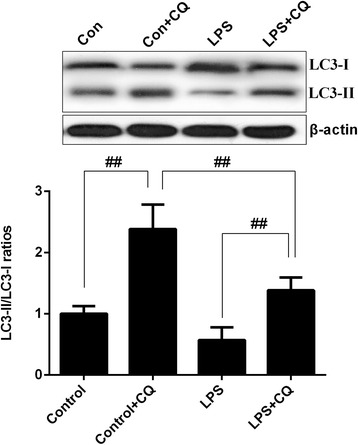
“To block FOXO1 signaling or autophagy, the selective FOXO1 inhibitor, AS1842856 (Maclin) or the lysosomal inhibitor, chloroquine (Maclin), was administrated daily at the dose of 5 and 30 mg/kg, respectively, for the 2- week treatment regime (Jiang et al., 2017; Spurthi et al., 2018).”
MethodSelf-citationZhao, M., Li, F., Jian, Y., Wang, X., Yang, H., Wang, J., Su, J., Lu, X., Xi, M., Wen, A., et al. (2020) · European Journal of Pharmacology · doi:10.1016/j.ejphar.2020.172916 · Cited by 79
Gao, W., Wang, W., Liu, G., Zhang, J., Yang, J. M., & Deng, Z. (2018) · Metabolic Brain Disease · doi:10.1007/s11011-018-0342-z · Cited by 71
Wang, W., Zheng, L., Xu, L., Tu, J., & Gu, X. (2020) · Molecular Medicine · doi:10.1186/s10020-020-00179-x · Cited by 62
“Higher expression of pro-inflammatory cytokines have been identified in depressed animal models (Jiang et al. 2017a).”
BackgroundMethodSignal transduction associated with lead-induced neurological disorders: A review
Fang, Y., Lu, L., Liang, Y., Peng, D., Aschner, M., & Jiang, Y. (2021) · Food and Chemical Toxicology · doi:10.1016/j.fct.2021.112063 · Cited by 66
Repairing gut barrier by traditional Chinese medicine: roles of gut microbiota
Zhou, Y., Zhang, D., Cheng, H., Wu, J., Liu, J., Feng, W., & Peng, C. Y. (2024) · Frontiers in Cellular and Infection Microbiology · doi:10.3389/fcimb.2024.1389925 · Cited by 70
Hung, W., Ho, C., & Pan, M. (2019) · Molecular Nutrition & Food Research · doi:10.1002/mnfr.201900550 · Cited by 66
Zhang, Z., Cai, X., Yao, Z., Wen, F., Fu, Z., Zhang, J., Zheng, Z., Huang, Y., & Qu, S. (2020) · Neural Plasticity · doi:10.1155/2020/8860968 · Cited by 64
Wu, X., Wang, L., Tang, L., Wang, L., Cao, S., Wu, Q., Zhang, Z., & Li, L. (2018) · Journal of Functional Foods · doi:10.1016/j.jff.2018.04.068 · Cited by 60
Gong, X., Hu, H. Z., Qiao, Y., Xu, P., Yang, M., Dang, R., Han, W., Guo, Y., Chen, D., & Jiang, P. (2019) · Frontiers in Pharmacology · doi:10.3389/fphar.2019.00318 · Cited by 51
Self-citationWei, Y., Hu, Y., Qi, K., Li, Y., Chen, J., & Wang, R. (2022) · Behavioural Brain Research · doi:10.1016/j.bbr.2022.113775 · Cited by 55
NLRP3 Inflammasome: From Pathophysiology to Therapeutic Target in Major Depressive Disorder
Kouba, B. R., Gil‐Mohapel, J., & Rodrigues, A. L. S. (2022) · International Journal of Molecular Sciences · doi:10.3390/ijms24010133 · Cited by 62
“alterations in the autophagic process may be related to increased inflammatory cytokines in animal models of depression [37,38].”
BackgroundChong, C., Su, H., Lu, J., & Wang, Y. (2019) · Chinese Medicine · doi:10.1186/s13020-019-0242-0 · Cited by 56
Gao, W., Wang, W., Zhang, J., Deng, P., Hu, J., Yang, J. M., & Deng, Z. (2019) · Metabolic Brain Disease · doi:10.1007/s11011-019-00443-y · Cited by 55
Zhang, W., Song, J., Li, W., Kong, D., Liang, Y., Zhao, X., & Du, G. (2020) · Mediators of Inflammation · doi:10.1155/2020/9049614 · Cited by 54
Li, R., Yao, G., Yan, H., & Wang, L. (2021) · International Journal of Ophthalmology · doi:10.18240/ijo.2021.01.06 · Cited by 56
Autophagy Modulators and Neuroinflammation
Cho, K. S., Lee, J. H., Cho, J., Cha, G., & Song, G. J. (2018) · Current Medicinal Chemistry · doi:10.2174/0929867325666181031144605 · Cited by 53
Huang, Q., Ye, X., Wang, L., & Pan, J. (2018) · Journal of Food Biochemistry · doi:10.1111/jfbc.12742 · Cited by 55
Wang, T., Xu, H. Y., Dong, R., Wu, S., Guo, Y., & Wang, D. (2023) · Food Research International · doi:10.1016/j.foodres.2023.112567 · Cited by 53
Self-citationNaeem, K., Kury, L. T. A., Nasar, F., Alattar, A., Alshaman, R., Shah, F. A., Khan, A., & Li, S. (2021) · Journal of Inflammation Research · doi:10.2147/jir.s294413 · Cited by 47
“The time spent and the number of entries in each arm were recorded for all animals for 5 min.(37)”
MethodRetractedMokhtari, T. (2022) · Phytotherapy Research · doi:10.1002/ptr.7551 · Cited by 49
“Autophagy bio- markers, such as LC3II/LC3I ratio and BECN1, were significantly diminished in the animal model of depression (Jiang et al., 2017b).”
BackgroundInfluentialElectroacupuncture ameliorates neuroinflammation in animal models
Xin, Y., Wang, J.-X., & Xu, A. (2022) · Acupuncture in Medicine · doi:10.1177/09645284221076515 · Cited by 51
Phenolic Acids as Antidepressant Agents
Cordeiro, M. L. D. S., Aquino-Martins, V. G. D. Q., da Silva, A. P., Rocha, H. A. O., Soares-Rachetti, V. D. P., & Scortecci, K. C. (2022) · Nutrients · doi:10.3390/nu14204309 · Cited by 56
“[100] measured the antidepressant effect of salvianolic acid B (20 mg/kg) in a lipopolysaccharide (LPS)-induced neuroinflammation Sprague Dawley mice model.”
MethodQu, X., Gao, H., Tao, L., Zhang, Y., Zhai, J., Song, Y., & Zhang, S. (2018) · Journal of Biochemical and Molecular Toxicology · doi:10.1002/jbt.22228 · Cited by 45
Liang, Y., Liu, H., Fang, Y., Lin, P., Lu, Z., Zhang, P., Jiao, X., Teng, J., Ding, X., & Dai, Y. (2020) · Journal of Cellular and Molecular Medicine · doi:10.1111/jcmm.16165 · Cited by 44
Wang, R., Hu, X., Liu, S., Wang, J., Xiong, F., Zhang, X., Ye, W., & Wang, H. (2023) · British Journal of Pharmacology · doi:10.1111/bph.16283 · Cited by 53
“Many antidepressants, such as selective serotonin reuptake inhibitors (SSRIs), can promote autophagy flux and induce the substantial expression of autophagy markers (Jiang et al., 2017), suggesting that autophagy is inherently involved in the action of antidepressants (Cleary et al., 2008).”
BackgroundInfluentialLiu, J., Wang, Y., Jing, G., Sun, J., & Qinfeng, S. (2020) · Aging · doi:10.18632/aging.103306 · Cited by 48
Yu, H., Li, D., Yang, D., Xue, Z., Li, J., Xing, B., Yan, K., Han, R., & Liang, Z. (2021) · Journal of Experimental Botany · doi:10.1093/jxb/erab172 · Cited by 40
Bian, H., Wang, G., Huang, J.-J., Liang, L., Xiao, L., & Wang, H. (2020) · International Immunopharmacology · doi:10.1016/j.intimp.2020.106943 · Cited by 37
Systematic Metabolic Profiling of Mice with Dextran Sulfate Sodium-Induced Colitis
Xie, D., Li, F., Pang, D., Zhao, S., Zhang, M., Ren, Z., Geng, C., Wang, C., Wei, N., & Jiang, P. (2021) · Journal of Inflammation Research · doi:10.2147/jir.s313374 · Cited by 38
Self-citationFeng, L., Xing, H., & Zhang, K. (2022) · Phytomedicine · doi:10.1016/j.phymed.2022.153980 · Cited by 44
Wang, M.-D., Zhang, S., Liu, X., Wang, P., Zhu, Y.-F., Zhu, J., Lv, C.-S., Li, S., Liu, S.-F., & Wen, L. (2023) · Acta Pharmacologica Sinica · doi:10.1038/s41401-023-01125-3 · Cited by 34
Wu, B., Song, Q., Zhang, Y., Wang, C., Yang, M., Zhang, J., Han, W., & Jiang, P. (2020) · Lipids in Health and Disease · doi:10.1186/s12944-020-1185-2 · Cited by 37
Self-citationChen, P., An, Q., Huang, Y., Zhang, M., & Mao, S. (2021) · European Journal of Pharmacology · doi:10.1016/j.ejphar.2021.174438 · Cited by 34
Rahman, S. U., Ali, T., Hao, Q., He, K., Li, W., Ullah, N., Zhang, Z., Jiang, Y., & Li, S. (2021) · Neurochemical Research · doi:10.1007/s11064-021-03396-w · Cited by 33
Retracted10-Hydroxydecanoic acid inhibits LPS-induced inflammation by targeting p53 in microglial cells
You, M., Miao, Z., Sienkiewicz, O., Jiang, X., Zhao, X., & Hu, F. (2020) · International Immunopharmacology · doi:10.1016/j.intimp.2020.106501 · Cited by 34
Wu, Z., Zhou, L., Sun, L., Xie, Y., Xiao, L., Wang, H., & Wang, G. (2021) · Brain Behavior and Immunity · doi:10.1016/j.bbi.2021.03.016 · Cited by 33
Targeting autophagy to counteract neuroinflammation: A novel antidepressant strategy
Gan, H. T., Ma, Q., Hao, W., Yang, N., Chen, Z., Deng, L., & Chen, J. (2024) · Pharmacological Research · doi:10.1016/j.phrs.2024.107112 · Cited by 32
Stress and signaling pathways regulating autophagy: From behavioral models to psychiatric disorders
Pierone, B. C., Pereira, C. A., Garcez, M. L., & Kaster, M. P. (2020) · Experimental Neurology · doi:10.1016/j.expneurol.2020.113485 · Cited by 33
Zhou, J., Li, H., Wang, F., Wang, H., Chai, R., Li, J., Jia, L., Wang, K., Zhang, P., Zhu, L., et al. (2021) · Environmental Toxicology · doi:10.1002/tox.23358 · Cited by 29
“Jiang et al.35 found that autophagy was also inhibited by neuroinflammation induced by the NLRP3 inflammasome in depressed rats; the NLRP3 inflammasome induced by LPS was overactivated and induced neuroinflammation, F IGURE 4 Protein expression and mRNA levels in the hippocampal CA3 region of rat brain.”
BackgroundSelf-citationSong, Z., Bian, Z., Zhang, Z., Wang, X., Zhu, A., & Zhu, G. (2021) · Toxicology and Applied Pharmacology · doi:10.1016/j.taap.2021.115711 · Cited by 32
Wang, R.-N., Zhao, H., Huang, J., Wang, H., Li, J., Lu, Y., & Di, L. (2020) · Chinese Herbal Medicines · doi:10.1016/j.chmed.2020.08.001 · Cited by 27
Li, X., Ma, K., Tian, T., Pang, H., Liu, T., Li, M., Li, J., Luo, Z., Hu, H., Hou, S., et al. (2024) · Environment International · doi:10.1016/j.envint.2024.108631 · Cited by 29
Xu, L., Sun, H., Qu, C., Shen, J., Qu, C., Song, H., Tian, L., Zheng, J., & Zhang, J. (2022) · Brain Research Bulletin · doi:10.1016/j.brainresbull.2022.07.001 · Cited by 31
Xu, L., Qu, C., Qu, C., Shen, J., Song, H., Li, Y., Li, T., Zheng, J., & Zhang, J. (2020) · Neuroscience Letters · doi:10.1016/j.neulet.2020.135437 · Cited by 27
Li, M., Wang, X., Chen, X.-D., Yang, H., Xu, H., Zhou, P., Gao, R., Zhang, N., Wang, J., Jiang, L., et al. (2022) · Behavioural Brain Research · doi:10.1016/j.bbr.2022.113987 · Cited by 30
Lee, J., Kim, W., Jeon, Y.-J., Lee, S.-B., Lee, D., & Son, C. (2019) · Frontiers in Pharmacology · doi:10.3389/fphar.2019.00683 · Cited by 28
Zheng, Y., & Xu, L. (2025) · Frontiers in Immunology · doi:10.3389/fimmu.2025.1646740 · Cited by 35
Li, J., Chen, Y., Li, L., Wang, F., Song, W., Alolga, R. N., Zhou, W., Yu, H., Huang, F., & Yin, X. (2021) · Journal of Proteome Research · doi:10.1021/acs.jproteome.1c00325 · Cited by 24
Zhou, J. P., Wang, F., Jia, L., Chai, R., Wang, H., Wang, X., Li, J., Wang, K., Zhang, P., & Yang, H. (2022) · Environmental Toxicology · doi:10.1002/tox.23471 · Cited by 28
Hadi, F., Mortaja, M., & Hadi, Z. (2024) · Cell Biochemistry and Function · doi:10.1002/cbf.4085 · Cited by 23
“106 107 Myeloid cell leukemia 1 (MCL1), a member of the prosurvival BCL2 family, is associated with maintaining mitochondrial integrity.”
Salvianolic acid B alleviates neurological injury by upregulating stanniocalcin 1 expression
Bi, S., Dong, X.-Y., Wang, Z.-Y., Fu, S., Li, C., Wang, Z., Xie, F., Chen, X., Xu, H., Cai, X.-J., et al. (2022) · Annals of Translational Medicine · doi:10.21037/atm-21-4779 · Cited by 24
“Rats were randomly divided into four groups for treatment: sham surgery (sham); MCAO; MCAO with Sal B 10 mg/kg/d (Sal B-L); and MCAO with Sal B 20 mg/kg/d (Sal B-H) according to our previous study (13,14).”
Kwatra, M., Ahmed, S., Gangipangi, V. K., Panda, S. R., Gupta, N., Shantanu, P. A., Gawali, B., & Naidu, V. G. M. (2021) · Journal of Psychiatric Research · doi:10.1016/j.jpsychires.2021.10.021 · Cited by 24
Luan, P., Xu, J., Ding, X., Cui, Q., Jiang, L., Xu, Y., Zhu, Y., Li, R., Lin, G., Tian, P., et al. (2020) · European Journal of Pharmacology · doi:10.1016/j.ejphar.2020.172944 · Cited by 20
Chen, F., Chen, S., Liu, J., Amin, N., Jin, W., & Fang, M. (2021) · BioMed Research International · doi:10.1155/2021/6664591 · Cited by 21
“Preclinical experiments have found that signs of decreased autophagy appeared in both chronic unpredictable stress and LPS-related depression model [41, 42].”
BackgroundRetractedIşık, M., Köse, F., Özbayer, C., Budak, Ö., KELEŞ, R., Güzel, D., Demirci, M. A., Doğanay, S., & Bağcı, C. (2025) · Probiotics and Antimicrobial Proteins · doi:10.1007/s12602-025-10470-0 · Cited by 23
Tian, J., Wang, Z., Ren, Y., Jiang, Y. H., Zhao, Y., Li, M., & Zhang, Z. (2022) · Neural Plasticity · doi:10.1155/2022/2847672 · Cited by 19
“LPSinduced depressive-like states of rodents also exhibit NLRP3 inflammasome activation, most notably in the hippocampus [23, 24].”
BackgroundJiang, N., Zhang, J., Jian, P., & Xu, L.-M. (2022) · Frontiers in Pharmacology · doi:10.3389/fphar.2022.938856 · Cited by 34
“Autophagy may interact with NLRP3 activation to contribute to the development of depression, whereas Sal B can promote autophagy and induce the clearance of NLRP3, thereby resulting in neuro-protective and antidepressant actions (Jiang et al., 2017).”
BackgroundHe, M., Feng, R., Wang, J., Xia, S., Wang, Y., & Zhang, Y. (2022) · Frontiers in Aging Neuroscience · doi:10.3389/fnagi.2022.950143 · Cited by 19
“Oligomerization and activation of the NLRP3 inflammasome lead to cysteinyl aspartate specific proteinase 1 (caspase-1) activation, which in turn cleaves the pro-IL-1β to mature IL-1β and releases it (Latz et al., 2013; Kaufmann et al., 2017).”
BackgroundInfluentialZaki, E. S., Sayed, R. H., Saad, M. A., & El-Yamany, M. F. (2023) · Life Sciences · doi:10.1016/j.lfs.2023.121806 · Cited by 20
Role of omentin-1 in susceptibility to anxiety and depression like behaviors
Ji, L., Zhang, L., Liang, Z., Zhong, S., Liu, X., Liu, Z., Poon, W. S., Song, Y., Chen, B., & Wang, R. (2023) · Molecular and Cellular Endocrinology · doi:10.1016/j.mce.2023.111990 · Cited by 17
Zhao, J., Xing-chen, Y., Fujino, M., Ichimaru, N., Que, W., Li, X., & Takahara, S. (2019) · Transplant Immunology · doi:10.1016/j.trim.2019.03.002 · Cited by 15
Zhao, J., Lao, L., Cui, W., & Rong, J. (2019) · Journal of Neuroinflammation · doi:10.1186/s12974-019-1610-5 · Cited by 15
Liu, C., Zhao, Y., & Zhao, W. (2024) · Journal of Neuroimmune Pharmacology · doi:10.1007/s11481-024-10123-z · Cited by 17
“…orally at a dose of 50 mg/kg once daily for 14 consecutive days (Li et al. 2017), while the rats in the LPS and LPS + 6-Gin groups were given LPS (Sigma, USA) via intraperitoneal injection at a dose of 500 µg/kg every 2 days for a total of seven injections (Jiang et al. 2017; Dang et al. 2018).”
Muhammad, A. J., Hao, L., Kury, L. T. A., Rehman, N. U., Alvi, A. M., Badshah, H., Ullah, I., Shah, F. A., & Li, S. (2022) · Oxidative Medicine and Cellular Longevity · doi:10.1155/2022/4509204 · Cited by 16
“The EPM test was performed by keeping each rat in the middle of the platform, and the number of entries and time spent was recorded [49].”
RetractedZhu, S., Xue, R., Chen, Y., Zhang, Y., Du, J., Luo, F.-Y., Ma, H., Yang, Y., Xu, R. F., Li, J., et al. (2023) · Brain Research · doi:10.1016/j.brainres.2023.148472 · Cited by 15
Sun, S., Rong, J., Wang, C., Li, R., Zhang, H., Wang, W., Duan, H., Nie, Z., Xiang, D., & Liu, Z. (2025) · Journal of Affective Disorders · doi:10.1016/j.jad.2025.04.059 · Cited by 14
Zhao, Y., Liu, X., Liu, X., Zhang, J., Zhang, Y., Wen, Y., & Yang, G. (2023) · Tissue and Cell · doi:10.1016/j.tice.2023.102260 · Cited by 14
Antidepressant pharmacological mechanisms: focusing on the regulation of autophagy
Lv, S., Zhang, G., Huang, Y., Li, J., Yang, N., Lu, Y., Ma, H., Ma, Y., & Jing, T. (2023) · Frontiers in Pharmacology · doi:10.3389/fphar.2023.1287234 · Cited by 15
Wang, S., Wang, S., Wang, Y., Yu, X., Zhang, J., Yang, Z. R., & Liu, C. (2021) · Neuroscience Letters · doi:10.1016/j.neulet.2021.135750 · Cited by 14
Gut Microbiome Regulation of Autophagic Flux and Neurodegenerative Disease Risks
Shoubridge, A. P., Fourrier, C., Choo, J. M., Proud, C. G., Sargeant, T. J., & Rogers, G. B. (2021) · Frontiers in Microbiology · doi:10.3389/fmicb.2021.817433 · Cited by 16
Salvia miltiorrhiza improves Alzheimer's disease: A protocol for systematic review and meta-analysis
Guo, Y., Dong, X., Zhang, R., Zhong, Y., Yang, P., & Zhang, S. (2020) · Medicine · doi:10.1097/md.0000000000021924 · Cited by 14
Self-citation
Metadata
- Authors
- Jiang, P., Guo, Y., Dang, R., Yang, M., Liao, D., Li, H., Sun, Z., Feng, Q., & Xu, P.
- Affiliations
- Jining First People's Hospital (CN)
- Central South University (CN)
- Corresponding author
- Dang, Ruili
- Xu, Pengfei
- Venue
- Journal of Neuroinflammation
- Published
- 2017-12
- Volume
- 14
- Issue
- 1
- Pages
- 239-239
- ISSN
- 1742-2094 (ISSN-L)
- PMC
- PMC5719935
- OpenAlex
- W2771367031
- Cited by
- 139
- References
- 42
- Citations by year
- 2026: 2 · 2025: 16 · 2024: 13 · 2023: 12 · 2022: 25 · 2021: 24 · 2020: 23 · 2019: 16 · 2018: 8
- FWCI
- 4.27
- Type
- journal article
- Language
- en
- Open access
- gold
- doi.org
- Licence
- cc-by
- Locations
- Journal of Neuroinflammation (publishedVersion, cc-by)
- Europe PMC (PubMed Central) (publishedVersion, cc-by)
- PubMed Central (publishedVersion, cc-by)
- PubMed (publishedVersion)
- DOAJ (DOAJ: Directory of Open Access Journals) (submittedVersion)
- Funders
- National Natural Science Foundation of China (81602846)
- Natural Science Foundation of Shandong Province (ZR2016HQ21, ZR2016HP24)
- Topics
- Life Sciences › Neuroscience › Biological Psychiatry › Tryptophan and brain disorders
- Life Sciences › Neuroscience › Neurology › Neuroinflammation and Neurodegeneration Mechanisms
- Health Sciences › Medicine › Pharmacology (medical) › Treatment of Major Depression
- Keywords
- salvianolic acid B, lipopolysaccharide, depression, neuroinflammation, autophagy, NLRP3 inflammasome, hippocampus, Beclin-1, LC3, inflammatory cytokines, antidepressant effects, Salvia miltiorrhiza, neuroprotection
- MeSH terms
- NLR Family, Pyrin Domain-Containing 3 Protein, Animals, Anti-Inflammatory Agents, Autophagy, Behavior, Animal, Benzofurans, Depression, Inflammation, Lipopolysaccharides, Male, Rats, Sprague-Dawley, Rats, Depsides, Inflammasomes
About these checks
Registry, retraction, Cites and statistics results are computed, not judged, with one exception: a printed reference that no index lists is read once by a model before it counts as a citation error. Claims are extracted by a model and kept only when their quote appears verbatim in the text; each cited source is then checked, with a model’s help, for whether it says what the claim relies on. Those verdicts can be wrong — read the claim’s quote and the cited source before relying on one.
Statistics and arithmetic are recomputed, not judged.
Confidence bands are shown only for fields calibrated on our annotated test set. None is calibrated yet, so no band is shown.
What counts as a claim ›How we measure confidence ›How we check this ›
Are you an author, or do you see a problem with this page? Request a review
Data sources
Bibliographic data: Semantic Scholar, OpenAlex, Crossref.
Contains information from the Semantic Scholar Academic Graph Datasets, made available under the ODC Attribution License (ODC-BY 1.0).
Semantic Scholar’s data is described in: Kinney, R., et al. (2023). The Semantic Scholar Open Data Platform. arXiv:2301.10140.
