

Sepsis-associated encephalopathy: a vicious cycle of immunosuppression
Open accessThe DOI matches its Crossref record; 152 of the 153 references it cites were found in a registry or an index.
Abstract
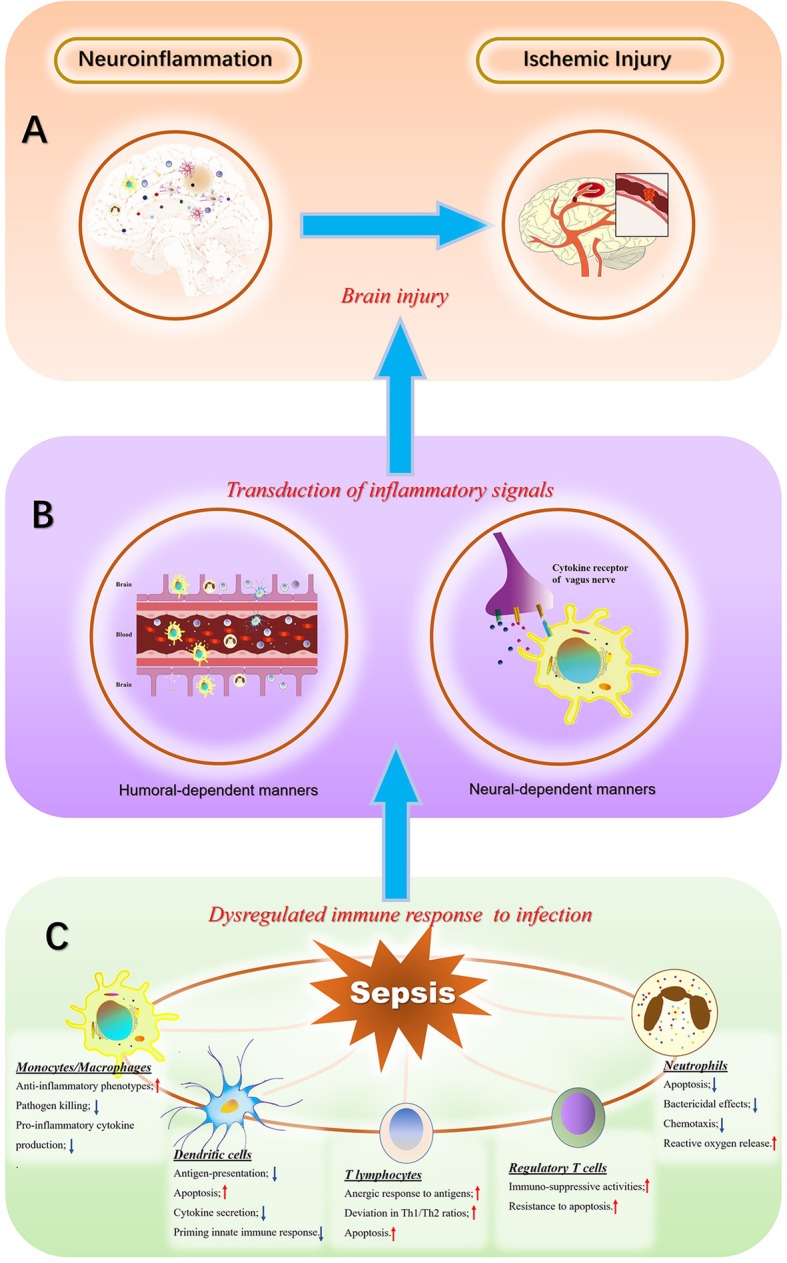
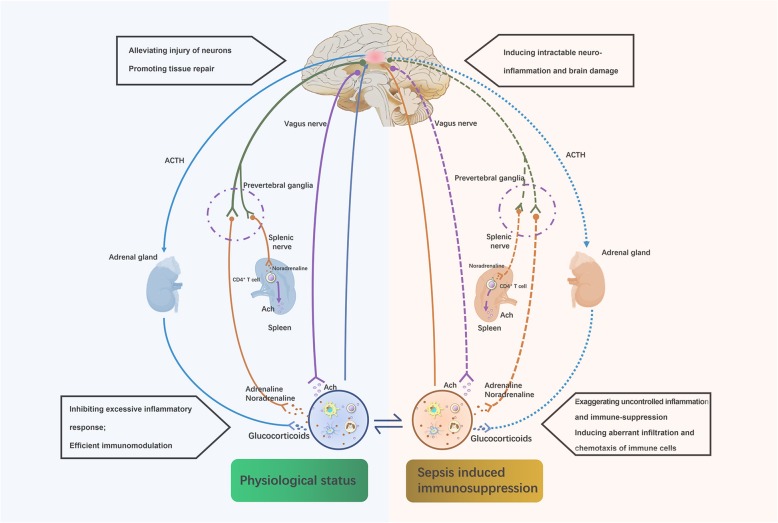
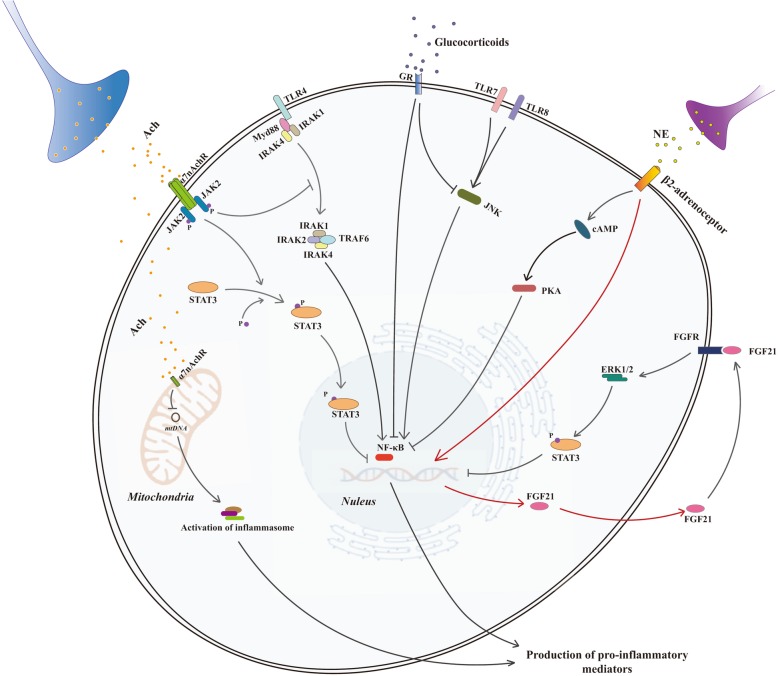
Sepsis-associated encephalopathy (SAE) is commonly complicated by septic conditions, and is responsible for increased mortality and poor outcomes in septic patients. Uncontrolled neuroinflammation and ischemic injury are major contributors to brain dysfunction, which arises from intractable immune malfunction and the collapse of neuroendocrine immune networks, such as the cholinergic anti-inflammatory pathway, hypothalamic-pituitary-adrenal axis, and sympathetic nervous system. Dysfunction in these neuromodulatory mechanisms compromised by SAE jeopardizes systemic immune responses, including those of neutrophils, macrophages/monocytes, dendritic cells, and T lymphocytes, which ultimately results in a vicious cycle between brain injury and a progressively aberrant immune response. Deep insight into the crosstalk between SAE and peripheral immunity is of great importance in extending the knowledge of the pathogenesis and development of sepsis-induced immunosuppression, as well as in exploring its effective remedies.
Overview
The claims and statistics of this paper haven’t been checked yet.
Free: it reads the open-access text and checks the first 5 claims that cite a source we can check. Create a free account to check every claim.
Integrity signals
Registry
Cites
Statistics
Figures
Verification
Claims the paper makes
The claims and statistics of this paper haven’t been checked yet.
Free: it reads the open-access text and checks the first 5 claims that cite a source we can check. Create a free account to check every claim.
Claims other papers make about this one
Each is checked against this paper’s own text: does it say what the citing paper says it does?
The cited source doesn’t support the claim as written.
In the citing paper
“In SAE, brain-infiltrating Tregs antagonize microglial inflammatory cascades by secreting factors like IL-10 and TGF-β, and suppress astrocytic IL-6 synthesis through the amphiregulin (AREG)-EGFR signaling axis [35,36].”
From Research Advances in the Pathogenesis of Sepsis-Associated Encephalopathy (2026) · cites this paper as [35]
Checked by a reasoning model — may be wrong.
Experimental — accuracy not yet measured
Self-check
Percentages, sums and reported differences re-computed from the paper’s own numbers.
The self-check needs the paper’s full text.
Citations
Cites
3 retracted
Yoon, S., Kim, S., & Lee, S. (2017) · The Journal of Infectious Diseases · doi:10.1093/infdis/jix142 · Cited by 52
RetractedRegulatory T cells exhibit neuroprotective effect in a mouse model of traumatic brain injury
Yu, Y., Cao, F., Ran, Q., & Sun, X. (2016) · Molecular Medicine Reports · doi:10.3892/mmr.2016.5954 · Cited by 10
RetractedRegulatory T cells exhibit neuroprotective effect in a mouse model of traumatic brain injury
Yu, Y., Cao, F., Ran, Q., & Sun, X. (2017) · Molecular Medicine Reports · doi:10.3892/mmr.2017.6299 · Cited by 8 · cited 2×
“Although the role of Tregs in the pathogenesis and progression of SAE has not been established, Tregs do show benefits for TBI patients via alleviating local inflammation and promoting tissue repair [100].”
BackgroundRetractedSurviving Sepsis Campaign: International guidelines for management of sepsis and septic shock: 2016.
Rhodes, A., Evans, L. E., Alhazzani, W., Levy, M. M., Antonelli, M., Ferrer, R., Kumar, A., Sevransky, J. E., Sprung, C. L., Nunnally, M. E., et al. (2017) · Intensive Care Medicine · doi:10.1007/s00134-017-4683-6 · Cited by 6,621
Long-term cognitive impairment and functional disability among survivors of severe sepsis.
Iwashyna, T. J., Ely, E. W., Smith, D. M., & Langa, K. M. (2010) · JAMA · doi:10.1001/jama.2010.1553 · Cited by 2,582
The Hypothalamic–Pituitary–Adrenal Axis and Immune-Mediated Inflammation
Chrousos, G. P. (1995) · New England Journal of Medicine · doi:10.1056/nejm199505183322008 · Cited by 2,579
Alhazzani, W., Møller, M. H., Arabi, Y. M., Loeb, M., Gong, M. N., Fan, E., Oczkowski, S., Levy, M. M., Derde, L., Dzierba, A., et al. (2020) · Critical Care Medicine · doi:10.1097/ccm.0000000000004363 · Cited by 1,565
Acetylcholine-Synthesizing T Cells Relay Neural Signals in a Vagus Nerve Circuit
Rosas-Ballina, M., Olofsson, P. S., Ochani, M., Valdés-Ferrer, S. I., Levine, Y. A., Reardon, C., Tusche, M. W., Pavlov, V. A., Andersson, U., Chavan, S., et al. (2011) · Science · doi:10.1126/science.1209985 · Cited by 1,551
Cholinergic agonists inhibit HMGB1 release and improve survival in experimental sepsis
Wang, H., Liao, H., Ochani, M., Justiniani, M., Lin, X., Yang, L., Al-Abed, Y., Wang, H., Metz, C., Miller, E. J., et al. (2004) · Nature Medicine · doi:10.1038/nm1124 · Cited by 1,170
Tracey, K. J. (2009) · Nature Reviews Immunology · doi:10.1038/nri2566 · Cited by 1,154
Cited by
Items 101–200 of 267
Sepsis Induces Physical and Mental Impairments in a Mouse Model of Post-Intensive Care Syndrome
Fujinami, Y., Inoue, S., Ono, Y., Miyazaki, Y., Fujioka, K., Yamashita, K., & Kotani, J. (2021) · Journal of Clinical Medicine · doi:10.3390/jcm10081593 · Cited by 15
“Given that SAE affects > 70% of patients with sepsis and is associated with increased mortality and poor outcomes, early diagnosis and suitable interventions are vital for ameliorating the mortality and morbidity observed in patients with sepsis [23].”
BackgroundLi, Y., Zhao, L., Yu, Y., Zhang, K., Jiang, Y., Wang, Z. P., Xie, K., & Yu, Y. (2022) · Frontiers in Immunology · doi:10.3389/fimmu.2022.1035298 · Cited by 19
Shen, Q., Yu, Q., Chen, T., & Zhang, L. (2025) · European journal of medical research · doi:10.1186/s40001-025-02314-y · Cited by 15
“The high mortality associated with severe SAE underscores the critical need to explore its pathogenesis and develop effective therapeutic strategies [8].”
Neuropsychological Outcome of Critically Ill Patients with Severe Infection
Giovampaola, M. D., Cavalli, I., & Mascia, L. (2022) · Biomedicines · doi:10.3390/biomedicines10030526 · Cited by 15
“Aside from dopaminergic, β-adrenergic and GABAergic dysregulation during SAE, dysregulation of the cholinergic pathway plays a key role in the modulation of inflammation, delirium and long-term cognitive impairment [9,10,12,15,16].”
BackgroundPaeonol prevents sepsis-associated encephalopathy via regulating the HIF1A pathway in microglia
Zhang, N., Ma, Y., Li, Y., Wang, Y., Zhang, L., Zheng, M., Yu, T., Zhang, R., Yang, K., Li, J., et al. (2024) · International Immunopharmacology · doi:10.1016/j.intimp.2024.113287 · Cited by 14
Yu, D., Liu, J., Song, X., Ao, Y., Li, X., & Han, Y. (2025) · European journal of medical research · doi:10.1186/s40001-025-02369-x · Cited by 14
Aliuş, C., Breazu, A., Panţu, C., Toader, C., Șerban, M., Covache-Busuioc, R.-A., Munteanu, O., & Dumitru, A. V. (2025) · International Journal of Molecular Sciences · doi:10.3390/ijms262210959 · Cited by 12
Rotaru-Zăvăleanu, A. D., Neacșu, A. I., Neacsu, A., Pirici, D. N., Osiac, E., Cătălin, B., & Gheonea, D. I. (2022) · Current Issues in Molecular Biology · doi:10.3390/cimb44090262 · Cited by 14
“This by itself, will not pose a large problem, but patients that develop sepsis are also frequently affected by one of the most underrated types of encephalopathies in the form of SAE [31,32].”
BackgroundRecent advances in the study of sepsis-induced depression
Wang, Y., Zhu, Y., Tian, M., Wang, Y., Pei, X., Jiang, J., He, Y., & Gong, Y. (2023) · Journal of Intensive Medicine · doi:10.1016/j.jointm.2022.12.002 · Cited by 13
SOFA in sepsis: with or without GCS
Wang, L., Ma, X., Zhou, G., Gao, S., Pan, W., Chen, J., Su, L., He, H., Long, Y., Yin, Z. Q., et al. (2024) · European journal of medical research · doi:10.1186/s40001-024-01849-w · Cited by 17
“…important organ involved in sepsis, and the incidence of sepsis associated encephalopathy is as high as 70%, and its function is constantly and dynamically changing during the course of sepsis [16, 17], a simple approach of best guess or continuing pre-intubation recording may not be appropriate.”
BackgroundInsight Into Regulatory T Cells in Sepsis-Associated Encephalopathy
Gao, Y.-L., Liu, Y.-C., Zhang, X., Shou, S.-T., & Chai, Y.-F. (2022) · Frontiers in Neurology · doi:10.3389/fneur.2022.830784 · Cited by 11
Chen, Y., Hu, Y., Li, X., Chen, P., Wang, C., Wang, J., Wu, J., Sun, Y., Zheng, G., Lu, Y., et al. (2022) · Frontiers in Neurology · doi:10.3389/fneur.2022.838746 · Cited by 13
Zhang, J., Chen, S., Hu, X., Huang, L., Loh, P., Yuan, X., Liu, Z., Lian, J., Geng, L., Chen, Z., et al. (2024) · Frontiers in Microbiology · doi:10.3389/fmicb.2024.1337994 · Cited by 16
“SAE is closely associated with increased mortality, high hospital costs and prolonged hospital stays, persistent cognitive impairment and limited physical function (Ren et al., 2020).”
BackgroundCho, E.-H., In, C.-B., Lee, G., Hong, S., Seo, E., Lee, W. H., & Kim, S. (2024) · International Journal of Molecular Sciences · doi:10.3390/ijms25052708 · Cited by 12
“More-over, increased pro-inflammatory cytokine levels directly cause BBB dysfunction with BBB permeability and neuronal damage [22,23], although BBB function was not evaluated in the present study.”
BackgroundTian, Z., & Li, C. (2025) · Frontiers in Microbiology · doi:10.3389/fmicb.2025.1718549 · Cited by 12
“In sepsis patients, the brain is typically the first organ to be affected, and sepsis-associated encephalopathy (SAE) has become one of the severe complications secondary to sepsis (Ren et al., 2020).”
Zhang, X., Huang, K., Wu, Z., Ding, R., Han, J., Zhang, Y., Lu, Y., Lu, Y., & Si, Y. (2025) · Pharmacology & Therapeutics · doi:10.1016/j.pharmthera.2025.108971 · Cited by 14
Zhang, L., Xu, X., Han, H. L., Cao, S., Li, L.-L., Lv, J., Li-ru, Z., & Li, J. (2022) · Medicine · doi:10.1097/md.0000000000030941 · Cited by 11
“The presentation of sepsis is highly dependent on the organ systems affected, which might include the heart,[5] lungs,[6] central nervous system (CNS),[7] and several others, as seen in sepsis-induced MODS.”
BackgroundTian, M., Zhan, Y., Cao, J., Gao, J., Sun, J., & Zhang, L. (2024) · Brain Research Bulletin · doi:10.1016/j.brainresbull.2024.110922 · Cited by 12
“The pathogenesis and progress of sepsis is life-threatening organ dysfunction caused by abnormal immune response to infection (Shankar-Hari et al., 2016; Ren et al., 2020).”
BackgroundDing, X., Liang, W., Xia, H.-Q., Liu, Y., Liu, S., Xia, X., Zhu, X., Pei, Y., & Zhang, D. (2024) · Journal of Inflammation Research · doi:10.2147/jir.s433057 · Cited by 11
Zheng, X., Li, W., Xiang, Q., Wang, Y., Qu, T., Fang, W., & Yang, H. (2023) · ACS Omega · doi:10.1021/acsomega.3c06250 · Cited by 10
Xie, D., Ma, Y., Gao, C., & Pan, S. (2024) · International Immunopharmacology · doi:10.1016/j.intimp.2024.113045 · Cited by 13
Development of a Prognosis Prediction Model for Pediatric Sepsis Based on the NLPR
Wang, H., Zhang, R., Xu, J., Zhang, M., Ren, X., & Wu, Y. (2024) · Journal of Inflammation Research · doi:10.2147/jir.s479660 · Cited by 10
“21,22 In the present study, we investigated organically integrated immune cells (specifically, neutrophils, lymphocytes, and platelets) that are relevant to sepsis, revealing the intricate relationships between immune cells and coagulation systems within the inflammatory cascade of sepsis.”
BackgroundDai, M., Sun, S., Dai, Y., Dou, X., Yang, J., Chen, X., Dong, Y., & Lin, Y. (2024) · Neurochemical Research · doi:10.1007/s11064-024-04280-z · Cited by 10
“Beyond its high incidence rate, sepsis with brain injury has a worse prognosis and higher mortality compared to septic patients without brain damage [ 2, 3].”
Zhan, Y., Zhang, L., Sun, J., Yao, H., Chen, J., & Tian, M. (2024) · Experimental Neurology · doi:10.1016/j.expneurol.2024.114900 · Cited by 10
“Although intensive care units (ICUs) can manage sepsis, SAE frequently results in severe brain damage (Ren et al., 2020).”
BackgroundRelationship between miR-29a levels in the peripheral blood and sepsis-related encephalopathy.
Guo, W., Li, Y., & Li, Q. (2021) · PubMed Central · Cited by 10
Neuro-immune regulation of sepsis-associated delirium via the PBN-CeA-spleen axis
Dong, M., Zou, Y. F., Ye, Z., Zou, W., Zhang, L., Ai, Y., & Peng, Q. (2025) · Journal of Neuroinflammation · doi:10.1186/s12974-025-03527-y · Cited by 11
“Although the pathogenesis of SAD involves multifactorial processes, such as neuroinflammatory activation of the blood–brain barrier (BBB), and immunometabolic dysregulation, the core regulatory circuitry orchestrating these events remains poorly defined [7, 8].”
Recent advances in ROS-modulating materials for sepsis treatment
Mo, X. W., Min, D. K., & Kim, J. (2026) · Journal of Controlled Release · doi:10.1016/j.jconrel.2026.114779 · Cited by 9
Zheng, L., Ye, J.-Q., Li, H.-F., & Liu, Q. (2022) · Frontiers in Genetics · doi:10.3389/fgene.2022.1031589 · Cited by 9
Xiao, Q., Yan, X., Sun, Y., Tang, Y., Hou, R., Pan, X., & Zhu, X. (2023) · Molecular Neurobiology · doi:10.1007/s12035-023-03569-4 · Cited by 10
“Sepsis-associated encephalopathy (SAE) is a diffuse brain impairment accompanied by sepsis without direct central nervous system (CNS) infection, structural abnormalities, or other types of encephalopathy (for example, hepatic or nephrogenic encephalopathy) [1, 2].”
Qian, L., Yin, X., Ji, J., Chen, Z., He, F., Li, H., Zhu, F., & Chang, F. (2021) · Journal of International Medical Research · doi:10.1177/0300060520984652 · Cited by 9
“Its mortality is reported to be around 30%, although patients with severe sepsis and septic shock can have a higher mortality of up to 52%.(5,6) If sepsis is not treated effectively or promptly, it can lead to the development of multiple organ dysfunction syndrome (MODS).”
BackgroundComprehensive analysis of mRNAs, lncRNAs and circRNAs in the early phase of microglial activation
Wen, J., Liu, Y., Zhan, Z., Chen, S., Hu, B., Ge, J., & Xie, Q. (2021) · Experimental and Therapeutic Medicine · doi:10.3892/etm.2021.10895 · Cited by 10
“Although the specific mechanism has remained to be established, uncontrolled neuroinflammation is probably the leading cause of SAE (4).”
Qiu, F., Liu, Y., Liu, Y., Zhao, Z., Zhou, L., Chen, P., Du, Y., Wang, Y., Sun, H., Zeng, C., et al. (2023) · NeuroMolecular Medicine · doi:10.1007/s12017-023-08764-z · Cited by 8
“Therefore, the balance between these contrasting microglial phenotypes is thought to play an essential role in the pathogenesis of SAE (Ren et al., 2020).”
BackgroundThe homeostasis and heterogeneity of regulatory T cells in sepsis
Wu, D., Zhang, H., & Miao, C. (2025) · Burns & Trauma · doi:10.1093/burnst/tkaf047 · Cited by 13
“This chronic condition, termed “sepsis brain”, manifests through sustained microglial activation, oxidative mitochondrial damage, impaired cerebral glucose metabolism, and blood– brain barrier disruption, collectively contributing to long-term psychiatric and cognitive impairments [117, 118].”
Self-citationSun, S., Yang, D. J., Lv, J., Xia, H., Mao, Z., Chen, X., & Gao, Y. (2024) · Frontiers in Immunology · doi:10.3389/fimmu.2024.1444740 · Cited by 10
“The pathophysiology of SAE is intricate, potentially involving blood-brain barrier disruption, neuroin fl ammation, mitochondrial dysfunction, and neurotransmitter (63).”
BackgroundYu, S.-Y. (2022) · World Journal of Emergency Medicine · doi:10.5847/wjem.j.1920-8642.2022.072 · Cited by 8
“Page 3/15 Rosuvastatin is a 3-hydroxy-3-methylglutaryl-CoA (HMG-CoA) reductase inhibitor, which can control high cholesterol disorders, helping prevent cerebrovascular diseases [10, 11].”
BackgroundSepsis‐associated encephalopathy: Autophagy and miRNAs regulate microglial activation
Qin, N., Miao, Y., Xie, L., Ma, X., & Xie, P. (2024) · Physiological Reports · doi:10.14814/phy2.15964 · Cited by 10
“Sepsis-associated encephalopathy (SAE) describes diffuse or multifocal cerebral dysfunction of the brain caused by sepsis in the absence of clinical and laboratory evidence of direct infection, structural brain damage, or other types of encephalopathy (Gofton & Young, 2012; Ren et al., 2020).”
BackgroundReducing LncRNA-5657 expression inhibits the brain inflammatory reaction in septic rats
Qian, K., Zhan, Y., Qiu, X.-L., Wang, X.-Z., & Zhao, N. (2020) · Neural Regeneration Research · doi:10.4103/1673-5374.301022 · Cited by 9
“Sepsis encephalopathy (SE) is an acute and diffuse brain injury that is a common complication of severe sepsis characterized by changes in cognition, arousal, and consciousness (Ziaja, 2013; Ren et al., 2020).”
BackgroundMoriyama, N., Saito, M., Ono, Y., Yamashita, K., Aoi, T., & Kotani, J. (2023) · Journal of Clinical Medicine · doi:10.3390/jcm12134309 · Cited by 7
He, C., Aziguli, A., Zhen, J., Jiao, A., Liao, H., Du, C., Liu, W., Aihemaitijiang, K., & Xu, A. (2022) · Translational Cancer Research · doi:10.21037/tcr-22-1732 · Cited by 7
“Dysfunction of these neuromodulatory mechanisms could impair systemic immune responses, including those of neutrophils, macrophages/monocytes, dendritic cells, and T lymphocytes, which ultimately induce a vicious cycle between brain injury and gradually abnormal immune responses (23).”
p38 protein as a therapeutic target for sepsis-induced organ dysfunction
Miao, S., Zhang, R., Guo, G., Wang, X., Zhang, B., Li, L., Wang, J., Weng, Y., Shi, X., Ma, S., et al. (2025) · European Journal of Pharmacology · doi:10.1016/j.ejphar.2025.177833 · Cited by 7
Sokołowska, E. M., Wityk, P., Szypenbejl, J., Petrosjan, R., Raczak‐Gutknecht, J., Waszczuk‐Jankowska, M., Dudzik, D., Markuszewski, M. J., & Siemiński, M. (2024) · Heliyon · doi:10.1016/j.heliyon.2024.e29530 · Cited by 8
“Despite ongoing exploration, the pathophysiology of SAE remains incompletely understood [9], under-scoring the importance of thorough investigation into its epidemiology and etiology due to its significant impact on patient survival and potential long-term consequences of sepsis.”
BackgroundGypenoside XLIX alleviates sepsis-associated encephalopathy by targeting PPAR-α
Zhao, P., Zhang, W., Zhou, X., Zhao, Y., Li, A., & Sun, Y. (2024) · Experimental Neurology · doi:10.1016/j.expneurol.2024.115027 · Cited by 7
Zhu, Z., & Liu, L. (2025) · Journal of Intensive Care Medicine · doi:10.1177/08850666251334342 · Cited by 7
“31 Once CNS dysfunction occurs, it loses control over the peripheral immune cells, causing systemic immune paralysis.”
Xu, B. Y., Li, M., Cheng, T., Xia, J., Deng, X., & Hou, J. (2022) · PubMed Central · Cited by 14
Sarker, M. M. R. (2021) · Bangladesh Pharmaceutical Journal · doi:10.3329/bpj.v24i1.51635 · Cited by 7
“…et al., 2019), cancer (Goswami et al., 2017), intake of adulterated foods, acquired immunodeficiency syndrome (AIDS) (Paiardini et al., 2008), burn and sepsis (Ren et al., 2020), etc. Immunity is also suppressed greatly in patients receiving chemotherapy and radiotherapy.”
BackgroundWu, F., Chen, Y., Chen, L., Wei, X., Zhang, L., & Shen, Y. X. (2026) · Journal of Inflammation Research · doi:10.2147/jir.s577143 · Cited by 10
“121 Similar to other immune cells, microglia shift their metabolism from OXPHOS-dominated homeostasis to glycolysis upon septic stimulation.”
USP8 mitigates cognitive dysfunction of mice with sepsis‐associated encephalopathy
Zhang, L., & Liu, J. (2023) · Psychogeriatrics · doi:10.1111/psyg.12990 · Cited by 6
Wu, F., Han, Y., Xiong, Q., Tang, H., Shi, J., Yang, Q., Li, X., Jia, H., Qian, J., Dong, Y., et al. (2024) · Biomedicines · doi:10.3390/biomedicines12071536 · Cited by 9
Bertozzi, G., Ferrara, M., Calvano, M., Pascale, N., & Fazio, A. D. (2024) · Medicina · doi:10.3390/medicina60121949 · Cited by 6
A dopamine D1-like receptor-specific agonist improves the survival of septic mice
Tanaka, K., Choudhury, M. E., Kikuchi, S., Takeda, I., Umakoshi, K., Miyaue, N., Mikami, K., Takenaga, A., Yagi, H., Shinabe, R., et al. (2024) · iScience · doi:10.1016/j.isci.2024.109587 · Cited by 6
Centner, F.-S., Wenz, H., Oster, M. E., Dally, F., Sauter-Servaes, J., Pelzer, T., Schoettler, J. J., Hahn, B., Abdulazim, A., Hackenberg, K. A. M., et al. (2024) · Frontiers in Neurology · doi:10.3389/fneur.2024.1393989 · Cited by 7
“…macrocirculation of cerebral blood vessels play an important role in the pathophysiology including microcirculatory disturbances due to endothelial dysfunction, neuroinflammation and microthrombosis with consecutive disruption of the blood–brain barrier and cellular injury (9, 10, 39, 40).”
BackgroundShi, X., Xu, L., Ren, J., Jing, L., Wei, K., & Qin, L. (2025) · Frontiers in Neurology · doi:10.3389/fneur.2025.1468419 · Cited by 8
“Sepsis-associated encephalopathy (SAE), a neurological dysfunction arising from severe infections and systemic inflammation, is linked to various factors, including inflammation, inadequate oxygenation, metabolic disorders, and drug effects (4).”
Mensah, E. A., Faiyaz, A., Schifitto, G., & Uddin, M. N. (2025) · International Journal of Molecular Sciences · doi:10.3390/ijms262211059 · Cited by 7
“This process begins with microglial activation, releasing pro-inflammatory cytokines that compromise the BBB, allowing peripheral T-cells and macrophages to enter [134,135].”
Hobin, K., Costas‐Rodríguez, M., Wonterghem, E. V., Vandenbroucke, R. E., & Vanhaecke, F. (2022) · Frontiers in Chemistry · doi:10.3389/fchem.2022.896279 · Cited by 7
Hu, W., Zhang, X., Wu, Z., Luo, Y., Hu, B., & Zou, X. (2024) · Journal of Inflammation Research · doi:10.2147/jir.s488400 · Cited by 5
“11 Investigating the immune-related mechanisms involved in SAE offers a promising pathway for the development of novel therapeutic strategies.”
Liu, S., Wang, Y., Ye, Z., Wang, X., & Wang, L. (2024) · Neurochemical Research · doi:10.1007/s11064-024-04296-5 · Cited by 6
“Sepsis-related brain injury entails a complex interplay of neuropathological inflammation [ 4 ], oxidative stress [ 3 ], and mitochondrial dysfunction [ 5 ], with inflammation emerging as a key mechanism [ 4 ].”
Kim, T. J., Kim, J., Lee, J. S., Park, S.-H., Cha, J., Bae, H.-M., & Ko, S. (2025) · Scientific Reports · doi:10.1038/s41598-025-02658-9 · Cited by 5
Chen, S., Liu, X.-Y., Huang, J.-H., Xian, L., Li, X., Wang, K.-R., Li, J., Zhang, T.-C., Huang, G., Liu, X., et al. (2023) · Immunologic Research · doi:10.1007/s12026-023-09405-0 · Cited by 5
Huang, F., Yi, J., Zhou, T., & Gong, X. (2025) · European journal of medical research · doi:10.1186/s40001-025-02786-y · Cited by 6
“The development of SAE involves a variety of pathophysiological mechanisms, including systemic inflammatory response, oxidative stress, blood–brain barrier damage, neuronal dysfunction, and abnormal cerebral perfusion [3, 4].”
PI3K/Akt pathway and neuroinflammation in sepsis-associated encephalopathy
Guo, Y., & Yu, Y. (2025) · Open Medicine · doi:10.1515/med-2025-1248 · Cited by 6
“While infection does not occur directly in the brain, peripheral in fl ammatory signals can trigger widespread neuroin fl ammation through both neuronal and humoral pathways [21].”
Gu, W., Zhong, J. M., Han, Y., Liu, Y., Lv, C., Zhang, G., Xie, M., Ma, Y., & Guo, W. H. (2025) · Emergency and Critical Care Medicine · doi:10.1097/ec9.0000000000000154 · Cited by 4
Angelicin alleviates sepsis-associated encephalopathy via inhibition of IKK2 and the NF-κB pathway
Pan, E., Li, M., Zhao, P., Zhang, S., Wang, J., Guan, T., Dong, Q., Jin, X., & Dong, J. (2025) · Phytomedicine · doi:10.1016/j.phymed.2025.157383 · Cited by 4
Clec7a Drives Microglial Activation–Mediated Myelin Degradation in Sepsis-Associated Encephalopathy
Jian, J.-X., Yin, X.-Y., Mei, X.-D., Yang, J., Ji, M.-H., & Shen, J.-C. (2026) · Inflammation · doi:10.1007/s10753-025-02443-w · Cited by 5
Lamping, M., Heinrich, M., Farztdinov, V. M., von Haefen, C., Sreekanth, J., Mülleder, M., Ralser, M., Winterer, G., & Spies, C. D. (2026) · Scientific Reports · doi:10.1038/s41598-025-33931-6 · Cited by 5
Current knowledge and challenges of sepsis-associated encephalopathy
Shankar‐Hari, M., Benghanem, S., Bourhy, L., Cunningham, C. M., Ehler, J., Girard, T. D., Gofton, T. E., Hermann, B., Jiwaji, Z., Mazeraud, A., et al. (2026) · Intensive Care Medicine · doi:10.1007/s00134-026-08489-0 · Cited by 9
“…explain the paradoxical immune phenotype of sepsis—concurrent hyper-inflammation and immunosuppression—and establish mechanisms whereby CNS dysfunction is not merely a consequence of systemic illness but an active and modifiable driver of pathophysiological responses and adverse outcomes [10, 11].”
Chi, D., Li, F., & Wang, Z. (2025) · Neuroreport · doi:10.1097/wnr.0000000000002215 · Cited by 4
Mesenchymal stem cells in sepsis-induced organ dysfunction: mechanisms and therapeutic potential
Yang, T., Xu, X., An, J., Li, B., & Dou, Z. (2025) · Stem Cell Research & Therapy · doi:10.1186/s13287-025-04752-1 · Cited by 4
“These sub-stances infiltrate the central nervous system through the compromised blood-brain barrier, exerting direct toxic effects and activating microglia and astrocytes [87, 88].”
Sepsis-associated neuroinflammation in the spinal cord
Hirotsu, A., Miyao, M., Tatsumi, K., & Tanaka, T. (2022) · PLoS ONE · doi:10.1371/journal.pone.0269924 · Cited by 4
“Although the exact mechanism of SAE is still controversial, neuroinflammation is now regarded as one of the main factors [7].”
BackgroundXiao, L., Zhu, J., Gui, J., & Li, Q. (2022) · IEEE International Conference on Mechatronics and Automation (ICMA) · doi:10.1109/icma54519.2022.9856126 · Cited by 5
“SAE is a diffuse cerebral dysfunction combined with neuroinflammation, vascular changes as well as metabolic failure pathophysiology[6, 7].”
BackgroundBourcier, C. H., Michel‐Flutot, P., Emam, L., Adam, L., Gasser, A., Vinit, S., & Mansart, A. (2023) · Frontiers in Immunology · doi:10.3389/fimmu.2023.1228374 · Cited by 4
Zhan, L., Xiang, X., Zhang, Y., & Zhou, L. (2025) · Advances in Clinical and Experimental Medicine · doi:10.17219/acem/196102 · Cited by 5
Jiang, L., Zhang, W., He, H., Tong, X., Shu, F., Lin, J., Yang, L., Huang, H., Liu, W., Liu, T., et al. (2025) · Burns & Trauma · doi:10.1093/burnst/tkaf062 · Cited by 3
“Sepsis can cause systemic reactions and damage to various organs [3–6].”
Gu, W., Zhong, J. M., Lyu, C., Zhang, G., Xie, M., Ma, Y., & Guo, W. H. (2025) · World Journal of Emergency Medicine · doi:10.5847/wjem.j.1920-8642.2025.0101 · Cited by 4
Krzyżaniak, K., Szymczyk, A., Wściślak, A., Szczygieł, N., Zembrzuska, S., Abramczyk-Suszek, A., Krion, R., Remisiewicz, M., & Siemiński, M. (2025) · BMC Emergency Medicine · doi:10.1186/s12873-025-01385-8 · Cited by 5
“Thus, encephalopathy appears linked to the host response, not directly to bacterial infection or severity [27–29].”
Zhao, L., Qi, C., Yan, Q., Shen, Y., Huang, D., Liu, H., Li, X., Li, Y., & Xie, K. (2026) · Emergency Medicine International · doi:10.1155/emmi/4486190 · Cited by 3
Zhu, H., Sun, Q., Wang, Y., Hu, X., Pan, Y., Huang, T., Xu, S., Mu, L., Wang, Y., Tong, M., et al. (2026) · Journal of Neuroinflammation · doi:10.1186/s12974-026-03798-z · Cited by 4
“This is consistent with accumulating evidence suggesting that BBB dysfunction is a critical initiating event in SAE, allowing the influx of inflammatory mediators and pathogens into the CNS [58].”
Mizera, J., Bystroń, A., Matuszewska, K., Pilch, J., & Giordano, U. (2024) · Journal of Acute Disease · doi:10.4103/jad.jad_41_24 · Cited by 4
Acute liver damage generates age independent microglia morphology changes in mice
Nedelea, G., Mușat, M. I., Mitran, S. I., Ciorbagiu, M. C., & Cătălin, B. (2025) · Romanian Journal of Morphology and Embryology · doi:10.47162/rjme.65.4.15 · Cited by 3
“While systemic inflammation can dramatically impact the homeostasis of the brain in some cases, such as in the case of septic encephalopathy [26–28], the long-term changes in the CNS secondary to systemic inflammation are still relatively unknown for both healthy and pathological aging [29, 30].”
Bosutinib mitigates inflammation in experimental sepsis
da Cunha, C. M. C., de Abreu, V. H. P., Estato, V., Soares, G. M. V., de Moraes, B. P. T., Oliveira, G. P., Silva, J. D., Silva, P. L., Immler, R., Rocco, P. R. M., et al. (2025) · European Journal of Clinical Investigation · doi:10.1111/eci.70055 · Cited by 3
“5 The brain is notably impacted, 6 leading to sepsis-associated encephalopathy (SEA) in about 70% of patients.”
Dumbuya, J. S., Siqi, L. I., Liang, L., Yachen, C. H. E. N., Du, J., & Zeng, Q. (2022) · Research Square · doi:10.21203/rs.3.rs-2006071/v1 · Cited by 3
Yu, L., Zou, S., Zheng, S., Deng, J.-T., Zhou, Q., & Jin, J. J. (2025) · Frontiers in Pharmacology · doi:10.3389/fphar.2025.1586372 · Cited by 2
“…mixed results (Al-Husinat et al., 2023; Hills et al., 2023; Li et al., 2024; Hashem et al., 2022), our study speci fi cally focused on patients with sepsis-associated brain dysfunction, a particularly vulnerable population with historically poor outcomes (Gofton and Young, 2012; Ren et al., 2020).”
Ito, K., Tsutani, H., Mitsuke, Y., Ikawa, M., & 岩崎, 博. (2025) · Frontiers in Pharmacology · doi:10.3389/fphar.2025.1691613 · Cited by 3
“To enhance treatment ef fi cacy, it is essential to acknowledge the broader network that includes the major MAPK, JAK/STAT, and NLRP3 in fl ammasome pathways (Chen et al., 2020; Ren et al., 2020).”
Tian, E.-Q., Guo, Y., Chen, Y., Li, W., Zhang, X., & Wang, G. (2025) · Medicine · doi:10.1097/md.0000000000045287 · Cited by 3
“[16,35,36] Lower levels of IFN-γ and TNF-α may signify a state of immune exhaustion, where the innate and adaptive immune systems are unable to mount an effective response.”
Elfeky, H. M., Helal, M. B., Sherif, R., Nada, S. A., Mokhtar, W. S., AttaAllah, H. A., Fathy, Y. I., & Koptan, H. M. (2025) · Intensive Care Medicine Experimental · doi:10.1186/s40635-025-00826-9 · Cited by 2
The protective effects of molecular hydrogen in sepsis-associated encephalopathy: current status
Dumbuya, J. S., Zeng, C., Ahmad, B., Tian, C., & Lu, J. (2026) · European Journal of Pharmacology · doi:10.1016/j.ejphar.2026.178693 · Cited by 2
Cao, Z., Huang, X., & Chen, F. (2023) · Revista română de medicină de laborator · doi:10.2478/rrlm-2023-0009 · Cited by 3
“Epidemiological data show that about 70% of patients with sepsis develop SAE, whose symptoms mainly include changes in consciousness and cognition, giving rise to irreversible cognitive impairment, or even greatly affecting the patients’ prognosis [5-7].”
BackgroundProgrammed cell death 4 governs NLRP3-mediated pyroptosis in septic lung disorders
Du, W., Ren, N., Xu, Y., & Chen, X. (2024) · Molecular Biology Reports · doi:10.1007/s11033-023-08948-7 · Cited by 3
“Clinical trials targeting pyroptosis will provide more alternatives for the treatment of sepsis with the in-depth investigation of septic immunosuppression in organ dysfunction [4].”
Quan, H., Yu, H., Liu, X., Xiong, F., Hou, Y., Wang, X., Yang, Z., & Jiang, Y. (2024) · Hepatology Research · doi:10.1111/hepr.14006 · Cited by 2
Shcherbak, S. G., Vologzhanin, D. A., Голота, А. С., Kamilova, Т. A., Sarana, А. М., & Макаренко, С. В. (2023) · University therapeutic journal · doi:10.56871/utj.2023.88.52.002 · Cited by 3
Sepsis immunosuppression and gut microbiota dysbiosis
Guo, Y., Zhang, H. J., Cheng, L., & Liu, D. (2024) · Scientia Sinica Vitae · doi:10.1360/ssv-2024-0092 · Cited by 2
Self-citationZhao, J., Wu, L., Zhang, R., Yuan, M., Huang, J., Jia, X., & Mao, X. (2024) · Immunobiology · doi:10.1016/j.imbio.2024.152857 · Cited by 3
Acupuncture therapy: A potential new strategy for immunosuppressive sepsis
Shuang-li, C. H. E. N., Huang, L., Yu-hong, B. I. A. N., Wang, Y., Zhang, J., Jin-yu, L. I. A. N., ZHENG, Y.-M., Zi-yang, F. A. N., Xin-ru, Y. U. A. N., Lyu, X. R., et al. (2025) · 世界针灸杂志:英文版 · doi:10.1016/j.wjam.2024.03.001 · Cited by 3
Genetic differences in hippocampus of mice susceptible to sepsis-associated encephalopathy.
Liu, Y., Wu, W., & Fu, D. (2024) · PubMed Central · doi:10.11817/j.issn.1672-7347.2024.240045 · Cited by 2
Wei, Y., Pan, S., Zhou, Z., Yang, Y., Liu, T., Chen, J., & Xie, Y. (2025) · Scientific Reports · doi:10.1038/s41598-025-95379-y · Cited by 5
Paterson, C. W., & Coopersmith, C. M. (2020) · Anesthesiology · doi:10.1097/aln.0000000000003391 · Cited by 2
“A critical driver of sepsis-associated encephalopathy is uncontrolled neuroinflammation, which is precipitated by loss of blood–brain barrier function, as well as dysregulated peripheral-to-central signaling through vagal pathways.(3) Key cellular mediators of this neuroinflammation include monocytes, macrophages, and…”
BackgroundZhao, L., Wang, Y., Ge, Z., Zhu, H., & Li, Y. W. (2021) · Research Square · doi:10.21203/rs.3.rs-478223/v1 · Cited by 2
Multiorgan immunohistochemical endothelial expression of E-selectin in a forensic case of sepsis
Bohnert, S., Trella, S., Preiß, U., Bohnert, M., Tsokos, M., & Heinsen, H. (2023) · Forensic Science Medicine and Pathology · doi:10.1007/s12024-023-00663-w · Cited by 1
Cao, H., Liu, T., & Xu, M. (2025) · Biotechnology and Applied Biochemistry · doi:10.1002/bab.2748 · Cited by 2
“However, the underlying mechanisms remain unclear [16].”
Xiao, D., Liu, L., Liang, W., Wang, X., Du, Y., Liu, C., Liu, Y., Zhang, W., & Yang, G. (2025) · Archives of Biochemistry and Biophysics · doi:10.1016/j.abb.2025.110535 · Cited by 2
Unveiling the Role of LncRNA in Sepsis-Associated Encephalopathy
Shi, X.-Y., Zhong, H., Shang, Y., Zhang, D., & Pan, S. (2025) · Current Medical Science · doi:10.1007/s11596-025-00122-3 · Cited by 1
“Recently, the immunosuppressive condition caused by sepsis has been recognized as a significant contributor to SAE [5].”
Metadata
- Authors
- Ren, C., Yao, R.-Q., Zhang, H., Feng, Y.-W., & Yao, Y.-M.
- Affiliations
- Chinese PLA General Hospital (CN)
- Changhai Hospital (CN)
- Corresponding author
- Yao, Yong-ming
- Venue
- Journal of Neuroinflammation
- Published
- 2020-01-10
- Volume
- 17
- Issue
- 1
- Pages
- 14-14
- ISSN
- 1742-2094 (ISSN-L)
- PMC
- PMC6953314
- OpenAlex
- W3004285897
- Cited by
- 259
- References
- 153
- Citations by year
- 2026: 27 · 2025: 49 · 2024: 63 · 2023: 35 · 2022: 46 · 2021: 20 · 2020: 18
- FWCI
- 4.35
- Type
- journal article
- Language
- en
- Open access
- gold
- doi.org
- Licence
- cc-by
- creativecommons.org/licenses/by/4.0/ (tdm)
- creativecommons.org/licenses/by/4.0/ (vor)
- Locations
- Journal of Neuroinflammation (publishedVersion, cc-by)
- PubMed Central (publishedVersion, cc-by)
- PubMed (publishedVersion)
- DOAJ (DOAJ: Directory of Open Access Journals) (submittedVersion)
- Funders
- National Natural Science Foundation of China (81730057, 81842025, 81801935)
- Topics
- Health Sciences › Medicine › Critical Care and Intensive Care Medicine › Sepsis Diagnosis and Treatment
- Life Sciences › Neuroscience › Neurology › Neuroinflammation and Neurodegeneration Mechanisms
- Health Sciences › Medicine › Critical Care and Intensive Care Medicine › Intensive Care Unit Cognitive Disorders
- Keywords
- sepsis-associated encephalopathy, sepsis-induced immunosuppression, neuroinflammation, cholinergic anti-inflammatory pathway, hypothalamic-pituitary-adrenal axis, sympathetic nervous system, neutrophils, macrophages, dendritic cells, T cells
- MeSH terms
- Animals, Humans, Immune Tolerance, Neuroimmunomodulation, Sepsis, Sepsis-Associated Encephalopathy
About these checks
Registry, retraction, Cites and statistics results are computed, not judged, with one exception: a printed reference that no index lists is read once by a model before it counts as a citation error. Claims are extracted by a model and kept only when their quote appears verbatim in the text; each cited source is then checked, with a model’s help, for whether it says what the claim relies on. Those verdicts can be wrong — read the claim’s quote and the cited source before relying on one.
Statistics and arithmetic are recomputed, not judged.
Confidence bands are shown only for fields calibrated on our annotated test set. None is calibrated yet, so no band is shown.
What counts as a claim ›How we measure confidence ›How we check this ›
Are you an author, or do you see a problem with this page? Request a review
Data sources
Bibliographic data: Semantic Scholar, OpenAlex, Crossref.
Contains information from the Semantic Scholar Academic Graph Datasets, made available under the ODC Attribution License (ODC-BY 1.0).
Semantic Scholar’s data is described in: Kinney, R., et al. (2023). The Semantic Scholar Open Data Platform. arXiv:2301.10140.
