

Sepsis-associated encephalopathy: a vicious cycle of immunosuppression
Open accessThe DOI matches its Crossref record; 152 of the 153 references it cites were found in a registry or an index.
Abstract
Sepsis-associated encephalopathy (SAE) is commonly complicated by septic conditions, and is responsible for increased mortality and poor outcomes in septic patients. Uncontrolled neuroinflammation and ischemic injury are major contributors to brain dysfunction, which arises from intractable immune malfunction and the collapse of neuroendocrine immune networks, such as the cholinergic anti-inflammatory pathway, hypothalamic-pituitary-adrenal axis, and sympathetic nervous system. Dysfunction in these neuromodulatory mechanisms compromised by SAE jeopardizes systemic immune responses, including those of neutrophils, macrophages/monocytes, dendritic cells, and T lymphocytes, which ultimately results in a vicious cycle between brain injury and a progressively aberrant immune response. Deep insight into the crosstalk between SAE and peripheral immunity is of great importance in extending the knowledge of the pathogenesis and development of sepsis-induced immunosuppression, as well as in exploring its effective remedies.
Overview
The claims and statistics of this paper haven’t been checked yet.
Free: it reads the open-access text and checks the first 5 claims that cite a source we can check. Create a free account to check every claim.
Integrity signals
Registry
Cites
Statistics
Figures
Verification
Claims the paper makes
The claims and statistics of this paper haven’t been checked yet.
Free: it reads the open-access text and checks the first 5 claims that cite a source we can check. Create a free account to check every claim.
Claims other papers make about this one
Each is checked against this paper’s own text: does it say what the citing paper says it does?
The cited source doesn’t support the claim as written.
In the citing paper
“In SAE, brain-infiltrating Tregs antagonize microglial inflammatory cascades by secreting factors like IL-10 and TGF-β, and suppress astrocytic IL-6 synthesis through the amphiregulin (AREG)-EGFR signaling axis [35,36].”
From Research Advances in the Pathogenesis of Sepsis-Associated Encephalopathy (2026) · cites this paper as [35]
Checked by a reasoning model — may be wrong.
Experimental — accuracy not yet measured
Self-check
Percentages, sums and reported differences re-computed from the paper’s own numbers.
The self-check needs the paper’s full text.
Citations
Cites
3 retracted
Yoon, S., Kim, S., & Lee, S. (2017) · The Journal of Infectious Diseases · doi:10.1093/infdis/jix142 · Cited by 52
RetractedRegulatory T cells exhibit neuroprotective effect in a mouse model of traumatic brain injury
Yu, Y., Cao, F., Ran, Q., & Sun, X. (2016) · Molecular Medicine Reports · doi:10.3892/mmr.2016.5954 · Cited by 10
RetractedRegulatory T cells exhibit neuroprotective effect in a mouse model of traumatic brain injury
Yu, Y., Cao, F., Ran, Q., & Sun, X. (2017) · Molecular Medicine Reports · doi:10.3892/mmr.2017.6299 · Cited by 8 · cited 2×
“Although the role of Tregs in the pathogenesis and progression of SAE has not been established, Tregs do show benefits for TBI patients via alleviating local inflammation and promoting tissue repair [100].”
BackgroundRetractedSurviving Sepsis Campaign: International guidelines for management of sepsis and septic shock: 2016.
Rhodes, A., Evans, L. E., Alhazzani, W., Levy, M. M., Antonelli, M., Ferrer, R., Kumar, A., Sevransky, J. E., Sprung, C. L., Nunnally, M. E., et al. (2017) · Intensive Care Medicine · doi:10.1007/s00134-017-4683-6 · Cited by 6,621
Long-term cognitive impairment and functional disability among survivors of severe sepsis.
Iwashyna, T. J., Ely, E. W., Smith, D. M., & Langa, K. M. (2010) · JAMA · doi:10.1001/jama.2010.1553 · Cited by 2,582
The Hypothalamic–Pituitary–Adrenal Axis and Immune-Mediated Inflammation
Chrousos, G. P. (1995) · New England Journal of Medicine · doi:10.1056/nejm199505183322008 · Cited by 2,579
Alhazzani, W., Møller, M. H., Arabi, Y. M., Loeb, M., Gong, M. N., Fan, E., Oczkowski, S., Levy, M. M., Derde, L., Dzierba, A., et al. (2020) · Critical Care Medicine · doi:10.1097/ccm.0000000000004363 · Cited by 1,565
Acetylcholine-Synthesizing T Cells Relay Neural Signals in a Vagus Nerve Circuit
Rosas-Ballina, M., Olofsson, P. S., Ochani, M., Valdés-Ferrer, S. I., Levine, Y. A., Reardon, C., Tusche, M. W., Pavlov, V. A., Andersson, U., Chavan, S., et al. (2011) · Science · doi:10.1126/science.1209985 · Cited by 1,551
Cholinergic agonists inhibit HMGB1 release and improve survival in experimental sepsis
Wang, H., Liao, H., Ochani, M., Justiniani, M., Lin, X., Yang, L., Al-Abed, Y., Wang, H., Metz, C., Miller, E. J., et al. (2004) · Nature Medicine · doi:10.1038/nm1124 · Cited by 1,170
Tracey, K. J. (2009) · Nature Reviews Immunology · doi:10.1038/nri2566 · Cited by 1,154
Cited by
Sepsis-Induced Immunosuppression
Torres, L. K., Pickkers, P., & van der Poll, T. (2022) · Annual Review of Physiology · doi:10.1146/annurev-physiol-061121-040214 · Cited by 355
Immunopathophysiology of human sepsis
Wiersinga, W. J., & van der Poll, T. (2022) · eBioMedicine · doi:10.1016/j.ebiom.2022.104363 · Cited by 322
New insight into neurological degeneration: Inflammatory cytokines and blood–brain barrier
Yang, J., Ran, M., Li, H., Lin, Y., Ma, K., Yang, Y., Fu, X., & Yang, S. (2022) · Frontiers in Molecular Neuroscience · doi:10.3389/fnmol.2022.1013933 · Cited by 279
“, 2018) can compromise BBB permeability and induce or deteriorate neurological disorders which make the regulation of inflammation more difficult (Ren et al., 2020).”
BackgroundBlood-Brain Barrier Disruption by Lipopolysaccharide and Sepsis-Associated Encephalopathy
Peng, X., Luo, Z., He, S., Zhang, L., & Li, Y. (2021) · Frontiers in Cellular and Infection Microbiology · doi:10.3389/fcimb.2021.768108 · Cited by 267
Sepsis-Associated Encephalopathy and Blood-Brain Barrier Dysfunction
Gao, Q., & Hernandes, M. S. (2021) · Inflammation · doi:10.1007/s10753-021-01501-3 · Cited by 257
Sepsis-associated encephalopathy and septic encephalitis: an update
Tauber, S. C., Djukic, M., Gossner, J., Eiffert, H., Brück, W., & Nau, R. (2021) · Expert Review of Anti-infective Therapy · doi:10.1080/14787210.2020.1812384 · Cited by 228
Li, H.-R., Liu, Q., Zhu, C.-L., Sun, X.-Y., Sun, C.-Y., Yu, C.-M., Li, P., Deng, X.-M., & Wang, J.-F. (2023) · Redox Biology · doi:10.1016/j.redox.2023.102745 · Cited by 163
“However, overactivation of microglia may result in overwhelming inflammatory responses [78], which exacerbate brain dysfunction such as memory impairment and even lead to death [79].”
BackgroundChen, S., Tang, C., Ding, H., Wang, Z., Liu, X., Chai, Y., Jiang, W., Han, Y., & Zeng, H. (2020) · Frontiers in Immunology · doi:10.3389/fimmu.2020.594071 · Cited by 132
Lin, J., Ya, X., Guo, P., Chen, Y.-J., Zhou, J., Xia, M., Tan, B., Liu, X., Feng, H., & Chen, Y. (2023) · Journal of Translational Medicine · doi:10.1186/s12967-023-04044-3 · Cited by 112
“Sepsis exacerbates the above-mentioned inflammatory damage after ICH since terminal cytokine receptors on the vagal nerve can detect visceral inflammation and feedback to furtherly stimulate cholinergic nuclei and innate immune cells in the brain [9].”
BackgroundChen, J., Shi, X., Diao, M., Jin, G., Zhu, Y. J., Hu, W., & Xi, S. (2020) · BMC Emergency Medicine · doi:10.1186/s12873-020-00374-3 · Cited by 114
Murao, A., Brenner, M., Aziz, M., & Wang, P. (2020) · Frontiers in Immunology · doi:10.3389/fimmu.2020.02140 · Cited by 108
Characterization of Sepsis and Sepsis-Associated Encephalopathy
Feng, Q., Ai, Y.-H., Gong, H., Wu, L., Ai, M.-L., Deng, S.-Y., Huang, L., Peng, Q.-Y., & Zhang, L.-N. (2019) · Journal of Intensive Care Medicine · doi:10.1177/0885066617719750 · Cited by 101
Xin, Y., Tian, M., Deng, S., Li, J., Yang, M., Gao, J., Pei, X., Wang, Y., Tan, J., Zhao, F., et al. (2023) · Molecular Neurobiology · doi:10.1007/s12035-022-03148-z · Cited by 91
“The current research suggests that the host’s immunosuppressive response could be a possible reason for uncontrolled neuroinflammation [29].”
BackgroundAdvances in Immune Monitoring Approaches for Sepsis-Induced Immunosuppression
Yao, R.-Q., Ren, C., Zheng, L., Xia, Z., & Yao, Y.-M. (2022) · Frontiers in Immunology · doi:10.3389/fimmu.2022.891024 · Cited by 106
“Diverse yet intricate mechanisms have been demonstrated to be involved in the development of sepsis-associated immune dysregulation, including cellular apoptosis, autophagy, endotoxin tolerance, metabolic reprograming, and epigenetic regulation (5, 12, 13).”
BackgroundSelf-citationRole of Extracellular Vesicles in Cell Death and Inflammation
Sanwlani, R., & Gangoda, L. (2021) · Cells · doi:10.3390/cells10102663 · Cited by 100
“Additionally, exosomes have also been shown to contribute to septic encephalopathy directly and by causing systemic immune dysfunction due to the collapse of neuroendocrine immune networks [139].”
BackgroundSepsis-associated encephalopathy: From pathophysiology to clinical management
Hong, Y., Chen, P., Gao, J., Lin, Y., Chen, L., & Shang, X. (2023) · International Immunopharmacology · doi:10.1016/j.intimp.2023.110800 · Cited by 102
Ning, Q., Wu, D., Wang, X., Xi, D., Chen, T., Chen, G., Wang, H., Lü, H., Wang, M., Zhu, L., et al. (2022) · Signal Transduction and Targeted Therapy · doi:10.1038/s41392-022-00907-1 · Cited by 91
Villalba, N., Ma, Y., Gahan, S. A., Joly‐Amado, A., Spence, S., Yang, X., Nash, K. R., & Yuan, S. Y. (2023) · Journal of Neuroinflammation · doi:10.1186/s12974-023-02817-7 · Cited by 88
Can COVID-19 pandemic boost the epidemic of neurodegenerative diseases?
Verkhratsky, A., Li, Q., Melino, S., Melino, G., & Shi, Y. (2020) · Biology Direct · doi:10.1186/s13062-020-00282-3 · Cited by 91
Jin, P., Deng, S., Tian, M., Lenahan, C., Wei, P., Wang, Y., Tan, J., Wen, H., Zhao, F., Gao, Y., et al. (2020) · Experimental Neurology · doi:10.1016/j.expneurol.2020.113504 · Cited by 85
The potential immunological mechanisms of sepsis
Zhang, X., Zhang, Y., Yuan, S., & Zhang, J. (2024) · Frontiers in Immunology · doi:10.3389/fimmu.2024.1434688 · Cited by 86
“The formed vicious cycle between sepsis-associated encephalopathy and turbulent immunity leads to poor outcomes in septic patients (108).”
BackgroundWu, M., Chen, L., Chen, Q., Hu, R., Xu, X., Wang, Y., Li, J., Feng, S., Dong, C., Zhang, X., et al. (2022) · Advanced Materials · doi:10.1002/adma.202208578 · Cited by 79
Saito, M., Fujinami, Y., Ono, Y., Ohyama, S., Fujioka, K., Yamashita, K., Inoue, S., & Kotani, J. (2021) · Brain, Behavior, and Immunity · doi:10.1016/j.bbi.2020.11.010 · Cited by 66
“As it affects over 70% of septic patients and is associated with increased mortality and poor outcomes, early recognition and suitable intervention of SAE are vital to ameliorating the mortality and morbidity observed in septic patients (Ren et al., 2020).”
BackgroundInfluentialLuo, R.-Y., Luo, C., Zhong, F., Shen, W.-Y., Li, H., Hu, Z.-L., & Dai, R.-P. (2020) · Journal of Neuroinflammation · doi:10.1186/s12974-020-01850-0 · Cited by 63
“gressively aberrant immune response [9].”
Paediatric sepsis-associated encephalopathy (SAE): a comprehensive review
Dumbuya, J. S., Li, S., Liang, L., & Zeng, Q. (2023) · Molecular Medicine · doi:10.1186/s10020-023-00621-w · Cited by 81
Gao, L., Wang, Z., Mu, Y., Liu, Z., & Pang, L. (2021) · Pathobiology · doi:10.1159/000520281 · Cited by 67
TRIM45 aggravates microglia pyroptosis via Atg5/NLRP3 axis in septic encephalopathy
Huang, X., Ye, C., Zhao, X., Tong, Y., Lin, W., Huang, Q., Zheng, Y., Wang, J., Zhang, A., & Mo, Y. (2023) · Journal of Neuroinflammation · doi:10.1186/s12974-023-02959-8 · Cited by 60
“Therefore, studying the pathogenesis of SAE and finding potential targets to improve the quality of life and survival rate of SAE patients have scientific importance and clinical value [4, 5].”
BackgroundThe Impact of Curcumin on Immune Response: An Immunomodulatory Strategy to Treat Sepsis
Allegra, A., Mirabile, G., Ettari, R., Pioggia, G., & Gangemi, S. (2022) · International Journal of Molecular Sciences · doi:10.3390/ijms232314710 · Cited by 64
Zhu, D., Huang, Y., Guo, S., Li, N., Yang, X., Sui, A., Wu, Q., Zhang, Y., Kong, Y., Li, Q., et al. (2023) · Advanced Science · doi:10.1002/advs.202205862 · Cited by 70
Tian, M., Wang, W., Wang, K., Jin, P., Lenahan, C., Wang, Y., Tan, J., Wen, H., Deng, S., Zhao, F., et al. (2021) · International Immunopharmacology · doi:10.1016/j.intimp.2021.108332 · Cited by 56
Effah, C. Y., Ding, X., Drokow, E. K., Li, X., Tong, R., & Sun, T. (2024) · Frontiers in Immunology · doi:10.3389/fimmu.2024.1296061 · Cited by 57
“Furthermore, it has been demonstrated that neutrophil-derived EVs play a role in the development of septic encephalopathy through direct mechanisms and by inducing systemic immune dysfunction as a result of the disruption of neuroendocrine immune networks (85).”
BackgroundSavarraj, J. P. J., Park, E. S., Colpo, G. D., Hinds, S. N., Morales‐Scheihing, D., Ahnstedt, H. W., Paz, A. S., Assing, A., Liu, F., Juneja, S., et al. (2021) · Journal of Neuroinflammation · doi:10.1186/s12974-021-02323-8 · Cited by 55
“It is known that inflammatory diseases are associated with neuronal injury (as in the case of encephalitis after sepsis [64]).”
BackgroundGao, S., Jiang, Y., Chen, Z., Zhao, X.-Q., Gu, J., Wu, H., Liao, Y., Sun, H., Wang, J., & Chen, W. (2022) · Current Neuropharmacology · doi:10.2174/1570159x21666221216162606 · Cited by 54
“( A higher resolution/colour version of this figure is available in the electronic copy of the article ). macrophage infiltration can further inhibit microglia activation [4, 8].”
BackgroundInfluentialThe use of fecal microbiota transplant in sepsis
Keskey, R. C., Cone, J., DeFazio, J. R., & Alverdy, J. C. (2020) · Translational research · doi:10.1016/j.trsl.2020.07.002 · Cited by 54
Shi, J., Xu, H., Cavagnaro, M. J., Li, X., & Fang, J. (2021) · Frontiers in Pharmacology · doi:10.3389/fphar.2021.760186 · Cited by 50
“involved in a lot of different neurological diseases (Li et al., 2020; Ren et al., 2020) which is a very important factor in SAE.”
BackgroundGut-brain axis in the pathogenesis of sepsis-associated encephalopathy
Wang, X., Wen, X., Yuan, S., & Zhang, J. (2024) · Neurobiology of Disease · doi:10.1016/j.nbd.2024.106499 · Cited by 47
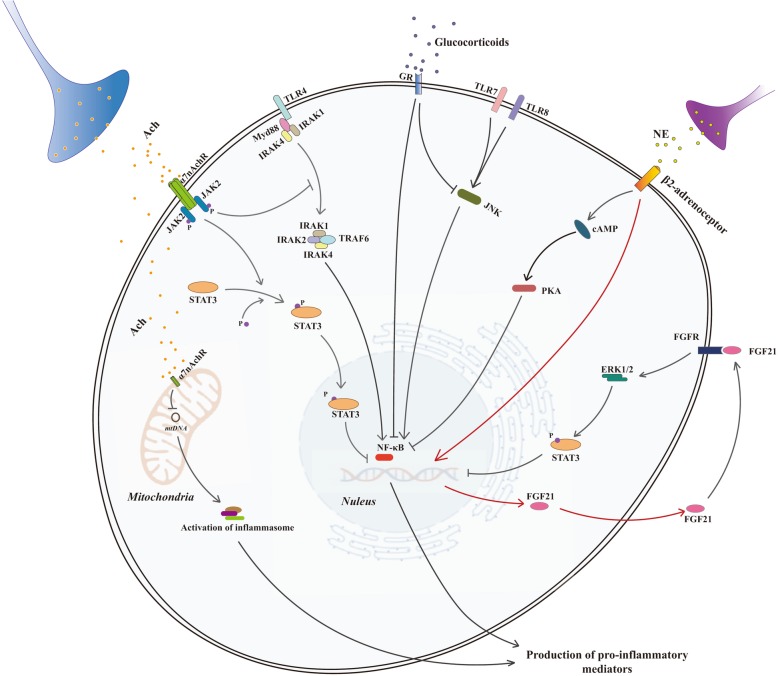
“The dysfunction of HPA axis is not only a consequence of sepsis, but also one of the reasons to further promote the occurrence of SAE (Flierl et al., 2011; Ren et al., 2020).”
Xi, S., Wang, Y., Wu, C., Peng, W., Zhu, Y., & Hu, W. (2022) · Frontiers in Cellular and Infection Microbiology · doi:10.3389/fcimb.2021.783049 · Cited by 46
Effects of Anthraquinones on Immune Responses and Inflammatory Diseases
Xin, D., Li, H., Zhou, S., Zhong, H., & Pu, W. (2022) · Molecules · doi:10.3390/molecules27123831 · Cited by 49
“Sepsis-associated encephalopathy (SAE) is a severe complication of sepsis and may cause cognitive dysfunction, apoptosis of neurons and neuroinflammation [136].”
BackgroundPolarization of Microglia and Its Therapeutic Potential in Sepsis
Castro, L. V. G., Gonçalves-de-Albuquerque, C. F., & Silva, A. R. (2022) · International Journal of Molecular Sciences · doi:10.3390/ijms23094925 · Cited by 43
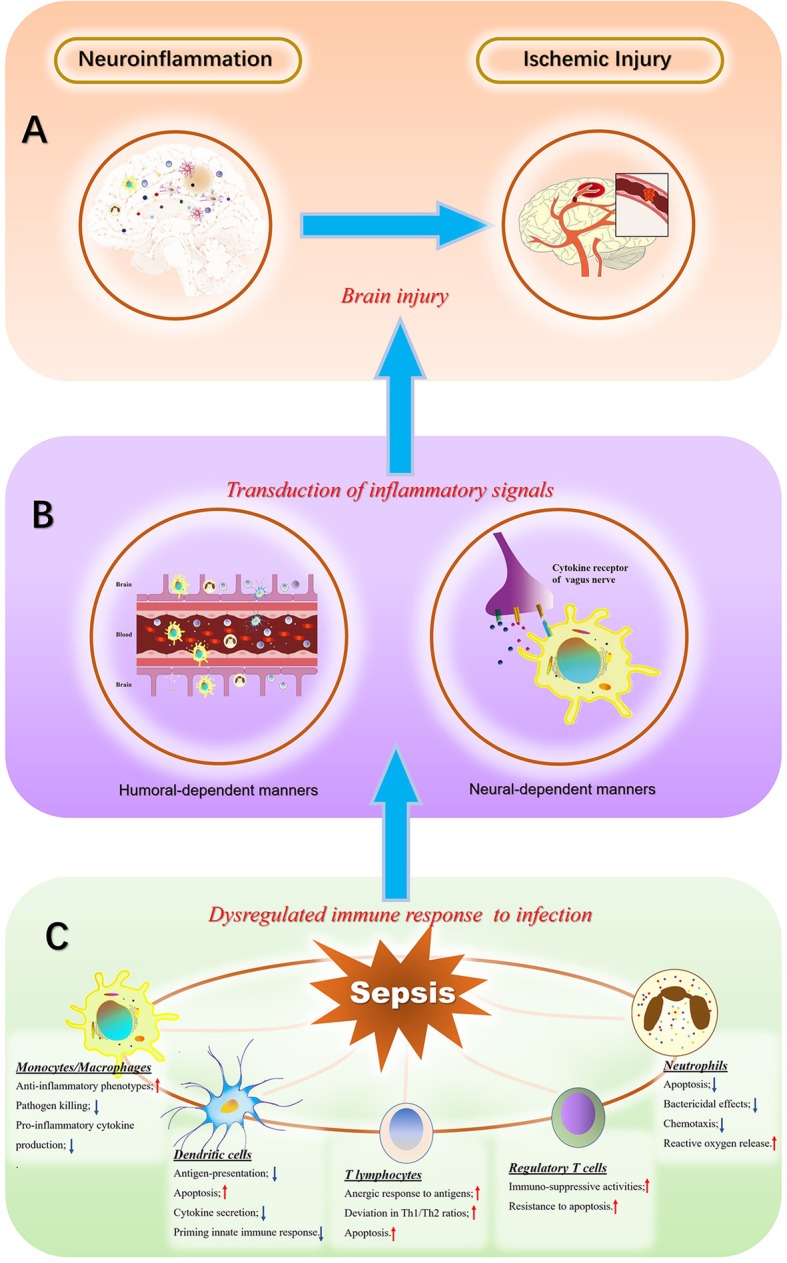
“The inflammatory signals reach the brain through the humoral and the neural pathways, which depend on the breach of the blood–brain barrier and the activation of the vagus nerve fibers, respectively [9], as in neurodegenerative diseases.”
BackgroundDumbuya, J. S., Li, S., Liang, L., Chen, Y., Du, J., & Zeng, Q. (2022) · Journal of Translational Medicine · doi:10.1186/s12967-022-03746-4 · Cited by 48
“Activated microglia deteriorates BBB integrity subsequently enhancing ROS release, which leads to brain dysfunction [48].”
BackgroundZhu, C.-L., Xie, J., Liu, Q., Wang, Y., Li, H.-R., Yu, C.-M., Li, P., Deng, X.-M., Bian, J.-J., & Wang, J.-F. (2023) · International Journal of Biological Sciences · doi:10.7150/ijbs.79913 · Cited by 42
“Importantly, neutrophils and release of NETs have been found in the brain of animal models of SAE [10, 25].”
BackgroundPuerarin prevents sepsis-associated encephalopathy by regulating the AKT1 pathway in microglia
Lin, S.-P., Zhu, L., Shi, H., Ye, S., Li, Q., Yin, X., Xie, Q., Xu, Q., Wei, J.-X., Mei, F., et al. (2023) · Phytomedicine · doi:10.1016/j.phymed.2023.155119 · Cited by 47
Regulatory T Cells: Angels or Demons in the Pathophysiology of Sepsis?
Gao, Y., Yao, Y., Zhang, X., Chen, F., Meng, X.-L., Chen, X., Wang, C.-L., Liu, Y., Tian, X., Shou, S., et al. (2022) · Frontiers in Immunology · doi:10.3389/fimmu.2022.829210 · Cited by 52
Self-citationRole of the transcription factor NRF2 in maintaining the integrity of the Blood-Brain Barrier
Cazalla, E., Cuadrado, A., & García‐Yagüe, Á. J. (2024) · Fluids and Barriers of the CNS · doi:10.1186/s12987-024-00599-5 · Cited by 41
“The pathogenesis and progress of sepsis are life-threatening organ dysfunctions caused by an abnormal immune response to infection [280, 281].”
Advances in the Study of Immunosuppressive Mechanisms in Sepsis
Fu, X.-Z., Liu, Z., & Wang, Y. (2023) · Journal of Inflammation Research · doi:10.2147/jir.s426007 · Cited by 44
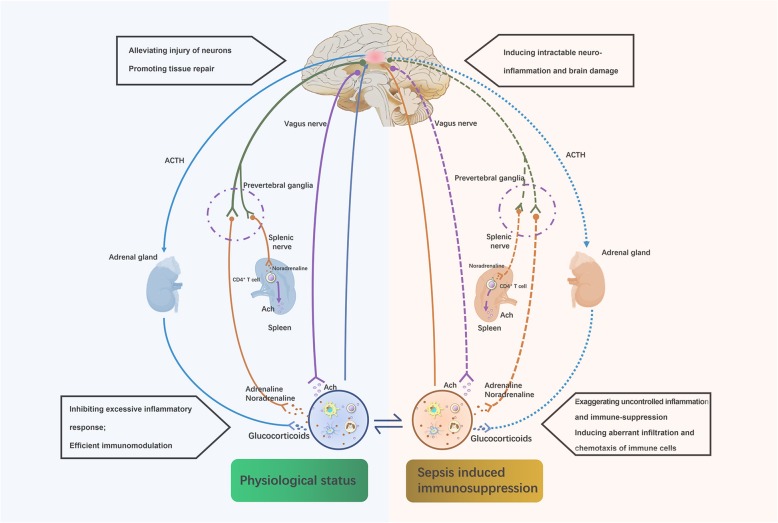
“Moreover, sepsis-associated encephalopathy and immunosuppression can form a vicious circle, where the impaired activity of central neuromodulatory mechanisms leads to a decrease in the number and abnormal response of peripheral immune cells, and immune heterosuppression leads to uncontrolled neurological inflammation,…”
BackgroundYu, M., Qin, C., Li, P., Zhang, Y., Wang, Y., Zhang, J., Li, D., Wang, H., Lu, Y., Xie, K., et al. (2021) · International Immunopharmacology · doi:10.1016/j.intimp.2021.107583 · Cited by 37
Pathogenesis of sepsis-associated encephalopathy: more than blood–brain barrier dysfunction
Yang, K., Chen, J., Wang, T., & Zhang, Y. (2022) · Molecular Biology Reports · doi:10.1007/s11033-022-07592-x · Cited by 37
“Emerging evidence shows that some mechanisms, such as blood–brain barrier (BBB) dysfunction [5], cerebral blood flow (CBF) impairment [8], glial cell activation [9], leukocyte transmigration [10], and neurotransmitter disturbances [11], have been considered potential causative factors.”
BackgroundHan, Y., Xie, X., Qiu, J., Tang, Y., Song, Z., Li, W., & Wu, X. (2025) · Frontiers in Cellular and Infection Microbiology · doi:10.3389/fcimb.2025.1545979 · Cited by 40
Role of microRNAs As Biomarkers in Sepsis-Associated Encephalopathy
Osca-Verdegal, R., Beltrán-García, J., Pallardó, F. V., & García‐Giménez, J. L. (2021) · Molecular Neurobiology · doi:10.1007/s12035-021-02445-3 · Cited by 39
Convergence of sepsis-associated encephalopathy pathogenesis onto microglia
Xiao, D., Wang, X., Liang, W., Yang, Y., Du, Y., Liu, C., Xu, F., Yang, Y., Wei, M., & Yang, G. (2025) · Journal of Translational Medicine · doi:10.1186/s12967-025-06635-8 · Cited by 36
“Activated astrocytes are also detectable as early as 4 h post-sepsis onset [31].”
Wang, W., Mu, S., Yan, D., Qin, H., & Zheng, Z. (2025) · Frontiers in Immunology · doi:10.3389/fimmu.2025.1591011 · Cited by 39
“Moreover, MMF potentially attenuates sepsis-induced liver dysfunction by inhibiting the TLR-4/NF-k B signaling pathway (32).”
Lu, X., Kang, H., Zhou, D., & Li, Q. (2022) · Scientific Reports · doi:10.1038/s41598-022-27134-6 · Cited by 31
“SAE is a diffuse cerebral dysfunction with a combination of neuroinflammation, vascular changes, and metabolic failure pathophysiology, which is associated with increased short-term mortality, prolonged hospitalization time, or overmuch assumption of medical resources 3,4 .”
BackgroundZhou, Y., Yang, Y., Liang, Y., Pan, M., Tang, W., & Duan, H. (2024) · Neurochemical Research · doi:10.1007/s11064-024-04163-3 · Cited by 33
Zhu, Y., Zhang, Y., He, S., Yi, S., Feng, H., Xia, X., Fang, X., Gong, X., & Zhao, P. (2024) · Journal of Neuroinflammation · doi:10.1186/s12974-024-03161-0 · Cited by 36
“…in sepsis, manifests through a spectrum of symptoms including alterations in consciousness, ranging from mild cognitive impairment to profound coma, as well as a variety of neurological disturbances such as confusion, cognitive dysfunction, sleep disturbances, hallucinations, and delirium [3–6].”
BackgroundZhang, Y., Xing, C., Liu, X., Li, Y.-H., Jia, J., Feng, J., Yang, C., Chen, Y., & Zhou, J. F. (2022) · Oxidative Medicine and Cellular Longevity · doi:10.1155/2022/8645714 · Cited by 34
Ling, J., Wu, Y., Zou, X., Chang, Y., Li, G., & Fang, M. (2022) · Oxidative Medicine and Cellular Longevity · doi:10.1155/2022/2657713 · Cited by 34
“Sepsis-associated encephalopathy (SAE) refers to acute diffuse brain dysfunction that arises in the context of sepsis without an overt central nervous system (CNS) infection [3].”
BackgroundHow inflammation influences psychiatric disease
Ferat-Osorio, E. A., Maldonado-García, J. L., & Pavón, L. (2024) · World Journal of Psychiatry · doi:10.5498/wjp.v14.i3.342 · Cited by 31
Sun, X., Zhou, R., Lei, Y., Hu, J., & Li, X. (2020) · Brain Research · doi:10.1016/j.brainres.2020.147109 · Cited by 28
“The pathogenesis of SAE remains unclear; however, involvement of a number of complex mechanisms, including cytokine storm, oxidative stress, mitochondrial damage, apoptosis and pyroptosis has been implicated (Ren et al., 2020).”
BackgroundLiu, Y., Li, Z., Xu, Z., Zhang, B., Liu, A., He, Q., Zheng, F., & Zhan, J. (2022) · Neuroscience · doi:10.1016/j.neuroscience.2022.04.011 · Cited by 29
Dong, H., Dai, X., Zhou, Y., Shi, C., Bhuiyan, P., Sun, Z., Li, N., & Jin, W. (2024) · Journal of Neuroinflammation · doi:10.1186/s12974-024-03028-4 · Cited by 27
“The pathological features of SAE are complex processes of dysregulated immune response and systemic inflammation [29, 30].”
BackgroundXin, Y., Wang, J., Chu, T., Zhou, Y., Liu, C., & Xu, A. (2022) · Brain Sciences · doi:10.3390/brainsci12121732 · Cited by 28
“TNF-α is an essential mediator of SAE because of its direct relationship with BBB dysfunction, brain edema, neutrophil infiltration, astrocytosis, and brain cell apoptosis [78,79].”
Guo, J., Cheng, H., Wang, Z., Qiao, M., Li, J., & Lyu, J. (2023) · Frontiers in Neurology · doi:10.3389/fneur.2023.1290117 · Cited by 29
Xiong, Y., Yang, J.-L., Tong, H., Zhu, C., & Pang, Y. (2021) · Psychogeriatrics · doi:10.1111/psyg.12794 · Cited by 26
Dumbuya, J. S., Chen, X., Du, J., Li, S., Liang, L., Xie, H., & Zeng, Q. (2023) · International Immunopharmacology · doi:10.1016/j.intimp.2023.110758 · Cited by 28
LCN2 induces neuronal loss and facilitates sepsis-associated cognitive impairments
Guo, C., Li, W., Liu, Y., Mahaman, Y. A. R., Wang, J., Liu, R., Li, S., & Wang, X. (2025) · Cell Death and Disease · doi:10.1038/s41419-025-07469-4 · Cited by 29
Zhang, Y., Chen, S., Tian, W., Zhu, H., Li, W., Dai, W., Zhang, X., Gu, X., & Su, D. (2022) · Frontiers in Medicine · doi:10.3389/fmed.2022.817351 · Cited by 33
Targeting the gut microbiome in the management of sepsis-associated encephalopathy
Barlow, B., Ponnaluri, S., Barlow, A., & Roth, W. (2022) · Frontiers in Neurology · doi:10.3389/fneur.2022.999035 · Cited by 29
Yuan, M., Jing, G., Kong, Q., Ming, T., Zuo, J., Wang, Q., Feng, Y., Liu, W., Wu, X., & Xia, Z. (2023) · Biochemical Pharmacology · doi:10.1016/j.bcp.2023.115816 · Cited by 26
Self-citationNeuroimmune modulation by tryptophan derivatives in neurological and inflammatory disorders
Kondo, T., Okada, Y., Saika, S., Yamaguchi, N., Hatakeyama, S., & Maruyama, K. (2024) · European Journal of Cell Biology · doi:10.1016/j.ejcb.2024.151418 · Cited by 25
m6A RNA methylation in brain injury and neurodegenerative disease
Deng, J., Chen, X., Chen, A., & Zheng, X. (2022) · Frontiers in Neurology · doi:10.3389/fneur.2022.995747 · Cited by 24
Zhang, Z., Guo, L., Jia, L., Duo, H., Shen, L., & Zhao, H. (2024) · Frontiers in Medicine · doi:10.3389/fmed.2024.1379019 · Cited by 33
Bioinformatics Analysis for Multiple Gene Expression Profiles in Sepsis
Zhai, J., Qi, A., Zhang, Y., Jiao, L., Liu, Y., & Shou, S. (2020) · Medical Science Monitor · doi:10.12659/msm.920818 · Cited by 23
“Overwhelming evidence has implied that neutrophil activation was significant for sepsis detection [28].”
BackgroundOmics of endothelial cell dysfunction in sepsis
Langston, J. C., Rossi, M. T., Yang, Q., Ohley, W. J., Perez, E., Kilpatrick, L. E., Prabhakarpandian, B., & Kiani, M. F. (2022) · Vascular Biology · doi:10.1530/vb-22-0003 · Cited by 27
Tang, Y., Hu, H., Xie, Q., & Shen, J. (2025) · Cell Death Discovery · doi:10.1038/s41420-025-02507-8 · Cited by 22
“However, the precise molecular mechanisms underlying SAE remain incompletely understood [5], limiting the development of effective therapeutic approaches [6].”
Zhao, Q., Xiao, J., Liu, X., & Liu, H. (2023) · Frontiers in Neurology · doi:10.3389/fneur.2023.1084868 · Cited by 22
Tian, Y., Wang, L., Fan, X., Zhang, H., Dong, Z., & Tao, T. (2023) · PLOS ONE · doi:10.1371/journal.pone.0279964 · Cited by 21
“One possible reason may be that dysfunction of central nervous system can result in the collapse of neuroendocrine networks, including the hypothalamic-pituitary-adrenal(HPA) axis, the sympathetic and parasympathetic nervous systems [25].”
Self-citationXu, K., Li, H., Zhang, B., Le, M., Huang, Q., Fu, R., Croppi, G., Qian, G., Zhang, J., Zhang, G., et al. (2022) · Frontiers in Pharmacology · doi:10.3389/fphar.2022.1004745 · Cited by 25
Cui, Y., Meng, S., Zhang, N., Liu, J., Zheng, L., Ma, W., Song, Y., Wang, Z., Shen, Y., Liu, J., et al. (2024) · CNS Neuroscience & Therapeutics · doi:10.1111/cns.70021 · Cited by 20
“24 CAT and SOD are crucial antioxidant enzymes that reflect the body's antioxidant levels and damage capacity.”
BackgroundHypoperfusion is a potential inducer of immunosuppressive network in Alzheimer's disease
Salminen, A. (2020) · Neurochemistry International · doi:10.1016/j.neuint.2020.104919 · Cited by 25
Young COVID-19 Patients Show a Higher Degree of Microglial Activation When Compared to Controls
Matschke, J., Lahann, H., Krasemann, S., Altmeppen, H. C., Pfefferle, S., Galliciotti, G., Fitzek, A., Sperhake, J., Ondruschka, B., Busch, M., et al. (2022) · Frontiers in Neurology · doi:10.3389/fneur.2022.908081 · Cited by 20
Li, Q., Zheng, H., & Chen, B. (2023) · Scientific Reports · doi:10.1038/s41598-023-37162-5 · Cited by 24
Impact of corticoid receptors on Alzheimer’s disease: a neuroendocrine perspective
Goel, F., Kumar, D., & Sharma, A. (2025) · Inflammopharmacology · doi:10.1007/s10787-025-01734-w · Cited by 30
“Of these, the hippocampus is crucial for memory and is especially susceptible to glucocorticoid-mediated damage, focusing much of the research on the neurodegeneration associated with stress in AD (Ren et al. 2020).”
Huang, Y., Li, S., Ye, W., Wang, H., Su, J., Gao, L., Shi, R., Mou, X., Leng, S. X., Xiao, C., et al. (2025) · Vaccines · doi:10.3390/vaccines13040431 · Cited by 22
“Viral sepsis impacts the hypothalamic–pituitary–adrenal (HPA) axis, causing adrenal insufficiency and affecting patient prognosis (Figure 6) [147].”
Algahtani, M., Alshehri, S., Alqarni, S. S., Ahmad, S. F., Al-Harbi, N. O., Alqarni, S. A., Alfardan, A. S., Ibrahim, K. E., Attia, S. M., & Nadeem, A. (2023) · International Journal of Molecular Sciences · doi:10.3390/ijms24098101 · Cited by 20
“Peripheral immune cells have the potential to modulate the BBB and communicate with the CNS through various mechanisms following sepsis [7,19,32,33].”
BackgroundInfluentialLymphocyte and NK Cell Counts Can Predict Sepsis-Associated Delirium in Elderly Patients
Li, D., Zhang, J., Bai, G., Chen, J., Cheng, W., & Cui, N. (2021) · Frontiers in Aging Neuroscience · doi:10.3389/fnagi.2020.621298 · Cited by 18
Minocycline Pretreatment Prevents Blood–Brain Barrier Disruption in Septic Rats
Yang, G., Cao, Y., Wang, P., Mei, L., Chen, J., & Lü, W. (2022) · Journal of Surgical Research · doi:10.1016/j.jss.2022.01.021 · Cited by 20
Research progress in the pathogenesis of sepsis-associated encephalopathy
Zhou, Y., Bai, L., Tang, W., Yang, W., & Sun, L. (2024) · Heliyon · doi:10.1016/j.heliyon.2024.e33458 · Cited by 20
“Compared to the control group, sepsis patients ’ cerebral blood flow (CBF) is significantly reduced, indicating a strong association with brain metabolic disorders [14].”
BackgroundHuang, X., Zheng, Y., Wang, N., Zhao, M., Liu, J., Wen, L., Zhu, Y. F., Xie, X., Lv, Y., Wang, J., et al. (2024) · Inflammation · doi:10.1007/s10753-024-02105-3 · Cited by 19
“Although research has confirmed that neuroinflammation [5, 6], autophagy [7] and neuronal damage [8] are factors related to the occurrence of SAE, the potential pathological mechanisms of SAE involve multiple factors.”
Zheng, G., Yan, J., Li, W., & Chen, Z. (2025) · Aging Clinical and Experimental Research · doi:10.1007/s40520-025-02956-2 · Cited by 18
“These disturbances notably impact mood regulation, attention, memory, and cognitive functions [57, 58 ].”
Zaky, D. A., Wadie, W., Eldehna, W. M., Kerdawy, A. M. E., Abdallah, D. M., & El-Abhar, H. S. (2020) · Life Sciences · doi:10.1016/j.lfs.2020.117654 · Cited by 17
Zhu, T., Yao, Y., Ding, J., Zhang, C., Xia, N., Tao, Y., Zhang, W., Qi, H., Gong, L., & Jiang, P. (2024) · International Immunopharmacology · doi:10.1016/j.intimp.2024.112744 · Cited by 17
Self-citationThe biological alterations of synapse/synapse formation in sepsis-associated encephalopathy
Tang, C., Ye, J., & Wang, H. (2022) · Frontiers in Synaptic Neuroscience · doi:10.3389/fnsyn.2022.1054605 · Cited by 18
“The final result of these processes may be altered neurotransmission and neuronal dysfunction, leading to a change of consciousness (Ren et al., 2020).”
BackgroundHu, J., Cheng, Y., Chen, P., Huang, Z., & Yang, L. (2022) · Journal of Interferon & Cytokine Research · doi:10.1089/jir.2021.0241 · Cited by 16
Deciphering ferroptosis in critical care: mechanisms, consequences, and therapeutic opportunities
Tan, R., Chen, G., Yan, Y., Guo, H., Han, X., Zhu, Q., & Du, Q. (2024) · Frontiers in Immunology · doi:10.3389/fimmu.2024.1511015 · Cited by 16
“The full pathophysiology of SAE remains unclear, but sepsis exacerbates SAE by promoting ferroptosis (198).”
Polcz, V. E., Barrios, E. L., Chapin, B. A., Price, C. C., Nagpal, R., Chakrabarty, P., Casadesús, G., Foster, T. C., Moldawer, L. L., & Efron, P. A. (2023) · Clinical Science · doi:10.1042/cs20220555 · Cited by 17
Recent advances in the pathogenesis, diagnosis, and treatment of sepsis‐associated encephalopathy
Wang, R., Bi, W., Huang, S., Han, Q., Deng, J., Wang, Z., Zeng, L., & Jiang, J. (2024) · Brain‐X · doi:10.1002/brx2.67 · Cited by 16
Review on the Role of Mitochondrial Dysfunction in Septic Encephalopathy
Fu, C., Weng, S., Liu, D., Guo, R., Chen, M., Shi, B., & Weng, J. (2024) · Cell Biochemistry and Biophysics · doi:10.1007/s12013-024-01493-5 · Cited by 16
“The underlying pathophysiology of SE is multi-faceted and involves a complex interplay of systemic in fl ammation, neuroin fl ammation, blood-brain barrier (BBB) disruption, and mitochondrial dysfunction [2].”
Zeng, Q., Wang, J., Yue, R., Wang, F.-S., Xu, Y., Su, Y.-P., Zhang, Q., Zheng, Y., Zhang, G.-F., Li, B., et al. (2024) · Phytomedicine · doi:10.1016/j.phymed.2024.156071 · Cited by 16
Xu, Y., Zhu, Y. J., Shi, Y., Ye, B., Bo, L., & Tao, T. (2024) · Molecular Neurobiology · doi:10.1007/s12035-024-04572-z · Cited by 14
“Moreover, SAE can exacerbate peripheral immune dysfunction by disrupting the neuroendocrine and neural-immune systems, leading to a deleterious feedback loop [5].”
Zeng, Q., Qi, Y., Yu, H., Xu, Y. X., Chen, J.-X., Zheng, Y., Zhang, G.-F., Zhang, Q.-L., Zheng, Y., Guo, J., et al. (2025) · Journal of Neuroinflammation · doi:10.1186/s12974-025-03507-2 · Cited by 16
“A sustained neuroinflammatory response can lead to irreversible brain damage, creating a vicious cycle of immunosuppression that exacerbates late complications and mortality in SAE [10].”
Metadata
- Authors
- Ren, C., Yao, R.-Q., Zhang, H., Feng, Y.-W., & Yao, Y.-M.
- Affiliations
- Chinese PLA General Hospital (CN)
- Changhai Hospital (CN)
- Corresponding author
- Yao, Yong-ming
- Venue
- Journal of Neuroinflammation
- Published
- 2020-01-10
- Volume
- 17
- Issue
- 1
- Pages
- 14-14
- ISSN
- 1742-2094 (ISSN-L)
- PMC
- PMC6953314
- OpenAlex
- W3004285897
- Cited by
- 259
- References
- 153
- Citations by year
- 2026: 27 · 2025: 49 · 2024: 63 · 2023: 35 · 2022: 46 · 2021: 20 · 2020: 18
- FWCI
- 4.35
- Type
- journal article
- Language
- en
- Open access
- gold
- doi.org
- Licence
- cc-by
- creativecommons.org/licenses/by/4.0/ (tdm)
- creativecommons.org/licenses/by/4.0/ (vor)
- Locations
- Journal of Neuroinflammation (publishedVersion, cc-by)
- PubMed Central (publishedVersion, cc-by)
- PubMed (publishedVersion)
- DOAJ (DOAJ: Directory of Open Access Journals) (submittedVersion)
- Funders
- National Natural Science Foundation of China (81730057, 81842025, 81801935)
- Topics
- Health Sciences › Medicine › Critical Care and Intensive Care Medicine › Sepsis Diagnosis and Treatment
- Life Sciences › Neuroscience › Neurology › Neuroinflammation and Neurodegeneration Mechanisms
- Health Sciences › Medicine › Critical Care and Intensive Care Medicine › Intensive Care Unit Cognitive Disorders
- Keywords
- sepsis-associated encephalopathy, sepsis-induced immunosuppression, neuroinflammation, cholinergic anti-inflammatory pathway, hypothalamic-pituitary-adrenal axis, sympathetic nervous system, neutrophils, macrophages, dendritic cells, T cells
- MeSH terms
- Animals, Humans, Immune Tolerance, Neuroimmunomodulation, Sepsis, Sepsis-Associated Encephalopathy
About these checks
Registry, retraction, Cites and statistics results are computed, not judged, with one exception: a printed reference that no index lists is read once by a model before it counts as a citation error. Claims are extracted by a model and kept only when their quote appears verbatim in the text; each cited source is then checked, with a model’s help, for whether it says what the claim relies on. Those verdicts can be wrong — read the claim’s quote and the cited source before relying on one.
Statistics and arithmetic are recomputed, not judged.
Confidence bands are shown only for fields calibrated on our annotated test set. None is calibrated yet, so no band is shown.
What counts as a claim ›How we measure confidence ›How we check this ›
Are you an author, or do you see a problem with this page? Request a review
Data sources
Bibliographic data: Semantic Scholar, OpenAlex, Crossref.
Contains information from the Semantic Scholar Academic Graph Datasets, made available under the ODC Attribution License (ODC-BY 1.0).
Semantic Scholar’s data is described in: Kinney, R., et al. (2023). The Semantic Scholar Open Data Platform. arXiv:2301.10140.
