

Divanillyl sulfone suppresses NLRP3 inflammasome activation via inducing mitophagy to ameliorate chronic neuropathic pain in mice
Open accessThe DOI matches its Crossref record; 58 of the 59 references it cites were found in a registry or an index.
Abstract
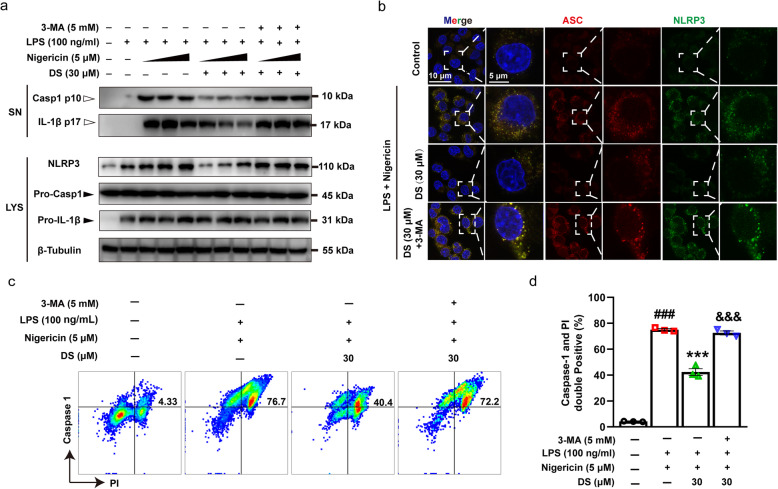
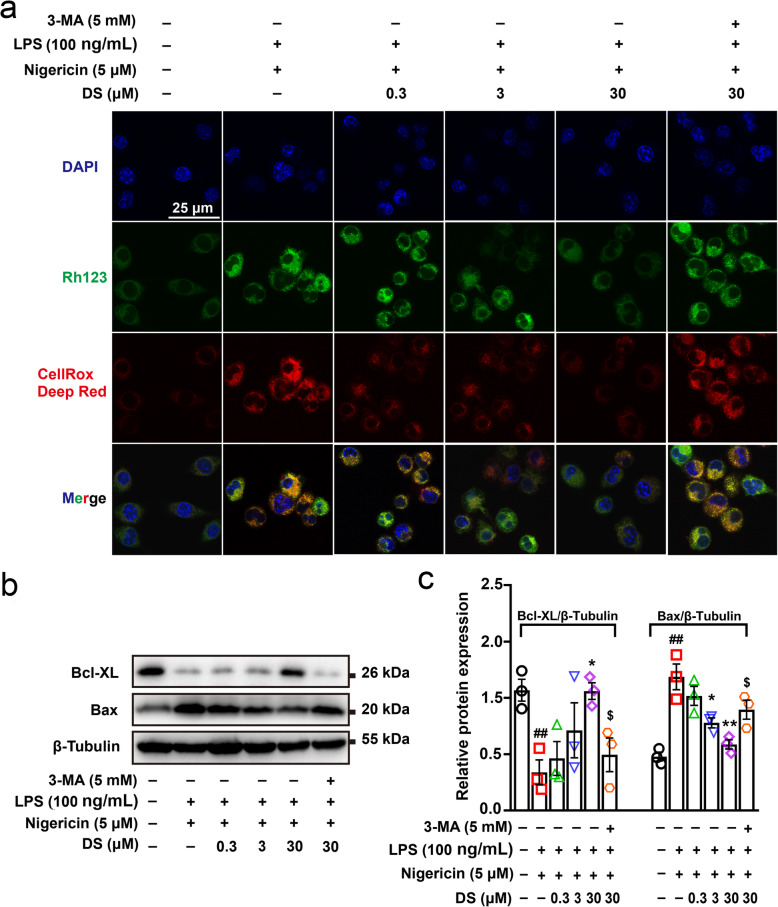
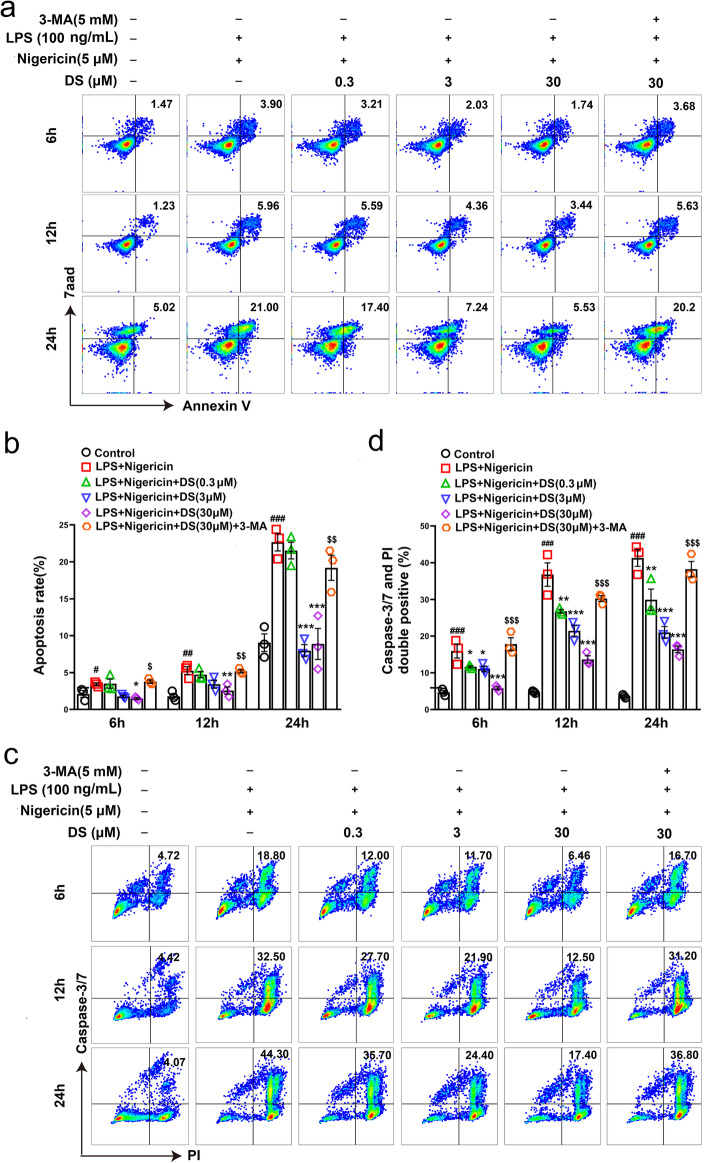
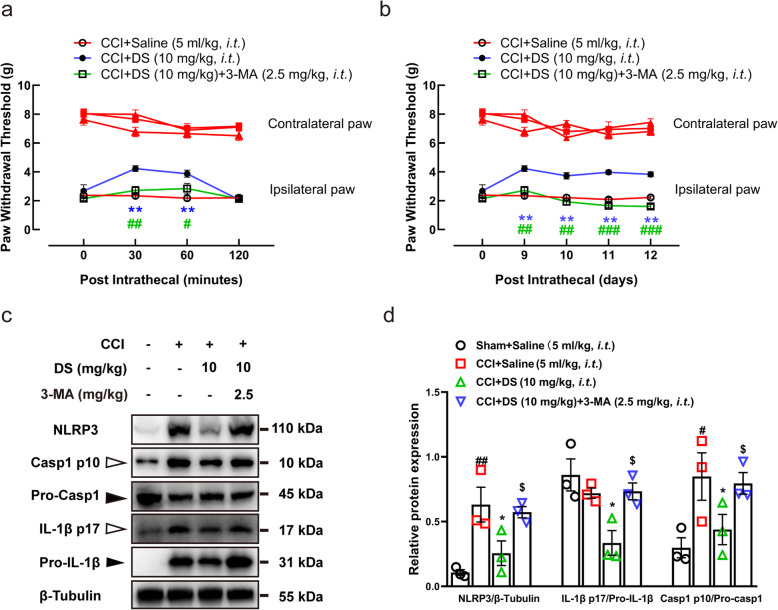
Background: Chronic neuropathic pain is a frequent sequel to peripheral nerve injury and maladaptive nervous system function. Divanillyl sulfone (DS), a novel structural derivative of 4,4′-dihydroxydibenzyl sulfoxide from a traditional Chinese medicine Gastrodia elata with anti-nociceptive effects, significantly alleviated neuropathic pain following intrathecal injection. Here, we aimed to investigate the underlying mechanisms of DS against neuropathic pain. Methods: A chronic constrictive injury (CCI) mouse model of neuropathic pain induced by sciatic nerve ligation was performed to evaluate the effect of DS by measuring the limb withdrawal using Von Frey filament test. Immunofluorescence staining was used to assess the cell localizations and expressions of Iba-1, ASC, NLRP3, and ROS, the formation of autolysosome. The levels of NLRP3-related proteins (caspase-1, NLRP3, and IL-1β), mitophagy-related proteins (LC3, Beclin-1, and p62), and apoptosis-related proteins (Bcl-XL and Bax) were detected by Western blotting. The apoptosis of BV-2 cell and caspase activity were evaluated by flow cytometry. Results: DS significantly alleviated the neuropathic pain by increasing the mechanical withdrawal threshold and inhibiting the activation of NLRP3 in CCI-induced model mice. Our findings indicated that DS promoted the mitophagy by increasing the LC3II and Beclin 1 and decreasing the levels of p62 protein in BV-2 cell. This is accompanied by the inhibition of NLRP3 activation, which was shown as inhibited the expression of NLRP3 in lysates as well as the secretion of mature caspase-1 p10 and IL-1β p17 in supernatants in cultured BV-2 microglia. In addition, DS could promote mitophagy-induced improvement of dysfunctional mitochondria by clearing intracellular ROS and restoring mitochondrial membrane potential. Conclusion: Together, our findings demonstrated that DS ameliorate chronic neuropathic pain in mice by suppressing NLRP3 inflammasome activation induced by mitophagy in microglia. DS may be a promising therapeutic agent for chronic neuropathic pain.
Overview
The claims and statistics of this paper haven’t been checked yet.
Free: it reads the open-access text and checks the first 5 claims that cite a source we can check. Create a free account to check every claim.
Integrity signals
Registry
Cites
Statistics
Figures
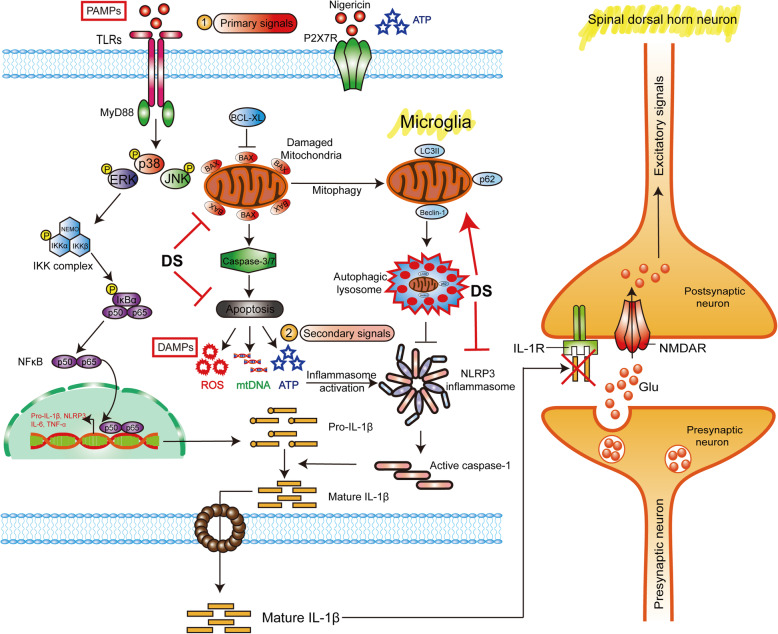
Verification
Claims the paper makes
The claims and statistics of this paper haven’t been checked yet.
Free: it reads the open-access text and checks the first 5 claims that cite a source we can check. Create a free account to check every claim.
Claims other papers make about this one
Each is checked against this paper’s own text: does it say what the citing paper says it does?
The source backs part of the claim, not all of it — or backs it for a different population, condition or comparison.
In the citing paper
“Traditional Chinese medicines (TCM) as natural product drugs had painrelieving anti-inflammatory properties with accurate analgesic effects with few side effects (Yuan et al., 2020, Shao et al., 2021).”
From Picroside Ⅱ attenuates neuropathic pain by regulating inflammation and spinal excitatory synaptic transmission (2024) · cites this paper as Shao et al., 2021
Experimental — accuracy not yet measured
Self-check
Percentages, sums and reported differences re-computed from the paper’s own numbers.
The self-check needs the paper’s full text.
Citations
Cites
A role for mitochondria in nlrp3 inflammasome activation
Zhou, R., Yazdi, A. S., Menu, P., & Tschopp, J. (2011) · Nature · doi:10.1038/nature09663 · Cited by 5,602
Guidelines for the use and interpretation of assays for monitoring autophagy
Klionsky, D. J., Abdalla, F. C., Abeliovich, H., Abraham, R. T., Acevedo-Arozena, A., Adeli, K., Agholme, L., Agnello, M., Agostinis, P., Aguirre-Ghiso, J. A., et al. (2012) · Autophagy · doi:10.4161/auto.19496 · Cited by 4,330 · cited 1×
“subsequent modification of the LC3-I protein to LC3II protein promotes their fusion with lysosomes [49, 50].”
The Beclin 1 network regulates autophagy and apoptosis
Kang, R., Zeh, H. J., Lotze, M. T., & Tang, D. (2011) · Cell Death & Differentiation · doi:10.1038/cdd.2010.191 · Cited by 2,485 · cited 1×
“totic cascade by promoting cytochrome C release from mitochondria [53, 54].”
BackgroundMuñoz-Planillo, R., Kuffa, P., Martínez-Colón, G., Smith, B. L., Rajendiran, T. M., & Núñez, G. (2013) · Immunity · doi:10.1016/j.immuni.2013.05.016 · Cited by 2,147 · cited 2×
“The NLRP3 inflammasome can be activated by K efflux, Reactive oxygen species (ROS) releasing, and lysosomal disruption [29, 30].”
BackgroundMicroglia and macrophages in brain homeostasis and disease
Li, Q., & Barres, B. A. (2018) · Nature Reviews Immunology · doi:10.1038/nri.2017.125 · Cited by 1,999 · cited 1×
“However, aberrantly activated microglia can trigger neuroinflammation and tissue damage [18, 37].”
BackgroundInnate immune activation in neurodegenerative disease
Heneka, M. T., Kummer, M. P., & Latz, E. (2014) · Nature Reviews Immunology · doi:10.1038/nri3705 · Cited by 1,437 · cited 3×
“PAMPs activate the priming signal of NLRP3 inflammasome, and DAMPs act as the second signal that promote neuroinflammation and facilitate transmission of pain signals from the primary center to the superior center [11, 14, 20, 21].”
BackgroundShi, C.-S., Shenderov, K., Huang, N.-N., Kabat, J., Abu-Asab, M., Fitzgerald, K. A., Sher, A., & Kehrl, J. H. (2012) · Nature Immunology · doi:10.1038/ni.2215 · Cited by 1,367 · cited 1×
“creases mechanical pain threshold in neuropathic pain models, likely by inhibiting NLRP3 inflammasome activation [40, 57].”
BackgroundPain regulation by non-neuronal cells and inflammation
Ji, R.-R., Chamessian, A., & Zhang, Y.-Q. (2016) · Science · doi:10.1126/science.aaf8924 · Cited by 1,314
Kawasaki, Y., Zhang, L., Cheng, J.-K., & Ji, R.-R. (2008) · The Journal of Neuroscience · doi:10.1523/jneurosci.3338-07.2008 · Cited by 1,162
Emerging targets in neuroinflammation-driven chronic pain
Ji, R.-R., Xu, Z.-Z., & Gao, Y.-J. (2014) · Nature Reviews Drug Discovery · doi:10.1038/nrd4334 · Cited by 1,101 · cited 1×
“Pro-inflammatory factor of interleukin-1β (IL-1β) plays an important role in the microglial inflammatory signaling mediated neuropathic pain [13].”
Background
Cited by
Hua, T., Yang, M., Song, H., Kong, E., Deng, M., Li, Y., Li, J., Liu, Z., Fu, H., Wang, Y., et al. (2022) · Journal of Nanobiotechnology · doi:10.1186/s12951-022-01522-6 · Cited by 189
“Autophagy plays an important role in eliminating misfolded proteins, ROS, ATP and proinflammatory cytokines which induces NLRP3 inflammasome activation [47].”
BackgroundLv, Q.-K., Tao, K., Wang, X.-B., Yao, X., Pang, M., Liu, J., Wang, F., & Liu, C. (2023) · Inflammation Research · doi:10.1007/s00011-022-01676-x · Cited by 127
“Chronic constrictive injury Divanillyl sulfone (DS) DS promoted autophagy and inhibited NLRP3 activated [201]”
BackgroundSu, Z., Yang, Y., Chen, S., Tang, Z., & Xu, H. (2023) · Journal of Ethnopharmacology · doi:10.1016/j.jep.2023.116467 · Cited by 97
The NLRP3 inflammasome: role in the pathobiology of chronic pain
Chen, C., & Smith, M. T. (2023) · Inflammopharmacology · doi:10.1007/s10787-023-01235-8 · Cited by 71
“In other work in the CCI-mouse model of peripheral neuropathic pain, intrathecal injection of divanillyl sulfone alleviated mechanical allodynia in the ipsilateral hindpaws (Shao et al. 2021).”
BackgroundSelf-citationStress/cell death pathways, neuroinflammation, and neuropathic pain
Li, L., Li, T. X., Qu, X., Sun, G., Fu, Q., & Han, G. (2023) · Immunological Reviews · doi:10.1111/imr.13275 · Cited by 59
“87 Especially, it promotes mitophagy through elevating LC3-II and Beclin1 levels as well as attenuating p62 activity in microglia, with NLRP3 inactivation.”
BackgroundZhai, X., Chen, K., Wei, X., Zhang, H., Yang, H. M., Jiao, K., Liu, C., Fan, Z., Wu, J., Zhou, T., et al. (2023) · Journal of Controlled Release · doi:10.1016/j.jconrel.2023.06.028 · Cited by 54
Si, W., Li, X., Jing, B., Chang, S., Zheng, Y., Chen, Z., Zhao, G., & Zhang, D. (2023) · Phytotherapy Research · doi:10.1002/ptr.8039 · Cited by 62
“After PNI, Toll-like receptor (TLR) activation in microglia is key to the occurrence of NP (Tozaki-Saitoh & Tsuda, 2019).”
BackgroundInfluentialZhang, H., Wang, J., Ruan, C., Gao, Z., Zhu, Q., & Li, S. (2022) · Journal of Hazardous Materials · doi:10.1016/j.jhazmat.2022.129093 · Cited by 39
Wu, D., Wang, P., Zhao, C., Su, J. Y., Zhang, J., Ma, W., Zhang, Y., & Xu, H. (2023) · Phytomedicine · doi:10.1016/j.phymed.2023.155075 · Cited by 47
Zhang, G., Ge, Z., Zhang, H., & Qiu, L. (2023) · International Immunopharmacology · doi:10.1016/j.intimp.2023.110091 · Cited by 35
Gao, X., Gao, L., Zhang, Z., Jia, S., & Meng, C. (2023) · International Immunopharmacology · doi:10.1016/j.intimp.2023.111331 · Cited by 36
Mitophagy-associated programmed neuronal death and neuroinflammation
Zhu, Y., Zhang, J., Deng, Q., & Chen, X. (2024) · Frontiers in Immunology · doi:10.3389/fimmu.2024.1460286 · Cited by 41
Cho, I., Koo, B., Kim, S. Y., Park, S., Kim, E. J., Kam, E. H., & Kim, J. (2022) · International Journal of Molecular Sciences · doi:10.3390/ijms23158806 · Cited by 30
“a previous report suggesting that MCC950 blocks the assembly and formation of NLRP3, ASC, and caspase-1complex [15].”
BackgroundLiang, J.-H., Yu, H., Xia, C., Zheng, Y., Zhang, Z., Chen, Y., Raza, M. A., Wu, L. H., & Yan, H. (2024) · Biomedicine & Pharmacotherapy · doi:10.1016/j.biopha.2024.117006 · Cited by 33
Self-citationZhong, Y., Li, J., Liu, H., & Wang, Y. (2024) · Arabian Journal of Chemistry · doi:10.1016/j.arabjc.2024.106086 · Cited by 30
Zn 2+ improves sepsis-induced acute kidney injury by upregulating SIRT7-mediated Parkin acetylation
Guo, J., Yuan, Z., & Wang, R. (2024) · American Journal of Physiology-Renal Physiology · doi:10.1152/ajprenal.00337.2023 · Cited by 31
Latest assessment methods for mitochondrial homeostasis in cognitive diseases
You, W., Li, Y., Liu, K., Mi, X., Li, Y., Guo, X., & Li, Z. (2023) · Neural Regeneration Research · doi:10.4103/1673-5374.382222 · Cited by 29
“…commonly used tools to assess MMP, including 5,5′,6,6′-tetrachloro-1,1′,3,3′-tetraethyl-imidacarbocyanine iodide (JC-1) (Martín-Montañez et al., 2017); tetramethyl rhodamine methyl and ethyl esters (TMRM and TMRE, respectively); (Wang et al., 2020a) and rhodamine-123 (Rh123) (Shao et al., 2021).”
MethodCrocus sativus L. produces anti-inflammatory effects and regulates the NLRP3–NF-κB pathway
Yang, L., Xu, H., Hong, Q., Xu, N., Zhang, Y., Tao, R., Li, S., Zhang, Z., Geng, J., Wang, Z., et al. (2024) · Acupuncture and Herbal Medicine · doi:10.1097/hm9.0000000000000088 · Cited by 27
“Autophagy has also been found to positively regulate NLRP3 inflammasome activation [17] .”
Yang, Y., Hai, Y., Yang, Y.-C., Wen, R., Wang, L., Qian, Y., Zhang, J., Li, Y., Shi, Z., & Zhang, H. (2025) · Molecules · doi:10.3390/molecules30020262 · Cited by 23
Anemoside B4 alleviates arthritis pain via suppressing ferroptosis‐mediated inflammation
Guo, C., Yue, Y.-F., Wang, B., Chen, S., Li, D., Zhen, F., Liu, L., Zhu, H., & Xie, M. (2024) · Journal of Cellular and Molecular Medicine · doi:10.1111/jcmm.18136 · Cited by 24
“12 In cancer-induced bone pain model, NLRP3 in - flammasome inhibitor MCC950 treatment restores the expression of NLRP3 inflammasome and significantly suppresses the upregulation of IL-1 β , attenuates mechanical allodynia.”
BackgroundChen, Y., Ling, G., Xu, Q., Zhu, Q., Huang, T., Su, T., Xie, Y., & Zhong, Y. (2025) · Brain Research Bulletin · doi:10.1016/j.brainresbull.2025.111365 · Cited by 22
“An increasing number of findings suggest that the NLRP3 inflammasome plays an important role in the molecular mechanism of central nervous system diseases, including neuropathic pain (Shao et al., 2021).”
Zhang, L., Liu, L., Li, D., Wu, J., Gao, S., Song, F., Zhou, Y., Liu, D.-Q., & Mei, W. (2024) · Journal of Neuroimmune Pharmacology · doi:10.1007/s11481-024-10100-6 · Cited by 21
“It has been proved that mitochondrial dysfunction and oxidative stress facilitated the progress of neuropathic pain (Flatters and Bennett 2006; Chen et al. 2020; Shao et al. 2021).”
Self-citationKui, W., Li, Y., Gu, Z., Xie, L., Huang, A., Kong, S., Song, L., Li, L., Yu, J., Xue, C., et al. (2025) · Journal of Pain Research · doi:10.2147/jpr.s506569 · Cited by 22
“…inflammasome is activated following peripheral nerve injury, and suppressing the NLRP3 inflammasome in SNL and CCI model could alleviate NP. 21,22 Thus, inhibition of NLRP3 inflammasome may serve as a potential therapeutic approach for modulating NP. 31 However, whether inhibiting NLRP3…”
InfluentialPang, J., Xin, P., Kong, Y., Wang, Z., & Wang, X. (2023) · Brain Sciences · doi:10.3390/brainsci13010152 · Cited by 20
“A mouse model of chronic constriction injury (CCI) of the sciatic nerves, formed as in the published protocols [29], was utilized for causing peripheral nerve trauma.”
MethodZhang, L., Zhang, D., Song, R., Lv, J., Wang, L., Wu, Z., Miao, H., Zhou, Y., Zhang, W. K., Xin, Y., et al. (2022) · Molecular Neurobiology · doi:10.1007/s12035-022-03085-x · Cited by 18
Self-citationMajumdar, S., Samaiya, P. K., Gupta, S. K., Krishnamurthy, S., & Prajapati, S. K. (2026) · Ageing Research Reviews · doi:10.1016/j.arr.2026.103042 · Cited by 20
Han, D., Xu, T., Lyu, X., Li, K., & Xu, S. (2025) · Journal of Agricultural and Food Chemistry · doi:10.1021/acs.jafc.5c01316 · Cited by 15
Basu, P., Maier, C. G.-A., Averitt, D. L., & Basu, A. (2023) · European Journal of Pharmacology · doi:10.1016/j.ejphar.2023.175901 · Cited by 22
Effect of mitochondrial dysfunction on neuropathic pain
Li, Y., Wu, P., & Wen, Q. (2025) · Biomedicine & Pharmacotherapy · doi:10.1016/j.biopha.2025.118760 · Cited by 16
Advances in mesenchymal stem cells and their derivatives for promoting peripheral nerve regeneration
Wei, S., Dong, J., Hu, Q., Bai, J., Gao, X., Shan, H., Sheng, L., Dai, J., Tao, L., Yan, B., et al. (2025) · Burns & Trauma · doi:10.1093/burnst/tkaf027 · Cited by 19
“In addition, di(vanillin)sulfone restored the mitochondrial membrane potential by scavenging intracellular ROS [151].”
Bilirubin impacts microglial autophagy via the Akt–mTOR signaling pathway
Li, L., Li, S., Pan, Z., Zhang, Y., & Hua, Z. (2023) · Journal of Neurochemistry · doi:10.1111/jnc.15984 · Cited by 15
Xu, A., Wang, Y., Luo, D., Xia, Y., Xue, H., Yao, H., & Li, S. (2024) · Journal of Cellular Physiology · doi:10.1002/jcp.31190 · Cited by 13
“It is widely recognized that the decline of ΔΨ m is an important phenomenon during the initial stages of apoptosis, and it is also the core of mitochondrial pathway ‐ induced apoptosis (Rodrigues & Ferraz, 2020; Shao et al., 2021; Xia et al., 2023).”
BackgroundA comprehensive review of traditional Chinese medicine in treating neuropathic pain
Hu, N., Liu, J., Luo, Y., & Li, Y. (2024) · Heliyon · doi:10.1016/j.heliyon.2024.e37350 · Cited by 21
“Divanillyl sulfone exerts its antinociceptive effects by inducing mitochondrial autophagy to inhibit NLRP3 inflammatory vesicles and promoting the improvement of mitochondrial autophagy-induced dysfunction by scavenging intracellular ROS and restoring the mitochondrial membrane potential [51].”
BackgroundYang, S., Fang, Z., Duan, H., Dong, W., & Xiao, L. (2024) · Antioxidants · doi:10.3390/antiox13121446 · Cited by 12
Lv, P., Chen, X., Liu, S., Zhang, Y., Bai, Y., Wang, S., & Wang, Y. (2025) · Frontiers in Cellular Neuroscience · doi:10.3389/fncel.2025.1636185 · Cited by 11
Qiu, X.-T., Guo, C., Ma, L., Li, X.-N., Zhang, Q.-Y., Huang, F., Zhang, M.-M., Bai, Y., Liang, G., & Li, Y.-Q. (2023) · Frontiers in Molecular Neuroscience · doi:10.3389/fnmol.2023.1164426 · Cited by 12
“Caveola, a special type of membrane raft, is implicated in normal physiological processes of the central nervous system (CNS) including endocytosis, cell metabolism, signaling transduction (Allen et al., 2007), spine morphology (Hering et al., 2003), axon guidance (Guirland and Zheng, 2007), and receptor trafficking (…”
BackgroundInfluentialZhang, Q., Zheng, M., Sun, W., Loers, G., Wen, M., Wang, Q., Zheng, X., Siebert, H., Zhang, R., & Zhang, N. (2025) · Food & Function · doi:10.1039/d5fo00422e · Cited by 16
Suárez-Rojas, I., Pérez-Fernández, M., Bai, X., Martínez-Martel, I., Intagliata, S., Pittalà, V., Salerno, L., & Pol, O. (2023) · Antioxidants · doi:10.3390/antiox12101859 · Cited by 13
Lu, X., Luo, Q., Zhao, J., Li, M., & Liu, D. (2025) · Ecotoxicology and Environmental Safety · doi:10.1016/j.ecoenv.2025.118311 · Cited by 15
Chen, N., Zhan, R., Liu, D.-Q., Zhang, Y., Tian, Y., & Zhou, Y. (2024) · Biochemical Pharmacology · doi:10.1016/j.bcp.2024.116053 · Cited by 11
Self-citationWu, L., Lin, T., Zhang, Z., Peng, D., Xiao, S., Liang, J., Yu, H., Wáng, Y., Huang, F., & Yan, H. (2025) · Journal of Ethnopharmacology · doi:10.1016/j.jep.2025.120346 · Cited by 11
Self-citationCheng, K., Chang, Y., Chu, L., Hsieh, S., An, L., Dai, Z., & Wu, B. (2022) · International Journal of Molecular Sciences · doi:10.3390/ijms232415873 · Cited by 9
“The induction of microglial autophagy decreases cytokine production by inhibiting inflammasome formation, which could reduce neuropathic pain [30].”
BackgroundLu, J., Zong, Y., Tao, X., Dai, H., Song, J., & Zhou, H. (2023) · Experimental Brain Research · doi:10.1007/s00221-023-06724-4 · Cited by 14
“Shao et al. showed that Divanillyl sulfone suppressed NLRP3 inflammasome activation by inducing mitophagy in microglia and ameliorates chronic neuropathic pain in mice (Shao et al. 2021).”
BackgroundZhang, W., Yang, Y., Zhang, X., Zhao, L., Zhou, J., Ji, L., & Chen, L. (2025) · Phytotherapy Research · doi:10.1002/ptr.8436 · Cited by 12
“One recent study reported that mitochondrial division-mediated ROS production activates NLRP3 and promotes inflammatory responses in neuropathic pain (Shao et al. 2021).”
A narrative review of autophagy in migraine
Huang, Y., Li, H., Yu, Q., & Pan, Y. (2025) · Frontiers in Neuroscience · doi:10.3389/fnins.2025.1500189 · Cited by 8
MAGL regulates synovial macrophage polarization vis inhibition of mitophagy in osteoarthritic pain
Gu, C., Chen, M., Li, X., Geng, D., & Wang, C. (2023) · Molecular Medicine Reports · doi:10.3892/mmr.2023.13004 · Cited by 9
Hu, Y., He, X., Zang, H., Chen, Y., Li, L., Liu, T., Wan, L., Zhu, C., & Yao, W. (2025) · CNS Neuroscience & Therapeutics · doi:10.1111/cns.70508 · Cited by 8
Montazeri-Khosh, Z., Ebrahimpour, A., Hossein-Zargari, M., Taghizadeh-Tabrizi, P., Safari-Sahlabadi, M., Sheybani‐Arani, M., & Davoodian, N. (2025) · Anesthesia and Pain Medicine · doi:10.17085/apm.24132 · Cited by 10
The role of NLRP6 in the development and progression of neurological diseases
Guo, Y., Song, J., Yan, M., Chen, Y., Huang, L., Liu, J., He, Y., Yang, L., & Yu, W. (2024) · Molecular Biology Reports · doi:10.1007/s11033-024-09293-z · Cited by 8
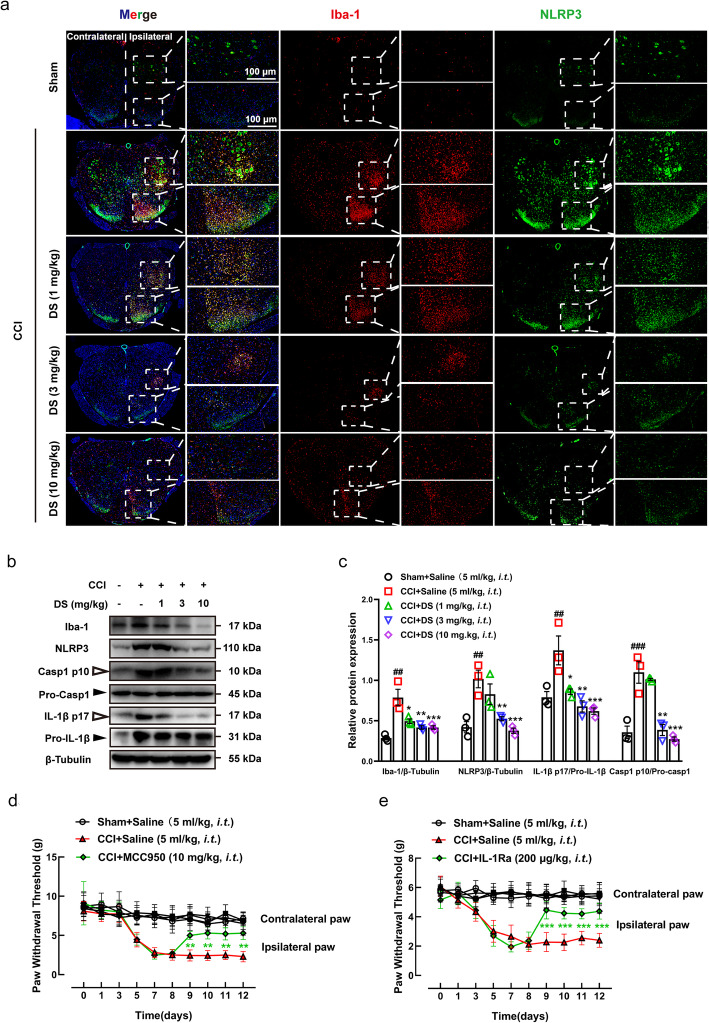
“In a mouse model of chronic crush injury (CCI), elevated protein expression of IL-1β, mitochondrial autophagy-associated proteins (LC3, beclin-1, and p62), and apoptosis-associated proteins (Bcl-XLX and Bax) was detected [ 4].”
A role of NLRP3 and MMP9 in migraine progression: a systematic review of translational study
Rushendran, R., Singh, A., Singh, S. A., Chitra, V., & Ilango, K. (2024) · Frontiers in Neurology · doi:10.3389/fneur.2024.1307319 · Cited by 8
Temporal changes of spinal microglia in murine models of neuropathic pain: a scoping review
Dhir, S., Derue, H., & Ribeiro‐da‐Silva, A. (2024) · Frontiers in Immunology · doi:10.3389/fimmu.2024.1460072 · Cited by 8
Zhou, T., Chen, Z., Li, S., Wang, F., & Tian, W. (2025) · Molecular Biology Reports · doi:10.1007/s11033-025-10984-4 · Cited by 7
“Mounting evidence indicates that the NLRP3 inflammasome participates in the propagation of pain sig - nals, potentially contributing to the development of neuropathic pain [ 9 , 10].”
Wang, J., Liu, B., Liu, J., Hou, Z., Xie, G., Xiong, X., & Yu, S. (2025) · Metabolites · doi:10.3390/metabo15120755 · Cited by 6
“Furthermore, enhanced glycolysis in microglia is associated with mitochondrial dysfunction and accumulation of reactive oxygen species (ROS), which may further contribute to pain chronicity [83].”
Jin, J., Kang, D. H., Lee, G. H., Kim, W. M., & Choi, J. I. (2024) · BMC Complementary Medicine and Therapies · doi:10.1186/s12906-024-04519-w · Cited by 6
“However, NLRP3 expression was also observed in microglia, astrocytes, and neurons in the spinal cord, even in the same model such as chronic constriction injury [17, 25].”
BackgroundResultXie, Y., Qin, Y., Wang, J., Xu, Z., Chen, L., Kuang, Y., Yang, R., & Huang, L. (2025) · Naunyn-Schmiedeberg s Archives of Pharmacology · doi:10.1007/s00210-025-03828-2 · Cited by 7
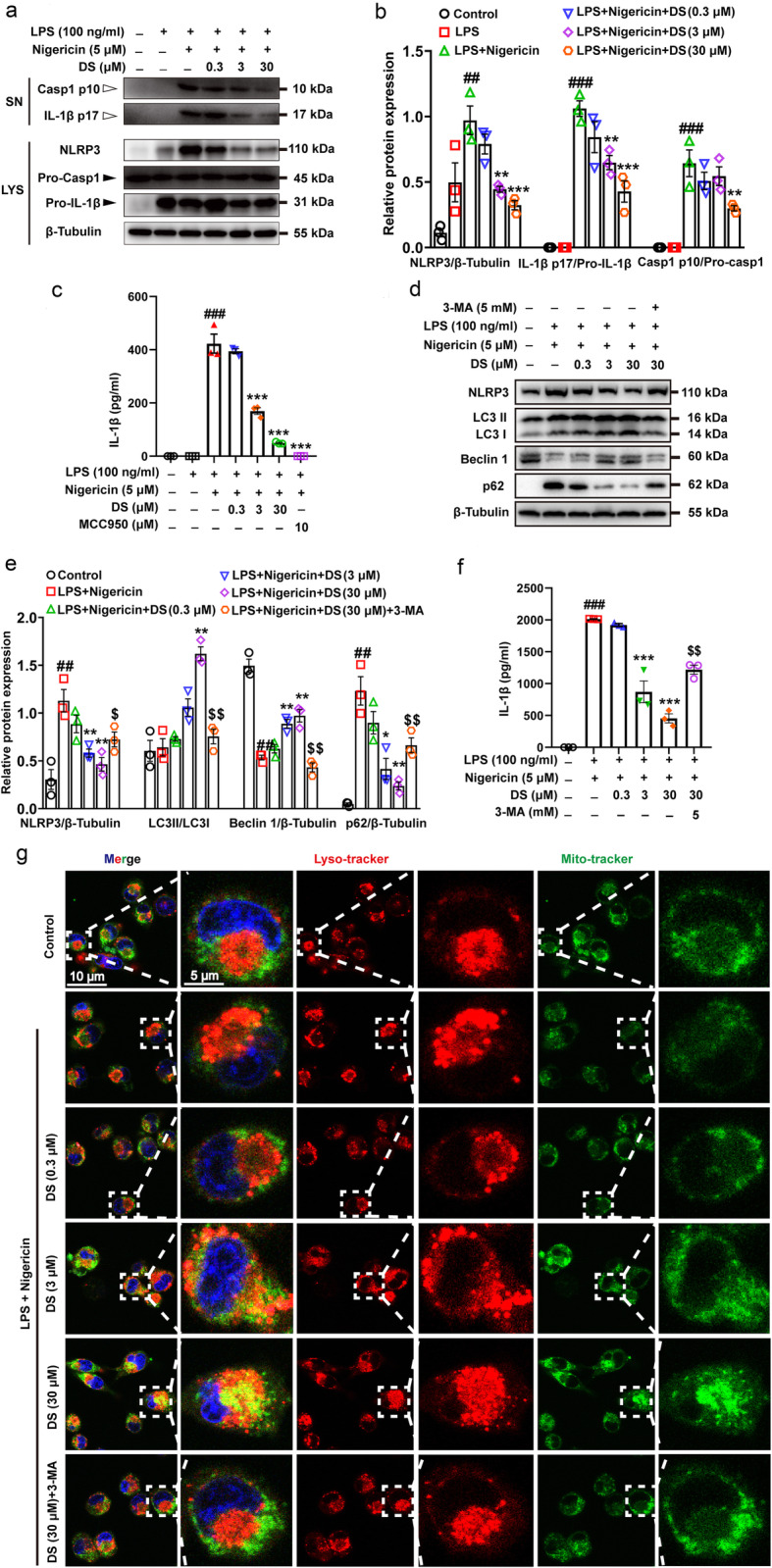
“Based on literature (Shao et al. 2021), 10 μM Nig was selected to activate NLRP3 protein and investigate the target of Tis A. WB analysis demonstrated that Tis A pretreatment influenced the NLRP3 protein and NLRP3 inflammasome in Nig-induced BV2 cells.”
Xie, L., Cao, J., Xu, Y., Yang, Q., Chang, W., Song, L., & Sun, Y. (2025) · Scientific Reports · doi:10.1038/s41598-025-99300-5 · Cited by 10
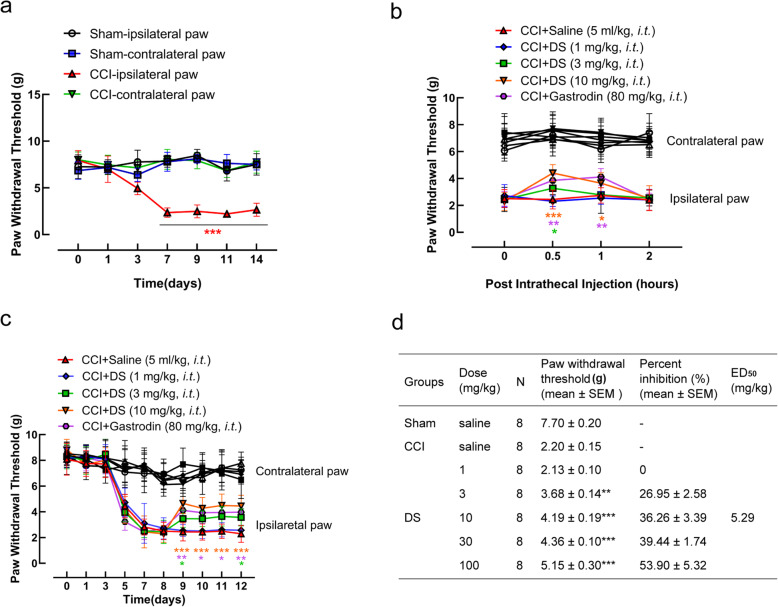
“Generally, at about 7 days after surgery, the inflammatory response and nerve remodeling caused by nerve injury gradually stabilize, and pain-related behaviors also tend to stabilize 38,39 .”
OTULIN 's influence on neuroinflammation and pain modulation in trigeminal neuralgia
Wang, H., Wang, H., Zheng, W., Wang, D., Sun, C., Dong, J., Yu, W., & Du, Q. (2024) · CNS Neuroscience & Therapeutics · doi:10.1111/cns.70006 · Cited by 9
“71,72 Autophagy, a critical metabolic pathway, plays an essential role in maintaining cellular equilibrium, manifesting in two forms: non-selective and selective autophagy.”
BackgroundZhang, Z., Xiao, S., Tian, D., Lin, T., Luo, K., Peng, D., Bo, Y., Guo, A., Hu, Y., Wu, L., et al. (2025) · International Immunopharmacology · doi:10.1016/j.intimp.2025.115723 · Cited by 5
Self-citationMishra, Y., & Kumar, A. (2025) · Free Radical Biology and Medicine · doi:10.1016/j.freeradbiomed.2025.12.035 · Cited by 5
BMP10 accelerated spinal astrocytic activation in neuropathic pain via ALK2/smad1/5/8 signaling
Bian, J., Luo, M., Tian, Y., Zhang, X., Zhang, B., Yin, L., & Zhang, Y. (2024) · Frontiers in Pharmacology · doi:10.3389/fphar.2024.1426121 · Cited by 5
“The lipopolysaccharide (LPS) (100 ng/mL, MedChemExpress, United States) was then supplemented into the medium to stimulate the activation of astrocytes, as described in a previous study (Shao et al., 2021).”
MethodLin, X., Li, X., Hong, S., Zhou, Q., & You, S. (2025) · Cellular Signalling · doi:10.1016/j.cellsig.2025.111784 · Cited by 6
Zhu, H.-Y., Yu, Y., Li, Y., Chang, S., & Liu, Y. (2024) · Heliyon · doi:10.1016/j.heliyon.2024.e36176 · Cited by 8
“The LC3 protein exists in two forms: LC3 I, found in the cytoplasm, and LC3 II, present in both the inner and outer membranes of mitochondrial autophagosomes [48].”
BackgroundInfluentialEphA1 aggravates neuropathic pain by activating CXCR4/RhoA/ROCK2 pathway in mice
Li, Q., Li, R., Zhu, X., Chu, X., An, X., Chen, M., Zhang, L., Gao, M., & Chen, L. (2023) · Human Cell · doi:10.1007/s13577-023-00911-9 · Cited by 5
“Briefly, the mice were anesthetized with isoflurane [18], and a 28 G stainless steel needle was used to deliver the drug into the subarachnoid space between the L5 and L6 vertebrae via intrathecal injection.”
MethodWang, K., Guo, A., Chen, Y., Xia, C., Liang, J., Zhang, X., Huang, L., Zhang, Z., Wu, L. H., & Yan, H. (2025) · Journal of Ethnopharmacology · doi:10.1016/j.jep.2025.121046 · Cited by 5
Self-citationDuan, D., Wang, L., Feng, Y., Hu, D., & Cui, D. (2024) · Canadian Journal of Physiology and Pharmacology · doi:10.1139/cjpp-2023-0171 · Cited by 3
Pharmacological and Genetic Approaches to Downregulate FIS1 Mitigate Neuropathic Pain
Zhu, C.-L., Li, S., Lin, Z.-P., Ni, Z.-W., Tian, K., Xia, Y.-L., Tie, J.-J., Pu, X.-Y., Huang, Y.-Q., Wu, F., et al. (2025) · Journal of Neuroscience · doi:10.1523/jneurosci.0523-25.2025 · Cited by 2
Zang, R., Zhang, K., & Wang, Q. (2025) · Neuroreport · doi:10.1097/wnr.0000000000002226 · Cited by 2
cGAS-STING signaling in pollution-induced toxicity: mechanism and relieving medication
Yan, M., Li, S., Wei, Y., Wu, J., Zhou, X., Yang, K., & Liang, Y. A. N. G. (2026) · APOPTOSIS · doi:10.1007/s10495-026-02301-6 · Cited by 2
Self-citationIm, S., Choi, S. M., Kim, Y. Y., Jeong, D. J., Um, J., Lee, K., Yoo, E., Cho, J. H., Lee, J. H., & Yun, J. (2025) · Scientific Reports · doi:10.1038/s41598-025-04178-y · Cited by 2
“A recent study showed that stimulation of mitophagy alleviates neuropathic pain by inhibiting inflammasome activation in a chronic constrictive injury mouse model 50 .”
Dong, G., Li, H., Hui, G., Chen, Y., & Yang, H.-Y. (2023) · Journal of Pain Research · doi:10.2147/jpr.s413028 · Cited by 1
“On the one hand, there is increasing evidence that shows the upregulation of autophagy can suppress pain-related neuroinflammation by suppressing microglial activation,(90) polarization,(91) and pyroptosis.(92) On the other hand, autophagy may also function as a pain enhancer.”
BackgroundLiu, D., Huang, S., Yuan, Y. Y., & Liu, J. (2025) · Molecular Neurobiology · doi:10.1007/s12035-025-04999-y · Cited by 1
“The NLRP3 activation process may alleviate NP by inhibiting mitochondrial autophagy, decreasing pain signalling, and reducing the secretion of inflammatory factors [41].”
Lin, J., You, B., Yang, X., Li, X., Sun, W., Xu, Z., Zhang, Y., Tong, X., & Dong, S. (2026) · Molecular Neurobiology · doi:10.1007/s12035-026-05722-1 · Cited by 1
“Previous studies have demonstrated that activation of mitophagy exerts negative regulatory effects on NLRP3 inflammasome activity [39].”
Autophagy in neuropathic pain: Cell specificity, molecular mechanisms, and therapeutic prospects
Fu, L., Yang, Y., Ma, Y., Wang, Y.-H., Tang, P. C., & Liu, J. (2026) · Journal of Holistic Integrative Pharmacy · doi:10.1016/j.jhip.2026.02.008 · Cited by 1
Zheng, H., Tian, S., Wu, L., Jia, G., Xiao, Y., Yu, X., Zuo, Q., Zhou, R., Min, J., Wu, Q., et al. (2026) · The Journal of Headache and Pain · doi:10.1186/s10194-026-02328-9 · Cited by 1
“…nerve injury disrupts mitophagy in microglia, leading to the accumulation of damaged mitochondria, excessive ROS production, activation of the NLRP3 inflammasome, and promotes the release of pro-inflammatory cytokines, all of which contribute to neuroinflammation and pain sensitization [16, 17].”
Self-citationHe, L., Zhang, Y., Yang, C., Huang, Z., Zou, K., Deng, Q., Zhang, J., Mulati, M., Sun, B., Guo, Q., et al. (2026) · Neuroscience Bulletin · doi:10.1007/s12264-026-01616-3 · Cited by 1
Self-citationInvernizzi, M., Lippi, L., Mulè, S., Galla, R., Folli, A., Tiso, D., Parini, F., & Uberti, F. (2026) · Nutrients · doi:10.3390/nu18091438 · Cited by 1
“…Gastrodia elata Blume and its active components may decrease neuronal excitability, reduce neuroinflammation, regulate oxidative stress pathways, and enhance mitochondrial function, mechanisms that could be relevant to radiculopathy, CTS, and other peripheral nerve-related pain conditions [21–27].”
Mitophagy in cisplatin-induced kidney injury: regulatory mechanisms and therapeutic targets
Yuan, C., Jiang, J., Ji, J., & Ni, L. (2026) · Annals of Medicine · doi:10.1080/07853890.2026.2672141 · Cited by 2
“The protective role of this pathway has also been verified in neuropathy models [148,149] .”
Cell senescence in chronic pain: An integrative perspective on cellular and neural mechanisms
Ma, L., Wang, Y., Wang, J., Li, Y., Hu, X., Zou, X., Zhang, D., Zhu, T., & Zhou, C. (2026) · Neuroscience & Biobehavioral Reviews · doi:10.1016/j.neubiorev.2026.106789 · Cited by 3
Zhang, H., Wang, J., Ruan, C., Gao, Z., Zhu, Q., & Li, S. (2022) · SSRN Electronic Journal · doi:10.2139/ssrn.4019113
Xie, W., Li, C., Hou, J., & Zhang, Q. (2023) · Research Square · doi:10.21203/rs.3.rs-2469196/v1
Neural stem cells as potential target cells for the treatment of neuropathic pain
Zhang, W., Liao, J.-X., Liu, S.-C., Liu, Y.-Y., Zhu, F.-Q., & Hu, B.-E. (2024) · Journal of Drug Delivery Science and Technology · doi:10.1016/j.jddst.2024.105335
Pan, Q., Chen, J., Zuo, W., Li, X., LiuFu, C., Tang, Y., Gui, Y., Wang, K., Xu, S., & Xu, J. (2024) · Research Square · doi:10.21203/rs.3.rs-4355457/v1
GPR75 knockdown alleviates mitochondrial dysfunction via AMPK in diabetic retinal ganglion cellsPreprint
Liu, M., Cheng, X. Y., Liu, W., Yu, H., Yu, S., Wang, Y., Chen, X., Miao, Q., Yuan, Y., Dai, W., et al. (2024) · Research Square · doi:10.21203/rs.3.rs-5253570/v1
Zhu, C.-L., Li, S., Lin, Z.-P., Ni, Z.-W., Tian, K., Xia, Y.-L., Tie, J.-J., Pu, X.-Y., Huang, Y.-Q., Wu, F., et al. (2025) · Research Square · doi:10.21203/rs.3.rs-5916414/v1
Elkader, H. A. E. A., Idrissi, S. E., Sellami, S., & Al‐Shami, A. S. (2025) · Biochemistry · doi:10.5772/intechopen.1008891
FIS1 alleviates neuropathic pain by inhibiting mitochondrial fragmentationPreprint
Zhu, C.-L., Li, S., Lin, Z.-P., Ni, Z.-W., Tian, K., Xia, Y.-L., Tie, J.-J., Pu, X.-Y., Huang, Y.-Q., Wu, F., et al. (2025) · Research Square · doi:10.21203/rs.3.rs-5901599/v1
Xie, M., Li, D., Zeng, H., Huang, Y.-L., Xu, R., Wang, Z., Yu, J., & Sun, Y. (2025) · Frontiers in Pharmacology · doi:10.3389/fphar.2025.1575733 · Cited by 3
Yan, H., Wu, L., Zhang, Z., Xiao, S., Tian, D., Lin, T., Luo, K., Peng, D., Bo, Y., Guo, A., et al. (2025) · SSRN Electronic Journal · doi:10.2139/ssrn.5379197
Self-citationHua, T., Yang, M., Song, H., Kong, E., Deng, M., Li, Y., Li, J., Liu, Z., Fu, H., Wang, Y., et al. (2022) · Figshare · doi:10.6084/m9.figshare.20315912
Jin, J., Kang, D. H., Lee, G. H., Kim, W. M., & Choi, J. I. (2024) · Figshare · doi:10.6084/m9.figshare.26729527
Jin, J., Kang, D. H., Lee, G. H., Kim, W. M., & Choi, J. I. (2024) · Figshare · doi:10.6084/m9.figshare.25971775
Jin, J., Kang, D. H., Lee, G. H., Kim, W. M., & Choi, J. I. (2024) · Figshare · doi:10.6084/m9.figshare.26729530
Jin, J., Kang, D. H., Lee, G. H., Kim, W. M., & Choi, J. I. (2024) · Figshare · doi:10.6084/m9.figshare.26729524
Jin, J., Kang, D. H., Lee, G. H., Kim, W. M., & Choi, J. I. (2024) · Figshare · doi:10.6084/m9.figshare.25971701
Jin, J., Kang, D. H., Lee, G. H., Kim, W. M., & Choi, J. I. (2024) · Figshare · doi:10.6084/m9.figshare.26729518
Jin, J., Kang, D. H., Lee, G. H., Kim, W. M., & Choi, J. I. (2024) · Figshare · doi:10.6084/m9.figshare.26729521
Cheng, L., Zhou, P., Wang, Y., Zhu, X., Yang, Y., Cai, B., Zeng, H., & Wang, L. (2026) · Neural Regeneration Research · doi:10.4103/nrr.nrr-d-25-01277
Xu, C., Wang, L., Zhou, X., Shao, S., Chen, C., Lei, X., Zhang, T., Zi, J., Shi, J., & Guo, Q. (2026) · Chinese Journal of Natural Medicines · doi:10.1016/s1875-5364(26)61110-7
Self-citationyin, J., Chu, L., Chen, Y., Fan, L., Wang, X., Wen, Y., & He, L. (2026) · Free Radical Biology and Medicine · doi:10.1016/j.freeradbiomed.2026.03.038
Cheung, Y.-T., & Wong, S. S. C. (2026) · BMC Anesthesiology · doi:10.1186/s12871-026-03780-5
“In a chronic constriction injury-induced neuropathic pain model, suppression of NLRP3 inflammation activation was shown to reduce chronic neuropathic pain [11].”
Metadata
- Authors
- Shao, S., Xu, C.-B., Chen, C.-J., Shi, G.-N., Guo, Q.-L., Zhou, Y., Wei, Y.-Z., Wu, L., Shi, J.-G., & Zhang, T.-T.
- Affiliations
- Chinese Academy of Medical Sciences & Peking Union Medical College (CN)
- Corresponding author
- Shi, Jian-Gong
- Venue
- Journal of Neuroinflammation
- Published
- 2021-06-24
- Volume
- 18
- Issue
- 1
- Pages
- 142-142
- ISSN
- 1742-2094 (ISSN-L)
- PMC
- PMC8223331
- OpenAlex
- W3177383838
- Semantic Scholar
- 841312c3119937849ce32d7b6c6c5637dc75b23a
- Cited by
- 112
- References
- 59
- Citations by year
- 2026: 25 · 2025: 31 · 2024: 28 · 2023: 21 · 2022: 7
- FWCI
- 8.80
- Type
- journal article
- Language
- en
- Open access
- gold
- doi.org
- Licence
- cc-by
- creativecommons.org/licenses/by/4.0 (tdm)
- creativecommons.org/licenses/by/4.0 (vor)
- Locations
- Journal of Neuroinflammation (publishedVersion, cc-by)
- PubMed Central (publishedVersion, cc-by)
- PubMed (publishedVersion)
- DOAJ (DOAJ: Directory of Open Access Journals) (submittedVersion, cc-by-sa)
- Funders
- National Natural Science Foundation of China (81973338)
- National Key R&D Program of China (2020YFA0908004)
- Topics
- Health Sciences › Medicine › Physiology (medical) › Pain Mechanisms and Treatments
- Life Sciences › Biochemistry, Genetics and Molecular Biology › Molecular Biology › Inflammasome and immune disorders
- Health Sciences › Medicine › Anesthesiology and Pain Medicine › Pain Management and Treatment
- Keywords
- chronic neuropathic pain, NLRP3 inflammasome, mitophagy, microglia, Gastrodia elata, caspase-1, IL-1β, mitochondrial dysfunction, reactive oxygen species, mitochondrial membrane potential, Beclin-1, LC3, p62, apoptosis, peripheral nerve injury, antinociceptive activity
- MeSH terms
- NLR Family, Pyrin Domain-Containing 3 Protein, Animals, Cell Line, Disease Models, Animal, Male, Medicine, Chinese Traditional, Mice, Inbred C57BL, Mitochondria, Neuralgia, Sciatic Nerve, Sulfones, Apoptosis, Microglia, Caspase 1, Mice, Inflammasomes, Mitophagy
About these checks
Registry, retraction, Cites and statistics results are computed, not judged, with one exception: a printed reference that no index lists is read once by a model before it counts as a citation error. Claims are extracted by a model and kept only when their quote appears verbatim in the text; each cited source is then checked, with a model’s help, for whether it says what the claim relies on. Those verdicts can be wrong — read the claim’s quote and the cited source before relying on one.
Statistics and arithmetic are recomputed, not judged.
Confidence bands are shown only for fields calibrated on our annotated test set. None is calibrated yet, so no band is shown.
What counts as a claim ›How we measure confidence ›How we check this ›
Are you an author, or do you see a problem with this page? Request a review
Data sources
Bibliographic data: Semantic Scholar, OpenAlex, Crossref.
Contains information from the Semantic Scholar Academic Graph Datasets, made available under the ODC Attribution License (ODC-BY 1.0).
Semantic Scholar’s data is described in: Kinney, R., et al. (2023). The Semantic Scholar Open Data Platform. arXiv:2301.10140.
