

A blood–brain barrier overview on structure, function, impairment, and biomarkers of integrity
Open accessThe DOI matches its Crossref record; 269 of the 269 references it cites were found in a registry or an index.
Abstract
The blood–brain barrier is playing a critical role in controlling the influx and efflux of biological substances essential for the brain’s metabolic activity as well as neuronal function. Thus, the functional and structural integrity of the BBB is pivotal to maintain the homeostasis of the brain microenvironment. The different cells and structures contributing to developing this barrier are summarized along with the different functions that BBB plays at the brain–blood interface. We also explained the role of shear stress in maintaining BBB integrity. Furthermore, we elaborated on the clinical aspects that correlate between BBB disruption and different neurological and pathological conditions. Finally, we discussed several biomarkers that can help to assess the BBB permeability and integrity in-vitro or in-vivo and briefly explain their advantages and disadvantages.
Overview
The claims and statistics of this paper haven’t been checked yet.
Free: it reads the open-access text and checks the first 5 claims that cite a source we can check. Create a free account to check every claim.
Integrity signals
Registry
Cites
Statistics
Figures
Verification
Claims the paper makes
The claims and statistics of this paper haven’t been checked yet.
Free: it reads the open-access text and checks the first 5 claims that cite a source we can check. Create a free account to check every claim.
Claims other papers make about this one
Each is checked against this paper’s own text: does it say what the citing paper says it does?
The source backs part of the claim, not all of it — or backs it for a different population, condition or comparison.
In the citing paper
“These barriers include the blood–cerebrospinal fluid (blood–CSF) barrier, the blood–retinal barrier, the blood–spinal cord barrier, and the BBB. Among these, the latter is the most extensive and exclusive [5].”
From Advances in Strategies to Transport Nanoparticles Across the Blood–Brain Barrier for Drug Delivery into the Brain for the Treatment of Alzheimer’s Disease (2026) · cites this paper as [5]
Experimental — accuracy not yet measuredThe source backs part of the claim, not all of it — or backs it for a different population, condition or comparison.
In the citing paper
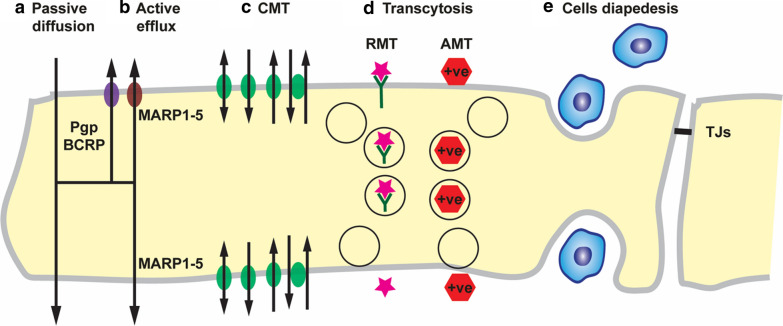
“In the adsorptive-mediated transcytosis (AMT), positively charged molecules interact with the negatively charged ECs, inducing transcytosis and their passage across the barrier.”
From Advances in Strategies to Transport Nanoparticles Across the Blood–Brain Barrier for Drug Delivery into the Brain for the Treatment of Alzheimer’s Disease (2026) · cites this paper as [5]
Experimental — accuracy not yet measuredThe cited source says what the claim attributes to it.
In the citing paper
“The BBB is a physical barrier that separates the CNS from the circulating blood and possesses unique properties for the CNS microvasculature [103].”
From Extracellular vesicles as nanotheranostic platforms for targeted neurological disorder interventions (2024) · cites this paper as [103]
The cited source says what the claim attributes to it.
In the citing paper
“Carrier-mediated transport (CMT) refers to the transport of a variety of molecules facilitated by membrane-bound proteins entitled solute carrier (SLC) transporters [5].”
The cited source says what the claim attributes to it.
In the citing paper
“On the other side, in the receptor-mediated transcytosis (RMT), specific molecules bind to their respective receptors present on the surface of these cells, triggering transcytosis, and their release to the brain environment by detaching from the receptor [5].”
1 more claim about this paper
Create a free account to see every claim other papers make about this one.
Self-check
Percentages, sums and reported differences re-computed from the paper’s own numbers.
The self-check needs the paper’s full text.
Citations
Cites
1 retracted
Items 201–269 of 269
VITAL STAINING, SERUM ALBUMIN AND THE BLOOD-BRAIN BARRIER
CLASEN, R. A., PANDOLFI, S., & HASS, G. M. (1970) · Journal of Neuropathology and Experimental Neurology · doi:10.1097/00005072-197004000-00008 · Cited by 92 · cited 1×
“For many years, the Evans blue method has been used to assess vascular protein leakage macroscopically [221].”
MethodMolecular Trojan horses for blood-brain barrier drug delivery.
Pardridge, W. M. (2006) · PubMed · Cited by 92
Evidence of blood-brain barrier alteration and activation in HIV-1 gp120 transgenic mice
Toneatto, S., Finco, O., van der Putten, H., Abrignani, S., & Annunziata, P. (1999) · AIDS · doi:10.1097/00002030-199912030-00005 · Cited by 91 · cited 1×
“Also, circulating gp120 has been shown to affect BBB integrity in the transgenic mice [200, 201].”
BackgroundElectron microscopy of the effect of gram‐negative endotoxin on the blood‐brain barrier
Carlyle Clawson, C., Francis Hartmann, J., & Vernier, R. L. (1966) · Journal of Comparative Neurology · doi:10.1002/cne.901270204 · Cited by 89 · cited 2×
“Permeability studies in rodents using colloidal iron oxide [192], 14C amino acid [193], and 125I-albumin [194], showed their ability to enter the brain parenchyma under septic encephalopathy condition which suggests the breakdown of the BBB.”
BackgroundBlood-Brain Barrier Abnormalities Caused by HIV-1 gp120: Mechanistic and Therapeutic Implications
Louboutin, J., & Strayer, D. S. (2012) · The Scientific World JOURNAL · doi:10.1100/2012/482575 · Cited by 87 · cited 1×
“Different studies reported that gp120 is cytotoxic to HUVECs and other ECs from the brain and lungs, which may be attributed to different factors including induced gelatinolytic activity, higher expression of metalloproteinases, and/or induced oxidative stress [202, 203].”
BackgroundMalmgren, L. T., & Olsson, Y. (1980) · The Journal of Comparative Neurology · doi:10.1002/cne.901910106 · Cited by 86 · cited 1×
“Sodium fluorescein Sodium fluorescein, a 376 Da molecule, was the first visualizable small molecular-sized marker to be introduced into the BBB field [229, 230].”
BackgroundBroadwell, R. D., Balin, B. J., Charlton, H. M., & Salcman, M. (1987) · The Journal of Comparative Neurology · doi:10.1002/cne.902600105 · Cited by 85 · cited 1×
“Under several experimental and pathological conditions, HRP can cross the BBB, which provides morphological evidence for a barrier opening [224, 225].”
BackgroundZhang, W., Smith, C. D., Shapiro, A., Monette, R., Hutchison, J. S., & Stanimirovic, D. B. (1999) · Journal of Neuroimmunology · doi:10.1016/s0165-5728(99)00137-x · Cited by 82 · cited 1×
“An in vitro study on the BBB model consisting of human cerebrovascular endothelial cells and astrocytes reported that simulated ischemia induces IL-8 and monocyte chemoattractant protein-1 (MCP-1) secretion from endothelial cells and astrocytes [176].”
BackgroundMechanisms of Endothelial Survival Under Shear Stress
Desai, S. Y., Marroni, M., Cucullo, L., Krizanac-Bengez, L., Mayberg, M. R., Hossain, M. T., Grant, G. G., & Janigro, D. (2002) · Endothelium · doi:10.1080/10623320212004 · Cited by 82 · cited 1×
“A study showed that ECs might scavenge free radicals by increasing levels of GAPDH and other intracellular enzymes [94].”
BackgroundSelf-citationEilers, M., Roy, U., & Mondal, D. (2008) · Experimental Biology and Medicine · doi:10.3181/0802-rm-59 · Cited by 81 · cited 1×
“It is no assured that drug meeting all the above criteria will be able to cross the BBB and give its action as it may increase the likelihood of becoming a substrate for active efflux transporter [123, 124].”
BackgroundKrižanac-Bengez, L., Kapural, M., Parkinson, F. E., Cucullo, L., Hossain, M., Mayberg, M. R., & Janigro, D. (2003) · Brain Research · doi:10.1016/s0006-8993(03)02689-1 · Cited by 81 · cited 1×
“Another study showed that NO might have a protective role in BBB during reperfusion after the transient loss of flow in a condition mimicking ischemic stroke [95].”
BackgroundSelf-citationHealy, D. P., & Wilk, S. (1993) · Brain Research · doi:10.1016/0006-8993(93)90997-2 · Cited by 80 · cited 1×
“catecholamines [39], angiotensin I [40], vasoactive intestinal peptides [41], endothelin-1 [42], and vasopressin [43].”
BackgroundDifferentiation of Brain Endothelial Cells in Cell Culture
Rubin, L. L., Barbu, K., BARD, F., Cannon, C., Hall, D. E., Horner, H. C., Janatpour, M. J., Liaw, C. W., Manning, K., MORALES, J., et al. (1991) · Annals of the New York Academy of Sciences · doi:10.1111/j.1749-6632.1991.tb15631.x · Cited by 80 · cited 1×
“Another study showed that the optimal generation of BBB necessitates direct contact between endothelial cells and astrocytes [56].”
BackgroundQuantitative measurements of capillary transport in human brain tumors by computed tomography
Groothuis, D. R., Vriesendorp, F. J., Kupfer, B., Warnke, P. C., Lapin, G. D., Kuruvilla, A., Vick, N. A., Mikhael, M. A., & Patlak, C. S. (1991) · Annals of Neurology · doi:10.1002/ana.410300411 · Cited by 79 · cited 1×
“Brain tumors An increased vascular permeability has been reported in brain tumors due to the poorly developed and compromised BBB [180].”
BackgroundAnnunziata, P., Cioni, C., Toneatto, S., & Paccagnini, E. (1998) · AIDS · doi:10.1097/00002030-199818000-00006 · Cited by 79
Immunocytochemical basis for a meningeo-glial network
Mercier, F., & Hatton, G. I. (2000) · The Journal of Comparative Neurology · doi:10.1002/(sici)1096-9861(20000515)420:4<445::aid-cne4>3.0.co;2-3 · Cited by 77 · cited 1×
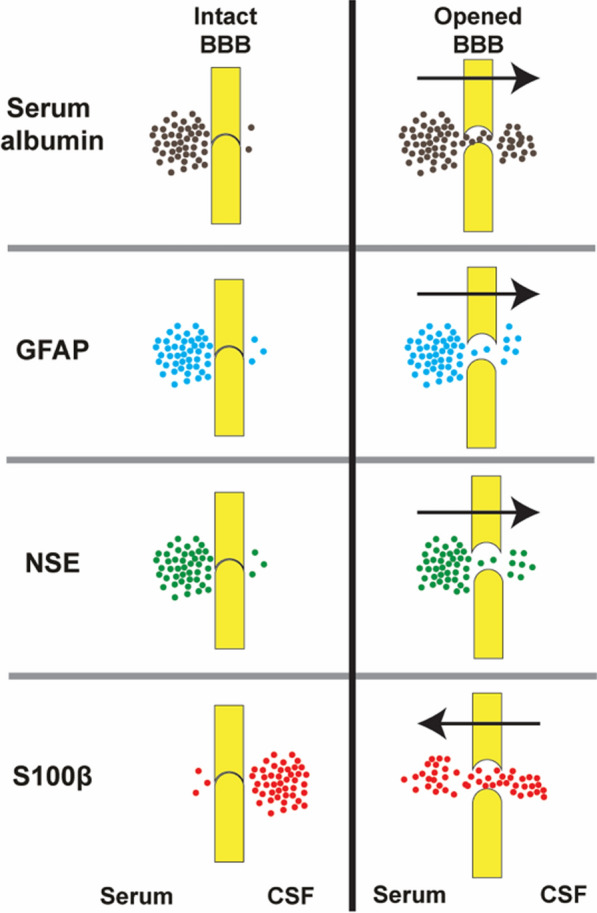
“When the BBB is disrupted, S100β is quickly released in the blood circulation [253, 254].”
BackgroundDyck, R. H., Eldik, L. J. V., & Cynader, M. S. (1993) · Developmental Brain Research · doi:10.1016/0165-3806(93)90183-b · Cited by 75 · cited 1×
“When the BBB is disrupted, S100β is quickly released in the blood circulation [253, 254].”
BackgroundMolecular Mimicry in Multiple Sclerosis
Wekerle, H., & Hohlfeld, R. (2003) · New England Journal of Medicine · doi:10.1056/nejmcibr035136 · Cited by 71 · cited 1×
“Multiple sclerosis (MS) Multiple sclerosis is an autoimmune disease in which reactive T cells interact with the antigen presented by macrophages- or microglia-expressing HLA-DR2a and HLADR2b, which lead to destroying myelin sheath and the underlying axons [211].”
BackgroundEndothelial barrier resistance in multiple organs after septic and nonseptic challenges in the rat
Deng, X., Wang, X., & Andersson, R. (1995) · Journal of Applied Physiology · doi:10.1152/jappl.1995.78.6.2052 · Cited by 70 · cited 1×
“Permeability studies in rodents using colloidal iron oxide [192], 14C amino acid [193], and 125I-albumin [194], showed their ability to enter the brain parenchyma under septic encephalopathy condition which suggests the breakdown of the BBB.”
BackgroundSecretion and Bulk Flow of Interstitial Fluid
Cserr, H. F., & Patlak, C. S. (1992) · Handbook of experimental pharmacology · doi:10.1007/978-3-642-76894-1_9 · Cited by 66
Ortiz, G. G., Macías-Islas, M. Á., Pacheco-Moisés, F. P., Cruz-Ramos, J. A., Sustersik, S., Barba, E. A., & Aguayo, A. (2009) · Disease Markers · doi:10.1155/2009/325847 · Cited by 66
Bradbury, M. W. B., STUBBS, J., Hughes, I., & PARKER, P. (1963) · PubMed · Cited by 64
Blood-brain barrier permeability to sucrose and dextran after osmotic opening
Ziylan, Y. Z., Robinson, P. J., & Rapoport, S. I. (1984) · American Journal of Physiology-Regulatory, Integrative and Comparative Physiology · doi:10.1152/ajpregu.1984.247.4.r634 · Cited by 60 · cited 1×
“Recently, the disaccharide sucrose is considered the most widely accepted standard for the precise measurement of paracellular BBB permeability [217, 235, 236].”
BackgroundBlood-Brain Barrier: A Dual Life of MFSD2A?
Zhao, Z., & Zlokovic, B. V. (2014) · Neuron · doi:10.1016/j.neuron.2014.05.012 · Cited by 59
Huang, M., Hunter, M. G., & Bond, V. C. (1999) · AIDS Research and Human Retroviruses · doi:10.1089/088922299310160 · Cited by 57 · cited 1×
“Different studies reported that gp120 is cytotoxic to HUVECs and other ECs from the brain and lungs, which may be attributed to different factors including induced gelatinolytic activity, higher expression of metalloproteinases, and/or induced oxidative stress [202, 203].”
BackgroundCirculating gp120 alters the blood–brain barrier permeability in HIV-1 gp120 transgenic mice
Cioni, C., & Annunziata, P. (2002) · Neuroscience Letters · doi:10.1016/s0304-3940(02)00814-5 · Cited by 56 · cited 1×
“Also, circulating gp120 has been shown to affect BBB integrity in the transgenic mice [200, 201].”
BackgroundCellular transfer of macromolecules across the developing choroid plexus of Monodelphis domestica
Liddelow, S. A., Dzięgielewska, K. M., Ek, C. J., Johansson, P. A., Potter, A., & Saunders, N. R. (2009) · European Journal of Neuroscience · doi:10.1111/j.1460-9568.2008.06571.x · Cited by 56 · cited 1×
“The use of fluorophore and biotin-labeled dextrans help in clarifying that the route of entry from the blood to the CSF is an intracellular path via the plexus epithelial cells, [245], rather than intercellularly via the tight junctions as generally believed [2].”
BackgroundOrtíz, G. G., Macías-Islas, M. Á., Pacheco-Moisés, F. P., et al. (2009) · PubMed · doi:10.3233/dma-2009-0602 · Cited by 53 · cited 1×
“Lipid peroxidation products and nitric oxide metabolites are reported to be elevated in the serum of patients with MS [215].”
BackgroundQuinolinic acid enhances permeability of rat brain microvessels to plasma albumin
Šťastný, F., Škultétyová, I., Pliss, L., & Ježová, D. (2000) · Brain Research Bulletin · doi:10.1016/s0361-9230(00)00368-3 · Cited by 52 · cited 1×
“Other humoral agents reported to increase BBB permeability are bradykinin, 5HT, histamine, thrombin, UTP, UMP, substance P, quinolinic acid, platelet-activating factor, and free radicals [132, 172, 173].”
BackgroundClaudin-5-Binders Enhance Permeation of Solutes across the Blood-Brain Barrier in a Mammalian Model
Hashimoto, Y., Shirakura, K., Okada, Y., Takeda, H., Endo, K., Tamura, M., Watari, A., Sadamura, Y., Sawasaki, T., Doi, T., et al. (2017) · Journal of Pharmacology and Experimental Therapeutics · doi:10.1124/jpet.117.243014 · Cited by 52 · cited 1×
“Double knockdown of claudin-5 with occludin also increased the permeation of tracers between 3 and 10 kDa [68].”
BackgroundA Reconfigurable In Vitro Model for Studying the Blood–Brain Barrier
Moya, M. L., Triplett, M., Simon, M. G., Alvarado, J. A., Booth, R., Osburn, J. J., Soscia, D. A., Qian, F., Fischer, N. O., Kulp, K. S., et al. (2019) · Annals of Biomedical Engineering · doi:10.1007/s10439-019-02405-y · Cited by 52 · cited 1×
“This process can also be associated with the degradation of the basement membrane [168].”
BackgroundChronic In Vitro Flow Promotes Ultrastructural Differentiation of Endothelial Cells
Ott, M. J., Olson, J. L., & Ballermann, B. J. (1995) · Endothelium · doi:10.3109/10623329509024655 · Cited by 50 · cited 1×
“Akin to responses to inflammatory cytokines, shear stress has been shown to cause dramatic changes in ECs morphology [91], gene expression [92], and function [93].”
BackgroundPathology and Genetics; Cerebrovascular Diseases
Smith, C., & Graham, D. I. (2005) · Cited by 50
Monocyte Chemotactic Protein-1 Regulates Voltage-Gated K+ Channels and Macrophage Transmigration
Gendelman, H. E., Ding, S., Gong, N., Liu, J., Ramirez, S. H., Persidsky, Y., Lee Mosley, R., Wang, T., Volsky, D. J., & Xiong, H. (2009) · Journal of Neuroimmune Pharmacology · doi:10.1007/s11481-008-9135-1 · Cited by 49 · cited 1×
“Calcium and potassium homeostasis controls neuronal excitability but is also essential for the transmigration of macrophage across the BBB [105].”
BackgroundRegulation of cerebral endothelial cell morphology by extracellular calcium
Wilhelm, I., Farkas, A. E., Nagyőszi, P., Váró, G., Bálint, Z., Végh, G. A., Couraud, P., Romero, I. A., Weksler, B. B., & Krizbai, I. A. (2007) · Physics in Medicine and Biology · doi:10.1088/0031-9155/52/20/012 · Cited by 49 · cited 1×
“Furthermore, Ca2+ is involved in the modulation of BBB integrity and endothelial morphology [106].”
BackgroundZhou, Q.-H., Boado, R. J., Lu, J. Z., Hui, E. K., & Pardridge, W. M. (2010) · Drug Metabolism and Disposition · doi:10.1124/dmd.109.031534 · Cited by 47 · cited 1×
“This is tenfold lower than the brain uptake of a monoclonal antibody (MAb) that targets the BBB transferrin receptor in the mouse [145].”
BackgroundRESISTANCE OF WISTAR/FURTH RATS TO THE MAST CELL-DAMAGING EFFECT OF HORSERADISH PEROXIDASE
Cotran, R. S., Karnovsky, M. J., & Goth, A. (1968) · Journal of Histochemistry & Cytochemistry · doi:10.1177/16.5.382 · Cited by 47 · cited 1×
“The problem can be avoided by (1) using different strains such as Wistar rats, which did not show mast cell degranulation upon HRP injection [228].”
BackgroundBlood Brain Barrier, Exchange of metabolites and gases
Nag, S., & Begley David, J. (2005) · Research Portal (King's College London) · Cited by 47
Hoffman, H. J., & Olszewski, J. (1961) · Neurology · doi:10.1212/wnl.11.12.1081 · Cited by 46 · cited 1×
“Sodium fluorescein Sodium fluorescein, a 376 Da molecule, was the first visualizable small molecular-sized marker to be introduced into the BBB field [229, 230].”
BackgroundQuantitative Bestimmung der Permeabilität der sogenannten Blut-Hirnschranke für Evans-Blau (T1824)
Rossner, W., & Tempel, K. (2008) · Medicina et Pharmacologia Experimentalis · doi:10.1159/000135782 · Cited by 46
Cerebrovascular Biology and the Various Neural Barriers: Challenges and Future Directions
Neuwelt, E. A., Abbott, N. J., Drewes, L. R., Smith, Q. R., Couraud, P. O., Chiocca, E. A., Audus, K. L., Greig, N. H., & Doolittle, N. D. (1999) · Neurosurgery · doi:10.1097/00006123-199903000-00095 · Cited by 43 · cited 25×
“Abbreviations BBB: Blood–brain barrier; CNS: Central nervous system; CSF: Cerebrospinal fluid; BCB: Blood–CSF barrier; ISF: Interstitial fluid; TJs: Tight junctions; P-gp: P-glycoprotein; BCRP: Breast cancer resistance protein; OATP: Organic anion transporting polypeptide; CYP 450: Cytochrome P450; BM: Basement membra…”
BackgroundInfluentialNoorani, B., Chowdhury, E. A., Alqahtani, F., Ahn, Y., Patel, D., Al-Ahmad, A. J., Mehvar, R., & Bickel, U. (2020) · Fluids and Barriers of the CNS · doi:10.1186/s12987-020-00224-1 · Cited by 42 · cited 2×
“Recently, the disaccharide sucrose is considered the most widely accepted standard for the precise measurement of paracellular BBB permeability [217, 235, 236].”
BackgroundSelf-citationImmunocytochemically stained vasopressin binding sites on blood vessels in the rat brain
van Zwieten, E. J., Ravid, R., Swaab, D. F., & van der Woude, T. (1988) · Brain Research · doi:10.1016/0006-8993(88)90453-2 · Cited by 40 · cited 1×
“catecholamines [39], angiotensin I [40], vasoactive intestinal peptides [41], endothelin-1 [42], and vasopressin [43].”
BackgroundCompound profiling for ABCC2 (MRP2) using a fluorescent microplate assay system
Förster, F., Volz, A., & Fricker, G. (2007) · European Journal of Pharmaceutics and Biopharmaceutics · doi:10.1016/j.ejpb.2007.10.003 · Cited by 39 · cited 1×
“It is no assured that drug meeting all the above criteria will be able to cross the BBB and give its action as it may increase the likelihood of becoming a substrate for active efflux transporter [123, 124].”
BackgroundBenagiano, V., Virgintino, D., Maiorano, E., Rizzi, A., Palombo, S., Roncali, L., & Ambrosi, G. (1996) · PubMed · Cited by 37
Winger, R. C., Harp, C. T., Chiang, M.-Y., Sullivan, D. P., Watson, R. L., Weber, E. W., Podojil, J. R., Miller, S. D., & Muller, W. A. (2016) · The Journal of Immunology · doi:10.4049/jimmunol.1501634 · Cited by 35 · cited 2×
“[160] indicated that blocking CD99 in ameliorated EAE mice, diminished the accumulation of CNS inflammatory infiltrates, including dendritic cells, B-cells, and CD4+ and CD8+ T-cells.”
BackgroundChanges in magnesium concentration in the serum and cerebrospinal fluid of neuropathic rats
Jeong, S. M., Hahm, K. D., Shin, J. W., Leem, J. G., Lee, C., & Han, S. M. (2006) · Acta Anaesthesiologica Scandinavica · doi:10.1111/j.1399-6576.2006.00925.x · Cited by 35 · cited 2×
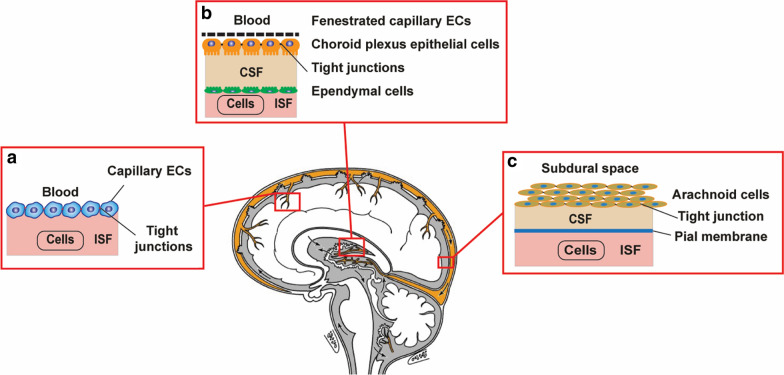
“The second barrier is the blood–cerebrospinal fluid barrier (BCSFB), which is formed by the epithelial cells of the choroid plexus.”
BackgroundMossakowski, M. J., Lossinsky, A. S., Pluta, R. M., & Wísniewski, H. M. (1994) · Springer eBooks · doi:10.1007/978-3-7091-9334-1_73 · Cited by 35 · cited 1×
“If BBB openings develop early after the initial arterial occlusion [249, 250], clinicians would have a unique opportunity to administer drugs that are usually BBB impermeant (e.”
BackgroundPreston, E., & Webster, J. (2001) · Acta Neuropathologica · doi:10.1007/s004010100458 · Cited by 31 · cited 1×
“Recently, the disaccharide sucrose is considered the most widely accepted standard for the precise measurement of paracellular BBB permeability [217, 235, 236].”
BackgroundKustova, Y., Grinberg, A., & Basile, A. S. (1999) · Brain Research · doi:10.1016/s0006-8993(99)01734-5 · Cited by 30 · cited 1×
“Several in vitro and in vivo studies showed the opening effect on BBB of several mediators include glutamate, aspartate, taurine, ATP, endothelin-1, NO, TNF-α, and macrophage-inflammatory protein 2 (MIP2) which are produced by astrocytes [132, 170, 171].”
BackgroundAdrenergic receptors on cerebral microvessels: pericyte contribution
Elfont, R. M., Sundaresan, P. R., & Sladek, C. D. (1989) · American Journal of Physiology-Regulatory, Integrative and Comparative Physiology · doi:10.1152/ajpregu.1989.256.1.r224 · Cited by 30 · cited 1×
“catecholamines [39], angiotensin I [40], vasoactive intestinal peptides [41], endothelin-1 [42], and vasopressin [43].”
BackgroundReyners, H., de Reyners, E. G., Jadin, J. M., & Maisin, J. R. (1975) · Cell and Tissue Research · doi:10.1007/bf00223232 · Cited by 29 · cited 1×
“Under several experimental and pathological conditions, HRP can cross the BBB, which provides morphological evidence for a barrier opening [224, 225].”
BackgroundRochfort, K. D., & Cummins, P. M. (2014) · Microvascular Research · doi:10.1016/j.mvr.2014.09.003 · Cited by 28 · cited 1×
“The study also showed that shear-conditioned media was able to completely block thrombin-induced permeabilization of HBMECs, which confirm the protective role of shear stress [98].”
BackgroundEvaluation of [14C] and [13C]Sucrose as Blood–Brain Barrier Permeability Markers
Miah, M. K., Chowdhury, E. A., Bickel, U., & Mehvar, R. (2017) · Journal of Pharmaceutical Sciences · doi:10.1016/j.xphs.2017.02.011 · Cited by 27 · cited 1×
“Sucrose is substantially better than other markers as being uncharged, not subjected to protein binding, metabolically stable after parenteral administration, falling within the molecular weight range of most small molecule drugs, and not a substrate for active or facilitative transporters in vertebrates animals [237].”
BackgroundChen, Y., McCarron, R. M., Azzam, N. A., Bembry, J., Reutzler, C., Lenz, F. A., & Spatz, M. (2000) · Springer eBooks · doi:10.1007/978-3-7091-6346-7_27 · Cited by 26 · cited 1×
“Several in vitro and in vivo studies showed the opening effect on BBB of several mediators include glutamate, aspartate, taurine, ATP, endothelin-1, NO, TNF-α, and macrophage-inflammatory protein 2 (MIP2) which are produced by astrocytes [132, 170, 171].”
BackgroundRössner, W., & Tempel, K. (1966) · PubMed · Cited by 26
EFFECT OF CEREBROSPINAL FLUID ON VOLUME OF DISTRIBUTION OF EXTRACELLULAR MARKERS
Davson, H., & Segal, M. B. (1969) · Brain · doi:10.1093/brain/92.1.131 · Cited by 25
Tighe, D., Moss, R., & Bennett, D. M. (1996) · PubMed · Cited by 24
Chowdhury, E. A., Alqahtani, F., Bhattacharya, R., Mehvar, R., & Bickel, U. (2017) · Journal of Chromatography B · doi:10.1016/j.jchromb.2017.12.007 · Cited by 22 · cited 2×
“The method allows the simultaneous measurement of both analytes in the same sample in a single run [241].”
BackgroundMethodProteins of the Tight Junction in the Blood-Brain Barrier
Bauer, H., Traweger, A., & BAUER, H. (2004) · Elsevier eBooks · doi:10.1016/b978-012639011-7/50005-x · Cited by 21
Evaluation of the toxicologic and teratogenic potentials of sodium fluorescein in the rat
Salem, H., Loux, J. J., Smith, S., & Nichols, C. W. (1979) · Toxicology · doi:10.1016/0300-483x(79)90040-4 · Cited by 20 · cited 1×
“Also, an injection of a single dose of 500 mg/kg in pregnant mice did not show to have any embryotoxic or teratogenic effects [231].”
BackgroundThe Blood-Brain Barrier And Its Microenvironment: Basic Physiology To Neurological Disease
de Vries, H. E., & Prat, A. (2005) · Cited by 17
Pathology and Genetics: Cerebrovascular Diseases
Bridges, L. (2007) · Neuropathology and Applied Neurobiology · doi:10.1111/j.1365-2990.2007.00852.x · Cited by 17
Rennels, M. L., Gregory, T. F., & Fujimoto, K. (1983) · Journal of Cerebral Blood Flow & Metabolism · doi:10.1038/jcbfm.1983.82 · Cited by 15 · cited 1×
“As mentioned early, soluble factors released by many of the cell types associated with brain microvessels (including microglia and astrocytes) as well as nerve terminals adjacent to the endothelial extracellular matrix/basal lamina (such as vasoactive agents and cytokines) can modify tight junction assembly and barrie…”
BackgroundBrain Uptake of [13C] and [14C]Sucrose Quantified by Microdialysis and Whole Tissue Analysis in Mice
Alqahtani, F., Chowdhury, E. A., Bhattacharya, R., Noorani, B., Mehvar, R., & Bickel, U. (2018) · Drug Metabolism and Disposition · doi:10.1124/dmd.118.082909 · Cited by 15 · cited 1×
“Impurities in the dosing solution might significantly impact the outcome of experiments [238, 239].”
BackgroundSelf-citationMiah, M. K., Bickel, U., & Mehvar, R. (2016) · Journal of Chromatography B · doi:10.1016/j.jchromb.2016.02.017 · Cited by 14 · cited 1×
“To overcome the drawbacks of radiolabeled tracer and avoid the non-specificity of total radioactivity measurement, [(13)C12] sucrose has been introduced as a superior non-radioactive marker, which can be precisely quantified by a sensitive and highly specific LC–MS/MS technique [240].”
MethodPreston, E., Foster, D. O., & Mills, P. A. (1998) · Brain Research Bulletin · doi:10.1016/s0361-9230(97)00278-5 · Cited by 10 · cited 1×
“Impurities in the dosing solution might significantly impact the outcome of experiments [238, 239].”
BackgroundForce-feeding-a clinical or administrative decision?
Lewey, L. (1977) · PubMed · Cited by 7
Klegeris (1997) · doi:10.1002/(sici)1097-4547(19970715)49:2
Research works printed but not linked: 1
- Benagiano V Virgintino D Maiorano E Rizzi A Palombo S Roncali L VIP-like immunoreactivity within neurons and perivascular neuronal processes of the human cerebral cortex Eur J Histochem 1996 40 1 53 56 8741100
Cited by
The blood–brain barrier: Structure, regulation and drug delivery
Wu, D., Chen, Q., Chen, X., Han, F., Chen, Z., & Wang, Y. (2023) · Signal Transduction and Targeted Therapy · doi:10.1038/s41392-023-01481-w · Cited by 1,906
An Overview of Oxidative Stress, Neuroinflammation, and Neurodegenerative Diseases
Teleanu, D. M., Niculescu, A.-G., Lungu, I. I., Radu, C. I., Vladâcenco, O., Roza, E., Costăchescu, B., Grumezescu, A. M., & Teleanu, R. I. (2022) · International Journal of Molecular Sciences · doi:10.3390/ijms23115938 · Cited by 1,085
“Because the therapeutic agents need to reach the central nervous system (CNS), it is necessary to tailor appropriate vectors that can surpass the brain–blood barrier (BBB) [3,6].”
BackgroundApoE in Alzheimer’s disease: pathophysiology and therapeutic strategies
Raulin, A.-C., Doss, S. V., Trottier, Z. A., Ikezu, T. C., Bu, G., & Liu, C.-C. (2022) · Molecular Neurodegeneration · doi:10.1186/s13024-022-00574-4 · Cited by 756
The Bioavailability of Drugs—The Current State of Knowledge
Stielow, M., Witczyńska, A., Kubryń, N., Fijałkowski, Ł., Nowaczyk, J., & Nowaczyk, A. (2023) · Molecules · doi:10.3390/molecules28248038 · Cited by 391
Mechanisms of Blood–Brain Barrier Protection by Microbiota-Derived Short-Chain Fatty Acids
Fock, E., & Parnova, R. (2023) · Cells · doi:10.3390/cells12040657 · Cited by 385
Metadata
- Authors
- Kadry, H., Noorani, B., & Cucullo, L.
- Affiliations
- Texas Tech University Health Sciences Center (US)
- Oakland University (US)
- Corresponding author
- Cucullo, Luca
- Venue
- Fluids and Barriers of the CNS
- Published
- 2020-11-18
- Volume
- 17
- Issue
- 1
- Pages
- 69-69
- ISSN
- 2045-8118 (ISSN-L)
- PMC
- PMC7672931
- OpenAlex
- W3104682194
- Cited by
- 1,853
- References
- 266
- Citations by year
- 2026: 342 · 2025: 491 · 2024: 480 · 2023: 299 · 2022: 176 · 2021: 63
- FWCI
- 13.39
- Type
- journal article
- Language
- en
- Open access
- gold
- doi.org
- Licence
- cc-by
- creativecommons.org/licenses/by/4.0/ (tdm)
- creativecommons.org/licenses/by/4.0/ (vor)
- Locations
- Fluids and Barriers of the CNS (publishedVersion, cc-by)
- PubMed Central (publishedVersion, cc-by)
- PubMed (publishedVersion)
- DOAJ (DOAJ: Directory of Open Access Journals) (submittedVersion, cc-by-sa)
- Funders
- National Institute on Drug Abuse (2R01-DA029121-01A1, 1R01DA049737-01)
- National Institute of Neurological Disorders and Stroke (1R01NS117906-01)
- Topics
- Life Sciences › Neuroscience › Neurology › Barrier Structure and Function Studies
- Health Sciences › Medicine › Oncology › Drug Transport and Resistance Mechanisms
- Life Sciences › Biochemistry, Genetics and Molecular Biology › Molecular Biology › Ion Transport and Channel Regulation
- Keywords
- blood-brain barrier, blood-brain barrier integrity, blood-brain barrier disruption, shear stress, blood-brain barrier permeability, brain homeostasis, neurological disorders
- MeSH terms
- Biological Transport, Blood-Brain Barrier, Brain Diseases, Humans, Biomarkers
About these checks
Registry, retraction, Cites and statistics results are computed, not judged, with one exception: a printed reference that no index lists is read once by a model before it counts as a citation error. Claims are extracted by a model and kept only when their quote appears verbatim in the text; each cited source is then checked, with a model’s help, for whether it says what the claim relies on. Those verdicts can be wrong — read the claim’s quote and the cited source before relying on one.
Statistics and arithmetic are recomputed, not judged.
Confidence bands are shown only for fields calibrated on our annotated test set. None is calibrated yet, so no band is shown.
What counts as a claim ›How we measure confidence ›How we check this ›
Are you an author, or do you see a problem with this page? Request a review
Data sources
Bibliographic data: Semantic Scholar, OpenAlex, Crossref.
Contains information from the Semantic Scholar Academic Graph Datasets, made available under the ODC Attribution License (ODC-BY 1.0).
Semantic Scholar’s data is described in: Kinney, R., et al. (2023). The Semantic Scholar Open Data Platform. arXiv:2301.10140.
