

A blood–brain barrier overview on structure, function, impairment, and biomarkers of integrity
Open accessThe DOI matches its Crossref record; 269 of the 269 references it cites were found in a registry or an index.
Abstract
The blood–brain barrier is playing a critical role in controlling the influx and efflux of biological substances essential for the brain’s metabolic activity as well as neuronal function. Thus, the functional and structural integrity of the BBB is pivotal to maintain the homeostasis of the brain microenvironment. The different cells and structures contributing to developing this barrier are summarized along with the different functions that BBB plays at the brain–blood interface. We also explained the role of shear stress in maintaining BBB integrity. Furthermore, we elaborated on the clinical aspects that correlate between BBB disruption and different neurological and pathological conditions. Finally, we discussed several biomarkers that can help to assess the BBB permeability and integrity in-vitro or in-vivo and briefly explain their advantages and disadvantages.
Overview
The claims and statistics of this paper haven’t been checked yet.
Free: it reads the open-access text and checks the first 5 claims that cite a source we can check. Create a free account to check every claim.
Integrity signals
Registry
Cites
Statistics
Figures
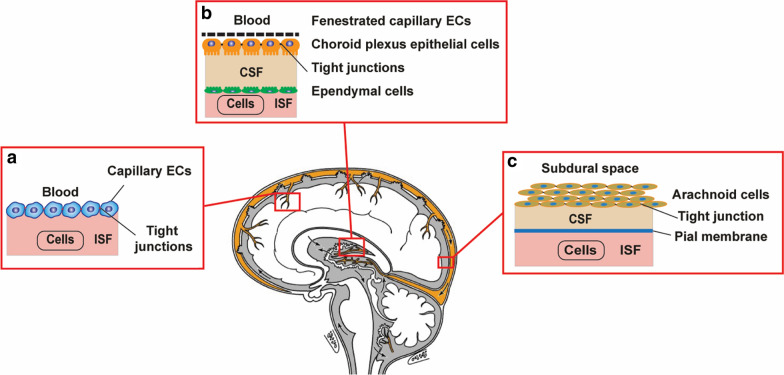
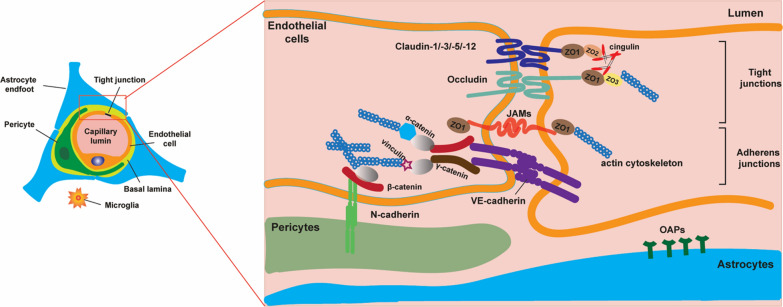
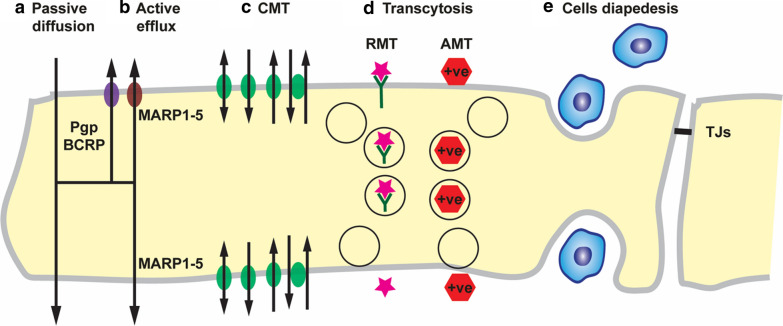
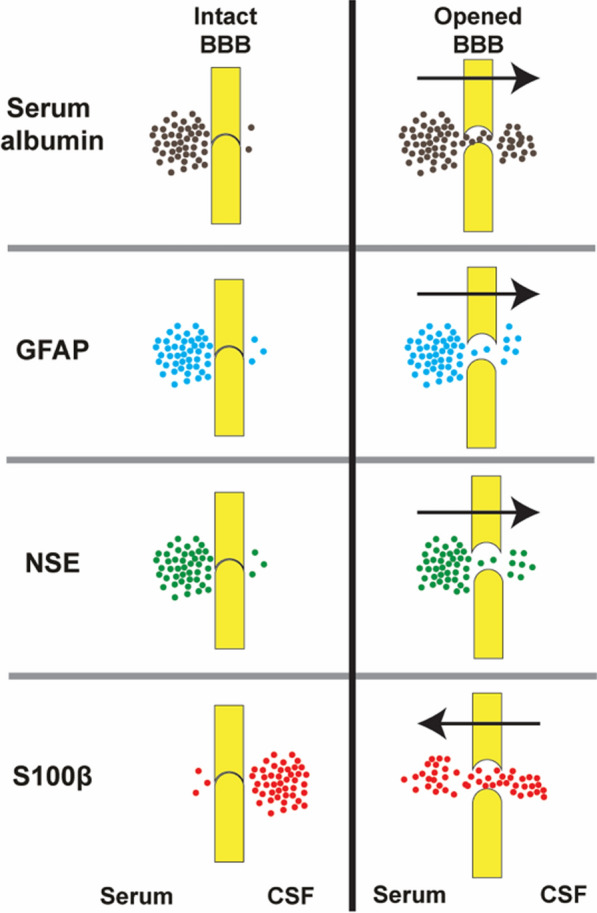
Verification
Claims the paper makes
The claims and statistics of this paper haven’t been checked yet.
Free: it reads the open-access text and checks the first 5 claims that cite a source we can check. Create a free account to check every claim.
Claims other papers make about this one
Each is checked against this paper’s own text: does it say what the citing paper says it does?
The source backs part of the claim, not all of it — or backs it for a different population, condition or comparison.
In the citing paper
“These barriers include the blood–cerebrospinal fluid (blood–CSF) barrier, the blood–retinal barrier, the blood–spinal cord barrier, and the BBB. Among these, the latter is the most extensive and exclusive [5].”
From Advances in Strategies to Transport Nanoparticles Across the Blood–Brain Barrier for Drug Delivery into the Brain for the Treatment of Alzheimer’s Disease (2026) · cites this paper as [5]
Experimental — accuracy not yet measuredThe source backs part of the claim, not all of it — or backs it for a different population, condition or comparison.
In the citing paper
“In the adsorptive-mediated transcytosis (AMT), positively charged molecules interact with the negatively charged ECs, inducing transcytosis and their passage across the barrier.”
From Advances in Strategies to Transport Nanoparticles Across the Blood–Brain Barrier for Drug Delivery into the Brain for the Treatment of Alzheimer’s Disease (2026) · cites this paper as [5]
Experimental — accuracy not yet measuredThe cited source says what the claim attributes to it.
In the citing paper
“The BBB is a physical barrier that separates the CNS from the circulating blood and possesses unique properties for the CNS microvasculature [103].”
From Extracellular vesicles as nanotheranostic platforms for targeted neurological disorder interventions (2024) · cites this paper as [103]
The cited source says what the claim attributes to it.
In the citing paper
“Carrier-mediated transport (CMT) refers to the transport of a variety of molecules facilitated by membrane-bound proteins entitled solute carrier (SLC) transporters [5].”
The cited source says what the claim attributes to it.
In the citing paper
“On the other side, in the receptor-mediated transcytosis (RMT), specific molecules bind to their respective receptors present on the surface of these cells, triggering transcytosis, and their release to the brain environment by detaching from the receptor [5].”
1 more claim about this paper
Create a free account to see every claim other papers make about this one.
Self-check
Percentages, sums and reported differences re-computed from the paper’s own numbers.
The self-check needs the paper’s full text.
Citations
Cites
1 retracted
RETRACTED ARTICLE: Pericyte loss influences Alzheimer-like neurodegeneration in mice
Sagare, A. P., Bell, R. D., Zhao, Z., Ma, Q., Winkler, E. A., Ramanathan, A., & Zlokovic, B. V. (2013) · Nature Communications · doi:10.1038/ncomms3932 · Cited by 589 · cited 1×
“Furthermore, pericytes may display phagocyting functions helping with the removal of toxic metabolites [37].”
BackgroundRetracted(1982) · Trends in Neurosciences · doi:10.1016/0166-2236(82)90076-5 · Cited by 9,089
Astrocyte-endothelial interactions at the blood-brain barrier
Abbott, N. J., Rönnbäck, L., & Hansson, E. (2006) · Nature Reviews Neuroscience · doi:10.1038/nrn1824 · Cited by 5,595 · cited 6×
“As mentioned early, soluble factors released by many of the cell types associated with brain microvessels (including microglia and astrocytes) as well as nerve terminals adjacent to the endothelial extracellular matrix/basal lamina (such as vasoactive agents and cytokines) can modify tight junction assembly and barrie…”
BackgroundInfluentialAstrocytes: Biology and pathology
Sofroniew, M. V., & Vinters, H. V. (2010) · Acta Neuropathologica · doi:10.1007/s00401-009-0619-8 · Cited by 5,196 · cited 1×
“These latter include (1) compartmentalization of the neural parenchyma; (2) maintenance of the ionic homeostasis of the extracellular space; (3) pH regulation; (4) neurotransmitter uptake and processing by providing energy-rich substrates to the neurons; (5) mediation of signals from neurons to the vasculature [51].”
BackgroundStructure and function of the blood–brain barrier
Abbott, N. J., Patabendige, A. A. K., Dolman, D. E. M., Yusof, S. R., & Begley, D. J. (2010) · Neurobiology of Disease · doi:10.1016/j.nbd.2009.07.030 · Cited by 5,185 · cited 11×
“During embryonic angiogenesis, the differentiation of the endothelium into a functioning barrier layer begins and is maintained during adulthood by a close inductive association with other cell types within the NVU, as we mentioned early [2].”
BackgroundInfluentialHenry, M. A. (1995) · The Journal of the American Dental Association · doi:10.14219/jada.archive.1995.0108 · Cited by 3,416
Harold, D., Abraham, R., Hollingworth, P., Sims, R., Gerrish, A., Hamshere, M. L., Pahwa, J. S., Moskvina, V., Dowzell, K., Williams, A., et al. (2009) · Nature Genetics · doi:10.1038/ng.440 · Cited by 3,326
The Blood-Brain Barrier in Health and Chronic Neurodegenerative Disorders
Zlokovic, B. V. (2008) · Neuron · doi:10.1016/j.neuron.2008.01.003 · Cited by 3,280 · cited 1×
“However, specific neuroactive peptides [135], regulatory proteins, hormones, and growth factors get the use of RMT systems to cross the BBB [136].”
BackgroundGhose, A. K., Viswanadhan, V. N., & Wendoloski, J. J. (1999) · Journal of Combinatorial Chemistry · doi:10.1021/cc9800071 · Cited by 3,068 · cited 1×
“There are > 7000 drugs in the Comprehensive Medicinal Chemistry (CMC) database, and only 5% of these drugs treat the CNS [125].”
BackgroundNeurovascular pathways to neurodegeneration in Alzheimer’s disease and other disorders
Zlokovic, B. V. (2011) · Nature Reviews Neuroscience · doi:10.1038/nrn3114 · Cited by 2,969 · cited 8×
“Abbreviations BBB: Blood–brain barrier; CNS: Central nervous system; CSF: Cerebrospinal fluid; BCB: Blood–CSF barrier; ISF: Interstitial fluid; TJs: Tight junctions; P-gp: P-glycoprotein; BCRP: Breast cancer resistance protein; OATP: Organic anion transporting polypeptide; CYP 450: Cytochrome P450; BM: Basement membra…”
BackgroundInfluentialThe blood-brain barrier: Bottleneck in brain drug development
Pardridge, W. M. (2005) · NeuroRX · doi:10.1602/neurorx.2.1.3 · Cited by 2,798
Pericytes: Developmental, Physiological, and Pathological Perspectives, Problems, and Promises
Armulik, A., Genové, G., & Betsholtz, C. (2011) · Developmental Cell · doi:10.1016/j.devcel.2011.07.001 · Cited by 2,653 · cited 3×
“Pericytes also play essential roles in maintaining BBB integrity, aiding in angiogenesis, and microvascular stability [30, 34].”
BackgroundFINE STRUCTURAL LOCALIZATION OF A BLOOD-BRAIN BARRIER TO EXOGENOUS PEROXIDASE
Reese, T. S., & Karnovsky, M. J. (1967) · The Journal of Cell Biology · doi:10.1083/jcb.34.1.207 · Cited by 2,629 · cited 1×
“Horseradish peroxidase Horseradish peroxidase (HRP) has been used for years as a vascular permeability in morphological studies [222].”
MethodOccludin: a novel integral membrane protein localizing at tight junctions.
Furuse, M., Hirase, T., Itoh, M., Nagafuchi, A., Yonemura, S., Tsukita, S., & Tsukita, S. (1993) · The Journal of cell biology · doi:10.1083/jcb.123.6.1777 · Cited by 2,580 · cited 1×
“Occludin Occludin, a 65-kDa phosphoprotein, was first discovered by immunogold freeze-fracture microscopy in chickens [75] and then in mammals [76].”
BackgroundJUNCTIONS BETWEEN INTIMATELY APPOSED CELL MEMBRANES IN THE VERTEBRATE BRAIN
Brightman, M. W., & Reese, T. S. (1969) · The Journal of Cell Biology · doi:10.1083/jcb.40.3.648 · Cited by 2,471 · cited 1×
“The use of horseradish peroxidase helps to expose the nature and location of the BBB and the critical contribution of the brain endothelium to its formation [223].”
BackgroundBlood-Brain Barrier: From Physiology to Disease and Back
Sweeney, M. D., Zhao, Z., Montagne, A., Nelson, A. R., & Zlokovic, B. V. (2019) · Physiological Reviews · doi:10.1152/physrev.00050.2017 · Cited by 2,312 · cited 1×
“Calcium transporters (the Na+–Ca2+ exchanger) and voltage-gated K+ channel also regulate the ion transport across the BBB [107, 108].”
BackgroundThe blood–brain barrier: an overview
Ballabh, P., Braun, A., & Nedergaard, M. (2004) · Neurobiology of Disease · doi:10.1016/j.nbd.2003.12.016 · Cited by 2,261 · cited 1×
“These include the following: (1) the expression of tight junctions (TJs), sealing the paracellular pathways between adjacent endothelial cells, thus preventing the unregulated passage of polar (water-soluble) molecules between the blood and the brain; (2) the absence of fenestrations; (3) the lack of pinocytic activit…”
BackgroundGenome-wide association study identifies variants at CLU and CR1 associated with Alzheimer's disease
the European Alzheimer's Disease Initiative Investigators, Lambert, J.-C., Heath, S., Even, G., Campion, D., Sleegers, K., Hiltunen, M., Combarros, O., Zelenika, D., Bullido, M. J., et al. (2009) · Nature Genetics · doi:10.1038/ng.439 · Cited by 2,234 · cited 1×
“Different studies have shown that any mutation to the PICALM gene resulting in decreased expression in ECs may affect disease progression and is considered as a genetic risk factor for Alzheimer’s disease [209].”
Pericyte Loss and Microaneurysm Formation in PDGF-B-Deficient Mice
Lindahl, P., Johansson, B. R., Levéen, P., & Betsholtz, C. (1997) · Science · doi:10.1126/science.277.5323.242 · Cited by 2,226 · cited 1×
“The loss of PCs and the formation of microaneurysm in PDGF-B deficient mice suggest that PCs play an essential role in the maintenance of vascular wall stability [45].”
BackgroundBlood-brain barrier breakdown in the aging human hippocampus
Montagne, A., Barnes, S. R., Sweeney, M. D., Halliday, M. R., Sagare, A. P., Zhao, Z., Toga, A. W., Jacobs, R. E., Liu, C. Y., Amezcua, L., et al. (2015) · Neuron · doi:10.1016/j.neuron.2014.12.032 · Cited by 2,102 · cited 1×
“These data are noteworthy from a clinical standpoint since the degeneration and injury of PCs have been reported in many neurological diseases, including Alzheimer’s disease (AD) [46–49], mild dementia [50], amyotrophic lateral sclerosis (ALS) [34], and stroke [35].”
BackgroundFuruse, M., Fujita, K., Hiiragi, T., Fujimoto, K., & Tsukita, S. (1998) · The Journal of Cell Biology · doi:10.1083/jcb.141.7.1539 · Cited by 2,095 · cited 1×
“These claudins were identified as an integral component of TJs strands [60].”
BackgroundSize-selective loosening of the blood-brain barrier in claudin-5–deficient mice
Nitta, T., Hata, M., Gotoh, S., Seo, Y., Sasaki, H., Hashimoto, N., Furuse, M., & Tsukita, S. (2003) · The Journal of Cell Biology · doi:10.1083/jcb.200302070 · Cited by 1,917 · cited 1×
“The disappearance of claudin-5 from the tight junctional complexes can result in a compromised BBB as mice genetically altered to lack claudin-5 have shown severely compromised and leaky BBB and die shortly after birth [67], although their death is probably not solely related to the BBB defects [2].”
BackgroundCapillary pericytes regulate cerebral blood flow in health and disease
Hall, C. N., Reynell, C., Gesslein, B., Hamilton, N. B., Mishra, A., Sutherland, B. A., O’Farrell, F. M., Buchan, A. M., Lauritzen, M., & Attwell, D. (2014) · Nature · doi:10.1038/nature13165 · Cited by 1,870 · cited 3×
“These data are noteworthy from a clinical standpoint since the degeneration and injury of PCs have been reported in many neurological diseases, including Alzheimer’s disease (AD) [46–49], mild dementia [50], amyotrophic lateral sclerosis (ALS) [34], and stroke [35].”
BackgroundThe blood–brain barrier and blood–tumour barrier in brain tumours and metastases
Arvanitis, C. D., Ferraro, G. B., & Jain, R. K. (2020) · Nature Reviews Cancer · doi:10.1038/s41568-019-0205-x · Cited by 1,792 · cited 1×
“This can be explained by the limited permeability of the agents through the BBB, which leads to subtherapeutic concentrations in the brain [188].”
BackgroundCordon-Cardo, C., O'Brien, J. P., Casals, D., Rittman-Grauer, L., Biedler, J. L., Melamed, M. R., & Bertino, J. R. (1989) · Proceedings of the National Academy of Sciences · doi:10.1073/pnas.86.2.695 · Cited by 1,750 · cited 1×
“The transport barrier comprehends various efflux transporters, such as P-glycoprotein (P-gp) [13], breast cancer resistance protein (BCRP) [14], organic anion transporting polypeptide (OATP) [15].”
BackgroundAstrocytes induce blood–brain barrier properties in endothelial cells
Janzer, R. C., & Raff, M. C. (1987) · Nature · doi:10.1038/325253a0 · Cited by 1,626 · cited 1×
“When cultured astrocytes were introduced into areas with normal leaky vessels, they induced tightening of the endothelium [55].”
BackgroundBell, R. D., Winkler, E. A., Sagare, A. P., Singh, I., LaRue, B., Deane, R., & Zlokovic, B. V. (2010) · Neuron · doi:10.1016/j.neuron.2010.09.043 · Cited by 1,448
Martìn-Padura, I., Lostaglio, S., Schneemann, M., Williams, L., Romano, M., Fruscella, P., Panzeri, C., Stoppacciaro, A., Ruco, L., Villa, A., et al. (1998) · The Journal of Cell Biology · doi:10.1083/jcb.142.1.117 · Cited by 1,388 · cited 1×
“Junctional adhesion molecules Junctional adhesion molecules are recently identified 40 kDa proteins that belong to the immunoglobulin superfamily [81].”
BackgroundEffect of anoxia on ion distribution in the brain
Hansen, A. J. (1985) · Physiological Reviews · doi:10.1152/physrev.1985.65.1.101 · Cited by 1,346 · cited 1×
“plasma levels following exercise or a meal, imposed experimentally, or resulting from pathology [101, 102].”
BackgroundApolipoprotein E controls cerebrovascular integrity via cyclophilin A
Bell, R. D., Winkler, E. A., Singh, I., Sagare, A. P., Deane, R., Wu, Z., Holtzman, D. M., Betsholtz, C., Armulik, A., Sallstrom, J., et al. (2012) · Nature · doi:10.1038/nature11087 · Cited by 1,293 · cited 1×
“Studies in APOE4 transgenic mice suggested that vascular changes may occur early and proceeded by the neuronal behavioral changes [210].”
BackgroundPardridge, W. M. (2007) · Drug Discovery Today · doi:10.1016/j.drudis.2006.10.013 · Cited by 1,191 · cited 1×
“More efforts need to be directed toward the development of BBB drug targeting technology using molecular Trojan horses as it seems to be a promising technique [148].”
BackgroundTight junctions of the blood–brain barrier
Wolburg, H., & Lippoldt, A. (2002) · Vascular Pharmacology · doi:10.1016/s1537-1891(02)00200-8 · Cited by 1,183 · cited 25×
“Abbreviations BBB: Blood–brain barrier; CNS: Central nervous system; CSF: Cerebrospinal fluid; BCB: Blood–CSF barrier; ISF: Interstitial fluid; TJs: Tight junctions; P-gp: P-glycoprotein; BCRP: Breast cancer resistance protein; OATP: Organic anion transporting polypeptide; CYP 450: Cytochrome P450; BM: Basement membra…”
BackgroundInfluentialKandel, E. R., Koester, J. D., Mack, S. H., & Siegelbaum, S. A. (1985) · Cited by 1,180
Astrocyte-endothelial Interactions and Blood-Brain Barrier Permeability*
Abbott, N. J. (2002) · Journal of Anatomy · doi:10.1046/j.1469-7580.2002.00064.x · Cited by 1,168
Itoh, M., Furuse, M., Morita, K., Kubota, K., Saitou, M., & Tsukita, S. (1999) · The Journal of Cell Biology · doi:10.1083/jcb.147.6.1351 · Cited by 1,151 · cited 1×
“The PDZ1 domain of ZO-1, ZO-2, and ZO-3 has been reported to bind directly to the COOH-terminal of claudins [84].”
BackgroundBidirectional control of CNS capillary diameter by pericytes
Peppiatt, C. M., Howarth, C., Mobbs, P., & Attwell, D. (2006) · Nature · doi:10.1038/nature05193 · Cited by 1,150 · cited 2×
“In particular, ACs are believed to play a decisive role in maintaining the barrier function of the brain microcapillary ECs and in controlling the CBF [2].”
BackgroundCerebral microvascular pathology in aging and Alzheimer's disease
Farkas, E., & Luiten, P. G. M. (2001) · Progress in Neurobiology · doi:10.1016/s0301-0082(00)00068-x · Cited by 1,102
Mfsd2a is a transporter for the essential omega-3 fatty acid docosahexaenoic acid
Nguyen, L. N., Ma, D., Shui, G., Wong, P., Cazenave-Gassiot, A., Zhang, X., Wenk, M. R., Goh, E. L. K., & Silver, D. L. (2014) · Nature · doi:10.1038/nature13241 · Cited by 1,048 · cited 1×
“Major facilitator superfamily Essential omega-3 fatty acids, such as docosahexaenoic acid (DHA), are transported into the brain by the endothelial facilitator superfamily domain-containing protein 2a (MFSD2a) [149].”
BackgroundMfsd2a is critical for the formation and function of the blood-brain barrier
Ben-Zvi, A., Lacoste, B., Kur, E., Andreone, B. J., Mayshar, Y., Yan, H., & Gu, C. (2014) · Nature · doi:10.1038/nature13324 · Cited by 1,037 · cited 1×
“This family of transporters may have dual function as recent studies showed its importance in maintaining BBB integrity as mice lacking MFSD2a show brain DHA deficits and compromised BBB [150, 151].”
BackgroundEmerging roles of astrocytes in neural circuit development
Clarke, L. E., & Barres, B. A. (2013) · Nature Reviews Neuroscience · doi:10.1038/nrn3484 · Cited by 975 · cited 1×
“Astrocytes participate in the dynamic regulations of the neural system and play a vital role in CNS inflammation in neurodegenerative diseases [58].”
BackgroundGeneration of a Set of Simple, Interpretable ADMET Rules of Thumb
Gleeson, M. P. (2008) · Journal of Medicinal Chemistry · doi:10.1021/jm701122q · Cited by 969 · cited 1×
“Studies showed that the negative effect of H bonds on drug permeability might be attributed to the significant increase in the free energy required for moving the drug from an aqueous phase into the lipid of the cell membrane [116, 122].”
BackgroundCentral nervous system pericytes in health and disease
Winkler, E. A., Bell, R. D., & Zlokovic, B. V. (2011) · Nature Neuroscience · doi:10.1038/nn.2946 · Cited by 962 · cited 2×
“Pericytes also play essential roles in maintaining BBB integrity, aiding in angiogenesis, and microvascular stability [30, 34].”
BackgroundBlood–brain Barrier: Structural Components and Function Under Physiologic and Pathologic Conditions
Persidsky, Y., Ramirez, S. H., Haorah, J., & Kanmogne, G. D. (2006) · Journal of Neuroimmune Pharmacology · doi:10.1007/s11481-006-9025-3 · Cited by 922 · cited 1×
“Still, barrier disturbance can often be seen to contribute to and exacerbate developing pathology [169].”
BackgroundSignalling to and from tight junctions
Matter, K., & Balda, M. S. (2003) · Nature Reviews Molecular Cell Biology · doi:10.1038/nrm1055 · Cited by 884 · cited 2×
“Occludins and claudins assemble into heteropolymers to form intramembranous strands, which have been proposed to contain fluctuating channels allowing the selective diffusion of ions and hydrophilic molecules [79].”
BackgroundFunctional morphology of the blood–brain barrier in health and disease
Liebner, S., Dijkhuizen, R. M., Reiss, Y., Plate, K. H., Agalliu, D., & Constantin, G. (2018) · Acta Neuropathologica · doi:10.1007/s00401-018-1815-1 · Cited by 872 · cited 1×
“Furthermore, it was demonstrated that tight junction and adhesion molecules including claudin-5, VECadherin, JAM, PECAM-1, and CD99 played important roles in the paracellular migration of cell across the BBB [159].”
BackgroundMorita, K., Sasaki, H., Furuse, M., & Tsukita, S. (1999) · The Journal of Cell Biology · doi:10.1083/jcb.147.1.185 · Cited by 869 · cited 1×
“In the brain, claudins-1 and -5, besides occludin, are the major components of endothelial TJs forming the BBB [62, 63].”
BackgroundSLC Transporters as Therapeutic Targets: Emerging Opportunities
Lin, L., Yee, S. W., Kim, R. B., & Giacomini, K. M. (2015) · Nature Reviews Drug Discovery · doi:10.1038/nrd4626 · Cited by 835 · cited 1×
“This includes more than 300 transporter genes encoding membrane-bound proteins that facilitate the transport of a wide array of substrates across biological membranes [130].”
BackgroundEvidence for bulk flow of brain interstitial fluid: significance for physiology and pathology
Abbott, N. J. (2004) · Neurochemistry International · doi:10.1016/j.neuint.2003.11.006 · Cited by 786
Microglial cell cytotoxicity of oligodendrocytes is mediated through nitric oxide.
Merrill, J. E., Ignarro, L. J., Sherman, M. P., Melinek, J., & Lane, T. E. (1993) · The Journal of Immunology · doi:10.4049/jimmunol.151.4.2132 · Cited by 781 · cited 1×
“Nitric oxide and cytokines, including interferon-γ, TNF-α, and IL-3, are released by activated macrophages, which damage oligodendrocytes, thus causing interference with myelination and myelin gene expression [212, 213].”
BackgroundManner of Interaction of Heterogeneous Claudin Species within and between Tight Junction Strands
Furuse, M., Sasaki, H., & Tsukita, S. (1999) · The Journal of Cell Biology · doi:10.1083/jcb.147.4.891 · Cited by 746 · cited 1×
“Claudins are linked to cytoplasmic proteins, including ZO-1, ZO-2, and ZO-3, through their carboxy-terminal [61].”
BackgroundMajno, G., Palade, G. E., & Schoefl, G. I. (1961) · The Journal of Cell Biology · doi:10.1083/jcb.11.3.607 · Cited by 706 · cited 1×
“HRP can cause degranulation of mast cells leading to the release of histamine and serotonin, which subsequently affect vascular permeability [226].”
BackgroundLockman, P. R., Mittapalli, R. K., Taskar, K. S., Rudraraju, V., Gril, B., Bohn, K. A., Adkins, C. E., Roberts, A., Thorsheim, H. R., Gaasch, J. A., et al. (2010) · Clinical Cancer Research · doi:10.1158/1078-0432.ccr-10-1564 · Cited by 693 · cited 1×
“[189] showed that the BBB remains partially intact in experimental brain metastases and thus impair drug delivery, requiring a need for brain permeable molecular therapeutics.”
BackgroundStewart, P. A., & Wiley, M. J. (1981) · Developmental Biology · doi:10.1016/0012-1606(81)90382-1 · Cited by 684
The influence of cytokines on the integrity of the blood-brain barrier in vitro
de Vries, H. E., Blom-Roosemalen, M. C. M., Oosten, M. V., de Boer, A. G., van Berkel, T. J. C., Breimer, D. D., & Kuiper, J. (1996) · Journal of Neuroimmunology · doi:10.1016/0165-5728(95)00148-4 · Cited by 665 · cited 1×
“However, VEGF and cytokines [182], secreted by astrocytoma and other brain tumors, maybe the key players involved in down-regulating TJs molecules, increased vascular permeability, and cerebral edema.”
BackgroundCirrito, J. R. (2005) · Journal of Clinical Investigation · doi:10.1172/jci25247 · Cited by 660 · cited 2×
“In an animal model of AD, ABC transporters are affected, which leads to the accumulation of amyloid β-peptide (Aβ) in the brain [127].”
BackgroundOccludin as a possible determinant of tight junction permeability in endothelial cells
Hirase, T., Staddon, J. M., Saitou, M., Ando-Akatsuka, Y., Itoh, M., Furuse, M., Fujimoto, K., Tsukita, S., & Rubin, L. L. (1997) · Journal of Cell Science · doi:10.1242/jcs.110.14.1603 · Cited by 646 · cited 2×
“Occludin is highly expressed in brain ECs compared to nonneural tissues and seems to be a regulatory protein that has a crucial role in paracellular permeability [77].”
BackgroundSivandzade, F., Prasad, S., Bhalerao, A., & Cucullo, L. (2019) · Redox Biology · doi:10.1016/j.redox.2018.11.017 · Cited by 639 · cited 1×
“Besides, studies showed that β-amyloid stimulates NF-κB that induces the transcription of TNF-α, IL-1, IL-6, monocyte chemoattractant protein-1, and nitric oxide synthetase [206, 207].”
BackgroundSelf-citationClostridium perfringens Enterotoxin Fragment Removes Specific Claudins from Tight Junction Strands
Sonoda, N., Furuse, M., Sasaki, H., Yonemura, S., Katahira, J., Horiguchi, Y., & Tsukita, S. (1999) · The Journal of Cell Biology · doi:10.1083/jcb.147.1.195 · Cited by 610
Haskins, J., Gu, L., Wittchen, E. S., Hibbard, J., & Stevenson, B. R. (1998) · The Journal of Cell Biology · doi:10.1083/jcb.141.1.199 · Cited by 599 · cited 1×
“which stabilizes transmembrane elements and provides structural support to the endothelial cells [87].”
BackgroundClaudin-5: gatekeeper of neurological function
Greene, C., Hanley, N., & Campbell, M. (2019) · Fluids and Barriers of the CNS · doi:10.1186/s12987-019-0123-z · Cited by 583 · cited 1×
“Previous studies have been shown that claudin-5, not only regulates paracellular ionic selectivity but also played a role in the regulation of the endothelial permeability in several pathological processes containing inflammation, trauma, toxic damage, and tumor cell motility [70, 71].”
BackgroundBlood-brain barrier drug targeting: the future of brain drug development.
Pardridge, W. M. (2003) · Molecular Interventions · doi:10.1124/mi.3.2.90 · Cited by 570 · cited 1×
“One of the most potent BBB molecular Trojan horses is a mAb for the human insulin receptor (HIR), which is active at both the BBB of humans and Old-World primates such as Rhesus monkeys [147].”
BackgroundSengillo, J. D., Winkler, E. A., Walker, C. T., Sullivan, J. S., Johnson, M., & Zlokovic, B. V. (2013) · Brain Pathology · doi:10.1111/bpa.12004 · Cited by 553
Liebner, S., Fischmann, A., Rascher, G., Duffner, F., Grote, E.-H., Kalbacher, H., & Wolburg, H. (2000) · Acta Neuropathologica · doi:10.1007/s004010000180 · Cited by 491 · cited 3×
“expression is lost in the microvessels of glioblastoma multiform, whereas claudin-5 and occludin are significantly down-regulated, and ZO-1 expression is unaffected [62].”
BackgroundOxidative stress in Alzheimer disease: A possibility for prevention
Bonda, D. J., Wang, X., Perry, G., Nunomura, A., Tabaton, M., Zhu, X., & Smith, M. A. (2010) · Neuropharmacology · doi:10.1016/j.neuropharm.2010.04.005 · Cited by 483
In silico prediction of blood–brain barrier permeation
Clark, D. E. (2003) · Drug Discovery Today · doi:10.1016/s1359-6446(03)02827-7 · Cited by 483 · cited 3×
“There is a general correlation between the rate at which a solute enters the CNS and its lipid solubility [116].”
BackgroundDynamics of CNS Barriers: Evolution, Differentiation, and Modulation
Abbott, N. J. (2005) · Cellular and Molecular Neurobiology · doi:10.1007/s10571-004-1374-y · Cited by 469 · cited 1×
“The BBB is formed by microvascular endothelial cells lining the cerebral capillaries penetrating the brain and spinal cord of most mammals and other organisms with a well-developed CNS [3].”
BackgroundTriguero, D., Buciak, J., & Pardridge, W. M. (1990) · Journal of Neurochemistry · doi:10.1111/j.1471-4159.1990.tb04886.x · Cited by 460 · cited 1×
“This latter includes scavenger proteins that facilitate the uptake of acetyl Low-Density Lipoprotein (LDL) from the blood into the BBB endothelium [143] and might be the reason why proteins targeting LDL related receptor type 1 are taken up by the brain at reduced rates compared with proteins that target other transcy…”
BackgroundWolburg, H., Wolburg-Buchholz, K., Kraus, J., Rascher-Eggstein, G., Liebner, S., Hamm, S., Duffner, F., Grote, E.-H., Risau, W., & Engelhardt, B. (2003) · Acta Neuropathologica · doi:10.1007/s00401-003-0688-z · Cited by 454 · cited 1×
“Also, the selective loss of claudin-3 or occludin was observed in experimental allergic encephalomyelitis (EAE) and glioblastoma multiform (GBM) resulting in a loss in BBB integrity along with some functional barrier loss [66].”
BackgroundOhtsuki, S., & Terasaki, T. (2007) · Pharmaceutical Research · doi:10.1007/s11095-007-9374-5 · Cited by 454
Mitic, L. L., Van Itallie, C. M., & Anderson, J. M. (2000) · American Journal of Physiology-Gastrointestinal and Liver Physiology · doi:10.1152/ajpgi.2000.279.2.g250 · Cited by 452 · cited 16×
“Recently, studies show the ability of JAM to bind directly to ZO-1 and other PDZ-containing proteins [86].”
BackgroundInfluentialMolecular mechanisms of cerebrospinal fluid production
Brown, P. D., Davies, S. L., Speake, T., & Millar, I. D. (2004) · Neuroscience · doi:10.1016/j.neuroscience.2004.07.003 · Cited by 451 · cited 1×
“The CSF secretion into the ventricular brain system is controlled by the choroid plexus epithelial cells [5].”
BackgroundStructural and functional aspects of the blood-brain barrier
Begley, D. J., & Brightman, M. W. (2003) · Peptide Transport and Delivery into the Central Nervous System · doi:10.1007/978-3-0348-8049-7_2 · Cited by 445
Blood-brain barrier biology and methodology
Pardridge, W. M. (1999) · Journal of Neurovirology · doi:10.3109/13550289909021285 · Cited by 445 · cited 1×
“The Induction and maintenance of the barrier function fall primarily on the interaction between the microvascular endothelium, the astrocytic foot processes (which invest close to 99% of the abluminal surface area of the brain capillary), and pericytes [24] (see also Fig.”
BackgroundCayrol, R., Wosik, K., Berard, J. L., Dodelet-Devillers, A., Ifergan, I., Kebir, H., Haqqani, A. S., Kreymborg, K., Krug, S., Moumdjian, R., et al. (2008) · Nature Immunology · doi:10.1038/ni1551 · Cited by 444 · cited 1×
“Other studies indicated that the transmigration of CD4+ and CD8+ T cells across the CNS autoimmunity could be controlled through additional cell adhesion molecules such as melanoma cell adhesion molecule (MCAM) and activated leukocyte cell adhesion molecule (ALCAM) [157, 158].”
BackgroundTransport of Steroid Hormones through the Rat Blood-Brain Barrier
Pardridge, W. M., & Mietus, L. J. (1979) · Journal of Clinical Investigation · doi:10.1172/jci109433 · Cited by 444 · cited 1×
“As a general rule, the BBB permeability of a drug decreases 1 log order in magnitude for each pair of H-bonds added to the molecule in the form of polar functional groups [120].”
BackgroundJunctional Adhesion Molecule Interacts with the PDZ Domain-containing Proteins AF-6 and ZO-1
Ebnet, K., Schulz, C. U., Meyer zu Brickwedde, M.-K., Pendl, G. G., & Vestweber, D. (2000) · Journal of Biological Chemistry · doi:10.1074/jbc.m002363200 · Cited by 438 · cited 1×
“Recently, studies show the ability of JAM to bind directly to ZO-1 and other PDZ-containing proteins [86].”
BackgroundThe role of shear stress in Blood-Brain Barrier endothelial physiology
Cucullo, L., Hossain, M., Puvenna, V., Marchi, N., & Janigro, D. (2011) · BMC Neuroscience · doi:10.1186/1471-2202-12-40 · Cited by 438 · cited 1×
“Also, SS induced the endothelial expression of different drug transporters and metabolic properties that allow the BBB to protect the CNS from harmful substances [96].”
BackgroundSelf-citationCytokines, inflammation, and brain injury: role of tumor necrosis factor-alpha.
FEUERSTEIN, G. Z., Liu, T., & Barone, F. C. (1994) · PubMed · Cited by 419
Gao, B., Hagenbuch, B., Kullak-Ublick, G. A., Benke, D., Aguzzi, A., & Meier, P. J. (2000) · The Journal of Pharmacology and Experimental Therapeutics · doi:10.1016/s0022-3565(24)39041-x · Cited by 412 · cited 3×
“The transport barrier comprehends various efflux transporters, such as P-glycoprotein (P-gp) [13], breast cancer resistance protein (BCRP) [14], organic anion transporting polypeptide (OATP) [15].”
BackgroundCentral role for PICALM in amyloid-β blood-brain barrier transcytosis and clearance
Zhao, Z., Sagare, A. P., Ma, Q., Halliday, M. R., Kong, P., Kisler, K., Winkler, E. A., Ramanathan, A., Kanekiyo, T., Bu, G., et al. (2015) · Nature Neuroscience · doi:10.1038/nn.4025 · Cited by 410
Molecular and cellular mechanisms of pharmacoresistance in epilepsy
Remy, S., & Beck, H. (2006) · Brain · doi:10.1093/brain/awh682 · Cited by 406 · cited 1×
“BBB disruption in different pathological conditions BBB dysfunction is reported in many CNS pathological conditions including multiple sclerosis [161]; hypoxic and ischemic insult [162]; Parkinson’s and Alzheimer’s disease [163]; epilepsy [164]; brain tumors [165]; glaucoma [166], and lysosomal storage diseases [167].”
BackgroundHuman Blood—Brain Barrier Insulin Receptor
Pardridge, W. M., Eisenberg, J., & Yang, J. (1985) · Journal of Neurochemistry · doi:10.1111/j.1471-4159.1985.tb07167.x · Cited by 399 · cited 1×
“In contrast, the uptake of larger molecules such as insulin, leptin, and iron transferrin are facilitated via receptor-mediated endocytosis [28, 29].”
BackgroundCerebral microvascular changes in permeability and tight junctions induced by hypoxia-reoxygenation
Mark, K. S., & Davis, T. P. (2002) · American Journal of Physiology-Heart and Circulatory Physiology · doi:10.1152/ajpheart.00645.2001 · Cited by 394 · cited 1×
“They also reported an increased expression of actin, and changes in occludin, ZO-1, and ZO-2 protein distribution [179].”
BackgroundThe movement of molecules across lipid membranes: A molecular theory
Träuble, H. (1971) · The Journal of Membrane Biology · doi:10.1007/bf02431971 · Cited by 391 · cited 1×
“Lipid soluble small molecular compounds are believed to cross the BBB via transitory formation of pores within the phospholipid bilayer that is created as the free fatty acyl side-chains kink in the process of normal molecular motion within the phospholipid bilayer [118, 119].”
BackgroundDevelopment of the blood-brain barrier
Engelhardt, B. (2003) · Cell and Tissue Research · doi:10.1007/s00441-003-0751-z · Cited by 379
Macromolecular permeability across the blood-nerve and blood-brain barriers.
Poduslo, J. F., Curran, G. L., & Berg, C. T. (1994) · Proceedings of the National Academy of Sciences · doi:10.1073/pnas.91.12.5705 · Cited by 377 · cited 1×
“Poduslo’s laboratory corrected the brain uptake of macromolecules by radioiodinated the same protein with either 125I or 131I, and one labeled species was used as a vascular marker [243].”
Aquaporin-4 expression is increased in oedematous human brain tumours
Saadoun, S. (2002) · Journal of Neurology, Neurosurgery & Psychiatry · doi:10.1136/jnnp.72.2.262 · Cited by 376 · cited 1×
“Multiple investigations have shown that AQP4 is extensively up-regulated in astrocytoma and metastatic adenocarcinoma, which correlates with the observed BBB opening visualized by contrast-enhanced computed tomograms [183].”
BackgroundBlood-Brain Barrier Tight Junction Disruption in Human Immunodeficiency Virus-1 Encephalitis
Dallasta, L. M., Pisarov, L. A., Esplen, J. E., Werley, J. V., Moses, A. V., Nelson, J. A., & Achim, C. L. (1999) · The American Journal of Pathology · doi:10.1016/s0002-9440(10)65511-3 · Cited by 372 · cited 1×
“Structural proteins of TJs, such as ZO-1 and occludin were absent or fragmented in brains of patients died from HIV-1 encephalitis where such changes was not observed in patients without encephalitis [199].”
BackgroundShawahna, R., Uchida, Y., Declèves, X., Ohtsuki, S., Yousif, S., Dauchy, S., Jacob, A., Chassoux, F., Daumas-Duport, C., Couraud, P.-O., et al. (2011) · Molecular Pharmaceutics · doi:10.1021/mp200129p · Cited by 372 · cited 1×
“For instance, CYP2U1 metabolizes fatty acids like arachidonic CYP1B1 has a role in the metabolism of endogenous compounds in the CNS [19].”
BackgroundBlood-Brain Barrier Permeation: Molecular Parameters Governing Passive Diffusion
Fischer, H., Gottschlich, R., & Seelig, A. (1998) · Journal of Membrane Biology · doi:10.1007/s002329900434 · Cited by 371 · cited 2×
“, a drug with a MW of 450 Da) dramatically decrease its BBB permeation [117].”
BackgroundCapillary Ultrastructure and the Blood-Brain Barrier in Human Malignant Brain Tumors
Long, D. M. (1970) · Journal of Neurosurgery · doi:10.3171/jns.1970.32.2.0127 · Cited by 371 · cited 1×
“Studies have shown that there is a disruption of interendothelial TJs in human gliomas and metastatic adenocarcinoma [181].”
BackgroundNeuroprotective role of the innate immune system by microglia
Glezer, I., Simard, A. R., & Rivest, S. (2007) · Neuroscience · doi:10.1016/j.neuroscience.2007.02.055 · Cited by 371 · cited 1×
“Under normal physiological conditions, mononuclear cells enter the brain during embryonic development and become resident immunologically competent microglia [152].”
BackgroundBolton, S. J., Anthony, D. C., & Perry, V. H. (1998) · Neuroscience · doi:10.1016/s0306-4522(98)00058-x · Cited by 369 · cited 1×
“, occludin and ZO), along with the apparent redistribution of AJs protein (such as vinculin), suggest that leukocyte recruitment may trigger signal transduction cascades that result in disorganization of TJs and BBB breakdown [178].”
BackgroundBrain metastases as preventive and therapeutic targets
Steeg, P. S., Camphausen, K. A., & Smith, Q. R. (2011) · Nature Reviews Cancer · doi:10.1038/nrc3053 · Cited by 363 · cited 1×
“Certain chemotherapeutic agents can inhibit the growth of tumor cells outside the CNS while they are incapable of affecting the cells inside the brain as an example, trastuzumab in HER2-positive breast cancer [187].”
BackgroundBlood-brain barrier transcytosis of insulin in developing rabbits
Duffy, K. R., & Pardridge, W. M. (1987) · Brain Research · doi:10.1016/0006-8993(87)90236-8 · Cited by 358 · cited 1×
“The RMT receptors may mediate functionally different processes, including (1) transcytosis of the ligand from blood to brain as in the case of insulin and transferrin [140, 141]; (2) reverse transcytosis from the brain to blood such as the transcytosis of IgG via Fc receptor (FcR) [142]; or (3) only endocytosis into t…”
BackgroundAkama, K. T., Albanese, C., Pestell, R. G., & Van Eldik, L. J. (1998) · Proceedings of the National Academy of Sciences · doi:10.1073/pnas.95.10.5795 · Cited by 349
Blood–Brain Barrier Pathology in Alzheimer's and Parkinson's Disease: Implications for Drug Therapy
Desai, B. S., Monahan, A. J., Carvey, P. M., & Hendey, B. (2007) · Cell Transplantation · doi:10.3727/000000007783464731 · Cited by 339 · cited 1×
“BBB disruption in different pathological conditions BBB dysfunction is reported in many CNS pathological conditions including multiple sclerosis [161]; hypoxic and ischemic insult [162]; Parkinson’s and Alzheimer’s disease [163]; epilepsy [164]; brain tumors [165]; glaucoma [166], and lysosomal storage diseases [167].”
BackgroundEngelhardt, B., & Wolburg, H. (2004) · European Journal of Immunology · doi:10.1002/eji.200425327 · Cited by 334 · cited 1×
“They penetrate by process of diapedesis directly through the cytoplasm of the endothelial cells and not via a paracellular route involving re-arrangement and opening of the tight junctional complexes as had been previously suggested [153].”
BackgroundPhysiology and pharmacological role of the blood-brain barrier.
Bernacki, J., Dobrowolska, A., Nierwińska, K., & Małecki, A. (2008) · PubMed · Cited by 332
Dauchy, S., Dutheil, F., Weaver, R. J., Chassoux, F., Daumas‐Duport, C., Couraud, P., Scherrmann, J., De Waziers, I., & Declèves, X. (2008) · Journal of Neurochemistry · doi:10.1111/j.1471-4159.2008.05720.x · Cited by 332
Ando-Akatsuka, Y., Saitou, M., Hirase, T., Kishi, M., Sakakibara, A., Itoh, M., Yonemura, S., Furuse, M., & Tsukita, S. (1996) · The Journal of cell biology · doi:10.1083/jcb.133.1.43 · Cited by 331 · cited 1×
“Occludin Occludin, a 65-kDa phosphoprotein, was first discovered by immunogold freeze-fracture microscopy in chickens [75] and then in mammals [76].”
BackgroundEfflux of radiolabeled polyethylene glycols and albumin from rat brain
Cserr, H. F., Cooper, D. N., Suri, P. K., & Patlak, C. S. (1981) · American Journal of Physiology-Renal Physiology · doi:10.1152/ajprenal.1981.240.4.f319 · Cited by 323
Saunders, N. R., Dziegielewska, K. M., Møllgård, K., & Habgood, M. D. (2015) · Frontiers in Neuroscience · doi:10.3389/fnins.2015.00385 · Cited by 308 · cited 29×
“Furthermore, the accuracy of this method is questionable, particularly in experiments involving brain trauma, where part of the cerebral circulation is obstructed by post-trauma blood coagulation within vessels [216].”
BackgroundMethodInfluentialPathophysiology of septic encephalopathy: A review
Papadopoulos, M. C., Davies, D. C., Moss, R. F., Tighe, D., & Bennett, E. D. (2000) · Critical Care Medicine · doi:10.1097/00003246-200008000-00057 · Cited by 304 · cited 2×
“Septic encephalopathy The CNS pathophysiology in septic encephalopathy represented in decreased cerebral blood flow and oxygen extraction by the brain cells, cerebral edema, and BBB disruption may be related to several reasons including the effect of inflammatory mediators on the cerebrovascular microvessels, abnormal…”
BackgroundBronger, H., König, J., Kopplow, K., Steiner, H.-H., Ahmadi, R., Herold-Mende, C., Keppler, D., & Nies, A. T. (2005) · Cancer Research · doi:10.1158/0008-5472.can-05-1271 · Cited by 295 · cited 1×
“BBB disruption in different pathological conditions BBB dysfunction is reported in many CNS pathological conditions including multiple sclerosis [161]; hypoxic and ischemic insult [162]; Parkinson’s and Alzheimer’s disease [163]; epilepsy [164]; brain tumors [165]; glaucoma [166], and lysosomal storage diseases [167].”
BackgroundHladky, S. B., & Barrand, M. A. (2016) · Fluids and Barriers of the CNS · doi:10.1186/s12987-016-0040-3 · Cited by 290 · cited 2×
“Calcium transporters (the Na+–Ca2+ exchanger) and voltage-gated K+ channel also regulate the ion transport across the BBB [107, 108].”
BackgroundSerum S-100β as a possible marker of blood–brain barrier disruption
Kapural, M., Krizanac-Bengez, L., Barnett, G., Perl, J., Masaryk, T., Apollo, D., Rasmussen, P., Mayberg, M. R., & Janigro, D. (2002) · Brain Research · doi:10.1016/s0006-8993(02)02586-6 · Cited by 284
Balda, M. S., González-Mariscal, L., Contreras, R. G., Macias-Silva, M., Torres-Marquez, M. E., Sáinz, J. A. G., & Cereijido, M. (1991) · The Journal of Membrane Biology · doi:10.1007/bf01871420 · Cited by 280 · cited 1×
“Studies show that changes in calcium concentration both intracellular and extracellular can have a great impact on tight junction assembly and efficiency as a barrier and can alter the electrical resistance across the cell layer [10, 89].”
BackgroundAurrand-Lions, M., Johnson-Leger, C., Wong, C., Du Pasquier, L., & Imhof, B. A. (2001) · Blood · doi:10.1182/blood.v98.13.3699 · Cited by 278 · cited 2×
“Studies in rodent brain sections showed that JAM-1 and JAM-3 are expressed in the brain blood vessels but not JAM-2 [82].”
BackgroundPetito, C. K., & Cash, K. S. (1992) · Annals of Neurology · doi:10.1002/ana.410320509 · Cited by 276 · cited 1×
“Studies have shown serum protein leakage in the brains of HIV-associated dementia patients besides accumulation in subcortical neurons and glia [198].”
BackgroundReiber, H. (1998) · Multiple Sclerosis Journal · doi:10.1177/135245859800400302 · Cited by 275
Serine proteases and brain damage – is there a link?
Gingrich, M. B., & Traynelis, S. F. (2000) · Trends in Neurosciences · doi:10.1016/s0166-2236(00)01617-9 · Cited by 274 · cited 1×
“For example, the leakage of plasma proteins such as albumin, prothrombin, and plasminogen has a detrimental effect on nervous tissue, causing cellular activation, which can lead to apoptosis [111, 112].”
BackgroundBreast Cancer Resistance Protein and P-Glycoprotein in Brain Cancer: Two Gatekeepers Team Up
Agarwal, S., M.S. Hartz, A., F. Elmquist, W., & Bauer, B. (2011) · Current Pharmaceutical Design · doi:10.2174/138161211797440186 · Cited by 272 · cited 4×
“These efflux systems may also share overlapping substrate affinities (such as P-gp and BCRP—[16]) actively pump compounds (including xenobiotics) out of the endothelial cells back into the blood circulation [17], resulting in reduced CNS exposure.”
BackgroundInfluentialMediated efflux of IgG molecules from brain to blood across the blood–brain barrier
Zhang, Y., & Pardridge, W. M. (2001) · Journal of Neuroimmunology · doi:10.1016/s0165-5728(01)00242-9 · Cited by 271 · cited 1×
“The RMT receptors may mediate functionally different processes, including (1) transcytosis of the ligand from blood to brain as in the case of insulin and transferrin [140, 141]; (2) reverse transcytosis from the brain to blood such as the transcytosis of IgG via Fc receptor (FcR) [142]; or (3) only endocytosis into t…”
BackgroundAlarcon-Martinez, L., Yilmaz-Ozcan, S., Yemisci, M., Schallek, J., Kılıç, K., Can, A., Di Polo, A., & Dalkara, T. (2018) · eLife · doi:10.7554/elife.34861 · Cited by 270
Akimoto, S., Mitsumata, M., Sasaguri, T., & Yoshida, Y. (2000) · Circulation Research · doi:10.1161/01.res.86.2.185 · Cited by 260 · cited 1×
“Akin to responses to inflammatory cytokines, shear stress has been shown to cause dramatic changes in ECs morphology [91], gene expression [92], and function [93].”
BackgroundNakagomi, T., Kubo, S., Nakano-Doi, A., Sakuma, R., Lu, S., Narita, A., Kawahara, M., Taguchi, A., & Matsuyama, T. (2015) · Stem Cells · doi:10.1002/stem.1977 · Cited by 255 · cited 1×
“They have also been reported to have multipotent stem cell capabilities [38].”
BackgroundTight junction proteins at the blood–brain barrier: far more than claudin-5
Berndt, P., Winkler, L., Cording, J., Breitkreuz-Korff, O., Rex, A., Dithmer, S., Rausch, V., Blasig, R., Richter, M., Sporbert, A., et al. (2019) · Cellular and Molecular Life Sciences · doi:10.1007/s00018-019-03030-7 · Cited by 255 · cited 3×
“It has been shown that claudin-11 plays a role in paracellular tightness by homophilic oligomerization [69].”
BackgroundAnthony, D. (1997) · Brain · doi:10.1093/brain/120.3.435 · Cited by 252 · cited 1×
“Furthermore, mononuclear leukocytes, monocytes, and macrophages can enter the CNS via transcellular and paracellular routes and play roles complementary to those of the resident microglia [154, 155].”
BackgroundPathology of HIV-1 Infection of the Central Nervous System. A review
Sharer, L. R. (1992) · Journal of Neuropathology & Experimental Neurology · doi:10.1097/00005072-199201000-00002 · Cited by 249 · cited 1×
“Activated macrophages and astrocytes release cytokines, chemokines, reactive oxygen species, and several neurotoxins, which impair cellular functioning, alter transmitter action, and result in leukoencephalopathy and neuronal dysfunction [196].”
BackgroundInduction of aquaporin-4 water channel mRNA after focal cerebral ischemia in rat
Taniguchi, M., Yamashita, T., Kumura, E., Tamatani, M., Kobayashi, A., Yokawa, T., Maruno, M., Kato, A., Ohnishi, T., Kohmura, E., et al. (2000) · Molecular Brain Research · doi:10.1016/s0169-328x(00)00084-x · Cited by 249 · cited 1×
“Besides the reported up-regulation of AQP4 in rat models of ischemia [184] and brain injury [185].”
BackgroundBlood Brain Barrier in Hypoxic-Ischemic Conditions
Kaur, C., & Ling, E. (2008) · Current Neurovascular Research · doi:10.2174/156720208783565645 · Cited by 247 · cited 1×
“BBB disruption in different pathological conditions BBB dysfunction is reported in many CNS pathological conditions including multiple sclerosis [161]; hypoxic and ischemic insult [162]; Parkinson’s and Alzheimer’s disease [163]; epilepsy [164]; brain tumors [165]; glaucoma [166], and lysosomal storage diseases [167].”
BackgroundPeripheral markers of blood–brain barrier damage
Marchi, N., Cavaglia, M., Fazio, V., Bhudia, S., Hallene, K., & Janigro, D. (2004) · Clinica Chimica Acta · doi:10.1016/j.cccn.2003.12.008 · Cited by 245 · cited 1×
“BBB integrity can also be assessed by contrast-enhanced computed tomography or MRI [247].”
BackgroundMarkers for human brain pericytes and smooth muscle cells
Smyth, L. C. D., Rustenhoven, J., Scotter, E. L., Schweder, P., Faull, R. L. M., Park, T. I. H., & Dragunow, M. (2018) · Journal of Chemical Neuroanatomy · doi:10.1016/j.jchemneu.2018.06.001 · Cited by 245
DEVELOPMENT OF A COMPUTATIONAL APPROACH TO PREDICT BLOOD-BRAIN BARRIER PERMEABILITY
Liu, X., Tu, M., Kelly, R. S., Chen, C., & Smith, B. J. (2004) · Drug Metabolism and Disposition · doi:10.1124/dmd.32.1.132 · Cited by 244 · cited 1×
“Passive diffusion In general, a wide range of lipid-soluble molecules can diffuse passively through the BBB and enter the brain [115].”
BackgroundPeripheral markers of brain damage and blood-brain barrier dysfunction
Marchi, N., Rasmussen, P., Kapural, M., Fazio, V., Kight, K., Mayberg, M. R., Kanner, A., Ayumar, B., Albensi, B., Cavaglia, M., et al. (2003) · Restorative Neurology and Neuroscience · doi:10.3233/rnn-2003-00231 · Cited by 242
Senile plaques stimulate microglia to release a neurotoxin found in Alzheimer brain
Giulian, D., Haverkamp, L. J., Li, J., Karshin, W. L., Yu, J., Tom, D., Li, X., & Kirkpatrick, J. B. (1995) · Neurochemistry International · doi:10.1016/0197-0186(95)00067-i · Cited by 242 · cited 1×
“The high levels of accumulated β-amyloid protein and related oligopeptides in the brain of diseased people activate microglia and astrocytes, which lead to a cascade of events producing toxic molecules, neuronal damage, and synaptic dysfunction [204].”
BackgroundRoberts, L. M., Black, D. S., Raman, C., Woodford, K., Zhou, M., Haggerty, J. E., Yan, A. T., Cwirla, S. E., & Grindstaff, K. K. (2008) · Neuroscience · doi:10.1016/j.neuroscience.2008.06.015 · Cited by 238 · cited 1×
“On the other hand, MRP isoforms appear to be expressed in either the luminal or the abluminal membrane [128].”
BackgroundCurrent concepts of blood-brain barrier development
Liebner, S., Czupalla, C. J., & Wolburg, H. (2011) · The International Journal of Developmental Biology · doi:10.1387/ijdb.103224sl · Cited by 227 · cited 4×
“The TJs also provide a fence around the cell, separating its luminal portion from the basolateral region [1].”
BackgroundInfluentialIntrathecal release of pro- and anti-inflammatory cytokines during stroke
TARKOWSKI, E., ROSENGREN, L., BLOMSTRAND, C., WIKKELSÖ, C., JENSEN, C., EKHOLM, S., & TARKOWSKI, A. (2003) · Clinical and Experimental Immunology · doi:10.1046/j.1365-2249.1997.4621483.x · Cited by 225 · cited 1×
“Elevated levels of proinflammatory cytokines, IL-1β, and TNF-α have been reported in animal brains after focal and global ischemia [174] and in CSF of stroke patients [175].”
BackgroundEvaluation of the dye-protein tracers in pathophysiology of the blood-brain barrier
Wolman, M., Klatzo, I., Chui, E., Wilmes, F., Nishimoto, K., Fujiwara, K., & Spatz, M. (1981) · Acta Neuropathologica · doi:10.1007/bf00691332 · Cited by 223 · cited 1×
“Evans blue extensively binds to serum albumin as soon as it gets to the vascular system [219].”
BackgroundVizuete, M. L., Venero, J. L., Vargas, C., Ilundáin, A. A., Echevarra, M., Machado, A., & Cano, J. (1999) · Neurobiology of Disease · doi:10.1006/nbdi.1999.0246 · Cited by 208 · cited 1×
“Besides the reported up-regulation of AQP4 in rat models of ischemia [184] and brain injury [185].”
BackgroundCarman, C. V., & Martinelli, R. (2015) · Frontiers in Immunology · doi:10.3389/fimmu.2015.00603 · Cited by 207 · cited 4×
“Multiple studies showed that during inflammation, ECs upregulate expression of vascular cell adhesion molecule 1 (VCAM-1) and intercellular adhesion molecule 1 (ICAM1) which resulted in arresting of CD4+ T cells onto the inflamed CNS vessels or primary brain EC monolayers through the interaction between αLβ2 [lymphocy…”
BackgroundInfluentialHladky, S. B., & Barrand, M. A. (2018) · Fluids and Barriers of the CNS · doi:10.1186/s12987-018-0113-6 · Cited by 206 · cited 1×
“Hladky and Barrand reviewed comprehensively the transport of amino acids across the BBB with different transport systems based on the type of amino acids [108, 110].”
BackgroundLiebner, S., Kniesel, U., Kalbacher, H., & Wolburg, H. (2000) · European Journal of Cell Biology · doi:10.1078/0171-9335-00101 · Cited by 203 · cited 1×
“In vivo and in vitro studies showed the loss of claudin-1 from cerebral vessels and ECs under pathologic conditions such as cancer, stroke, inflammation [62, 64, 65].”
BackgroundPersidsky, Y., Heilman, D., Haorah, J., Zelivyanskaya, M., Persidsky, R., Weber, G. A., Shimokawa, H., Kaibuchi, K., & Ikezu, T. (2006) · Blood · doi:10.1182/blood-2005-11-4721 · Cited by 200 · cited 1×
“[72] showed that the downregulation of TJ proteins, claudin-5, and occludin, resulting in decreased barrier tightness and enhanced monocyte migration across the BBB during human immunodeficiency virus-1 (HIV-1) encephalitis.”
BackgroundAngiogenesis of the blood‐brain barrier in vitro and the function of cerebral pericytes
Ramsauer, M., Krause, D., & Dermietzel, R. (2002) · The FASEB Journal · doi:10.1096/fj.01-0814fje · Cited by 192 · cited 1×
“Besides, in vitro studies [44] have shown that ECs associated with PCs are more resistant to apoptosis than isolated endothelial cells, further supporting the role of PCs in supporting the structural integrity and genesis of the BBB.”
BackgroundIn-vitro blood–brain barrier modeling: A review of modern and fast-advancing technologies
Sivandzade, F., & Cucullo, L. (2018) · Journal of Cerebral Blood Flow & Metabolism · doi:10.1177/0271678x18788769 · Cited by 189 · cited 1×
“In this respect, our group has summarized the advances in in-vitro BBB models [99, 100].”
MethodSelf-citationBlood-Spinal Cord and Brain Barriers in Health and Disease
Sharma, & Sharma, H. S. (2003) · Cited by 187
From bone marrow to microglia: barriers and avenues
Davoust, N., Vuaillat, C., Androdias, G., & Nataf, S. (2008) · Trends in Immunology · doi:10.1016/j.it.2008.01.010 · Cited by 174 · cited 1×
“Furthermore, mononuclear leukocytes, monocytes, and macrophages can enter the CNS via transcellular and paracellular routes and play roles complementary to those of the resident microglia [154, 155].”
BackgroundColocalization of multiple GABAA receptor subtypes with gephyrin at postsynaptic sites
Sasso�-Pognetto, M., Panzanelli, P., Sieghart, W., & Fritschy, J.-M. (2000) · The Journal of Comparative Neurology · doi:10.1002/(sici)1096-9861(20000515)420:4<481::aid-cne6>3.0.co;2-5 · Cited by 172
Potential role of ABC transporters as a detoxification system at the blood?CSF barrier
DELANGE, E. (2004) · Advanced Drug Delivery Reviews · doi:10.1016/j.addr.2004.07.009 · Cited by 170
Regulation of ABC Transporters Blood–Brain Barrier
Miller, D. S. (2015) · Advances in cancer research · doi:10.1016/bs.acr.2014.10.002 · Cited by 163
ULTRASTRUCTURAL STUDIES ON THE PERMEABILITY OF THE MESOTHELIUM TO HORSERADISH PEROXIDASE
Cotran, R. S., & Karnovsky, M. J. (1968) · The Journal of Cell Biology · doi:10.1083/jcb.37.1.123 · Cited by 161 · cited 1×
“This phenomenon seems to be species-specific as it was observed in certain strains of rats but not in the others [227].”
BackgroundKaya, M., & Ahıshalı, B. (2011) · Methods in molecular biology · doi:10.1007/978-1-61779-191-8_25 · Cited by 161 · cited 2×
“It was suggested that sodium fluorescein could be assayed spectrophotofluorometrically (excitation at 440 nm and emission at 525 nm), which will facilitate its detection in BBB permeability studies [220].”
BackgroundHomophilic Interaction of Junctional Adhesion Molecule
Bazzoni, G., Martı̀nez-Estrada, O. M., Mueller, F., Nelboeck, P., Schmid, G., Bartfai, T., Dejana, E., & Brockhaus, M. (2000) · Journal of Biological Chemistry · doi:10.1074/jbc.m003946200 · Cited by 160 · cited 1×
“Studies also showed their role in cell-to-cell adhesion and monocyte transmigration across BBB [82, 83].”
BackgroundA new multidrug resistance protein at the blood–brain barrier
Eisenblaetter, T., & Galla, H. (2002) · Biochemical and Biophysical Research Communications · doi:10.1016/s0006-291x(02)00376-5 · Cited by 160 · cited 5×
“Abbreviations BBB: Blood–brain barrier; CNS: Central nervous system; CSF: Cerebrospinal fluid; BCB: Blood–CSF barrier; ISF: Interstitial fluid; TJs: Tight junctions; P-gp: P-glycoprotein; BCRP: Breast cancer resistance protein; OATP: Organic anion transporting polypeptide; CYP 450: Cytochrome P450; BM: Basement membra…”
BackgroundInfluentialModulation of Cerebral Arteriolar Diameter by Intraluminal Flow and Pressure
Ngai, A. C., & Winn, H. R. (1995) · Circulation Research · doi:10.1161/01.res.77.4.832 · Cited by 160 · cited 1×
“Akin to responses to inflammatory cytokines, shear stress has been shown to cause dramatic changes in ECs morphology [91], gene expression [92], and function [93].”
BackgroundRapid transferrin efflux from brain to blood across the blood–brain barrier
Zhang, Y., & Pardridge, W. M. (2001) · Journal of Neurochemistry · doi:10.1046/j.1471-4159.2001.00222.x · Cited by 159 · cited 1×
“In contrast, the uptake of larger molecules such as insulin, leptin, and iron transferrin are facilitated via receptor-mediated endocytosis [28, 29].”
BackgroundPardridge, W. M. (2015) · Expert Opinion on Therapeutic Targets · doi:10.1517/14728222.2015.1042364 · Cited by 159 · cited 1×
“Besides, small lipophilic molecules, with a molecular weight (MW) < 400 Da forming < 8 hydrogen bonds, can cross the BBB [27].”
BackgroundTransport of [125I]transferrin through the rat blood-brain barrier
Skarlatos, S., Yoshikawa, T., & Pardridge, W. M. (1995) · Brain Research · doi:10.1016/0006-8993(95)00363-u · Cited by 159 · cited 1×
“The RMT receptors may mediate functionally different processes, including (1) transcytosis of the ligand from blood to brain as in the case of insulin and transferrin [140, 141]; (2) reverse transcytosis from the brain to blood such as the transcytosis of IgG via Fc receptor (FcR) [142]; or (3) only endocytosis into t…”
BackgroundNischwitz, V., Berthele, A., & Michalke, B. (2008) · Analytica Chimica Acta · doi:10.1016/j.aca.2008.08.018 · Cited by 159 · cited 2×
“The second barrier is the blood–cerebrospinal fluid barrier (BCSFB), which is formed by the epithelial cells of the choroid plexus.”
BackgroundThe role of claudin-5 in blood-brain barrier (BBB) and brain metastases (Review)
JIA, W., LU, R., MARTIN, T. A., & JIANG, W. G. (2014) · Molecular Medicine Reports · doi:10.3892/mmr.2013.1875 · Cited by 158 · cited 1×
“Previous studies have been shown that claudin-5, not only regulates paracellular ionic selectivity but also played a role in the regulation of the endothelial permeability in several pathological processes containing inflammation, trauma, toxic damage, and tumor cell motility [70, 71].”
BackgroundThe development of a blood‐brain barrier mechanism in foetal sheep
Evans, C. A. N., Reynolds, J. M., Reynolds, M. L., Saunders, N. R., & Segal, M. B. (1974) · The Journal of Physiology · doi:10.1113/jphysiol.1974.sp010530 · Cited by 158 · cited 1×
“For radiolabeled tracers, the use of radiolabeled markers such as 113mIndium has been reported [242].”
BackgroundThe neurobiology of human immunodeficiency virus infections
Johnson, R. T., McArthur, J. C., & Narayan, O. (1988) · The FASEB Journal · doi:10.1096/fasebj.2.14.2846395 · Cited by 158 · cited 1×
“HIV-infected macrophages are released mainly TNF-α, which particularly affects oligodendrocytes [197].”
BackgroundPlasma albumin is a potent trigger of calcium signals and DNA synthesis in astrocytes.
Nadal, A., Fuentes, E., Pastor, J., & McNaughton, P. A. (1995) · Proceedings of the National Academy of Sciences · doi:10.1073/pnas.92.5.1426 · Cited by 156 · cited 1×
“For example, the leakage of plasma proteins such as albumin, prothrombin, and plasminogen has a detrimental effect on nervous tissue, causing cellular activation, which can lead to apoptosis [111, 112].”
BackgroundEffect of shear stress on iPSC-derived human brain microvascular endothelial cells (dhBMECs)
DeStefano, J. G., Xu, Z. S., Williams, A. J., Yimam, N., & Searson, P. C. (2017) · Fluids and Barriers of the CNS · doi:10.1186/s12987-017-0068-z · Cited by 153 · cited 1×
“These discrepancies highlight the importance of further studies to optimize culture models based on non-primary BBB ECs to better reflect the physiological responses of the BBB in vivo [97].”
BackgroundEk, C. J., Dziegielewska, K. M., Stolp, H., & Saunders, N. R. (2006) · The Journal of Comparative Neurology · doi:10.1002/cne.20885 · Cited by 151 · cited 1×
“Its permeability across the blood–CSF barrier is comparable to the permeability of more traditional permeability radiolabeled markers, sucrose, and inulin [244].”
BackgroundThe vascular factor in Alzheimer's disease: A study in Golgi technique and electron microscopy
Baloyannis, S. J., & Baloyannis, I. S. (2012) · Journal of the Neurological Sciences · doi:10.1016/j.jns.2012.07.010 · Cited by 150
The Systemic Inflammatory Response Syndrome: Does the New Name Mean New Therapies?
Bone, R. C. (1994) · BioDrugs · doi:10.1007/bf03258514 · Cited by 150
Lippoldt, A., Kniesel, U., Liebner, S., Kalbacher, H., Kirsch, T., Wolburg, H., & Haller, H. G. (2000) · Brain Research · doi:10.1016/s0006-8993(00)02954-1 · Cited by 149 · cited 1×
“In vivo and in vitro studies showed the loss of claudin-1 from cerebral vessels and ECs under pathologic conditions such as cancer, stroke, inflammation [62, 64, 65].”
BackgroundStructure and Functions of Aquaporin-4-Based Orthogonal Arrays of Particles
Wolburg, H., Wolburg‐Buchholz, K., Fallier‐Becker, P., Noell, S., & Mack, A. F. (2011) · International review of cytology · doi:10.1016/b978-0-12-386043-9.00001-3 · Cited by 149 · cited 1×
“OAPs’ density decreases where the glial cell membrane loses contact with the basal lamina [53].”
BackgroundIn vitro modeling of the neurovascular unit: advances in the field
Bhalerao, A., Sivandzade, F., Archie, S. R., Chowdhury, E. A., Noorani, B., & Cucullo, L. (2020) · Fluids and Barriers of the CNS · doi:10.1186/s12987-020-00183-7 · Cited by 147 · cited 1×
“In this respect, our group has summarized the advances in in-vitro BBB models [99, 100].”
MethodSelf-citationAgrin, Aquaporin-4, and Astrocyte Polarity as an Important Feature of the Blood-Brain Barrier
Wolburg, H., Noell, S., Wolburg-Buchholz, K., Mack, A., & Fallier-Becker, P. (2009) · The Neuroscientist · doi:10.1177/1073858408329509 · Cited by 146 · cited 28×
“Abbreviations BBB: Blood–brain barrier; CNS: Central nervous system; CSF: Cerebrospinal fluid; BCB: Blood–CSF barrier; ISF: Interstitial fluid; TJs: Tight junctions; P-gp: P-glycoprotein; BCRP: Breast cancer resistance protein; OATP: Organic anion transporting polypeptide; CYP 450: Cytochrome P450; BM: Basement membra…”
BackgroundInfluentialEndothelial Vesicles in the Blood–Brain Barrier: Are They Related to Permeability?
Stewart, P. A. (2000) · Cellular and Molecular Neurobiology · doi:10.1023/a:1007026504843 · Cited by 145 · cited 1×
“However, there is a weak correlation between the protein permeability of a microvessel and the observable endocytotic activity [139].”
BackgroundLarochelle, C., Cayrol, R., Kebir, H., Alvarez, J. I., Lécuyer, M.-A., Ifergan, I., Viel, É., Bourbonnière, L., Beauseigle, D., Terouz, S., et al. (2012) · Brain · doi:10.1093/brain/aws212 · Cited by 145 · cited 1×
“Other studies indicated that the transmigration of CD4+ and CD8+ T cells across the CNS autoimmunity could be controlled through additional cell adhesion molecules such as melanoma cell adhesion molecule (MCAM) and activated leukocyte cell adhesion molecule (ALCAM) [157, 158].”
BackgroundLysosomal Storage Diseases and the Blood-Brain Barrier
Begley, D., Pontikis, C., & Scarpa, M. (2008) · Current Pharmaceutical Design · doi:10.2174/138161208784705504 · Cited by 145 · cited 1×
“BBB disruption in different pathological conditions BBB dysfunction is reported in many CNS pathological conditions including multiple sclerosis [161]; hypoxic and ischemic insult [162]; Parkinson’s and Alzheimer’s disease [163]; epilepsy [164]; brain tumors [165]; glaucoma [166], and lysosomal storage diseases [167].”
BackgroundMarrink, . J., Jähnig, F., & Berendsen, H. J. C. (1996) · Biophysical Journal · doi:10.1016/s0006-3495(96)79264-0 · Cited by 143 · cited 1×
“Lipid soluble small molecular compounds are believed to cross the BBB via transitory formation of pores within the phospholipid bilayer that is created as the free fatty acyl side-chains kink in the process of normal molecular motion within the phospholipid bilayer [118, 119].”
BackgroundMolecular forces governing non-electrolyte permeation through cell membranes
Diamond, J. M., & Wright, E. M. (1969) · Proceedings of the Royal Society of London. Series B. Biological Sciences · doi:10.1098/rspb.1969.0022 · Cited by 141 · cited 1×
“The number of H-bonds that drug forms with water can be calculated by inspecting the chemical structure [121].”
BackgroundZloković, B. V. (1995) · Pharmaceutical Research · doi:10.1023/a:1016254514167 · Cited by 140 · cited 1×
“However, specific neuroactive peptides [135], regulatory proteins, hormones, and growth factors get the use of RMT systems to cross the BBB [136].”
BackgroundOldendorf, W. H. (1967) · Archives of Neurology · doi:10.1001/archneur.1967.00470260086010 · Cited by 140
Blood-brain barrier derangement in sepsis: Cause of septic encephalopathy?
Jeppsson, B. W., Freund, H. R., Gimmon, Z., James, J. H., MEYENFELDT, M. F. V., & Fischer, J. E. (1981) · The American Journal of Surgery · doi:10.1016/0002-9610(81)90026-x · Cited by 139 · cited 1×
“Permeability studies in rodents using colloidal iron oxide [192], 14C amino acid [193], and 125I-albumin [194], showed their ability to enter the brain parenchyma under septic encephalopathy condition which suggests the breakdown of the BBB.”
BackgroundWen, P. Y., & Loeffler, J. S. (2000) · Current Treatment Options in Oncology · doi:10.1007/s11864-000-0072-3 · Cited by 138
Reed, D. J., & Woodbury, D. M. (1963) · The Journal of Physiology · doi:10.1113/jphysiol.1963.sp007298 · Cited by 137
Jönsson, H., Johnsson, P., Alling, C., Bäckström, M., Bergh, C., & Blomquist, S. (1999) · The Annals of Thoracic Surgery · doi:10.1016/s0003-4975(99)00851-6 · Cited by 136 · cited 1×
“S100β has also been found in other tissues but at lower concentrations [255, 256].”
BackgroundPluta, R. M., Lossinsky, A. S., ́niewski, H. M. W., & Mossakowski, M. J. (1994) · Brain Research · doi:10.1016/0006-8993(94)91520-2 · Cited by 134 · cited 1×
“If BBB openings develop early after the initial arterial occlusion [249, 250], clinicians would have a unique opportunity to administer drugs that are usually BBB impermeant (e.”
BackgroundOccludin expression in microvessels of neoplastic and non‐neoplastic human brain
Papadopoulos, M. C., Saadoun, S., Woodrow, C. J., Davies, D. C., Costa‐Martins, P., Moss, R. F., Krishna, S., & Bell, B. A. (2001) · Neuropathology and Applied Neurobiology · doi:10.1046/j.0305-1846.2001.00341.x · Cited by 133 · cited 3×
“On the other hand, the reported opening of endothelial TJs in astrocytoma and metastatic adenocarcinoma may be attributed to the loss of the 55 kDa occludin expression in the brain microvessels [78].”
BackgroundSerological markers for melanoma
Brochez, L., & Naeyaert, J.-M. (2000) · British Journal of Dermatology · doi:10.1046/j.1365-2133.2000.03649.x · Cited by 128 · cited 1×
“S100β has also been found in other tissues but at lower concentrations [255, 256].”
BackgroundThe blood–brain-barrier in multiple sclerosis: Functional roles and therapeutic targeting
Correale, J., & Villa, A. (2007) · Autoimmunity · doi:10.1080/08916930601183522 · Cited by 127 · cited 1×
“BBB disruption in different pathological conditions BBB dysfunction is reported in many CNS pathological conditions including multiple sclerosis [161]; hypoxic and ischemic insult [162]; Parkinson’s and Alzheimer’s disease [163]; epilepsy [164]; brain tumors [165]; glaucoma [166], and lysosomal storage diseases [167].”
BackgroundGhosh, C., Gonzalez‐Martinez, J., Hossain, M., Cucullo, L., Fazio, V., Janigro, D., & Marchi, N. (2010) · Epilepsia · doi:10.1111/j.1528-1167.2009.02428.x · Cited by 124 · cited 1×
“CYP3A4 also showed to be functionally expressed at drug resistance of epileptic BBB and oxidizes a large group of xenobiotics, including antiepileptic drugs [22].”
BackgroundSelf-citationChé, C., Yang, G., Thiot, C., Lacoste, M.-C., Currie, J.-C., Demeule, M., Régina, A., Béliveau, R., & Castaigne, J.-P. (2010) · Journal of Medicinal Chemistry · doi:10.1021/jm9016637 · Cited by 123 · cited 1×
“3% of injected dose (ID)/g in the mouse [144].”
BackgroundImpact of Blood–Brain Barrier Integrity on Tumor Growth and Therapy Response in Brain Metastases
Osswald, M., Blaes, J., Liao, Y., Solecki, G., Gömmel, M., Berghoff, A. S., Salphati, L., Wallin, J. J., Phillips, H. S., Wick, W., et al. (2016) · Clinical Cancer Research · doi:10.1158/1078-0432.ccr-16-1327 · Cited by 122 · cited 1×
“[190] showed that only the brain permeable compounds inhibit the growth of impermeable lesions in the brain compared to brain impermeable compounds.”
BackgroundEndothelin-1 as a Mediator of Endothelial Cell–Pericyte Interactions in Bovine Brain Capillaries
Dehouck, M.-P., Vigne, P., Torpier, G., Breittmayer, J. P., Cecchelli, R., & Frelin, C. (1997) · Journal of Cerebral Blood Flow & Metabolism · doi:10.1097/00004647-199704000-00012 · Cited by 121 · cited 1×
“catecholamines [39], angiotensin I [40], vasoactive intestinal peptides [41], endothelin-1 [42], and vasopressin [43].”
BackgroundHalliday, M. R., Pomara, N., Sagare, A. P., Mack, W. J., Frangione, B., & Zlokovic, B. V. (2013) · JAMA Neurology · doi:10.1001/jamaneurol.2013.3841 · Cited by 119
Neuhaus, J., Risau, W., & Wolburg, H. (1991) · Annals of the New York Academy of Sciences · doi:10.1111/j.1749-6632.1991.tb15667.x · Cited by 118 · cited 1×
“The induction of BBB characteristics in ECs may be attributed not only to the NVU cells, but their cellderived soluble factors as human or bovine endothelial cell monolayers showed a higher transendothelial resistance when being cultured in astrocyte-conditioned media [57].”
BackgroundDolman, D., Drndarski, S., Abbott, N. J., & Rattray, M. (2005) · Journal of Neurochemistry · doi:10.1111/j.1471-4159.2005.03111.x · Cited by 114
Zlokovic, B. V., Begley, D. J., & Chain-Eliash, D. G. (1985) · Brain Research · doi:10.1016/0006-8993(85)90423-8 · Cited by 114 · cited 1×
“Receptor‐mediated transport (RMT) The presence of peptide bonds limits the larger peptides and proteins from using the amino acid CMT systems to cross the BBB [134].”
BackgroundSauer, I., Dunay, I. R., Weisgraber, K., Bienert, M., & Dathe, M. (2005) · Biochemistry · doi:10.1021/bi048080x · Cited by 110 · cited 1×
“While in AMT, positively charged large molecules interact with specific cell surface binding sites that induce endocytosis and subsequent transcytosis [137].”
BackgroundSerum Transthyretin Monomer as a Possible Marker of Blood-to-CSF Barrier Disruption
Marchi, N., Fazio, V., Cucullo, L., Kight, K. M., Masaryk, T., Barnett, G. H., Volgelbaum, M., Kinter, M. T., Rasmussen, P. A., Mayberg, M. R., et al. (2003) · Journal of Neuroscience · doi:10.1523/jneurosci.23-05-01949.2003 · Cited by 107 · cited 1×
“S100β seems to be promising as its level is more correlated with BBB integrity rather than with neuronal damage, unlike monomeric transthyretin (TTR), a neuronal protein, that may be considered a potential marker of opening to the blood–CSF barrier [252].”
BackgroundSelf-citationShimizu, F., Sano, Y., Maeda, T., Abe, M., Nakayama, H., Takahashi, R., Ueda, M., Ohtsuki, S., Terasaki, T., Obinata, M., et al. (2008) · Journal of Cellular Physiology · doi:10.1002/jcp.21508 · Cited by 106 · cited 1×
“While the brain ECs are considered the primary barrier interface, the transport activity of both pericytes [129] and perivascular astrocytic endfeet [52] may contribute to the barrier function, and may act as a ‘second line of defense’ if the primary barrier is breached or dysfunctional.”
BackgroundNorden, A. D., Wen, P. Y., & Kesari, S. (2005) · Current Opinion in Neurology · doi:10.1097/01.wco.0000191514.37498.2b · Cited by 105
Uchida, Y., Sumiya, T., Tachikawa, M., Yamakawa, T., Murata, S., Yagi, Y., Sato, K., Stephan, A., Ito, K., Ohtsuki, S., et al. (2018) · Molecular Neurobiology · doi:10.1007/s12035-018-1207-5 · Cited by 103 · cited 1×
“[74] showed that claudin -11 was found to be significantly decreased in the brain and spinal cords capillaries of patients with MS and experimental autoimmune encephalomyelitis (EAE) mice.”
BackgroundChao, C. C., Hu, S., Sheng, W. S., & Peterson, P. K. (1995) · Developmental Neuroscience · doi:10.1159/000111278 · Cited by 103 · cited 1×
“Nitric oxide and cytokines, including interferon-γ, TNF-α, and IL-3, are released by activated macrophages, which damage oligodendrocytes, thus causing interference with myelination and myelin gene expression [212, 213].”
BackgroundZhang, W., Smith, C., Howlett, C., & Stanimirovic, D. (2000) · Journal of Cerebral Blood Flow & Metabolism · doi:10.1097/00004647-200006000-00009 · Cited by 101 · cited 1×
“A different study by the same group of investigators observed that human astrocytes under in vitro hypoxic conditions release inflammatory mediators that are capable of up-regulating genes of IL-8, ICAM-1, E-selectin, IL-1 β, TNF-α, and MCP-1 in human cerebrovascular endothelial cells [177].”
BackgroundThe Adult Neural Stem Cell Niche: Lessons for Future Neural Cell Replacement Strategies
Lim, D. A., Huang, Y.-C., & Álvarez-Buylla, A. (2007) · Neurosurgery Clinics of North America · doi:10.1016/j.nec.2006.10.002 · Cited by 100 · cited 1×
“There is a continuous steady rate of neuronal cell death from birth throughout life in the healthy human brain, with relatively low levels of neurogenesis [114].”
BackgroundIsolation and characterization of a novel oligodendrocyte-specific protein
Bronstein, J. M., Popper, P., Micevych, P. E., & Farber, D. B. (1996) · Neurology · doi:10.1212/wnl.47.3.772 · Cited by 96
Ghosh, C., Puvenna, V., Gonzalez-Martinez, J., Janigro, D., & Marchi, N. (2011) · Current Drug Metabolism · doi:10.2174/138920011798357051 · Cited by 95 · cited 1×
“CYP mRNAs have been found in several areas of the human brain which plays a role in neurodegenerative disease by metabolizing drugs and fatty acids [20].”
BackgroundBlood-brain interfaces: relevance to cerebral drug metabolism
Ghersi‐Egea, J., Leininger‐Muller, B., Cecchelli, R., & Fenstermacher, J. D. (1995) · Toxicology Letters · doi:10.1016/0378-4274(95)03510-9 · Cited by 92
VITAL STAINING, SERUM ALBUMIN AND THE BLOOD-BRAIN BARRIER
CLASEN, R. A., PANDOLFI, S., & HASS, G. M. (1970) · Journal of Neuropathology and Experimental Neurology · doi:10.1097/00005072-197004000-00008 · Cited by 92 · cited 1×
“For many years, the Evans blue method has been used to assess vascular protein leakage macroscopically [221].”
MethodMolecular Trojan horses for blood-brain barrier drug delivery.
Pardridge, W. M. (2006) · PubMed · Cited by 92
Research works printed but not linked: 1
- Benagiano V Virgintino D Maiorano E Rizzi A Palombo S Roncali L VIP-like immunoreactivity within neurons and perivascular neuronal processes of the human cerebral cortex Eur J Histochem 1996 40 1 53 56 8741100
Cited by
The blood–brain barrier: Structure, regulation and drug delivery
Wu, D., Chen, Q., Chen, X., Han, F., Chen, Z., & Wang, Y. (2023) · Signal Transduction and Targeted Therapy · doi:10.1038/s41392-023-01481-w · Cited by 1,906
An Overview of Oxidative Stress, Neuroinflammation, and Neurodegenerative Diseases
Teleanu, D. M., Niculescu, A.-G., Lungu, I. I., Radu, C. I., Vladâcenco, O., Roza, E., Costăchescu, B., Grumezescu, A. M., & Teleanu, R. I. (2022) · International Journal of Molecular Sciences · doi:10.3390/ijms23115938 · Cited by 1,085
“Because the therapeutic agents need to reach the central nervous system (CNS), it is necessary to tailor appropriate vectors that can surpass the brain–blood barrier (BBB) [3,6].”
BackgroundApoE in Alzheimer’s disease: pathophysiology and therapeutic strategies
Raulin, A.-C., Doss, S. V., Trottier, Z. A., Ikezu, T. C., Bu, G., & Liu, C.-C. (2022) · Molecular Neurodegeneration · doi:10.1186/s13024-022-00574-4 · Cited by 756
The Bioavailability of Drugs—The Current State of Knowledge
Stielow, M., Witczyńska, A., Kubryń, N., Fijałkowski, Ł., Nowaczyk, J., & Nowaczyk, A. (2023) · Molecules · doi:10.3390/molecules28248038 · Cited by 391
Mechanisms of Blood–Brain Barrier Protection by Microbiota-Derived Short-Chain Fatty Acids
Fock, E., & Parnova, R. (2023) · Cells · doi:10.3390/cells12040657 · Cited by 385
Metadata
- Authors
- Kadry, H., Noorani, B., & Cucullo, L.
- Affiliations
- Texas Tech University Health Sciences Center (US)
- Oakland University (US)
- Corresponding author
- Cucullo, Luca
- Venue
- Fluids and Barriers of the CNS
- Published
- 2020-11-18
- Volume
- 17
- Issue
- 1
- Pages
- 69-69
- ISSN
- 2045-8118 (ISSN-L)
- PMC
- PMC7672931
- OpenAlex
- W3104682194
- Cited by
- 1,853
- References
- 266
- Citations by year
- 2026: 342 · 2025: 491 · 2024: 480 · 2023: 299 · 2022: 176 · 2021: 63
- FWCI
- 13.39
- Type
- journal article
- Language
- en
- Open access
- gold
- doi.org
- Licence
- cc-by
- creativecommons.org/licenses/by/4.0/ (tdm)
- creativecommons.org/licenses/by/4.0/ (vor)
- Locations
- Fluids and Barriers of the CNS (publishedVersion, cc-by)
- PubMed Central (publishedVersion, cc-by)
- PubMed (publishedVersion)
- DOAJ (DOAJ: Directory of Open Access Journals) (submittedVersion, cc-by-sa)
- Funders
- National Institute on Drug Abuse (2R01-DA029121-01A1, 1R01DA049737-01)
- National Institute of Neurological Disorders and Stroke (1R01NS117906-01)
- Topics
- Life Sciences › Neuroscience › Neurology › Barrier Structure and Function Studies
- Health Sciences › Medicine › Oncology › Drug Transport and Resistance Mechanisms
- Life Sciences › Biochemistry, Genetics and Molecular Biology › Molecular Biology › Ion Transport and Channel Regulation
- Keywords
- blood-brain barrier, blood-brain barrier integrity, blood-brain barrier disruption, shear stress, blood-brain barrier permeability, brain homeostasis, neurological disorders
- MeSH terms
- Biological Transport, Blood-Brain Barrier, Brain Diseases, Humans, Biomarkers
About these checks
Registry, retraction, Cites and statistics results are computed, not judged, with one exception: a printed reference that no index lists is read once by a model before it counts as a citation error. Claims are extracted by a model and kept only when their quote appears verbatim in the text; each cited source is then checked, with a model’s help, for whether it says what the claim relies on. Those verdicts can be wrong — read the claim’s quote and the cited source before relying on one.
Statistics and arithmetic are recomputed, not judged.
Confidence bands are shown only for fields calibrated on our annotated test set. None is calibrated yet, so no band is shown.
What counts as a claim ›How we measure confidence ›How we check this ›
Are you an author, or do you see a problem with this page? Request a review
Data sources
Bibliographic data: Semantic Scholar, OpenAlex, Crossref.
Contains information from the Semantic Scholar Academic Graph Datasets, made available under the ODC Attribution License (ODC-BY 1.0).
Semantic Scholar’s data is described in: Kinney, R., et al. (2023). The Semantic Scholar Open Data Platform. arXiv:2301.10140.
