

A blood–brain barrier overview on structure, function, impairment, and biomarkers of integrity
Open accessThe DOI matches its Crossref record; 269 of the 269 references it cites were found in a registry or an index.
Abstract
The blood–brain barrier is playing a critical role in controlling the influx and efflux of biological substances essential for the brain’s metabolic activity as well as neuronal function. Thus, the functional and structural integrity of the BBB is pivotal to maintain the homeostasis of the brain microenvironment. The different cells and structures contributing to developing this barrier are summarized along with the different functions that BBB plays at the brain–blood interface. We also explained the role of shear stress in maintaining BBB integrity. Furthermore, we elaborated on the clinical aspects that correlate between BBB disruption and different neurological and pathological conditions. Finally, we discussed several biomarkers that can help to assess the BBB permeability and integrity in-vitro or in-vivo and briefly explain their advantages and disadvantages.
Overview
The claims and statistics of this paper haven’t been checked yet.
Free: it reads the open-access text and checks the first 5 claims that cite a source we can check. Create a free account to check every claim.
Integrity signals
Registry
Cites
Statistics
Figures
Verification
Claims the paper makes
The claims and statistics of this paper haven’t been checked yet.
Free: it reads the open-access text and checks the first 5 claims that cite a source we can check. Create a free account to check every claim.
Claims other papers make about this one
Each is checked against this paper’s own text: does it say what the citing paper says it does?
The source backs part of the claim, not all of it — or backs it for a different population, condition or comparison.
In the citing paper
“These barriers include the blood–cerebrospinal fluid (blood–CSF) barrier, the blood–retinal barrier, the blood–spinal cord barrier, and the BBB. Among these, the latter is the most extensive and exclusive [5].”
From Advances in Strategies to Transport Nanoparticles Across the Blood–Brain Barrier for Drug Delivery into the Brain for the Treatment of Alzheimer’s Disease (2026) · cites this paper as [5]
Experimental — accuracy not yet measuredThe source backs part of the claim, not all of it — or backs it for a different population, condition or comparison.
In the citing paper
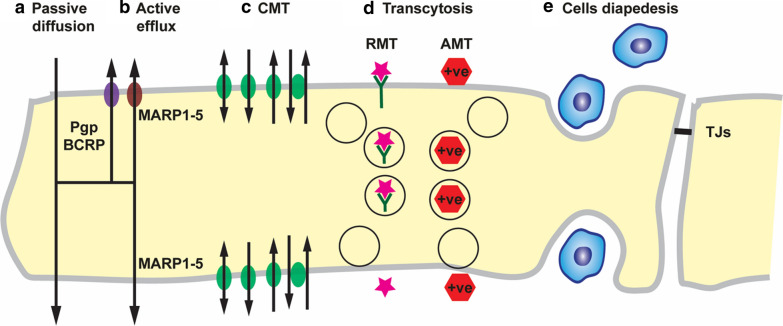
“In the adsorptive-mediated transcytosis (AMT), positively charged molecules interact with the negatively charged ECs, inducing transcytosis and their passage across the barrier.”
From Advances in Strategies to Transport Nanoparticles Across the Blood–Brain Barrier for Drug Delivery into the Brain for the Treatment of Alzheimer’s Disease (2026) · cites this paper as [5]
Experimental — accuracy not yet measuredThe cited source says what the claim attributes to it.
In the citing paper
“The BBB is a physical barrier that separates the CNS from the circulating blood and possesses unique properties for the CNS microvasculature [103].”
From Extracellular vesicles as nanotheranostic platforms for targeted neurological disorder interventions (2024) · cites this paper as [103]
The cited source says what the claim attributes to it.
In the citing paper
“Carrier-mediated transport (CMT) refers to the transport of a variety of molecules facilitated by membrane-bound proteins entitled solute carrier (SLC) transporters [5].”
The cited source says what the claim attributes to it.
In the citing paper
“On the other side, in the receptor-mediated transcytosis (RMT), specific molecules bind to their respective receptors present on the surface of these cells, triggering transcytosis, and their release to the brain environment by detaching from the receptor [5].”
1 more claim about this paper
Create a free account to see every claim other papers make about this one.
Self-check
Percentages, sums and reported differences re-computed from the paper’s own numbers.
The self-check needs the paper’s full text.
Citations
Cites
1 retracted
RETRACTED ARTICLE: Pericyte loss influences Alzheimer-like neurodegeneration in mice
Sagare, A. P., Bell, R. D., Zhao, Z., Ma, Q., Winkler, E. A., Ramanathan, A., & Zlokovic, B. V. (2013) · Nature Communications · doi:10.1038/ncomms3932 · Cited by 589 · cited 1×
“Furthermore, pericytes may display phagocyting functions helping with the removal of toxic metabolites [37].”
BackgroundRetracted(1982) · Trends in Neurosciences · doi:10.1016/0166-2236(82)90076-5 · Cited by 9,089
Astrocyte-endothelial interactions at the blood-brain barrier
Abbott, N. J., Rönnbäck, L., & Hansson, E. (2006) · Nature Reviews Neuroscience · doi:10.1038/nrn1824 · Cited by 5,595 · cited 6×
“As mentioned early, soluble factors released by many of the cell types associated with brain microvessels (including microglia and astrocytes) as well as nerve terminals adjacent to the endothelial extracellular matrix/basal lamina (such as vasoactive agents and cytokines) can modify tight junction assembly and barrie…”
BackgroundInfluentialAstrocytes: Biology and pathology
Sofroniew, M. V., & Vinters, H. V. (2010) · Acta Neuropathologica · doi:10.1007/s00401-009-0619-8 · Cited by 5,196 · cited 1×
“These latter include (1) compartmentalization of the neural parenchyma; (2) maintenance of the ionic homeostasis of the extracellular space; (3) pH regulation; (4) neurotransmitter uptake and processing by providing energy-rich substrates to the neurons; (5) mediation of signals from neurons to the vasculature [51].”
BackgroundStructure and function of the blood–brain barrier
Abbott, N. J., Patabendige, A. A. K., Dolman, D. E. M., Yusof, S. R., & Begley, D. J. (2010) · Neurobiology of Disease · doi:10.1016/j.nbd.2009.07.030 · Cited by 5,185 · cited 11×
“During embryonic angiogenesis, the differentiation of the endothelium into a functioning barrier layer begins and is maintained during adulthood by a close inductive association with other cell types within the NVU, as we mentioned early [2].”
BackgroundInfluentialHenry, M. A. (1995) · The Journal of the American Dental Association · doi:10.14219/jada.archive.1995.0108 · Cited by 3,416
Harold, D., Abraham, R., Hollingworth, P., Sims, R., Gerrish, A., Hamshere, M. L., Pahwa, J. S., Moskvina, V., Dowzell, K., Williams, A., et al. (2009) · Nature Genetics · doi:10.1038/ng.440 · Cited by 3,326
The Blood-Brain Barrier in Health and Chronic Neurodegenerative Disorders
Zlokovic, B. V. (2008) · Neuron · doi:10.1016/j.neuron.2008.01.003 · Cited by 3,280 · cited 1×
“However, specific neuroactive peptides [135], regulatory proteins, hormones, and growth factors get the use of RMT systems to cross the BBB [136].”
BackgroundGhose, A. K., Viswanadhan, V. N., & Wendoloski, J. J. (1999) · Journal of Combinatorial Chemistry · doi:10.1021/cc9800071 · Cited by 3,068 · cited 1×
“There are > 7000 drugs in the Comprehensive Medicinal Chemistry (CMC) database, and only 5% of these drugs treat the CNS [125].”
BackgroundNeurovascular pathways to neurodegeneration in Alzheimer’s disease and other disorders
Zlokovic, B. V. (2011) · Nature Reviews Neuroscience · doi:10.1038/nrn3114 · Cited by 2,969 · cited 8×
“Abbreviations BBB: Blood–brain barrier; CNS: Central nervous system; CSF: Cerebrospinal fluid; BCB: Blood–CSF barrier; ISF: Interstitial fluid; TJs: Tight junctions; P-gp: P-glycoprotein; BCRP: Breast cancer resistance protein; OATP: Organic anion transporting polypeptide; CYP 450: Cytochrome P450; BM: Basement membra…”
BackgroundInfluential
Research works printed but not linked: 1
- Benagiano V Virgintino D Maiorano E Rizzi A Palombo S Roncali L VIP-like immunoreactivity within neurons and perivascular neuronal processes of the human cerebral cortex Eur J Histochem 1996 40 1 53 56 8741100
Cited by
The blood–brain barrier: Structure, regulation and drug delivery
Wu, D., Chen, Q., Chen, X., Han, F., Chen, Z., & Wang, Y. (2023) · Signal Transduction and Targeted Therapy · doi:10.1038/s41392-023-01481-w · Cited by 1,906
An Overview of Oxidative Stress, Neuroinflammation, and Neurodegenerative Diseases
Teleanu, D. M., Niculescu, A.-G., Lungu, I. I., Radu, C. I., Vladâcenco, O., Roza, E., Costăchescu, B., Grumezescu, A. M., & Teleanu, R. I. (2022) · International Journal of Molecular Sciences · doi:10.3390/ijms23115938 · Cited by 1,085
“Because the therapeutic agents need to reach the central nervous system (CNS), it is necessary to tailor appropriate vectors that can surpass the brain–blood barrier (BBB) [3,6].”
BackgroundApoE in Alzheimer’s disease: pathophysiology and therapeutic strategies
Raulin, A.-C., Doss, S. V., Trottier, Z. A., Ikezu, T. C., Bu, G., & Liu, C.-C. (2022) · Molecular Neurodegeneration · doi:10.1186/s13024-022-00574-4 · Cited by 756
The Bioavailability of Drugs—The Current State of Knowledge
Stielow, M., Witczyńska, A., Kubryń, N., Fijałkowski, Ł., Nowaczyk, J., & Nowaczyk, A. (2023) · Molecules · doi:10.3390/molecules28248038 · Cited by 391
Mechanisms of Blood–Brain Barrier Protection by Microbiota-Derived Short-Chain Fatty Acids
Fock, E., & Parnova, R. (2023) · Cells · doi:10.3390/cells12040657 · Cited by 385
Functionalized Nanomaterials Capable of Crossing the Blood–Brain Barrier
Zha, S., Liu, H., Li, H., Li, H., Wong, K.-L., & All, A. H. (2024) · ACS Nano · doi:10.1021/acsnano.3c10674 · Cited by 378
Aburto, M. R., & Cryan, J. F. (2024) · Nature Reviews Gastroenterology & Hepatology · doi:10.1038/s41575-023-00890-0 · Cited by 359
Blood-Brain Barrier Overview: Structural and Functional Correlation
Alahmari, A. (2021) · Neural Plasticity · doi:10.1155/2021/6564585 · Cited by 299
“Thus, the BBB is an essential element for the normal working of the brain and protects it from troubles in fluid formation in the rest of the body [5].”
BackgroundEarly Brain Injury After Subarachnoid Hemorrhage: Incidence and Mechanisms
Lauzier, D. C., Jayaraman, K., Yuan, J. Y., Diwan, D., Vellimana, A. K., Osbun, J. W., Chatterjee, A. R., Athiraman, U., Dhar, R., & Zipfel, G. J. (2023) · Stroke · doi:10.1161/strokeaha.122.040072 · Cited by 248
Magnetic iron oxide nanoparticles for brain imaging and drug delivery
Qiao, R., Fu, C., Forgham, H., Javed, I., Huang, X., Zhu, J., Whittaker, A. K., & Davis, T. P. (2023) · Advanced Drug Delivery Reviews · doi:10.1016/j.addr.2023.114822 · Cited by 245
Tijms, B. M., Vromen, E. M., Mjaavatten, O., Holstege, H., Reus, L. M., van der Lee, S., Wesenhagen, K. E. J., Lorenzini, L., Vermunt, L., Venkatraghavan, V., et al. (2024) · Nature Aging · doi:10.1038/s43587-023-00550-7 · Cited by 258
Hussain, B., Fang, C., & Chang, J. (2021) · Frontiers in Neuroscience · doi:10.3389/fnins.2021.688090 · Cited by 255
Blood-Brain Barrier Dysfunction in CNS Disorders and Putative Therapeutic Targets: An Overview
Archie, S. R., Al Shoyaib, A., & Cucullo, L. (2021) · Pharmaceutics · doi:10.3390/pharmaceutics13111779 · Cited by 220
“Potassium (K+), magnesium (Mg2+) and calcium (Ca2+) ions are regulated at the BBB and BCSFB [2,5,6].”
BackgroundSelf-citationSulfide regulation of cardiovascular function in health and disease
Kolluru, G. K., Shackelford, R. E., Shen, X., Dominic, P., & Kevil, C. G. (2023) · Nature Reviews Cardiology · doi:10.1038/s41569-022-00741-6 · Cited by 229
Activation of Wnt/β-catenin pathway mitigates blood–brain barrier dysfunction in Alzheimer’s disease
Wang, Q., Huang, X., Su, Y., Yin, G., Wang, S., Yu, B., Li, H., Qi, J., Chen, H., Zeng, W., et al. (2022) · Brain · doi:10.1093/brain/awac236 · Cited by 210
“The impairments of BBB structural components and BECs in particular, compromise the integrity and function of BBB.(16) Pathological changes in BECs are often reflect dysregulation of tight junctions,(17) including changes in expression of the tight junction protein Claudin-5,(18) and the tight junction-actin cytoskele…”
BackgroundTherapeutic Properties and Pharmacological Activities of Asiaticoside and Madecassoside: A Review
Bandopadhyay, S., Mandal, S., Ghorai, M., Jha, N. K., Kumar, M., Radha, Ghosh, A., Proćków, J., Pérez de la Lastra, J. M., & Dey, A. (2023) · Journal of Cellular and Molecular Medicine · doi:10.1111/jcmm.17635 · Cited by 220
Hemorrhagic Transformation After Ischemic Stroke: Mechanisms and Management
Hong, J. M., Kim, D. S., & Kim, M. (2021) · Frontiers in Neurology · doi:10.3389/fneur.2021.703258 · Cited by 192
Blood–Brain Barrier Breakdown in Alzheimer’s Disease: Mechanisms and Targeted Strategies
Alkhalifa, A. E., Al-Ghraiybah, N. F., Odum, J., Shunnarah, J. G., Austin, N., & Kaddoumi, A. (2023) · International Journal of Molecular Sciences · doi:10.3390/ijms242216288 · Cited by 212
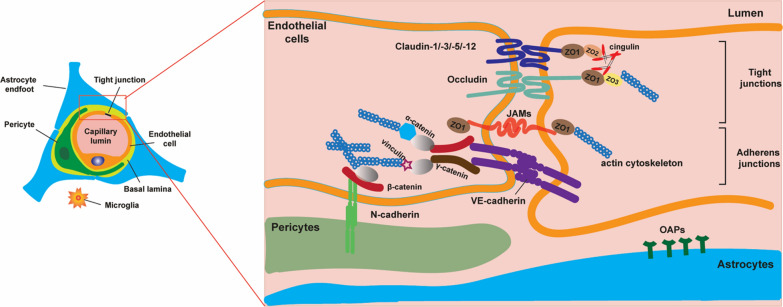
“Endothelial cells of the BBB form a tightly sealed monolayer that is interconnected through a junctional complex comprising tight junctions (TJs) and adherens junctions (AJs) (Figure 1B) [34].”
BackgroundRamakrishna, K., Nalla, L. V., Naresh, D., Venkateswarlu, K., Viswanadh, M. K., Nalluri, B. N., Chakravarthy, G., Duguluri, S., Singh, P., Rai, S. N., et al. (2023) · Diseases · doi:10.3390/diseases11030089 · Cited by 192
Vascular Endothelial Cells: Heterogeneity and Targeting Approaches
Hennigs, J. K., Matuszcak, C., Trepel, M., & Körbelin, J. (2021) · Cells · doi:10.3390/cells10102712 · Cited by 178
Current Strategies to Enhance Delivery of Drugs across the Blood–Brain Barrier
Teleanu, R. I., Preda, M. D., Niculescu, A.-G., Vladâcenco, O., Radu, C. I., Grumezescu, A. M., & Teleanu, D. M. (2022) · Pharmaceutics · doi:10.3390/pharmaceutics14050987 · Cited by 200
Mitusova, K., Peltek, O. O., Karpov, T. E., Muslimov, A. R., Zyuzin, M. V., & Timin, A. S. (2022) · Journal of Nanobiotechnology · doi:10.1186/s12951-022-01610-7 · Cited by 184
“However, a dysfunction of the BBB can lead to the leakage of these harmful blood components into the CNS, contributing to neurologic deficits [29, 37].”
BackgroundFeng, J., Zheng, Y., Guo, M., Ares, I., Martínez, M., Lopez-Torres, B., Martínez-Larrañaga, M.-R., Wang, X., Anadón, A., & Martínez, M.-A. (2023) · Acta Pharmaceutica Sinica B · doi:10.1016/j.apsb.2023.07.010 · Cited by 168
“The BBB is a dynamic structure composed of an assembly of brain endothelial cells (BECs), basement membrane and the pericytes embedded in it, astrocyte foot processes and intercellular tight junctions (TJs) 58 , as shown in Fig.”
BackgroundAndjelkovic, A. V., Situ, M., Citalan-Madrid, A. F., Stamatovic, S. M., Xiang, J., & Keep, R. F. (2023) · Stroke · doi:10.1161/strokeaha.122.040578 · Cited by 164
“Some questions to highlight are (1) Would preventing the BBB effects of normal aging significantly impact neurodegenerative disease-induced dysfunction? (2) What is the relative importance of intrinsic endothelial versus NVU signaling in inducing BBB dysfunction in neurodegeneration? This is important as the endotheli…”
BackgroundRole of Oxidative Stress in Blood–Brain Barrier Disruption and Neurodegenerative Diseases
Kim, S., Jung, U. J., & Kim, S. R. (2024) · Antioxidants · doi:10.3390/antiox13121462 · Cited by 211
“Composed of endothelial cells, tight junction proteins, astrocytic end-feet, and pericytes, it ensures the controlled passage of essential nutrients and specific molecules into the brain while blocking potentially harmful substances [141–144].”
Vascular Permeability in Diseases
Wautier, J.-L., & Wautier, M.-P. (2022) · International Journal of Molecular Sciences · doi:10.3390/ijms23073645 · Cited by 167
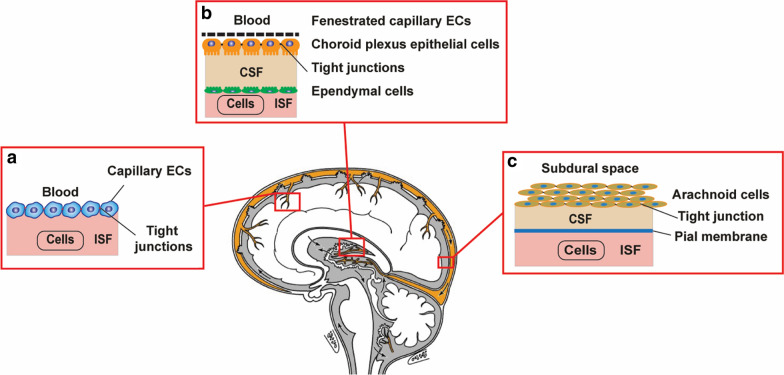
“The avascular arachnoid epithelium, considered as the third barrier, underlines the dura mater [13].”
BackgroundAutoreactive lymphocytes in multiple sclerosis: Pathogenesis and treatment target
Liu, R., Du, S., Zhao, L., Jain, S., Sahay, K., Rizvanov, A. A., Lezhnyova, V., Хайбуллин, Т. И., Martynova, E. V., Khaiboullina, S. F., et al. (2022) · Frontiers in Immunology · doi:10.3389/fimmu.2022.996469 · Cited by 210
Understanding the Gut–Brain Axis and Its Therapeutic Implications for Neurodegenerative Disorders
Zheng, Y., Bonfili, L., Wei, T., & Eleuteri, A. M. (2023) · Nutrients · doi:10.3390/nu15214631 · Cited by 175
“These features enable the selective movement of solutes into and out of the CNS parenchyma, maintaining a stable microenvironment for optimal neuronal function [94].”
BackgroundBalasa, R., Barcutean, L., Mosora, O., & Manu, D. (2021) · International Journal of Molecular Sciences · doi:10.3390/ijms22168370 · Cited by 158
Salminen, A. (2023) · Journal of Molecular Medicine · doi:10.1007/s00109-023-02289-5 · Cited by 169
Liang, Y., Iqbal, Z., Lu, J., Wang, J., Zhang, H., Chen, X., Duan, L., & Xia, J. (2023) · Molecular Therapy · doi:10.1016/j.ymthe.2022.10.008 · Cited by 162
“13,14 Furthermore, BBB ECs have fewer pinocytotic vesicles than peripheral ECs.”
NLRP3 inflammasome in neurodegenerative disease
Anderson, F. L., Biggs, K. E., Rankin, B. E., & Havrda, M. C. (2022) · Translational research · doi:10.1016/j.trsl.2022.08.006 · Cited by 162
Awad, R., Avital, A., & Sosnik, A. (2022) · Acta Pharmaceutica Sinica B · doi:10.1016/j.apsb.2022.07.003 · Cited by 160
Receptor-mediated transcytosis for brain delivery of therapeutics: receptor classes and criteria
Haqqani, A. S., Bélanger, K., & Stanimirovic, D. B. (2024) · Frontiers in Drug Delivery · doi:10.3389/fddev.2024.1360302 · Cited by 153
Transferrin Receptor-Targeted Nanocarriers: Overcoming Barriers to Treat Glioblastoma
Ramalho, M. J., Loureiro, J. A., Coelho, M. A. N., & Pereira, M. C. (2022) · Pharmaceutics · doi:10.3390/pharmaceutics14020279 · Cited by 134
Breaking the Barrier: The Role of Proinflammatory Cytokines in BBB Dysfunction
Gryka-Marton, M., Grabowska, A. D., & Szukiewicz, D. (2025) · International Journal of Molecular Sciences · doi:10.3390/ijms26083532 · Cited by 154
The blood–brain barriers: novel nanocarriers for central nervous system diseases
Liu, J., Wang, T., Dong, J., & Lu, Y. (2025) · Journal of Nanobiotechnology · doi:10.1186/s12951-025-03247-8 · Cited by 160
“For example, knocking out PDGF-Rβ resulted in loss of blood–brain barrier function in pericyte-depleted mice, demonstrating the importance of pericytes in maintaining the functional integrity of the BBB[26].”
InfluentialZhi, K., Raji, B., Nookala, A. R., Khan, M. M., Nguyen, X. H., Sakshi, S., Pourmotabbed, T., Yallapu, M. M., Kochat, H., Tadrous, E., et al. (2021) · Pharmaceutics · doi:10.3390/pharmaceutics13040500 · Cited by 140
Xiao, M., Liu, C. X., Zhou, L. G., Yang, Y., & Wang, Y. (2023) · Medicine · doi:10.1097/md.0000000000032991 · Cited by 158
Research progress in brain-targeted nasal drug delivery
Huang, Q., Chen, X., Yu, S., Gong, G., & Shu, H. (2024) · Frontiers in Aging Neuroscience · doi:10.3389/fnagi.2023.1341295 · Cited by 161
“The arachnoid membrane exists between the inner and outer layers, with the CSF flowing in the interstices below it (Kadry et al., 2020).”
BackgroundHu, P., Lü, Y., Pan, B., & Zhang, W. (2022) · International Journal of Molecular Sciences · doi:10.3390/ijms231911076 · Cited by 152
Asimakidou, E., Tan, J. K. S., Zeng, J., & Lo, C. H. (2024) · Pharmaceuticals · doi:10.3390/ph17050612 · Cited by 146
“The BBB is structurally composed of endothelial cells, the vascular basement membrane, pericytes, and astrocyte end-feet [9] (Figure 1).”
BackgroundInflammation‐driven brain and gut barrier dysfunction in stress and mood disorders
Doney, E., Cadoret, A., Dion‐Albert, L., Lebel, M., & Ménard, C. (2021) · European Journal of Neuroscience · doi:10.1111/ejn.15239 · Cited by 151
Revolutionizing Neurocare: Biomimetic Nanodelivery Via Cell Membranes
Liao, J., Gong, L., Xu, Q., Wang, J., Yang, Y., Zhang, S., Dong, J., Lin, K., Liang, Z., Sun, Y., et al. (2024) · Advanced Materials · doi:10.1002/adma.202402445 · Cited by 138
Kim, S., Jung, U. J., & Kim, S. R. (2025) · Journal of Clinical Medicine · doi:10.3390/jcm14020386 · Cited by 152
Mitophagy and cGAS–STING crosstalk in neuroinflammation
Zhou, X., Wang, J., Yu, L., Qiao, G., Qin, D., Yuen-Kwan Law, B., Ren, F., Wu, J., & Wu, A. (2024) · Acta Pharmaceutica Sinica B · doi:10.1016/j.apsb.2024.05.012 · Cited by 131
Rehman, M. U., Sehar, N., Dar, N. J., Khan, A., Arafah, A., Rashid, S., Rashid, S. M., & Ganaie, M. A. (2023) · Neuroscience & Biobehavioral Reviews · doi:10.1016/j.neubiorev.2022.104961 · Cited by 130
The barrier and interface mechanisms of the brain barrier, and brain drug delivery
Zhang, S., Gan, L., Cao, F., Wang, H., Gong, P., Ma, C., Ren, L., Lin, Y., & Lin, X. (2022) · Brain Research Bulletin · doi:10.1016/j.brainresbull.2022.09.017 · Cited by 129
Blood-brain barrier leakage in Alzheimer’s disease: From discovery to clinical relevance
Nehra, G., Bauer, B., & Hartz, A. M. S. (2022) · Pharmacology & Therapeutics · doi:10.1016/j.pharmthera.2022.108119 · Cited by 127
Salas-Venegas, V., Flores-Torres, R. P., Rodríguez-Cortés, Y. M., Rodríguez-Retana, D., Carreto, R. J. R., Concepción-Carrillo, L. E., Pérez-Flores, L. J., Alarcón‐Aguilar, A., López‐Díazguerrero, N. E., Gómez‐González, B., et al. (2022) · Frontiers in Integrative Neuroscience · doi:10.3389/fnint.2022.798995 · Cited by 135
Gut microbiota regulates blood‐cerebrospinal fluid barrier function and Aβ pathology
Xie, J., Bruggeman, A., De Nolf, C., Vandendriessche, C., Van Imschoot, G., Van Wonterghem, E., Vereecke, L., & Vandenbroucke, R. E. (2023) · The EMBO Journal · doi:10.15252/embj.2022111515 · Cited by 125
Crossing the blood–brain barrier: emerging therapeutic strategies for neurological disease
Pedder, J. H., Sonabend, A. M., Cearns, M. D., Michael, B. D., Zakaria, R., Heimberger, A. B., Jenkinson, M. D., & Dickens, D. (2025) · The Lancet Neurology · doi:10.1016/s1474-4422(24)00476-9 · Cited by 127
Beltrán-Velasco, A. I., & Clemente‐Suárez, V. J. (2025) · International Journal of Molecular Sciences · doi:10.3390/ijms26062440 · Cited by 138
“Recent studies have established strong links between peripheral inflammation, gut microbiota, and BBB dysfunction in the pathogenesis of neurodegenerative diseases [48]. microbiota, and BBB dysfunction in the pathogenesis of neurodegenerative diseases [48].”
Dave, K. M., Stolz, D. B., Venna, V. R., Quaicoe, V. A., Maniskas, M. E., Reynolds, M. J., Babidhan, R., Dobbins, D. X., Farinelli, M. N., Sullivan, A., et al. (2021) · Journal of Controlled Release · doi:10.1016/j.jconrel.2023.01.025 · Cited by 121
Iron homeostasis imbalance and ferroptosis in brain diseases
Long, H., Zhu, W., Wei, L., & Zhao, J. (2023) · MedComm · doi:10.1002/mco2.298 · Cited by 131
Sun, Z., Gao, C., Gao, D., Sun, R., Li, W., Wang, F., Wang, Y., Cao, H., Zhou, G., Zhang, J., et al. (2021) · Fluids and Barriers of the CNS · doi:10.1186/s12987-021-00255-2 · Cited by 126
“By restricting the free diffusion of circulating toxins or pathogens, the BBB provides a homeostatic brain microenvironment for healthy neural function [11, 12].”
BackgroundMauricio, D., Gratacòs, M., & Franch‐Nadal, J. (2023) · Cardiovascular Diabetology · doi:10.1186/s12933-023-02056-3 · Cited by 132
“The NVU closely interacts with the BBB and regulates its selective permeability, preventing the entry of most blood-borne agents into the parenchyma through paracellular routes [28].”
BackgroundCerebrospinal Fluid–Basic Concepts Review
Czarniak, N., Kamińska, J., Matowicka-Karna, J., & Koper‐Lenkiewicz, O. M. (2023) · Biomedicines · doi:10.3390/biomedicines11051461 · Cited by 123
“TJs have two main functions, the first is to prevent the mixing of membrane proteins between the apical and basolateral membranes, and the second is to control ion and solute transport [41].”
BackgroundInfluentialSun, Z., Wang, X., Zhao, Y. F., Sun, Z.-X., Wu, Y., Hu, H., Zhang, L., Wang, S.-D., Li, F., Wei, A., et al. (2023) · Brain Behavior and Immunity · doi:10.1016/j.bbi.2023.10.010 · Cited by 114
“Claudin-5, encoded by the CLDN5 gene, is the dominant TJ protein that 65 maintains the structural and functional integrity of the endothelium (Kadry et al., 2020).”
Current Understanding of the Neural Stem Cell Niches
Llorente, V., Velarde, P., Desco, M., & Gómez‐Gaviro, M. V. (2022) · Cells · doi:10.3390/cells11193002 · Cited by 123
Targeting Cytokine-Mediated Inflammation in Brain Disorders: Developing New Treatment Strategies
Mallick, R., Basak, S., Chowdhury, P., Bhowmik, P., Das, R. K., Banerjee, A., Paul, S., Pathak, S., & Duttaroy, A. K. (2025) · Pharmaceuticals · doi:10.3390/ph18010104 · Cited by 122
“The BBB regulates CNS homeostasis by acting as a selective physical and biochemical barrier that prevents peripheral chemicals, immune cells, and pathogens from entering the brain parenchyma [20].”
Engineered nanomaterials that exploit blood-brain barrier dysfunction for delivery to the brain
Wu, J. R., Hernandez, Y., Miyasaki, K. F., & Kwon, E. J. (2023) · Advanced Drug Delivery Reviews · doi:10.1016/j.addr.2023.114820 · Cited by 97
Unlocking gut-liver-brain axis communication metabolites: energy metabolism, immunity and barriers
Sun, X., Shukla, M., Wang, W., & Li, S. (2024) · npj Biofilms and Microbiomes · doi:10.1038/s41522-024-00610-9 · Cited by 118
Application of micro/nanorobot in medicine
Sun, T., Chen, J., Zhang, J., Zhao, Z., Zhao, Y., Sun, J., & Chang, H. (2024) · Frontiers in Bioengineering and Biotechnology · doi:10.3389/fbioe.2024.1347312 · Cited by 107
Optical blood-brain-tumor barrier modulation expands therapeutic options for glioblastoma treatment
Cai, Q., Li, X., Xiong, H., Fan, H., Gao, X., Vemireddy, V., Margolis, R., Li, J., Ge, X., Giannotta, M., et al. (2023) · Nature Communications · doi:10.1038/s41467-023-40579-1 · Cited by 105
Sela, M., Poley, M., Mora‐Raimundo, P., Kagan, S., Avital, A., Kaduri, M., Chen, G., Adir, O., Rozencweig, A., Weiss, Y., et al. (2023) · Advanced Materials · doi:10.1002/adma.202304654 · Cited by 91
Blood–Brain Barrier Breakdown in Neuroinflammation: Current In Vitro Models
Brandl, S., & Reindl, M. (2023) · International Journal of Molecular Sciences · doi:10.3390/ijms241612699 · Cited by 104
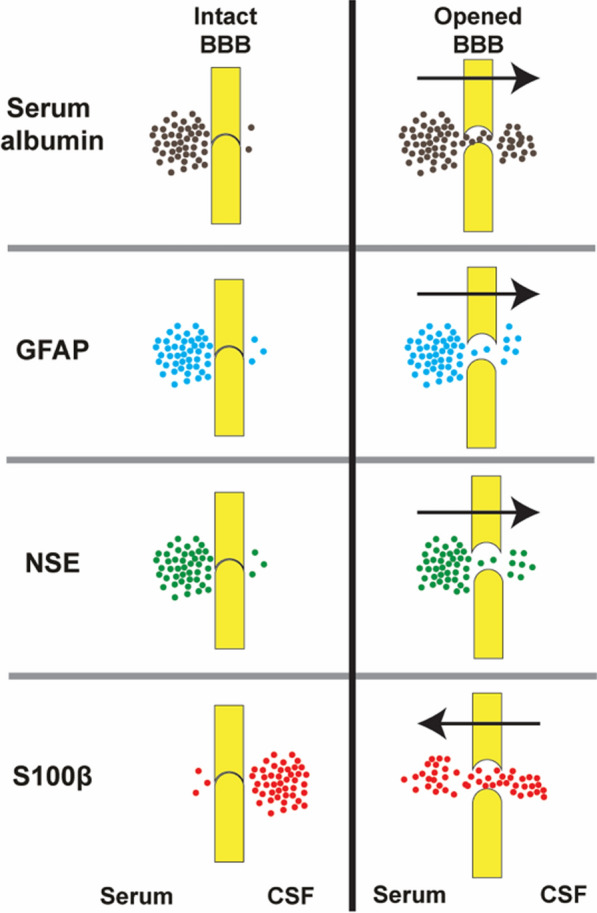
“As such, a combination of different markers is the most reliable approach through which to evaluate BBB integrity [12,187].”
BackgroundInfluentialLim, S. H., Yee, G. T., & Khang, D. (2024) · International Journal of Nanomedicine · doi:10.2147/ijn.s450853 · Cited by 107
Vascularized human brain organoids: current possibilities and prospects
Kistemaker, L., van Bodegraven, E. J., de Vries, H. E., & Hol, E. M. (2025) · Trends in biotechnology · doi:10.1016/j.tibtech.2024.11.021 · Cited by 102
AGE-RAGE axis culminates into multiple pathogenic processes: a central road to neurodegeneration
Bhattacharya, R., Alam, R., Kamal, M. A., Seo, K. J., & Singh, L. R. (2023) · Frontiers in Molecular Neuroscience · doi:10.3389/fnmol.2023.1155175 · Cited by 108
“A unique set of blood vessels that are involved in vascularizing the CNS, forms a crucial part of blood brain barrier (BBB; Kadry et al., 2020).”
BackgroundSex differences in the blood–brain barrier: Implications for mental health
Dion‐Albert, L., Binder, L. B., Daigle, B., Hong-Minh, A., Lebel, M., & Ménard, C. (2022) · Frontiers in Neuroendocrinology · doi:10.1016/j.yfrne.2022.100989 · Cited by 107
“The BBB structure acts as a partition between circulating blood and the CNS modulating CBF (Kadry et al., 2020).”
BackgroundKim, O. Y., & Song, J. (2023) · Life Sciences · doi:10.1016/j.lfs.2023.122356 · Cited by 102
Spitzer, D. E., Guérit, S., Pütz, T., Khel, M. I., Armbrust, M., Dunst, M., Macas, J., Zinke, J., Devraj, G., Jia, X., et al. (2022) · Acta Neuropathologica · doi:10.1007/s00401-022-02452-1 · Cited by 105
Maiuolo, J., Bulotta, R. M., Ruga, S., Nucera, S., Macrì, R., Scarano, F., Oppedisano, F., Carresi, C., Gliozzi, M., Musolino, V., et al. (2024) · International Journal of Molecular Sciences · doi:10.3390/ijms25136971 · Cited by 102
“The BBB specializes in maintaining cerebral homeostasis, regulating ion concentration, protecting against brain toxins, supporting glial and neuronal activity, and defending against infections [5,74].”
BackgroundRole of mitochondria in physiological activities, diseases, and therapy
Wang, L., Zhou, X., & Lu, T. (2025) · Molecular Biomedicine · doi:10.1186/s43556-025-00284-5 · Cited by 103
“Notably, the clinical translation of MT remains faced with challenges, including the isolation of mitochondria, transplant rejection, blood–brain barrier, and ethical issues [367–369].”
Basak, S., Mallick, R., Banerjee, A., Pathak, S., & Duttaroy, A. K. (2021) · Nutrients · doi:10.3390/nu13062061 · Cited by 104
“The BBB comprises endothelial cells in the capillary connected with tight junctions, astrocytic end-foot processes, pericytes, and neurons[72].”
BackgroundNair, A. B., Chaudhary, S. A., Shah, H., Jacob, S., Mewada, V., Shinu, P., Al‐Dhubiab, B. E., Sreeharsha, N., Venugopala, K. N., Attimarad, M., et al. (2022) · Gels · doi:10.3390/gels8060342 · Cited by 100
“The low amount of darunavir that reaches the brain in intravenous therapy could be due to the poor transport of the drug through the blood–brain barrier, which is additionally protected by the tight junctions [5].”
BackgroundInfluentialIn vivo methods for imaging blood–brain barrier function and dysfunction
Harris, W. J., Asselin, M., Hinz, R., Parkes, L. M., Allan, S. M., Schießl, I., Boutin, H., & Dickie, B. (2022) · European Journal of Nuclear Medicine and Molecular Imaging · doi:10.1007/s00259-022-05997-1 · Cited by 99
“As such, inflammatory mediators, immune cells, and glia can dictate whether the BBB is intact or ‘leaky’ [2, 3, 106].”
BackgroundFan, W., Chen, H., Li, M., Fan, X., Jiang, F., Xu, C., Wang, Y.-J., Wei, W., Song, J., Zhong, D., et al. (2024) · Scientific Reports · doi:10.1038/s41598-024-53836-0 · Cited by 99
“Endothelial BBB represents the primary interface between the CNS and peripheral blood-derived cells, significantly affecting normal neuronal activity and CNS homeostasis 33,34 .”
Duan, M., Cao, R., Yang, Y., Chen, X., Liu, L., Ren, B., Wang, L., & Goh, B.-C. (2024) · Cancers · doi:10.3390/cancers16193300 · Cited by 98
“ATP-driven efflux pumps (P-glycoprotein) limit toxin/drug permeability, reducing CNS exposure [103,142], impacting drug efficacy, exacerbating side effects, and challenging the drug action in brain tissue; (3) The “metabolic barrier”: Various drug-metabolizing enzymes, such as CYP450 enzymes, have…”
BackgroundInfluentialApolipoprotein E in Alzheimer’s disease: molecular insights and therapeutic opportunities
Belaidi, A. A., Bush, A. I., & Ayton, S. (2025) · Molecular Neurodegeneration · doi:10.1186/s13024-025-00843-y · Cited by 91
“The neurovascular unit of the BBB is composed of a layer of endothelial cells connected by tight junctions, pericytes and astrocytes end feet [110].”
From Neurodevelopmental to Neurodegenerative Disorders: The Vascular Continuum
Ouellette, J., & Lacoste, B. (2021) · Frontiers in Aging Neuroscience · doi:10.3389/fnagi.2021.749026 · Cited by 98
“The NVU as a whole is also responsible for maintaining BBB integrity (Abbott et al., 2006; Zlokovic, 2008; Daneman, 2012; Kadry et al., 2020).”
BackgroundChaulagain, B., Gothwal, A., Lamptey, R. N. L., Trivedi, R., Mahanta, A. K., Layek, B., & Singh, J. (2023) · International Journal of Molecular Sciences · doi:10.3390/ijms24032710 · Cited by 75
Tiwari, P., Yadav, K., Shukla, R. P., Gautam, S., Marwaha, D., Sharma, M., & Mishra, P. R. (2023) · Journal of Controlled Release · doi:10.1016/j.jconrel.2023.09.016 · Cited by 88
Ruczaj, A., & Brzoska, M. M. (2022) · Journal of Applied Toxicology · doi:10.1002/jat.4322 · Cited by 93
“…factors (Figure 2) can result in the opening of tight junction (a connection between endothelial cells), alterations of transport systems or decomposition of the basement membrane of this barrier and, as a consequence, result in a loss of its properties (Gawdi & Emmady, 2020; Kadry et al., 2020).”
BackgroundBiodistribution of therapeutic extracellular vesicles
Gupta, D., Wiklander, O. P. B., Wood, M. J. A., & Andaloussi, S. E. (2023) · Extracellular Vesicles and Circulating Nucleic Acids · doi:10.20517/evcna.2023.12 · Cited by 92
Stress and the gut-brain axis: an inflammatory perspective
Morys, J., Małecki, A., & Nowacka-Chmielewska, M. M. (2024) · Frontiers in Molecular Neuroscience · doi:10.3389/fnmol.2024.1415567 · Cited by 95
Díaz, M., Mesa-Herrera, F., & Marín, R. (2021) · Antioxidants · doi:10.3390/antiox10060907 · Cited by 84
Recent Development of Drug Delivery Systems through Microfluidics: From Synthesis to Evaluation
Ma, Z., Li, B., Peng, J., & Gao, D. (2022) · Pharmaceutics · doi:10.3390/pharmaceutics14020434 · Cited by 88
Modeling ischemic stroke in a triculture neurovascular unit on-a-chip
Wevers, N. R., Nair, A. L., Fowke, T. M., Pontier, M., Kasi, D. G., Spijkers, X. M., Hallard, C., Rabussier, G., van Vught, R., Vulto, P., et al. (2021) · Fluids and Barriers of the CNS · doi:10.1186/s12987-021-00294-9 · Cited by 88
“Although sodium fluorescein presents with this disadvantage, it presents with several other highly favorable characteristics [74], including its inability to accumulate inside cells [76].”
BackgroundNeuro-nanotechnology: diagnostic and therapeutic nano-based strategies in applied neuroscience
Shabani, L., Abbasi, M., Azarnew, Z., Amani, A. M., & Vaez, A. (2023) · BioMedical Engineering OnLine · doi:10.1186/s12938-022-01062-y · Cited by 87
“Because of the blood–brain barrier (BBB), bigger macromolecules are prevented from entering the brain [42].”
BackgroundIntegration of Extracellular Matrices into Organ‐on‐Chip Systems
Kutluk, H., Bastounis, E. E., & Constantinou, I. (2023) · Advanced Healthcare Materials · doi:10.1002/adhm.202203256 · Cited by 84
Pathological and Inflammatory Consequences of Aging
García‐Domínguez, M. (2025) · Biomolecules · doi:10.3390/biom15030404 · Cited by 91
“The BBB is a highly specialized and selective permeability barrier composed of endothelial cells interconnected by tight junctions, primarily consisting of transmembrane proteins such as claudins, occludin, and zonula occludens (ZO) proteins, supported by pericytes and astrocytes [222].”
Soliman, H. M., Ghonaim, G. A., Gharib, S. M., Chopra, H., Farag, A. K., Hassanin, M. H., Nagah, A., Emad-Eldin, M., Hashem, N. E., Yahya, G., et al. (2021) · International Journal of Molecular Sciences · doi:10.3390/ijms221910794 · Cited by 81
Song, Y. H., De, R., & Lee, K. T. (2023) · Advances in Colloid and Interface Science · doi:10.1016/j.cis.2023.103008 · Cited by 81
Present and future of microglial pharmacology
Šimončičová, E., Gonçalves de Andrade, E., Vecchiarelli, H. A., Awogbindin, I. O., Delage, C. I., & Tremblay, M.-È. (2022) · Trends in Pharmacological Sciences · doi:10.1016/j.tips.2021.11.006 · Cited by 77
Wu, H., Wang, J., Teng, T., Yin, B., He, Y., Jiang, Y., Liu, X., Yu, Y., Li, X., & Zhou, X. (2022) · Journal of Affective Disorders · doi:10.1016/j.jad.2022.11.058 · Cited by 81
Melatonin: A potential nighttime guardian against Alzheimer’s
Zhang, Z., Xue, P., Bendlin, B. B., Zetterberg, H., Felice, F. G. D., Tan, X. W., & Benedict, C. (2024) · Molecular Psychiatry · doi:10.1038/s41380-024-02691-6 · Cited by 82
Micro- and Nanosized Carriers for Nose-to-Brain Drug Delivery in Neurodegenerative Disorders
Boyuklieva, R., & Pilicheva, B. (2022) · Biomedicines · doi:10.3390/biomedicines10071706 · Cited by 82
Zhu, H., Allwin, C., Bassous, M. G., & Pouliopoulos, A. N. (2024) · Journal of Neuro-Oncology · doi:10.1007/s11060-024-04795-z · Cited by 75
“Consequently, there is growing interest in research focused on safe and reversible BBB opening (BBBO), which holds promise for enhancing the delivery and efficacy of therapeutic agents [4].”
Background
Metadata
- Authors
- Kadry, H., Noorani, B., & Cucullo, L.
- Affiliations
- Texas Tech University Health Sciences Center (US)
- Oakland University (US)
- Corresponding author
- Cucullo, Luca
- Venue
- Fluids and Barriers of the CNS
- Published
- 2020-11-18
- Volume
- 17
- Issue
- 1
- Pages
- 69-69
- ISSN
- 2045-8118 (ISSN-L)
- PMC
- PMC7672931
- OpenAlex
- W3104682194
- Cited by
- 1,853
- References
- 266
- Citations by year
- 2026: 342 · 2025: 491 · 2024: 480 · 2023: 299 · 2022: 176 · 2021: 63
- FWCI
- 13.39
- Type
- journal article
- Language
- en
- Open access
- gold
- doi.org
- Licence
- cc-by
- creativecommons.org/licenses/by/4.0/ (tdm)
- creativecommons.org/licenses/by/4.0/ (vor)
- Locations
- Fluids and Barriers of the CNS (publishedVersion, cc-by)
- PubMed Central (publishedVersion, cc-by)
- PubMed (publishedVersion)
- DOAJ (DOAJ: Directory of Open Access Journals) (submittedVersion, cc-by-sa)
- Funders
- National Institute on Drug Abuse (2R01-DA029121-01A1, 1R01DA049737-01)
- National Institute of Neurological Disorders and Stroke (1R01NS117906-01)
- Topics
- Life Sciences › Neuroscience › Neurology › Barrier Structure and Function Studies
- Health Sciences › Medicine › Oncology › Drug Transport and Resistance Mechanisms
- Life Sciences › Biochemistry, Genetics and Molecular Biology › Molecular Biology › Ion Transport and Channel Regulation
- Keywords
- blood-brain barrier, blood-brain barrier integrity, blood-brain barrier disruption, shear stress, blood-brain barrier permeability, brain homeostasis, neurological disorders
- MeSH terms
- Biological Transport, Blood-Brain Barrier, Brain Diseases, Humans, Biomarkers
About these checks
Registry, retraction, Cites and statistics results are computed, not judged, with one exception: a printed reference that no index lists is read once by a model before it counts as a citation error. Claims are extracted by a model and kept only when their quote appears verbatim in the text; each cited source is then checked, with a model’s help, for whether it says what the claim relies on. Those verdicts can be wrong — read the claim’s quote and the cited source before relying on one.
Statistics and arithmetic are recomputed, not judged.
Confidence bands are shown only for fields calibrated on our annotated test set. None is calibrated yet, so no band is shown.
What counts as a claim ›How we measure confidence ›How we check this ›
Are you an author, or do you see a problem with this page? Request a review
Data sources
Bibliographic data: Semantic Scholar, OpenAlex, Crossref.
Contains information from the Semantic Scholar Academic Graph Datasets, made available under the ODC Attribution License (ODC-BY 1.0).
Semantic Scholar’s data is described in: Kinney, R., et al. (2023). The Semantic Scholar Open Data Platform. arXiv:2301.10140.
