

The DOI matches its Crossref record; 87 of the 87 references it cites were found in a registry or an index.
Selective reduction of astrocyte apoE3 and apoE4 strongly reduces Aβ accumulation and plaque-related pathology in a mouse model of amyloidosis
Open accessAbstract
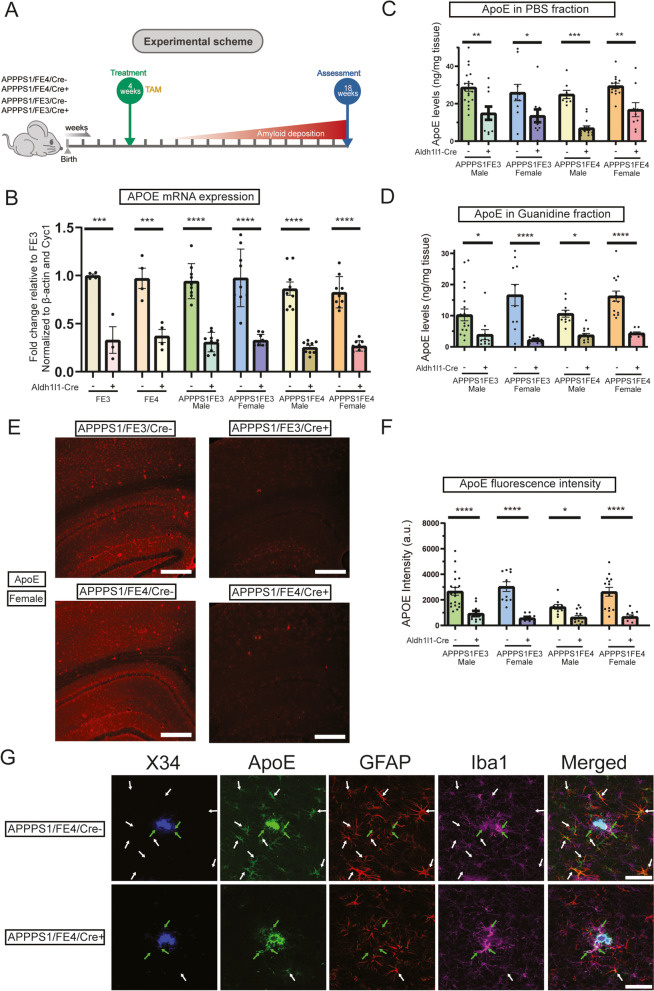
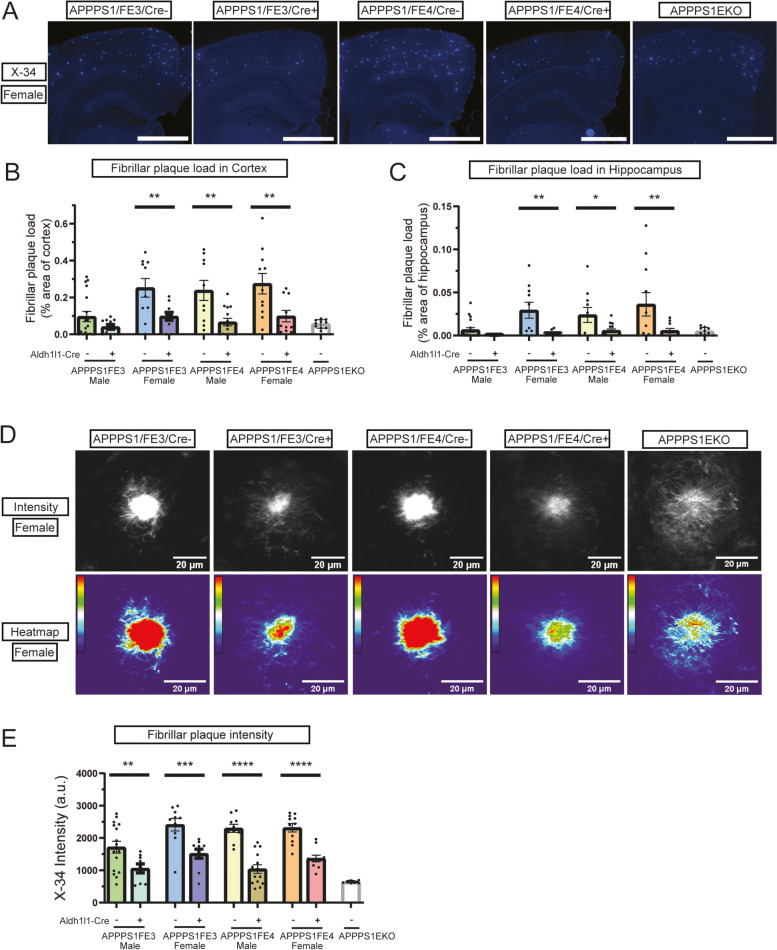
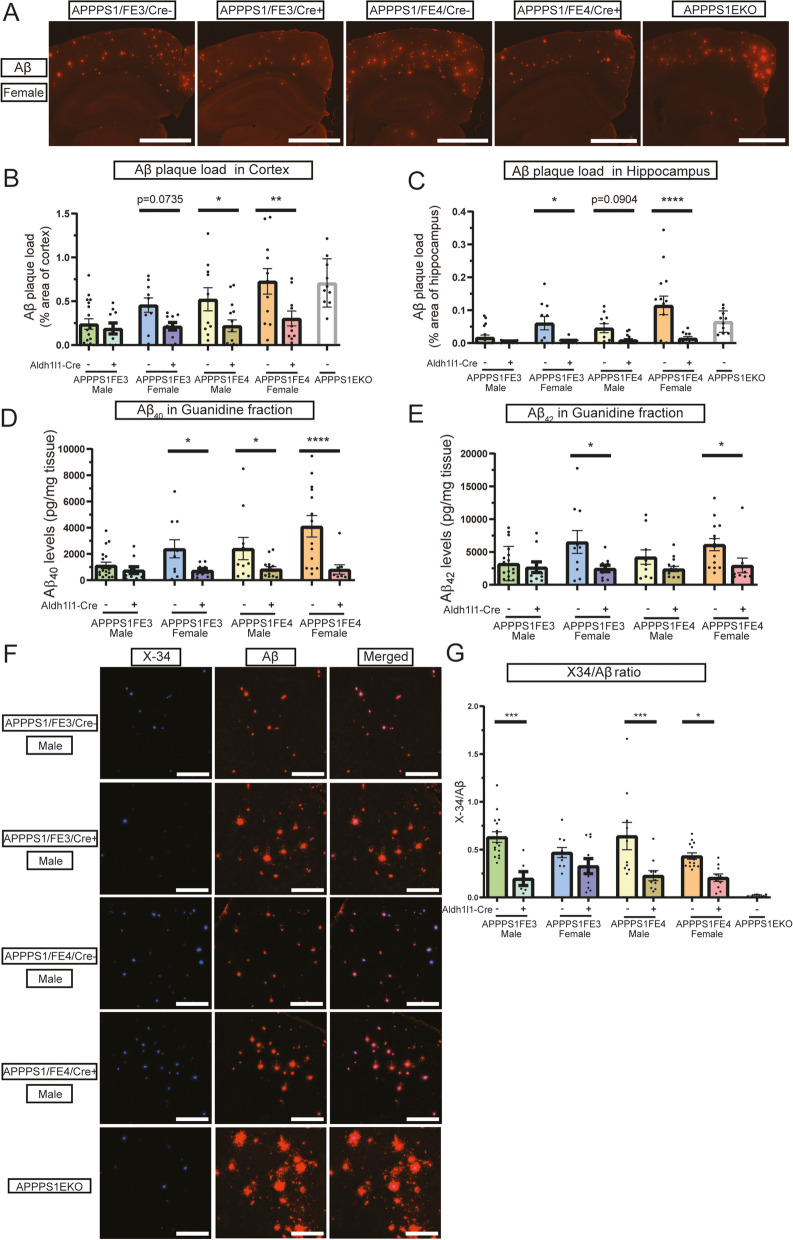
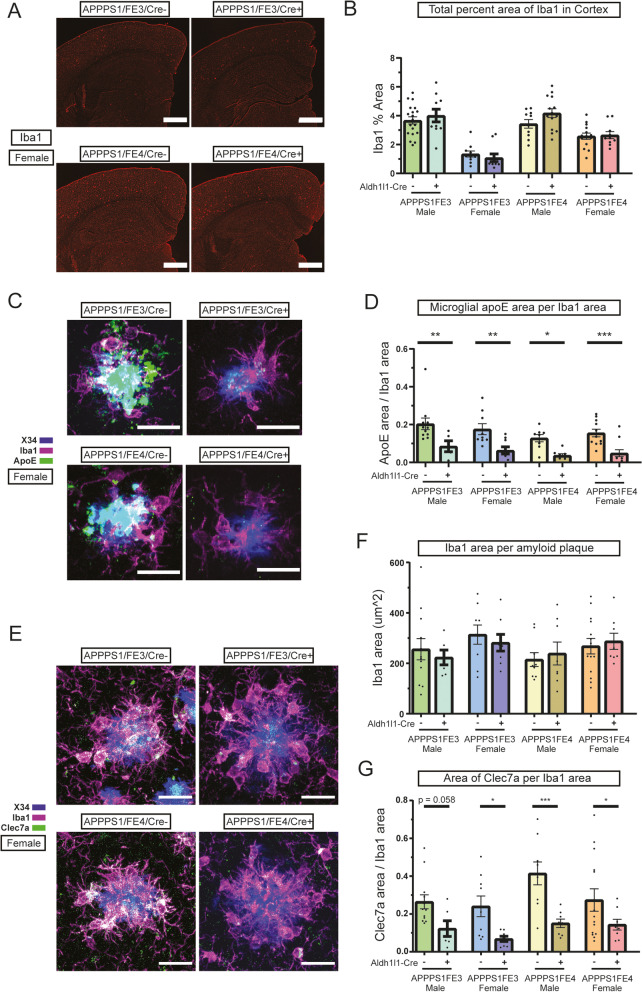
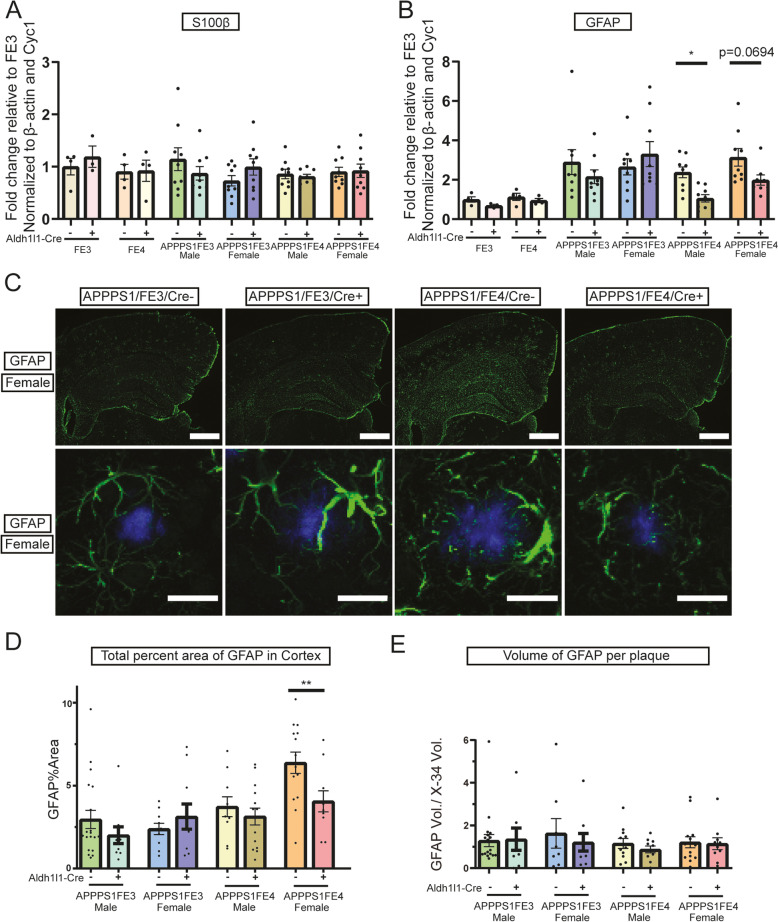
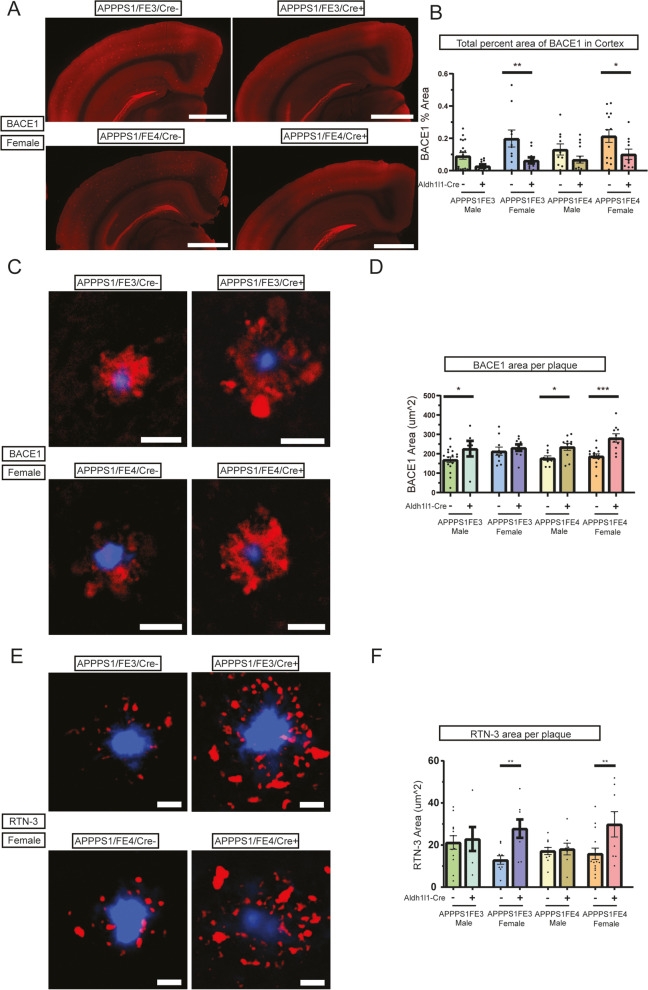
Background: One of the key pathological hallmarks of Alzheimer disease (AD) is the accumulation of the amyloid-β (Aβ) peptide into amyloid plaques. The apolipoprotein E (APOE) gene is the strongest genetic risk factor for late-onset AD and has been shown to influence the accumulation of Aβ in the brain in an isoform-dependent manner. ApoE can be produced by different cell types in the brain, with astrocytes being the largest producer of apoE, although reactive microglia also express high levels of apoE. While studies have shown that altering apoE levels in the brain can influence the development of Aβ plaque pathology, it is not fully known how apoE produced by specific cell types, such as astrocytes, contributes to amyloid pathology. Methods: We utilized APOE knock-in mice capable of having APOE selectively removed from astrocytes in a tamoxifen-inducible manner and crossed them with the APP/PS1-21 mouse model of amyloidosis. We analyzed the changes to Aβ plaque levels and assessed the impact on cellular responses to Aβ plaques when astrocytic APOE is removed. Results: Tamoxifen administration was capable of strongly reducing apoE levels in the brain by markedly reducing astrocyte apoE, while microglial apoE expression remained. Reduction of astrocytic apoE3 and apoE4 led to a large decrease in Aβ plaque deposition and less compact plaques. While overall Iba1+ microglia were unchanged in the cortex after reducing astrocyte apoE, the expression of the disease-associated microglial markers Clec7a and apoE were lower around amyloid plaques, indicating decreased microglial activation. Additionally, astrocyte GFAP levels are unchanged around amyloid plaques, but overall GFAP levels are reduced in the cortex of female apoE4 mice after a reduction in astrocytic apoE. Finally, while the amount of neuritic dystrophy around remaining individual plaques was increased with the removal of astrocytic apoE, the overall amount of cortical amyloid-associated neuritic dystrophy was significantly decreased. Conclusion: This study reveals an important role of astrocytic apoE3 and apoE4 on the deposition and accumulation of Aβ plaques as well as on certain Aβ-associated downstream effects.
Overview
The claims and statistics of this paper haven’t been checked yet.
Run the check — free, no account needed. It reads the open-access text and checks the sources it cites.
Integrity signals
Registry
Cites
Statistics
Figures
Verification
Claims the paper makes
The claims and statistics of this paper haven’t been checked yet.
Run the check — free, no account needed. It reads the open-access text and checks the sources it cites.
Claims other papers make about this one
Each is checked against this paper’s own text: does it say what the citing paper says it does?
The source backs part of the claim, not all of it — or backs it for a different population, condition or comparison.
In the citing paper
“removal of both astrocytic APOE3 and APOE4 is protective against Aβ deposition in plaque-depositing mice; specifically, plaque burden was lowered to the levels of Apoe knockout mice148.”
From Multifaceted roles of APOE in Alzheimer disease (2024) · cites this paper as [148]
Experimental — accuracy not yet measuredThe source backs part of the claim, not all of it — or backs it for a different population, condition or comparison.
In the citing paper
“removal of astrocytic APOE reduced microglial reaction to Aβ plaques and neurofibrillary tangles, but that astrocyte response to plaques and tangles was largely unchanged148,149”
From Multifaceted roles of APOE in Alzheimer disease (2024) · cites this paper as [148]
Experimental — accuracy not yet measuredThe source backs part of the claim, not all of it — or backs it for a different population, condition or comparison.
In the citing paper
“Restoration of APOE expression in astrocytes alone is sufficient to induce formation of fibrillar plaques and microglia reactivity, extending findings from previous studies (Holtzman et al, 2000a; Liu et al, 2017b; Mahan et al, 2022).”
From APOE from astrocytes restores Alzheimer’s Aβ-pathology and DAM-like responses in APOE deficient microglia (2024) · cites this paper as Mahan et al, 2022
Experimental — accuracy not yet measuredThe source backs part of the claim, not all of it — or backs it for a different population, condition or comparison.
In the citing paper
“Total body apoE knockout as well as astrocyte specific ApoE knockout results in markedly decreased fibrillar amyloid deposition and in less compact Aβ plaques as well as decreasing neuronal loss and reactive gliosis in a tauopathy model [96, 99, 100].”
From ApoE lipoproteins in the central nervous system under homeostasis and role in Alzheimer’s disease and related disorders (2026) · cites this paper as [96]
Experimental — accuracy not yet measuredThe source backs part of the claim, not all of it — or backs it for a different population, condition or comparison.
In the citing paper
“Knockout of ApoE in astrocytes versus microglia has differing impacts on disease pathogenesis in mouse models of Aβ amyloidosis suggesting that ApoE produced from different cell types may differentially affect disease outcomes [96, 97].”
From ApoE lipoproteins in the central nervous system under homeostasis and role in Alzheimer’s disease and related disorders (2026) · cites this paper as [96]
Experimental — accuracy not yet measured
The source backs part of the claim, not all of it — or backs it for a different population, condition or comparison.
In the citing paper
“as evidenced by studies showing astrocyte-specific knockout of ApoE results in markedly decreased Aβ pathology and tau-mediated neurodegeneration (13, 14, 15).”
From Lipidome and proteome of astrocyte and microglia ApoE lipoprotein reveal differences based on cell type and ApoE isoform (2026) · cites this paper as [14]
Experimental — accuracy not yet measuredThe cited source says what the claim attributes to it.
In the citing paper
“findings from a study by Mahan et al.36 suggested a role for astrocyte-derived ApoE in amyloid reduction and associated gliosis.”
From APOE4 to APOE2 allelic switching in mice improves Alzheimer’s disease-related metabolic signatures, neuropathology and cognition (2025) · cites this paper as Mahan et al.36
The cited source says what the claim attributes to it.
In the citing paper
“While that study did not report decreases in IBA1 as those seen in this study, they observed a similar decrease in reactive microglia using Clec7a, and a reduction in plaque-associated ApoE.”
From APOE4 to APOE2 allelic switching in mice improves Alzheimer’s disease-related metabolic signatures, neuropathology and cognition (2025) · cites this paper as Mahan et al.36
The cited source says what the claim attributes to it.
In the citing paper
“the characterization of microglia in astrocyte-specific Apoe knockout mice certainly indicates that microglia are affected by astrocytic APOE148,149.”
From Multifaceted roles of APOE in Alzheimer disease (2024) · cites this paper as [148]
The cited source says what the claim attributes to it.
In the citing paper
“reports of astrocyte-specific deletion of APOE reducing amyloid pathology and associated toxicity [19].”
From Astrocytic APOE3-Christchurch expression ameliorates brain amyloid-β pathology in 5xFAD mice (2026) · cites this paper as [19]
The cited source says what the claim attributes to it.
In the citing paper
“Knockout of human ApoE3 and ApoE4 in astrocytes of transgenic mice results in markedly decreased Aβ plaque pathology despite microglia continuing to produce ApoE [96].”
From ApoE lipoproteins in the central nervous system under homeostasis and role in Alzheimer’s disease and related disorders (2026) · cites this paper as [96]
The cited source says what the claim attributes to it.
In the citing paper
“Knockout of ApoE in astrocytes versus microglia has differing impacts on disease pathogenesis in mouse models of Aβ amyloidosis suggesting that ApoE produced from different cell types may differentially affect disease outcomes [96, 97].”
From ApoE lipoproteins in the central nervous system under homeostasis and role in Alzheimer’s disease and related disorders (2026) · cites this paper as [96]
The cited source says what the claim attributes to it.
In the citing paper
“Although there are very few true amyloid plaques in the absence of mouse apoE, there is greater neuritic dystrophy around the remaining plaques [96, 99].”
From ApoE lipoproteins in the central nervous system under homeostasis and role in Alzheimer’s disease and related disorders (2026) · cites this paper as [96]
The cited source says what the claim attributes to it.
In the citing paper
“Astrocytes account for the bulk of ApoE secretion under homeostatic conditions (14).”
From Lipidome and proteome of astrocyte and microglia ApoE lipoprotein reveal differences based on cell type and ApoE isoform (2026) · cites this paper as [14]
In the citing paper
“Studies have demonstrated that APOE4 drives Aβ- and tau-mediated neurodegeneration by inducing microglial and astrocytic activation.174–179”
From Microbiota–gut–brain axis and its therapeutic applications in neurodegenerative diseases (2024) · cites this paper as [176]
Self-check
Percentages, sums and reported differences re-computed from the paper’s own numbers.
The self-check needs the paper’s full text.
Citations
Cites
Corder, E. H., Saunders, A. M., Strittmatter, W. J., Schmechel, D. E., Gaskell, P. C., Small, G. W., Roses, A. D., Haines, J. L., & Pericak-Vance, M. A. (1993) · Science · doi:10.1126/science.8346443 · Cited by 9,429
A Unique Microglia Type Associated with Restricting Development of Alzheimer’s Disease
Keren-Shaul, H., Spinrad, A., Weiner, A., Matcovitch-Natan, O., Dvir-Szternfeld, R., Ulland, T. K., David, E., Baruch, K., Lara-Astaiso, D., Toth, B., et al. (2017) · Cell · doi:10.1016/j.cell.2017.05.018 · Cited by 5,493
Strittmatter, W. J., Saunders, A. M., Schmechel, D., Pericak-Vance, M., Enghild, J., Salvesen, G. S., & Roses, A. D. (1993) · Proceedings of the National Academy of Sciences · doi:10.1073/pnas.90.5.1977 · Cited by 4,268
Clinical and biomarker changes in dominantly inherited Alzheimer's disease
Bateman, R. J., Xiong, C., Benzinger, T. L. S., Fagan, A. M., Goate, A., Fox, N. C., Marcus, D. S., Cairns, N. J., Xie, X., Blazey, T. M., et al. (2012) · New England Journal of Medicine · doi:10.1056/nejmoa1202753 · Cited by 3,814
Self-citationAlzheimer Disease: An Update on Pathobiology and Treatment Strategies
Long, J. M., & Holtzman, D. M. (2019) · Cell · doi:10.1016/j.cell.2019.09.001 · Cited by 3,204
Self-citationKrasemann, S., Madore, C., Cialic, R., Baufeld, C., Calcagno, N., El Fatimy, R., Beckers, L., O’Loughlin, E., Xu, Y., Fanek, Z., et al. (2017) · Immunity · doi:10.1016/j.immuni.2017.08.008 · Cited by 2,979
Self-citationReactive astrocyte nomenclature, definitions, and future directions
Escartin, C., Galea, E., Lakatos, A., O’Callaghan, J. P., Petzold, G. C., Serrano-Pozo, A., Steinhäuser, C., Volterra, A., Carmignoto, G., Agarwal, A., et al. (2021) · Nature Neuroscience · doi:10.1038/s41593-020-00783-4 · Cited by 2,513 · cited 1×
“It will be important in future studies to utilize methods such as single cell RNA sequencing of astrocytes, to more fully explore the apoE isoform and sex-dependent changes in reactive astrogliosis that are present in different disease conditions, including in the presence of amyloid [76].”
Background2021 Alzheimer's disease facts and figures
Anonymous (2021) · Alzheimer s & Dementia · doi:10.1002/alz.12328 · Cited by 2,339
The role of apolipoprotein E in Alzheimer's disease
Kim, J., Basak, J. M., & Holtzman, D. M. (2009) · Neuron · doi:10.1016/j.neuron.2009.06.026 · Cited by 1,661
Self-citationPrevalence of Cerebral Amyloid Pathology in Persons Without Dementia: A Meta-analysis
Jansen, W. J., Ossenkoppele, R., Knol, D. L., Tijms, B. M., Scheltens, P., Verhey, F. R. J., Visser, P. J., Aalten, P., Aarsland, D., Alcolea, D., et al. (2015) · JAMA · doi:10.1001/jama.2015.4668 · Cited by 1,610
Research works printed but not linked: 1
- International AD, Guerchet M, Prince M. Numbers of people with dementia around the world. 2020.
Cited by
Sorted by citations
Items 101–135 of 135
Yu, J.-X., Zhang, W. R., Li, P., Yang, Y., & Huang, H. (2026) · Molecular Neurobiology · doi:10.1007/s12035-026-05744-9 · Cited by 3
Matos, M., Oliveira, A. S., Matias, I., Boulch, A. L., Ciofi, P., Dupuy, L., Huc, E., Oliet, S. H. R., & Panatier, A. (2026) · Alzheimer s Research & Therapy · doi:10.1186/s13195-026-01992-y · Cited by 1
Wang, N., Yu, G., Wang, Z., Alnobani, A., Jeevaratnam, S., Zhang, X., McReynolds, M. G., Chang, Y., Qi, F., Tauer, W., et al. (2026) · Molecular Neurodegeneration · doi:10.1186/s13024-026-00940-6 · Cited by 1
Self-citationCell-type-specific APOE4 cascade across the Alzheimer’s disease continuum
Shostak, D. M., Liang, Z., & Huang, Y. (2026) · Neuron · doi:10.1016/j.neuron.2026.04.024 · Cited by 1
Focused ultrasound-mediated lipid nanoparticle delivery for brain gene editing
Zheng, K., Tsitsos, F. N., Konofagou, E. E., & Leong, K. W. (2026) · Molecular Therapy — Nucleic Acids · doi:10.1016/j.omtn.2026.103012 · Cited by 1
Cruz-Sesé, J., Miron-Alcala, M., Alfonso-Triguero, M., Olalde, J., Ruiz, L., Galbis-Gramage, N., Cortés, L., Escobar, L., Preman, P., Snellinx, A., et al. (2026) · Cell Reports · doi:10.1016/j.celrep.2026.117803 · Cited by 1
Lack of ApoE inhibits ADan amyloidosis in a mouse model of familial Danish dementia
Fernández, A., Gomez, M.-T., & Vidal, R. (2022) · Journal of Biological Chemistry · doi:10.1016/j.jbc.2022.102751 · Cited by 1
Murphy, K. B., Hu, D., Wolfs, L., Mancuso, R., Strooper, B. D., & Marzi, S. J. (2024) · bioRxiv (Cold Spring Harbor Laboratory) · doi:10.1101/2024.07.03.601874 · Cited by 1
Astrocytic APOE3-Christchurch expression ameliorates brain amyloid-β pathology in 5xFAD mice
Raulin, A.-C., Alnobani, A., Rodriguez-Martinez, P., Lee, E., Linares, C., Yslas, A. R., Li, M., Ren, Y., Doss, S. V., Roy, B., et al. (2026) · Translational Psychiatry · doi:10.1038/s41398-026-04002-9
Ablation of cell-specific cholesterol synthesis affects cerebral β-amyloidosis
Spieth, L. (2023) · eDiss (Georg-August-Universität Göttingen) · doi:10.53846/goediss-9780
Liao, S.-Y., & Tan, Y.-D. (2023) · Research Square · doi:10.21203/rs.3.rs-3256772/v1
Basic Experimental Model of Memory Impairment in Alzheimer’s Disease
胡, 祥. (2023) · Open Journal of Natural Science · doi:10.12677/ojns.2023.116110
Liao, S.-Y., & Tan, Y.-D. (2024) · Frontiers in Genetics · doi:10.3389/fgene.2023.1295327
Research Progress of Neurodegenerative Diseases Targeting APOE
苏, 航. (2024) · Aging Research · doi:10.12677/ar.2024.115295
Amyloid, Tau, and ApoE: Revisiting Hypotheses of Alzheimer's Disease
Yao, B., Kuang, M., Jiang, D. F., & Xu, C. (2025) · Theoretical and Natural Science · doi:10.54254/2753-8818/2024.19396
APOE and Traumatic Brain Injury
Charney, M. F., & Lipton, M. L. (2025) · Springer eBooks · doi:10.1007/978-3-031-52641-1_15-1
Glymphatic impairment in Moyamoya disease
Chen, Y., & Liu, X. (2025) · Molecular and Cellular Neuroscience · doi:10.1016/j.mcn.2025.104053
Quantitative proteomic analysis reveals key proteins involved in radiation-induced brain injury
Liu, J., Wang, J., Lv, S., Wang, H., Yang, D., Zhang, Y., Li, Y., Qu, H., Xu, Y., & Yan, Y. (2025) · PLoS ONE · doi:10.1371/journal.pone.0337608
Johnson, N. R., Wang, A. C.-J., Coughlan, C. M., Sillau, S., Lucero, E., Viltz, L., Markham, N. E., Allen, C., Dhanasekaran, A. R., Chial, H. J., et al. (2022) · Figshare · doi:10.6084/m9.figshare.20193570
Xiong, M., Wang, C., Gratuze, M., Saadi, F., Bao, X., Bosch, M. E., Lee, C., Jiang, H., Serrano, J. R., Gonzales, E. R., et al. (2023) · Figshare · doi:10.6084/m9.figshare.22618616
Self-citationXiong, M., Wang, C., Gratuze, M., Saadi, F., Bao, X., Bosch, M. E., Lee, C., Jiang, H., Serrano, J. R., Gonzales, E. R., et al. (2023) · Figshare · doi:10.6084/m9.figshare.22618622
Self-citationXiong, M., Wang, C., Gratuze, M., Saadi, F., Bao, X., Bosch, M. E., Lee, C., Jiang, H., Serrano, J. R., Gonzales, E. R., et al. (2023) · Figshare · doi:10.6084/m9.figshare.22618631
Self-citationJohnson, N. R., Wang, A. C.-J., Coughlan, C. M., Sillau, S., Lucero, E., Viltz, L., Markham, N. E., Allen, C., Dhanasekaran, A. R., Chial, H. J., et al. (2022) · Figshare · doi:10.6084/m9.figshare.20193564
Xiong, M., Wang, C., Gratuze, M., Saadi, F., Bao, X., Bosch, M. E., Lee, C., Jiang, H., Serrano, J. R., Gonzales, E. R., et al. (2023) · Figshare · doi:10.6084/m9.figshare.22618628
Self-citationXiong, M., Wang, C., Gratuze, M., Saadi, F., Bao, X., Bosch, M. E., Lee, C., Jiang, H., Serrano, J. R., Gonzales, E. R., et al. (2023) · Figshare · doi:10.6084/m9.figshare.22618634
Self-citationXiong, M., Wang, C., Gratuze, M., Saadi, F., Bao, X., Bosch, M. E., Lee, C., Jiang, H., Serrano, J. R., Gonzales, E. R., et al. (2023) · Figshare · doi:10.6084/m9.figshare.22618619
Self-citationJohnson, N. R., Wang, A. C.-J., Coughlan, C. M., Sillau, S., Lucero, E., Viltz, L., Markham, N. E., Allen, C., Dhanasekaran, A. R., Chial, H. J., et al. (2022) · Figshare · doi:10.6084/m9.figshare.20193558
Kim, H., Kim, S., Cho, B., Shin, J., & Kim, J. (2022) · Figshare · doi:10.6084/m9.figshare.21400433
Fredriksen, K., Joshi, S. S., Chang, A., & Li, L. (2025) · bioRxiv (Cold Spring Harbor Laboratory) · doi:10.64898/2025.12.16.694774
Lee, H. B., Yoon, B., Hong, Y. J., Jeong, J. H., Kim, S., Wang, M. J., Choi, S. H., Ryu, J. S., Kang, S., Park, K. H., et al. (2026) · Journal of Korean Medical Science · doi:10.3346/jkms.2026.41.e184
Apolipoprotein E (APOE) in Alzheimer’s Disease: Mechanisms, Modifiers, and Therapeutic Implications
Rehman, S. U. (2026) · Bengal Journal of Psychiatry · doi:10.25259/bjpsy_2_2026
Gharbi, A., Sghaier, I., Habibi, M. E., Abida, Y., Souissi, A., Atrous, A., Zantour, M., Kacem, I., Gargouri, A., Djebara, M. B., et al. (2026) · Frontiers in Genetics · doi:10.3389/fgene.2026.1831886
Li, X., Li, Y., Li, Y., Wang, W., Ma, S., Li, J., Cheng, X., Guang, C., Hong, E., Chen, H., et al. (2026) · Frontiers in Aging Neuroscience · doi:10.3389/fnagi.2026.1947643
Strickland, M. R., & Holtzman, D. M. (2026) · Molecular Neurodegeneration · doi:10.1186/s13024-026-00970-0
Self-citation
Metadata
- Authors
- Mahan, T. E., Wang, C., Bao, X., Choudhury, A., Ulrich, J. D., & Holtzman, D. M.
- Affiliations
- Washington University in St. Louis (US)
- Corresponding author
- Holtzman, David M.
- Venue
- Molecular Neurodegeneration
- Published
- 2022-02-02
- Volume
- 17
- Issue
- 1
- Pages
- 13-13
- ISSN
- 1750-1326 (ISSN-L)
- PMC
- PMC8811969
- OpenAlex
- W4210382695
- Cited by
- 134
- References
- 87
- Citations by year
- 2026: 19 · 2025: 35 · 2024: 31 · 2023: 29 · 2022: 20
- FWCI
- 17.78
- Type
- journal article
- Language
- en
- Open access
- gold
- doi.org
- Locations
- Molecular Neurodegeneration (publishedVersion, cc-by)
- PubMed Central (publishedVersion, cc-by)
- PubMed (publishedVersion)
- Digital Commons@Becker (Washington University School of Medicine) (submittedVersion, cc-by)
- DOAJ (DOAJ: Directory of Open Access Journals) (submittedVersion, cc-by-sa)
- Funders
- cure alzheimer's fund
- jpb foundation
- national institute of neurological disorders and stroke (NS090932)
- national institute on aging (AG047644)
- Topics
- Life Sciences › Neuroscience › Cellular and Molecular Neuroscience › Alzheimer's disease research and treatments
- Life Sciences › Neuroscience › Neurology › Neuroinflammation and Neurodegeneration Mechanisms
- Health Sciences › Medicine › Psychiatry and Mental health › Dementia and Cognitive Impairment Research
- Keywords
- apolipoprotein E, astrocytes, APOE3, APOE ε4, amyloid-beta, amyloid plaques, Alzheimer's disease, APP/PS1 mice, microglial activation, Dectin-1, glial fibrillary acidic protein, neuritic dystrophy
- MeSH terms
- Alzheimer Disease, Amyloidosis, Animals, Astrocytes, Female, Mice, Transgenic, Amyloid beta-Peptides, Amyloid beta-Protein Precursor, Mice, Apolipoprotein E3, Apolipoprotein E4, Plaque, Amyloid
About these checks
Registry, retraction, Cites and statistics results are computed, not judged, with one exception: a printed reference that no index lists is read once by a model before it counts as a citation error. Claims are extracted by a model and kept only when their quote appears verbatim in the text; each cited source is then checked, with a model’s help, for whether it says what the claim relies on. Those verdicts can be wrong — read the claim’s quote and the cited source before relying on one.
Statistics and arithmetic are recomputed, not judged.
Confidence bands are shown only for fields calibrated on our annotated test set. None is calibrated yet, so no band is shown.
What counts as a claim ›How we measure confidence ›How we check this ›
Are you an author, or do you see a problem with this page? Request a review
