

The DOI matches its Crossref record; 228 of the 228 references it cites were found in a registry or an index.
Tauopathies: new perspectives and challenges
Open accessAbstract
Background: Tauopathies are a class of neurodegenerative disorders characterized by neuronal and/or glial tau-positive inclusions. Main body: Clinically, tauopathies can present with a range of phenotypes that include cognitive/behavioral-disorders, movement disorders, language disorders and non-specific amnestic symptoms in advanced age. Pathologically, tauopathies can be classified based on the predominant tau isoforms that are present in the inclusion bodies (i.e., 3R, 4R or equal 3R:4R ratio). Imaging, cerebrospinal fluid (CSF) and blood-based tau biomarkers have the potential to be used as a routine diagnostic strategy and in the evaluation of patients with tauopathies. As tauopathies are strongly linked neuropathologically and genetically to tau protein abnormalities, there is a growing interest in pursuing of tau-directed therapeutics for the disorders. Here we synthesize emerging lessons on tauopathies from clinical, pathological, genetic, and experimental studies toward a unified concept of these disorders that may accelerate the therapeutics. Conclusions: Since tauopathies are still untreatable diseases, efforts have been made to depict clinical and pathological characteristics, identify biomarkers, elucidate underlying pathogenesis to achieve early diagnosis and develop disease-modifying therapies.
Overview
The claims and statistics of this paper haven’t been checked yet.
Run the check — free, no account needed. It reads the open-access text and checks the sources it cites.
Integrity signals
Registry
Cites
Statistics
Figures
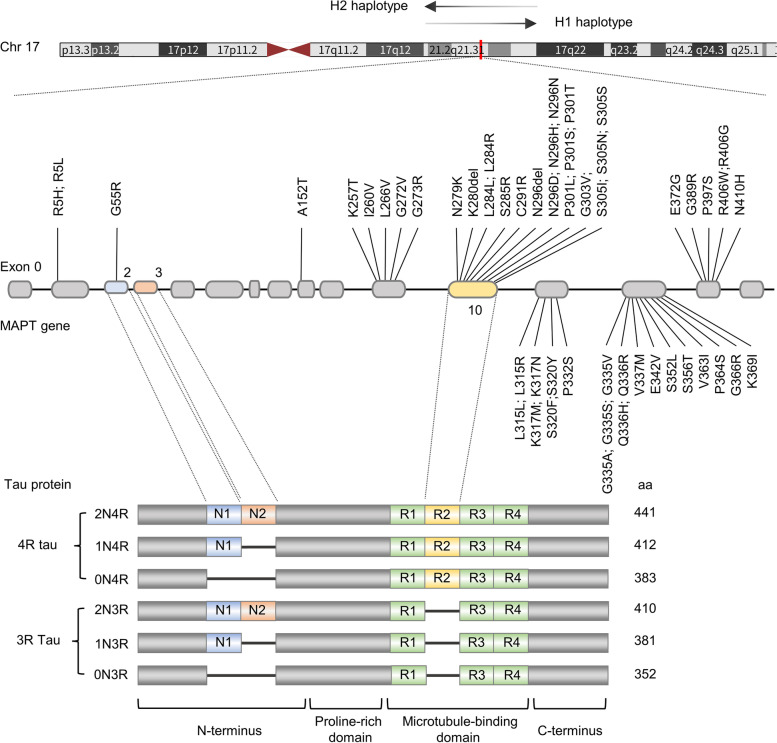
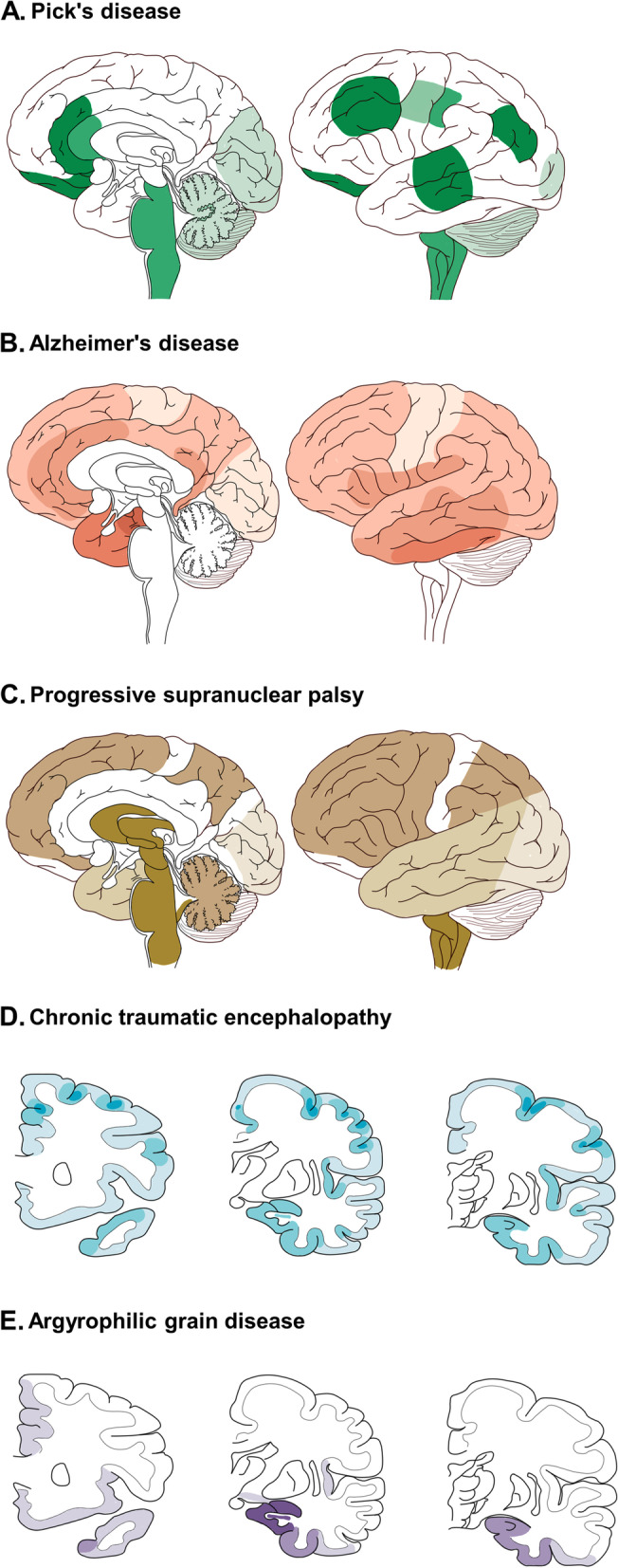
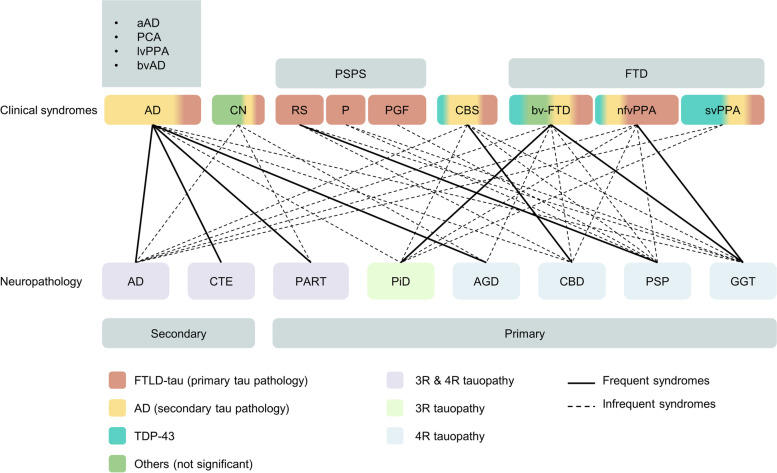
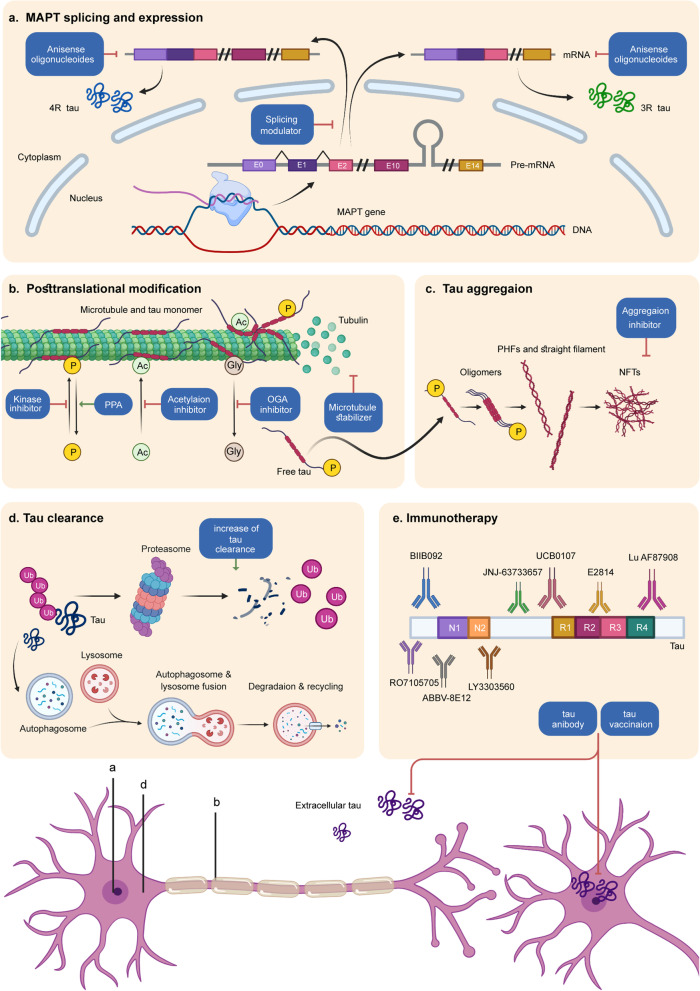
Verification
Claims the paper makes
The claims and statistics of this paper haven’t been checked yet.
Run the check — free, no account needed. It reads the open-access text and checks the sources it cites.
Claims other papers make about this one
Each is checked against this paper’s own text: does it say what the citing paper says it does?
The cited source says what the claim attributes to it.
In the citing paper
“Both 3R- and 4R-tau isoforms were detected with no noticeable difference in the 3R to 4R ratio between LOAD and HC 3D-CNs, consistent with the concept that AD is a mixed 3R/4R tauopathy (65, 66) (Fig. 3D).”
From Modeling late-onset Alzheimer’s disease neuropathology via direct neuronal reprogramming (2024) · cites this paper as [66]
Self-check
Percentages, sums and reported differences re-computed from the paper’s own numbers.
The self-check needs the paper’s full text.
Citations
Cites
1 retracted
Dementia prevention, intervention, and care: 2020 report of the Lancet Commission
Livingston, G., Huntley, J., Sommerlad, A., Ames, D., Ballard, C., Banerjee, S., Brayne, C., Burns, A., Cohen-Mansfield, J., Cooper, C., et al. (2020) · The Lancet · doi:10.1016/s0140-6736(20)30367-6 · Cited by 10,430
RetractedAlzheimer Disease Genetics Consortium (ADGC), Kunkle, B. W., The European Alzheimer’s Disease Initiative (EADI), Cohorts for Heart and Aging Research in Genomic Epidemiology Consortium (CHARGE), Genetic and Environmental Risk in AD/Defining Genetic, P. A. E. R. F. A. D. C. (., Grenier-Boley, B., Sims, R., Bis, J. C., Damotte, V., Naj, A. C., et al. (2019) · Nature Genetics · doi:10.1038/s41588-019-0358-2 · Cited by 2,946 · cited 2×
“These new risk genes were IQCK, ACE, ADAM10, ADAMTS1, and WWOX, and they also affected immunity and lipid metabolism in this study [121].”
BackgroundTau in physiology and pathology
Wang, Y., & Mandelkow, E. (2016) · Nature Reviews Neuroscience · doi:10.1038/nrn.2015.1 · Cited by 2,251
The spectrum of disease in chronic traumatic encephalopathy
McKee, A. C., Stein, T. D., Nowinski, C. J., Stern, R. A., Daneshvar, D. H., Alvarez, V. E., Lee, H.-S., Hall, G., Wojtowicz, S. M., Baugh, C. M., et al. (2013) · Brain · doi:10.1093/brain/aws307 · Cited by 2,098
Criteria for the diagnosis of corticobasal degeneration
Armstrong, M. J., Litvan, I., Lang, A. E., Bak, T. H., Bhatia, K. P., Borroni, B., Boxer, A. L., Dickson, D. W., Grossman, M., Hallett, M., et al. (2013) · Neurology · doi:10.1212/wnl.0b013e31827f0fd1 · Cited by 1,904
Jia, L., Du, Y., Chu, L., Zhang, Z., Li, F., Lyu, D., Li, Y., Li, Y., Zhu, M., Jiao, H., et al. (2020) · The Lancet Public Health · doi:10.1016/s2468-2667(20)30185-7 · Cited by 1,829
Self-citationPathology of Neurodegenerative Diseases
Dugger, B. N., & Dickson, D. W. (2017) · Cold Spring Harbor Perspectives in Biology · doi:10.1101/cshperspect.a028035 · Cited by 1,665
Palmqvist, S., Janelidze, S., Quiroz, Y. T., Zetterberg, H., Lopera, F., Stomrud, E., Su, Y., Chen, Y., Serrano, G. E., Leuzy, A., et al. (2020) · JAMA · doi:10.1001/jama.2020.12134 · Cited by 1,603
NLRP3 inflammasome activation drives tau pathology
Ising, C., Venegas, C., Zhang, S., Scheiblich, H., Schmidt, S. V., Vieira-Saecker, A., Schwartz, S., Albasset, S., McManus, R. M., Tejera, D., et al. (2019) · Nature · doi:10.1038/s41586-019-1769-z · Cited by 1,487
Clinicopathological evaluation of chronic traumatic encephalopathy in players of American football
Mez, J., Daneshvar, D. H., Kiernan, P. T., Abdolmohammadi, B., Alvarez, V. E., Huber, B. R., Alosco, M. L., Solomon, T. M., Nowinski, C. J., McHale, L., et al. (2017) · JAMA · doi:10.1001/jama.2017.8334 · Cited by 1,098
Research works printed but not linked: 1
- Boxer AL, Yu JT, Golbe LI, Litvan I, Lang AE, Höglinger GU. Advances in progressive supranuclear palsy: new diagnostic criteria, biomarkers, and therapeutic approaches. Lancet Neurol. 2017. https://doi.org/10.1016/s1474-4422(17)30157-6. · DOI · Paper page
Cited by
Sorted by citations
Tau-targeting therapies for Alzheimer disease: Current status and future directions
Congdon, E. E., Ji, C., Tetlow, A. M., Jiang, Y., & Sigurdsson, E. M. (2023) · Nature Reviews Neurology · doi:10.1038/s41582-023-00883-2 · Cited by 371
Hampel, H., Hu, Y., Cummings, J., Mattke, S., Iwatsubo, T., Nakamura, A., Vellas, B., O’Bryant, S., Shaw, L. M., Cho, M., et al. (2023) · Neuron · doi:10.1016/j.neuron.2023.05.017 · Cited by 283
Alternative splicing in neurodegenerative disease and the promise of RNA therapies
Nikom, D., & Zheng, S. (2023) · Nature reviews. Neuroscience · doi:10.1038/s41583-023-00717-6 · Cited by 201
Buchholz, S., & Zempel, H. (2024) · Alzheimer s & Dementia · doi:10.1002/alz.13784 · Cited by 154
Alzheimer’s Disease Detection Using Deep Learning on Neuroimaging: A Systematic Review
Alsubaie, M. G., Luo, S., & Shaukat, K. (2024) · Machine Learning and Knowledge Extraction · doi:10.3390/make6010024 · Cited by 156
Tau Isoforms: Gaining Insight into MAPT Alternative Splicing
Corsi, A., Bombieri, C., Valenti, M. T., & Romanelli, M. G. (2022) · International Journal of Molecular Sciences · doi:10.3390/ijms232315383 · Cited by 118
Young‐onset dementia diagnosis, management and care: a narrative review
Loi, S. M., Cations, M., & Velakoulis, D. (2023) · The Medical Journal of Australia · doi:10.5694/mja2.51849 · Cited by 105
Lee, J., Dimitry, J. M., Song, J. H., Son, M., Sheehan, P. W., King, M. W., Tabor, G. T., Goo, Y. A., Lazar, M. A., Petrucelli, L., et al. (2023) · Nature Communications · doi:10.1038/s41467-023-40927-1 · Cited by 93
The therapeutic landscape of tauopathies: challenges and prospects
Cummings, J. L., González, M. I., Pritchard, M. C., May, P. C., Toledo, L. M., & Harris, G. A. (2023) · Alzheimer s Research & Therapy · doi:10.1186/s13195-023-01321-7 · Cited by 85
Modeling late-onset Alzheimer’s disease neuropathology via direct neuronal reprogramming
Sun, Z., Kwon, J.-S., Ren, Y., Chen, S., Walker, C. K., Lu, X., Cates, K., Karahan, H., Sviben, S., Fitzpatrick, J. A. J., et al. (2024) · Science · doi:10.1126/science.adl2992 · Cited by 77
“Both 3R-and 4R-tau isoforms were detected with no noticeable difference in the 3R to 4R ratio between LOAD and HC 3D-CNs, consistent with the concept that AD is a mixed 3R/4R tauopathy (65, 66) (Fig.”
Watamura, N., Foiani, M. S., Bez, S., Bourdenx, M., Santambrogio, A., Frodsham, C., Camporesi, E., Brinkmalm, G., Zetterberg, H., Patel, S., et al. (2024) · Nature Neuroscience · doi:10.1038/s41593-024-01829-7 · Cited by 67
Tau is required for glial lipid droplet formation and resistance to neuronal oxidative stress
Goodman, L. D., Ralhan, I., Li, X., Lu, S., Moulton, M. J., Park, Y.-J., Zhao, P., Kanca, O., Taleghani, Z. S. G., Jacquemyn, J., et al. (2024) · Nature Neuroscience · doi:10.1038/s41593-024-01740-1 · Cited by 68
Tau, microtubule dynamics, and axonal transport: New paradigms for neurodegenerative disease
Cario, A., & Berger, C. L. (2023) · BioEssays · doi:10.1002/bies.202200138 · Cited by 70
Role of aberrant phase separation in pathological protein aggregation
Chakraborty, P., & Zweckstetter, M. (2023) · Current Opinion in Structural Biology · doi:10.1016/j.sbi.2023.102678 · Cited by 61
Brain clearance of protein aggregates: a close-up on astrocytes
Giusti, V., Kaur, G., Giusto, E., & Civiero, L. (2024) · Molecular Neurodegeneration · doi:10.1186/s13024-024-00703-1 · Cited by 54
Alzheimer's disease: The role of proteins in formation, mechanisms, and new therapeutic approaches
Gholami, A. (2023) · Neuroscience Letters · doi:10.1016/j.neulet.2023.137532 · Cited by 52
The evolving landscape of Alzheimer’s disease therapy: From Aβ to tau
Courade, J., Zetterberg, H., Höglinger, G. U., & Dewachter, I. (2025) · Cell · doi:10.1016/j.cell.2025.11.033 · Cited by 57
A Glimpse of Molecular Biomarkers in Huntington’s Disease
Martínez, S. M., & Valor, L. M. (2022) · International Journal of Molecular Sciences · doi:10.3390/ijms23105411 · Cited by 47
Curcumin Scaffold as a Multifunctional Tool for Alzheimer’s Disease Research
Yang, H., Zeng, F., Luo, Y., Zheng, C., Ran, C., & Yang, J. (2022) · Molecules · doi:10.3390/molecules27123879 · Cited by 52
The night’s watch: Exploring how sleep protects against neurodegeneration
Parhizkar, S., & Holtzman, D. M. (2025) · Neuron · doi:10.1016/j.neuron.2025.02.004 · Cited by 54
Langerscheidt, F., Wied, T., Kabbani, M. A. A., van Eimeren, T., Wunderlich, G., & Zempel, H. (2024) · Journal of Neurology · doi:10.1007/s00415-024-12314-3 · Cited by 52
Turnover atlas of proteome and phosphoproteome across mouse tissues and brain regions
Li, W., Dasgupta, A., Yang, K., Wang, S., Kumar, N. H., Chepyala, S. R., Yarbro, J. M., Hu, Z., Šalovská, B., Fornasiero, E. F., et al. (2025) · Cell · doi:10.1016/j.cell.2025.02.021 · Cited by 51
The common marmoset as a model of neurodegeneration
Perez‐Cruz, C., & Rodríguez-Callejas, J. D. (2023) · Trends in Neurosciences · doi:10.1016/j.tins.2023.02.002 · Cited by 39
Newer Therapeutic Approaches in Treating Alzheimer’s Disease: A Comprehensive Review
Sree, R. R., Kalyan, M., Anand, N., Mani, S., Gorantla, V. R., Sakharkar, M. K., Song, B., & Chidambaram, S. B. (2025) · ACS Omega · doi:10.1021/acsomega.4c05527 · Cited by 45
Tau protein profiling in tauopathies: a human brain study
Lantero‐Rodriguez, J., Camporesi, E., Montoliu‐Gaya, L., Gobom, J., Piotrowska, D., Olsson, M., Matečko‐Burmann, I., Becker, B., Brinkmalm, A., Burmann, B. M., et al. (2024) · Molecular Neurodegeneration · doi:10.1186/s13024-024-00741-9 · Cited by 42
Non-Invasive Biomarkers in the Era of Big Data and Machine Learning
Lazaros, K., Adam, S., Krokidis, M. G., Exarchos, T., Vlamos, P., & Vrahatis, A. G. (2025) · Sensors · doi:10.3390/s25051396 · Cited by 44
Characterizing microglial senescence: Tau as a key player
Karabag, D., Scheiblich, H., Griep, A., Santarelli, F., Schwartz, S., Heneka, M. T., & Ising, C. (2023) · Journal of Neurochemistry · doi:10.1111/jnc.15866 · Cited by 35
Overlaps and divergences between tauopathies and synucleinopathies: a duet of neurodegeneration
Li, W., & Li, J. (2024) · Translational Neurodegeneration · doi:10.1186/s40035-024-00407-y · Cited by 37
Tau; One Protein, So Many Diseases
Tabeshmehr, P., & Eftekharpour, E. (2023) · Biology · doi:10.3390/biology12020244 · Cited by 33
Neuronal biomolecular condensates and their implications in neurodegenerative diseases
Nam, J., & Gwon, Y. (2023) · Frontiers in Aging Neuroscience · doi:10.3389/fnagi.2023.1145420 · Cited by 34
NOX-induced oxidative stress is a primary trigger of major neurodegenerative disorders
Zilberter, Y., Tabuena, D. R., & Zilberter, M. Y. (2023) · Progress in Neurobiology · doi:10.1016/j.pneurobio.2023.102539 · Cited by 35
Tau seeding activity in skin biopsy differentiates tauopathies from synucleinopathies
Dellarole, I. L., Vacchi, E., Ruíz‐Barrio, I., Pinton, S., Raimondi, A., Rossi, S., Morandi, S., Bianco, G., Bacınoğlu, M. B., Lombardo, A., et al. (2024) · npj Parkinson s Disease · doi:10.1038/s41531-024-00728-9 · Cited by 33
Ailioaie, L. M., Ailioaie, C., & Litscher, G. (2023) · Pharmaceutics · doi:10.3390/pharmaceutics15030916 · Cited by 40
Tubulin Cytoskeleton in Neurodegenerative Diseases–not Only Primary Tubulinopathies
Cyske, Z., Gaffke, L., Pierzynowska, K., & Węgrzyn, G. (2022) · Cellular and Molecular Neurobiology · doi:10.1007/s10571-022-01304-6 · Cited by 36
Ligand-based design of [18F]OXD-2314 for PET imaging in non-Alzheimer’s disease tauopathies
Lindberg, A., Murrell, E., Tong, J., Mason, N. S., Sohn, D., Sandell, J., Ström, P., Stehouwer, J. S., Lopresti, B. J., Viklund, J., et al. (2024) · Nature Communications · doi:10.1038/s41467-024-49258-1 · Cited by 32
Burnham, S. C., Iaccarino, L., Pontecorvo, M. J., Fleisher, A., Lu, M., Collins, E. C., & Devous, M. D. (2023) · Brain Communications · doi:10.1093/braincomms/fcad305 · Cited by 30
Su, J., Xiao, Y., Wei, L., Lei, H., Sun, F., Wang, W., Yin, J., Xiong, R., Li, S., Zhang, P., et al. (2024) · 中国科学通报:英文版 · doi:10.1016/j.scib.2024.01.019 · Cited by 30
Bashir, S., Aiman, A., Shahid, M., Chaudhary, A. A., Sami, N., Basir, S. F., Hassan, M. I., & Islam, A. (2024) · Ageing Research Reviews · doi:10.1016/j.arr.2024.102276 · Cited by 31
Harris, G. A., Hirschfeld, L. R., González, M. I., Pritchard, M. C., & May, P. C. (2025) · Alzheimer s Research & Therapy · doi:10.1186/s13195-025-01775-x · Cited by 31
MicroRNA Networks in Cognition and Dementia
Blount, G. S., Coursey, L., & Kocerha, J. (2022) · Cells · doi:10.3390/cells11121882 · Cited by 29
Jiang, Z., Wang, J., Qin, Y., Liu, S., Luo, B., Bai, F., Wei, H., Zhang, S., Wei, J., Ding, G., et al. (2024) · Alzheimer s Research & Therapy · doi:10.1186/s13195-024-01392-0 · Cited by 32
Synaptic sabotage: How Tau and α-Synuclein undermine synaptic health
Uytterhoeven, V., Verstreken, P., & Nachman, E. (2024) · The Journal of Cell Biology · doi:10.1083/jcb.202409104 · Cited by 29
Progressive Supranuclear Palsy Syndrome: An Overview
Ichikawa-Escamilla, E., Velasco-Martínez, R. A., & Adalid-Peralta, L. V. (2024) · IBRO Neuroscience Reports · doi:10.1016/j.ibneur.2024.04.008 · Cited by 31
Ellis, M. J., Lekka, C., Holden, K. L., Tulmin, H., Seedat, F., O'Brien, D. P., Dhayal, S., Zeissler, M., Knudsen, J. G., Kessler, B. M., et al. (2024) · Acta Neuropathologica · doi:10.1007/s00401-024-02729-7 · Cited by 26
Muhammad, A., Qi, J., Elwasila, O., & Gulzar, Y. (2025) · Brain Sciences · doi:10.3390/brainsci15060612 · Cited by 33
Aging, NRF2, and TAU: A Perfect Match for Neurodegeneration?
Brackhan, M., Arribas-Blázquez, M., & Lastres‐Becker, I. (2023) · Antioxidants · doi:10.3390/antiox12081564 · Cited by 28
Nuñez‐Diaz, C., Andersson, E., Schultz, N., Pocevičiūtė, D., Hansson, O., Bank, T. N. B., Nilsson, K. P. R., & Wennström, M. (2024) · Alzheimer s Research & Therapy · doi:10.1186/s13195-023-01375-7 · Cited by 24
Heterogeneous Tau Oligomers as Molecular Targets for Alzheimer’s Disease and Related Tauopathies
Lo, C. H. (2022) · Biophysica · doi:10.3390/biophysica2040039 · Cited by 24
Unraveling the Molecular Jam: How Crowding Shapes Protein Aggregation in Neurodegenerative Disorders
Patel, S. P., Nikam, T., Sreepathi, B., Karankar, V. S., Jaiswal, A., Vardhan, S. V., Rana, A., Toga, V., Srivastava, N., Saraf, S. A., et al. (2024) · ACS Chemical Biology · doi:10.1021/acschembio.4c00365 · Cited by 22
Tangavelou, K., & Bhaskar, K. (2024) · International Journal of Molecular Sciences · doi:10.3390/ijms252212335 · Cited by 25
Heparan Sulfate Proteoglycans in Tauopathy
Zhu, Y., Gandy, L. A., Zhang, F., Liu, J., Wang, C., Blair, L. J., Linhardt, R. J., & Wang, L. (2022) · Biomolecules · doi:10.3390/biom12121792 · Cited by 27
Chemical Synthesis of Microtubule-Associated Protein Tau
Powell, W. C., Jing, R., & Walczak, M. A. A. (2023) · Journal of the American Chemical Society · doi:10.1021/jacs.3c07338 · Cited by 24
Insights into the Structural Conformations of the Tau Protein in Different Aggregation Status
Pinzi, L., Bisi, N., Sorbi, C., Franchini, S., Tonali, N., & Rastelli, G. (2023) · Molecules · doi:10.3390/molecules28114544 · Cited by 20
Nuclear pore dysfunction and disease: a complex opportunity
Fare, C. M., & Rothstein, J. D. (2024) · Nucleus · doi:10.1080/19491034.2024.2314297 · Cited by 21
Su, J., Xiao, Y., Wang, X., Zheng, J., & Wang, J. (2024) · Medicine Plus · doi:10.1016/j.medp.2024.100060 · Cited by 23
Doke, R. R., Lamkhade, G., Vinchurkar, K., & Singh, S. K. (2024) · ACS Pharmacology & Translational Science · doi:10.1021/acsptsci.4c00457 · Cited by 24
Subcortical tau is linked to hypoperfusion in connected cortical regions in 4-repeat tauopathies
Roemer, S. N., Brendel, M., Gnörich, J. S., Malpetti, M., Zaganjori, M., Quattrone, A., Groß, M., Steward, A., Dewenter, A., Wagner, F., et al. (2024) · Brain · doi:10.1093/brain/awae174 · Cited by 19
Bortty, J. C., Chakraborty, G. S., Noman, I. R., Batra, S., Das, J., Bishnu, K. K., Tarafder, M. T. R., & Islam, A. (2025) · Diagnostics · doi:10.3390/diagnostics15060789 · Cited by 21
Small molecules modulating RNA splicing: a review of targets and future perspectives
Bouton, L., Ecoutin, A., Malard, F., & Campagne, S. (2024) · RSC Medicinal Chemistry · doi:10.1039/d3md00685a · Cited by 19
Maftoon, H., Siadat, S. D., Tarashi, S., Soroush, E., Asefi, M. B., Foroushani, A. R., & Dallal, M. M. S. (2024) · Brain Research · doi:10.1016/j.brainres.2024.149280 · Cited by 20
Decoupling phase separation and fibrillization preserves activity of biomolecular condensates
Mahendran, T. S., Singh, A. A., Srinivasan, S., Jennings, C. M., Neureuter, C., Gindra, B. H., Parekh, S. H., & Banerjee, P. R. (2026) · Nature Communications · doi:10.1038/s41467-026-69244-z · Cited by 20
Espresso Coffee Mitigates the Aggregation and Condensation of Alzheimer′s Associated Tau Protein
Tira, R., Viola, G., Barracchia, C. G., Parolini, F., Munari, F., Capaldi, S., Assfalg, M., & D’Onofrio, M. (2023) · Journal of Agricultural and Food Chemistry · doi:10.1021/acs.jafc.3c01072 · Cited by 18
Protein aggregation and neurodegenerative disease: Structural outlook for the novel therapeutics
Arar, S. H., Haque, M. A., & Kayed, R. (2023) · Proteins Structure Function and Bioinformatics · doi:10.1002/prot.26561 · Cited by 20
The Role of Tau Pathology in Alzheimer’s Disease and Down Syndrome
Granholm, A., & Hamlett, E. D. (2024) · Journal of Clinical Medicine · doi:10.3390/jcm13051338 · Cited by 23
Takeiwa, T., Ikeda, K., Horie, K., & Inoue, S. (2024) · RNA Biology · doi:10.1080/15476286.2024.2332855 · Cited by 18
A new tau dephosphorylation-targeting chimera for the treatment of tauopathies
Su, J., Xiao, Y., Wei, L., Lei, H., Sun, F., Wang, W., Li, S., Wang, X., Zheng, J., & Wang, J. (2024) · Acta Pharmacologica Sinica · doi:10.1038/s41401-024-01326-4 · Cited by 20
The Pathological Mechanisms of Hearing Loss Caused by KCNQ1 and KCNQ4 Variants
Homma, K. (2022) · Biomedicines · doi:10.3390/biomedicines10092254 · Cited by 17
Bisi, N., Pinzi, L., Rastelli, G., & Tonali, N. (2024) · Molecules · doi:10.3390/molecules29030722 · Cited by 17
Metal Toxicity and Dementia Including Frontotemporal Dementia: Current State of Knowledge
Gorini, F., & Tonacci, A. (2024) · Antioxidants · doi:10.3390/antiox13080938 · Cited by 17
Multiple pathways promote microtubule stabilization in senescent intestinal epithelial cells
Chu, S., Moujaber, O., Lemay, S., & Stochaj, U. (2022) · npj Aging · doi:10.1038/s41514-022-00097-8 · Cited by 17
Zou, Y. F., Guan, L., Tan, J., Qi, B., Sun, Y., Huang, F., & Zhang, Q. (2024) · Journal of Chemical Information and Modeling · doi:10.1021/acs.jcim.3c01929 · Cited by 16
Kimura, T., Sato, H., Kano, M., Tatsumi, L., & Tomita, T. (2023) · FEBS Open Bio · doi:10.1002/2211-5463.13667 · Cited by 15
Glaucoma as a Tauopathy—Is It the Missing Piece in the Glaucoma Puzzle?
Passaro, M. L., Matarazzo, F., Abbadessa, G., Pezone, A., Porcellini, A., Tranfa, F., Rinaldi, M., & Costagliola, C. (2023) · Journal of Clinical Medicine · doi:10.3390/jcm12216900 · Cited by 16
Plasma phosphorylated-tau217 is increased in Niemann–Pick disease type C
González‐Ortiz, F., Karikari, T. K., Vruchte, D. T., Shepherd, D., Kirsebom, B., Fladby, T., Platt, F. M., & Blennow, K. (2024) · Brain Communications · doi:10.1093/braincomms/fcae375 · Cited by 17
García-Cruz, V. M., & Arias, C. (2024) · Molecular Neurobiology · doi:10.1007/s12035-023-03886-8 · Cited by 17
Impact of APOE on amyloid and tau accumulation in argyrophilic grain disease and Alzheimer’s disease
Raulin, A., Doss, S. V., Heckman, M. G., Craver, E. C., Li, Z., Ikezu, T. C., Sekiya, H., Liu, C., Martens, Y. A., Rosenberg, C. L., et al. (2024) · Acta Neuropathologica Communications · doi:10.1186/s40478-024-01731-0 · Cited by 14
Liquid-liquid phase separation of tau and α-synuclein: A new pathway of overlapping neuropathologies
Rodríguez, L. C., Foressi, N. N., & Celej, M. S. (2024) · Biochemical and Biophysical Research Communications · doi:10.1016/j.bbrc.2024.151053 · Cited by 15
Internalization of extracellular Tau oligomers in Alzheimer’s disease
Chinnathambi, S., Rangappa, N., & Chandrashekar, M. (2025) · Advances in clinical chemistry · doi:10.1016/bs.acc.2025.01.005 · Cited by 14
Genomic Insights into Dementia: Precision Medicine and the Impact of Gene-Environment Interaction
Tripathi, A., Pandey, V. K., Sharma, G., Sharma, A. R., Taufeeq, A., Jha, A. K., & Kim, J. (2024) · Aging and Disease · doi:10.14336/ad.2024.0322 · Cited by 13
Current Progress and Future Directions in Non-Alzheimer’s Disease Tau PET Tracers
Wongso, H., Harada, R., & Furumoto, S. (2025) · ACS Chemical Neuroscience · doi:10.1021/acschemneuro.4c00319 · Cited by 13
Targeting Tau Protein with Proximity Inducing Modulators: A New Frontier to Combat Tauopathies
Uliassi, E., Bolognesi, M. L., & Milelli, A. (2025) · ACS Pharmacology & Translational Science · doi:10.1021/acsptsci.4c00733 · Cited by 13
Brüge, A., Ponimaskin, E. G., & Labus, J. (2025) · Pharmacological Reviews · doi:10.1016/j.pharmr.2025.100071 · Cited by 13
Beyond microtubule regulation: the multifaceted roles of tau in neuronal function and dysfunction
Bakota, L., Tulva, K., Trushina, N. I., & Brandt, R. (2026) · Translational Psychiatry · doi:10.1038/s41398-026-03947-1 · Cited by 12
Vourkou, E., Ruiz, E., Mahajan, S., Mudher, A. K., & Skoulakis, E. M. C. (2023) · Journal of Neuroscience · doi:10.1523/jneurosci.1374-22.2023 · Cited by 11
Tau reduction attenuates autism-like features in Fmr1 knockout mice
Zhao, S., Jiang, X., Han, L., Jiang, Y., Wang, Y., Meng, J., Zhu, X., Zhang, X., Luo, H., & Zhang, Y.-W. (2023) · Molecular Autism · doi:10.1186/s13229-023-00574-1 · Cited by 12
Self-citationExosomes and non-coding RNAs: bridging the gap in Alzheimer’s pathogenesis and therapeutics
Chunhui, G., You, Y., Chen, J., Luo, N., & Li, F. (2025) · Metabolic Brain Disease · doi:10.1007/s11011-024-01520-7 · Cited by 13
Wang, S., Qi, C., Rajpurohit, C. S., Ghosh, B., Xiong, W., Wang, B., Qi, Y., Hwang, S. H., Hammock, B. D., Li, H., et al. (2025) · Molecular Neurodegeneration · doi:10.1186/s13024-025-00844-x · Cited by 16
Zou, Y. F., Guan, L., Tan, J., Qi, B., Wang, Y., Zhang, Q., & Sun, Y. (2023) · The Journal of Physical Chemistry B · doi:10.1021/acs.jpcb.2c07568 · Cited by 12
Validation of Tau Antibodies for Use in Western Blotting and ImmunohistochemistryPreprint
Ellis, M. J., Lekka, C., Tulmin, H., O'Brien, D. P., Dhayal, S., Zeissler, M., Knudsen, J. G., Kessler, B. M., Morgan, N. G., Todd, J. A., et al. (2023) · bioRxiv (Cold Spring Harbor Laboratory) · doi:10.1101/2023.04.13.536711 · Cited by 15
Wang, K., Zhang, G., & Kuo, M. (2023) · International Journal of Molecular Sciences · doi:10.3390/ijms241914996 · Cited by 11
Wei, Y., Kung, Y., Lin, C., Yeh, C., Chen, P., Huang, W., Shyu, Y., Lin, C., & Chen, C. (2024) · Translational Psychiatry · doi:10.1038/s41398-024-03049-w · Cited by 11
Cognitive impairment in Parkinson’s disease and other parkinsonian syndromes
Giannakis, A., Sioka, C., Kloufetou, E., & Konitsiotis, S. (2024) · Journal of Neural Transmission · doi:10.1007/s00702-024-02865-0 · Cited by 11
Giannakis, A., Konitsiotis, S., & Sioka, C. (2025) · Medicina · doi:10.3390/medicina61040701 · Cited by 12
Autophagy Dysfunction and Neurodegeneration: Where Does It Go Wrong?
Oettinger, D., & Yamamoto, A. (2025) · Journal of Molecular Biology · doi:10.1016/j.jmb.2025.169219 · Cited by 10
Hu, N., Hu, Z., Ondrejčák, T., Yu, P., Zhang, Y., Yang, Y., Klyubin, I. V., Kennelly, S., & Rowan, M. J. (2022) · Neural Regeneration Research · doi:10.4103/1673-5374.360166 · Cited by 11
Self-citationGee, M. S., Kwon, E., Song, M.-H., Jeon, S. H., Kim, N., Lee, J. K., & Koo, T. (2024) · Translational Neurodegeneration · doi:10.1186/s40035-024-00415-y · Cited by 12
Jeong, S., Kang, H. W., Kim, S. H., Hong, G., Nam, M., Seong, J., Yoon, E.-S., Cho, I., Chung, S. H., Bang, S., et al. (2023) · Science Advances · doi:10.1126/sciadv.adf0925 · Cited by 10
Vera, D. M., López-Gambero, A. J., Navarro, J. A., Sanjuan, C., Baixerás, E., Decara, J. M., & de Fonseca, F. R. (2023) · Neural Regeneration Research · doi:10.4103/1673-5374.379015 · Cited by 10
Diagnosis and Management of Progressive Corticobasal Syndrome
Nouh, C. D., & Younes, K. (2024) · Current Treatment Options in Neurology · doi:10.1007/s11940-024-00797-4 · Cited by 11
Antagonistic roles of tau and MAP6 in regulating neuronal development
Sun, X., Yu, W., Baas, P. W., Toyo‐oka, K., & Qiang, L. (2024) · Journal of Cell Science · doi:10.1242/jcs.261966 · Cited by 10
Metadata
- Authors
- Zhang, Y., Wu, K.-M., Yang, L., Dong, Q., & Yu, J.-T.
- Affiliations
- Shanghai Medical College of Fudan University (CN)
- Corresponding author
- Yu, Jin-Tai
- Venue
- Molecular Neurodegeneration
- Published
- 2022-04-07
- Volume
- 17
- Issue
- 1
- Pages
- 28-28
- ISSN
- 1750-1326 (ISSN-L)
- PMC
- PMC8991707
- OpenAlex
- W4223629343
- Cited by
- 323
- References
- 228
- Citations by year
- 2026: 69 · 2025: 83 · 2024: 97 · 2023: 60 · 2022: 14
- FWCI
- 8.91
- Type
- journal article
- Language
- en
- Open access
- gold
- doi.org
- Locations
- Molecular Neurodegeneration (publishedVersion, cc-by)
- PubMed Central (publishedVersion, cc-by)
- PubMed (publishedVersion)
- DOAJ (DOAJ: Directory of Open Access Journals) (submittedVersion)
- Funders
- National Natural Science Foundation of China (91849126)
- Shanghai Municipal Science and Technology Major Project (No.2018SHZDZX01)
- Topics
- Life Sciences › Neuroscience › Cellular and Molecular Neuroscience › Alzheimer's disease research and treatments
- Health Sciences › Medicine › Psychiatry and Mental health › Dementia and Cognitive Impairment Research
- Health Sciences › Medicine › Clinical Neurology › Amyotrophic Lateral Sclerosis Research
- Keywords
- tauopathy, tau protein, neurodegenerative diseases, tau isoforms, tau biomarkers, cerebrospinal fluid biomarkers, blood-based biomarkers, neuroimaging, disease-modifying therapy, early diagnosis
- MeSH terms
- Inclusion Bodies, Humans, Neurons, tau Proteins, Neurodegenerative Diseases, Protein Isoforms, Tauopathies
About these checks
Registry, retraction, Cites and statistics results are computed, not judged, with one exception: a printed reference that no index lists is read once by a model before it counts as a citation error. Claims are extracted by a model and kept only when their quote appears verbatim in the text; each cited source is then checked, with a model’s help, for whether it says what the claim relies on. Those verdicts can be wrong — read the claim’s quote and the cited source before relying on one.
Statistics and arithmetic are recomputed, not judged.
Confidence bands are shown only for fields calibrated on our annotated test set. None is calibrated yet, so no band is shown.
What counts as a claim ›How we measure confidence ›How we check this ›
Are you an author, or do you see a problem with this page? Request a review
