

Implementation of maternal and perinatal death surveillance and response (MPDSR) in humanitarian settings: insights and experiences of humanitarian health practitioners and global technical expert meeting attendees
Open accessThe DOI matches its Crossref record; 34 of the 38 references it cites were found in a registry or an index; 18 of the 31 sources its claims cite were checked for support.
Abstract
BACKGROUND: Maternal and perinatal death surveillance and response (MPDSR) is a system of identifying, analysing and learning lessons from such deaths in order to respond and prevent future deaths, and has been recommended by WHO and implemented in many low-and-middle income settings in recent years. However, there is limited documentation of experience with MPDSR in humanitarian settings. A meeting on MPDSR in humanitarian settings was convened by WHO, UNICEF, CDC and Save the Children, UNFPA and UNHCR on 17th-18th October 2019, informed by semi-structured interviews with a range of professionals, including expert attendees. CONSULTATION FINDINGS: Interviewees revealed significant obstacles to full implementation of the MPDSR process in humanitarian settings. Many obstacles were familiar to low resource settings in general but were amplified in the context of a humanitarian crisis, such as overburdened services, disincentives to reporting, accountability gaps, a blame approach, and politicisation of mortality. Factors more unique to humanitarian contexts included concerns about health worker security and moral distress. There are varying levels of institutionalisation and implementation capacity for MPDSR within humanitarian organisations. It is suggested that if poorly implemented, particularly with a punitive or blame approach, MPDSR may be counterproductive. Nevertheless, successes in MPDSR were described whereby the process led to concrete actions to prevent deaths, and where death reviews have led to improved understanding of complex and rectifiable contextual factors leading to deaths in humanitarian settings. CONCLUSIONS: Despite the challenges, examples exist where the lessons learnt from MPDSR processes have led to improved access and quality of care in humanitarian contexts, including successful advocacy. An adapted approach is required to ensure feasibility, with varying implementation being possible in different phases of crises. There is a need for guidance on MPDSR in humanitarian contexts, and for greater documentation and learning from experiences.
Overview
CoChat Summary
TL;DR
This paper reports insights from a 2019 expert consultation and semi-structured interviews on how maternal and perinatal death surveillance and response (MPDSR) can be implemented in humanitarian settings. It finds MPDSR is valuable but difficult to execute well because humanitarian crises amplify reporting, review, security, and follow-up barriers, so more flexible, context-specific approaches are needed.
Key findings
- The consultation involved a two-day meeting in New York City on 17–18 October 2019 with 49 participants, and 55 purposively selected interviewees were consulted beforehand; most interviewees were from non-governmental organizations (27), followed by academic institutions (12), UN agencies (6), and ministries of health (4).
- Major barriers to MPDSR implementation included overburdened services, disincentives to reporting, accountability gaps, blame culture, politicisation of mortality, security concerns, and moral distress; many were intensified in humanitarian crises.
- The paper reports that 30% of maternal deaths in one Central African Republic facility-based review were related to unsafe abortion, illustrating how MPDSR can reveal otherwise hidden causes and support advocacy.
- Where MPDSR worked well, it led to concrete actions and improvements such as better documentation, partograph interpretation, blood bank strengthening, antibiotic prophylaxis for caesarean sections, and sensitization of women, communities, and traditional birth attendants.
Methods
- The study was a qualitative consultation conducted to inform a global expert meeting on MPDSR in humanitarian settings.
- Data came from 55 semi-structured interviews (some group interviews of 2–4 people), conducted in person, by video conference, or by telephone, plus discussion at a two-day expert meeting with 49 participants.
- Interview notes and documents were read and re-read, triangulated with grey literature and reference lists, and analyzed using thematic analysis to identify cross-cutting challenges and lessons learned.
Limitations
- The paper states that interviewees were predominantly from the non-governmental sector, with fewer from ministries of health, so perspectives were not fully balanced.
- It notes that case examples should not be interpreted as representing entire countries, and that the consultation is a first step and should be treated as impetus for further research rather than a conclusive picture.
- Evident from the text: interviews were not audio-recorded and were captured in notes only, which may have limited detail and introduced interviewer bias.
Model-written summary. Check it against the paper before relying on it.
Integrity signals
Registry
Cites
Statistics
Figures
Verification
Claims the paper makes
12 Valid · 2 Not valid · 9 Not checked · 100 Own results and interpretations
The cited sources support only part of this claim — read each source’s verdict below.
In the paper
“There is evidence to suggest that maternal and perinatal death reviews, when implemented alongside training and development of local leadership might lead to significant reductions in maternal and perinatal mortality [20–22]”
§ Implementation of maternal and perinatal death surveillance and response (MPDSR) in humanitarian settings: insights and experiences of humanitarian health practitioners and global technical expert meeting attendees > Background
What the sources say
- Not checked — no full text of the sourcecites [20] Dumont A Fournier P Abrahamowicz M Traoré M Haddad S Fraser WD Quality of care, risk management, and technology in obstetrics to reduce hospital-based maternal mortality in Senegal and Mali (QUARITE): a cluster-randomised trial Lancet (London, England) [Internet] 2013 382 9887 146 57 10.1016/S0140-6736(13)60593-0 23721752 source
- Not checked — no full text of the sourcecites [21] Pattinson R Kerber K Waiswa P Day LT Mussell F Asiruddin S Perinatal mortality audit: counting, accountability, and overcoming challenges in scaling up in low- and middle-income countries Int J Gynecol Obstet 2009 107 S113 S122 10.1016/j.ijgo.2009.07.011 19815206 source
- Partly supportedcites [22] Willcox ML Price J Scott S Nicholson BD Stuart B Roberts NW Death audits and reviews for reducing maternal, perinatal and child mortality Cochrane Database Syst Rev [Internet] 2020 10.1002/14651858.CD012982.pub2 PMC7093891 32212268 sourceExperimental — accuracy not yet measured
The Authors’ conclusions report that maternal death reviews combined with training and local leadership development reduced inpatient maternal mortality in district hospitals of low-income countries. But the Results find little or no difference in overall perinatal mortality in the perinatal-review trial; the review does not establish a significant reduction in that outcome. The claim therefore extends the supported maternal finding to perinatal mortality. (LLM, conf=0.90)
hedgedstates a possible cause- Asserted: passes — The authors put it forward as true.
- Checkable: passes — It can be checked against evidence.
- Load-bearing: passes — The paper’s conclusions depend on it.
- Based: passes — The paper gives a reason why it holds.
The cited sources support only part of this claim — read each source’s verdict below.
In the paper
“In low resource settings where the numbers of maternal and perinatal deaths are the highest, significant challenges have been identified in the MPDSR process, including the quality of mortality reviews and linkage to concrete actions [23, 24].”
§ Implementation of maternal and perinatal death surveillance and response (MPDSR) in humanitarian settings: insights and experiences of humanitarian health practitioners and global technical expert meeting attendees > Background
What the sources say
- Partly supportedcites [23] Smith H Ameh C Roos N Mathai M van den Broek N Implementing maternal death surveillance and response: a review of lessons from country case studies BMC Pregnancy Childbirth 2017 10.1186/s12884-017-1405-6 28716124 PMC5513145 sourceExperimental — accuracy not yet measured
The Results (Maternal death review) describe shortcomings in reporting and review quality, while the Discussion and conclusion (Study limitations) identify implementing recommendations as a weak point. These findings support the claim for maternal death surveillance and response, but the paper does not establish the same challenges for the perinatal component of MPDSR. (LLM, conf=0.84)
- Supportedcites [24] Kerber KJ Mathai M Lewis G Flenady V Erwich JJHM Segun T Counting every stillbirth and neonatal death through mortality audit to improve quality of care for every pregnant woman and her baby BMC Pregnancy Childbirth 2015 11 15 PMC4577789 26391558 source
The Results section, under “Implementation challenges and evidence-based solutions” (page unavailable), identifies limited capacity to interpret audit findings and create actionable recommendations. It also says recommendations may not be followed through or acted upon, supporting the claim about review quality and linkage to concrete actions in less-resourced settings. (LLM, conf=0.91)
plainstates an association- Asserted: passes — The authors put it forward as true.
- Checkable: passes — It can be checked against evidence.
- Load-bearing: passes — The paper’s conclusions depend on it.
- Based: passes — The paper gives a reason why it holds.
- Partly supported
The cited sources support only part of this claim — read each source’s verdict below.
In the paper
“Despite the intuitive theoretical benefit of the system, the MPDSR approach is not an intervention whose efficacy can easily be proven in research studies [19].”
§ Implementation of maternal and perinatal death surveillance and response (MPDSR) in humanitarian settings: insights and experiences of humanitarian health practitioners and global technical expert meeting attendees > Background
What the sources say
- Partly supportedcites [19] Allanson ER Pattinson RC Quality-of-care audits and perinatal mortality in South Africa Bull World Health Organ 2015 93 6 424 428 10.2471/BLT.14.144683 26240464 PMC4450707 sourceExperimental — accuracy not yet measured
The Lessons learnt section reports that this retrospective study could not rule out other explanations for changes in perinatal mortality and was unable to demonstrate an effect of quality-of-care audits. That supports the difficulty of establishing efficacy in this study, but the paper does not make the broader claim that the entire MPDSR approach is inherently difficult to prove effective in research studies. (LLM, conf=0.82)
plain- Asserted: passes — The authors put it forward as true.
- Checkable: passes — It can be checked against evidence.
- Load-bearing: unclear — It is unclear whether the paper’s conclusions depend on it.
- Based: passes — The paper gives a reason why it holds.
- Partly supported
The cited sources support only part of this claim — read each source’s verdict below.
In the paper
“yet maternal deaths, stillbirths and neonatal deaths are challenging to measure or estimate in these settings [4].”
§ Implementation of maternal and perinatal death surveillance and response (MPDSR) in humanitarian settings: insights and experiences of humanitarian health practitioners and global technical expert meeting attendees > Background
What the sources say
- Partly supportedcites [4] Morgan SA Ali MM A review of methodology and tools for measuring maternal mortality in humanitarian settings Health Policy Plan [Internet] 2018 33 10 1107 1117 10.1093/heapol/czy092 30534942 sourceExperimental — accuracy not yet measured
The Abstract says maternal mortality is difficult to measure and that the true estimate in humanitarian settings is unknown. The paper supports the claim about maternal deaths, but the passages do not address difficulties measuring stillbirths or neonatal deaths. (LLM, conf=0.88)
plain- Asserted: passes — The authors put it forward as true.
- Checkable: passes — It can be checked against evidence.
- Load-bearing: passes — The paper’s conclusions depend on it.
- Based: passes — The paper gives a reason why it holds.
- Partly supported
The cited sources support only part of this claim — read each source’s verdict below.
In the paper
“neonatal mortality in particular has been shown to be significantly underestimated by camp surveillance [31].”
§ Implementation of maternal and perinatal death surveillance and response (MPDSR) in humanitarian settings: insights and experiences of humanitarian health practitioners and global technical expert meeting attendees > Expert consultation > Key findings: death identification and reporting
What the sources say
- Partly supportedcites [31] Tappis H Ramadan M Vargas J Kahi V Hering H Schulte-Hillen C Neonatal mortality burden and trends in UNHCR refugee camps, 2006–2017: a retrospective analysis BMC Public Health [Internet] 2021 21 1 390 10.1186/s12889-021-10343-5 PMC7898433 33618684 sourceExperimental — accuracy not yet measured
The Discussion says neonatal deaths outside health facilities may be underreported by the UNHCR health information system. The Results show a large difference in calculated mortality rates when reports of zero deaths are excluded (24.5 versus 5.2 per 1,000 live births). But the paper does not establish that camp surveillance significantly underestimates actual neonatal mortality; it treats underreporting as a possibility and notes that reporting errors can produce estimates that are either too high or too low. (LLM, conf=0.85)
plainstates a cause- Asserted: passes — The authors put it forward as true.
- Checkable: passes — It can be checked against evidence.
- Load-bearing: unclear — It is unclear whether the paper’s conclusions depend on it.
- Based: passes — The paper gives a reason why it holds.
- Partly supported
51 more claims · 1 with their cited sources checked
Create a free account to see all 123 claims and to verify the 2 references still open.
- It may state two separate claims as one. 52
- Probably not a substantial claim. 31
Claims other papers make about this one
Each is checked against this paper’s own text: does it say what the citing paper says it does?
The source backs part of the claim, not all of it — or backs it for a different population, condition or comparison.
In the citing paper
“The incompleteness of some audits could be related to late reporting of deaths, a lack of MDSR institutionalization including reluctance of health providers to engage in audits, incomplete clinical record‐keeping, or lack of community involvement. 5 , 7 , 8 , 17”
From Review of maternal death audits in refugee camps in UNHCR East and Horn of Africa and Great Lakes Region, 2017–2019 (2023) · cites this paper as [8]
Experimental — accuracy not yet measuredThe cited source says what the claim attributes to it.
In the citing paper
“Similar obstacles were found across humanitarian settings, associated with context‐specific factors such as health worker security and moral distress. 8”
From Review of maternal death audits in refugee camps in UNHCR East and Horn of Africa and Great Lakes Region, 2017–2019 (2023) · cites this paper as [8]
Self-check
Percentages, sums and reported differences re-computed from the paper’s own numbers.
Each contradiction between two passages listed here was confirmed by an independent check.
Rated minor: it would not touch a result — a value no result rests on, a p-value that stays on the same side of the significance level, or a conflict that is clerical, resolved elsewhere in the paper, or outside its own findings.
In the paper
§ Implementation of maternal and perinatal death surveillance and response (MPDSR) in humanitarian settings: insights and experiences of humanitarian health practitioners and global technical expert meeting attendees > Background
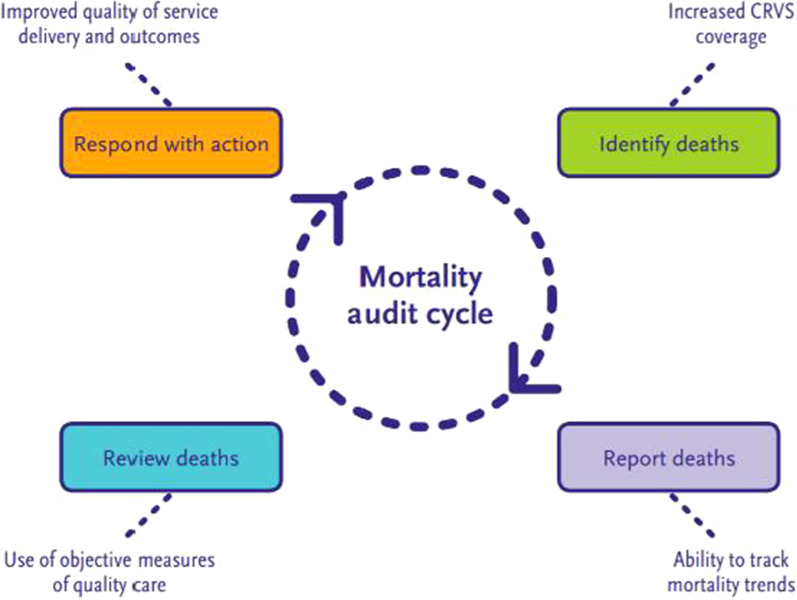
“Maternal and perinatal death surveillance and response (MDPSR) is the system of identifying maternal and perinatal deaths, reporting them to relevant actors, learning lessons from qualitative and in-depth root-cause analysis of the causes and circumstances surrounding these deaths (mortality review), and responding with actions to prevent future preventable death (Fig. 1) [16].”
§ Implementation of maternal and perinatal death surveillance and response (MPDSR) in humanitarian settings: insights and experiences of humanitarian health practitioners and global technical expert meeting attendees > Abstract > Background
“Maternal and perinatal death surveillance and response (MPDSR) is a system of identifying, analysing and learning lessons from such deaths in order to respond and prevent future deaths,”
Citations
Cites
Snowball Sampling: A Purposeful Method of Sampling in Qualitative Research
Naderifar, M., Goli, H., & Ghaljaie, F. (2017) · Strides in Development of Medical Education · doi:10.5812/sdme.67670 · Cited by 2,275 · cited 1×
“An initial list of interviewees and countries of focus was identified by a steering committee responsible for planning the expert consultation, and this was followed by a snowballing sampling [26] approach to identify further interviewees based on the recommendations of previously identified contacts.”
BackgroundBarsan, V. V., Briceño, V., Gandhi, M., & Jea, A. (2016) · BMC Pregnancy and Childbirth · doi:10.1186/s12884-015-0735-5 · Cited by 435
Sochas, L., Channon, A. A., & Nam, S. (2017) · Health Policy and Planning · doi:10.1093/heapol/czx108 · Cited by 313
Evidence on public health interventions in humanitarian crises
Blanchet, K., Ramesh, A., Frison, S., Warren, E., Hossain, M., Smith, J., Knight, A., Post, N., Lewis, C., Woodward, A., et al. (2017) · The Lancet · doi:10.1016/s0140-6736(16)30768-1 · Cited by 280 · cited 1×
“In general, improved reporting of maternal and perinatal deaths would also need to be accompanied by a greater focus on monitoring quality of care and health outcomes in the humanitarian sector, as the focus is often on reporting activity inputs and coverage [54].”
BackgroundKerber, K. J., Mathai, M., Lewis, G., Flenady, V., Erwich, J. J. H., Segun, T., Aliganyira, P., Abdelmegeid, A., Allanson, E., Roos, N., et al. (2015) · BMC Pregnancy and Childbirth · doi:10.1186/1471-2393-15-s2-s9 · Cited by 231
Flacking, R., & Dykes, F. (2017) · BMC Pregnancy and Childbirth · doi:10.1186/s12884-016-1183-6 · Cited by 164
Pattinson, R., Kerber, K., Waiswa, P., Day, L. T., Mussell, F., Asiruddin, S., Blencowe, H., & Lawn, J. E. (2009) · International Journal of Gynecology & Obstetrics · doi:10.1016/j.ijgo.2009.07.011 · Cited by 161
Dumont, A., Fournier, P., Abrahamowicz, M., Traoré, M., Haddad, S., & Fraser, W. D. (2013) · The Lancet · doi:10.1016/s0140-6736(13)60593-0 · Cited by 140
Implementing maternal death surveillance and response: a review of lessons from country case studies
Smith, H., Ameh, C., Roos, N., Mathai, M., & Broek, N. V. D. (2017) · BMC Pregnancy and Childbirth · doi:10.1186/s12884-017-1405-6 · Cited by 107 · cited 1×
“In low resource settings where the numbers of maternal and perinatal deaths are the highest, significant challenges have been identified in the MPDSR process, including the quality of mortality reviews and linkage to concrete actions [23, 24].”
BackgroundDocumenting Mortality in Crises: What Keeps Us from Doing Better?
Checchi, F., & Roberts, L. (2008) · PLoS Medicine · doi:10.1371/journal.pmed.0050146 · Cited by 96 · cited 1×
“Perinatal deaths have received less attention in mortality surveys in humanitarian settings; the focus of mortality reporting has generally been on crude or under 5 mortality [14], with a lack of reporting of stillbirths, and limited differentiation or identification of the neonatal category as a proportion of under 5…”
BackgroundDeath audits and reviews for reducing maternal, perinatal and child mortality
Willcox, M. L., Price, J., Scott, S., Nicholson, B. D., Stuart, B., Roberts, N. W., Allott, H., Mubangizi, V., Dumont, A., & Harnden, A. (2020) · Cochrane Database of Systematic Reviews · doi:10.1002/14651858.cd012982.pub2 · Cited by 88 · cited 1×
“In addition, reference lists of an ongoing Cochrane systematic review [22] were searched to identify any studies including humanitarian settings, and interviewees were asked to recommend additional studies or grey literature.”
BackgroundArmed conflict and maternal mortality: A micro-level analysis of sub-Saharan Africa, 1989–2013
Kotsadam, A., & Østby, G. (2019) · Social Science & Medicine · doi:10.1016/j.socscimed.2019.112526 · Cited by 66 · cited 1×
“Indeed, neglecting to make an attempt to learn lessons from avoidable deaths serves to undervalue the lives that have been lost, and represents a significant missed opportunity [1, 3].”
BackgroundRatnayake, R., Tammaro, M., Tiffany, A., Kongelf, A., Polonsky, J. A., & McClelland, A. (2020) · The Lancet Planetary Health · doi:10.1016/s2542-5196(20)30221-7 · Cited by 60 · cited 1×
“Community surveillance systems in crises generally focus on communicable diseases, and are less likely to report maternal or perinatal deaths [50].”
BackgroundA Study of Refugee Maternal Mortality in 10 Countries, 2008–2010
Hynes, M., Sakani, O., Spiegel, P., & Cornier, N. (2012) · International Perspectives on Sexual and Reproductive Health · doi:10.1363/3820512 · Cited by 57
Mortality in Rohingya refugee camps in Bangladesh: historical, social, and political context
Parmar, P. K., Jin, R. O., Walsh, M., & Scott, J. (2019) · Sexual and Reproductive Health Matters · doi:10.1080/26410397.2019.1610275 · Cited by 54
Experiences with facility-based maternal death reviews in northern Nigeria
Hofman, J. J., & Mohammed, H. (2014) · International Journal of Gynecology & Obstetrics · doi:10.1016/j.ijgo.2014.02.014 · Cited by 53
Mohammed, A. A., Mh, E. N., Mohammed, E. E., Ahmed, S., & Abdelfattah, A. I. (2011) · BMC Pregnancy and Childbirth · doi:10.1186/1471-2393-11-102 · Cited by 51
Bartlett, L., LeFevre, A. E., Zimmerman, L. A., Saeedzai, S. A., Turkmani, S., Zabih, W., Tappis, H., Becker, S., WINCH, P. J., Koblinsky, M., et al. (2017) · The Lancet Global Health · doi:10.1016/s2214-109x(17)30139-0 · Cited by 50
Self-citationBoerma, T., Tappis, H., Saad-Haddad, G., Das, J., Melesse, D. Y., DeJong, J., Spiegel, P., Black, R., Victora, C., Bhutta, Z. A., et al. (2019) · BMJ Global Health · doi:10.1136/bmjgh-2018-001300 · Cited by 50
Self-citationReducing maternal mortality among Afghan refugees in Pakistan
Purdin, S., Khan, T., & Saucier, R. (2009) · International Journal of Gynecology & Obstetrics · doi:10.1016/j.ijgo.2008.12.021 · Cited by 41
Maternal Death Surveillance and Response: A Tall Order for Effectiveness in Resource-Poor Settings
Koblinsky, M. (2017) · Global Health Science and Practice · doi:10.9745/ghsp-d-17-00308 · Cited by 37
Maternal health after Ebola: unmet needs and barriers to healthcare in rural Sierra Leone
Elston, J. W. T., Danis, K., Gray, N., West, K., Lokuge, K., Black, B., Stringer, B., Jimmisa, A. S., Biankoe, A., Sanko, M. O., et al. (2019) · Health Policy and Planning · doi:10.1093/heapol/czz102 · Cited by 37
Self-citationBugalho, A., & Bergström, S. (2010) · Gynecologic and Obstetric Investigation · doi:10.1159/000292637 · Cited by 34 · cited 1×
“Nevertheless, examples did exist of stillbirth reporting, including examples of published research on stillbirth reporting in humanitarian settings [49].”
BackgroundQuality-of-care audits and perinatal mortality in South Africa
Allanson, E. R., & Pattinson, R. C. (2015) · Bulletin of the World Health Organization · doi:10.2471/blt.14.144683 · Cited by 29 · cited 1×
“Despite the intuitive theoretical benefit of the system, the MPDSR approach is not an intervention whose efficacy can easily be proven in research studies [19].”
BackgroundNeonatal survival in complex humanitarian emergencies: setting an evidence-based research agenda
Morof, D. F., Kerber, K., Tomczyk, B., Lawn, J., Blanton, C., Sami, S., & Amsalu, R. (2014) · Conflict and Health · doi:10.1186/1752-1505-8-8 · Cited by 27 · cited 1×
“Indeed, neglecting to make an attempt to learn lessons from avoidable deaths serves to undervalue the lives that have been lost, and represents a significant missed opportunity [1, 3].”
BackgroundSelf-citationCommunity-based surveillance of maternal deaths in rural Ghana
Adomako, J., Asare, G. Q., Ofosu, A. A., Iott, B. E., Anthony, T., Momoh, A. S., Warner, E., Idrovo, J. P., Ward, R., & Anderson, F. W. J. (2015) · Bulletin of the World Health Organization · doi:10.2471/blt.15.154849 · Cited by 20
Use of verbal autopsy and social autopsy in humanitarian crises
Thomas, L.-M., D’Ambruoso, L., & Balabanova, D. (2018) · BMJ Global Health · doi:10.1136/bmjgh-2017-000640 · Cited by 20 · cited 1×
“These findings are also documented in a separate review of verbal and social autopsies in humanitarian settings [52].”
BackgroundMeasuring maternal mortality using a Reproductive Age Mortality Study (RAMOS)
Mgawadere, F., Unkels, R., Adegoke, A. A., & van den Broek, N. R. (2016) · BMC Pregnancy and Childbirth · doi:10.1186/s12884-016-1084-8 · Cited by 19
Grais, R. F., Luquero, F. J., Grellety, E., Pham, H., Coghlan, B., & Salignon, P. (2009) · Conflict and Health · doi:10.1186/1752-1505-3-8 · Cited by 17
Ahamadani, F. A. B., Louis, H., Ugwi, P. G., Hines, R., Pomerleau, M., Ahn, R., Burke, T. F., & Nelson, B. D. (2014) · Eastern Mediterranean Health Journal · doi:10.26719/2014.20.12.789 · Cited by 16
Improved Neonatal Mortality at a District Hospital in Aweil, South Sudan
Thomson, J., Schaefer, M., Caminoa, B., Kahindi, D., & Hurtado, N. (2016) · Journal of Tropical Pediatrics · doi:10.1093/tropej/fmw071 · Cited by 15 · cited 1×
“This is also especially important given the variation in admission criteria for neonates in different humanitarian settings [48], as rationing admissions based on weight criteria has a significant impact on mortality statistics.”
BackgroundEstimating maternal mortality: what have we learned from 16 years of surveys in Afghanistan?
Alba, S., Sondorp, E., Kleipool, E., Yadav, R. S., Rahim, A. S., Juszkiewicz, K. T., & Burnham, G. (2020) · BMJ Global Health · doi:10.1136/bmjgh-2019-002126 · Cited by 15 · cited 1×
“Whilst these have led to improvements in the data, significant under-reporting remains, and estimates of maternal mortality in humanitarian settings are often inaccurate or misleading [13].”
BackgroundBoyd, A. T., Hulland, E. N., Grand’Pierre, R., Nesi, F., Honoré, P., Jean-Louis, R., & Handzel, E. (2017) · BMC Pregnancy and Childbirth · doi:10.1186/s12884-017-1329-1 · Cited by 10 · cited 2×
“Attempts to use population-based surveys to improve quantitative measurement of maternal deaths in humanitarian settings have been made, recently including methodologies such as Reproductive Age Mortality Surveys (RAMOS) [5–10], and ‘RAPID’ methodology to identify under-reported deaths in facilities [11, 12].”
BackgroundMethodSelf-citationDörnemann, J., van den Boogaard, W., Van den Bergh, R., Takarinda, K. C., Martinez, P., Bekouanebandi, J. G., Javed, I., Ndelema, B., Lefèvre, A., Khalid, G. G., et al. (2017) · Public Health Action · doi:10.5588/pha.16.0127 · Cited by 10 · cited 1×
“Mortality rates are often undifferentiated by weight categories, which is particularly important for analyzing comparisons, trends and quality of care in facilities given the marked differences in expected mortality [47].”
BackgroundNeonatal mortality burden and trends in UNHCR refugee camps, 2006–2017: a retrospective analysis
Tappis, H., Ramadan, M., Vargas, J., Kahi, V., Hering, H., Schulte-Hillen, C., & Spiegel, P. (2021) · BMC Public Health · doi:10.1186/s12889-021-10343-5 · Cited by 10 · cited 1×
“Indeed maternal death reporting has been variable, and neonatal mortality in particular has been shown to be significantly underestimated by camp surveillance [31].”
BackgroundSelf-citationMaternal Mortality in an Iraqi Tertiary Hospital: Lessons From the Years of the Crisis
Obeid, R. Z., Salman, D. A., & Jaafar, Z. A. A. (2020) · International Journal of Women s Health and Reproduction Sciences · doi:10.15296/ijwhr.2020.58 · Cited by 8
A review of methodology and tools for measuring maternal mortality in humanitarian settings
Morgan, S. A., & Ali, M. M. (2018) · Health Policy and Planning · doi:10.1093/heapol/czy092 · Cited by 7
Greene-Cramer, B., Boyd, A. T., Russell, S., Hulland, E., Tromble, E., Widiati, Y., Sharma, S., Pun, A., Roth Allen, D., Dokubo, E. K., et al. (2019) · PLOS ONE · doi:10.1371/journal.pone.0222583 · Cited by 7 · cited 1×
“Attempts to use population-based surveys to improve quantitative measurement of maternal deaths in humanitarian settings have been made, recently including methodologies such as Reproductive Age Mortality Surveys (RAMOS) [5–10], and ‘RAPID’ methodology to identify under-reported deaths in facilities [11, 12].”
MethodSelf-citation
Research works printed but not linked: 5
- WHO Maternal death surveillance and response: technical guidance. Information for action to prevent maternal death 2019 Geneva WHO
- WHO Making every baby count: audit and review of stillbirths and neonatal deaths 2018 Geneva WHO
- WHO Sexual, reproductive, maternal, newborn, child and adolescent health policy survey, 2018–2019: summary report 2020 Geneva World Health Organization
- BULLETIN N°1 DE LA SURVEILLANCE DES DECES MATERNELS ET RIPOSTE (SDMR) Janvier-Juin 2018 EN REPUBLIQUE DEMOCRATIQUE DU CONGO [Internet]. 2018. https://drc.unfpa.org/sites/default/files/pub-pdf/BULLETINSEMESTRIEL N 1 SDMR-RDCONGO.pdf. Accessed 6 June 2021.
- Checchi F Roberts L Interpreting and using mortality data in humanitarian emergencies: a primer for non-epidemiologists 2005 London Humanitarian Practice Network
Cited by
Maternal and perinatal death surveillance and response: a systematic review of qualitative studies
Willcox, M. L., Okello, I., Maidwell‐Smith, A., Tura, A. K., van den Akker, T., & Knight, M. (2023) · Bulletin of the World Health Organization · doi:10.2471/blt.22.288703 · Cited by 60
van Boekholt, T. A., Moturi, E., Hölscher, H., Schulte‐Hillen, C., Tappis, H., & Burton, A. (2023) · International Journal of Gynecology & Obstetrics · doi:10.1002/ijgo.14504 · Cited by 12
Self-citationMary, M., Tappis, H., Scudder, E., & Creanga, A. A. (2024) · Journal of Global Health · doi:10.7189/jogh.14.04133 · Cited by 16
Self-citationWillcox, M. L., Okello, I., Maidwell‐Smith, A., Tura, A. K., van den Akker, T., Knight, M., Dumont, A., & Müller, I. (2023) · International Journal of Gynecology & Obstetrics · doi:10.1002/ijgo.15132 · Cited by 11
Tesfay, N., Zenebe, A., Dejene, Z., Tadesse, H., Woldeyohannes, F., Wasihun, A. G., & Arora, A. (2024) · PLoS ONE · doi:10.1371/journal.pone.0312958 · Cited by 9
“Moreover, the war also highlighted and evidenced the system’s inadequacies during humanitarian emergencies, necessitating further reconsideration and readjustment to address such crises [114].”
Metadata
- Authors
- Russell, N., Tappis, H., Mwanga, J. P., Black, B., Thapa, K., Handzel, E., Scudder, E., Amsalu, R., Reddi, J., Palestra, F., & Moran, A. C.
- Affiliations
- Jhpiego (US)
- Médecins Sans Frontières (NL)
- Centers for Disease Control and Prevention (US)
- International Rescue Committee (US)
- University of California, San Francisco (US)
- World Health Organization (CH)
- Corresponding author
- Russell, Neal
- ORCID
- Venue
- Conflict and Health
- Published
- 2022-05-07
- Volume
- 16
- Issue
- 1
- Pages
- 23-23
- ISSN
- 1752-1505 (ISSN-L)
- PMC
- PMC9077967
- OpenAlex
- W4229002650
- Semantic Scholar
- 0342873751c882e7208e95098a8167195cecd738
- Cited by
- 27
- References
- 38
- Citations by year
- 2026: 4 · 2025: 9 · 2024: 8 · 2023: 5 · 2022: 1
- FWCI
- 6.31
- Type
- journal article
- Language
- en
- Open access
- gold
- doi.org
- Licence
- cc-by
- creativecommons.org/licenses/by/4.0 (tdm)
- creativecommons.org/licenses/by/4.0 (vor)
- Locations
- Conflict and Health (publishedVersion, cc-by)
- PubMed Central (publishedVersion, cc-by)
- PubMed (publishedVersion)
- DOAJ (DOAJ: Directory of Open Access Journals) (submittedVersion, cc-by-sa)
- Funders
- World Health Organisation
- Department for International Development
- Topics
- Health Sciences › Medicine › Pediatrics, Perinatology and Child Health › Global Maternal and Child Health
- Health Sciences › Medicine › Pediatrics, Perinatology and Child Health › Maternal and fetal healthcare
- Health Sciences › Health Professions › General Health Professions › Health and Conflict Studies
- Keywords
- humanitarian settings, humanitarian health, maternal mortality, perinatal mortality, death review, implementation barriers, moral distress, accountability, humanitarian crisis, quality of care, advocacy
About these checks
Registry, retraction, Cites and statistics results are computed, not judged, with one exception: a printed reference that no index lists is read once by a model before it counts as a citation error. Claims are extracted by a model and kept only when their quote appears verbatim in the text; each cited source is then checked, with a model’s help, for whether it says what the claim relies on. Those verdicts can be wrong — read the claim’s quote and the cited source before relying on one.
The claim verdicts this report counts are experimental: their accuracy is not yet measured.
A language model drew the claims from the paper on 2026-10-10, under version 3 of the claim definition (model deepseek-v4.1-flash, prompt extract-v3).
A second model labelled each claim on 2026-10-10 (model jev-1.13-20260917, definition revision gold-guideline-v0.2).
Cited sources are checked with a language model’s help (gpt-6-sol).
Statistics and arithmetic are recomputed, not judged.
Confidence bands are shown only for fields calibrated on our annotated test set. None is calibrated yet, so no band is shown.
What counts as a claim ›How we measure confidence ›How we check this ›
Are you an author, or do you see a problem with this page? Request a review
Data sources
Bibliographic data: Semantic Scholar, OpenAlex, Crossref.
Contains information from the Semantic Scholar Academic Graph Datasets, made available under the ODC Attribution License (ODC-BY 1.0).
Semantic Scholar’s data is described in: Kinney, R., et al. (2023). The Semantic Scholar Open Data Platform. arXiv:2301.10140.
