

The DOI matches its Crossref record; 130 of the 130 references it cites were found in a registry or an index.
Prospects for combining immune checkpoint blockade with PARP inhibition
Open accessAbstract
The immunogenicity of a cancer cell is derived from accumulated somatic mutations. However, on the contrary to increased immunogenicity, anti-cancer immune response tends to be feeble. This impaired anti-cancer immunity could be attributed to multiple factors including loss of immunodominant epitopes, downregulation of major histocompatibility complex, and immunosuppressive microenvironment, as well as aberrant negative co-stimulatory signals. Immune checkpoint inhibitors block negative co-stimulatory signals such as programmed cell death-1 and cytotoxic T-lymphocyte-associated protein 4, ultimately reactivating anti-cancer immunity. Immune checkpoint inhibitors elicit potent anti-cancer effect and have been approved for multiple cancers. Nevertheless, there still are significant potential improvements for the applications of checkpoint inhibitor, especially considering frequent resistance. Recent studies demonstrated that additional PARP inhibition could alleviate resistance and enhance efficacy of immune checkpoint blockade therapy via promoting cross-presentation and modifying immune microenvironment. We proposed that PARP inhibitors could enhance the priming and tumor-killing activities of T cell, boost the whole cancer-immunity cycle, and thereby improve the response to immune checkpoint blockade. In this review, we focused the latest understanding of the effect of PARP inhibitors on anti-cancer immunity and PARP inhibitors combining immune checkpoint blockade therapy. Moreover, we summarized the preclinical and clinical evidence and discussed the feasibility of this combination therapy in future clinical practice.
Overview
The claims and statistics of this paper haven’t been checked yet.
Run the check — free, no account needed. It reads the open-access text and checks the sources it cites.
Integrity signals
Registry
Cites
Statistics
Figures
Verification
Claims the paper makes
The claims and statistics of this paper haven’t been checked yet.
Run the check — free, no account needed. It reads the open-access text and checks the sources it cites.
Claims other papers make about this one
Each is checked against this paper’s own text: does it say what the citing paper says it does?
In the citing paper
“However, some HR-deficient (e.g. BRCA1/2 mutant) cancer cells only repair DSB by nonhomologous end joining, which is a low fidelity repair pathway [219].”
From Combination strategies with PD-1/PD-L1 blockade: current advances and future directions (2022) · cites this paper as [219]
In the citing paper
“Normal cells preferentially repair double strand break (DSB) via homologous recombination (HR).”
From Combination strategies with PD-1/PD-L1 blockade: current advances and future directions (2022) · cites this paper as [219]
Self-check
Percentages, sums and reported differences re-computed from the paper’s own numbers.
The self-check needs the paper’s full text.
Citations
Cites
PD-1 and PD-L1 Immune Checkpoint Blockade to Treat Breast Cancer
Hartkopf, A. D., Taran, F., Wallwiener, M., Walter, C. B., Krämer, B., Grischke, E., & Brucker, S. Y. (2016) · Breast Care · doi:10.1159/000453569 · Cited by 30,989
Pembrolizumab versus Chemotherapy for PD-L1-Positive Non-Small-Cell Lung Cancer
Reck, M., Rodríguez-Abreu, D., Robinson, A. G., Hui, R., Csőszi, T., Fülöp, A., Gottfried, M., Peled, N., Tafreshi, A., Cuffe, S., et al. (2016) · New England Journal of Medicine · doi:10.1056/nejmoa1606774 · Cited by 10,089 · cited 1×
“The level of PD-L1 is a vital biomarker predicting the efficacy of anti-PD-1/PD-L1 efficacy [86, 113].”
BackgroundOncology meets immunology: the cancer-immunity cycle.
Chen, D. S., & Mellman, I. (2013) · Immunity · doi:10.1016/j.immuni.2013.07.012 · Cited by 6,929 · cited 2×
“TAAs and neoantigens determine cancer immunogenicity and initiate the cancer-immunity cycle [6].”
BackgroundTargeting the DNA repair defect in BRCA mutant cells as a therapeutic strategy
Farmer, H., McCabe, N., Lord, C. J., Tutt, A. N. J., Johnson, D. A., Richardson, T. B., Santarosa, M., Dillon, K. J., Hickson, I., Knights, C., et al. (2005) · Nature · doi:10.1038/nature03445 · Cited by 6,683 · cited 9×
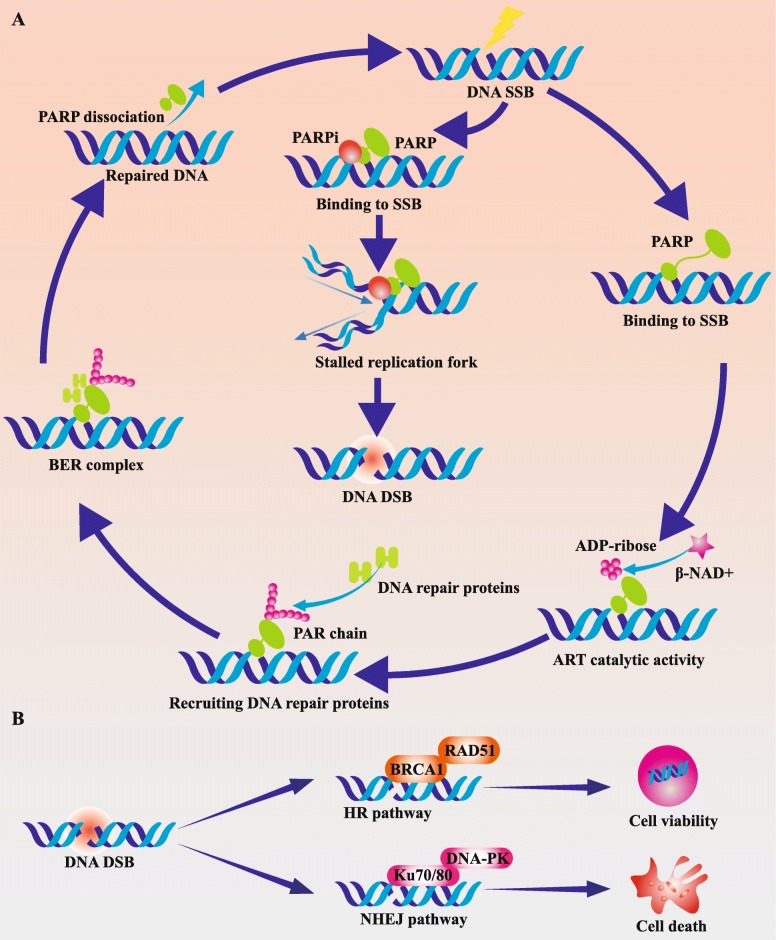
“Normal cells could detect and repair DNA damages by multiple pathways: (1) DNA singlestrand break (SSB) repair pathways including base excision repair (BER), nucleotide excision repair (NER), and mismatch repair (MMR) and (2) DNA double-strand break (DSB) repair pathways such as HR and nonhomologous end joining (NHEJ)…”
BackgroundInfluentialThe DNA-damage response in human biology and disease
Jackson, S. P., & Bartek, J. (2009) · Nature · doi:10.1038/nature08467 · Cited by 6,092 · cited 9×
“Normal cells could detect and repair DNA damages by multiple pathways: (1) DNA singlestrand break (SSB) repair pathways including base excision repair (BER), nucleotide excision repair (NER), and mismatch repair (MMR) and (2) DNA double-strand break (DSB) repair pathways such as HR and nonhomologous end joining (NHEJ)…”
BackgroundInfluentialPD-1 and Its Ligands in Tolerance and Immunity
Keir, M. E., Butte, M. J., Freeman, G. J., & Sharpe, A. H. (2008) · Annual Review of Immunology · doi:10.1146/annurev.immunol.26.021607.090331 · Cited by 5,378 · cited 1×
“As the main ligand of PD-1, PD-L1 is constitutively expressed on a wide variety of immune cells and non-immune cells [63, 64].”
BackgroundElements of cancer immunity and the cancer–immune set point
Chen, D. S., & Mellman, I. (2017) · Nature · doi:10.1038/nature21349 · Cited by 5,352 · cited 1×
“An effective anti-cancer immune response relies on the robust cascade reaction including release and presentation of cancer antigens, priming and activation of T cells, trafficking and infiltration of T cells, and recognizing and killing tumor cells [8].”
BackgroundIpilimumab plus Dacarbazine for Previously Untreated Metastatic Melanoma
Robert, C., Thomas, L., Bondarenko, I., O'Day, S., Weber, J., Garbe, C., Lebbe, C., Baurain, J.-F., Testori, A., Grob, J.-J., et al. (2011) · New England Journal of Medicine · doi:10.1056/nejmoa1104621 · Cited by 4,496 · cited 1×
“Since the first ICI was approved for metastatic melanoma patients in 2011, numerous ICIs have entered clinical practice [75, 76].”
BackgroundFirst-line atezolizumab plus chemotherapy in extensive-stage small-cell lung cancer
Horn, L., Mansfield, A. S., Szczęsna, A., Havel, L., Krzakowski, M., Hochmair, M. J., Huemer, F., Losonczy, G., Johnson, M. L., Nishio, M., et al. (2018) · New England Journal of Medicine · doi:10.1056/nejmoa1809064 · Cited by 3,586
Olaparib for Metastatic Breast Cancer in Patients with a Germline BRCA Mutation
Robson, M., Im, S.-A., Senkus, E., Xu, B., Domchek, S. M., Masuda, N., Delaloge, S., Li, W., Tung, N., Armstrong, A., et al. (2017) · New England Journal of Medicine · doi:10.1056/nejmoa1706450 · Cited by 3,294
Cited by
Sorted by citations
Combination strategies with PD-1/PD-L1 blockade: current advances and future directions
Yi, M., Zheng, X., Niu, M., Zhu, S., Ge, H., & Wu, K. (2022) · Molecular Cancer · doi:10.1186/s12943-021-01489-2 · Cited by 1,445
“Inspired by the results of preclinical studies, numerous clinical studies are ongoing to evaluate the efficacy of PARPi combined with α-PD-1/PD-L1 [219].”
BackgroundSelf-citationUnderstanding and overcoming resistance to PARP inhibitors in cancer therapy
Dias, M. P., Moser, S. C., Ganesan, S., & Jonkers, J. (2021) · Nature Reviews Clinical Oncology · doi:10.1038/s41571-021-00532-x · Cited by 544
Westin, S. N., Moore, K. N., Chon, H. S., Lee, J., Pepin, J. T., Sundborg, M., Shai, A., de la Garza, J., Nishio, S., Gold, M. A., et al. (2023) · Journal of Clinical Oncology · doi:10.1200/jco.23.02132 · Cited by 389
Tumor Immune Microenvironment during Epithelial–Mesenchymal Transition
Taki, M., Abiko, K., Ukita, M., Murakami, R., Yamanoi, K., Yamaguchi, K. D., Hamanishi, J., Baba, T., Matsumura, N., & Mandai, M. (2021) · Clinical Cancer Research · doi:10.1158/1078-0432.ccr-20-4459 · Cited by 368
“The FDA has approved several monoclonal antibodies targeting PD-1 (pembrolizumab, nivolumab, and cemiplimab) and PD-L1 (atezolizumab, avelumab, and durvalumab), which have been used as monotherapy or in combination with chemotherapies or other ICIs in several cancer types (27).”
BackgroundInfluentialHorvath, L., Thienpont, B., Zhao, L., Wolf, D. G. F., & Pircher, A. (2020) · Molecular Cancer · doi:10.1186/s12943-020-01260-z · Cited by 288
“As observed preclinically, PARPi induces genetic instability, increases TMB and neoantigen burden via DDR deficiency and may be involved in PD-L1 upregulation by cancer cells [97, 98].”
BackgroundYi, M., Zhang, J., Li, A., Niu, M., Yan, Y., Jiao, Y., Luo, S., Zhou, P., & Wu, K. (2021) · Journal of Hematology & Oncology · doi:10.1186/s13045-021-01045-x · Cited by 233
Self-citationAdvances in synthetic lethality for cancer therapy: cellular mechanism and clinical translation
Topatana, W., Juengpanich, S., Li, S., Cao, J., Hu, J., Lee, J., Suliyanto, K., Ma, D., Zhang, B., Chen, M., et al. (2020) · Journal of Hematology & Oncology · doi:10.1186/s13045-020-00956-5 · Cited by 193
Lei, H., Pei, Z., Jiang, C., & Cheng, L. (2023) · Exploration · doi:10.1002/exp.20220001 · Cited by 181
Yi, M., Niu, M., Zhang, J., Li, S., Zhu, S., Yan, Y., Li, N., Zhou, P., Chu, Q., & Wu, K. (2021) · Journal of Hematology & Oncology · doi:10.1186/s13045-021-01155-6 · Cited by 163
Self-citationApplying artificial intelligence for cancer immunotherapy
Xu, Z., Wang, X., Zeng, S., Ren, X., Yan, Y., & Gong, Z. (2021) · Acta Pharmaceutica Sinica B · doi:10.1016/j.apsb.2021.02.007 · Cited by 133
Recent developments in immunotherapy for gastrointestinal tract cancers
Chong, X., Madeti, Y., Cai, J., Li, W., Cong, L., Lu, J., Mo, L., Liu, H., He, S., Yu, C., et al. (2024) · Journal of Hematology & Oncology · doi:10.1186/s13045-024-01578-x · Cited by 132
Kim, R., Kwon, M., An, M., Kim, S. T., Smith, S. A., Loembé, A., Mortimer, P. G. S., Armenia, J., Lukashchuk, N., Shah, N., et al. (2021) · Annals of Oncology · doi:10.1016/j.annonc.2021.10.009 · Cited by 124
DNA Damage Response and Oxidative Stress in Systemic Autoimmunity
Souliotis, V. L., Vlachogiannis, N. I., Pappa, M. B., Argyriou, A., Ntouros, P. A., & Sfikakis, P. P. (2019) · International Journal of Molecular Sciences · doi:10.3390/ijms21010055 · Cited by 123
“Because targeting the DDR/R network can have an impact not only on cancer cells but also on host immunity, manipulation of molecular components of this network, alone or in combination with immune checkpoint inhibitors, has gained significant attention in cancer immunotherapy [148,149].”
BackgroundAvelumab Plus Talazoparib in Patients With Advanced Solid Tumors
Yap, T. A., Bardia, A., Dvorkin, M., Galsky, M. D., Beck, J. T., Wise, D. R., Karyakin, O. B., Rubovszky, G., Kislov, N. V., Rohrberg, K. S., et al. (2022) · JAMA Oncology · doi:10.1001/jamaoncol.2022.5228 · Cited by 116
Borella, F., Ghisoni, E., Giannone, G., Cosma, S. D., Benedetto, C., Valabrega, G., & Katsaros, D. (2020) · Diagnostics · doi:10.3390/diagnostics10030146 · Cited by 95
“In fact, PARPi interferes with homologous DNA damage repair, increases the mutational load in tumor cells and, in mouse models with mutations in BRCA genes, activates interferon-mediated pathways by acting in synergy with the inhibitors of immune checkpoint inhibitors [61].”
BackgroundKwon, M., Kim, G., Kim, R., Kim, K., Kim, S. T., Smith, S. A., Mortimer, P. G. S., Hong, J. Y., Loembé, A., Irurzun‐Arana, I., et al. (2022) · Journal for ImmunoTherapy of Cancer · doi:10.1136/jitc-2022-005041 · Cited by 97
Varayathu, H., Sarathy, V., Thomas, B. E., Mufti, S. S., & Naik, R. (2021) · Frontiers in Oncology · doi:10.3389/fonc.2021.559161 · Cited by 96
“As discussed the immunological effects of PARP inhibitors are multifaceted (73), which includes”
BackgroundTherapeutic Targeting of DNA Damage Response in Cancer
Choi, W., & Lee, E. S. (2022) · International Journal of Molecular Sciences · doi:10.3390/ijms23031701 · Cited by 97
“combination strategies are undergoing clinical investigation in a wide array of disease statuses [167].”
BackgroundPARP Inhibitors Resistance: Mechanisms and Perspectives
Giudice, E., Gentile, M., Salutari, V., Ricci, C., Musacchio, L., Carbone, M. V., Ghizzoni, V., Camarda, F., Tronconi, F., Nero, C., et al. (2022) · Cancers · doi:10.3390/cancers14061420 · Cited by 95
“Ongoing clinical trials are evaluating the clinical impact of this combination therapy [67].”
BackgroundThe role of DNA damage repair (DDR) system in response to immune checkpoint inhibitor (ICI) therapy
Shi, C., Qin, K., Lin, A., Jiang, A., Cheng, Q., Liu, Z., Zhang, J., & Luo, P. (2022) · Journal of Experimental & Clinical Cancer Research · doi:10.1186/s13046-022-02469-0 · Cited by 85
“It is generally understood that PARPi functions by blocking the BER pathway, or other repair factors, through its inhibition of the core DNA damage sensors and signal transducers, PARP1/2 enzymes [84, 116].”
BackgroundInfluentialImmunotherapy and Immunotherapy Combinations in Metastatic Castration-Resistant Prostate Cancer
Bansal, D., Reimers, M. A., Knoche, E. M., & Pachynski, R. K. (2021) · Cancers · doi:10.3390/cancers13020334 · Cited by 81
“PARP inhibition could potentiate immune modulation elicited by CPI by enhanced immune priming and T cell infiltration [185].”
BackgroundRamalingam, S. S., Thara, E., Awad, M. M., Dowlati, A., Haque, B., Stinchcombe, T. E., Dy, G. K., Spigel, D. R., Lu, S., Iyer Singh, N., et al. (2022) · Cancer · doi:10.1002/cncr.33885 · Cited by 75
Patel, M. A., Nowsheen, S., Maraboyina, S., & Xia, F. (2020) · Cell & Bioscience · doi:10.1186/s13578-020-00390-7 · Cited by 78
Khaddour, K., Johanns, T. M., & Ansstas, G. (2020) · Pharmaceuticals · doi:10.3390/ph13110389 · Cited by 78
“Preclinical studies suggest that PARP inhibition with drugs such as olaparib can increase neoantigen formation, lead to PD-L1 upregulation, boost type I Interferon signaling, and reprogram TME to facilitate anti-tumor response when using ICI [179].”
BackgroundTargeting tumor-associated macrophages for successful immunotherapy of ovarian carcinoma
Truxová, I., Cibula, D., Špíšek, R., & Fucikova, J. P. (2023) · Journal for ImmunoTherapy of Cancer · doi:10.1136/jitc-2022-005968 · Cited by 80
The Synergistic Effect of PARP Inhibitors and Immune Checkpoint Inhibitors
Wu, Z., Cui, P., Tao, H., Zhang, S., Ma, J., Liu, Z., Wang, J., Qian, Y., Chen, S., Huang, Z., et al. (2021) · Clinical Medicine Insights Oncology · doi:10.1177/1179554921996288 · Cited by 72
Role of DNA repair defects in predicting immunotherapy response
Zhang, J., Shih, D. J. H., & Lin, S. (2020) · Biomarker Research · doi:10.1186/s40364-020-00202-7 · Cited by 70
Zhu, L., Liu, J., Chen, J., & Zhou, Q. (2021) · Journal of Hematology & Oncology · doi:10.1186/s13045-021-01218-8 · Cited by 71
“Despite the weaker impact of homologous recombination (HR) deficiency on TMB relative to MMRd, catastrophic DNA damage driven by DDRi can be favorable to enhance ICB therapy efficiency [49].”
BackgroundZinc finger proteins: guardians of genome stability
Kamaliyan, Z., & Clarke, T. L. (2024) · Frontiers in Cell and Developmental Biology · doi:10.3389/fcell.2024.1448789 · Cited by 77
“Moreover, initial clinical trials of PARPi and anti-PDL-1 antibody combination has shown improved response rates compared to monotherapies in breast and ovarian cancer patients (Li et al., 2019).”
BackgroundImmunomodulatory Roles of PARP-1 and PARP-2: Impact on PARP-Centered Cancer Therapies
Yélamos, J., Moreno-Lama, L., Jimeno, J., & Ali, S. O. (2020) · Cancers · doi:10.3390/cancers12020392 · Cited by 72
Xu, Z., Peng, B., Cai, Y., Wu, G., Huang, J., Gao, M., Guo, G., Zeng, S., Gong, Z., & Yan, Y. (2020) · Biochemical Pharmacology · doi:10.1016/j.bcp.2020.114258 · Cited by 65
Zhang, X., Wang, Y., A, G., Qu, C., & Chen, J. (2021) · Frontiers in Immunology · doi:10.3389/fimmu.2021.721030 · Cited by 76
“Current research found PARP1 inhibitors (PARPi) remodels tumor immune microenvironment, upregulates PDL1 and drives a systemic Th1-skewing immune response, which activates the priming of immunity and tumor-killing activity, in combination with ICIs for the renaissance of anti-tumor immunity (30), which is somewhat agr…”
ResultEndometrial Carcinoma: Immune Microenvironment and Emerging Treatments in Immuno-Oncology
Rousset-Rouviere, S., Rochigneux, P., Chrétien, A.-S., Fattori, S., Gorvel, L., Provansal, M., Lambaudie, É., Olive, D., & Sabatier, R. (2021) · Biomedicines · doi:10.3390/biomedicines9060632 · Cited by 60
“These drugs are thought to be able to enhance ICI activity via various pathways [75].”
BackgroundSynthetic Lethality through the Lens of Medicinal Chemistry
Myers, S. H., Ortega, J. A., & Cavalli, A. (2020) · Journal of Medicinal Chemistry · doi:10.1021/acs.jmedchem.0c00766 · Cited by 63
Advances of Targeted Therapy for Hepatocellular Carcinoma
Niu, M., Yi, M., Li, N., Wu, K., & Wu, K. (2021) · Frontiers in Oncology · doi:10.3389/fonc.2021.719896 · Cited by 57
Self-citationPARP Inhibitors in Breast and Ovarian Cancer
Wang, S. S. Y., Jie, Y. E., Cheng, S. W., Ling, G. L., & Heong, V. Y. M. (2023) · Cancers · doi:10.3390/cancers15082357 · Cited by 60
“Treatment with PARPi synergises with immune checkpoint inhibitors to enhance immune surveillance in the body by promoting cross-presentation, modifying immune microenvironments and increasing PD-L1 expression [77,78].”
BackgroundMolecular characteristics of BRCA1/2 and PALB2 mutations in pancreatic ductal adenocarcinoma
Seeber, A., Zimmer, K., Kocher, F., Puccini, A., Xiu, J., Nabhan, C., Elliott, A., Goldberg, R. M., Grothey, A. F., Shields, A. F., et al. (2020) · ESMO Open · doi:10.1136/esmoopen-2020-000942 · Cited by 52
“The hypothesis generated in this study should be evaluated further and must be proven in investigational trials.”
Fumet, J.-D., Limagne, E., Thibaudin, M., Truntzer, C., Bertaut, A., Rederstorff, E., & Ghiringhelli, F. (2020) · BMC Cancer · doi:10.1186/s12885-020-07253-x · Cited by 50
“PARPi-mediated catastrophic DNA damage induces accumulated chromosome rearrangements, generates neoantigens and thus increases mutation burden [9].”
BackgroundImmune-Checkpoint Inhibitors in Platinum-Resistant Ovarian Cancer
Indini, A., Nigro, O., Lengyel, C. G., Ghidini, M., Petrillo, A., Lopez, S., Raspagliesi, F., Trapani, D., Khakoo, S. S., & Bogani, G. (2021) · Cancers · doi:10.3390/cancers13071663 · Cited by 46
“Available data on the prognostic and predictive significance of PD-1 and PD-L1 expression, as well as the presence of TILs, in OC, are inconsistent.”
BackgroundInfluentialGovindarasu, M., Ganeshan, S., Ansari, M. A., Alomary, M. N., Alyahya, S. A., Alghamdi, S. A., Almehmadi, M. M., Rajakumar, G., Thiruvengadam, M., & Vaiyapuri, M. (2021) · Journal of Saudi Chemical Society · doi:10.1016/j.jscs.2021.101319 · Cited by 44
“At the genetic level, PARP is in responsible of restoring single strand breaks (SSBs) triggered by the DNA damage or external stimuli, and also radiation [85].”
A Tale of Two Checkpoints: ATR Inhibition and PD-(L)1 Blockade
Ngoi, N. Y. L., Peng, G., & Yap, T. A. (2021) · Annual Review of Medicine · doi:10.1146/annurev-med-042320-025136 · Cited by 42
Inoue, A., Robinson, F. S., Minelli, R., Tomihara, H., Rizi, B. S., Rose, J. L., Kodama, T., Srinivasan, S., Harris, A. L., Zuniga, A. M., et al. (2021) · Gastroenterology · doi:10.1053/j.gastro.2021.03.022 · Cited by 40
Lama-Sherpa, T. D., & Shevde, L. A. (2019) · Molecular Cancer Research · doi:10.1158/1541-7786.mcr-19-0665 · Cited by 37
“However, combination therapy is likely to yield a better response (102).”
BackgroundPastor, D. M., & Schlom, J. (2021) · Current Oncology Reports · doi:10.1007/s11912-021-01085-z · Cited by 38
Current and future immunotherapy approaches in ovarian cancer
Demircan, N. C., Boussios, S., Taşçı, T., & Öztürk, M. A. (2020) · Annals of Translational Medicine · doi:10.21037/atm-20-4499 · Cited by 33
“Presence of HR deficiencies like BRCA1/2 mutations cause amplification of TMB and contribute to ICI sensitivity (41,42).”
Macchini, M., Centonze, F., Peretti, U., Orsi, G., Militello, A. M., Valente, M. M., Cascinu, S., & Reni, M. (2021) · Cancer Treatment Reviews · doi:10.1016/j.ctrv.2021.102262 · Cited by 34
Immunotherapy for Cutaneous Squamous Cell Carcinoma: Results and Perspectives
Alberti, A., & Bossi, P. (2022) · Frontiers in Oncology · doi:10.3389/fonc.2021.727027 · Cited by 34
“PARPi-mediated catastrophic DNA damage is a favorable factor for ICI therapy, and the relationship between tumor mutation burden and efficacy of ICI has been confirmed in previous studies (52).”
ResultStrategies for Heating Up Cold Tumors to Boost Immunotherapies
Zabransky, D. J., Yarchoan, M. M., & Jaffee, E. M. (2023) · Annual Review of Cancer Biology · doi:10.1146/annurev-cancerbio-061421-040258 · Cited by 34
Ovarian cancer targeted therapy: current landscape and future challenges
Wang, G., Yang, H., Wang, Y., & Qin, J. (2025) · Frontiers in Oncology · doi:10.3389/fonc.2025.1535235 · Cited by 39
“In ovarian cancer , PARPis have been shown to enhance the effects of immune checkpoint blockade ( 110), promoting tumor T-cell T-cell activation ( 111 ), which opens new”
Fan, Y., Ying, H., Wu, X., Chen, H., Hu, Y., Zhang, H., Wu, L., Yang, Y., Mao, B., & Zheng, L. (2020) · Cancer Biology and Medicine · doi:10.20892/j.issn.2095-3941.2020.0089 · Cited by 34
Up-Regulation of PARP1 Expression Significantly Correlated with Poor Survival in Mucosal Melanomas
Donizy, P., Wu, C.-L., Mull, J., Fujimoto, M., Chłopik, A., Peng, Y. S., Shalin, S. C., Selim, M. A., Puig, S., Fernández‐Figueras, M. T., et al. (2020) · Cells · doi:10.3390/cells9051135 · Cited by 31
“Theoretically, PARPi could increase the clinical sensitivity of tumors to immunotherapy by increasing mutation burden and generating plenty of neoantigens [39].”
BackgroundRandall, L. M., O’Malley, D. M., Monk, B. J., Coleman, R. L., Gaillard, S. L., Adams, S. F., Duska, L., Dalton, H., Holloway, R. W., Huang, M. S., et al. (2023) · Gynecologic Oncology · doi:10.1016/j.ygyno.2023.10.005 · Cited by 30
RDGN-based predictive model for the prognosis of breast cancer
Dong, B., Yi, M., Luo, S., Li, A., & Wu, K. (2020) · Experimental Hematology and Oncology · doi:10.1186/s40164-020-00169-z · Cited by 29
Self-citationXiong, J., Barayan, R., Louie, A. V., & Lok, B. H. (2022) · Seminars in Cancer Biology · doi:10.1016/j.semcancer.2022.07.008 · Cited by 31
The Emerging Role of Immunotherapy in Intrahepatic Cholangiocarcinoma
Fiste, O., Ntanasis‐Stathopoulos, I., Gavriatopoulou, M., Liontos, M., Koutsoukos, K., Dimopoulos, M. A., & Zagouri, F. (2021) · Vaccines · doi:10.3390/vaccines9050422 · Cited by 27
“Poly adenosine diphosphate-ribose polymerase inhibitors (PARPi) represent a novel class of targeted cancer therapy, by exploiting synthetic lethality in tumours which harbour germline and somatic alterations in DNA damage repair (DDR) genes; whereas their combination with immune-oncology appears to be a promising trea…”
BackgroundPARP Inhibitors in Melanoma—An Expanding Therapeutic Option?
Chan, W. Y., Brown, L. J., Reid, L., & Joshua, A. M. (2021) · Cancers · doi:10.3390/cancers13184520 · Cited by 29
“Highly mutated tumours often contain one or more mutations in key components of DDR pathways, such as BRCA1/2 for HR, MSH2 for MMR and POLE for DNA replication deficiency [17,35,48].”
BackgroundInfluentialDing, J.-H., Xiao, Y., Yang, F., Song, X.-Q., Xu, Y., Ding, X.-H., Ding, R., Shao, Z., Di, G. H., & Jiang, Y. (2024) · Science Translational Medicine · doi:10.1126/scitranslmed.adg7740 · Cited by 29
“Preclinical research and early-phase clinical trials suggested that PARP inhibitors exhibit synergistic activity when administered in combination with ICIs ( 51 ).”
BackgroundAddressing Resistance to Immune Checkpoint Inhibitor Therapy: An Urgent Unmet Need
Hu‐Lieskovan, S., Malouf, G. G., Jacobs, I. A., Chou, J., Liu, L., & Johnson, M. L. (2021) · Future Oncology · doi:10.2217/fon-2020-0967 · Cited by 26
Landry, M. R., DuRoss, A. N., Neufeld, M. J., Hahn, L., Sahay, G., Luxenhofer, R., & Sun, C. (2020) · Materials Today Bio · doi:10.1016/j.mtbio.2020.100082 · Cited by 25
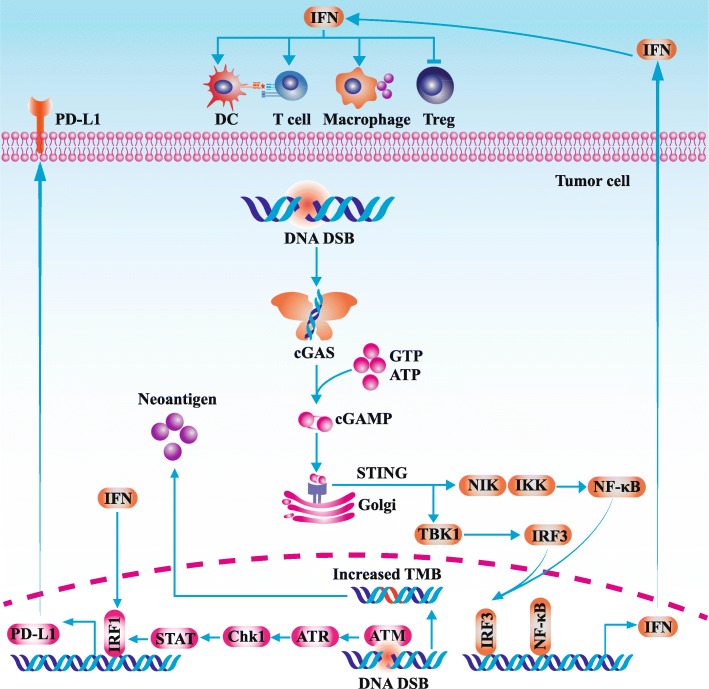
“In addition to preventing the repair of DNA damage, PARP inhibitors play an activating role in the immunostimulatory cyclic GMP-AMP synthase–stimulator of interferon genes pathway [10].”
BackgroundBound, N. T., Vandenberg, C. J., Kartikasari, A. E. R., Plebanski, M., & Scott, C. L. (2022) · Frontiers in Genetics · doi:10.3389/fgene.2022.886170 · Cited by 30
“A robust anti-tumour immune response relies on a cascade of interactions from the presentation of tumour-specific antigens, activation and trafficking of cytotoxic lymphocytes and the recognition and killing of tumour cells (Dunn et al., 2004a; Dunn et al., 2004b; Li et al., 2019).”
BackgroundAdvanced Acral Melanoma Therapies: Current Status and Future Directions
Zhang, Y., Lan, S., & Wu, D. (2022) · Current Treatment Options in Oncology · doi:10.1007/s11864-022-01007-6 · Cited by 26
Tan, J., Xu, Z., Li, M., Ye, F., Song, C., Xu, C., Zhang, X., Li, W., Wang, Y., Zeng, S., et al. (2021) · Oncogene · doi:10.1038/s41388-021-01788-4 · Cited by 24
“HR, an error-free form of repair with high fidelity, is crucial for cell survival [5, 21].”
BackgroundInfluentialGupta, T., Vinayak, S., & Telli, M. L. (2022) · Breast Cancer Research and Treatment · doi:10.1007/s10549-022-06780-4 · Cited by 24
Zhao, L., Chen, X., Wu, H., He, Q., Ding, L., & Yang, B. (2023) · Biochemical Pharmacology · doi:10.1016/j.bcp.2023.115724 · Cited by 25
Tolba, M. F., Elghazaly, H. A., Bousoik, E., Elmazar, M. M., & Tolaney, S. M. (2021) · Clinical & Translational Oncology · doi:10.1007/s12094-021-02613-w · Cited by 22
“Several PARP inhibitors, including olaparib, niraparib and talazoparib, were developed principally for patients carrying BRCA1/2 mutations [43].”
BackgroundThe landscape of circRNAs in gliomas temozolomide resistance: Insights into molecular pathways
Mafi, A., Hedayati, N., Kahkesh, S., Khoshayand, S., Alimohammadi, M., Farahani, N., & Hushmandi, K. (2024) · Non-coding RNA Research · doi:10.1016/j.ncrna.2024.05.010 · Cited by 22
“Inhibiting PARP with medicines like olaparib can stimulate neoantigen formation, upregulate PD-L1, enhance type I interferon signaling, and modify TME to enhance tumor suppressive responses when combined with ICI [38].”
BackgroundThe impact of body composition on treatment in ovarian cancer: a current insight
McSharry, V., Glennon, K., Mullee, A., & Brennan, D. J. (2021) · Expert Review of Clinical Pharmacology · doi:10.1080/17512433.2021.1937125 · Cited by 21
Nicolini, A., Ferrari, P., & Carpi, A. (2022) · Biomedicines · doi:10.3390/biomedicines10102511 · Cited by 20
“This reprogramming induces the recruitment of T-cells into the tumor bed [102], thus transforming “cold tumors” into “hot tumors” through the activation of the immune response.”
BackgroundTherapeutic implications of germline vulnerabilities in DNA repair for precision oncology
Shah, S. M., Demidova, E. V., Lesh, R. W., Hall, M. J., Daly, M. B., Meyer, J. E., Edelman, M. J., & Arora, S. (2022) · Cancer Treatment Reviews · doi:10.1016/j.ctrv.2021.102337 · Cited by 17
Habaka, M., Daly, G. R., Shinyanbola, D., Alabdulrahman, M., McGrath, J., Dowling, G. P., Hehir, C. M., Huang, H. Y. R., Hill, A. D. K., Varešlija, D., et al. (2025) · Current Oncology Reports · doi:10.1007/s11912-025-01669-z · Cited by 17
“PARPi–ICI combinations may work by increasing the tumour’s neoantigen load, thereby enhancing immune recognition and response [93].”
Manipulating TGF-β signaling to optimize immunotherapy for cervical cancer
Yin, S., Cui, H., Qin, S., & Yu, S. (2023) · Biomedicine & Pharmacotherapy · doi:10.1016/j.biopha.2023.115355 · Cited by 18
Self-citationThe Potential of PARP Inhibitors as Antitumor Drugs and the Perspective of Molecular Design
Wang, Y., Zhang, J., Wu, X., Huang, L., Xiao, W., & Guo, C. (2024) · Journal of Medicinal Chemistry · doi:10.1021/acs.jmedchem.4c02642 · Cited by 18
Khaddour, K., Ansstas, M., Visconti, J., & Ansstas, G. (2020) · Annals of Oncology · doi:10.1016/j.annonc.2020.10.602 · Cited by 17
Cerniglia, M., Xiu, J., Grothey, A., Pishvaian, M. J., Baca, Y., Hwang, J. J., Marshall, J. L., VanderWalde, A. M., Shields, A. F., Lenz, H.-J., et al. (2021) · Molecular Cancer Therapeutics · doi:10.1158/1535-7163.mct-20-0879 · Cited by 17
“DDR inhibition can also facilitate cell-intrinsic immunogenicity through upregulation of PD-L1, thereby making tumor cells visible to T cells via modulation of their cell-surface phenotype (36).”
BackgroundXie, H., Wang, W., Qi, W.-C., Jin, W., & Xia, B. (2021) · Frontiers in Immunology · doi:10.3389/fimmu.2021.661115 · Cited by 17
“Type I IFN has a substantial influence on systemic immune response and promotes the maturation, migration, and activation of immune cells, especially DCs, natural killer cells, and T cells (Figure 1) (61, 62).”
BackgroundTillmanns, T. D., Masri, A., Stewart, C. E., Chase, D. M., Karnezis, A. N., Chen, L.-M., & Urban, R. R. (2024) · Gynecologic Oncology Reports · doi:10.1016/j.gore.2024.101462 · Cited by 15
“It was hypothesized that combining poly(ADP-ribose) polymerase (PARP) inhibitor with an immune checkpoint inhibitor may improve outcomes in both dMMR and pMMR tumors (Lee and Konstantinopoulos, 2019; Li et al., 2019; Stewart et al., 2018; Wanderley et al., 2022).”
BackgroundNogueira, T. C. M., & Souza, M. V. N. D. (2021) · Bioorganic & Medicinal Chemistry · doi:10.1016/j.bmc.2021.116340 · Cited by 15
Khaddour, K., Fernandez, M. F., Khabibov, M., Гарифуллин, А., Dressler, D., Topchu, I., Patel, J. D., Weinberg, F. D., & Boumber, Y. (2022) · Cancers · doi:10.3390/cancers14215305 · Cited by 14
Oregovomab: an investigational agent for the treatment of advanced ovarian cancer
Pietragalla, A., Duranti, S., Daniele, G., Nero, C., Ciccarone, F., Lorusso, D., Fagotti, A., & Scambia, G. (2021) · Expert Opinion on Investigational Drugs · doi:10.1080/13543784.2021.1868436 · Cited by 14
The biology of combination immunotherapy in recurrent metastatic head and neck cancer
Yuan, X., Yi, M., Zhang, W., Xu, L., Chu, Q., Luo, S., & Wu, K. (2021) · The International Journal of Biochemistry & Cell Biology · doi:10.1016/j.biocel.2021.106002 · Cited by 13
Self-citationWu, C., Yang, Y., Lin, Y., Shu, L., Liu, H.-T., Lu, C., Wu, Y.-H., & Wu, Y.-H. (2024) · Biomedical Journal · doi:10.1016/j.bj.2024.100741 · Cited by 14
“Other research has reported PD-L1 expression in CRPC. Notably, studies have demonstrated the effectiveness of combining anti-PD-L1 therapy with treatments targeting myeloid-derived suppressor cells or PARP (poly ADP-ribose polymerase) inhibitors against CRPC [10].”
Khaddour, K., Ansstas, M., & Ansstas, G. (2021) · Molecular Case Studies · doi:10.1101/mcs.a006129 · Cited by 13
“In addition, there is mounting preclinical evidence of a synergistic role with combination ICB and PARP inhibitors to improve antitumor immunity (Li et al. 2019).”
BackgroundHuang, D., Su, L., Bai, Y., & Wang, Y. (2024) · BMC Cancer · doi:10.1186/s12885-024-13058-z · Cited by 14
“Additionally, PARP inhibitors have been found to enhance the priming and killing activity of T cells, thereby improving the response to ICIs [32].”
BackgroundPeng, X., Li, Y., Qu, J., Jiang, L., Wu, K., Liu, D., Chen, Y., Peng, J., Guo, Y., & Cao, X. (2024) · European Journal of Medicinal Chemistry · doi:10.1016/j.ejmech.2024.116405 · Cited by 11
Self-citationTargeting the DNA damage response in hematological malignancies
Mel, S. D., Lee, A. R. Y. B., Tan, J. H. I., Tan, R., Poon, L. M., Chan, E. H. L., Lee, J., Chee, Y. L., Lakshminarasappa, S. R., Jaynes, P. W., et al. (2024) · Frontiers in Oncology · doi:10.3389/fonc.2024.1307839 · Cited by 11
Ginsenosides: Allies of gastrointestinal tumor immunotherapy
Feng, Y., Ma, F., Wu, E., Cheng, Z., Wang, Z., Li, Y., & Zhang, J. (2022) · Frontiers in Pharmacology · doi:10.3389/fphar.2022.922029 · Cited by 10
Immunotherapy: Review of the Existing Evidence and Challenges in Breast Cancer
Hu, Y., Li, Y., Yao, Z., Huang, F., Cai, H., Liu, H., Zhang, X., & Zhang, J. (2023) · Cancers · doi:10.3390/cancers15030563 · Cited by 10
“According to the literature, additional PARP inhibition could promote cross-presentation and modify the immune microenvironment for alleviating resistance as well as strengthening the efficacy exhibited by ICB therapy [62].”
BackgroundChen, Q., Yu, H., Li, N., Zhang, H., Tan, M., Liu, W., Zheng, M., Hu, Y., Cheng, L., Chen, Y., et al. (2025) · Journal of Nanobiotechnology · doi:10.1186/s12951-025-03536-2 · Cited by 9
“By activating the STING pathway, it initiates a series of antitumor immune reactions, such as facilitating the maturation of DCs and amplifying the expression of related pro-inflammatory factors, thereby facilitating CTL activation and proliferation [44, 45].”
Ovarian cancer stem cells: Critical roles in anti-tumor immunity
Ding, J., Zhang, Y., & Che, Y. (2022) · Frontiers in Genetics · doi:10.3389/fgene.2022.998220 · Cited by 11
“mutations are particularly effective in cancer cells (Li et al., 2019).”
BackgroundEREG is a risk factor for the prognosis of patients with cervical cancer
Li, T., Feng, R., Chen, B., & Zhou, J. (2023) · Frontiers in Medicine · doi:10.3389/fmed.2023.1161835 · Cited by 9
Ge, T., Ge, W., Zhang, L., Yu, G., Li, Y., Sun, L., Fan, D., Yao, Z., Shi, L., & Wang, Y. (2023) · Nanomedicine · doi:10.2217/nnm-2022-0299 · Cited by 10
Eskiler, G. G., & Özkan, A. D. (2021) · Molecular Immunology · doi:10.1016/j.molimm.2021.12.007 · Cited by 9
Design and synthesis of benzodiazepines as brain penetrating PARP-1 inhibitors
Jiang, Y. X., Gou, W., Shang, H., Cui, Y., Sun, X., Luo, L., Hou, W., Sun, T., & Li, Y. (2022) · Journal of Enzyme Inhibition and Medicinal Chemistry · doi:10.1080/14756366.2022.2053524 · Cited by 8
Sarkar, S., Saha, S. A., Swarnakar, A., Chakrabarty, A., Dey, A., Sarkar, P., Banerjee, S., & Mitra, P. (2024) · Journal of Ovarian Research · doi:10.1186/s13048-024-01482-5 · Cited by 7
Research progress of immune checkpoint inhibitors in ovarian cancer
Zhao, L., Zhai, Y., & Niu, G. (2024) · Exploration of Immunology · doi:10.37349/ei.2024.00177 · Cited by 7
In Situ Cancer Vaccines: Redefining Immune Activation in the Tumor Microenvironment
Giram, P. S., Rahman, K. M. M., Aqel, O., & You, Y. (2025) · ACS Biomaterials Science & Engineering · doi:10.1021/acsbiomaterials.5c00121 · Cited by 8
Fan, Y., Wang, H., Zhang, H., Ma, T., & Zhao, Y. (2025) · Frontiers in Immunology · doi:10.3389/fimmu.2025.1711415 · Cited by 7
Westin, S. N., Moore, K., Chon, H. S., Pepin, J. T., Salinas, E. A., Starks, D. C., DiSilvestro, P., Slomovitz, B. M., Vettus, E., Gálvez-Montosa, F., et al. (2026) · Gynecologic Oncology · doi:10.1016/j.ygyno.2026.01.777 · Cited by 7
Exploring the DNA damage response pathway for synthetic lethality
Xu, X., Nowsheen, S., & Deng, M. (2022) · Genome Instability & Disease · doi:10.1007/s42764-022-00087-w · Cited by 8
Bailey, M. M., Morand, S. M., Royfman, R., Lin, L., Singh, A. P., Stanbery, L., Walter, A., Hamouda, D., & Nemunaitis, J. J. (2024) · International Journal of Molecular Sciences · doi:10.3390/ijms25063173 · Cited by 7
“…enhancing immune activity has been suggested to be partly related to PARPi-mediated disruption of DNA repair and generation of DNA damage with a subsequent increase in neoantigen expression, which theoretically creates a more sensitive and favorable signal response (high TMB) to ICIs [38–40].”
Background
Metadata
- Authors
- Li, A., Yi, M., Qin, S., Chu, Q., Luo, S., & Wu, K.
- Affiliations
- Zhengzhou University (CN)
- Tongji Hospital (CN)
- Corresponding author
- Luo, Suxia
- Wu, Kongming
- Venue
- Journal of Hematology & Oncology
- Published
- 2019-09-14
- Volume
- 12
- Issue
- 1
- Pages
- 98-98
- ISSN
- 1756-8722 (ISSN-L)
- PMC
- PMC6744711
- OpenAlex
- W2972535107
- Cited by
- 143
- References
- 130
- Citations by year
- 2026: 10 · 2025: 14 · 2024: 14 · 2023: 16 · 2022: 21 · 2021: 36 · 2020: 30 · 2019: 2
- FWCI
- 2.17
- Type
- journal article
- Language
- en
- Open access
- gold
- doi.org
- Locations
- Journal of Hematology & Oncology (publishedVersion, cc-by)
- PubMed Central (publishedVersion, cc-by)
- PubMed (publishedVersion)
- DOAJ (DOAJ: Directory of Open Access Journals) (submittedVersion, cc-by-sa)
- Funders
- National Natural Science Foundation of China (81874120, 81572608, 81672984)
- Wuhan Municipal Science and Technology Bureau (2017060201010170)
- Topics
- Health Sciences › Medicine › Oncology › Cancer Immunotherapy and Biomarkers
- Health Sciences › Medicine › Oncology › PARP inhibition in cancer therapy
- Life Sciences › Immunology and Microbiology › Immunology › Immunotherapy and Immune Responses
- Keywords
- immune checkpoint blockade, PARP inhibitors, combination therapy, cancer immunotherapy, tumor immune microenvironment, PD-1, CTLA-4, immunosuppression, tumor immunogenicity, T cell priming, cross-presentation, drug resistance, cancer-immunity cycle
- MeSH terms
- Poly(ADP-ribose) Polymerase Inhibitors, Antineoplastic Agents, Humans, Immunotherapy, Poly(ADP-ribose) Polymerases
About these checks
Registry, retraction, Cites and statistics results are computed, not judged, with one exception: a printed reference that no index lists is read once by a model before it counts as a citation error. Claims are extracted by a model and kept only when their quote appears verbatim in the text; each cited source is then checked, with a model’s help, for whether it says what the claim relies on. Those verdicts can be wrong — read the claim’s quote and the cited source before relying on one.
Statistics and arithmetic are recomputed, not judged.
Confidence bands are shown only for fields calibrated on our annotated test set. None is calibrated yet, so no band is shown.
What counts as a claim ›How we measure confidence ›How we check this ›
Are you an author, or do you see a problem with this page? Request a review
