

The DOI matches its Crossref record; 130 of the 130 references it cites were found in a registry or an index.
Prospects for combining immune checkpoint blockade with PARP inhibition
Open accessAbstract
The immunogenicity of a cancer cell is derived from accumulated somatic mutations. However, on the contrary to increased immunogenicity, anti-cancer immune response tends to be feeble. This impaired anti-cancer immunity could be attributed to multiple factors including loss of immunodominant epitopes, downregulation of major histocompatibility complex, and immunosuppressive microenvironment, as well as aberrant negative co-stimulatory signals. Immune checkpoint inhibitors block negative co-stimulatory signals such as programmed cell death-1 and cytotoxic T-lymphocyte-associated protein 4, ultimately reactivating anti-cancer immunity. Immune checkpoint inhibitors elicit potent anti-cancer effect and have been approved for multiple cancers. Nevertheless, there still are significant potential improvements for the applications of checkpoint inhibitor, especially considering frequent resistance. Recent studies demonstrated that additional PARP inhibition could alleviate resistance and enhance efficacy of immune checkpoint blockade therapy via promoting cross-presentation and modifying immune microenvironment. We proposed that PARP inhibitors could enhance the priming and tumor-killing activities of T cell, boost the whole cancer-immunity cycle, and thereby improve the response to immune checkpoint blockade. In this review, we focused the latest understanding of the effect of PARP inhibitors on anti-cancer immunity and PARP inhibitors combining immune checkpoint blockade therapy. Moreover, we summarized the preclinical and clinical evidence and discussed the feasibility of this combination therapy in future clinical practice.
Overview
The claims and statistics of this paper haven’t been checked yet.
Run the check — free, no account needed. It reads the open-access text and checks the sources it cites.
Integrity signals
Registry
Cites
Statistics
Figures
Verification
Claims the paper makes
The claims and statistics of this paper haven’t been checked yet.
Run the check — free, no account needed. It reads the open-access text and checks the sources it cites.
Claims other papers make about this one
Each is checked against this paper’s own text: does it say what the citing paper says it does?
In the citing paper
“However, some HR-deficient (e.g. BRCA1/2 mutant) cancer cells only repair DSB by nonhomologous end joining, which is a low fidelity repair pathway [219].”
From Combination strategies with PD-1/PD-L1 blockade: current advances and future directions (2022) · cites this paper as [219]
In the citing paper
“Normal cells preferentially repair double strand break (DSB) via homologous recombination (HR).”
From Combination strategies with PD-1/PD-L1 blockade: current advances and future directions (2022) · cites this paper as [219]
Self-check
Percentages, sums and reported differences re-computed from the paper’s own numbers.
The self-check needs the paper’s full text.
Citations
Cites
PD-1 and PD-L1 Immune Checkpoint Blockade to Treat Breast Cancer
Hartkopf, A. D., Taran, F., Wallwiener, M., Walter, C. B., Krämer, B., Grischke, E., & Brucker, S. Y. (2016) · Breast Care · doi:10.1159/000453569 · Cited by 30,989
Pembrolizumab versus Chemotherapy for PD-L1-Positive Non-Small-Cell Lung Cancer
Reck, M., Rodríguez-Abreu, D., Robinson, A. G., Hui, R., Csőszi, T., Fülöp, A., Gottfried, M., Peled, N., Tafreshi, A., Cuffe, S., et al. (2016) · New England Journal of Medicine · doi:10.1056/nejmoa1606774 · Cited by 10,089 · cited 1×
“The level of PD-L1 is a vital biomarker predicting the efficacy of anti-PD-1/PD-L1 efficacy [86, 113].”
BackgroundOncology meets immunology: the cancer-immunity cycle.
Chen, D. S., & Mellman, I. (2013) · Immunity · doi:10.1016/j.immuni.2013.07.012 · Cited by 6,929 · cited 2×
“TAAs and neoantigens determine cancer immunogenicity and initiate the cancer-immunity cycle [6].”
BackgroundTargeting the DNA repair defect in BRCA mutant cells as a therapeutic strategy
Farmer, H., McCabe, N., Lord, C. J., Tutt, A. N. J., Johnson, D. A., Richardson, T. B., Santarosa, M., Dillon, K. J., Hickson, I., Knights, C., et al. (2005) · Nature · doi:10.1038/nature03445 · Cited by 6,683 · cited 9×
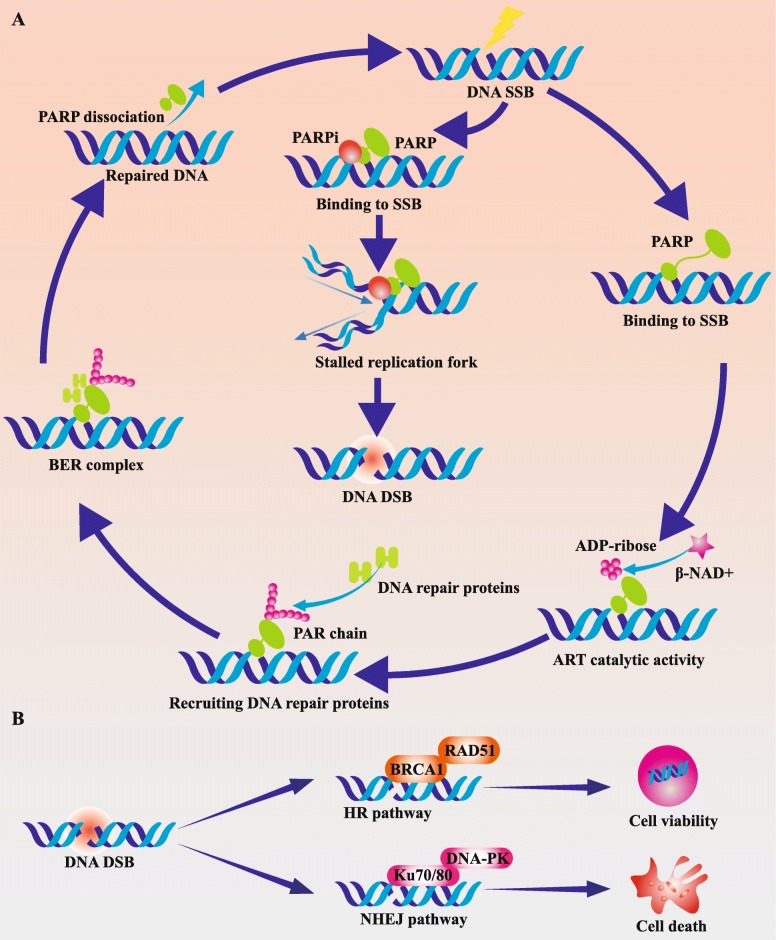
“Normal cells could detect and repair DNA damages by multiple pathways: (1) DNA singlestrand break (SSB) repair pathways including base excision repair (BER), nucleotide excision repair (NER), and mismatch repair (MMR) and (2) DNA double-strand break (DSB) repair pathways such as HR and nonhomologous end joining (NHEJ)…”
BackgroundInfluentialThe DNA-damage response in human biology and disease
Jackson, S. P., & Bartek, J. (2009) · Nature · doi:10.1038/nature08467 · Cited by 6,092 · cited 9×
“Normal cells could detect and repair DNA damages by multiple pathways: (1) DNA singlestrand break (SSB) repair pathways including base excision repair (BER), nucleotide excision repair (NER), and mismatch repair (MMR) and (2) DNA double-strand break (DSB) repair pathways such as HR and nonhomologous end joining (NHEJ)…”
BackgroundInfluentialPD-1 and Its Ligands in Tolerance and Immunity
Keir, M. E., Butte, M. J., Freeman, G. J., & Sharpe, A. H. (2008) · Annual Review of Immunology · doi:10.1146/annurev.immunol.26.021607.090331 · Cited by 5,378 · cited 1×
“As the main ligand of PD-1, PD-L1 is constitutively expressed on a wide variety of immune cells and non-immune cells [63, 64].”
BackgroundElements of cancer immunity and the cancer–immune set point
Chen, D. S., & Mellman, I. (2017) · Nature · doi:10.1038/nature21349 · Cited by 5,352 · cited 1×
“An effective anti-cancer immune response relies on the robust cascade reaction including release and presentation of cancer antigens, priming and activation of T cells, trafficking and infiltration of T cells, and recognizing and killing tumor cells [8].”
BackgroundIpilimumab plus Dacarbazine for Previously Untreated Metastatic Melanoma
Robert, C., Thomas, L., Bondarenko, I., O'Day, S., Weber, J., Garbe, C., Lebbe, C., Baurain, J.-F., Testori, A., Grob, J.-J., et al. (2011) · New England Journal of Medicine · doi:10.1056/nejmoa1104621 · Cited by 4,496 · cited 1×
“Since the first ICI was approved for metastatic melanoma patients in 2011, numerous ICIs have entered clinical practice [75, 76].”
BackgroundFirst-line atezolizumab plus chemotherapy in extensive-stage small-cell lung cancer
Horn, L., Mansfield, A. S., Szczęsna, A., Havel, L., Krzakowski, M., Hochmair, M. J., Huemer, F., Losonczy, G., Johnson, M. L., Nishio, M., et al. (2018) · New England Journal of Medicine · doi:10.1056/nejmoa1809064 · Cited by 3,586
Olaparib for Metastatic Breast Cancer in Patients with a Germline BRCA Mutation
Robson, M., Im, S.-A., Senkus, E., Xu, B., Domchek, S. M., Masuda, N., Delaloge, S., Li, W., Tung, N., Armstrong, A., et al. (2017) · New England Journal of Medicine · doi:10.1056/nejmoa1706450 · Cited by 3,294
Tumor mutational burden and response rate to PD-1 inhibition
Yarchoan, M., Hopkins, A., & Jaffee, E. M. (2017) · New England Journal of Medicine · doi:10.1056/nejmc1713444 · Cited by 3,230
PARP inhibitors: Synthetic lethality in the clinic
Lord, C. J., & Ashworth, A. (2017) · Science · doi:10.1126/science.aam7344 · Cited by 3,013 · cited 1×
“PARP is a core DNA damage sensor in DDR, which binds to damaged DNA lesions, catalyzes the generation of negatively charged poly (ADP-ribose) chains, remodels the structures of damaged chromatin, and recruits DNA repair-related protein complex [29, 30].”
BackgroundMaintenance Olaparib in Patients with Newly Diagnosed Advanced Ovarian Cancer
Moore, K., Colombo, N., Scambia, G., Kim, B.-G., Oaknin, A., Friedlander, M., Lisyanskaya, A., Floquet, A., Leary, A., Sonke, G. S., et al. (2018) · New England Journal of Medicine · doi:10.1056/nejmoa1810858 · Cited by 2,870
STING regulates intracellular DNA-mediated, type I interferon-dependent innate immunity
Ishikawa, H., Ma, Z., & Barber, G. N. (2009) · Nature · doi:10.1038/nature08476 · Cited by 2,759 · cited 1×
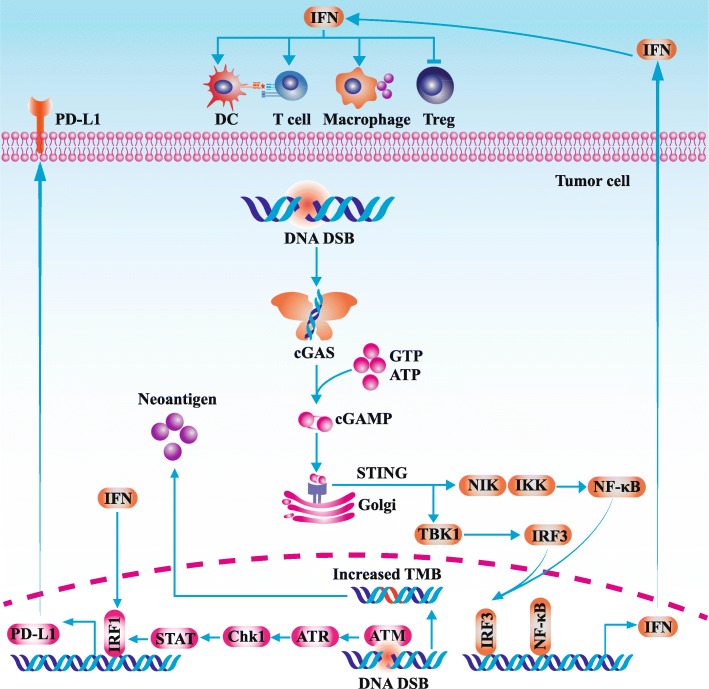
“Active STING mainly initiates the downstream TBK1IRF3-Type I IFN pathway [100].”
BackgroundNiraparib Maintenance Therapy in Platinum-Sensitive, Recurrent Ovarian Cancer
Mirza, M. R., Monk, B. J., Herrstedt, J., Oza, A. M., Mahner, S., Redondo, A., Fabbro, M., Ledermann, J. A., Lorusso, D., Vergote, I. B., et al. (2016) · New England Journal of Medicine · doi:10.1056/nejmoa1611310 · Cited by 2,452
Comprehensive genomic profiles of small cell lung cancer
George, J., Lim, J. S., Jang, S. J., Cun, Y., Ozretić, L., Kong, G., Leenders, F., Lu, X. L., Fernandez‐Cuesta, L., Bosco, G., et al. (2015) · Nature · doi:10.1038/nature14664 · Cited by 2,362 · cited 1×
“SCLC is a unique cancer which is characterized by TP53 and RB loss, as well as MYC amplification [121].”
BackgroundMaintenance Olaparib for Germline BRCA -Mutated Metastatic Pancreatic Cancer
Golan, T., Hammel, P., Reni, M., Van Cutsem, E., Macarulla, T., Hall, M. J., Park, J.-O., Hochhauser, D., Arnold, D., Oh, D.-Y., et al. (2019) · New England Journal of Medicine · doi:10.1056/nejmoa1903387 · Cited by 2,302
Trapping of PARP1 and PARP2 by Clinical PARP Inhibitors
Murai, J., Huang, S.-Y. N., Das, B. B., Renaud, A., Zhang, Y., Doroshow, J. H., Ji, J. J., Takeda, S., & Pommier, Y. G. (2012) · Cancer Research · doi:10.1158/0008-5472.can-12-2753 · Cited by 2,276 · cited 1×
“In general, all agents belonging to PARPi could interfere with the interaction between PARP and its cofactor (β-nicotinamide adenine dinucleotide), inhibit PARylation activity, and trap PARP on damaged DNA chain [45].”
BackgroundPosttranscriptional Control of T Cell Effector Function by Aerobic Glycolysis
Chang, C.-H., Curtis, J. D., Maggi, L. B., Faubert, B., Villarino, A. V., O’Sullivan, D., Huang, S. C.-C., van der Windt, G. J. W., Blagih, J., Qiu, J., et al. (2013) · Cell · doi:10.1016/j.cell.2013.05.016 · Cited by 2,204 · cited 1×
“Dysregulated metabolism promotes the differentiation of T cells towards regulatory T cells (Tregs) [70].”
BackgroundNeoadjuvant PD-1 Blockade in Resectable Lung Cancer
Forde, P. M., Chaft, J. E., Smith, K. N., Anagnostou, V., Cottrell, T. R., Hellmann, M. D., Zahurak, M., Yang, S. C., Jones, D. R., Broderick, S., et al. (2018) · New England Journal of Medicine · doi:10.1056/nejmoa1716078 · Cited by 2,099 · cited 2×
“Tumor mutation burden is regarded as a surrogate of neoantigen burden which heralds the therapeutic response after ICI treatment [78].”
BackgroundResultCTLA-4 and PD-1 Receptors Inhibit T-Cell Activation by Distinct Mechanisms
Parry, R. V., Chemnitz, J. M., Frauwirth, K. A., Lanfranco, A. R., Braunstein, I., Kobayashi, S. V., Linsley, P. S., Thompson, C. B., & Riley, J. L. (2005) · Molecular and Cellular Biology · doi:10.1128/mcb.25.21.9543-9553.2005 · Cited by 1,931 · cited 1×
“Besides, PD-1/PD-L1 signal could also suppress intercellular PI3K-Akt and Ras-Raf-MAPK signaling pathways, which further downregulates glycolysis, the metabolism of amino acid and fatty acid oxidation, as well as cell proliferation [68, 69].”
BackgroundAdjuvant pembrolizumab versus placebo in resected stage III melanoma
Eggermont, A. M. M., Blank, C. U., Mandala, M., Long, G. V., Atkinson, V., Dalle, S., Haydon, A., Lichinitser, M., Khattak, A., Carlino, M. S., et al. (2018) · New England Journal of Medicine · doi:10.1056/nejmoa1802357 · Cited by 1,906
Pujade-Lauraine, É., Ledermann, J. A., Selle, F., Gebski, V., Penson, R. T., Oza, A. M., Korach, J., Huzarski, T., Poveda, A. M., Pignata, S., et al. (2017) · The Lancet Oncology · doi:10.1016/s1470-2045(17)30469-2 · Cited by 1,893
Pembrolizumab in Patients With Advanced Triple-Negative Breast Cancer: Phase Ib KEYNOTE-012 Study
Nanda, R., Chow, L. Q. M., Dees, E. C., Berger, R., Gupta, S., Geva, R., Pusztai, L., Pathiraja, K., Aktan, G., Cheng, J. D., et al. (2016) · Journal of Clinical Oncology · doi:10.1200/jco.2015.64.8931 · Cited by 1,477
PD-1 Blockade with Cemiplimab in Advanced Cutaneous Squamous-Cell Carcinoma
Migden, M. R., Rischin, D., Schmults, C. D., Guminski, A. D., Hauschild, A., Lewis, K. D., Chung, C. H., Hernandez-Aya, L. F., Lim, A. M. L., Chang, A. L. S., et al. (2018) · New England Journal of Medicine · doi:10.1056/nejmoa1805131 · Cited by 1,453 · cited 1×
“The relationship between tumor mutation burden and efficacy of ICI has been confirmed in previous studies [78, 91].”
ResultEndogenous DNA damage as a source of genomic instability in cancer
Tubbs, A., & Nussenzweig, A. (2017) · Cell · doi:10.1016/j.cell.2017.01.002 · Cited by 1,452 · cited 1×
“Actually, cancer cells often possess inadequate repertoire of DNA damage repair pathways and highly depend on certain DNA repair pathways to avoid lethal DNA damages [27, 28].”
BackgroundClassifying Cancers Based on T-cell Infiltration and PD-L1
Teng, M. W. L., Ngiow, S. F., Ribas, A., & Smyth, M. J. (2015) · Cancer Research · doi:10.1158/0008-5472.can-15-0255 · Cited by 1,436
Neoantigen vaccine generates intratumoral T cell responses in phase Ib glioblastoma trial
Keskin, D. B., Anandappa, A. J., Sun, J., Tirosh, I., Mathewson, N. D., Li, S., Oliveira, G., Giobbie-Hurder, A., Felt, K., Gjini, E., et al. (2019) · Nature · doi:10.1038/s41586-018-0792-9 · Cited by 1,432 · cited 1×
“Neoantigens are proteins exclusively expressed on cancer cells due to mutationmediated sequence alterations [4, 5].”
BackgroundSTING: infection, inflammation and cancer.
Barber, G. N. (2015) · Nature Reviews Immunology · doi:10.1038/nri3921 · Cited by 1,313 · cited 1×
“CDN is a second messenger which promotes the conformational change of stimulator of interferon genes (STING) [99].”
BackgroundType I interferons in anticancer immunity
Zitvogel, L., Galluzzi, L., Kepp, O., Smyth, M. J., & Kroemer, G. (2015) · Nature Reviews Immunology · doi:10.1038/nri3845 · Cited by 1,305 · cited 1×
“Under the immunostimulatory effect of type I IFN, the cross-presentation capability of DCs and the trafficking and cytotoxicity of T cells are enhanced by various manners [102].”
BackgroundLord, C. J., & Ashworth, A. (2016) · Nature Reviews Cancer · doi:10.1038/nrc.2015.21 · Cited by 1,257
CTLA-4: a moving target in immunotherapy
Rowshanravan, B., Halliday, N., & Sansom, D. M. (2018) · Blood · doi:10.1182/blood-2017-06-741033 · Cited by 1,233
Epigenetic silencing of TH1-type chemokines shapes tumour immunity and immunotherapy
Peng, D., Kryczek, I., Nagarsheth, N., Zhao, L., Wei, S., Wang, W., Sun, Y., Zhao, E., Vatan, L., Szeliga, W., et al. (2015) · Nature · doi:10.1038/nature15520 · Cited by 1,201 · cited 1×
“Secondly, type I IFN stimulates the secretion of Th1 chemokines such as C-X-C motif chemokine ligand 9 (CXCL9) and C-X-C motif chemokine ligand 10 (CXCL10) which further promote the trafficking of T cells [105].”
BackgroundSwisher, E. M., Lin, K. K., Oza, A. M., Scott, C. L., Giordano, H., Sun, J., Konecny, G. E., Coleman, R. L., Tinker, A. V., O'Malley, D. M., et al. (2017) · The Lancet Oncology · doi:10.1016/s1470-2045(16)30559-9 · Cited by 1,196
Gao, P., Ascano, M., Wu, Y., Barchet, W., Gaffney, B. L., Zillinger, T., Serganov, A. A., Liu, Y., Jones, R. A., Hartmann, G., et al. (2013) · Cell · doi:10.1016/j.cell.2013.04.046 · Cited by 1,101 · cited 4×
“Following the stimulation of cytoplasmic dsDNA, cyclic GMP-AMP synthase (cGAS) is activated and catalyzes the generation of cyclic-dinucleotide (CDN) [98].”
BackgroundInfluentialComplexities of CD28/B7: CTLA-4 Costimulatory Pathways in Autoimmunity and Transplantation
Salomon, B. L., & Bluestone, J. A. (2001) · Annual Review of Immunology · doi:10.1146/annurev.immunol.19.1.225 · Cited by 1,001 · cited 1×
“The balance between positive and negative costimulatory signals is crucial for the activation and tolerance of T cells [61, 62].”
BackgroundPARP inhibitor upregulates PD-L1 expression and enhances cancer-associated immunosuppression
Jiao, S., Xia, W., Yamaguchi, H., Wei, Y., Chen, M.-K., Hsu, J.-M., Hsu, J. L., Yu, W.-H., Du, Y., Lee, H.-H., et al. (2017) · Clinical Cancer Research · doi:10.1158/1078-0432.ccr-16-3215 · Cited by 981 · cited 6×
“Combination therapy exhibited more potent anticancer effect and elevated the abundance of TILs compared with monotherapies [24].”
BackgroundMethodInfluentialExpression of Programmed Death 1 Ligands by Murine T Cells and APC
Yamazaki, T., Akiba, H., Iwai, H., Matsuda, H., Aoki, M., Tanno, Y., Shin, T., Tsuchiya, H., Pardoll, D. M., Okumura, K., et al. (2002) · The Journal of Immunology · doi:10.4049/jimmunol.169.10.5538 · Cited by 971 · cited 2×
“PD-1 is expressed on multiple activated immune cells including T cells, B cells, natural killer (NK) cells, and dendritic cells (DCs) [63].”
BackgroundSen, T., Rodriguez, B. L., Chen, L., Corte, C. M. D., Morikawa, N., Fujimoto, J., Cristea, S., Nguyen, T., Diao, L., Li, L., et al. (2019) · Cancer Discovery · doi:10.1158/2159-8290.cd-18-1020 · Cited by 902 · cited 5×
“By activating the STING pathway, the combination therapy of Olaparib and anti-PD-L1 significantly elevated the abundance of CD3 T cells and CD8 cytotoxic T cells in tumor bed while decreased the infiltration of PD-1/Tim-3 exhausted T cells and CD25/FoxP3 Tregs [110].”
BackgroundInfluentialHelleday, T. (2011) · Molecular Oncology · doi:10.1016/j.molonc.2011.07.001 · Cited by 898 · cited 1×
“Apart from uncontrolled DNA damage accumulation, DNAPARP complex-mediated cytotoxicity also contributed to tumor cell death [46].”
BackgroundCD28 and CTLA-4 coreceptor expression and signal transduction
Rudd, C. E., Taylor, A., & Schneider, H. (2009) · Immunological Reviews · doi:10.1111/j.1600-065x.2009.00770.x · Cited by 898 · cited 5×
“Besides, through intracellular ITIM, CTLA-4 could counteract TCR/CD3mediated tyrosine phosphorylation and inhibit the signal transduction of TCR [74].”
BackgroundInfluentialMassard, C., Gordon, M. S., Sharma, S., Rafii, S., Wainberg, Z. A., Luke, J., Curiel, T. J., Colon-Otero, G., Hamid, O., Sanborn, R. E., et al. (2016) · Journal of Clinical Oncology · doi:10.1200/jco.2016.67.9761 · Cited by 840
Next generation of immune checkpoint therapy in cancer: new developments and challenges
Marin-Acevedo, J. A., Dholaria, B., Soyano, A. E., Knutson, K. L., Chumsri, S., & Lou, Y. (2018) · Journal of Hematology & Oncology · doi:10.1186/s13045-018-0582-8 · Cited by 819
Sheppard, K.-A., Fitz, L. J., Lee, J. M., Benander, C., George, J. A., Wooters, J., Qiu, Y., Jussif, J. M., Carter, L. L., Wood, C. R., et al. (2004) · FEBS Letters · doi:10.1016/j.febslet.2004.07.083 · Cited by 791
Abe, T., & Barber, G. N. (2014) · Journal of Virology · doi:10.1128/jvi.00037-14 · Cited by 767 · cited 1×
“Besides, STING could activate NF-κB pathway which cooperates with IRF3 to upregulate the generation of type I IFN [101].”
BackgroundBiomarkers for predicting efficacy of PD-1/PD-L1 inhibitors
Yi, M., Jiao, D., Xu, H., Liu, Q., Zhao, W., Han, X., & Wu, K. (2018) · Molecular Cancer · doi:10.1186/s12943-018-0864-3 · Cited by 764 · cited 1×
“Although a series of biomarkers have been adopted to predict the efficacy of ICI and select patients before treatment beginning, the actual primary and acquired drug resistance has not been completely overcome [17].”
BackgroundSelf-citationPantelidou, C., Sonzogni, O., De Oliveria Taveira, M., Mehta, A. K., Kothari, A., Wang, D., Visal, T., Li, M. K., Pinto, J., Castrillon, J. A., et al. (2019) · Cancer Discovery · doi:10.1158/2159-8290.cd-18-1218 · Cited by 743
DNA double-strand break repair pathway regulates PD-L1 expression in cancer cells
Sato, H., Niimi, A., Yasuhara, T., Permata, T. B. M., Hagiwara, Y., Isono, M., Nuryadi, E., Sekine, R., Oike, T., Kakoti, S., et al. (2017) · Nature Communications · doi:10.1038/s41467-017-01883-9 · Cited by 723 · cited 1×
“reported that X-rays or PARPi-induced double-strand breaks could directly upregulate PD-L1 by ATM-ATRChk1 pathway which was independent of IFN pathway [115].”
BackgroundThe dual nature of type I and type II interferons
Lee, A. J., & Ashkar, A. A. (2018) · Frontiers in Immunology · doi:10.3389/fimmu.2018.02061 · Cited by 690 · cited 2×
“Actually, the biologic effect of type I IFN is bidirectional which changes along with the timing and magnitude of type I IFN production [116].”
BackgroundDNA Damage and Repair Biomarkers of Immunotherapy Response
Mouw, K. W., Goldberg, M. S., Konstantinopoulos, P. A., & D’Andrea, A. D. (2017) · Cancer Discovery · doi:10.1158/2159-8290.cd-17-0226 · Cited by 664 · cited 1×
“Apart from tumor mutation burden, DDR-mediated immune responses collaborate with ICI which remodel tumor immune microenvironment and boost the cancerimmunity cycle [96].”
BackgroundTargeting DNA Repair in Cancer: Beyond PARP Inhibitors
Brown, J. S., O’Carrigan, B., Jackson, S. P., & Yap, T. A. (2016) · Cancer Discovery · doi:10.1158/2159-8290.cd-16-0860 · Cited by 642 · cited 2×
“Actually, cancer cells often possess inadequate repertoire of DNA damage repair pathways and highly depend on certain DNA repair pathways to avoid lethal DNA damages [27, 28].”
BackgroundStrickland, K. C., Howitt, B. E., Shukla, S. A., Rodig, S. J., Ritterhouse, L. L., Liu, J. F., Garber, J. E., Chowdhury, D., Wu, C. J., D’Andrea, A. D., et al. (2016) · Oncotarget · doi:10.18632/oncotarget.7277 · Cited by 630
Shen, J., Zhao, W., Ju, Z., Wang, L., Peng, Y., Labrie, M., Yap, T. A., Mills, G. B., & Peng, G. (2018) · Cancer Research · doi:10.1158/0008-5472.can-18-1003 · Cited by 614
Synergistic effect of immune checkpoint blockade and anti-angiogenesis in cancer treatment
Yi, M., Jiao, D., Qin, S., Chu, Q., Wu, K., & Li, A. (2019) · Molecular Cancer · doi:10.1186/s12943-019-0974-6 · Cited by 608 · cited 1×
“Therefore, immunotherapy-based combination strategy attracts extensive attention for synergistic efficacy and lower risk of resistance [20, 21].”
BackgroundSelf-citationThe PD1:PD-L1/2 Pathway from Discovery to Clinical Implementation
Bardhan, K., Anagnostou, T., & Boussiotis, V. A. (2016) · Frontiers in Immunology · doi:10.3389/fimmu.2016.00550 · Cited by 606 · cited 1×
“Besides, the expression of PD-L1 could be induced by inflammation response [65].”
BackgroundPARP inhibition elicits STING-dependent antitumor immunity in brca1-deficient ovarian cancer
Ding, L., Kim, H.-J., Wang, Q., Kearns, M., Jiang, T., Ohlson, C. E., Li, B. B., Xie, S., Liu, J. F., Stover, E. H., et al. (2018) · Cell Reports · doi:10.1016/j.celrep.2018.11.054 · Cited by 572 · cited 10×
“In the peripheral blood of mice undergoing Olaparib treatment, CD8+ T cells possessed greater capability to produce IFN-γ and TNFα [118].”
BackgroundInfluentialByers, L. A., Wang, J., Nilsson, M. B., Fujimoto, J., Saintigny, P., Yordy, J. S., Giri, U. P., Peyton, M., Fan, Y. H., Diao, L., et al. (2012) · Cancer Discovery · doi:10.1158/2159-8290.cd-12-0112 · Cited by 553 · cited 1×
“Dysregulated cell cycle checkpoint leads to increased replication stress [122].”
BackgroundTeo, M. Y., Seier, K., Ostrovnaya, I., Regazzi, A. M., Kania, B. E., Moran, M. M., Cipolla, C. K., Bluth, M. J., Chaim, J., Al-Ahmadie, H., et al. (2018) · Journal of Clinical Oncology · doi:10.1200/jco.2017.75.7740 · Cited by 544 · cited 1×
“After receiving anti-PD-1/ PD-L1 treatment, patients with DDR deficiencies had a higher response rate compared with patients without these deficiencies [95].”
BackgroundLoss of 53BP1 Causes PARP Inhibitor Resistance in Brca1 -Mutated Mouse Mammary Tumors
Jaspers, J. E., Kersbergen, A. J., Boon, U., Sol, W., van Deemter, L., Zander, S. A. L., Drost, R., Wientjens, E., Ji, J. J., Aly, A., et al. (2012) · Cancer Discovery · doi:10.1158/2159-8290.cd-12-0049 · Cited by 532
Patsoukis, N., Brown, J., Petkova, V., Liu, F., Li, L., & Boussiotis, V. A. (2012) · Science Signaling · doi:10.1126/scisignal.2002796 · Cited by 529 · cited 1×
“Besides, PD-1/PD-L1 signal could also suppress intercellular PI3K-Akt and Ras-Raf-MAPK signaling pathways, which further downregulates glycolysis, the metabolism of amino acid and fatty acid oxidation, as well as cell proliferation [68, 69].”
BackgroundThe diverse roles and clinical relevance of PARPs in DNA damage repair: Current state of the art
Vos, M. D., Schreiber, V., & Dantzer, F. (2012) · Biochemical Pharmacology · doi:10.1016/j.bcp.2012.03.018 · Cited by 522 · cited 1×
“PARP is a core DNA damage sensor in DDR, which binds to damaged DNA lesions, catalyzes the generation of negatively charged poly (ADP-ribose) chains, remodels the structures of damaged chromatin, and recruits DNA repair-related protein complex [29, 30].”
BackgroundMechanisms of resistance to therapies targeting BRCA-mutant cancers
Lord, C. J., & Ashworth, A. (2013) · Nature Medicine · doi:10.1038/nm.3369 · Cited by 467 · cited 1×
“In spite of the great success of PARPi in a particular population, there are some problems needing to be properly resolved, especially acquired PARPi resistance [51].”
BackgroundImmunotherapy and targeted therapy combinations in metastatic breast cancer
Esteva, F. J., Hubbard-Lucey, V. M., Tang, J., & Pusztai, L. (2019) · The Lancet Oncology · doi:10.1016/s1470-2045(19)30026-9 · Cited by 458 · cited 1×
“In the meanwhile, based on the hypothesis that patients with mutations in BRCA1/2 or other HR components are prone to possess higher mutation burden, multiple clinical trials are ongoing to explore the efficacy of combination therapy of PARPi and immune checkpoint inhibitors [56].”
BackgroundActivating cGAS-STING pathway for the optimal effect of cancer immunotherapy
Li, A., Yi, M., Qin, S., Song, Y., Chu, Q., & Wu, K. (2019) · Journal of Hematology & Oncology · doi:10.1186/s13045-019-0721-x · Cited by 413 · cited 1×
“Therefore, immunotherapy-based combination strategy attracts extensive attention for synergistic efficacy and lower risk of resistance [20, 21].”
BackgroundSelf-citationPembrolizumab in patients with CLL and Richter transformation or with relapsed CLL
Ding, W., LaPlant, B. R., Call, T. G., Parikh, S. A., Leis, J. F., He, R. L., Shanafelt, T. D., Sinha, S., Le‐Rademacher, J. G., Feldman, A. L., et al. (2017) · Blood · doi:10.1182/blood-2017-02-765685 · Cited by 409 · cited 1×
“The level of PD-L1 is a vital biomarker predicting the efficacy of anti-PD-1/PD-L1 efficacy [86, 113].”
BackgroundNew development in CAR-T cell therapy
Wang, Z., Wu, Z., Liu, Y., & Han, W. (2017) · Journal of Hematology & Oncology · doi:10.1186/s13045-017-0423-1 · Cited by 406
A two-step, two-signal model for the primary activation of precursor helper T cells
Bretscher, P. A. (1999) · Proceedings of the National Academy of Sciences · doi:10.1073/pnas.96.1.185 · Cited by 386 · cited 2×
“The first signal is the specific binding between T cell receptor (TCR) and antigenic peptide-major histocompatibility complex (pMHC) [59].”
BackgroundImmune activation and response to pembrolizumab in POLE-mutant endometrial cancer
Mehnert, J. M., Panda, A., Zhong, J., Hirshfield, K. M., Damare, S., Lane, K., Sokol, L. O., Stein, M. N., Rodriguez-Rodriquez, L., Kaufman, H. L., et al. (2016) · Journal of Clinical Investigation · doi:10.1172/jci84940 · Cited by 376
Atkins, M. B., Plimack, E. R., Puzanov, I. J., Fishman, M., McDermott, D. F., Cho, D. C., Vaishampayan, U. N., George, S., Olencki, T. E., Tarazi, J., et al. (2018) · The Lancet Oncology · doi:10.1016/s1470-2045(18)30081-0 · Cited by 372
Secondary mutations in BRCA2 associated with clinical resistance to a PARP inhibitor
Barber, L. J., Sandhu, S. K., Chen, L., Campbell, J., Kozarewa, I., Fenwick, K., Assiotis, I., Rodrigues, D. N., Reis-Filho, J. S., Moreno, V., et al. (2012) · The Journal of Pathology · doi:10.1002/path.4140 · Cited by 345
PARP Inhibitors: Extending Benefit Beyond BRCA -Mutant Cancers
Pilie, P. G., Gay, C. M., Byers, L. A., O’Connor, M. J., & Yap, T. A. (2019) · Clinical Cancer Research · doi:10.1158/1078-0432.ccr-18-0968 · Cited by 343 · cited 4×
“The viability of SCLC is highly dependent on hyperactive PARP, thus SCLC is prone to be sensitive to PARPi treatment [92].”
BackgroundInfluentialStructural Basis of Detection and Signaling of DNA Single-Strand Breaks by Human PARP-1
Eustermann, S., Wu, W.-F., Langelier, M.-F., Yang, J., Easton, L. E., Riccio, A. A., Pascal, J. M., & Neuhaus, D. (2015) · Molecular Cell · doi:10.1016/j.molcel.2015.10.032 · Cited by 340
PARP inhibition enhances tumor cell-intrinsic immunity in ERCC1-deficient non-small cell lung cancer
Chabanon, R. M., Muirhead, G., Krastev, D. B., Adam, J., Morel, D., Garrido, M., Lamb, A., Hénon, C., Dorvault, N., Rouanne, M., et al. (2019) · Journal of Clinical Investigation · doi:10.1172/jci123319 · Cited by 332 · cited 2×
“PARPi-mediated catastrophic DNA damage and subsequently acute inflammation could rapidly elevate the abundance of type I IFN via cGASSTING pathway [117].”
BackgroundT cell anergy and costimulation
Appleman, L. J., & Boussiotis, V. A. (2003) · Immunological Reviews · doi:10.1034/j.1600-065x.2003.00009.x · Cited by 315 · cited 1×
“Contrary to the first signal, the second signal is a non-antigen-specific pathway which depends on the binding between costimulatory molecules and corresponding ligands [60].”
BackgroundChimeric antigen receptor T cells: a novel therapy for solid tumors
Yu, S., Li, A., Liu, Q., Li, T., Yuan, X., Han, X., & Wu, K. (2017) · Journal of Hematology & Oncology · doi:10.1186/s13045-017-0444-9 · Cited by 314
Self-citationKarzai, F. H., VanderWeele, D. J., Madan, R. A., Owens, H., Cordes, L. M., Hankin, A., Couvillon, A., Nichols, E. H., Bilušić, M., Beshiri, M. L., et al. (2018) · Journal for ImmunoTherapy of Cancer · doi:10.1186/s40425-018-0463-2 · Cited by 311
Gong, X., Li, X., Jiang, T., Xie, H., Zhu, Z., Zhou, F., & Zhou, C. (2017) · Journal of Thoracic Oncology · doi:10.1016/j.jtho.2017.04.014 · Cited by 302
PD-1/PD-L1 Blockade: Have We Found the Key to Unleash the Antitumor Immune Response?
Xu-Monette, Z. Y., Zhang, M., Li, J., & Young, K. H. (2017) · Frontiers in Immunology · doi:10.3389/fimmu.2017.01597 · Cited by 297 · cited 1×
“However, the clinical application of ICIs is limited by low response rate [82].”
BackgroundCTLA-4 Blockade Synergizes Therapeutically with PARP Inhibition in BRCA1-Deficient Ovarian Cancer
Higuchi, T., Flies, D. B., Marjon, N. A., Mantia-Smaldone, G. M., Ronner, L., Gimotty, P. A., & Adams, S. F. (2015) · Cancer Immunology Research · doi:10.1158/2326-6066.cir-15-0044 · Cited by 287 · cited 13×
“Combination therapy exhibited more potent anticancer effect and elevated the abundance of TILs compared with monotherapies [24].”
BackgroundMethodInfluentialDNA Damage Response: Three Levels of DNA Repair Regulation
Sirbu, B. M., & Cortez, D. (2013) · Cold Spring Harbor Perspectives in Biology · doi:10.1101/cshperspect.a012724 · Cited by 272 · cited 1×
“Genome intensity is challenged by continuous DNA damage events [25].”
BackgroundParlato, S., Santini, S. M., Lapenta, C., Pucchio, T. D., Logozzi, M., Spada, M., Giammarioli, A. M., Malorni, W., Fais, S., & Belardelli, F. (2001) · Blood · doi:10.1182/blood.v98.10.3022 · Cited by 259 · cited 6×
“PD-1 is expressed on multiple activated immune cells including T cells, B cells, natural killer (NK) cells, and dendritic cells (DCs) [63].”
BackgroundInfluentialNiraparib activates interferon signaling and potentiates anti-PD-1 antibody efficacy in tumor models
Wang, Z., Sun, K., Xiao, Y., Feng, B., Mikule, K., Ma, X., Feng, N., Vellano, C. P., Federico, L., Marszalek, J. R., et al. (2019) · Scientific Reports · doi:10.1038/s41598-019-38534-6 · Cited by 253 · cited 2×
“found the concurrent ICI treatment remarkably enhanced the efficacy of PARPi in multiple BRCA-proficient tumors [120].”
BackgroundWang, Y.-Q., Wang, P., Wang, Y.-T., Yang, G., Zhang, A., & Miao, Z. (2016) · Journal of Medicinal Chemistry · doi:10.1021/acs.jmedchem.6b00055 · Cited by 251 · cited 2×
“Firstly, the capability of PARPi to inhibit PARP catalytic activity is not closely correlated to its cellkilling ability in BRCA-mutated tumors [32].”
BackgroundNovikov, A., Cardone, M., Thompson, R. W., Shenderov, K., Kirschman, K. D., Mayer-Barber, K. D., Myers, T. G., Rabin, R. L., Trinchieri, G., Sher, A., et al. (2011) · The Journal of Immunology · doi:10.4049/jimmunol.1100926 · Cited by 246
Atezolizumab plus cobimetinib and vemurafenib in BRAF-mutated melanoma patients
Sullivan, R. J., Hamid, O., Gonzalez, R. C., Infante, J. R., Patel, M. R., Hodi, F. S., Lewis, K. D., Tawbi, H. A., Hernandez, G., Wongchenko, M. J., et al. (2019) · Nature Medicine · doi:10.1038/s41591-019-0474-7 · Cited by 242
Role of BRCA Mutations in Cancer Treatment with Poly(ADP-ribose) Polymerase (PARP) Inhibitors
Faraoni, I., & Graziani, G. (2018) · Cancers · doi:10.3390/cancers10120487 · Cited by 239 · cited 1×
“However, for some cancer cells with HR deficiency such as BRCA1/2 mutations, NHEJ pathway is utilized for DSB repair [37].”
Development of PARP and immune-checkpoint inhibitor combinations
Stewart, R. A., Pilié, P. G., & Yap, T. A. (2018) · Cancer Research · doi:10.1158/0008-5472.can-18-2652 · Cited by 239 · cited 2×
“In the absence of PARPi, low-level DNA damages at baseline induce the chronic inflammation which promotes the initiation and development of cancers [23].”
BackgroundPreclinical and clinical development of neoantigen vaccines
Li, L., Goedegebuure, S. P., & Gillanders, W. E. (2017) · Annals of Oncology · doi:10.1093/annonc/mdx681 · Cited by 237
Dafni, U. G., Tsourti, Z., Vervita, K., & Peters, S. (2019) · Lung Cancer · doi:10.1016/j.lungcan.2019.05.029 · Cited by 226
Cancer immunotherapy beyond immune checkpoint inhibitors
Marin-Acevedo, J. A., Soyano, A. E., Dholaria, B., Knutson, K. L., & Lou, Y. (2018) · Journal of Hematology & Oncology · doi:10.1186/s13045-017-0552-6 · Cited by 222 · cited 1×
“Although host immunity could theoretically recognize tumor-derived materials and retard tumor growth, a subset of cancer cells escape from immune surveillance and develop into visible tumor lesions [7].”
BackgroundPARP inhibitors in ovarian cancer
Franzese, E., Centonze, S., Diana, A., Carlino, F., Guerrera, L. P., Napoli, M. D., Vita, F. D., Pignata, S., Ciardiello, F., & Orditura, M. (2018) · Cancer Treatment Reviews · doi:10.1016/j.ctrv.2018.12.002 · Cited by 220
Gao, Y., Yang, J., Cai, Y., Fu, S., Zhang, N., Fu, X., & Li, L. (2018) · International Journal of Cancer · doi:10.1002/ijc.31357 · Cited by 218
Chimeric antigen receptor T-cell therapies for multiple myeloma
Mikkilineni, L., & Kochenderfer, J. N. (2017) · Blood · doi:10.1182/blood-2017-06-793869 · Cited by 216
Role of the cGAS–STING pathway in cancer development and oncotherapeutic approaches
Khoo, L. T., & Chen, L. (2018) · The EMBO Reports · doi:10.15252/embr.201846935 · Cited by 204 · cited 1×
“As a result, these DNA damages persist in a low level which might increase the possibility of the exposure of doublestrand DNA (dsDNA) in cytoplasm [97].”
BackgroundOosterwegel, M. A., Greenwald, R. J., Mandelbrot, D. A., Lorsbach, R. B., & Sharpe, A. H. (1999) · Current Opinion in Immunology · doi:10.1016/s0952-7915(99)80047-8 · Cited by 203 · cited 1×
“The balance between positive and negative costimulatory signals is crucial for the activation and tolerance of T cells [61, 62].”
BackgroundChowdhury, P. S., Chamoto, K., & Honjo, T. (2017) · Journal of Internal Medicine · doi:10.1111/joim.12708 · Cited by 198 · cited 1×
“impairing immunosuppressive components [90].”
Biochemical Signaling of PD-1 on T Cells and Its Functional Implications
Boussiotis, V. A., Chatterjee, P., & Li, L. (2014) · The Cancer Journal · doi:10.1097/ppo.0000000000000059 · Cited by 190 · cited 1×
“In the context of TCR stimulation, the immunoreceptor tyrosine-based inhibitory motif (ITIM) and immunoreceptor tyrosine-based switch motif (ITSM) of PD-1 are phosphorylated which further recruit SHP1/2 and counteract TCR/CD3-CD28 mediated tyrosine phosphorylation [66, 67].”
BackgroundSimmons, D. P., Wearsch, P. A., Canaday, D. H., Meyerson, H. J., Liu, Y. C., Wang, Y., Boom, W. H., & Harding, C. V. (2012) · The Journal of Immunology · doi:10.4049/jimmunol.1101313 · Cited by 186 · cited 6×
“PD-1 is expressed on multiple activated immune cells including T cells, B cells, natural killer (NK) cells, and dendritic cells (DCs) [63].”
BackgroundInfluentialThomas, A., Vilimas, R. J., Trindade, C. J., Erwin-Cohen, R. A., Roper, N., Xi, L., Krishnasamy, V. P., Levy, E. B., Mammen, A., Nichols, S., et al. (2019) · Journal of Thoracic Oncology · doi:10.1016/j.jtho.2019.04.026 · Cited by 186
Pettitt, S. J., Rehman, F. L., Bajrami, I., Brough, R., Wållberg, F., Kozarewa, I., Fenwick, K., Assiotis, I., Chen, L., Campbell, J., et al. (2013) · PLoS ONE · doi:10.1371/journal.pone.0061520 · Cited by 178
Update on Tumor Neoantigens and Their Utility: Why It Is Good to Be Different
Lee, C., Yelensky, R., Jooss, K. U., & Chan, T. A.-T. (2018) · Trends in Immunology · doi:10.1016/j.it.2018.04.005 · Cited by 164
Lowery, M. A., Kelsen, D. P., Capanu, M., Smith, S., Lee, J. W., Stadler, Z. K., Moore, M. J., Kindler, H. L., Golan, T., Segal, A., et al. (2017) · European Journal of Cancer · doi:10.1016/j.ejca.2017.11.004 · Cited by 159
Colorectal cancer vaccines: Tumor-associated antigens vs neoantigens
Wagner, S., Mullins, C. S., & Linnebacher, M. (2018) · World Journal of Gastroenterology · doi:10.3748/wjg.v24.i48.5418 · Cited by 149 · cited 1×
“Neoantigens are proteins exclusively expressed on cancer cells due to mutationmediated sequence alterations [4, 5].”
BackgroundKonstantinopoulos, P. A., Waggoner, S. E., Vidal, G. A., Mita, M. M., Fleming, G. F., Holloway, R. W., Le, L. V., Sachdev, J. C., Chapman‐Davis, E., Colón‐Otero, G., et al. (2018) · Journal of Clinical Oncology · doi:10.1200/jco.2018.36.15_suppl.106 · Cited by 143
Checkpoint inhibitors in hematological malignancies
Ok, C. Y., & Young, K. H. (2017) · Journal of Hematology & Oncology · doi:10.1186/s13045-017-0474-3 · Cited by 139
Cellular and molecular mechanisms in cancer immune escape: a comprehensive review
Bhatia, A., & Kumar, Y. (2013) · Expert Review of Clinical Immunology · doi:10.1586/1744666x.2014.865519 · Cited by 136 · cited 1×
“A growing body of evidence indicated that loss of cancer-specific immunodominant epitopes and T cell repertoire, downregulation of antigen processing, and presentation machinery, as well as immunosuppressive microenvironment could lead to immune tolerance to tumor antigens [9, 10].”
BackgroundBiochemical mechanisms of chromosomal translocations resulting from DNA double-strand breaks
Povirk, L. F. (2006) · DNA repair · doi:10.1016/j.dnarep.2006.05.016 · Cited by 134
The role of neoantigen in immune checkpoint blockade therapy
Yi, M., Qin, S., Zhao, W., Yu, S., Chu, Q., & Wu, K. (2018) · Experimental Hematology and Oncology · doi:10.1186/s40164-018-0120-y · Cited by 132
Self-citationDrew, Y., de Jonge, M., Hong, S. H., Park, Y. H., Wolfer, A., Brown, J., Ferguson, M., Gore, M. E., Alvarez, R. H., Gresty, C., et al. (2018) · Gynecologic Oncology · doi:10.1016/j.ygyno.2018.04.555 · Cited by 131
Turner, N. C., Telli, M. L., Rugo, H. S., Mailliez, A., Ettl, J., Grischke, E., Mina, L. A., Balmañà, J., Fasching, P. A., Hurvitz, S. A., et al. (2018) · Clinical Cancer Research · doi:10.1158/1078-0432.ccr-18-1891 · Cited by 131
DNA double-strand break repair and chromosome translocations
Agarwal, S., Tafel, A. A., & Kanaar, R. (2006) · DNA repair · doi:10.1016/j.dnarep.2006.05.029 · Cited by 118 · cited 1×
“HR is an effective repair approach with high fidelity which uses the sister copy of damaged sites as the template [36].”
BackgroundLong, J., Lin, J., Wang, A., Wu, L., Zheng, Y., Yang, X., Wan, X., Xu, H., Chen, S., & Zhao, H. (2017) · Journal of Hematology & Oncology · doi:10.1186/s13045-017-0511-2 · Cited by 115 · cited 1×
“A growing body of evidence indicated that loss of cancer-specific immunodominant epitopes and T cell repertoire, downregulation of antigen processing, and presentation machinery, as well as immunosuppressive microenvironment could lead to immune tolerance to tumor antigens [9, 10].”
BackgroundInterferon-α Suppresses cAMP to Disarm Human Regulatory T Cells
Bacher, N., Raker, V., Hofmann, C., Graulich, E., Schwenk, M., Baumgrass, R., Bopp, T., Zechner, U., Merten, L., Becker, C., et al. (2013) · Cancer Research · doi:10.1158/0008-5472.can-12-3788 · Cited by 111
Liu, L., Kong, M., Gassman, N. R., Freudenthal, B., Prasad, R., Zhen, S., Watkins, S. C., Wilson, S. H., & Houten, B. V. (2017) · Nucleic Acids Research · doi:10.1093/nar/gkx1047 · Cited by 94 · cited 1×
“Then, PARP is dissociated from the DNA damage site by autoPARylation [31].”
BackgroundThe promise of PD-1 inhibitors in gastro-esophageal cancers: microsatellite instability vs. PD-L1
Jin, Z., & Yoon, H. H. (2016) · Journal of Gastrointestinal Oncology · doi:10.21037/jgo.2016.08.06 · Cited by 90
Clinical applications of PD-L1 bioassays for cancer immunotherapy
Liu, D., Wang, S., & Bindeman, W. E. (2017) · Journal of Hematology & Oncology · doi:10.1186/s13045-017-0479-y · Cited by 86 · cited 1×
“heterogeneity and dynamically evolving cancer antigen spectrum, it is hard to cure a tumor by monotherapy and tumors cells eventually acquire resistance [19].”
BackgroundDhawan, M. S., Bartelink, I. H., Aggarwal, R. R., Leng, J. X., Zhang, J. Z., Pawłowska, N., Terranova-Barberio, M., Grabowsky, J. A., Gewitz, A. D., Chien, A. J., et al. (2017) · Clinical Cancer Research · doi:10.1158/1078-0432.ccr-17-0703 · Cited by 79 · cited 1×
“It is notable that PARPi combining chemotherapy is easy to induce dose-limiting toxicity [55].”
BackgroundVinayak, S., Tolaney, S. M., Schwartzberg, L. S., Mita, M. M., McCann, G. A.-L., Tan, A. R., Wahner Hendrickson, A. E., Forero-Torres, A., Anders, C. K., Wulf, G. M., et al. (2018) · Journal of Clinical Oncology · doi:10.1200/jco.2018.36.15_suppl.1011 · Cited by 77
Immune checkpoint inhibitors: new strategies to checkmate cancer
Wilson, R., Evans, T. R. J., Fraser, A. R., & Nibbs, R. J. B. (2017) · Clinical & Experimental Immunology · doi:10.1111/cei.13081 · Cited by 72 · cited 1×
“CTLA-4 is constitutively expressed on Tregs and transiently upregulated on conventional T cells after activation [71].”
BackgroundEmerging therapies for breast cancer
Hu, X., Huang, W., & Fan, M. (2017) · Journal of Hematology & Oncology · doi:10.1186/s13045-017-0466-3 · Cited by 71
Poly(ADP-ribose) polymerase activity and inhibition in cancer
Dulaney, C. R., Marcrom, S., Stanley, J. A., & Yang, E. S.-H. (2017) · Seminars in Cell and Developmental Biology · doi:10.1016/j.semcdb.2017.01.007 · Cited by 66
Criscuolo, D., Morra, F., Giannella, R., Visconti, R., Cerrato, A., & Celetti, A. (2019) · Journal of Experimental & Clinical Cancer Research · doi:10.1186/s13046-019-1089-z · Cited by 64 · cited 1×
“The investigations of combination therapy were mainly conducted in BRCA1/2 mutated tumors [119].”
BackgroundKarzai, F., Madan, R. A., Owens, H., Couvillon, A., Hankin, A., Williams, M., Bilusic, M., Cordes, L. M., Trepel, J. B., Killian, K., et al. (2018) · Journal of Clinical Oncology · doi:10.1200/jco.2018.36.6_suppl.163 · Cited by 50 · cited 1×
“The preliminary data of NCT02484404 showed that the combination therapy of Olaparib and Durvalumab effectively reduced tumor burden (measured by PSA reduction > 50%) in 8/17 unselected metastatic castrate-resistant prostate cancer [123].”
BackgroundBergs, J. W. J., Krawczyk, P. M., Borovski, T., ten Cate, R., Rodermond, H. M., Stap, J., Medema, J. P., HAVEMAN, J., Essers, J., Chris van, B. R. E. E., et al. (2012) · DNA repair · doi:10.1016/j.dnarep.2012.10.008 · Cited by 49 · cited 10×
“In normal cells, when both HR and NHEJ pathways are available in G2/M stage, HR pathway is preferentially adopted to repair DSB [35].”
BackgroundInfluentialGuillot, B., Portalès, P., Du-Thanh, A., Merlet, S., Dereure, O., Clot, J., & Corbeau, P. (2005) · British Journal of Dermatology · doi:10.1111/j.1365-2133.2005.06512.x · Cited by 48 · cited 1×
“Thirdly, type I IFN could boost the function of cytotoxic T lymphocytes (CTLs) by increasing the generation of perforin 1 and granzyme B [106].”
BackgroundImmunotherapy in genitourinary malignancies
Mehta, K. D., Patel, K., & Parikh, R. A. (2017) · Journal of Hematology & Oncology · doi:10.1186/s13045-017-0457-4 · Cited by 45 · cited 1×
“Since the first ICI was approved for metastatic melanoma patients in 2011, numerous ICIs have entered clinical practice [75, 76].”
BackgroundCancer vaccine strategies: translation from mice to human clinical trials
Berzofsky, J. A., Terabe, M., Trepel, J. B., Pastan, I. H., Stroncek, D. F., Morris, J. C., & Wood, L. V. (2017) · Cancer Immunology Immunotherapy · doi:10.1007/s00262-017-2084-x · Cited by 44
A Transendocytosis Perspective on the CD28/CTLA-4 Pathway
Soskic, B., Qureshi, O. S., Hou, T., & Sansom, D. M. (2014) · Advances in immunology · doi:10.1016/b978-0-12-800147-9.00004-2 · Cited by 43 · cited 1×
“Subsequent internalization of CD80/CD86-CTLA-4 complex decreases the abundance of available co-stimulatory molecule ligands and elevates the threshold of T cell activation [73].”
BackgroundDissecting PARP inhibitor resistance with functional genomics
Pettitt, S. J., & Lord, C. J. (2019) · Current Opinion in Genetics & Development · doi:10.1016/j.gde.2019.03.001 · Cited by 32 · cited 1×
“The anti-cancer effect of PARPi has not been completely understood yet, which is initially attributed to inhibition of catalytic effect [33].”
BackgroundUnexpected Synergy Reveals New Therapeutic Strategy in SCLC
Drapkin, B. J., & Farago, A. F. (2019) · Trends in Pharmacological Sciences · doi:10.1016/j.tips.2019.03.005 · Cited by 24 · cited 1×
“The preexisting TIL is the prerequisite of tumor-killing effect of ICI, thus PARPi could synergize with ICI and decrease the risk of drug resistance [112].”
Background
Cited by
Sorted by citations
Combination strategies with PD-1/PD-L1 blockade: current advances and future directions
Yi, M., Zheng, X., Niu, M., Zhu, S., Ge, H., & Wu, K. (2022) · Molecular Cancer · doi:10.1186/s12943-021-01489-2 · Cited by 1,445
“Inspired by the results of preclinical studies, numerous clinical studies are ongoing to evaluate the efficacy of PARPi combined with α-PD-1/PD-L1 [219].”
BackgroundSelf-citationUnderstanding and overcoming resistance to PARP inhibitors in cancer therapy
Dias, M. P., Moser, S. C., Ganesan, S., & Jonkers, J. (2021) · Nature Reviews Clinical Oncology · doi:10.1038/s41571-021-00532-x · Cited by 544
Westin, S. N., Moore, K. N., Chon, H. S., Lee, J., Pepin, J. T., Sundborg, M., Shai, A., de la Garza, J., Nishio, S., Gold, M. A., et al. (2023) · Journal of Clinical Oncology · doi:10.1200/jco.23.02132 · Cited by 389
Tumor Immune Microenvironment during Epithelial–Mesenchymal Transition
Taki, M., Abiko, K., Ukita, M., Murakami, R., Yamanoi, K., Yamaguchi, K. D., Hamanishi, J., Baba, T., Matsumura, N., & Mandai, M. (2021) · Clinical Cancer Research · doi:10.1158/1078-0432.ccr-20-4459 · Cited by 368
“The FDA has approved several monoclonal antibodies targeting PD-1 (pembrolizumab, nivolumab, and cemiplimab) and PD-L1 (atezolizumab, avelumab, and durvalumab), which have been used as monotherapy or in combination with chemotherapies or other ICIs in several cancer types (27).”
BackgroundInfluentialHorvath, L., Thienpont, B., Zhao, L., Wolf, D. G. F., & Pircher, A. (2020) · Molecular Cancer · doi:10.1186/s12943-020-01260-z · Cited by 288
“As observed preclinically, PARPi induces genetic instability, increases TMB and neoantigen burden via DDR deficiency and may be involved in PD-L1 upregulation by cancer cells [97, 98].”
Background
Metadata
- Authors
- Li, A., Yi, M., Qin, S., Chu, Q., Luo, S., & Wu, K.
- Affiliations
- Zhengzhou University (CN)
- Tongji Hospital (CN)
- Corresponding author
- Luo, Suxia
- Wu, Kongming
- Venue
- Journal of Hematology & Oncology
- Published
- 2019-09-14
- Volume
- 12
- Issue
- 1
- Pages
- 98-98
- ISSN
- 1756-8722 (ISSN-L)
- PMC
- PMC6744711
- OpenAlex
- W2972535107
- Cited by
- 143
- References
- 130
- Citations by year
- 2026: 10 · 2025: 14 · 2024: 14 · 2023: 16 · 2022: 21 · 2021: 36 · 2020: 30 · 2019: 2
- FWCI
- 2.17
- Type
- journal article
- Language
- en
- Open access
- gold
- doi.org
- Locations
- Journal of Hematology & Oncology (publishedVersion, cc-by)
- PubMed Central (publishedVersion, cc-by)
- PubMed (publishedVersion)
- DOAJ (DOAJ: Directory of Open Access Journals) (submittedVersion, cc-by-sa)
- Funders
- National Natural Science Foundation of China (81874120, 81572608, 81672984)
- Wuhan Municipal Science and Technology Bureau (2017060201010170)
- Topics
- Health Sciences › Medicine › Oncology › Cancer Immunotherapy and Biomarkers
- Health Sciences › Medicine › Oncology › PARP inhibition in cancer therapy
- Life Sciences › Immunology and Microbiology › Immunology › Immunotherapy and Immune Responses
- Keywords
- immune checkpoint blockade, PARP inhibitors, combination therapy, cancer immunotherapy, tumor immune microenvironment, PD-1, CTLA-4, immunosuppression, tumor immunogenicity, T cell priming, cross-presentation, drug resistance, cancer-immunity cycle
- MeSH terms
- Poly(ADP-ribose) Polymerase Inhibitors, Antineoplastic Agents, Humans, Immunotherapy, Poly(ADP-ribose) Polymerases
About these checks
Registry, retraction, Cites and statistics results are computed, not judged, with one exception: a printed reference that no index lists is read once by a model before it counts as a citation error. Claims are extracted by a model and kept only when their quote appears verbatim in the text; each cited source is then checked, with a model’s help, for whether it says what the claim relies on. Those verdicts can be wrong — read the claim’s quote and the cited source before relying on one.
Statistics and arithmetic are recomputed, not judged.
Confidence bands are shown only for fields calibrated on our annotated test set. None is calibrated yet, so no band is shown.
What counts as a claim ›How we measure confidence ›How we check this ›
Are you an author, or do you see a problem with this page? Request a review
