

Emerging organoid models: leaping forward in cancer research
Open accessThe DOI matches its Crossref record; 71 of the 71 references it cites were found in a registry or an index.
Abstract
Cancer heterogeneity is regarded as the main reason for the failure of conventional cancer therapy. The ability to reconstruct intra- and interpatient heterogeneity in cancer models is crucial for understanding cancer biology as well as for developing personalized anti-cancer therapy. Cancer organoids represent an emerging approach for creating patient-derived in vitro cancer models that closely recapitulate the pathophysiological features of natural tumorigenesis and metastasis. Meanwhile, cancer organoids have recently been utilized in the discovery of personalized anti-cancer therapy and prognostic biomarkers. Further, the synergistic combination of cancer organoids with organ-on-a-chip and 3D bioprinting presents a new avenue in the development of more sophisticated and optimized model systems to recapitulate complex cancer-stroma or multiorgan metastasis. Here, we summarize the recent advances in cancer organoids from a perspective of the in vitro emulation of natural cancer evolution and the applications in personalized cancer theranostics. We also discuss the challenges and trends in reconstructing more comprehensive cancer models for basic and clinical cancer research.
Overview
The claims and statistics of this paper haven’t been checked yet.
Free: it reads the open-access text and checks the first 5 claims that cite a source we can check. Create a free account to check every claim.
Integrity signals
Registry
Cites
Statistics
Figures
Verification
Claims the paper makes
The claims and statistics of this paper haven’t been checked yet.
Free: it reads the open-access text and checks the first 5 claims that cite a source we can check. Create a free account to check every claim.
Claims other papers make about this one
Each is checked against this paper’s own text: does it say what the citing paper says it does?
The source backs part of the claim, not all of it — or backs it for a different population, condition or comparison.
In the citing paper
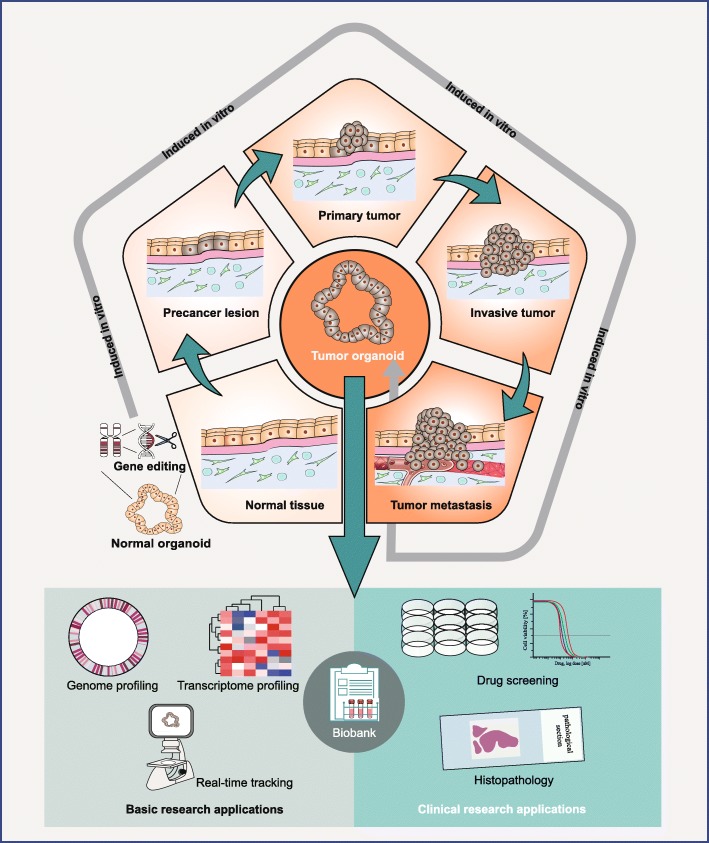
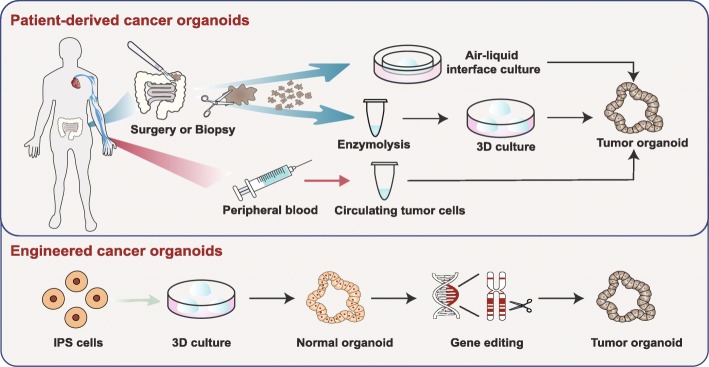
“Tumor organoids can be generated from patient/mouse-derived tumor cells or by engineering induced pluripotent stem cells (iPSCs) followed by gene editing to transform a normal organoid into a cancer organoid [33,59].”
From 3D In Vitro Model (R)evolution: Unveiling Tumor–Stroma Interactions (2021) · cites this paper as [59]
Experimental — accuracy not yet measuredThe source backs part of the claim, not all of it — or backs it for a different population, condition or comparison.
In the citing paper
“Moreover, organoids are more advantageous due to the ease of culturing and closer resemblance to the TME, thus being more pathophysiologically relevant as compared to the patient‐derived tumor xenograft (PDX) model and other tumor‐bearing animal models, which are more tedious and expensive to maintain [384, 395].”
From Tumor microenvironment signaling and therapeutics in cancer progression (2023) · cites this paper as [384]
Experimental — accuracy not yet measuredThe cited source says what the claim attributes to it.
In the citing paper
“Moreover, organoids can be ef fi ciently cultured with a patient ' s own cells, and are thus a better alternative to expensive and labor-intensive patient-derived tumor xenografts [59], and are also more cost-effective and physiologically relevant than animal models.”
From 3D In Vitro Model (R)evolution: Unveiling Tumor–Stroma Interactions (2021) · cites this paper as [59]
The cited source says what the claim attributes to it.
In the citing paper
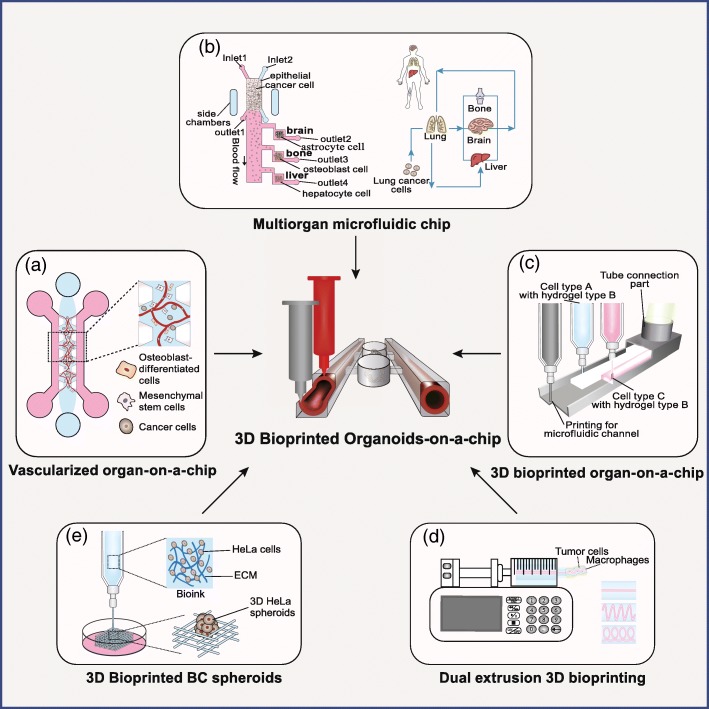
“3D bioprinting can also be used with organoids to form sophisticated organoid culture systems [59].”
From 3D In Vitro Model (R)evolution: Unveiling Tumor–Stroma Interactions (2021) · cites this paper as [59]
The cited source says what the claim attributes to it.
In the citing paper
“By contrast, organoid models usually only contain progenitor cells of epithelial origin, hence there is a lack of an immune-competent microenvironment and stromal components in tumor organoid models [59].”
From 3D In Vitro Model (R)evolution: Unveiling Tumor–Stroma Interactions (2021) · cites this paper as [59]
1 more claim about this paper
Create a free account to see every claim other papers make about this one.
Self-check
Percentages, sums and reported differences re-computed from the paper’s own numbers.
The self-check needs the paper’s full text.
Citations
Cites
Cancer immunotherapy using checkpoint blockade
Ribas, A., & Wolchok, J. D. (2018) · Science · doi:10.1126/science.aar4060 · Cited by 6,791
Neoantigens in cancer immunotherapy
Schumacher, T. N., & Schreiber, R. D. (2015) · Science · doi:10.1126/science.aaa4971 · Cited by 4,783
Clonal heterogeneity and tumor evolution: past, present, and the future
McGranahan, N., & Swanton, C. (2017) · Cell · doi:10.1016/j.cell.2017.01.018 · Cited by 2,840 · cited 1×
“The tumor heterogeneity results in significant differences in the tumor growth rate, invasion ability, drug sensitivity, and prognosis among individual patients [2].”
BackgroundClinical development success rates for investigational drugs
Hay, M., Thomas, D. W., Craighead, J. L., Economides, C., & Rosenthal, J. (2014) · Nature Biotechnology · doi:10.1038/nbt.2786 · Cited by 2,536 · cited 1×
“Moreover, even FDA-approved anticarcinogens display heterogeneous therapeutic responses and prognosis across individual patients [57].”
BackgroundProspective Derivation of a Living Organoid Biobank of Colorectal Cancer Patients
van de Wetering, M., Francies, H. E., Francis, J. M., Bounova, G., Iorio, F., Pronk, A., van Houdt, W., van Gorp, J., Taylor-Weiner, A., Kester, L., et al. (2015) · Cell · doi:10.1016/j.cell.2015.03.053 · Cited by 2,408 · cited 3×
“CRC 22 cancer organoids from 27 tumor samples ~90% Surgically resected Support Royal Netherlands Academy of Arts and Sciences, Holland [9]”
BackgroundOrganoid models of human and mouse ductal pancreatic cancer
Boj, S. F., Hwang, C.-I., Baker, L. A., Chio, I. I. C., Engle, D. D., Corbo, V., Jager, M., Ponz-Sarvise, M., Tiriac, H., Spector, M. S., et al. (2015) · Cell · doi:10.1016/j.cell.2014.12.021 · Cited by 2,150 · cited 2×
“Prostate cancer organoids Patient, Mouse Organoid culture and xenotransplantation Show the role of nucleoporins in the progression of pancreatic cancer [29]”
BackgroundPatient-derived organoids model treatment response of metastatic gastrointestinal cancers
Vlachogiannis, G., Hedayat, S., Vatsiou, A., Jamin, Y., Fernández-Mateos, J., Khan, K., Lampis, A., Eason, K., Huntingford, I., Burke, R., et al. (2018) · Science · doi:10.1126/science.aao2774 · Cited by 2,096 · cited 2×
“Cancer organoids derived from patients’ biopsies displayed the 100% sensitivity, 93% specificity, 88% positive predictive value, and 100% negative predictive value, compared to the drug responses in the corresponding patients [62].”
BackgroundResultA living biobank of breast cancer organoids captures disease heterogeneity
Sachs, N., de Ligt, J., Kopper, O., Gogola, E., Bounova, G., Weeber, F., Balgobind, A. V., Wind, K., Gracanin, A., Begthel, H., et al. (2018) · Cell · doi:10.1016/j.cell.2017.11.010 · Cited by 1,973 · cited 4×
“By comparing the therapeutic responses of anticarcinogen in the BC organoids and the corresponding patients, they found that the sensitivity to tamoxifen in the BC organoids was closely correlated with that in the original patients with metastatic BC [10].”
BackgroundResultInfluentialPatient-Derived Xenograft Models: An Emerging Platform for Translational Cancer Research
Hidalgo, M., Amant, F., Biankin, A. V., Budinská, E., Byrne, A. T., Caldas, C., Clarke, R. B., de Jong, S., Jonkers, J., Mælandsmo, G. M., et al. (2014) · Cancer Discovery · doi:10.1158/2159-8290.cd-14-0001 · Cited by 1,742
Organoid Cultures Derived from Patients with Advanced Prostate Cancer
Gao, D., Vela, I., Sboner, A., Iaquinta, P. J., Karthaus, W. R., Gopalan, A., Dowling, C., Wanjala, J. N., Undvall, E. A., Arora, V. K., et al. (2014) · Cell · doi:10.1016/j.cell.2014.08.016 · Cited by 1,559 · cited 3×
“In the repository, cancer organoids can be passaged and cryopreserved, just like immortal cell lines (Table 3) [30].”
Background
Research works printed but not linked: 1
- Society AC Global Cancer Facts & Figures 3rd Edition Am Cancer Soc 2015 800 1 64
Cited by
Items 101–198 of 198
Liu, Y., Zhang, Y., Zhang, R., Zhang, C., & Liu, X. (2025) · Cancer Biology & Therapy · doi:10.1080/15384047.2025.2567802 · Cited by 14
“68 For example, one study explored the application prospects of tumor chips in combination with small tissue or organ samples.”
Modeling colorectal cancers using multidimensional organoids
Sayed, I. M., El‐Hafeez, A. A. A., Maity, P. P., Das, S., & Ghosh, P. (2021) · Advances in cancer research · doi:10.1016/bs.acr.2021.02.005 · Cited by 13
Obreque, J., Vergara-Gómez, L., Venegas, N., Weber, H. L., Owen, G. I., Pérez, P. E., Leal, P., Roa, J. C., & Bizama, C. (2023) · Biological Research · doi:10.1186/s40659-023-00476-9 · Cited by 11
“The long-term serial passaging of cell lines have been associated which the loss of cancer-specific heterogeneity through the gradual epigenetic and genetic drift and the upregulation of genes that facilitate the survival and multidrug resistance [13–16].”
BackgroundIntegration of Genomic Profiling and Organoid Development in Precision Oncology
Yoon, H., & Lee, S. (2021) · International Journal of Molecular Sciences · doi:10.3390/ijms23010216 · Cited by 11
Kühnemundt, J., Leifeld, H., Scherg, F., Schmitt, M., Nelke, L. C., Schmitt, T., Baur, F., Göttlich, C., Fuchs, M., Kunz, M., et al. (2020) · ALTEX · doi:10.14573/altex.2008141 · Cited by 10
“Stroma components are often not implemented into the organoids (Baker et al., 2016; Fan et al., 2019) or even get lost (Kim et al.”
BackgroundSynthesis of Novel Suramin Analogs With Anti-Proliferative Activity via FGF1 and FGFRD2 Blockade
Parveen, N., Lin, Y., Chou, R., Sun, C., & Yu, C. (2022) · Frontiers in Chemistry · doi:10.3389/fchem.2021.764200 · Cited by 11
“In addition, the cancer organoid model is an emerging approach to develop personalized anticancer therapy to reduce the use of mice (Fan et al., 2019).”
BackgroundChen, G., Zhou, H., Wang, C., Qin, R., Yang, Q., Hou, Y., Zhang, M., Zhang, C., Wang, N., & Feng, Y. (2025) · Frontiers in Oncology · doi:10.3389/fonc.2025.1502361 · Cited by 11
Liu, J., Fang, F., Yuan, W., Chen, T., Ji, W., Miao, X., Meng, Y., Chen, S., Tan, W., An, J., et al. (2025) · Cancer Research · doi:10.1158/0008-5472.can-25-0608 · Cited by 12
Seo, E., & Kang, M. (2022) · BMB Reports · doi:10.5483/bmbrep.2022-0200 · Cited by 9
“can help us identify cancer stem cells initiating tumor that leads to resistance to anti-cancer drugs (10, 13).”
BackgroundCecchi, D. D., Jackson, N., Beckham, W., & Chithrani, D. B. (2024) · Pharmaceutics · doi:10.3390/pharmaceutics16020175 · Cited by 9
“As discussed in Section 4, the first avenue should be to closely mimic the tumour and its microenvironment using 3D spheroids and organoids, as this cannot be effectively achieved with 2D cell monolayers [138,142,162].”
BackgroundYe, C., Qi, L., Ji, W., & Zheng, S. S. (2021) · Frontiers in Medicine · doi:10.3389/fmed.2021.606755 · Cited by 12
“In addition, organoid platforms have facilitated personalized drug screening for cancer (146, 166, 167); hence, organoids can also be applied for high-throughput drug screening to discover potential candidates against COVID-19 (Figure 2).”
BackgroundHepatobiliary organoid research: the progress and applications
Zou, R.-Q., Dai, Y.-S., Liu, F., Yang, S., Hu, H., & Li, F. (2025) · Frontiers in Pharmacology · doi:10.3389/fphar.2025.1473863 · Cited by 9
“In addition, cells are able to aggregate into spherical shapes under 3D culture conditions, which contributes to establishing the intercellular signaling pathways (Fan et al., 2019).”
Hung, H., Mao, T., Fan, M.-H., Huang, G.-Z., Minhalina, A. P., Chen, C., & Liu, C.-L. (2024) · Journal of Cancer · doi:10.7150/jca.87494 · Cited by 8
Exosomal noncoding RNAs: decoding their role in thyroid cancer progression
Sun, W., Jiang, C., Liu, Q., Wang, N., Huang, R., Jiang, G., & Yang, Y. (2024) · Frontiers in Endocrinology · doi:10.3389/fendo.2024.1337226 · Cited by 8
“Cancer organoid biobanks have already been established for breast cancer, colorectal cancer and other cancers (163).”
BackgroundOrganoid models of breast cancer in precision medicine and translational research
Niazi, V., & Parseh, B. (2024) · Molecular Biology Reports · doi:10.1007/s11033-024-10101-x · Cited by 10
“In other words, for the control of spatial heteroge - neity, 3D bioprinting can be a very useful technique for the study of biochemical factors and ECM in relation to various cell types [112].”
Sivakumar, S., Schmid, R., Wieland, A., Strissel, P. L., Strick, R., Fischer, L., Thievessen, I., Kataev, E. Y., Arkudas, A., Horch, R. E., et al. (2022) · Advanced Materials Interfaces · doi:10.1002/admi.202101808 · Cited by 7
A gastric cancer patient-derived three-dimensional cell spheroid culture model.
Zhang, H., Qin, Y., Jia, M., Li, L., Zhang, W., Li, L., Zhang, Z., & Liu, Y. (2023) · PubMed Central · Cited by 12
Chang, C., Tsai, C.-C., Cheng, C., Chu, T.-Y., Chiang, C., Lee, Y., Wu, C., Chen, J., Kuo, C., & Hsu, P.-C. (2025) · Tzu Chi Medical Journal · doi:10.4103/tcmj.tcmj_256_24 · Cited by 11
“At present, both normal and cancerous organoids can be developed from a variety of sources, including iPSCs, ESCs, aSCs, differentiated iPSCs, and tissue‑derived cancer cells obtained from patient samples or liquid biopsies collected via surgical procedures or needle aspiration [30].”
Meng, R., Yu, L., Li, X., Ning, N., Hao, H., Zhang, X., Song, W., Song, W., & Li, X. (2025) · Stem Cell Research & Therapy · doi:10.1186/s13287-025-04599-6 · Cited by 8
“Two-dimensional (2D) cultured cancer cell lines, traditional animal models, and patient-derived tumor xenografts (PDTXs) are common models in the contemporary tumor research field [8–10].”
Jungwirth, G., Cao, J., Pan, Y., Warta, R., Lotsch, C., Moustafa, M., Knoll, M., Yu, T., Braun, V., Jassowicz, L., et al. (2026) · Science Translational Medicine · doi:10.1126/scitranslmed.aea3115 · Cited by 8
Multiorgans-on-a-Chip for Personalized Medicine
Kaushik, P., Kaushik, M., Jacob, S., & Parvez, S. (2022) · Springer eBooks · doi:10.1007/978-981-19-1379-2_13 · Cited by 6
Zhang, Y., Huang, Z., Qian, Y., Xie, P., Fan, Z., Wu, M., & Deng, L. (2025) · Journal of Chemical Information and Modeling · doi:10.1021/acs.jcim.5c01476 · Cited by 5
Immune and Immune‐Integrated Organoids as NextGeneration Platforms for Disease Modeling
Rashidan, K., Ayadilord, M., Hazrati, A., Nazerian, A., Shafiee, A., & Hashemi, S. M. (2025) · MedComm · doi:10.1002/mco2.70531 · Cited by 8
Metabolic Footprinting-Based DNA-AuNP Encoders for Extracellular Metabolic Response Profiling
Qi, G., Zou, H., Peng, X., He, S., Zhang, Q., Ye, W., Jiang, Y., Wang, W., Ren, G., & Qu, X. (2023) · Analytical Chemistry · doi:10.1021/acs.analchem.3c01109 · Cited by 6
An Exploration of Organoid Technology: Present Advancements, Applications, and Obstacles
Mishra, I., Gupta, K., Mishra, R., Chaudhary, K., & Sharma, V. (2023) · Current Pharmaceutical Biotechnology · doi:10.2174/0113892010273024230925075231 · Cited by 7
Xiu, Z., Yang, Q., Xie, F., Han, F., He, W., & Liao, W. (2024) · Journal of Tissue Engineering · doi:10.1177/20417314241255470 · Cited by 6
“79 Second, intratumoral inhibition contributes to the accumulation of variability in PDX models during implantation and passage.”
BackgroundProgressing Towards a Human-Centric Approach in Cancer Research
Parekh, A., Das, S., Das, C. K., & Mandal, M. (2022) · Frontiers in Oncology · doi:10.3389/fonc.2022.896633 · Cited by 4
“In the last few years, researchers have discovered that TME mediate therapeutic resistance by regulating drug availability (13) and interstitial fluid pressure (15).”
BackgroundMethodInfluentialAAV for ovarian cancer gene therapy
Yoo, H. C., Lee, S.-K., Park, J. Y., & Lee, E. (2025) · Cancer Gene Therapy · doi:10.1038/s41417-025-00926-4 · Cited by 5
“They retain the genetic and molecular characteristics of the original tumor, including mutations, gene expression pro fi les, and drug resistance [158].”
Shabuj, M. M. H., Ahmed, B., Rahman, M. M., Aunni, S. A. A., Numan, A. A., Akter, M. S., & Tufael (2019) · Journal of Primeasia · doi:10.25163/primeasia.1110015 · Cited by 8
Organoids Models for the Study of Cell-Cell Interactions
Jiménez-Palomares, M., Cristobal, A., & Durán-Ruiz, M. C. (2021) · IntechOpen eBooks · doi:10.5772/intechopen.94562 · Cited by 5
Kim, S. H., Jung, J., Kim, H., Chung, J. W., & Choi, J. W. (2022) · Journal of Vascular and Interventional Radiology · doi:10.1016/j.jvir.2022.10.018 · Cited by 3
Les tumoroïdes, modèles précliniques en plein essor pour l’oncologie
Thorel, L., Florent, R., Perréard, M., Vincent, A., Poulain, L., & Weiswald, L. (2022) · médecine/sciences · doi:10.1051/medsci/2022148 · Cited by 5
3D-bioprinted in vitro disease models
Maia, F. R., Reis, R. L., & Oliveira, J. M. (2023) · Elsevier eBooks · doi:10.1016/b978-0-323-89831-7.00004-3 · Cited by 4
Li, R. M., Dong, Q., Jian, H., & Bai, S. (2025) · Precision medicine and engineering. · doi:10.1016/j.preme.2025.100030 · Cited by 5
TP53 Codon 72 Polymorphism and the Risk of Colorectal Cancer in an Azerbaijani Population
Yagublu, V., Bayramov, B., Yüce, M., & Aslanov, H. (2022) · The Turkish Journal of Gastroenterology · doi:10.5152/tjg.2022.21189 · Cited by 3
Gastric Cancer Treatment New Chapter: Organoid Models Leading Personalized Medicine
Meng, Y., Zhang, L., Yang, J., Wang, X., Zhu, M., & Kong, F. (2025) · Molecular Diagnosis & Therapy · doi:10.1007/s40291-025-00808-3 · Cited by 3
“The establishment of the GCO model is typically completed within 4–12 weeks [76].”
Wang, X., Li, J., Wu, X., Pan, C., Luo, M., Fu, K., Li, S., Zhu, S., Lan, Y., Fan, Y., et al. (2026) · Drug Resistance Updates · doi:10.1016/j.drup.2026.101442 · Cited by 3
The application and research advances of organoids in clinical medicine
Mo, S., Guan, R., Long, Z., Cai, S., Peng, J., & GuoQiang, H. U. A. (2022) · Scientia Sinica Vitae · doi:10.1360/ssv-2021-0315 · Cited by 3
Animal Models in Cancer Research: Revolutionizing the Field of Oncology
Anchan, S., Shaikh, Z., Kumari, A., & Thorat, R. A. (2024) · Springer eBooks · doi:10.1007/978-981-97-0048-6_14 · Cited by 2
Jiang, Y., Hao, M., Chen, S., Xie, Y., & Liu, K. (2024) · Analytical Methods · doi:10.1039/d4ay01343c · Cited by 3
Current Organoid Culture Systems in Pancreatic Cancer
Liu, L., Sun, J., Chen, S., Tang, X., Zhang, S., Wang, M., Yue, Q., Zhong, C., & Li, L. (2025) · Current Topics in Medicinal Chemistry · doi:10.2174/0115680266392238250423115420 · Cited by 2
Breast Cancer Tissues and Organoids BioBank: Constitution, Research Activities and Samples Access
Miranda, L., Mandrich, L., Massa, S., Nutile, T., Crovella, C., Rosa, I. D., Lucci, R., Rosa, F. D., Somma, P., Mercadante, V., et al. (2025) · Organoids · doi:10.3390/organoids4010005 · Cited by 3
“Furthermore, it offers an important human-relevant tool in place of animal models in compliance with the European Union Directive 2010/63/EU, aimed at replacing them in scientific research [25].”
3D Bioprinting Models for Novel Breast Cancer Strategies
Ganpisetti, R., Mounika, M. S., Bag, I., Rana, R., Sanjay, G., & Giribabu, K. (2022) · Research Journal of Pharmacy and Technology · doi:10.52711/0974-360x.2022.00942 · Cited by 3
DAPM-CDR: A domain adaptation prompting model for drug response prediction
Sun, Y., Qiao, G., Gao, B., & Li, Y. (2024) · Future Generation Computer Systems · doi:10.1016/j.future.2024.06.009 · Cited by 1
Research insights and clinical opportunities of functional organoid-based platforms
Huang, Y., Shen, W., Li, K., Zhang, Y., Lv, Q., Wang, C., Mao, W., & Zhao, A. (2025) · Bio-Design and Manufacturing · doi:10.1631/bdm.2400519 · Cited by 1
“Two-dimensional cultures can also lead to a gradual loss of cell heterogeneity, making it challenging to reflect the ac‐ tual state of cells in vivo [3–5].”
Targeting immune heterogeneity in liver metastases through in vivo genetic engineering
Giacca, G., & Squadrito, M. L. (2025) · Seminars in Immunology · doi:10.1016/j.smim.2025.102012 · Cited by 1
Jaiswal, C., Bhar, B., Sugihara, S., & Mandal, B. B. (2026) · Small · doi:10.1002/smll.202513199 · Cited by 2
Liu, F., Liu, X., Liu, Y., Chen, D., Liu, X., Qin, C., Song, Y., Fang, H., & Wu, D. (2024) · Cell Biology and Toxicology · doi:10.1007/s10565-024-09850-z · Cited by 2
“…genetic or epigenetic characteristics, which lead to differences in tumor proliferation, migration and drug sensitivity within and between tumors (Fan et al. 2019; Lim and Ma 2019; Lüönd et al. 2021), and variable responses to traditional therapy and immuno-therapy (Lee et al. 2018; Wu et al.…”
BackgroundTargeting epithelial-mesenchymal transition - an ongoing wild goose chase
Mokhamatam, R. B., Irlapati, V. K., & Dravida, S. (2020) · Journal of Cancer Metastasis and Treatment · doi:10.20517/2394-4722.2020.38 · Cited by 1
“Fan et al.[72] extensively reviewed the organoid models that were developed for different types of cancers.”
BackgroundGlioblastoma organoid technology: an emerging preclinical models for drug discovery
Batara, D. C., Zhou, S., Choi, M., & Kim, S.-H. (2022) · Organoid · doi:10.51335/organoid.2022.2.e7 · Cited by 2
“These invasion patterns can be demonstrated using cancer organoid models [70].”
BackgroundModelling Meningioma Using Organoids: A Review of Methodologies and Applications
Vasquez, C., Gray, C., Henry, C. E., & Munro, M. J. (2023) · Organoids · doi:10.3390/organoids2040017 · Cited by 3
“Organoids can recapitulate intra-and inter-tumoural heterogeneity, as well as intra-and inter-patient heterogeneity [75,76].”
BackgroundOrganoid Models of Cholangiocarcinoma
Gilbert, T. M., Quinn, M., Goldring, C. E., Palmer, D. H., Braconi, C., & Malik, H. (2021) · Springer eBooks · doi:10.1007/978-3-030-70936-5_23
Rocha, N. A. (2021) · doi:10.34019/ufjf/di/2021/00155 · Cited by 1
Therapeutic applications of three-dimensional organoid models in lung cancer
Yeo, C. D., Yun, Y.-P., Ahn, D. H., Hwang, Y., Yang, S. H., Won, H., Cho, H. J., Park, C. K., Kim, S. J., & Park, J. Y. (2021) · Organoid · doi:10.51335/organoid.2021.1.e6 · Cited by 1
Dormant Cancer Cells: Molecular Features, in vitro Models, and Identification Methods
Nikulin, S. V., & Alekseev, B. Y. (2021) · Biotekhnologiya · doi:10.21519/0234-2758-2021-37-6-5-13
Paria, C. J. B., & de Lima, H. M. (2022) · doi:10.22533/at.ed.68422040214
dos Santos, E. B., & Gimenez, S. P. (2022) · doi:10.22533/at.ed.6842204024
Mendonça, M., dos Santos, M. R. P., Faria, C. C., Milanez, F. R., Scannavino, F. D. A., Godoy, W. F., Palácios, R. H. C., Finocchio, M. A. F., Paschoalino, C. A., Bazan, G. H., et al. (2022) · doi:10.22533/at.ed.68422040216
CONTROLE ADAPTATIVO USADO EM DOIS ELOS DE UM ROBÔ ELETROMECÂNICO DE CINCO GRAUS DE LIBERDADE
Riul, J. A., & Montenegro, P. H. D. M. (2022) · doi:10.22533/at.ed.6842204023
SEPARAÇÃO DE TÉRBIO E DISPRÓSIO A PARTIR DA TÉCNICA DE EXTRAÇÃO POR SOLVENTES
Vera, Y. M., Ivancko, I. N., & do Nascimento, J. M. B. (2022) · doi:10.22533/at.ed.68422040218
Hepatobiliary Organoids: The Current Status and Biomedical ApplicationsPreprint
Yang, S., Hu, H., Hu, Y.-F., Wang, T., Dai, Y.-S., Lv, T., & Li, F. (2022) · SSRN Electronic Journal · doi:10.2139/ssrn.4109737
Basic principles and applications of animal cell culture in pharmaceutical sciencesPreprint
Srisongkram, T. (2022) · OSF Preprints (OSF Preprints) · doi:10.31219/osf.io/3zhb5
Evolution of Organoids in Oncology
Basanthakumar, A. T., Darlybai, J. C., & Ganesh, J. (2022) · Biomedical engineering · doi:10.5772/intechopen.104251
Mohapatra, D., Mohapatra, A. P., Sahoo, A. K., & Senapati, S. (2022) · Journal of Applied Biology & Biotechnology · doi:10.7324/jabb.2023.110208
“Organoids are three-dimensional tissue-resembling structures that provide better in vivo tumor architecture and are a convenient model for observing cell-cell interaction in comparison to 2D culture systems [5].”
BackgroundArakawa, Y. (2023) · Rinsho yakuri/Japanese Journal of Clinical Pharmacology and Therapeutics · doi:10.3999/jscpt.54.5_207
The advancements of organoids push the boundaries of glioblastoma research
Cui, G., Xue, S., Wang, X., & Song, W. (2024) · Postgraduate Medical Journal · doi:10.1093/postmj/qgae149
The new platform for cancer immunity research: Organoid systems
Tian, M., Wang, Q., Ma, T., Qu, C., Gongye, X., Chai, Y., Ma, S., & Yuan, Y. (2024) · Elsevier eBooks · doi:10.1016/b978-0-443-14064-8.00035-7
KGECDR: drug response prediction based on element-aware knowledge graph attention network
Zhang, G., Si, Q., Li, X., Zhang, L., & Yang, H. (2024) · International Symposium on Artificial Intelligence for Medicine Sciences (ISAIMS) · doi:10.1145/3706890.3707042
“Cancer is heterogeneous, which suggests that the same treatment strategy may affect different patients differently [ 1 ] .”
Basic Science, New Target Investigation, and Research in Childhood Cancer
Abdelhafeez, A. H., & Santana, V. M. (2025) · Springer eBooks · doi:10.1007/978-3-030-71113-9_52-1
Cartilage repair: unleashing PRP’s potential in organoid models
Golshan, M., Dortaj, H., Omidi, Z., Golshan, M., Pourentezari, M., Rajabi, M., & Rajabi, A. (2025) · Cytotechnology · doi:10.1007/s10616-025-00739-1
“Additionally, organoids provide high-throughput screening capabilities and accurate toxicity assessments (Fan and Demirci 2019; Clevers 2019).”
Basic Science, New Target Investigation, and Research in Childhood Cancer
Abdelhafeez, A. H., & Santana, V. M. (2025) · Springer eBooks · doi:10.1007/978-3-030-71113-9_52-2
Basic Science, New Target Investigation, and Research in Childhood Cancer
Abdelhafeez, A. H., & Santana, V. M. (2025) · Springer eBooks · doi:10.1007/978-3-031-76882-8_52
Hof, L., Moreth, T., Koch, M., Liebisch, T., Kurtz, M., Tarnick, J., Lissek, S. M., Verstegen, M. M. A., van der Laan, L. J. W., Huch, M., et al. (2021) · Figshare · doi:10.6084/m9.figshare.14111599
Hof, L., Moreth, T., Koch, M., Liebisch, T., Kurtz, M., Tarnick, J., Lissek, S. M., Verstegen, M. M. A., van der Laan, L. J. W., Huch, M., et al. (2021) · Figshare · doi:10.6084/m9.figshare.14111620
Hof, L., Moreth, T., Koch, M., Liebisch, T., Kurtz, M., Tarnick, J., Lissek, S. M., Verstegen, M. M. A., van der Laan, L. J. W., Huch, M., et al. (2021) · Figshare · doi:10.6084/m9.figshare.14111590
Hof, L., Moreth, T., Koch, M., Liebisch, T., Kurtz, M., Tarnick, J., Lissek, S. M., Verstegen, M. M. A., van der Laan, L. J. W., Huch, M., et al. (2021) · Figshare · doi:10.6084/m9.figshare.14111596
Hof, L., Moreth, T., Koch, M., Liebisch, T., Kurtz, M., Tarnick, J., Lissek, S. M., Verstegen, M. M. A., van der Laan, L. J. W., Huch, M., et al. (2021) · Figshare · doi:10.6084/m9.figshare.14111587
Hof, L., Moreth, T., Koch, M., Liebisch, T., Kurtz, M., Tarnick, J., Lissek, S. M., Verstegen, M. M. A., van der Laan, L. J. W., Huch, M., et al. (2021) · Figshare · doi:10.6084/m9.figshare.14111626
Hof, L., Moreth, T., Koch, M., Liebisch, T., Kurtz, M., Tarnick, J., Lissek, S. M., Verstegen, M. M. A., van der Laan, L. J. W., Huch, M., et al. (2021) · Figshare · doi:10.6084/m9.figshare.14111611
Hof, L., Moreth, T., Koch, M., Liebisch, T., Kurtz, M., Tarnick, J., Lissek, S. M., Verstegen, M. M. A., van der Laan, L. J. W., Huch, M., et al. (2021) · Figshare · doi:10.6084/m9.figshare.14111617
Hof, L., Moreth, T., Koch, M., Liebisch, T., Kurtz, M., Tarnick, J., Lissek, S. M., Verstegen, M. M. A., van der Laan, L. J. W., Huch, M., et al. (2021) · Figshare · doi:10.6084/m9.figshare.14111602
Hof, L., Moreth, T., Koch, M., Liebisch, T., Kurtz, M., Tarnick, J., Lissek, S. M., Verstegen, M. M. A., van der Laan, L. J. W., Huch, M., et al. (2021) · Figshare · doi:10.6084/m9.figshare.14111623
Hof, L., Moreth, T., Koch, M., Liebisch, T., Kurtz, M., Tarnick, J., Lissek, S. M., Verstegen, M. M. A., van der Laan, L. J. W., Huch, M., et al. (2021) · Figshare · doi:10.6084/m9.figshare.14111629
Hof, L., Moreth, T., Koch, M., Liebisch, T., Kurtz, M., Tarnick, J., Lissek, S. M., Verstegen, M. M. A., van der Laan, L. J. W., Huch, M., et al. (2021) · Figshare · doi:10.6084/m9.figshare.14111614
Hof, L., Moreth, T., Koch, M., Liebisch, T., Kurtz, M., Tarnick, J., Lissek, S. M., Verstegen, M. M. A., van der Laan, L. J. W., Huch, M., et al. (2021) · Figshare · doi:10.6084/m9.figshare.14111593
Hof, L., Moreth, T., Koch, M., Liebisch, T., Kurtz, M., Tarnick, J., Lissek, S. M., Verstegen, M. M. A., van der Laan, L. J. W., Huch, M., et al. (2021) · Figshare · doi:10.6084/m9.figshare.14111608
Hof, L., Moreth, T., Koch, M., Liebisch, T., Kurtz, M., Tarnick, J., Lissek, S. M., Verstegen, M. M. A., van der Laan, L. J. W., Huch, M., et al. (2021) · Figshare · doi:10.6084/m9.figshare.14111632
Hof, L., Moreth, T., Koch, M., Liebisch, T., Kurtz, M., Tarnick, J., Lissek, S. M., Verstegen, M. M. A., van der Laan, L. J. W., Huch, M., et al. (2021) · Figshare · doi:10.6084/m9.figshare.14111605
Ghaemi, F., Zadeh, A. N., Yekani, F., Malekzadeh, M., Hesaraki, M., & Rajabi, S. (2025) · International journal of basic science in medicine · doi:10.34172/ijbsm.48719
Production of Human Prostate Adenocarcinoma Tumoroids for Antitumor Testing
Falcão, P. L., & Soares, C. R. J. (2026) · IntechOpen eBooks · doi:10.5772/intechopen.1014464
Une approche épistémologique du microenvironnement tumoral
Yvonnet, S. (2021) · theses.fr (ABES) · doi:10.70675/61f127c5z1568z4531zb1d9zde5b5223a474 · Cited by 1
Ma, S., 潘秋莎, Zeng, R., Liu, Q., Yang, S., Lin, J., Liu, S., Ye, Y., Chen, R., & Li, J. (2026) · Journal of Leukocyte Biology · doi:10.1093/jleuko/qiag077
Prostate Cancer Development, Progression, and Therapy
Jin, X., Xiao, Z., Ding, Z., Li, W., Zeng, R., Shuai, Y., Ci, W., Xia, D., Zhang, X., & Huang, H. (2026) · MedComm – Oncology · doi:10.1002/mog2.70082
钟雪松, Wang, G., Zhang, H. R., Shi, Y., Xiong, Z., & Han, J. (2026) · Cancer Cell International · doi:10.1186/s12935-026-04424-x
Xiong, S., Zhao, Y., Cheng, X., Zeng, L., Wang, Y., Zhou, Y., Bai, X., Wang, J., Hu, J., Liu, Y., et al. (2026) · Bio-Design and Manufacturing · doi:10.1631/bdm.2500478
Self-citationBOLD-100 in Combination with FOLFOX Is a Broadly Effective Therapeutic Strategy for Gastric Cancer
Skubleny, D., Rajput, F., Wickware, J., Venkat, B., Spratlin, J. L., Schiller, D., & Rayat, G. R. (2026) · International Journal of Molecular Sciences · doi:10.3390/ijms27167371
“The treatment was well-tolerated, with adverse events predominantly limited to grade 1–2 neutropenia and nausea, in line with the expected adverse event profile of FOLFOX [12].”
Siciliano, A. C., Forciniti, S., Iuele, H., Carnevali, F., Gigli, G., & del Mercato, L. L. (2026) · Frontiers in Bioengineering and Biotechnology · doi:10.3389/fbioe.2026.1926254
“They are generally classified into two main categories (Fan et al., 2019).”
Metadata
- Authors
- Fan, H., Demirci, U., & Chen, P.
- Affiliations
- Stanford Medicine (US)
- Wuhan University (CN)
- Corresponding author
- Demirci, Utkan
- Chen, Pu
- Venue
- Journal of Hematology & Oncology
- Published
- 2019-12
- Volume
- 12
- Issue
- 1
- Pages
- 142-142
- ISSN
- 1756-8722 (ISSN-L)
- PMC
- PMC6936115
- OpenAlex
- W2997819890
- Cited by
- 199
- References
- 71
- Citations by year
- 2026: 10 · 2025: 23 · 2024: 27 · 2023: 17 · 2022: 40 · 2021: 55 · 2020: 26
- FWCI
- 2.88
- Type
- journal article
- Language
- en
- Open access
- gold
- doi.org
- Licence
- cc-by
- creativecommons.org/licenses/by/4.0/ (tdm)
- creativecommons.org/licenses/by/4.0/ (vor, 28 d)
- Locations
- Journal of Hematology & Oncology (publishedVersion, cc-by)
- PubMed Central (publishedVersion, cc-by)
- PubMed (publishedVersion)
- DOAJ (DOAJ: Directory of Open Access Journals) (submittedVersion, cc-by-sa)
- Funders
- National Key Research and Development Program of China (2018YFA0109000)
- Applied Foundational Research Program of Wuhan Municipal Science and Technology Bureau (2018010401011296)
- Topics
- Health Sciences › Medicine › Oncology › Cancer Cells and Metastasis
- Physical Sciences › Engineering › Biomedical Engineering › 3D Printing in Biomedical Research
- Life Sciences › Biochemistry, Genetics and Molecular Biology › Cancer Research › Cancer Genomics and Diagnostics
- Keywords
- tumor organoids, patient-derived tumor models, tumor heterogeneity, precision oncology, organ-on-a-chip, 3D bioprinting, metastasis, tumor microenvironment, prognostic factors, cancer theranostics, in vitro tumor model
- MeSH terms
- Animals, Drug Evaluation, Preclinical, Humans, Models, Biological, Neoplasms, Organoids, Tissue Engineering, Precision Medicine
About these checks
Registry, retraction, Cites and statistics results are computed, not judged, with one exception: a printed reference that no index lists is read once by a model before it counts as a citation error. Claims are extracted by a model and kept only when their quote appears verbatim in the text; each cited source is then checked, with a model’s help, for whether it says what the claim relies on. Those verdicts can be wrong — read the claim’s quote and the cited source before relying on one.
Statistics and arithmetic are recomputed, not judged.
Confidence bands are shown only for fields calibrated on our annotated test set. None is calibrated yet, so no band is shown.
What counts as a claim ›How we measure confidence ›How we check this ›
Are you an author, or do you see a problem with this page? Request a review
Data sources
Bibliographic data: Semantic Scholar, OpenAlex, Crossref.
Contains information from the Semantic Scholar Academic Graph Datasets, made available under the ODC Attribution License (ODC-BY 1.0).
Semantic Scholar’s data is described in: Kinney, R., et al. (2023). The Semantic Scholar Open Data Platform. arXiv:2301.10140.
