

Emerging organoid models: leaping forward in cancer research
Open accessThe DOI matches its Crossref record; 71 of the 71 references it cites were found in a registry or an index.
Abstract
Cancer heterogeneity is regarded as the main reason for the failure of conventional cancer therapy. The ability to reconstruct intra- and interpatient heterogeneity in cancer models is crucial for understanding cancer biology as well as for developing personalized anti-cancer therapy. Cancer organoids represent an emerging approach for creating patient-derived in vitro cancer models that closely recapitulate the pathophysiological features of natural tumorigenesis and metastasis. Meanwhile, cancer organoids have recently been utilized in the discovery of personalized anti-cancer therapy and prognostic biomarkers. Further, the synergistic combination of cancer organoids with organ-on-a-chip and 3D bioprinting presents a new avenue in the development of more sophisticated and optimized model systems to recapitulate complex cancer-stroma or multiorgan metastasis. Here, we summarize the recent advances in cancer organoids from a perspective of the in vitro emulation of natural cancer evolution and the applications in personalized cancer theranostics. We also discuss the challenges and trends in reconstructing more comprehensive cancer models for basic and clinical cancer research.
Overview
The claims and statistics of this paper haven’t been checked yet.
Free: it reads the open-access text and checks the first 5 claims that cite a source we can check. Create a free account to check every claim.
Integrity signals
Registry
Cites
Statistics
Figures
Verification
Claims the paper makes
The claims and statistics of this paper haven’t been checked yet.
Free: it reads the open-access text and checks the first 5 claims that cite a source we can check. Create a free account to check every claim.
Claims other papers make about this one
Each is checked against this paper’s own text: does it say what the citing paper says it does?
The source backs part of the claim, not all of it — or backs it for a different population, condition or comparison.
In the citing paper
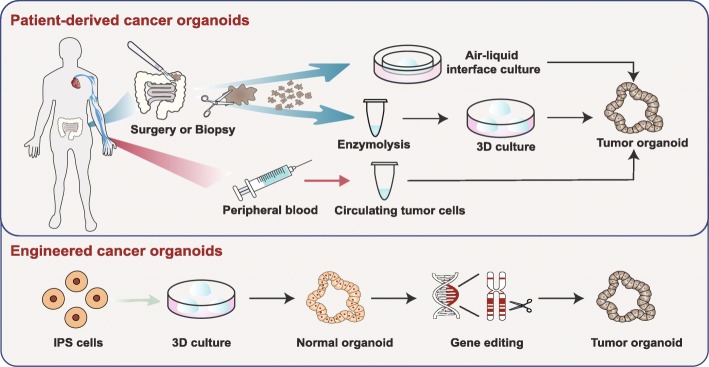
“Tumor organoids can be generated from patient/mouse-derived tumor cells or by engineering induced pluripotent stem cells (iPSCs) followed by gene editing to transform a normal organoid into a cancer organoid [33,59].”
From 3D In Vitro Model (R)evolution: Unveiling Tumor–Stroma Interactions (2021) · cites this paper as [59]
Experimental — accuracy not yet measuredThe source backs part of the claim, not all of it — or backs it for a different population, condition or comparison.
In the citing paper
“Moreover, organoids are more advantageous due to the ease of culturing and closer resemblance to the TME, thus being more pathophysiologically relevant as compared to the patient‐derived tumor xenograft (PDX) model and other tumor‐bearing animal models, which are more tedious and expensive to maintain [384, 395].”
From Tumor microenvironment signaling and therapeutics in cancer progression (2023) · cites this paper as [384]
Experimental — accuracy not yet measuredThe cited source says what the claim attributes to it.
In the citing paper
“Moreover, organoids can be ef fi ciently cultured with a patient ' s own cells, and are thus a better alternative to expensive and labor-intensive patient-derived tumor xenografts [59], and are also more cost-effective and physiologically relevant than animal models.”
From 3D In Vitro Model (R)evolution: Unveiling Tumor–Stroma Interactions (2021) · cites this paper as [59]
The cited source says what the claim attributes to it.
In the citing paper
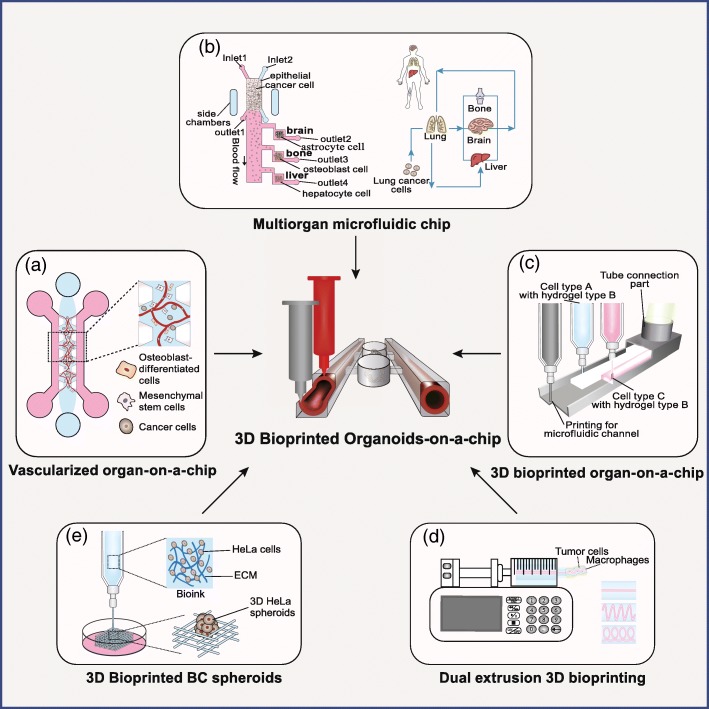
“3D bioprinting can also be used with organoids to form sophisticated organoid culture systems [59].”
From 3D In Vitro Model (R)evolution: Unveiling Tumor–Stroma Interactions (2021) · cites this paper as [59]
The cited source says what the claim attributes to it.
In the citing paper
“By contrast, organoid models usually only contain progenitor cells of epithelial origin, hence there is a lack of an immune-competent microenvironment and stromal components in tumor organoid models [59].”
From 3D In Vitro Model (R)evolution: Unveiling Tumor–Stroma Interactions (2021) · cites this paper as [59]
1 more claim about this paper
Create a free account to see every claim other papers make about this one.
Self-check
Percentages, sums and reported differences re-computed from the paper’s own numbers.
The self-check needs the paper’s full text.
Citations
Cites
Cancer immunotherapy using checkpoint blockade
Ribas, A., & Wolchok, J. D. (2018) · Science · doi:10.1126/science.aar4060 · Cited by 6,791
Neoantigens in cancer immunotherapy
Schumacher, T. N., & Schreiber, R. D. (2015) · Science · doi:10.1126/science.aaa4971 · Cited by 4,783
Clonal heterogeneity and tumor evolution: past, present, and the future
McGranahan, N., & Swanton, C. (2017) · Cell · doi:10.1016/j.cell.2017.01.018 · Cited by 2,840 · cited 1×
“The tumor heterogeneity results in significant differences in the tumor growth rate, invasion ability, drug sensitivity, and prognosis among individual patients [2].”
BackgroundClinical development success rates for investigational drugs
Hay, M., Thomas, D. W., Craighead, J. L., Economides, C., & Rosenthal, J. (2014) · Nature Biotechnology · doi:10.1038/nbt.2786 · Cited by 2,536 · cited 1×
“Moreover, even FDA-approved anticarcinogens display heterogeneous therapeutic responses and prognosis across individual patients [57].”
BackgroundProspective Derivation of a Living Organoid Biobank of Colorectal Cancer Patients
van de Wetering, M., Francies, H. E., Francis, J. M., Bounova, G., Iorio, F., Pronk, A., van Houdt, W., van Gorp, J., Taylor-Weiner, A., Kester, L., et al. (2015) · Cell · doi:10.1016/j.cell.2015.03.053 · Cited by 2,408 · cited 3×
“CRC 22 cancer organoids from 27 tumor samples ~90% Surgically resected Support Royal Netherlands Academy of Arts and Sciences, Holland [9]”
BackgroundOrganoid models of human and mouse ductal pancreatic cancer
Boj, S. F., Hwang, C.-I., Baker, L. A., Chio, I. I. C., Engle, D. D., Corbo, V., Jager, M., Ponz-Sarvise, M., Tiriac, H., Spector, M. S., et al. (2015) · Cell · doi:10.1016/j.cell.2014.12.021 · Cited by 2,150 · cited 2×
“Prostate cancer organoids Patient, Mouse Organoid culture and xenotransplantation Show the role of nucleoporins in the progression of pancreatic cancer [29]”
BackgroundPatient-derived organoids model treatment response of metastatic gastrointestinal cancers
Vlachogiannis, G., Hedayat, S., Vatsiou, A., Jamin, Y., Fernández-Mateos, J., Khan, K., Lampis, A., Eason, K., Huntingford, I., Burke, R., et al. (2018) · Science · doi:10.1126/science.aao2774 · Cited by 2,096 · cited 2×
“Cancer organoids derived from patients’ biopsies displayed the 100% sensitivity, 93% specificity, 88% positive predictive value, and 100% negative predictive value, compared to the drug responses in the corresponding patients [62].”
BackgroundResultA living biobank of breast cancer organoids captures disease heterogeneity
Sachs, N., de Ligt, J., Kopper, O., Gogola, E., Bounova, G., Weeber, F., Balgobind, A. V., Wind, K., Gracanin, A., Begthel, H., et al. (2018) · Cell · doi:10.1016/j.cell.2017.11.010 · Cited by 1,973 · cited 4×
“By comparing the therapeutic responses of anticarcinogen in the BC organoids and the corresponding patients, they found that the sensitivity to tamoxifen in the BC organoids was closely correlated with that in the original patients with metastatic BC [10].”
BackgroundResultInfluentialPatient-Derived Xenograft Models: An Emerging Platform for Translational Cancer Research
Hidalgo, M., Amant, F., Biankin, A. V., Budinská, E., Byrne, A. T., Caldas, C., Clarke, R. B., de Jong, S., Jonkers, J., Mælandsmo, G. M., et al. (2014) · Cancer Discovery · doi:10.1158/2159-8290.cd-14-0001 · Cited by 1,742
Organoid Cultures Derived from Patients with Advanced Prostate Cancer
Gao, D., Vela, I., Sboner, A., Iaquinta, P. J., Karthaus, W. R., Gopalan, A., Dowling, C., Wanjala, J. N., Undvall, E. A., Arora, V. K., et al. (2014) · Cell · doi:10.1016/j.cell.2014.08.016 · Cited by 1,559 · cited 3×
“In the repository, cancer organoids can be passaged and cryopreserved, just like immortal cell lines (Table 3) [30].”
BackgroundOrganoid modeling of the tumor immune microenvironment
Neal, J. T., Li, X., Zhu, J., Giangarra, V., Grzeskowiak, C. L., Ju, J., Liu, I. H., Chiou, S.-H., Salahudeen, A. A., Smith, A. R., et al. (2018) · Cell · doi:10.1016/j.cell.2018.11.021 · Cited by 1,556 · cited 1×
“Furthermore, Neal JT and his colleagues indicated that the established tumor organoids using the ALI method could recapitulate the intrinsic tumor T-cell receptor spectrum and anti-PD-1/PD-L1-dependent human tumor-infiltrating lymphocyte (TIL) activation [15].”
MethodOrganoids as an in vitro model of human development and disease
Fatehullah, A., Tan, S. H., & Barker, N. (2016) · Nature Cell Biology · doi:10.1038/ncb3312 · Cited by 1,508 · cited 1×
“opportunity to improve basic and clinical cancer research [20].”
BackgroundHuman primary liver cancer–derived organoid cultures for disease modeling and drug screening
Broutier, L., Mastrogiovanni, G., Verstegen, M. M., Francies, H. E., Gavarró, L. M., Bradshaw, C. R., Allen, G. E., Arnes-Benito, R., Sidorova, O., Gaspersz, M. P., et al. (2017) · Nature Medicine · doi:10.1038/nm.4438 · Cited by 1,471 · cited 3×
“Interestingly, STMN1 overexpression, which was previously thought to be associated with poor prognosis in only hepatocellular carcinoma, was proven here to be associated with low survival in cholangiocarcinoma in clinical [28].”
BackgroundAnoikis molecular pathways and its role in cancer progression
Paoli, P., Giannoni, E., & Chiarugi, P. (2013) · Biochimica et Biophysica Acta (BBA) - Molecular Cell Research · doi:10.1016/j.bbamcr.2013.06.026 · Cited by 1,160 · cited 1×
“ficient cancer-matrix interactions [51].”
Modeling colorectal cancer using CRISPR-Cas9–mediated engineering of human intestinal organoids
Matano, M., Date, S., Shimokawa, M., Takano, A., Fujii, M., Ohta, Y., Watanabe, T., Kanai, T., & Sato, T. (2015) · Nature Medicine · doi:10.1038/nm.3802 · Cited by 1,135 · cited 2×
“In contrast, the organoids with both chromosomal instability (CIN) and the tumorigenesis driver pathway mutations were capable of forming large metastatic tumors when transplanted into the mice [38].”
BackgroundDijkstra, K. K., Cattaneo, C. M., Weeber, F., Chalabi, M., van de Haar, J., Fanchi, L. F., Slagter, M., van der Velden, D. L., Kaing, S., Kelderman, S., et al. (2018) · Cell · doi:10.1016/j.cell.2018.07.009 · Cited by 1,135
Organoid Profiling Identifies Common Responders to Chemotherapy in Pancreatic Cancer
Tiriac, H., Belleau, P., Engle, D. D., Plenker, D., Deschênes, A., Somerville, T. D. D., Froeling, F. E. M., Burkhart, R. A., Denroche, R. E., Jang, G.-H., et al. (2018) · Cancer Discovery · doi:10.1158/2159-8290.cd-18-0349 · Cited by 1,092 · cited 2×
“Pancreatic cancer organoids Patient Organoid culture The treatment profiles are parallel to the patient’s outcomes and the chemo-sensitivity of patient can be assessed [31]”
BackgroundWang, K., Yuen, S. T., Xu, J., Lee, S. P., Yan, H. H. N., Shi, S. T., Siu, H. C., Deng, S., Chu, K. M., Law, S., et al. (2014) · Nature Genetics · doi:10.1038/ng.2983 · Cited by 1,045 · cited 2×
“Gastric cancer organoids Patient Whole-genome sequencing Identify mutated driver genes of promoting escape from anoikis in organoid culture [25]”
BackgroundClassifying collective cancer cell invasion
Friedl, P., Locker, J., Sahai, E., & Segall, J. E. (2012) · Nature Cell Biology · doi:10.1038/ncb2548 · Cited by 963 · cited 1×
“However, recent discoveries have implied that tumor invasion behaves as a cohesive multicellular unit, which is referred to as collective invasion [44].”
BackgroundFujii, M., Shimokawa, M., Date, S., Takano, A., Matano, M., Nanki, K., Ohta, Y., Toshimitsu, K., Nakazato, Y., Kawasaki, K., et al. (2016) · Cell Stem Cell · doi:10.1016/j.stem.2016.04.003 · Cited by 852 · cited 2×
“By evaluating the genetic stability of a CRC organoid biobank containing 52 tumor subtypes, the researchers found that some organoid lines acquired new genetic mutations during the passage, especially in the microsatellite instability CRC organoids [42].”
BackgroundMethodPark, S. E., Georgescu, A., & Huh, D. (2019) · Science · doi:10.1126/science.aaw7894 · Cited by 847
Collective Invasion in Breast Cancer Requires a Conserved Basal Epithelial Program
Cheung, K. J., Gabrielson, E., Werb, Z., & Ewald, A. J. (2013) · Cell · doi:10.1016/j.cell.2013.11.029 · Cited by 833 · cited 1×
“specialized cancer cells that expressed K14 and p63 [45].”
BackgroundHuman 3D vascularized organotypic microfluidic assays to study breast cancer cell extravasation
Jeon, J. S., Bersini, S., Gilardi, M., Dubini, G., Charest, J. L., Moretti, M., & Kamm, R. D. (2015) · Proceedings of the National Academy of Sciences · doi:10.1073/pnas.1417115112 · Cited by 723 · cited 1×
“The result showed that metastatic BC cells displayed distinct extravasation rates in different microenvironments, and blockage of A3 adenosine receptor in BC cells resulted in increased extravasation rate in the muscle microenvironment [65].”
Background3D printed microfluidics for biological applications
Ho, C. M. B., Ng, S. H., Li, K. H. H., & Yoon, Y.-J. (2015) · Lab on a Chip · doi:10.1039/c5lc00685f · Cited by 704
Hubert, C. G., Rivera, M., Spangler, L. C., Wu, Q., Mack, S. C., Prager, B. C., Couce, M., McLendon, R. E., Sloan, A. E., & Rich, J. N. (2016) · Cancer Research · doi:10.1158/0008-5472.can-15-2402 · Cited by 663 · cited 1×
“Glioblastoma organoids Patient Organoid culture and xenotransplantation Patient-derived organoids display histological features and recapitulate the hypoxic gradients in vivo [33] Fan et al.”
BackgroundLi, S., Shen, D., Shao, J., Crowder, R., Liu, W., Prat, A., He, X., Liu, S., Hoog, J., Lu, C., et al. (2013) · Cell Reports · doi:10.1016/j.celrep.2013.08.022 · Cited by 626
Mechanism of early dissemination and metastasis in Her2+ mammary cancer
Harper, K. L., Sosa, M. S., Entenberg, D., Hosseini, H., Cheung, J. F., Nobre, R., Avivar-Valderas, A., Nagi, C., Girnius, N., Davis, R. J., et al. (2016) · Nature · doi:10.1038/nature20609 · Cited by 562 · cited 1×
“Mice Organoid culture and xenotransplantation Identify an early dissemination and metastasis mechanism for Her2+ breast cancer [24]”
Background3D cell culture systems modeling tumor growth determinants in cancer target discovery
Thoma, C. R., Zimmermann, M., Agarkova, I., Kelm, J. M., & Krek, W. (2014) · Advanced Drug Delivery Reviews · doi:10.1016/j.addr.2014.03.001 · Cited by 478 · cited 1×
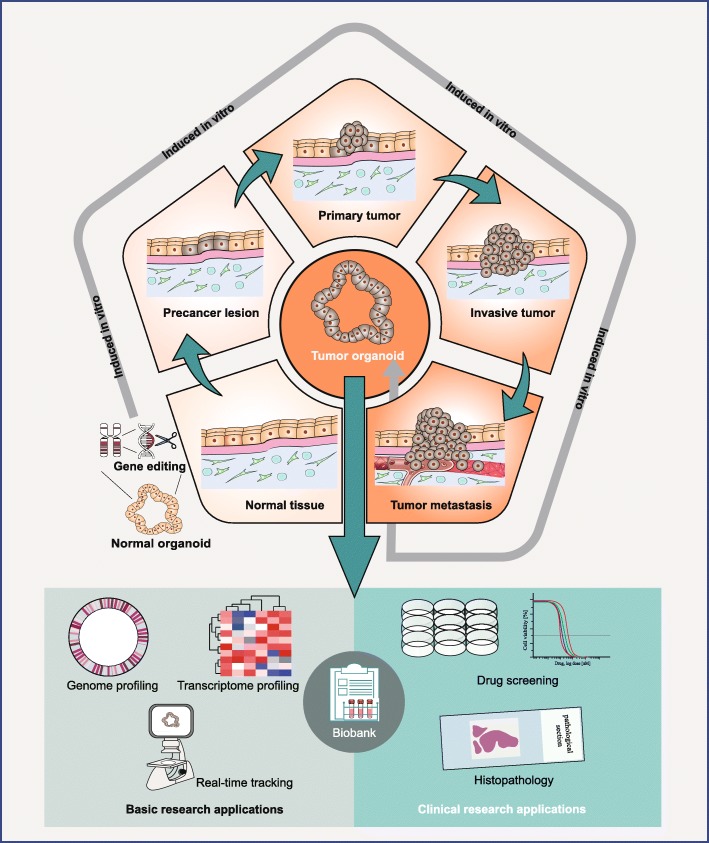
“Carcinogenesis occurs through a temporal accumulation of cancer-specific genetic alterations in normal cells [36, 37].”
BackgroundOrganoid Models of Human Liver Cancers Derived from Tumor Needle Biopsies
Nuciforo, S., Fofana, I., Matter, M. S., Blumer, T., Calabrese, D., Boldanova, T., Piscuoglio, S., Wieland, S., Ringnalda, F., Schwank, G., et al. (2018) · Cell Reports · doi:10.1016/j.celrep.2018.07.001 · Cited by 473 · cited 2×
“The PDTOs displayed a distinct dose-dependent response to the sorafenib treatment in the different patients, which implied the potential value of PDTO models to predict patient-specific drug sensitivities to the targeted drugs [11].”
BackgroundDrost, J., van Boxtel, R., Blokzijl, F., Mizutani, T., Sasaki, N., Sasselli, V., de Ligt, J., Behjati, S., Grolleman, J. E., van Wezel, T., et al. (2017) · Science · doi:10.1126/science.aao3130 · Cited by 461 · cited 1×
“Colorectal cancer organoids Human stem cell CRISPR-Cas9 Verify the deficient of key DNA repair gene MLH1 role in drives tumorigenesis [27]”
BackgroundOncogenic transformation of diverse gastrointestinal tissues in primary organoid culture
Li, X., Nadauld, L., Ootani, A., Corney, D. C., Pai, R. K., Gevaert, O., Cantrell, M. A., Rack, P. G., Neal, J. T., Chan, C. W.-M., et al. (2014) · Nature Medicine · doi:10.1038/nm.3585 · Cited by 442 · cited 1×
“Consistent with previous clinical studies [39, 40], combinatorial genetic mutations of Kras, p53, Apc, and Smad4 in healthy colonic organoids gave rise to adenocarcinoma organoids, while normal gastric and pancreatic organoids can be transformed into the adenocarcinoma organoids after p53 loss, Kras expression or both…”
Cancer Cell Lines for Drug Discovery and Development
Wilding, J. L., & Bodmer, W. F. (2014) · Cancer Research · doi:10.1158/0008-5472.can-13-2971 · Cited by 432 · cited 1×
“for targeted drugs, strongly depend on the genetic and epigenetic contexts of cancer patients [56].”
BackgroundTsai, S., McOlash, L., Palen, K., Johnson, B., Duris, C., Yang, Q., Dwinell, M. B., Hunt, B., Evans, D. B., Gershan, J., et al. (2018) · BMC Cancer · doi:10.1186/s12885-018-4238-4 · Cited by 400 · cited 1×
“Patient Tumor organoids co-culture with stromal cells Evaluate cancer-stroma cell interactions [32]”
BackgroundLee, H., & Cho, D.-W. (2016) · Lab on a Chip · doi:10.1039/c6lc00450d · Cited by 363
Metastasis prevention by targeting the dormant niche
Ghajar, C. M. (2015) · Nature Reviews Cancer · doi:10.1038/nrc3910 · Cited by 320 · cited 1×
“Metastatic dormancy is a leading cause of cancer recurrence [52].”
BackgroundWalsh, A. J., Cook, R. S., Sanders, M. E., Aurisicchio, L., Ciliberto, G., Arteaga, C. L., & Skala, M. C. (2014) · Cancer Research · doi:10.1158/0008-5472.can-14-0663 · Cited by 312 · cited 1×
“Breast cancer organoids Patient Quantitative optical imaging Predict the therapeutic response of anti-tumor drug in individual patients [23]”
BackgroundMouse models of metastasis: progress and prospects
Gómez-Cuadrado, L., Tracey, N., Ma, R., Qian, B., & Brunton, V. G. (2017) · Disease Models & Mechanisms · doi:10.1242/dmm.030403 · Cited by 301 · cited 1×
“However, the underlying mechanisms driving metastasis are even more complicated than those resulting in carcinogenesis [43].”
BackgroundXu, Z., Li, E., Guo, Z., Yu, R., Hao, H., Xu, Y., Sun, Z., Li, X., Lyu, J., & Wang, Q. (2016) · ACS Applied Materials & Interfaces · doi:10.1021/acsami.6b08746 · Cited by 264
Fumagalli, A., Drost, J., Suijkerbuijk, S. J. E., van Boxtel, R., de Ligt, J., Offerhaus, G. J., Begthel, H., Beerling, E., Tan, E. H., Sansom, O. J., et al. (2017) · Proceedings of the National Academy of Sciences · doi:10.1073/pnas.1701219114 · Cited by 258 · cited 1×
“Currently, various patient-derived tumor organoids (PDTOs) have been generated, including liver, colorectal, pancreatic, and prostate cancer organoids (Table 2) [28, 29, 34, 35].”
BackgroundSynergistic Engineering: Organoids Meet Organs-on-a-Chip
Takebe, T., Zhang, B., & Radisic, M. (2017) · Cell Stem Cell · doi:10.1016/j.stem.2017.08.016 · Cited by 258 · cited 1×
“Nevertheless, at present, most of the organ-on-a-chip systems utilize primary cell lines or stem-cell-derived cells as the cell source to construct organ mimics, and they cannot emulate histological and cellular complexity of native organs and tumors [64].”
BackgroundGao, H., Chakraborty, G., Zhang, Z., Akalay, I., Gadiya, M., Gao, Y., Sinha, S., Hu, J., Jiang, C., Akram, M., et al. (2016) · Cell · doi:10.1016/j.cell.2016.06.009 · Cited by 246 · cited 10×
“Organ-on-achip is a microfabricated device with integrated living cells, ECM, and microstructures to emulate partial aspects of organ or tissue in their cytoarchitecture, cellular population, and functions [63].”
BackgroundInfluentialEstablishment of Patient-Derived Organoids and Drug Screening for Biliary Tract Carcinoma
Saito, Y., Muramatsu, T., Kanai, Y., Ojima, H., Sukeda, A., Hiraoka, N., Arai, E., Sugiyama, Y., Matsuzaki, J., Uchida, R., et al. (2019) · Cell Reports · doi:10.1016/j.celrep.2019.03.088 · Cited by 230 · cited 1×
“They found that the TP53 mutant organoids were not sensitive to nutlin-3a, while the wild-type organoids were highly sensitive to nutlin-3a [12].”
BackgroundModeling Pancreatic Cancer with Organoids
Baker, L. A., Tiriac, H., Clevers, H., & Tuveson, D. A. (2016) · Trends in Cancer · doi:10.1016/j.trecan.2016.03.004 · Cited by 210 · cited 1×
“The generation of cancer organoids is low cost, ease of use, and can be accomplished in around 4 weeks [21, 22].”
BackgroundA multigene mutation classification of 468 colorectal cancers reveals a prognostic role for APC
Schell, M. J., Yang, M., Teer, J. K., Lo, F. Y., Madan, A., Coppola, D., Monteiro, A. N. A., Nebozhyn, M. V., Yue, B., Loboda, A., et al. (2016) · Nature Communications · doi:10.1038/ncomms11743 · Cited by 207 · cited 1×
“Consistent with previous clinical studies [39, 40], combinatorial genetic mutations of Kras, p53, Apc, and Smad4 in healthy colonic organoids gave rise to adenocarcinoma organoids, while normal gastric and pancreatic organoids can be transformed into the adenocarcinoma organoids after p53 loss, Kras expression or both…”
Bioprinting towards physiologically relevant tissue models for pharmaceutics
Peng, W., Unutmaz, D., & Ozbolat, I. T. (2016) · Trends in Biotechnology · doi:10.1016/j.tibtech.2016.05.013 · Cited by 196
Torsvik, A., Stieber, D., Enger, P. Ø., Golebiewska, A., Molven, A., Svendsen, A., Westermark, B., Niclou, S. P., Olsen, T. K., Chekenya Enger, M., et al. (2014) · Cancer Medicine · doi:10.1002/cam4.219 · Cited by 179 · cited 1×
“Moreover, the tumorspecific heterogeneity of cancer cell lines is gradually lost through epigenetic and genetic drift in the long-term culture [4].”
BackgroundRapid 3D Extrusion of Synthetic Tumor Microenvironments
Grolman, J. M., Zhang, D., Smith, A. M., Moore, J. S., & Kilian, K. A. (2015) · Advanced Materials · doi:10.1002/adma.201501729 · Cited by 162
Finnberg, N. K., Gokare, P., Lev, A., Grivennikov, S. I., MacFarlane, A. W., Campbell, K. S., Winters, R. M., Kaputa, K., Farma, J. M., Abbas, A. E.-S., et al. (2017) · Oncotarget · doi:10.18632/oncotarget.19965 · Cited by 136
Nadauld, L. D., Garcia, S., Natsoulis, G., Bell, J. M., Miotke, L., Hopmans, E. S., Xu, H., Pai, R. K., Palm, C., Regan, J. F., et al. (2014) · Genome Biology · doi:10.1186/s13059-014-0428-9 · Cited by 128 · cited 1×
“Murine Gene editing First reveal the potential metastatic role of TGFBR2 loss-of-function in diffuse gastric cancer [26]”
BackgroundTowards Single-Step Biofabrication of Organs on a Chip via 3D Printing
Knowlton, S. M., Yenilmez, B., & Taşoğlu, S. (2016) · Trends in biotechnology · doi:10.1016/j.tibtech.2016.06.005 · Cited by 119
Vellinga, T. T., den Uil, S., Rinkes, I. H. B., Marvin, D., Ponsioen, B., Alvarez-Varela, A., Fatrai, S., Scheele, C., Zwijnenburg, D. A., Snippert, H., et al. (2016) · Oncogene · doi:10.1038/onc.2016.60 · Cited by 115 · cited 1×
“Moreover, extracellular matrix (ECM) in the tumor microenvironment, such as collagen I, could also modulate collective invasion in colon cancer organoids [49].”
BackgroundGenetic reconstitution of tumorigenesis in primary intestinal cells
Onuma, K., Ochiai, M., Orihashi, K., Takahashi, M., Imai, T., Nakagama, H., & Hippo, Y. (2013) · Proceedings of the National Academy of Sciences · doi:10.1073/pnas.1221926110 · Cited by 113 · cited 1×
“Carcinogenesis occurs through a temporal accumulation of cancer-specific genetic alterations in normal cells [36, 37].”
BackgroundDella Corte, C. M., Barra, G., Ciaramella, V., Di Liello, R., Vicidomini, G., Zappavigna, S., Luce, A., Abate, M., Fiorelli, A., Caraglia, M., et al. (2019) · Journal of Experimental & Clinical Cancer Research · doi:10.1186/s13046-019-1257-1 · Cited by 95 · cited 3×
“Abbreviations 3D: Three-dimensional; ALI: Air-liquid interface; BC: Breast cancer; CIN: Chromosomal instability; CRC: Colorectal cancer; ECM: Extracellular matrix; ECs: Endothelial cells; EMT: Epithelial-to-mesenchymal transition; FDA: U.S. Food and Drug Administration; HLA: Human leukocyte antigen; HSF2: Heat-shock f…”
BackgroundThe potential of organoids in urological cancer research
Wang, S., Gao, D., & Chen, Y. (2017) · Nature Reviews Urology · doi:10.1038/nrurol.2017.65 · Cited by 87 · cited 1×
“Besides, PDTXs can reproduce complex cancer-stroma and cancer-matrix interactions in vivo [6].”
BackgroundOrganoid development in cancer genome discovery
Gao, D., & Chen, Y. (2015) · Current Opinion in Genetics & Development · doi:10.1016/j.gde.2015.02.007 · Cited by 74 · cited 1×
“However, cancer cell lines can be only constructed from a limited number of cancer subtypes [3].”
BackgroundHeat-shock factor 2 is a suppressor of prostate cancer invasion
Björk, J., Åkerfelt, M., Joutsen, J., Puustinen, M. C., Cheng, F., Sistonen, L., & Nees, M. (2015) · Oncogene · doi:10.1038/onc.2015.241 · Cited by 73
Nakayama, M., Sakai, E., Echizen, K., Yamada, Y., Oshima, H., Han, T.-S., Ohki, R., Fujii, S., Ochiai, A., Robine, S., et al. (2017) · Oncogene · doi:10.1038/onc.2017.194 · Cited by 72 · cited 1×
“Consistent with previous clinical studies [39, 40], combinatorial genetic mutations of Kras, p53, Apc, and Smad4 in healthy colonic organoids gave rise to adenocarcinoma organoids, while normal gastric and pancreatic organoids can be transformed into the adenocarcinoma organoids after p53 loss, Kras expression or both…”
ROCK2 inhibition triggers the collective invasion of colorectal adenocarcinomas
Libanje, F., Raingeaud, J., Luan, R., Thomas, Z. A., Zajac, O., Veiga, J., Marisa, L., Adam, J., Boige, V., Malka, D., et al. (2019) · The EMBO Journal · doi:10.15252/embj.201899299 · Cited by 71 · cited 1×
“Similarly, by using cancer organoids, the researchers revealed that the cathepsin B led to the collective invasion in salivary adenoid cystic carcinoma [46], the inhibition of rho-associated protein kinase 2 (ROCK2) associated with initiating collective invasion in colorectal adenocarcinomas [47], and the loss of heat…”
BackgroundHattar, R., Maller, O., McDaniel, S., Hansen, K. C., Hedman, K. J., Lyons, T. R., Lucia, S., Wilson, R. S., & Schedin, P. (2009) · Breast Cancer Research · doi:10.1186/bcr2220 · Cited by 66 · cited 1×
“These results were consistent with the previous clinical finding that increasing fibronectin level was associated with the lower survival rate in BC patients [53, 54].”
ResultModeling of Patient-Derived Xenografts in Colorectal Cancer
(2017) · doi:10.1158/1535-7163.mct-16-0721 · Cited by 64 · cited 1×
“Generation efficiency 10%–70% [7, 8] 70%–100%”
Pergolini, I., Morales-Oyarvide, V., Mino-Kenudson, M., Honselmann, K. C., Rosenbaum, M. W., Nahar, S., Kem, M., Ferrone, C. R., Lillemoe, K. D., Bardeesy, N., et al. (2017) · PLOS ONE · doi:10.1371/journal.pone.0182855 · Cited by 63 · cited 1×
“Generation efficiency 10%–70% [7, 8] 70%–100%”
TGF- β induced epithelial–mesenchymal transition in an advanced cervical tumor model by 3D printing
Pang, Y., Mao, S. S., Yao, R., He, J. Y., Zhou, Z. Z., Feng, L., Zhang, K. T., Cheng, S. J., & Sun, W. (2018) · Biofabrication · doi:10.1088/1758-5090/aadbde · Cited by 63
Personalized Cancer Models for Target Discovery and Precision Medicine
Grandori, C., & Kemp, C. J. (2018) · Trends in cancer · doi:10.1016/j.trecan.2018.07.005 · Cited by 58 · cited 1×
“The generation of cancer organoids is low cost, ease of use, and can be accomplished in around 4 weeks [21, 22].”
BackgroundEmerging Opportunities for Target Discovery in Rare Cancers
Sharifnia, T., Hong, A. L., Painter, C. A., & Boehm, J. S. (2017) · Cell Chemical Biology · doi:10.1016/j.chembiol.2017.08.002 · Cited by 51
Fibronectin rescues estrogen receptor α from lysosomal degradation in breast cancer cells
Sampayo, R. G., Toscani, A. M., Rubashkin, M. G., Thi, K., Masullo, L. A., Violi, I. L., Lakins, J. N., Cáceres, A., Hines, W. C., Leskow, F. C., et al. (2018) · The Journal of Cell Biology · doi:10.1083/jcb.201703037 · Cited by 49 · cited 1×
“These results were consistent with the previous clinical finding that increasing fibronectin level was associated with the lower survival rate in BC patients [53, 54].”
ResultCathepsin B defines leader cells during the collective invasion of salivary adenoid cystic carcinoma
Wu, J., Li, Z., Wang, H., Yu, X., Pang, X., Wu, J., Wang, S., Zhang, M., Yang, X., Cao, M., et al. (2019) · International Journal of Oncology · doi:10.3892/ijo.2019.4722 · Cited by 42 · cited 1×
“Similarly, by using cancer organoids, the researchers revealed that the cathepsin B led to the collective invasion in salivary adenoid cystic carcinoma [46], the inhibition of rho-associated protein kinase 2 (ROCK2) associated with initiating collective invasion in colorectal adenocarcinomas [47], and the loss of heat…”
BackgroundProstate cancer organoids: a potential new tool for testing drug sensitivity
Vela, I., & Chen, Y. (2015) · Expert Review of Anticancer Therapy · doi:10.1586/14737140.2015.1003046 · Cited by 40 · cited 1×
“Currently, various patient-derived tumor organoids (PDTOs) have been generated, including liver, colorectal, pancreatic, and prostate cancer organoids (Table 2) [28, 29, 34, 35].”
BackgroundThe PIAS3-Smurf2 sumoylation pathway suppresses breast cancer organoid invasiveness
Chandhoke, A. S., Chanda, A., Karve, K., Deng, L., & Bonni, S. (2017) · Oncotarget · doi:10.18632/oncotarget.15471 · Cited by 39 · cited 1×
“hibit the invasiveness of mammary tumor organoids [50].”
BackgroundTumor Organoids Fill the Niche
Shroyer, N. F. (2016) · Cell stem cell · doi:10.1016/j.stem.2016.05.020 · Cited by 33
Jeon, J. S., Bersini, S., Gilardi, M., Dubini, G., Charest, J. L., Moretti, M., & Kamm, R. D. (2015) · Proceedings of the National Academy of Sciences · Cited by 21
Studying Tumor-ReacTive T Cells: A Personalized Organoid Model
Şahin, U. (2018) · Cell stem cell · doi:10.1016/j.stem.2018.08.015 · Cited by 14
Research works printed but not linked: 1
- Society AC Global Cancer Facts & Figures 3rd Edition Am Cancer Soc 2015 800 1 64
Cited by
Hofer, M., & Lutolf, M. P. (2021) · Nature Reviews Materials · doi:10.1038/s41578-021-00279-y · Cited by 1,184
Signaling pathways in cancer-associated fibroblasts and targeted therapy for cancer
Wu, F., Yang, J., Liu, J., Wang, Y., Mu, J., Zeng, Q., Deng, S., & Zhou, H. (2021) · Signal Transduction and Targeted Therapy · doi:10.1038/s41392-021-00641-0 · Cited by 773
“However, organoids commonly contained only epithelial cells and lack fibroblasts and types of other cells, such as immune and endothelial cells.(77) To overcome these limitations of organoids, a multilayer bladder called an “assembloids” has been created by reconstituting tissue stem cells with stromal components repr…”
Background3D In Vitro Model (R)evolution: Unveiling Tumor–Stroma Interactions
Rodrigues, J., Heinrich, M. A., Teixeira, L. M., & Prakash, J. (2021) · Trends in Cancer · doi:10.1016/j.trecan.2020.10.009 · Cited by 405
“Moreover, organoids can be efficiently cultured with a patient’s own cells, and are thus a better alternative to expensive and labor-intensive patient-derived tumor xenografts [59], and are also more cost-effective and physiologically relevant than animal models.”
BackgroundInfluentialTumor microenvironment: barrier or opportunity towards effective cancer therapy
Tiwari, A., Trivedi, R., & Lin, S.-Y. (2022) · Journal of Biomedical Science · doi:10.1186/s12929-022-00866-3 · Cited by 377
“These tumor model systems have removed the bottleneck of extrapolation of results from animal and patientderived xenografts (PDX) models [210, 211].”
BackgroundTumor microenvironment signaling and therapeutics in cancer progression
Goenka, A., Khan, F., Verma, B., Sinha, P., Dmello, C. C., Jogalekar, M. P., Gangadaran, P., & Ahn, B. (2023) · Cancer Communications · doi:10.1002/cac2.12416 · Cited by 323
Metadata
- Authors
- Fan, H., Demirci, U., & Chen, P.
- Affiliations
- Stanford Medicine (US)
- Wuhan University (CN)
- Corresponding author
- Demirci, Utkan
- Chen, Pu
- Venue
- Journal of Hematology & Oncology
- Published
- 2019-12
- Volume
- 12
- Issue
- 1
- Pages
- 142-142
- ISSN
- 1756-8722 (ISSN-L)
- PMC
- PMC6936115
- OpenAlex
- W2997819890
- Cited by
- 199
- References
- 71
- Citations by year
- 2026: 10 · 2025: 23 · 2024: 27 · 2023: 17 · 2022: 40 · 2021: 55 · 2020: 26
- FWCI
- 2.88
- Type
- journal article
- Language
- en
- Open access
- gold
- doi.org
- Licence
- cc-by
- creativecommons.org/licenses/by/4.0/ (tdm)
- creativecommons.org/licenses/by/4.0/ (vor, 28 d)
- Locations
- Journal of Hematology & Oncology (publishedVersion, cc-by)
- PubMed Central (publishedVersion, cc-by)
- PubMed (publishedVersion)
- DOAJ (DOAJ: Directory of Open Access Journals) (submittedVersion, cc-by-sa)
- Funders
- National Key Research and Development Program of China (2018YFA0109000)
- Applied Foundational Research Program of Wuhan Municipal Science and Technology Bureau (2018010401011296)
- Topics
- Health Sciences › Medicine › Oncology › Cancer Cells and Metastasis
- Physical Sciences › Engineering › Biomedical Engineering › 3D Printing in Biomedical Research
- Life Sciences › Biochemistry, Genetics and Molecular Biology › Cancer Research › Cancer Genomics and Diagnostics
- Keywords
- tumor organoids, patient-derived tumor models, tumor heterogeneity, precision oncology, organ-on-a-chip, 3D bioprinting, metastasis, tumor microenvironment, prognostic factors, cancer theranostics, in vitro tumor model
- MeSH terms
- Animals, Drug Evaluation, Preclinical, Humans, Models, Biological, Neoplasms, Organoids, Tissue Engineering, Precision Medicine
About these checks
Registry, retraction, Cites and statistics results are computed, not judged, with one exception: a printed reference that no index lists is read once by a model before it counts as a citation error. Claims are extracted by a model and kept only when their quote appears verbatim in the text; each cited source is then checked, with a model’s help, for whether it says what the claim relies on. Those verdicts can be wrong — read the claim’s quote and the cited source before relying on one.
Statistics and arithmetic are recomputed, not judged.
Confidence bands are shown only for fields calibrated on our annotated test set. None is calibrated yet, so no band is shown.
What counts as a claim ›How we measure confidence ›How we check this ›
Are you an author, or do you see a problem with this page? Request a review
Data sources
Bibliographic data: Semantic Scholar, OpenAlex, Crossref.
Contains information from the Semantic Scholar Academic Graph Datasets, made available under the ODC Attribution License (ODC-BY 1.0).
Semantic Scholar’s data is described in: Kinney, R., et al. (2023). The Semantic Scholar Open Data Platform. arXiv:2301.10140.
