

HMGB1 in inflammation and cancer
Open accessThe DOI matches its Crossref record; 17 of the 17 references it cites were found in a registry or an index.
Abstract
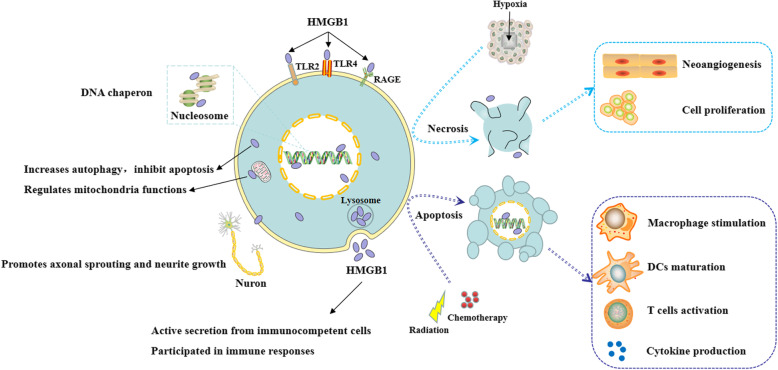
High mobility group box 1 (HMGB1) is a non-histone chromatin-associated protein widely distributed in eukaryotic cells and is involved in DNA damage repair and genomic stability maintenance. In response to stimulus like bacteria or chemoradiotherapy, HMGB1 can translocate to extracellular context as a danger alarmin, activate the immune response, and participate in the regulation of inflammation and cancer progression.
Overview
The claims and statistics of this paper haven’t been checked yet.
Free: it reads the open-access text and checks the first 5 claims that cite a source we can check. Create a free account to check every claim.
Integrity signals
Registry
Cites
Statistics
Figures
Verification
Claims the paper makes
The claims and statistics of this paper haven’t been checked yet.
Free: it reads the open-access text and checks the first 5 claims that cite a source we can check. Create a free account to check every claim.
Claims other papers make about this one
Each is checked against this paper’s own text: does it say what the citing paper says it does?
The source backs part of the claim, not all of it — or backs it for a different population, condition or comparison.
In the citing paper
“Stressed macrophages and mesothelial cells undergo cell necrosis, releasing the damage-associated molecular protein (DAMP) high mobility group box 1 (HMGB1) [20].”
From Chronic Inflammation, Oxidative Stress and Metabolic Plasticity: Three Players Driving the Pro-Tumorigenic Microenvironment in Malignant Mesothelioma (2023) · cites this paper as [20]
Experimental — accuracy not yet measured
Self-check
Percentages, sums and reported differences re-computed from the paper’s own numbers.
The self-check needs the paper’s full text.
Citations
Cites
Hallmarks of Cancer: The Next Generation
Hanahan, D., & Weinberg, R. A. (2011) · Cell · doi:10.1016/j.cell.2011.02.013 · Cited by 66,590 · cited 3×
“The dual effects of HMGB1 in cancer According to the alterations of the subcellular locations, receptors, and expression levels, HMGB1 is associated with the hallmarks of cancer proposed by Hanahan and Weinberg [12].”
BackgroundInfluentialHMGB1 is a therapeutic target for sterile inflammation and infection
Andersson, U., & Tracey, K. J. (2011) · Annual Review of Immunology · doi:10.1146/annurev-immunol-030409-101323 · Cited by 1,437 · cited 1×
“HMGB1 plays a critical role in the regulation of both innate and adaptive immune responses to promote immune response to sterile or infectious stimulus [6].”
BackgroundA New Group of Chromatin‐Associated Proteins with a High Content of Acidic and Basic Amino Acids
Goodwin, G. H., Sanders, C., & Johns, E. W. (1973) · European Journal of Biochemistry · doi:10.1111/j.1432-1033.1973.tb03026.x · Cited by 780 · cited 1×
“It was first extracted from calf-thymus chromatin in 1973 and named for its high mobility in gel electrophoresis [1].”
MethodThe Endotoxin Delivery Protein HMGB1 Mediates Caspase-11-Dependent Lethality in Sepsis
Deng, M., Tang, Y., Li, W., Wang, X., Zhang, R., Zhang, X., Zhao, X., Liu, J., Tang, C., Liu, Z., et al. (2018) · Immunity · doi:10.1016/j.immuni.2018.08.016 · Cited by 591 · cited 1×
“Pyroptotic macrophage death may accelerate undesirable immune hyperactivity and immunosuppression, which is a potential mechanism associated with late mortality from sepsis [8].”
BackgroundAbscopal effect of radiotherapy combined with immune checkpoint inhibitors
Liu, Y., Dong, Y., Kong, L., Shi, F., Zhu, H., & Yu, J. (2018) · Journal of Hematology & Oncology · doi:10.1186/s13045-018-0647-8 · Cited by 447 · cited 1×
“Activated NK cells provide an additional source of HMGB1, which is released into the immunological synapse between NK cells and immature DCs, promoting the maturation of DCs and the induction of Th1 response [17].”
BackgroundExtracellular HMGB1: a therapeutic target in severe pulmonary inflammation including COVID-19?
Andersson, U., Ottestad, W., & Tracey, K. J. (2020) · Molecular Medicine · doi:10.1186/s10020-020-00172-4 · Cited by 229
High mobility group box 1 (HMGB1): a pivotal regulator of hematopoietic malignancies
Yuan, S., Liu, Z., Xu, Z., Liu, J., & Zhang, J. (2020) · Journal of Hematology & Oncology · doi:10.1186/s13045-020-00920-3 · Cited by 226
Gao, Q., Wang, S., Chen, X., Cheng, S., Zhang, Z., Li, F., Huang, L., Yang, Y., Zhou, B., Yue, D., et al. (2019) · Journal for ImmunoTherapy of Cancer · doi:10.1186/s40425-019-0511-6 · Cited by 215
Self-citationPaudel, Y. N., Angelopoulou, E., Piperi, C., Balasubramaniam, V. R. M. T., Othman, I., & Shaikh, M. F. (2019) · European Journal of Pharmacology · doi:10.1016/j.ejphar.2019.172487 · Cited by 174 · cited 1×
“Extracellular HMGB1 transmits danger signals to surrounding cells by interacting with its classical receptors, such as the receptor for advanced glycation end products (RAGE) and Toll-like receptors 2/4/9 (TLR-2/4/9) [2].”
BackgroundPusterla, T., Nèmeth, J., Stein, I., Wiechert, L., Knigin, D., Marhenke, S., Longerich, T., Kumar, V., Arnold, B., Vogel, A., et al. (2013) · Hepatology · doi:10.1002/hep.26395 · Cited by 97
Cited by
Items 101–200 of 296
Sex-specific mechanisms in the pathogenesis and progression of chronic kidney disease
Li, G., Xu, Z., Yang, H., Zhang, D., Liu, B., Song, Y., Li, Q., Zhang, Y., Zhou, H., & Wang, Y. (2025) · Autoimmunity Reviews · doi:10.1016/j.autrev.2025.103938 · Cited by 17
Self-citationInvolvement of Tim-3 in Maternal-fetal Tolerance: A Review of Current Understanding
Meng, X., Luo, Y., Cui, L., & Wang, S. (2025) · International Journal of Biological Sciences · doi:10.7150/ijbs.106115 · Cited by 11
“HMGB1 is a nuclear DNA-binding protein that modulates chromosomal architecture and is a damage-associated molecular pattern[31, 32].”
Self-citationHMGB1: From Molecular Functions to Clinical Applications in Cancer and Inflammatory Diseases
Guo, L., Wang, D., Jiang, X. L., & He, G. (2025) · Medicinal Research Reviews · doi:10.1002/med.70017 · Cited by 19
Huang, Y., Cheng, M.-H., Wang, X., Dong, H., & Gao, J. (2023) · Frontiers in Pharmacology · doi:10.3389/fphar.2022.1086206 · Cited by 11
“High mobility group box 1 (HMGB1), a highly conservative nucleoprotein, was a multifunctional protein involved in the regulation of inflammation, cancer and fibrosis progression (Wang and Zhang, 2020).”
BackgroundKou, F., Wu, L., Zheng, Y., Yi, Y., Ji, Z., Huang, Z., Guo, S., & Yang, L. (2023) · Oncogene · doi:10.1038/s41388-023-02850-z · Cited by 18
Investigating cell death responses associated with histotripsy ablation of canine osteosarcoma
Hay, A. N., Vickers, E., Patwardhan, M. N., Gannon, J., Ruger, L. N., Allen, I. C., Vlaisavljevich, E., & Tuohy, J. L. (2023) · International Journal of Hyperthermia · doi:10.1080/02656736.2023.2279027 · Cited by 11
“The release of DAMPs triggers inflammation [46] and is associated with apoptosis [47], necrosis [48], and ICD [28,29,42], suggesting a role of DAMPs in ICD potentially stimulated by histotripsy.”
BackgroundBurning down the house: Pyroptosis in the tumor microenvironment of hepatocellular carcinoma
Cheng, C., Hsu, S., Chen, Y., Liu, W., Shu, E.-D., Chien, C., Chiu, C., & Chang, W. (2024) · Life Sciences · doi:10.1016/j.lfs.2024.122627 · Cited by 10
Mi, L., Zhang, N., Wan, J., Cheng, M. Y., Liao, J., & Zheng, X. (2021) · Molecular Medicine Reports · doi:10.3892/mmr.2021.12413 · Cited by 13
“High‐mobility group box 1 (HMGB1) is a highly conserved DNA‐binding protein that is passively released by dead cells or actively secreted into the extracellular environ‐ ment by inflammatory cells under conditions of cellular stress to regulate innate and adaptive immunity (18).”
BackgroundTian, F.-Y., Liu, K., Tang, Z.-Y., Zhou, G., Zhou, G.-L., Chen, R.-F., Liu, H.-B., Fang, W., Zuo, X., & Zhou, L. (2025) · Renal Failure · doi:10.1080/0886022x.2025.2548613 · Cited by 10
Xing, P., Chen, Z., Zhu, W., Lin, B., & Quan, M. (2024) · Cancer Biology & Therapy · doi:10.1080/15384047.2024.2416221 · Cited by 11
“38 As such, we hypothesized there was a certain regulatory effect between HMGB1 and NRF3-mediated ROS in TNBC. Based on this speculation, the intracellular expression and extracellular release of HMGB1 in TNBC cell lines with NRF3 overexpression were analyzed.”
BackgroundLopes, C. D. H., Xavier, C. B., Torrado, C., Veneziani, A. C., & Megid, T. B. C. (2024) · Journal of Immunotherapy and Precision Oncology · doi:10.36401/jipo-24-23 · Cited by 13
“[109] Targeted Therapies VEGF is known to regulate the growth of vascular endothelial cells and contribute to immunosuppression.”
BackgroundWu, Q., Xiao, Q., Tang, X., Li, L., Song, D., Zhou, Y., Li, B., Ren, G., & Luo, F. (2025) · Frontiers in Immunology · doi:10.3389/fimmu.2024.1516457 · Cited by 12
Han, J., Rhee, W. J., & Shin, J. (2025) · Molecular Medicine · doi:10.1186/s10020-025-01235-0 · Cited by 12
“This interaction promotes inflammatory responses, tumor growth, and metastasis (Kwak et al. 2015; Lai et al. 2021; Wang and Zhang 2020; Youn et al. 2008).”
Xu, J., Firouz, S. M., Farrokhian, M., Ghoreishizadeh, S., Mohammad, T. A. M., Rostami, A., Tamjididfar, R., Akbari, M., Shomali, N., Zamiri, R. E., et al. (2021) · European Journal of Pharmacology · doi:10.1016/j.ejphar.2021.174694 · Cited by 10
Can aggressive cancers be identified by the “aggressiveness” of their chromatin?
Gurova, K. V. (2022) · BioEssays · doi:10.1002/bies.202100212 · Cited by 9
“, HMGB family members) are overexpressed in cancer.[86] These proteins can open nucleosomes by”
BackgroundShen, P., Zhou, J., Jiang, X., Ge, H., Wang, W., Yu, B., & Zhang, J. (2022) · ACS Omega · doi:10.1021/acsomega.2c01352 · Cited by 10
Boccarelli, A., Buono, N. D., & Esposito, F. (2023) · Pathology - Research and Practice · doi:10.1016/j.prp.2023.154347 · Cited by 12
Taguchi, R., Yamaguchi, M., Takagi, K., Sato, A., Miki, Y., Miyashita, M., & Suzuki, T. (2024) · ACTA HISTOCHEMICA ET CYTOCHEMICA · doi:10.1267/ahc.24-00006 · Cited by 11
“Although recent studies have revealed the biological characteristics of breast cancer, leading to improvements in treatment such as endocrine therapy or chemotherapy, cells and production of proinflammatory cytokines [12, 34].”
BackgroundHMGB1 accumulation in cytoplasm mediates noise-induced cochlear damage
Xiao, L., Zhang, Z., Liu, J., Zheng, Z., Xiong, Y., Li, C., Feng, Y., & Yin, S. (2022) · Cell and Tissue Research · doi:10.1007/s00441-022-03696-9 · Cited by 11
“2014; Wang and Zhang 2020; Andersson and Tracey 2011).”
BackgroundColarusso, C., Terlizzi, M., Caprio, S. D., Falanga, A., D’Andria, E., Bianca, R. D. D. V., & Sorrentino, R. (2025) · Biomedicines · doi:10.3390/biomedicines13010203 · Cited by 11
“…tumor cell proliferation [34]. dual effect in that it can be released as an alarmin, activate an immune response, and participate in the regulation of inflammation and cancer progression Nevertheless, HMGB1 can have a dual effect in that it can be released as an alarmin, activate progression [35].”
Annexin A: Cell Death, Inflammation, and Translational Medicine
Qian, Z., Li, Z., Peng, X., Mao, Y., Mao, X., & Li, J. (2025) · Journal of Inflammation Research · doi:10.2147/jir.s511439 · Cited by 14
“70 Concurrently, Annexin A5 mitigates oxidative stress and ferroptosis by enhancing the NRF2/HO-1 antioxidant system, thereby bolstering cellular defense against reactive oxygen species.”
Cao, S., Miao, J., Qian, M., Zhu, C. H., Ding, S., Yin, J., Zhu, L., & Zhang, Q. (2022) · Frontiers in Microbiology · doi:10.3389/fmicb.2021.789752 · Cited by 10
“It has been reported that HMGB1 can be released to extracellular context by necrotic cells under hypoxia in growing solid tumor (Wang and Zhang, 2020).”
BackgroundOgiji, E. D., Aboheimed, N., Ross, K., Voller, C., Siner, R., Jensen, R. L., Jolly, C., & Carr, D. F. (2024) · Current Opinion in Allergy and Clinical Immunology · doi:10.1097/aci.0000000000000993 · Cited by 10
Soluble E-Cadherin Contributes to Airway Inflammation in Severe Asthma
Tang, H., Chen, Z., Gan, S., Guo, Y., Yang, C., Dong, M., Fu, L., Chen, H., Tao, A., Li, J., et al. (2024) · American Journal of Respiratory Cell and Molecular Biology · doi:10.1165/rcmb.2024-0133oc · Cited by 9
Centrality of Myeloid-Lineage Phagocytes in Particle-Triggered Inflammation and Autoimmunity
Favor, O. K., Pestka, J. J., Bates, M. A., & Lee, K. S. S. (2021) · Frontiers in Toxicology · doi:10.3389/ftox.2021.777768 · Cited by 14
Saleh, M. A., Antar, S. A., Abdo, W., Ashour, A. A., & Zaki, A. A. (2022) · Environmental Science and Pollution Research · doi:10.1007/s11356-022-22268-6 · Cited by 9
“As the field of HMGB1 research has progressed, it has become obvious that HMGB1 is engaged in many 1 3 critical pathways that are required for optimal cell function as well as appears to have a crucial part in carcinogenesis (Wang and Zhang 2020).”
BackgroundMontazeri-Khosh, Z., Ebrahimpour, A., Keshavarz, M., Sheybani‐Arani, M., & Samiei, A. (2025) · Immunopharmacology and Immunotoxicology · doi:10.1080/08923973.2024.2444956 · Cited by 9
“HMGB1, a non-histone nuclear protein, is translocated to the extracellular matrix (ecM) following cellular damage [76].”
Liu, Y., Zhang, D., Liu, T., Wang, A., Wang, G., & Zhao, Y. (2025) · Briefings in Bioinformatics · doi:10.1093/bib/bbaf467 · Cited by 9
“Responders showed elevated expression levels of CD28 [37] ( P =.0329), CD40 [38] ( P =.0102), TNF [39] ( P =.0002), ICAM1 [40] ( P =.0156), and HMGB1 [41] ( P =.0336) which enhance T-cell activation and overall immune response (Fig.”
Shi, W., Chen, L., Zhang, W., He, P., Zhang, Y., Yan, K., Li, C., Ning, P., Liu, Y., Ma, S., et al. (2025) · Journal of Biological Chemistry · doi:10.1016/j.jbc.2025.110836 · Cited by 9
“Extracellular HMGB1 has been shown to interact with multiple cell surface receptors, most notably, receptor for advanced glycation end products (RAGE) and Toll-like receptor 4 (TLR4), to promote inflammation and tumor growth (41).”
Self-citationChen, M., Zheng, C., Zhang, Y., He, J., & Shi, Z. (2025) · Mediators of Inflammation · doi:10.1155/mi/9967975 · Cited by 10
Self-citationQin, J., Zhen, S., Wang, J., Lv, W., Zhao, Y., Duan, Y., Liu, T., Feng, L., Wang, G., & Liu, L. (2023) · Journal of Gastrointestinal Oncology · doi:10.21037/jgo-23-240 · Cited by 8
“Accumulating studies have demonstrated that HMGB1 is expressed at high level in multiple malignant tumors (47-49).”
Xu, X., Yu, R., Yang, Z., Li, C., Xiong, H., & Li, C. (2025) · Frontiers in Immunology · doi:10.3389/fimmu.2025.1605185 · Cited by 12
Xiong, B., YU, J. J., Wen, C., Li, S., Zhang, S., Fang, Y., Cao, Y., Guan, X., Shen, Y., Zhu, M., et al. (2025) · Journal of Controlled Release · doi:10.1016/j.jconrel.2025.114236 · Cited by 8
Sp1‐mediated miR ‐193b suppresses atopic dermatitis by regulating HMGB1
Liu, Y., Liu, L., Zhu, B., Chen, X., & Tian, L. (2023) · The Kaohsiung Journal of Medical Sciences · doi:10.1002/kjm2.12693 · Cited by 7
“regulation of HMGB1 is associated with many diseases, especially inflammatory diseases.(16) HMGB1 is an important pro-inflammatory cytokine that binds to specific receptors to induce the production of pro-inflammatory cytokines, leading to inflammation and injury.”
BackgroundWang, Y., Jiang, X.-Y., Qu, M.-Y., Liang, J., Yang, J., & Sun, R. (2023) · Biochemical Genetics · doi:10.1007/s10528-023-10526-2 · Cited by 7
“HMGB1 can also translocate to extracellular context to activate the immune response and can regulate inflammation and cancer progression (Wang and Zhang 2020).”
High mobility group box-1: a potential therapeutic target for allergic rhinitis
Wu, S., Yu, Y., Zheng, Z., & Cheng, Q. (2023) · European journal of medical research · doi:10.1186/s40001-023-01412-z · Cited by 9
“In colorectal cancer, LPS promotes tumor formation by releasing inflammatory factors through pathways associated with HMGB1 [54].”
BackgroundGfi-1 modulates HMGB1-Mediated autophagy to overcome oxaliplatin resistance in colorectal cancer
Liu, W., Zhang, Z., Zhang, L., Jiang, X., Chen, C., Wu, X., & Zhao, Q. (2024) · Heliyon · doi:10.1016/j.heliyon.2024.e29859 · Cited by 10
“Increasing evidence has shown that high-mobility group protein 1 (HMGB1) plays a pivotal role in the development of cancer through multiple physiological and pathological processes (including cell metabolism, inflammation and cell death) [19].”
BackgroundCurcumin: Epigenetic Modulation and Tumor Immunity in Antitumor Therapy
Wan, X., & Wang, D. (2024) · Planta Medica · doi:10.1055/a-2499-1140 · Cited by 10
“3 ) [61 .”
Hao, W., Yan, A., Guo, X., Chen, Z., Chen, N., Li, H., Wu, F., Sun, P., Zhao, Y., Zhao, G., et al. (2025) · Journal of Controlled Release · doi:10.1016/j.jconrel.2025.114199 · Cited by 9
Liu, Q., Xie, R., & Li, Y. (2022) · International Journal of Molecular Sciences · doi:10.3390/ijms23179611 · Cited by 8
Li, Y., Li, Y., Zhang, X., Duan, X., Feng, H., Yu, Z., & Gao, Y. (2022) · Frontiers in Oncology · doi:10.3389/fonc.2022.986827 · Cited by 8
“It was overexpressed in various types of cancers, and played a key role in the regulation of inflammation and cancer progression (38).”
BackgroundAilioaie, L. M., Ailioaie, C., & Litscher, G. (2025) · Pharmaceutics · doi:10.3390/pharmaceutics17060716 · Cited by 8
Tarone, L., Iacoviello, A., Lorenzo, A. D., Verta, R., Cossu, C., Conti, L., Cavallo, F., & Riccardo, F. (2025) · Cancers · doi:10.3390/cancers17233846 · Cited by 9
“This TLR2-dependent pathway has been implicated in resistance mechanisms across several tumor types, including OSA [127], where therapy-induced DAMP release and TLR2 activation contribute to autophagy, pro-survival transcriptional programs, and maintenance of stemness [128].”
HMGB1: A Central Node in Cancer Therapy Resistance
Alhasan, B. A., Margulis, B. A., & Guzhova, I. V. (2025) · International Journal of Molecular Sciences · doi:10.3390/ijms262412010 · Cited by 9
“In cancer, extracellular HMGB1 has also been implicated in shaping the tumor immune microenvironment by modulating antigen presentation, immune suppression, and response to immunotherapies [6,8,20].”
InfluentialXie, Y., Zhang, K., Zhang, J., Zhang, K., Hu, X., Wang, L., Wang, X., & Li, J. (2022) · Animal Reproduction Science · doi:10.1016/j.anireprosci.2022.107152 · Cited by 6
Inflammatory Mediators and GBM Malignancy: Current Scenario and Future Prospective
Ulasov, I. V., Singh, V., Laevskaya, A., Timashev, P. S., & Kharwar, R. K. (2023) · Discovery Medicine · doi:10.24976/discov.med.202335177.47 · Cited by 9
Snhg14/miR-181a-5p axis-mediated “M1” macrophages aggravate LPS-induced myocardial cell injury
Bi, C., Wang, D., Hao, B., & Yang, T. (2024) · Heliyon · doi:10.1016/j.heliyon.2024.e37104 · Cited by 6
“High Mobility Group Box 1 (HMGB1) is a nuclear protein in charge of DNA damage repair and the maintenance of genome stability [17].”
BackgroundWang, X., Meng, Y., Liu, C., Yang, H., & Zhou, S. (2022) · Journal of Oncology · doi:10.1155/2022/9103259 · Cited by 6
“Cytoplasmic HMGB1 could mediate antitumor immunity through regulating immunogenic cell activity [54].”
BackgroundShen, P., Sun, Y., Jiang, X., Zhou, X., Nian, B., Wang, W., & Zhang, J. (2023) · Spectrochimica Acta Part A Molecular and Biomolecular Spectroscopy · doi:10.1016/j.saa.2023.122360 · Cited by 6
CYTOR Promotes Proliferation of Lung Cancer Cell by Targeting miR-103a-3p to Upregulate HMGB1
Xu, X., Chen, Y., Zhang, Y., Cai, H. “., Shen, P., Peng, J., Liu, H., Chen, X. '., & Chu, F. (2023) · Molecular Biotechnology · doi:10.1007/s12033-023-00662-w · Cited by 6
“It participates in many important biological processes, such as transcription, repair, cell differentiation, growth, and extracellular signal transduction, and is also related to tumor cell proliferation, migration and immune regulation [17].”
BackgroundSelf-citationChen, S., He, R., Lin, X., Zhang, W., Chen, H., Xu, R., & Kang, M. (2023) · Journal of Thoracic Disease · doi:10.21037/jtd-23-143 · Cited by 8
“High mobility group box 1 (HMGB1) is a highly conserved nucleoprotein that has been uncovered to play a role in the pathogenesis of inflammatory diseases and malignant tumors (16,17).”
Cui, X., Yao, A., & Jia, L. (2023) · Oncology Reports · doi:10.3892/or.2023.8653 · Cited by 6
The mechanism of high mobility group box-1 protein and its bidirectional regulation in tumors
Tian, Z., Zhu, L., Xie, Y., Hu, H., Ren, Q., Liu, J., & Wang, Q. (2023) · Biomolecules and Biomedicine · doi:10.17305/bb.2023.9760 · Cited by 6
“Remark-ably, the two release ways of HMGB1 significantly differ in their molecular modifications, active release is induced by the hyperacetylation of the nuclear localization sequences (NLSs) following post-translational modification, while passive release manifests through the different redox states…”
BackgroundClinical Significance of HMGB1 and Autophagy‐Related Genes in Sinonasal Inverted Papilloma
Zi, J., Wei, Z., Wang, L., Yan, X., Zhang, S., Zhao, L., Li, D., Dong, Z., Yu, L., & Jiang, Y. (2024) · The Laryngoscope · doi:10.1002/lary.31416 · Cited by 5
Research progress of exosomes from different sources in myocardial ischemia
Yan, H., Ding, H., Xie, R., Liu, Z., Yang, X., Xie, L., Liu, C., Liu, X., Chen, L.-Y., & Huang, X. (2024) · Frontiers in Cardiovascular Medicine · doi:10.3389/fcvm.2024.1436764 · Cited by 5
HMGB1 induces unexplained recurrent spontaneous abortion by mediating decidual macrophage autophagy
Han, X., Ren, Y., Zhang, X., Zhu, D., Meng, Z., Zhang, Q., Chen, B., Zhou, P., Wei, Z., Cao, Y., et al. (2025) · International Immunopharmacology · doi:10.1016/j.intimp.2024.113999 · Cited by 5
Papillary Thyroid Carcinoma and Body Mass Index: The Role of Immune System in Tumor Microenvironment
Sparavelli, R., Giannini, R., Signorini, F., Materazzi, G., Basolo, A., Santini, F., & Ugolini, C. (2025) · International Journal of Molecular Sciences · doi:10.3390/ijms26178290 · Cited by 7
“…A and D samples showed downregulation of several genes of high-mobility group box 1 (HMGB1), a highly conservative nucleo-protein belonging to a group of non-histone chromatin-associated proteins, which plays a significant role in many diseases, especially inflammatory diseases and cancer [29].”
Ma, M., & Li, D. (2025) · International Journal of Molecular Sciences · doi:10.3390/ijms26189231 · Cited by 8
“These moonlighting activities of ARPs significantly influ‑ ence oncogenic signaling networks and therapeutic resistance pathways [30].”
Casciaro, M., Vincelli, D. I., Ferraro, M., Mirabile, G., Pace, E., Martino, B., Tonacci, A., Gangemi, S., Pioggia, G., & Allegra, A. (2023) · Pathology - Research and Practice · doi:10.1016/j.prp.2023.154562 · Cited by 5
Hlaváčová, N., Hrivikova, K., Karailievova, L., Karailiev, P., Homberg, J. R., & Ježová, D. (2023) · Progress in Neuro-Psychopharmacology and Biological Psychiatry · doi:10.1016/j.pnpbp.2023.110804 · Cited by 6
Shou, L., Chen, J., Shao, T., Zhang, Y., Zhao, S., Chen, S., & Shu, Q. (2023) · Supportive Care in Cancer · doi:10.1007/s00520-023-07830-3 · Cited by 10
“Among the 17 peptides, ANXA1, ANXA5, HMGB1, and IGFBP7 were reported to be highly associated with inflammatory processes [13-15].”
BackgroundSelf-citationcirc_0008285 Regulates Glioma Progression via the miR-384/HMGB1 Axis
Yan, M., Hu, C., Hu, Q., Ma, H., Lei, C., & Liu, Y. (2023) · International Journal of Genomics · doi:10.1155/2023/1680634 · Cited by 5
“Since HMGB1 is a well-established oncogene promoting tumorigenesis in many cancers [18], our data support the notion that circ_0008285 overexpression enhances the HMGB1 protein level through sponging miR-384 to support the malignancy of glioma cells.”
BackgroundGuan, X., Lu, Y., Wang, C., Zhan, P., & Chen, Z. (2024) · International Immunopharmacology · doi:10.1016/j.intimp.2024.112272 · Cited by 6
RetractedFarhana, A., Koh, A. E.-H., Tong, J., Alsrhani, A., Kumar, S. S., & Mok, P. L. (2021) · Molecules · doi:10.3390/molecules26175414 · Cited by 7
“It can bind to Receptor for Advanced Glycation End products (RAGE) or Toll-like receptors (TLRs), which eventually activates the nuclear transcription factor κB (NF-κB) signal transduction pathway, and upregulates various apoptotic factors to cause cell death [31,33].”
BackgroundWang, W., Liu, X., Xiao, J., Zhang, Y., Yu, H., Hou, R., Fang, L., You, Q., & Song, Y. (2025) · Nano Today · doi:10.1016/j.nantod.2025.102815 · Cited by 4
Self-citationWu, X., Ding, N., Liang, S., Han, Y., Fan, S., Wu, Y., & Wei, Q. (2025) · Frontiers in Medicine · doi:10.3389/fmed.2025.1664376 · Cited by 4
“In almost all types of inflammation, research has found that HMGB1 is overexpressed, and targeting HMGB1 represents a new target for inflammation therapy (43–45).”
Hou, W., Zou, T., Yan, Y., Zhuang, Y., Gao, S., Ju, H., Yao, F., Yuan, Q., Zhou, L., Liang, G., et al. (2025) · PLoS ONE · doi:10.1371/journal.pone.0322056 · Cited by 4
“The use of a neutralizing antibody to block RAGE has been shown to inhibit HMGB1-induced angiogenesis in vivo and endothelial cell proliferation in vitro [18].”
Karpiuk, K. R., Młynarczyk, G., Matowicka-Karna, J., & Darewicz, J. (2025) · International Journal of Molecular Sciences · doi:10.3390/ijms26189130 · Cited by 8
“…high-mobility group protein B1 (HMGB1) and members of the S100 family, has gained attention for their dual roles in creating an immunosuppressive microenvironment and activating innate sensors such as toll-like receptors (TLRs) and receptors for advanced glycation end products (RAGE) [9,10].”
Lin, Y., Wang, K., Ji, D., Gong, Z., & Wang, Z. (2022) · Neuropsychiatric Disease and Treatment · doi:10.2147/ndt.s359879 · Cited by 4
HMGB1, a potential regulator of tumor microenvironment in KSHV-infected endothelial cells
Lee, M.-J., Park, J., Choi, S., Yoo, S., Park, C., Kim, H. S., & Lee, M. (2023) · Frontiers in Microbiology · doi:10.3389/fmicb.2023.1202993 · Cited by 4
“HMGB1 influences multiple aspects of cancer progression, including DNA repair, transcription, angiogenesis, and metastasis (Tripathi et al., 2019; Wang and Zhang, 2020).”
BackgroundWu, Y., Guo, F., Ma, Y., Chai, W., Li, J., Shi, W., & Liu, J. (2024) · Global Challenges · doi:10.1002/gch2.202400178 · Cited by 4
Tu, Y., & Mao, Z. (2023) · Cancer Investigation · doi:10.1080/07357907.2023.2179063 · Cited by 4
“In most types of the cancer, CRISPLD2 showed positive correlation with HMGB1, which was correlated with DNA damage repair and genomic stability maintenance [53,54].”
BackgroundLandro, M. D., Cinelli, L., Marchese, N., Spano, G., Barberio, M., Vincent, C., Marescaux, J., Mutter, D., de Mathelin, M., Gioux, S., et al. (2023) · Bioengineering · doi:10.3390/bioengineering10030370 · Cited by 4
“We selected HMGB1 because it is a ubiquitous nuclear protein involved in maintaining genomic structure and function in almost all eukaryotic cells [27].”
BackgroundRole of high-mobility group box 1 in cancer.
Xu, J., Tao, P., Lü, D., Jiang, Y., & Xia, Q. (2022) · PubMed Central · doi:10.11817/j.issn.1672-7347.2022.210679 · Cited by 4
Gao, Y., Wu, R., Pei, Z., Ke, C., Zeng, D.-B., Li, X., & Zhang, Y. (2024) · Heliyon · doi:10.1016/j.heliyon.2024.e28794 · Cited by 3
“HMGB1 is a novel regulator of ferroptosis that is involved in various biological processes, especially in inflammatory disorders and cancer [78].”
BackgroundSelf-citationHu, M., Zhu, Y., Tang, X., Xu, J., Ma, H., Chen, Z., Chen, X., Wu, W., Chen, X., He, R., et al. (2025) · Chemical Engineering Journal · doi:10.1016/j.cej.2025.160862 · Cited by 3
Cheng, Y., Wang, H., Han, J., Yang, K., Lin, T., Jin, J., Zhu, C., & Liu, H. (2025) · Advanced Healthcare Materials · doi:10.1002/adhm.202500664 · Cited by 3
Wang, H., Sidike, D., Liu, P., Suo, L., & Huerxidan, N. (2025) · European Journal of Histochemistry · doi:10.4081/ejh.2025.4238 · Cited by 3
“22 HMGB1 binds to its receptor RAGE, activating multiple downstream signaling pathways such as NF-κ B and MAPK pathways, thereby promoting cellular inflammation and pyroptosis.”
Huang, J., Gu, W., Yuan, Y., Yang, J., Chen, Y. E., Guo, X., & Ding, W. (2026) · Journal of Cellular and Molecular Medicine · doi:10.1111/jcmm.71050 · Cited by 4
Gao, Y., Sun, W., Sun, Z.-Y., Wang, J.-R., Lv, Z.-Y., Li, Y.-J., Tian, H.-Y., Bao, Z.-Y., Qiu, X., Wang, Z., et al. (2026) · Journal of Translational Medicine · doi:10.1186/s12967-026-08091-4 · Cited by 3
“HMGB1, a non-histone chromatin-associated protein widely distributed in eukaryotic cells, undergoes nucleoplasmic translocation in response to cell stress, and methylation at the protein level is involved in the translocation of HMGB1 [26, 27].”
Deng, C., Deng, L., Lv, J., & Sun, L. (2022) · Frontiers in Neuroscience · doi:10.3389/fnins.2022.968791 · Cited by 3
“Extracellular HMGB1 shows cytokine activity and acts as a typical danger-associated molecular pattern (DAMP) molecule (Wang and Zhang, 2020).”
BackgroundKim, S.-M., Piao, J. J., Bang, S., Moon, H. W., Cho, H. J., Ha, U., Hong, S., Lee, J. Y., Kim, H. H., Kim, H., et al. (2024) · The World Journal of Men s Health · doi:10.5534/wjmh.230230 · Cited by 4
“High mobility group box 1 (HMGB1) is a highly conserved, ubiquitous nuclear protein which exerts multiple functions both inside and outside of cells [11].”
BackgroundXu, X., Zhang, J., Yao, T., Zhao, X., Wu, Q., Lu, C., Guo, X., Xie, S., Qiu, L., Bi, R., et al. (2024) · International Immunopharmacology · doi:10.1016/j.intimp.2024.112727 · Cited by 3
Xu, M., Hu, L., Chen, Z., Liang, T., & Li, J. (2025) · Discover Oncology · doi:10.1007/s12672-025-02466-7 · Cited by 4
Gong, S.-Q., Liu, H., Wu, J.-L., & Xu, J.-X. (2023) · Biotechnology and Genetic Engineering Reviews · doi:10.1080/02648725.2023.2194092 · Cited by 4
“It can exert both protumor and antitumor effects through the RAGE and TLR receptor pathways, the mechanisms of which remain to be explored (Rapoport et al., 2020; Wang & Zhang, 2020; Kang et al., 2013).”
Thanksgiving to Yeast, the HMGB Proteins History from Yeast to Cancer
Maceiras, M. L., Vizoso‐Vázquez, Á., Barreiro-Alonso, A., Cámara-Quílez, M., & Cerdán, M. E. (2023) · Microorganisms · doi:10.3390/microorganisms11040993 · Cited by 5
“HMGB proteins also activate other cell signaling pathways, including PI3K/Akt/mTOR [104].”
BackgroundQiu, L., Li, L., He, Z., Liu, F., Deng, S., & Wang, Y. (2023) · PubMed Central · Cited by 4
Napolitano, E., Criscuolo, A., Riccardi, C., Esposito, C. L., Catuogno, S., Coppola, G., Roviello, G. N., Montesarchio, D., & Musumeci, D. (2024) · Angewandte Chemie · doi:10.1002/ange.202319828 · Cited by 3
Liu, D., Huang, Y., & Shang, Y. (2024) · Molecular Biotechnology · doi:10.1007/s12033-024-01104-x · Cited by 3
“HMGB1 has been demonstrated to be highly expressed in a variety of tumors, which is closely related to the proliferation, apoptosis, metastasis and tumor growth [25, 26].”
Xiong, B., Li, C., Hong, G., Li, J., Luo, Q., Gong, J., & Lai, X. (2024) · Journal of Cancer Research and Clinical Oncology · doi:10.1007/s00432-024-05996-9 · Cited by 3
Zhong, Q., Zhao, B., She, X., & Liu, X. (2024) · PLoS ONE · doi:10.1371/journal.pone.0311204 · Cited by 4
“High Mobility Group proteins (HMGs) were initially isolated and characterized in 1973 from the thymus of calves [10].”
Exploring the molecular interaction of celastrol and HMGB1 by multi-spectra analysis
Meng, Y., Jiang, X., Raj, R., Shen, P., & Zhang, J. (2025) · Journal of Biomolecular Structure and Dynamics · doi:10.1080/07391102.2025.2530041 · Cited by 3
“HMGB1, a ubiquitous DNA-binding protein found in the nucleus of eukaryotic cells, can be released into the extracellular space through two mechanisms: passive release following cell damage or necrosis and active secretion by activated immune cells and macrophages (Wang & Zhang, 2020).”
InfluentialFerrari, L., Iodice, S., Cantone, L., Dallari, B., Dioni, L., Bordini, L., Palleschi, A., Mensi, C., & Pesatori, A. C. (2022) · La Medicina del Lavoro · doi:10.23749/mdl.v113i6.13522 · Cited by 6
HMGB1 May Modulates Proliferation and Migration of Endothelial Cells by YAP1 under Hypoxia
Weiwei, L., Wang, Y., Li, J., Weiyu, H., Ranzun, Z., & Bei, S. (2024) · Biology Bulletin · doi:10.1134/s1062359023602331 · Cited by 2
Cui, W., Niu, Y., Zhang, X., Huang, B., Shang, X., Zhao, W., Xi, Y., Mi, Y., Ma, M., Zhang, J., et al. (2024) · Frontiers in Oncology · doi:10.3389/fonc.2024.1452282 · Cited by 3
HMGB1 as a biomarker for myeloproliferative neoplasm complicated with atherosclerosis
Wu, L., Han, D., Zhang, X., Zhang, S., Wang, Y., Han, W., Jiang, B., Chen, H., & Jiang, L. (2025) · European journal of medical research · doi:10.1186/s40001-025-02655-8 · Cited by 2
Zhong, Y.-F., Ding, C., Yao, C., Wang, J., Feng, M., Gong, X.-X., Yu, L., Xu, H., & Xia, H. (2025) · Toxics · doi:10.3390/toxics13060448 · Cited by 3
Arun, F., & Arun, O. (2025) · World Journal of Clinical Oncology · doi:10.5306/wjco.v16.i7.104727 · Cited by 3
Zinc induces neuronal autophagy via HMGB1 nuclear translocation in acute cerebral ischemia
Zhang, M., Yang, J., Zhang, X., Ma, T., Wang, P., & Liang, J. (2025) · Neuropharmacology · doi:10.1016/j.neuropharm.2025.110617 · Cited by 3
HMGB1 and Its Signaling Pathway in Osteosarcoma: Current Advances in Targeted Therapy
Liu, Z., Wang, F., Zhou, Z., Wu, M., Huang, Q., Jiang, X., Wen, X., & Ye, L. (2025) · Current Issues in Molecular Biology · doi:10.3390/cimb47110887 · Cited by 2
Metadata
- Authors
- Wang, S., & Zhang, Y.
- Affiliations
- Zhengzhou University (CN)
- Corresponding author
- Zhang, Yi
- ORCID
- Zhang, Yi
- Venue
- Journal of Hematology & Oncology
- Published
- 2020-08-24
- Volume
- 13
- Issue
- 1
- Pages
- 116-116
- ISSN
- 1756-8722 (ISSN-L)
- PMC
- PMC7443612
- OpenAlex
- W3080129155
- Semantic Scholar
- acf4e8cb9c83ee63aac468340b2b23621090cb09
- Cited by
- 294
- References
- 17
- Citations by year
- 2026: 44 · 2025: 65 · 2024: 53 · 2023: 65 · 2022: 50 · 2021: 16 · 2020: 1
- Type
- journal article
- Language
- en
- Open access
- gold
- doi.org
- Licence
- cc-by
- creativecommons.org/licenses/by/4.0 (tdm)
- creativecommons.org/licenses/by/4.0 (vor)
- Locations
- Journal of Hematology & Oncology (publishedVersion, cc-by)
- PubMed Central (publishedVersion, cc-by)
- PubMed (publishedVersion)
- DOAJ (DOAJ: Directory of Open Access Journals) (submittedVersion, cc-by-sa)
- Funders
- the National Key Research and Development Program of China (2016YFC1303500)
- Topics
- Life Sciences › Biochemistry, Genetics and Molecular Biology › Clinical Biochemistry › Advanced Glycation End Products research
- Life Sciences › Immunology and Microbiology › Immunology › Immune Response and Inflammation
- Life Sciences › Biochemistry, Genetics and Molecular Biology › Molecular Biology › S100 Proteins and Annexins
- Keywords
- HMGB1, high mobility group box 1, inflammation, tumor progression, extracellular HMGB1, DNA repair, genome stability, immune response, chemoradiotherapy
- MeSH terms
- Autophagy, Cell Nucleus, Cell Survival, Cytoplasm, DNA Repair, Humans, Immunity, Immunotherapy, Inflammation, Neoplasm Proteins, Neoplasms, Cytokines, Apoptosis, HMGB1 Protein, Chemoradiotherapy, Carcinogenesis
About these checks
Registry, retraction, Cites and statistics results are computed, not judged, with one exception: a printed reference that no index lists is read once by a model before it counts as a citation error. Claims are extracted by a model and kept only when their quote appears verbatim in the text; each cited source is then checked, with a model’s help, for whether it says what the claim relies on. Those verdicts can be wrong — read the claim’s quote and the cited source before relying on one.
Statistics and arithmetic are recomputed, not judged.
Confidence bands are shown only for fields calibrated on our annotated test set. None is calibrated yet, so no band is shown.
What counts as a claim ›How we measure confidence ›How we check this ›
Are you an author, or do you see a problem with this page? Request a review
Data sources
Bibliographic data: Semantic Scholar, OpenAlex, Crossref.
Contains information from the Semantic Scholar Academic Graph Datasets, made available under the ODC Attribution License (ODC-BY 1.0).
Semantic Scholar’s data is described in: Kinney, R., et al. (2023). The Semantic Scholar Open Data Platform. arXiv:2301.10140.
