

HMGB1 in inflammation and cancer
Open accessThe DOI matches its Crossref record; 17 of the 17 references it cites were found in a registry or an index.
Abstract
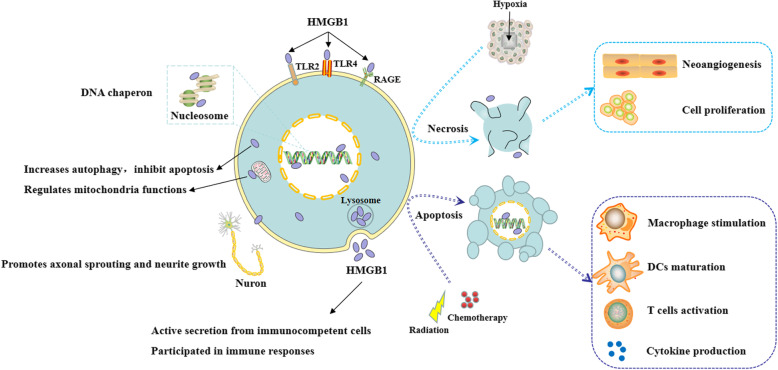
High mobility group box 1 (HMGB1) is a non-histone chromatin-associated protein widely distributed in eukaryotic cells and is involved in DNA damage repair and genomic stability maintenance. In response to stimulus like bacteria or chemoradiotherapy, HMGB1 can translocate to extracellular context as a danger alarmin, activate the immune response, and participate in the regulation of inflammation and cancer progression.
Overview
The claims and statistics of this paper haven’t been checked yet.
Free: it reads the open-access text and checks the first 5 claims that cite a source we can check. Create a free account to check every claim.
Integrity signals
Registry
Cites
Statistics
Figures
Verification
Claims the paper makes
The claims and statistics of this paper haven’t been checked yet.
Free: it reads the open-access text and checks the first 5 claims that cite a source we can check. Create a free account to check every claim.
Claims other papers make about this one
Each is checked against this paper’s own text: does it say what the citing paper says it does?
The source backs part of the claim, not all of it — or backs it for a different population, condition or comparison.
In the citing paper
“Stressed macrophages and mesothelial cells undergo cell necrosis, releasing the damage-associated molecular protein (DAMP) high mobility group box 1 (HMGB1) [20].”
From Chronic Inflammation, Oxidative Stress and Metabolic Plasticity: Three Players Driving the Pro-Tumorigenic Microenvironment in Malignant Mesothelioma (2023) · cites this paper as [20]
Experimental — accuracy not yet measured
Self-check
Percentages, sums and reported differences re-computed from the paper’s own numbers.
The self-check needs the paper’s full text.
Citations
Cites
Hallmarks of Cancer: The Next Generation
Hanahan, D., & Weinberg, R. A. (2011) · Cell · doi:10.1016/j.cell.2011.02.013 · Cited by 66,590 · cited 3×
“The dual effects of HMGB1 in cancer According to the alterations of the subcellular locations, receptors, and expression levels, HMGB1 is associated with the hallmarks of cancer proposed by Hanahan and Weinberg [12].”
BackgroundInfluentialHMGB1 is a therapeutic target for sterile inflammation and infection
Andersson, U., & Tracey, K. J. (2011) · Annual Review of Immunology · doi:10.1146/annurev-immunol-030409-101323 · Cited by 1,437 · cited 1×
“HMGB1 plays a critical role in the regulation of both innate and adaptive immune responses to promote immune response to sterile or infectious stimulus [6].”
BackgroundA New Group of Chromatin‐Associated Proteins with a High Content of Acidic and Basic Amino Acids
Goodwin, G. H., Sanders, C., & Johns, E. W. (1973) · European Journal of Biochemistry · doi:10.1111/j.1432-1033.1973.tb03026.x · Cited by 780 · cited 1×
“It was first extracted from calf-thymus chromatin in 1973 and named for its high mobility in gel electrophoresis [1].”
MethodThe Endotoxin Delivery Protein HMGB1 Mediates Caspase-11-Dependent Lethality in Sepsis
Deng, M., Tang, Y., Li, W., Wang, X., Zhang, R., Zhang, X., Zhao, X., Liu, J., Tang, C., Liu, Z., et al. (2018) · Immunity · doi:10.1016/j.immuni.2018.08.016 · Cited by 591 · cited 1×
“Pyroptotic macrophage death may accelerate undesirable immune hyperactivity and immunosuppression, which is a potential mechanism associated with late mortality from sepsis [8].”
BackgroundAbscopal effect of radiotherapy combined with immune checkpoint inhibitors
Liu, Y., Dong, Y., Kong, L., Shi, F., Zhu, H., & Yu, J. (2018) · Journal of Hematology & Oncology · doi:10.1186/s13045-018-0647-8 · Cited by 447 · cited 1×
“Activated NK cells provide an additional source of HMGB1, which is released into the immunological synapse between NK cells and immature DCs, promoting the maturation of DCs and the induction of Th1 response [17].”
BackgroundExtracellular HMGB1: a therapeutic target in severe pulmonary inflammation including COVID-19?
Andersson, U., Ottestad, W., & Tracey, K. J. (2020) · Molecular Medicine · doi:10.1186/s10020-020-00172-4 · Cited by 229
High mobility group box 1 (HMGB1): a pivotal regulator of hematopoietic malignancies
Yuan, S., Liu, Z., Xu, Z., Liu, J., & Zhang, J. (2020) · Journal of Hematology & Oncology · doi:10.1186/s13045-020-00920-3 · Cited by 226
Gao, Q., Wang, S., Chen, X., Cheng, S., Zhang, Z., Li, F., Huang, L., Yang, Y., Zhou, B., Yue, D., et al. (2019) · Journal for ImmunoTherapy of Cancer · doi:10.1186/s40425-019-0511-6 · Cited by 215
Self-citationPaudel, Y. N., Angelopoulou, E., Piperi, C., Balasubramaniam, V. R. M. T., Othman, I., & Shaikh, M. F. (2019) · European Journal of Pharmacology · doi:10.1016/j.ejphar.2019.172487 · Cited by 174 · cited 1×
“Extracellular HMGB1 transmits danger signals to surrounding cells by interacting with its classical receptors, such as the receptor for advanced glycation end products (RAGE) and Toll-like receptors 2/4/9 (TLR-2/4/9) [2].”
BackgroundPusterla, T., Nèmeth, J., Stein, I., Wiechert, L., Knigin, D., Marhenke, S., Longerich, T., Kumar, V., Arnold, B., Vogel, A., et al. (2013) · Hepatology · doi:10.1002/hep.26395 · Cited by 97
Cited by
Lactate metabolism in human health and disease
Li, X., Yang, Y., Zhang, B., Lin, X., Fu, X., An, Y., Zou, Y., Wang, J.-X., Wang, Z., & Yu, T. (2022) · Signal Transduction and Targeted Therapy · doi:10.1038/s41392-022-01151-3 · Cited by 1,454
Redox regulation: mechanisms, biology and therapeutic targets in diseases
Li, B., Ming, H., Qin, S., Nice, E. C., Dong, J., Du, Z., & Huang, C. (2025) · Signal Transduction and Targeted Therapy · doi:10.1038/s41392-024-02095-6 · Cited by 317
Hayes, C., Donohoe, C. L., Davern, M., & Donlon, N. E. (2021) · Cancer Letters · doi:10.1016/j.canlet.2020.12.021 · Cited by 213
Mao, Q., Min, J., Zeng, R., Liu, H., Li, H., Zhang, C., Zheng, A., Lin, J., Liu, X., & Wu, M. (2022) · Theranostics · doi:10.7150/thno.72509 · Cited by 137
“Besides the release of TAAs, tumor cells with immunogenic cell death have other distinct characteristics: CRT exposure on the cell membrane as a “eat me” signal to facilitate phagocytosis, HMGB1 release from nucleus to effectively promote the maturation of APCs, and ATP release as a “find me” signal to recruit more im…”
BackgroundZhou, J., Wang, W., Zhang, C.-Y., Ling, Y., Hong, X.-J., Su, Q., Li, W.-G., Mao, Z., Cheng, B., Tan, C., et al. (2022) · Biomaterials · doi:10.1016/j.biomaterials.2022.121757 · Cited by 111
Unboxing the molecular modalities of mutagens in cancer
Kumari, S., Sharma, S., Advani, D., Khosla, A., Kumar, P., & Ambasta, R. K. (2021) · Environmental Science and Pollution Research · doi:10.1007/s11356-021-16726-w · Cited by 124
“Extracellular secreted HMGB1 from cells encourage various cellular functions, including proliferation, inflammation, and angiogenesis, along with hampering host anti-cancer immunity, which together contributes to tumorigenesis (reviewed in (Wang and Zhang 2020)).”
BackgroundZhu, D., Zou, H., Liu, J., Wang, J., Ma, C., Yin, J., Peng, X., Li, D., Yang, Y., Ren, Y., et al. (2021) · Frontiers in Immunology · doi:10.3389/fimmu.2021.782792 · Cited by 105
“However, as a DAMP molecule, HMGB1 plays an important role in proinflammatory (36).”
BackgroundDesign of a self-driven probiotic-CRISPR/Cas9 nanosystem for sono-immunometabolic cancer therapy
Yu, J., Zhou, B., Zhang, S., Yin, H., Sun, L., Pu, Y., Zhou, B., Sun, Y., Li, X., Fang, Y., et al. (2022) · Nature Communications · doi:10.1038/s41467-022-35580-z · Cited by 104
Self-citationJing, X., Zhou, G. Y., Zhu, A., Jin, C., Li, M., & Ding, K. (2024) · Carbohydrate Polymers · doi:10.1016/j.carbpol.2024.122139 · Cited by 83
Immune and inflammatory mechanism of remote ischemic conditioning: A narrative review
Xu, Y., Wang, Y., & Ji, X. (2023) · Brain Circulation · doi:10.4103/bc.bc_57_22 · Cited by 75
“[14] To control innate and adaptive immunity, the highly conserved DNA‐binding protein HMGB1 is passively released by dead cells or actively secreted into the extracellular environment by inflammatory cells.[15] Receptors for advanced glycation end products (RAGE), toll-like receptor (TLR) 2, and TLR4 are known HMGB1…”
BackgroundTOX as a potential target for immunotherapy in lymphocytic malignancies
Liang, C., Huang, S., Zhao, Y., Chen, S., & Li, Y. (2021) · Biomarker Research · doi:10.1186/s40364-021-00275-y · Cited by 74
Taverna, S., Tonacci, A., Ferraro, M., Cammarata, G., Cuttitta, G., Bucchieri, S., Pace, E., & Gangemi, S. (2022) · Cells · doi:10.3390/cells11050849 · Cited by 68
“In human cancers such as colon, breast, lung, cervical, and liver carcinomas, an aberrant release of HMGB1 has been shown [60].”
BackgroundAmornsupak, K., Thongchot, S., Thinyakul, C., Box, C., Hedayat, S., Thuwajit, P., Eccles, S. A., & Thuwajit, C. (2022) · BMC Cancer · doi:10.1186/s12885-022-09675-1 · Cited by 65
“Discussion HMGB1 has several important roles in inflammation and cancer and appears to play paradoxical roles during the development and therapy of cancer according to subcellular locations, receptors, and expression levels [16].”
BackgroundCostagliola, G., Depietri, G., Michev, A., Riva, A., Foiadelli, T., Savasta, S., Bonuccelli, A., Peroni, D. G., Consolini, R., Marseglia, G. L., et al. (2022) · Frontiers in Neurology · doi:10.3389/fneur.2022.741244 · Cited by 62
Gao, X., Zhou, S., Qin, Z., Li, D., Zhu, Y., & Ma, D.-N. (2023) · Journal of Translational Medicine · doi:10.1186/s12967-023-03918-w · Cited by 62
“High-mobility group box 1 (HMGB1) is a highly conserved DNA-binding protein ubiquitous in mammalian cells, involved in maintaining nucleosome structure and regulating the transcription of various genes, and has been found abnormally expressed in many human cancers [26].”
BackgroundQiao, X., Li, W., Zheng, Z., Liu, C., Zhao, L., He, Y., & Li, H. (2024) · International Journal of Biological Sciences · doi:10.7150/ijbs.82003 · Cited by 65
“One of the defined DAMPs is the highly conserved nuclear DNA binding protein high mobility group box 1(HMGB1), which exists in the nucleus and plays a vital role in inflammation modulation [11, 12].”
BackgroundKuo, I.-Y., Hsieh, C., Kuo, W., Chang, C., & Wang, Y. (2022) · Journal of Biomedical Science · doi:10.1186/s12929-022-00837-8 · Cited by 59
Chong, Z. X., Yeap, S. K., & Ho, W. Y. (2021) · Pharmacological Research · doi:10.1016/j.phrs.2021.105818 · Cited by 54
Li, W., Chen, Q., Peng, C., Yang, D., Liu, S., Lv, Y., Jiang, L., Xu, S., & Li-hua, H. (2025) · International Journal of Molecular Sciences · doi:10.3390/ijms26010403 · Cited by 59
“In sterile inflammation related to ischemia–reperfusion injury (IRI), HMGB1 forms disulfide bonds and interacts with TLR-4, leading to enhanced synthesis of pro-inflammatory cytokines by macrophages [87].”
Multiple functions of HMGB1 in cancer
Lv, G., Yang, M., Gai, K., Jia, Q., Wang, Z., Wang, B., & Li, X. (2024) · Frontiers in Oncology · doi:10.3389/fonc.2024.1384109 · Cited by 55
Qin, W., Qiao, L., Wang, Q., Gao, M., Zhou, M., Sun, Q., Zhang, H., Yang, T., Shan, G., Yao, W., et al. (2024) · ACS Nano · doi:10.1021/acsnano.3c09499 · Cited by 50
Application of Regulatory Cell Death in Cancer: Based on Targeted Therapy and Immunotherapy
Qi, X., Li, Q., Che, X., Wang, Q., & Wu, G. (2022) · Frontiers in Immunology · doi:10.3389/fimmu.2022.837293 · Cited by 58
Feng, W., Chen, J., Huang, W., Wang, G., Chen, X., Duan, L., Yin, Y., Chen, X., Zhang, B., Sun, M., et al. (2023) · Theranostics · doi:10.7150/thno.84388 · Cited by 52
“As a typical damage-associated molecular pattern (DAMP), extracellular HMGB1 transmits danger signals to neighboring cells by interacting with its classical receptors, including Toll-like receptors 2/4/9 (TLR2/4/9) and receptor for advanced glycation end products (RAGE) [12].”
Hypoxia-induced HMGB1 promotes glioma stem cells self-renewal and tumorigenicity via RAGE
Ye, C., Li, H., Li, Y., Zhang, Y., Liu, G., Mi, H., Li, H., Xiao, Q., Niu, L., & Yu, X. (2022) · iScience · doi:10.1016/j.isci.2022.104872 · Cited by 44
Self-citationDing, J., Yang, L. G., Zhao, X., Long, S., Du, J., Sun, W. C., Fan, J., & Peng, X. (2024) · Advanced Materials · doi:10.1002/adma.202400196 · Cited by 45
Leveling Up the Controversial Role of Neutrophils in Cancer: When the Complexity Becomes Entangled
Sionov, R. V. (2021) · Cells · doi:10.3390/cells10092486 · Cited by 50
Extracellular Vesicles and DAMPs in Cancer: A Mini-Review
Abu, N., Bakarurraini, N. A. A. R., & Nasir, S. N. (2021) · Frontiers in Immunology · doi:10.3389/fimmu.2021.740548 · Cited by 48
“In cancer, the role of HMGB1 needs further understanding as dual roles of HMGB1 have been reported (42, 46).”
BackgroundZhu, L., Zheng, Q., Liu, X., Ding, H., Ma, M., Bao, J., Cai, Y., & Cao, C. (2025) · Frontiers in Immunology · doi:10.3389/fimmu.2024.1475543 · Cited by 53
The Interplay Between Inflammation and Stromal Components in Pancreatic Cancer
Li, Y., Wang, J., Wang, H., Zhang, S., Wei, Y., & Liu, S. (2022) · Frontiers in Immunology · doi:10.3389/fimmu.2022.850093 · Cited by 49
“In addition, HMGB1 promotes the release of IL-6 and IL-8 by activating MAPK- and MyD88-dependent NF-kB pathways, resulting in promoted tumor proliferation, angiogenesis, EMT, invasion and metastasis (75).”
BackgroundRole of HMGB1 in Cutaneous Melanoma: State of the Art
Pomi, F. L., Borgia, F., Custurone, P., Vaccaro, M., Pioggia, G., & Gangemi, S. (2022) · International Journal of Molecular Sciences · doi:10.3390/ijms23169327 · Cited by 41
HMGB1/RAGE axis in tumor development: unraveling its significance
Fan, A., Gao, M., Tang, X., Jiao, M., Wang, C., Wei, Y., Gong, Q., & Zhong, J. (2024) · Frontiers in Oncology · doi:10.3389/fonc.2024.1336191 · Cited by 49
Radiation-induced lung injury: from mechanism to prognosis and drug therapy
Wang, S., Xu, D., Xiao, L., Liu, B., & Yuan, X. (2025) · Radiation Oncology · doi:10.1186/s13014-025-02617-8 · Cited by 48
“Radiation can cause immunogenic cell death (ICD) of tumor cells and release DAMPs such as HMGB1, which can bind to various surface receptors such as TLR2 and TLR4 and activate the NF-κB pathway [55].”
Self-citationLi, X., Yang, X., Lü, H., Wang, W., Cai, L., Chen, J., & Wang, Y. (2023) · Acta Biochimica et Biophysica Sinica · doi:10.3724/abbs.2023125 · Cited by 36
“In the inflammatory state, HMGB1 can be passively released from necrotic cells or actively secreted by immunocompetent cells, such as monocytes, macrophages, and microglia [2].”
BackgroundThe Immune Pathogenesis of Acute-On-Chronic Liver Failure and the Danger Hypothesis
Qiang, R., Liu, X.-Z., & Xu, J. (2022) · Frontiers in Immunology · doi:10.3389/fimmu.2022.935160 · Cited by 42
“A DAMP, HMGB1 is actively secreted by immunocompetent cells or passively released from apoptotic necrotic cells, which activates the immune response and promotes inflammation and cancer development (120).”
BackgroundMolecular mechanisms of secretory autophagy and its potential role in diseases
Li, Q., Peng, G., Liu, H., Wang, L., Lu, R., & Li, L. (2024) · Life Sciences · doi:10.1016/j.lfs.2024.122653 · Cited by 38
Katifelis, H., Nikou, M.-P., Mukha, I., Vityuk, N., Lаgopati, N., Piperi, C., Farooqı, A. A., Pippa, Ν., EFSTATHOPOULOS, E. P., & Gazouli, M. (2022) · Cancers · doi:10.3390/cancers14061546 · Cited by 36
“The former has a complex and sometimes paradoxical role, since studies suggest different actions: danger signaling [15], promoting tumor cell proliferation and tumor cell death [44,45].”
BackgroundFiorilla, I., Martinotti, S., Todesco, A. M., Bonsignore, G., Cavaletto, M., Patrone, M., Ranzato, E., & Audrito, V. (2023) · Cells · doi:10.3390/cells12162048 · Cited by 39
“Stressed macrophages and mesothelial cells undergo cell necrosis, releasing the damage-associated molecular protein (DAMP) high mobility group box 1 (HMGB1) [20].”
BackgroundLiu, K., Wang, H., Zhou, J., Zhu, S., Ma, M., Xiao, H., & Ding, Y. (2023) · Cell Biology International · doi:10.1002/cbin.12110 · Cited by 37
“The increased expression of HMGB1 is closely related to core events of cancer, such as invasion and metastasis, as well as resistance to chemotherapy (Qian et al., 2019; Wang & Zhang, 2020).”
BackgroundA Mathematical Model of Breast Tumor Progression Based on Immune Infiltration
Mirzaei, N. M., Su, S., Sofia, D., Hegarty, M., Abdel‐Rahman, M. H., Asadpoure, A., Cebulla, C. M., Chang, Y. H., Hao, W., Jackson, P., et al. (2021) · Journal of Personalized Medicine · doi:10.3390/jpm11101031 · Cited by 38
“HMGB1 is secreted by mature dendritic cells [59,60,73], necrotic cells [23,73,74], macrophages, [73,75,76], natural killer (NK) cells (which behave like cytotoxic T-cells) [73,77,78], and cancer cells [23,59,60].”
BackgroundKazemi, N., Bordbar, A., Bavarsad, S. S., Ghasemi, P., Bakhshi, M., & Rezaeeyan, H. (2024) · Molecular Biotechnology · doi:10.1007/s12033-023-01010-8 · Cited by 36
Advancements in Stimulus-Responsive Co-Delivery Nanocarriers for Enhanced Cancer Immunotherapy
Zhang, M.-R., Fang, L., Guo, Y., Wang, Q., Li, Y., Sun, H., Xie, S., & Liang, Y. (2024) · International Journal of Nanomedicine · doi:10.2147/ijn.s454004 · Cited by 38
Wu, M., Zhao, L., Wang, Y., Guo, Q., An, Q., Geng, J., Zhang, C., & Guo, Z. (2022) · Journal of Neuropathology & Experimental Neurology · doi:10.1093/jnen/nlac035 · Cited by 36
Strategies for Heating Up Cold Tumors to Boost Immunotherapies
Zabransky, D. J., Yarchoan, M. M., & Jaffee, E. M. (2023) · Annual Review of Cancer Biology · doi:10.1146/annurev-cancerbio-061421-040258 · Cited by 38
Role of HMGB1 and its associated signaling pathways in human malignancies
Idoudi, S., Bedhiafi, T., Pedersen, S., Elahtem, M., Alremawi, I., Akhtar, S., Dermime, S., Merhi, M., & Shahab Uddin, M. S. (2023) · Cellular Signalling · doi:10.1016/j.cellsig.2023.110904 · Cited by 37
“Interestingly, HMGBs are suggested as promising predictive biomarkers for patients prognosis and response to immunotherapy in multiple cancers since they are upregulated in most human cancers including leukemia, lymphoma, and sarcoma [63,65].”
Wang, L., Geng, G., Zhu, T., Chen, W., Li, X., Gu, J., & Jiang, E. (2022) · Cells · doi:10.3390/cells11233781 · Cited by 32
HMGB1: a double-edged sword and therapeutic target in the female reproductive system
Ren, Y., Zhu, D., Han, X., Zhang, Q., Chen, B., Zhou, P., Wei, Z., Zhang, Z., Cao, Y., & Zou, H. (2023) · Frontiers in Immunology · doi:10.3389/fimmu.2023.1238785 · Cited by 31
“In addition to its intracellular functions, HMGB1 can be transferred into the extracellular environment (5).”
BackgroundNanoparticle-mediated immunogenic cell death for cancer immunotherapy
Qi, H., Li, Y., Geng, Y., Wan, X., & Cai, X. (2024) · International Journal of Pharmaceutics · doi:10.1016/j.ijpharm.2024.124045 · Cited by 34
AllergoOncology: Role of immune cells and immune proteins
Gioacchino, M. D., Valle, L. D., Allegra, A., Pioggia, G., & Gangemi, S. (2022) · Clinical and Translational Allergy · doi:10.1002/clt2.12133 · Cited by 34
“proteins consisting of HMGA, HMGB and HMGN families, of which HMGB1 is one the most studied alarmins.(98) Under resting conditions,”
BackgroundHMGB1 promotes chemoresistance in small cell lung cancer by inducing PARP1-related nucleophagy
Shen, W., Lyu, Q., Yi, R., Sun, Y., Zhang, W., Wei, T., Zhang, Y., Shi, J., & Zhang, J. (2023) · Journal of Advanced Research · doi:10.1016/j.jare.2023.12.020 · Cited by 32
Self-citationImmunologic role of macrophages in sepsis-induced acute liver injury
Xu, W., Hou, H., Yang, W., Tang, W., & Sun, L. (2024) · International Immunopharmacology · doi:10.1016/j.intimp.2024.113492 · Cited by 40
Pastori, C., Nafie, E. H. O., Wagh, M. S., Mammarappallil, J. G., & Neal, R. E. (2023) · Journal of Vascular and Interventional Radiology · doi:10.1016/j.jvir.2023.11.021 · Cited by 29
Progress in cytokine research for ARDS: A comprehensive review
Zhou, K., & Lu, J. (2024) · Open Medicine · doi:10.1515/med-2024-1076 · Cited by 43
Meng, X., Na, R., Peng, X., Li, H., Ouyang, W., Zhou, W., You, X., Li, Y., Pu, X., Zhang, K., et al. (2024) · Cell Communication and Signaling · doi:10.1186/s12964-024-01495-z · Cited by 31
“In addition, HMGB1 can mediate immunogenic cell death and enhance antitumor immunity [67].”
BackgroundHypoxia and the Receptor for Advanced Glycation End Products (RAGE) Signaling in Cancer
Taneja, S., Vetter, S. W., & Leclerc, E. (2021) · International Journal of Molecular Sciences · doi:10.3390/ijms22158153 · Cited by 28
Advances in cold atmospheric plasma therapy for cancer
Fang, T., Chen, Z., & Chen, G. (2025) · Bioactive Materials · doi:10.1016/j.bioactmat.2025.07.031 · Cited by 50
“Scheme of CAP generating devices, including the feeding gases, CAP jet, DBD, corona discharge, and arc discharge systems. and promotes their activation [106,107]; HMGB1 can bind to Toll-like receptors (TLRs) on immune cells and enhance the inflammatory response [108,109].”
Ferroptosis: a new strategy for Chinese herbal medicine treatment of diabetic nephropathy
Wei, M., Liu, X., Tan, Z., Tian, X., Li, M., & Wei, J. (2023) · Frontiers in Endocrinology · doi:10.3389/fendo.2023.1188003 · Cited by 28
Thongpon, P., Intuyod, K., Chomwong, S., Pongking, T., Klungsaeng, S., Muisuk, K., Charoenram, N., Sitthirach, C., Thanan, R., Pinlaor, P., et al. (2024) · Scientific Reports · doi:10.1038/s41598-024-66945-7 · Cited by 29
Shen, P., Peng, Y., Zhou, X., Jiang, X., Raj, R., Ge, H., Wang, W., Yu, B., & Zhang, J. (2022) · LWT · doi:10.1016/j.lwt.2022.113983 · Cited by 25
Ali, N. B., Ibrahim, S. S. A., Alsherbiny, M. A., Sheta, E., El‐Shiekh, R. A., Ashour, R. M. S., El-Gazar, A. A., Ragab, G. M., El-Gayed, S. H., Li, C. G., et al. (2023) · Journal of Ethnopharmacology · doi:10.1016/j.jep.2023.117115 · Cited by 25
Mechanisms involved in the HMGB1 modulation of tumor multidrug resistance (Review)
Shao, L., Li, Z., Wang, M., Ning, Y., Chen, F.-Q., Gao, X.-Q., Yang, C.-T., Wang, H., & Liu, X. (2023) · International Journal of Molecular Medicine · doi:10.3892/ijmm.2023.5272 · Cited by 26
“The overexpression of HMGB1 in cells with C‑tail deletion can affect the transcription, translation and expres‑ sion of downstream genes (45), through the regulation of DNA damage repair and genome stability maintenance (46).”
Crosstalk between lactate and tumor-associated immune cells: clinical relevance and insight
Sun, K., Shen, Y., Xiao, X., Xu, H., Zhang, Q., & Li, M. (2024) · Frontiers in Oncology · doi:10.3389/fonc.2024.1506849 · Cited by 30
Qian, X., Yi, W., Yan, W., Cai, Y., Hu, S., Yan, D., Zhao, Z., Li, R. H., Wang, L., Xu, H., et al. (2025) · Advanced Materials · doi:10.1002/adma.202413289 · Cited by 30
Wang, Y., Zong, H., & Zhou, H. (2021) · Bioengineered · doi:10.1080/21655979.2021.1914470 · Cited by 23
Wang, R., Fu, Y., Yao, M., Cui, X., Zhao, Y. D., Lu, X., Li, Y., Lin, Y., & He, S. (2022) · FEBS Journal · doi:10.1111/febs.16531 · Cited by 26
MAP7D2 reduces CD8+ cytotoxic T lymphocyte infiltration through MYH9-HMGB1 axis in colorectal cancer
Wu, Q., Yue, X., Liu, H., Zhu, Y., Ke, H., Yang, X., Yin, S., Li, Z., Zhang, Y., Hu, T., et al. (2022) · Molecular Therapy · doi:10.1016/j.ymthe.2022.09.001 · Cited by 24
Self-citationJin, Y., Jiang, J. F., Mao, W. B., Bai, M., Chen, Q., & Zhu, J. Y. (2024) · Cancer Letters · doi:10.1016/j.canlet.2024.216858 · Cited by 28
Oncolytic virus and immunogenic cell death in cancer therapy
Cao, G., Ding, C., Dai, J., & Qiu, X. (2025) · Tumour Virus Research · doi:10.1016/j.tvr.2025.200333 · Cited by 28
“OV infection (e.g., Ads, NDV [167], Coxsackievirus [CV] [168,169]) causes membrane damage, driving HMGB1 passive release from the nucleus to the TME [166].”
TLR4-Dependent DUOX2 Activation Triggered Oxidative Stress and Promoted HMGB1 Release in Dry Eye
Wang, B., Zeng, H., Zuo, X., Yang, X., Wang, X., He, D., & Yuan, J. (2022) · Frontiers in Medicine · doi:10.3389/fmed.2021.781616 · Cited by 21
“Interestingly, after post-translational modifications, HMGB1 could translocate from the nucleus to the cytoplasm, and thereby involved in cellular immune reaction (17, 18).”
BackgroundBaraniya, D., Chitrala, K. N., & Al-Hebshi, N. N. (2022) · Journal of Oral Microbiology · doi:10.1080/20002297.2022.2073866 · Cited by 21
Bian, S., Yang, L., Zhao, D., Lv, L., Wang, T., & Yuan, H. (2023) · Inflammation Research · doi:10.1007/s00011-023-01694-3 · Cited by 23
“The accumulation of age-related DAMPs, which can bind to cell surface receptors on innate immune cells, is an important trigger for aseptic inflammation [40, 41].”
BackgroundLi, C., Li, L., & Lan, T. (2021) · Journal of Orthopaedic Surgery and Research · doi:10.1186/s13018-021-02262-3 · Cited by 25
High Mobility Group Protein B1 Decreases Surface Localization of PD-1 to Augment T-cell Activation
Gao, Q., Wang, S., Li, F., Lian, J., Cheng, S., Yue, D., Zhang, Z., Liu, S., Ren, F., Zhang, D., et al. (2022) · Cancer Immunology Research · doi:10.1158/2326-6066.cir-21-0652 · Cited by 21
Self-citationLu, H., Zhu, M., Qu, L., Shao, H., Zhang, R., & Li, Y. (2022) · Cancers · doi:10.3390/cancers14194875 · Cited by 19
“HMGB1, a chromatin-binding nonhistone, is a highly conservative nucleoprotein [4].”
BackgroundCellular senescence: from homeostasis to pathological implications and therapeutic strategies
Li, C., Yuan, Y., Jia, Y., Zhou, Q., Wang, Q., & Jiang, X. (2025) · Frontiers in Immunology · doi:10.3389/fimmu.2025.1534263 · Cited by 29
Engineered nanomaterials trigger abscopal effect in immunotherapy of metastatic cancers
Xia, Y., Yang, R., Zhu, J., Wang, H., Li, Y., Fan, J., & Fu, C. (2022) · Frontiers in Bioengineering and Biotechnology · doi:10.3389/fbioe.2022.890257 · Cited by 19
“In addition to TAAs, high-mobility group box 1 (HMGB1), damage-associated molecular patterns (DAMPs), and histone proteins have also been shown to promote the recruitment of DCs (Ren et al., 2018; McCaw et al., 2019; Wang and Zhang, 2020).”
BackgroundZhou, Y., Liu, X., Zhang, W., Xu, Y., Zhang, Q., Xiong, S., Tang, H., & Luo, B. (2023) · International Journal of Hyperthermia · doi:10.1080/02656736.2023.2174709 · Cited by 17
“Previous studies have shown that HMGB1 can be released extracellularly from injured or necrotic cells or actively secreted by immune cells to mediate immune responses during injury [18,28 – 30].”
BackgroundWu, S., Wang, J., Liu, J., Zhu, H., Li, R., Wan, X., Lei, J., Li, Y., You, C., Hu, F., et al. (2023) · Cellular Signalling · doi:10.1016/j.cellsig.2023.110683 · Cited by 17
El‐Gendy, Z. A., Taher, R. F., Elgamal, A. M., Serag, A., Hassan, A. M., Jaleel, G. A. A., Farag, M. A., & Elshamy, A. I. (2023) · Antioxidants · doi:10.3390/antiox12061263 · Cited by 19
Napolitano, E., Criscuolo, A., Riccardi, C., Esposito, C. L., Catuogno, S., Coppola, G., Roviello, G. N., Montesarchio, D., & Musumeci, D. (2024) · Angewandte Chemie International Edition · doi:10.1002/anie.202319828 · Cited by 19
Organelle-targeted photodynamic platforms: from ICD activation to tumor ablation
Du, F., Chen, Z., Li, X., Hong, X., Wang, L., Cai, F., Yang, N., & Yu, C. (2025) · Chemical Communications · doi:10.1039/d5cc03574k · Cited by 17
Yao, W., Tao, R., Wang, K., & Ding, X. (2024) · Chinese Journal of Natural Medicines · doi:10.1016/s1875-5364(24)60618-7 · Cited by 18
HMGB1 overexpression promotes a malignant phenotype and radioresistance in ESCC
Dong, J., Zhang, X., Du, X., Zou, N., Shen, W., Ma, M., Wang, Y., & Zhu, S. (2022) · Journal of Cancer · doi:10.7150/jca.73761 · Cited by 17
“proposed that by targeting the HMGB1-RB axis, SEPT9 methylation promoted tumorigenesis and radioresistance of cervical cancer [8], and under chemoradiotherapy or hypoxia, HMGB1 can be translocated [9].”
BackgroundWang, Q., Wei, D., Li, C., Yang, X., Su, K., Wang, T., Zou, R., Wang, L., Cun, D., Tang, B., et al. (2025) · Molecular Medicine · doi:10.1186/s10020-025-01285-4 · Cited by 16
“High mobility group box 1 (HMGB1) is a non-histone chromatin-associated protein that is widely distributed in eukaryotic cells and plays a role in DNA damage repair and genomic stability maintenance (Wang and Zhang 2020).”
MIR3142HG promotes lipopolysaccharide-induced acute lung injury by regulating miR-450b-5p/HMGB1 axis
Gong, X., Zhu, L., Liu, J., Li, C., Xu, Z., Liu, J., & Zhang, H. (2021) · Molecular and Cellular Biochemistry · doi:10.1007/s11010-021-04209-y · Cited by 15
Yang, X., Pan, Y., Cai, L., Wang, W., Zhai, X., Zhang, Y., Wu, Q., Chen, J., Zhang, C., & Wang, Y. (2024) · Journal of Inflammation Research · doi:10.2147/jir.s480262 · Cited by 20
Self-citationWei, X., Yang, M. W., Zou, H., Shen, S., Li, Y., Chen, L., Liu, Y., Li, D., & Ding, J. (2025) · Journal of Controlled Release · doi:10.1016/j.jconrel.2025.02.020 · Cited by 14
Fang, M., Zheng, J., Wang, J., Zheng, C. Y., Leng, X., Wen, E., Li, P., Ran, H., Zhang, L., & Wang, Z. (2024) · Biomaterials Research · doi:10.34133/bmr.0028 · Cited by 14
“The involvement of CRT signals in antigen presentation is crucial for the initiation of tumor-associated immune responses [30].”
BackgroundGe, S., Wu, S., Yin, Q., Tan, M., Wang, S., Yang, Y., Chen, Z., Xu, L., Zhang, H., Meng, C., et al. (2024) · Journal of Ethnopharmacology · doi:10.1016/j.jep.2024.118612 · Cited by 15
Self-citationKidney Organoids Are Capable of Forming Tumors, but Not Teratomas
Shankar, A., Du, Z., Mora, H. T., Boers, R., Cao, W., van den Bosch, T. P. P., Korevaar, S. S., Boers, J., van IJcken, W. F. J., Bindels, E. M., et al. (2022) · Stem Cells · doi:10.1093/stmcls/sxac009 · Cited by 14
Cancer Development and Progression Through a Vicious Cycle of DNA Damage and Inflammation
Kawanishi, S., Wang, G., Ma, N., & Murata, M. (2025) · International Journal of Molecular Sciences · doi:10.3390/ijms26073352 · Cited by 13
Lv, X., Yang, W., Guo, Z., Wu, W., Li, Y., Yan, X., Wang, W., Zhang, T., Sun, J., Wang, L., et al. (2022) · International Journal of Biological Macromolecules · doi:10.1016/j.ijbiomac.2022.04.166 · Cited by 12
Yang, X., Tang, X., Jia, G., Wang, Y., Yang, L., Li, Y., Wu, M., Zhang, Z., Yu, Y., Xiao, Y., et al. (2023) · ACS Applied Materials & Interfaces · doi:10.1021/acsami.3c13580 · Cited by 17
Guran, E., HU, J. L., Wefel, J. S., Chung, C. D., & Cata, J. P. (2022) · British Journal of Anaesthesia · doi:10.1016/j.bja.2022.08.037 · Cited by 14
Shi, G., Zhang, C., Li, G., Wang, K., Cai, Q., & Huang, M. (2022) · Ecotoxicology and Environmental Safety · doi:10.1016/j.ecoenv.2023.114583 · Cited by 12
Guan, H., Zhong, M., Ma, K., Tang, C., Wang, X., Ouyang, M., Qin, R., Chen, J., Zhu, E., Zhu, T., et al. (2023) · Journal of Inflammation Research · doi:10.2147/jir.s386898 · Cited by 15
“In summary, HMGB1 seems to play different roles in different diseases due to differences in cell type, receptor, location, and expression level.(16) The relationship between the expression level of HMGB1 and tumor response to common chemotherapeutic drugs and targeted drugs was analyzed by GDSC2 platform.”
BackgroundMethodZhou, S., Yu, Z., Chen, Z., Ning, F., Hu, X., Wu, T., Li, M., Xin, H., Reilly, S. N., & Zhang, X. (2023) · Frontiers in Pharmacology · doi:10.3389/fphar.2023.1187818 · Cited by 17
“Nuclear HMGB1 regulates the repair of DNA damage and genome stability as a non-histone, chromatin-associated protein and DNA “chaperone” (Wang and Zhang, 2020).”
BackgroundMa, Y., Feng, Q., Han, B., Yu, R., & Jin, Z.-Y. (2023) · Hereditas · doi:10.1186/s41065-023-00294-9 · Cited by 17
“Elevated HMGB1 in tumor cells has been correlated with tumor formation, cell proliferation and metastasis, and chemotherapy response [33, 34].”
BackgroundZeng, H. H., Ma, M., Wang, Y., Chen, M. H., & Huang, D. (2023) · European Journal of Pharmacology · doi:10.1016/j.ejphar.2023.176178 · Cited by 12
Li, T., Guo, L., Li, J., Mu, X., Liu, L., Song, S., Luo, N., Zhang, Q., Zheng, B., & Jin, G. (2024) · International Journal of Nanomedicine · doi:10.2147/ijn.s445879 · Cited by 12
Mirzaei, N. M., Changizi, N., Asadpoure, A., Su, S., Sofia, D., Tatárová, Z., Zervantonakis, I. K., Chang, Y. H., & Shahriyari, L. (2022) · PLoS Computational Biology · doi:10.1371/journal.pcbi.1009953 · Cited by 19
“HMGB1 is mainly produced by dendritic cells [90, 91, 109, 110], necrotic cells [66, 109, 111, 112], macrophages, [109, 113–115], natural killer (NK) cells which behave like cytotoxic T-cells [109, 116–118], and cancer cells [66, 90, 91].”
Metadata
- Authors
- Wang, S., & Zhang, Y.
- Affiliations
- Zhengzhou University (CN)
- Corresponding author
- Zhang, Yi
- ORCID
- Zhang, Yi
- Venue
- Journal of Hematology & Oncology
- Published
- 2020-08-24
- Volume
- 13
- Issue
- 1
- Pages
- 116-116
- ISSN
- 1756-8722 (ISSN-L)
- PMC
- PMC7443612
- OpenAlex
- W3080129155
- Cited by
- 294
- References
- 17
- Citations by year
- 2026: 44 · 2025: 65 · 2024: 53 · 2023: 65 · 2022: 50 · 2021: 16 · 2020: 1
- Type
- journal article
- Language
- en
- Open access
- gold
- doi.org
- Licence
- cc-by
- creativecommons.org/licenses/by/4.0 (tdm)
- creativecommons.org/licenses/by/4.0 (vor)
- Locations
- Journal of Hematology & Oncology (publishedVersion, cc-by)
- PubMed Central (publishedVersion, cc-by)
- PubMed (publishedVersion)
- DOAJ (DOAJ: Directory of Open Access Journals) (submittedVersion, cc-by-sa)
- Funders
- the National Key Research and Development Program of China (2016YFC1303500)
- Topics
- Life Sciences › Biochemistry, Genetics and Molecular Biology › Clinical Biochemistry › Advanced Glycation End Products research
- Life Sciences › Immunology and Microbiology › Immunology › Immune Response and Inflammation
- Life Sciences › Biochemistry, Genetics and Molecular Biology › Molecular Biology › S100 Proteins and Annexins
- Keywords
- HMGB1, high mobility group box 1, inflammation, tumor progression, extracellular HMGB1, DNA repair, genome stability, immune response, chemoradiotherapy
- MeSH terms
- Autophagy, Cell Nucleus, Cell Survival, Cytoplasm, DNA Repair, Humans, Immunity, Immunotherapy, Inflammation, Neoplasm Proteins, Neoplasms, Cytokines, Apoptosis, HMGB1 Protein, Chemoradiotherapy, Carcinogenesis
About these checks
Registry, retraction, Cites and statistics results are computed, not judged, with one exception: a printed reference that no index lists is read once by a model before it counts as a citation error. Claims are extracted by a model and kept only when their quote appears verbatim in the text; each cited source is then checked, with a model’s help, for whether it says what the claim relies on. Those verdicts can be wrong — read the claim’s quote and the cited source before relying on one.
Statistics and arithmetic are recomputed, not judged.
Confidence bands are shown only for fields calibrated on our annotated test set. None is calibrated yet, so no band is shown.
What counts as a claim ›How we measure confidence ›How we check this ›
Are you an author, or do you see a problem with this page? Request a review
Data sources
Bibliographic data: Semantic Scholar, OpenAlex, Crossref.
Contains information from the Semantic Scholar Academic Graph Datasets, made available under the ODC Attribution License (ODC-BY 1.0).
Semantic Scholar’s data is described in: Kinney, R., et al. (2023). The Semantic Scholar Open Data Platform. arXiv:2301.10140.
