

HMGB1 in inflammation and cancer
Open accessThe DOI matches its Crossref record; 17 of the 17 references it cites were found in a registry or an index.
Abstract
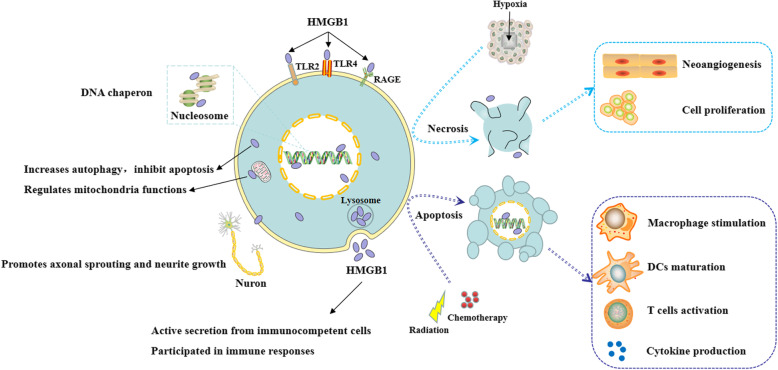
High mobility group box 1 (HMGB1) is a non-histone chromatin-associated protein widely distributed in eukaryotic cells and is involved in DNA damage repair and genomic stability maintenance. In response to stimulus like bacteria or chemoradiotherapy, HMGB1 can translocate to extracellular context as a danger alarmin, activate the immune response, and participate in the regulation of inflammation and cancer progression.
Overview
The claims and statistics of this paper haven’t been checked yet.
Free: it reads the open-access text and checks the first 5 claims that cite a source we can check. Create a free account to check every claim.
Integrity signals
Registry
Cites
Statistics
Figures
Verification
Claims the paper makes
The claims and statistics of this paper haven’t been checked yet.
Free: it reads the open-access text and checks the first 5 claims that cite a source we can check. Create a free account to check every claim.
Claims other papers make about this one
Each is checked against this paper’s own text: does it say what the citing paper says it does?
The source backs part of the claim, not all of it — or backs it for a different population, condition or comparison.
In the citing paper
“Stressed macrophages and mesothelial cells undergo cell necrosis, releasing the damage-associated molecular protein (DAMP) high mobility group box 1 (HMGB1) [20].”
From Chronic Inflammation, Oxidative Stress and Metabolic Plasticity: Three Players Driving the Pro-Tumorigenic Microenvironment in Malignant Mesothelioma (2023) · cites this paper as [20]
Experimental — accuracy not yet measured
Self-check
Percentages, sums and reported differences re-computed from the paper’s own numbers.
The self-check needs the paper’s full text.
Citations
Cites
Hallmarks of Cancer: The Next Generation
Hanahan, D., & Weinberg, R. A. (2011) · Cell · doi:10.1016/j.cell.2011.02.013 · Cited by 66,590 · cited 3×
“The dual effects of HMGB1 in cancer According to the alterations of the subcellular locations, receptors, and expression levels, HMGB1 is associated with the hallmarks of cancer proposed by Hanahan and Weinberg [12].”
BackgroundInfluentialHMGB1 is a therapeutic target for sterile inflammation and infection
Andersson, U., & Tracey, K. J. (2011) · Annual Review of Immunology · doi:10.1146/annurev-immunol-030409-101323 · Cited by 1,437 · cited 1×
“HMGB1 plays a critical role in the regulation of both innate and adaptive immune responses to promote immune response to sterile or infectious stimulus [6].”
BackgroundA New Group of Chromatin‐Associated Proteins with a High Content of Acidic and Basic Amino Acids
Goodwin, G. H., Sanders, C., & Johns, E. W. (1973) · European Journal of Biochemistry · doi:10.1111/j.1432-1033.1973.tb03026.x · Cited by 780 · cited 1×
“It was first extracted from calf-thymus chromatin in 1973 and named for its high mobility in gel electrophoresis [1].”
MethodThe Endotoxin Delivery Protein HMGB1 Mediates Caspase-11-Dependent Lethality in Sepsis
Deng, M., Tang, Y., Li, W., Wang, X., Zhang, R., Zhang, X., Zhao, X., Liu, J., Tang, C., Liu, Z., et al. (2018) · Immunity · doi:10.1016/j.immuni.2018.08.016 · Cited by 591 · cited 1×
“Pyroptotic macrophage death may accelerate undesirable immune hyperactivity and immunosuppression, which is a potential mechanism associated with late mortality from sepsis [8].”
BackgroundAbscopal effect of radiotherapy combined with immune checkpoint inhibitors
Liu, Y., Dong, Y., Kong, L., Shi, F., Zhu, H., & Yu, J. (2018) · Journal of Hematology & Oncology · doi:10.1186/s13045-018-0647-8 · Cited by 447 · cited 1×
“Activated NK cells provide an additional source of HMGB1, which is released into the immunological synapse between NK cells and immature DCs, promoting the maturation of DCs and the induction of Th1 response [17].”
BackgroundExtracellular HMGB1: a therapeutic target in severe pulmonary inflammation including COVID-19?
Andersson, U., Ottestad, W., & Tracey, K. J. (2020) · Molecular Medicine · doi:10.1186/s10020-020-00172-4 · Cited by 229
High mobility group box 1 (HMGB1): a pivotal regulator of hematopoietic malignancies
Yuan, S., Liu, Z., Xu, Z., Liu, J., & Zhang, J. (2020) · Journal of Hematology & Oncology · doi:10.1186/s13045-020-00920-3 · Cited by 226
Gao, Q., Wang, S., Chen, X., Cheng, S., Zhang, Z., Li, F., Huang, L., Yang, Y., Zhou, B., Yue, D., et al. (2019) · Journal for ImmunoTherapy of Cancer · doi:10.1186/s40425-019-0511-6 · Cited by 215
Self-citationPaudel, Y. N., Angelopoulou, E., Piperi, C., Balasubramaniam, V. R. M. T., Othman, I., & Shaikh, M. F. (2019) · European Journal of Pharmacology · doi:10.1016/j.ejphar.2019.172487 · Cited by 174 · cited 1×
“Extracellular HMGB1 transmits danger signals to surrounding cells by interacting with its classical receptors, such as the receptor for advanced glycation end products (RAGE) and Toll-like receptors 2/4/9 (TLR-2/4/9) [2].”
BackgroundPusterla, T., Nèmeth, J., Stein, I., Wiechert, L., Knigin, D., Marhenke, S., Longerich, T., Kumar, V., Arnold, B., Vogel, A., et al. (2013) · Hepatology · doi:10.1002/hep.26395 · Cited by 97
Cited by
Items 201–296 of 296
Targeting the HMGB1-IL32 pathway to alleviate T cell exhaustion in epithelial ovarian cancer
Murmu, A., & Győrffy, B. (2025) · GeroScience · doi:10.1007/s11357-025-01963-5 · Cited by 2
“HMGB1 plays a crucial role in tumor progression [38].”
Systemic downregulation of EV-associated MiRNAs following remote ischemic preconditioning
Drysch, M., Fiedler, A., Schmidt, S. V., Reinkemeier, F., Puscz, F., Kurbacher, T., Frey, U. H., Ochsenfarth, C., Lehnhardt, M., Wallner, C., et al. (2025) · Scientific Reports · doi:10.1038/s41598-025-31356-9 · Cited by 2
Li, M., He, L., Wang, L., Wang, L., Pan, Q., Sun, P., Li, D., & Zhang, C. (2026) · Biomaterials · doi:10.1016/j.biomaterials.2026.124043 · Cited by 6
Yang, Y., Zhang, D., Xu, Z., Wang, C., Wu, R., Ma, S., Yuan, Y., Sun, Y., Qian, J., Jiang, X., et al. (2026) · BMC Immunology · doi:10.1186/s12865-026-00812-0 · Cited by 2
“As a signature sentinel of the damage-associated molecular pattern ensemble, HMGB1 operates as a potent secondary alarm, amplifying cytokine outflow via engagement with Toll-like pattern sensors and RAGE conduits, thereby inten-sifying the pathophysiological momentum of sepsis [20–24].”
Zhang, M., Zhang, X., Song, X., Bai, R., Qiao, Q., Wei, M., & Zhao, L. (2026) · Molecular Cancer · doi:10.1186/s12943-026-02598-6 · Cited by 3
“This interaction initiates dual signaling via phosphorylation of mitogen-activated protein kinases and MyD88-mediated nuclear factor kappa B (NF-κB) nuclear translocation, culminating in IL-6/IL-8-dominated paracrine networks that sustain the inflammatory state [30].”
Zhang, H., Sun, M., Zhu, X., Lu, Y., Lan, Z., Yu, B., Wu, X., & Jin, Y. (2026) · ACS Applied Materials & Interfaces · doi:10.1021/acsami.5c24938 · Cited by 5
Role of innate immunity in the development of cancer immunotherapy immune-mediated adverse events
Sierra-Salazar, Á., Reyna-Juárez, Y., Alcalá‐Carmona, B., Quintana-Tenorio, R., Balderas-Miranda, J. T., Camacho-Pérez, J., & Torres-Ruiz, J. J. (2026) · Frontiers in Immunology · doi:10.3389/fimmu.2026.1774615 · Cited by 3
The role of histone chaperone spty2d1 in human colorectal cancer
Yin, L., Tang, Y., Xiao, M., Li, M., Fu, Z.-M. H., & Wang, Y. (2022) · Molecular and Cellular Probes · doi:10.1016/j.mcp.2022.101832 · Cited by 2
RNA helicase DHX33 regulates HMGB family genes in human cancer cells
Wang, X., Chen, S., Wen, F., Zeng, Y., & Zhang, Y. (2023) · Cellular Signalling · doi:10.1016/j.cellsig.2023.110832 · Cited by 3
Self-citationWang, J. C. C., Shi, G., Chen, C., Wong, C., Gotlieb, V. K., Joseph, G., Nair, K., Boyapati, L., Enayati, L., Symanowski, J. T., et al. (2024) · Mediators of Inflammation · doi:10.1155/2024/1827127 · Cited by 3
Study on the effect of HMGB1 on immune cells isolated from SLE mice
Qin, X., Gao, J., Liu, X.-H., Chen, J., & Song, X. (2025) · Biochemistry and Biophysics Reports · doi:10.1016/j.bbrep.2025.102262 · Cited by 2
“HMGB1 also acts as damage-associated molecular patterns (DAMPs) outside the cell, activating the immune system and promoting inflammation [8,9].”
Chu, A., & Wang, Y. (2025) · Genes · doi:10.3390/genes16101140 · Cited by 2
“Although HMGB1 is not a conventional immune checkpoint molecule, and its inhibitors are predominantly used in the treatment of autoimmune diseases [86], it plays significant role in immune modulation and tumor immunotherapy.”
Mosquera-Sulbarán, J., Pedreáñez, A. B., Carrero, Y. N., & Peña, C. (2023) · Investigación Clínica · doi:10.54817/ic.v64n4a07 · Cited by 2
“HMG can be localized in the nucleus, cytoplasm, and the extracellular space during some pathological processes where it can interact with Investigación Clínica 64(4): 2023 RAGE 9, 11, 13 .”
Exploring the interplay between iron metabolism imbalance and esophageal cancer
Qi, L., & Li, Z. (2024) · ONCOLOGIE · doi:10.1515/oncologie-2024-0147 · Cited by 2
Yamashita, K., Brender, J., Saida, Y., Otowa, Y., Kazumasa, H., Ito, T., Yamamoto, K., Merkle, H., Linehan, W. M., Krishna, M. C., et al. (2025) · bioRxiv (Cold Spring Harbor Laboratory) · doi:10.1101/2025.05.04.652150 · Cited by 3
“(42-44) Previous studies have shown that the activation of anti-tumor immune responses occurs when HMGB-1 release surpasses a specific threshold.”
Li, D., Yuan, S., & Deng, Y. (2023) · International Urology and Nephrology · doi:10.1007/s11255-023-03687-x · Cited by 1
“HMGB1 is not only a pro-inflammatory factor but is also directly involved in the activation of autophagy in the cytoplasm [19].”
Wang, Y., Wang, S., Zhang, P., Xiao, S., Shi, H., & Chen, Z. (2023) · Pharmacognosy Magazine · doi:10.1177/09731296231215158 · Cited by 1
“In inflammatory states, HMGB1 can be released passively from necrotic cells (Wang et al., 2020).”
BackgroundSelf-citationAlmutairy, A. F., Alhamed, A. S., Grant, S. G., Falso, M. J. S., Day, B. W., Simmons, C. R., & Latimer, J. J. (2024) · Frontiers in Oncology · doi:10.3389/fonc.2024.1406946 · Cited by 1
Wang, K., & Huang, J. (2025) · Cancer Biomarkers · doi:10.1177/18758592241297848 · Cited by 1
HMGB1 inhibits the IFN-γ–induced PD-L1 expression in NSCLC
Wang, S., Li, F., Zhang, L., Ping, Y., Hu, W., Gao, Q., Zhao, Q., Zhang, K., Huang, Y., Zhang, B., et al. (2025) · The Journal of Immunology · doi:10.1093/jimmun/vkaf125 · Cited by 1
Self-citationTang, R., & You, X. (2025) · Journal of Biochemical and Molecular Toxicology · doi:10.1002/jbt.70499 · Cited by 2
Ma, Z., Tu, L., Yang, X., Mao, M., Chen, G., Chen, F., Liao, L., & Xu, Y. (2025) · Biochemistry and Biophysics Reports · doi:10.1016/j.bbrep.2025.102351 · Cited by 1
“In contrast, within adult tissues, HMGB1 levels are observed to rise in various pathological conditions, such as cancer [12], following exposure to hypoxic conditions or estrogens, and during inflammatory responses [13,14].”
Xu, K., Song, X., Jin, W., Pi, L., Du, Y., Li, L., Yan, G., & Li, L. (2025) · The FASEB Journal · doi:10.1096/fj.202503063r · Cited by 1
“The Dysregulation of HMGB1 Has Been Implicated in Various Diseases, Particularly Inflammatory Conditions [22].”
Li, H., Guo, Z., 邓泽元, Sun, X., Zhang, H., & Li, H. (2026) · Food Research International · doi:10.1016/j.foodres.2026.118500 · Cited by 1
Weng, F., Zou, B., Zhao, J., Cui, J., Li, F., Yan, D., Xu, X., Zhang, S., Li, Y., Jin, J., et al. (2026) · European Journal of Pharmacology · doi:10.1016/j.ejphar.2026.178595 · Cited by 1
Huang, X., Feng, M., Li, S., Huang, C., Xu, Y., Cheng, H., Mi, L., & Wang, H. (2026) · Journal of Inflammation Research · doi:10.2147/jir.s580972 · Cited by 1
A ruthenium(II) complex induces photodynamically triggered immunogenic cell death in HeLa cells
Gong, Y., Huang, J., Li, Y., Chen, J., Liu, L., Chen, R., Guan, S., Wang, Y., & Sun, J. (2026) · Inorganic Chemistry Communications · doi:10.1016/j.inoche.2026.116830 · Cited by 1
Hu, Y., Hou, J., Cai, Y., Ni, C., Xing, Z., Li, J., Zhou, Z., Xu, G., Zeng, X., Jia, J., et al. (2026) · Archives of Pharmacal Research · doi:10.1007/s12272-026-01623-y · Cited by 3
“HMGB1 is a highly conserved and widely expressed DNA-binding protein whose biological functions are strictly dependent on its subcellular localization (Wang and Zhang 2020).”
Defective efferocytosis in diabetes: molecular mechanisms and emerging therapeutic strategies
Lei, Y., Tang, M., Deng, H., Li, Y., Wu, J., Luo, L., Mou, Y., 吴千石, Li, Q., Xu, Y., et al. (2026) · Inflammation Research · doi:10.1007/s00011-026-02302-w · Cited by 1
“As a result, apoptotic debris accumulates and undergoes secondary necrosis, releasing DAMPs such as HMGB1 and ATP, which in turn perpetuate inflammation via TLR and inflammasome signaling [ 42, 43].”
Molecular mechanisms of coronary microembolization-induced MINOCA
Iske, J., Thau, H., Mesfin, J. M., Beez, C. M., Wolint, P., Hildinger, J., Musigk, N., Nazari‐Shafti, T. Z., Penkalla, A., Falk, V., et al. (2026) · Basic Research in Cardiology · doi:10.1007/s00395-026-01189-2 · Cited by 1
Ma, X., Lu, J., Zhong, T., Wang, X., Liu, X., Huo, W., & Chen, X. J. (2026) · Frontiers in Immunology · doi:10.3389/fimmu.2026.1863541 · Cited by 1
Zhang, S., Lu, K., Shen, X., Ye, Y., Sun, G., Xu, J., & Han, G. (2022) · Journal of Cluster Science · doi:10.1007/s10876-022-02231-8 · Cited by 1
RetractedVariations in chromatin architectural proteins in human diseases
Hong, C. A. O., Di, W. U., Yu, W. E. I., HaiYan, L. I. N., & Li, G. (2023) · Scientia Sinica Vitae · doi:10.1360/ssv-2023-0221 · Cited by 1
High mobility group box 1 mediates inflammatory responses in malignant peritoneal mesothelioma
Wang, L., Wang, X., Sun, N., & Liu, W. (2024) · International Immunopharmacology · doi:10.1016/j.intimp.2024.112039 · Cited by 2
The predictive value of pyroptosis for the prognosis and immune escape of bladder cancer.
Liu, Y., Pang, Z.-Q., Han, Y.-S., Shen, L.-K., Yao, W., Zhang, L., He, J., Shan, Y., & Ren, M.-H. (2022) · PubMed · Cited by 1
The Prognostic Value of the m6A Score in Multiple Myeloma Based on Machine Learning
Xiao, G., Yuan, Q., & Wang, W. (2021) · BioMedInformatics · doi:10.3390/biomedinformatics1030006
HMGB1 Promotes Glycolysis and Tumorigenesis by Coordinating with HMGB1/SET/HAT1 Acetylation ComplexPreprint
Kou, F., Wu, L., Zheng, Y. Z., Yi, Y., Ji, Z., Huang, Z., Guo, Y., & Yang, L. (2022) · SSRN Electronic Journal · doi:10.2139/ssrn.4196960
Inhibition of HIST1H2AB suppresses the proliferation of lung adenocarcinoma
Chai, X., Wang, G., Hong, X., Feng, M., Wang, H., Liu, F., Yao, W., Zhu, D., & Li, Q. (2022) · The Journal of Gene Medicine · doi:10.1002/jgm.3469
“However, some studies reported that HMGB1 plays a protective role in the suppression of tumor and tumor chemoradiotherapy and immunotherapy.(20) F2RL1 encodes a member of the G-protein-coupled receptor 1 family of proteins.”
BackgroundGao, Q., Wang, S., Li, F., Lian, J., Cheng, S., Yue, D., Zhang, Z., Liu, S., Ren, F., Zhang, D., et al. (2023) · doi:10.1158/2326-6066.c.6550568
Self-citationGe, F., Wan, M., Cheng, Z., Chen, X., Chen, Q., & Qi, Z. (2023) · PubMed Central · doi:10.12122/j.issn.1673-4254.2023.05.04
Feng, Y., Zhou, Q., Mou, F.-F., Chen, Y., & Xu, Z. (2023) · Indian Journal of Pharmaceutical Sciences · doi:10.36468/pharmaceutical-sciences.spl.640
A kén-hidrogén protektív hatásmechanizmusainak vizsgálata TNBS-indukált patkány colitis modellben
Török, S. (2022) · SZTE Repository of Dissertations (University of Szeged) · doi:10.14232/phd.11508
Qin, Y., Li, X., Shi, L., Liu, Y., Wang, Z., & Guan, Y. (2023) · Iranian Journal of Public Health · doi:10.18502/ijph.v52i11.14038
“As a DAMP, HMGB1 mediates biological behavior mainly by binding to various cell surface receptors, including TLR4, TLR2 and receptor advanced glycation ends (RAGEs) (17).”
BackgroundZou, S.-S., Wang, K., & Cui, M. (2024) · Research Square · doi:10.21203/rs.3.rs-4435851/v1
Machine Learning-Based Diagnosis And Modeling Research in EndometriosisPreprint
Yang, Y., Huang, Y., Wang, Y., & Li, R. (2024) · SSRN Electronic Journal · doi:10.2139/ssrn.4874442
Copper and metformin double-doped polydopamine nanoparticles for tumor photothermal therapyPreprint
Luo, Y., Zhang, W., Gu, M., Zhang, X., Wang, J., Yu, W., Yuan, W., Shen, J., Yang, G., & Yang, H. (2024) · Research Square · doi:10.21203/rs.3.rs-5223435/v1
Evaluation of Tissue Expression of HMBG1 protein in Patients With Breast Cancer
Dınız, G., Güzeliş, İ., Kahraman, D. S., Ayaz, D., Varol, U., & Değirmenci, M. (2025) · European Journal of Breast Health · doi:10.4274/ejbh.galenos.2025.2025-4-2
“When HMGB1 is released into the extracellular space, it acts as a cytokine-like molecule, signaling tissue damage and contributing to inflammation (1-3).”
Liu, J., Wu, T., Li, W., Zhao, Q., & He, D. (2025) · Journal of Natural Medicines · doi:10.1007/s11418-025-01926-2 · Cited by 2
“…stage of inflammation, and then it can activate the NF-κB and MAPK signaling pathways by binding to the TLR4 receptor, releasing large quantities of inflammatory cytokines, such as TNF-α and IL-1β, which can further expand the inflammatory cascade and amplify inflammatory responses [6, 12, 13, 23].”
Wang, W., Zeng, X., Gao, Z., Mei, L., Pan, C., Li, J., & Chen, Y. (2025) · Chemical Engineering Journal · doi:10.1016/j.cej.2025.165725
Wang, M., Liu, L., Liu, Y., Zhao, Y., & Yu, S. (2025) · Clinical and Experimental Medicine · doi:10.1007/s10238-025-01911-9
“Previous studies have demonstrated that immune cells, including monocytes and tissue-resident macrophages, are the primary sources of SASP factors such as IL-1 α , I L -1 β , IL-6, TNF, and HMGB1 [59].”
Liu, Y., Shimasaki, M., Kumagai, M., Han, J., Shioya, A., Sakurai, M., Uramoto, H., & Yamada, S. (2025) · Diagnostic Pathology · doi:10.1186/s13000-025-01736-w
“High mobility group box 1 (HMGB1) is a multifunctional non-histone chromatin-binding protein known to regulate DNA architecture, transcriptional activity, and cellular stress responses [8–11].”
Wang, L., Pu, C., Li, Y., Zhu, J., Ommati, M. M., Wang, B., & Zhang, C. (2025) · Comparative Biochemistry and Physiology Part D Genomics and Proteomics · doi:10.1016/j.cbd.2025.101725
Ma, Y., Feng, Q., Han, B., Yu, R., & Jin, Z. (2023) · Figshare · doi:10.6084/m9.figshare.23806091
Meng, X., Na, R., Peng, X., Li, H., Ouyang, W., Zhou, W., You, X., Li, Y., Pu, X., Zhang, K., et al. (2024) · Figshare · doi:10.6084/m9.figshare.26679977
Ma, Y., Feng, Q., Han, B., Yu, R., & Jin, Z. (2023) · Figshare · doi:10.6084/m9.figshare.23806094
Amornsupak, K., Thongchot, S., Thinyakul, C., Box, C., Hedayat, S., Thuwajit, P., Eccles, S. A., & Thuwajit, C. (2022) · Figshare · doi:10.6084/m9.figshare.19862574
Ma, Y., Feng, Q., Han, B., Yu, R., & Jin, Z. (2023) · Figshare · doi:10.6084/m9.figshare.23806085
Ma, Y., Feng, Q., Han, B., Yu, R., & Jin, Z. (2023) · Figshare · doi:10.6084/m9.figshare.23806082
Meng, X., Na, R., Peng, X., Li, H., Ouyang, W., Zhou, W., You, X., Li, Y., Pu, X., Zhang, K., et al. (2024) · Figshare · doi:10.6084/m9.figshare.25210502
Ma, Y., Feng, Q., Han, B., Yu, R., & Jin, Z. (2023) · Figshare · doi:10.6084/m9.figshare.23806088
Meng, X., Na, R., Peng, X., Li, H., Ouyang, W., Zhou, W., You, X., Li, Y., Pu, X., Zhang, K., et al. (2024) · Figshare · doi:10.6084/m9.figshare.26679974
Meng, X., Na, R., Peng, X., Li, H., Ouyang, W., Zhou, W., You, X., Li, Y., Pu, X., Zhang, K., et al. (2024) · Figshare · doi:10.6084/m9.figshare.25210846
Ma, Y., Feng, Q., Han, B., Yu, R., & Jin, Z. (2023) · Figshare · doi:10.6084/m9.figshare.23806097
Wu, Y., Ge, H., Zhao, H., Zou, K., Wang, P., Wang, Y., & Zhang, Y. (2025) · Journal of Inflammation Research · doi:10.2147/jir.s546010
Self-citationAlex, B. (2025) · annals of urologic oncology · doi:10.32948/auo.2025.12.07
Increased Toll-Like Receptor-4 Signalling in Breast Tissue of High Fibroglandular Density
Heydarlou, H., Hodson, L. J., Dasari, P., Smith, E., & Ingman, W. V. (2026) · Journal of Mammary Gland Biology and Neoplasia · doi:10.1007/s10911-025-09593-5 · Cited by 2
“Translocated HMGB1 is linked to activated TLR4 signalling pathways and promotes cancer growth and invasion by mediating the production of inflammatory mediators [52].”
Matteoli, M., Falaschi, A., Naldoni, C., Bello, D. D., Ceccanti, F., Esposti, V., Pinto, B., Piaggi, S., & Scarpato, R. (2026) · Mutation Research/Genetic Toxicology and Environmental Mutagenesis · doi:10.1016/j.mrgentox.2025.503916
Roles and mechanistic insights into bile acids in sepsis pathogenesis
Bao, Y., Zhao, X., An, Z., & Tang, C. (2026) · Genes & Diseases · doi:10.1016/j.gendis.2026.102051
The value of immunogenic cell death-related gene model in the prognosis of gastric cancer
Lang, Y., Wang, X.-Y., Liu, Z., Man, C., Gong, D., Zhang, S., Gao, Z., & Fan, Y. (2026) · Discover Oncology · doi:10.1007/s12672-025-04296-z
“HMGB1 has a dual function in cancer: excessive HMGB1 production caused by chronic inflammatory response can contribute to tumorigenesis [45], while HMGB1 also plays a protective role in the suppression of tumor growth and enhances the effects of anti-tumor therapy [46], this provides the…”
Domian, N., Smereczańska, M., Mrugacz, M., Młynarczyk, G., & Kasacka, I. (2026) · International Journal of Molecular Sciences · doi:10.3390/ijms27052089
“Furthermore, as described by other researchers, HMGB1 is a context-dependent protein and is characterized by altered expression in advanced malignancies [9,29].”
Duan, P., Bi, Y., Feng, W., Jin, Z., Meng, Y., Li, H., Li, X., Luo, L. F., Zhao, X., & Zhang, B. (2026) · Cellular and Molecular Neurobiology · doi:10.1007/s10571-026-01706-w
“HMGB1, an important DAMP, translocates from the nucleus to cytoplasm or extracellular space in response to inflammatory and ischemic stress, ini - tiating downstream inflammatory cascades and autophagy signaling pathways (Wang and Zhang 2020; Tang et al. 2023).”
Su, Q., Yu, J., He, S., Fan, C., Chen, Y., Zhou, W., & Qiao, M. (2026) · BMC Emergency Medicine · doi:10.1186/s12873-026-01547-2
“…elevated HMGB1 levels are not specific to infection and can occur in other conditions such as chronic inflammatory disorders [32], tissue damage [33], and neoplasia [34], while renal function was assessed using a crude binary measure; these factors may affect the precision of interpretation.”
CIRCULATING FORMS OF P-CADHERIN, AMPHOTHERIN, AND CYCLOPHYLIN A IN OVARIAN CANCER
Nezhdanova, S. Y., Kovaleva, O. V., Kushlinskiy, D. N., Krupatkin, I. A., Ryzhavskaya, I. B., Tsekatunov, D. A., Pseunova, M., & Князев, Р. И. (2026) · Problems of Biological Medical and Pharmaceutical Chemistry · doi:10.29296/25877313-2026-03-02
Tumor‐Bearing Status Accelerates Bleomycin‐Induced Pulmonary Inflammation via Endothelial Activation
Isoyama, S., Yamaguchi, K., Iwamoto, H., Horimasu, Y., Funaishi, K., Shimoji, K., Sakamoto, S., Masuda, T., Nakashima, T., Ohshimo, S., et al. (2026) · Thoracic Cancer · doi:10.1111/1759-7714.70272
“HMGB1 is an endogenous ligand that facilitates the activation of proinflammatory intracellular signaling associated with tumorigenesis and acute lung injury [13–15].”
Ma, E., Xing, H., Sun, C., Zhang, Q., Shen, C., Zhan, Y., Li, J., Li, L., Xue, H., Li, R., et al. (2026) · Cell Death and Disease · doi:10.1038/s41419-026-08671-8
Dialogue entre le complément C1 et l'alarmine HMGB1 dans l'inflammation
Lorvellec, M. (2024) · theses.fr (ABES) · doi:10.70675/0098aa7azc426z4ad1zb78czeee46320fdb2
Chang, X., Zhang, Y., Xu, W., Guo, Z., Ong, S., Liu, N., Li, Y., Zhou, H., Bai, Y., & Meng, M. (2026) · Phytomedicine · doi:10.1016/j.phymed.2026.158208
Self-citationZhai, C., Kennedy, F., Han, M., Yu, H., Sun, J., Liang, Y., Wang, M., & McMinn, A. (2026) · Frontiers in Microbiology · doi:10.3389/fmicb.2026.1755917 · Cited by 1
Wang, Y., Nuerlan, D., Paizula, B., Kawulijiang, Y., Chen, J., Zhu, H., Xiao, W., Tueraili, Z., & Zhang, G. (2026) · International Immunopharmacology · doi:10.1016/j.intimp.2026.116712 · Cited by 1
Li, J., Gan, H., Zhong, Y., & Liu, H. (2026) · Molecular Genetics and Genomics · doi:10.1007/s00438-026-02441-z
Molecular mechanisms and network interactions in radiation-induced lung injury
Liu, J. Q., Ma, X., Wang, H., Yan, Y., & Xu, Y. (2026) · Frontiers in Physiology · doi:10.3389/fphys.2026.1766537 · Cited by 1
Du, X., Li, F., Deng, Y., He, Y., Song, C., & Peng, L. (2026) · Molecular Biology Reports · doi:10.1007/s11033-026-11970-0 · Cited by 1
“…- tory mediators, including IL-1β, IL-18, and HMGB1, not only directly aggravate synovial inflammation but also fur - ther activate NF-κB and MAPK signaling pathways through TLR2/4 and RAGE receptors, thereby promoting the polar - ization of monocytes toward the M1 macrophage phenotype [40 ].”
Mouri, A., Kenmotsu, H., Kagamu, H., Azuma, K., Saito, R., Akamatsu, H., Yonesaka, K., Kakegawa, M., Nagashima, H., Takahashi, S., et al. (2026) · Clinical Cancer Research · doi:10.1158/1078-0432.ccr-25-3991
“Radiotherapy can induce danger signals, such as HMGB1 and ATP, in the TME, leading to tumor cell apoptosis, which in turn triggers the supply of tumor antigens, activation of DCs, and promotion of T-cell priming and clonal proliferation in the draining lymph nodes (27–31).”
Liang, L., Wang, C., 骆传统, You, B., Hu, Y., Xu, J., & Chen, Q. (2026) · Toxicology and Applied Pharmacology · doi:10.1016/j.taap.2026.117906
Zou, S.-S., Chen, L., & Cui, M. (2026) · Frontiers in Immunology · doi:10.3389/fimmu.2026.1852083 · Cited by 1
Criscuolo, A., Napolitano, E., Gaglione, R., Piccolo, E., Arciello, A., Musumeci, D., Riccardi, C., & Montesarchio, D. (2026) · Materials Advances · doi:10.1039/d6ma00463f
Mo, H., Zhang, H., Li, P., Miao, Z., Shen, G., & Sun, J. (2026) · International Urology and Nephrology · doi:10.1007/s11255-026-05257-3
Razali, K., Nasir, M. H. M., Kumar, J., & Mohamed, W. (2026) · Academia Neuroscience and Brain Research · doi:10.20935/acadneurosci8425
Fan, Y., Xu, M., Ren, L., Lu, C., Li, Y., Chen, F., Ma, Z., Li, Y., Cao, X., & Li, J. (2026) · World Allergy Organization Journal · doi:10.1016/j.waojou.2026.101427
“11 Numerous studies have indicated that HMGB1 plays a role in the pathogenesis of various diseases including neuroinflammation, acute kidney injury, and certain cancers.”
Zhao, S., Sun, Z., Wang, J., Cai, G., Cao, J., Zhang, X., Xia, M., Shi, Y., Lin, W., Zhong, Z., et al. (2026) · Acta Biomaterialia · doi:10.1016/j.actbio.2026.07.057
Irradiation-based development of tumor vaccines: Mechanistic insights and translational exploration
Tian, J., Feng, X., Yu, B., Zhang, J., Jing, J., & Jin, X. (2026) · Critical Reviews in Oncology/Hematology · doi:10.1016/j.critrevonc.2026.105516
Wang, X., Zhao, X., Zhang, F., Wang, S., Meng, F., Deng, C., Ye, M., & Zhong, Z. (2026) · Science Advances · doi:10.1126/sciadv.aec3712
Self-citationLiu, J., Zhang, J., Wu, T., Jin, T., Zhao, Q., & He, D. (2026) · Chinese Journal of Natural Medicines · doi:10.1016/s1875-5364(26)61210-1
Shang, W., Cui, J., Bai, X., le Cao, Xu, M., Jiang, S., & Wu, B. (2026) · Chinese Medical Journal · doi:10.1097/cm9.0000000000004250
Ding, L., Staskiewicz, A., Kao, J., & Wang, X. (2026) · Frontiers in Pharmacology · doi:10.3389/fphar.2026.1960752
“When radiation is used in high amounts, it could damage tumor DNA and release nuclear proteins like HMGB1, which can lead to further metastasis and inflammation (Wang and Zhang, 2020; Andersson and Tracey, 2011).”
Metadata
- Authors
- Wang, S., & Zhang, Y.
- Affiliations
- Zhengzhou University (CN)
- Corresponding author
- Zhang, Yi
- ORCID
- Zhang, Yi
- Venue
- Journal of Hematology & Oncology
- Published
- 2020-08-24
- Volume
- 13
- Issue
- 1
- Pages
- 116-116
- ISSN
- 1756-8722 (ISSN-L)
- PMC
- PMC7443612
- OpenAlex
- W3080129155
- Semantic Scholar
- acf4e8cb9c83ee63aac468340b2b23621090cb09
- Cited by
- 294
- References
- 17
- Citations by year
- 2026: 44 · 2025: 65 · 2024: 53 · 2023: 65 · 2022: 50 · 2021: 16 · 2020: 1
- Type
- journal article
- Language
- en
- Open access
- gold
- doi.org
- Licence
- cc-by
- creativecommons.org/licenses/by/4.0 (tdm)
- creativecommons.org/licenses/by/4.0 (vor)
- Locations
- Journal of Hematology & Oncology (publishedVersion, cc-by)
- PubMed Central (publishedVersion, cc-by)
- PubMed (publishedVersion)
- DOAJ (DOAJ: Directory of Open Access Journals) (submittedVersion, cc-by-sa)
- Funders
- the National Key Research and Development Program of China (2016YFC1303500)
- Topics
- Life Sciences › Biochemistry, Genetics and Molecular Biology › Clinical Biochemistry › Advanced Glycation End Products research
- Life Sciences › Immunology and Microbiology › Immunology › Immune Response and Inflammation
- Life Sciences › Biochemistry, Genetics and Molecular Biology › Molecular Biology › S100 Proteins and Annexins
- Keywords
- HMGB1, high mobility group box 1, inflammation, tumor progression, extracellular HMGB1, DNA repair, genome stability, immune response, chemoradiotherapy
- MeSH terms
- Autophagy, Cell Nucleus, Cell Survival, Cytoplasm, DNA Repair, Humans, Immunity, Immunotherapy, Inflammation, Neoplasm Proteins, Neoplasms, Cytokines, Apoptosis, HMGB1 Protein, Chemoradiotherapy, Carcinogenesis
About these checks
Registry, retraction, Cites and statistics results are computed, not judged, with one exception: a printed reference that no index lists is read once by a model before it counts as a citation error. Claims are extracted by a model and kept only when their quote appears verbatim in the text; each cited source is then checked, with a model’s help, for whether it says what the claim relies on. Those verdicts can be wrong — read the claim’s quote and the cited source before relying on one.
Statistics and arithmetic are recomputed, not judged.
Confidence bands are shown only for fields calibrated on our annotated test set. None is calibrated yet, so no band is shown.
What counts as a claim ›How we measure confidence ›How we check this ›
Are you an author, or do you see a problem with this page? Request a review
Data sources
Bibliographic data: Semantic Scholar, OpenAlex, Crossref.
Contains information from the Semantic Scholar Academic Graph Datasets, made available under the ODC Attribution License (ODC-BY 1.0).
Semantic Scholar’s data is described in: Kinney, R., et al. (2023). The Semantic Scholar Open Data Platform. arXiv:2301.10140.
