

Targeting the Wnt/β-catenin signaling pathway in cancer
Open accessThe DOI matches its Crossref record; 166 of the 166 references it cites were found in a registry or an index.
Abstract
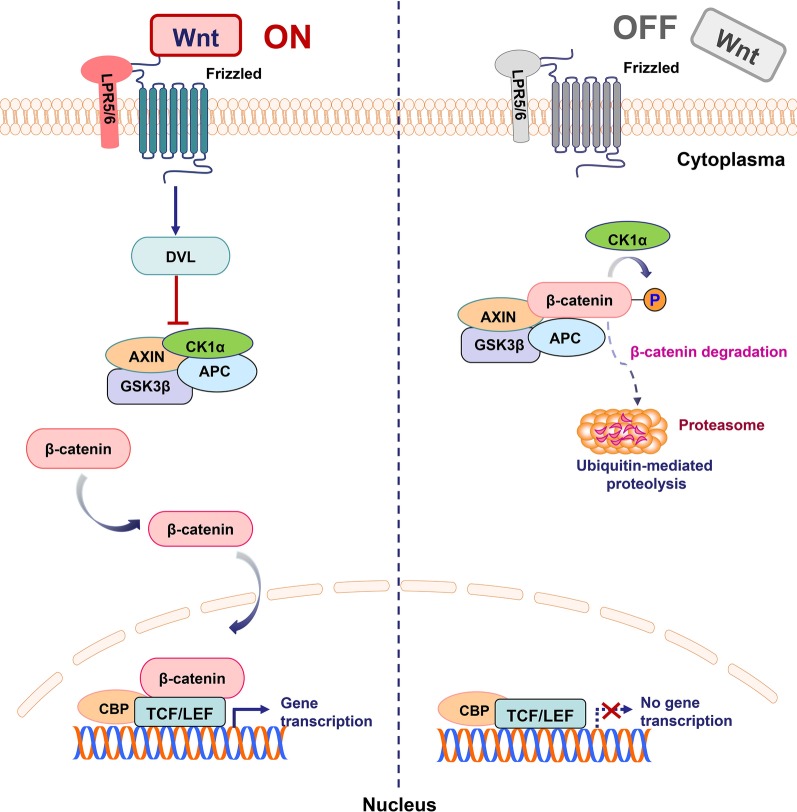
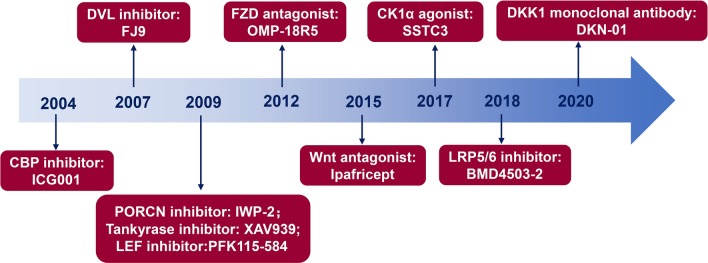
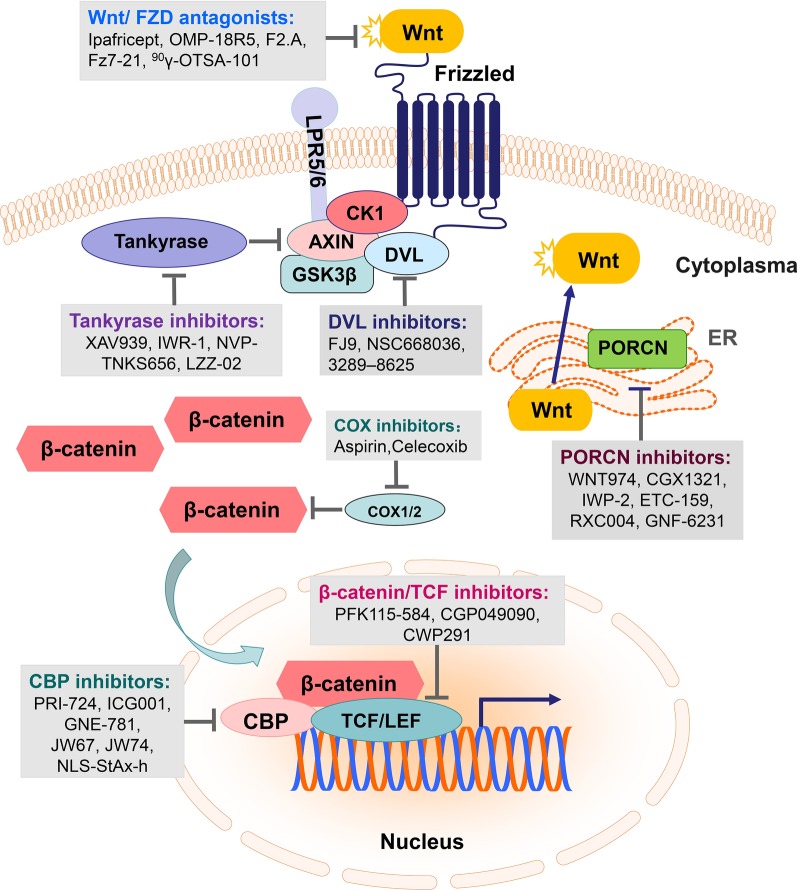
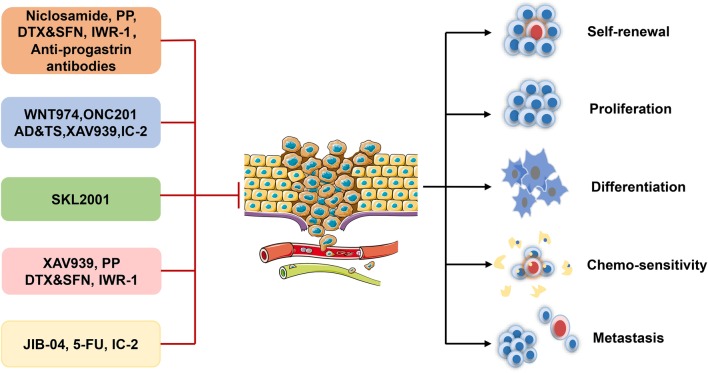
The aberrant Wnt/β-catenin signaling pathway facilitates cancer stem cell renewal, cell proliferation and differentiation, thus exerting crucial roles in tumorigenesis and therapy response. Accumulated investigations highlight the therapeutic potential of agents targeting Wnt/β-catenin signaling in cancer. Wnt ligand/ receptor interface, β-catenin destruction complex and TCF/β-catenin transcription complex are key components of the cascade and have been targeted with interventions in preclinical and clinical evaluations. This scoping review aims at outlining the latest progress on the current approaches and perspectives of Wnt/β-catenin signaling pathway targeted therapy in various cancer types. Better understanding of the updates on the inhibitors, antagonists and activators of Wnt/β-catenin pathway rationalizes innovative strategies for personalized cancer treatment. Further investigations are warranted to confirm precise and secure targeted agents and achieve optimal use with clinical benefits in malignant diseases.
Overview
The claims and statistics of this paper haven’t been checked yet.
Free: it reads the open-access text and checks the first 5 claims that cite a source we can check. Create a free account to check every claim.
Integrity signals
Registry
Cites
Statistics
Figures
Verification
Claims the paper makes
The claims and statistics of this paper haven’t been checked yet.
Free: it reads the open-access text and checks the first 5 claims that cite a source we can check. Create a free account to check every claim.
Claims other papers make about this one
Each is checked against this paper’s own text: does it say what the citing paper says it does?
The source backs part of the claim, not all of it — or backs it for a different population, condition or comparison.
In the citing paper
“The Wnt/β-catenin pathway is a well-established oncogenic driver in numerous cancers, including ccRCC, where its aberrant activation is linked to tumor initiation and progression [30–32].”
From PPP1R18-mediated activation of Wnt/β-catenin and EMT is dependent on ERK signaling in clear cell renal cell carcinoma (2026) · cites this paper as [30]
Experimental — accuracy not yet measured
Self-check
Percentages, sums and reported differences re-computed from the paper’s own numbers.
The self-check needs the paper’s full text.
Citations
Cites
2 retracted
Razak, S., Afsar, T., Almajwal, A. M., et al. (2019) · Cell & Bioscience · doi:10.1186/s13578-019-0277-z · Cited by 43
RetractedWu, L., He, S., He, Y., Wang, X., & Lu, L. (2018) · Medical Science Monitor · doi:10.12659/msm.910742 · Cited by 14
Self-citationRetractedWnt/β-Catenin Signaling, Disease, and Emerging Therapeutic Modalities
Nusse, R., & Clevers, H. (2017) · Cell · doi:10.1016/j.cell.2017.05.016 · Cited by 4,342
Tankyrase inhibition stabilizes axin and antagonizes Wnt signalling
Huang, S.-M. A., Mishina, Y. M., Liu, S., Cheung, A., Stegmeier, F., Michaud, G. A., Charlat, O., Wiellette, E., Zhang, Y., Wiessner, S., et al. (2009) · Nature · doi:10.1038/nature08356 · Cited by 2,037
Self-citationCan we safely target the WNT pathway?
Kahn, M. (2014) · Nature Reviews Drug Discovery · doi:10.1038/nrd4233 · Cited by 1,034
Targeting the Wnt/beta-catenin pathway in cancer: Update on effectors and inhibitors
Krishnamurthy, N., & Kurzrock, R. (2018) · Cancer Treatment Reviews · doi:10.1016/j.ctrv.2017.11.002 · Cited by 1,026
Targeting cancer stem cells by inhibiting Wnt, Notch, and Hedgehog pathways
Takebe, N., Harris, P. J., Warren, R. Q., & Ivy, S. P. (2011) · Nature Reviews Clinical Oncology · doi:10.1038/nrclinonc.2010.196 · Cited by 992
Wnt Induces LRP6 Signalosomes and Promotes Dishevelled-Dependent LRP6 Phosphorylation
Bilić, J., Huang, Y.-L., Davidson, G., Zimmermann, T., Cruciat, C.-M., Bienz, M., & Niehrs, C. (2007) · Science · doi:10.1126/science.1137065 · Cited by 934
The m6A reader YTHDF1 promotes ovarian cancer progression via augmenting EIF3C translation
Liu, T., Wei, Q., Jin, J., Luo, Q., Liu, Y., Yang, Y., Cheng, C., Li, L., Pi, J., Si, Y., et al. (2020) · Nucleic Acids Research · doi:10.1093/nar/gkaa048 · Cited by 746
The Roles of APC and Axin Derived from Experimental and Theoretical Analysis of the Wnt Pathway
Lee, E., Salic, A., Krüger, R., Heinrich, R., & Kirschner, M. W. (2003) · PLoS Biology · doi:10.1371/journal.pbio.0000010 · Cited by 708
Wnt/beta-catenin pathway: modulating anticancer immune response
Pai, S. G., Carneiro, B. A., Mota, J. M., Costa, R., Leite, C. A., Barroso-Sousa, R., Kaplan, J. B., Chae, Y. K., & Giles, F. J. (2017) · Journal of Hematology & Oncology · doi:10.1186/s13045-017-0471-6 · Cited by 703
Small-molecule antagonists of the oncogenic Tcf/β-catenin protein complex
Lepourcelet, M., Chen, Y.-N. P., France, D. S., Wang, H., Crews, P., Petersen, F., Bruseo, C., Wood, A. W., & Shivdasani, R. A. (2004) · Cancer Cell · doi:10.1016/s1535-6108(03)00334-9 · Cited by 653
Lim, Z.-F., & Ma, P. C. (2019) · Journal of Hematology & Oncology · doi:10.1186/s13045-019-0818-2 · Cited by 630
Gurney, A., Axelrod, F., Bond, C. J., Cain, J., Chartier, C., Donigan, L., Fischer, M., Chaudhari, A., Ji, M., Kapoun, A. M., et al. (2012) · Proceedings of the National Academy of Sciences · doi:10.1073/pnas.1120068109 · Cited by 614
Wong, H.-C., Bourdelas, A., Krauss, A., Lee, H.-J., Shao, Y., Wu, D., Mlodzik, M., Shi, D.-L., & Zheng, J. (2003) · Molecular Cell · doi:10.1016/s1097-2765(03)00427-1 · Cited by 533
Targeting Wnt Signaling: Can We Safely Eradicate Cancer Stem Cells?
Takahashi-Yanaga, F., & Kahn, M. (2010) · Clinical Cancer Research · doi:10.1158/1078-0432.ccr-09-2943 · Cited by 499
Small-molecule inhibition of Wnt signaling through activation of casein kinase 1α
Thorne, C. A., Hanson, A. J., Schneider, J., Tahinci, E., Orton, D., Cselenyi, C. S., Jernigan, K. K., Meyers, K. C., Hang, B. I., Waterson, A. G., et al. (2010) · Nature Chemical Biology · doi:10.1038/nchembio.453 · Cited by 485
Kirstetter, P., Anderson, K., Porse, B. T., Jacobsen, S. E. W., & Nerlov, C. (2006) · Nature Immunology · doi:10.1038/ni1381 · Cited by 446
Lu, D., Choi, M. Y., Yu, J., Castro, J. E., Kipps, T. J., & Carson, D. A. (2011) · Proceedings of the National Academy of Sciences · doi:10.1073/pnas.1110431108 · Cited by 395
A molecular mechanism that links Hippo signalling to the inhibition of Wnt/β‐catenin signalling
Imajo, M., Miyatake, K., Iimura, A., Miyamoto, A., & Nishida, E. (2012) · The EMBO Journal · doi:10.1038/emboj.2011.487 · Cited by 378
Zhang, M., Weng, W., Zhang, Q., Wu, Y., Ni, S., Tan, C., Xu, M., Sun, H., Liu, C., Wei, P., et al. (2018) · Journal of Hematology & Oncology · doi:10.1186/s13045-018-0656-7 · Cited by 362
WNT/β-catenin signaling in the development of liver cancers
He, S., & Tang, S. (2020) · Biomedicine & Pharmacotherapy · doi:10.1016/j.biopha.2020.110851 · Cited by 351
Wnt addiction of genetically defined cancers reversed by PORCN inhibition
Madan, B., Ke, Z., Harmston, N., Ho, S. Y., Frois, A. O., Alam, J., Jeyaraj, D. A., Pendharkar, V, Ghosh, K., Virshup, I. H., et al. (2016) · Oncogene · doi:10.1038/onc.2015.280 · Cited by 341
5-FU promotes stemness of colorectal cancer via p53-mediated WNT/β-catenin pathway activation
Cho, Y.-H., Ro, E. J., Yoon, J.-S., Mizutani, T., Kang, D.-W., Park, J.-C., Il Kim, T., Clevers, H., & Choi, K.-Y. (2020) · Nature Communications · doi:10.1038/s41467-020-19173-2 · Cited by 336
Waaler, J., Machon, O., Tumova, L., Dinh, H., Korinek, V., Wilson, S. R., Paulsen, J. E., Pedersen, N. M., Eide, T. J., Machonova, O., et al. (2012) · Cancer Research · doi:10.1158/0008-5472.can-11-3336 · Cited by 328
Convergence between Wnt-β-catenin and EGFR signaling in cancer
Hu, T., & Li, C. (2010) · Molecular Cancer · doi:10.1186/1476-4598-9-236 · Cited by 291
Tankyrase-targeted therapeutics: expanding opportunities in the PARP family
Riffell, J. L., Lord, C. J., & Ashworth, A. (2012) · Nature Reviews Drug Discovery · doi:10.1038/nrd3868 · Cited by 285
Targeting the Wnt pathway in human cancers: Therapeutic targeting with a focus on OMP-54F28
Le, P. N., McDermott, J. D., & Jimeno, A. (2015) · Pharmacology & Therapeutics · doi:10.1016/j.pharmthera.2014.08.005 · Cited by 253
Cellular signaling perturbation by natural products
Sarkar, F. H., Li, Y., Wang, Z., & Kong, D. (2009) · Cellular Signalling · doi:10.1016/j.cellsig.2009.03.009 · Cited by 248
Mao, J., Fan, S., Ma, W., Fan, P., Wang, B., Zhang, J., Wang, H., Tang, B., Zhang, Q., Yu, X., et al. (2014) · Cell Death & Disease · doi:10.1038/cddis.2013.515 · Cited by 241
Wnt signalling: conquering complexity
Wiese, K. E., Nusse, R., & van Amerongen, R. (2018) · Development · doi:10.1242/dev.165902 · Cited by 239
Fujii, N., You, L., Xu, Z., Uematsu, K., Shan, J., He, B., Mikami, I., Edmondson, L. R., Neale, G., Zheng, J., et al. (2007) · Cancer Research · doi:10.1158/0008-5472.can-06-2726 · Cited by 232
Bahrami, A., Khazaei, M., Hasanzadeh, M., ShahidSales, S., Joudi Mashhad, M., Farazestanian, M., Sadeghnia, H. R., Rezayi, M., Maftouh, M., Hassanian, S. M., et al. (2018) · Journal of Cellular Biochemistry · doi:10.1002/jcb.25950 · Cited by 230
miR-182-5p promotes hepatocellular carcinoma progression by repressing FOXO3a
Cao, M.-Q., You, A.-B., Zhu, X.-D., Zhang, W., Zhang, Y.-Y., Zhang, S.-Z., Zhang, K.-W., Cai, H., Shi, W.-K., Li, X.-L., et al. (2018) · Journal of Hematology & Oncology · doi:10.1186/s13045-018-0555-y · Cited by 226
Self-citationGajos-Michniewicz, A., & Czyz, M. (2020) · International Journal of Molecular Sciences · doi:10.3390/ijms21144852 · Cited by 222
Dishevelled promotes axon differentiation by regulating atypical protein kinase C
Zhang, X., Zhu, J., Yang, G.-Y., Wang, Q.-J., Qian, L., Chen, Y.-M., Chen, F., Tao, Y., Hu, H.-S., Wang, T., et al. (2007) · Nature Cell Biology · doi:10.1038/ncb1603 · Cited by 220
Zebisch, M., Xu, Y., Krastev, C., MacDonald, B. T., Chen, M., Gilbert, R. J. C., He, X., & Jones, E. Y. (2013) · Nature Communications · doi:10.1038/ncomms3787 · Cited by 217
Yeh, C.-T., Wu, A. T. H., Chang, P. M.-H., Chen, K.-Y., Yang, C.-N., Yang, S.-C., Ho, C.-C., Chen, C.-C., Kuo, Y.-L., Lee, P.-Y., et al. (2012) · American Journal of Respiratory and Critical Care Medicine · doi:10.1164/rccm.201207-1180oc · Cited by 206
Discovery and Characterization of a Small Molecule Inhibitor of the PDZ Domain of Dishevelled
Grandy, D., Shan, J., Zhang, X., Rao, S., Akunuru, S., Li, H., Zhang, Y., Alpatov, I., Zhang, X. A., Lang, R. A., et al. (2009) · Journal of Biological Chemistry · doi:10.1074/jbc.m109.009647 · Cited by 201
Self-citationJiang, X., Charlat, O., Zamponi, R., Yang, Y., & Cong, F. (2015) · Molecular Cell · doi:10.1016/j.molcel.2015.03.015 · Cited by 193
Fang, L., Zhu, Q., Neuenschwander, M., Specker, E., Wulf-Goldenberg, A., Weis, W. I., von Kries, J. P., & Birchmeier, W. (2016) · Cancer Research · doi:10.1158/0008-5472.can-15-1519 · Cited by 190
Inhibiting WNT and NOTCH in renal cancer stem cells and the implications for human patients
Fendler, A., Bauer, D., Busch, J., Jung, K., Wulf-Goldenberg, A., Kunz, S., Song, K., Myszczyszyn, A., Elezkurtaj, S., Erguen, B., et al. (2020) · Nature Communications · doi:10.1038/s41467-020-14700-7 · Cited by 189
Arqués, O., Chicote, I., Puig, I., Tenbaum, S. P., Argilés, G., Dienstmann, R., Fernández, N., Caratù, G., Matito, J., Silberschmidt, D., et al. (2016) · Clinical Cancer Research · doi:10.1158/1078-0432.ccr-14-3081 · Cited by 178
Emerging agents that target signaling pathways in cancer stem cells
Yang, Y., Li, X., Wang, T., Guo, Q., Xi, T., & Zheng, L. (2020) · Journal of Hematology & Oncology · doi:10.1186/s13045-020-00901-6 · Cited by 176
Safely targeting cancer stem cells via selective catenin coactivator antagonism
Lenz, H., & Kahn, M. (2014) · Cancer Science · doi:10.1111/cas.12471 · Cited by 175
Bilir, B., Kucuk, O., & Moreno, C. S. (2013) · Journal of Translational Medicine · doi:10.1186/1479-5876-11-280 · Cited by 175
Is β-Catenin a Druggable Target for Cancer Therapy?
Cui, C., Zhou, X., Zhang, W., Qu, Y., & Ke, X. (2018) · Trends in Biochemical Sciences · doi:10.1016/j.tibs.2018.06.003 · Cited by 168
Novel Synthetic Antagonists of Canonical Wnt Signaling Inhibit Colorectal Cancer Cell Growth
Waaler, J., Machon, O., von Kries, J. P., Wilson, S. R., Lundenes, E., Wedlich, D., Gradl, D., Paulsen, J. E., Machonova, O., Dembinski, J. L., et al. (2011) · Cancer Research · doi:10.1158/0008-5472.can-10-1282 · Cited by 165
Wei, C.-Y., Zhu, M.-X., Yang, Y.-W., Zhang, P.-F., Yang, X., Peng, R., Gao, C., Lu, J.-C., Wang, L., Deng, X.-Y., et al. (2019) · Journal of Hematology & Oncology · doi:10.1186/s13045-019-0711-z · Cited by 161
Gwak, J., Hwang, S. G., Park, H. S., CHoi, S. R., Park, S.-H., Kim, H., Ha, N., Bae, S. J., Han, J., Kim, D., et al. (2011) · Cell Research · doi:10.1038/cr.2011.127 · Cited by 160
Salinomycin inhibits osteosarcoma by targeting its tumor stem cells
Tang, Q.-L., Zhao, Z.-Q., Li, J.-C., Liang, Y., Yin, J.-Q., Zou, C.-Y., Xie, X.-B., Zeng, Y.-X., Shen, J.-N., Kang, T., et al. (2011) · Cancer Letters · doi:10.1016/j.canlet.2011.07.016 · Cited by 159
Targeting Signaling Pathways in Cancer Stem Cells for Cancer Treatment
Koury, J., Zhong, L., & Hao, J. (2017) · Stem Cells International · doi:10.1155/2017/2925869 · Cited by 155
Toh, T. B., Lim, J. J., Hooi, L., Rashid, M. B. M. A., & Chow, E. K. (2019) · Journal of Hepatology · doi:10.1016/j.jhep.2019.08.035 · Cited by 152
Fischer, M. M., Cancilla, B., Yeung, V. P., Cattaruzza, F., Chartier, C., Murriel, C. L., Cain, J., Tam, R., Cheng, C.-Y., Evans, J. W., et al. (2017) · Science Advances · doi:10.1126/sciadv.1700090 · Cited by 150
Zhao, Z., Lu, P., Zhang, H., Xu, H., Gao, N., Li, M., & Liu, C. (2014) · Breast Cancer Research · doi:10.1186/s13058-014-0408-8 · Cited by 148
Bahrami, A., Amerizadeh, F., ShahidSales, S., Khazaei, M., Ghayour-Mobarhan, M., Sadeghnia, H. R., Maftouh, M., Hassanian, S. M., & Avan, A. (2017) · Journal of Cellular Biochemistry · doi:10.1002/jcb.25903 · Cited by 147
Banerjee, S., Kong, D., Wang, Z. P., Bao, B., Hillman, G. G., & Sarkar, F. H. (2011) · Mutation Research/Reviews in Mutation Research · doi:10.1016/j.mrrev.2011.06.001 · Cited by 141
Ye, T., Xiong, Y., Yan, Y., Xia, Y., Song, X., Liu, L., Li, D., Wang, N., Zhang, L., Zhu, Y., et al. (2014) · PLoS ONE · doi:10.1371/journal.pone.0085887 · Cited by 139
Sànchez‐Tilló, E., Fanlo, L., Siles, L., Montes‐Moreno, S., Moros, A., Chiva‐Blanch, G., Estruch, R., Martínez, A., Colomer, D., Győrffy, B., et al. (2013) · Cell Death and Differentiation · doi:10.1038/cdd.2013.123 · Cited by 139
Romero, F. A., Murray, J., Lai, K. W., Tsui, V., Albrecht, B. K., An, L., Beresini, M. H., de Leon Boenig, G., Bronner, S. M., Chan, E. W., et al. (2017) · Journal of Medicinal Chemistry · doi:10.1021/acs.jmedchem.7b00796 · Cited by 136
Overcoming Wnt–β-catenin dependent anticancer therapy resistance in leukaemia stem cells
Perry, J. M., Tao, F., Roy, A., Lin, T., He, X. C., Chen, S., Lu, X., Nemechek, J., Ruan, L., Yu, X., et al. (2020) · Nature Cell Biology · doi:10.1038/s41556-020-0507-y · Cited by 136
Ji, L., Qian, W., Gui, L., Ji, Z., Yin, P., Lin, G. N., Wang, Y., Ma, B., & Gao, W. (2020) · Cancer Research · doi:10.1158/0008-5472.can-19-3074 · Cited by 136
Li, N., Xi, Y., Tinsley, H. N., Gurpinar, E., Gary, B. D., Zhu, B., Li, Y., Chen, X., Keeton, A. B., Abadi, A., et al. (2013) · Molecular Cancer Therapeutics · doi:10.1158/1535-7163.mct-13-0048 · Cited by 132
USP7 inhibits Wnt/β-catenin signaling through promoting stabilization of Axin
Ji, L., Lu, B., Zamponi, R., Charlat, O., Aversa, R., Yang, Z., Sigoillot, F., Zhu, X., Hu, T., Reece-Hoyes, J. S., et al. (2019) · Nature Communications · doi:10.1038/s41467-019-12143-3 · Cited by 127
Tian, X.-H., Hou, W.-J., Fang, Y., Fan, J., Tong, H., Bai, S.-L., Chen, Q., Xu, H., & Li, Y. (2013) · Journal of Experimental & Clinical Cancer Research · doi:10.1186/1756-9966-32-100 · Cited by 125
Hexachlorophene Inhibits Wnt/β-Catenin Pathway by Promoting Siah-Mediated β-Catenin Degradation
Park, S., Gwak, J., Cho, M., Song, T., Won, J., Kim, D., Shin, J., & Oh, S. (2006) · Molecular Pharmacology · doi:10.1124/mol.106.024729 · Cited by 125
Role of Wnt canonical pathway in hematological malignancies
Ge, X., & Wang, X. (2010) · Journal of Hematology & Oncology · doi:10.1186/1756-8722-3-33 · Cited by 124
Self-citationFrizzled-7 Is Required for Wnt Signaling in Gastric Tumors with and Without Apc Mutations
Flanagan, D. J., Barker, N., Costanzo, N. S. D., Mason, E. A., Gurney, A., Meniel, V. S., Koushyar, S., Austin, C. R., Ernst, M., Pearson, H. B., et al. (2019) · Cancer Research · doi:10.1158/0008-5472.can-18-2095 · Cited by 122
He, L., Lu, N., Dai, Q., Zhao, Y., Zhao, L., Wang, H., Li, Z., You, Q., & Guo, Q. (2013) · Toxicology · doi:10.1016/j.tox.2013.07.013 · Cited by 122
Amado, N. G., Predes, D., Fonseca, B. F., Cerqueira, D. M., Reis, A. H., Carneiro, A. C. D., Borges, H. L., Mendes, F. A., & Abreu, J. G. (2014) · Journal of Biological Chemistry · doi:10.1074/jbc.m114.621599 · Cited by 120
Targeting RSPO3-LGR4 Signaling for Leukemia Stem Cell Eradication in Acute Myeloid Leukemia
Salik, B., Yi, H., Hassan, N., Santiappillai, N., Vick, B., Connerty, P., Duly, A., Trahair, T., Woo, A. J., Beck, D., et al. (2020) · Cancer Cell · doi:10.1016/j.ccell.2020.05.014 · Cited by 119
Burock, S., Daum, S., Keilholz, U., Neumann, K., Walther, W., & Stein, U. (2018) · BMC Cancer · doi:10.1186/s12885-018-4197-9 · Cited by 117
Gedaly, R., Galuppo, R., Daily, M. F., Shah, M., Maynard, E., Chen, C., Zhang, X., Esser, K. A., Cohen, D. A., Evers, B. M., et al. (2014) · PLoS ONE · doi:10.1371/journal.pone.0099272 · Cited by 117
Martins-Neves, S. R., Paiva-Oliveira, D. I., Fontes-Ribeiro, C., Bovée, J. V. M. G., Cleton-Jansen, A.-M., & Gomes, C. M. F. (2018) · Cancer Letters · doi:10.1016/j.canlet.2017.11.004 · Cited by 115
Wnt signaling in multiple myeloma: a central player in disease with therapeutic potential
Spaan, I., Raymakers, R. A., van de Stolpe, A., & Peperzak, V. (2018) · Journal of Hematology & Oncology · doi:10.1186/s13045-018-0615-3 · Cited by 115
Lu, W., & Li, Y. (2014) · Journal of Cellular Biochemistry · doi:10.1002/jcb.24850 · Cited by 109
WU, X., LUO, F., LI, J., ZHONG, X., & LIU, K. (2016) · International Journal of Oncology · doi:10.3892/ijo.2016.3360 · Cited by 108
XU, L., ZHANG, L., HU, C., LIANG, S., FEI, X., YAN, N., ZHANG, Y., & ZHANG, F. (2016) · International Journal of Oncology · doi:10.3892/ijo.2016.3337 · Cited by 105
Self-citationMoore, K. N., Gunderson, C. C., Sabbatini, P., McMeekin, D. S., Mantia-Smaldone, G., Burger, R. A., Morgan, M. A., Kapoun, A. M., Brachmann, R. K., Stagg, R., et al. (2019) · Gynecologic Oncology · doi:10.1016/j.ygyno.2019.04.001 · Cited by 104
Tankyrase Inhibition Causes Reversible Intestinal Toxicity in Mice with a Therapeutic Index < 1
Zhong, Y., Katavolos, P., Nguyen, T., Lau, T., Boggs, J., Sambrone, A., Kan, D., Merchant, M., Harstad, E., Diaz, D., et al. (2016) · Toxicologic Pathology · doi:10.1177/0192623315621192 · Cited by 103
Modulating Wnt signaling at the root: Porcupine and Wnt acylation
Torres, V. I., Godoy, J. A., & Inestrosa, N. C. (2019) · Pharmacology & Therapeutics · doi:10.1016/j.pharmthera.2019.02.009 · Cited by 102
Small-molecule binding of the axin RGS domain promotes β-catenin and Ras degradation
Cha, P.-H., Cho, Y.-H., Lee, S.-K., Lee, J., Jeong, W.-J., Moon, B.-S., Yun, J.-H., Yang, J. S., Choi, S., Yoon, J., et al. (2016) · Nature Chemical Biology · doi:10.1038/nchembio.2103 · Cited by 101
The lichen secondary metabolite atranorin suppresses lung cancer cell motility and tumorigenesis
Zhou, R., Yang, Y., Park, S., Nguyen, T. T., Seo, Y.-W., Lee, K. H., Lee, J. H., Kim, K. K., Hur, J., & Kim, H. (2017) · Scientific Reports · doi:10.1038/s41598-017-08225-1 · Cited by 98
Biological activity of weekly ONC201 in adult recurrent glioblastoma patients
Arrillaga‐Romany, I., Odia, Y., Prabhu, V. V., Tarapore, R. S., Merdinger, K., Stogniew, M., Oster, W., Allen, J. E., Mehta, M. P., Batchelor, T. T., et al. (2019) · Neuro-Oncology · doi:10.1093/neuonc/noz164 · Cited by 98
Targeting the β-catenin signaling for cancer therapy
Zhang, X., Wang, L., & Qu, Y. (2020) · Pharmacological Research · doi:10.1016/j.phrs.2020.104794 · Cited by 98
Effect of Niclosamide on Basal-like Breast Cancers
Londoño-Joshi, A. I., Arend, R. C., Aristizabal, L., Lu, W., Samant, R. S., Metge, B. J., Hidalgo, B., Grizzle, W. E., Conner, M., Forero-Torres, A., et al. (2014) · Molecular Cancer Therapeutics · doi:10.1158/1535-7163.mct-13-0555 · Cited by 97
Osawa, Y., Oboki, K., Imamura, J., Kojika, E., Hayashi, Y., Hishima, T., Saibara, T., Shibasaki, F., Kohara, M., & Kimura, K. (2015) · EBioMedicine · doi:10.1016/j.ebiom.2015.10.010 · Cited by 94
Repurposing antipsychotics of the diphenylbutylpiperidine class for cancer therapy
Shaw, V., Srivastava, S., & Srivastava, S. K. (2019) · Seminars in Cancer Biology · doi:10.1016/j.semcancer.2019.10.007 · Cited by 94
A selective peptide inhibitor of Frizzled 7 receptors disrupts intestinal stem cells
Nile, A. H., Melo, F. D. S. E., Mukund, S., Piskol, R., Hansen, S., Zhou, L., Zhang, Y., Fu, Y., Gogol, E. B., Kömüves, L. G., et al. (2018) · Nature Chemical Biology · doi:10.1038/s41589-018-0035-2 · Cited by 90
Self-citationSuzuki, M., Shigematsu, H., Nakajima, T., Kubo, R., Motohashi, S., Sekine, Y., Shibuya, K., Iizasa, T., Hiroshima, K., Nakatani, Y., et al. (2007) · Clinical Cancer Research · doi:10.1158/1078-0432.ccr-07-0591 · Cited by 90
Preclinical evaluation of a nanoformulated antihelminthic, niclosamide, in ovarian cancer
Lin, C.-K., Bai, M.-Y., Hu, T., Wang, Y.-C., Chao, T., Weng, S.-J., Huang, R., Su, P., & Lai, H. (2016) · Oncotarget · doi:10.18632/oncotarget.7113 · Cited by 90
Therapeutic targets in the Wnt signaling pathway: Feasibility of targeting TNIK in colorectal cancer
Masuda, M., Sawa, M., & Yamada, T. (2015) · Pharmacology & Therapeutics · doi:10.1016/j.pharmthera.2015.10.009 · Cited by 89
Inactivation of tankyrases reduces experimental fibrosis by inhibiting canonical Wnt signalling
Distler, A., Deloch, L., Huang, J., Dees, C., Lin, N.-Y., Palumbo-Zerr, K., Beyer, C., Weidemann, A., Distler, O., Schett, G., et al. (2013) · Annals of the Rheumatic Diseases · doi:10.1136/annrheumdis-2012-202275 · Cited by 89
Distinct Colorectal Cancer–Associated APC Mutations Dictate Response to Tankyrase Inhibition
Schatoff, E. M., Goswami, S., Zafra, M. P., Foronda, M., Shusterman, M., Leach, B. I., Katti, A., Diaz, B. J., & Dow, L. E. (2019) · Cancer Discovery · doi:10.1158/2159-8290.cd-19-0289 · Cited by 89
PORCN inhibition synergizes with PI3K/mTOR inhibition in Wnt-addicted cancers
Zhong, Z., Sepramaniam, S., Chew, X. H., Wood, K., Lee, M. A., Madan, B., & Virshup, D. M. (2019) · Oncogene · doi:10.1038/s41388-019-0908-1 · Cited by 87
Wnt inhibition leads to improved chemosensitivity in paediatric acute lymphoblastic leukaemia
Dandekar, S. C., Romanos‐Sirakis, E., Pais, F. M., Bhatla, T., Jones, C. L., Bourgeois, W., Hunger, S. P., Raetz, E. A., Hermiston, M. L., DasGupta, R., et al. (2014) · British Journal of Haematology · doi:10.1111/bjh.13011 · Cited by 82
Kavitha, K., Priyadarsini, R. V., Anitha, P., Ramalingam, K., Sakthivel, R., Purushothaman, G., Singh, A. K., Karunagaran, D., & Nagini, S. (2012) · European Journal of Pharmacology · doi:10.1016/j.ejphar.2012.01.024 · Cited by 79
Tomar, V. S., Patil, V. S., & Somasundaram, K. (2019) · Cell Biology and Toxicology · doi:10.1007/s10565-019-09502-7 · Cited by 79
Catrow, J. L., Zhang, Y., Zhang, M., & Ji, H. (2015) · Journal of Medicinal Chemistry · doi:10.1021/acs.jmedchem.5b00223 · Cited by 78
Self-citationUSP25 regulates Wnt signaling by controlling the stability of tankyrases
Xu, D., Liu, J., Fu, T., Shan, B., Qian, L., Pan, L., & Yuan, J. (2017) · Genes & Development · doi:10.1101/gad.300889.117 · Cited by 75
Dotan, E., Cardin, D. B., Lenz, H.-J., Messersmith, W., O'Neil, B., Cohen, S. J., Denlinger, C. S., Shahda, S., Astsaturov, I., Kapoun, A. M., et al. (2020) · Clinical Cancer Research · doi:10.1158/1078-0432.ccr-20-0489 · Cited by 75
Targeting Wnt/β‐catenin and PI3K/Akt/mTOR pathways in T‐cell acute lymphoblastic leukemia
Evangelisti, C., Chiarini, F., Cappellini, A., Paganelli, F., Fini, M., Santi, S., Martelli, A. M., Neri, L. M., & Evangelisti, C. (2020) · Journal of Cellular Physiology · doi:10.1002/jcp.29429 · Cited by 75
Pavlovic, Z., Adams, J., Blazer, L. L., Gakhal, A. K., Jarvik, N., Steinhart, Z., Robitaille, M., Mascall, K. S., Pan, J., Angers, S., et al. (2018) · mAbs · doi:10.1080/19420862.2018.1515565 · Cited by 73
GDE2-Dependent Activation of Canonical Wnt Signaling in Neurons Regulates Oligodendrocyte Maturation
Choi, B.-R., Cave, C., Na, C. H., & Sockanathan, S. (2020) · Cell Reports · doi:10.1016/j.celrep.2020.107540 · Cited by 72
Kim, M. S., Cho, H. I., Yoon, H. J., Ahn, Y.-H., Park, E. J., Jin, Y. H., & Jang, Y. K. (2018) · Scientific Reports · doi:10.1038/s41598-018-24903-0 · Cited by 71
Zhang, C., Zhang, Z., Zhang, S., Wang, W., & Hu, P. (2017) · Medical Science Monitor · doi:10.12659/msm.901667 · Cited by 70 · cited 1×
“However, cancer cells with increasing level of β-catenin are no longer impacted by pyrvinium [72, 73].”
BackgroundAgarwal, P., Zhang, B., Ho, Y., Cook, A., Li, L., Mikhail, F. M., Wang, Y., McLaughlin, M. E., & Bhatia, R. (2017) · Blood · doi:10.1182/blood-2016-05-714089 · Cited by 70
Wnt signaling dynamics in head and neck squamous cell cancer tumor‐stroma interactions
Le, P. N., Keysar, S. B., Miller, B., Eagles, J. R., Chimed, T., Reisinger, J., Gomez, K. E., Nieto, C., Jackson, B. C., Somerset, H. L., et al. (2019) · Molecular Carcinogenesis · doi:10.1002/mc.22937 · Cited by 70
Self-citationInhibition of LEF1-Mediated DCLK1 by Niclosamide Attenuates Colorectal Cancer Stemness
Park, S., Kim, J. Y., Choi, J., Kim, J., Lee, C. J., Singh, P., Sarkar, S., Baek, J., & Nam, J. (2019) · Clinical Cancer Research · doi:10.1158/1078-0432.ccr-18-1232 · Cited by 70
Wnts are dispensable for differentiation and self-renewal of adult murine hematopoietic stem cells
Kabiri, Z., Numata, A., Kawasaki, A., Edison, Tenen, D. G., & Virshup, D. M. (2015) · Blood · doi:10.1182/blood-2014-09-598540 · Cited by 68
Wiese, M., Hamdan, F. H., Kubiak, K., Diederichs, C., Gielen, G. H., Nussbaumer, G., Carcaboso, A. M., Hulleman, E., Johnsen, S. A., & Kramm, C. M. (2020) · Cell Death and Disease · doi:10.1038/s41419-020-02800-7 · Cited by 67
Lee, J., Faderl, S. H., Pagel, J. M., Jung, C. W., Yoon, S., Pardanani, A. D., Becker, P. S., Lee, H., Choi, J., Lee, K.-J., et al. (2020) · Blood Advances · doi:10.1182/bloodadvances.2019000757 · Cited by 67
Cheng, Y., Phoon, Y. P., Jin, X. A., Chong, S. Y. S., Ip, J. C. Y., Wong, B. W. Y., & Lung, M. L. (2015) · Oncotarget · doi:10.18632/oncotarget.3982 · Cited by 65
Xiang, Q., Wang, C., Zhang, Y., Xue, X., Song, M., Zhang, C., Li, C., Wu, C., Li, K., Hui, X. H., et al. (2018) · European Journal of Medicinal Chemistry · doi:10.1016/j.ejmech.2018.01.087 · Cited by 64
Self-citationSolzak, J. P., Atale, R. V., Hancock, B. A., Sinn, A. L., Pollok, K. E., Jones, D. R., & Radovich, M. (2017) · npj Breast Cancer · doi:10.1038/s41523-017-0016-8 · Cited by 64
Giraudet, A.-L., Cassier, P. A., Iwao-Fukukawa, C., Garin, G., Badel, J.-N., Kryza, D., Chabaud, S., Gilles-Afchain, L., Clapisson, G., Desuzinges, C., et al. (2018) · BMC Cancer · doi:10.1186/s12885-018-4544-x · Cited by 63
García-Reyes, B., Witt, L., Jansen, B., Karasu, E., Gehring, T., Leban, J., Henne-Bruns, D., Pichlo, C., Brunstein, E., Baumann, U., et al. (2018) · Journal of Medicinal Chemistry · doi:10.1021/acs.jmedchem.8b00095 · Cited by 62
Wessel Stratford, E., Daffinrud, J., Munthe, E., Castro, R., Waaler, J., Krauss, S., & Myklebost, O. (2014) · Cancer Medicine · doi:10.1002/cam4.170 · Cited by 61
Wu, G., Cao, L., Zhu, J., Tan, Z., Tang, M., Li, Z., Hu, Y., Yu, R., Zhang, S., Song, L., et al. (2018) · Clinical Cancer Research · doi:10.1158/1078-0432.ccr-18-2554 · Cited by 60
Echinacoside inhibits breast cancer cells by suppressing the Wnt/β-catenin signaling pathway
Tang, C., Gong, L., Xu, L., Qiu, K., Zhang, Z., & Wan, L. (2020) · Biochemical and Biophysical Research Communications · doi:10.1016/j.bbrc.2020.03.050 · Cited by 59
Sam68 Allows Selective Targeting of Human Cancer Stem Cells
Benoit, Y. D., Mitchell, R. R., Risueño, R. M., Orlando, L., Tanasijevic, B., Boyd, A. L., Aslostovar, L., Salci, K. R., Shapovalova, Z., Russell, J., et al. (2017) · Cell chemical biology · doi:10.1016/j.chembiol.2017.05.026 · Cited by 58
Soleas, J. P., D'Arcangelo, E., Huang, L., Karoubi, G., Nostro, M. C., McGuigan, A. P., & Waddell, T. K. (2020) · Biomaterials · doi:10.1016/j.biomaterials.2020.120128 · Cited by 57
Targeting Wnt pathway in mantle cell lymphoma-initiating cells
Mathur, R., Sehgal, L., Braun, F. K., Berkova, Z., Romaguerra, J., Wang, M., Rodriguez, M. A., Fayad, L., Neelapu, S. S., & Samaniego, F. (2015) · Journal of Hematology & Oncology · doi:10.1186/s13045-015-0161-1 · Cited by 56
Li, B., Yan, J., Phyu, T., Fan, S., Chung, T., Mustafa, N. B., Lin, B., Wang, L., Eichhorn, P. J. A., Goh, B.-C., et al. (2019) · Blood · doi:10.1182/blood.2019000381 · Cited by 55
Bernkopf, D. B., Brückner, M., Hadjihannas, M. V., & Behrens, J. (2019) · Nature Communications · doi:10.1038/s41467-019-12203-8 · Cited by 54
Joosten, S. P. J., Spaargaren, M., Clevers, H. C., & Pals, S. T. (2020) · Biochimica et Biophysica Acta (BBA) - Reviews on Cancer · doi:10.1016/j.bbcan.2020.188437 · Cited by 53
Evolving functions of Dickkopf-1 in cancer and immunity
Jaschke, N., Hofbauer, L. C., Göbel, A., & Rachner, T. D. (2020) · Cancer Letters · doi:10.1016/j.canlet.2020.03.031 · Cited by 52
Inhibition of the Wnt/β-catenin pathway enhances antitumor immunity in ovarian cancer
Doo, D. W., Meza-Perez, S., Londoño, A. I., Goldsberry, W. N., Katre, A. A., Boone, J. D., Moore, D. J., Hudson, C. T., Betella, I., McCaw, T. R., et al. (2020) · Therapeutic Advances in Medical Oncology · doi:10.1177/1758835920913798 · Cited by 52
Phospho-Sulindac (OXT-328) Combined with Difluoromethylornithine Prevents Colon Cancer in Mice
Mackenzie, G. G., Ouyang, N., ., G. X., Vranková, K., Huang, L., Sun, Y., Komninou, D., Kopelovich, L., & Rigas, B. (2011) · Cancer Prevention Research · doi:10.1158/1940-6207.capr-11-0067 · Cited by 52
Gigantol inhibits Wnt/β-catenin signaling and exhibits anticancer activity in breast cancer cells
Yu, S., Wang, Z., Su, Z., Song, J., Zhou, L., Sun, Q., Liu, S., Li, S., Li, Y., Wang, M., et al. (2018) · BMC Complementary and Alternative Medicine · doi:10.1186/s12906-018-2108-x · Cited by 52
Chinison, J., Aguilar, J. S., Avalos, A., Huang, Y. S., Wang, Z. K., Cameron, D. J., & Hao, J. (2016) · Scientific Reports · doi:10.1038/srep32779 · Cited by 52
Heng, W. S., & Cheah, S. (2020) · Molecules · doi:10.3390/molecules25010224 · Cited by 52
Li, B., Orton, D., Neitzel, L. R., Astudillo, L., Shen, C., Long, J., Chen, X., Kirkbride, K. C., Doundoulakis, T., Guerra, M. L., et al. (2017) · Science Signaling · doi:10.1126/scisignal.aak9916 · Cited by 50
Cheng, D., Liu, J., Han, D., Zhang, G., Gao, W., Hsieh, M. H., Ng, N., Kasibhatla, S., Tompkins, C., Li, J., et al. (2016) · ACS Medicinal Chemistry Letters · doi:10.1021/acsmedchemlett.6b00038 · Cited by 50
Liu, D., Du, L., Chen, D., Ye, Z., Duan, H., Tu, T., Feng, J., Yang, Y., Chen, Q., & Yan, X. (2016) · Oncotarget · doi:10.18632/oncotarget.9930 · Cited by 49
Curcumin Therapeutic Modulation of the Wnt Signaling Pathway
Ashrafizadeh, M., Ahmadi, Z., Mohammadinejad, R., Yaribeygi, H., Șerban, M.-C., Orafai, H. M., & Sahebkar, A. (2020) · Current Pharmaceutical Biotechnology · doi:10.2174/1389201021666200305115101 · Cited by 48
Zhou, J., Toh, S. H. M., Chan, Z.-L., Quah, J. Y., Chooi, J.-Y., Tan, T. Z., Chong, P. S. Y., Zeng, Q., & Chng, W. J. (2018) · Journal of Hematology & Oncology · doi:10.1186/s13045-018-0581-9 · Cited by 46
Pimozide suppresses colorectal cancer via inhibition of Wnt/β-catenin signaling pathway
Ren, Y., Tao, J., Jiang, Z., Guo, D., & Tang, J. (2018) · Life Sciences · doi:10.1016/j.lfs.2018.08.027 · Cited by 45
Yao, J., Zhang, X., Zhang, Y.-Z., Li, J.-H., Zhao, D., Gao, B., Zhou, H., Gao, S., & Zhang, L. (2019) · Investigational New Drugs · doi:10.1007/s10637-019-00767-7 · Cited by 44
Self-citationPrieur, A., Cappellini, M., Habif, G., Lefranc, M., Mazard, T., Morency, E., Pascussi, J., Flacelière, M., Cahuzac, N., Vire, B., et al. (2017) · Clinical Cancer Research · doi:10.1158/1078-0432.ccr-17-0533 · Cited by 44
Antiepileptic Drug Carbamazepine Binds to a Novel Pocket on the Wnt Receptor Frizzled-8
Zhao, Y., Ren, J., Hillier, J., Lu, W., & Jones, E. Y. (2020) · Journal of Medicinal Chemistry · doi:10.1021/acs.jmedchem.9b02020 · Cited by 44
Gfi1b regulates the level of Wnt/β-catenin signaling in hematopoietic stem cells and megakaryocytes
Shooshtarizadeh, P., Helness, A., Vadnais, C., Brouwer, N., Beauchemin, H., Chen, R., Bagci, H., Staal, F. J. T., Coté, J.-F., & Möröy, T. (2019) · Nature Communications · doi:10.1038/s41467-019-09273-z · Cited by 43
Deng, Y., Su, Q., Mo, J., Fu, X., Zhang, Y., & Lin, E. H. (2013) · Cancer Investigation · doi:10.3109/07357907.2012.754458 · Cited by 43
Self-citationKleszcz, R., Szymańska, A., Krajka‐Kuźniak, V., Baer‐Dubowska, W., & Paluszczak, J. (2019) · Cellular Oncology · doi:10.1007/s13402-019-00440-4 · Cited by 43
Zhang, R., Li, Y., Tian, D.-D., Liu, Y., Wu, N., Zou, X., Chen, Q., Zhou, L., Deng, Z., & He, B. (2016) · International Journal of Oncology · doi:10.3892/ijo.2016.3701 · Cited by 43
Prabhu, V. V., Lulla, A. R., Madhukar, N. S., Ralff, M. D., Zhao, D., Kline, C. L. B., van den Heuvel, A. P. J., Lev, A., Garnett, M. J., McDermott, U., et al. (2017) · PLoS ONE · doi:10.1371/journal.pone.0180541 · Cited by 42
Hippo pathway in intestinal homeostasis and tumorigenesis
Chen, L., Qin, F., Deng, X., Avruch, J., & Zhou, D. (2012) · Protein & Cell · doi:10.1007/s13238-012-2913-9 · Cited by 42
Ryu, W., Lee, J. D., Park, J., Cha, P.-H., Cho, Y., Kim, J. Y., Sohn, J., Paik, S., & Choi, K. (2020) · Experimental & Molecular Medicine · doi:10.1038/s12276-020-0440-y · Cited by 41
Lev, A., Lulla, A. R., Ross, B. C., Ralff, M. D., Makhov, P. B., Dicker, D. T., & El‐Deiry, W. S. (2018) · Molecular Cancer Research · doi:10.1158/1541-7786.mcr-17-0614 · Cited by 41
Wei, W., Liu, H., Yuan, J., & Yao, Y. (2021) · Fundamental & Clinical Pharmacology · doi:10.1111/fcp.12583 · Cited by 36
Zhang, J., Si, J., Gan, L., Guo, M., Yan, J., Chen, Y., Wang, F., Xie, Y., Wang, Y., & Zhang, H. (2020) · Artificial Cells Nanomedicine and Biotechnology · doi:10.1080/21691401.2020.1716779 · Cited by 35
Rodriguez-Blanco, J., Li, B., Long, J., Shen, C., Yang, F., Orton, D., Collins, S., Kasahara, N., Ayad, N. G., McCrea, H. J., et al. (2019) · Clinical Cancer Research · doi:10.1158/1078-0432.ccr-18-1319 · Cited by 34
Aulicino, F., Pedone, E., Sottile, F., Lluís, F., Marucci, L., & Cosma, M. P. (2020) · Stem Cell Reports · doi:10.1016/j.stemcr.2020.07.019 · Cited by 34
Roy, S., Roy, S., Kar, M., Chakraborty, A., Kumar, A., Delogu, F., Asthana, S., Hande, M. P., & Banerjee, B. (2019) · Mutation Research/Genetic Toxicology and Environmental Mutagenesis · doi:10.1016/j.mrgentox.2019.503084 · Cited by 33
Actinomycin‐D and dimethylamino‐parthenolide synergism in treating human pancreatic cancer cells
Lamture, G., Crooks, P. A., & Borrelli, M. J. (2018) · Drug Development Research · doi:10.1002/ddr.21441 · Cited by 31
Dunbar, K. J., Valančiūtė, A., de Lima, A. C. S., Freile, P., Jamieson, T. J., Rajasekaran, V., Blackmur, J. P., Ochocka-Fox, A.-M., Guazzelli, A., Cammareri, P., et al. (2020) · Cellular and Molecular Gastroenterology and Hepatology · doi:10.1016/j.jcmgh.2020.09.010 · Cited by 31
Medvetz, D. A., Sun, Y., Li, C., Khabibullin, D., Balan, M., Parkhitko, A. A., Priolo, C., Asara, J. M., Pal, S., Yu, J. J., et al. (2014) · Molecular Cancer Research · doi:10.1158/1541-7786.mcr-14-0440 · Cited by 30
Li, B., Liang, J., Lu, F., Zeng, G., Zhang, J., Ma, Y., Liu, P., Wang, Q., Zhou, Q., & Chen, L. (2020) · Molecules · doi:10.3390/molecules25071680 · Cited by 30
Development of a triazole class of highly potent Porcn inhibitors
You, L., Zhang, C., Yarravarapu, N., Morlock, L., Wang, X., Zhang, L.-S., Williams, N. S., Lum, L., & Chen, C. (2016) · Bioorganic & Medicinal Chemistry Letters · doi:10.1016/j.bmcl.2016.11.012 · Cited by 27
Self-citationHung, M., Xu, Z., Chen, Y., Smith, E. W., Mao, J., Hsieh, D., Lin, Y., Yang, C., Jablons, D. M., & You, L. (2013) · International Journal of Oncology · doi:10.3892/ijo.2013.2087 · Cited by 26
SCFβ-TRCP E3 ubiquitin ligase targets the tumor suppressor ZNRF3 for ubiquitination and degradation
Ci, Y., Li, X., Chen, M., Zhong, J., North, B. J., Inuzuka, H., He, X., Li, Y., Guo, J., & Dai, X. (2018) · Protein & Cell · doi:10.1007/s13238-018-0510-2 · Cited by 24
Che, M., Kweon, S.-M., Teo, J.-L., Yuan, Y., Melstrom, L. G., Waldron, R. T., Lugea, A., Urrutia, R. A., Pandol, S. J., & Lai, K. K. Y. (2020) · Cancers · doi:10.3390/cancers12061476 · Cited by 19
In silico discovery of quinoxaline derivatives as novel LRP5/6-sclerostin interaction inhibitors
Choi, J., Lee, K., Kang, M., Lim, S.-K., & No, K. T. (2018) · Bioorganic & Medicinal Chemistry Letters · doi:10.1016/j.bmcl.2018.01.050 · Cited by 17
Garcia, S. A. D. B., Pavanelli, A. C., Melo, N. C. E., & Nagai, M. A. (2017) · International Journal of Molecular Medicine · doi:10.3892/ijmm.2017.2900 · Cited by 15
Cha, P.-H., & Choi, K. (2016) · BMB Reports · doi:10.5483/bmbrep.2016.49.9.125 · Cited by 9
Aulicino, F., Sottile, F., Pedone, E., Lluis, F., Marucci, L., & Cosma, M. P. (2019) · doi:10.1101/661777
Research works printed but not linked: 1
- Amado N, Predes D, Fonseca B, Cerqueira D, Reis A, Dudenhoeffer A, Borges H, Mendes F, Abreu J. Isoquercitrin suppresses colon cancer cell growth in vitro by targeting the Wnt/β-catenin signaling pathway. J Biol Chem. 2014b;289(51):35456–67. · DOI
Cited by
Wnt signaling in colorectal cancer: Pathogenic role and therapeutic target
Zhao, H., Ming, T., Tang, S., Ren, S., Yang, H., Liu, M., Tao, Q., & Xu, H. (2022) · Molecular Cancer · doi:10.1186/s12943-022-01616-7 · Cited by 857
Evolving therapeutic landscape of advanced hepatocellular carcinoma
Yang, C., Zhang, H., Zhang, L., Zhu, A. X., Bernards, R., Qin, W., & Wang, C. (2023) · Nature Reviews Gastroenterology & Hepatology · doi:10.1038/s41575-022-00704-9 · Cited by 727
Wnt/beta-catenin signaling confers ferroptosis resistance by targeting GPX4 in gastric cancer
Wang, Y., Zheng, L., Shang, W., Yang, Z., Li, T., Liu, F., Shao, W., Lv, L., Chai, L., Qu, L., et al. (2022) · Cell Death & Differentiation · doi:10.1038/s41418-022-01008-w · Cited by 422
Wnt/β-catenin signaling pathway in carcinogenesis and cancer therapy
Song, P., Gao, Z., Bao, Y., Chen, L., Huang, Y., Liu, Y., Dong, Q., & Wei, X. (2024) · Journal of Hematology & Oncology · doi:10.1186/s13045-024-01563-4 · Cited by 382
“…as an inhibitor of the Wnt/β-catenin pathway and demonstrates selective anti-tumor properties by targeting ovarian CSCs. Additionally, chloroquine reduces the levels of CSCs and their self-renewal ability in basal-like breast cancer through downregulation of LRP6 and β-catenin expression [341].”
BackgroundBispecific T cell engagers: an emerging therapy for management of hematologic malignancies
Tian, Z., Liu, M., Zhang, Y., & Wang, X. (2021) · Journal of Hematology & Oncology · doi:10.1186/s13045-021-01084-4 · Cited by 282
Self-citation
Metadata
- Authors
- Zhang, Y., & Wang, X.
- Affiliations
- Shandong University (CN)
- Corresponding author
- Wang, Xin
- Venue
- Journal of Hematology & Oncology
- Published
- 2020-12
- Volume
- 13
- Issue
- 1
- Pages
- 165-165
- ISSN
- 1756-8722 (ISSN-L)
- PMC
- PMC7716495
- OpenAlex
- W3108389912
- Cited by
- 1,431
- References
- 165
- Citations by year
- 2026: 140 · 2025: 298 · 2024: 363 · 2023: 312 · 2022: 238 · 2021: 79 · 2020: 1
- FWCI
- 15.17
- Type
- journal article
- Language
- en
- Open access
- gold
- doi.org
- Licence
- cc-by
- creativecommons.org/licenses/by/4.0/ (tdm)
- creativecommons.org/licenses/by/4.0/ (vor, 3 d)
- Locations
- Journal of Hematology & Oncology (publishedVersion, cc-by)
- PubMed Central (publishedVersion, cc-by)
- PubMed (publishedVersion)
- DOAJ (DOAJ: Directory of Open Access Journals) (submittedVersion, cc-by-sa)
- Funders
- National Natural Science Foundation of China (No.82000195)
- National Natural Science Foundation (No. 81270598, No. 81473486, No. 81770210)
- Key Research and Development Program of Shandong Province (No.2018CXGC1213)
- Technology Development Projects of Shandong Province (No. 2017GSF18189)
- Taishan Scholars Program of Shandong Province (No.tsqn201909184)
- Academic promotion programme of Shandong First Medical University (2020RC007)
- Shandong Provincial Hospital Youth Talent Plan
- Shandong Provincial Hospital Research Incubation Fund
- Topics
- Life Sciences › Biochemistry, Genetics and Molecular Biology › Molecular Biology › Wnt/β-catenin signaling in development and cancer
- Health Sciences › Medicine › Oncology › Colorectal Cancer Treatments and Studies
- Life Sciences › Biochemistry, Genetics and Molecular Biology › Molecular Biology › Hedgehog Signaling Pathway Studies
- Keywords
- Wnt/β-catenin signaling, cancer stem cells, targeted cancer therapy, β-catenin destruction complex, Wnt inhibitors, precision oncology, carcinogenesis
- MeSH terms
- Animals, Antineoplastic Agents, Humans, Neoplasms, Neoplastic Stem Cells, Wnt Proteins, beta Catenin, Molecular Targeted Therapy, Wnt Signaling Pathway
About these checks
Registry, retraction, Cites and statistics results are computed, not judged, with one exception: a printed reference that no index lists is read once by a model before it counts as a citation error. Claims are extracted by a model and kept only when their quote appears verbatim in the text; each cited source is then checked, with a model’s help, for whether it says what the claim relies on. Those verdicts can be wrong — read the claim’s quote and the cited source before relying on one.
Statistics and arithmetic are recomputed, not judged.
Confidence bands are shown only for fields calibrated on our annotated test set. None is calibrated yet, so no band is shown.
What counts as a claim ›How we measure confidence ›How we check this ›
Are you an author, or do you see a problem with this page? Request a review
Data sources
Bibliographic data: Semantic Scholar, OpenAlex, Crossref.
Contains information from the Semantic Scholar Academic Graph Datasets, made available under the ODC Attribution License (ODC-BY 1.0).
Semantic Scholar’s data is described in: Kinney, R., et al. (2023). The Semantic Scholar Open Data Platform. arXiv:2301.10140.
