

Targeting T cell metabolism in the tumor microenvironment: an anti‐cancer therapeutic strategy
Open accessThe DOI matches its Crossref record; 76 of the 76 references it cites were found in a registry or an index.
Abstract
T cells play important roles in anti-tumor immunity. Emerging evidence has revealed that distinct metabolic changes impact the activation and differentiation of T cells. Tailoring immune responses by manipulating cellular metabolic pathways and the identification of new targets may provide new options for cancer immunotherapy. In this review, we focus on recent advances in the metabolic reprogramming of different subtypes of T cells and T cell functions. We summarize how metabolic pathways accurately regulate T cell development, differentiation, and function in the tumor microenvironment. Because of the similar metabolism in activated T cells and tumor cells, we also describe the effect of the tumor microenvironment on T cell metabolism reprogramming, which may provide strategies for maximal anti-cancer effects and enhancing the immunity of T cells. Thus, studies of T lymphocyte metabolism can not only facilitate the basic research of immune metabolism, but also provide potential targets for drug development and new strategies for clinical treatment of cancer.
Overview
The claims and statistics of this paper haven’t been checked yet.
Free: it reads the open-access text and checks the first 5 claims that cite a source we can check. Create a free account to check every claim.
Integrity signals
Registry
Cites
Statistics
Figures
Verification
Claims the paper makes
The claims and statistics of this paper haven’t been checked yet.
Free: it reads the open-access text and checks the first 5 claims that cite a source we can check. Create a free account to check every claim.
Claims other papers make about this one
Each is checked against this paper’s own text: does it say what the citing paper says it does?
The source backs part of the claim, not all of it — or backs it for a different population, condition or comparison.
In the citing paper
“However, glycolytic tumors have very low T cell infiltration and proliferation as activated T cells and tumor cells compete for glucose in the TME [226].”
From Tumor microenvironment signaling and therapeutics in cancer progression (2023) · cites this paper as [226]
Experimental — accuracy not yet measured
Self-check
Percentages, sums and reported differences re-computed from the paper’s own numbers.
The self-check needs the paper’s full text.
Citations
Cites
PD-1 and PD-L1 Immune Checkpoint Blockade to Treat Breast Cancer
Hartkopf, A. D., Taran, F.-A., Wallwiener, M., Walter, C. B., Krämer, B., Grischke, E.-M., & Brucker, S. Y. (2016) · Breast Care · doi:10.1159/000453569 · Cited by 30,845
The blockade of immune checkpoints in cancer immunotherapy
Pardoll, D. M. (2012) · Nature Reviews Cancer · doi:10.1038/nrc3239 · Cited by 13,838
Metabolic Competition in the Tumor Microenvironment Is a Driver of Cancer Progression
Chang, C.-H., Qiu, J., O’Sullivan, D., Buck, M. D., Noguchi, T., Curtis, J. D., Chen, Q., Gindin, M., Gubin, M. M., van der Windt, G. J. W., et al. (2015) · Cell · doi:10.1016/j.cell.2015.08.016 · Cited by 3,331
Posttranscriptional Control of T Cell Effector Function by Aerobic Glycolysis
Chang, C.-H., Curtis, J. D., Maggi, L. B., Faubert, B., Villarino, A. V., O’Sullivan, D., Huang, S. C.-C., van der Windt, G. J. W., Blagih, J., Qiu, J., et al. (2013) · Cell · doi:10.1016/j.cell.2013.05.016 · Cited by 2,204
The transcription factor Myc controls metabolic reprogramming upon T lymphocyte activation
Wang, R., Dillon, C. P., Shi, L. Z., Milasta, S., Carter, R., Finkelstein, D., McCormick, L. L., Fitzgerald, P., Chi, H., Munger, J., et al. (2011) · Immunity · doi:10.1016/j.immuni.2011.09.021 · Cited by 2,140 · cited 1×
“As the key factor regulating the metabolic pathway to adapt to the requirements of T cells during activation, T cells without C-MYC cannot survive and differentiate [16].”
BackgroundMichalek, R. D., Gerriets, V. A., Jacobs, S. R., Macintyre, A. N., MacIver, N. J., Mason, E. F., Sullivan, S. A., Nichols, A. G., & Rathmell, J. C. (2011) · The Journal of Immunology · doi:10.4049/jimmunol.1003613 · Cited by 2,091
Activation of a metabolic gene regulatory network downstream of mTOR complex 1
Düvel, K., Yecies, J. L., Menon, S., Raman, P., Lipovsky, A. I., Souza, A. L., Triantafellow, E., Ma, Q., Gorski, R., Cleaver, S., et al. (2010) · Molecular Cell · doi:10.1016/j.molcel.2010.06.022 · Cited by 2,020
Inhibitory effect of tumor cell-derived lactic acid on human T cells
Fischer, K., Hoffmann, P., Voelkl, S., Meidenbauer, N., Ammer, J., Edinger, M., Gottfried, E., Schwarz, S., Rothe, G., Hoves, S., et al. (2007) · Blood · doi:10.1182/blood-2006-07-035972 · Cited by 1,946
An endogenous tumour-promoting ligand of the human aryl hydrocarbon receptor
Opitz, C. A., Litzenburger, U. M., Sahm, F., Ott, M., Tritschler, I., Trump, S., Schumacher, T., Jestaedt, L., Schrenk, D., Weller, M., et al. (2011) · Nature · doi:10.1038/nature10491 · Cited by 1,898
Mitochondrial respiratory capacity is a critical regulator of CD8+ T cell memory development
van der Windt, G. J. W., Everts, B., Chang, C.-H., Curtis, J. D., Freitas, T. C., Amiel, E., Pearce, E. J., & Pearce, E. L. (2012) · Immunity · doi:10.1016/j.immuni.2011.12.007 · Cited by 1,540
Research works printed but not linked: 1
- Bai R Bai L Li W Cui JW Research progress on anti-tumor therapy targeting cholesterol metabolism J Nutr Oncol 2017 2 4
Cited by
Saxena, M., van der Burg, S. H., Melief, C. J. M., & Bhardwaj, N. (2021) · Nature reviews. Cancer · doi:10.1038/s41568-021-00346-0 · Cited by 1,581
Melief, C. J. M., van Hall, T., Arens, R., Ossendorp, F., & van der Burg, S. H. (2015) · Journal of Clinical Investigation · doi:10.1172/jci80009 · Cited by 1,164
Tumor microenvironment signaling and therapeutics in cancer progression
Goenka, A., Khan, F., Verma, B., Sinha, P., Dmello, C. C., Jogalekar, M. P., Gangadaran, P., & Ahn, B. (2023) · Cancer Communications · doi:10.1002/cac2.12416 · Cited by 323
mTOR-Mediated Regulation of Immune Responses in Cancer and Tumor Microenvironment
Mafi, S., Mansoori, B., Taeb, S., Sadeghi, H., Abbasi, R., Cho, W. C., & Rostamzadeh, D. (2022) · Frontiers in Immunology · doi:10.3389/fimmu.2021.774103 · Cited by 222
Effects of dietary intervention on human diseases: molecular mechanisms and therapeutic potential
Xiao, Y.-L., Gong, Y., Qi, Y.-J., Shao, Z.-M., & Jiang, Y.-Z. (2024) · Signal Transduction and Targeted Therapy · doi:10.1038/s41392-024-01771-x · Cited by 202
Metabolic Reprogramming of Colorectal Cancer Cells and the Microenvironment: Implication for Therapy
Nenkov, M., Ma, Y., Gaßler, N., & Chen, Y. (2021) · International Journal of Molecular Sciences · doi:10.3390/ijms22126262 · Cited by 218
Hu, B., Yu, M., Ma, X., Sun, J., Liu, C., Wang, C., Wu, S., Fu, P., Yang, Z., He, Y., et al. (2022) · Cancer Discovery · doi:10.1158/2159-8290.cd-21-1022 · Cited by 211
Overcoming Challenges for CD3-Bispecific Antibody Therapy in Solid Tumors
Middelburg, J., Kemper, K., Engelberts, P., Labrijn, A. F., Schuurman, J., & van Hall, T. (2021) · Cancers · doi:10.3390/cancers13020287 · Cited by 170
Broz, M. T., Ko, E. Y., Ishaya, K., Xiao, J.-F., Simone, M. C. D., Hoi, X. P., Piras, R., Gala, B., Tessaro, F. H. G., Karlstaedt, A., et al. (2024) · Nature Communications · doi:10.1038/s41467-024-46504-4 · Cited by 139
“T cells and tumor associated macrophages (TAMs) can also exhibit glycolytic metabolism 49,50 , thus GLUT1 inhibition could potentially alter their functional properties.”
Hypoxia and the phenomenon of immune exclusion
Pietrobon, V., & Marincola, F. M. (2021) · Journal of Translational Medicine · doi:10.1186/s12967-020-02667-4 · Cited by 119
“A further determinant which can act as a functional barrier to T cell activity is the lack of extracellular glutamine [209, 210].”
BackgroundThe Lipid Metabolic Landscape of Cancers and New Therapeutic Perspectives
Wang, W., Bai, L., Li, W., & Cui, J. (2020) · Frontiers in Oncology · doi:10.3389/fonc.2020.605154 · Cited by 127
Self-citationLiu, Z., Mi, M., Li, X., Zheng, X., Wu, G., & Zhang, L. (2020) · Journal of Cellular and Molecular Medicine · doi:10.1111/jcmm.15762 · Cited by 131
Tumor microenvironment as a complex milieu driving cancer progression: a mini review
Li, Z., Li, J., Bai, X., Huang, X., & Wang, Q. (2024) · Clinical & Translational Oncology · doi:10.1007/s12094-024-03697-w · Cited by 111
Lipid Metabolism and Cancer Immunotherapy: Immunosuppressive Myeloid Cells at the Crossroad
Bleve, A., Durante, B., Sica, A., & Consonni, F. M. (2020) · International Journal of Molecular Sciences · doi:10.3390/ijms21165845 · Cited by 111
Chemodivergent manganese-catalyzed C–H activation: modular synthesis of fluorogenic probes
Kaplaneris, N., Son, J., Mendive‐Tapia, L., Kopp, A., Barth, N. D., Maksso, I., Vendrell, M., & Ackermann, L. (2021) · Nature Communications · doi:10.1038/s41467-021-23462-9 · Cited by 107
Harnessing nanomedicine to overcome the immunosuppressive tumor microenvironment
Sun, B., Hyun, H., Li, L., & Wang, A. Z. (2020) · Acta Pharmacologica Sinica · doi:10.1038/s41401-020-0424-4 · Cited by 99
“Controversies still exist regarding the influence of altered metabolism on the development and functions of infiltrated immune cells [88, 161].”
BackgroundOncolytic Virotherapy: A New Paradigm in Cancer Immunotherapy
Volovăț, S. R., Scripcariu, D. V., Vasilache, I.-A., Stolniceanu, C. R., Volovat, C. D., Augustin, I. G., Volovăț, C. C., Ostafe, M.-R., Andreea-Voichița, S.-G., Bejusca-Vieriu, T., et al. (2024) · International Journal of Molecular Sciences · doi:10.3390/ijms25021180 · Cited by 96
“Some OVs have a natural tropism for tumor tissues, whereas others are Some OVs have a natural tropism for tumor tissues, whereas others are genetically modified to replicate in tumor cells to detect specific targets and deliver certain genes (Figure 5). genetically modi-fi ed to replicate in tumor…”
BackgroundMissiaen, R., Lesner, N. P., & Simon, M. C. (2023) · The EMBO Journal · doi:10.15252/embj.2022112067 · Cited by 83
“While activated T-cells consume large amounts of nutrients and reprogram their metabolism towards glycolysis for rapid ATP production (Yin et al , 2019).”
ATP-exhausted nanocomplexes for intratumoral metabolic intervention and photoimmunotherapy
Yu, M., Zeng, W., Ouyang, Y., Liang, S. M., Yi, Y., Hao, H., Yu, J., Liu, Y., Nie, Y., Wang, T., et al. (2022) · Biomaterials · doi:10.1016/j.biomaterials.2022.121503 · Cited by 76
Falchook, G. S., Peeters, M., Rottey, S., Dirix, L. Y., Obermannova, R. L., Cohen, J. E., Perets, R., Frommer, R. S., Bauer, T. M., Wang, J. S.-Z., et al. (2021) · Investigational New Drugs · doi:10.1007/s10637-021-01088-4 · Cited by 68
Lactate exposure shapes the metabolic and transcriptomic profile of CD8+ T cells
Barbieri, L., Veliça, P., Gameiro, P. A., Cunha, P. P., Foskolou, I. P., Rullman, E., Bargiela, D., Johnson, R. S., & Rundqvist, H. (2023) · Frontiers in Immunology · doi:10.3389/fimmu.2023.1101433 · Cited by 71
Targeting PIM Kinase with PD1 Inhibition Improves Immunotherapeutic Antitumor T-cell Response
Chatterjee, S., Chakraborty, P., Daenthanasanmak, A., Iamsawat, S., Andrejeva, G., Luevano, L. A., Wolf, M., Baliga, U., Krieg, C., Beeson, C. C., et al. (2019) · Clinical Cancer Research · doi:10.1158/1078-0432.ccr-18-0706 · Cited by 64
Recent Progress on Activatable Nanomedicines for Immunometabolic Combinational Cancer Therapy
Zhang, C., & Pu, K. (2020) · Small Structures · doi:10.1002/sstr.202000026 · Cited by 66
Mangal, J. L., Inamdar, S., Le, T. C., Shi, X., Curtis, M., Gu, H., & Acharya, A. P. (2021) · Biomaterials · doi:10.1016/j.biomaterials.2021.121079 · Cited by 62
Turbitt, W. J., Rosean, C. B., Weber, K. S., & Norian, L. A. (2020) · Immunological Reviews · doi:10.1111/imr.12849 · Cited by 62
Integrating the Tumor Microenvironment into Cancer Therapy
Sanegre, S., Lucantoni, F., Burgos‐Panadero, R., de la Cruz‐Merino, L., Noguera, R., & Naranjo, T. Á. (2020) · Cancers · doi:10.3390/cancers12061677 · Cited by 61
hECA: The cell-centric assembly of a cell atlas
Chen, S., Luo, Y., Gao, H., Li, F., Chen, Y., Li, J., You, R., Hao, M., Bian, H., Xi, X., et al. (2022) · iScience · doi:10.1016/j.isci.2022.104318 · Cited by 48
“Their differentiation, activation and quiescence are regulated by the diverse metabolites in different local tissues (Buck et al., 2015; Chapman et al., 2020; Shyer et al., 2020; Yin et al., 2019).”
BackgroundSelf-citationOverexpression of CD200 is a stem cell-specific mechanism of immune evasion in AML
Herbrich, S. M., Baran, N., Cai, T., Weng, C. C. Y., Aitken, M. J. L., Post, S. M., Henderson, J. M., Shi, C., Havránek, O., Richard-Carpentier, G., et al. (2021) · Journal for ImmunoTherapy of Cancer · doi:10.1136/jitc-2021-002968 · Cited by 51
Kohoutková, M. H., Lázničková, P., & Frič, J. (2020) · BioEssays · doi:10.1002/bies.202000067 · Cited by 51
“[128] Research efforts have thus moved from FAO inhibition to developing novel approaches to manipulate chimeric antigen receptor T cell receptors and downstream targets,[129] as well as neutralizing antibodies and inhibitors.[130] Summary”
BackgroundMetabolic regulation of the bone marrow microenvironment in leukemia
Xu, B., Hu, R., Zhao, L., Chen, T., Chen, J., Hu, Y., Jiang, Y., & Li, Y. (2020) · Blood Reviews · doi:10.1016/j.blre.2020.100786 · Cited by 48
Wu, S., Kuang, H., Ke, J., Pi, M., & Yang, D. (2021) · Frontiers in Oncology · doi:10.3389/fonc.2020.591342 · Cited by 48
“Compared with healthy donors, immune cells in relapsed/refractory MM (RRMM) patients increase FAO andmitochondrial respiration (42).”
BackgroundInfluentialImmunometabolism of Tregs: mechanisms, adaptability, and therapeutic implications in diseases
Lu, Y., Wang, Y., Ruan, T., Wang, Y., Ju, L., Zhou, M., Liu, L., Dengfu, Y., & Yao, M. (2025) · Frontiers in Immunology · doi:10.3389/fimmu.2025.1536020 · Cited by 51
Liu, X., Zhao, Y., Wu, X., Liu, Z., & Liu, X. (2022) · Frontiers in Oncology · doi:10.3389/fonc.2022.931104 · Cited by 50
Metabolic Disorders in Multiple Myeloma
Gavriatopoulou, M., Paschou, S. Α., Ntanasis‐Stathopoulos, I., & Dimopoulos, M. A. (2021) · International Journal of Molecular Sciences · doi:10.3390/ijms222111430 · Cited by 45
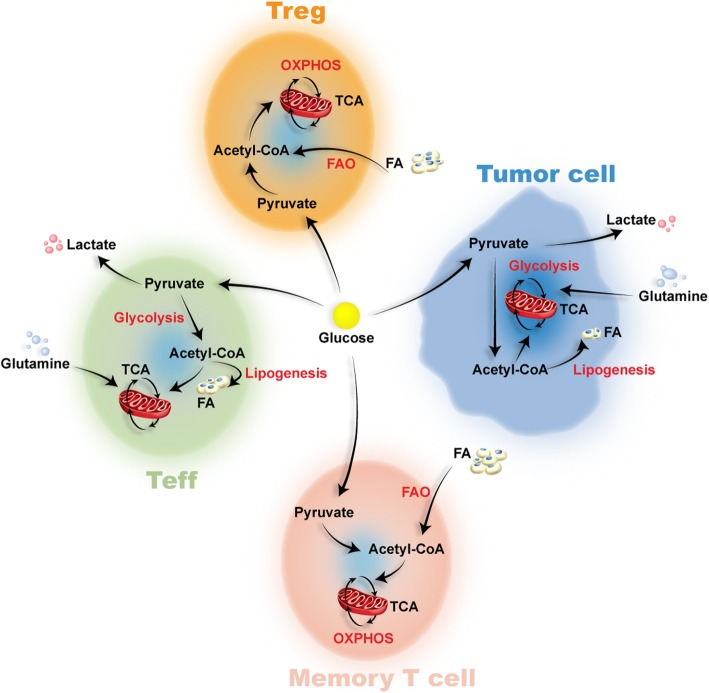
“Similarly, naïve and memory T cells mainly depend on OXPHOS and fatty acid β-oxidation (FAO) leading to ATP production [56,57].”
BackgroundReprogramming the tumor microenvironment with biotechnology
Kim, M., Lee, N. K., Wang, C. J., Lim, J., Byun, M. J., Kim, T. P., Park, W., Park, D.-H., Kim, S.-N., & Park, C. G. (2023) · Biomaterials Research · doi:10.1186/s40824-023-00343-4 · Cited by 43
“Moreover, tumor cells regulate the differentiation of immune cells in the TME via the metabolites of tumor cells, which can encourage tumor growth and Tregs and inhibit effector T cell infiltration and immune responses [118, 120].”
BackgroundTargeted Metabolic Reprogramming to Improve the Efficacy of Oncolytic Virus Therapy
Kennedy, B. E., Sadek, M., & Gujar, S. A. (2020) · Molecular Therapy · doi:10.1016/j.ymthe.2020.03.014 · Cited by 40
Ye, L., Peng, W., Niu, Y., Xiang, X., Wei, X., Wang, Z.-H., Wang, X., Zhang, S., Chen, X., & Zhou, Q. (2020) · Annals of Translational Medicine · doi:10.21037/atm-20-7181 · Cited by 35
“Teffs comprise different functional subtype and these cells can directly or indirectly kill tumors by synthesizing various biomolecules such as Interferon-γ (IFN-γ), tumor necrosis factor (TNF), perforin and/or granzymes (3,4).”
BackgroundDavern, M., Donlon, N. E., O’Connell, F., Gaughan, C., O’Donovan, C., McGrath, J., Sheppard, A. D., Hayes, C., King, R., Temperley, H. C., et al. (2022) · Journal of Cancer Research and Clinical Oncology · doi:10.1007/s00432-022-04440-0 · Cited by 35
Immune modulation in malignant pleural effusion: from microenvironment to therapeutic implications
Ge, S., Zhao, Y., Liang, J., He, Z., Li, K., Zhang, G., Hua, B., Zheng, H., Guo, Q., Qi, R., et al. (2024) · Cancer Cell International · doi:10.1186/s12935-024-03211-w · Cited by 35
Targeting disseminated estrogen-receptor-positive breast cancer cells in bone marrow
Buschhaus, J. M., Humphries, B. A., Eckley, S. S., Robison, T. H., Cutter, A. C., Rajendran, S., Haley, H. R., Bevoor, A. S., Luker, K. E., & Luker, G. D. (2020) · Oncogene · doi:10.1038/s41388-020-01391-z · Cited by 36
Ianni, N. D., Musio, S., & Pellegatta, S. (2021) · International Journal of Molecular Sciences · doi:10.3390/ijms22094460 · Cited by 37
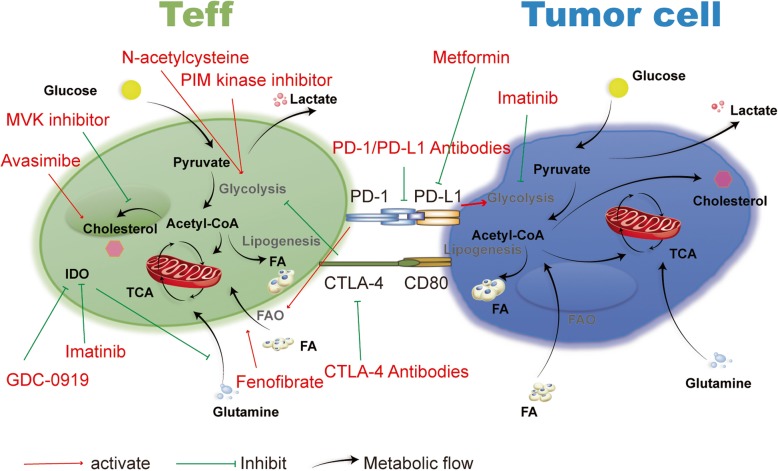
“PD-1 signal influences the metabolism of T cells by abrogating the uptake and utilization of glucose, promoting β-oxidation of endogenous FA, and driving lipolysis [53].”
BackgroundNanomedicines Targeting Metabolism in the Tumor Microenvironment
Ren, M., Zheng, X., Gao, H., Jiang, A., Yao, Y., & He, W. (2022) · Frontiers in Bioengineering and Biotechnology · doi:10.3389/fbioe.2022.943906 · Cited by 35
“Changes in the cellular metabolism of these cells also involve nutrient limitation and immunosuppressive functions (Yin et al., 2019).”
BackgroundMetabolic regulation of T lymphocyte motility and migration
Vuononvirta, J., Marelli‐Berg, F. M., & Poobalasingam, T. (2020) · Molecular Aspects of Medicine · doi:10.1016/j.mam.2020.100888 · Cited by 33
Role of amino acid metabolism in tumor immune microenvironment of colorectal cancer
Zhu, M. (2025) · American Journal of Cancer Research · doi:10.62347/zsoo2247 · Cited by 35
Lu, H., Zhou, L., Zhang, B., Xie, Y., Yang, H., & Wang, Z. (2022) · Frontiers in Medicine · doi:10.3389/fmed.2022.939776 · Cited by 32
Evans, J. V., Suman, S., Goruganthu, M., Tchekneva, E. E., Guan, S., Arasada, R. R., Antonucci, A., Piao, L., Ilgisonis, I. S., Bobko, A. A., et al. (2023) · JNCI Journal of the National Cancer Institute · doi:10.1093/jnci/djad091 · Cited by 34
“As acidosis and hypoxia are harmful for T-cell antitumor activity (55, 56), including adenosine receptor A 2B antagonist in the combination regimen could ameliorate this adverse effect.”
BackgroundLi, Y., Wu, Y., & Hu, Y. (2021) · Frontiers in Immunology · doi:10.3389/fimmu.2021.641883 · Cited by 34
Immuno-Metabolism: The Role of Cancer Niche in Immune Checkpoint Inhibitor Resistance
Weng, C.-Y., Kao, C.-X., Chang, T., & Huang, Y. (2021) · International Journal of Molecular Sciences · doi:10.3390/ijms22031258 · Cited by 34
“This glucose-deprived TME, however, may be beneficial for developing Tregs, since they mainly fuel their energy needs through OXPHOS, and only require a small amount of glucose [78,79].”
BackgroundNatural Compounds as Metabolic Modulators of the Tumor Microenvironment
Dias, A. S., Helguero, L. A., Almeida, C. R., & Duarte, I. F. (2021) · Molecules · doi:10.3390/molecules26123494 · Cited by 34
“On the other hand, anti‐ inflammatory Treg cells and CD8+ memory T cells rely on OXPHOS to survive [40].”
BackgroundCui, M., Yi, X., Zhu, D., & Wu, J. (2021) · Translational Cancer Research · doi:10.21037/tcr-21-655 · Cited by 31
“It also promotes the generation of Treg cells by activating the MAPK signaling pathway (80).”
BackgroundYang, Y., Chen, L., Zheng, B., & Zhou, S. (2022) · Oncogene · doi:10.1038/s41388-022-02562-w · Cited by 33
“Imatinib can also enhance the effector activity of effector T cells and trigger the death of regulatory T cells, making it a promising immune booster option [51].”
BackgroundCD200/CD200R: Bidirectional Role in Cancer Progression and Immunotherapy
Nip, C., Wang, L., & Liu, C. (2023) · Biomedicines · doi:10.3390/biomedicines11123326 · Cited by 33
“STAT3 signaling also modulates cytokine release and was similarly found to be suppressed by CD200/CD200R interactions [39].”
BackgroundKang, I. M., Theodoropoulos, G., & Wangpaichitr, M. (2025) · Frontiers in Oncology · doi:10.3389/fonc.2024.1524651 · Cited by 30
Metabolic Factors Affecting Tumor Immunogenicity: What Is Happening at the Cellular Level?
Sayed, R. E., Haibe, Y., Amhaz, G., Bouferraa, Y., & Shamseddine, A. I. (2021) · International Journal of Molecular Sciences · doi:10.3390/ijms22042142 · Cited by 31
“Furthermore, upon T-cell activation, sarco/ER Ca2+-ATPase (SERCA) activity is inhibited, and phosphoenolpyruvate carboxykinase 1 (PCK1) becomes overexpressed leading to excessive phosphoenolpyruvate (PEP) production.”
BackgroundInfluentialKatopodi, T., Petanidis, S., Anestakis, D., Charalampidis, C., Chatziprodromidou, I. P., Floros, G., Eskitzis, P., Zarogoulidis, P., Koulouris, C., Sevva, C. D., et al. (2024) · Frontiers in Immunology · doi:10.3389/fimmu.2023.1325360 · Cited by 34
Schwestermann, J., Bešše, A., Driessen, C., & Bešše, L. (2022) · Frontiers in Oncology · doi:10.3389/fonc.2022.899272 · Cited by 27
Wang, S., Vong, L. B., Heger, Z., Zhou, Y., Liang, X., Adam, V., & Li, N. (2023) · Nano Today · doi:10.1016/j.nantod.2023.101769 · Cited by 26
High Glucose Enhances Cytotoxic T Lymphocyte-Mediated Cytotoxicity
Zhu, J., Yang, W., Zhou, X., Zöphel, D., Soriano‐Baguet, L., Dolgener, D., Carlein, C., Hof, C., Zhao, R., Ye, S., et al. (2021) · Frontiers in Immunology · doi:10.3389/fimmu.2021.689337 · Cited by 26
Zha, C., Yang, X., Yang, J., Zhang, Y., & Huang, R. (2024) · Annals of Hematology · doi:10.1007/s00277-024-06117-9 · Cited by 24
Feng, H., & Shen, W. (2020) · Frontiers in Oncology · doi:10.3389/fonc.2020.564796 · Cited by 26
Genome Scale Modeling to Study the Metabolic Competition between Cells in the Tumor Microenvironment
Frades, I., Foguet, C., Cascante, M., & Araúzo-Bravo, M. J. (2021) · Cancers · doi:10.3390/cancers13184609 · Cited by 24
Metabolic Regulation of CD8 + T Cells: From Mechanism to Therapy
Zheng, Y. Y., Wang, X., & Huang, M. (2022) · Antioxidants and Redox Signaling · doi:10.1089/ars.2022.0040 · Cited by 20
“The past decades have witnessed the increasing recognition that CD8 + T cell metabolism in the TME is often adapted to diminish antitumor immune responses and thereby to allow evasion from immune surveillance (1, 13, 72, 107, 124, 140).”
Lv, X., Ding, M., & Liu, Y. (2022) · Frontiers in Immunology · doi:10.3389/fimmu.2022.848455 · Cited by 22
“Moreover, the fight for nutrition between tumor cells and infiltrated lymphocytes will lead to immunosuppression (44, 45).”
BackgroundСергеевич, Б. А., Khantakova, J. N., Сергеевна, Ш. Н., Shiku, H., & Sennikov, S. V. (2022) · Frontiers in Immunology · doi:10.3389/fimmu.2022.1016670 · Cited by 20
Ionic Regulation of T-Cell Function and Anti-Tumour Immunity
Ginefra, P., Hope, H. C., Spagna, M., Zecchillo, A., & Vannini, N. (2021) · International Journal of Molecular Sciences · doi:10.3390/ijms222413668 · Cited by 20
Ammonia metabolism and ammonia-induced cell death: role in cancer therapy
Xu, Y., Wang, J., Wu, A., & Wang, M. (2025) · Cell Communication and Signaling · doi:10.1186/s12964-025-02504-5 · Cited by 18
“…between TCRs and peptide-MHC complexes, and diminishes activation-related signal transduction proteins such as ZAP-70 and LAT, resulting in decreased cytokine secretion, particularly interferon-γ (IFN-γ) and tumor necrosis factor-α (TNF-α), which are essential for tumor cell killing [51, 59].”
CRISPR-Cas gene knockouts to optimize engineered T cells for cancer immunotherapy
Castro, V. D., Galaine, J., Loyon, R., & Godet, Y. (2024) · Cancer Gene Therapy · doi:10.1038/s41417-024-00771-x · Cited by 18
“This is notably achieved by inhibiting the PI3K/Akt/mTOR pathway and fostering the differentiation of regulatory T cells (Tregs) [17, 18].”
Breast cancer is marked by specific, Public T-cell receptor CDR3 regions shared by mice and humans
Gordin, M., Philip, H., Zilberberg, A., Gidoni, M., Margalit, R., Clouser, C. R., Adams, K., Vigneault, F., Cohen, I. R., Yaari, G., et al. (2021) · PLoS Computational Biology · doi:10.1371/journal.pcbi.1008486 · Cited by 22
“Some recent works show that the unique TCR reactivity to immunogenic pathogen-derived epitopes is present already in the naïve repertoire prior to immune expansion in B6 mice [7] and that Naïve T cells can manifest shifting to Teffs, which can effectively kill tumor cells [8].”
BackgroundNext Generation Imaging Techniques to Define Immune Topographies in Solid Tumors
Pietrobon, V., Cesano, A., Marincola, F., & Kather, J. N. (2021) · Frontiers in Immunology · doi:10.3389/fimmu.2020.604967 · Cited by 14
Immunometabolism: a new dimension in immunotherapy resistance
Xiao, C., Xiong, W., Xu, Y., Zou, J. P., Zeng, Y., Liu, J., Peng, Y., Hu, C., & Wu, F. (2023) · Frontiers of Medicine · doi:10.1007/s11684-023-1012-z · Cited by 20
Potential impact and mechanism of Long Non-coding RNAs on cancer and associated T cells
Chen, W., Liu, S., & Wang, F. (2021) · Journal of Cancer · doi:10.7150/jca.58859 · Cited by 17
Acidic pH can attenuate immune killing through inactivation of perforin
Hodel, A. W., Rudd-Schmidt, J. A., Noori, T., Lupton, C. J., Cheuk, V. C. T., Trapani, J. A., Hoogenboom, B. W., & Voskoboinik, I. (2025) · EMBO Reports · doi:10.1038/s44319-024-00365-6 · Cited by 17
“Factors like checkpoint signalling and diminished cell metabolism (Labani-Motlagh et al, 2020; Giraldo et al, 2018; McPhedran et al, 2024; O ’ Sullivan and Pearce, 2015; Yin et al, 2019) hinder the long-term performance of immune effectors in eliminating their targets.”
P2 Receptors: Novel Disease Markers and Metabolic Checkpoints in Immune Cells
Vultaggio-Poma, V., & Virgilio, F. D. (2022) · Biomolecules · doi:10.3390/biom12070983 · Cited by 16
“In addition to metabolites and metabolic enzymes [for example, phosphoenolpyruvate carboxikinase-1, PIM kinase (Proviral Integration site for Moloney murine leukemia virus, a highly conserved serine/threonine protein kinase) or acyl-CoA acyltransferase] [177], P2XRs are, in principle, useful targets for enhancing T-ly…”
BackgroundYin, X., Ke, Y., Liang, Y., Zhang, S., Chen, Z., Yu, L., Jiang, M., Liu, Q., & Gu, X. (2024) · Advanced Healthcare Materials · doi:10.1002/adhm.202401373 · Cited by 16
Yang, Z., Deng, M., Ren, L., Fan, Z., Yang, S., Liu, S., Ren, X., Gao, J., Cheng, B., & Xia, J. (2024) · Cell Death Discovery · doi:10.1038/s41420-024-02174-1 · Cited by 17
“The staining results were evaluated semi-quantitatively based on the ratio of the staining intensity to the proportion of positive cells.”
Modeling the Th17 and Tregs Paradigm: Implications for Cancer Immunotherapy
Corral‐Jara, K. F., da Silva, G. R., Fierro, N. A., & Soumelis, V. (2021) · Frontiers in Cell and Developmental Biology · doi:10.3389/fcell.2021.675099 · Cited by 17
Cai, X., Li, H., Wang, M., Chu, E., Wei, N., Lin, J., Hu, Y. F., Dai, J., Chen, A., Zheng, H., et al. (2022) · Biochemical Pharmacology · doi:10.1016/j.bcp.2022.115197 · Cited by 16
Park, J. S., & Perl, A. (2023) · International Journal of Molecular Sciences · doi:10.3390/ijms241310749 · Cited by 16
“When T cells differentiate and execute effector functions, they undergo metabolic reprogramming [92].”
BackgroundPuncta intended: connecting the dots between autophagy and cell stress networks
Ho, C. J., Samarasekera, G., Rothe, K., Xu, J., Yang, K., Leung, E. W., Chan, M., Jiang, X., & Gorski, S. M. (2020) · Autophagy · doi:10.1080/15548627.2020.1775394 · Cited by 14
“phases depending on their biosynthetic and energy needs at different stages of development [32].”
BackgroundShen, K., & Liu, T. (2021) · International Journal of General Medicine · doi:10.2147/ijgm.s325467 · Cited by 13
Pan, S.-Y., Liu, C., Yao, H., Pan, X., Li, J., Yang, J., Du, M., Liu, P., Zhang, S., & Zhang, X. (2023) · Chemical Communications · doi:10.1039/d3cc05011d · Cited by 12
Loucif, H., Dagenais-Lussier, X., Beji, C., Telittchenko, R., Routy, J., & van Grevenynghe, J. (2020) · Cytokine & Growth Factor Reviews · doi:10.1016/j.cytogfr.2020.02.004 · Cited by 12
Necroptosis Related Genes Predict Prognosis and Therapeutic Potential in Gastric Cancer
Wu, N., Liu, F., Huang, Y., Su, X., Zhang, Y., Yu, L., & Liu, B. (2023) · Biomolecules · doi:10.3390/biom13010101 · Cited by 11
“In summary, our results revealed that necroptosis-related genes could shape the unique TME of GC.”
BackgroundInfluentialDeng, Y., Ma, J., Zhao, S., Yang, M. W., Sun, Y., & Zhang, Q. (2022) · Translational Oncology · doi:10.1016/j.tranon.2022.101614 · Cited by 11
Wang, Z., Shao, Y., Zhang, H., Lu, Y., Chen, Y., Shen, H., Huang, C., Wu, J., & Fu, Z. (2023) · Frontiers in Immunology · doi:10.3389/fimmu.2023.1181985 · Cited by 10
Yan, C. W., Chen, S., Ayers, G. D., Nebhan, C. A., Roland, J. T., Weiss, V. L., Johnson, D. B., & Richmond, A. J. (2022) · npj Precision Oncology · doi:10.1038/s41698-021-00249-1 · Cited by 10
Zuo, Q., Wu, Y., Hu, Y., Shao, C., Liang, Y., Chen, L., Guo, Q., Ping, H., & Chen, Q. (2024) · Heliyon · doi:10.1016/j.heliyon.2024.e30807 · Cited by 9
High-intensity interval training in allogeneic adoptive T-cell immunotherapy – a big HIT?
Heinemann, N. C., Tischer‐Zimmermann, S., Wittke, T., Eigendorf, J., Kerling, A., Framke, T., Melk, A., Heuft, H., Blasczyk, R., Maecker‐Kolhoff, B., et al. (2020) · Journal of Translational Medicine · doi:10.1186/s12967-020-02301-3 · Cited by 9
Li, Q., Xiao, Z., Liu, B., Xu, Y., Wang, C., Li, M., Wu, Y., Yin, C., Yu, W., Liu, Z., et al. (2026) · Biomaterials · doi:10.1016/j.biomaterials.2025.123976 · Cited by 8
Barbaro, A. D. L., Palano, M. T., Cucchiara, M., Gallazzi, M., Mortara, L., & Bruno, A. (2021) · Vaccines · doi:10.3390/vaccines9101178 · Cited by 8
Tiersma, J. F., Evers, B., Bakker, B. M., Reijngoud, D., de Bruyn, M., de Jong, S., & Jalving, M. (2024) · Cancer Treatment Reviews · doi:10.1016/j.ctrv.2024.102802 · Cited by 8
Charwudzi, A., Ye, M., Hu, L., Ding, C., Pu, L., Li, Q., Xu, M., Zhai, Z., & Xiong, S. (2021) · PeerJ · doi:10.7717/peerj.12394 · Cited by 8
“Growing evidence suggests cancer is primarily a mitochondrial metabolic disease that exhibits altered energy production and dysregulated metabolic crosstalk ( Yin et al., 2019 ; Norberg et al., 2017 ).”
Dong, W., Qian, X., Liu, H., Huo, J. A., & Wang, W. (2026) · Biomolecules · doi:10.3390/biom16010160 · Cited by 7
“To overcome the adaptive resistance based on the ability of cells to resort to FAO when under starvation conditions, the CPT1A inhibitor Etomoxir has been proven to inhibit the immunosuppressive function of T-MDSCs and Tregs, which depend largely on FAO for their viability [219,220].”
Luo, D., Kuang, F. L., Du, J., Zhou, M., Peng, F., Gan, Y., Fang, C., Yang, X., Li, B., & Su, S. (2021) · Frontiers in Oncology · doi:10.3389/fonc.2021.677609 · Cited by 7
Evaluation of TCR-like CAR/CAR/TCR T-cells metabolism in 3D culture
Сергеевич, Б. А., Philippova, J., Alsalloum, A., Alrhmoun, S., Дмитриевич, К. Ф., Shevchenko, J. A., Fisher, M. S., Perik-Zavodskii, R., Perik-Zavodskaia, O., Вячеславович, Н. К., et al. (2024) · Immunologiya · doi:10.33029/1816-2134-2024-45-6-691-700 · Cited by 6
Decoding signaling architectures: CAR versus TCR dynamics in solid tumor immunotherapy
Chen, Z., & Zhou, X. (2025) · Acta Biochimica et Biophysica Sinica · doi:10.3724/abbs.2025190 · Cited by 7
“Overall, inhibiting glycolysis and reprogramming T - cell metabolism constitute a viable approach to enhance the efficacy of TCR and CAR therapy in solid tumors [195].”
Wojciechowicz, K., Kuncewicz, K., Rutkowski, J., Jassem, J., Rodziewicz‐Motowidło, S., Wardowska, A., & Spodzieja, M. (2024) · Biomedicine & Pharmacotherapy · doi:10.1016/j.biopha.2024.116675 · Cited by 6
Immunometabolism in the Bladder Cancer Microenvironment
Fattahi, M. J., Haghshenas, M. R., & Ghaderi, A. A. (2022) · Endocrine Metabolic & Immune Disorders - Drug Targets · doi:10.2174/1871530322666220104103905 · Cited by 6
The Diverse Roles of Lipid Metabolism Reprogramming in Shaping the Tumor Immune Microenvironment
Lee, J., Cheu, J. W., & Wong, C. C. (2025) · Cancer Research · doi:10.1158/0008-5472.can-25-2568 · Cited by 5
Glucose metabolic reprogramming as a driver of immunosuppression in the tumour microenvironment
Wang, Y., Lu, Y., Zhou, J., & Yang, X. (2026) · Clinical and Translational Medicine · doi:10.1002/ctm2.70665 · Cited by 5
“21,22 Glycolysis plays a critical role in sustaining T cell proliferation.”
Metadata
- Authors
- Yin, Z., Bai, L., Li, W., Zeng, T., Tian, H., & Cui, J.
- Affiliations
- First Hospital of Jilin University (CN)
- Corresponding author
- Cui, Jiuwei
- Venue
- Journal of Experimental & Clinical Cancer Research
- Published
- 2019-09-13
- Volume
- 38
- Issue
- 1
- Pages
- 403-403
- ISSN
- 0392-9078 (ISSN-L)
- 1756-9966
- PMC
- PMC6743108
- OpenAlex
- W2973127038
- Cited by
- 133
- References
- 76
- Citations by year
- 2026: 7 · 2025: 9 · 2024: 17 · 2023: 16 · 2022: 22 · 2021: 31 · 2020: 29
- FWCI
- 1.97
- Type
- journal article
- Language
- en
- Open access
- gold
- doi.org
- Licence
- cc-by
- creativecommons.org/licenses/by/4.0/ (tdm)
- creativecommons.org/licenses/by/4.0/ (vor)
- Locations
- Journal of Experimental & Clinical Cancer Research (publishedVersion, cc-by)
- PubMed Central (publishedVersion, cc-by)
- PubMed (publishedVersion)
- DOAJ (DOAJ: Directory of Open Access Journals) (submittedVersion)
- Funders
- Project of Department of Finance of Jilin Province (2018SCZWSZX-010)
- Industrial Research and Development Project of Development and Reform Commission of Jilin Province (2017C022)
- Key Laboratory Construction Project of Science and Technology Department (20170622011JC)
- Project of Department of Science and Technology of Jilin Province (20180101009JC, 20190303146SF)
- Outstanding Talent Cultivation Program for Doctoral Students in Norman Bethune Health Science Center of Jilin University (-)
- Science Development Project of Jilin Province (20150520046JH)
- National Natural Science Foundation of China (81672275)
- Innovative Research Group Project of the National Natural Science Foundation of China (81874052)
- Project of Health and Family Planning Commssion of Jilin Province (2017J064)
- Project of Jilin Provincial Department of Education (JJKH20190020KJ)
- Topics
- Life Sciences › Biochemistry, Genetics and Molecular Biology › Cancer Research › Cancer, Hypoxia, and Metabolism
- Health Sciences › Medicine › Oncology › Cancer Immunotherapy and Biomarkers
- Life Sciences › Immunology and Microbiology › Immunology › T-cell and B-cell Immunology
- Keywords
- T cell metabolism, tumor microenvironment, metabolic reprogramming, cancer immunotherapy, T cell differentiation, T cell activation, immunometabolism, anticancer drug targets
- MeSH terms
- Animals, Antineoplastic Agents, Energy Metabolism, Humans, Neoplasms, T-Lymphocytes, Molecular Targeted Therapy, Tumor Microenvironment
About these checks
Registry, retraction, Cites and statistics results are computed, not judged, with one exception: a printed reference that no index lists is read once by a model before it counts as a citation error. Claims are extracted by a model and kept only when their quote appears verbatim in the text; each cited source is then checked, with a model’s help, for whether it says what the claim relies on. Those verdicts can be wrong — read the claim’s quote and the cited source before relying on one.
Statistics and arithmetic are recomputed, not judged.
Confidence bands are shown only for fields calibrated on our annotated test set. None is calibrated yet, so no band is shown.
What counts as a claim ›How we measure confidence ›How we check this ›
Are you an author, or do you see a problem with this page? Request a review
Data sources
Bibliographic data: Semantic Scholar, OpenAlex, Crossref.
Contains information from the Semantic Scholar Academic Graph Datasets, made available under the ODC Attribution License (ODC-BY 1.0).
Semantic Scholar’s data is described in: Kinney, R., et al. (2023). The Semantic Scholar Open Data Platform. arXiv:2301.10140.
