

FTO suppresses glycolysis and growth of papillary thyroid cancer via decreasing stability of APOE mRNA in an N6-methyladenosine-dependent manner
Open accessThe DOI matches its Crossref record; 49 of the 49 references it cites were found in a registry or an index.
Abstract
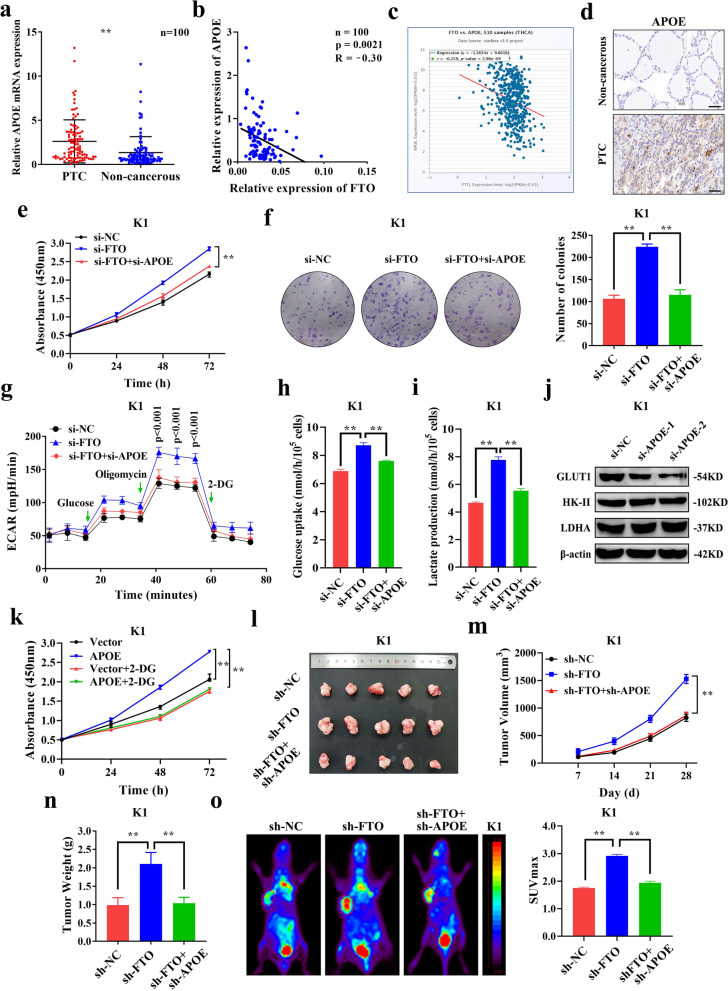
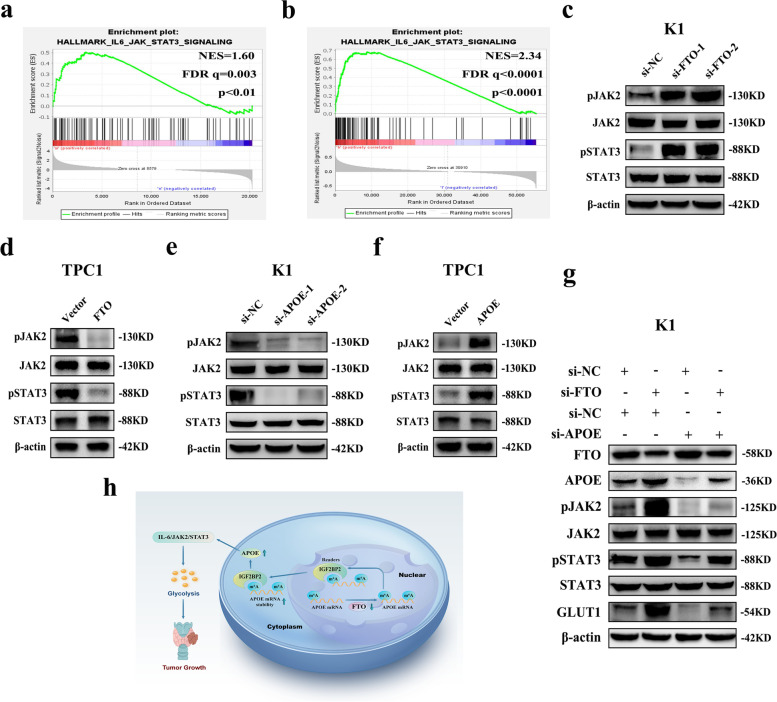
Background: N6-methyladenosine (m 6 A) modification is the most common chemical modification in mammalian mRNAs, and it plays important roles by regulating several cellular processes. Previous studies report that m 6 A is implicated in modulating tumorigenesis and progression. However, dysregulation of m 6 A modification and effect of m 6 A demethylase fat-mass and obesity-associated protein (FTO) on glucose metabolism has not been fully elucidated in papillary thyroid cancer (PTC). Methods: Quantitative real-time PCR (qRT-PCR), western blotting and immunohistochemistry were performed to explore the expression profile of FTO in PTC tissues and adjacent non-cancerous thyroid tissues. Effects of FTO on PTC glycolysis and growth were investigated through in vitro and in vivo experiments. Mechanism of FTO-mediated m 6 A modification was explored through transcriptome-sequencing (RNA-seq), methylated RNA immunoprecipitation sequencing (MeRIP-seq), MeRIP-qPCR, luciferase reporter assays, RNA stability assay and RNA immunoprecipitation assay. Results: FTO expression was significantly downregulated in PTC tissues. Functional analysis showed that FTO inhibited PTC glycolysis and growth. Further analyses were conducted to explore FTO-mediated m 6 A modification profile in PTC cells and Apolipoprotein E (APOE) was identified as the target gene for FTO-mediated m 6 A modification using RNA-seq and MeRIP-seq. FTO knockdown significantly increased APOE mRNA m 6 A modification and upregulated its expression. FTO-mediated m 6 A modification of APOE mRNA was recognized and stabilized by the m 6 A reader IGF2BP2. The findings showed that APOE also promoted tumor growth through glycolysis in PTC. Analysis showed that FTO/APOE axis inhibits PTC glycolysis by modulating IL-6/JAK2/STAT3 signaling pathway. Conclusion: FTO acts as a tumor suppressor to inhibit tumor glycolysis in PTC. The findings of the current study showed that FTO inhibited expression of APOE through IGF2BP2-mediated m 6 A modification and may inhibit glycolytic metabolism in PTC by modulating IL-6/JAK2/STAT3 signaling pathway, thus abrogating tumor growth.
Overview
The claims and statistics of this paper haven’t been checked yet.
Free: it reads the open-access text and checks the first 5 claims that cite a source we can check. Create a free account to check every claim.
Integrity signals
Registry
Cites
Statistics
Figures
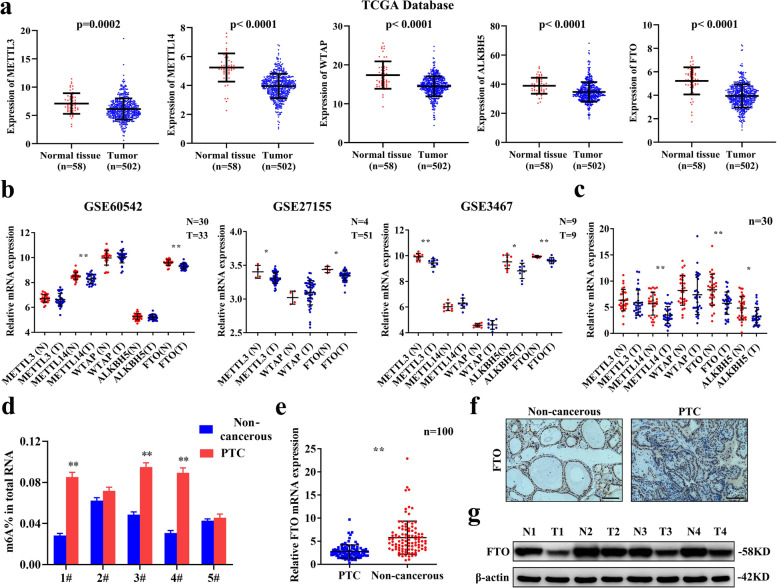
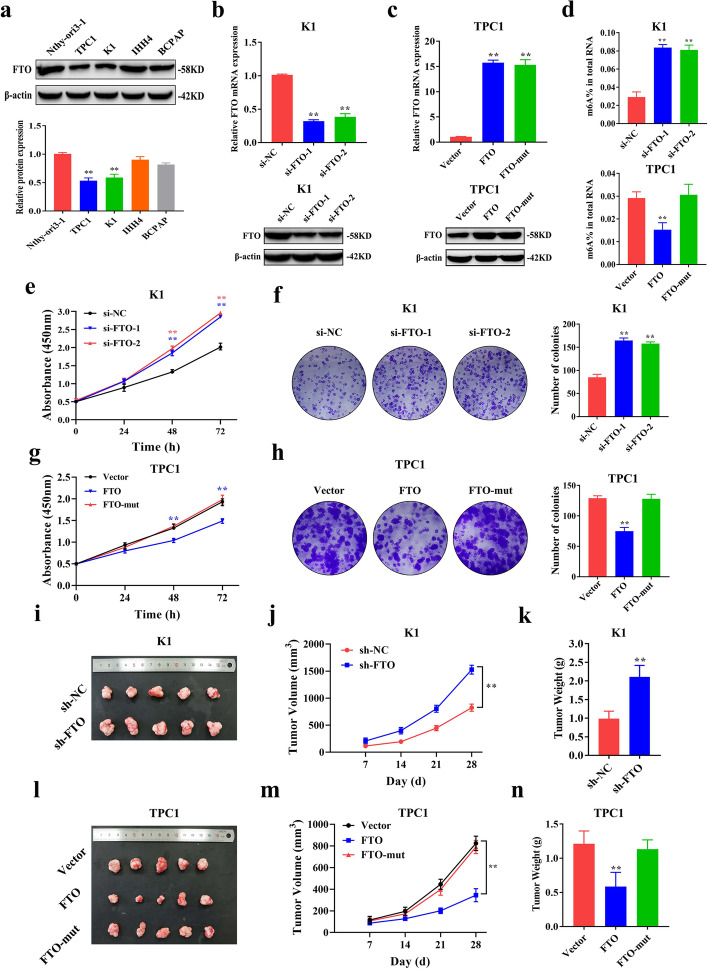
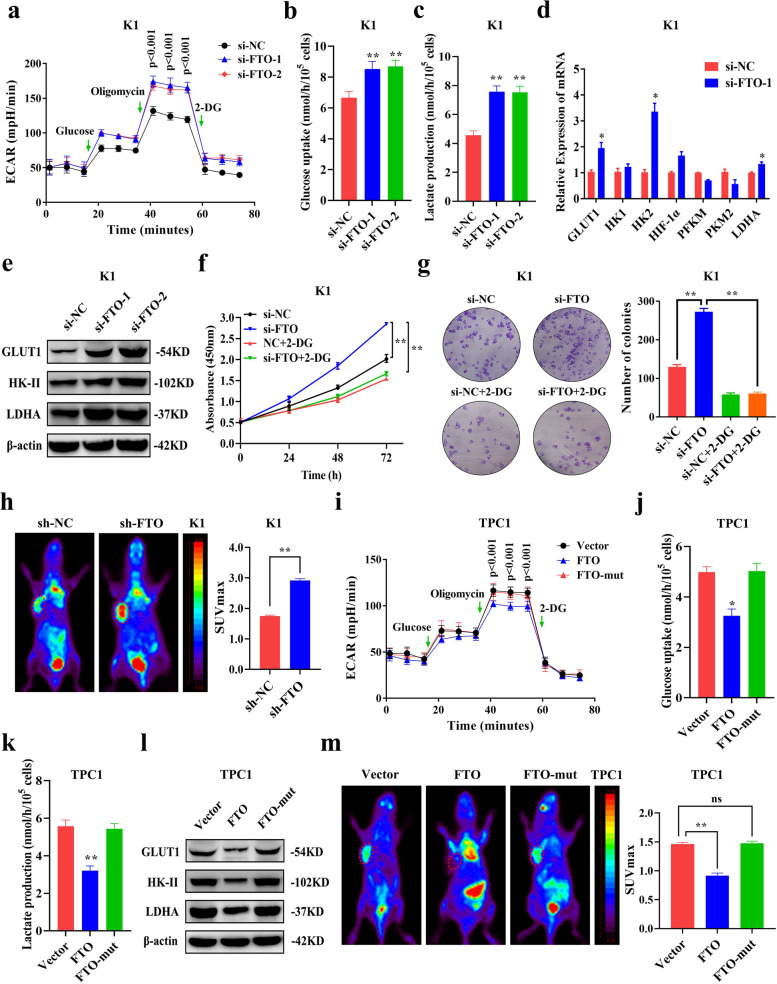
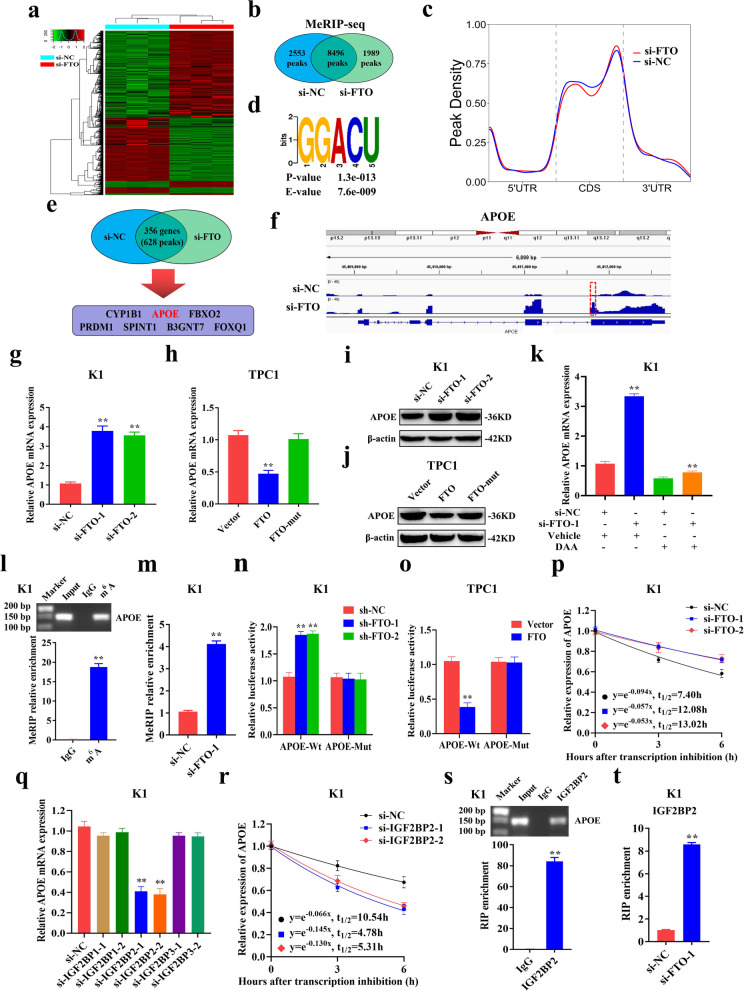
Verification
Claims the paper makes
The claims and statistics of this paper haven’t been checked yet.
Free: it reads the open-access text and checks the first 5 claims that cite a source we can check. Create a free account to check every claim.
Claims other papers make about this one
Each is checked against this paper’s own text: does it say what the citing paper says it does?
The source backs part of the claim, not all of it — or backs it for a different population, condition or comparison.
In the citing paper
“This in turn activates the IL-6/JAK2/STAT3 signaling pathway, promoting glycolysis and tumor progression in papillary thyroid cancer (PTC).”
From IMPlications of IMP2 in RNA Biology and Disease (2025) · cites this paper as [102]
Experimental — accuracy not yet measuredThe cited source says what the claim attributes to it.
In the citing paper
“Luciferase reporter assays and RNA stability tests demonstrated that IMP2 stabilizes Apolipoprotein E (APOE) mRNA via m6A modification, increasing its expression [102].”
From IMPlications of IMP2 in RNA Biology and Disease (2025) · cites this paper as [102]
Self-check
Percentages, sums and reported differences re-computed from the paper’s own numbers.
The self-check needs the paper’s full text.
Citations
Cites
2 retracted
Tang, B., Yang, Y., Kang, M., Wang, Y., Wang, Y., Bi, Y., He, S., & Shimamoto, F. (2020) · Molecular Cancer · doi:10.1186/s12943-019-1128-6 · Cited by 327
RetractedZheng, M. H., Cao, M., Yu, X., Li, L., Wang, K., Wang, S., Wang, H., Tang, Y.-J., Tang, Y., & Liang, X. (2019) · Frontiers in Oncology · doi:10.3389/fonc.2019.01175 · Cited by 23 · cited 2×
“These findings show a novel molecular mechanism of PTC progression regulated by m6A modification and provide valuable insights for development of efficient therapeutic strategies against PTC. Abbreviations 2-DG: 2-deoxy-glucose; AD: Alzheimerʼs disease; ALKBH5: Alkylation repair homolog protein 5; APOE: Apolipoprotein…”
BackgroundRetractedSung, H., Ferlay, J., Siegel, R. L., Laversanne, M., Soerjomataram, I., Jemal, A., & Bray, F. (2021) · CA: A Cancer Journal for Clinicians · doi:10.3322/caac.21660 · Cited by 108,699 · cited 2×
“Global incidence of thyroid cancer in women is three times higher compared with the incidence in men, and one in every 20 women diagnosed with malignancy has thyroid cancer [1].”
BackgroundHallmarks of Cancer: The Next Generation
Hanahan, D., & Weinberg, R. A. (2011) · Cell · doi:10.1016/j.cell.2011.02.013 · Cited by 66,590 · cited 2×
“Glycolysis results in high amounts of lactate which can be utilized as the main energy source by other cells, and glycolytic intermediates may be diverted into various biosynthetic pathways [23].”
BackgroundTopology of the human and mouse m6A RNA methylomes revealed by m6A-seq
Dominissini, D., Moshitch-Moshkovitz, S., Schwartz, S., Salmon-Divon, M., Ungar, L., Osenberg, S., Cesarkas, K., Jacob-Hirsch, J., Amariglio, N., Kupiec, M., et al. (2012) · Nature · doi:10.1038/nature11112 · Cited by 4,884 · cited 3×
“We extracted the sequences of the first 1000 peaks with the largest enrichment multiples for each group (50 bp on both sides of the vertex) from MeRIP-seq data and then scanned them with dreme software to identify meaningful motif sequences [10, 33].”
BackgroundMethodN6-methyladenosine-dependent regulation of messenger RNA stability
Wang, X., Lu, Z., Gomez, A., Hon, G. C., Yue, Y., Han, D., Fu, Y., Parisien, M., Dai, Q., Jia, G., et al. (2014) · Nature · doi:10.1038/nature12730 · Cited by 4,558
Comprehensive Analysis of mRNA Methylation Reveals Enrichment in 3′ UTRs and near Stop Codons
Meyer, K. D., Saletore, Y., Zumbo, P., Elemento, O., Mason, C. E., & Jaffrey, S. R. (2012) · Cell · doi:10.1016/j.cell.2012.05.003 · Cited by 4,223
N6-Methyladenosine in nuclear RNA is a major substrate of the obesity-associated FTO
Jia, G., Fu, Y., Zhao, X., Dai, Q., Zheng, G., Yang, Y., Yi, C., Lindahl, T., Pan, T., Yang, Y.-G., et al. (2011) · Nature Chemical Biology · doi:10.1038/nchembio.687 · Cited by 4,106
N6-methyladenosine Modulates Messenger RNA Translation Efficiency
Wang, X., Zhao, B. S., Roundtree, I. A., Lu, Z., Han, D., Ma, H., Weng, X., Chen, K., Shi, H., & He, C. (2015) · Cell · doi:10.1016/j.cell.2015.05.014 · Cited by 3,483 · cited 2×
“N6-methyladenosine (m6A) modification is the most common internal chemical modification in higher eukaryotic RNA, and it mainly modifies messenger RNA (mRNA) at the post-transcriptional level [7, 8].”
BackgroundTargeting the IL-6/JAK/STAT3 signalling axis in cancer
Johnson, D. E., O'Keefe, R. A., & Grandis, J. R. (2018) · Nature Reviews Clinical Oncology · doi:10.1038/nrclinonc.2018.8 · Cited by 3,110 · cited 1×
“This signaling pathway promotes proliferation, invasiveness, and metastasis of cancer cells, and inhibits anti-tumor immune response [47].”
Background
Cited by
Items 201–213 of 213
Wu, H., Liu, Y., Zhu, C., Duan, Z., Qu, L., & Fu, R. (2026) · Phytomedicine · doi:10.1016/j.phymed.2026.158532
Phosphate Starvation Shapes M 6 A Modification and Poly(A) Tails to Regulate mRNA Decay in Rice
Chen, W., Zhu, Y., Zhang, Z., Wang, Z., Kuang, H., Yang, Z., Tan, C., Lin, H., & Yang, J. (2026) · Plant Cell & Environment · doi:10.1111/pce.70694 · Cited by 1
“Trans ‐acting decay factors typically recognize specific cis ‐acting elements (Pérez‐Ortín et al. 2013), RNA structures, or nucleotide modifications to exert their functions (Anderson et al. 2018; Huang et al. 2022; Jin et al. 2021; Liu et al. 2025).”
Self-citationGuimarães‐Teixeira, C., Miranda‐Gonçalves, V., Henrique, R., & Jerónimo, C. (2026) · Advances in experimental medicine and biology · doi:10.1007/978-3-032-12166-0_11
Tian, W., Xie, B., & Zhan, P. (2026) · Frontiers in Immunology · doi:10.3389/fimmu.2026.1861781
Oriquat, G., Ismail, S. H., Gajjar, T. B., Jamuna, K. V., Ahmad, I. A., Tripathi, V., Maharana, L., & Tailor, N. K. (2026) · Experimental Cell Research · doi:10.1016/j.yexcr.2026.115145
Qiu, G., Cen, Y., Li, Y., Ye, J., Li, S., & Li, X. (2026) · Journal of Molecular Histology · doi:10.1007/s10735-026-10924-x
“Another RNA modifica - tion, N6-methyladenosine (m 6 A), has been shown to regu - late glycolysis in PTC (Huang et al. 2022, Ji et al. 2023).”
Wu, Y., Liu, R., Zhang, J., Sun, X., Huang, M., Li, S., Wang, N., Liu, Z., Wan, Q., & Wu, J. (2026) · Chemical Research in Toxicology · doi:10.1021/acs.chemrestox.6c00211
Chen, H., Ji, S., Wu, P., Liu, J., Zhang, W., Guo, Y., Zhang, J., Zhang, Z., Liu, Y., Liu, Y., et al. (2026) · Clinical and Translational Medicine · doi:10.1002/ctm2.70840
“26,44,45 On this basis, we hypothesised that PYCR1 promotes BCa progression by modulating the APOE/JAK2/STAT3 axis; this hypothesis was validated by rescue experiments and Western blot.”
Li, Y., Duan, Y., Tian, Z., Gao, Y., Qiao, Y., Zhao, S., Li, W., Gao, Z., & Niu, S. (2026) · Aging Cell · doi:10.1111/acel.70760
“FTO, a well-characterized m 6 A demethy-lase, is ubiquitously expressed in mammalian tissues and participates in a broad spectrum of physiological and pathological processes (Huang et al. 2022; Lin et al. 2023; Qiao et al. 2024; Zou et al. 2024).”
FTO mediated glycolytic metabolism for papillary renal cell carcinoma immune evasion
Guimarães‐Teixeira, C., Nunes, S. P., Bueno-Costa, A., Martinez‐Verbo, L., Duarte, I. F., Carriço, Í. R., Barros‐Silva, D., Lobo, J., Henrique, R., Esteller, M., et al. (2026) · Biomedicine & Pharmacotherapy · doi:10.1016/j.biopha.2026.120009
Oncogenic CLDN1 promotes thyroid cancer progression through TAp63-mediated glycolytic switching
Zhang, B., Wang, J., Zhang, Q., & Wan, Q. (2026) · iScience · doi:10.1016/j.isci.2026.117943
Pan, Y., Feng, B., Zhong, D., Zhang, Y., Su, W., Niu, L., Ji, X., Guan, Q., Wang, Y., Wang, Y., et al. (2026) · Journal for ImmunoTherapy of Cancer · doi:10.1136/jitc-2025-014417
Self-citation
Metadata
- Authors
- Huang, J., Sun, W., Wang, Z., Lv, C., Zhang, T., Zhang, D., Dong, W., Shao, L., He, L., Ji, X., Zhang, P., & Zhang, H.
- Affiliations
- First Hospital of China Medical University (CN)
- Corresponding author
- Zhang, Hao
- ORCID
- Venue
- Journal of Experimental & Clinical Cancer Research
- Published
- 2022-01-28
- Volume
- 41
- Issue
- 1
- Pages
- 42-42
- ISSN
- 0392-9078 (ISSN-L)
- 1756-9966
- PMC
- PMC8796435
- OpenAlex
- W4210813406
- Cited by
- 198
- References
- 49
- Citations by year
- 2026: 26 · 2025: 56 · 2024: 58 · 2023: 43 · 2022: 14
- FWCI
- 14.53
- Type
- journal article
- Language
- en
- Open access
- gold
- doi.org
- Licence
- cc-by
- creativecommons.org/licenses/by/4.0 (tdm)
- creativecommons.org/licenses/by/4.0 (vor)
- Locations
- Journal of Experimental & Clinical Cancer Research (publishedVersion, cc-by)
- PubMed Central (publishedVersion, cc-by)
- PubMed (publishedVersion)
- DOAJ (DOAJ: Directory of Open Access Journals) (submittedVersion, cc-by-sa)
- Funders
- National Natural Science Foundation of China (81902726)
- China Postdoctoral Science Foundation (2018M641739)
- Natural Science Foundation of Education Bureau of Liaoning Province (QNZR2020009)
- Natural Science Foundation of Liaoning Province (2020-MS-186)
- Topics
- Life Sciences › Biochemistry, Genetics and Molecular Biology › Molecular Biology › RNA modifications and cancer
- Health Sciences › Medicine › Endocrinology, Diabetes and Metabolism › Thyroid Cancer Diagnosis and Treatment
- Life Sciences › Biochemistry, Genetics and Molecular Biology › Cancer Research › Cancer-related molecular mechanisms research
- Keywords
- FTO, N6-methyladenosine, m6A RNA methylation, papillary thyroid carcinoma, apolipoprotein E, mRNA stability, IGF2BP2, glycolysis, tumor growth, IL-6/JAK2/STAT3 signaling, tumor suppressor, glucose metabolism
- MeSH terms
- Alpha-Ketoglutarate-Dependent Dioxygenase FTO, Thyroid Cancer, Papillary, Adenosine, Apolipoproteins E, Glycolysis, Humans, Prognosis, RNA, Messenger, Cell Line, Tumor, Cell Proliferation
About these checks
Registry, retraction, Cites and statistics results are computed, not judged, with one exception: a printed reference that no index lists is read once by a model before it counts as a citation error. Claims are extracted by a model and kept only when their quote appears verbatim in the text; each cited source is then checked, with a model’s help, for whether it says what the claim relies on. Those verdicts can be wrong — read the claim’s quote and the cited source before relying on one.
Statistics and arithmetic are recomputed, not judged.
Confidence bands are shown only for fields calibrated on our annotated test set. None is calibrated yet, so no band is shown.
What counts as a claim ›How we measure confidence ›How we check this ›
Are you an author, or do you see a problem with this page? Request a review
Data sources
Bibliographic data: Semantic Scholar, OpenAlex, Crossref.
Contains information from the Semantic Scholar Academic Graph Datasets, made available under the ODC Attribution License (ODC-BY 1.0).
Semantic Scholar’s data is described in: Kinney, R., et al. (2023). The Semantic Scholar Open Data Platform. arXiv:2301.10140.
