

Structural variant calling: the long and the short of it
Open accessThe DOI matches its Crossref record; 106 of the 106 references it cites were found in a registry or an index.
Abstract
Recent research into structural variants (SVs) has established their importance to medicine and molecular biology, elucidating their role in various diseases, regulation of gene expression, ethnic diversity, and large-scale chromosome evolution—giving rise to the differences within populations and among species. Nevertheless, characterizing SVs and determining the optimal approach for a given experimental design remains a computational and scientific challenge. Multiple approaches have emerged to target various SV classes, zygosities, and size ranges. Here, we review these approaches with respect to their ability to infer SVs across the full spectrum of large, complex variations and present computational methods for each approach.
Overview
The claims and statistics of this paper haven’t been checked yet.
Free: it reads the open-access text and checks the first 5 claims that cite a source we can check. Create a free account to check every claim.
Integrity signals
Registry
Cites
Statistics
Figures
Verification
Claims the paper makes
The claims and statistics of this paper haven’t been checked yet.
Free: it reads the open-access text and checks the first 5 claims that cite a source we can check. Create a free account to check every claim.
Claims other papers make about this one
Each is checked against this paper’s own text: does it say what the citing paper says it does?
The source backs part of the claim, not all of it — or backs it for a different population, condition or comparison.
In the citing paper
“This follows the expected distributions of insertions being the most frequent variant type, which is typically not observed by other Illumina-based methods7.”
From Comprehensive genome analysis and variant detection at scale using DRAGEN (2025) · cites this paper as [7]
Experimental — accuracy not yet measuredThe check wasn’t confident either way, so it gives no verdict — never disputed.
In the citing paper
“We showcased the speed and scalability of DRAGEN across multiple human populations7.”
From Comprehensive genome analysis and variant detection at scale using DRAGEN (2025) · cites this paper as [7]
Experimental — accuracy not yet measured
Self-check
Percentages, sums and reported differences re-computed from the paper’s own numbers.
The self-check needs the paper’s full text.
Citations
Cites
STAR: ultrafast universal RNA-seq aligner
Dobin, A., Davis, C. A., Schlesinger, F., Drenkow, J., Zaleski, C., Jha, S., Batut, P., Chaisson, M., & Gingeras, T. R. (2013) · Bioinformatics · doi:10.1093/bioinformatics/bts635 · Cited by 51,709
HISAT: a fast spliced aligner with low memory requirements
Kim, D., Langmead, B., & Salzberg, S. L. (2015) · Nature Methods · doi:10.1038/nmeth.3317 · Cited by 24,112
Ultrafast and memory-efficient alignment of short DNA sequences to the human genome.
Langmead, B., Trapnell, C., Pop, M., & Salzberg, S. L. (2009) · Genome Biology · doi:10.1186/gb-2009-10-3-r25 · Cited by 21,849 · cited 1×
“FusionCatcher is designed to identify somatic fusion genes, by aligning reads to a transcriptome using Bowtie [89] guided by Ensembl annotation.”
MethodMinimap2: Pairwise alignment for nucleotide sequences
Li, H. (2018) · Bioinformatics · doi:10.1093/bioinformatics/bty191 · Cited by 14,807 · cited 3×
“Thus, specialized methods to align long reads such as BLASR [76], Minimap2 [35], and NGMLR [5] were recently developed.”
MethodTopHat: discovering splice junctions with RNA-Seq
Trapnell, C., Pachter, L., & Salzberg, S. L. (2009) · Bioinformatics · doi:10.1093/bioinformatics/btp120 · Cited by 11,617
Analysis of protein-coding genetic variation in 60,706 humans
Exome Aggregation Consortium, Lek, M., Karczewski, K. J., Minikel, E. V., Samocha, K. E., Banks, E., Fennell, T., O’Donnell-Luria, A. H., Ware, J. S., Hill, A. J., et al. (2016) · Nature · doi:10.1038/nature19057 · Cited by 9,587 · cited 2×
“Databases of allele frequencies such as gnomAD [104] are available for SNVs, but we completely lack them for SVs.”
BackgroundComing of age: ten years of next-generation sequencing technologies
Goodwin, S., McPherson, J. D., & McCombie, W. R. (2016) · Nature Reviews Genetics · doi:10.1038/nrg.2016.49 · Cited by 4,352 · cited 2×
“[95] has to be considered for both alignment and SV calling steps.”
BackgroundMethodIdentification of the breast cancer susceptibility gene BRCA2
Wooster, R., Bignell, G., Lancaster, J., Swift, S., Seal, S., Mangion, J., Collins, N., Gregory, S., Gumbs, C., Micklem, G., et al. (1995) · Nature · doi:10.1038/378789a0 · Cited by 3,645
GENCODE reference annotation for the human and mouse genomes
Frankish, A., Diekhans, M., Ferreira, A.-M., Johnson, R., Jungreis, I., Loveland, J., Mudge, J. M., Sisu, C., Wright, J., Armstrong, J., et al. (2019) · Nucleic Acids Research · doi:10.1093/nar/gky955 · Cited by 3,040
DELLY: structural variant discovery by integrated paired-end and split-read analysis
Rausch, T., Zichner, T., Schlattl, A., Stütz, A. M., Benes, V., & Korbel, J. O. (2012) · Bioinformatics · doi:10.1093/bioinformatics/bts378 · Cited by 2,459
Cited by
Items 101–200 of 781
Comprehensive and accurate genome analysis at scale using DRAGEN accelerated algorithmsPreprint
Behera, S., Catreux, S., Rossi, M., Truong, S., Huang, Z., Ruehle, M., Visvanath, A., Parnaby, G., Roddey, C., Onuchic, V., et al. (2024) · bioRxiv (Cold Spring Harbor Laboratory) · doi:10.1101/2024.01.02.573821 · Cited by 39
Self-citationMérot, C. (2020) · Molecular Ecology · doi:10.1111/mec.15500 · Cited by 45
“Now, inverted sequences can be localized in essentially any species (Mahmoud et al., 2019), such as by looking for inconsistent orientation of paired sequence reads across sampled individuals.”
BackgroundEdwards, E. S. J., Bosco, J. J., Ojaimi, S., O’Hehir, R. E., & van Zelm, M. C. (2020) · Cellular and Molecular Immunology · doi:10.1038/s41423-020-00520-8 · Cited by 40
“By definition, structural variants are large genomic alterations (>50 bp) including deletions or duplications, inversions and translocations, which have the capacity to disrupt gene function and regulation and are termed copy number variants (CNVs) and balanced rearrangements, respectively.(199) Multiple genes with a…”
BackgroundComplex mosaic structural variations in human fetal brains
Sekar, S., Tomasini, L., Proukakis, C., Bae, T., Manlove, L. J., Jang, Y., Scuderi, S., Zhou, B., Kalyva, M., Amiri, A., et al. (2020) · Genome Research · doi:10.1101/gr.262667.120 · Cited by 41
“…normal and pathological human brains identified large, private, and likely clonal somatic CNVs in both normal and diseased brains (Gole et al. 2013; McConnell et al. 2013; Cai et al. 2014; Knouse et al. 2016; Chronister et al. 2019; Perez- Rodriguez et al. 2019), with 3%–25% of human cerebral…”
BackgroundMethodInfluentialSelf-citationFrom genome structure to function: insights into structural variation in microbiology
West, P. T., Chanin, R. B., & Bhatt, A. S. (2022) · Current Opinion in Microbiology · doi:10.1016/j.mib.2022.102192 · Cited by 38
Denti, L., Khorsand, P., Bonizzoni, P., Hormozdiari, F., & Chikhi, R. (2022) · Nature Methods · doi:10.1038/s41592-022-01674-1 · Cited by 51
“Most of these methods try to predict variants by detecting certain SV signatures (that is, read-depth, read-pair or split-read) in mappings of the reads to the reference genome 6,43,44 and are hence known as ‘mapping-based’ methods.”
MethodGenomic variant benchmark: if you cannot measure it, you cannot improve it
Majidian, S., Agustinho, D. P., Chin, C.-S., Sedlazeck, F. J., & Mahmoud, M. (2023) · Genome biology · doi:10.1186/s13059-023-03061-1 · Cited by 38
“It has played a crucial role in resolving numerous medical cases by facilitating the identification of disease-causing genetic variations, allowing for accurate diagnosis, such as solving CGG-repeat expansion in the fragile X gene [17, 48, 57–62].”
BackgroundMethodInfluentialSelf-citationEvolutionary adaptation under climate change: Aedes sp. demonstrates potential to adapt to warming
Couper, L., Dodge, T. O., Hemker, J. A., Kim, B. Y., Expósito‐Alonso, M., Brem, R. B., Mordecai, E. A., & Bitter, M. C. (2025) · Proceedings of the National Academy of Sciences · doi:10.1073/pnas.2418199122 · Cited by 44
“For each consensus inversion, individuals were labeled as “0” (homozygous no inversion) or “1” (homozygous for inversion or heterozygous), as short - read variant callers such as those used here may not accurately call heterozygosity (153).”
Iourov, I. Y., Vorsanova, S. G., Yurov, Y. B., Zelenova, M. A., Куринная, О. С., Vasin, K. S., & Kutsev, S. I. (2020) · International Journal of Molecular Sciences · doi:10.3390/ijms21218328 · Cited by 38
“Genome architecture at the DNA sequence level has long been recognized as playing a key role in formation of structural genome variations [13,14].”
BackgroundWang, B., Jiao, Y., Chougule, K. M., Olson, A. J., Huang, J., Llaca, V., Fengler, K. A., Wei, X., Wang, L., Wang, X., et al. (2021) · bioRxiv (Cold Spring Harbor Laboratory) · doi:10.1101/2021.01.03.424980 · Cited by 35
“Long reads are advantageous for SV calling because they can span repetitive or those that are problematic for other reasons (Mahmoud et al., 2019).”
BackgroundAdvances in long-read single-cell transcriptomics
Kumari, P., Kaur, M., Dindhoria, K., Ashford, B., Amarasinghe, S. L., & Thind, A. S. (2024) · Human Genetics · doi:10.1007/s00439-024-02678-x · Cited by 42
“Further, long-read scRNA-Seq can accurately predict gene fusion events at single cell level (Yang, et al. 2023) and facilitate the identification structural variants (Mahmoud et al. 2019).”
BackgroundAccurate profiling of forensic autosomal STRs using the Oxford Nanopore Technologies MinION device
Hall, C. L., Kesharwani, R. K., Phillips, N., Planz, J. V., Sedlazeck, F. J., & Zascavage, R. R. (2021) · Forensic Science International Genetics · doi:10.1016/j.fsigen.2021.102629 · Cited by 41
Self-citationHidden biases in germline structural variant detection
Khayat, M. M., Sahraeian, S. M. E., Zarate, S., Carroll, A. W., Hong, H., Pan, B., Shi, L. M., Gibbs, R. A., Mohiyuddin, M., Zheng, Y., et al. (2021) · Genome biology · doi:10.1186/s13059-021-02558-x · Cited by 40
“The identification of SV from next-generation sequencing (NGS) data is still not routine and suffers from multiple issues [1, 2, 11].”
BackgroundSelf-citationDaniš, D., Jacobsen, J. O. B., Balachandran, P., Zhu, Q., Yilmaz, F., Reese, J., Haimel, M., Lyon, G. J., Helbig, I., Mungall, C., et al. (2022) · Genome Medicine · doi:10.1186/s13073-022-01046-6 · Cited by 39
PerSVade: personalized structural variant detection in any species of interest
Schikora-Tamarit, M. À., & Gabaldón, T. (2022) · Genome Biology · doi:10.1186/s13059-022-02737-4 · Cited by 35
“Long-read-based SV calling may avoid some of these limitations, but short read-based SV calling remains a cost-effective strategy to find SVs in large cohorts [14, 15, 22].”
BackgroundLavrichenko, K., Johansson, S., & Jonassen, I. (2021) · BMC Genomics · doi:10.1186/s12864-021-08082-3 · Cited by 40
“The known weaknesses of long-read technologies include elevated error rates (up to 20%) as well as challenges with CNVs that exceed the length of the reads in size [25].”
BackgroundMulti-Omics Approaches and Resources for Systems-Level Gene Function Prediction in the Plant Kingdom
Abdullah‐Zawawi, M., Govender, N., Harun, S., Muhammad, N. A. N., Zainal, Z., & Mohamed‐Hussein, Z. (2022) · Plants · doi:10.3390/plants11192614 · Cited by 43
“In recent years, machine learning approaches and deep learning architectures such as feature-based and artificial neural networks (convolutional neural networks (CNNs) and recurrent neural networks) have been massively deployed in plant research [11,12].”
BackgroundPokrovac, I., & Pezer, Ž. (2022) · Frontiers in Genetics · doi:10.3389/fgene.2022.1060898 · Cited by 38
“Second, the true positive rate of SRS-based methods is generally low while the false positive rates can be as high as 90%; again, both are heavily dependent on the size and type of SVs (Mahmoud et al., 2019).”
BackgroundLong‐Read Sequencing Resolves a Complex Structural Variant in PRKN Parkinson's Disease
Daida, K., Funayama, M., Billingsley, K. J., Malik, L., Miano‐Burkhardt, A., Leonard, H. L., Makarious, M. B., Iwaki, H., Ding, J., Gibbs, J. R., et al. (2023) · Movement Disorders · doi:10.1002/mds.29610 · Cited by 35
Insertions and Deletions: Computational Methods, Evolutionary Dynamics, and Biological Applications
Redelings, B. D., Holmes, I., Lunter, G. A., Pupko, T., & Anisimova, M. O. (2024) · Molecular Biology and Evolution · doi:10.1093/molbev/msae177 · Cited by 43
“The meaning of “short” here is arbitrary, and sizes of up to 10 kb have been used (Mills et al. 2011; Sehn 2015) although a threshold of 50 bp is commonly accepted (Montgomery et al. 2013; Mahmoud et al. 2019; Ebert et al. 2021).”
MethodOmics-based approaches to guide the design of biomaterials
Kersey, A. L., Nguyen, T., Nayak, B., Singh, I., & Gaharwar, A. K. (2023) · Materials Today · doi:10.1016/j.mattod.2023.01.018 · Cited by 34
Helal, A. A., Saad, B. T., Saad, M. T., Mosaad, G. S., & Aboshanab, K. M. (2024) · Scientific Reports · doi:10.1038/s41598-024-56604-2 · Cited by 37
“Such complex patterns may impede mapping entirely, imposing investigators to rebuild such genomic trials and analysis from scratch 27,41 .”
BackgroundStuart, K. C., Edwards, R. J., Sherwin, W. B., & Rollins, L. A. (2023) · Molecular Biology and Evolution · doi:10.1093/molbev/msad046 · Cited by 39
“A range of bioinformatic process now exist through which people may characterise structural variants across a variety of sequencing data types including short-read, long-read, and RNA-seq (Mahmoud et al. 2019; Ho et al. 2020).”
BackgroundWard, C. M., Perry, K. D., Baker, G., Powis, K., Heckel, D. G., & Baxter, S. W. (2021) · Insect Biochemistry and Molecular Biology · doi:10.1016/j.ibmb.2021.103622 · Cited by 32
Structural Variant Detection from Long-Read Sequencing Data with cuteSV
Jiang, T., Liu, S., Cao, S., & Wang, Y. (2022) · Methods in molecular biology · doi:10.1007/978-1-0716-2293-3_9 · Cited by 37
Nguyen, T. V., Jagt, C. J. V., Wang, J., Daetwyler, H. D., Xiang, R., Goddard, M. E., Nguyen, L. T., Ross, E. M., Hayes, B. J., Chamberlain, A. J., et al. (2023) · Genetics Selection Evolution · doi:10.1186/s12711-023-00783-5 · Cited by 44
“The socalled 3rd generation sequencing technologies (or longread sequencing) are much more appropriate to directly address the identification of SV [12].”
BackgroundBrandies, P. A., Tang, S. S. K., Johnson, R., Hogg, C. J., & Belov, K. (2020) · Gigabyte · doi:10.46471/gigabyte.7 · Cited by 31
Chau, M. H. K., Li, Y., Dai, P., Shi, M., Zhu, X., Chung, J. P. W., Kwok, Y. K. Y., Choy, K. W., Kong, X., & Dong, Z. (2022) · Asian Journal of Andrology · doi:10.4103/aja2021106 · Cited by 32
Population genomic evidence of selection on structural variants in a natural hybrid zone
Zhang, L., Chaturvedi, S., Nice, C. C., Lucas, L. K., & Gompert, Z. (2022) · Molecular Ecology · doi:10.1111/mec.16469 · Cited by 36
Application of third-generation sequencing in cancer research
Chen, Z., & He, X. (2021) · Medical Review · doi:10.1515/mr-2021-0013 · Cited by 39
“Two recent reviews described the algorithms of structural variant calling from long-read data in detail [79, 80].”
BackgroundUsing genomics to understand the mechanisms of virulence and drug resistance in fungal pathogens
Schikora-Tamarit, M. À., & Gabaldón, T. (2022) · Biochemical Society Transactions · doi:10.1042/bst20211123 · Cited by 35
Payne, Z. L., Penny, G. M., Turner, T. N., & Dutcher, S. K. (2022) · Plant Communications · doi:10.1016/j.xplc.2022.100493 · Cited by 33
“9%), are often unable to resolve tandemly or segmentally duplicated sequences, low-complexity regions, and other repetitive sequenceswithin genomeswhen these sequences are longer than the reads themselves (Mahmoud et al., 2019;Wang etal., 2021a).”
InfluentialSomatic mutations in aging and disease
Ren, P., Zhang, J., & Vijg, J. (2024) · GeroScience · doi:10.1007/s11357-024-01113-3 · Cited by 42
“Finally, the most impactful type of mutations, i.e., genome structural variants, remains very difficult to analyze using single-cell or single-molecule assays [70].”
Chen, Z., Morris, H. R., Polke, J. M., Wood, N. W., Gandhi, S., Ryten, M., Houlden, H., & Tucci, A. (2024) · Practical Neurology · doi:10.1136/pn-2023-003938 · Cited by 39
The MUC6/AP2A2 Locus and Its Relevance to Alzheimer’s Disease: A Review
Nelson, P. T., Fardo, D. W., & Katsumata, Y. (2020) · Journal of Neuropathology & Experimental Neurology · doi:10.1093/jnen/nlaa024 · Cited by 31
Progress in Methods for Copy Number Variation Profiling
Gordeeva, V. D., Sharova, E. I., & Arapidi, G. P. (2022) · International Journal of Molecular Sciences · doi:10.3390/ijms23042143 · Cited by 35
Dashnau, J. L., Xue, Q., Nelson, M., Law, E., Cao, L., & Hei, D. J. (2022) · Cytotherapy · doi:10.1016/j.jcyt.2022.08.001 · Cited by 34
Marcet‐Houben, M., Alvarado, M. I., Księżopolska, E., Saus, E., de Groot, P. W. J., & Gabaldón, T. (2022) · BMC Biology · doi:10.1186/s12915-022-01412-1 · Cited by 30
“These results are in line with the observation that long-read assemblies improve structural variant detection [25, 26].”
ResultMunasinghe, M., Read, A. C., Stitzer, M. C., Song, B., Menard, C. C., Yubo, K., Brandvain, Y. J., Hirsch, C. N., & Springer, N. M. (2023) · PLoS Genetics · doi:10.1371/journal.pgen.1011086 · Cited by 34
“Advancements in whole-genome long-read sequencing and computation methods have rapidly enhanced our ability to characterize and investigate structural variation between genomes [17–19].”
CZ ID: a cloud-based, no-code platform enabling advanced long read metagenomic analysisPreprint
Simmonds, S. E., Ly, L., Beaulaurier, J., Lim, R., Morse, T., Thakku, S. G., Rosario, K., Perez, J. C., Puschnik, A. S., Mwakibete, L. L., et al. (2024) · bioRxiv (Cold Spring Harbor Laboratory) · doi:10.1101/2024.02.29.579666 · Cited by 32
Lecomte, L., Árnyasi, M., Ferchaud, A., Kent, M., Lien, S., Stenløkk, K., Sylvestre, F., Mérot, C., & Bernatchez, L. (2024) · Evolutionary Applications · doi:10.1111/eva.13653 · Cited by 31
“Long reads span kilobase-long segments of DNA, thus fully overlapping SVs and their breakpoints, which considerably facilitates read map - ping (Sedlazeck, Lee, et al., 2018) and improves sensitivity of SV de - tection (Mahmoud et al., 2019), especially for novel insertions (Ho et al., 2020 ).”
BackgroundMethodInfluentialAssessing Privacy Vulnerabilities in Genetic Data Sets: Scoping Review
Thomas, M., Mackes, N. K., Preuss-Dodhy, A., Wieland, T., & Bundschus, M. (2024) · JMIR Bioinformatics and Biotechnology · doi:10.2196/54332 · Cited by 39
“However, CNVs are still not well studied, and sequencing technologies have only recently progressed to a level that allows to capture their full scope in the human genome (reviewed by Mahmoud et al [124]).”
BackgroundHall, A., Bandrés‐Ciga, S., Díez-Fairén, M., Quinn, J. P., & Billingsley, K. J. (2020) · International Journal of Molecular Sciences · doi:10.3390/ijms21197332 · Cited by 31
Hamdan, A., & Ewing, A. (2022) · The Journal of Pathology · doi:10.1002/path.5901 · Cited by 34
“Many SV callers have been developed, and their relative merits have been reviewed in detail [8,37,38].”
BackgroundFixItFelix: improving genomic analysis by fixing reference errors
Behera, S., LeFaive, J., Orchard, P., Mahmoud, M., Paulin, L. F., Farek, J., Soto, D. C., Parker, S. C. J., Smith, A. V., Dennis, M. Y., et al. (2023) · Genome Biology · doi:10.1186/s13059-023-02863-7 · Cited by 28
“To identify variation, sequences are typically mapped to a reference genome [4, 5], though de novo genome assembly approaches using long reads are advancing rapidly [6, 7].”
BackgroundSelf-citationWu, J., He, K., Mao, R., Shang, X., & Cambria, E. (2025) · Information Fusion · doi:10.1016/j.inffus.2025.103283 · Cited by 40
nPhase: an accurate and contiguous phasing method for polyploids
Saada, O. A., Tsouris, A., Eberlein, C., Friedrich, A., & Schacherer, J. (2021) · Genome biology · doi:10.1186/s13059-021-02342-x · Cited by 35
Villano, C., Cigliano, R. A., Esposito, S., D’Amelia, V., Iovene, M., Carputo, D., & Aversano, R. (2022) · Agronomy · doi:10.3390/agronomy12020491 · Cited by 35
Wang, N., Lysenkov, V. G., Orte, K. J., Kairisto, V., Aakko, J., Khan, S., & Elo, L. L. (2022) · PLoS Computational Biology · doi:10.1371/journal.pcbi.1009269 · Cited by 28
G-Quadruplex Structures Are Key Modulators of Somatic Structural Variants in Cancers
Zhang, R., Shu, H., Wang, Y., Tao, T., Tu, J., Wang, C., Mergny, J., & Sun, X. S. (2023) · Cancer Research · doi:10.1158/0008-5472.can-22-3089 · Cited by 37
Kobren, S. N., Baldridge, D., Velinder, M., Krier, J. B., LeBlanc, K., Esteves, C., Pusey, B. N., Züchner, S., Blue, E., Lee, H., et al. (2021) · Genetics in Medicine · doi:10.1038/s41436-020-01084-8 · Cited by 27
Kolmogorov, M., Billingsley, K. J., Mastoras, M., Meredith, M., Monlong, J., Lorig-Roach, R., Asri, M., Jerez, P. Á., Malik, L., Dewan, R., et al. (2023) · bioRxiv (Cold Spring Harbor Laboratory) · doi:10.1101/2023.01.12.523790 · Cited by 27
“This is because it is difficult to detect structural variants that are comparable to or longer than an individual read length (Chen et al., 2016; Mahmoud et al., 2019), resulting in missingness and error rates much higher than for small variant detection (Zarate et al.”
BackgroundSelf-citationGlycophorins and the MNS blood group system: a narrative review
Lopez, G. H., Hyland, C. A., & Flower, R. L. (2021) · Annals of Blood · doi:10.21037/aob-21-9 · Cited by 26
“Longread sequences, over 5 kb, can overcome this limitation (102).”
BackgroundVulcan: Improved long-read mapping and structural variant calling via dual-mode alignment
Fu, Y., Mahmoud, M., Muraliraman, V. V., Sedlazeck, F. J., & Treangen, T. J. (2021) · GigaScience · doi:10.1093/gigascience/giab063 · Cited by 24
“In recent years, SVs have been shown as an important type of genomic alteration often leading to more modified base pairs than single-nucleotide variants (SNVs) on their own [6, 8].”
InfluentialSelf-citationDing, H., & Luo, J. (2022) · Briefings in Bioinformatics · doi:10.1093/bib/bbac195 · Cited by 29
Ascari, G., Rendtorff, N. D., Bruyne, M. D., Zaeytijd, J. D., Lint, M. V., Bauwens, M., Heetvelde, M. V., Arno, G., Jacob, J. A., Creytens, D., et al. (2021) · Frontiers in Cell and Developmental Biology · doi:10.3389/fcell.2021.664317 · Cited by 26
Comprehensive evaluation of structural variant genotyping methods based on long-read sequencing data
Duan, X., Pan, M., & Fan, S. (2022) · BMC Genomics · doi:10.1186/s12864-022-08548-y · Cited by 39
“LRS, with average read lengths over 10 kb, has significantly boosted the study of SVs in humans and has been widely used in basic science [30, 32, 45] and clinical studies [31, 33, 46].”
MethodGenomic structural variation: A complex but important driver of human evolution
Soto, D. C., Uribe‐Salazar, J. M., Shew, C. J., Sekar, A., McGinty, S. P., & Dennis, M. Y. (2023) · American Journal of Biological Anthropology · doi:10.1002/ajpa.24713 · Cited by 26
Colin, E., Duffourd, Y., Chevarin, M., Tisserant, É., Verdez, S., Paccaud, J., Bruel, A., Mau‐Them, F. T., Denommé‐Pichon, A., Thévenon, J., et al. (2023) · Frontiers in Cell and Developmental Biology · doi:10.3389/fcell.2023.1021920 · Cited by 28
“It remains a bioinformatic challenge to detect and characterize such variants (Mahmoud et al., 2019; Kobren et al., 2021).”
BackgroundOn Variant Discovery in Genomes of Fungal Plant Pathogens
Potgieter, L., Feurtey, A., Dutheil, J. Y., & Stukenbrock, E. H. (2020) · Frontiers in Microbiology · doi:10.3389/fmicb.2020.00626 · Cited by 26
Rates and spectra of de novo structural mutations in Chlamydomonas reinhardtii
López‐Cortegano, E., Craig, R. J., Chebib, J., Balogun, E. J., & Keightley, P. D. (2022) · Genome Research · doi:10.1101/gr.276957.122 · Cited by 26
“…have led to substantial improvements in the ability to assemble near-complete eukaryotic genomes and have stimulated the development of bioinformatic tools for the discovery of structural variation (Rhoads and Au 2015; Jain et al. 2018; Mahmoud et al. 2019; Miga et al. 2020; De Coster et al. 2021).”
Structural variation across 138,134 samples in the TOPMed consortium
Jun, G., English, A., Metcalf, G., Yang, J., Chaisson, M., Pankratz, N., Menon, V., Salerno, W., Krasheninina, O., Smith, A., et al. (2023) · doi:10.21203/rs.3.rs-2515453/v1 · Cited by 24
Self-citationThe impact of AI on modern oncology from early detection to personalized cancer treatment
Li, J., Zhang, L., Yu, Z., Bao, Z., Li, D., & Wang, L. (2026) · npj Precision Oncology · doi:10.1038/s41698-026-01276-6 · Cited by 24
Ferguson, S., Jones, A., Murray, K., Schwessinger, B., & Borevitz, J. (2022) · Molecular Ecology · doi:10.1111/mec.16608 · Cited by 25
“2020- 09- 10; Manni et al., 2021), Long terminal repeat assembly index (version: 2.9.0; LAI; Ou et al., 2018), alignment of validation reads, and genome statistics.”
BackgroundMethodInfluentialBrandes, D., Yasin, L., Nebral, K., Ebler, J., Schinnerl, D., Picard, D. J., Bergmann, A. K., Alam, J., Köhrer, S., Haas, O. A., et al. (2023) · HemaSphere · doi:10.1097/hs9.0000000000000925 · Cited by 31
“In ALL13, a t(6;12)(p21;q24) was reported by karyotyping during routine diagnostics.”
BackgroundResolving complex structural variants via nanopore sequencing
Romagnoli, S., Bartalucci, N., & Vannucchi, A. M. (2023) · Frontiers in Genetics · doi:10.3389/fgene.2023.1213917 · Cited by 33
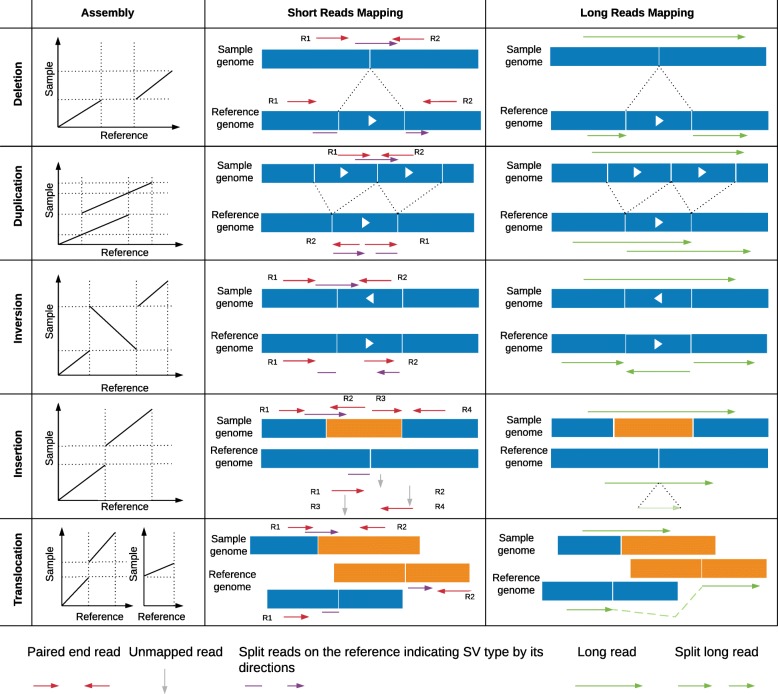
“In the case of a deletion, it leads to a larger insert size (the distance of the pairs) (Mahmoud et al., 2019).”
BackgroundLiu, Z., Xie, Z., & Li, M. (2024) · Genome biology · doi:10.1186/s13059-024-03324-5 · Cited by 30
“The second-generation sequencing (SGS) technology, widely employed for sequencing purposes, often encounters difficulties in accurately identifying SVs owing to its limited read length [2, 8–10].”
BackgroundHidden genomic diversity of SARS-CoV-2: implications for qRT-PCR diagnostics and transmissionPreprint
Sapoval, N., Mahmoud, M., Jochum, M. D., Liu, Y., Elworth, R. A. L., Wang, Q., Albin, D., Ogilvie, H., Lee, M. D., Villapol, S., et al. (2020) · bioRxiv (Cold Spring Harbor Laboratory) · doi:10.1101/2020.07.02.184481 · Cited by 26
Self-citationMantere, T., Neveling, K., Pebrel‐Richard, C., Benoist, M., van de Zande, G., Kater‐Baats, E., Baatout, I., van Beek, R., Yammine, T., Oorsprong, M., et al. (2020) · bioRxiv (Cold Spring Harbor Laboratory) · doi:10.1101/2020.07.15.205245 · Cited by 27
Du, Z., He, J.-B., & Jiao, W. (2024) · Genome biology · doi:10.1186/s13059-024-03239-1 · Cited by 33
“Conventional genotyping strategies usually rely 53 on short-read mapping against a linear reference genome [2, 7-9].”
MethodDelage, W., Thévenon, J., & Lemaitre, C. (2020) · BMC Genomics · doi:10.1186/s12864-020-07125-5 · Cited by 31
GenomicsBench: A Benchmark Suite for Genomics
Subramaniyan, A. K., Gu, Y., Dunn, T., Paul, S., Md, V., Misra, S., Blaauw, D. T., Narayanasamy, S., & Das, R. (2021) · IEEE International Symposium on Performance Analysis of Systems and Software (ISPASS) · doi:10.1109/ispass51385.2021.00012 · Cited by 32
“large rearrangements) [29] and can help resolve mutations”
BackgroundEuclide, P. T., Larson, W. A., Shi, Y., Gruenthal, K. M., Christensen, K. A., Seeb, J., & Seeb, L. W. (2023) · Molecular Ecology · doi:10.1111/mec.17126 · Cited by 25
“However, it is important to note that inversions can show complex patterns and that similar patterns can be created by non-structural variants (Mahmoud et al., 2019 ).”
Barbitoff, Y. A., Ushakov, M. O., Lazareva, T. E., Nasykhova, Y. A., Glotov, A. S., & Predeus, A. V. (2024) · Briefings in Bioinformatics · doi:10.1093/bib/bbad508 · Cited by 29
“[51].”
BackgroundBehera, S., Belyeu, J. R., Chen, X., Paulin, L. F., Nguyen, N. Q. H., Newman, E., Mahmoud, M., Menon, V. K., Qi, Q., Joshi, P., et al. (2023) · doi:10.1101/2023.04.24.538128 · Cited by 21
Self-citationVariant calling in polyploids for population and quantitative genetics
Phillips, A. R. (2024) · Applications in Plant Sciences · doi:10.1002/aps3.11607 · Cited by 26
“Typical sources of error in diploid variant calling include sequencing errors, misalignment of reads to the reference genome, misassem-bly of the reference genome, and natural structural variation (Li, 2014; Mahmoud et al., 2019; Lou and Therkildsen, 2022).”
BackgroundSahajpal, N., Lai, C.-Y. J., Hastie, A. R., Mondal, A. K., Dehkordi, S. R., van der Made, C. I., Fedrigo, O. D., Al-Ajli, F. O., Jalnapurkar, S., Byrska‐Bishop, M. S., et al. (2022) · iScience · doi:10.1016/j.isci.2022.103760 · Cited by 23
“…SVs and using a separate coverage based algorithm to identify CNVs. OGM has demonstrated its ability to accurately detect all classes of SVs including copy number variations, balanced translocations, inversions, repeat expansions, and contractions (Mantere et al., 2021; Neveling et al., 2021).”
Colin, E., Duffourd, Y., Tisserant, É., Relator, R., Bruel, A., Mau‐Them, F. T., Denommé‐Pichon, A., Safraou, H., Delanne, J., Jean‐Marçais, N., et al. (2022) · Frontiers in Cell and Developmental Biology · doi:10.3389/fcell.2022.1021785 · Cited by 25
“GS represents a good candidate to overtake array CGH in the future, although identifying structural variants from NGS data still represents a challenge for bioinformatics (Mahmoud et al., 2019; Kobren et al., 2021).”
BackgroundBehera, S., Belyeu, J. R., Chen, X., Paulin, L. F., Nguyen, N. Q., Newman, E., Mahmoud, M., Menon, V. K., Qi, Q., Joshi, P. H., et al. (2024) · BMC Medical Genomics · doi:10.1186/s12920-024-02024-0 · Cited by 21
“While difficult to detect and assess, SVs and CNs are the largest sources of genetic diversity [8] and have been shown to impact human diseases in many cases [9].”
BackgroundSelf-citationBreakNet: detecting deletions using long reads and a deep learning approach
Luo, J., Ding, H., Shen, J., Zhai, H., Wu, Z., Yan, C., & Luo, H. (2021) · BMC Bioinformatics · doi:10.1186/s12859-021-04499-5 · Cited by 23
“However, this type of method is computationally expensive and has difficulty in terms of reconstructing haplotype sequences [5].”
MethodBhati, M., Mapel, X. M., Lloret‐Villas, A., & Pausch, H. (2023) · Genetics · doi:10.1093/genetics/iyad161 · Cited by 25
“We observed more than twice the number of deletions compared to other SV types likely because they are easier to identify from short-read sequencing data [41].”
BackgroundGenomics and conservation: Guidance from training to analyses and applications
Schiebelhut, L. M., Guillaume, A. S., Kuhn, A., Schweizer, R. M., Armstrong, E. E., Beaumont, M., Byrne, M. M., Cosart, T., Hand, B. K., Howard, L., et al. (2023) · Molecular Ecology Resources · doi:10.1111/1755-0998.13893 · Cited by 27
Chemparathy, A., Guen, Y. L., Zeng, Y., Gorzynski, J. E., Jensen, T. D., Yang, C., Kasireddy, N. M., Talozzi, L., Belloy, M. E., Stewart, I., et al. (2024) · Neurology Genetics · doi:10.1212/nxg.0000000000200124 · Cited by 20
“following criteria: (1) the dose was set to 0 if no reads contained the deletion, (2) the dose was set to 1 if at least one but not all reads contained the deletion, and (3) the dose was set to 2 if all”
Next-generation sequencing of newborn screening genes: the accuracy of short-read mapping
Trier, C., Fournous, G., Strand, J. M., Stray-Pedersen, A., Pettersen, R. D., & Rowe, A. D. (2020) · npj Genomic Medicine · doi:10.1038/s41525-020-00142-z · Cited by 20
iPSCs and iPSC-derived cells as a model of human genetic and epigenetic variation
Quaid, K., Xing, X., Chen, Y., Miao, Y., Neilson, A., Vijayalingam, S., Tran, A., Cui, X., Hu, M., & Wang, T. (2025) · Nature Communications · doi:10.1038/s41467-025-56569-4 · Cited by 27
Genome sequencing data analysis for rare disease gene discovery
Umlai, U. I., Bangarusamy, D. K., Estivill, X., & Jithesh, P. V. (2021) · Briefings in Bioinformatics · doi:10.1093/bib/bbab363 · Cited by 21
Fully resolved assembly of Cryptosporidium parvum
Menon, V. K., Okhuysen, P. C., Chappell, C. L., Mahmoud, M., Mahmoud, M., Meng, Q., Doddapaneni, H., Vee, V., Han, Y., Salvi, S., et al. (2022) · GigaScience · doi:10.1093/gigascience/giac010 · Cited by 18
“We mapped the reads and found structural variants (SVs) based on discordant paired-end reads (see Methods) [30].”
Self-citationMaestri, S., Gambino, G., Lopatriello, G., Minio, A., Perrone, I., Cosentino, E., Giovannone, B., Marcolungo, L., Alfano, M., Rombauts, S., et al. (2022) · BMC Genomics · doi:10.1186/s12864-022-08389-9 · Cited by 19
“However, fewer studies have simultaneously compared the contribution of multiple platforms and methodologies to detect SVs, especially in plants [19, 27, 28].”
BackgroundTT-Mars: structural variants assessment based on haplotype-resolved assemblies
Yang, J., & Chaisson, M. (2022) · Genome biology · doi:10.1186/s13059-022-02666-2 · Cited by 17
“Many algorithms have been developed to detect SVs using different types of information from short-read sequencing [18–20], but there are reports of both high rates of false positives [13] and low recall rates [9].”
MethodHeraghty, S. D., Rahman, S. R., Jackson, J. M., & Lozier, J. D. (2022) · Insect Systematics and Diversity · doi:10.1093/isd/ixac025 · Cited by 24
Detection of trait-associated structural variations using short-read sequencing
Kosugi, S., Kamatani, Y., Harada, K., Tomizuka, K., Momozawa, Y., Morisaki, T., & Terao, C. (2023) · Cell Genomics · doi:10.1016/j.xgen.2023.100328 · Cited by 21
“1,13,25,26 These indirect alignment signals depend on SV detection algorithms, SR preparation, and read alignment methods and often lead to misassignment to SVs and false negative calls because of ambiguous and imprecise alignment of SRs. 27 Thus, current computational methods are hampered from…”
MethodIdentification of Structural Variation in Chimpanzees Using Optical Mapping and Nanopore Sequencing
Soto, D. C., Shew, C. J., Mastoras, M., Schmidt, J. M., Sahasrabudhe, R. M., Kaya, G., Andrés, A. M., & Dennis, M. Y. (2020) · Genes · doi:10.3390/genes11030276 · Cited by 21
“Most recently, the advent of long-read sequencing technologies, capable of completely traversing variant breakpoints, has significantly facilitated discovery of novel SVs [27].”
BackgroundPan-human consensus genome significantly improves the accuracy of RNA-seq analyses
Kaminow, B., Ballouz, S., Gillis, J., & Dobin, A. (2022) · Genome Research · doi:10.1101/gr.275613.121 · Cited by 22
“Although structural variants are a large source of genomic variation, they are understudied and not sufficiently cata-loged to be used in consensus genomes owing to mapping and classification difficulties (Mahmoud et al. 2019).”
Lai, S., Wang, H., Bork, P., Chen, W., & Zhao, X. (2024) · Science Advances · doi:10.1126/sciadv.adn3316 · Cited by 25
“Such profiling can be facilitated by long-read sequencing technologies, such as Pacific Biosciences (PacBio) or Oxford Nanopore Technologies, which offer a great advantage in SV detection due to their ability to cover large genomic regions ( 15 ).”
Nanopore Direct RNA Sequencing Data Processing and Analysis Using MasterOfPores
Cozzuto, L., Delgado-Tejedor, A., Hermoso, A., Novoa, E. M., & Ponomarenko, J. V. (2023) · Methods in molecular biology · doi:10.1007/978-1-0716-2962-8_13 · Cited by 21
Benchmarking datasets for assembly-based variant calling using high-fidelity long reads
Lee, H., Kim, J., & Lee, J. (2023) · BMC Genomics · doi:10.1186/s12864-023-09255-y · Cited by 22
“In recent years, long-read sequencing techniques and related computational tools have significantly overcome these limitations [9, 10].”
BackgroundYancan, L., Yao, J., Sang, H., Wang, Q., Su, L., Zhao, X., Xia, Z., Wang, F., Wang, K., Lou, D., et al. (2023) · Molecular Ecology Resources · doi:10.1111/1755-0998.13905 · Cited by 25
“As reported, SVs occurring in functional sequences are usually deleterious and can disrupt gene function with phenotypic effects, so SVs located in genic regions should be eliminated during evolution (Collins et al., 2020 ; Mahmoud et al., 2019; Sudmant et al., 2015).”
BackgroundA comprehensive review of deep learning-based variant calling methods
Junjun, R., Zhengqian, Z., Ying, W., Jialiang, W., & Liu, Y. (2024) · Briefings in Functional Genomics · doi:10.1093/bfgp/elae003 · Cited by 23
A Hitchhiker's Guide to long-read genomic analysis
Mahmoud, M., Agustinho, D. P., & Sedlazeck, F. J. (2025) · Genome Research · doi:10.1101/gr.279975.124 · Cited by 27
Self-citationStructural Variants: Mechanisms, Mapping, and Interpretation in Human Genetics
Pande, S., Dawood, M., & Grochowski, C. M. (2025) · Genes · doi:10.3390/genes16080905 · Cited by 27
“SV callers also often struggle to balance false positives and false negatives, especially in low-complexity regions [73,142].”
Metadata
- Authors
- Mahmoud, M., Gobet, N., Cruz-Dávalos, D. I., Mounier, N., Dessimoz, C., & Sedlazeck, F. J.
- Affiliations
- Baylor College of Medicine (US)
- SIB Swiss Institute of Bioinformatics (CH)
- Corresponding author
- Dessimoz, Christophe
- Sedlazeck, Fritz J.
- Venue
- Genome Biology
- Published
- 2019-11-20
- Volume
- 20
- Issue
- 1
- Pages
- 246-246
- ISSN
- 1465-6906 (ISSN-L)
- 1474-760X
- PMC
- PMC6868818
- OpenAlex
- W2990344913
- Semantic Scholar
- b9e8ed710a4be1df8dcfbdb9570ec842e6a3065f
- Cited by
- 725
- References
- 104
- Citations by year
- 2026: 80 · 2025: 111 · 2024: 136 · 2023: 150 · 2022: 114 · 2021: 94 · 2020: 40
- FWCI
- 8.89
- Type
- journal article
- Language
- en
- Open access
- gold
- doi.org
- Licence
- cc-by
- creativecommons.org/licenses/by/4.0/ (tdm)
- creativecommons.org/licenses/by/4.0/ (vor)
- Locations
- Genome biology (publishedVersion, cc-by)
- PubMed Central (publishedVersion, cc-by)
- PubMed (publishedVersion)
- SERVAL (Université de Lausanne) (publishedVersion, cc-by)
- IRIS (submittedVersion, cc-by)
- DOAJ (DOAJ: Directory of Open Access Journals) (submittedVersion)
- UCL Discovery (University College London) (submittedVersion)
- Funders
- Foundation for the National Institutes of Health (UM1 HG008898)
- Schweizerischer Nationalfonds zur Förderung der Wissenschaftlichen Forschung (31003A_173182, 31003A-143914, 150654)
- H2020 European Research Council (CAMERA)
- Topics
- Life Sciences › Biochemistry, Genetics and Molecular Biology › Genetics › Genomic variations and chromosomal abnormalities
- Life Sciences › Biochemistry, Genetics and Molecular Biology › Molecular Biology › Genomics and Phylogenetic Studies
- Life Sciences › Biochemistry, Genetics and Molecular Biology › Genetics › Genome Rearrangement Algorithms
- Keywords
- structural variant calling, structural variants, computational methods, zygosity, karyotype evolution, gene expression regulation, population genetic variation
- MeSH terms
- Animals, Humans, Genomics, Genomic Structural Variation
About these checks
Registry, retraction, Cites and statistics results are computed, not judged, with one exception: a printed reference that no index lists is read once by a model before it counts as a citation error. Claims are extracted by a model and kept only when their quote appears verbatim in the text; each cited source is then checked, with a model’s help, for whether it says what the claim relies on. Those verdicts can be wrong — read the claim’s quote and the cited source before relying on one.
Statistics and arithmetic are recomputed, not judged.
Confidence bands are shown only for fields calibrated on our annotated test set. None is calibrated yet, so no band is shown.
What counts as a claim ›How we measure confidence ›How we check this ›
Are you an author, or do you see a problem with this page? Request a review
Data sources
Bibliographic data: Semantic Scholar, OpenAlex, Crossref.
Contains information from the Semantic Scholar Academic Graph Datasets, made available under the ODC Attribution License (ODC-BY 1.0).
Semantic Scholar’s data is described in: Kinney, R., et al. (2023). The Semantic Scholar Open Data Platform. arXiv:2301.10140.
