

scMAGeCK links genotypes with multiple phenotypes in single-cell CRISPR screens
Open accessPublished version of a preprint
The DOI matches its Crossref record; 58 of the 58 references it cites were found in a registry or an index.
Abstract
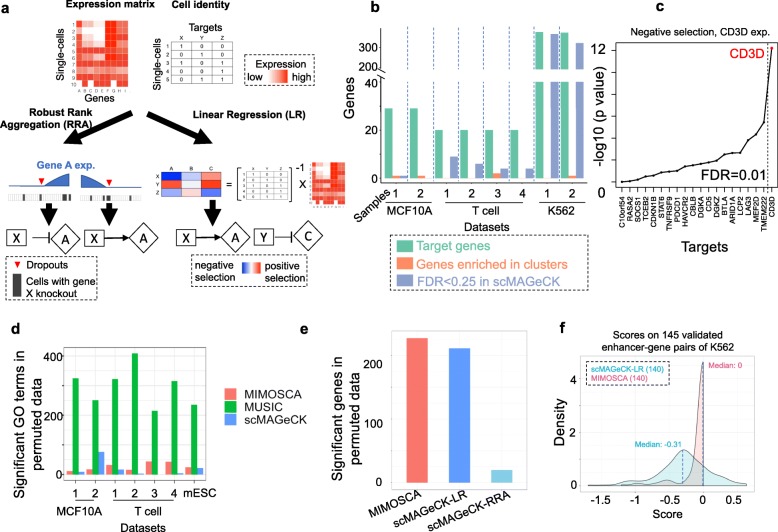
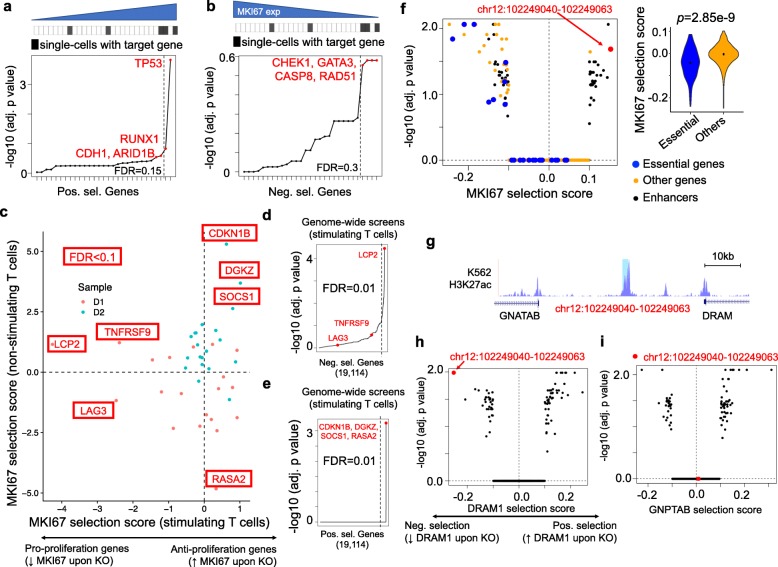
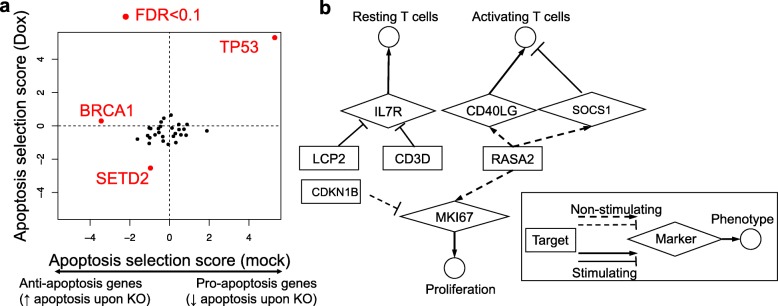
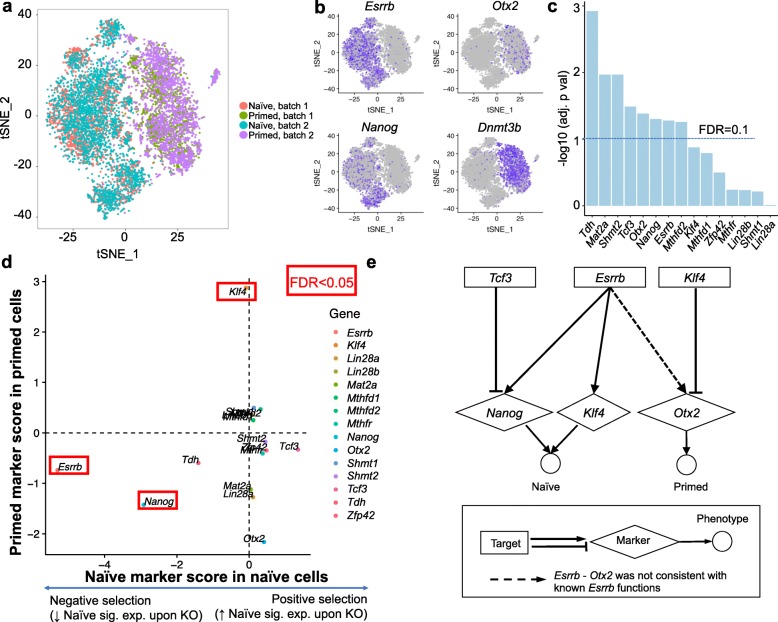
We present scMAGeCK, a computational framework to identify genomic elements associated with multiple expression-based phenotypes in CRISPR/Cas9 functional screening that uses single-cell RNA-seq as readout. scMAGeCK outperforms existing methods, identifies genes and enhancers with known and novel functions in cell proliferation, and enables an unbiased construction of genotype-phenotype network. Single-cell CRISPR screening on mouse embryonic stem cells identifies key genes associated with different pluripotency states. Applying scMAGeCK on multiple datasets, we identify key factors that improve the power of single-cell CRISPR screening. Collectively, scMAGeCK is a novel tool to study genotype-phenotype relationships at a single-cell level.
Overview
The claims and statistics of this paper haven’t been checked yet.
Free: it reads the open-access text and checks the first 5 claims that cite a source we can check. Create a free account to check every claim.
Integrity signals
Registry
Cites
Statistics
Figures
Verification
Claims the paper makes
The claims and statistics of this paper haven’t been checked yet.
Free: it reads the open-access text and checks the first 5 claims that cite a source we can check. Create a free account to check every claim.
Claims other papers make about this one
Each is checked against this paper’s own text: does it say what the citing paper says it does?
The source backs part of the claim, not all of it — or backs it for a different population, condition or comparison.
In the citing paper
“There are a number of existing methods that perform perturbation-effect analysis in single-cell omics data, but none of them achieve guaranteed confounder identification, which is a necessary condition for interpretable causal-effect estimation.”
From Causal identification of single-cell experimental perturbation effects with CINEMA-OT (2023) · cites this paper as [5]
Experimental — accuracy not yet measuredThe cited source says what the claim attributes to it.
In the citing paper
“scMaGECK (proposed by Yang [14]) tests for association between CRISPR perturbations and gene expressions using a permutation test with a linear regression coefficient test statistic.”
From Robust differential expression testing for single-cell CRISPR screens at low multiplicity of infection (2024) · cites this paper as Yang [14]
In the citing paper
“scMAGeCK[28] detects genes, including non-coding elements, linked to various phenotypes in single-cell CRISPR screening data.”
From A mini-review on perturbation modelling across single-cell omic modalities (2024) · cites this paper as [28]
Self-check
Percentages, sums and reported differences re-computed from the paper’s own numbers.
The self-check needs the paper’s full text.
Citations
Cites
Subramanian, A., Tamayo, P., Mootha, V. K., Mukherjee, S., Ebert, B. L., Gillette, M. A., Paulovich, A., Pomeroy, S. L., Golub, T. R., Lander, E. S., et al. (2005) · Proceedings of the National Academy of Sciences · doi:10.1073/pnas.0506580102 · Cited by 53,625
clusterProfiler: an R Package for Comparing Biological Themes Among Gene Clusters
Yu, G., Wang, L.-G., Han, Y., & He, Q.-Y. (2012) · OMICS: A Journal of Integrative Biology · doi:10.1089/omi.2011.0118 · Cited by 36,259 · cited 1×
“For consistency, we used clusterProfiler [54] to calculate the enriched GO terms for all three methods.”
MethodIntegrating single-cell transcriptomic data across different conditions, technologies, and species
Butler, A., Hoffman, P., Smibert, P., Papalexi, E., & Satija, R. (2018) · Nature Biotechnology · doi:10.1038/nbt.4096 · Cited by 13,174
Genome-scale CRISPR-Cas9 knockout screening in human cells
Shalem, O., Sanjana, N. E., Hartenian, E., Shi, X., Scott, D. A., Mikkelsen, T. S., Heckl, D., Ebert, B. L., Root, D. E., Doench, J. G., et al. (2014) · Science · doi:10.1126/science.1247005 · Cited by 5,234
Droplet barcoding for single-cell transcriptomics applied to embryonic stem cells
Klein, A. M., Mazutis, L., Akartuna, I., Tallapragada, N., Veres, A., Li, V., Peshkin, L., Weitz, D. A., & Kirschner, M. W. (2015) · Cell · doi:10.1016/j.cell.2015.04.044 · Cited by 3,356
Genetic screens in human cells using the CRISPR-Cas9 system
Wang, T., Wei, J. J., Sabatini, D. M., & Lander, E. S. (2014) · Science · doi:10.1126/science.1246981 · Cited by 2,856
Li, W., Xu, H., Xiao, T., Cong, L., Love, M. I., Zhang, F., Irizarry, R. A., Liu, J. S., Brown, M., & Liu, X. S. (2014) · Genome Biology · doi:10.1186/s13059-014-0554-4 · Cited by 2,684
Self-citationMeyers, R. M., Bryan, J. G., McFarland, J. M., Weir, B. A., Sizemore, A. E., Xu, H., Dharia, N. V., Montgomery, P. G., Cowley, G. S., Pantel, S., et al. (2017) · Nature Genetics · doi:10.1038/ng.3984 · Cited by 1,952
Dixit, A., Parnas, O., Li, B., Chen, J., Fulco, C. P., Jerby-Arnon, L., Marjanovic, N. D., Dionne, D., Burks, T., Raychowdhury, R., et al. (2016) · Cell · doi:10.1016/j.cell.2016.11.038 · Cited by 1,863
Identification and characterization of essential genes in the human genome
Wang, T., Birsoy, K., Hughes, N. W., Krupczak, K. M., Post, Y., Wei, J. J., Lander, E. S., & Sabatini, D. M. (2015) · Science · doi:10.1126/science.aac7041 · Cited by 1,617
Research works printed but not linked: 1
- Yang L, Zhu Y, Yu H, Cheng X, Chen S, Chu Y, Huang H, Zhang J, Li W. Single-cell CRISPR screening on mouse embryonic stem cells. Gene Expression Omnibus. 2019. https://www.ncbi.nlm.nih.gov/geo/query/acc.cgi?acc=GSE142451. Accessed 15 Jan 2020.
Cited by
Applications of single-cell RNA sequencing in drug discovery and development
Van de Sande, B., Lee, J. S., Mutasa-Gottgens, E., Naughton, B., Bacon, W., Manning, J., Wang, Y., Pollard, J., Mendez, M., Hill, J., et al. (2023) · Nature Reviews Drug Discovery · doi:10.1038/s41573-023-00688-4 · Cited by 437
(2022) · Nature Reviews Methods Primers · doi:10.1038/s43586-022-00098-7 · Cited by 250
Self-citationDesign and analysis of CRISPR–Cas experiments
Hanna, R. E., & Doench, J. G. (2020) · Nature Biotechnology · doi:10.1038/s41587-020-0490-7 · Cited by 208
Rood, J. E., Hupalowska, A., & Regev, A. (2024) · Cell · doi:10.1016/j.cell.2024.07.035 · Cited by 139
Machine learning for perturbational single-cell omics
Ji, Y., Lotfollahi, M., Wolf, F. A., & Theis, F. J. (2021) · Cell Systems · doi:10.1016/j.cels.2021.05.016 · Cited by 137
Computational Tools and Resources for CRISPR/Cas Genome Editing
Li, C., Chu, W., Gill, R. A., Sang, S., Shi, Y., Hu, X., Yang, Y., Zaman, Q. U., & Zhang, B. (2023) · Genomics, Proteomics & Bioinformatics · doi:10.1016/j.gpb.2022.02.006 · Cited by 129
“…new applications of the CRISPR/Cas systems, new computational tools for performing and analyzing CRISPR/Cas events have also been recently developed, such as scMAGeCK [131], CRIS-PRO [132], and ProTiler [133]. scMAGeCK links genotypes with multiple phenotypes in single-cell CRISPR screens [131].”
MethodCausal identification of single-cell experimental perturbation effects with CINEMA-OT
Dong, M., Wang, B., Wei, J., de O. Fonseca, A. H., Perry, C. J., Frey, A., Ouerghi, F., Foxman, E. F., Ishizuka, J. J., Dhodapkar, R. M., et al. (2023) · Nature Methods · doi:10.1038/s41592-023-02040-5 · Cited by 94
“Several pioneering works in the field propose the use of factor models to identify pseudo-bulk level perturbation effects, including LRICA [4], MIMOSCA [3], scMAGeCK [5], MUSIC [6], and WGCNA/STM [7].”
Lalli, M. A., Avey, D., Dougherty, J. D., Milbrandt, J., & Mitra, R. D. (2020) · Genome Research · doi:10.1101/gr.262295.120 · Cited by 91
SCEPTRE improves calibration and sensitivity in single-cell CRISPR screen analysis
Barry, T., Wang, X., Morris, J. A., Roeder, K., & Katsevich, E. (2021) · Genome Biology · doi:10.1186/s13059-021-02545-2 · Cited by 86
Single-cell omics: experimental workflow, data analyses and applications
Sun, F., Li, H., Sun, D., Fu, S., Gu, L., Shao, X., Wang, Q., Dong, X., Duan, B., Xing, F., et al. (2024) · Science China Life Sciences · doi:10.1007/s11427-023-2561-0 · Cited by 102
Pertpy: an end-to-end framework for perturbation analysis
Heumos, L., Ji, Y., May, L. T., Green, T. D., Peidli, S., Zhang, X., Wu, X., Ostner, J., Schumacher, A., Hrovatin, K., et al. (2025) · Nature Methods · doi:10.1038/s41592-025-02909-7 · Cited by 112
“Current perturbation analysis frameworks such as MUSIC 6 , ScMAGeCK 7 , SCEPTRE 8 , GSFA 9 and FR-Perturb 10 primarily focus on CRISPR perturbation analysis, neglecting other perturbation data types and perturbation analysis steps.”
Gene regulatory network inference in single-cell biology
Akers, K., & Murali, T. M. (2021) · Current Opinion in Systems Biology · doi:10.1016/j.coisb.2021.04.007 · Cited by 77
A mini-review on perturbation modelling across single-cell omic modalities
Gavriilidis, G. I., Vasileiou, V., Orfanou, A., Ishaque, N., & Psomopoulos, F. (2024) · Computational and Structural Biotechnology Journal · doi:10.1016/j.csbj.2024.04.058 · Cited by 54
“At its core, MUSIC considers a single cell with perturbation as a document and the gene expression as the word frequency in the document. scMAGeCK [28] detects genes, including non-coding elements, linked to various phenotypes in single-cell CRISPR screening data.”
BackgroundLi, Y., Huang, Z., Xu, L., Fan, Y., Ping, J., Li, G., Chen, Y., Yu, C., Wang, Q., Song, T., et al. (2025) · Nature Methods · doi:10.1038/s41592-024-02586-y · Cited by 70
Moving from in vitro to in vivo CRISPR screens
Kuhn, M., Santinha, A. J., & Platt, R. J. (2021) · Gene and Genome Editing · doi:10.1016/j.ggedit.2021.100008 · Cited by 61
Technologies and Computational Analysis Strategies for CRISPR Applications
Clement, K., Hsu, J. Y., Canver, M. C., Joung, J. K., & Pinello, L. (2020) · Molecular Cell · doi:10.1016/j.molcel.2020.06.012 · Cited by 51
“…to overcome the sparsity of scRNA-seq data, cells with poor transcriptional signal are discarded, or imputation of missing values is applied in some cases. scMAGeCK (Yang et al., 2020) and MIMOSCA (Dixit et al., 2016) model the effect of gRNAs on gene expression using a regularized linear model.”
MethodMachine learning for single-cell genomics data analysis
Raimundo, F., Meng-Papaxanthos, L., Vallot, C., & Vert, J. (2021) · Current Opinion in Systems Biology · doi:10.1016/j.coisb.2021.04.006 · Cited by 51
Massively Parallel CRISPR‐Based Genetic Perturbation Screening at Single‐Cell Resolution
Cheng, J., Lin, G., Wang, T., Wang, Y., Guo, W., Liao, J., Yang, P., Chen, J., Shao, X., Lu, X., et al. (2022) · Advanced Science · doi:10.1002/advs.202204484 · Cited by 48
scTPA: a web tool for single-cell transcriptome analysis of pathway activation signatures
Zhang, Y., Zhang, Y., Hu, J. S., Zhang, J., Guo, F., Zhou, M., Zhang, G., Yu, F., & Su, J. (2020) · Bioinformatics · doi:10.1093/bioinformatics/btaa532 · Cited by 39
Self-citationZhou, Y., Luo, K., Liang, L., Chen, M., & He, X. (2023) · Nature Methods · doi:10.1038/s41592-023-02017-4 · Cited by 34
“…MAST 30 , a statistical method tailored for scRNA-seq data, using the zlm() and lrTest() functions in the R package MAST v.1.16.0; (5) scMAGeCK-LR 32 , a linear regression-based approach tailored to single-cell CRISPR screening data, using the scmageck_lr() function in the R package scMAGeCK…”
MethodInfluentialWang, L. (2021) · Nature Communications · doi:10.1038/s41467-021-26682-1 · Cited by 33
Decoding heterogeneous single-cell perturbation responses
Song, B., Liu, D., Dai, W., McMyn, N. F., Wang, Q., Yang, D., Krejčí, A., Vasilyev, A., Untermoser, N., Loregger, A., et al. (2025) · Nature Cell Biology · doi:10.1038/s41556-025-01626-9 · Cited by 58
“Methods such as MUSIC 18 , MIMOSCA 3 , scMAGeCK 15 and SCEPTRE 19 estimate the average effects of perturbations but fall short of capturing response heterogeneity.”
Self-citationPooled genetic screens with image‐based profiling
Walton, R. T., Singh, A. K., & Blainey, P. C. (2022) · Molecular Systems Biology · doi:10.15252/msb.202110768 · Cited by 31
Morris, J. A., Sun, J. S., & Sanjana, N. E. (2023) · Trends in Genetics · doi:10.1016/j.tig.2023.10.012 · Cited by 37
“For these cases, SCEPTRE [116,117] or Normalisr [118] approaches outperform other methods that are not explicitly designed for high MOI experiments [53,54,112].”
MethodPerturBase: a comprehensive database for single-cell perturbation data analysis and visualization
Wei, Z., Si, D., Duan, B., Gao, Y., Yu, Q., Zhang, Z., Guo, L., & Liu, Q. (2024) · Nucleic Acids Research · doi:10.1093/nar/gkae858 · Cited by 44
Liang, J., Wei, J., Cao, J., Qian, J., Gao, R., Li, X., Wang, D., Gu, Y., Dong, L., Yu, J., et al. (2023) · Genome Biology · doi:10.1186/s13059-023-03084-8 · Cited by 27
“Most existing analysis tools for scCRISPR screens estimate the direct perturbation effects on gene expression [16, 18, 23], rather than on TF activities.”
MethodBarry, T., Mason, K., Roeder, K., & Katsevich, E. (2024) · Genome Biology · doi:10.1186/s13059-024-03254-2 · Cited by 28
“A variety of methods has been deployed for association testing in low-MOI [1, 8–10, 14 –17 We aimed to address the aforementioned challenges through three contributions.”
Pooled Genome-Scale CRISPR Screens in Single Cells
Schraivogel, D., Steinmetz, L. M., & Parts, L. (2023) · Annual Review of Genetics · doi:10.1146/annurev-genet-072920-013842 · Cited by 33
High-content CRISPR screening in tumor immunology
Holcomb, E. A., Pearson, A. N., Jungles, K. M., Tate, A., James, J. G., Jiang, L., Huber, A. K., & Green, M. D. (2022) · Frontiers in Immunology · doi:10.3389/fimmu.2022.1041451 · Cited by 28
Ishikawa, M., Sugino, S., Masuda, Y., Tarumoto, Y., Seto, Y., Taniyama, N., Wagai, F., Yamauchi, Y., Kojima, Y., Kiryu, H., et al. (2023) · Communications Biology · doi:10.1038/s42003-023-05594-4 · Cited by 22
“…the recently developed single-cell CRISPR (scCRISPR) analysis 13 – 15 and associated computational tools, including MIMOSCA 13 and scMAGeCK 16 , have made it possible to infer regulatory relationships between genes by measuring changes in expression resulting from the knockout (KO), or…”
Plastome evolution and organisation in the Hoya group (Apocynaceae)
Rodda, M., & Niissalo, M. A. (2021) · Scientific Reports · doi:10.1038/s41598-021-93890-6 · Cited by 22
CRISPR screening in hematology research: from bulk to single-cell level
Meyers, S., Demeyer, S., & Cools, J. (2023) · Journal of Hematology & Oncology · doi:10.1186/s13045-023-01495-5 · Cited by 25
“To make sense of the complex single-cell data, multiple algorithms have been developed, including MIMOSCA [44], Mixscape [79, 80], SCEPTRE [80], scMAGeCK [81] or MUSIC [82].”
MethodCao, Y., Fu, L., Wu, J., Peng, Q., Nie, Q. H., Zhang, J., & Xie, X. S. (2021) · Bioinformatics · doi:10.1093/bioinformatics/btab303 · Cited by 21
Self-citationSingle-Cell Toolkits Opening a New Era for Cell Engineering
Lee, S., Kim, J., & Park, J.-E. (2021) · Molecules and Cells · doi:10.14348/molcells.2021.0002 · Cited by 21
“The integration of single-cell CRISPR-Cas9 functional screening and CITE-seq allows for more efficient identification of genes, as many relevant phenotypes are known to be best understood functionally at the protein level rather than at the transcript level (Yang et al., 2020).”
BackgroundZhao, Y., Zhang, M., & Yang, D. (2022) · Quantitative Biology · doi:10.15302/j-qb-022-0299 · Cited by 25
“There are also methods with the focus of a particular type of screens, such as CRISPhieRmix [30] for CRISPRi/a screens, MAUDE [35] for sort-based screens, drugZ [55] for drug resistance screens and scMAGeCK [48] for single-cell CRISPR screens.”
MethodInfluentialHöllbacher, B., Balázs, K., Heinig, M., & Uhlenhaut, N. H. (2020) · Computational and Structural Biotechnology Journal · doi:10.1016/j.csbj.2020.05.018 · Cited by 21
“For example, Perturb-seq [133] couples gene inactivation using CRISPR with single-cell RNA-seq to study phenotypic alterations in parallel in many cells. scMAGeCK [134] is now able to find genes and enhancers which play a role in cell proliferation, simply by associating common proliferation markers.”
Qin, J., Hu, Y., Yao, J., Leung, R. W. T., Zhou, Y., Qin, Y., & Wang, J. (2021) · Briefings in Bioinformatics · doi:10.1093/bib/bbab311 · Cited by 23
In silico Method in CRISPR/Cas System: An Expedite and Powerful Booster
Zhang, Y., Zhao, G., Ahmed, F. Y. H., Yi, T., Hu, S., Cai, T., & Liao, Q. (2020) · Frontiers in Oncology · doi:10.3389/fonc.2020.584404 · Cited by 20
“To extend the functions, MAGeCK-RRA (147) was further updated to scMAGeCK (148) for single-cell CRISPR screening (a novel technique combining pooled CRISPR screening with single-cell RNA-seq, which enables the identification of gRNAs at single-cell resolution from sequencing by modifying the…”
MethodMachine learning to dissect perturbations in complex cellular systems
Monfort‐Lanzas, P., Rungger, K., Madersbacher, L., & Hackl, H. (2025) · Computational and Structural Biotechnology Journal · doi:10.1016/j.csbj.2025.02.028 · Cited by 24
High-Throughput CRISPR Screening in Hematological Neoplasms
Ancos-Pintado, R., Bragado-García, I., Morales, M. L., García-Vicente, R., Arroyo-Barea, A., Rodríguez-García, A., Martínez-López, J., Linares, M., & Hernández-Sánchez, M. (2022) · Cancers · doi:10.3390/cancers14153612 · Cited by 15
Manipulating and studying gene function in human pluripotent stem cell models
Balmas, E., Sozza, F., Bottini, S., Ratto, M. L., Savoré, G., Becca, S., Snijders, K. E., & Bertero, A. (2023) · FEBS Letters · doi:10.1002/1873-3468.14709 · Cited by 18
“…has two analyses mode: scMAGeCK-Robust Rank Aggregation (RRA), which finds perturbations associated to a single marker, and scMAGeCK-LR, a linear-regression-based approach that determines the effect of perturbations considering all genes and is suitable for cells with multiple perturbations [256].”
MethodAnalyzing the functional effects of DNA variants with gene editing
Cooper, S., Obolenski, S., Waters, A. J., Bassett, A. R., & Coelho, M. A. (2024) · Cell Reports Methods · doi:10.1016/j.crmeth.2024.100776 · Cited by 19
Interpretation, extrapolation and perturbation of single cells
Dimitrov, D., Schrod, S., Rohbeck, M., & Stegle, O. (2026) · Nature Reviews Genetics · doi:10.1038/s41576-025-00920-4 · Cited by 39
Expanding horizons of CRISPR applications beyond genome editing
Liang, Y., Tong, S., Zhang, J., Tan, G., Zhang, L., Lee, S. Y., & Tong, Y. (2025) · Trends in Genetics · doi:10.1016/j.tig.2025.06.003 · Cited by 14
Self-citationConditional resampling improves calibration and sensitivity in single-cell CRISPR screen analysisPreprint
Barry, T., Wang, X., Morris, J. A., Roeder, K., & Katsevich, E. (2020) · bioRxiv (Cold Spring Harbor Laboratory) · doi:10.1101/2020.08.13.250092 · Cited by 11
The Current Situation and Development Prospect of Whole-Genome Screening
Yang, C., Lei, Y., Ren, T., & Yao, M. (2024) · International Journal of Molecular Sciences · doi:10.3390/ijms25010658 · Cited by 13
“Related algorithms include MixScape [121], MIMOSCA [122], and scMAGeck [123].”
Multiview learning in biomedical applications
Serra, A., Galdi, P., & Tagliaferri, R. (2023) · Elsevier eBooks · doi:10.1016/b978-0-323-96104-2.00010-5 · Cited by 13
Liu, S., Hamilton, M. C., Cowart, T., Barrera, A., Bounds, L. R., Nelson, A. C., Dornbaum, S. F., Riley, J. W., Doty, R. W., Allen, A. S., et al. (2025) · Cell Genomics · doi:10.1016/j.xgen.2025.100766 · Cited by 12
“9,10,19 These contaminating transcripts include both ambient mRNAs within CROP-seq gRNA libraries and ambient gRNAs within direct-capture gRNA libraries, referred to herein collectively as ‘‘ambient gRNAs.’’”
In vivo Pooled Screening: A Scalable Tool to Study the Complexity of Aging and Age-Related Disease
Jensen, M. B., & Marblestone, A. H. (2021) · Frontiers in Aging · doi:10.3389/fragi.2021.714926 · Cited by 9
Wei, H., Han, T., Li, T., Wu, Q., & Wang, C. (2023) · Briefings in Bioinformatics · doi:10.1093/bib/bbad123 · Cited by 10
Lalli, M. A., Avey, D. R., Dougherty, J. D., Milbrandt, J., & Mitra, R. D. (2019) · bioRxiv (Cold Spring Harbor Laboratory) · doi:10.1101/862680 · Cited by 9
Bielczyk-Maczyńska, E., Sharma, D., Blencowe, M., Saliba‐Gustafsson, P., Gloudemans, M. J., Yang, X., Carcamo‐Orive, I., Wabitsch, M., Svensson, K. J., Park, C. Y., et al. (2023) · American Journal of Physiology-Cell Physiology · doi:10.1152/ajpcell.00148.2023 · Cited by 9
Computational Methods for Analysis of Large-Scale CRISPR Screens
Lin, X., Chemparathy, A., Russa, M. F. L., Daley, T., & Qi, L. S. (2020) · Annual Review of Biomedical Data Science · doi:10.1146/annurev-biodatasci-020520-113523 · Cited by 8
He, Y., Li, H., Ju, X., & Gong, B. (2024) · Biochimica et Biophysica Acta (BBA) - Reviews on Cancer · doi:10.1016/j.bbcan.2024.189212 · Cited by 6
Joint sparse optimization: lower-order regularization method and application in cell fate conversion
Hu, Y., Hu, X., Yu, C. K. W., & Qin, J. (2024) · Inverse Problems · doi:10.1088/1361-6420/ad617d · Cited by 6
Single cell transcriptional perturbome in pluripotent stem cell models
Balmas, E., Ratto, M. L., Snijders, K. E., Becca, S., Liaci, C., Ricca, I., Merlo, G. R., Calogero, R., Alessandrì, L., Mendjan, S., et al. (2025) · Molecular Systems Biology · doi:10.1038/s44320-025-00172-8 · Cited by 6
“To pinpoint gene-level effects within variable modules, we applied scMAGeCK (Yang et al, 2020), leveraging its linear regression framework in a non-clone-aware mode.”
InfluentialTang, K., Han, Y., Sun, D., Dong, X., Han, T., Wei, H., Shao, W., Hu, J., Liu, Z., Zhang, L., et al. (2025) · Genome Medicine · doi:10.1186/s13073-025-01572-z · Cited by 5
“For each MetaRegulon perturbation, we calculated the essential score (β-score) for every MetaMod-ule using scMAGeCK [41](Methods).”
Multiplexed multimodal single-cell technologies: From observation to perturbation analysis
Lee, S.-H., Park, J., & Hwang, B. (2024) · Molecules and Cells · doi:10.1016/j.mocell.2024.100147 · Cited by 5
Libby, A. R. G., Rito, T., Radley, A., & Briscoe, J. (2025) · Development · doi:10.1242/dev.204591 · Cited by 5
Holding, A. N., Cook, H., & Markowetz, F. M. (2019) · Biochimica et Biophysica Acta (BBA) - Gene Regulatory Mechanisms · doi:10.1016/j.bbagrm.2019.194441 · Cited by 4
Decoding Heterogenous Single-cell Perturbation ResponsesPreprint
Song, B., Liu, D., Dai, W., McMyn, N. F., Wang, Q., Yang, D., Krejčí, A., Vasilyev, A., Untermoser, N., Loregger, A., et al. (2023) · bioRxiv (Cold Spring Harbor Laboratory) · doi:10.1101/2023.10.30.564796 · Cited by 4
“This model, named “scMAGeCK-PS”, is based on our previously published scMAGeCK algorithm 15 and consists of three steps.”
Self-citationSingle‐Cell CRISPR: An Efficient Strategy for Decoding Plant Cis ‐Regulatory Complexity
Zhang, Y., Luo, X., Li, H., Jin, S., Zhang, X., & Wang, Y. (2026) · Plant Biotechnology Journal · doi:10.1111/pbi.70647 · Cited by 4
Burr, S. P., Auckland, K., Glynos, A., Dhawanjewar, A. S., Ryall, C., Wei, W., Hynes-Allen, A. M., Prater, M., Sczaniecka-Clift, M., Prudent, J., et al. (2026) · Nature Structural & Molecular Biology · doi:10.1038/s41594-026-01779-7 · Cited by 4
Decoding cell fate: integrated experimental and computational analysis at the single-cell level
Zhou, Y., Hou, S., Miao, X., Zhang, G., Li, Z., Zhang, D., Lin, Y., & Lin, Y. (2025) · Bioinformatics · doi:10.1093/bioinformatics/btaf603 · Cited by 4
“…learning models has been developed to analyze perturbation effects, with targets ranging from quantifying perturbation magnitude (Dixit et al. 2016, Yang et al. 2020, Dong et al. 2023), ranking the perturbation effects (Duan et al. 2019, Yang et al. 2020), and finding optimal perturbation strategy…”
Dissecting cellular ecosystem with single-cell CRISPR screens
Liu, Z., Lan, Z., Kang, X., Yao, Y., & Rao, S. (2025) · Blood Science · doi:10.1097/bs9.0000000000000266 · Cited by 2
“57,69 Standardization initiatives in single-cell CRISPR screening are of paramount importance to ensure reproducibility and cross-platform comparability.”
Causal effect estimation from trans-regulatory single-cell CRISPR screens
Christensen, O. P., Markham, A., Kang, H., Gabriel, E., & Pers, T. H. (2026) · Cell Genomics · doi:10.1016/j.xgen.2026.101251 · Cited by 5
“…it employs a spike-and-slab prior, and to further enforce sparsity in factor analysis, it applies a normal mixture prior. scMAGeCK-LR scMAGeCK-LR 34 is closely related to MIMOSCA, performing multivariate linear regression with regularization and permutation testing for statistical inference.”
Ghamsari, M. R. E., Rosenbluh, J., Menon, A. V., Lovell, N. H., & Alinejad-Rokny, H. (2023) · Cancers · doi:10.3390/cancers15143566 · Cited by 3
“(2) The second module can assess the impact of perturbation on thousands of target genes based on linear regression [51].”
BackgroundInference of heterogeneous effects in single-cell genetic perturbation screensPreprint
Fu, Z., & Hou, L. (2024) · bioRxiv (Cold Spring Harbor Laboratory) · doi:10.1101/2024.05.28.596224 · Cited by 2
“An obvious choice could be the expression of every gene 3,14,15 .”
BackgroundMethodCo-fluctuations of genes in single cells predict transcriptome-wide outcomes to perturbationsPreprint
Kuznets-Speck, B., Kumari, N., Senthilkumar, I., Jung, J., Rios, H. M. L., Schwartz, L., Sun, H., Anisetti, V. R., Wang, C., Wang, Q., et al. (2025) · bioRxiv (Cold Spring Harbor Laboratory) · doi:10.1101/2025.06.27.661814 · Cited by 4
“Statistical frameworks include MIMOSCA 6 and scMAGeCK-LR 17 , which estimate the average impact of each perturbation by fitting linear regression models.”
Factoring single-cell perturbations
Song, B., & Li, W. (2023) · Nature Methods · doi:10.1038/s41592-023-02002-x · Cited by 1
Self-citationVI-VS: calibrated identification of feature dependencies in single-cell multiomics
Boyeau, P., Bates, S., Ergen, C., Jordan, M. I., & Yosef, N. (2024) · Genome biology · doi:10.1186/s13059-024-03419-z · Cited by 1
“These factors may inflate marginal correlations, resulting in associations that do not carry the intended biological meaning [11].”
Single-Cell RNA Sequencing (sc-RNAseq) in the Development of Biomedical Therapeutics
Saw, P. E., & Song, E. (2025) · Springer eBooks · doi:10.1007/978-981-96-3041-7_17 · Cited by 1
Zhou, Y., Luo, K., Chen, M., & He, X. (2022) · bioRxiv (Cold Spring Harbor Laboratory) · doi:10.1101/2022.02.13.480282 · Cited by 1
Wang, X., Lalli, M. A., Thopte, U., & Buxbaum, J. D. (2024) · bioRxiv (Cold Spring Harbor Laboratory) · doi:10.1101/2024.09.25.614184 · Cited by 1
“In addition, specialized methods, such as differential expression (DE) analysis using tools like GSFA ( 39 ), MUSIC ( 35 ), and scMAGeCK ( 36 ), have been developed to address the unique characteristics of scCRISPR screens, focusing more on perturbation effects, differentially expressed genes, and…”
MethodYildiz, U., Claringbould, A., Marttinen, M., Campos-Fornés, V., Lamprousi, M., Saraswat, M., Saver, M., Bunina, D., Dorrity, M. W., Zaugg, J. B., et al. (2025) · bioRxiv (Cold Spring Harbor Laboratory) · doi:10.1101/2025.06.13.659629 · Cited by 1
Liakh, I., Durnyak, B., & Babichev, S. A. (2021) · Printing and Publishing · doi:10.32403/0554-4866-2021-2-82-92-103
Calibrated Identification of Feature Dependencies in Single-cell MultiomicsPreprint
Boyeau, P., Bates, S., Ergen, C., Jordan, M. I., & Yosef, N. (2023) · bioRxiv (Cold Spring Harbor Laboratory) · doi:10.1101/2023.11.03.565520
“These factors may inflate marginal correlations, resulting in associations that do not carry the intended biological meaning [11].”
BackgroundA review on single-cell perturbation data analysis
Fu, Z., Yang, M., & Hou, L. (2025) · Scientia Sinica Mathematica · doi:10.1360/ssm-2024-0315
Advances in single-cell perturbation modeling
Qi, X., Zhao, L., Chen, R., & Zhao, Y. C. (2025) · Chinese Science Bulletin (Chinese Version) · doi:10.1360/csb-2025-0682
Single-cell activation screen identifies hepatic maturation regulators with zonal resolution
Taguchi, A., Magalhães, A. P., Bolondi, A., Lee, M.-K., Kretzmer, H., Wittler, L., Hnisz, D., & Meissner, A. (2025) · Developmental Cell · doi:10.1016/j.devcel.2025.10.014 · Cited by 1
“…and individual hepatic maturation-related genes, we employed a computational algorithm (scMAGeCK-LR [single-cell Model-based Analysis of Genome-wide CRISPR/Cas9 Knockout-Linear Regression]), 57 which utilizes a linear regression model to evaluate the transcriptome-wide impact of each perturbation.”
Barry, T., Mason, K., Roeder, K., & Katsevich, E. (2024) · Figshare · doi:10.6084/m9.figshare.26722062
Barry, T., Mason, K., Roeder, K., & Katsevich, E. (2024) · Figshare · doi:10.6084/m9.figshare.26722065
Liang, J., Wei, J., Cao, J., Qian, J., Gao, R., Li, X., Wang, D., Gu, Y., Dong, L., Yu, J., et al. (2024) · Figshare · doi:10.6084/m9.figshare.26634357
Liang, J., Wei, J., Cao, J., Qian, J., Gao, R., Li, X., Wang, D., Gu, Y., Dong, L., Yu, J., et al. (2024) · Figshare · doi:10.6084/m9.figshare.26634354
Liang, J., Wei, J., Cao, J., Qian, J., Gao, R., Li, X., Wang, D., Gu, Y., Dong, L., Yu, J., et al. (2024) · Figshare · doi:10.6084/m9.figshare.26634351
Qoku, A., Stickel, T., AmeriFar, S., Oellerich, T., Wolf, S., & Buettner, F. (2026) · bioRxiv (Cold Spring Harbor Laboratory) · doi:10.64898/2026.03.20.713295
“…by comparing PACMON with [Love et al., 2014], limma [Ritchie et al., 2015]), single-cell-specific DE tools (MAST [Finak et al., 2015]), specialized tools CRISPR screen analysis (scMAGeCK-LR [Yang et al., 2020], SCEPTRE [Barry et al., 2021]), and the latent factor model GSFA [Zhou et al., 2023].”
Unsupervised representation learning for single-cell transcriptomic and epigenomic data
Raimundo, F. (2022) · theses.fr (ABES) · doi:10.70675/760cd5d0z17c6z4f4ezb476z68bd387daf22
Enhancing statistical accuracy in gene perturbation studies
Kalmotia, V. (2026) · Biosystems · doi:10.1016/j.biosystems.2026.105819 · Cited by 7
Charting the computational landscape of single-cell genetic perturbation
Zhang, Y., Huang, J., Li, Y., Liu, T., Ren, L., Huang, J. H., Lin, H., Feng, J., & Zhang, Y. (2026) · Journal of Advanced Research · doi:10.1016/j.jare.2026.06.012 · Cited by 1
CRISPRing through time: How cutting-edge technology is revolutionizing life sciences and medicine
Banik, I., & Coppé, J. (2026) · Molecular Therapy — Nucleic Acids · doi:10.1016/j.omtn.2026.103003
Region-Level Design and Analysis of CRISPR Perturbation Screens with FRACTELPreprint
Doty, R. W., ter Weele, M. A., Barrera, A., Bounds, L. R., Gersbach, C. A., & Allen, A. S. (2026) · bioRxiv (Cold Spring Harbor Laboratory) · doi:10.64898/2026.07.06.736794
Zhu, Y., Wang, Q., Cao, Y. J., Hou, L., Yang, L., Chen, C., Ye, S., Li, W., & Zhang, J. (2026) · Stem Cell Reports · doi:10.1016/j.stemcr.2026.103016
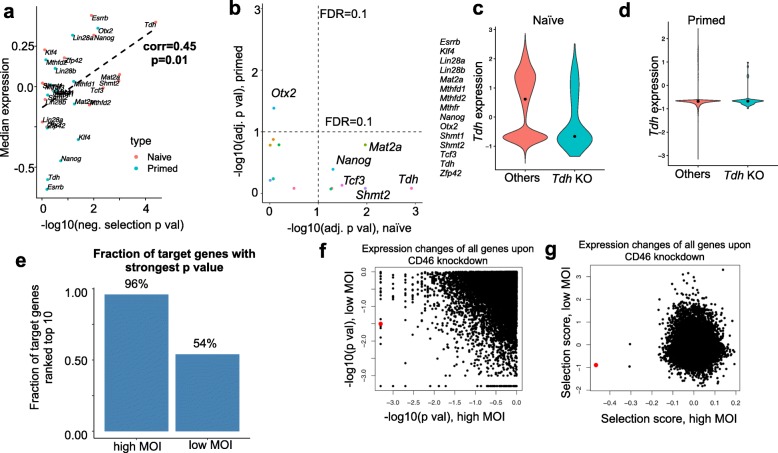
“…are over-looked (Figure S2A). scMAGeCK is a newly developed computational framework for single-cell CRISPR screening analysis, including scMAGeCK-RRA and scMAGeCK-LR test, which systematically identify genes associated with multiple phenotypes at single-cell level (Figure 2A) (Yang et al., 2020).”
Self-citationTang, H., Li, H., Zhao, Q., Zhou, X., Peng, L., Cai, Y., Lin, R., Li, Y., Yuan, Y., Feng, W., et al. (2026) · BMC Genomics · doi:10.1186/s12864-026-13270-0
“The first comprises statistical inference and shallow machine-learning approaches, such as scMAGeCK [18], Augur [19], scDist [20], Milo [21], Mixscape [22], and CellDrift [23], which are particularly strong in differential abundance analysis, cell-state discrimination, temporal profiling, and…”
Base editing-mediated induction of stop codons in HPV18 E6/E7 for cervical cancer therapy
Kang, Y., Wu, Y., Bao, B., Wang, X., Yu, Z., Cao, C., Wang, Z., 王兆杰, Chen, G., Ma, D., et al. (2026) · Molecular Therapy · doi:10.1016/j.ymthe.2026.09.034
Wang, Q., Zhai, Z., Lian, Q., Song, D., & Li, J. J. (2026) · Cell Systems · doi:10.1016/j.cels.2026.101762 · Cited by 4
Metadata
- Authors
- Yang, L., Zhu, Y., Yu, H., Cheng, X., Chen, S., Chu, Y., Huang, H., Zhang, J., & Li, W.
- Affiliations
- Children's National (US)
- Zhejiang University-University of Edinburgh Institute (CN)
- First Affiliated Hospital Zhejiang University (CN)
- Corresponding author
- Zhang, Jin
- Li, Wei
- Venue
- Genome Biology
- Published
- 2020-01-24
- Volume
- 21
- Issue
- 1
- Pages
- 19-19
- ISSN
- 1465-6906 (ISSN-L)
- 1474-760X
- PMC
- PMC6979386
- OpenAlex
- W3005039546
- Semantic Scholar
- b17afcabb3eb5694f6594f05541216333ddce60f
- Cited by
- 94
- References
- 56
- Citations by year
- 2026: 13 · 2025: 17 · 2024: 17 · 2023: 16 · 2022: 9 · 2021: 12 · 2020: 8
- FWCI
- 3.65
- Type
- journal article
- Language
- en
- Open access
- gold
- doi.org
- Licence
- cc-by
- creativecommons.org/licenses/by/4.0/ (tdm)
- creativecommons.org/licenses/by/4.0/ (vor)
- Locations
- Genome biology (publishedVersion, cc-by)
- bioRxiv (Cold Spring Harbor Laboratory) (acceptedVersion, cc-by-nc)
- PubMed Central (publishedVersion, cc-by)
- PubMed (publishedVersion)
- DOAJ (DOAJ: Directory of Open Access Journals) (submittedVersion)
- Funders
- Children's National Hospital
- National Institutes of Health
- National Key Research and Development Program of China (31871453, 2018YFC1005002, LR19C120001, 2018YFA0107100), 2018YFA0107103, 91857116)
- National Human Genome Research Institute (R01HG010753)
- Natural Science Foundation of Zhejiang Province (LR19C120001)
- Topics
- Life Sciences › Biochemistry, Genetics and Molecular Biology › Molecular Biology › Single-cell and spatial transcriptomics
- Life Sciences › Biochemistry, Genetics and Molecular Biology › Molecular Biology › CRISPR and Genetic Engineering
- Life Sciences › Biochemistry, Genetics and Molecular Biology › Molecular Biology › Gene Regulatory Network Analysis
- Keywords
- genotype-phenotype correlation, single-cell RNA sequencing, enhancers, cell proliferation, pluripotency, mouse embryonic stem cells, gene function identification
- MeSH terms
- RNA-Seq, Algorithms, Animals, Enhancer Elements, Genetic, Genotype, Oncogenes, Phenotype, Cluster Analysis, Genes, Tumor Suppressor, Cell Proliferation, Mice, Embryonic Stem Cells, Single-Cell Analysis, CRISPR-Cas Systems
About these checks
Registry, retraction, Cites and statistics results are computed, not judged, with one exception: a printed reference that no index lists is read once by a model before it counts as a citation error. Claims are extracted by a model and kept only when their quote appears verbatim in the text; each cited source is then checked, with a model’s help, for whether it says what the claim relies on. Those verdicts can be wrong — read the claim’s quote and the cited source before relying on one.
Statistics and arithmetic are recomputed, not judged.
Confidence bands are shown only for fields calibrated on our annotated test set. None is calibrated yet, so no band is shown.
What counts as a claim ›How we measure confidence ›How we check this ›
Are you an author, or do you see a problem with this page? Request a review
Data sources
Bibliographic data: Semantic Scholar, OpenAlex, Crossref.
Contains information from the Semantic Scholar Academic Graph Datasets, made available under the ODC Attribution License (ODC-BY 1.0).
Semantic Scholar’s data is described in: Kinney, R., et al. (2023). The Semantic Scholar Open Data Platform. arXiv:2301.10140.
