

The DOI matches its Crossref record; 155 of the 155 references it cites were found in a registry or an index.
Computational methods for chromosome-scale haplotype reconstruction
Open accessAbstract
High-quality chromosome-scale haplotype sequences of diploid genomes, polyploid genomes, and metagenomes provide important insights into genetic variation associated with disease and biodiversity. However, whole-genome short read sequencing does not yield haplotype information spanning whole chromosomes directly. Computational assembly of shorter haplotype fragments is required for haplotype reconstruction, which can be challenging owing to limited fragment lengths and high haplotype and repeat variability across genomes. Recent advancements in long-read and chromosome-scale sequencing technologies, alongside computational innovations, are improving the reconstruction of haplotypes at the level of whole chromosomes. Here, we review recent and discuss methodological progress and perspectives in these areas.
Overview
The claims and statistics of this paper haven’t been checked yet.
Run the check — free, no account needed. It reads the open-access text and checks the sources it cites.
Integrity signals
Registry
Cites
Statistics
Figures
Verification
Claims the paper makes
The claims and statistics of this paper haven’t been checked yet.
Run the check — free, no account needed. It reads the open-access text and checks the sources it cites.
Claims other papers make about this one
Each is checked against this paper’s own text: does it say what the citing paper says it does?
The check wasn’t confident either way, so it gives no verdict — never disputed.
In the citing paper
“Pstools reported slightly lower switch error rates than Yak but comparable Hamming error rates (Supplementary Fig. 2).”
From A draft human pangenome reference. (2023) · cites this paper as [23]
Experimental — accuracy not yet measured
Self-check
Percentages, sums and reported differences re-computed from the paper’s own numbers.
The self-check needs the paper’s full text.
Citations
Cites
Structure, function and diversity of the healthy human microbiome
The Human Microbiome Project Consortium (2012) · Nature · doi:10.1038/nature11234 · Cited by 11,726
Li, D., Liu, C.-M., Luo, R., Sadakane, K., & Lam, T. (2015) · Bioinformatics · doi:10.1093/bioinformatics/btv033 · Cited by 10,133
Santos, A. G., da Rocha, G. O., & de Andrade, J. B. (2019) · Scientific Reports · doi:10.1038/s41598-018-37186-2 · Cited by 8,495
Canu: scalable and accurate long-read assembly via adaptive k -mer weighting and repeat separationPreprint
Koren, S., Walenz, B. P., Berlin, K., Miller, J. R., Bergman, N. H., & Phillippy, A. M. (2017) · Genome Research · doi:10.1101/gr.215087.116 · Cited by 7,260
Assembly of long, error-prone reads using repeat graphs
Kolmogorov, M., Yuan, J., Lin, Y., & Pevzner, P. A. (2019) · Nature Biotechnology · doi:10.1038/s41587-019-0072-8 · Cited by 5,986
metaSPAdes: a new versatile metagenomic assembler
Nurk, S., Meleshko, D., Korobeynikov, A., & Pevzner, P. A. (2017) · Genome Research · doi:10.1101/gr.213959.116 · Cited by 4,496
Mash: fast genome and metagenome distance estimation using MinHash
Ondov, B. D., Treangen, T. J., Melsted, P., Mallonee, A. B., Bergman, N. H., Koren, S., & Phillippy, A. M. (2016) · Genome biology · doi:10.1186/s13059-016-0997-x · Cited by 3,373
Browning, S. R., & Browning, B. L. (2007) · The American Journal of Human Genetics · doi:10.1086/521987 · Cited by 3,217
Fast and accurate de novo genome assembly from long uncorrected readsPreprint
Vaser, R., Sović, I., Nagarajan, N., & Šikić, M. (2017) · Genome Research · doi:10.1101/gr.214270.116 · Cited by 3,059
Peng, Y., Leung, H. C. M., Yiu, S., & Chin, F. Y. L. (2012) · Bioinformatics · doi:10.1093/bioinformatics/bts174 · Cited by 2,998
Research works printed but not linked: 3
- Zaccaria S, Raphael BJ. Characterizing the allele- and haplotype-specific copy number landscape of cancer genomes at single-cell resolution with CHISEL. bioRxiv. 2019:837195. https://doi.org/10.1101/837195. · DOI
- Kronenberg ZN, et al. FALCON-Phase: Integrating PacBio and Hi-C data for phased diploid genomes. bioRxiv. 2018:327064. https://doi.org/10.1101/327064. · DOI
- Bzikadze, A. V. & Pevzner, P. A. centroFlye: assembling centromeres with long error-prone reads. 2019; 772103 doi:https://doi.org/10.1101/772103. · DOI
Cited by
Sorted by citations
A draft human pangenome reference.
Liao, W.-W., Asri, M., Ebler, J., Doerr, D., Haukness, M., Hickey, G., Lu, S., Lucas, J. K., Monlong, J., Abel, H. J., et al. (2023) · Nature · doi:10.1038/s41586-023-05896-x · Cited by 1,129
“We also calculated phase accuracy using Pstools (Garg, 2020, 2021), which uses Hi-C sequence data of the sample not used in creating the assembly.”
MethodSelf-citationSemi-automated assembly of high-quality diploid human reference genomes
Jarvis, E. D., Formenti, G., Rhie, A., Guarracino, A., Yang, C., Wood, J., Tracey, A., Thibaud-Nissen, F., Vollger, M. R., Porubsky, D., et al. (2022) · Nature · doi:10.1038/s41586-022-05325-5 · Cited by 209
“To date, three methods have successfully used Hi-C, including FALCON Phase 23 , hifiasm (Hi-C) 59 and pstools 61 , and another has used Strand-seq 58 to generate maternal and paternal phased long-read-based human genome assemblies with fewer switch errors, including on HG002.”
MethodSelf-citationFeatures and applications of haplotypes in crop breeding
Bhat, J. A., Yu, D., Bohra, A., Ganie, S. A., & Varshney, R. K. (2021) · Communications Biology · doi:10.1038/s42003-021-02782-y · Cited by 182
LongPhase: an ultra-fast chromosome-scale phasing algorithm for small and large variants
Lin, J.-H., Chen, L.-C., Shu-chi, Y., & Huang, Y. (2022) · Bioinformatics · doi:10.1093/bioinformatics/btac058 · Cited by 89
Liu, S., Rodriguez, J. S., Munteanu, V., Ronkowski, C., Sharma, N. K., Alser, M., Andreace, F., Blekhman, R., Błaszczyk, D., Chikhi, R., et al. (2025) · Nature Reviews Methods Primers · doi:10.1038/s43586-024-00376-6 · Cited by 99
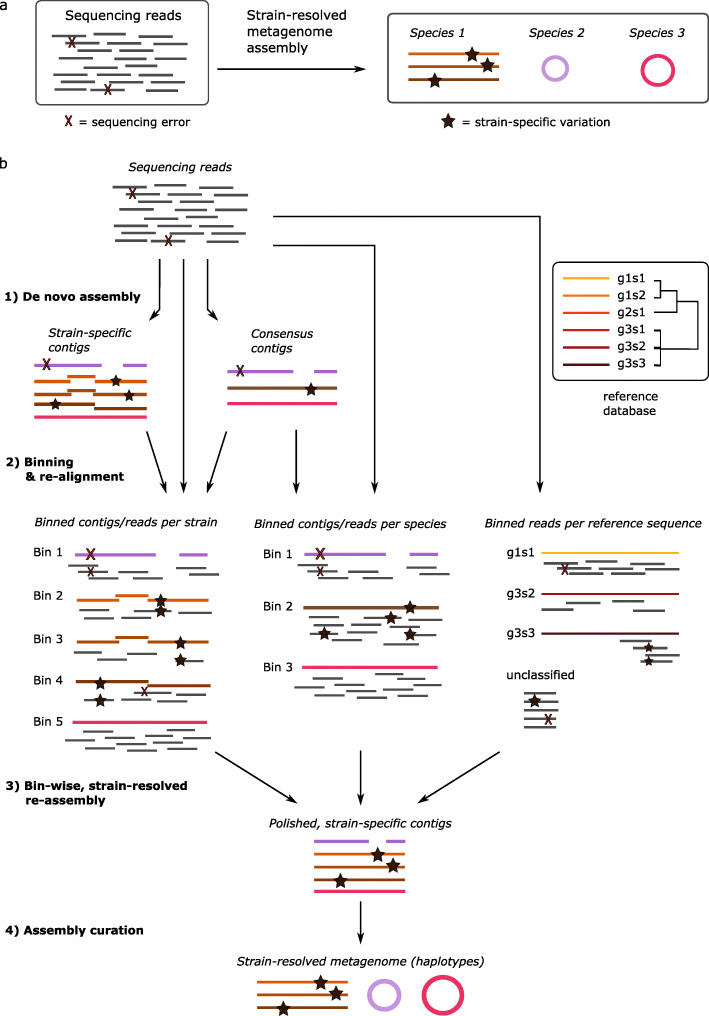
“In this case, specialized assemblers similar to tools that haplotype the human genome 123 are required to assemble contigs from each strain.”
Vences, M., Patmanidis, S., Schmidt, J.-C., Matschiner, M., Miralles, A., & Renner, S. S. (2024) · Bioinformatics Advances · doi:10.1093/bioadv/vbae083 · Cited by 65
“With the rise of high-throughput sequencing, haplotype analysis has shifted from the analysis and visualization of single-locus networks to chromosome-scale haplotype reconstruction (Garg 2021).”
BackgroundGenomics‐assisted breeding for designing salinity‐smart future crops
Raza, A., Zaman, Q. U., Shabala, S. N., Tester, M. A., Munns, R., Hu, Z., & Varshney, R. K. (2025) · Plant Biotechnology Journal · doi:10.1111/pbi.70104 · Cited by 66
“…and superior GS models will significantly aid in fast-tracking the supply of superior breeding lines with SST. Haplotypes, combinations of alleles inherited together on similar Chr, play a critical role in plant breeding for designing advanced crop varieties (Bhat et al ., 2021; Garg, 2021).”
InfluentialGenomic and modern biotechnological strategies for enhancing salt tolerance in crops
Yuan, J., Cao, H., Qin, W., Yang, S., Zhang, D., Zhu, L., Song, H., & Zhang, Q. (2024) · New Crops · doi:10.1016/j.ncrops.2024.100057 · Cited by 60
A Draft Human Pangenome ReferencePreprint
Liao, W., Asri, M., Ebler, J., Doerr, D., Haukness, M., Hickey, G., Lu, S., Lucas, J., Monlong, J., Abel, H., et al. (2022) · bioRxiv (Cold Spring Harbor Laboratory) · doi:10.1101/2022.07.09.499321 · Cited by 58
Self-citationCurrent advancements in fungal engineering technologies for Sustainable Development Goals
Garg, S., Kim, M., & Romero-Suárez, D. (2024) · Trends in Microbiology · doi:10.1016/j.tim.2024.11.001 · Cited by 64
Self-citationGenomics-assisted speed breeding for crop improvement: present and future
Ćeran, M., Miladinović, D., Đorđević, V., Trkulja, D., Radanović, A., Glogovac, S., & Kondić‐Špika, A. (2024) · Frontiers in Sustainable Food Systems · doi:10.3389/fsufs.2024.1383302 · Cited by 54
Strain Identification and Quantitative Analysis in Microbial Communities
Ghazi, A. R., Münch, P. C., Chen, D., Jensen, J., & Huttenhower, C. (2022) · Journal of Molecular Biology · doi:10.1016/j.jmb.2022.167582 · Cited by 44
Haplotype-based breeding: A new insight in crop improvement
Sivabharathi, R. C., Rajagopalan, V. R., Suresh, R., Sudha, M., KARTHIKEYAN, G., Jayakanthan, M., & Raveendran, M. (2024) · Plant Science · doi:10.1016/j.plantsci.2024.112129 · Cited by 48
Masset, H., Ding, J., Dimitriadou, E., Ardeshirdavani, A., Debrock, S., Tšuiko, O., Smits, K., Peeraer, K., Moreau, Y., Voet, T., et al. (2022) · Nucleic Acids Research · doi:10.1093/nar/gkac134 · Cited by 37
Alemu, A., Batista, L. G., Singh, P. K., Ceplitis, A., & Chawade, A. (2023) · Theoretical and Applied Genetics · doi:10.1007/s00122-023-04352-8 · Cited by 41
“These alleles of various polymorphisms existing on a segment of chromosome are inherited together with a minimum chance of contemporary recombination (Garg 2021; Sehgal et al.”
BackgroundStrainline: full-length de novo viral haplotype reconstruction from noisy long reads
Luo, X., Kang, X., & Schönhuth, A. (2022) · Genome biology · doi:10.1186/s13059-021-02587-6 · Cited by 36
Complex genome assembly based on long-read sequencing
Zhang, T., Zhou, J., Gao, W., Jia, Y., Wei, Y., & Wang, G. (2022) · Briefings in Bioinformatics · doi:10.1093/bib/bbac305 · Cited by 38
Sequencing and Assembly of Polyploid Genomes
Wang, Y., Yu, J., Jiang, M., Lei, W., Zhang, X., & Tang, H. (2023) · Methods in molecular biology · doi:10.1007/978-1-0716-2561-3_23 · Cited by 33
Antipov, D., Rautiainen, M., Nurk, S., Walenz, B. P., Solar, S. J., Phillippy, A. M., & Koren, S. (2025) · Genome Research · doi:10.1101/gr.280383.124 · Cited by 38
Li, K., Chen, R., Abudoukayoumu, A., Wei, Q., Ma, Z., Wang, Z., Hao, Q., & Huang, J. (2024) · Horticulture Research · doi:10.1093/hr/uhae071 · Cited by 30
“For highly heterozygous diploid and polyploid organisms, a haplotype-phased genome represents the ultimate goal of dissecting genomes and allows breeders to capture the effect of allelic gene function [8].”
BackgroundSingh, C., Yadav, S., Khare, V., Gupta, V., Patial, M., Kumar, S., V, Mishra, C. N., Tyagi, B. S., Gupta, A. K., Sharma, A. K., et al. (2025) · Plants · doi:10.3390/plants14071053 · Cited by 35
Towards routine chromosome-scale haplotype-resolved reconstruction in cancer genomics
Garg, S. (2023) · Nature Communications · doi:10.1038/s41467-023-36689-5 · Cited by 27
Self-citationGenotype error biases trio-based estimates of haplotype phase accuracy
Browning, B. L., & Browning, S. R. (2022) · The American Journal of Human Genetics · doi:10.1016/j.ajhg.2022.04.019 · Cited by 24
Jang, M., Cho, H. J., Park, Y.-S., Lee, H., Bae, E., Jung, S., Jin, H., Woo, J., Park, E., Kim, S.-J., et al. (2024) · Nature Genetics · doi:10.1038/s41588-024-01944-y · Cited by 28
Xie, H., Li, W., Guo, Y., Su, X., Chen, K., Wen, L., & Tang, F. (2023) · Nucleic Acids Research · doi:10.1093/nar/gkad532 · Cited by 21
Ramos, L., & Antunes, A. (2022) · Genomics · doi:10.1016/j.ygeno.2022.110277 · Cited by 19
Lou, H., Gao, Y., Xie, B., Wang, Y., Zhang, H., Shi, M., Ma, S., Zhang, X., Liu, C., & Xu, S. (2022) · Cell Systems · doi:10.1016/j.cels.2022.01.006 · Cited by 20
Strain dynamics of contaminating bacteria modulate the yield of ethanol biorefineries
Lino, F. S. D. O., Garg, S., Li, S. S., Misiakou, M.-A., Kang, K., da Costa, B. L. V., Beyer-Pedersen, T. S.-A., Giacon, T. G., Basso, T. O., Panagiotou, G., et al. (2024) · Nature Communications · doi:10.1038/s41467-024-49683-2 · Cited by 25
“In this section, we present the comprehensive and detailed methodology for the analysis of metagenomic raw data 64 , addressing every aspect from initial quality control to the fi nal annotation and classi fi - cation stages/MAG production: 1.”
Self-citationThe importance of fungal biotechnology for sustainable applications
Garg, S. (2025) · Trends in biotechnology · doi:10.1016/j.tibtech.2025.06.010 · Cited by 19
Self-citationChromosome-scale haplotype-resolved pangenomics
Garg, S., Balboa, R. F., & Kuja, J. (2022) · Trends in Genetics · doi:10.1016/j.tig.2022.06.011 · Cited by 18
Self-citationGenetics of Wool and Cashmere Fibre: Progress, Challenges, and Future Research
Zhou, H., Bai, L., Li, S., Li, W., Wang, J., Tao, J., & Hickford, J. G. H. (2024) · Animals · doi:10.3390/ani14223228 · Cited by 19
Schell, T., Greve, C., & Podsiadłowski, L. (2025) · Frontiers in Zoology · doi:10.1186/s12983-025-00561-7 · Cited by 22
“On the other hand more and more approaches desire phased assemblies, where both homologous chromosome sets are part of the assembly [192, 193].”
Genomic variations and epigenomic landscape of the Medaka Inbred Kiyosu-Karlsruhe (MIKK) panel
Léger, A., Brettell, I., Monahan, J., Barton, C., Wolf, N., Kusminski, N., Herder, C., Aadepu, N., Becker, C., Gierten, J., et al. (2022) · Genome biology · doi:10.1186/s13059-022-02602-4 · Cited by 16
TopoQual polishes circular consensus sequencing data and accurately predicts quality scores
Weerakoon, M., Lee, S., Mitchell, E., & Heaton, H. (2025) · BMC Bioinformatics · doi:10.1186/s12859-024-06020-0 · Cited by 15
Can long-read sequencing tackle the barriers, which the next-generation could not? A review
Szakállas, N., Barták, B. K., Valcz, G., Nagy, Z. B., Takács, I., & Molnar, B. A. (2024) · Pathology & Oncology Research · doi:10.3389/pore.2024.1611676 · Cited by 15
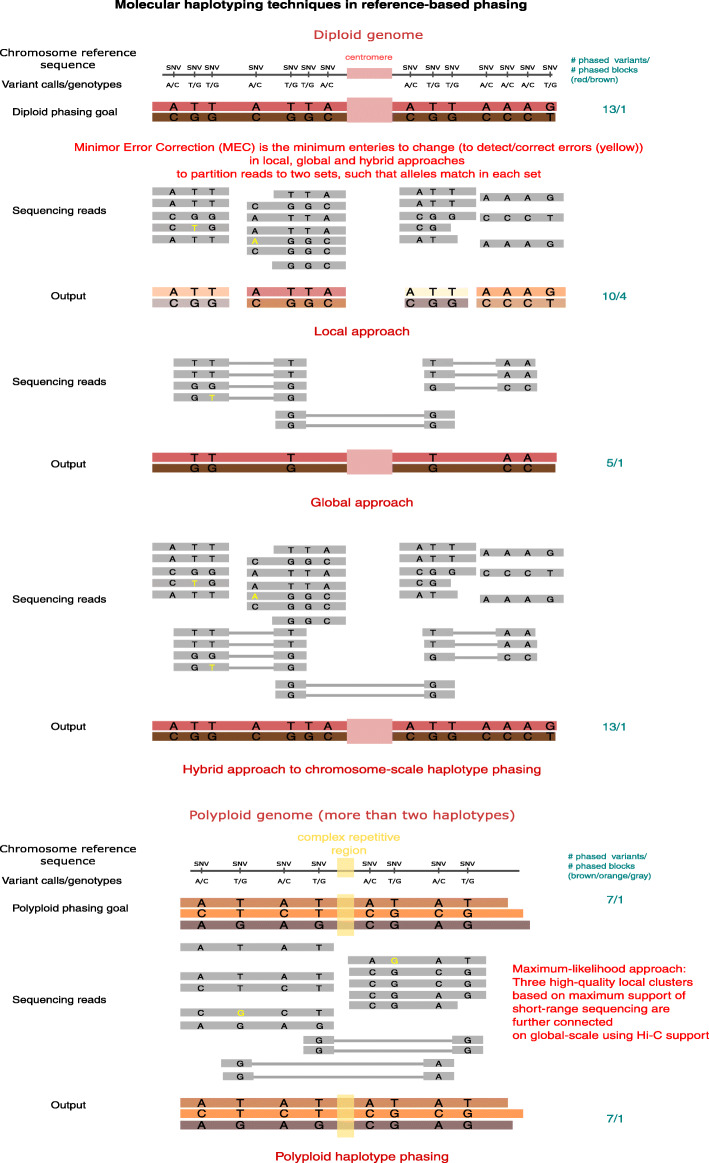
“Haplotypes within a diploid chromosome are determined by fi nding a partitioning of reads to two sets, one for each haplotype, such that the reads within subsets have a minimal number of errors compared to a consensus [106].”
BackgroundMarone, M. P., Singh, H. C., Pozniak, C. J., & Mascher, M. (2022) · Plant Methods · doi:10.1186/s13007-022-00964-1 · Cited by 14
“Strategies and tools to obtain haplotype-resolved assemblies have been reviewed in detail elsewhere [7, 8].”
BackgroundPAnno: A pharmacogenomics annotation tool for clinical genomic testing
Liu, Y., Lin, Z., Chen, Q., Chen, Q., Sang, L., Wang, Y., Shi, L. M., Guo, L. J., & Yu, Y. (2023) · Frontiers in Pharmacology · doi:10.3389/fphar.2023.1008330 · Cited by 13
“This is mainly due to the limitation of NGS itself in identifying repetitive sequences, etc., which affects the fi nal haplotype resolution (Mantere et al., 2019; Garg, 2021).”
BackgroundNew developments in biotechnology applied to microorganisms
(GMO), E. P. O. G. M. O., Mullins, E. D., Bresson, J., Dewhurst, I. C., Epstein, M. M., Firbank, L. G., Guerche, P., Hejátko, J., Moreno, F. J., Naegeli, H., et al. (2024) · EFSA Journal · doi:10.2903/j.efsa.2024.8895 · Cited by 13
Nguyen, T. V., Bolormaa, S., Reich, C. M., Chamberlain, A. J., Jagt, C. J. V., Daetwyler, H. D., & MacLeod, I. M. (2024) · Genetics Selection Evolution · doi:10.1186/s12711-024-00942-2 · Cited by 14
Nachtigall, P. G., Nystrom, G. S., Broussard, E. M., Wray, K. P., Junqueira-de-Azevedo, I. L. M., Parkinson, C. L., Margres, M. J., & Rokyta, D. R. (2025) · Molecular Biology and Evolution · doi:10.1093/molbev/msaf058 · Cited by 13
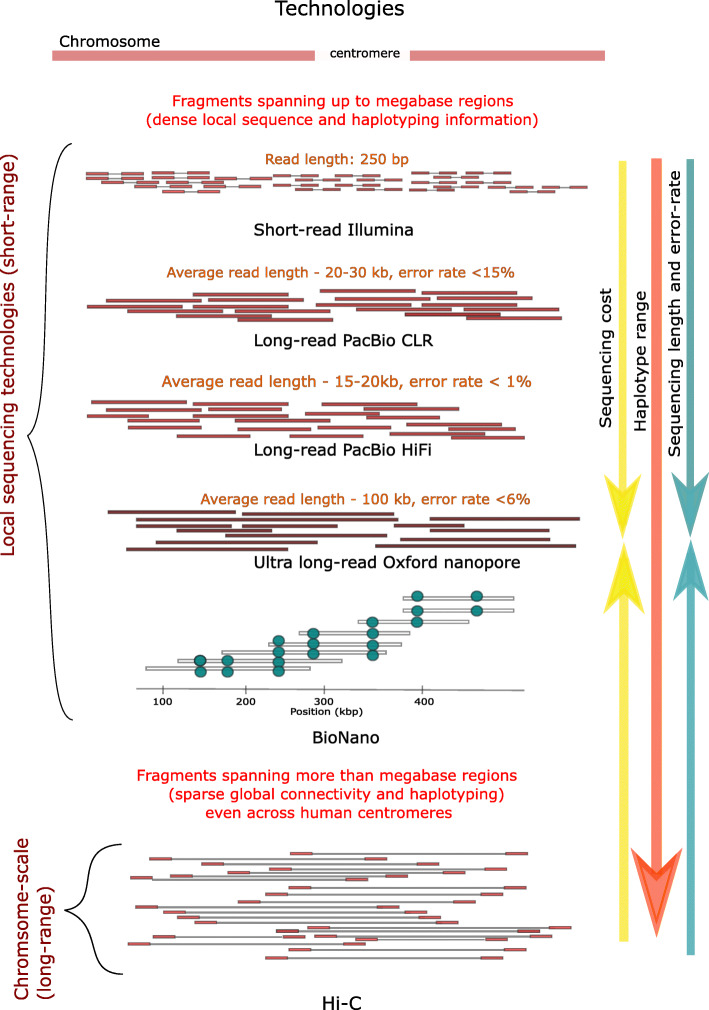
“…the combination of PacBio HiFi sequencing, which results in reads > 15 Kb with error rates of ∼ 1%, Hi-C, which produces short reads capturing 3-dimensional chromatin organization, and novel computational pipelines allows the generation of high-resolution genomes (Garg 2021; Rhie et al. 2021).”
Geometric deep learning framework for de novo genome assemblyPreprint
Vrček, L., Bresson, X., Laurent, T., Schmitz, M., Kawaguchi, K., & Šikić, M. (2024) · Genome Research · doi:10.1101/gr.279307.124 · Cited by 14
“For more information about the computational meth-ods for genome assembly, readers can refer to Garg (2021) and Garg et al. (2022).”
Barani, S., Nejati‐Javaremi, A., Moradi, M. H., Moradi-Sharbabak, M., Gholizadeh, M., & Esfandyari, H. (2023) · PLoS ONE · doi:10.1371/journal.pone.0286463 · Cited by 12
“A haplotype is a physical grouping of genomic variants from multiple genetic loci on the same chromosome that are inherited as a unit that can encompass two or more SNP alleles [20].”
BackgroundBrainard, S. H., Sanders, D., Brůna, T., Shu, S., & Dawson, J. C. (2023) · Plant Biotechnology Journal · doi:10.1111/pbi.14199 · Cited by 9
“Heterozygoussingle-individualassembliesare more challenging to construct, relative to fully homozygous individuals (Garg, 2021).”
Graphasing: phasing diploid genome assembly graphs with single-cell strand sequencing
Henglin, M., Ghareghani, M., Harvey, W. T., Porubskỳ, D., Koren, S., Eichler, E. E., Ebert, P., & Marschall, T. (2024) · Genome biology · doi:10.1186/s13059-024-03409-1 · Cited by 11
StrainXpress: strain aware metagenome assembly from short reads
Kang, X., Luo, X. L., & Schönhuth, A. (2022) · Nucleic Acids Research · doi:10.1093/nar/gkac543 · Cited by 11
“As suggested by (35), we considered ConStrains (36), StrainFinder (37), Gretel (38) and DESMAN (28) as currently leading tools.”
BackgroundMethodEditorial: Long-read sequencing—Pitfalls, benefits and success stories
Wohlers, I., Garg, S., & Hehir‐Kwa, J. Y. (2023) · Frontiers in Genetics · doi:10.3389/fgene.2022.1114542 · Cited by 11
“Already, long-read sequencing can be used to reach an unprecedented genetic resolution (Garg, 2021), e.g. by covering previously inaccessible genomic regions or entire RNA transcripts in individual reads.”
BackgroundSelf-citationOrtigas-Vásquez, A., & SZPARA, M. L. (2024) · Annual Review of Virology · doi:10.1146/annurev-virology-100422-010336 · Cited by 10
“However, the accurate assembly of viral contigs containing large repetitive regions remains an unresolved challenge due to the diversity of herpesvirus populations and the error rates of existing long-read technologies (114).”
Haplotype breeding: fast-track the crop improvements
Meena, V. K., Thribhuvan, R., Dinkar, V., Bhatt, A., Pandey, S., Abhinav, A., Ahmad, D., Kumar, A., & Singh, A. K. (2025) · Planta · doi:10.1007/s00425-025-04622-3 · Cited by 10
“A haplotype refers to a specific combination of DNA markers or nucleotides that are inherited together from different regions within the same locus of a chromosome (Lu et al. 2010; Garg 2021).”
A Pangenome Approach to Detect and Genotype TE Insertion Polymorphisms
Groza, C., Bourque, G., & Goubert, C. (2022) · Methods in molecular biology · doi:10.1007/978-1-0716-2883-6_5 · Cited by 8
GreenHill: a de novo chromosome-level scaffolding and phasing tool using Hi-C
Ouchi, S., Kajitani, R., & Itoh, T. (2023) · Genome biology · doi:10.1186/s13059-023-03006-8 · Cited by 9
Bioinformatics for Plant Genetics and Breeding Research
Naik, Y. D., Zhao, C., Channale, S., Nayak, S. N., Bhutia, K. L., Gautam, A., Kumar, R., Niranjan, V., Shah, T. M., Mott, R., et al. (2024) · Sustainability Sciences in Asia and Africa · doi:10.1007/978-981-99-4673-0_3 · Cited by 10
Advances in haplotype phasing and genotype imputation
Sun, Q., & Li, Y. (2025) · Nature Reviews Genetics · doi:10.1038/s41576-025-00895-2 · Cited by 11
trioPhaser: using Mendelian inheritance logic to improve genomic phasing of trios
Miller, D. B., & Piccolo, S. (2021) · BMC Bioinformatics · doi:10.1186/s12859-021-04470-4 · Cited by 8
“Phase can be estimated with computational methods that rely on haplotype evidence from multiple sources; different software programs may support one or more of the following sources: haplotype reference panel, sequence reads, and/or familial genotypes [1, 5–7].”
Improving lab-of-origin prediction of genetically engineered plasmids via deep metric learning
Soares, I. M., Camargo, F. H. F., Marques, A., & Crook, O. M. (2022) · Nature Computational Science · doi:10.1038/s43588-022-00234-z · Cited by 9
“One future direction of work would be to adapt the model for diploid features 34 .”
BackgroundZhou, T., Ma, S., Zhao, Y., Guo, D., Wang, H., Kuang, M., & Li, X. (2022) · Frontiers in Genetics · doi:10.3389/fgene.2022.918379 · Cited by 8
“Complete sequence information of eccDNA will be obtained by long-read sequencing, and structural variation can be observed to analyze the differential functions of eccDNA (Garg, 2021).”
Targeted sequencing and iterative assembly of near-complete genomes
Gamaarachchi, H., Stevanovski, I., Hammond, J. W., Reis, A. L. M., Rapadas, M., Jayasooriya, K., Russell, T., Yeow, D., Hort, Y., Patel, C., et al. (2025) · Nature Communications · doi:10.1038/s41467-025-65410-x · Cited by 7
“The capacity to obtain high quality and even complete telomere-to-telomere (T2T) assemblies for large eukaryotic genomes is transforming our understanding of genome architecture, variation and evolution 1 – 3 .”
Shen, J., Lan, L., Kan, S., Cheng, H., Peng, D., Wan, Z., Hu, Y., Huang, X., Li, X., Ye, Y., et al. (2023) · Journal of Systematics and Evolution · doi:10.1111/jse.13007 · Cited by 7
“…scale haplotype ‐ resolved assemblies, the inter - actions between variants in regulator elements can be more clearly understood (Tewhey et al., 2011) as well as the interplay of the evolutionary processes that a ff ect genetic variation, such as recombination, mutation, and selection (Garg, 2021).”
BackgroundAntipov, D., Rautiainen, M., Nurk, S., Walenz, B. P., Solar, S. J., Phillippy, A. M., & Koren, S. (2024) · bioRxiv (Cold Spring Harbor Laboratory) · doi:10.1101/2024.12.20.629807 · Cited by 7
GRAMEP: an alignment-free method based on the maximum entropy principle for identifying SNPs
Pimenta-Zanon, M. H., Kashiwabara, A. Y., Vanzela, A. L. L., & Lopes, F. M. (2025) · BMC Bioinformatics · doi:10.1186/s12859-025-06037-z · Cited by 7
KSNP: a fast de Bruijn graph-based haplotyping tool approaching data-in time cost
Zhou, Q., Ji, F., Lin, D., Liu, X., Zhu, Z., & Ruan, J. (2024) · Nature Communications · doi:10.1038/s41467-024-47562-4 · Cited by 6
Cull, A., & Joly, D. L. (2025) · BMC Genomics · doi:10.1186/s12864-025-11263-z · Cited by 6
Genetic variation in the OPN gene affects milk composition in Chinese Holstein cows
Raza, S. H. A., Khan, R., Pant, S. D., Shah, M. A., Quan, G., Long, F., Cheng, G., Gui, L., & Zan, L. (2021) · Animal Biotechnology · doi:10.1080/10495398.2021.2001343 · Cited by 6
A complete pedigree-based graph workflow for rare candidate variant analysisPreprint
Markello, C., Huang, C., Rodríguez, Á., Carroll, A. W., Chang, P.-C., Eizenga, J. M., Markello, T. C., Haussler, D. H., & Paten, B. (2022) · Genome Research · doi:10.1101/gr.276387.121 · Cited by 5
“One tool, known asWHdenovo, can apply pedigree information and long-sequence reads to enhance the construction of sample-specific assemblies that can resolve potential genotyping errors in this workflow (Garg et al. 2020; Garg 2021).”
MethodNavarro, A. T., Bourke, P. M., Weg, E. W. V. D., Clot, C. R., Arens, P. F. P., Finkers, R., & Maliepaard, C. A. (2023) · Frontiers in Genetics · doi:10.3389/fgene.2023.1049988 · Cited by 5
“Multiple tools have been developed to produce long-range haplotypes using short reads, long reads or a combination of both (Garg, 2021).”
BackgroundMethodAutomated filtering of genome-wide large deletions through an ensemble deep learning framework
Hu, Y., Mangal, S., Zhang, L., & Zhou, X. (2022) · Methods · doi:10.1016/j.ymeth.2022.08.001 · Cited by 4
The Telomere-Telomerase System Is Detrimental to Health at High-Altitude
Pasha, Q., Rain, M., Tasnim, S., Hema, K., Thinlas, T., & Mohammad, G. (2023) · International Journal of Environmental Research and Public Health · doi:10.3390/ijerph20031935 · Cited by 4
SpLitteR: diploid genome assembly using TELL-Seq linked-reads and assembly graphs
Tolstoganov, I., Chen, Z., Pevzner, P. A., & Korobeynikov, A. (2024) · PeerJ · doi:10.7717/peerj.18050 · Cited by 3
“For large genomes and metagenomes, long high-fi delity (HiFi) reads proved to be useful in generating highly-accurate and contiguous assemblies ( Nurk et al., 2020 ; Sha fi n et al., 2020 ; Kolmogorov et al., 2020 ; Cheng et al., 2021 ; Nurk et al., 2022 ; Rautiainen et al., 2023 ; Garg, 2021 ).”
BackgroundZeng, Q., Cao, W., Li, W. L., Wu, J., Figueroa, M., Liu, H., Qin, G., Wang, Q., Yang, L., Zhou, Y., et al. (2022) · bioRxiv (Cold Spring Harbor Laboratory) · doi:10.1101/2022.03.18.484966 · Cited by 4
Genomics-Assisted Breeding for Fodder Quality Improvement in Forage Sorghum
Behera, P. P., & Sarma, R. N. (2025) · Springer eBooks · doi:10.1007/978-3-032-04527-0_3 · Cited by 3
Du, H., Lun, M. Y., Gagarina, L., Bengtsson, J. D., Grochowski, C. M., Mehaffey, M. G., Hwang, J. P., Jhangiani, S. N., Bhamidipati, S. V., Muzny, D. M., et al. (2025) · Genome Medicine · doi:10.1186/s13073-025-01593-8 · Cited by 3
“…read depth, B-allele frequency (BAF) information, and haplotype phasing to the CNV analysis has been pivotal in high-impact variant prioritization [3, 4], and enables the identification of: i) de novo CNVs – i.e. mutations present only in the proband, but not in either parent [5], ii) homozygous…”
Pan-genomics of polyploid crops: from complexity to breeding
Naik, Y. D., Thudi, M., Kamal, N. M., Egan, A. N., Janga, M. R., & Puppala, N. (2026) · Frontiers in Plant Science · doi:10.3389/fpls.2026.1800432 · Cited by 4
“The computational requirements also increase substantially with higher ploidy levels, as the number of possible haplotypes grows exponentially (Garg, 2021).”
Characteristics and potential functional effects of long insertions in Asian butternuts
Chen, Y., Miao, Y., Bai, W., Lin, K., & Pang, E. (2022) · BMC Genomics · doi:10.1186/s12864-022-08961-3 · Cited by 3
“representation is one major challenge [9] though there are methods such as chromosome-scale haplotype reconstruction [14] to account for this.”
MethodStatistical and Computational Methods for Microbial Strain Analysis
Ma, S., & Li, H. (2022) · Methods in molecular biology · doi:10.1007/978-1-0716-2986-4_11 · Cited by 2
BLR: a flexible pipeline for haplotype analysis of multiple linked-read technologies
Höjer, P., Frick, T., Siga, H., Pourbozorgi, P. L., Aghelpasand, H., Martin, M., & Ahmadian, A. (2023) · Nucleic Acids Research · doi:10.1093/nar/gkad1010 · Cited by 3
“Repetitive regions remain a challenge for accurate phasing ( 7 ).”
Plant sperm cell sequencing for genome phasing and determination of meiotic crossover points
Zhang, W., Tariq, A., Jia, X., Yan, J., Fernie, A. R., Usadel, B., & Wen, W. (2024) · Nature Protocols · doi:10.1038/s41596-024-01063-2 · Cited by 3
Jeon, H., Bae, J., Kim, H., & Kim, M. (2021) · IEEE Transactions on Computational Biology and Bioinformatics · doi:10.1109/tcbb.2021.3138145 · Cited by 3
Revisiting the Genomic Approaches in the Cereals and the Path Forward
Kaur, I., Relan, A., Saini, D. K., Kaur, G., Biswas, A., Singh, L., Kaur, S., & Sandhu, K. S. (2023) · Springer eBooks · doi:10.1007/978-981-19-8218-7_1 · Cited by 3
Haplotype-Assisted Breeding in Rice
Sagar, U. S. S. V., Pushpam, R., Raveendran, M., Kulkarni, V., & Rajanna, B. (2024) · Springer eBooks · doi:10.1007/978-981-97-7098-4_7 · Cited by 3
HaploMaker: An improved algorithm for rapid haplotype assembly of genomic sequences
Fruzangohar, M., Timmins, W. A., Kravchuk, O. Y., & Taylor, J. (2022) · GigaScience · doi:10.1093/gigascience/giac038 · Cited by 3
“For example, the algorithm could be used to assemble haplotypes for genomes from tetraploid and hexaploid species, such as wheat, as long as there are separate reference sequences for each of the homoeologous copies of the chromosomes [1].”
InfluentialFilling gaps of genome scaffolds via probabilistic searching optical maps against assembly graph
Huang, B., Wei, G., Wang, B., Ju, F., Zhong, Y., Shi, Z., Sun, S., & Bu, D. (2021) · BMC Bioinformatics · doi:10.1186/s12859-021-04448-2 · Cited by 3
“The study [6] provides an elaborated review on the methodological progresses and perspectives in the integration of short-range and long-range information for improving assembly contiguity.”
BackgroundKumari, J., Kumari, V., Thakur, R., Kapoor, R., Priyanka, Kumari, S., & Chaturvedi, V. D. (2025) · Australian Journal of Agricultural Research · doi:10.1071/cp24139 · Cited by 2
Muduli, B. C., Selvaraj, S., Sahu, S., Dhall, S., Swain, N., Parameswaran, C., Meher, J., Pradhan, C., Chatterjee, D., Mohanty, S., et al. (2025) · 3 Biotech · doi:10.1007/s13205-025-04350-1 · Cited by 2
“A haplotype is a combination of alleles for different polymorphisms (such as SNPs, insertions/deletions and other markers or variants) on the same chromosome and region, inherited with minimal chance of recombination (Stram et al. 2017; Garg et al. 2021).”
Navarro, A. T., Bourke, P. M., Weg, E. W. V. D., Arens, P. F. P., Finkers, R., & Maliepaard, C. A. (2022) · Research Square · doi:10.21203/rs.3.rs-1165750/v1 · Cited by 2
Review on Advancement of AI in Cell Engineering and Molecular Biology
Swargiary, D., Saikia, A., Basumatary, D., & Borah, J. C. (2025) · Methods in molecular biology · doi:10.1007/978-1-0716-4690-8_10 · Cited by 1
Exploring standing genetic variation for barley leaf rust resistance in Australian breeding panel
Pandit, M., Dracatos, P. M., Periyannan, S. K., Lam, Y., Brunner, S. M., Honse, T., Tong, J., Dinglasan, E. G., Ganesalingam, A., Moody, D. B., et al. (2026) · Theoretical and Applied Genetics · doi:10.1007/s00122-025-05122-4 · Cited by 1
“A haplotype-based association mapping has proven effective for identifying genomic loci and candidate genes underlying quantitative traits (Abed and Belzile 2019; Hamazaki and Iwata 2020; Garg 2021; Bhat et al. 2021).”
Trait Discovery in the Post-NGS Era
Rathore, M., Jan, F., Aggarwal, N., Bashir, M., Prasad, S. H., Khan, M. A., Sofi, P. A., Chitikineni, A., Saini, D. K., & Mir, R. R. (2026) · Sustainability Sciences in Asia and Africa · doi:10.1007/978-981-95-5109-5_12 · Cited by 1
HAT: haplotype assembly tool using short and error-prone long reads
Zade, R. S. H., Urhan, A., de Souza, A. A., Singh, A., & Abeel, T. (2022) · Bioinformatics · doi:10.1093/bioinformatics/btac702 · Cited by 1
“On the other hand, in polyploid genomes, other haplotypes may have the same or different alleles (Garg, 2021).”
BackgroundGCphase: an SNP phasing method using a graph partition and error correction algorithm
Luo, J., Wang, J., Zhai, H., & Wang, J. (2024) · BMC Bioinformatics · doi:10.1186/s12859-024-05901-8 · Cited by 1
Jeline Rani, J., & Nandagopalan, V. (2023) · International Journal of Pharmaceutical Sciences and Drug Research · doi:10.25004/ijpsdr.2023.150319 · Cited by 1
Navarro, A. T. (2023) · doi:10.18174/630278 · Cited by 1
Navarro, A. T., Bourke, P. M., Weg, E. W. V. D., Clot, C. R., Arens, P. F. P., Finkers, R., & Maliepaard, C. A. (2022) · Research Square · doi:10.21203/rs.3.rs-1165750/v2
Pairwise comparative analysis of six haplotype assembly methods based on users’ experience
Sun, S., Cheng, F., Han, D., Wei, S., Zhong, A., Massoudian, S., & Johnson, A. B. (2023) · BMC Genomic Data · doi:10.1186/s12863-023-01134-5
“However, there remain different challenges in haplotype assembly for repetitive regions, in scaling haplotype reconstruction efforts for routine applications, in validation, in benchmarking, and in annotation [7].”
BackgroundAsmMix: an efficient haplotype-resolved hybrid de novo genome assembling pipeline
Liu, C., Wu, P., Wu, X., Zhao, X., Chen, F., Cheng, X., Zhu, H., Wang, O., & Xu, M. (2024) · Frontiers in Genetics · doi:10.3389/fgene.2024.1421565
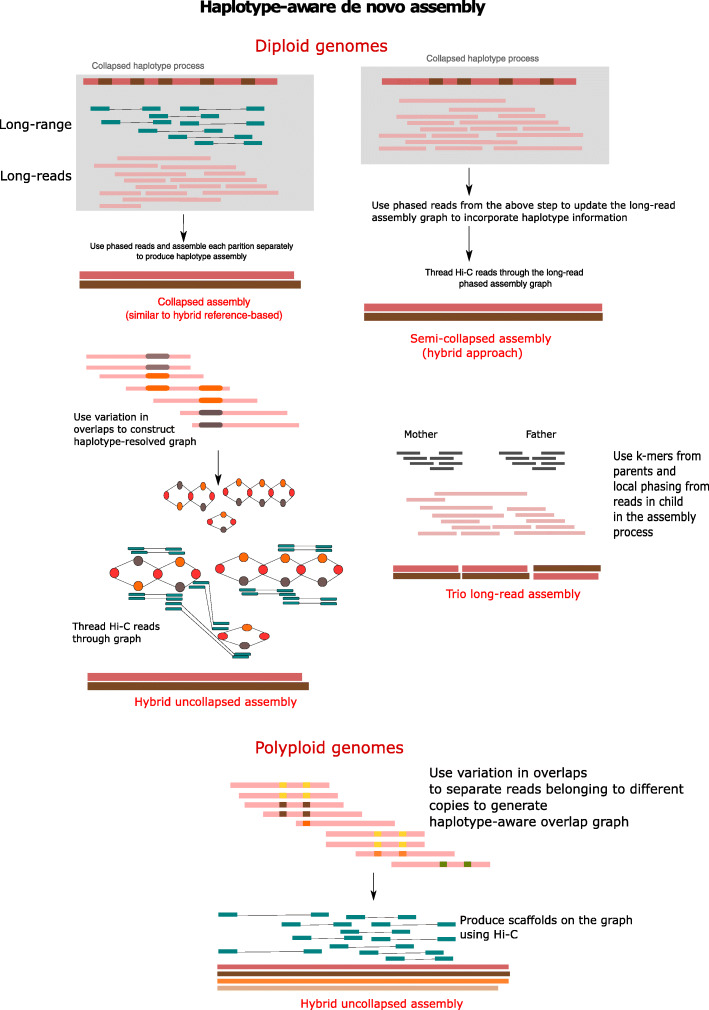
“Hi-C data provides information about the spatial organization of the genome, allowing for the analysis of long-range haplotyping and scaffolding at the chromosome level (Garg et al., 2021).”
BackgroundMethodInfluentialGong, T., Zhou, Y., Huang, Y., Zhao, J., Gong, J., Li, J., Peng, Q., Wang, S., Li, J., & Fan, S. (2024) · Research Square · doi:10.21203/rs.3.rs-5343403/v1
Fan, S., Gong, T., Zhou, Y., Zhao, J., Huang, Y., Gong, J., Li, J., Peng, Q., Chang, H., Yuan, L., et al. (2025) · Research Square · doi:10.21203/rs.3.rs-6312842/v1
Genomics-Assisted Breeding: A Revolutionary Approach for Sugarcane Development
Naik, Y. D., Keshari, A. K., Kurhade, A. K., Patil, V. S., Veerendrakumar, H. V., Jadhav, M. P., & Upadhayay, V. K. (2025) · Springer eBooks · doi:10.1007/978-981-96-6871-7_15
Methods for Chromosome-Scale Haplotype Reconstruction
Garg, S. (2025) · Methods in molecular biology · doi:10.1007/978-1-0716-4702-8_2
Self-citationDirect inference of haplotypes from sequencing data
Zhang, Z., Zhu, B., Luo, Y., Shi, J., Lian, S., Hao, J., Hu, T., Ishibashi, T., Wang, D., Wang, S., et al. (2024) · Bioinformatics Advances · doi:10.1093/bioadv/vbaf195
“But more than two haplotypes may exist at any given chromosomal region when genotyping polyploid genomes or a mixture of diploid cell populations, which is common for sequencing tumor tissues contaminated with normal cells (Garg 2021).”
Local Haplotyping Analysis for Flowering Time in Soybean Using Crosshap
Mohamedikbal, S., Upadhyaya, S. R., Bestry, M., Marsh, J. I., & Edwards, D. (2025) · Methods in molecular biology · doi:10.1007/978-1-0716-4820-9_6
Chen, S., Lee, E.-G., Leong, L., Tulloch, J., & Yu, C. (2025) · Research Square · doi:10.21203/rs.3.rs-7634101/v1
Metadata
- Authors
- Garg, S.
- Affiliations
- University of Copenhagen (DK)
- Corresponding author
- Garg, Shilpa
- ORCID
- Garg, Shilpa
- Venue
- Genome Biology
- Published
- 2021-04-12
- Volume
- 22
- Issue
- 1
- Pages
- 101-101
- ISSN
- 1465-6906 (ISSN-L)
- 1474-760X
- PMC
- PMC8040228
- OpenAlex
- W3156261638
- Cited by
- 116
- References
- 154
- Citations by year
- 2026: 11 · 2025: 26 · 2024: 25 · 2023: 20 · 2022: 28 · 2021: 6
- FWCI
- 2.07
- Type
- journal article
- Language
- en
- Open access
- gold
- doi.org
- Locations
- Genome biology (publishedVersion, cc-by)
- PubMed Central (publishedVersion, cc-by)
- PubMed (publishedVersion)
- Research at the University of Copenhagen (University of Copenhagen) (publishedVersion, cc-by)
- DOAJ (DOAJ: Directory of Open Access Journals) (submittedVersion, cc-by-sa)
- Topics
- Life Sciences › Biochemistry, Genetics and Molecular Biology › Molecular Biology › Genomics and Phylogenetic Studies
- Life Sciences › Biochemistry, Genetics and Molecular Biology › Genetics › Chromosomal and Genetic Variations
- Life Sciences › Biochemistry, Genetics and Molecular Biology › Genetics › Genomic variations and chromosomal abnormalities
- Keywords
- haplotype reconstruction, haplotype assembly, diploid genome, polyploid genomes, metagenome, long-read sequencing, repetitive regions, genetic variation
- MeSH terms
- Chromosomes, Diploidy, Haplotypes, Humans, Polyploidy, Sequence Analysis, DNA, Computational Biology, Genomics, Metagenome, Metagenomics, High-Throughput Nucleotide Sequencing
About these checks
Registry, retraction, Cites and statistics results are computed, not judged, with one exception: a printed reference that no index lists is read once by a model before it counts as a citation error. Claims are extracted by a model and kept only when their quote appears verbatim in the text; each cited source is then checked, with a model’s help, for whether it says what the claim relies on. Those verdicts can be wrong — read the claim’s quote and the cited source before relying on one.
Statistics and arithmetic are recomputed, not judged.
Confidence bands are shown only for fields calibrated on our annotated test set. None is calibrated yet, so no band is shown.
What counts as a claim ›How we measure confidence ›How we check this ›
Are you an author, or do you see a problem with this page? Request a review
