

Acute ischemia induces spatially and transcriptionally distinct microglial subclusters
Open accessThe DOI matches its Crossref record; 54 of the 56 references it cites were found in a registry or an index.
Abstract
Background: Damage in the ischemic core and penumbra after stroke affects patient prognosis. Microglia immediately respond to ischemic insult and initiate immune inflammation, playing an important role in the cellular injury after stroke. However, the microglial heterogeneity and the mechanisms involved remain unclear. Methods: We first performed single-cell RNA-sequencing (scRNA-seq) and spatial transcriptomics (ST) on middle cerebral artery occlusion (MCAO) mice from three time points to determine stroke-associated microglial subclusters and their spatial distributions. Furthermore, the expression of microglial subcluster-specific marker genes and the localization of different microglial subclusters were verified on MCAO mice through RNAscope and immunofluorescence. Gene set variation analysis (GSVA) was performed to reveal functional characteristics of microglia sub-clusters. Additionally, ingenuity pathway analysis (IPA) was used to explore upstream regulators of microglial subclusters, which was confirmed by immunofluorescence, RT-qPCR, shRNA-mediated knockdown, and targeted metabolomics. Finally, the infarct size, neurological deficits, and neuronal apoptosis were evaluated in MCAO mice after manipulation of specific microglial subcluster. Results: We discovered stroke-associated microglial subclusters in the brains of MCAO mice. We also identified novel marker genes of these microglial subclusters and defined these cells as ischemic core-associated (ICAM) and ischemic penumbra-associated (IPAM) microglia, according to their spatial distribution. ICAM, induced by damage-associated molecular patterns, are probably fueled by glycolysis, and exhibit increased pro-inflammatory cytokines and chemokines production. BACH1 is a key transcription factor driving ICAM generation. In contrast, glucocorticoids, which are enriched in the penumbra, likely trigger IPAM formation, which are presumably powered by the citrate cycle and oxidative phosphorylation and are characterized by moderate pro-inflammatory responses, inflammation-alleviating metabolic features, and myelinotrophic properties. Conclusions: ICAM could induce excessive neuroinflammation, aggravating brain injury, whereas IPAM probably exhibit neuroprotective features, which could be essential for the homeostasis and survival of cells in the penumbra. Our findings provide a biological basis for targeting specific microglial subclusters as a potential therapeutic strategy for ischemic stroke.
Overview
The claims and statistics of this paper haven’t been checked yet.
Free: it reads the open-access text and checks the first 5 claims that cite a source we can check. Create a free account to check every claim.
Integrity signals
Registry
Cites
Statistics
Figures
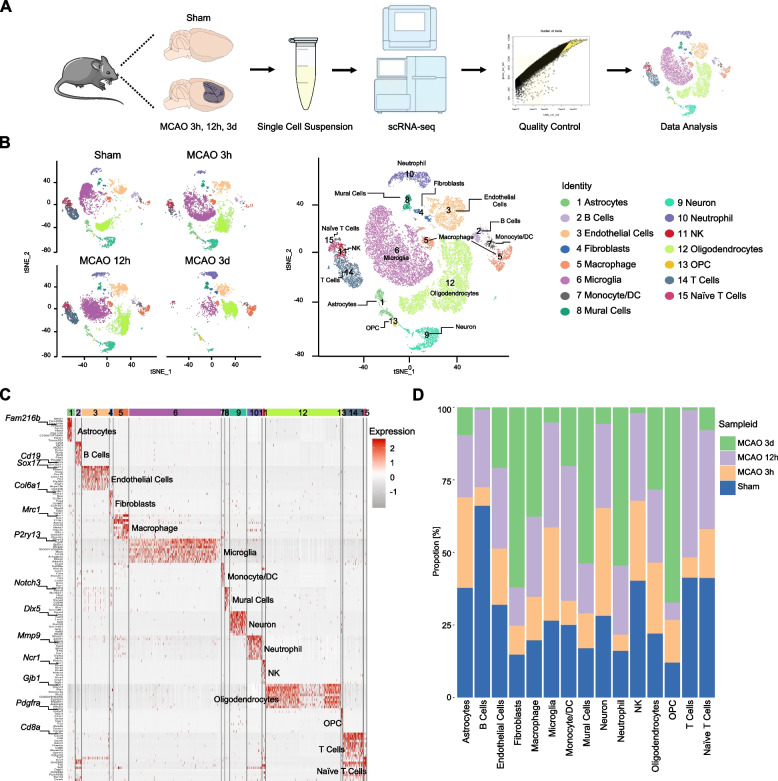
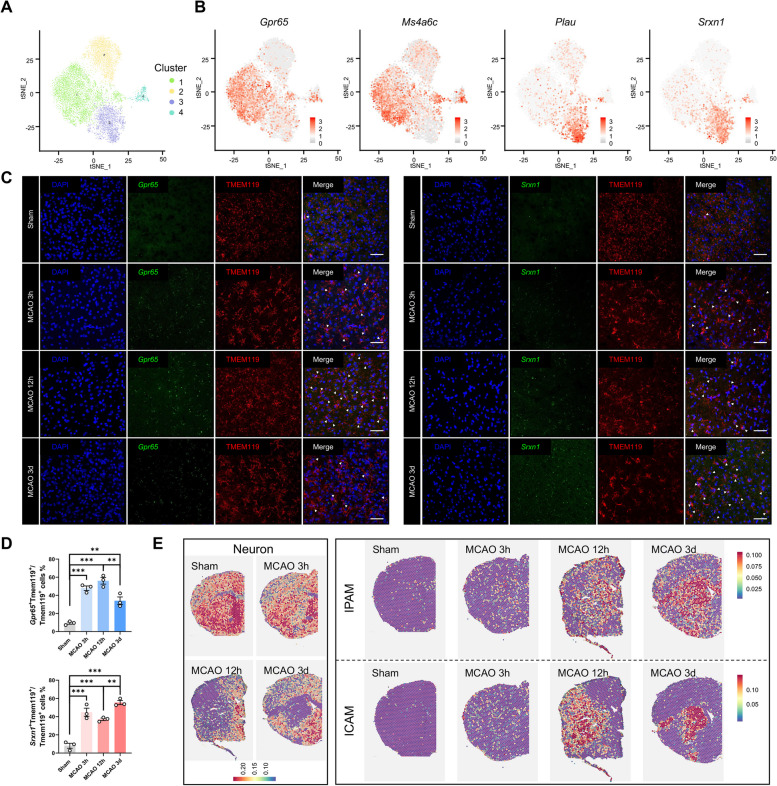
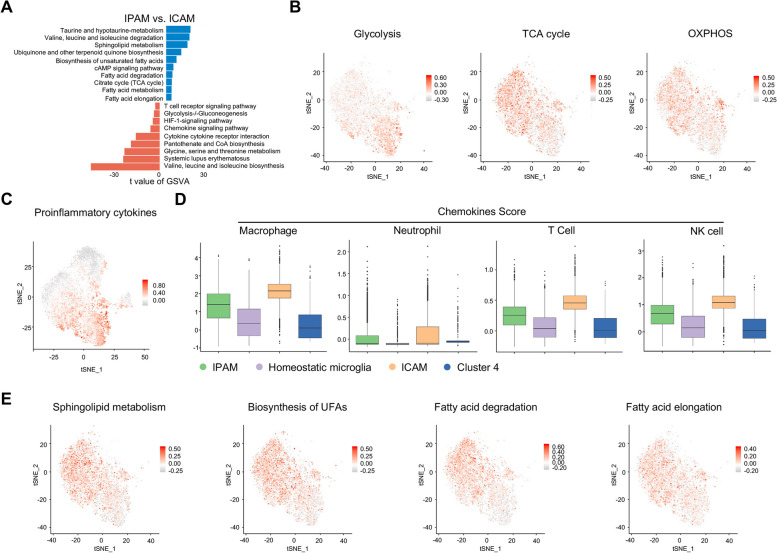
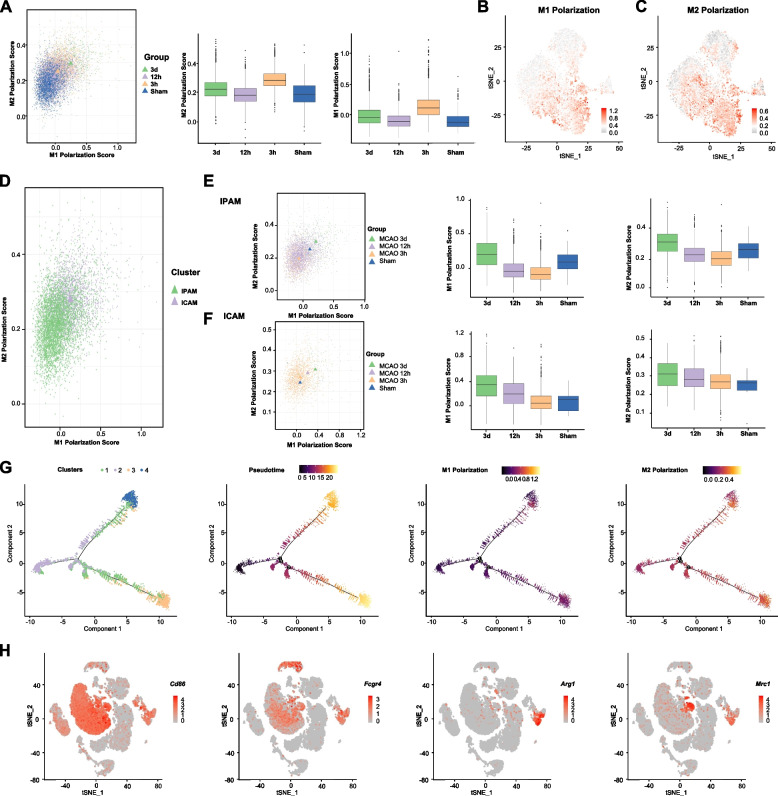
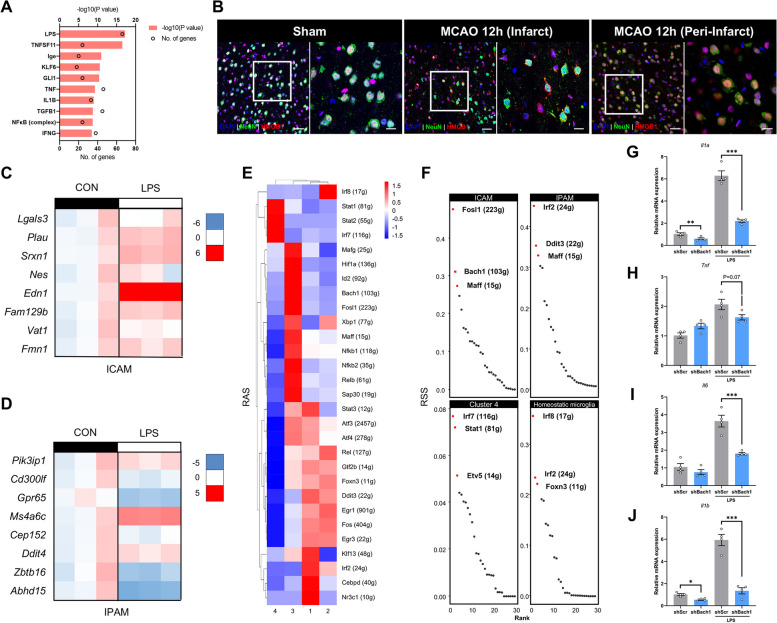
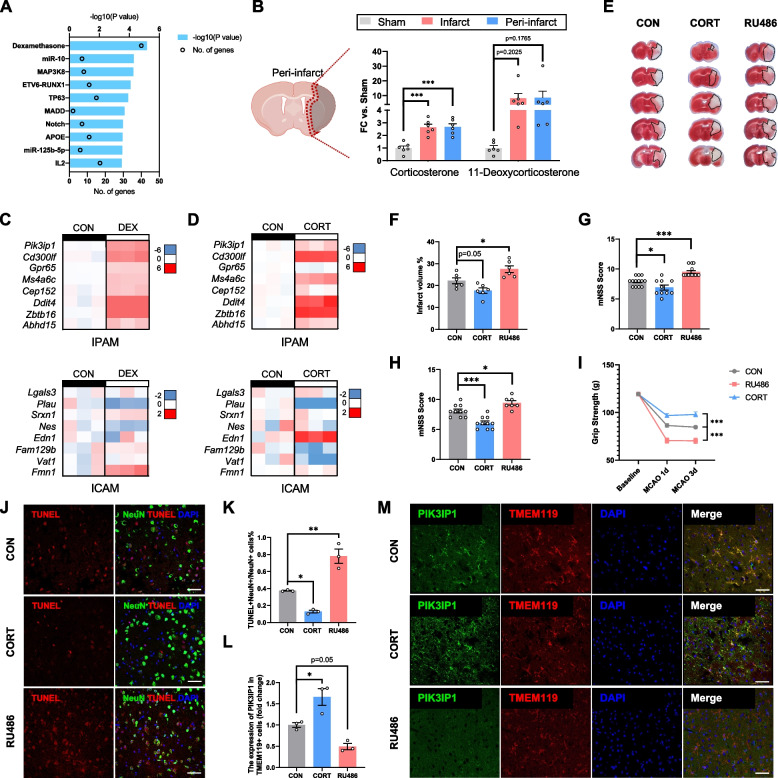
Verification
Claims the paper makes
The claims and statistics of this paper haven’t been checked yet.
Free: it reads the open-access text and checks the first 5 claims that cite a source we can check. Create a free account to check every claim.
Claims other papers make about this one
Each is checked against this paper’s own text: does it say what the citing paper says it does?
The source backs part of the claim, not all of it — or backs it for a different population, condition or comparison.
In the citing paper
“In contrast, IPAM, associated with the ischemic penumbra, with inflammation-alleviating and neuroprotective features.”
From Single-cell sequencing to multi-omics: technologies and applications (2024) · cites this paper as [24]
Experimental — accuracy not yet measuredThe cited source says what the claim attributes to it.
In the citing paper
“Thus, they reported that targeting specific microglial subclusters is a promising therapeutic strategy for ischemic stroke [24].”
From Single-cell sequencing to multi-omics: technologies and applications (2024) · cites this paper as [24]
The cited source says what the claim attributes to it.
In the citing paper
“ICAM was related to ischemia, exhibiting pro-inflammatory characteristics.”
From Single-cell sequencing to multi-omics: technologies and applications (2024) · cites this paper as [24]
The cited source says what the claim attributes to it.
In the citing paper
“Li et al. employed scRNA-seq and spatial transcriptomics to identify two distinct microglial subclusters (ICAM and IPAM).”
From Single-cell sequencing to multi-omics: technologies and applications (2024) · cites this paper as [24]
Self-check
Percentages, sums and reported differences re-computed from the paper’s own numbers.
The self-check needs the paper’s full text.
Citations
Cites
STAR: ultrafast universal RNA-seq aligner
Dobin, A., Davis, C. A., Schlesinger, F., Drenkow, J., Zaleski, C., Jha, S., Batut, P., Chaisson, M., & Gingeras, T. R. (2013) · Bioinformatics · doi:10.1093/bioinformatics/bts635 · Cited by 51,709
Comprehensive Integration of Single-Cell Data
Stuart, T., Butler, A., Hoffman, P., Hafemeister, C., Papalexi, E., Mauck, W. M., Hao, Y., Stoeckius, M., Smibert, P., & Satija, R. (2019) · Cell · doi:10.1016/j.cell.2019.05.031 · Cited by 15,453
Integrating single-cell transcriptomic data across different conditions, technologies, and species
Butler, A., Hoffman, P., Smibert, P., Papalexi, E., & Satija, R. (2018) · Nature Biotechnology · doi:10.1038/nbt.4096 · Cited by 13,174 · cited 1×
“Differentially-expressed genes (DEGs) were identified using the FindMarkers function (test, use = MAST) in Seurat [15].”
MethodScenic: single-cell regulatory network inference and clustering.
Aibar, S., González-Blas, C. B., Moerman, T., Huynh-Thu, V. A., Imrichova, H., Hulselmans, G., Rambow, F., Marine, J.-C., Geurts, P., Aerts, J., et al. (2017) · Nature Methods · doi:10.1038/nmeth.4463 · Cited by 6,520 · cited 2×
“SCENIC analysis was run using the motifs database for RcisTarget and GRNboost (SCENIC version 1.1.2.2, corresponding to RcisTarget 1.2.1 and AUCell 1.4.1) with the default parameters [16].”
MethodInfluentialA Unique Microglia Type Associated with Restricting Development of Alzheimer’s Disease
Keren-Shaul, H., Spinrad, A., Weiner, A., Matcovitch-Natan, O., Dvir-Szternfeld, R., Ulland, T. K., David, E., Baruch, K., Lara-Astaiso, D., Toth, B., et al. (2017) · Cell · doi:10.1016/j.cell.2017.05.018 · Cited by 5,493 · cited 2×
“Additionally, disease-associated microglia (DAM) were previously identified as a unique microglial subtype associated with Alzheimer’s disease (AD) [30].”
BackgroundAran, D., Looney, A. P., Liu, L., Wu, E., Fong, V., Hsu, A., Chak, S., Naikawadi, R. P., Wolters, P. J., Abate, A. R., et al. (2019) · Nature Immunology · doi:10.1038/s41590-018-0276-y · Cited by 4,984 · cited 1×
“To optimize clustering, unsupervised clustering according to gene expression and dispersion using the shared nearest neighbor algorithm was used [14].”
MethodEfremova, M., Vento-Tormo, M., Teichmann, S. A., & Vento-Tormo, R. (2020) · Nature Protocols · doi:10.1038/s41596-020-0292-x · Cited by 3,449
A polarizing question: do M1 and M2 microglia exist?
Ransohoff, R. M. (2016) · Nature Neuroscience · doi:10.1038/nn.4338 · Cited by 1,573 · cited 2×
“This dichotomous categorization was established based on the inflammatory states of in vitro cultured microglia [8].”
BackgroundLi, Q., Cheng, Z., Zhou, L., Darmanis, S., Neff, N. F., Okamoto, J., Gulati, G., Bennett, M. L., Sun, L. O., Clarke, L. E., et al. (2019) · Neuron · doi:10.1016/j.neuron.2018.12.006 · Cited by 1,129
Cole, T. J., Blendy, J. A., Monaghan, A. P., Krieglstein, K., Schmid, W., Aguzzi, A., Fantuzzi, G., Hummler, E., Unsicker, K., & Schütz, G. (1995) · Genes & Development · doi:10.1101/gad.9.13.1608 · Cited by 946 · cited 1×
“Moreover, homozygous null mutants for Nr3c1, which encodes a glucocorticoid receptor, was reported to result in perinatal lethality [59], which limits our ability to perform an in vivo study on the capacity of glucocorticoids for triggering IPAM formation.”
BackgroundModulators of microglial activation and polarization after intracerebral haemorrhage
Lan, X., Han, X., Li, Q., Yang, Q.-W., & Wang, J. (2017) · Nature Reviews Neurology · doi:10.1038/nrneurol.2017.69 · Cited by 915 · cited 1×
“Previous studies have applied the concept of M1/M2 polarization of macrophages to microglia because microglia are the brain’s macrophages [6, 7].”
BackgroundPolydendrocytes (NG2 cells): multifunctional cells with lineage plasticity
Nishiyama, A., Komitova, M., Suzuki, R., & Zhu, X. (2009) · Nature Reviews Neuroscience · doi:10.1038/nrn2495 · Cited by 865 · cited 1×
“Besides, the amount of OPC significantly increased at 72-h post-surgery, suggesting the proliferation of OPC after stroke, which showed consistency with previous publications [26].”
ResultMicroglia: Immune and non-immune functions
Borst, K., Dumas, A. A., & Prinz, M. (2021) · Immunity · doi:10.1016/j.immuni.2021.09.014 · Cited by 804 · cited 1×
“Microglia are immune cells resident in the central nervous system, which maintain the brain in a normal physiological and immune-privileged state [3].”
BackgroundMicroglia Heterogeneity in the Single-Cell Era
Masuda, T., Sankowski, R., Staszewski, O., & Prinz, M. (2020) · Cell Reports · doi:10.1016/j.celrep.2020.01.010 · Cited by 784 · cited 1×
“However, arguably, this dichotomy is simply based on in vitro culture conditions, and microglial responses must be determined by in vivo proteomic or transcriptomic analyses in different disease models [8, 9].”
BackgroundFunctions and mechanisms of microglia/macrophages in neuroinflammation and neurogenesis after stroke
Xiong, X.-Y., Liu, L., & Yang, Q.-W. (2016) · Progress in Neurobiology · doi:10.1016/j.pneurobio.2016.05.001 · Cited by 701 · cited 1×
“Pro-inflammatory cytokines (e.g., TNF-α) derived from reactive microglia can directly promote neuronal death and blood–brain barrier injury [4].”
BackgroundThe biphasic function of microglia in ischemic stroke
Ma, Y., Wang, J., Wang, Y., & Yang, G.-Y. (2017) · Progress in Neurobiology · doi:10.1016/j.pneurobio.2016.01.005 · Cited by 655 · cited 1×
“Microglia-mediated immune inflammation plays an important role in this process [1, 2].”
BackgroundWhite matter aging drives microglial diversity
Safaiyan, S., Besson-Girard, S., Kaya, T., Cantuti-Castelvetri, L., Liu, L., Ji, H., Schifferer, M., Gouna, G., Usifo, F., Kannaiyan, N., et al. (2021) · Neuron · doi:10.1016/j.neuron.2021.01.027 · Cited by 477 · cited 1×
“For example, proliferative region-associated microglia (PAM) were found in developing white matter, and white matter-associated microglia (WAM) were observed in aging white matter [38, 39].”
BackgroundImmune interventions in stroke
Fu, Y., Liu, Q., Anrather, J., & Shi, F.-D. (2015) · Nature Reviews Neurology · doi:10.1038/nrneurol.2015.144 · Cited by 383
Revealing the Critical Regulators of Cell Identity in the Mouse Cell Atlas
(2018) · doi:10.1016/j.celrep.2018.10.045 · Cited by 341 · cited 1×
“Specifically, we calculated the JSD between each vector of binary regulon activity overlaps with the assignment of cells to a specific cell type [17].”
MethodSingle-cell RNA-seq reveals the transcriptional landscape in ischemic stroke
Zheng, K., Lin, L., Jiang, W., Chen, L., Zhang, X., Zhang, Q., Ren, Y., & Hao, J. (2022) · Journal of Cerebral Blood Flow & Metabolism · doi:10.1177/0271678x211026770 · Cited by 297 · cited 2×
“To confirm whether Clusters 1 and 3 also existed in other scRNA-seq research data on ischemic stroke, we reanalyzed several existing microglial datasets post-stroke (GSE174574, GSE197731, GSE227651) [18– 20].”
MethodFan, H., Tang, H.-B., Chen, Z., Wang, H.-Q., Zhang, L., Jiang, Y., Li, T., Yang, C.-F., Wang, X.-Y., Li, X., et al. (2020) · Journal of Neuroinflammation · doi:10.1186/s12974-020-01973-4 · Cited by 280 · cited 1×
“Interventions targeting the HMGB1–RAGE axis could modulate the immune microenvironment and provide neuroprotection through microglia-mediated inflammation [40].”
Backgroundβ-Hydroxybutyrate inhibits inflammasome activation to attenuate Alzheimer’s disease pathology
Shippy, D. C., Wilhelm, C., Viharkumar, P. A., Raife, T. J., & Ulland, T. K. (2020) · Journal of Neuroinflammation · doi:10.1186/s12974-020-01948-5 · Cited by 256 · cited 1×
“Additionally, β-hydroxybutyrate—a ketone body—may inhibit NLRP3 inflammasome activation and promote microglial ramification, thus exerting anti-inflammatory effects [55, 56].”
BackgroundShaping Neuronal Fate: Functional Heterogeneity of Direct Microglia-Neuron Interactions
Cserép, C., Pósfai, B., & Dénes, Á. (2021) · Neuron · doi:10.1016/j.neuron.2020.11.007 · Cited by 256 · cited 1×
“Microglia-mediated immune inflammation plays an important role in this process [1, 2].”
BackgroundHu, Y., Mai, W., Chen, L., Cao, K., Zhang, B., Zhang, Z., Liu, Y., Lou, H., Duan, S., & Gao, Z. (2020) · Glia · doi:10.1002/glia.23760 · Cited by 253 · cited 1×
“In metabolic flux assays, LPS significantly enhanced glycolysis, but inhibited OXPHOS in primary microglia [47].”
BackgroundSelf-citationBhargava, P., Smith, M. D., Mische, L., Harrington, E., Fitzgerald, K. C., Martin, K., Kim, S., Reyes, A. A., Gonzalez-Cardona, J., Volsko, C., et al. (2020) · Journal of Clinical Investigation · doi:10.1172/jci129401 · Cited by 235
Stroke subtype-dependent synapse elimination by reactive gliosis in mice
Shi, X., Luo, L., Wang, J., Shen, H., Li, Y., Mamtilahun, M., Liu, C., Shi, R., Lee, J.-H., Tian, H., et al. (2021) · Nature Communications · doi:10.1038/s41467-021-27248-x · Cited by 212 · cited 1×
“Consistent with previous findings [27–29], KEGG analysis of microglial DEGs Cluster 2 probably consisted of homeostatic microglia.”
ResultDeletion of BACH1 Attenuates Atherosclerosis by Reducing Endothelial Inflammation
Jia, M., Li, Q., Guo, J., Shi, W., Zhu, L., Huang, Y., Li, Y., Wang, L., Ma, S., Zhuang, T., et al. (2022) · Circulation Research · doi:10.1161/circresaha.121.319540 · Cited by 191 · cited 1×
“Disturbed blood flow induces the nuclear translocation of BACH1, which then interacts with YAP to promote the transcription of pro-inflammatory genes [57].”
BackgroundSelf-citationShen, H., Xu, B., Yang, C., Xue, W., You, Z., Wu, X., Ma, D., Shao, D., Leong, K., & Dai, J. (2022) · Biomaterials · doi:10.1016/j.biomaterials.2021.121279 · Cited by 188 · cited 1×
“Recently, a DAMP-scavenging hydrogel scaffold was invented to promote neuronal regeneration and motor function recovery [41].”
BackgroundDouble-negative T cells remarkably promote neuroinflammation after ischemic stroke
Meng, H., Zhao, H., Cao, X., Hao, J., Zhang, H., Liu, Y., Zhu, M.-S., Fan, L., Weng, L., Qian, L., et al. (2019) · Proceedings of the National Academy of Sciences · doi:10.1073/pnas.1814394116 · Cited by 183 · cited 1×
“MCAO surgery was performed as previously described, and all efforts were made to minimize the animals suffering [11].”
MethodSelf-citationAlawieh, A., Langley, E. F., & Tomlinson, S. (2018) · Science Translational Medicine · doi:10.1126/scitranslmed.aao6459 · Cited by 163 · cited 2×
“However, microglia also secrete complement components to tag stressed neurons and engulf these otherwise salvageable neurons in the penumbra [5].”
BackgroundResultRole of Immune Cells Migrating to the Ischemic Brain
Planas, A. M. (2018) · Stroke · doi:10.1161/strokeaha.118.021474 · Cited by 159 · cited 1×
“Consistent with previous findings, there was a gradual increase in the number of infiltrating macrophages and neutrophils after ischemic insult, indicating the dysfunction of blood–brain barrier [25].”
ResultHuang, C., Wang, P., Xu, X., Zhang, Y., Gong, Y., Hu, W., Gao, M., Wu, Y., Ling, Y., Zhao, X., et al. (2018) · Glia · doi:10.1002/glia.23241 · Cited by 152 · cited 1×
“Additionally, β-hydroxybutyrate—a ketone body—may inhibit NLRP3 inflammasome activation and promote microglial ramification, thus exerting anti-inflammatory effects [55, 56].”
BackgroundChe, Y., Hou, L., Sun, F., Zhang, C., Liu, X., Piao, F., Zhang, D., Li, H., & Wang, Q. (2018) · Cell Death & Disease · doi:10.1038/s41419-018-0468-2 · Cited by 152 · cited 1×
“Furthermore, taurine was suggested to have neuroprotective effects by preventing microglia-mediated pro-inflammatory responses [52].”
BackgroundSelf-citationSimone, R. D., Vissicchio, F., Mingarelli, C., Nuccio, C. D., Visentin, S., Ajmone‐Cat, M. A., & Minghetti, L. (2013) · Biochimica et Biophysica Acta (BBA) - Molecular Basis of Disease · doi:10.1016/j.bbadis.2013.02.001 · Cited by 151
The tetraspan MS4A family in homeostasis, immunity, and disease
Mattiola, I., Mantovani, A., & Locati, M. (2021) · Trends in Immunology · doi:10.1016/j.it.2021.07.002 · Cited by 145 · cited 1×
“Specifically, MS4A6C might regulate the immune function of microglia [34], while GPR65 (TDAG8) was reportedly present in a portion of microglia, and exerts neuroprotective effects by attenuating post-ischemic inflammatory responses [35].”
BackgroundKim, S., Lee, W., Jo, H., Sonn, S.-K., Jeong, S.-J., Seo, S., Suh, J., Jin, J., Kweon, H. Y., Kim, T. K., et al. (2022) · Redox Biology · doi:10.1016/j.redox.2022.102347 · Cited by 139 · cited 1×
“External raw data were downloaded from GSE174574 (Sham vs. MCAO-24 h mice) [18], GSE197731 (ipsilateral and contralateral hemispheres from MCAO-24 h and MCAO-48 h mice) [19], and GSE227651 (Sham vs. MCAO-1d, MCAO-3d and MCAO-7d mice) [20].”
Methodvan Kruining, D., Luo, Q., van Echten-Deckert, G., Mielke, M. M., Bowman, A., Ellis, S., Oliveira, T. G., & Martinez-Martinez, P. (2020) · Advanced Drug Delivery Reviews · doi:10.1016/j.addr.2020.04.009 · Cited by 135
Yin, N., Zhao, Y., Liu, C., Yang, Y., Wang, Z., Yu, W., Zhang, K., Zhang, Z., Liu, J., Zhang, Y., et al. (2022) · Advanced Materials · doi:10.1002/adma.202201322 · Cited by 134 · cited 1×
“Previous studies have applied the concept of M1/M2 polarization of macrophages to microglia because microglia are the brain’s macrophages [6, 7].”
BackgroundTRPV1 sustains microglial metabolic reprogramming in Alzheimer's disease
Lu, J., Zhou, W., Dou, F., Wang, C., & Yu, Z. (2021) · The EMBO Reports · doi:10.15252/embr.202052013 · Cited by 121 · cited 1×
“Glycolysis or interruption of the TCA cycle promotes the microglial pro-inflammatory response, whereas an intact TCA cycle and OXPHOS maintain microglial homeostasis and suppress overactive inflammation [50].”
BackgroundAzouz, N. P., Ynga-Durand, M. A., Caldwell, J. M., Jain, A., Rochman, M., Fischesser, D. M., Ray, L. M., Bedard, M. C., Mingler, M. K., Forney, C. R., et al. (2018) · Science Translational Medicine · doi:10.1126/scitranslmed.aap9736 · Cited by 117 · cited 1×
“In terms of ICAM, PLAU reportedly regulates inflammation-related signalling and exacerbates deleterious post-ischemia processes [36, 37].”
BackgroundPicard, K., Bisht, K., Poggini, S., Garofalo, S., Golia, M. T., Basilico, B., Abdallah, F., Ciano Albanese, N., Amrein, I., Vernoux, N., et al. (2021) · Brain, Behavior, and Immunity · doi:10.1016/j.bbi.2021.07.022 · Cited by 102 · cited 1×
“In microglial glucocorticoid receptor-depleted mice, the expression of pro-inflammatory genes was increased, while that of homeostatic genes was decreased in microglia under basal microenvironments [45], indicating a complex—and even opposing— role of glucocorticoids under various conditions.”
BackgroundHorchar, M. J., & Wohleb, E. S. (2019) · Brain, Behavior, and Immunity · doi:10.1016/j.bbi.2019.06.030 · Cited by 98 · cited 1×
“…stress have demonstrated that enhanced corticosterone leads to microglial activation in the medial prefrontal cortex, and administration of glucocorticoid receptor antagonists attenuated microglia-mediated neuronal remodeling by preventing microglial engulfment of neuronal elements [44].”
BackgroundMicroglial lnc-U90926 facilitates neutrophil infiltration in ischemic stroke via MDH2/CXCL2 axis
Chen, J., Jin, J., Zhang, X., Yu, H., Zhu, X., Yu, L., Chen, Y., Liu, P., Dong, X., Cao, X., et al. (2021) · Molecular Therapy · doi:10.1016/j.ymthe.2021.04.025 · Cited by 89 · cited 3×
“Primary glial cells were obtained from 1-year-old C57BL/6 J mice, as previously described [10].”
BackgroundMethodInfluentialSelf-citationLai, J.-J., Cruz, F. M., & Rock, K. L. (2020) · Immunity · doi:10.1016/j.immuni.2019.11.013 · Cited by 85 · cited 1×
“In order to investigate whether DAMPs released by dying neurons induce ICAM generation, we also prepared neuron-derived DAMPs by repeatedly freeze-thawing HT-22 cells, a mouse neuronal cell line, as previously described [33].”
MethodThe HMGB1 protein induces a metabolic type of tumour cell death by blocking aerobic respiration
Gdynia, G., Sauer, S. W., Kopitz, J., Fuchs, D., Duglova, K., Ruppert, T., Miller, M., Pahl, J. H. W., Cerwenka, A., Enders, M., et al. (2016) · Nature Communications · doi:10.1038/ncomms10764 · Cited by 71 · cited 1×
“Reportedly, HMGB1 released from damaged cells could induce a metabolic shift from glucose-dependent aerobic respiration to glycolysis via the suppression of the dimeric form of PKM2 [46].”
BackgroundZeng, F., Cao, J., Hong, Z., Liu, Y., Hao, J., Qin, Z., Zou, X., & Tao, T. (2023) · Frontiers in Immunology · doi:10.3389/fimmu.2023.1114663 · Cited by 59
Self-citationLiu, P., Chen, Y., Zhang, Z., Yuan, Z., Jian-guang, S., Xia, S., Cao, X., Chen, J., Zhang, C., Chen, Y., et al. (2023) · PLoS Biology · doi:10.1371/journal.pbio.3002199 · Cited by 56 · cited 1×
“Consistent with previous findings [27–29], KEGG analysis of microglial DEGs Cluster 2 probably consisted of homeostatic microglia.”
ResultSelf-citationpH and proton-sensitive receptors in brain ischemia
Zha, X., Xiong, Z., & Simon, R. P. (2022) · Journal of Cerebral Blood Flow & Metabolism · doi:10.1177/0271678x221089074 · Cited by 55 · cited 1×
“Specifically, MS4A6C might regulate the immune function of microglia [34], while GPR65 (TDAG8) was reportedly present in a portion of microglia, and exerts neuroprotective effects by attenuating post-ischemic inflammatory responses [35].”
BackgroundFasting Hormones Synergistically Induce Amino Acid Catabolism Genes to Promote Gluconeogenesis
Korenfeld, N., Finkel, M., Buchshtab, N., Bar‐Shimon, M., Charni‐Natan, M., & Goldstein, I. (2021) · Cellular and Molecular Gastroenterology and Hepatology · doi:10.1016/j.jcmgh.2021.04.017 · Cited by 46 · cited 1×
“Corticosterone is also perceived as a vital mediator of lipid modulation and amino acid catabolism in response to stress [48, 49].”
BackgroundGlucocorticoid‐mediated modulation of morphological changes associated with aging in microglia
van Olst, L., Bielefeld, P., Fitzsimons, C. P., de Vries, H. E., & Schouten, M. (2018) · Aging Cell · doi:10.1111/acel.12790 · Cited by 38
Bai, M., Chen, M., Zeng, Q., Lu, S., Li, P., Ma, Z., Lin, N., Zheng, C., Zhou, H., Zeng, S., et al. (2022) · British Journal of Pharmacology · doi:10.1111/bph.15863 · Cited by 35
Zalewska, K., Pietrogrande, G., Ong, L. K., Abdolhoseini, M., Kluge, M. G., Johnson, S. J., Walker, F. R., & Nilsson, M. (2017) · Brain Behavior and Immunity · doi:10.1016/j.bbi.2017.11.014 · Cited by 34 · cited 1×
“After ischemia, sustained administration of corticosterone significantly suppresses markers of microglial and astrocyte activity [43].”
BackgroundSong, C., Qiao, Z., Chen, L., Ge, J., Zhang, R., Yuan, S., Bian, X., Wang, C., Liu, Q., Jia, L., et al. (2022) · Frontiers in Immunology · doi:10.3389/fimmu.2022.879657 · Cited by 27 · cited 1×
“In terms of ICAM, PLAU reportedly regulates inflammation-related signalling and exacerbates deleterious post-ischemia processes [36, 37].”
BackgroundKim, E., Gao, M., Choi, H., & Jeong, G. (2020) · Molecules · doi:10.3390/molecules25030656 · Cited by 19
Research works printed but not linked: 5
- Li H, Liu P, Zhang B, et al. Acute ischemia induces spatially and transcriptionally distinct microglial subclusters. PRJNA912889, NCBI Sequence Read Archive. 2023. https://www.ncbi.nlm.nih.gov/bioproject/PRJNA912889. PMC10712107 38082331
- Zheng K Lin L Jiang W Chen L Zhang X Zhang Q Ren Y Hao J Single-cell RNA-seq reveals the transcriptional landscape in ischemic stroke J Cereb Blood Flow Metab 2022 42 56 73 10.1177/0271678X211026770 34496660 PMC8721774 · DOI · Paper page
- Kim S Lee W Jo H Sonn SK Jeong SJ Seo S Suh J Jin J Kweon HY Kim TK The antioxidant enzyme Peroxiredoxin-1 controls stroke-associated microglia against acute ischemic stroke Redox Biol 2022 54 102347 10.1016/j.redox.2022.102347 35688114 PMC9184746 · DOI · Paper page
- Zeng F Cao J Hong Z Liu Y Hao J Qin Z Zou X Tao T Single-cell analyses reveal the dynamic functions of Itgb2(+) microglia subclusters at different stages of cerebral ischemia-reperfusion injury in transient middle cerebral occlusion mice model Front Immunol 2023 14 1114663 10.3389/fimmu.2023.1114663 37063847 PMC10098327 · DOI
- Li H, Liu P, Zhang B, et al. Acute ischemia induces spatially and transcriptionally distinct microglial subclusters. PRJNA912890, NCBI Sequence Read Archive. 2023. https://www.ncbi.nlm.nih.gov/bioproject/PRJNA912890. PMC10712107 38082331
Cited by
Single-cell sequencing to multi-omics: technologies and applications
Wu, X., Yang, X., Dai, Y., Zhao, Z., Zhu, J., Guo, H., & Yang, R. (2024) · Biomarker Research · doi:10.1186/s40364-024-00643-4 · Cited by 222
“Thus, they reported that targeting specific microglial subclusters is a promising therapeutic strategy for ischemic stroke [24].”
BackgroundSRGN amplifies microglia-mediated neuroinflammation and exacerbates ischemic brain injury
Qian, Y., Yang, L., Chen, J., Zhou, C., Zong, N., Geng, Y., Xia, S., Yang, H., Bao, X., Chen, Y., et al. (2024) · Journal of Neuroinflammation · doi:10.1186/s12974-024-03026-6 · Cited by 107
“To discover new molecules in controlling microglia-mediated proinflammatory response after ischemic stroke, we screened all genes encoding secretory proteins in microglia from our single-cell RNA sequencing (scRNA-seq) data in a murine model of ischemic stroke [11].”
BackgroundSelf-citationHe, Y., Wang, J., Ying, C., Xu, K. L., Luo, J., Wang, B., Gao, J., Yin, Z., & Zhang, Y. (2024) · Frontiers in Immunology · doi:10.3389/fimmu.2024.1482386 · Cited by 82
“Cellular injury from ischemic hypoxia instigates an in fl ammatory response; injured neurons release pro-in fl ammatory cytokines and chemokines that draw immune cells, such as microglia and neutrophils, to the injury site (15, 16).”
Spatiotemporal transcriptomic map of glial cell response in a mouse model of acute brain ischemia
Žucha, D., Abaffy, P., Kirdajová, D., Jirák, D., Kubista, M., Anděrová, M., & Valihrach, L. (2024) · Proceedings of the National Academy of Sciences · doi:10.1073/pnas.2404203121 · Cited by 63
“Microglia have been observed to acquire four distinct states during early insult phases, characterized by increased phagocytosis ( 6 – 12 ), chemokine expression ( 6 , 8 , 11 , 13 ), interferon response ( 6 , 11 – 14 ), or proliferation ( 6 , 11 , 12 , 15 ).”
Spatiotemporal transcriptomic maps of mouse intracerebral hemorrhage at single-cell resolution
Xiang, R., Wang, J., Chen, Z., Tao, J. Z., Peng, Q., Ding, R., Zhou, T., Tu, Z., Wang, S., Yang, T., et al. (2025) · Neuron · doi:10.1016/j.neuron.2025.04.026 · Cited by 54
Metadata
- Authors
- Li, H., Liu, P., Zhang, B., Yuan, Z., Guo, M., Zou, X., Qian, Y., Deng, S., Zhu, L., Cao, X., Tao, T., Xia, S., Bao, X., & Xu, Y.
- Affiliations
- Nanjing Drum Tower Hospital (CN)
- Institute of Basic Medical Sciences of the Chinese Academy of Medical Sciences (CN)
- Corresponding author
- Xu, Yun
- ORCID
- Venue
- Genome Medicine
- Published
- 2023-12-11
- Volume
- 15
- Issue
- 1
- Pages
- 109-109
- ISSN
- 1756-994X (ISSN-L)
- PMC
- PMC10712107
- OpenAlex
- W4389564290
- Semantic Scholar
- c6d55c4a0935971ffb2215d5187ccfa653829baf
- Cited by
- 129
- References
- 56
- Citations by year
- 2026: 56 · 2025: 53 · 2024: 19 · 2023: 1
- FWCI
- 13.25
- Type
- journal article
- Language
- en
- Open access
- gold
- doi.org
- Licence
- cc-by
- creativecommons.org/licenses/by/4.0 (tdm)
- creativecommons.org/licenses/by/4.0 (vor)
- Locations
- Genome Medicine (publishedVersion, cc-by)
- PubMed Central (publishedVersion, cc-by)
- PubMed (publishedVersion)
- DOAJ (DOAJ: Directory of Open Access Journals) (submittedVersion, cc-by-sa)
- Funders
- National Natural Science Foundation of China (82130036, 81920108017)
- Jiangsu Provincial Key Research and Development Program (BE2020620)
- Jiangsu Province Key Medical Discipline (ZDXKA2016020)
- National Science and Technology Innovation 2030 (2022ZD0211800)
- Natural Science Foundation of Jiangsu Province (BK20220180)
- Topics
- Life Sciences › Neuroscience › Neurology › Neuroinflammation and Neurodegeneration Mechanisms
- Life Sciences › Neuroscience › Neurology › Neurological Disease Mechanisms and Treatments
- Health Sciences › Medicine › Clinical Neurology › Acute Ischemic Stroke Management
- Keywords
- microglial heterogeneity, ischemic stroke, ischemic penumbra, ischemic core, middle cerebral artery occlusion, BACH1, glucocorticoids, microglial metabolism, glycolysis, TCA cycle, oxidative phosphorylation, damage-associated molecular patterns, neuroinflammation, neuroprotection, single-cell RNA sequencing, spatial transcriptomics
- MeSH terms
- Animals, Brain Ischemia, Humans, Inflammation, Microglia, Infarction, Middle Cerebral Artery, Stroke, Mice
About these checks
Registry, retraction, Cites and statistics results are computed, not judged, with one exception: a printed reference that no index lists is read once by a model before it counts as a citation error. Claims are extracted by a model and kept only when their quote appears verbatim in the text; each cited source is then checked, with a model’s help, for whether it says what the claim relies on. Those verdicts can be wrong — read the claim’s quote and the cited source before relying on one.
Statistics and arithmetic are recomputed, not judged.
Confidence bands are shown only for fields calibrated on our annotated test set. None is calibrated yet, so no band is shown.
What counts as a claim ›How we measure confidence ›How we check this ›
Are you an author, or do you see a problem with this page? Request a review
Data sources
Bibliographic data: Semantic Scholar, OpenAlex, Crossref.
Contains information from the Semantic Scholar Academic Graph Datasets, made available under the ODC Attribution License (ODC-BY 1.0).
Semantic Scholar’s data is described in: Kinney, R., et al. (2023). The Semantic Scholar Open Data Platform. arXiv:2301.10140.
