

Efficacy and tolerability of the Subcutaneous Semaglutide for type 2 Diabetes patients: an updated systematic review and meta-analysis
Open accessThe DOI matches its Crossref record; 60 of the 60 references it cites were found in a registry or an index.
Abstract
Objectives: To update and assess the efficacy and tolerability of once weekly subcutaneous semaglutide in patients with type 2 diabetes (T2D). Materials and methods: PubMed, Science Direct, Cochrane Library, Clinical trial, Springer, OVID, China National Knowledge Infrastructure (CNKI), WanFang Data and China Science and Technology Journal Database (VIP) were searched from inception to January 18, 2023. Randomized controlled trials (RCTs) comparing subcutaneous semaglutide with placebo or any other antidiabetic agent in adults with T2D were eligible. The risk ratio (RR) and mean difference (MD) with 95% confidence intervals (CIs) were determined to synthesize the results. Results: A total of 17 trials enrolling 14,940 T2D patients were included. For efficacy, compared with placebo, semaglutide exhibited beneficial effects on glycosylated hemoglobin A1c (HbA1c) control [MD -0.97%, 95% CI (-1.33, -0.62), I2 = 91%; MD -1.36%, 95% CI (-1.59, -1.13), I2 = 84%, semaglutide 0.5 and 1.0 mg, respectively], body weight reduction, blood pressure control. At the same time, subcutaneous semaglutide 0.5 and 1 mg reduced HbA 1c by 0.56% (95% CI 0.32 to 0.80) and 0.63% (95% CI 0.35 to 0.91) compared to other glucose-lowering agents. For tolerability, semaglutide did not increase the incidence of adverse events (AEs) and serious adverse events (SAEs), severe or blood glucose (BG) confirmed hypoglycaemia, acute pancreatitis and diabetic retinopathy compared to placebo or active comparators, but did increase the risk of nausea, diarrhea and vomiting. Conclusions: Semaglutide has a better effect on glycaemic control and weight loss than other therapies. Nevertheless, semaglutide was associated with increased incidence of gastrointestinal-related disorders. Further large, multicenter randomized controlled clinical trials are still needed to obtain more robust evidence to better guide clinical treatment decisions.
Overview
The claims and statistics of this paper haven’t been checked yet.
Free: it reads the open-access text and checks the first 5 claims that cite a source we can check. Create a free account to check every claim.
Integrity signals
Registry
Cites
Statistics
Figures
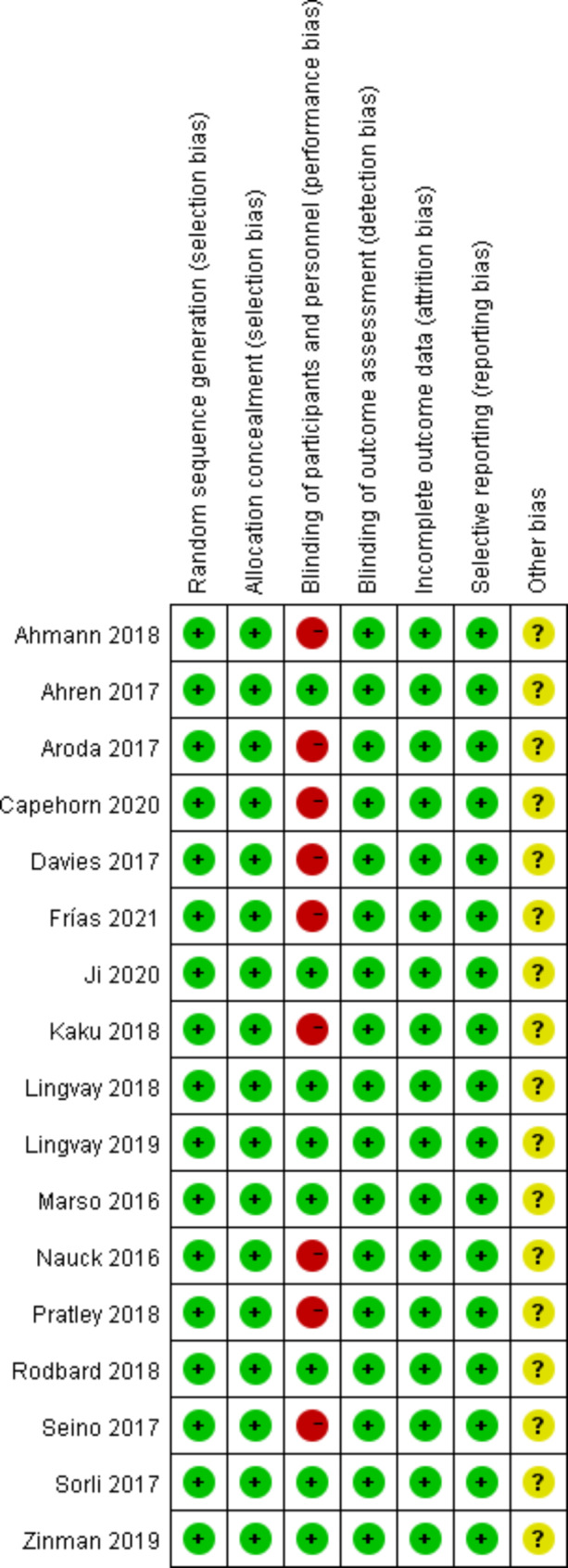
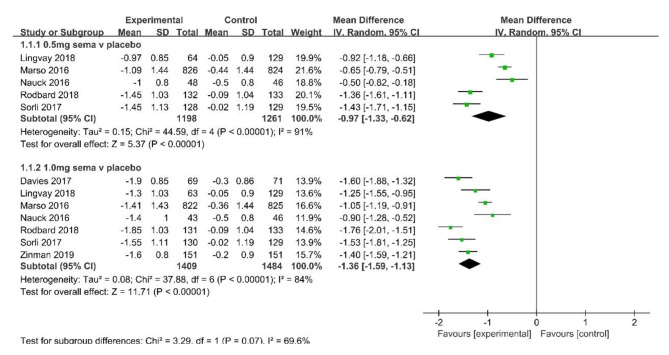
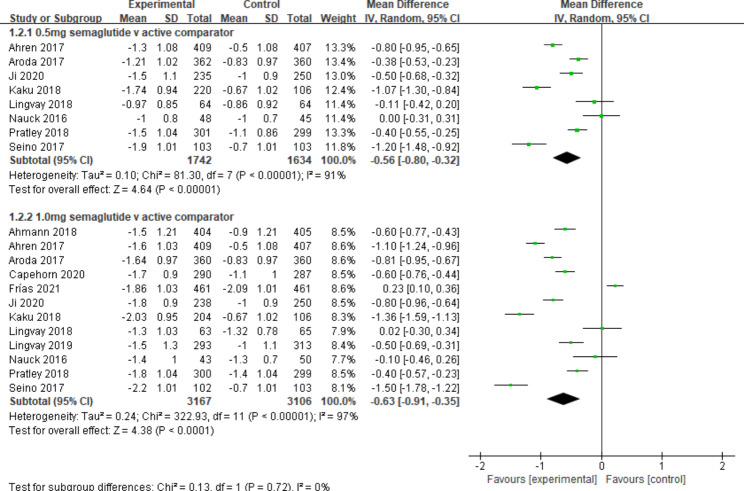
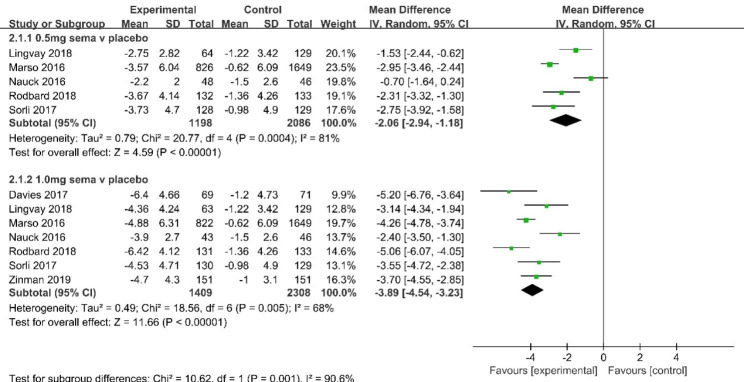
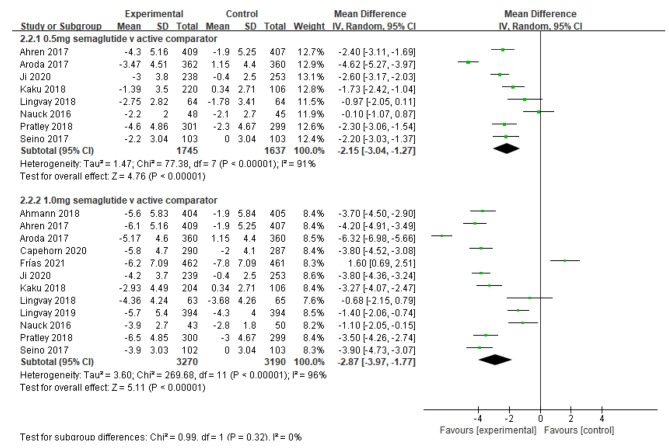
Verification
Claims the paper makes
The claims and statistics of this paper haven’t been checked yet.
Free: it reads the open-access text and checks the first 5 claims that cite a source we can check. Create a free account to check every claim.
Claims other papers make about this one
Each is checked against this paper’s own text: does it say what the citing paper says it does?
The source backs part of the claim, not all of it — or backs it for a different population, condition or comparison.
In the citing paper
“The glucose-lowering efficacy of injected semaglutide ( Ozempic, 0.5 and 1 mg once weekly) in T2DM has been assessed in the SUSTAIN trial programme and approved for the treatment of overweight and obese T2DM in 2017 in the USA and 2018 in Europe [50,51].”
From Recent advances in peptide-based therapies for obesity and type 2 diabetes (2024) · cites this paper as [51]
Experimental — accuracy not yet measured
Self-check
Percentages, sums and reported differences re-computed from the paper’s own numbers.
The self-check needs the paper’s full text.
Citations
Cites
The PRISMA 2020 statement: An updated guideline for reporting systematic reviews
Page, M. J., McKenzie, J. E., Bossuyt, P. M., Boutron, I., Hoffmann, T. C., Mulrow, C. D., Shamseer, L., Tetzlaff, J. M., Akl, E. A., Brennan, S. E., et al. (2021) · BMJ · doi:10.1136/bmj.n71 · Cited by 108,283
RoB 2: a revised tool for assessing risk of bias in randomised trials
Sterne, J. A. C., Savović, J., Page, M. J., Elbers, R. G., Blencowe, N. S., Boutron, I., Cates, C. J., Cheng, H.-Y., Corbett, M. S., Eldridge, S. M., et al. (2019) · BMJ · doi:10.1136/bmj.l4898 · Cited by 34,787 · cited 1×
“The quality of the included studies was assessed using the Cochrane Collaboration’s Risk of Bias Tool [20].”
MethodPage, M. J., Moher, D., Bossuyt, P. M., Boutron, I., Hoffmann, T. C., Mulrow, C. D., Shamseer, L., Tetzlaff, J. M., Akl, E. A., Brennan, S. E., et al. (2021) · BMJ · doi:10.1136/bmj.n160 · Cited by 13,262 · cited 1×
“This research was operated according to the Preferred Reporting Items for Systematic Reviews and Meta-Anal-yses (PRISMA) statement [18, 19], which protocol was registered in PROSPERO (CRD42021264640).”
Method(1998) · The Lancet · doi:10.1016/s0140-6736(98)07037-8 · Cited by 8,247 · cited 1×
“Meanwhile, the United Kingdom Prospective Diabetes Study demonstrated that reaching and maintaining the blood glucose plays an important role in reducing the diabetic complications [34, 35].”
BackgroundSemaglutide and Cardiovascular Outcomes in Patients with Type 2 Diabetes
Marso, S. P., Bain, S. C., Consoli, A., Eliaschewitz, F. G., Jódar, E., Leiter, L. A., Lingvay, I., Rosenstock, J., Seufert, J., Warren, M. L., et al. (2016) · New England Journal of Medicine · doi:10.1056/nejmoa1607141 · Cited by 6,900 · cited 2×
“In total, 8 trials [12, 13, 15, 22, 26, 27, 30, 32] were designed as double-blind type, while 9 trials [14, 16, 21, 23–25, 28, 29, 31] were open-label type.”
BackgroundHeart Disease and Stroke Statistics—2021 Update: A Report From the American Heart Association
Virani, S. S., Alonso, A., Aparicio, H. J., Benjamin, E. J., Bittencourt, M. S., Callaway, C. W., Carson, A. P., Chamberlain, A. M., Cheng, S., Delling, F. N., et al. (2021) · Circulation · doi:10.1161/cir.0000000000000950 · Cited by 5,784
Once-Weekly Semaglutide in Adults with Overweight or Obesity
Wilding, J. P. H., Batterham, R. L., Calanna, S., Davies, M., Van Gaal, L. F., Lingvay, I., McGowan, B. M., Rosenstock, J., Tran, M. T. D., Wadden, T. A., et al. (2021) · New England Journal of Medicine · doi:10.1056/nejmoa2032183 · Cited by 5,205 · cited 1×
“Furthermore, the STEP trials [43–46] validated that smeglutide had a significant weight loss effect.”
MethodDavies, M. J., D’Alessio, D. A., Fradkin, J., Kernan, W. N., Mathieu, C., Mingrone, G., Rossing, P., Tsapas, A., Wexler, D. J., & Buse, J. B. (2018) · Diabetes Care · doi:10.2337/dci18-0033 · Cited by 3,518 · cited 1×
“…and European Association of Securities Dealers (ESAD) consensus report 2022, glucagon-like peptide-1 receptor agonists (GLP-1 RAs) are recommended as first-line therapy for people with combined atherosclerotic cardiovascular disease and the high-risk factors for cardiovascular disease (CVD) [2, 3].”
BackgroundTirzepatide versus Semaglutide Once Weekly in Patients with Type 2 Diabetes
Frías, J. P., Davies, M. J., Rosenstock, J., Pérez Manghi, F. C., Fernández Landó, L., Bergman, B. K., Liu, B., Cui, X., & Brown, K. (2021) · New England Journal of Medicine · doi:10.1056/nejmoa2107519 · Cited by 2,096
Nathan, D. M., & for the DCCT/EDIC Research Group (2014) · Diabetes Care · doi:10.2337/dc13-2112 · Cited by 1,832
Rubino, D., Abrahamsson, N., Davies, M., Hesse, D., Greenway, F. L., Jensen, C., Lingvay, I., Mosenzon, O., Rosenstock, J., Rubio, M. A., et al. (2021) · JAMA · doi:10.1001/jama.2021.3224 · Cited by 1,444
Davies, M., Færch, L., Jeppesen, O. K., Pakseresht, A., Pedersen, S. D., Perreault, L., Rosenstock, J., Shimomura, I., Viljoen, A., Wadden, T. A., et al. (2021) · The Lancet · doi:10.1016/s0140-6736(21)00213-0 · Cited by 1,419 · cited 1×
“Furthermore, the STEP trials [43–46] validated that smeglutide had a significant weight loss effect.”
MethodWadden, T. A., Bailey, T. S., Billings, L. K., Davies, M., Frias, J. P., Koroleva, A., Lingvay, I., O’Neil, P. M., Rubino, D. M., Skovgaard, D., et al. (2021) · JAMA · doi:10.1001/jama.2021.1831 · Cited by 1,114
Davies, M. J., Aroda, V. R., Collins, B. S., Gabbay, R. A., Green, J., Maruthur, N. M., Rosas, S. E., Del Prato, S., Mathieu, C., Mingrone, G., et al. (2022) · Diabetologia · doi:10.1007/s00125-022-05787-2 · Cited by 1,048 · cited 1×
“…and European Association of Securities Dealers (ESAD) consensus report 2022, glucagon-like peptide-1 receptor agonists (GLP-1 RAs) are recommended as first-line therapy for people with combined atherosclerotic cardiovascular disease and the high-risk factors for cardiovascular disease (CVD) [2, 3].”
O'Neil, P. M., Birkenfeld, A. L., McGowan, B., Mosenzon, O., Pedersen, S. D., Wharton, S., Carson, C. G., Jepsen, C. H., Kabisch, M., & Wilding, J. P. H. (2018) · The Lancet · doi:10.1016/s0140-6736(18)31773-2 · Cited by 814 · cited 1×
“From this meta-analysis, semaglutide expressed better effects on weight loss compared liraglutide and placebo [41].”
MethodPratley, R. E., Aroda, V. R., Lingvay, I., Lüdemann, J., Andreassen, C., Navarria, A., & Viljoen, A. (2018) · The Lancet Diabetes & Endocrinology · doi:10.1016/s2213-8587(18)30024-x · Cited by 790 · cited 1×
“In total, 8 trials [12, 13, 15, 22, 26, 27, 30, 32] were designed as double-blind type, while 9 trials [14, 16, 21, 23–25, 28, 29, 31] were open-label type.”
Sorli, C., Harashima, S.-I., Tsoukas, G. M., Unger, J., Karsbøl, J. D., Hansen, T., & Bain, S. C. (2017) · The Lancet Diabetes & Endocrinology · doi:10.1016/s2213-8587(17)30013-x · Cited by 745 · cited 2×
“In total, 8 trials [12, 13, 15, 22, 26, 27, 30, 32] were designed as double-blind type, while 9 trials [14, 16, 21, 23–25, 28, 29, 31] were open-label type.”
BackgroundThe Cardiovascular Biology of Glucagon-like Peptide-1
Drucker, D. J. (2016) · Cell Metabolism · doi:10.1016/j.cmet.2016.06.009 · Cited by 665 · cited 1×
“In addition, semaglutide has direct cardiovascular benefits in patients with T2D and is associated with a low risk of hypoglycemia [6, 7].”
BackgroundAhmann, A. J., Capehorn, M., Charpentier, G., Dotta, F., Henkel, E., Lingvay, I., Holst, A. G., Annett, M. P., & Aroda, V. R. (2018) · Diabetes Care · doi:10.2337/dc17-0417 · Cited by 596
Healthy Weight Loss Maintenance with Exercise, Liraglutide, or Both Combined
Lundgren, J. R., Janus, C., Jensen, S. B. K., Juhl, C. R., Olsen, L. M., Christensen, R. M., Svane, M. S., Bandholm, T., Bojsen-Møller, K. N., Blond, M. B., et al. (2021) · New England Journal of Medicine · doi:10.1056/nejmoa2028198 · Cited by 536 · cited 1×
“Exercise not only increases the number and sensitivity of insulin receptors on cell membranes but also improves insulin resistance, which can control blood glucose, indirectly [38–40].”
BackgroundRakipovski, G., Rolin, B., Nøhr, J., Klewe, I., Frederiksen, K. S., Augustin, R., Hecksher-Sørensen, J., Ingvorsen, C., Polex-Wolf, J., & Knudsen, L. B. (2018) · JACC: Basic to Translational Science · doi:10.1016/j.jacbts.2018.09.004 · Cited by 509
Davies, M., Pieber, T. R., Hartoft-Nielsen, M.-L., Hansen, O. K. H., Jabbour, S., & Rosenstock, J. (2017) · JAMA · doi:10.1001/jama.2017.14752 · Cited by 506
Ahrén, B., Masmiquel, L., Kumar, H., Sargin, M., Karsbøl, J. D., Jacobsen, S. H., & Chow, F. (2017) · The Lancet Diabetes & Endocrinology · doi:10.1016/s2213-8587(17)30092-x · Cited by 495 · cited 2×
“In total, 8 trials [12, 13, 15, 22, 26, 27, 30, 32] were designed as double-blind type, while 9 trials [14, 16, 21, 23–25, 28, 29, 31] were open-label type.”
ResultAroda, V. R., Bain, S. C., Cariou, B., Piletič, M., Rose, L., Axelsen, M., Rowe, E., & DeVries, J. H. (2017) · The Lancet Diabetes & Endocrinology · doi:10.1016/s2213-8587(17)30085-2 · Cited by 464 · cited 1×
“In total, 8 trials [12, 13, 15, 22, 26, 27, 30, 32] were designed as double-blind type, while 9 trials [14, 16, 21, 23–25, 28, 29, 31] were open-label type.”
Semaglutide added to basal insulin in type 2 diabetes (SUSTAIN 5): a randomized, controlled trial.
Rodbard, H. W., Lingvay, I., Reed, J., de la Rosa, R., Rose, L., Sugimoto, D., Araki, E., Chu, P.-L., Wijayasinghe, N., & Norwood, P. (2018) · The Journal of Clinical Endocrinology & Metabolism · doi:10.1210/jc.2018-00070 · Cited by 412
Capehorn, M. S., Catarig, A.-M., Furberg, J. K., Janez, A., Price, H. C., Tadayon, S., Vergès, B., & Marre, M. (2020) · Diabetes & Metabolism · doi:10.1016/j.diabet.2019.101117 · Cited by 412 · cited 2×
“In total, 8 trials [12, 13, 15, 22, 26, 27, 30, 32] were designed as double-blind type, while 9 trials [14, 16, 21, 23–25, 28, 29, 31] were open-label type.”
BackgroundZinman, B., Bhosekar, V., Busch, R., Holst, I., Ludvik, B., Thielke, D., Thrasher, J., Woo, V., & Philis-Tsimikas, A. (2019) · The Lancet Diabetes & Endocrinology · doi:10.1016/s2213-8587(19)30066-x · Cited by 376 · cited 2×
“In total, 8 trials [12, 13, 15, 22, 26, 27, 30, 32] were designed as double-blind type, while 9 trials [14, 16, 21, 23–25, 28, 29, 31] were open-label type.”
BackgroundEffects of glucagon-like peptide 1 on appetite and body weight: focus on the CNS
van Bloemendaal, L., ten Kulve, J. S., la Fleur, S. E., Ijzerman, R. G., & Diamant, M. (2014) · Journal of Endocrinology · doi:10.1530/joe-13-0414 · Cited by 312 · cited 1×
“Furthermore, GLP-1 RAs could aggravate anorexia and satiety through activating central GLP-1 receptors, thereby resulting in gastrointestinal events [51].”
BackgroundLingvay, I., Catarig, A.-M., Frias, J. P., Kumar, H., Lausvig, N. L., le Roux, C. W., Thielke, D., Viljoen, A., & McCrimmon, R. J. (2019) · The Lancet Diabetes & Endocrinology · doi:10.1016/s2213-8587(19)30311-0 · Cited by 298 · cited 1×
“In total, 8 trials [12, 13, 15, 22, 26, 27, 30, 32] were designed as double-blind type, while 9 trials [14, 16, 21, 23–25, 28, 29, 31] were open-label type.”
Aroda, V. R., Ahmann, A., Cariou, B., Chow, F., Davies, M. J., Jódar, E., Mehta, R., Woo, V., & Lingvay, I. (2019) · Diabetes & Metabolism · doi:10.1016/j.diabet.2018.12.001 · Cited by 296
Effects of subcutaneous glucagon-like peptide 1 (GLP-1 [7-36 amide]) in patients with NIDDM
Nauck, M. A., Wollschläger, D., Werner, J., Holst, J. J., Ørskov, C., Creutzfeldt, W., & Willms, B. (1996) · Diabetologia · doi:10.1007/s001250050613 · Cited by 285 · cited 1×
“First, GLP-1 RAs can bind to GLP-1 receptors in the gastrointestinal tract, which slowing gastric emptying [50].”
BackgroundLi, L., Shen, J., Bala, M. M., Busse, J. W., Ebrahim, S., Vandvik, P. O., Rios, L. P., Malaga, G., Wong, E., Sohani, Z., et al. (2014) · BMJ · doi:10.1136/bmj.g2366 · Cited by 254
Monami, M., Nreu, B., Scatena, A., Cresci, B., Andreozzi, F., Sesti, G., & Mannucci, E. (2017) · Diabetes, Obesity and Metabolism · doi:10.1111/dom.12926 · Cited by 243 · cited 1×
“However, in agreement with our findings, there are several studies reporting that no association between treatment with GLP-1RAs and AP or DR [55–57].”
ResultNauck, M. A., Petrie, J. R., Sesti, G., Mannucci, E., Courrèges, J.-P., Lindegaard, M. L., Jensen, C. B., & Atkin, S. L. (2016) · Diabetes Care · doi:10.2337/dc15-0165 · Cited by 233
Wharton, S., Calanna, S., Davies, M., Dicker, D., Goldman, B., Lingvay, I., Mosenzon, O., Rubino, D. M., Thomsen, M., Wadden, T. A., et al. (2022) · Diabetes, Obesity and Metabolism · doi:10.1111/dom.14551 · Cited by 200
Precision medicine in the management of type 2 diabetes
Gloyn, A. L., & Drucker, D. J. (2018) · The Lancet Diabetes & Endocrinology · doi:10.1016/s2213-8587(18)30052-4 · Cited by 183 · cited 1×
“The long-term goal of diabetes management is to prevent chronic complications, improve the quality of life, and prolong life through great metabolic control [33].”
BackgroundSun, F., Chai, S., Yu, K., Quan, X., Yang, Z., Wu, S., Zhang, Y., Ji, L., Wang, J., & Shi, L. (2015) · Diabetes Technology & Therapeutics · doi:10.1089/dia.2014.0188 · Cited by 158 · cited 1×
“Gastrointestinal disorders were the most reported treatment-related AEs with semaglutide, which is consistent with other GLP-1 RAs [49].”
ResultStorgaard, H., Cold, F., Gluud, L. L., Vilsbøll, T., & Knop, F. K. (2017) · Diabetes, Obesity and Metabolism · doi:10.1111/dom.12885 · Cited by 155
Semaglutide for type 2 diabetes mellitus: A systematic review and meta‐analysis
Andreadis, P., Karagiannis, T., Malandris, K., Avgerinos, I., Liakos, A., Manolopoulos, A., Bekiari, E., Matthews, D. R., & Tsapas, A. (2018) · Diabetes, Obesity and Metabolism · doi:10.1111/dom.13361 · Cited by 153
Exenatide (Exendin-4)–Induced Pancreatitis
Denker, P. S., & Dimarco, P. E. (2006) · Diabetes Care · doi:10.2337/diacare.29.02.06.dc05-2043 · Cited by 140
Exercise and metformin counteract altered mitochondrial function in the insulin-resistant brain
Ruegsegger, G. N., Vanderboom, P. M., Dasari, S., Klaus, K. A., Kabiraj, P., McCarthy, C. B., Lucchinetti, C. F., & Nair, K. S. (2019) · JCI Insight · doi:10.1172/jci.insight.130681 · Cited by 134
Kaku, K., Yamada, Y., Watada, H., Abiko, A., Nishida, T., Zacho, J., & Kiyosue, A. (2018) · Diabetes, Obesity and Metabolism · doi:10.1111/dom.13218 · Cited by 132 · cited 2×
“In total, 8 trials [12, 13, 15, 22, 26, 27, 30, 32] were designed as double-blind type, while 9 trials [14, 16, 21, 23–25, 28, 29, 31] were open-label type.”
BackgroundLioutas, V., Beiser, A., Aparicio, H. J., Himali, J. J., Selim, M. H., Romero, J. R., & Seshadri, S. S. (2020) · JAMA Neurology · doi:10.1001/jamaneurol.2020.1512 · Cited by 130
Seino, Y., Terauchi, Y., Osonoi, T., Yabe, D., Abe, N., Nishida, T., Zacho, J., & Kaneko, S. (2018) · Diabetes, Obesity and Metabolism · doi:10.1111/dom.13082 · Cited by 127 · cited 2×
“In total, 8 trials [12, 13, 15, 22, 26, 27, 30, 32] were designed as double-blind type, while 9 trials [14, 16, 21, 23–25, 28, 29, 31] were open-label type.”
BackgroundHonigberg, M. C., Chang, L.-S., McGuire, D. K., Plutzky, J., Aroda, V. R., & Vaduganathan, M. (2020) · JAMA Cardiology · doi:10.1001/jamacardio.2020.1966 · Cited by 127
Epigenetic regulation of insulin action and secretion – role in the pathogenesis of type 2 diabetes
Ling, C. (2020) · Journal of Internal Medicine · doi:10.1111/joim.13049 · Cited by 122 · cited 1×
“Type 2 diabetes (T2D) is a metabolic syndrome characterized by long-term hyperglycemia, which is caused by insulin resistance and/or impaired pancreatic β-cell function [1].”
BackgroundJi, L., Dong, X., Li, Y., Li, Y., Lim, S., Liu, M., Ning, Z., Rasmussen, S., Skjøth, T. V., Yuan, G., et al. (2021) · Diabetes, Obesity and Metabolism · doi:10.1111/dom.14232 · Cited by 113 · cited 5×
“In total, 8 trials [12, 13, 15, 22, 26, 27, 30, 32] were designed as double-blind type, while 9 trials [14, 16, 21, 23–25, 28, 29, 31] were open-label type.”
BackgroundMethodResultInfluentialWang, L., Ding, J., Zhu, C., Guo, B., Yang, W., He, W., Li, X., Wang, Y., Li, W., Wang, F., et al. (2021) · International Journal of Molecular Medicine · doi:10.3892/ijmm.2021.5052 · Cited by 103
Lingvay, I., Desouza, C. V., Lalic, K. S., Rose, L., Hansen, T., Zacho, J., & Pieber, T. R. (2018) · Diabetes Care · doi:10.2337/dc17-2381 · Cited by 81 · cited 5×
“For instance, SUSTAIN 8 was the first head-to-head phase III clinical trial comparing semaglutide and canagliflozin on the basis of metformin [12].”
BackgroundMethodInfluentialGlucagon-like peptide 1 receptor agonists and the risk of incident diabetic retinopathy
Douros, A., Filion, K. B., Yin, H., Yu, O. H., Etminan, M., Udell, J. A., & Azoulay, L. (2018) · Diabetes Care · doi:10.2337/dc17-2280 · Cited by 70 · cited 1×
“However, in agreement with our findings, there are several studies reporting that no association between treatment with GLP-1RAs and AP or DR [55–57].”
ResultBoniol, M., Franchi, M., Bota, M., Leclercq, A., Guillaume, J., van Damme, N., Corrao, G., Autier, P., & Boyle, P. (2018) · Diabetes Care · doi:10.2337/dc17-0280 · Cited by 55 · cited 1×
“Since the first case of pancreatitis in patients treated with exenatide in 2006, the tolerability of the pancreas for GLP-1 RAs has been a highly controversial topic in the past decade [52–54].”
BackgroundHusain, M., Bain, S. C., Holst, A. G., Mark, T., Rasmussen, S., & Lingvay, I. (2020) · Cardiovascular Diabetology · doi:10.1186/s12933-020-01106-4 · Cited by 55 · cited 1×
“In addition, previous results reported that semaglutide can significantly reduce SBP level compared with counterparts in the SUSTAIN series of clinical trials, except for SUSTAIN 8 trial [47].”
ResultShi, F.-H., Li, H., Cui, M., Zhang, Z.-L., Gu, Z.-C., & Liu, X.-Y. (2018) · Frontiers in Pharmacology · doi:10.3389/fphar.2018.00576 · Cited by 50
Aviles Bueno, B., Soler, M. J., Perez-Belmonte, L., Jimenez Millan, A., Rivas Ruiz, F., & Garcia de Lucas, M. D. (2022) · Clinical Kidney Journal · doi:10.1093/ckj/sfac096 · Cited by 43
Chen, X., Chen, S., Li, Z., Zhu, R., Jia, Z., Ban, J., Zhen, R., Chen, X., Pan, X., Ren, Q., et al. (2023) · Frontiers in Pharmacology · doi:10.3389/fphar.2023.975830 · Cited by 34 · cited 1×
“In addition, some reports shown that semaglutide may play an important role in promoting cognitive function and neurodegenerative pathology [58, 59].”
BackgroundThe future of the GLP-1 receptor agonists
Hirsch, I. B. (2019) · JAMA · doi:10.1001/jama.2019.2941 · Cited by 30
Li, X., Qie, S., Wang, X., Zheng, Y., Liu, Y., & Liu, G. (2018) · Endocrine · doi:10.1007/s12020-018-1708-z · Cited by 29
Mishriky, B. M., Cummings, D. M., Powell, J. R., Sewell, K. A., & Tanenberg, R. J. (2019) · Diabetes & Metabolism · doi:10.1016/j.diabet.2018.09.002 · Cited by 27
Ha, M., Lee, J., Jeong, W.-M., Kim, H. R., & Son, W. H. (2022) · Metabolites · doi:10.3390/metabo12100970 · Cited by 5
Cited by
Anyiam, O., Phillips, B., Quinn, K., Wilkinson, D., Smith, K., Atherton, P., & Idris, I. (2024) · Clinical Nutrition · doi:10.1016/j.clnu.2024.06.034 · Cited by 40
Kommu, S., & Berg, R. L. (2024) · Obesity Reviews · doi:10.1111/obr.13792 · Cited by 52
“42 The observed variance might be attributed to semaglutide's greater glucose-lowering effect when blood glucose levels are elevated, given its mechanism of action involving the stimulation of glucose-dependent insulin secretion.”
Recent advances in peptide-based therapies for obesity and type 2 diabetes
Bailey, C. J., Flatt, P. R., & Conlon, J. M. (2024) · Peptides · doi:10.1016/j.peptides.2024.171149 · Cited by 25
“The glucose-lowering efficacy of injected semaglutide ( Ozempic, 0.5 and 1 mg once weekly) in T2DM has been assessed in the SUSTAIN trial programme and approved for the treatment of overweight and obese T2DM in 2017 in the USA and 2018 in Europe [50,51].”
MethodInfluentialHow ‘miracle’ weight‐loss semaglutide promises to change medicine but can we afford the expense?
Weiskirchen, R., & Lonardo, A. (2025) · British Journal of Pharmacology · doi:10.1111/bph.70003 · Cited by 30
“…from four meta-analytic reviews conducted among individuals with T2D (Karagiannis et al., 2024; Lingvay et al., 2020; Patoulias et al., 2023; Wen et al., 2024) and three meta-analyses that included both diabetic and non-diabetic subjects (Hu et al., 2023; Smith et al., 2022; Zhang et al., 2023).”
The first report of leukocytoclastic vasculitis induced by once-weekly subcutaneous semaglutide
Pinheiro, M. M., de Souza, L. G., Nunes, G. P., Martin, I. F., de Oliveira, Y. U., Pinheiro, F. M. M., Costa, L. N., Caprio, M., Della‐Morte, D., & Infante, M. (2024) · Current Medical Research and Opinion · doi:10.1080/03007995.2024.2386047 · Cited by 24
“Semaglutide has increasingly been prescribed in clinical practice over the last few years, since it has proven to be a highly effective medication in improving glucose control and lipid metabolism, promoting weight loss, improving cardiore-nal outcomes, and reducing hepatic steatosis 20–25 .”
Metadata
- Authors
- Hu, S., Su, X., & Fan, G.
- Affiliations
- Shanghai Jiao Tong University (CN)
- Xiamen Maternal and Child Health Hospital (CN)
- Corresponding author
- Fan, Guorong
- Venue
- Diabetology & Metabolic Syndrome
- Published
- 2023-10-28
- Volume
- 15
- Issue
- 1
- Pages
- 218-218
- ISSN
- 1758-5996 (ISSN-L)
- PMC
- PMC10612199
- OpenAlex
- W4387996786
- Cited by
- 28
- References
- 60
- Citations by year
- 2026: 4 · 2025: 13 · 2024: 11
- FWCI
- 1.01
- Type
- journal article
- Language
- en
- Open access
- gold
- doi.org
- Licence
- cc-by
- creativecommons.org/licenses/by/4.0 (tdm)
- creativecommons.org/licenses/by/4.0 (vor)
- Locations
- Diabetology & Metabolic Syndrome (publishedVersion, cc-by)
- PubMed Central (publishedVersion, cc-by)
- PubMed (publishedVersion)
- DOAJ (DOAJ: Directory of Open Access Journals) (submittedVersion, cc-by-sa)
- Funders
- the Research Fund for Clinical Pharmacy of China International Medical Foundation (Z-2021-46-2101)
- National Natural Science Foundation of China (81973289)
- Topics
- Health Sciences › Medicine › Endocrinology, Diabetes and Metabolism › Diabetes Treatment and Management
- Health Sciences › Medicine › Endocrinology, Diabetes and Metabolism › Diabetes Management and Research
- Health Sciences › Medicine › Pharmacology (medical) › Pharmacology and Obesity Treatment
- Keywords
- semaglutide, type 2 diabetes, subcutaneous administration, glycemic control, HbA1c, weight loss, blood pressure, adverse events, gastrointestinal adverse effects, nausea, acute pancreatitis, diabetic retinopathy, hypoglycemia, GLP-1 receptor agonists, tolerability, dose comparison
About these checks
Registry, retraction, Cites and statistics results are computed, not judged, with one exception: a printed reference that no index lists is read once by a model before it counts as a citation error. Claims are extracted by a model and kept only when their quote appears verbatim in the text; each cited source is then checked, with a model’s help, for whether it says what the claim relies on. Those verdicts can be wrong — read the claim’s quote and the cited source before relying on one.
Statistics and arithmetic are recomputed, not judged.
Confidence bands are shown only for fields calibrated on our annotated test set. None is calibrated yet, so no band is shown.
What counts as a claim ›How we measure confidence ›How we check this ›
Are you an author, or do you see a problem with this page? Request a review
Data sources
Bibliographic data: Semantic Scholar, OpenAlex, Crossref.
Contains information from the Semantic Scholar Academic Graph Datasets, made available under the ODC Attribution License (ODC-BY 1.0).
Semantic Scholar’s data is described in: Kinney, R., et al. (2023). The Semantic Scholar Open Data Platform. arXiv:2301.10140.
