

Dionysus or apollo, skeletal muscle mass changes in type 2 diabetes with sarcopenia receiving GLP-1 receptor agonist: systematic review and meta-analysis
Open accessThe DOI matches its Crossref record; 63 of the 63 references it cites were found in a registry or an index; 3 of the 25 sources its claims cite were checked for support.
Abstract
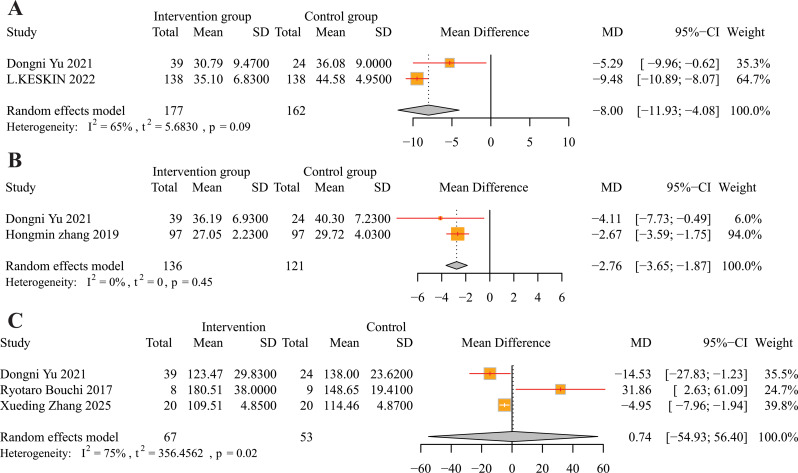
Type 2 diabetes mellitus (T2DM) increases the risk of sarcopenia, but evidence on the effects of glucagon-like peptide 1 receptor agonist (GLP-1 RA) in skeletal muscle is limited and inconsistent. The study aimed to evaluate the skeletal muscle mass of GLP-1 RA in patients with type 2 diabetes. Randomized controlled trials of GLP-1 RA for sarcopenia with type 2 diabetes were identified by searching databases (up to July 6, 2025). Electronic databases (CNKI, Wanfang, VIP, SinoMed, PubMed, EMbase, Cochrane library, Web of Science, and Google Scholar), grey literature (Open Grey and Proquest) and reference lists of included articles were searched. The I 2 and τ 2 statistic was used to assess the heterogeneity. The random effects model was applied regardless of the heterogeneity. Funnel plots were used to assess publication bias. The results were evaluated by calculating the risk ratio (RR), mean difference (MD), and confidence interval (CI). The study included nine randomized controlled trials with a total of 1089 participants. GLP-1 RA significantly reduced weight-related changes and fat-related changes, including body weight (BW) (MD= -2.25, 95%CI: -6.99 to 1.89 P = 0.20), body mass index (BMI) (MD= -1.83, 95%CI: -3.88 to 0.23, P < 0.01), fat mass (FM) (MD= -8.00, 95%CI: -11.93 to -4.08, P < 0.01), body fat ratio (BFR) (MD= -2.76, 95%CI: -3.65 to -1.87, P < 0.01), visceral fat area (VFA) (MD = 0.74, 95%CI: -54.93 to 56.40, P < 0.05). In muscle-related changes, lean body mass (LBM) (MD = 4.61, 95%CI: -4.19 to 13.42, P = 0.31), and skeletal muscle index (SMI) (MD = 0.59, 95% CI: -0.69 to 1.86, P = 0.19) were not significantly different. GLP-1 receptor agonists, regardless of structure, have beneficial effects on body weight and fat content in type 2 diabetes with sarcopenia, but have no effect on reducing muscle mass. PROSPERO (CRD42023473528).
Overview
CoChat Summary
TL;DR
This systematic review and meta-analysis of nine RCTs (1089 participants) found that GLP-1 receptor agonists did not significantly change lean body mass or skeletal muscle index in type 2 diabetes with sarcopenia, while some fat-related measures improved. The authors conclude GLP-1 RAs have beneficial weight/fat effects without reducing muscle mass, though evidence certainty and heterogeneity limit interpretation.
Key findings
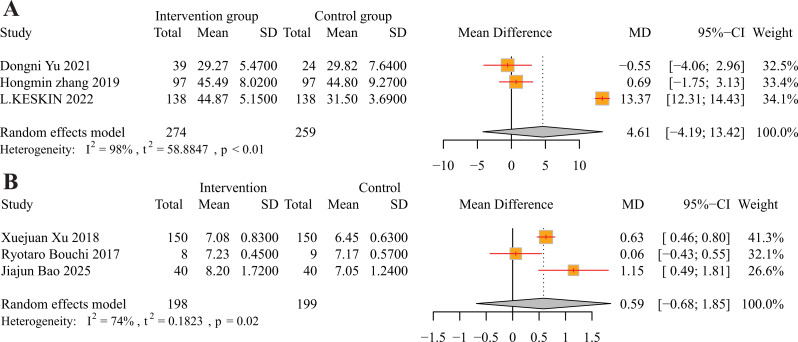
- Muscle outcomes showed no significant difference: lean body mass (LBM) MD = 4.61, 95% CI −4.19 to 13.42, P = 0.31, I² = 98.4%; skeletal muscle index (SMI) MD = 0.59, 95% CI −0.69 to 1.86, P = 0.19, I² = 73.6%.
- Fat-related outcomes reportedly improved: fat mass MD = −8.00, 95% CI −11.93 to −4.08, P < 0.01; body fat ratio MD = −2.76, 95% CI −3.65 to −1.87, P < 0.01; BMI MD = −1.83, 95% CI −3.88 to 0.23, P < 0.05; VFA MD = 0.74, 95% CI −54.93 to 56.40, P < 0.05.
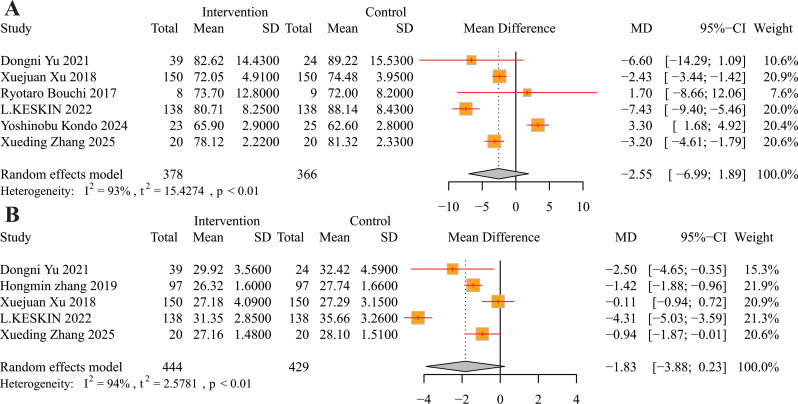
- Body weight was not significant: abstract reports MD = −2.25, 95% CI −6.99 to 1.89, P = 0.20; results section reports MD = −2.55, 95% CI −6.99 to 1.89, P = 0.20.
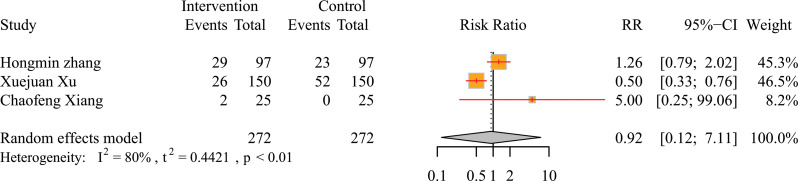
- Adverse reactions were not significantly different between GLP-1 RA and other drugs: RR = 79.9%, 95% CI 36.4% to 93.6%, P = 0.13, in 247 GLP-1 RA users and 247 non-users.
Methods
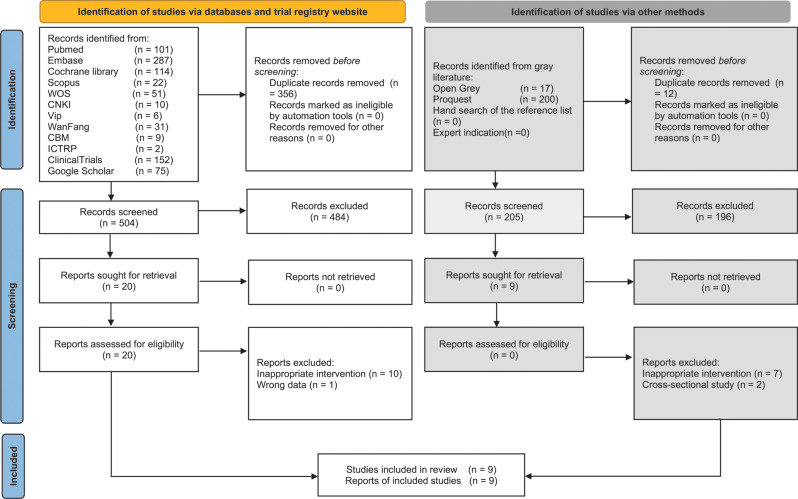
- Systematic review and meta-analysis following PRISMA and Cochrane Handbook, registered in PROSPERO (CRD42023473528); searched CNKI, Wanfang, VIP, SinoMed, PubMed, EMbase, Cochrane Library, Web of Science, Google Scholar, grey literature, and reference lists up to July 6, 2025.
- Included randomized controlled trials of adults ≥18 years with type 2 diabetes and sarcopenia receiving GLP-1 RA versus other hypoglycemic drugs; nine RCTs with 1089 participants were included, with follow-up of 12–24 weeks.
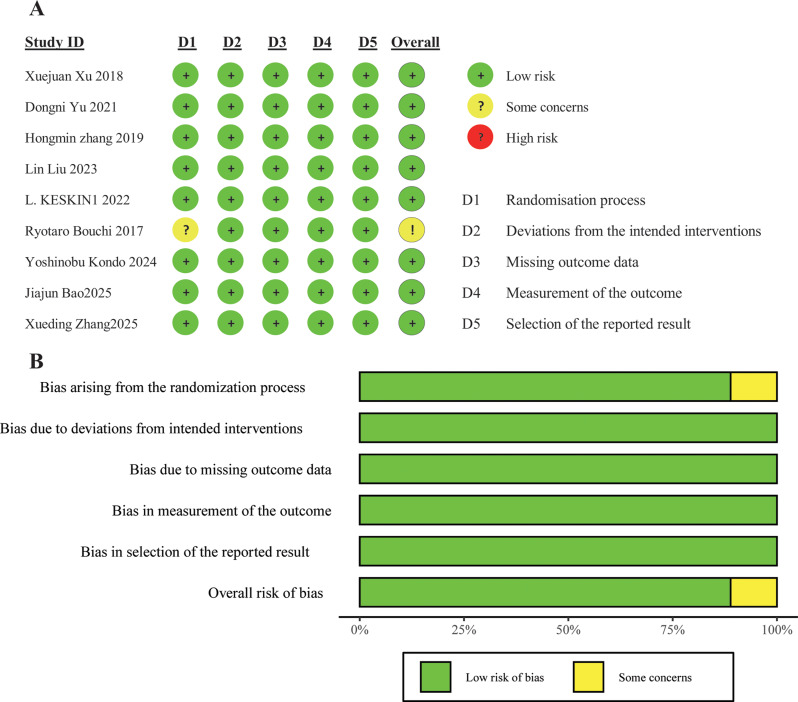
- Random-effects meta-analysis using R 4.1.3, Hartung-Knapp adjustment, I² and τ² for heterogeneity, funnel plots/Egger’s test for publication bias, ROB 2.0 for risk of bias, and GRADE for certainty of evidence.
Limitations
- Stated by the authors: the eligible RCT sample size was small; most studies followed participants for only 12 weeks, so long-term effects are unknown; limited data prevented confirming effects on skeletal muscle strength and physical function; the effect of age on muscle composition was not discussed.
- Evident from the text: heterogeneity was high for several outcomes (LBM I² = 98.4%, BW I² = 93.4%, BMI I² = 94.2%, VFA I² = 75.3%, SMI I² = 73.6%), and subgroup analysis/meta-regression were limited because n ≤ 10 studies.
- Evident from the text: there are internal inconsistencies, including “six studies” versus nine included studies, different BW effect estimates in the abstract and results, some confidence intervals crossing the null despite reported P < 0.05, and GRADE certainty described inconsistently for LBM/SMI.
Model-written summary. Check it against the paper before relying on it.
Integrity signals
Registry
Cites
Statistics
Figures
Verification
Claims the paper makes
2 Valid · 1 Not valid · 19 Not checked · 46 Own results and interpretations
At least one cited source doesn’t support this claim or points to a different paper, and none confirmed it — see the verdicts below.
In the paper
“Due to measuring lean tissue in all body regions, including adipose tissue, these methods generally overestimate changes in fat.”
§ Dionysus or apollo, skeletal muscle mass changes in type 2 diabetes with sarcopenia receiving GLP-1 receptor agonist: systematic review and meta-analysis > Discussion > Summary of evidence
What the sources say
- Disputedcites [65] Lazzer S, Bedogni G, Agosti F, De Col A, Mornati D, Sartorio A. Comparison of dual-energy X-ray absorptiometry, air displacement plethysmography and bioelectrical impedance analysis for the assessment of body composition in severely obese Caucasian children and adolescents. BRIT J NUTR. 2008;100(4):918–24. 18279552 sourceExperimental — accuracy not yet measured
The Discussion (page unavailable) reports that ADP and BIA underestimated percentage fat mass relative to DXA in severely obese children and adolescents, rather than overestimating it. It also explains that overestimating fat-free mass could lead to underestimating fat mass. The paper compares measurements, not changes over time, and does not give the claimed lean-tissue explanation. (LLM, conf=0.83)
Checked by a reasoning model — may be wrong.
plainstates a cause- Asserted: passes — The authors put it forward as true.
- Checkable: passes — It can be checked against evidence.
- Load-bearing: passes — The paper’s conclusions depend on it.
- Based: passes — The paper gives a reason why it holds.
- Disputed
The cited sources support only part of this claim — read each source’s verdict below.
In the paper
“Likewise, most of the studies relied on non-gold standard techniques like DXA, BIA, or ADP for estimating changes in fat tissue [65].”
§ Dionysus or apollo, skeletal muscle mass changes in type 2 diabetes with sarcopenia receiving GLP-1 receptor agonist: systematic review and meta-analysis > Discussion > Summary of evidence
What the sources say
- Partly supportedcites [65] Lazzer S, Bedogni G, Agosti F, De Col A, Mornati D, Sartorio A. Comparison of dual-energy X-ray absorptiometry, air displacement plethysmography and bioelectrical impedance analysis for the assessment of body composition in severely obese Caucasian children and adolescents. BRIT J NUTR. 2008;100(4):918–24. 18279552 sourceExperimental — accuracy not yet measured
The Abstract (page unavailable) identifies DXA, ADP and BIA as methods for assessing body composition and calls underwater weighing a gold standard. The Discussion (page unavailable) compares their fat-mass estimates, but the paper does not establish that most of the studies in the citing document used these methods or that they used them to estimate changes in fat tissue. (LLM, conf=0.86)
plain- Asserted: passes — The authors put it forward as true.
- Checkable: passes — It can be checked against evidence.
- Load-bearing: passes — The paper’s conclusions depend on it.
- Based: passes — The paper gives a reason why it holds.
- Partly supported
Every source the paper cites for this claim was checked and supports it.
In the paper
“Type 2 diabetes mellitus (T2DM) increases the risk of sarcopenia”
- Also stated in: § Discussion · plain
“The incidence of sarcopenia in patients with type 2 diabetes is significantly higher than that in those without it [38].”
§ Dionysus or apollo, skeletal muscle mass changes in type 2 diabetes with sarcopenia receiving GLP-1 receptor agonist: systematic review and meta-analysis > Abstract > Objective
What the sources say
- Supportedcites [38] Mori H, Kuroda A, Yoshida S, et al. High prevalence and clinical impact of dynapenia and sarcopenia in Japanese patients with type 1 and type 2 diabetes: findings from the impact of diabetes mellitus on dynapenia study. J Diabetes Invest. 2021;12(6):1050–9. PMC8169345 33063949 source
The Results ('Prevalence rate of sarcopenia and dynapenia') state that sarcopenia was significantly more frequent in elderly type 2 diabetes patients than in individuals without diabetes (P < 0.001), and the Abstract Results give 20.9% vs 12.2% in those aged ≥65. The Discussion repeats this contrast and links sarcopenia to chronic disease including diabetes, while the Introduction notes a previously reported higher prevalence (14.8%) in type 2 diabetes. Our copy thus supports T2DM carrying an increased risk (higher likelihood) of sarcopenia, in Japanese adults studied cross-sectionally. (LLM, conf=0.85)
plainstates a cause- Asserted: passes — The authors put it forward as true.
- Checkable: passes — It can be checked against evidence.
- Load-bearing: passes — The paper’s conclusions depend on it.
- Based: passes — The paper gives a reason why it holds.
- Also stated in: § Discussion · plain
A result the paper reports from its own data — it cites no other source for it, so there is none to check. The quote shows it is in the paper.
In the paper
“Besides reducing FM and VFA, GLP-1 receptor agonists did not significantly affect BW, LBM, and SMI.”
- Also stated in: § Summary of evidence · boosted
“The expected impact of GLP-1 receptor agonists inhibitors on decreasing BMI, FM, VFA, and BFR was verified in this meta-analysis”
§ Dionysus or apollo, skeletal muscle mass changes in type 2 diabetes with sarcopenia receiving GLP-1 receptor agonist: systematic review and meta-analysis > Discussion > Summary of evidence
boostedstates a cause- Asserted: passes — The authors put it forward as true.
- Checkable: passes — It can be checked against evidence.
- Load-bearing: passes — The paper’s conclusions depend on it.
- Based: passes — The paper gives a reason why it holds.
- Also stated in: § Summary of evidence · boosted
A result the paper reports from its own data — it cites no other source for it, so there is none to check. The quote shows it is in the paper.
In the paper
“The results showed that GLP-1 RA caused statistically significant decrease in BMI compared with other treatments (MD = -1.83, [-3.88; 0.23], P < 0.05)”
§ Dionysus or apollo, skeletal muscle mass changes in type 2 diabetes with sarcopenia receiving GLP-1 receptor agonist: systematic review and meta-analysis > Results > Correlation between GLP-1 RA and weight change
plainstates a causen = 873 ·- Asserted: passes — The authors put it forward as true.
- Checkable: passes — It can be checked against evidence.
- Load-bearing: passes — The paper’s conclusions depend on it.
- Based: passes — The paper gives a reason why it holds.
41 more claims
Create a free account to see all 68 claims and to verify the 22 references still open.
- It may state two separate claims as one. 8
- The quote only partly states this claim. 1
- Probably not a substantial claim. 16
Claims other papers make about this one
Each is checked against this paper’s own text: does it say what the citing paper says it does?
In the citing paper
“Systematic reviews and meta-analyses of randomized trials have further confirmed that while GLP-1RAs lower body weight and fat mass significantly, they do not appear to exert an independent detrimental effect on skeletal muscle index beyond expected proportional reductions [25].”
From Muscle loss and GLP-1R agonists use (2025) · cites this paper as [25]
Self-check
Percentages, sums and reported differences re-computed from the paper’s own numbers.
Each contradiction between two passages listed here was confirmed by an independent check.
Rated major: it would touch a result — a value a result rests on, reported and recomputed p-values on opposite sides of the significance level, two passages that conflict with no sign which is right, or a cited work retracted before this paper was published.
In the paper
§ Dionysus or apollo, skeletal muscle mass changes in type 2 diabetes with sarcopenia receiving GLP-1 receptor agonist: systematic review and meta-analysis > Results > Risk of bias and GRADE assessment
“There was low certainty for VFA and adverse event rates, moderate certainty for SMI and LBM, and high certainty for other outcomes.”
§ Dionysus or apollo, skeletal muscle mass changes in type 2 diabetes with sarcopenia receiving GLP-1 receptor agonist: systematic review and meta-analysis > Results > Correlation between GLP-1 RA and muscle changes
“The meta-analysis showed that there was no significant difference in LBM between those treated with GLP-1 RA and the control group (MD = 4.61, [-4.19; 13.42], P = 0.31, very low certainty)”
Rated major: it would touch a result — a value a result rests on, reported and recomputed p-values on opposite sides of the significance level, two passages that conflict with no sign which is right, or a cited work retracted before this paper was published.
In the paper
§ Dionysus or apollo, skeletal muscle mass changes in type 2 diabetes with sarcopenia receiving GLP-1 receptor agonist: systematic review and meta-analysis > Results > Incidence of related events
“There was no significant difference in the incidence of adverse reactions between GLP-1 RAs and other drugs”
§ Dionysus or apollo, skeletal muscle mass changes in type 2 diabetes with sarcopenia receiving GLP-1 receptor agonist: systematic review and meta-analysis > Results > Incidence of related events
“(RR = 79.9%, [36.4%; 93.6%], P = 0.13)”
Rated major: it would touch a result — a value a result rests on, reported and recomputed p-values on opposite sides of the significance level, two passages that conflict with no sign which is right, or a cited work retracted before this paper was published.
In the paper
§ Dionysus or apollo, skeletal muscle mass changes in type 2 diabetes with sarcopenia receiving GLP-1 receptor agonist: systematic review and meta-analysis > Results > Correlation between GLP-1 RA and weight change
“Compared to the control group, patients who received GLP-1 RA experienced significant weight loss.”
§ Dionysus or apollo, skeletal muscle mass changes in type 2 diabetes with sarcopenia receiving GLP-1 receptor agonist: systematic review and meta-analysis > Results > Correlation between GLP-1 RA and weight change
“(MD = -2.55, [-6.99; 1.89], P = 0.20, very low certainty)”
Rated major: it would touch a result — a value a result rests on, reported and recomputed p-values on opposite sides of the significance level, two passages that conflict with no sign which is right, or a cited work retracted before this paper was published.
In the paper
§ Dionysus or apollo, skeletal muscle mass changes in type 2 diabetes with sarcopenia receiving GLP-1 receptor agonist: systematic review and meta-analysis > Results > Correlation between GLP-1 RA and fat changes
“There were significant differences in VFA for GLP-1 receptor agonists compared to other drugs”
§ Dionysus or apollo, skeletal muscle mass changes in type 2 diabetes with sarcopenia receiving GLP-1 receptor agonist: systematic review and meta-analysis > Results > Correlation between GLP-1 RA and fat changes
“(MD = 0.74, [-54.93; 56.40], P < 0.05)”
Rated major: it would touch a result — a value a result rests on, reported and recomputed p-values on opposite sides of the significance level, two passages that conflict with no sign which is right, or a cited work retracted before this paper was published.
In the paper
§ Dionysus or apollo, skeletal muscle mass changes in type 2 diabetes with sarcopenia receiving GLP-1 receptor agonist: systematic review and meta-analysis > Results > Correlation between GLP-1 RA and weight change
“GLP-1 RA caused statistically significant decrease in BMI compared with other treatments”
§ Dionysus or apollo, skeletal muscle mass changes in type 2 diabetes with sarcopenia receiving GLP-1 receptor agonist: systematic review and meta-analysis > Results > Correlation between GLP-1 RA and weight change
“(MD = -1.83, [-3.88; 0.23], P < 0.05)”
5 more findings
Create a free account to see every finding of this check.
Citations
Cites
The PRISMA 2020 statement: An updated guideline for reporting systematic reviews
Page, M. J., McKenzie, J. E., Bossuyt, P. M., Boutron, I., Hoffmann, T. C., Mulrow, C. D., Shamseer, L., Tetzlaff, J. M., Akl, E. A., Brennan, S. E., et al. (2021) · BMJ · doi:10.1136/bmj.n71 · Cited by 108,283
RoB 2: a revised tool for assessing risk of bias in randomised trials
Sterne, J. A. C., Savović, J., Page, M. J., Elbers, R. G., Blencowe, N. S., Boutron, I., Cates, C. J., Cheng, H.-Y., Corbett, M. S., Eldridge, S. M., et al. (2019) · BMJ · doi:10.1136/bmj.l4898 · Cited by 34,787 · cited 1×
“For each study, the risk of bias was measured with the Cochrane Risk of Bias tool (ROB 2.0) [20].”
InfluentialConducting Meta-Analyses in R with the metafor Package
Viechtbauer, W. (2010) · Journal of Statistical Software · doi:10.18637/jss.v036.i03 · Cited by 20,464
Sun, H., Saeedi, P., Karuranga, S., Pinkepank, M., Ogurtsova, K., Duncan, B. B., Stein, C., Basit, A., Chan, J. C. N., Mbanya, J. C., et al. (2022) · Diabetes Research and Clinical Practice · doi:10.1016/j.diabres.2021.109119 · Cited by 10,123 · cited 1×
“By 2045, the global prevalence of diabetes is expected to rise from 10.5% (536.6 million) to 12.2% (783.2 million) [4].”
InfluentialCumpston, M., Li, T., Page, M. J., Chandler, J., Welch, V. A., Higgins, J. P., & Thomas, J. (2019) · Cochrane Database of Systematic Reviews · doi:10.1002/14651858.ed000142 · Cited by 7,218 · cited 1×
“I² statistic was used to assess statistical heterogeneity. τ 2 statistic was used to quantify the degree of heterogeneity [25, 26].”
Cruz-Jentoft, A. J., & Sayer, A. A. (2019) · The Lancet · doi:10.1016/s0140-6736(19)31138-9 · Cited by 3,905
IntHout, J., Ioannidis, J. P., & Borm, G. F. (2014) · BMC Medical Research Methodology · doi:10.1186/1471-2288-14-25 · Cited by 2,419
Comparison of two methods to detect publication bias in meta-analysis.
Peters, J. L. (2006) · JAMA · doi:10.1001/jama.295.6.676 · Cited by 2,278 · cited 1×
“Funnel plot and Egger’s test were used to were used to evaluate publication bias [28].”
Skeletal muscle inflammation and insulin resistance in obesity
Wu, H., & Ballantyne, C. M. (2017) · Journal of Clinical Investigation · doi:10.1172/jci88880 · Cited by 695 · cited 1×
“IR also elevates inflammatory cytokines, and reduces muscle blood flow, decreasing muscle mass [42].”
Nutrition and physical activity in the prevention and treatment of sarcopenia: systematic review.
the IOF-ESCEO Sarcopenia Working Group, Beaudart, C., Dawson, A., Shaw, S. C., Harvey, N. C., Kanis, J. A., Binkley, N., Reginster, J. Y., Chapurlat, R., Chan, D. C., et al. (2017) · Osteoporosis International · doi:10.1007/s00198-017-3980-9 · Cited by 602 · cited 1×
“Most studies have consistently shown that diet and nutrition interventions have positive effects on the prevention and management of sarcopenia [10].”
Wang, X., Hu, Z., Hu, J., Du, J., & Mitch, W. E. (2006) · Endocrinology · doi:10.1210/en.2006-0251 · Cited by 600 · cited 1×
“Insulin resistance (IR) impairs insulin’s anabolic effects on skeletal muscle via disrupted PI3K, mTOR, FoxO pathways, reducing protein synthesis and increasing degradation [40, 41].”
Self-citationPrevalence and Determinant Factors of Sarcopenia in Patients With Type 2 Diabetes
Kim, T. N., Park, M. S., Yang, S. J., Yoo, H. J., Kang, H. J., Song, W., Seo, J. A., Kim, S. G., Kim, N. H., Baik, S. H., et al. (2010) · Diabetes Care · doi:10.2337/dc09-2310 · Cited by 585
Leenders, M., Verdijk, L. B., van der Hoeven, L., Adam, J. J., van Kranenburg, J., Nilwik, R., & van Loon, L. J. C. (2013) · Journal of the American Medical Directors Association · doi:10.1016/j.jamda.2013.02.006 · Cited by 480 · cited 1×
“Longer T2DM duration correlates with lower extremity muscle mass or strength loss, linked to reduced oxidative fiber numbers [43].”
GLP-1 Receptor Agonists: Beyond Their Pancreatic Effects
Zhao, X., Wang, M., Wen, Z., Lu, Z., Cui, L., Fu, C., Xue, H., Liu, Y., & Zhang, Y. (2021) · Frontiers in Endocrinology · doi:10.3389/fendo.2021.721135 · Cited by 463 · cited 1×
“These processes enhance the secretion of insulin by pancreatic β-cells, improve the body’s sensitivity to insulin, adjust appetite and gastric emptying, and foster cell growth and survival, which is beneficial for muscle health [51, 52].”
A Narrative Review on Sarcopenia in Type 2 Diabetes Mellitus: Prevalence and Associated Factors
Izzo, A., Massimino, E., Riccardi, G., & Della Pepa, G. (2021) · Nutrients · doi:10.3390/nu13010183 · Cited by 418 · cited 1×
“Since aging is a risk factor for T2DM and healthcare advancements have reduced mortality among diabetics, the elderly population with T2DM has increased dramatically in recent years [5].”
13. Older Adults: Standards of Medical Care in Diabetes—2022
American Diabetes Association Professional Practice Committee (2022) · Diabetes Care · doi:10.2337/dc22-s013 · Cited by 381 · cited 1×
“Healthcare practitioners should promptly assess elderly diabetic patients with diabetes for sarcopenia [48].”
Estimating data from figures with a Web‐based program: Considerations for a systematic review
Burda, B. U., O'Connor, E. A., Webber, E. M., Redmond, N., & Perdue, L. A. (2017) · Research Synthesis Methods · doi:10.1002/jrsm.1232 · Cited by 375 · cited 1×
“WebPlotDigitizer was used to extract data from included literature, with pictures but not exact values [18].”
Bettge, K., Kahle, M., Abd El Aziz, M. S., Meier, J. J., & Nauck, M. A. (2017) · Diabetes, Obesity and Metabolism · doi:10.1111/dom.12824 · Cited by 374 · cited 1×
“The study revealed that while the incidence of adverse reactions was similar to other drugs, gastrointestinal issues like nausea and vomiting were present [70].”
The many actions of insulin in skeletal muscle, the paramount tissue determining glycemia
Sylow, L., Tokarz, V. L., Richter, E. A., & Klip, A. (2021) · Cell Metabolism · doi:10.1016/j.cmet.2021.03.020 · Cited by 366 · cited 1×
“Reducing fat or managing obesity is essential for chronic metabolic diseases, and there is an urgent need to explore drugs with relevant therapeutic effects [49, 50].”
Karakasis, P., Patoulias, D., Fragakis, N., & Mantzoros, C. S. (2025) · Metabolism · doi:10.1016/j.metabol.2024.156113 · Cited by 242 · cited 2×
“Recent studies indicate that weight loss caused by GLP-1RA could decrease lean body mass by 20–50% in certain people, especially if lifestyle changes are not implemented [59].”
Ramasubbu, K., & Devi Rajeswari, V. (2023) · Molecular and Cellular Biochemistry · doi:10.1007/s11010-022-04587-x · Cited by 236 · cited 1×
“Insulin resistance (IR) impairs insulin’s anabolic effects on skeletal muscle via disrupted PI3K, mTOR, FoxO pathways, reducing protein synthesis and increasing degradation [40, 41].”
Comparison of four heterogeneity measures for meta‐analysis
Lin, L. (2020) · Journal of Evaluation in Clinical Practice · doi:10.1111/jep.13159 · Cited by 184 · cited 1×
“I² statistic was used to assess statistical heterogeneity. τ 2 statistic was used to quantify the degree of heterogeneity [25, 26].”
Linge, J., Birkenfeld, A. L., & Neeland, I. J. (2024) · Circulation · doi:10.1161/circulationaha.124.067676 · Cited by 180 · cited 1×
“Through the inhibition of gastric emptying and reduction of food intake, GLP-1 receptor agonists can significantly suppress nutrient absorption, potentially leading to a decrease in muscle mass [54, 60].”
Prevalência de sarcopenia em idosos: resultados de estudos transversais amplos em diferentes países
Diz, J. B. M., de Queiroz, B. Z., Tavares, L. B., & Pereira, L. S. M. (2015) · Revista Brasileira de Geriatria e Gerontologia · doi:10.1590/1809-9823.2015.14139 · Cited by 168
Potts, J. E., Gray, L. J., Brady, E. M., Khunti, K., Davies, M. J., & Bodicoat, D. H. (2015) · PLOS ONE · doi:10.1371/journal.pone.0126769 · Cited by 163 · cited 1×
“The highlight of the meta-analysis is that the evaluation of the effects of GLP-1 receptor agonists on body composition in T2DM, particularly on indicators related to sarcopenia, revealed no significant differences [58, 71].”
Chen, H., Huang, X., Dong, M., Wen, S., Zhou, L., & Yuan, X. (2023) · Diabetes, Metabolic Syndrome and Obesity · doi:10.2147/dmso.s410834 · Cited by 159 · cited 1×
“Aging causes skeletal muscle to degenerate into sarcopenia, and diabetes accelerates this process through multiple mechanisms [6].”
Role of Pro-inflammatory Cytokines in Regulation of Skeletal Muscle Metabolism: A Systematic Review
Sharma, B., & Dabur, R. (2020) · Current Medicinal Chemistry · doi:10.2174/0929867326666181129095309 · Cited by 125 · cited 1×
“Low-grade inflammation elevated inflammatory cytokines (TNF-α, IL-6) blunt muscle anabolism, disrupt energy homeostasis, and promote muscle protein degradation via NF-κB [45].”
AlMohaisen, N., Gittins, M., Todd, C. J., Sremanakova, J., Sowerbutts, A. M., Aldossari, A., Almutairi, A. S., Jones, D. J., & Burden, S. T. (2022) · Nutrients · doi:10.3390/nu14081537 · Cited by 121 · cited 1×
“Currently, sarcopenia impacts more than 50 million people, with projections indicating it will affect over 200 million in the next 40 years [9].”
Bouchi, R., Nakano, Y., Fukuda, T., Takeuchi, T., Murakami, M., Minami, I., Izumiyama, H., Hashimoto, K., Yoshimoto, T., & Ogawa, Y. (2017) · Endocrine Journal · doi:10.1507/endocrj.ej16-0449 · Cited by 113
Lazzer, S., Bedogni, G., Agosti, F., De Col, A., Mornati, D., & Sartorio, A. (2008) · British Journal of Nutrition · doi:10.1017/s0007114508922558 · Cited by 106 · cited 1×
“Likewise, most of the studies relied on non-gold standard techniques like DXA, BIA, or ADP for estimating changes in fat tissue [65].”
Massimino, E., Izzo, A., Riccardi, G., & Della Pepa, G. (2021) · Cells · doi:10.3390/cells10081958 · Cited by 102 · cited 1×
“In addition to lifestyle changes, drugs for T2DM should be considered, which their hypoglycemic effects through different mechanisms affect sarcopenia [11].”
Hutchinson, D. S., Summers, R. J., & Bengtsson, T. (2008) · Pharmacology & Therapeutics · doi:10.1016/j.pharmthera.2008.05.008 · Cited by 100 · cited 1×
“These processes enhance the secretion of insulin by pancreatic β-cells, improve the body’s sensitivity to insulin, adjust appetite and gastric emptying, and foster cell growth and survival, which is beneficial for muscle health [51, 52].”
Ren, Q., Chen, S., Chen, X., Niu, S., Yue, L., Pan, X., Li, Z., & Chen, X. (2022) · Drug Design, Development and Therapy · doi:10.2147/dddt.s381546 · Cited by 91 · cited 2×
“Through the inhibition of gastric emptying and reduction of food intake, GLP-1 receptor agonists can significantly suppress nutrient absorption, potentially leading to a decrease in muscle mass [54, 60].”
Mori, H., Kuroda, A., Yoshida, S., Yasuda, T., Umayahara, Y., Shimizu, S., Ryomoto, K., Yoshiuchi, K., Yamamoto, T., Matsuoka, T., et al. (2021) · Journal of Diabetes Investigation · doi:10.1111/jdi.13436 · Cited by 90
Effects of GLP-1 Analogues and Agonists on the Gut Microbiota: A Systematic Review
Gofron, K. K., Wasilewski, A., & Małgorzewicz, S. (2025) · Nutrients · doi:10.3390/nu17081303 · Cited by 90 · cited 1×
“In addition, the delay in gastric emptying caused by GLP-1RA and changes in gut microbiota might impact the metabolism and absorption of micronutrients [61, 62].”
Effects of Antidiabetic Drugs on Muscle Mass in Type 2 Diabetes Mellitus
Ida, S., Kaneko, R., Imataka, K., Okubo, K., Shirakura, Y., Azuma, K., Fujiwara, R., & Murata, K. (2021) · Current Diabetes Reviews · doi:10.2174/1573399816666200705210006 · Cited by 85 · cited 1×
“Appropriate treatment for metabolic disorders can reduce the risk of sarcopenia, but commonly used hypoglycemic drugs may even have adverse effects on skeletal muscle [12].”
Advanced Glycation End-Products in Skeletal Muscle Aging
Olson, L. C., Redden, J. T., Schwartz, Z., Cohen, D. J., & McClure, M. J. (2021) · Bioengineering · doi:10.3390/bioengineering8110168 · Cited by 74 · cited 1×
“Chronic hyperglycemia promotes advanced glycosylation end products (AGEs) in skeletal muscle, impairing muscle mass or function [44].”
Chai, W., Zhang, X., Barrett, E. J., & Liu, Z. (2014) · Diabetes · doi:10.2337/db13-1597 · Cited by 73 · cited 1×
“These include promoting muscle remodel, enhancing postprandial muscle protein synthesis, increasing muscle microvascular blood flow, and improving muscle insulin resistance through weight loss [55, 56].”
Kang, S. H., Cho, K. H., Park, J. W., Yoon, K. W., & Do, J. Y. (2015) · Kidney and Blood Pressure Research · doi:10.1159/000368498 · Cited by 72 · cited 1×
“It is an indicator of central obesity and is strongly linked to numerous health issues, including chronic kidney disease, cardiovascular disease, type 2 diabetes, and metabolic syndrome [69].”
Le, R., Nguyen, M. T., Allahwala, M. A., Psaltis, J. P., Marathe, C. S., Marathe, J. A., & Psaltis, P. J. (2024) · Journal of Clinical Medicine · doi:10.3390/jcm13164674 · Cited by 66 · cited 1×
“Due to their ability to induce satiety induction and slowed gastric emptying, GLP-1 analogs (GLP-1 RA) with extended half-lives are employed in treating diabetes, obesity, cardiovascular, and kidney diseases [53].”
Johnson, B., Milstead, M., Thomas, O., McGlasson, T., Green, L., Kreider, R., & Jones, R. (2025) · Frontiers in Nutrition · doi:10.3389/fnut.2025.1566498 · Cited by 64 · cited 1×
“In addition, the delay in gastric emptying caused by GLP-1RA and changes in gut microbiota might impact the metabolism and absorption of micronutrients [61, 62].”
Ozeki, Y., Masaki, T., Kamata, A., Miyamoto, S., Yoshida, Y., Okamoto, M., Gotoh, K., & Shibata, H. (2022) · Medicines · doi:10.3390/medicines9090047 · Cited by 53 · cited 2×
“There were clinical studies have explored the connection between GLP-1 receptor agonists and diabetic, these medications don’t appear to have major impact on sarcopenia [57, 58].”
The Global Burden of Diseases and Injuries Among Older Adults
Safiri, S., Asghari, K. M., & Sullman, M. J. M. (2023) · International Journal of Aging · doi:10.34172/ija.2023.e16 · Cited by 46 · cited 1×
“It is projected that the global proportion of those aged 65 and over will increase from 9.3% in 2020 to 16% in 2050 [2].”
InfluentialZarezadeh, M., Musazadeh, V., Foroumandi, E., Keramati, M., Ostadrahimi, A., & Mekary, R. A. (2023) · Diabetology & Metabolic Syndrome · doi:10.1186/s13098-023-01057-2 · Cited by 43 · cited 1×
“Although the growing number of elderly people may represent a success story for humanity, it is well associated with physiological impairments in all parts of the body [3].”
Paquin, J., Lagacé, J.-C., Brochu, M., & Dionne, I. J. (2021) · Frontiers in Physiology · doi:10.3389/fphys.2021.656909 · Cited by 41 · cited 1×
“6 Forest plot of incidence of adverse events between the two groups turn weakens the ability of peripheral tissues to process glucose, and increasing the risk of T2DM [39].”
Love, K. M., Liu, J., Regensteiner, J. G., Reusch, J. E. B., & Liu, Z. (2020) · Journal of Diabetes · doi:10.1111/1753-0407.13045 · Cited by 40 · cited 1×
“These include promoting muscle remodel, enhancing postprandial muscle protein synthesis, increasing muscle microvascular blood flow, and improving muscle insulin resistance through weight loss [55, 56].”
Role of Glucagon-Like Peptide-1 (GLP-1) Receptor Agonists in Hypoglycemia
Ja’arah, D., Al Zoubi, M. S., Abdelhady, G., Rabi, F., & Tambuwala, M. M. (2021) · Clinical Medicine Insights: Endocrinology and Diabetes · doi:10.1177/11795514211051697 · Cited by 35 · cited 1×
“It has the potential to significantly address key pathophysiological defects of T2DM and offers additional benefits beyond glucose reduction, including reducing cardiovascular mortality, improving atherosclerosis, reducing body weight, reducing systolic blood pressure [15].”
Lin, C., Ou, H., Hsu, H., Cheng, K., Hsieh, T.-J., Yeh, C.-H., Su, F., & Kuo, L. (2022) · BMC Geriatrics · doi:10.1186/s12877-022-02826-w · Cited by 30 · cited 1×
“These adverse outcomes can decrease their quality of life and elevate the risk of mortality [47].”
Chalermsri, C., Aekplakorn, W., & Srinonprasert, V. (2022) · Frontiers in Nutrition · doi:10.3389/fnut.2022.881121 · Cited by 30 · cited 1×
“Normal-weight sarcopenia patients still tend to have low muscle mass and high body fat, which is why further body composition analysis is recommended [63].”
Lin, C.-Y., Li, J.-B., Wu, F., Wang, J.-J., An, H.-H., Qiu, H.-N., Xia, L.-F., Li, Y.-S., Zhai, Y.-J., Li, C., et al. (2023) · Diabetology & Metabolic Syndrome · doi:10.1186/s13098-023-01056-3 · Cited by 29 · cited 1×
“VFA represents the amount of fat stored in the abdominal cavity, particularly around visceral organs including the liver, pancreas, and intestines [68].”
Xu, H.-Q., Liu, J.-M., Zhang, X., Xue, Y.-T., Shi, J.-P., Chen, W., & Zheng, X.-Y. (2021) · Clinical Nutrition · doi:10.1016/j.clnu.2020.10.021 · Cited by 28
Sarcopenia‐related changes in serum GLP‐1 level affect myogenic differentiation
Huang, H., Wang, Y., Jiang, H., Yu, H. W., Chen, Y., Chiou, A., & Kuo, J. (2024) · Journal of Cachexia, Sarcopenia and Muscle · doi:10.1002/jcsm.13524 · Cited by 22 · cited 1×
“There were clinical studies have explored the connection between GLP-1 receptor agonists and diabetic, these medications don’t appear to have major impact on sarcopenia [57, 58].”
Self-citationKeskin, L., & Yaprak, B. (2022) · PubMed · doi:10.26355/eurrev_202209_29783 · Cited by 15 · cited 1×
“The evidence for LBM, excluding abnormal tests reduces heterogeneity from 98.4 to 0% (L. KESKIN 2022) [34].”
InfluentialZheng, H., Hua, D., Jin, X., & Zheng, X. (2023) · Journal of Affective Disorders · doi:10.1016/j.jad.2023.12.002 · Cited by 12
Imaging of Sarcopenia in Type 2 Diabetes Mellitus
Wang, D., Zhang, G., Yu, Y., & Zhang, Z. (2024) · Clinical Interventions in Aging · doi:10.2147/cia.s443572 · Cited by 11 · cited 1×
“On the other hand, SMI may be a better predictor of sarcopenia in type 2 diabetes than LBM, and should be taken into account as a crucial outcome measure in future clinical investigations [66].”
Moellering, D. R., Smith-Johnston, K., Kelley, C. J., Sammy, M. J., Benedict, J., Brock, G. N., Johnson, J., Baskin, K. K., Jarjour, W. N., Belury, M. A., et al. (2023) · Arthritis Research & Therapy · doi:10.1186/s13075-023-03065-z · Cited by 10 · cited 1×
“Reducing fat or managing obesity is essential for chronic metabolic diseases, and there is an urgent need to explore drugs with relevant therapeutic effects [49, 50].”
Musazadeh, V., Hamidi, N., Noormohammadi, M., & Shidfar, F. (2025) · Current Therapeutic Research · doi:10.1016/j.curtheres.2025.100788 · Cited by 10 · cited 1×
“When prescribing hypoglycemic drugs, healthcare professionals should include sarcopenia in the evaluation of its pharmacological effects [14].”
Musazadeh, V., Nezamoleslami, S., Faghfouri, A. H., Shidfar, F., & Aryaeian, N. (2025) · Diabetes & Metabolic Syndrome: Clinical Research & Reviews · doi:10.1016/j.dsx.2025.103241 · Cited by 9 · cited 1×
“The certainty of the evidence for each outcome was assessed through Grading of Recommendations, Assessment, Development and Evaluation (GRADE) [21].”
Density-Based High-Quality Fat: Characterization and Correlation with Different Body Fat Ratio
Wang, X., Guan, J., Chen, Y., Li, Y., Lu, F., & Dong, Z. (2022) · Aesthetic Plastic Surgery · doi:10.1007/s00266-022-02973-w · Cited by 8 · cited 1×
“Although BMI has been widely used to indicate obesity, we must acknowledge its limitations, especially in differentiating between fat and lean tissue [67].”
Self-citationKondo, Y., Satoh, S., & Terauchi, Y. (2024) · Diabetology International · doi:10.1007/s13340-024-00717-6 · Cited by 8
Yu, D., Wang, L.-C., Cheng, B.-N., Li, M., Pan, Q., & Guo, L. (2021) · PubMed · doi:10.3760/cma.j.cn112138-20210205-00105 · Cited by 6
Liu, L., Wang, R., Gao, J., Yan, J., Zhang, J., Zhang, Z., Liu, J., Lin, H., Rao, S., Yao, X., et al. (2023) · Experimental and Clinical Endocrinology & Diabetes · doi:10.1055/a-2145-1004 · Cited by 4
Self-citationExploring the impact of anti-diabetic medications on sarcopenia: a comprehensive review
(2024) · Journal of Chinese Pharmaceutical Sciences · doi:10.5246/jcps.2024.06.036 · Cited by 1 · cited 1×
“Among hypo-glycemic drugs, sulfonylureas secretagogues and glinide secretagogues can increase the risk of skeletal muscle atrophy, metformin may have adverse effects on skeletal muscle mitochondrial function, and sodium-glucose transporter 2 inhibitors (SGLT2i) increase the risk of sarcopenia [13].”
Research works printed but not linked: 5
- McDonald N, Schoenebeck S, Forte A. Reliability and inter-rater reliability in qualitative research: norms and guidelines for CSCW and HCI practice. Proc ACM Hum Comput Interact. 2019;3CSCW:1–23.
- Deeks JJ, Higgins JP, Altman DG et al. Chapter 10: chap. 10: analysing data and undertaking meta-analyses. Cochrane Handb Syst Reviews Interventions [Internet] 2024; 6.
- Hongmin Z, Jinlin W, Xingyu Z, Mei Y. The effect of liraglutide combined with Metformin on the function of islet β cells and visceral fat level in patients with type, type 2 diabetes and obesity. Chin J Cells Stem Cells (Electronic Edition). 2019;9(03):144–8.
- Xuejuan X, Xiaojun L, Jinsong C. Comparison of Metformin combined with insulin Detemir or liraglutide to treat type 2 diabetes mellitus with sarcopenia. Drug Evaluation. 2018;15(11):9–11.
- Xueding Z, Xiaoya W. Effects of smeglutide on skeletal muscle and visceral fat in obese patients with type 2 diabetes mellitus. Diabetes New World. 2025;28(8):1–4.
Cited by
Muscle loss and GLP-1R agonists use
Rossi, G., Bucciarelli, L., Mananguite, C.-L., Giovarelli, M., & Fiorina, P. (2025) · Acta Diabetologica · doi:10.1007/s00592-025-02611-2 · Cited by 31
GLP-1-derived therapies and sarcopenia: plea for a specific focus on at risk special populations
Scheen, A. J. (2025) · Diabetes & Metabolism · doi:10.1016/j.diabet.2025.101708 · Cited by 28
GLP-1-derived therapies and risk of sarcopenia: myth or reality?
Scheen, A. J. (2026) · Expert Opinion on Drug Safety · doi:10.1080/14740338.2026.2640980 · Cited by 5
Trexler, E. T. (2026) · Diabetology & Metabolic Syndrome · doi:10.1186/s13098-025-02051-6 · Cited by 2
“In August of 2025, Wang and colleagues published a systematic review and meta-analysis quantifying the effects of glucagon-like peptide-1 receptor agonist (GLP-1 RA) drugs on skeletal muscle mass in patients with type 2 diabetes mellitus [1].”
Yang, Q., Wang, Y., Gao, G., Li, H., Gao, Y., & He, J. (2026) · Diabetology & Metabolic Syndrome · doi:10.1186/s13098-026-02133-z · Cited by 2
“…management conditions, GLP-1 receptor agonists may help maintain muscle mass [61]; However, another meta-analysis of patients with type 2 diabetes mellitus complicated with sarcopenia showed that GLP-1 receptor agonists had no significant effect on lean body mass and skeletal muscle index [56].”
Self-citation
Metadata
- Authors
- Wang, Y., Lan, B., Zhang, S., Mu, Y., Mi, J., Yu, J., Zhan, Q., Luo, B., Lin, F., Teng, J., Wang, X., & Yan, G.
- Affiliations
- Changchun University of Chinese Medicine (CN)
- Corresponding author
- Wang, Xiuge
- Yan, Guanchi
- Venue
- Diabetology & Metabolic Syndrome
- Published
- 2025-08-06
- Volume
- 17
- Issue
- 1
- Pages
- 315-315
- ISSN
- 1758-5996 (ISSN-L)
- PMC
- PMC12326795
- OpenAlex
- W4413027753
- Semantic Scholar
- 587998ef53484a8f10dfac188fd46a8c7fe8b3bf
- Cited by
- 8
- References
- 63
- Citations by year
- 2026: 6 · 2025: 2
- FWCI
- 1.09
- Type
- journal article
- Language
- en
- Open access
- gold
- doi.org
- Licence
- cc-by-nc-nd
- creativecommons.org/licenses/by-nc-nd/4.0 (tdm)
- creativecommons.org/licenses/by-nc-nd/4.0 (vor)
- Locations
- Diabetology & Metabolic Syndrome (publishedVersion, cc-by-nc-nd)
- PubMed Central (publishedVersion, cc-by-nc-nd)
- PubMed (publishedVersion)
- DOAJ (DOAJ: Directory of Open Access Journals) (submittedVersion, cc-by-sa)
- Funders
- Natural Science Foundation of Jilin Province Science and Technology Development Plan (YDZJ202501ZYTS253)
- Topics
- Health Sciences › Medicine › Endocrinology, Diabetes and Metabolism › Diabetes Treatment and Management
- Health Sciences › Medicine › Physiology (medical) › Nutrition and Health in Aging
- Life Sciences › Biochemistry, Genetics and Molecular Biology › Molecular Biology › Muscle Physiology and Disorders
- Keywords
- type 2 diabetes, sarcopenia, GLP-1 receptor agonists, skeletal muscle mass, lean body mass, skeletal muscle index, body weight, body mass index, fat mass, visceral fat area, body fat percentage, weight loss, sarcopenic obesity, sarcopenic cachexia, sarcopenic frailty
About these checks
Registry, retraction, Cites and statistics results are computed, not judged, with one exception: a printed reference that no index lists is read once by a model before it counts as a citation error. Claims are extracted by a model and kept only when their quote appears verbatim in the text; each cited source is then checked, with a model’s help, for whether it says what the claim relies on. Those verdicts can be wrong — read the claim’s quote and the cited source before relying on one.
The claim verdicts this report counts are experimental: their accuracy is not yet measured.
A language model drew the claims from the paper on 2026-10-07, under version 3 of the claim definition (model deepseek-v4.1-flash, prompt extract-v3).
A second model labelled each claim on 2026-10-07 (model jev-1.13-20260917, definition revision gold-guideline-v0.2).
Cited sources are checked with a language model’s help (gpt-6-sol and qwen3.8-omni-flash).
Statistics and arithmetic are recomputed, not judged.
Confidence bands are shown only for fields calibrated on our annotated test set. None is calibrated yet, so no band is shown.
What counts as a claim ›How we measure confidence ›How we check this ›
Are you an author, or do you see a problem with this page? Request a review
Data sources
Bibliographic data: Semantic Scholar, OpenAlex, Crossref.
Contains information from the Semantic Scholar Academic Graph Datasets, made available under the ODC Attribution License (ODC-BY 1.0).
Semantic Scholar’s data is described in: Kinney, R., et al. (2023). The Semantic Scholar Open Data Platform. arXiv:2301.10140.
