

Autism prevalence in China is comparable to Western prevalence
Open accessThe DOI matches its Crossref record; 30 of the 31 references it cites were found in a registry or an index.
Abstract
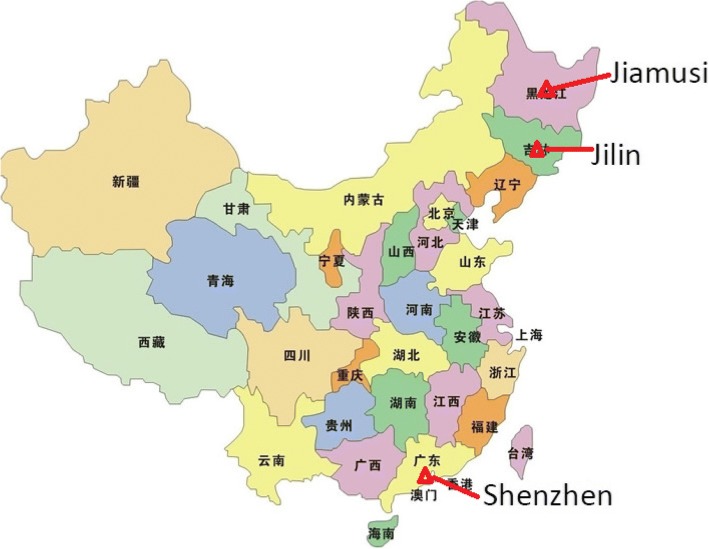
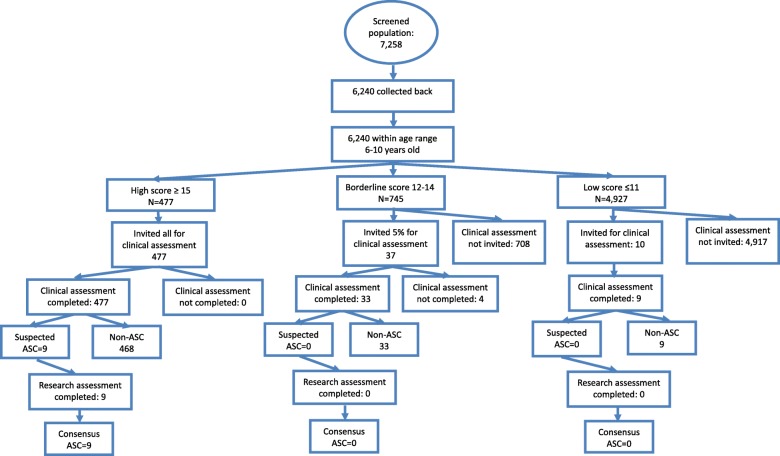
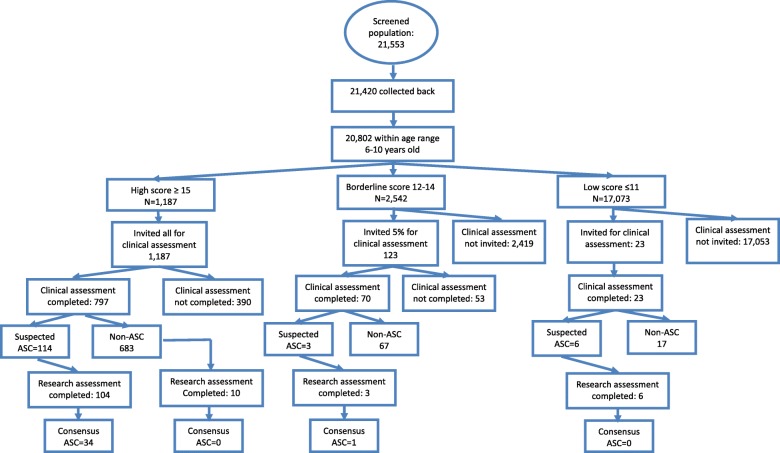
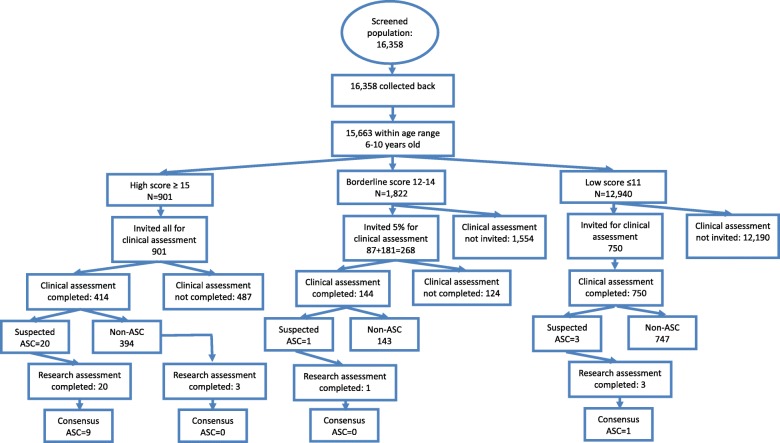
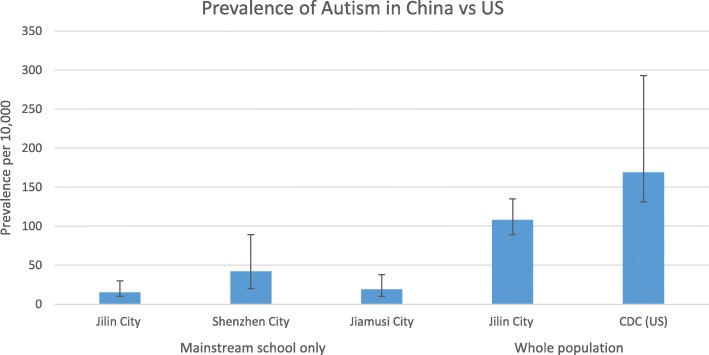
Background: Autism prevalence in the West is approximately 1% of school age children. Autism prevalence in China has been reported to be lower than in the West. This is likely due to at least two reasons: (1) most studies in China only included the special school population, overlooking the mainstream school population; and (2) most studies in China have not used contemporary screening and diagnostic methods. To address this, we tested total autism prevalence (mainstream and special schools) in Jilin City, and mainstream school autism prevalence in Jiamusi and Shenzhen cities. Methods: The study included a three-step process: (1) screening; (2) clinical assessment of 'screen positives' plus controls; and (3) research diagnostic assessment of those meeting clinical threshold for concerns at step 2. Prevalence estimates per 10,000 children aged 6-10 years old were weighted for study design using diagnostic criteria applied at the research assessment stage. Results: In Jilin City, 77 cases of autism were identified from a total population of 7258, equating to a prevalence of 108 per 10,000 (95% confidence interval (CI) 89, 130). In Shenzhen City: 21,420 children were screened and 35 cases of autism were identified, resulting in a mainstream prevalence of 42 per 10,000 (95% CI 20-89). In Jiamusi City, 16,358 children were screened, with 10 autism cases being identified, with a mainstream prevalence of 19 per 10,000 (95% CI 10-38). Conclusions: Results from Jilin City, where both mainstream and special school data were available, revealed a similar prevalence of autism in China to the West, at around 1%. Results from Shenzhen and Jiamusi cities, where only mainstream data were available, prevalence is also in line with Western estimates. In all three cities, new cases of autism were identified by the study in mainstream schools, reflecting current under-diagnosis. Non-significant variation across different cities is seen indicating the need to explore potential variation of autism across diverse Chinese regions with large sample sizes to achieve a fully robust national picture.
Overview
The claims and statistics of this paper haven’t been checked yet.
Free: it reads the open-access text and checks the first 5 claims that cite a source we can check. Create a free account to check every claim.
Integrity signals
Registry
Cites
Statistics
Figures
Verification
Claims the paper makes
The claims and statistics of this paper haven’t been checked yet.
Free: it reads the open-access text and checks the first 5 claims that cite a source we can check. Create a free account to check every claim.
Claims other papers make about this one
Each is checked against this paper’s own text: does it say what the citing paper says it does?
The source backs part of the claim, not all of it — or backs it for a different population, condition or comparison.
In the citing paper
“While a recent global burden study reported that 95% of all young children with developmental disabilities live in low and middle income countries (Olusanya et al. 2018), the majority remain undiagnosed (Sun et al. 2019).”
From The Diagnosis of Autism: From Kanner to DSM-III to DSM-5 and Beyond (2021) · cites this paper as Sun et al. 2019
Experimental — accuracy not yet measured
Self-check
Percentages, sums and reported differences re-computed from the paper’s own numbers.
The self-check needs the paper’s full text.
Citations
Cites
Baio, J., Wiggins, L., Christensen, D. L., Maenner, M. J., Daniels, J., Warren, Z., Kurzius-Spencer, M., Zahorodny, W., Robinson, C., Rosenberg, et al. (2018) · MMWR. Surveillance Summaries · doi:10.15585/mmwr.ss6706a1 · Cited by 6,078
Baird, G., Simonoff, E., Pickles, A., Chandler, S., Loucas, T., Meldrum, D., & Charman, T. (2006) · The Lancet · doi:10.1016/s0140-6736(06)69041-7 · Cited by 2,104
Epidemiology of Pervasive Developmental Disorders
Fombonne, E. (2009) · Pediatric Research · doi:10.1203/pdr.0b013e31819e7203 · Cited by 1,971 · cited 2×
“Second, in Shenzhen and Jiamusi cities, where only mainstream data were available, prevalence is also in line with Western estimates [9, 26].”
MethodResultAutism Diagnostic Observation Schedule
Lord, C., Rutter, M., Goode, S., Heemsbergen, J., Jordan, H., Mawhood, L., & Schopler, E. (2016) · PsycTESTS Dataset · doi:10.1037/t54175-000 · Cited by 1,678
The Raven's Progressive Matrices: Change and Stability over Culture and Time
Raven, J. (2000) · Cognitive Psychology · doi:10.1006/cogp.1999.0735 · Cited by 1,560
Prevalence of Autism Spectrum Disorders in a Total Population Sample
Kim, Y. S., Leventhal, B. L., Koh, Y.-J., Fombonne, E., Laska, E., Lim, E.-C., Cheon, K.-A., Kim, S.-J., Kim, Y.-K., Lee, H., et al. (2011) · American Journal of Psychiatry · doi:10.1176/appi.ajp.2011.10101532 · Cited by 1,524
Naarden Braun, K. V., Lopez, M., White, T., et al. (2023) · Carolina Digital Repository (University of North Carolina at Chapel Hill) · doi:10.17615/y3kk-5x30 · Cited by 1,381
Research works printed but not linked: 3
- 1. American Psychiatric Association. DSM-5. Autism Spectrum Disorder. Arlington: American Psychiatric Association; 2013.
- 13. Rutter M, LeCouteur A, Lord C. Autism Diagnostic Interview-Revised Manual. Western Psychological Services: Los Angeles; 2003.
- 22. Raven J, Raven JC, Court JH. Raven manual: standard progressive matrices. Oxford: Oxford Psychologists Press; 1998.
Cited by
Global prevalence of autism: A systematic review update
Zeidan, J., Fombonne, E., Scorah, J., Ibrahim, A., Durkin, M. S., Saxena, S., Yusuf, A., Shih, A., & Elsabbagh, M. (2022) · Autism Research · doi:10.1002/aur.2696 · Cited by 3,117
“, 2019), ADI-R (Morales-Hidalgo et al., 2018; Sun et al., 2019) and/or other assessments used to characterize the heterogenous profiles within the spectrum.”
BackgroundMethodInfluentialEpidemiology of autism spectrum disorders: a review of worldwide prevalence estimates since 2014
Chiarotti, F., & Venerosi, A. (2020) · Brain Sciences · doi:10.3390/brainsci10050274 · Cited by 580
“[30] estimated ASD prevalence in three cities (Jilin, Shenzhen, and Jiamusi) at December 2013, using data from mainstream school only in all the cities and from the whole population in Jilin.”
MethodSalari, N., Rasoulpoor, S., Rasoulpoor, S., Shohaimi, S., Jafarpour, S., Abdoli, N., Khaledi-Paveh, B., & Mohammadi, M. (2022) · Italian Journal of Pediatrics · doi:10.1186/s13052-022-01310-w · Cited by 571
Zhou, H., Xu, X., Yan, W., Zou, X., Wu, L., Luo, X., Li, T., Huang, Y., Guan, H., Chen, X., et al. (2020) · Neuroscience Bulletin · doi:10.1007/s12264-020-00530-6 · Cited by 464
“A few small-scale studies have reported the prevalence of ASD in mainland China since 2003 using various methods of case ascertainment [20, 21].”
The global prevalence of autism spectrum disorder: A three-level meta-analysis
Talantseva, O. I., Romanova, R. S., Shurdova, E. M., Dolgorukova, T. A., Sologub, P. S., Titova, O. S., Kleeva, D. F., & Grigorenko, E. L. (2023) · Frontiers in Psychiatry · doi:10.3389/fpsyt.2023.1071181 · Cited by 318
The Diagnosis of Autism: From Kanner to DSM-III to DSM-5 and Beyond
Rosen, N. E., Lord, C., & Volkmar, F. R. (2021) · Journal of Autism and Developmental Disorders · doi:10.1007/s10803-021-04904-1 · Cited by 302
Solmi, M., Song, M., Yon, D. K., Lee, S. W., Fombonne, E., Kim, M. S., Park, S., Lee, M. H., Hwang, J., Keller, R., et al. (2022) · Molecular Psychiatry · doi:10.1038/s41380-022-01630-7 · Cited by 226
“These low estimates are likely due to several reasons; (1) most studies in Asia only included special school population, overlooking the mainstream school population; (2) most studies in China have not used contemporary screening and diagnostic methods [46].”
ResultZhang, M., Ding, H., & Zhang, Y. (2022) · doi:10.20944/preprints202202.0056.v1 · Cited by 211
(2022) · doi:10.3390/bs12050138 · Cited by 211
“autism in China to western countries, at around 1% [68], and the autism prevalence in South Korea was reported to be 2.”
BackgroundVagus nerve stimulation in brain diseases: Therapeutic applications and biological mechanisms
Wang, Y., Zhan, G., Cai, Z., Jiao, B., Zhao, Y., Li, S., & Luo, A. (2021) · Neuroscience & Biobehavioral Reviews · doi:10.1016/j.neubiorev.2021.04.018 · Cited by 206
Public knowledge and stigma of autism spectrum disorder: Comparing China with the United States
Yu, L., Stronach, S. T., & Harrison, A. J. (2020) · Autism · doi:10.1177/1362361319900839 · Cited by 188
“Indeed, recent studies following standardized case identification procedures and instruments have estimated similar prevalence in China comparable to the West (Sun et al., 2015, 2019).”
BackgroundResultInfluentialSaito, M., Hirota, T., Sakamoto, Y., Adachi, M., Takahashi, M., Osato-Kaneda, A., Kim, Y. S., Leventhal, B., Shui, A., Kato, S., et al. (2020) · Molecular Autism · doi:10.1186/s13229-020-00342-5 · Cited by 161
Gut microbiota changes in children with autism spectrum disorder: a systematic review
Ho, L. K. H., Tong, V. J. W., Syn, N., Nagarajan, N., Tham, E. H., Tay, S. K., Shorey, S., Tambyah, P. A., & Law, E. C. N. (2020) · Gut Pathogens · doi:10.1186/s13099-020-0346-1 · Cited by 149
Epidemiological surveys of ASD: advances and remaining challenges
Fombonne, E., MacFarlane, H., & Salem, A. C. (2021) · Journal of Autism and Developmental Disorders · doi:10.1007/s10803-021-05005-9 · Cited by 147
“In China, the birthday party task of the ADOS Module 1 needed to be replaced by an equivalent task since birthday parties are not part of the familial traditions.”
BackgroundInfluentialThe global prevalence of autism spectrum disorder in children: a systematic review and meta-analysis
Issac, A., Halemani, K., Shetty, A. P., Thimmappa, L., Vijay, V. R., Koni, K., Mishra, P., & Kapoor, V. (2025) · Osong Public Health and Research Perspectives · doi:10.24171/j.phrp.2024.0286 · Cited by 168
Zhang, L., Huang, C.-C., Dai, Y., Luo, Q., Ji, Y., Wang, K., Deng, S., Yu, J., Xu, M., Du, X., et al. (2020) · Translational Psychiatry · doi:10.1038/s41398-020-0692-2 · Cited by 134
Wang, H., Hu, X., & Han, Z. R. (2020) · Research in Developmental Disabilities · doi:10.1016/j.ridd.2020.103791 · Cited by 134
Zhang, B., Liang, S., Chen, J., Chen, L., Chen, W., Tu, S., Hu, L., Jin, H., & Chu, L. (2022) · Translational Pediatrics · doi:10.21037/tp-22-110 · Cited by 110
“41%, while domestic studies show that the incidence of ASD in China is about 1%, all showing an increasing trend in recent years (2,3).”
BackgroundWang, L., Li, D., Pan, S., Zhai, J., Xia, W. T., Sun, C., & Zou, M. (2021) · Globalization and Health · doi:10.1186/s12992-021-00674-8 · Cited by 106
“ASD affects around 1% of children in mainland China, which is comparable to western countries [8].”
BackgroundSocial Support and Family Functioning in Chinese Families of Children with Autism Spectrum Disorder
Lei, X., & Kantor, J. (2021) · International Journal of Environmental Research and Public Health · doi:10.3390/ijerph18073504 · Cited by 103
“Additionally, recent research also found a high prevalence of autism in China, at around 1% [2], which means an increasing number of parents were faced with the challenges that accompany the diagnosis of ASD [3].”
BackgroundLe, J., Zhang, L., Zhao, W., Zhu, S., Lan, C., Kou, J., Zhang, Q., Zhang, Y., Li, Q., Chen, Z., et al. (2022) · Psychotherapy and Psychosomatics · doi:10.1159/000524543 · Cited by 96
“2 Introduction Autism spectrum disorder (ASD) is a neurodevelopmental disorder with core symptoms including social communication and interaction problems and restricted and repetitive behavior patterns [1] and a worldwide prevalence around 1% [2,3].”
Lu, M., Zou, Y., Chen, X., Chen, J., He, W., & Pang, F. (2020) · Research in Autism · doi:10.1016/j.rasd.2020.101513 · Cited by 93
Li, Z., Yang, L., Chen, H., Fang, Y., Zhang, T., Yin, X., Man, J., Yang, X., & Lu, M. (2022) · Epidemiology and Psychiatric Sciences · doi:10.1017/s2045796022000178 · Cited by 69
“Nonetheless, the burden of ASD in most regions and countries has remained relatively stable, which may be related to the under-identification of autistic children caused by limited ASD awareness and diagnostic services (Sun et al., 2019).”
The Genetics of Intellectual Disability
Jansen, S., Vissers, L. E. L. M., & de Vries, B. B. A. (2023) · Brain Sciences · doi:10.3390/brainsci13020231 · Cited by 81
Leung, F. Y. N., Sin, J., Dawson, C., Ong, J. H., Zhao, C., Veić, A., & Liu, F. (2021) · Developmental Review · doi:10.1016/j.dr.2021.101000 · Cited by 84
Dysbiosis of Gut Fungal Microbiota in Children with Autism Spectrum Disorders
Zou, R., Wang, Y., Duan, M., Guo, M., Zhang, Q., & Zheng, H. (2020) · Journal of Autism and Developmental Disorders · doi:10.1007/s10803-020-04543-y · Cited by 79
Zhang, L., Huang, C.-C., Dai, Y., Luo, Q., Ji, Y., Wang, K., Deng, S., Yu, J., Xu, M., Du, X., et al. (2020) · Translational Psychiatry · doi:10.1038/s41398-020-0747-4 · Cited by 67
Bridging the Gap Between Physical Health and Autism Spectrum Disorder
Sala, R., Amet, L., Blagojevic-Stokic, N., Shattock, P., & Whiteley, P. (2020) · Neuropsychiatric Disease and Treatment · doi:10.2147/ndt.s251394 · Cited by 100
Lei, X., & Kantor, J. (2020) · International Journal of Developmental Disabilities · doi:10.1080/20473869.2020.1803706 · Cited by 73
“…in parents of children with ASD (e.g. Altiere and Kluge 2009, Ekas et al. 2016), and found the association between family cohesion and adaptability and quality of life in caregivers of individuals with other diseases (e.g. Han et al. 2006, Rodr ıguez-S anchez et al. 2011, Tramonti et al. 2015).”
BackgroundParent-Mediated Interventions for Children with ASD in Low-Resource Settings: a Scoping Review
Lee, J. D., & Meadan, H. (2020) · Review Journal of Autism and Developmental Disorders · doi:10.1007/s40489-020-00218-7 · Cited by 67
Alterations of the endocannabinoid system and its therapeutic potential in autism spectrum disorder
Zou, M., Liu, Y., Xie, S. H., Wang, L., Li, D., Li, L., Wang, F., Zhang, Y., Xia, W. T., Sun, C., et al. (2021) · Open Biology · doi:10.1098/rsob.200306 · Cited by 69
Thomaidis, L., Mavroeidi, N., Richardson, C., Choleva, A., Damianos, G., Bolias, K., & Tsolia, M. (2020) · Journal of Clinical Medicine · doi:10.3390/jcm9072163 · Cited by 57
Lu, M., Chen, J., He, W., Pang, F., & Zou, Y. (2021) · Research in Developmental Disabilities · doi:10.1016/j.ridd.2021.103933 · Cited by 59
He, X., Tu, Y., Song, Y., Yang, G., & You, M. (2021) · Environmental Research · doi:10.1016/j.envres.2021.111902 · Cited by 62
Oral Health Status of Chinese Children With Autism Spectrum Disorders
Qiao, Y., Shi, H. Y., Wang, H., Wang, M., & Chen, F. (2020) · Frontiers in Psychiatry · doi:10.3389/fpsyt.2020.00398 · Cited by 71
“A largescale study estimated the prevalence of ASD in China was approximately 1% (2), though no official figures are currently available.”
Backgroundvon Below, R., Spaeth, E., & Horlin, C. (2021) · International Journal of Inclusive Education · doi:10.1080/13603116.2021.1988159 · Cited by 60
Shan, L., Feng, J., Wang, T., Xu, Z., & Jia, F. (2022) · Frontiers in Psychiatry · doi:10.3389/fpsyt.2021.794238 · Cited by 69
Zhang, L., Xu, Y., Li, H., Li, B., Duan, G., & Zhu, C. (2022) · PLoS ONE · doi:10.1371/journal.pone.0263109 · Cited by 59
Qin, X., Feng, Y., Qu, F., Luo, Y., Chen, B., Chen, M., Zou, Y., & Zhang, L. (2020) · Journal of Pediatric Nursing · doi:10.1016/j.pedn.2020.10.026 · Cited by 51
The ASDEU autism prevalence study in northern Spain
Fuentes, J., Basurko, A., Isasa, I., Galende, I., Muguerza, M. D., Primo, P. G., García, J., Fernández-Álvarez, C. J., Canal‐Bedia, R., & de la Paz, M. P. (2020) · European Child & Adolescent Psychiatry · doi:10.1007/s00787-020-01539-y · Cited by 58
He, W., Zhang, W., Jin, Y., Zhou, Q., Zhang, H., & Xia, Q. (2024) · Journal of Medical Internet Research · doi:10.2196/54706 · Cited by 53
Dai, Y., Zhang, L., Yu, J., Zhou, X., He, H., Ji, Y., Wang, K., Du, X., Liu, X., Tang, Y., et al. (2021) · 中国科学通报:英文版 · doi:10.1016/j.scib.2021.01.008 · Cited by 51
Self-citationResearch Progress on the Role of Vitamin D in Autism Spectrum Disorder
Wang, J., Huang, H., Liu, C., Zhang, Y., Wang, W., Zou, Z., Yang, L. F., He, X., Wu, J.-T., Ma, J., et al. (2022) · Frontiers in Behavioral Neuroscience · doi:10.3389/fnbeh.2022.859151 · Cited by 52
“Although there are no national investigation data on the epidemic of ASD in China, a multicenter study reported that the prevalence of ASD among those 6–10 years of age is about 1% in China, suggesting a rising tendency (Sun et al., 2019).”
BackgroundAtherton, G., Morimoto, Y., Nakashima, S., & Cross, L. (2023) · Journal of Cross-Cultural Psychology · doi:10.1177/00220221231169945 · Cited by 47
“…Maenner et al., 2021) and Eastern countries like Korea (one in 38, Y. S. Kim et al., 2011) but higher than other Western countries like the United Kingdom (one in 100, National Institute of Health and Care Excellence, 2017), and other Eastern countries like China (one in 100, Sun et al., 2019).”
BackgroundChronic Fluoride Exposure and the Risk of Autism Spectrum Disorder
Strunecká, A., & Strunecký, O. (2019) · International Journal of Environmental Research and Public Health · doi:10.3390/ijerph16183431 · Cited by 48
“Despite the many limitations for the comparison of various ASD prevalence studies that exist, the reports from the last decade revealed that autism prevalence in China is comparable to the Western prevalence [84].”
BackgroundHe, Y., Su, Q., Wang, L., He, W., Tan, C., Zhang, H., Ng, M. L., Yan, N., & Chen, Y. (2019) · Frontiers in Psychiatry · doi:10.3389/fpsyt.2019.00402 · Cited by 43
“As revealed in a recent survey of three cities of China, only 9 cases of ASD were identified from a total population of 6,240 aged 6–10 years old in mainstream schools in Jilin City, and 35 cases of ASD were identified from 21,420 children in Shenzhen City, and 10 cases of autism were identified from 16,358 children I…”
BackgroundLai, X., Zhang, Q., Zhu, J., Yang, T., Guo, M., Li, Q., Liu, H., Wu, Q., Chen, J., & Li, T. (2020) · European Journal of Clinical Nutrition · doi:10.1038/s41430-020-00827-9 · Cited by 39
Wang, B., Qin, Y., Wu, Q., Li, X., Xie, D., Zhao, Z., & Duan, S. (2022) · Frontiers in Immunology · doi:10.3389/fimmu.2022.818518 · Cited by 41
“The study was approved by the Ethics Committee of the Shenzhen Maternity and Child Healthcare Hospital, Shenzhen, China.”
BackgroundInfluentialQin, Y., Cao, L. K., Zhang, J., Zhang, H., Cai, S., Guo, B., Wu, F., Zhao, L., Li, W., Ni, L., et al. (2022) · Journal of Molecular Neuroscience · doi:10.1007/s12031-022-01994-z · Cited by 38
“In China, the prevalence is now around 1% (Sun et al. 2019).”
BackgroundSelf-citationQu, L., Chen, H., Miller, H. L., Miller, A. L., Colombi, C., Chen, W., & Ulrich, D. A. (2022) · Frontiers in Psychology · doi:10.3389/fpsyg.2022.859145 · Cited by 38
Zeng, H., Liu, S., Huang, R., Zhou, Y., Tang, J., Xie, J., Chen, P., & Yang, B. X. (2021) · Journal of Psychiatric Research · doi:10.1016/j.jpsychires.2021.04.025 · Cited by 48
Dai, Y., Chen, M., Deng, T., Huang, B., Ji, Y., Feng, Y., Liu, S., & Zhang, L. (2023) · Autism Research · doi:10.1002/aur.3061 · Cited by 35
“Until 2018, mainland China had fewer than 2000 intervention agencies for children with ASD, and the majority of these agencies were private but not public (Sun et al., 2019).”
BackgroundEducação física inclusiva e autismo
Schliemann, A. L., Alves, M. L. T., & Duarte, É. (2020) · Revista Brasileira de Educação Física e Esporte · doi:10.11606/1807-5509202000034nesp077 · Cited by 84
Lu, M., Wang, R., Huan, L., Pang, F., & Chen, X. (2021) · Research in Autism · doi:10.1016/j.rasd.2021.101829 · Cited by 38
Oxytocin and microglia in the development of social behaviour
Gonzalez, A. M., & Hammock, E. A. D. (2022) · Philosophical Transactions of the Royal Society B Biological Sciences · doi:10.1098/rstb.2021.0059 · Cited by 47
“Recent standardized epidemiological assessment of ASD in China [2] and Qatar [3] have reported similar prevalence.”
BackgroundMa, Y., Lee, L. Y., & Zhang, X. (2023) · Autism & Developmental Language Impairments · doi:10.1177/23969415231168567 · Cited by 35
“Given the large population of autistic individuals in mainland China (Sun et al., 2019), exploring the status of af fi liate stigma among parents is necessary.”
BackgroundEast Asian American Parents of Children with Autism: a Scoping Review
Kim, I., Wang, Y., Dababnah, S., & Betz, G. (2020) · Review Journal of Autism and Developmental Disorders · doi:10.1007/s40489-020-00221-y · Cited by 31
“Prevalence of autism in East Asian countries is similar or higher to rates inWestern countries, which has led to an increase in services and research (Kim et al. 2011; Sun et al. 2019).”
BackgroundLi, P., Fu, N.-N., Li, Q., Wang, G., Gao, L., & Zhang, X. (2020) · Asian Journal of Psychiatry · doi:10.1016/j.ajp.2020.102144 · Cited by 34
Kat, S., Xu, L., Guo, Y., Ma, J., Ma, Z., Tang, X., Yang, Y., Wang, H., Li, X., & Liu, J. (2020) · Frontiers in Psychiatry · doi:10.3389/fpsyt.2020.545445 · Cited by 32
Wang, J., Wang, X., Wang, R., Duan, X., Chen, H., He, C., Zhai, J., Chen, H., & Wu, L. (2021) · Frontiers in Physiology · doi:10.3389/fphys.2021.626338 · Cited by 36
“A recent search for the prevalence of ASD in China found that Jilin City has a similar prevalence of autism in China to that in the West, at approximately 1%, and the results from Shenzhen and Jiamusi cities are also in line with Western estimates (Sun et al., 2019).”
ResultMahmood, M. A., Jamel, L., Alturki, N. M., & Tawfeek, M. A. (2025) · Scientific Reports · doi:10.1038/s41598-025-96014-6 · Cited by 31
RetractedOutdoor light at night and autism spectrum disorder in Shanghai, China: A matched case-control study
Xie, Y., Jin, Z., Huang, H., Li, S., Dong, G., Liu, Y., Chen, G., & Guo, Y. (2021) · The Science of The Total Environment · doi:10.1016/j.scitotenv.2021.152340 · Cited by 31
Wang, H., Liu, S., Xie, L., & Wang, J. (2023) · BMC Pediatrics · doi:10.1186/s12887-023-04292-8 · Cited by 34
“A myriad of elements, encompassing genetics, prenatal and perinatal circumstances, environmental impacts, social determinants, and family interplay, are all conceivably implicated [7].”
BackgroundAutism - A Comprehensive Array of Prominent Signs and Symptoms
Nadeem, M. S., Murtaza, B. N., Al-Ghamdi, M. A., Ali, A., Zamzami, M. A., Khan, J. A., Ahmad, A., Rehman, M. U., & Kazmi, I. A. (2021) · Current Pharmaceutical Design · doi:10.2174/1381612827666210120095829 · Cited by 34
Yan, J., Chen, F., Gao, X., & Peng, G. (2021) · Journal of Speech Language and Hearing Research · doi:10.1044/2021_jslhr-21-00029 · Cited by 29
Dynamic Viewing Pattern Analysis: Towards Large-Scale Screening of Children With ASD in Remote Areas
Xia, C., Zhang, D., Li, K., Li, H., Chen, M., Min, W., & Han, J. (2022) · IEEE Transactions on Biomedical Engineering · doi:10.1109/tbme.2022.3223736 · Cited by 29
“Likewise, the prevalence of ASD in developing countries is no better than that in Western countries [1], [3], [4], [5].”
BackgroundDeng, L., & Rattadilok, P. (2020) · Assistive Technology · doi:10.1080/10400435.2020.1757787 · Cited by 31
“A recent study on Autism prevalence in three cities (Shenzhen, Jilin and Jiamusi) in China reported that the rates of Autism are similar to the West, at around 1%, suggesting that many Chinese individuals with ASD may remain undiagnosed and unassisted (Sun et al., 2019).”
BackgroundYang, T., Zhu, J., Li, Q., Chen, L., Wu, L., Jia, F., Hao, Y., Ke, X., Yi, M., Jin, C., et al. (2021) · Frontiers in Psychiatry · doi:10.3389/fpsyt.2020.613519 · Cited by 27
“Moreover, ASD is the most commonmental disability in China, according to national census data on individuals with disabilities (4); hence, the diagnosis and treatment of ASD has gained increasing attention in China.”
BackgroundMindfulness and Stress Among Parents of Children with Autism Spectrum Disorder in China
Wang, H., Wang, Q., Hu, X., & Han, Z. R. (2021) · Journal of Autism and Developmental Disorders · doi:10.1007/s10803-021-05011-x · Cited by 28
“Given that approximately 13 million children are affected by ASD (Sun et al., 2019) and over 90% of families with a child with ASD do not achieve satisfying life in China (China Association of Persons with Psychiatric Disability & their Relatives, 2014), such research is particularly important.”
BackgroundDuan, X., & Chen, H. (2022) · Psychoradiology · doi:10.1093/psyrad/kkac013 · Cited by 29
“29%inthepopulationof6-to12-year-oldchildren in China, based on a nationwide multi-center epidemiology study (Zhou et al. ,2020),while a joint China-UK study has reported ∼ 1 in 100 school-aged children in China has ASD, which is in line with that found in the West (Sun et al. , 2019).”
ResultSong, C., Wang, S., Chen, M., Li, H., Jia, F., & Zhao, Y. (2023) · Displays · doi:10.1016/j.displa.2022.102360 · Cited by 26
Ma, C., Li, W., Ke, S., Lv, J., Zhou, T., & Zou, L. (2024) · Medical & Biological Engineering & Computing · doi:10.1007/s11517-024-03060-9 · Cited by 25
“The ASD prevalence among preschool children in China is about 1% [4], and the current diagnosis of the disease relies on diagnostic scales and physician questioning [5], leading to a highly subjective assessment that can significantly influence the diagnosis.”
Yang, H., Zhou, H., Li, Y., Cui, Y., Xiang, Y., Yuan, R., Lui, S. S. Y., & Chan, R. C. K. (2022) · Autism Research · doi:10.1002/aur.2679 · Cited by 26
“, 2018) and Eastern populations (Sun et al., 2019), and is associated with lifelong disability (Robison, 2019).”
BackgroundZhang, H., Tang, X., Feng, C., Gao, Y. L., Hong, Q., Zhang, J., Zhang, X., Zheng, Q., Jing, L., Liu, X., et al. (2023) · Journal of Proteomics · doi:10.1016/j.jprot.2023.104872 · Cited by 24
Self-citationZeng, S., Zhao, H., Hu, X., Lee, J. D., Stone-MacDonald, A. K., & Price, Z. (2020) · Journal of Developmental and Physical Disabilities · doi:10.1007/s10882-020-09761-x · Cited by 28
“The number of Chinese children with ASD has been increasing dramatically with an estimated prevalence of ASD as 1 per 100 in 2019 comparing to 1 per 1000 in 2006 (Sun et al., 2019).”
BackgroundYe, Y., Deng, T., Chen, M., Huang, B., Ji, Y., Feng, Y., Liu, S., Zhang, T., & Zhang, T. (2024) · Archives of Psychiatric Nursing · doi:10.1016/j.apnu.2024.01.011 · Cited by 24
Openshaw, R. L., Thomson, D. M., Bristow, G. C., Mitchell, E. J., Pratt, J. A., Morris, B., & Dawson, N. (2023) · Communications Biology · doi:10.1038/s42003-023-04891-2 · Cited by 24
Liu, S., Wang, X., Chen, Q., Chen, J., Jin, C., Zhan, X., Guo, C., Li, X., Lin, L., & Jin, J. (2022) · Autism Research · doi:10.1002/aur.2726 · Cited by 23
“70% in Chinese children aged 6–12 years (Sun et al., 2019; Zhou et al., 2020).”
BackgroundResultInfluentialArneliza, A., Sutadi, R., & Miranda, C. (2022) · Journal of Psychology and Behavior Studies · doi:10.32996/jpbs.2022.2.1.7 · Cited by 33
“This disorder is also characterized by differences in the development of intelligence and language (Sun et al., 2019).”
Wang, J., Hedley, D., Bury, S. M., & Barbaro, J. (2019) · Autism · doi:10.1177/1362361319871174 · Cited by 22
“(Jiang et al., 2015; C. Li et al., 2018; Sun et al., 2015; Sun et al., 2019).”
BackgroundMethodResultInfluentialZhao, W., Le, J., Liu, Q., Zhu, S., Lan, C., Zhang, Q., Zhang, Y., Li, Q., Kou, J., Yang, W., et al. (2024) · Translational Psychiatry · doi:10.1038/s41398-024-03025-4 · Cited by 23
“…characterized by two core symptoms including dif fi culties in social communication and interaction and restricted and repetitive behaviors (Diagnostic and Statistical Manual of Mental Disorders, DSM-V), with an estimated prevalence of around 2.76% [1] in the U.S. and around 1% in China [2].”
BackgroundInfluentialMitchell, E. J., Thomson, D. M., Openshaw, R. L., Bristow, G. C., Dawson, N., Pratt, J. A., & Morris, B. (2020) · Scientific Reports · doi:10.1038/s41598-020-69130-8 · Cited by 22
Li, H., Su, Y., Wang, C., Ran, Q., Tu, L., Zhang, E., Ran, J., Wang, H., Zhang, N., Wu, Y., et al. (2023) · Research in Autism · doi:10.1016/j.rasd.2023.102241 · Cited by 20
Self-citationScreening for Autism Spectrum Disorder in Toddlers During the 18- and 24-Month Well-Child Visits
Zhang, Y., Zhou, Z., Xu, Q., Li, H., Lv, Y., Zhu, G., Dong, P., Li, D., Wang, Y., Tang, X., et al. (2022) · Frontiers in Psychiatry · doi:10.3389/fpsyt.2022.879625 · Cited by 21
Fan, Q., Ding, M., Cheng, W., Su, L., Zhang, Y., Liu, Q., & Wu, Z. (2024) · Frontiers in Neurology · doi:10.3389/fneur.2024.1387060 · Cited by 19
Autism in Taiwan and Thailand: Influences of Culture
Westby, C. E., Kai-mei, C., Cheng, L., Jithavech, P., & Maroonroge, S. (2024) · Neuropsychiatric Disease and Treatment · doi:10.2147/ndt.s462864 · Cited by 19
“Sun et al 8 suggest that low estimates indicated a potential under-diagnosis and under-detection of ASD and a need to adopt more advanced methods for research of ASD in these areas.”
MethodThe progress of chemokines and chemokine receptors in autism spectrum disorders
Ye, J.-R., Wang, H., Cui, L., Chu, S., & Chen, N. (2021) · Brain Research Bulletin · doi:10.1016/j.brainresbull.2021.05.024 · Cited by 21
Hu, X., Wang, H., Han, Z. R., Zhao, Y., & Ke, L. (2021) · Scientific Reports · doi:10.1038/s41598-021-95155-8 · Cited by 22
Long, D., Yang, T., Chen, J., Dai, Y., Chen, L., Jia, F., Wu, L., Hao, Y., Li, L., Zhang, J., et al. (2022) · Neuropsychiatric Disease and Treatment · doi:10.2147/ndt.s374840 · Cited by 21
“(4) Due to insufficient experience in ASD by some pediatricians, ASD diagnosis in children with mild symptoms and normal intelligence may be missed or confused with other developmental disorders.”
BackgroundSelf-citationRan, Q., Tu, L., Wu, Y., Zhang, S., Zhang, E., Li, H., Su, Y., & Xiang, M. (2023) · Frontiers in Public Health · doi:10.3389/fpubh.2023.1282778 · Cited by 19
Self-citationLai, B., Yi, A., Zhang, F., Wang, S., Xin, J., Li, S., & Yu, L. (2024) · Scientific Reports · doi:10.1038/s41598-024-53128-7 · Cited by 19
“Both are widely used diagnostic instruments in China 62,66 .”
Zou, M., Li, D., Wang, L., Li, L., Xie, S. H., Liu, Y., Xia, W. T., Sun, C., & Wu, L. (2020) · Neurotoxicity Research · doi:10.1007/s12640-020-00242-9 · Cited by 19
“The prevalence in mainland China is around 1%, which is comparable to the rates in western countries (Sun et al. 2019).”
ResultApplication of Telemedicine for Preliminary Screening of Autism Spectrum Disorder
Qiu, T., Zhang, H., Zhou, C., Tang, Q., Wang, L., & Ke, X. (2022) · Frontiers in Pediatrics · doi:10.3389/fped.2021.745597 · Cited by 19
“(4) Data management of screening results.”
BackgroundSaechua, C., Sarachana, T., Chonchaiya, W., Trairatvorakul, P., Yuwattana, W., Poolcharoen, C., Sangritdech, M., Saeliw, T., van Erp, M. L., Sangsuthum, S., et al. (2024) · Scientific Reports · doi:10.1038/s41598-024-79994-9 · Cited by 19
Wong, P. P. S., Wai, V. C., Chan, R. W. S., Leung, C. N. W., & Leung, P. W. L. (2021) · Autism · doi:10.1177/13623613211003740 · Cited by 17
“Attention-deficit/ hyperactivity disorder (ADHD) is one such potential candidate with a prevalence of about 5% in Chinese and Westerners alike (Leung et al., 2008; Polanczyk et al., 2007), higher than the 1%–2% prevalence of ASD (BaronCohen et al., 2009; Sun et al., 2019).”
BackgroundLiao, Y., Dillenburger, K., & Hu, X. (2021) · Autism · doi:10.1177/13623613211020976 · Cited by 19
“…40-year delay in the first report of autism, with Kanner’s (1943) work being recognized in the West countries in the early 1940s, and Wing and Gould’s (1979) report of “triad” of impairments in the late 1970s in the United Kingdom, while autism was not reported in China until 1982 by Tao (1987).”
BackgroundYu, H. Y., Zhang, Z., Liu, J., Hu, P., & Liu, Z. (2020) · Metabolic Brain Disease · doi:10.1007/s11011-020-00570-x · Cited by 20
Gabra, R. H., Hashem, D. F., & Ahmed, G. K. (2021) · The Egyptian Journal of Neurology Psychiatry and Neurosurgery · doi:10.1186/s41983-021-00426-w · Cited by 19
“The worldwide prevalence of ASDs is between 1 and 2% worldwide [2, 3].”
BackgroundLuo, Z.-H., Qi, Q., Wang, K.-X., Zhou, J., Chen, S., & Wang, L. (2022) · BioScience Trends · doi:10.5582/bst.2022.01075 · Cited by 16
“There has been speculation that a lack of public awareness of ASD might contribute to an insufficient understanding of the disorder in China (7,9,15).”
BackgroundGao, X., Xu, G., Fu, N., Ben, Q., Wang, L., & Bu, X. (2025) · Frontiers in Psychiatry · doi:10.3389/fpsyt.2024.1511920 · Cited by 21
Metadata
- Authors
- Sun, X., Allison, C., Wei, L., Matthews, F. E., Auyeung, B., Wu, Y. Y., Griffiths, S., Zhang, J., Baron-Cohen, S., & Brayne, C.
- Affiliations
- Chinese University of Hong Kong (HK)
- University of Cambridge (GB)
- Peking University (CN)
- Newcastle University (GB)
- Corresponding author
- Sun, Xiang
- Venue
- Molecular Autism
- Published
- 2019-02-28
- Volume
- 10
- Issue
- 1
- Pages
- 7-7
- ISSN
- 2040-2392 (ISSN-L)
- PMC
- PMC6394100
- OpenAlex
- W2902251604
- Semantic Scholar
- ad7747f172aa188daebd254c2f86456c4411808f
- Cited by
- 266
- References
- 31
- Citations by year
- 2026: 28 · 2025: 29 · 2024: 36 · 2023: 36 · 2022: 46 · 2021: 42 · 2020: 42 · 2019: 7
- FWCI
- 19.91
- Type
- journal article
- Language
- en
- Open access
- gold
- doi.org
- Licence
- cc-by
- creativecommons.org/licenses/by/4.0/ (tdm)
- Locations
- Molecular Autism (publishedVersion, cc-by)
- Europe PMC (PubMed Central) (publishedVersion, cc-by)
- PubMed Central (publishedVersion, cc-by)
- PubMed (publishedVersion)
- Edinburgh Research Explorer (University of Edinburgh) (submittedVersion, cc-by)
- Apollo (University of Cambridge) (submittedVersion)
- DOAJ (DOAJ: Directory of Open Access Journals) (submittedVersion, cc-by-sa)
- Repository@Hull (Worktribe) (University of Hull) (submittedVersion, cc-by)
- Apollo
- Funders
- The Chinese University of Hong Kong
- Autism Research Trust
- Medical Research Council
- National Institute for Health Research
- Cambridgeshire and Peterborough NHS Foundation Trust
- Topics
- Life Sciences › Neuroscience › Cognitive Neuroscience › Autism Spectrum Disorder Research
- Social Sciences › Psychology › Clinical Psychology › Family and Disability Support Research
- Health Sciences › Medicine › Psychiatry and Mental health › Child Nutrition and Feeding Issues
- Keywords
- autism prevalence, autism spectrum disorder, China, mainstream schools, special schools, autism screening, underdiagnosis, diagnostic assessment, elementary school students, Jilin City, Shenzhen, Jiamusi
- MeSH terms
- Autistic Disorder, Child, China, Female, Humans, Male, Prevalence
About these checks
Registry, retraction, Cites and statistics results are computed, not judged, with one exception: a printed reference that no index lists is read once by a model before it counts as a citation error. Claims are extracted by a model and kept only when their quote appears verbatim in the text; each cited source is then checked, with a model’s help, for whether it says what the claim relies on. Those verdicts can be wrong — read the claim’s quote and the cited source before relying on one.
Statistics and arithmetic are recomputed, not judged.
Confidence bands are shown only for fields calibrated on our annotated test set. None is calibrated yet, so no band is shown.
What counts as a claim ›How we measure confidence ›How we check this ›
Are you an author, or do you see a problem with this page? Request a review
Data sources
Bibliographic data: Semantic Scholar, OpenAlex, Crossref.
Contains information from the Semantic Scholar Academic Graph Datasets, made available under the ODC Attribution License (ODC-BY 1.0).
Semantic Scholar’s data is described in: Kinney, R., et al. (2023). The Semantic Scholar Open Data Platform. arXiv:2301.10140.
