

Autism prevalence in China is comparable to Western prevalence
Open accessThe DOI matches its Crossref record; 30 of the 31 references it cites were found in a registry or an index.
Abstract
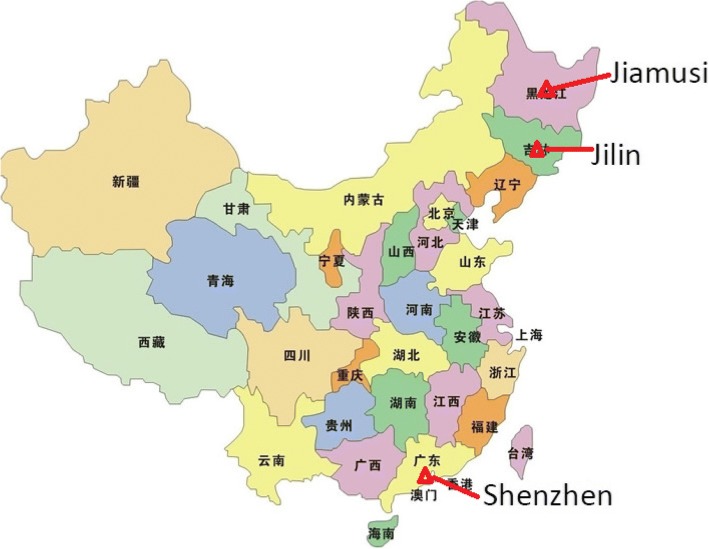
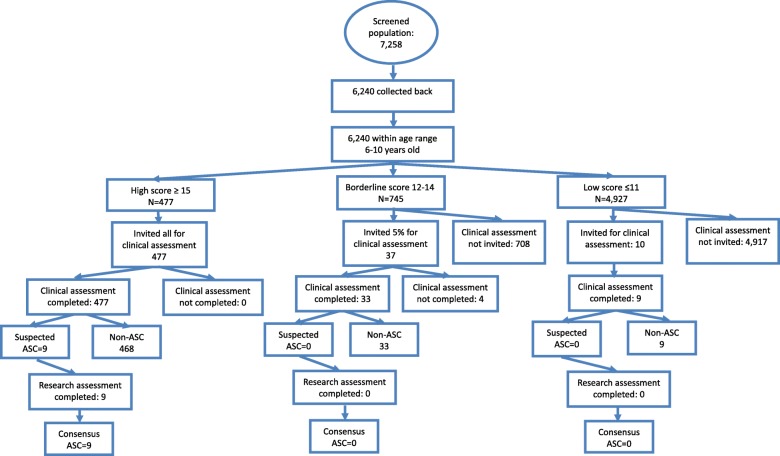
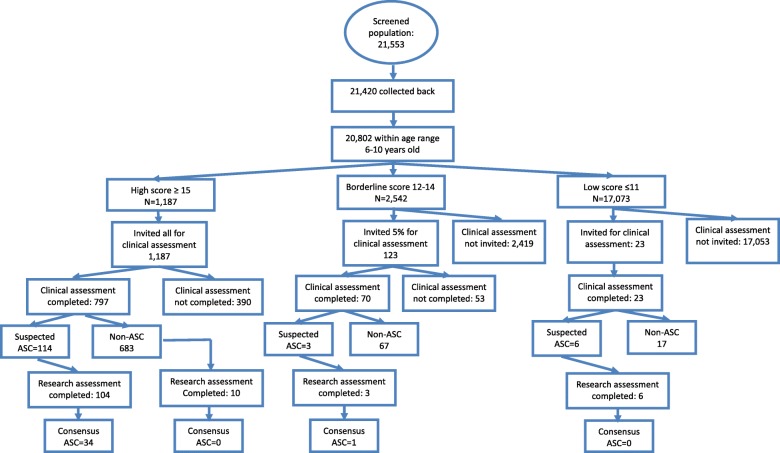
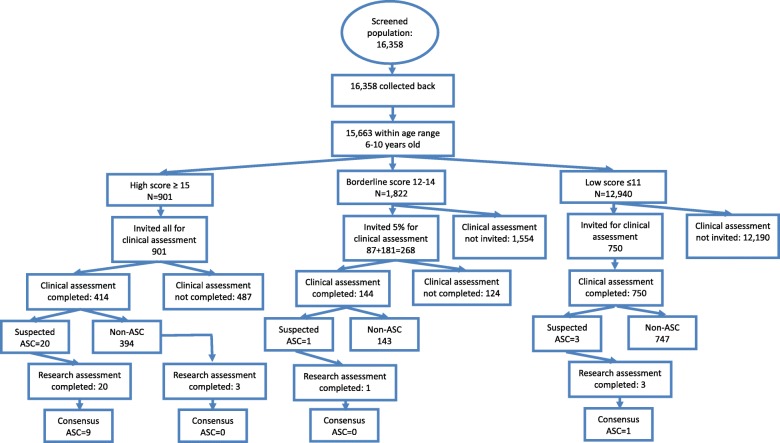
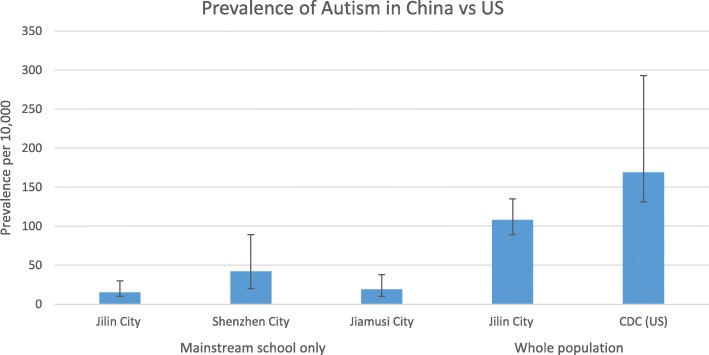
Background: Autism prevalence in the West is approximately 1% of school age children. Autism prevalence in China has been reported to be lower than in the West. This is likely due to at least two reasons: (1) most studies in China only included the special school population, overlooking the mainstream school population; and (2) most studies in China have not used contemporary screening and diagnostic methods. To address this, we tested total autism prevalence (mainstream and special schools) in Jilin City, and mainstream school autism prevalence in Jiamusi and Shenzhen cities. Methods: The study included a three-step process: (1) screening; (2) clinical assessment of 'screen positives' plus controls; and (3) research diagnostic assessment of those meeting clinical threshold for concerns at step 2. Prevalence estimates per 10,000 children aged 6-10 years old were weighted for study design using diagnostic criteria applied at the research assessment stage. Results: In Jilin City, 77 cases of autism were identified from a total population of 7258, equating to a prevalence of 108 per 10,000 (95% confidence interval (CI) 89, 130). In Shenzhen City: 21,420 children were screened and 35 cases of autism were identified, resulting in a mainstream prevalence of 42 per 10,000 (95% CI 20-89). In Jiamusi City, 16,358 children were screened, with 10 autism cases being identified, with a mainstream prevalence of 19 per 10,000 (95% CI 10-38). Conclusions: Results from Jilin City, where both mainstream and special school data were available, revealed a similar prevalence of autism in China to the West, at around 1%. Results from Shenzhen and Jiamusi cities, where only mainstream data were available, prevalence is also in line with Western estimates. In all three cities, new cases of autism were identified by the study in mainstream schools, reflecting current under-diagnosis. Non-significant variation across different cities is seen indicating the need to explore potential variation of autism across diverse Chinese regions with large sample sizes to achieve a fully robust national picture.
Overview
The claims and statistics of this paper haven’t been checked yet.
Free: it reads the open-access text and checks the first 5 claims that cite a source we can check. Create a free account to check every claim.
Integrity signals
Registry
Cites
Statistics
Figures
Verification
Claims the paper makes
The claims and statistics of this paper haven’t been checked yet.
Free: it reads the open-access text and checks the first 5 claims that cite a source we can check. Create a free account to check every claim.
Claims other papers make about this one
Each is checked against this paper’s own text: does it say what the citing paper says it does?
The source backs part of the claim, not all of it — or backs it for a different population, condition or comparison.
In the citing paper
“While a recent global burden study reported that 95% of all young children with developmental disabilities live in low and middle income countries (Olusanya et al. 2018), the majority remain undiagnosed (Sun et al. 2019).”
From The Diagnosis of Autism: From Kanner to DSM-III to DSM-5 and Beyond (2021) · cites this paper as Sun et al. 2019
Experimental — accuracy not yet measured
Self-check
Percentages, sums and reported differences re-computed from the paper’s own numbers.
The self-check needs the paper’s full text.
Citations
Cites
Baio, J., Wiggins, L., Christensen, D. L., Maenner, M. J., Daniels, J., Warren, Z., Kurzius-Spencer, M., Zahorodny, W., Robinson, C., Rosenberg, et al. (2018) · MMWR. Surveillance Summaries · doi:10.15585/mmwr.ss6706a1 · Cited by 6,078
Baird, G., Simonoff, E., Pickles, A., Chandler, S., Loucas, T., Meldrum, D., & Charman, T. (2006) · The Lancet · doi:10.1016/s0140-6736(06)69041-7 · Cited by 2,104
Epidemiology of Pervasive Developmental Disorders
Fombonne, E. (2009) · Pediatric Research · doi:10.1203/pdr.0b013e31819e7203 · Cited by 1,971 · cited 2×
“Second, in Shenzhen and Jiamusi cities, where only mainstream data were available, prevalence is also in line with Western estimates [9, 26].”
MethodResultAutism Diagnostic Observation Schedule
Lord, C., Rutter, M., Goode, S., Heemsbergen, J., Jordan, H., Mawhood, L., & Schopler, E. (2016) · PsycTESTS Dataset · doi:10.1037/t54175-000 · Cited by 1,678
The Raven's Progressive Matrices: Change and Stability over Culture and Time
Raven, J. (2000) · Cognitive Psychology · doi:10.1006/cogp.1999.0735 · Cited by 1,560
Prevalence of Autism Spectrum Disorders in a Total Population Sample
Kim, Y. S., Leventhal, B. L., Koh, Y.-J., Fombonne, E., Laska, E., Lim, E.-C., Cheon, K.-A., Kim, S.-J., Kim, Y.-K., Lee, H., et al. (2011) · American Journal of Psychiatry · doi:10.1176/appi.ajp.2011.10101532 · Cited by 1,524
Naarden Braun, K. V., Lopez, M., White, T., et al. (2023) · Carolina Digital Repository (University of North Carolina at Chapel Hill) · doi:10.17615/y3kk-5x30 · Cited by 1,381
Research works printed but not linked: 3
- 1. American Psychiatric Association. DSM-5. Autism Spectrum Disorder. Arlington: American Psychiatric Association; 2013.
- 13. Rutter M, LeCouteur A, Lord C. Autism Diagnostic Interview-Revised Manual. Western Psychological Services: Los Angeles; 2003.
- 22. Raven J, Raven JC, Court JH. Raven manual: standard progressive matrices. Oxford: Oxford Psychologists Press; 1998.
Cited by
Items 101–200 of 289
SARM1 deletion in parvalbumin neurons is associated with autism-like behaviors in mice
Xiang, L., Wu, Q., Sun, H., Miao, X., Lv, Z., Liu, H., Chen, L., Gu, Y., Chen, J., Zhou, S., et al. (2022) · Cell Death and Disease · doi:10.1038/s41419-022-05083-2 · Cited by 17
“Selectively knocking out SARM1 reduces the number of PVIs in the cortex, which might result from the increased apoptosis triggered by upregulation of pro-apoptotic factors such as XAF-1 [2].”
BackgroundInfluentialAutistic nurses: do they exist?
Hedlund, Å. (2023) · British Journal of Nursing · doi:10.12968/bjon.2023.32.4.210 · Cited by 19
The First National Prevalence of Autism Spectrum Disorder in China
Zhang, Z. C., & Han, J. (2020) · Neuroscience Bulletin · doi:10.1007/s12264-020-00571-x · Cited by 16
Juror decision-making in cases of rape involving high functioning Autistic persons.
Devine, K., & Mojtahedi, D. (2021) · International Journal of Law and Psychiatry · doi:10.1016/j.ijlp.2021.101714 · Cited by 15
Clinch, S. P., Hudgens, S. A., Gibbons, E. J., Willgoss, T., Smith, J., Polek, E., & Burbridge, C. (2023) · Patient Related Outcome Measures · doi:10.2147/prom.s385542 · Cited by 17
Zhao, T., Huang, C., Zhang, Y., Zhu, Y., Chen, X., Wang, T., Shao, J., Meng, X., Huang, Y., Wang, H., et al. (2024) · Advanced Science · doi:10.1002/advs.202306294 · Cited by 19
Xie, X., Meng, H., Wu, H., Hou, F., Chen, Y., Zhou, Y., Xue, Q., Zhang, J., Gong, J., Li, L., et al. (2020) · Scientific Reports · doi:10.1038/s41598-020-62189-3 · Cited by 18
Self-citationFang, F., Ge, M., Liu, J., Zhang, Z., Yu, H. Y., Zhu, S., Xu, L., & Shao, L. (2021) · Behavioural Neurology · doi:10.1155/2021/4150926 · Cited by 16
Brief Report: Health Expenditures for Children with Autism and Family Financial Well-Being in China
Zhou, L., Wang, J., & Huang, J. X. (2021) · Journal of Autism and Developmental Disorders · doi:10.1007/s10803-021-05214-2 · Cited by 15
Fang, Z., Lachman, J. M., Zhang, C., Qiao, D., & Barlow, J. (2022) · Autism · doi:10.1177/13623613211070869 · Cited by 16
“1 million children), which is in line with the estimate for Western countries (National Bureau of Statistics of China, 2021; Sun et al., 2019).”
ResultLin, Y., Wang, G., Yang, Y., Jin, X., Huang, H., Zhang, Y., & Jin, Z. (2022) · Journal of Autism and Developmental Disorders · doi:10.1007/s10803-022-05603-1 · Cited by 17
“Further, they mainly focused on children in mainstream schools, ignoring those in special schools(Sun et al., 2019).”
BackgroundDai, Y., Deng, T., Chen, M., Huang, B., Ji, Y., Feng, Y., Liu, S., Zhong, D., Zhang, T., & Zhang, L. (2023) · Research in Developmental Disabilities · doi:10.1016/j.ridd.2023.104616 · Cited by 15
Waldsperger, H., Biener, M., Stoyanov, K. M., Vafaie, M., Katus, H. A., Giannitsis, E., & Mueller‐Hennessen, M. (2020) · Journal of Clinical Medicine · doi:10.3390/jcm9113627 · Cited by 16
“found that the association of elevated copeptin levels with mortality may be largel, y explained by age and comorbidities [9].”
BackgroundResultInfluentialTian, L., Ma, S., Li, Y., Zhao, M., Xu, C., Wang, C., Zhang, X., & Gao, L. (2023) · Frontiers in Neuroscience · doi:10.3389/fnins.2023.1188648 · Cited by 15
“In China, the prevalence of ASD is estimated to reach 1% (Sun et al., 2019).”
Chan, J. K.-Y., Cheung, T. C. K., Chan, C.-W., Fang, F., Lai, K. Y. C., Sun, X., O’Reilly, H., Golan, O., Allison, C. L., Baron‐Cohen, S., et al. (2023) · Autism · doi:10.1177/13623613231187176 · Cited by 25
“Prevalence is estimated now to be 1 in 36 children, including 1% in Mainland China (Elsabbagh et al., 2012; Maenner et al., 2023; Sun et al., 2019).”
BackgroundSelf-citationLei, X., & Kantor, J. (2020) · Social Psychology and Society · doi:10.17759/sps.2020110305 · Cited by 16
Song, X., Lee, C., & So, W. (2021) · Journal of Autism and Developmental Disorders · doi:10.1007/s10803-021-05104-7 · Cited by 13
Zhao, Y., Lu, F., Ding, R., Zhu, D., Zhang, R., Sun, S., He, P., & Zheng, X. (2024) · Autism · doi:10.1177/13623613241290388 · Cited by 15
“Although several regional school-based studies found that the prevalence of ASD exceeds 1% in China (Sun et al., 2015, 2019; Yang et al., 2015), they either focused on school-age children (Sun et al., 2015, 2019) or lacked diagnostic process (Yang et al., 2015).”
A bibliometric analysis of autism spectrum disorder signaling pathways research in the past decade
Lyu, K., Li, J., Chen, M., Li, W., Zhang, W., Hu, M., Zhang, Y., & Feng, X. (2024) · Frontiers in Psychiatry · doi:10.3389/fpsyt.2024.1304916 · Cited by 14
“While China plays a substantial role in this fi eld, the absence of well-known Asian publishers underscores the need to cultivate in fl uential international journals.”
BackgroundInfluentialYoung, E., Aiyadurai, R., Jegathesan, T., Brown, C., Bechard, N., Minhas, R. S., Dillon, K., & Maguire, J. L. (2019) · Journal of Autism and Developmental Disorders · doi:10.1007/s10803-019-04199-3 · Cited by 16
Zhao, J., Gao, Z., Lai, J., & Malatesha, R. N. (2021) · Reading and Writing · doi:10.1007/s11145-021-10216-8 · Cited by 12
“In China, although no national statistics have been collected, evidence from regions and cities indicates that the prevalence rate of ASD in China is approximately 1% (Sun et al., 2019).”
BackgroundCognition Processes of ASD Students: Recommendations for Mathematics Teaching and Learning Process
Dr., U. M. G., Fauziyah, N. A., Budayasa, I. K., Prof., U. N. S., Juniati, D., & Prof. Dr., U. N. S. (2022) · International Journal of Instruction · doi:10.29333/iji.2022.15344a · Cited by 16
“…of ASD children has been reported to be increasing annually (Özerk & Cardinal, 2020; zerk, 2016) with the prevalence in China recorded to be 1% (Sun et al., 2019), approximately 3.4 per 1000 with a 4:1 male-female ratio in the USA (Yeargin-Allsopp et al., 2003), 18.5% in Vietnam (Xuan Tuan et…”
InfluentialA study on dance/movement therapy to improve core symptoms in children with autism spectrum disorder
Gulandanmu, M., & Zisu, W. A. N. G. (2025) · The Arts in Psychotherapy · doi:10.1016/j.aip.2025.102300 · Cited by 13
Gender diversity in a Chinese community sample and its associations with autism traits
van der Miesen, A. I. R., Shi, S. Y., Lei, H. C., Ngan, C. L., VanderLaan, D. P., & Wong, W. I. (2023) · Autism Research · doi:10.1002/aur.3075 · Cited by 11
“The above findings are especially relevant given that autism is an important and common phenomenon in China (Sun et al., 2019).”
InfluentialWei, S., Jiang, J. W., Wang, D., Chang, J., Tian, L., Yang, X., Ma, X.-R., Zhao, J., Li, Y., Chang, S., et al. (2024) · Cell Reports · doi:10.1016/j.celrep.2024.114796 · Cited by 12
Wu, X., Lin, F., Zhang, T., Sun, H., & Li, J. (2022) · Neurophotonics · doi:10.1117/1.nph.9.4.045007 · Cited by 11
McCabe, H., Barnes, R. E., & Jiang, T. (2022) · Behavior Analysis in Practice · doi:10.1007/s40617-022-00692-x · Cited by 10
“The number of children with autism spectrum disorders (ASD) worldwide is increasing, with a global prevalence rate of 1 in 160 (WHO, 2021) and up to 1 in 100 prevalence in China (Sun et al., 2019).”
BackgroundWu, S., Wen, Z., Yang, W., Jiang, C., Zhou, Y., Zhao, Z., Zhou, A., Liu, X., Wang, X., Wang, Y., et al. (2023) · Frontiers in Neuroscience · doi:10.3389/fnins.2022.1097244 · Cited by 11
“The prevalence is 1 in 44 in America,1 whereas approximately 1% in China (Sun et al., 2019).”
BackgroundInfluentialQuan, L., Zhao, Y., Yi, J., Shi, X., Zhong, Y.-J., & Liu, L. (2021) · Metabolic Brain Disease · doi:10.1007/s11011-020-00668-2 · Cited by 10
Liu, Q., Mi, J., Du, Y., Rong, Z., Qin, Y., Jiang, W., Li, X., Yu, J., Yang, L., Du, X., et al. (2024) · Phytotherapy Research · doi:10.1002/ptr.8098 · Cited by 9
“Over the past decade, the incidence of ASD has rapidly risen, affecting an estimated 1 in 100 children in China, with similar prevalence worldwide (Maenner et al., 2020; Sun et al., 2019).”
BackgroundZhou, D., Hua, T., Tang, H., Yang, R., Huang, L., Gong, Y., Zhang, L., & Tang, G. (2024) · Cerebral Cortex · doi:10.1093/cercor/bhae283 · Cited by 9
Barbaro, J., Wang, C., Wang, J., Liu, G., Liang, Y., Wang, J., Abdullahi, I., & Dissanayake, C. (2020) · Frontiers in Neurology · doi:10.3389/fneur.2020.597790 · Cited by 9
Wang, Z., Li, J., Zhang, T., Lu, T., Wang, H., Jia, M., Liu, J., Xiong, J., Zhang, D., & Wang, L. (2020) · Progress in Neuro-Psychopharmacology and Biological Psychiatry · doi:10.1016/j.pnpbp.2020.109985 · Cited by 10
Yan, W., Siegert, R. J., Zhou, H., Zou, X., Wu, L., Luo, X., Li, T., Huang, Y., Guan, H., Chen, X. '., et al. (2021) · Autism · doi:10.1177/13623613211004054 · Cited by 9
“While research on ASD in China is relatively new, a recent study in three cities in China reported prevalence rates comparable with the West (Sun et al., 2019) and with a population of 1.4 billion this represents a significant number of people with ASDs requiring clinical, educational and social support.”
BackgroundInfluentialYang, H., Zhou, H., Zheng, H., Wang, Y., Wang, Y., Lui, S. S. Y., & Chan, R. C. K. (2021) · Journal of Autism and Developmental Disorders · doi:10.1007/s10803-021-05199-y · Cited by 11
Yoshida, F., Nagatomo, R., Utsunomiya, S., Kimura, M., Shun, S., Kono, R., Kato, Y., Nao, Y., Maeda, K., Koyama, R., et al. (2024) · Translational Psychiatry · doi:10.1038/s41398-024-03167-5 · Cited by 11
“The number of individuals diagnosed with ASD is increasing, with an estimated prevalence of 1 – 2% [1 – 7].”
BackgroundDietary interventions in children with autism spectrum disorder: Contemporary Overview
Elshamy, R., Tarboush, H., Alghfeli, B., Alameeri, Z. M., AlAli, A. K. S., & Fityan, M. (2025) · Discover Medicine · doi:10.1007/s44337-025-00400-y · Cited by 8
“%) children aged 8 years has been identified with ASD according to estimates from CDC's [11], while estimates in Asia range from 0.5% to 1% depending on the country [39].”
InfluentialUrine Nitric Oxide Is Lower in Parents of Autistic Children
Yao, L., Cai, K., Mei, F., Wang, X.-H. F., Fan, C., Jiang, H., Xie, F., Li, Y., Bai, L., Peng, K., et al. (2021) · Frontiers in Psychiatry · doi:10.3389/fpsyt.2021.607191 · Cited by 8
Epidemiological Surveys of ASD: Current Findings and New Directions
Fombonne, E. J., MacFarlane, H., Salem, A. C., & Zuckerman, K. E. (2022) · Autism and child psychopathology series · doi:10.1007/978-3-030-88538-0_6 · Cited by 12
Kang, J., Li, Y., Lv, S., Hao, P., & Li, X. (2024) · Frontiers in Psychiatry · doi:10.3389/fpsyt.2024.1407267 · Cited by 8
Bui, D. T., Ton, A. N. V., Nguyen, C. T. D., Nguyen, S. H., Tran, H. K., Xuân, N. T., Nguyen, H. T. T., Pham, G. L. T., Tran, D. S., Harrington, J., et al. (2024) · Scientific Reports · doi:10.1038/s41598-024-52777-y · Cited by 7
Li, W., Song, C., Hu, L., Wu, L., & Zhu, Z.-W. (2024) · Journal of Zhejiang University SCIENCE B · doi:10.1631/jzus.b2300354 · Cited by 7
“However, regardless of country, the prevalence of ASD has shown a gradual upward trend (Sun et al., 2019).”
Potential Neuroimaging Biomarkers for Autism Spectrum Disorder
Subtirelu, R. C., Writer, M., Teichner, E. M., Patil, S., Indrakanti, D., Werner, T. J., & Alavi, A. A. (2024) · PET Clinics · doi:10.1016/j.cpet.2024.09.010 · Cited by 7
Chan, K. K. S., & Tsui, J. K. C. (2025) · Research in Developmental Disabilities · doi:10.1016/j.ridd.2025.105072 · Cited by 7
Wong, O. W. H., Chan, S. S. M., Chau, S. W. H., Chu, C. W., Ho, C. S., Ho, S. W., Hung, S. F., Hussain, S., Lai, K. Y. C., Lam, A. M. W., et al. (2025) · Autism · doi:10.1177/13623613251360269 · Cited by 8
“A recent study conducted on 10,000 children aged 6–10 years in three metropolitan areas in China revealed a prevalence rate of around 1%, which was at the lower end of the global range (Sun et al., 2019).”
Unleashing the power of big data to guide precision medicine in China
Ye, Y. (2022) · Nature · doi:10.1038/d41586-022-01742-8 · Cited by 7
Yang, S., Han, D., Zhou, H., Chen, Y., Zhang, K., Chen, S., Yang, R., Cao, X., Grodberg, D., Zhao, X., et al. (2022) · Journal of Autism and Developmental Disorders · doi:10.1007/s10803-022-05730-9 · Cited by 7
“Findings from Sun et al.’s work supported the under diagnosis of ASD in China; it also pointed out that one of the main reasons for the lower prevalence is likely because most studies in China have not used contemporary screening and diagnostic methods (Sun et al., 2019).”
BackgroundResultRuan, H., Eungpinichpong, W., Wu, H., & Aonsri, C. (2023) · JMIR Research Protocols · doi:10.2196/41839 · Cited by 8
“A survey found that the incidence of autism among children in China was comparable to that in Western countries [8].”
Zhong, H., Zhang, S., Mou, Z., Fan, X., Zhang, X., Wang, L., Xu, X., Xue, X., Yang, F., Shu, J., et al. (2026) · Frontiers in Microbiology · doi:10.3389/fmicb.2026.1766850 · Cited by 9
Cui, J., Xie, H., & He, X. (2022) · Journal of Autism and Developmental Disorders · doi:10.1007/s10803-022-05737-2 · Cited by 9
“Following a greater awareness of ASD and a better system for identifying and observing it in Chinese contexts, a recent study estimated that approximately 1% of the school age children in mainland China are affected by ASD (Sun et al., 2019).”
BackgroundHai, Y., & Leng, G. (2022) · Frontiers in Public Health · doi:10.3389/fpubh.2022.945172 · Cited by 7
“ASD rate was highest for fall births and lowest for spring births (20, 35) and the autism rate in China is comparable to Western prevalence (36).”
ResultChang, X., Sun, L., & Li, R. (2023) · BMC Psychiatry · doi:10.1186/s12888-023-04647-6 · Cited by 6
“In China, most studies of autism have only focused on children with autism who have intellectual disability (ID) [17].”
BackgroundSu, Y. E., Xie, Q., & Yao, H.-H. (2024) · Language and Health · doi:10.1016/j.laheal.2024.03.001 · Cited by 7
Niu, X., Huang, F., Lyu, H., Liu, J., Zhang, X., Bian, J., Gao, Z., & Liu, B. (2024) · Journal of Molecular Neuroscience · doi:10.1007/s12031-024-02283-7 · Cited by 6
“Additionally, the number of children with ASD is increasing by nearly 200,000 per year, according to a conservative estimate of a 1% birth rate (Sun et al. 2019).”
Pye, K., Jackson, H., Iacono, T. A., & Shiell, A. (2021) · Systematic Reviews · doi:10.1186/s13643-021-01847-7 · Cited by 6
“Reported prevalence figures have risen in recent decades in the USA [2], UK [3] and Australia [4], with calls for better surveillance across Europe [5] and China [6].”
BackgroundCharacteristics of emotional gaze on threatening faces in children with autism spectrum disorders
Zhang, Y., Li, D., Yang, T., Chen, C., Li, H., & Zhu, C. (2022) · Frontiers in Psychiatry · doi:10.3389/fpsyt.2022.920821 · Cited by 6
“51] and a significant group main effect [F(1, 64) = 37.”
BackgroundInfluentialReliability and validity of the Autism Screen for Kids and Youth
Lavi, R., & Stokes, M. A. (2023) · Autism · doi:10.1177/13623613221149542 · Cited by 6
Zappella, M. (2023) · Neuroscience and Behavioral Physiology · doi:10.1007/s11055-023-01388-7 · Cited by 6
Psychometric Properties of the Chinese Version of the Comprehensive Autistic Trait Inventory
Meng, F., & Xuan, B. (2023) · Psychology Research and Behavior Management · doi:10.2147/prbm.s411599 · Cited by 6
“Autism spectrum disorder (ASD) affects approximately 1% of children worldwide, with the prevalence of autism in China close to that in the West.(2) ASD is a neurodevelopmental disorder that is defined by deficits in social communication and restricted, repetitive patterns of interests and behaviors.”
BackgroundPrenatal maternal stress and autistic‐like behaviours in Chinese preschoolers
Chen, Y., Strodl, E. S., Wu, C., Chen, J., Huang, L., Yin, X., Wen, G., Sun, D., Xian, D., Li, C., et al. (2020) · Stress and Health · doi:10.1002/smi.3011 · Cited by 6
Villa, L. M., Hampton, S., Aydin, E., Tait, R. J., Leming, M., Tsompanidis, A., Patterson, I., Allison, C. L., Austin, T., Suckling, J., et al. (2021) · medRxiv · doi:10.1101/2021.03.08.21251862 · Cited by 6
“The term ‘typical’ in this context refers to the group having a typical autism likelihood of 12%, based on autism prevalence (Baird et al., 2006; Maenner et al., 2020; Sun et al., 2019).”
BackgroundInfluentialSelf-citationPlasma vitamin levels and pathway analysis in boys with autism spectrum disorders
Zhang, L., Ji, J., Wang, Y., Wang, L., Zheng, R., & Jiang, Y. (2024) · Scientific Reports · doi:10.1038/s41598-024-82260-7 · Cited by 5
Sutadi, R., Arneliza, A., & Miranda, C. (2022) · Journal of Psychology and Behavior Studies · doi:10.32996/jpbs.2022.2.1.8 · Cited by 5
“Communication becomes the most important factor that needs to be considered in the psychosocial aspect (Sun et al., 2019).”
BackgroundLi, P., Yang, Q., Li, Y., Han, Y., Qu, Z., Gao, L., Cui, T., Xiong, W., Xi, W., & Zhang, X. (2022) · Autism Research · doi:10.1002/aur.2788 · Cited by 5
“In China, a recent study showed that the prevalence of autism was approximately 1% (Sun et al., 2019).”
BackgroundAn AR Puzzle Application for Improving Emotion Recognition for AS Children
Daniel, V. L. T., Ting, H., Ratsamee, P., & Takemura, H. (2019) · International Conference on Digital Technology in Education (ICDTE) · doi:10.1145/3369199.3369212 · Cited by 7
“Around one percent of school-age children belong to the Autism Spectrum (AS) [1].”
BackgroundAutism Spectrum Disorder’s Severity Prediction System Using Utterance Features
Sakishita, M., Ogawa, C., Tsuchiya, K. J., Iwabuchi, T., Kishimoto, T., & Kano, Y. (2020) · Transactions of the Japanese Society for Artificial Intelligence · doi:10.1527/tjsai.b-j45 · Cited by 30
Eye-Tracking Analysis of Autistic Children's Attention to Social Stimuli
Zhang, K., Gao, L., Chen, J., Liu, X., Wang, G., & Liao, M. (2020) · International Symposium on Educational Technology · doi:10.1109/iset49818.2020.00065 · Cited by 5
Gong, A. T., Wang, L.-M., Keung, A. Y., Li, J., Kong, M. M.-Y., Yao, X., Xian, M., Au, T. K.-F., & Shum, K. K. (2025) · Behaviour Research and Therapy · doi:10.1016/j.brat.2025.104800 · Cited by 4
Wang, L., Feng, J., Zhang, Y., & Wang, T. (2022) · Frontiers in Pediatrics · doi:10.3389/fped.2022.851109 · Cited by 4
“In Jilin City of China, 77 cases of autism were identified from a total population of 7258, equating to a prevalence of 108 per 10,000 (2).”
BackgroundVitamin D and Autism Spectrum Disorder: An Intriguing Association
Siddiqui, R. W., Siddiqui, T. W., & Siddiqui, S. W. (2024) · Annals of Child Neurology · doi:10.26815/acn.2023.00353 · Cited by 4
“Although there are no national data on the ASD epidemic in China, a multicentre study suggests that the prevalence of ASD among children aged 6 to 10 years is approximately 1% in China, which points to an upward trend [16].”
BackgroundChair, S. Y., Chow, K. M., Chan, C. W.-L., Chan, J. Y., Law, B., & Waye, M. M. Y. (2024) · Genes · doi:10.3390/genes15081082 · Cited by 5
“In China, according to an investigation in 2019, the prevalence of ASD children was 1%, which is comparable to the worldwide data, but the number was believed to be underestimated due to lack of awareness of the disorder and therefore under diagnosis [2].”
BackgroundLei, P., Liu, S., Liu, D., Li, Z. Y., Zeng, S., Zhong, M., & Li, Q. (2025) · Early Childhood Education Journal · doi:10.1007/s10643-025-01934-7 · Cited by 4
Disturbances of endoplasmic reticulum proteostasis in neurodevelopmental disorders
Medinas, D. B., Pereira, N., Pereira, R., da Silva, G. R., & Santos, V. H. S. (2025) · Biochemical Society Transactions · doi:10.1042/bst20253035 · Cited by 6
“For instance, ASD prevalence in school children of the Western World is ~1.5%, while worldwide figures for ID and ADHD are 2–3% and 5.3%, respectively [7–9].”
InfluentialGao, X., Drani, S., & Yahaya, M. (2025) · Humanities and Social Sciences Communications · doi:10.1057/s41599-025-06330-5 · Cited by 4
“However, the structure and accessibility of social support in China differ markedly from those in high-income countries, shaped by both institutional limitations and culturally embedded caregiving norms (Sun et al., 2019).”
Tu, G., Guo, Y., Xiao, R., Tang, L., Hu, M., & Liao, B. (2023) · Neurorehabilitation and neural repair · doi:10.1177/15459683231152814 · Cited by 4
Psychometric characteristics of the AQ-Adolescent in autistic and non-autistic adolescents
de Vries, M., Begeer, S., & Geurts, H. M. (2023) · Research in Autism · doi:10.1016/j.rasd.2023.102201 · Cited by 4
Ruan, H., Eungpinichpong, W., Wu, H., & Aonsri, C. (2023) · Journal of Integrative and Complementary Medicine · doi:10.1089/jicm.2023.0338 · Cited by 7
“2,3 This disorder affects millions of individuals and their families, and providing the necessary accommodations can incur great costs.”
BackgroundLi, T., & Alber‐Morgan, S. R. (2024) · Education Sciences · doi:10.3390/educsci14101082 · Cited by 4
Ying, H., Cheng, C., Law, W.-W., Wong, T., Leung, O.-K., & So, W. (2022) · Journal of Speech Language and Hearing Research · doi:10.1044/2022_jslhr-21-00494 · Cited by 4
Effect of COVID-19 on autism spectrum disorders: A bibliometric analysis based on original articles
Lyu, K., Li, J.-S., Chen, M., Zhang, W., & Hu, M. (2023) · Medicine · doi:10.1097/md.0000000000035310 · Cited by 5
Qu, L., Liu, Q., Zheng, S., Zhou, A., Yin, T., Zhang, Y., Wang, X., Colombi, C., & Ulrich, D. A. (2025) · Research in Autism · doi:10.1016/j.reia.2025.202544 · Cited by 4
Liao, X., Wang, T., Tian, J., & Xie, H. (2025) · Journal of Autism and Developmental Disorders · doi:10.1007/s10803-025-06887-9 · Cited by 4
Jiao, F., Gallagher, L., Pendry, L. F., Doyle, D. M., & Barreto, M. (2025) · SSM - Qualitative Research in Health · doi:10.1016/j.ssmqr.2025.100627 · Cited by 4
Topic Modeling of Social Media Discourse of Autism Support Groups
Deng, Y., Yang, L., & Chen, J. (2026) · Behavioral Sciences · doi:10.3390/bs16020280 · Cited by 3
Wang, X., Cui, Y., Ji, Y., & Liao, S. (2025) · International Journal of Developmental Disabilities · doi:10.1080/20473869.2025.2456804 · Cited by 4
Yu, K., Xu, S., Fu, S., Hua, K., Yin, Y., Lei, Q., Liu, J., Wu, Y., & Jiang, G. (2025) · Frontiers in Human Neuroscience · doi:10.3389/fnhum.2025.1513200 · Cited by 3
“The rising prevalence of ASD (Hirota and King, 2023; Sun et al., 2019) poses a global public health issue and economic burden to patients and their families (Xu S. et al., 2019).”
Self-citationHirota, T., Guerrero, A. P. S., & Skokauskas, N. (2020) · Elsevier eBooks · doi:10.1016/b978-0-12-819749-3.00012-9 · Cited by 6
Neural networks and neurodiversity
Granshaw, S. I. (2021) · The Photogrammetric Record · doi:10.1111/phor.12376 · Cited by 3
Zappella, M. (2022) · S S Korsakov Journal of Neurology and Psychiatry · doi:10.17116/jnevro202212206171 · Cited by 4
The social motivation theory of autism spectrum disorder: Exploring mechanisms and interventions
Kou, J., Mengyuan, Y. A. N. G., Zijie, W. E. I., & Lei, Y. (2022) · Advances in Psychological Science · doi:10.3724/sp.j.1042.2023.00020 · Cited by 3
Excess of RALGAPB de novo variants in neurodevelopmental disorders
Shah, A. A., Zhang, G., Li, K., Liu, C., Kanhar, A. A., Wang, M., Quan, Y., Wu, H., Shen, L., Khan, R., et al. (2020) · European Journal of Medical Genetics · doi:10.1016/j.ejmg.2020.104041 · Cited by 4
A Culturally Adapted Telehealth Intervention for Parents of Children with Autism in China
Qu, L. (2022) · Deep Blue (University of Michigan) · doi:10.7302/4740 · Cited by 5
Zhu, K., Xie, X., Hou, F., Chen, Y., Wang, H., Jiang, Q., Feng, Y., Xiao, P. G., Zhang, Q., Xiang, Z., et al. (2024) · Molecular Neurobiology · doi:10.1007/s12035-024-04276-4 · Cited by 3
“A recent survey of children aged 6 to 12 years in eight Chinese cities showed a prevalence of 0.70% for autism [3], which is also showing an increasing trend [4].”
InfluentialRuan, H., Eungpinichpong, W., Wu, H., & Aonsri, C. (2024) · International Journal of Developmental Disabilities · doi:10.1080/20473869.2024.2404754 · Cited by 2
“A survey revealed a similar incidence of autism among children in China to that observed in Western countries, which was approximately 1% (Sun et al. 2019).”
Individuals with high autism traits show top-down attention bias towards threatening stimuli
Zhang, X., Wang, K., Jia, H., He, Q., Zhang, X., & Wang, E. (2024) · Biological Psychology · doi:10.1016/j.biopsycho.2024.108875 · Cited by 2
Ahorsu‐Walker, J., Ntim, E. K., Kpodoe, I. A., Agyei, D. A., & Domaley, V. L. (2025) · Support for Learning · doi:10.1111/1467-9604.12522 · Cited by 2
Shen, S., Pan, N., Lin, J., Chen, Y., Lin, L., Cai, L., Liu, Z.-Y., Feng, Q., Jin, J., & Wang, X. (2025) · Autism Research · doi:10.1002/aur.70111 · Cited by 3
“(Zhou et al. 2020), although it was lower than another study which reported a prevalence of 1.08% among children aged 6–10 years (Sun et al. 2019).”
InfluentialXin, Y., Yang, Y., Qian, Q., Xia, T., Zhang, W., Dai, T., Li, R., Liu, Z., & Zhang, C. (2025) · BMC Psychiatry · doi:10.1186/s12888-025-07682-7 · Cited by 3
“The over-all prevalence of ASD in Chinese children is estimated at approximately 1% [2], with a male-to-female ratio of 3–5:1 [3].”
Wang, J., He, X., Cao, Y., & Gao, J. (2026) · Psychology of sport and exercise · doi:10.1016/j.psychsport.2026.103115 · Cited by 4
Autism spectrum disorder in China: Clinical practices, challenges, and future
Yang, N., Wang, J., Zhu, H., Pan, Q., You, M., Wang, Y., Wu, L., Ma, W., Wang, Y., & Zhou, H. (2026) · Med · doi:10.1016/j.medj.2026.101074 · Cited by 2
Metadata
- Authors
- Sun, X., Allison, C., Wei, L., Matthews, F. E., Auyeung, B., Wu, Y. Y., Griffiths, S., Zhang, J., Baron-Cohen, S., & Brayne, C.
- Affiliations
- Chinese University of Hong Kong (HK)
- University of Cambridge (GB)
- Peking University (CN)
- Newcastle University (GB)
- Corresponding author
- Sun, Xiang
- Venue
- Molecular Autism
- Published
- 2019-02-28
- Volume
- 10
- Issue
- 1
- Pages
- 7-7
- ISSN
- 2040-2392 (ISSN-L)
- PMC
- PMC6394100
- OpenAlex
- W2902251604
- Semantic Scholar
- ad7747f172aa188daebd254c2f86456c4411808f
- Cited by
- 266
- References
- 31
- Citations by year
- 2026: 28 · 2025: 29 · 2024: 36 · 2023: 36 · 2022: 46 · 2021: 42 · 2020: 42 · 2019: 7
- FWCI
- 19.91
- Type
- journal article
- Language
- en
- Open access
- gold
- doi.org
- Licence
- cc-by
- creativecommons.org/licenses/by/4.0/ (tdm)
- Locations
- Molecular Autism (publishedVersion, cc-by)
- Europe PMC (PubMed Central) (publishedVersion, cc-by)
- PubMed Central (publishedVersion, cc-by)
- PubMed (publishedVersion)
- Edinburgh Research Explorer (University of Edinburgh) (submittedVersion, cc-by)
- Apollo (University of Cambridge) (submittedVersion)
- DOAJ (DOAJ: Directory of Open Access Journals) (submittedVersion, cc-by-sa)
- Repository@Hull (Worktribe) (University of Hull) (submittedVersion, cc-by)
- Apollo
- Funders
- The Chinese University of Hong Kong
- Autism Research Trust
- Medical Research Council
- National Institute for Health Research
- Cambridgeshire and Peterborough NHS Foundation Trust
- Topics
- Life Sciences › Neuroscience › Cognitive Neuroscience › Autism Spectrum Disorder Research
- Social Sciences › Psychology › Clinical Psychology › Family and Disability Support Research
- Health Sciences › Medicine › Psychiatry and Mental health › Child Nutrition and Feeding Issues
- Keywords
- autism prevalence, autism spectrum disorder, China, mainstream schools, special schools, autism screening, underdiagnosis, diagnostic assessment, elementary school students, Jilin City, Shenzhen, Jiamusi
- MeSH terms
- Autistic Disorder, Child, China, Female, Humans, Male, Prevalence
About these checks
Registry, retraction, Cites and statistics results are computed, not judged, with one exception: a printed reference that no index lists is read once by a model before it counts as a citation error. Claims are extracted by a model and kept only when their quote appears verbatim in the text; each cited source is then checked, with a model’s help, for whether it says what the claim relies on. Those verdicts can be wrong — read the claim’s quote and the cited source before relying on one.
Statistics and arithmetic are recomputed, not judged.
Confidence bands are shown only for fields calibrated on our annotated test set. None is calibrated yet, so no band is shown.
What counts as a claim ›How we measure confidence ›How we check this ›
Are you an author, or do you see a problem with this page? Request a review
Data sources
Bibliographic data: Semantic Scholar, OpenAlex, Crossref.
Contains information from the Semantic Scholar Academic Graph Datasets, made available under the ODC Attribution License (ODC-BY 1.0).
Semantic Scholar’s data is described in: Kinney, R., et al. (2023). The Semantic Scholar Open Data Platform. arXiv:2301.10140.
