

The potency of mesenchymal stem/stromal cells: does donor sex matter?
Open accessThe DOI matches its Crossref record; 63 of the 63 references it cites were found in a registry or an index.
Abstract
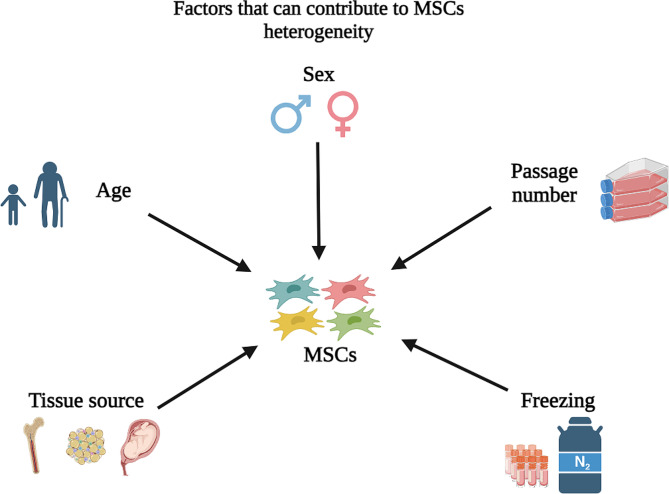
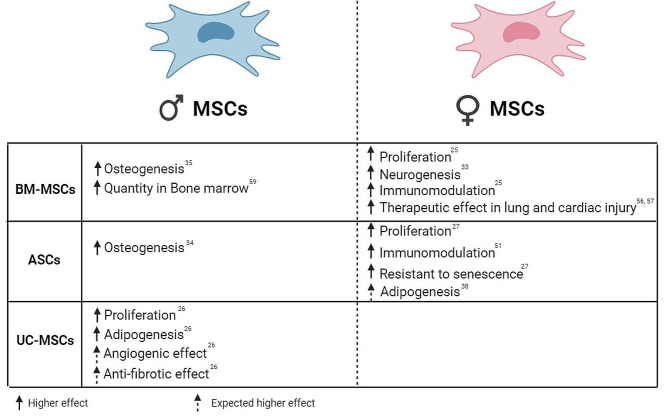
Mesenchymal stem/stromal cells (MSCs) are a promising therapeutic tool in cell therapy and tissue engineering because of their multi-lineage differentiation capacity, immunomodulatory effects, and tissue protective potential. To achieve optimal results as a therapeutic tool, factors affecting MSC potency, including but not limited to cell source, donor age, and cell batch, have been investigated. Although the sex of the donor has been attributed as a potential factor that can influence MSC potency and efficacy, the impact of donor sex on MSC characteristics has not been carefully investigated. In this review, we summarize published studies demonstrating donor-sex-related MSC heterogeneity and emphasize the importance of disclosing donor sex as a key factor affecting MSC potency in cell therapy.
Overview
The claims and statistics of this paper haven’t been checked yet.
Free: it reads the open-access text and checks the first 5 claims that cite a source we can check. Create a free account to check every claim.
Integrity signals
Registry
Cites
Statistics
Figures
Verification
Claims the paper makes
The claims and statistics of this paper haven’t been checked yet.
Free: it reads the open-access text and checks the first 5 claims that cite a source we can check. Create a free account to check every claim.
Claims other papers make about this one
Each is checked against this paper’s own text: does it say what the citing paper says it does?
The source backs part of the claim, not all of it — or backs it for a different population, condition or comparison.
In the citing paper
“Rigorous donor selection and characterization, including consideration of age, sex, health status, and specific biomarkers, further enhance the uniformity of cell populations (Carp and Liang 2022;Maged et al. 2024).”
From Primary cell cultures versus immortalized cell lines: critical comparative insights into biological fidelity and translational applications (2026) · cites this paper as Maged et al. 2024
Experimental — accuracy not yet measured
Self-check
Percentages, sums and reported differences re-computed from the paper’s own numbers.
The self-check needs the paper’s full text.
Citations
Cites
1 retracted
Markov, A., Thangavelu, L., Aravindhan, S., Zekiy, A. O., Jarahian, M., Chartrand, M. S., Pathak, Y., Marofi, F., Shamlou, S., & Hassanzadeh, A. (2021) · Stem Cell Research & Therapy · doi:10.1186/s13287-021-02265-1 · Cited by 257
RetractedDominici, M., Le Blanc, K., Mueller, I., Slaper-Cortenbach, I., Marini, F. C., Krause, D. S., Deans, R. J., Keating, A., Prockop, D. J., & Horwitz, E. M. (2006) · Cytotherapy · doi:10.1080/14653240600855905 · Cited by 17,766 · cited 2×
“In vitro differentiation is one of the defining features of MSCs and can be measured by their ability to differentiate into osteogenic, chondrogenic, and adipogenic lineages under specific circumstances [4].”
BackgroundMesenchymal stem cell perspective: cell biology to clinical progress
Pittenger, M. F., Discher, D. E., Péault, B. M., Phinney, D. G., Hare, J. M., & Caplan, A. I. (2019) · npj Regenerative Medicine · doi:10.1038/s41536-019-0083-6 · Cited by 2,008
The X-files in immunity: sex-based differences predispose immune responses
Fish, E. N. (2008) · Nature Reviews Immunology · doi:10.1038/nri2394 · Cited by 1,162 · cited 1×
“HIV infection also showed genetic disparities between males and females, and unequally affects women more than men [62, 63].”
BackgroundMesenchymal Stem Cell Immunomodulation: Mechanisms and Therapeutic Potential
Song, N., Scholtemeijer, M., & Shah, K. (2020) · Trends in Pharmacological Sciences · doi:10.1016/j.tips.2020.06.009 · Cited by 948
Ren, G., Zhao, X., Zhang, L., Zhang, J., L'Huillier, A., Ling, W., Roberts, A. I., Le, A. D., Shi, S., Shao, C., et al. (2010) · The Journal of Immunology · doi:10.4049/jimmunol.0902023 · Cited by 656 · cited 1×
“…also been shown to produce several immunomodulatory factors including IL-10, IL-1 receptor antagonist (IL-1Ra), TGF-β and the cell adhesive molecules intercellular adhesion molecule-1 (ICAM-1) and vascular cell adhesion molecule 1 (VCAM-1) [48, 50] that mediate their immunosuppressive properties.”
BackgroundMechanisms underlying the protective effects of mesenchymal stem cell-based therapy
Fan, X.-L., Zhang, Y., Li, X., & Fu, Q.-L. (2020) · Cellular and Molecular Life Sciences · doi:10.1007/s00018-020-03454-6 · Cited by 535
Choudhery, M. S., Badowski, M., Muise, A., Pierce, J., & Harris, D. T. (2014) · Journal of Translational Medicine · doi:10.1186/1479-5876-12-8 · Cited by 529 · cited 2×
“Therefore, strategies such as licensing might be needed to enhance the yield, cell proliferation, and expansion capabilities of MSCs from aged donors if autologous cells are used [11].”
BackgroundHarrell, C., Fellabaum, C., Jovicic, N., Djonov, V., Arsenijevic, N., & Volarevic, V. (2019) · Cells · doi:10.3390/cells8050467 · Cited by 501 · cited 2×
“…also been shown to produce several immunomodulatory factors including IL-10, IL-1 receptor antagonist (IL-1Ra), TGF-β and the cell adhesive molecules intercellular adhesion molecule-1 (ICAM-1) and vascular cell adhesion molecule 1 (VCAM-1) [48, 50] that mediate their immunosuppressive properties.”
BackgroundSiegel, G., Kluba, T., Hermanutz-Klein, U., Bieback, K., Northoff, H., & Schäfer, R. (2013) · BMC Medicine · doi:10.1186/1741-7015-11-146 · Cited by 493
Cited by
Patel, J. C., Shukla, M., & Shukla, M. (2025) · Frontiers in Bioengineering and Biotechnology · doi:10.3389/fbioe.2025.1639439 · Cited by 59
Wang, X., He, W., Huang, H., Han, J., Wang, R., Li, H., Long, Y., Wang, G., & Han, X. (2024) · Biomolecules · doi:10.3390/biom14070858 · Cited by 29
Boysen, A. T., Whitehead, B. J., Revenfeld, A. L., Gupta, D., Petersen, T., & Nejsum, P. L. (2024) · Stem Cell Research & Therapy · doi:10.1186/s13287-024-03903-0 · Cited by 18
“In a wider context, donor age and sex have been proposed to affect the therapeutic potential of MSC-based therapies, however, this subject has not been systematically addressed yet [60, 61].”
BackgroundShin, K., Lee, J. H., Chae, S., Goto, K., An, H., Wakefield, J. S., Ha, D. H., Lee, H., Lee, K., Lee, H., et al. (2025) · Journal of Extracellular Vesicles · doi:10.1002/jev2.70121 · Cited by 16
Tschon, M., Codispoti, G., Cabras, P., Cafarelli, A., Trucco, D., Vannozzi, L., Manferdini, C., Carniato, M., Cassiolas, G., Martini, L., et al. (2025) · Biomaterials · doi:10.1016/j.biomaterials.2025.123728 · Cited by 18
Lu, W., Yan, L., Peng, L., Wang, X., Tang, X., Du, J., Lin, J., Zou, Z., Li, L., Ye, J., et al. (2025) · Stem Cell Research & Therapy · doi:10.1186/s13287-025-04303-8 · Cited by 15
“…cells that derive from the mesoderm and can be obtained from a wide range of tissues and organs including but not limited to, adipose tissue (AT), umbilical cord blood (UCB), bone marrow (BM), muscles, salivary glands, umbilical cords (UC), dental pulp, menstrual fluid and amniotic fluid [20–24].”
Tissue regenerative medicine: Clinical advances, challenges, and opportunities
Badawy, S., Gopinath, V., Espinosa, A. M. D., Suthiwanich, K., Kelmser, E. C., Duke, V. R., Kamaraju, V., Nakayama, K. H., Manna, M. K., Liu, J. J.-Y., et al. (2025) · APL Bioengineering · doi:10.1063/5.0296897 · Cited by 11
Combe, M., Isaac, K. S., Plews, J. R., & Sokolenko, S. (2025) · Stem Cell Research & Therapy · doi:10.1186/s13287-025-04279-5 · Cited by 9
“As MSC cells vary depending on the tissues they are derived from as well as the associated age of their donors [40], these were further split into “old”—adipose tissue (AD), bone marrow (BM), dental pulp (DP), endometrial, and olfactory mucosa (OM)—and “young”—umbilical cord (UC), Wharton’s jelly…”
“Time Is Brain” – for Cell Therapies
Yin, H. R., Brian, D., Weber, R., Lyden, P. D., & Rust, R. (2025) · Advanced Science · doi:10.1002/advs.202519579 · Cited by 7
The Impact of Large-Scale Expansion on the Functional Properties of Mesenchymal Stem Cells
Antonio-Ríos, G., Ribas‐Aparicio, R. M., Leyva‐Gómez, G., Soldevila, G., Dueñas, K. A. E., Trejo-Iriarte, C. G., & González-Torres, M. (2026) · Stem Cell Reviews and Reports · doi:10.1007/s12015-026-11068-x · Cited by 7
“In addition, Maged, Abdel-samed [27] reviewed the impact of donor sex on MSC behavior.”
Etzenberger, A., & Hernandez, D. (2026) · Frontiers in Cell and Developmental Biology · doi:10.3389/fcell.2026.1824475 · Cited by 8
“…mechanism via various targets such as T-cell chemokine ligand (CXCL), intercellular adhesion molecule 1 (ICAM-1), vascular cell adhesion protein 1 (VCAM1) and inhibitory molecule programmed death 1 (PD-1) (Hodgson-Garms et al., 2025; Yen et al., 2020; Davies et al., 2017; Maged et al., 2024).”
Andersen, D. C., Bjerre, F. A., Jørgensen, M. G., Sørensen, J. A., & Jensen, C. H. (2024) · Stem Cell Research & Therapy · doi:10.1186/s13287-024-04037-z · Cited by 7
Harnessing the Therapeutic Potential of Mesenchymal Stem Cells in Cancer Treatment
Kangari, P., Salahlou, R., & Vandghanooni, S. (2024) · Advanced Pharmaceutical Bulletin · doi:10.34172/apb.2024.052 · Cited by 7
“173 These properties are affected by the specific tissue source from which the MSCs are derived, the age and health status of the donor, and the culture conditions and environment in which the MSCs were grown and expanded outside the body before being administered.”
BackgroundBradford, J. C., & Robinson, J. L. (2026) · Biology of Sex Differences · doi:10.1186/s13293-026-00921-w · Cited by 6
“Further, hMSC donor sex provides another layer of variability with significant differences in proliferative capacity, differentiation, and levels of senescence in human and non-human MSCs based on sex [22].”
Wang, J., Luo, Y., Wu, Y., Du, F., Shi, S., Duan, Y., Chen, A., Zhang, J., & Yu, S. (2025) · Talanta · doi:10.1016/j.talanta.2025.127933 · Cited by 6
Donor Variability and 3D Culture Models Influence Human Mesenchymal Stem Cell Differentiation
Jones, S., Tai, M., Ayushman, M., Peasah, A. D., Johannsen, J., & Yang, F. (2026) · Tissue Engineering Part A · doi:10.1089/ten.tea.2025.0028 · Cited by 8
“17 For example, human MSCs from female donors were reported to undergo more robust osteogenesis in vitro compared to cells from male donors, and MSCs from aged donors exhibited decreased osteogenesis.”
Suali, L., Chia, Y., Rustin, C., Lem, F. F., Ching, X. J., Mansur, M. A. B., Henry, Z. A., Chan, M. K. S., Wong, M. B. F., & Pan, S. Y. (2026) · Biotechnic & Histochemistry · doi:10.1080/10520295.2026.2714776 · Cited by 2
“Recent methodological innovations, including conditional reprogramming (Wu et al. 2020), optimized donor selection (Carp and Liang 2022; Maged et al. 2024), pooled-donor approaches (Kannan et al. 2024), and standardized culture protocols (Nagai et al. 2023), have improved the reproducibility,…”
Mukhtar, A., Giannoudis, A., Jørgensen, B., Wu, D., Liu, X., Mustafa, K. B. E., Gudveig, G. C., Adegbite, O. S., Mieszkowska, A., Yu, L., et al. (2025) · BMC Biotechnology · doi:10.1186/s12896-025-01030-z · Cited by 2
“Studies have shown that donor sex is an important factor contributing to MSC heterogeneity and potency, emphasizing that it will be beneficial to determine the MSC donor sex depending on the targeting disease in future clinical trials and/or animal studies [34, 35].”
Xie, Y., Zhang, J., Yang, W., Pan, Z., Wang, L. Y., Lai, J., Fan, K., Dai, Y., Zuo, K., He, F., et al. (2025) · Frontiers in Immunology · doi:10.3389/fimmu.2025.1678927 · Cited by 2
“We did not assess ADSC heterogeneity, including donor variability, batch differences, cellular senescence, and passaging drift (69, 70).”
Ardana, I. K. K. G., Maldonado, V. V., Barnes, C. L., & Samsonraj, R. M. (2026) · Scientific Reports · doi:10.1038/s41598-026-37517-8 · Cited by 2
“Previously, the GSTT1 gene, present in 14–30% of the population 16 , has been studied in the context of BM-MSC proliferative potential.”
Lim, J. Y., Lee, J. E., Lee, M., Shim, H., Park, S. I., Park, S. A., Jeun, S.-S., Wang, S.-M., Kim, S., Yang, S. H., et al. (2026) · Translational Neurodegeneration · doi:10.1186/s40035-026-00539-3 · Cited by 2
“MSCs derived from different donors have demonstrated significant variability in the in vitro characteristics and in vivo therapeutic efficacy [22–24].”
Zhang, Y. A., Hua, M., Ma, X., Li, W., Cao, Y., Han, X., Huang, X., & Zhang, H. (2024) · Stem Cell Research & Therapy · doi:10.1186/s13287-024-03950-7 · Cited by 2
“The heterogeneity of hASCs is related to many factors, including the sex, the health status of the donors, and the different adipose depots from which they are isolated, such as subcutaneous and visceral WAT [9, 10, 30].”
BackgroundMotamed, R., Jabbari, K., Sheikhbahaei, M., Ghazimoradi, M. H., Ghodsi, S., Jahangir, M., Habibi, N., & Babashah, S. (2025) · Scientific Reports · doi:10.1038/s41598-025-91314-3 · Cited by 3
“MSC quality and performance are influenced by intrinsic donor characteristics, such as age 53 .”
Bonfield, T. L., & Lazarus, H. M. (2025) · Best Practice & Research Clinical Haematology · doi:10.1016/j.beha.2025.101602 · Cited by 2
Tchoukalova, Y. D., Shah, M. K., Myers, C. E., Zhang, N., & Lott, D. G. (2025) · Differentiation · doi:10.1016/j.diff.2025.100870 · Cited by 1
Chang, T.-H., Hou, H., Shieh, Y., Huang, H., & Yuh, D. (2025) · Journal of Dental Sciences · doi:10.1016/j.jds.2025.09.013 · Cited by 1
“26 CCN1 regulates both angiogenesis and osteogenesis via integrin pathways, and its higher expression in male GMSCs may enhance early osseointegration.”
Advancing urine‐derived stem cells: Cryopreservation validation and sex‐specific metabolism
Afonso, G. J. M., Cavaleiro, C., Nunes, S. M., Pereira, F. B., Oliveira, P. J., Valero, J., Mota, S. I., & Ferreiro, E. B. (2026) · European Journal of Clinical Investigation · doi:10.1111/eci.70172 · Cited by 1
Kodori, M., Farhadi, N., Jafari, G. A., Afkhami, H., & Yousefi, M. H. (2026) · Journal of Cardiothoracic Surgery · doi:10.1186/s13019-026-03847-x · Cited by 1
“Finally, donor-to-donor variability in MSC potency and secretome composition necessitates rigorous quality control and functional standardization prior to clinical use [152, 153].”
Mendiratta, M., Mendiratta, M., Mohanty, S., Prakash, H., Malhotra, L., Rai, S., Sarangathem, V., Bandyopadhyay, S., Hariprasad, G., Gupta, R., et al. (2026) · iScience · doi:10.1016/j.isci.2026.115363 · Cited by 1
“6,28,29 Additionally, 1% O 2 selectively decreases αβ CD4 + T cell, the key drivers of aGVHD, and increases the γδ T cell subset, which mitigates aGVHD.”
Donor age and sex program MSC secretome signaling: a quadrant framework for precision therapy
Azad, T., Hong, K., Wu, F., Mao, J., Zhou, X., Xie, H., Qiu, X., Li, B., Zhang, L., Tian, J., et al. (2026) · Stem Cell Research & Therapy · doi:10.1186/s13287-026-04976-9 · Cited by 2
“While the model is supported by multiple reports of sex-and age-specific MSC traits, including differences in immunomodulation, angiogenesis, and stress [22, 60, 140], it remains unvalidated as an integrated system.”
InfluentialYamada, S., Holomková, K., Al‐Sharabi, N., Qiu, T., Egusa, H., Fristad, I., & Volponi, A. A. (2026) · Regenerative Therapy · doi:10.1016/j.reth.2026.101117 · Cited by 1
“The limited transcriptional changes between male and female-derived DPSCs observed in the present study well align with previous reports on sex-dependent differences in other types of human MSCs such as adipose tissue-derived [26], bone marrow-derived [8] and umbilical cord-derived MSCs [27].”
InfluentialEffects of hypoxia on the biological characteristics of urine-derived stem cells
Xiao, Y., Guo, Z., Shao, W., Hq, X., & Huang, Y. (2026) · Frontiers in Cell and Developmental Biology · doi:10.3389/fcell.2026.1851623 · Cited by 1
“Previous studies have indicated that donor sex and age can influence the biological properties of stem cells (Maged et al., 2024; Selle et al., 2022).”
Kitaeva, K. V., Filin, I. Y., Rizvanov, A. A., Тurdikulova, S., Якубов, М. Д., Charishnikova, O. S., & Solovyeva, V. V. (2026) · Cells · doi:10.3390/cells15151406 · Cited by 1
Przywara, D., Babiuch, W., Kosteczko, P., Petniak, A., Kondracka, A., Krzyżanowski, A., Czuba, M., Szymanowski, R., Kocki, J., & Gil-Kulik, P. (2026) · International Journal of Molecular Sciences · doi:10.3390/ijms27188269 · Cited by 1
“Interestingly, the gender of the donor has also been shown to influence the biological properties of MSCs [8].”
The characterization and comparison of femoral bone-derived skeletal stem cells
Howard, K., Ferris, W. F., & van de Vyver, M. (2025) · Biochimie · doi:10.1016/j.biochi.2025.02.010 · Cited by 1
Tschon, M., Codispoti, G., Cabras, P., Cafarelli, A., Trucco, D., Vannozzi, L., Manferdini, C., Carniato, M., Cassiolas, G., Martini, L., et al. (2025) · SSRN Electronic Journal · doi:10.2139/ssrn.5260695
Progress in stem cells mitochondrial proteomics research: A review
Yao, W., Yu, X., Wang, Y., & xia, L. (2025) · Advances in Clinical and Experimental Medicine · doi:10.17219/acem/203862
Li, W., Wang, X., Feng, Z., Hua, S., Zou, X., Lai, Z., Cai, Y.-Q., Zou, Y., Tang, Y., Lin, C., et al. (2025) · Stem Cell Research & Therapy · doi:10.1186/s13287-025-04637-3
“…response by reducing adhesion of white blood cells and monocytes/ macrophages [41]; for stem cells, E2 has an impact on the expression of VCAM-1 in MSCs [42] to influence migration, and the gender of mesenchymal stem cell donors may be an important factor affecting treatment efficacy [43].”
Badawy, S., Anand, S., Marini, A. X., Mulorz, J. U., Tsao, P. S., & Huang, N. F. (2025) · npj Biomedical Innovations. · doi:10.1038/s44385-025-00044-8
Chondrogenesis of Peripheral Blood-Derived Mesenchymal Stromal Cells
Ratna, H. V. K., Jeyaraman, M., Jeyaraman, N., Nallakumarasamy, A., Schäfer, L., Migliorini, F., & Muthu, S. (2026) · Cells · doi:10.3390/cells15050476
“MSCs are fibroblast-like in appearance and are defined by their capacity for self-renewal and differentiation into various mesodermal tissue types, including bone cells (osteoblasts), fat cells (adipocytes), cartilage cells (chondrocytes), and muscle cells (myocytes) [20,21].”
Création et caractérisation d'organoïdes osseux
Rouquier, L. (2024) · theses.fr (ABES) · doi:10.70675/e97d2544z2680z454cz890cz5c3b53329b34
Teli, P., Vaidya, A., & Kale, V. P. (2026) · Regenerative Medicine · doi:10.1080/17460751.2026.2665223
Zhu, Y., Wang, R., Chen, Y., Li, Y., Bai, Z., Song, W., Chen, X., Chen, C., Tan, Q., Wang, H., et al. (2026) · Current Molecular Pharmacology · doi:10.1016/j.cmp.2026.09.001
Self-citationCell-based therapies of autoimmune diseases in the context of artificial intelligence development
Dinesh, D., Das, S. S., Bhattacharya, B., & Pai, K. S. R. (2026) · Clinical and Experimental Medicine · doi:10.1007/s10238-026-02302-4
“…classifiers trained on integrated transcriptomic and secretome profiles have been shown to discriminate between high-potency and low-potency MSC donors prior to large-scale expansion, with donor sex, passage number, and cytokine secretion profiles identified as key predictive features [117, 118].”
InfluentialBach, D., Hoang, V. H., & Nguyễn, T. L. (2026) · Molecular Neurobiology · doi:10.1007/s12035-026-06193-0
“Although donor sex may influence MSC phenotype, its effect on AD-relevant EV potency remains inadequately defined [132].”
Krishna, S. G., Kulal, N., Kannan, S., Kumar, U., Singh, A. K., Bhat, S., & Seetharam, R. N. (2026) · Biochimie · doi:10.1016/j.biochi.2026.10.009
Bhukhai, K., Tanhuad, N., Srimorkun, P., Manopwisedjaroen, S., Panvongsa, W., Vacharathit, V., Kanjanasirirat, P., Thongsa-ad, U., Kongsomros, S., Sutjarit, N., et al. (2026) · PLoS ONE · doi:10.1371/journal.pone.0360439
Contreras-Perez, D. A., Hoffmann, A., & Egger, D. (2026) · Biofabrication · doi:10.1088/1758-5090/aeb1fa
“Furthermore, donor-specific factors such as sex, age, or health conditions can affect their therapeutic properties [47, 154].”
Metadata
- Authors
- Maged, G., Abdelsamed, M. A., Wang, H., & Lotfy, A.
- Affiliations
- Alexandria University (EG)
- Beni-Suef University (EG)
- Medical University of South Carolina (US)
- Corresponding author
- Wang, Hongjun
- Lotfy, Ahmed
- Venue
- Stem Cell Research & Therapy
- Published
- 2024-04-22
- Volume
- 15
- Issue
- 1
- Pages
- 112-112
- ISSN
- 1757-6512 (ISSN-L)
- PMC
- PMC11034072
- OpenAlex
- W4395007314
- Semantic Scholar
- a0dba12d01d7d118efd2b5136f99a17129d52ddb
- Cited by
- 42
- References
- 63
- Citations by year
- 2026: 19 · 2025: 18 · 2024: 5
- FWCI
- 3.19
- Type
- journal article
- Language
- en
- Open access
- gold
- doi.org
- Licence
- cc-by
- creativecommons.org/licenses/by/4.0 (tdm)
- creativecommons.org/licenses/by/4.0 (vor)
- Locations
- Stem Cell Research & Therapy (publishedVersion, cc-by)
- PubMed Central (publishedVersion, cc-by)
- PubMed (publishedVersion)
- DOAJ (DOAJ: Directory of Open Access Journals) (submittedVersion, cc-by-sa)
- Funders
- National Institute of Diabetes and Digestive and Kidney Diseases (1R01DK105183, DK120394, DK118529)
- U.S. Department of Veterans Affairs (I01BX004536)
- Topics
- Life Sciences › Biochemistry, Genetics and Molecular Biology › Cell Biology › Mesenchymal stem cell research
- Health Sciences › Medicine › Hematology › Hematopoietic Stem Cell Transplantation
- Life Sciences › Biochemistry, Genetics and Molecular Biology › Molecular Biology › Pluripotent Stem Cells Research
- Keywords
- mesenchymal stem cells, donor sex, sex differences, MSC heterogeneity, cell therapy, immunomodulation, multilineage differentiation, tissue protection, cell sources
- MeSH terms
- Cell Differentiation, Female, Humans, Male, Sex Factors, Tissue Donors, Mesenchymal Stem Cell Transplantation, Immunomodulation, Mesenchymal Stem Cells, Cell- and Tissue-Based Therapy
About these checks
Registry, retraction, Cites and statistics results are computed, not judged, with one exception: a printed reference that no index lists is read once by a model before it counts as a citation error. Claims are extracted by a model and kept only when their quote appears verbatim in the text; each cited source is then checked, with a model’s help, for whether it says what the claim relies on. Those verdicts can be wrong — read the claim’s quote and the cited source before relying on one.
Statistics and arithmetic are recomputed, not judged.
Confidence bands are shown only for fields calibrated on our annotated test set. None is calibrated yet, so no band is shown.
What counts as a claim ›How we measure confidence ›How we check this ›
Are you an author, or do you see a problem with this page? Request a review
Data sources
Bibliographic data: Semantic Scholar, OpenAlex, Crossref.
Contains information from the Semantic Scholar Academic Graph Datasets, made available under the ODC Attribution License (ODC-BY 1.0).
Semantic Scholar’s data is described in: Kinney, R., et al. (2023). The Semantic Scholar Open Data Platform. arXiv:2301.10140.
